If You Have High Cholesterol, Here Are 7 Foods You Should Think Twice About Avoiding

If you have ever had a doctor look at your lab results and say, “Your cholesterol is a little higher than we would like,” you know the mix of confusion, worry, and instant self-reflection that follows. Suddenly, every cheeseburger you have ever eaten flashes before your eyes like a fast-food highlight reel. The good news is that managing high cholesterol does not have to feel like punishment. It is really about knowing which foods make the biggest impact on your heart health and making smarter choices that still leave room for enjoyment.
Below are seven foods that tend to be the biggest troublemakers when it comes to raising your LDL cholesterol. Think of this list not as a collection of forbidden pleasures, but as a friendly guide to help you protect your heart while still loving what you eat.
1. Full Fat Dairy Products
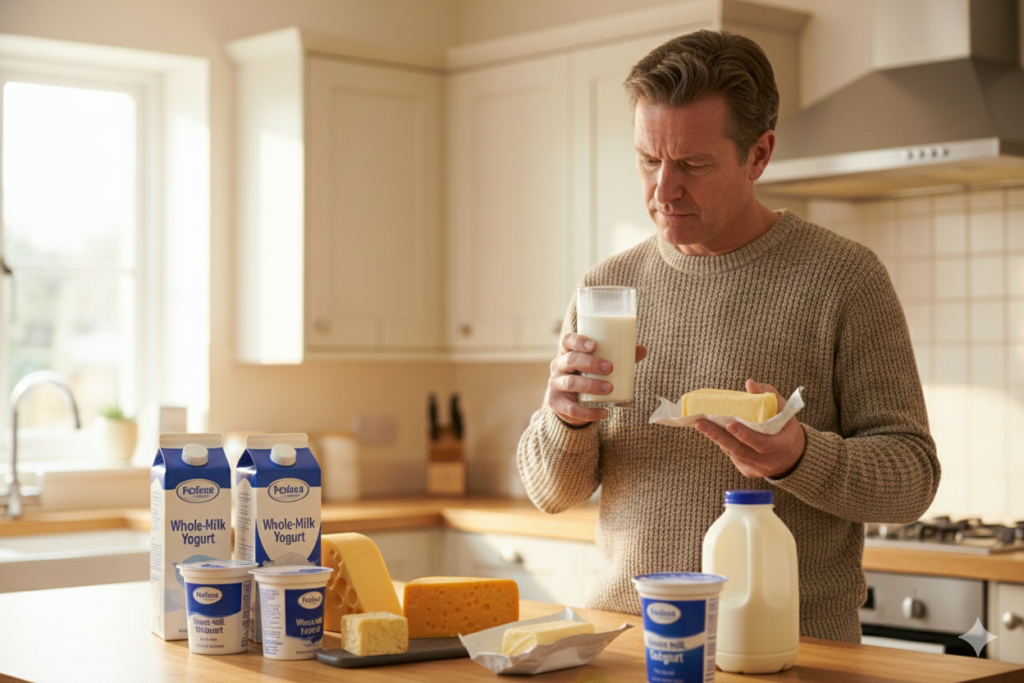
Creamy, rich, and comforting, dairy often feels like the heart and soul of American meals. But if your cholesterol is creeping upward, full fat milk, butter, cheese, and richer yogurts may be part of the problem. These foods contain saturated fat that can raise LDL cholesterol more than you might expect from something as innocent as a glass of whole milk. The goal is not to eliminate dairy completely but to choose versions that offer the same flavor experience without the cholesterol spike. Low fat and nonfat dairy options can still make your morning coffee delicious, your pasta creamy, and your toast satisfying, all while being much kinder to your cardiovascular health.
2. Fatty Cuts of Red Meat

A perfectly grilled steak is an American classic, but some cuts of beef and pork pack more saturated fat than your heart would ever request. Fatty steaks, high fat ground beef, ribs, and pork chops are popular favorites, yet they can raise LDL cholesterol levels more easily than many people realize. You do not have to say goodbye to red meat forever, but choosing leaner cuts or enjoying red meat less often can make a noticeable difference. For many people, swapping two or three red meat meals each week with chicken, turkey, or plant based proteins can result in improved cholesterol numbers without sacrificing flavor or fullness.
3. Processed Meats

Bacon, sausage, hot dogs, salami, and packaged deli meats might be convenient and undeniably tasty, but they are some of the toughest foods on your cholesterol levels. These meats not only contain saturated fat, they also tend to be loaded with sodium and preservatives that work against heart health. The combination can raise LDL cholesterol and place added strain on your circulatory system. If breakfast does not feel complete without something savory, try options like turkey bacon, lean chicken sausage, or even a hearty plant based breakfast patty. For sandwiches, choose unprocessed turkey or chicken, or fill your bread with veggies and hummus for a surprisingly satisfying alternative.
4. Fried Foods

Whether it is crispy fried chicken, a plate of golden French fries, or even a deep fried appetizer at your favorite bar, fried foods have a way of calling our name. Unfortunately, they often work against cholesterol management. When foods are cooked in hot oil, they absorb large amounts of fat, which boosts your intake of saturated and sometimes even trans fats. These fats can drive up your LDL cholesterol and reduce your HDL cholesterol, the kind that helps keep your arteries clear. The good news is that you can still enjoy crunch and flavor without drowning your food in oil. Air fryers, baking, and grilling give you that crisp texture with a fraction of the fat.
5. Commercial Baked Goods and Sweets

There is something irresistible about a fresh doughnut or a tray of store bought cookies, but many packaged sweets have a sneaky habit of raising cholesterol. This is because they often contain butter, shortening, or hydrogenated oils, not to mention high levels of sugar that increase triglycerides. While you do not have to swear off dessert forever, it helps to be more selective. Baking at home gives you total control over ingredients and lets you cut back on saturated fat. You can even explore lighter desserts like fruit, low fat yogurt with honey, or homemade oatmeal cookies. The key is not giving up sweets, but enjoying them in ways that do not make your heart work overtime.
6. Foods Containing Artificial Trans Fats

Trans fats are one of the most damaging ingredients for heart health. They raise bad cholesterol, lower good cholesterol, and contribute to artery-clogging plaque. Although many companies have removed trans fats from their products, they can still appear in certain snacks, packaged pastries, microwave popcorn, imitation butter spreads, and older fast food recipes. Reading ingredient labels is one of the best habits you can build if you have high cholesterol. If you ever spot the phrase “partially hydrogenated oils,” it is best to put that item back on the shelf. Even a small amount of trans fat can make a large impact on cholesterol levels.
7. Shellfish and Organ Meats (When Eaten in Excess)

This one surprises many people, especially seafood lovers. Shrimp, crab, and lobster are delicious and high in protein, but they also contain dietary cholesterol that can add up quickly if you eat them often. Organ meats like liver and kidneys are even higher. While dietary cholesterol does not affect everyone equally, people who already have high LDL may notice a difference when they reduce how often they eat these foods. Enjoying these foods occasionally is perfectly fine, but balancing them with leaner proteins such as chicken, fish like salmon, or plant based options can help keep your cholesterol levels more stable.
Final Thoughts

Improving your cholesterol does not mean you need to give up everything you enjoy or live on nothing but salads. It is about becoming more aware of the foods that tend to push your cholesterol in the wrong direction and making small, meaningful adjustments to your weekly meals. Even simple swaps such as choosing low fat dairy, picking leaner cuts of meat, cooking foods in healthier ways, or reading ingredient labels can have a real impact on your long term heart health.
Remember, heart friendly eating is not supposed to feel like punishment. It is a long game, and every smart choice helps. You can still savor your meals, enjoy comfort foods, and treat yourself, all while taking care of your body in a way your future self will appreciate. If you ever want help creating a list of heart healthy foods to add to your diet, I can put that together for you too.
Leave a Reply