Gardening Trends Boomers Are Leading in 2026: 10 Smart Ways Yards Are Changing
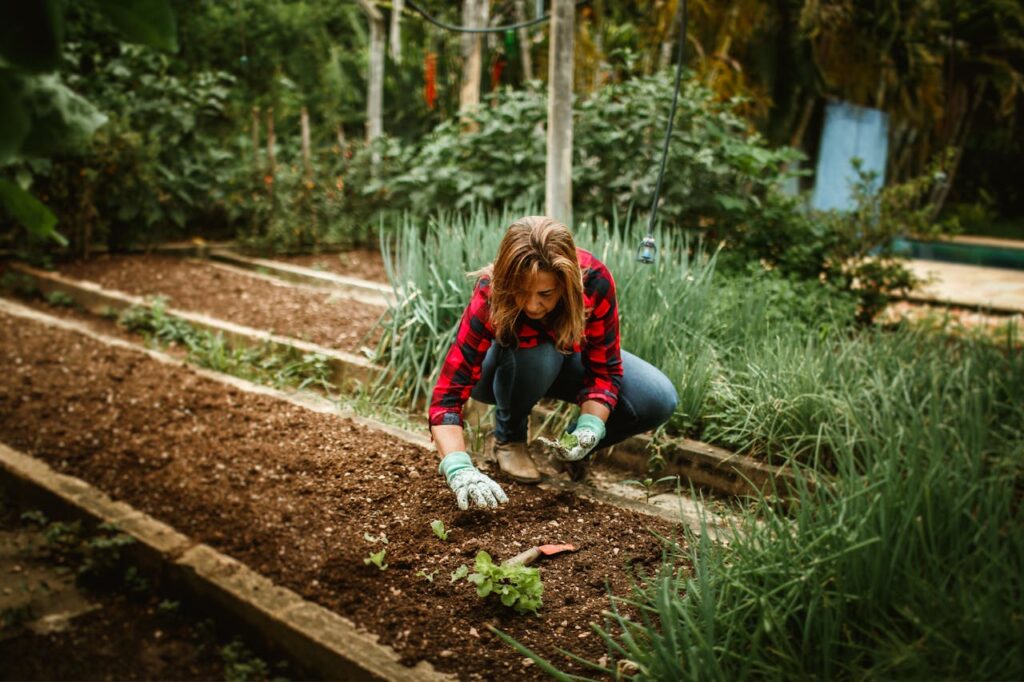
Step into almost any American neighborhood right now and you will notice something interesting. The gardens are different. They feel more intentional, more personal, and honestly, more practical. The neat rows of purely decorative plants are slowly giving way to spaces that actually do something. They feed families, support wildlife, save water, and even help people slow down after a long day.
A big reason for this shift is the influence of Baby Boomers. With decades of life experience and a strong sense of resourcefulness, they are rethinking what gardening should look like. They are not chasing perfection or picture-perfect magazine spreads. Instead, they are building gardens that fit real life. Gardens that are easier to maintain, kinder to the environment, and genuinely useful.
If you are looking for ideas you can actually apply without overcomplicating things, these trends are worth paying attention to. Here are ten gardening trends Boomers are leading in 2026 that are quietly changing backyards across the country.
1. Edible Landscaping That Blends Beauty and Purpose
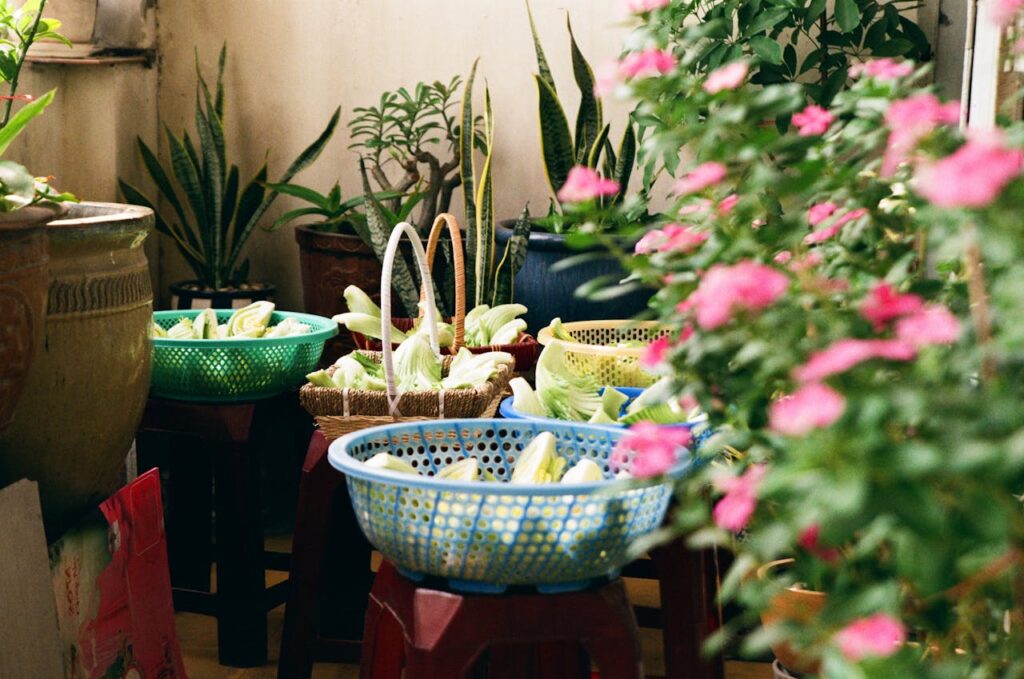
There is something satisfying about walking into your yard and being able to pick something you can actually eat. Boomers are leaning into edible landscaping in a big way, mixing fruits, vegetables, and herbs with traditional decorative plants. Instead of separating a vegetable garden from the rest of the yard, everything is integrated into one cohesive space.
Picture this. A row of colorful lettuce tucked between flowers, rosemary shrubs doubling as a border, or blueberry bushes lining a walkway. It looks beautiful, but it also serves a purpose. This approach makes gardening feel more rewarding because every plant contributes something useful. It is also a smart move for anyone trying to cut grocery costs or eat a little healthier without making a huge lifestyle change.
2. Raised Garden Beds for Comfort and Control
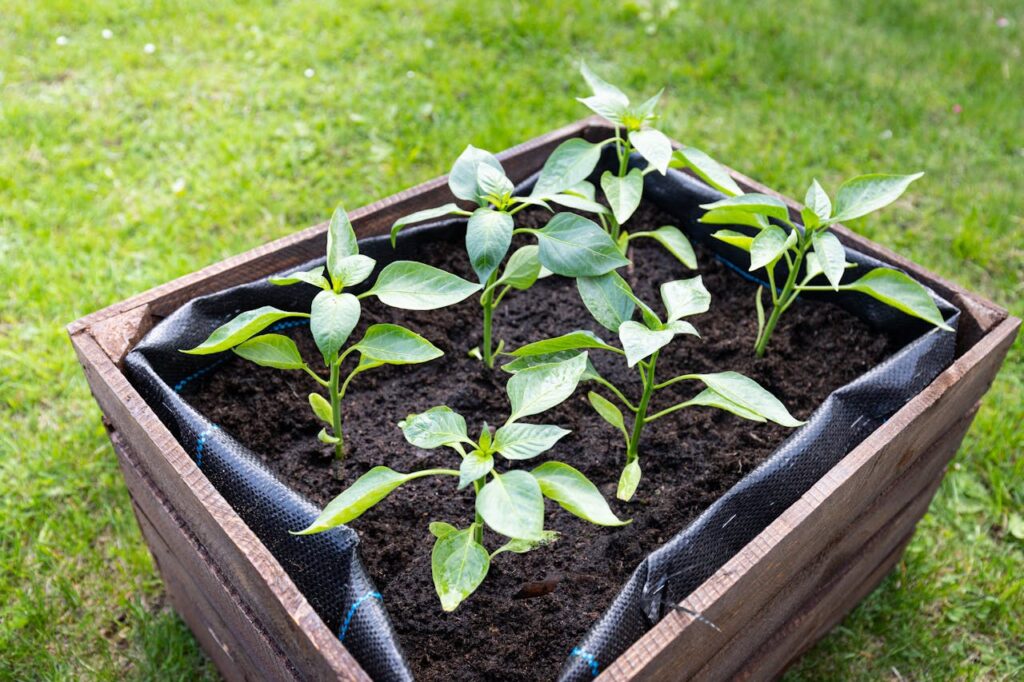
Gardening should not feel like a workout that leaves your back aching the next day. That is why raised garden beds are becoming a go-to solution. Boomers are choosing raised beds not just because they look tidy, but because they make gardening physically easier and more manageable.
With raised beds, you do not have to bend as much, and the soil conditions are easier to control. You can customize the height, improve drainage, and even reduce weeds. For many people, this one change is the difference between giving up on gardening and sticking with it long term. It turns gardening into something you can enjoy instead of something you have to recover from.
3. Pollinator-Friendly Gardens That Bring Life Back
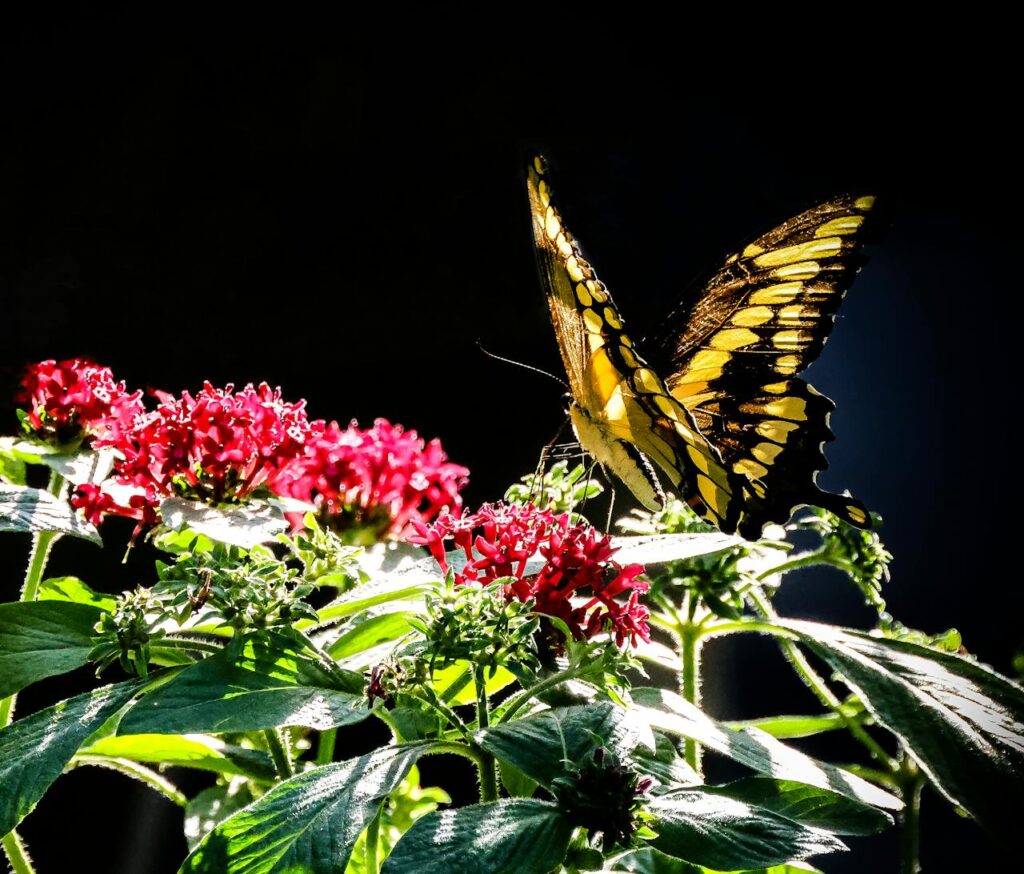
Gardens are no longer just about plants. They are about creating a space that supports life. Boomers are planting with pollinators in mind, choosing flowers and plants that attract bees, butterflies, and birds.
There is a quiet joy in watching a butterfly land on a flower you planted or hearing birds in the morning. It adds movement and energy to a garden that might otherwise feel still. More importantly, it helps support ecosystems that are under pressure. By choosing native plants and avoiding harsh chemicals, gardeners are making a real impact without needing to do anything complicated.
4. Low-Maintenance Plants That Actually Fit Real Life
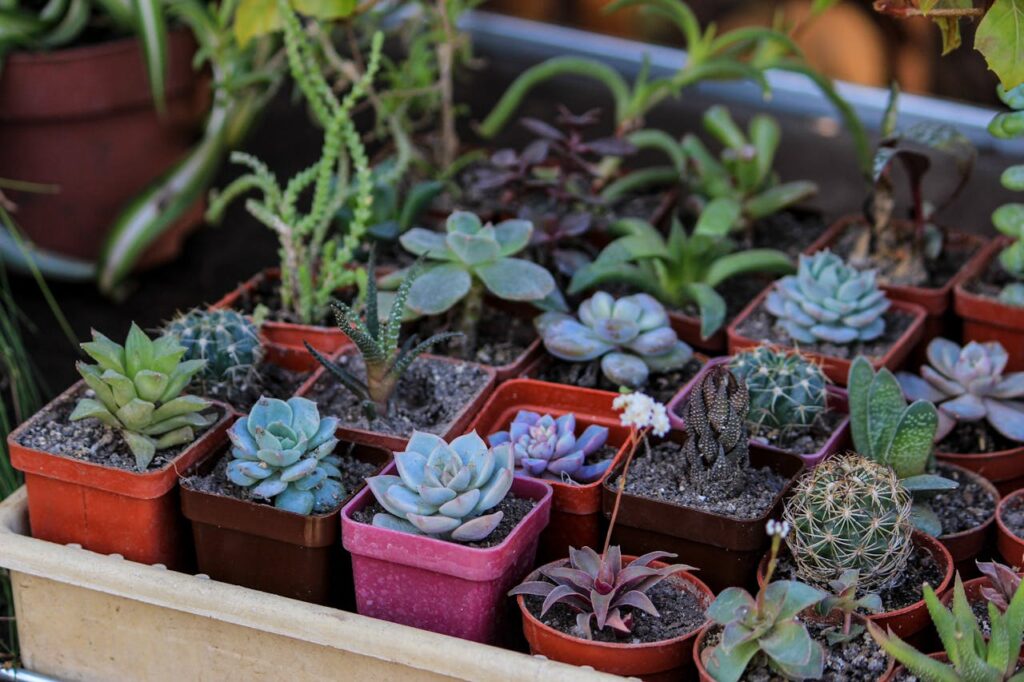
Not everyone has hours to spend pruning, watering, and troubleshooting plant problems. Boomers are embracing plants that are easier to care for and more forgiving. This includes drought-tolerant varieties, hardy perennials, and shrubs that do not demand constant attention.
The idea is simple. Choose plants that match your lifestyle, not the other way around. This shift takes the pressure off and makes gardening feel less like a chore. You still get a beautiful yard, but without the constant upkeep that used to come with it. It is a more realistic way to garden, especially for people balancing multiple responsibilities.
5. Container Gardening That Works Anywhere
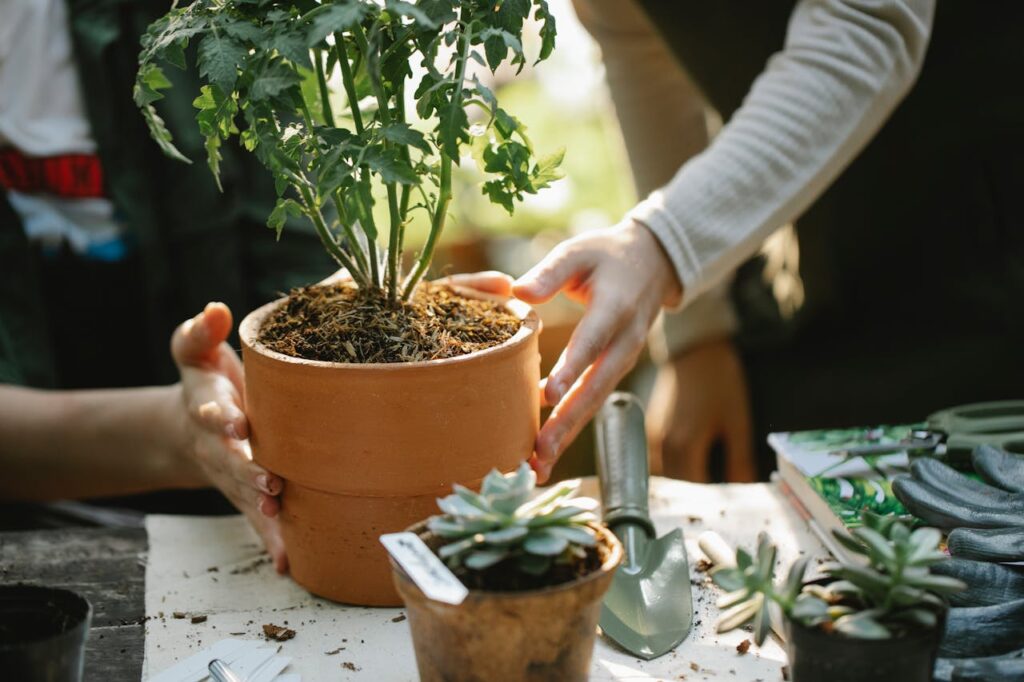
You do not need a large yard to enjoy gardening, and Boomers are proving that. Container gardening has become incredibly popular, especially for those who have downsized or live in urban areas. Pots, planters, and even repurposed containers are being used to grow everything from herbs to tomatoes.
The flexibility is what makes this trend so appealing. You can move plants around to follow the sunlight, bring them indoors during bad weather, or rearrange your setup whenever you feel like changing things up. It is gardening on your own terms, and it works whether you have a full backyard or just a small balcony.
6. Smart Technology That Takes the Guesswork Out
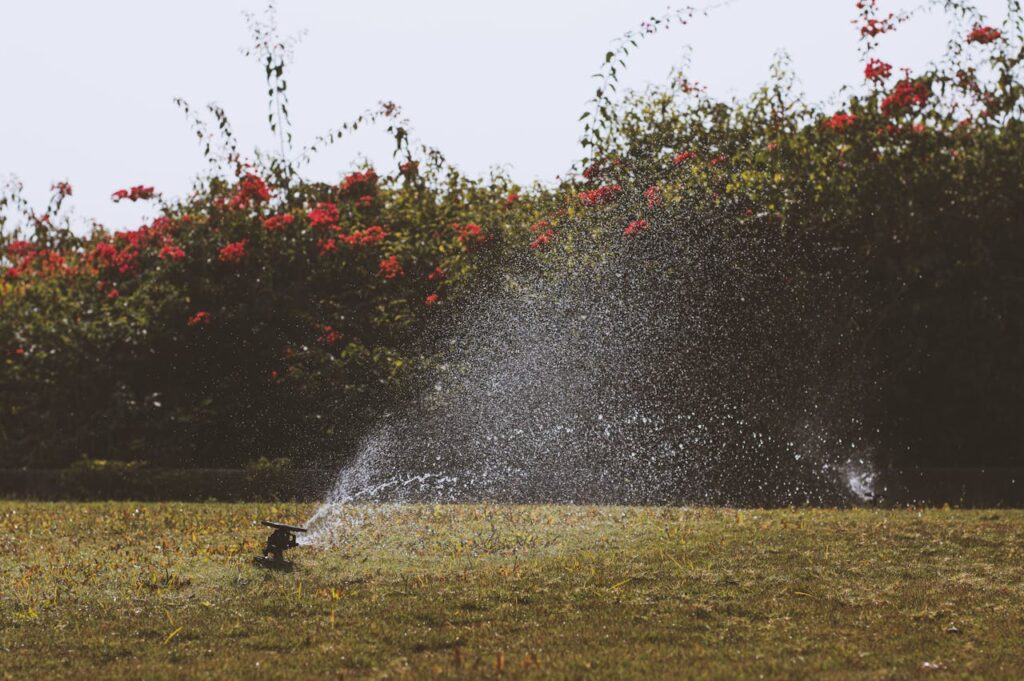
Technology is quietly making gardening easier. Boomers are adopting simple tools like automated watering systems, timers, and soil sensors to help manage their gardens more efficiently.
These tools are not about replacing the hands-on experience. They are about removing the stress of guessing when to water or worrying about plants while you are away. For example, a basic irrigation timer can ensure your plants get consistent care without you needing to think about it every day. It is a small upgrade that can make a big difference, especially during hot summer months.
7. Composting as Part of Everyday Routine
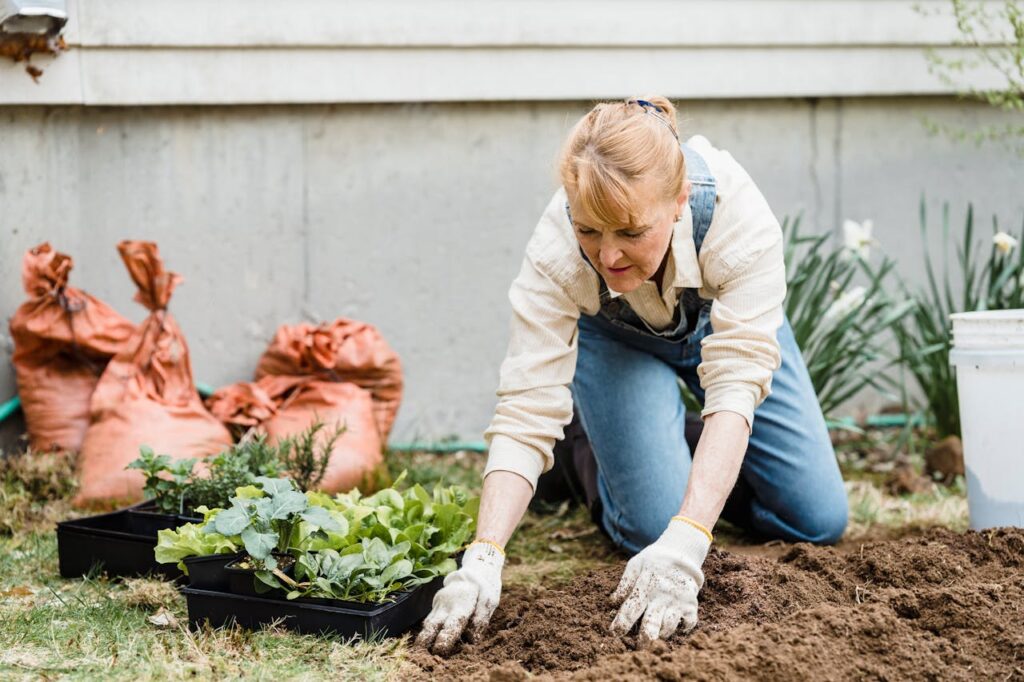
What used to be considered a niche practice is now becoming part of everyday life. Boomers are turning kitchen scraps into compost, creating nutrient-rich soil that helps their gardens thrive.
Instead of throwing away food waste, they are putting it to good use. Vegetable peels, coffee grounds, and yard clippings all become part of a cycle that feeds the garden. It is practical, cost-effective, and surprisingly satisfying. Over time, composting becomes second nature, and you start to see your waste in a completely different way.
8. Gardening as a Way to Reset Mentally
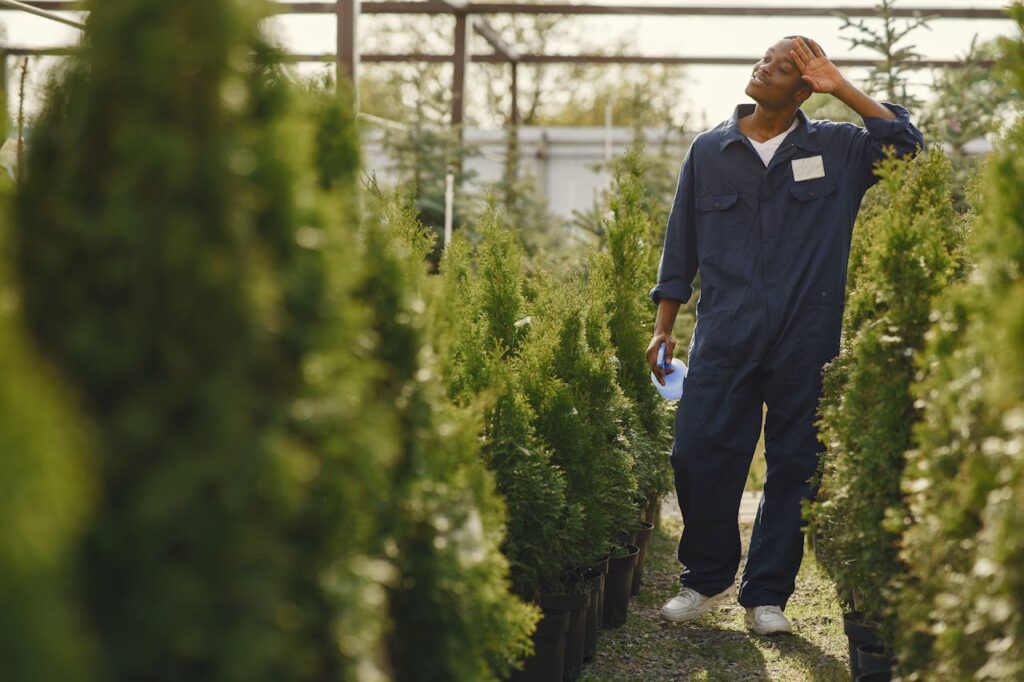
There is a reason so many people feel calmer after spending time in the garden. Boomers are embracing gardening not just as a hobby, but as a way to relax and recharge. It offers a break from screens, noise, and the constant pace of daily life.
Even simple tasks like watering plants or pulling weeds can feel grounding. There is something about working with your hands and being outside that helps clear your mind. For many, the garden becomes a personal retreat, a place where you can slow down and just be present for a while.
9. Water-Wise Gardening That Saves Resources
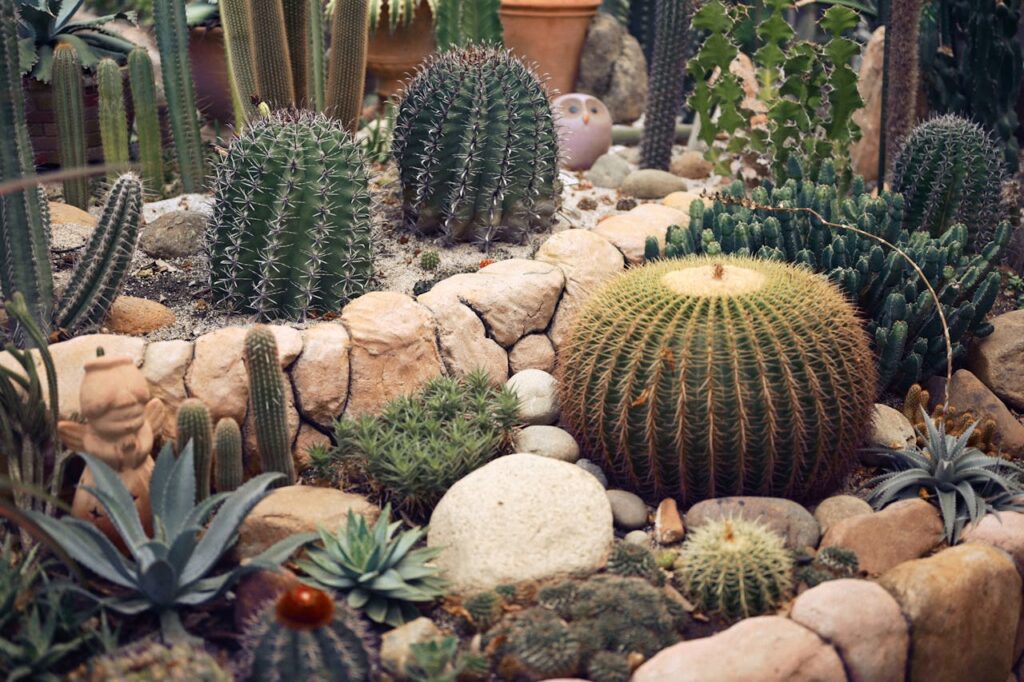
Water conservation is becoming more important, and Boomers are adapting their gardening practices to reflect that. They are using methods like drip irrigation, rain barrels, and strategic plant placement to reduce water use.
Choosing native plants is also part of this approach, since they are naturally suited to the local climate and require less watering. This trend is not just about saving money on water bills. It is about being mindful of resources and making choices that are sustainable in the long run.
10. Sharing Gardening Knowledge Across Generations
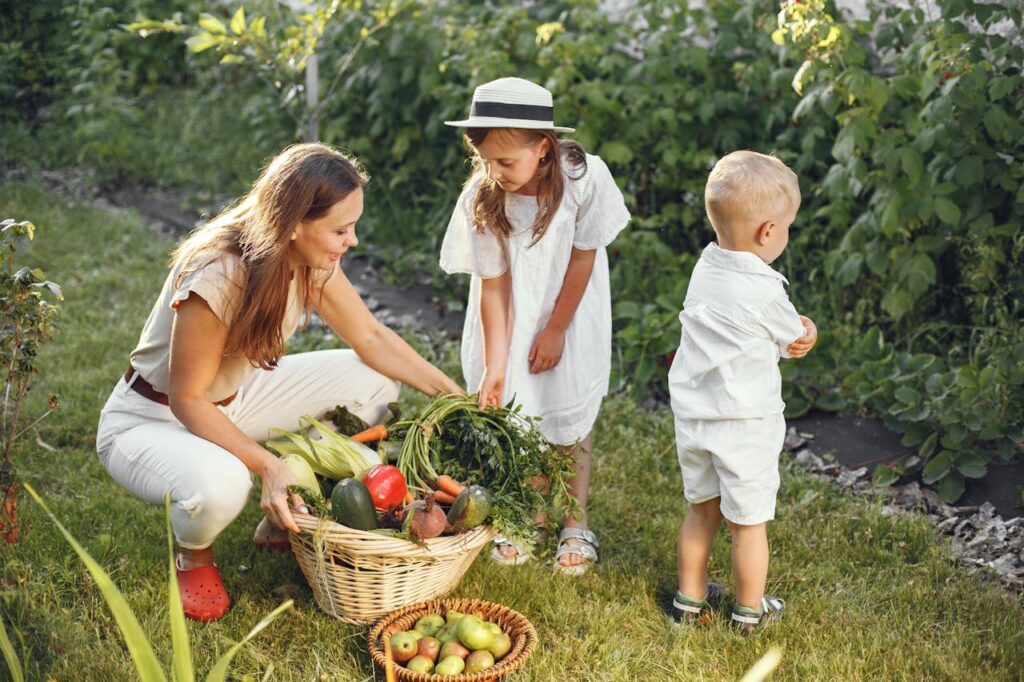
One of the most meaningful trends is not about plants at all. It is about people. Boomers are passing down gardening knowledge to younger generations, whether through family, community groups, or even social media.
Gardening becomes a shared experience. Recipes are exchanged, seeds are saved and gifted, and lessons learned over the years are passed along. This creates a sense of connection that goes beyond the garden itself. It turns gardening into something that brings people together, rather than something done alone.
Final Thoughts
If you look closely, these trends all point to the same idea. Gardening is becoming more personal, more practical, and more connected to everyday life. It is no longer about chasing perfection or following strict rules. It is about creating a space that works for you.
Boomers are leading this shift by focusing on what actually matters. Comfort, simplicity, sustainability, and a sense of purpose. They are showing that you do not need a massive yard or expensive tools to create something meaningful. You just need a willingness to try, a bit of patience, and a clear idea of what you want your space to feel like.
If you are thinking about starting or refreshing your garden, you do not have to adopt every trend at once. Start small. Maybe plant a few herbs in containers, try a raised bed, or add a couple of pollinator-friendly flowers. Over time, those small changes can turn into something much bigger.
At the end of the day, gardening is not just about growing plants. It is about building a space that gives something back to you, whether that is food, peace of mind, or a reason to spend more time outdoors. And that is a trend worth holding on to.
Leave a Reply