Our Debt Free Family

Commit. Plan. Take action.

  • BUDGETING
  • DEBT REDUCTION
  • INVESTING
  • LIFESTYLE
  • TOOLS
  • ABOUT
  • Privacy Policy
  • CONTACT
You are here: Home / Health & Fitness / After 50? Here Are 10 Habits You Should Break Immediately

After 50? Here Are 10 Habits You Should Break Immediately

September 8, 2025 | Leave a Comment

After 50? Here Are 10 Habits You Should Break Immediately

<p> Hitting 50 can feel like crossing a new threshold in life. For some, it is a wake-up call that time is precious and health matters more than ever. For others, it is a chance to finally slow down and enjoy the fruits of decades of hard work. Either way, the habits you carry into this new chapter play a big role in how well you live it. The truth is, some routines that seemed harmless in your 20s, 30s, or even 40s can actually start working against you after 50. Think of it like carrying an old backpack filled with unnecessary weight—it might not bother you much at first, but over time, it wears you down. The good news? You can lighten that load starting today. Here are ten habits worth breaking once you hit 50, along with simple, realistic ways to replace them with healthier choices. </p> :: Freepik

Hitting 50 can feel like crossing a new threshold in life. For some, it is a wake-up call that time is precious and health matters more than ever. For others, it is a chance to finally slow down and enjoy the fruits of decades of hard work. Either way, the habits you carry into this new chapter play a big role in how well you live it.

The truth is, some routines that seemed harmless in your 20s, 30s, or even 40s can actually start working against you after 50. Think of it like carrying an old backpack filled with unnecessary weight—it might not bother you much at first, but over time, it wears you down. The good news? You can lighten that load starting today.

Here are ten habits worth breaking once you hit 50, along with simple, realistic ways to replace them with healthier choices.

1. Skipping Regular Health Checkups

<p> At 25, skipping a yearly physical might not have been a big deal. At 50, ignoring your health screenings is like driving with the check-engine light on and hoping for the best. Regular checkups help catch silent problems such as high blood pressure, cholesterol issues, or even early signs of cancer before they turn into major concerns. It is also important to review your medications and supplements with your doctor. As we get older, the risk of drug interactions climbs dramatically, especially if you are taking more than one prescription. Making those appointments may feel inconvenient, but it is a small investment that pays off in peace of mind and better long-term health. </p> :: Pexels

At 25, skipping a yearly physical might not have been a big deal. At 50, ignoring your health screenings is like driving with the check-engine light on and hoping for the best. Regular checkups help catch silent problems such as high blood pressure, cholesterol issues, or even early signs of cancer before they turn into major concerns.

It is also important to review your medications and supplements with your doctor. As we get older, the risk of drug interactions climbs dramatically, especially if you are taking more than one prescription. Making those appointments may feel inconvenient, but it is a small investment that pays off in peace of mind and better long-term health.

2. Eating Too Many Processed Foods
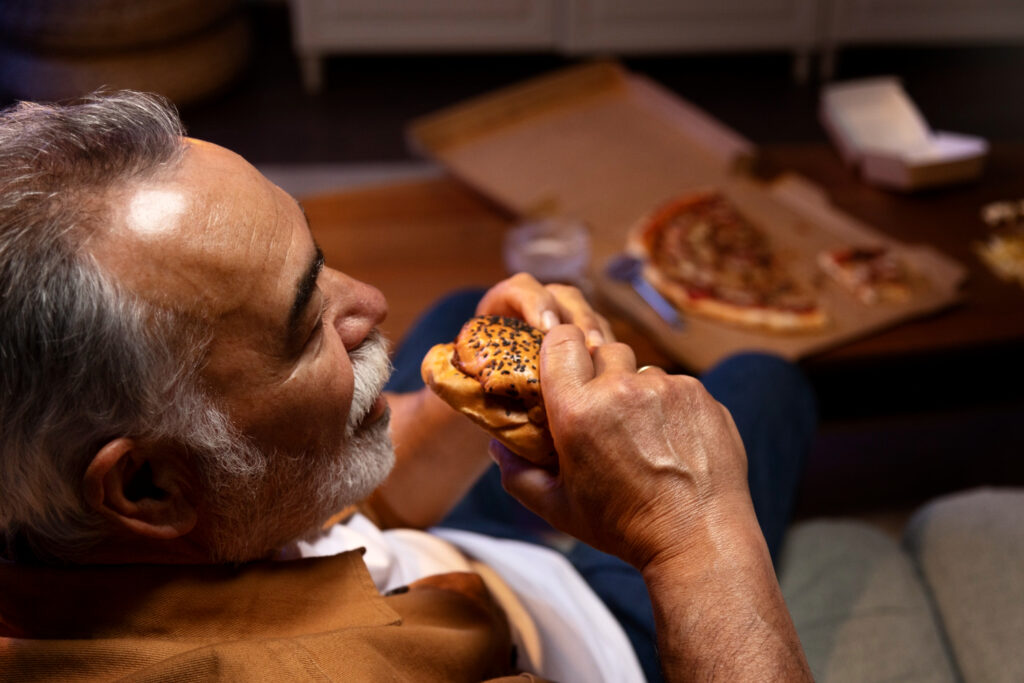
<p> A quick frozen dinner or a bag of chips might seem harmless, but when processed foods dominate your diet, they take a real toll. They are often packed with sodium, sugar, and unhealthy fats that can raise your risk for heart disease, diabetes, and weight gain. This does not mean you need to give up convenience altogether. Try swapping out one or two processed meals a week for something fresh. Pre-cut vegetables, rotisserie chicken, or overnight oats can be just as easy as opening a package, but much better for your body. Small swaps over time add up to big benefits. </p> :: Freepik

A quick frozen dinner or a bag of chips might seem harmless, but when processed foods dominate your diet, they take a real toll. They are often packed with sodium, sugar, and unhealthy fats that can raise your risk for heart disease, diabetes, and weight gain.

This does not mean you need to give up convenience altogether. Try swapping out one or two processed meals a week for something fresh. Pre-cut vegetables, rotisserie chicken, or overnight oats can be just as easy as opening a package, but much better for your body. Small swaps over time add up to big benefits.

3. Sitting More Than You Move

<p> We all know exercise is important, but it is not just about hitting the gym. After 50, prolonged sitting can be one of the biggest health risks you face. Too much time on the couch is linked to everything from heart disease to memory decline. The good news is you do not need to become a marathon runner. Movement can be simple and enjoyable: a brisk walk around the block, gardening, dancing in the kitchen, or even chasing your grandkids. The key is consistency. Every little bit of movement counts, and your body will thank you for it. </p> :: Pexels

We all know exercise is important, but it is not just about hitting the gym. After 50, prolonged sitting can be one of the biggest health risks you face. Too much time on the couch is linked to everything from heart disease to memory decline.

The good news is you do not need to become a marathon runner. Movement can be simple and enjoyable: a brisk walk around the block, gardening, dancing in the kitchen, or even chasing your grandkids. The key is consistency. Every little bit of movement counts, and your body will thank you for it.

4. Letting Stress Run the Show

<p> Stress has a sneaky way of stealing both joy and health. High stress levels push up cortisol, a hormone that, when chronically elevated, can harm your heart, immune system, and metabolism. After 50, the effects of stress become even harder to bounce back from. You do not need to spend hours meditating to keep stress in check. Sometimes, it is as simple as writing in a journal, calling a close friend, or practicing deep breathing when life feels overwhelming. The trick is to notice when stress starts running your day and step in with small calming rituals. </p> :: Pexels

Stress has a sneaky way of stealing both joy and health. High stress levels push up cortisol, a hormone that, when chronically elevated, can harm your heart, immune system, and metabolism. After 50, the effects of stress become even harder to bounce back from.

You do not need to spend hours meditating to keep stress in check. Sometimes, it is as simple as writing in a journal, calling a close friend, or practicing deep breathing when life feels overwhelming. The trick is to notice when stress starts running your day and step in with small calming rituals.

5. Treating Sleep as Optional

<p> Some people think aging means needing less sleep, but that is a myth. Your body and brain still crave seven to nine hours a night, even if falling asleep or staying asleep feels harder now. Ignoring your sleep needs can affect memory, mood, and even heart health. If you often lie awake staring at the ceiling, it might be time to rework your nighttime routine. Turn off screens an hour before bed, keep your bedroom cool and dark, and avoid heavy meals or alcohol late at night. Sleep is not a luxury—it is a powerful form of daily maintenance your body depends on. </p> :: Pexels

Some people think aging means needing less sleep, but that is a myth. Your body and brain still crave seven to nine hours a night, even if falling asleep or staying asleep feels harder now. Ignoring your sleep needs can affect memory, mood, and even heart health.

If you often lie awake staring at the ceiling, it might be time to rework your nighttime routine. Turn off screens an hour before bed, keep your bedroom cool and dark, and avoid heavy meals or alcohol late at night. Sleep is not a luxury—it is a powerful form of daily maintenance your body depends on.

6. Over-Restricting Your Diet

<p> Once metabolism slows down, many people over 50 respond by slashing calories or cutting out entire food groups. While well-intentioned, overly restrictive diets often backfire. They can leave you feeling deprived, cause nutrient deficiencies, and increase stress around eating. A healthier approach is balance. Focus on nourishing foods that you enjoy, practice portion awareness, and leave room for treats without guilt. Food should fuel your body and bring you joy, not create a daily battle with yourself. </p> :: Pexels

Once metabolism slows down, many people over 50 respond by slashing calories or cutting out entire food groups. While well-intentioned, overly restrictive diets often backfire. They can leave you feeling deprived, cause nutrient deficiencies, and increase stress around eating.

A healthier approach is balance. Focus on nourishing foods that you enjoy, practice portion awareness, and leave room for treats without guilt. Food should fuel your body and bring you joy, not create a daily battle with yourself.

7. Neglecting Oral and Hearing Health

<p> Oral and hearing health often get pushed to the side, but both are critical after 50. Gum disease has been linked to systemic problems like diabetes and heart disease, and untreated hearing loss can increase the risk of cognitive decline. The fix is simple: brush and floss daily, schedule regular dental visits, and do not hesitate to use ear protection in noisy environments. If you suspect hearing loss, get tested. Protecting your teeth and ears is about more than comfort—it is about keeping your whole body healthy. </p> :: Pexels

Oral and hearing health often get pushed to the side, but both are critical after 50. Gum disease has been linked to systemic problems like diabetes and heart disease, and untreated hearing loss can increase the risk of cognitive decline.

The fix is simple: brush and floss daily, schedule regular dental visits, and do not hesitate to use ear protection in noisy environments. If you suspect hearing loss, get tested. Protecting your teeth and ears is about more than comfort—it is about keeping your whole body healthy.

8. Pulling Away from Social Connections

<p> Spending time alone can be peaceful, but too much isolation can chip away at both mental and physical health. Research has shown that loneliness can raise the risk of depression, heart disease, and even premature death. Staying socially active does not mean you have to become a social butterfly. It might be as simple as having lunch with a friend, joining a community class, or volunteering for a cause you care about. Strong connections keep life richer, happier, and healthier. </p> :: Pexels

Spending time alone can be peaceful, but too much isolation can chip away at both mental and physical health. Research has shown that loneliness can raise the risk of depression, heart disease, and even premature death.

Staying socially active does not mean you have to become a social butterfly. It might be as simple as having lunch with a friend, joining a community class, or volunteering for a cause you care about. Strong connections keep life richer, happier, and healthier.

9. Neglecting Mental Stimulation
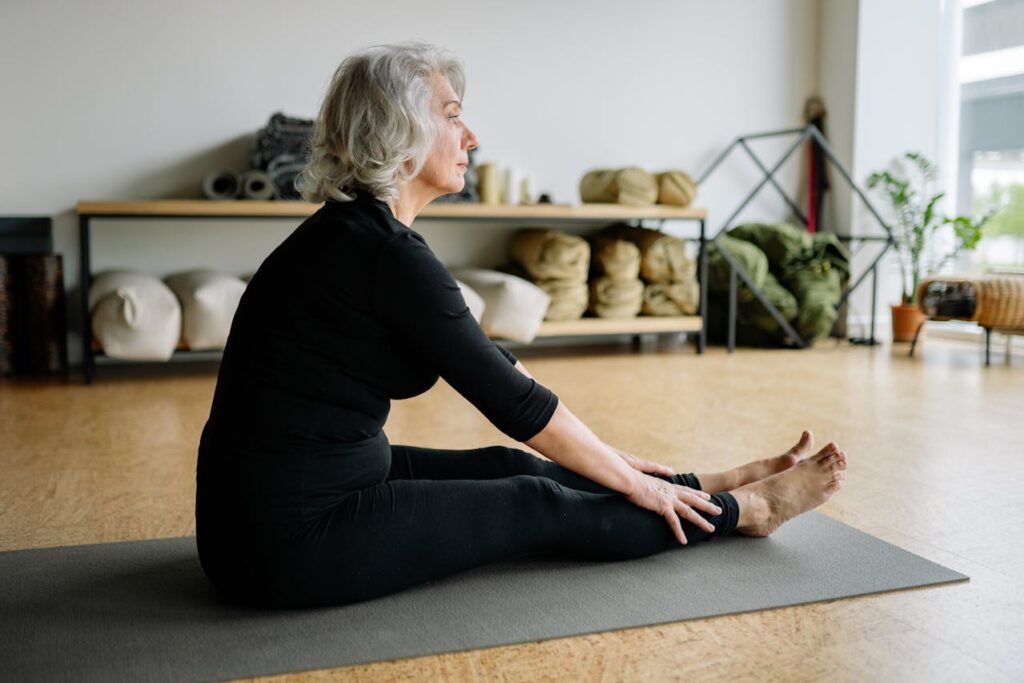
<p> Just as your muscles need exercise, your brain thrives on challenges. Doing the same things day in and day out can leave your mind stagnant, while new experiences strengthen neural connections and memory. You do not need to enroll in college again to keep your brain sharp. Reading a new book genre, trying a puzzle, learning a hobby, or even traveling somewhere new can spark fresh growth. Think of it as cross-training for your brain—the more variety, the better. </p> :: Pexels

Just as your muscles need exercise, your brain thrives on challenges. Doing the same things day in and day out can leave your mind stagnant, while new experiences strengthen neural connections and memory.

You do not need to enroll in college again to keep your brain sharp. Reading a new book genre, trying a puzzle, learning a hobby, or even traveling somewhere new can spark fresh growth. Think of it as cross-training for your brain—the more variety, the better.

10. Letting Negative Habits Take Over

<p> We all have little habits that do not serve us, whether it is doom-scrolling before bed, talking down to ourselves, or holding onto grudges. On their own, these habits may seem minor. Over time, though, they pile up and create unnecessary stress and unhappiness. Breaking these patterns starts with awareness. Notice the moments when you slip into a negative cycle, pause, and gently redirect. Replace self-criticism with gratitude, screen time with a walk, or worry with a simple deep breath. Tiny changes can dramatically improve your daily outlook. </p> :: Freepik

We all have little habits that do not serve us, whether it is doom-scrolling before bed, talking down to ourselves, or holding onto grudges. On their own, these habits may seem minor. Over time, though, they pile up and create unnecessary stress and unhappiness.

Breaking these patterns starts with awareness. Notice the moments when you slip into a negative cycle, pause, and gently redirect. Replace self-criticism with gratitude, screen time with a walk, or worry with a simple deep breath. Tiny changes can dramatically improve your daily outlook.

Final Thoughts

<p> Reaching 50 is not a finish line—it is the start of a new chapter. By breaking the habits that weigh you down, you clear the way for energy, joy, and health in the years to come. No one expects perfection. What matters is progress, one habit at a time. So start small. Replace one processed meal with something fresh. Add a ten-minute walk to your day. Call a friend instead of scrolling on your phone. Each step is a vote for the life you want to live, and those steps add up faster than you think. The truth is, your 50s and beyond can be some of your most fulfilling years. Break free from the habits that hold you back, and you might just find this chapter to be the most vibrant yet. </p> :: Pexels

Reaching 50 is not a finish line—it is the start of a new chapter. By breaking the habits that weigh you down, you clear the way for energy, joy, and health in the years to come. No one expects perfection. What matters is progress, one habit at a time.

So start small. Replace one processed meal with something fresh. Add a ten-minute walk to your day. Call a friend instead of scrolling on your phone. Each step is a vote for the life you want to live, and those steps add up faster than you think.

The truth is, your 50s and beyond can be some of your most fulfilling years. Break free from the habits that hold you back, and you might just find this chapter to be the most vibrant yet.

Filed Under: Health & Fitness

Leave a Reply Cancel reply

Your email address will not be published. Required fields are marked *

  • Email
  • Facebook
  • Pinterest
  • Twitter

Our Most Popular Articles

ClickCashGo Review: Should You Avoid At All Costs?

Ultimate Guide to Mastering Your Credit Score

The 'YOLO' Mindset is a Dangerous Thing

Dave Ramsey's Financial Peace University Review: Is it Worth the Money?

Cash App Glitch 2025: Is the Free Money Glitch Real?

Five Steps To Debt Freedom

Here are five simple guidlines that will help you pay off debt.  

1) Get an emergency fund so you don’t take on debt when something comes up.

2) List your debts. This way you know where you stand.

3) Use the debt snowball. Pay your debts from smallest to largest, or most expensive to least expensive.

4) Avoid new debt. No new credit cards or loans. Period.

5) Go all cash. After everything is paid off, switch to all cash.

Helpful Resources

U of Tennesse Debt Repayment Plan Basics

Vertex 42's Debt Payoff Calculator

Savingadvice's Helpful Debt Forums

Jackie Becks Debt Blog