Healthy-Looking Foods That Could Be Wrecking Your Cholesterol, Experts Say: 9 Surprising Culprits
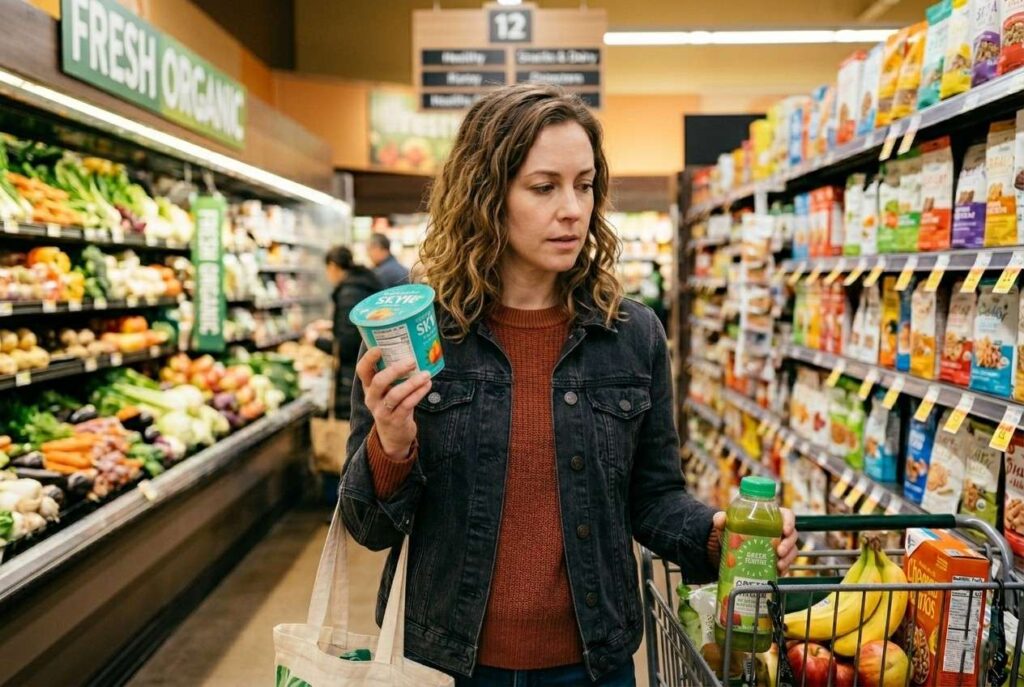
You walk down the grocery aisle, looking for foods that scream healthy. You grab a container of yogurt, a pack of granola bars, and a smoothie that looks like it came straight from a health magazine. You pat yourself on the back. You are doing something right, right? Well, not always. Some foods that look healthy, and are marketed that way, can secretly sabotage your cholesterol and put your heart at risk. It turns out that appearances can be deceiving.
If you are trying to manage your cholesterol or simply want to make better choices for your heart, knowing which “healthy-looking” foods to watch out for can make a huge difference. Here are nine surprising culprits that might be doing more harm than good.
1. Full-Fat Dairy Products
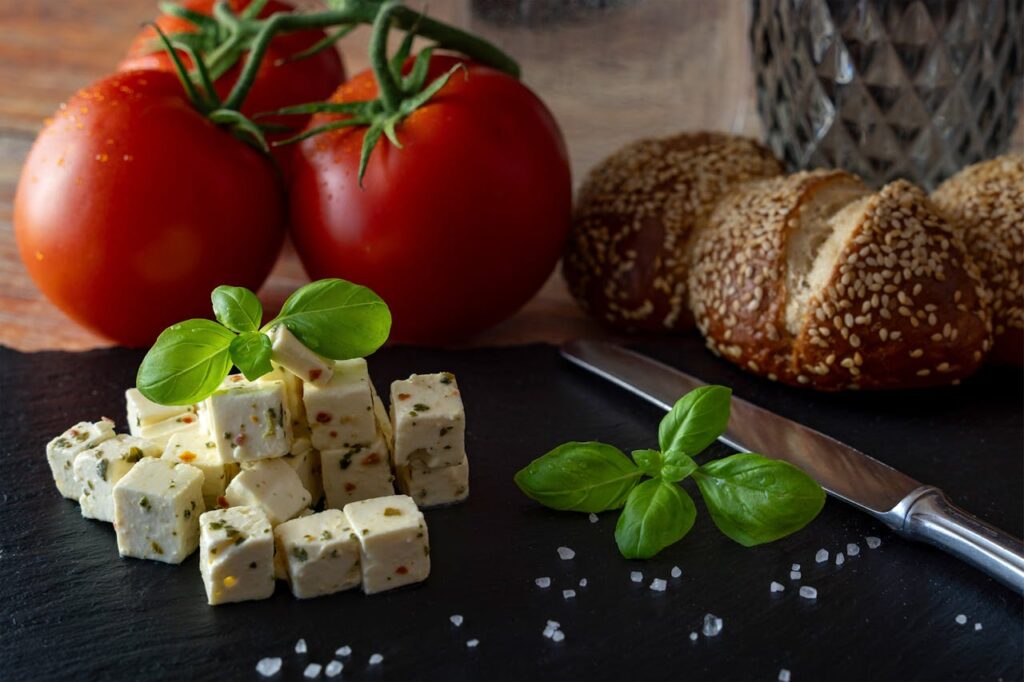
Cheese, whole milk, and butter are staples in many kitchens. They are rich, creamy, and comforting. Full-fat dairy provides calcium and protein, which are good for bones and muscles, but it also contains saturated fat that can raise low-density lipoprotein cholesterol, the kind that puts your heart at risk. Enjoying cheese or a buttery spread occasionally is fine, but regularly consuming large amounts can quietly push your cholesterol higher. Consider switching to low-fat or skim options, or simply use smaller portions. Your taste buds will forgive you, and your arteries will thank you.
2. Baked Goods Labeled as Healthy
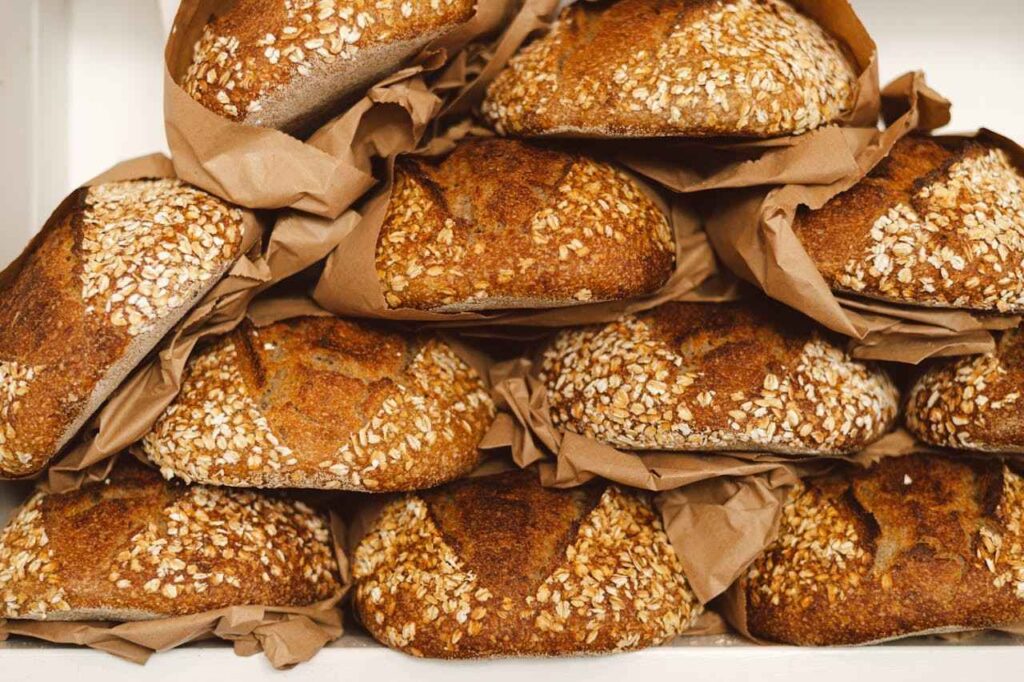
That bran muffin you picked up at the coffee shop looks like a good choice. It has fiber, oats, and maybe even a few nuts. But flip it over and read the ingredients. Often, these muffins contain sugar, oil, or butter near the top of the list. These hidden ingredients can raise cholesterol, even though the muffin seems wholesome. Opt for homemade versions with minimal sugar and healthy fats, or enjoy them sparingly. Being aware of what’s inside is more important than trusting the packaging.
3. Granola and Cereal Bars with Hidden Sugars
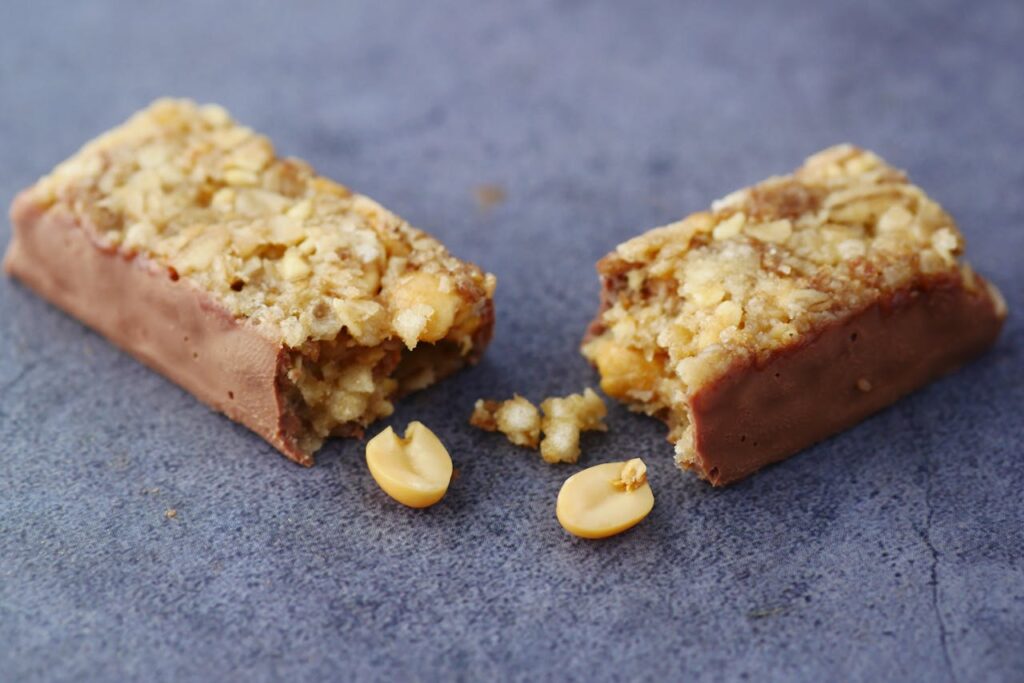
Granola bars are supposed to be a healthy snack, right? Not always. Many of them are loaded with sugar, syrup, and oils that can raise your cholesterol over time. The word “granola” does not automatically mean good for your heart. Look for bars with whole oats, nuts, and seeds, and minimal added sugar. Keep them as a snack rather than a meal replacement to avoid unintended spikes in cholesterol and blood sugar.
4. Fried Foods That Look Healthy
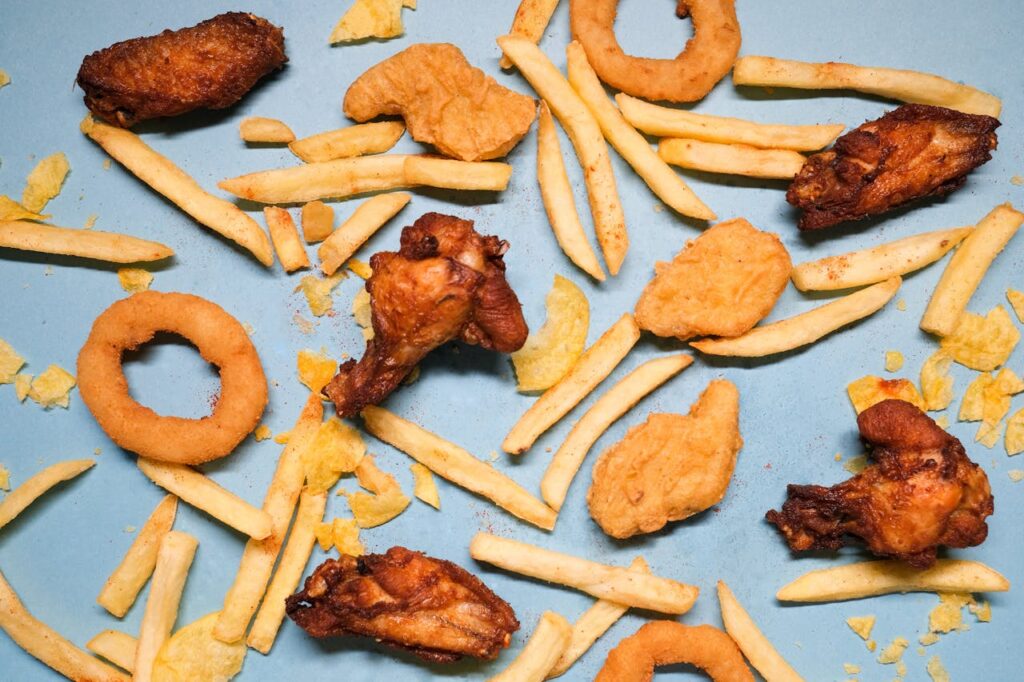
Sometimes it’s not the ingredient but the preparation that matters. Air-fried sweet potato fries might be a better option than deep-fried, but once you dunk vegetables or lean proteins in hot oil, especially oils high in unhealthy fats, they can contribute to higher cholesterol. Even foods that sound healthy, like fried fish or vegetables, can turn into heart-unfriendly treats when fried in butter or unhealthy oils. Try steaming, grilling, or baking instead.
5. Fatty Cuts of Meat
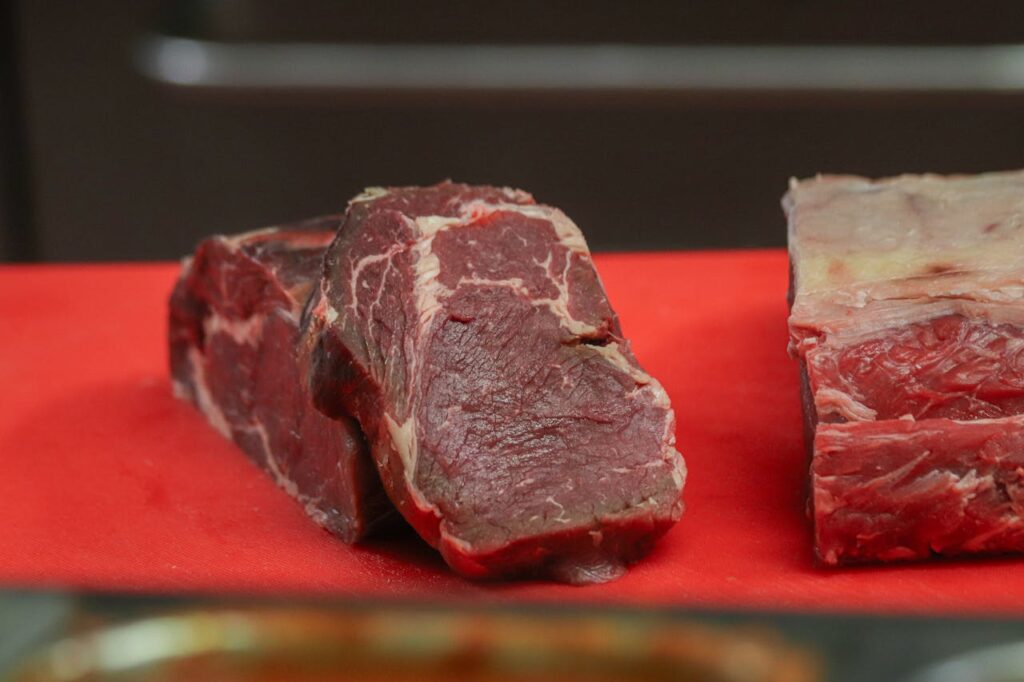
Premium cuts of steak, pork chops, and other marbled meats are tempting. They taste amazing and feel like a treat, but they are high in saturated fat, which can raise your LDL cholesterol. Quality does not cancel out the fat content. Choosing lean cuts, trimming visible fat, and moderating portion sizes are key steps to enjoy meat without harming your heart. A small steak once in a while is fine, but balance is crucial.
6. Certain Seafood
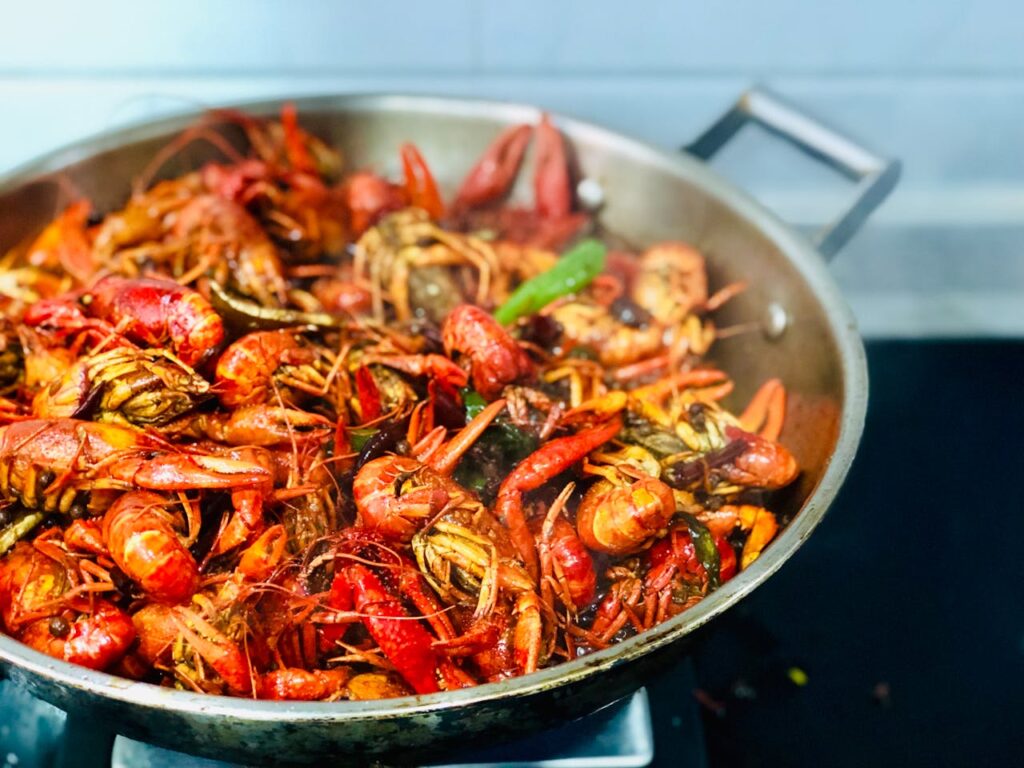
Seafood is usually a heart-healthy choice, but not all seafood is created equal. Shellfish such as shrimp and lobster contain cholesterol. The cooking method matters too. Frying or adding rich sauces can negate the natural benefits of seafood. Steaming, broiling, or baking seafood keeps it healthy and flavorful without adding unnecessary cholesterol-raising fats. Being selective about both the type of seafood and how you prepare it is important for heart health.
7. Coffee Prepared in Unfiltered Ways

Your morning cup of coffee might be affecting your cholesterol more than you realize. Certain brewing methods, like French press or espresso, allow compounds called cafestol to pass into the drink. These compounds can raise LDL cholesterol. Filtered coffee removes most of the cafestol, making it a better choice if you are monitoring cholesterol. So that fancy French press might taste amazing, but your heart will appreciate a simple drip brew more often.
8. Whole Grain Breads and Pastas That Aren’t Really Whole Grain
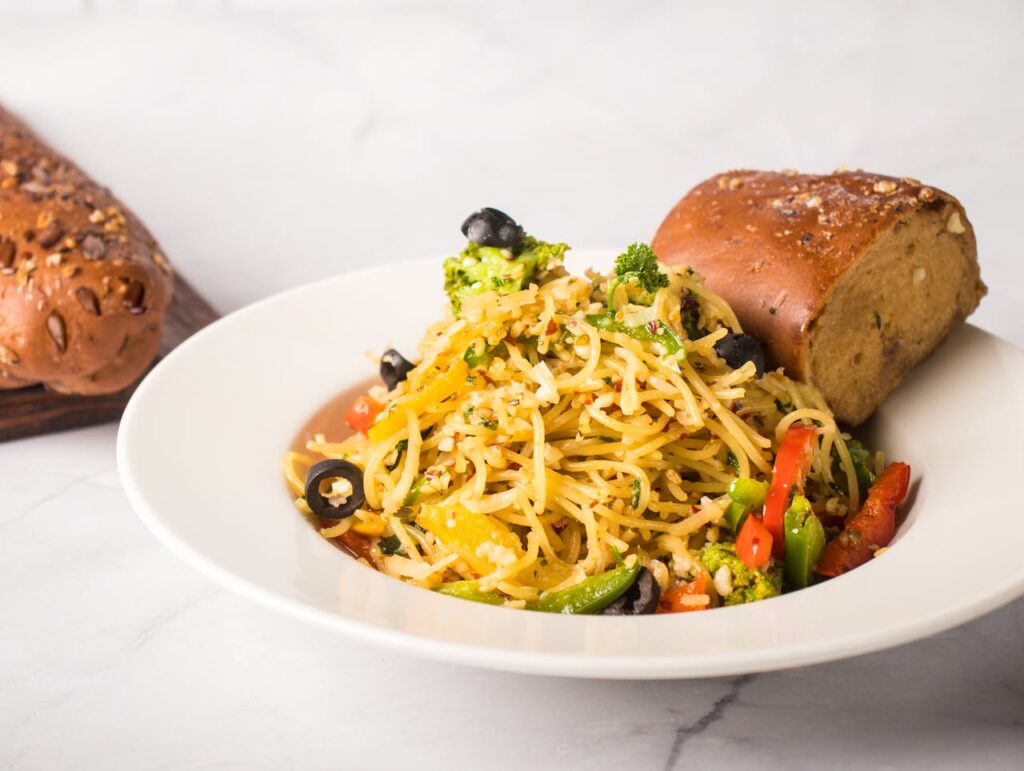
Whole grains are heart-friendly, but only when they are truly whole. Many breads and pastas marketed as “whole grain” contain refined flour, added sugar, or other processed ingredients that can undermine cholesterol management. Real whole grains with minimal processing, like whole oats, brown rice, and genuine whole wheat bread, deliver fiber and nutrients without hidden cholesterol risks. Always check the ingredient list to be sure.
9. Smoothies and Juices with Too Much Fruit Sugar

Smoothies seem like the ultimate healthy beverage, packed with fruits and vitamins. However, blending a large amount of fruit into a drink can deliver a big dose of sugar in one sitting. This can elevate triglycerides and negatively affect cholesterol over time. To keep smoothies heart-friendly, add vegetables, unsweetened protein powders, or plant-based milk. Moderation is key — enjoying fruit as part of meals is better than consuming it in liquid form all at once.
Final Thoughts
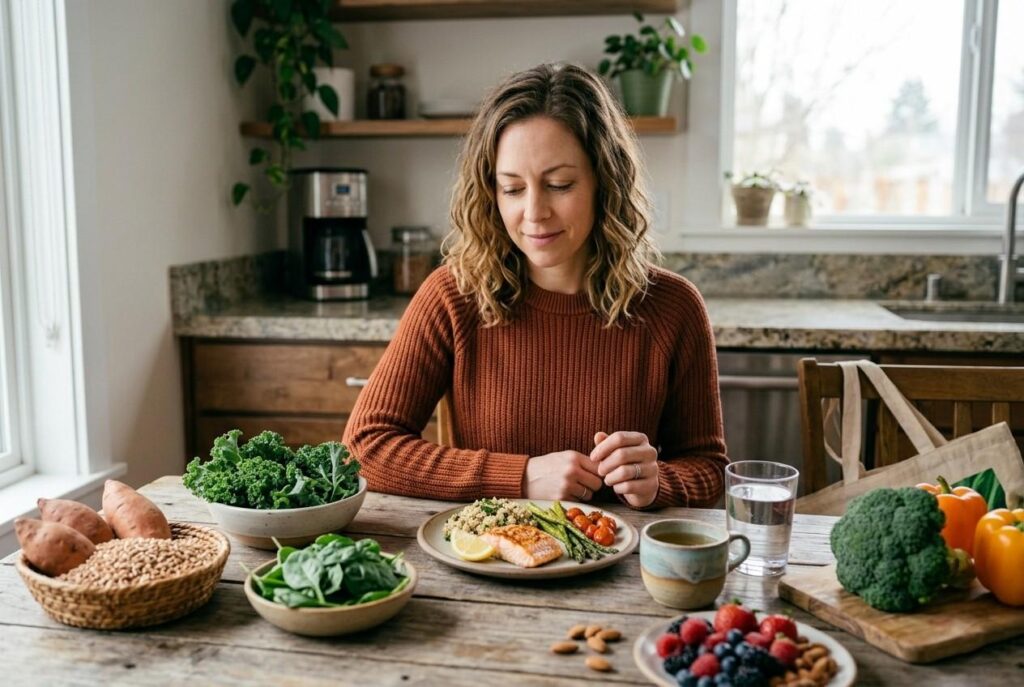
Eating for your heart does not mean giving up all the foods you love or becoming obsessive about labels. It is about being aware and making conscious choices. Many foods that appear healthy are processed or prepared in ways that increase saturated fats, hidden sugars, and other cholesterol-raising elements. The foods listed above are not off-limits, but moderation and smart substitutions can make a big difference in long-term heart health.
Focus on real, minimally processed foods, watch portions, and enjoy treats intentionally. Small, consistent changes matter more than perfection. Your cholesterol numbers and your heart will benefit from being informed and mindful, rather than relying solely on appearances or marketing claims.
By understanding which foods might be misleadingly healthy, you can make better choices without feeling deprived. Think of it as giving your heart a little extra care each day while still enjoying life’s flavors.
Leave a Reply