10 High-Protein Foods That Also Fight Inflammation — Perfect for Life After 50

If you’ve hit your 50s, you probably already know that your body doesn’t bounce back quite the way it used to. Your morning coffee might be as strong as ever, but your knees? Not so much. And while protein has always been important, it becomes absolutely essential after 50—not just for building and maintaining muscle, but also for fighting the sneaky inflammation that creeps up with age.
Chronic inflammation has been linked to everything from joint pain and fatigue to heart disease and slower recovery times. The good news? Certain high-protein foods can help tame that inflammation while keeping your strength and energy levels up. The secret lies in choosing smart sources of protein—foods that not only fuel your muscles but also support your body’s natural healing process.
Here are 10 delicious, practical, and anti-inflammatory high-protein foods that are perfect for life after 50. These aren’t exotic health fads—you can find most of them in your local grocery store.
1. Fatty Fish (Salmon, Mackerel, Sardines)
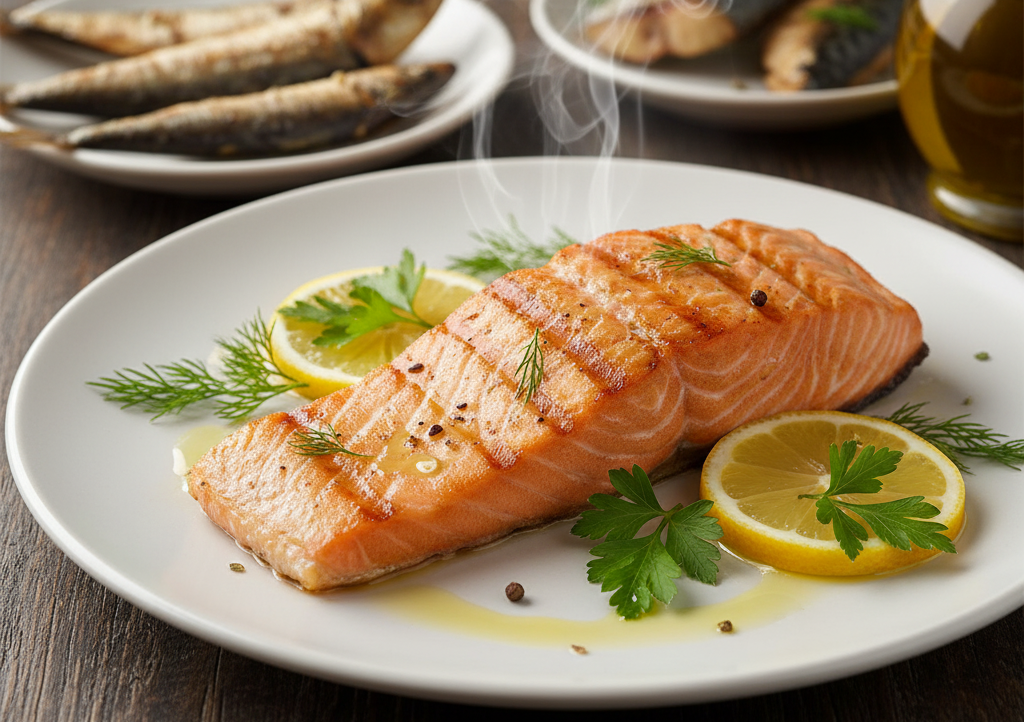
Let’s start with the all-star of anti-inflammatory foods: fatty fish. Salmon, mackerel, and sardines are rich in omega-3 fatty acids, which help lower inflammation and protect your heart, brain, and joints. A single 3-ounce serving gives you around 20 to 25 grams of high-quality protein plus those amazing healthy fats. Try baking or grilling salmon for dinner or tossing sardines onto whole-grain toast for a quick lunch. Think of fatty fish as your body’s built-in repair crew, working quietly to keep you strong and pain-free.
2. Chicken or Turkey Breast
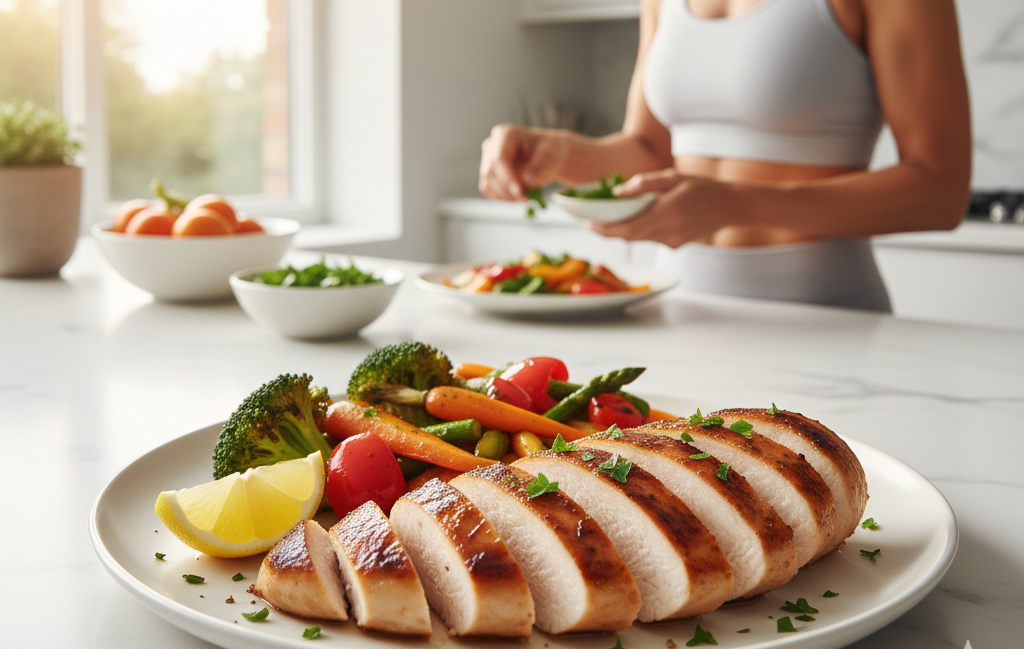
If you prefer something lighter, lean poultry like chicken or turkey breast is an excellent choice. It’s packed with about 25 grams of protein per serving and has very little saturated fat, making it easier on your joints and heart. Choosing poultry over fatty or processed meats can help reduce inflammation over time. Roast it, grill it, or slice it into a salad for a satisfying meal that won’t weigh you down. Add a sprinkle of herbs or a squeeze of lemon for extra flavor without extra calories.
3. Beans and Lentils
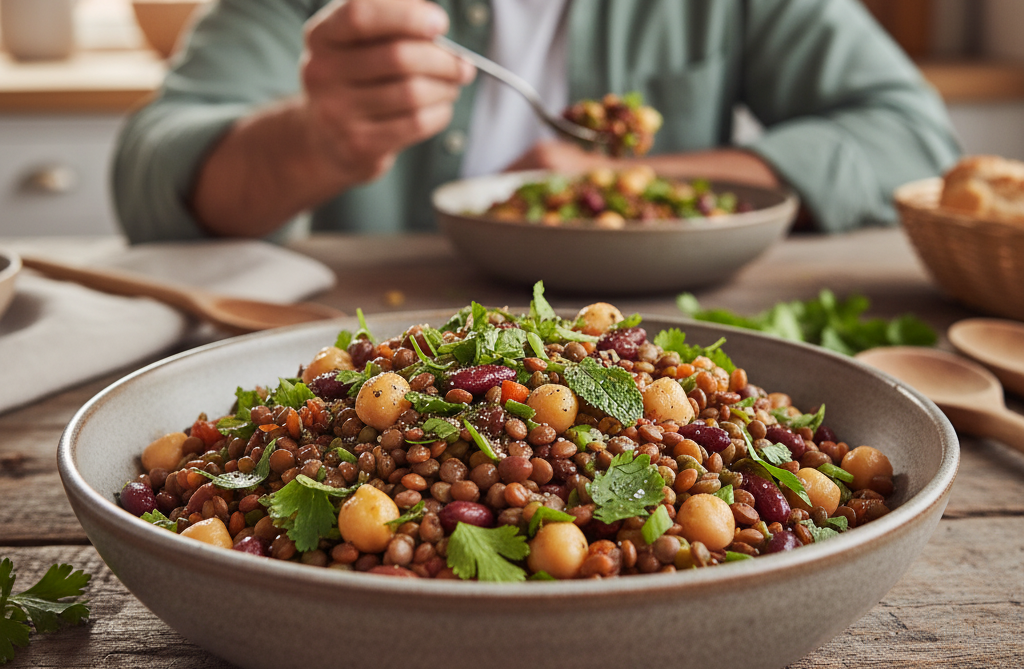
Beans and lentils are proof that plant-based proteins can be just as powerful as meat. They’re rich in protein and fiber—two nutrients that help stabilize blood sugar and fight inflammation. A half-cup of cooked lentils or beans gives you around 15 to 20 grams of protein and keeps you full for hours. They also feed the good bacteria in your gut, which plays a major role in keeping inflammation in check. Try adding lentils to soups, chili, or salads for a hearty and healthy boost.
4. Greek Yogurt
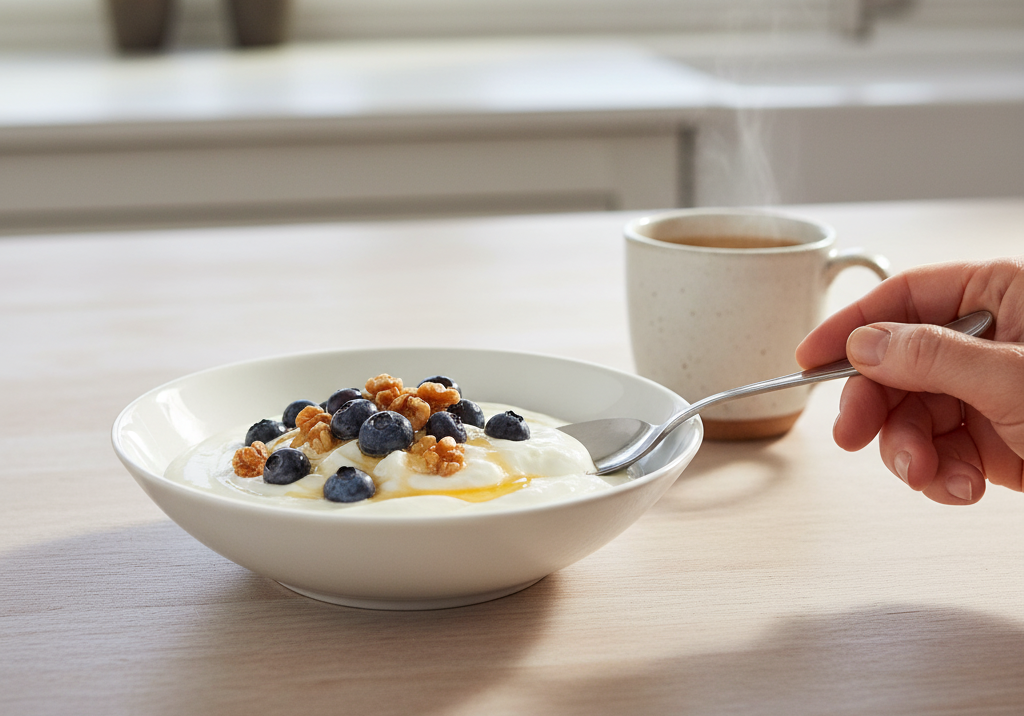
Plain Greek yogurt is another multitasking powerhouse. It’s loaded with protein (10 to 15 grams per serving), calcium for strong bones, and probiotics that support gut health. Since inflammation often starts in the gut, those probiotics are a big win. Just be sure to pick plain, unsweetened varieties, as flavored yogurts can be packed with sugar—which fuels inflammation. Top your bowl with berries, nuts, or a drizzle of honey for a simple and delicious breakfast or snack.
5. Tofu or Tempeh
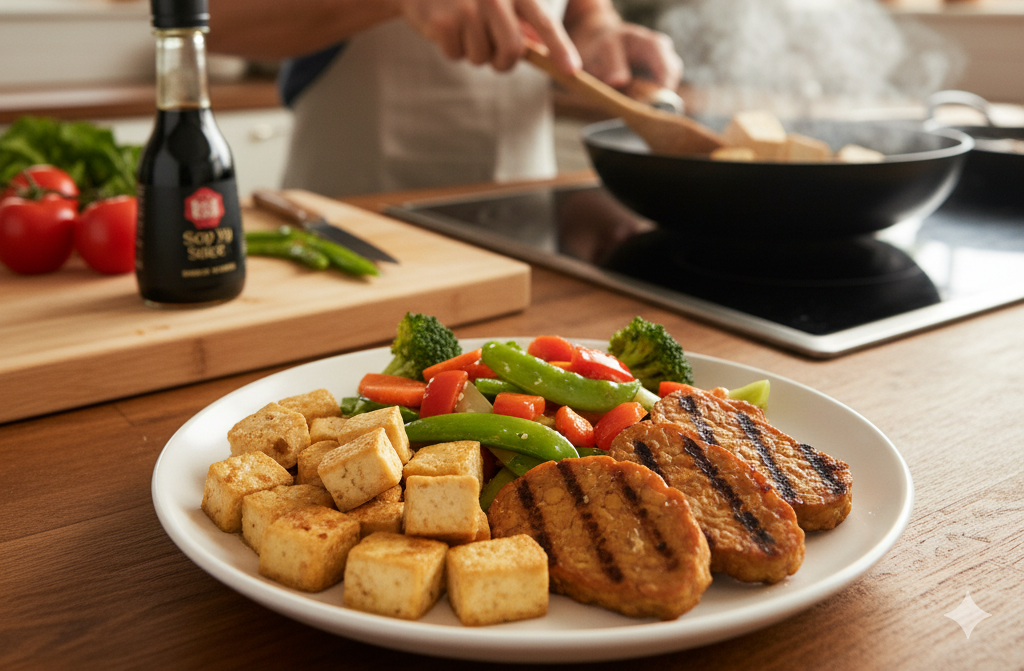
Tofu and tempeh deserve a spot on your table even if you’re not vegetarian. Both are soy-based proteins that contain all nine essential amino acids, along with compounds called isoflavones that may help reduce inflammation. They’re versatile too—marinate tofu for stir-fries or grill slices of tempeh for a plant-based sandwich that actually satisfies. As a bonus, soy foods are gentle on your cholesterol and heart, two things worth watching as we get older.
6. Nuts and Seeds (Walnuts, Chia, Flaxseed)
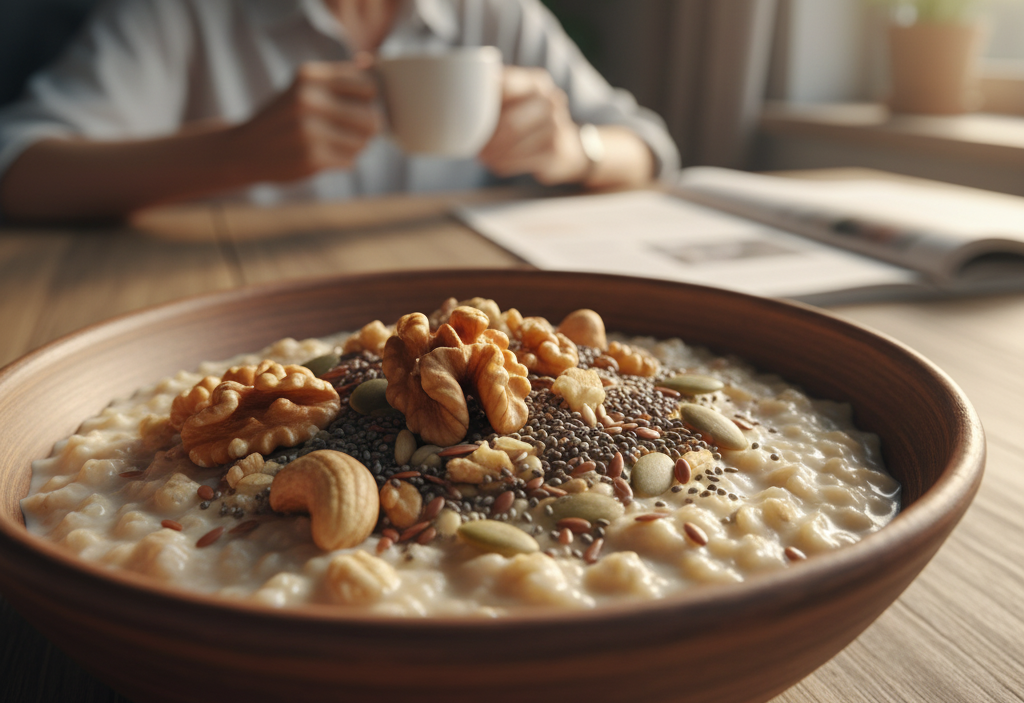
Small but mighty, nuts and seeds are a fantastic way to sneak more anti-inflammatory goodness into your day. Walnuts, chia seeds, and flaxseed in particular are loaded with omega-3s, plant protein, and fiber. Sprinkle them on oatmeal, yogurt, or salads to give your meals a satisfying crunch and a major nutrition upgrade. While they’re calorie-dense, a small handful is all you need to get the benefits. Think of them as little edible vitamins that help protect your joints and your heart.
7. Cottage Cheese
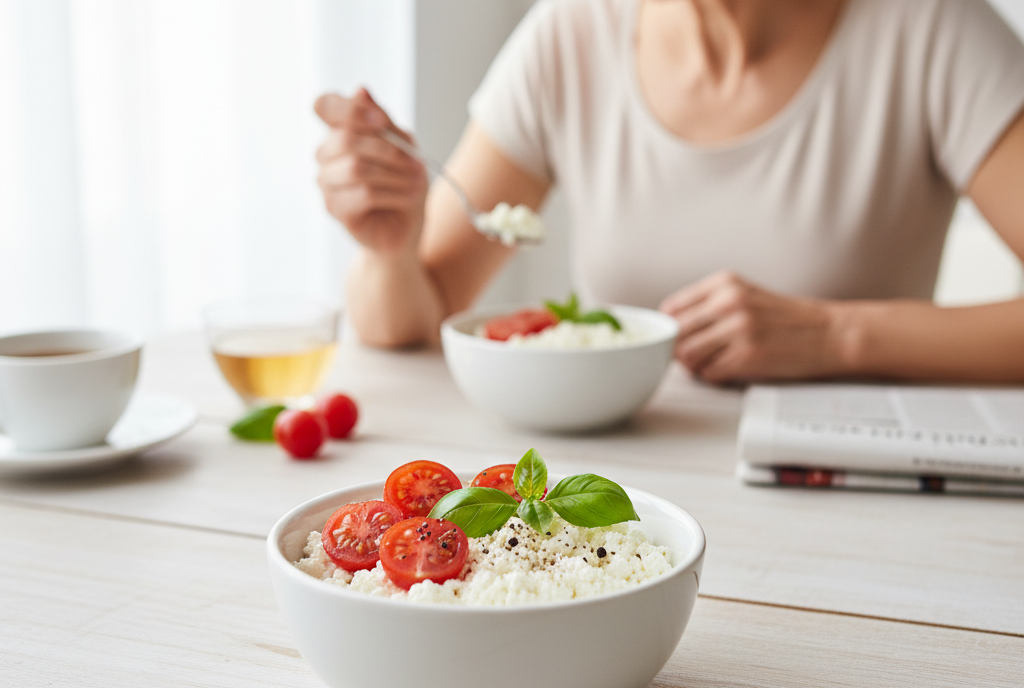
Cottage cheese might not be the trendiest food on the block, but it’s having a comeback—and for good reason. It’s a lean, high-protein option that’s easy on digestion and perfect for breakfast, lunch, or a quick snack. Each serving provides a solid dose of complete protein that helps rebuild muscle tissue and supports recovery. Pair it with fruit for a slightly sweet combo or with cherry tomatoes and black pepper for something savory. Simple, satisfying, and inflammation-friendly.
8. Eggs

Eggs are one of the most affordable and versatile sources of high-quality protein you can find. They deliver around 6 grams of protein per egg along with vital nutrients like vitamin D and choline, which support brain and bone health. Despite old myths, eggs in moderation don’t increase inflammation—and may even have a neutral or positive effect. Scramble them with spinach, boil a few for snacks, or whip up an omelet loaded with veggies. They’re proof that healthy eating doesn’t have to be complicated.
9. Lean Pork Tenderloin

When people think of inflammation, pork doesn’t usually come to mind—but lean cuts like pork tenderloin can actually be a smart option when eaten in moderation. It offers about 22 grams of protein per serving and is much lower in fat than processed or fatty pork cuts. The trick is preparation: skip frying or charring, and instead bake or grill with simple seasonings. Pair it with steamed vegetables or a side of quinoa, and you’ve got a balanced, anti-inflammatory meal that tastes as good as it looks.
10. Edamame
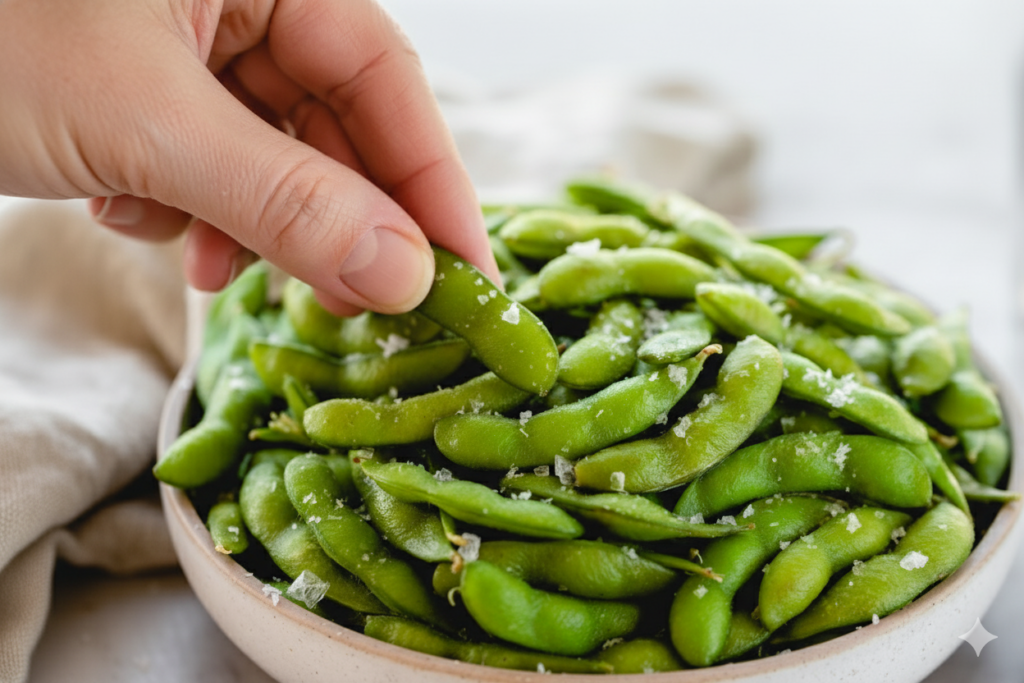
Edamame—those bright green soybeans you find in sushi restaurants—are an underrated gem. They’re rich in plant protein, fiber, and antioxidants, all of which work together to reduce inflammation and keep you feeling full. Half a cup offers around 9 grams of protein, making it a perfect snack or side dish. Try steaming them with a pinch of sea salt or tossing them into salads for extra texture and color. They’re fun to eat, easy to prepare, and surprisingly satisfying.
Final Thoughts

As we age, our food choices start to matter more than ever. The right mix of protein and anti-inflammatory nutrients can help you maintain muscle, keep your joints happy, and stay energized throughout the day. But it’s not about eating one “miracle” food—it’s about creating balance.
Here’s a simple plan to keep in mind: aim for two or three servings of high-protein foods daily, mix animal and plant sources, and surround them with plenty of colorful fruits, vegetables, and whole grains. Stay hydrated, limit processed snacks and sugary drinks, and focus on consistency over perfection.
Eating this way isn’t just about preventing inflammation—it’s about improving your overall quality of life. The payoff is feeling stronger, clearer, and more capable to enjoy the next chapters of life with less stiffness and more vitality.
So go ahead—fill your plate with these nourishing, protein-rich, inflammation-fighting foods. Your body will thank you, your energy will rise, and you might just start feeling better than you have in years.
Leave a Reply