Our Debt Free Family

Commit. Plan. Take action.

  • BUDGETING
  • Debt Reduction
  • INVESTING
  • LIFESTYLE
  • TOOLS
  • ABOUT
  • Privacy Policy
  • CONTACT
You are here: Home / Lifestyle / The Joy of Fall Gardening: How to Prep Your Garden for the Cooler Months
The Joy of Fall Gardening: How to Prep Your Garden for the Cooler Months

July 21, 2025 | Leave a Comment

The Joy of Fall Gardening: How to Prep Your Garden for the Cooler Months

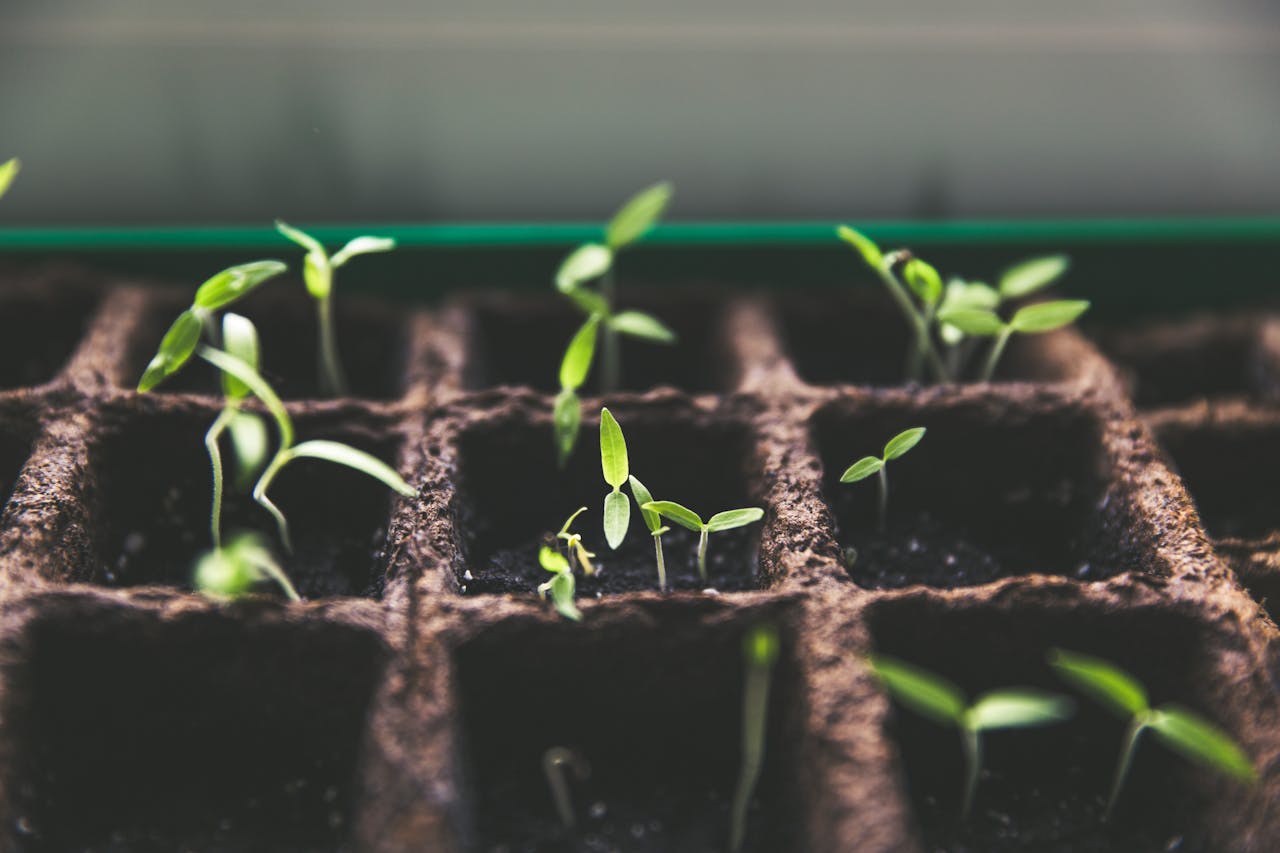
<p> As summer fades and the air turns crisp, many gardeners experience a mix of nostalgia and excitement. Fall gardening offers a unique opportunity to prepare your garden for the cooler months ahead while also embracing the beauty of autumn. Not only does fall gardening extend the growing season, but it also allows you to enhance your garden's health and productivity for the coming spring. In this article, we’ll explore seven essential steps to prep your garden for the cooler months, ensuring that your outdoor space thrives even as the temperatures drop. </p> :: Pexels

As summer fades and the air turns crisp, many gardeners experience a mix of nostalgia and excitement. Fall gardening offers a unique opportunity to prepare your garden for the cooler months ahead while also embracing the beauty of autumn. Not only does fall gardening extend the growing season, but it also allows you to enhance your garden’s health and productivity for the coming spring. In this article, we’ll explore seven essential steps to prep your garden for the cooler months, ensuring that your outdoor space thrives even as the temperatures drop.

1. Clean Up Your Garden Beds
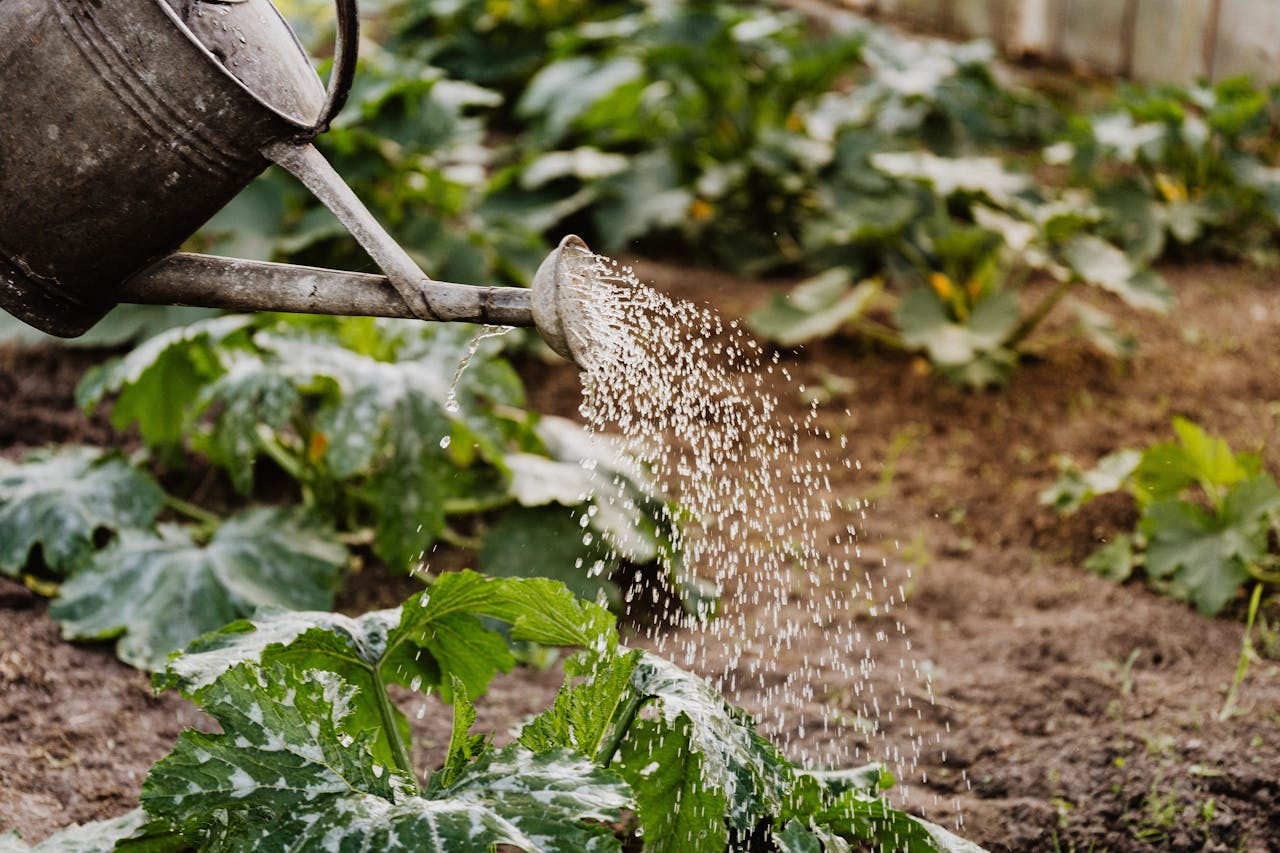
<p> One of the first and most important steps in fall gardening is to clean up your garden beds. Remove any dead or dying plants, weeds, and debris from your garden. This cleanup is essential as it helps prevent the spread of pests and diseases that can overwinter in your garden. Additionally, cleaning up debris allows you to better assess your soil and plan for any amendments needed. As you tidy up, consider composting healthy plant material to enrich your garden soil for the following growing season. </p> :: Pexels

One of the first and most important steps in fall gardening is to clean up your garden beds. Remove any dead or dying plants, weeds, and debris from your garden. This cleanup is essential as it helps prevent the spread of pests and diseases that can overwinter in your garden. Additionally, cleaning up debris allows you to better assess your soil and plan for any amendments needed. As you tidy up, consider composting healthy plant material to enrich your garden soil for the following growing season.

2. Assess and Amend Your Soil
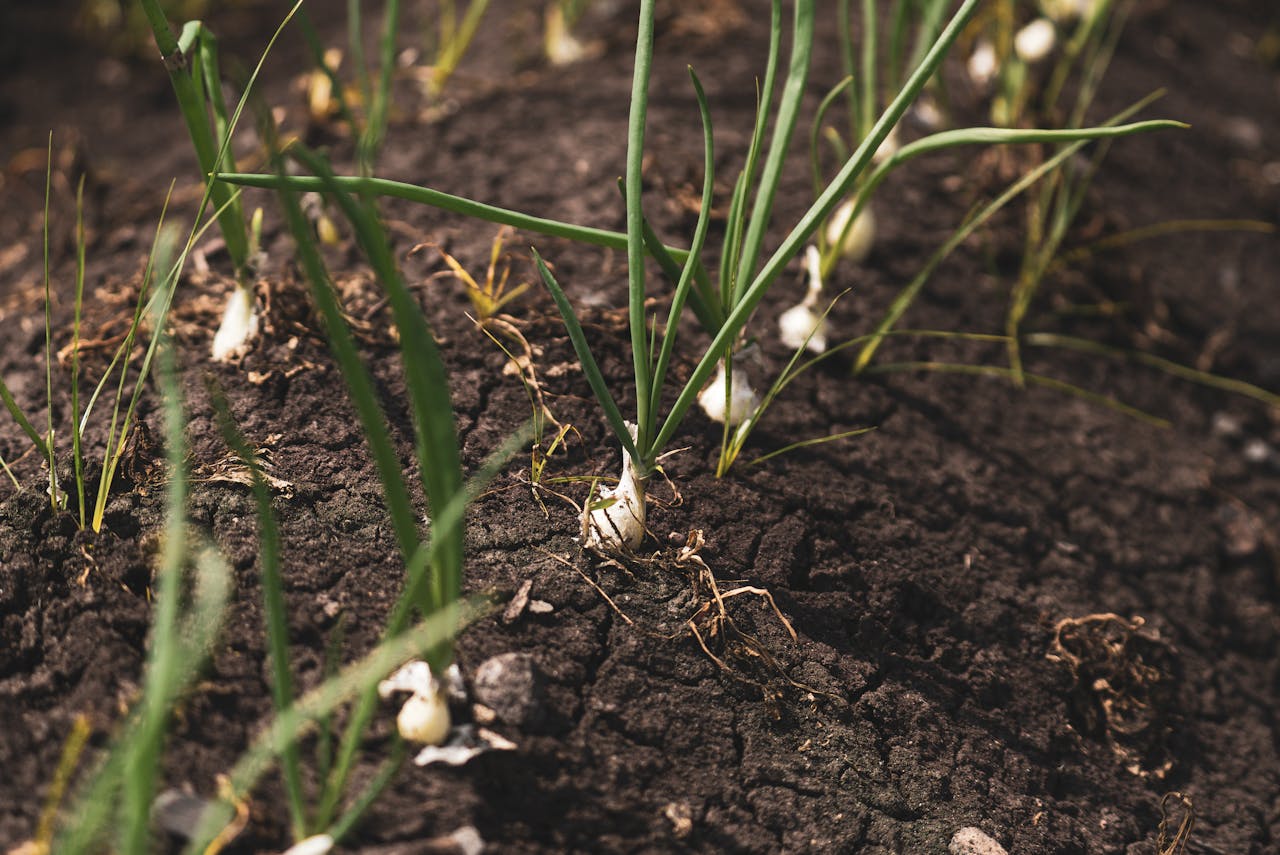
<p> Healthy soil is the foundation of a thriving garden. After cleaning up your beds, take the time to assess your soil's condition. Conduct a soil test to determine its pH level and nutrient content. Based on the results, you can amend your soil with organic matter, such as compost, aged manure, or cover crops. Adding nutrients to your soil not only improves its structure but also enhances its ability to retain moisture and support healthy plant growth. This step is crucial for preparing your garden for the colder months and ensuring it’s primed for planting in the spring. </p> :: Pexels

Healthy soil is the foundation of a thriving garden. After cleaning up your beds, take the time to assess your soil’s condition. Conduct a soil test to determine its pH level and nutrient content. Based on the results, you can amend your soil with organic matter, such as compost, aged manure, or cover crops. Adding nutrients to your soil not only improves its structure but also enhances its ability to retain moisture and support healthy plant growth. This step is crucial for preparing your garden for the colder months and ensuring it’s primed for planting in the spring.

3. Plant Fall Vegetables and Bulbs
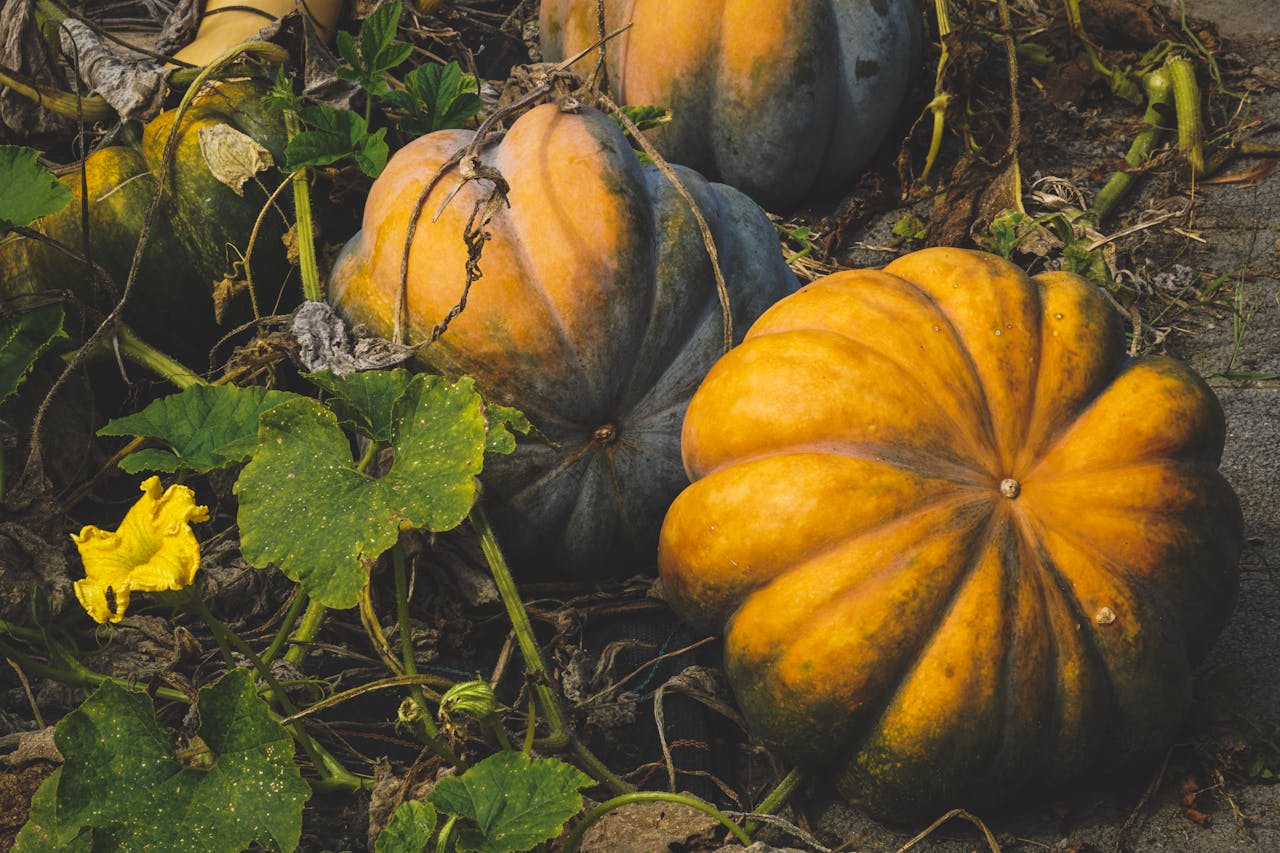
<p> Fall is an excellent time to plant cool-season vegetables and spring-flowering bulbs. Vegetables such as kale, spinach, and Brussels sprouts thrive in cooler temperatures and can be harvested throughout the fall and winter. Additionally, planting spring-flowering bulbs like tulips and daffodils in the fall allows them to establish roots before winter, resulting in beautiful blooms in the spring. When planting, be sure to follow the specific planting depths and spacing recommendations for each type of vegetable or bulb to ensure optimal growth. </p> :: Pexels

Fall is an excellent time to plant cool-season vegetables and spring-flowering bulbs. Vegetables such as kale, spinach, and Brussels sprouts thrive in cooler temperatures and can be harvested throughout the fall and winter. Additionally, planting spring-flowering bulbs like tulips and daffodils in the fall allows them to establish roots before winter, resulting in beautiful blooms in the spring. When planting, be sure to follow the specific planting depths and spacing recommendations for each type of vegetable or bulb to ensure optimal growth.

4. Mulch to Protect and Insulate
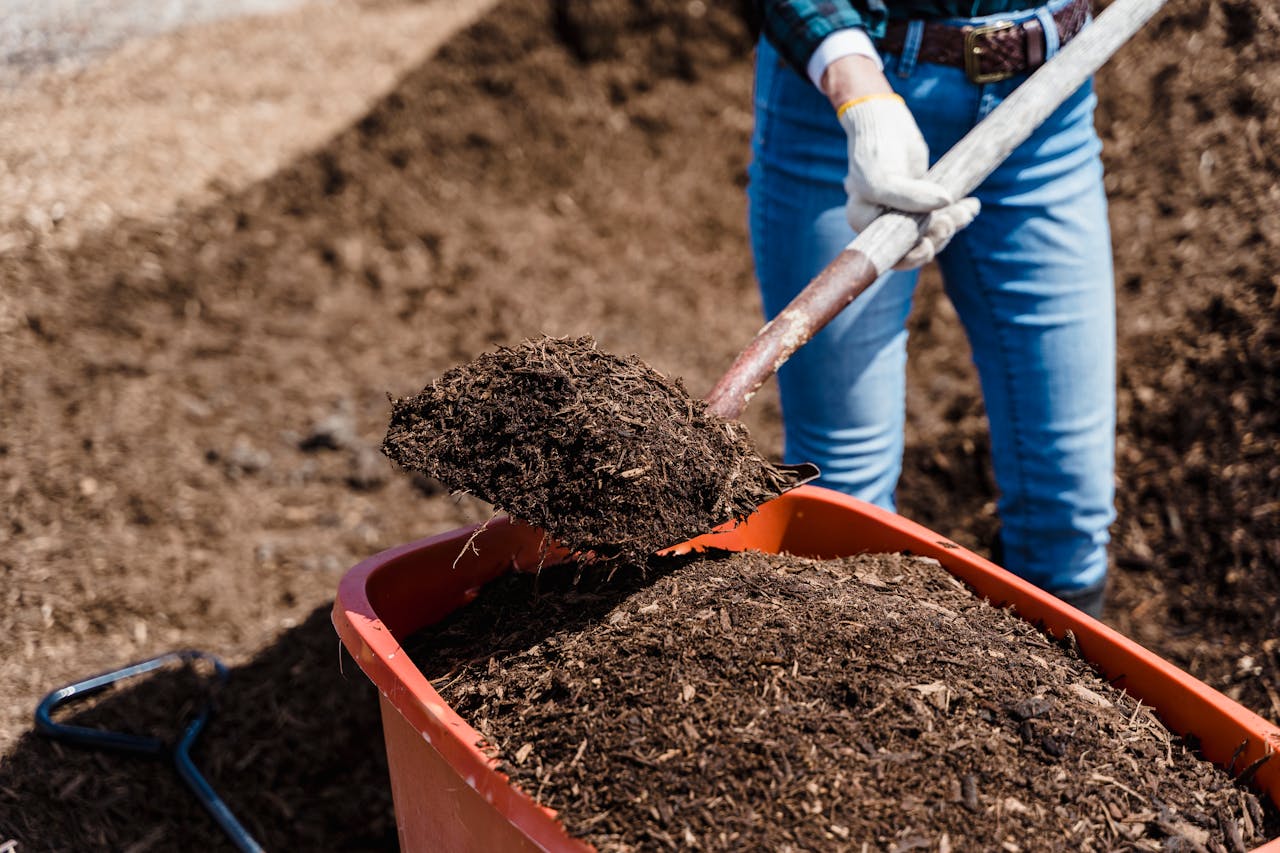
<p> Applying mulch to your garden beds is a vital step in fall gardening. Mulch serves multiple purposes: it helps regulate soil temperature, retains moisture, suppresses weeds, and adds organic matter to the soil as it breaks down. Use organic materials such as straw, shredded leaves, or wood chips as mulch. A layer of mulch around 2 to 4 inches deep will provide insulation to your plants during the colder months, protecting the roots from frost and extreme temperature fluctuations. </p> :: Pexels

Applying mulch to your garden beds is a vital step in fall gardening. Mulch serves multiple purposes: it helps regulate soil temperature, retains moisture, suppresses weeds, and adds organic matter to the soil as it breaks down. Use organic materials such as straw, shredded leaves, or wood chips as mulch. A layer of mulch around 2 to 4 inches deep will provide insulation to your plants during the colder months, protecting the roots from frost and extreme temperature fluctuations.

5. Prepare Your Tools and Equipment
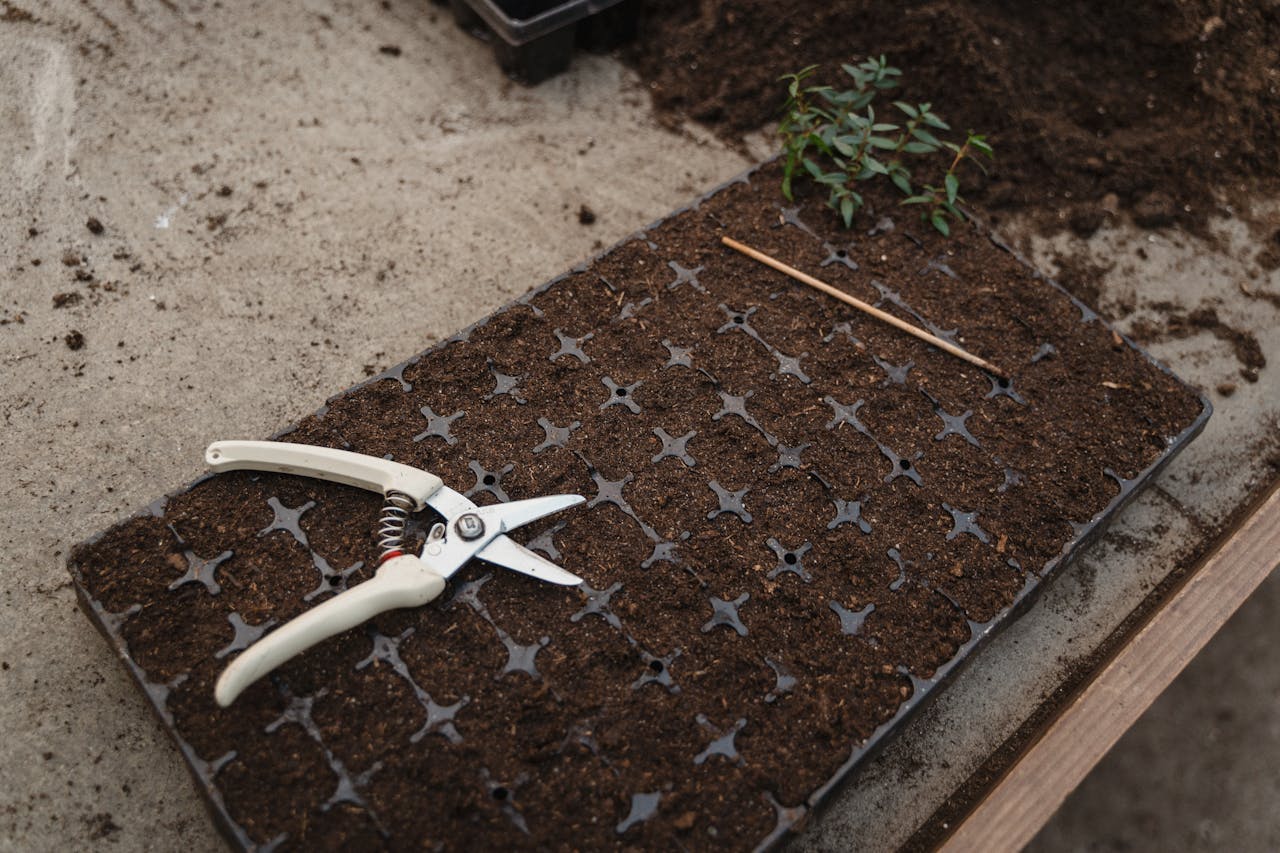
<p> As the gardening season winds down, take the time to clean and prepare your tools and equipment for winter storage. Clean off any soil, debris, or rust from your tools, and sharpen blades to ensure they’re ready for use in the spring. Store your tools in a dry, sheltered location to prevent damage from moisture and freezing temperatures. By properly maintaining your gardening tools, you’ll extend their lifespan and be ready to jump back into gardening as soon as spring arrives. </p> :: Pexels

As the gardening season winds down, take the time to clean and prepare your tools and equipment for winter storage. Clean off any soil, debris, or rust from your tools, and sharpen blades to ensure they’re ready for use in the spring. Store your tools in a dry, sheltered location to prevent damage from moisture and freezing temperatures. By properly maintaining your gardening tools, you’ll extend their lifespan and be ready to jump back into gardening as soon as spring arrives.

6. Protect Perennials and Tender Plants
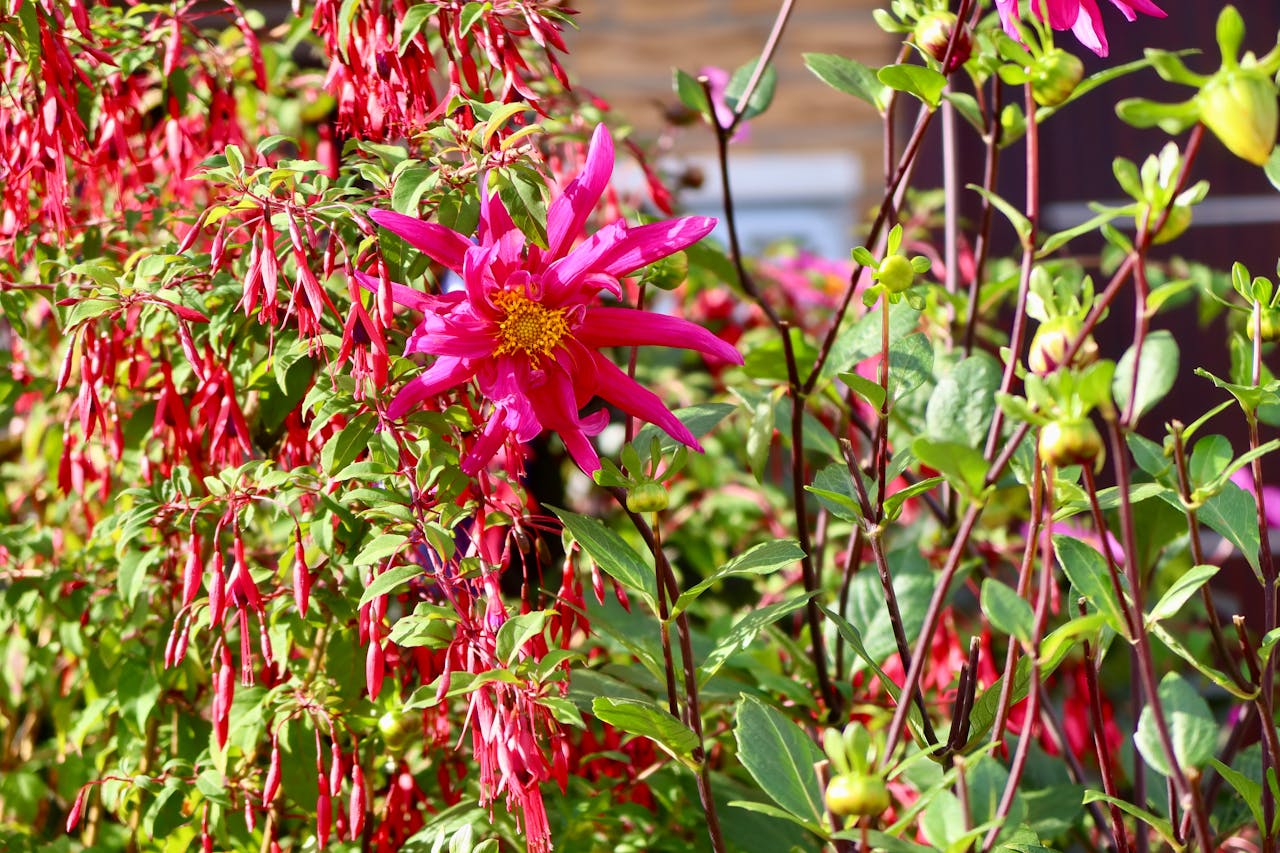
<p> Some plants need extra protection as temperatures drop. For perennials, consider cutting them back to encourage healthy growth in the spring, but be cautious not to trim too much if they provide winter interest. Additionally, tender plants that may not survive the winter in your climate should be brought indoors or covered with protective materials, such as frost cloths or burlap. Taking these protective measures ensures that your favorite plants will survive the winter and thrive when spring arrives. </p> :: Pexels

Some plants need extra protection as temperatures drop. For perennials, consider cutting them back to encourage healthy growth in the spring, but be cautious not to trim too much if they provide winter interest. Additionally, tender plants that may not survive the winter in your climate should be brought indoors or covered with protective materials, such as frost cloths or burlap. Taking these protective measures ensures that your favorite plants will survive the winter and thrive when spring arrives.

7. Reflect and Plan for Next Year
<p> As you wrap up your fall gardening tasks, take a moment to reflect on your garden’s performance over the past year. What worked well? What challenges did you encounter? Use this time to jot down notes, ideas, and plans for next year’s garden. Whether it’s experimenting with new plants, rearranging your garden layout, or implementing new gardening techniques, thoughtful planning can enhance your gardening experience in the future. This reflective practice can help you set goals and make informed decisions that contribute to a successful garden. </p> :: Pexels

As you wrap up your fall gardening tasks, take a moment to reflect on your garden’s performance over the past year. What worked well? What challenges did you encounter? Use this time to jot down notes, ideas, and plans for next year’s garden. Whether it’s experimenting with new plants, rearranging your garden layout, or implementing new gardening techniques, thoughtful planning can enhance your gardening experience in the future. This reflective practice can help you set goals and make informed decisions that contribute to a successful garden.

Final Thoughts
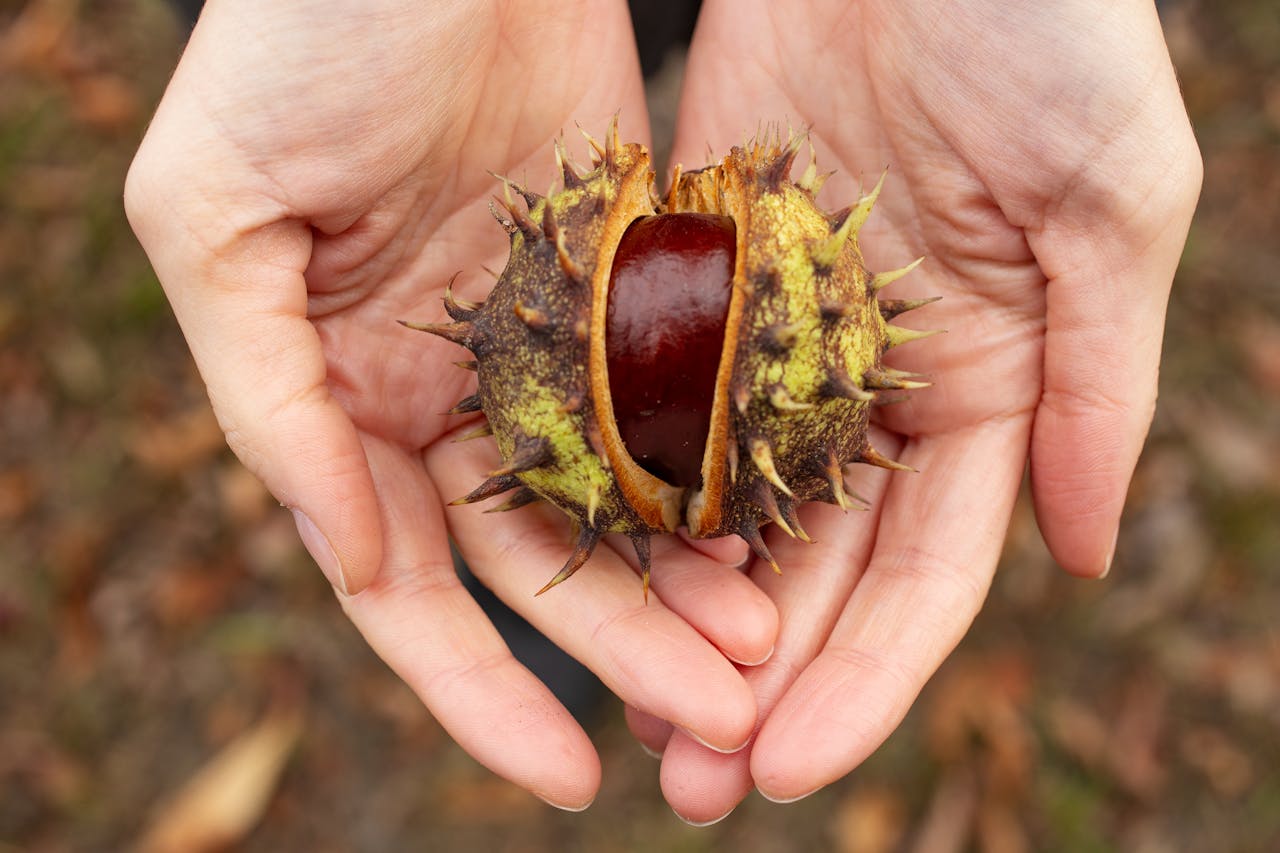
<p> Fall gardening is a rewarding endeavor that not only prepares your garden for the cooler months but also sets the stage for a flourishing spring. By following these seven essential steps, you can ensure that your outdoor space remains healthy and vibrant throughout the autumn and winter seasons. From cleaning up your garden beds to reflecting on your gardening experience, each step contributes to the joy and satisfaction of gardening. Embrace the beauty of fall and make the most of this transitional season as you nurture your garden and prepare for future growth. </p> :: Pexels

Fall gardening is a rewarding endeavor that not only prepares your garden for the cooler months but also sets the stage for a flourishing spring. By following these seven essential steps, you can ensure that your outdoor space remains healthy and vibrant throughout the autumn and winter seasons. From cleaning up your garden beds to reflecting on your gardening experience, each step contributes to the joy and satisfaction of gardening. Embrace the beauty of fall and make the most of this transitional season as you nurture your garden and prepare for future growth.

Filed Under: Lifestyle

Leave a Reply Cancel reply

Your email address will not be published. Required fields are marked *

  • Email
  • Facebook
  • Pinterest
  • Twitter

Our Most Popular Articles

ClickCashGo Review: Should You Avoid At All Costs?

Ultimate Guide to Mastering Your Credit Score

The 'YOLO' Mindset is a Dangerous Thing

Dave Ramsey's Financial Peace University Review: Is it Worth the Money?

Cash App Glitch 2025: Is the Free Money Glitch Real?

Five Steps To Debt Freedom

Here are five simple guidlines that will help you pay off debt.  

1) Get an emergency fund so you don’t take on debt when something comes up.

2) List your debts. This way you know where you stand.

3) Use the debt snowball. Pay your debts from smallest to largest, or most expensive to least expensive.

4) Avoid new debt. No new credit cards or loans. Period.

5) Go all cash. After everything is paid off, switch to all cash.

Helpful Resources

The Free Checklist for a Strong Financial Plan

U of Tennesse Debt Repayment Plan Basics

Vertex 42's Debt Payoff Calculator

Savingadvice's Helpful Debt Forums

Jackie Becks Debt Blog