Feel Younger Every Day: 7 Joint-Friendly Exercises Boomers Swear By
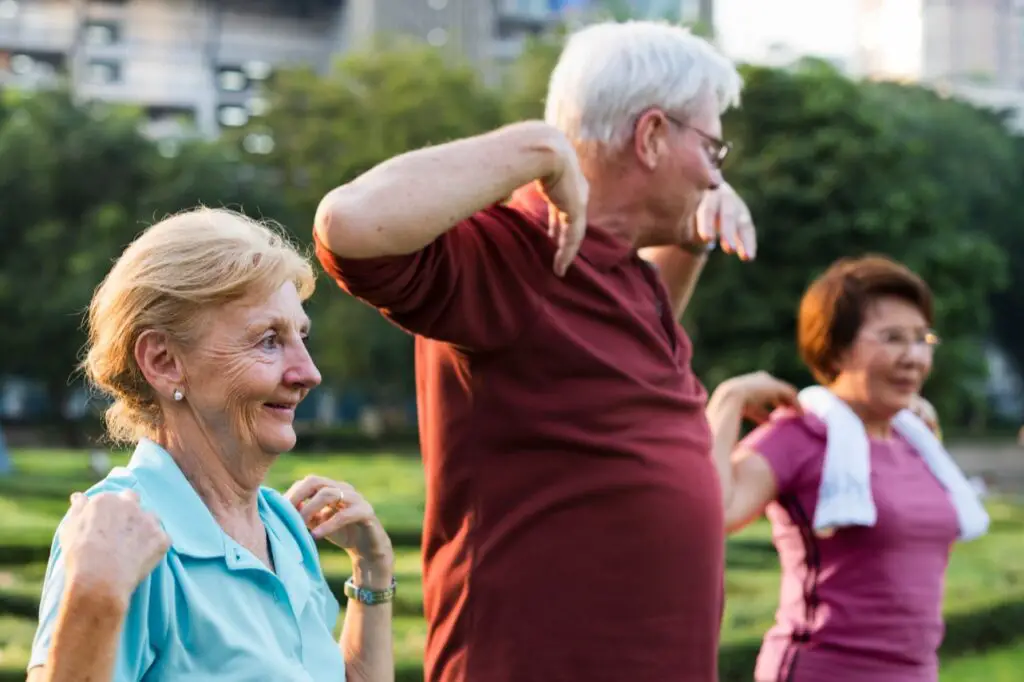
Let’s face it—getting older is inevitable, but feeling old? That’s a choice. And for millions of baby boomers across the U.S., the secret to staying young doesn’t lie in a bottle of vitamins or a fancy face cream—it’s movement. Not just any movement, though. The kind that’s joint-friendly, heart-healthy, and actually enjoyable.
Remember when exercise meant pounding the pavement or bending like a pretzel? Not anymore. As we age, our bodies ask for something a little smarter: activities that strengthen muscles, support flexibility, and improve balance—without aggravating joints. Luckily, there are plenty of ways to stay active without putting unnecessary strain on your knees, hips, or shoulders.
Here are seven exercises that boomers swear by to keep moving, stay independent, and feel younger every single day. Whether you’re just getting started or ready to mix up your routine, these joint-friendly moves are practical, proven, and perfect for your lifestyle.
1. Brisk Walking with a Purpose
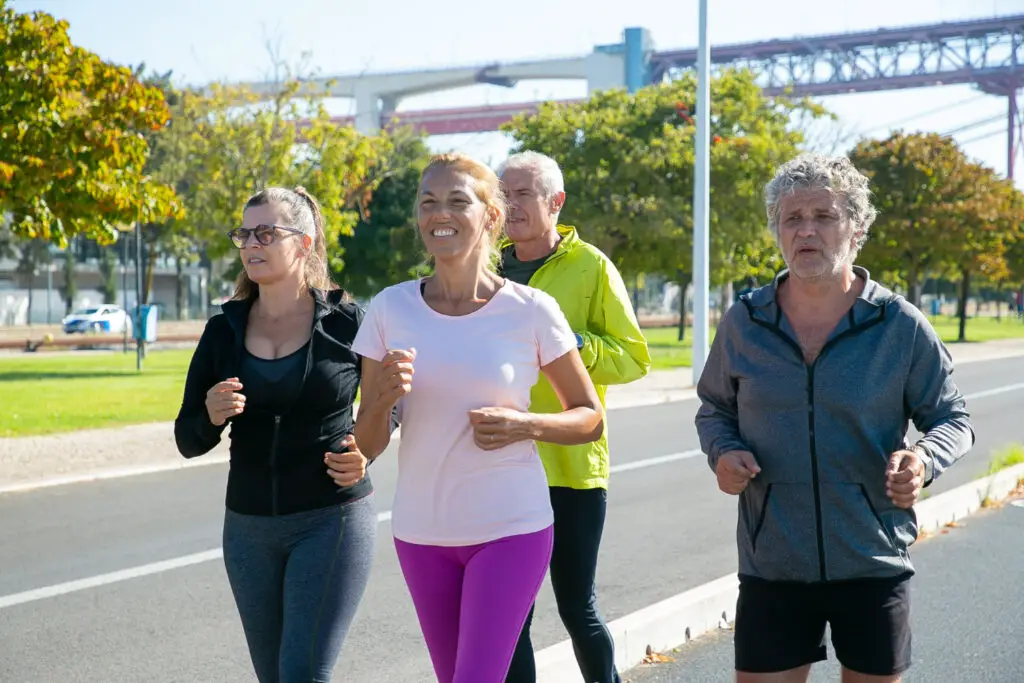
Walking is one of the most accessible, affordable, and effective forms of exercise for boomers. But here’s the key to unlocking its full power: pace. Studies show that increasing your cadence—your steps per minute—can dramatically improve your functional fitness, especially as you age.
How fast is fast enough? Aim for about 100 steps per minute, which translates to a 15-minute mile. That pace is brisk enough to raise your heart rate, loosen stiff joints, and boost your energy—without leaving you breathless or sore. For even better results, try incorporating two-minute “fast walk” intervals throughout your stroll. You’ll not only feel the difference—you’ll move with more pep in your step.
2. Water Aerobics or Pool Walking
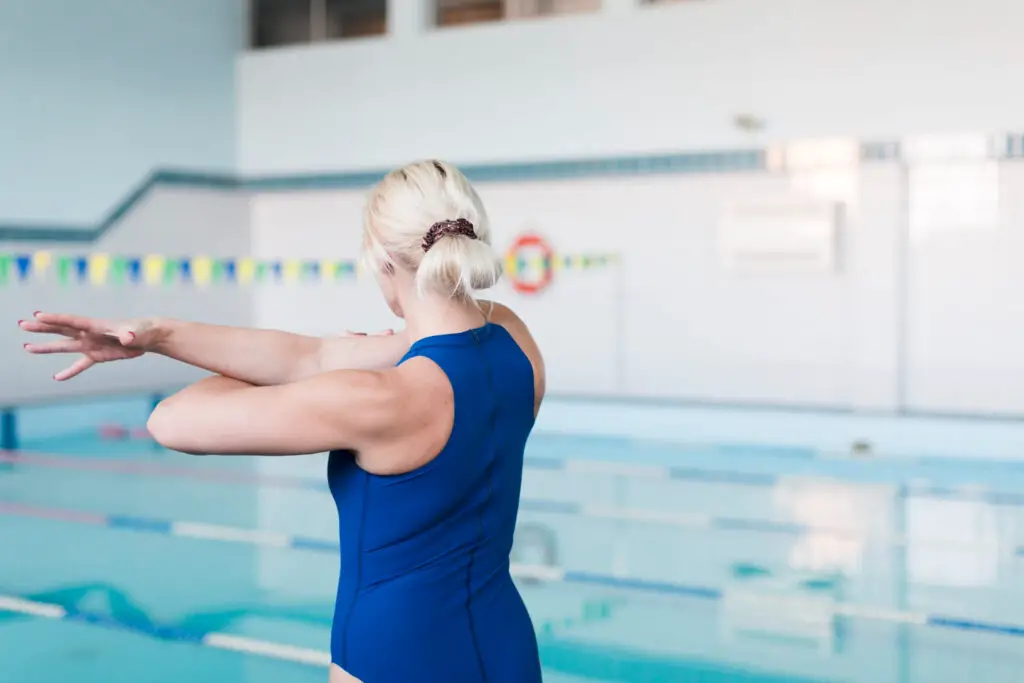
If your joints could talk, they’d probably ask you to take them swimming. Water workouts are incredibly joint-friendly because they combine buoyancy and resistance. That means you can strengthen your muscles and improve your cardiovascular health while avoiding the pounding impact of land-based exercises.
Many boomers love water aerobics classes for their low-impact nature and social vibe, but solo pool walking is just as effective. Walking or jogging in waist- to chest-deep water challenges your muscles while reducing pressure on your knees and back. It’s also a great way to stay cool in warmer weather. Think of it as strength training and therapy wrapped into one relaxing, splashy session.
3. Tai Chi for Strength and Balance
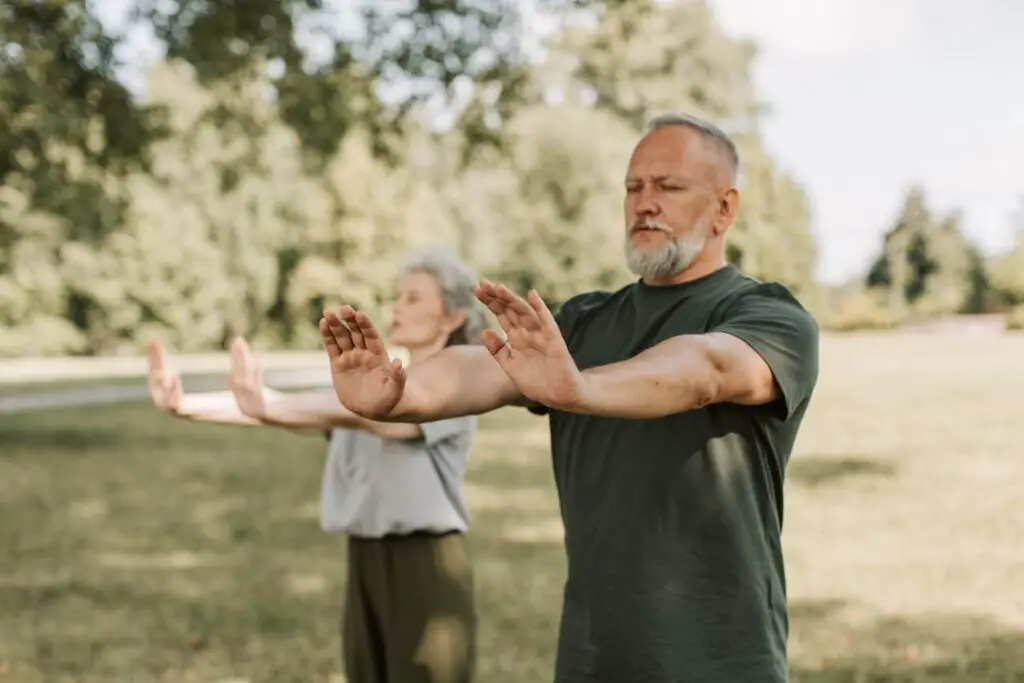
Sometimes called “meditation in motion,” Tai Chi blends slow, deliberate movements with deep breathing and mental focus. This ancient Chinese practice has gained major popularity with older adults—and for good reason. It improves flexibility, coordination, and balance, making it an ideal option for anyone hoping to reduce their fall risk or manage chronic joint pain.
In fact, studies show that regular Tai Chi can cut your fall risk by up to 60 percent. Plus, it’s soothing. Many people use it as a gentle way to center themselves, especially in the morning. You don’t need any special gear or experience—just a little floor space and the willingness to move mindfully. It’s both exercise and self-care, all rolled into one graceful flow.
4. Cycling—Stationary or Outdoors
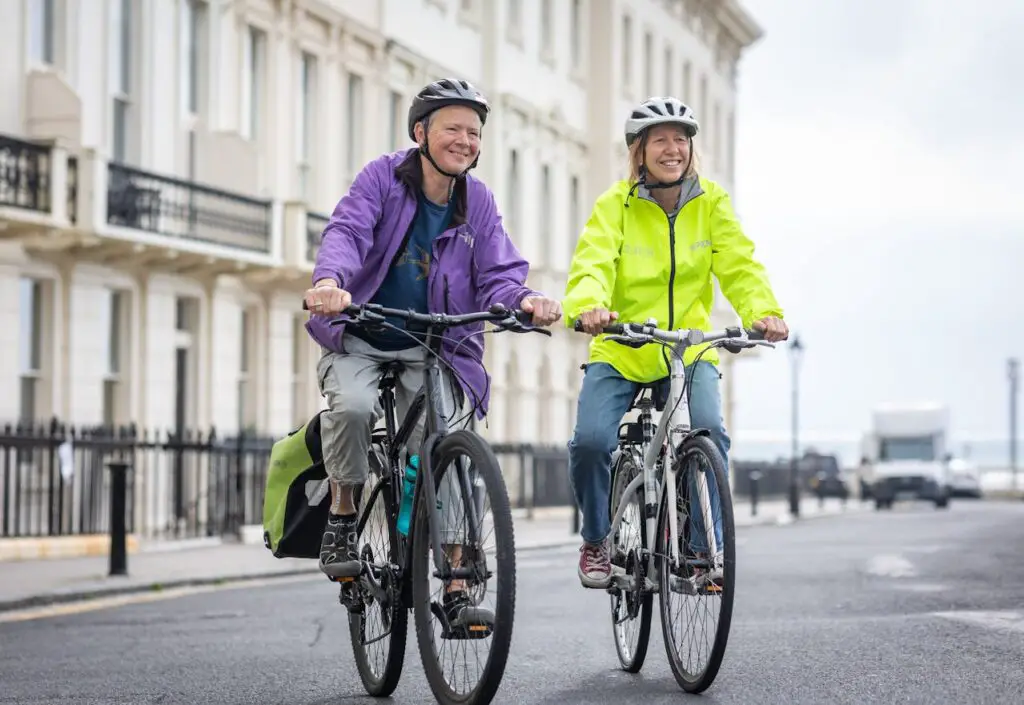
Remember how fun it was to ride a bike as a kid? Good news—it’s still fun, and now it’s fantastic for your joints. Whether you’re pedaling around the neighborhood or using a stationary bike at home, cycling gives your lower body a great workout without stressing your hips or knees.
It’s especially helpful for strengthening the muscles that support your joints, like your quads, glutes, and calves. Not a fan of steep hills or traffic? No problem—many boomers are turning to electric bikes (e-bikes), which provide a helpful boost when you need it. Indoors or outdoors, cycling is a feel-good, go-at-your-own-pace kind of exercise that promotes joint stability, endurance, and confidence on the move.
5. Light Strength Training
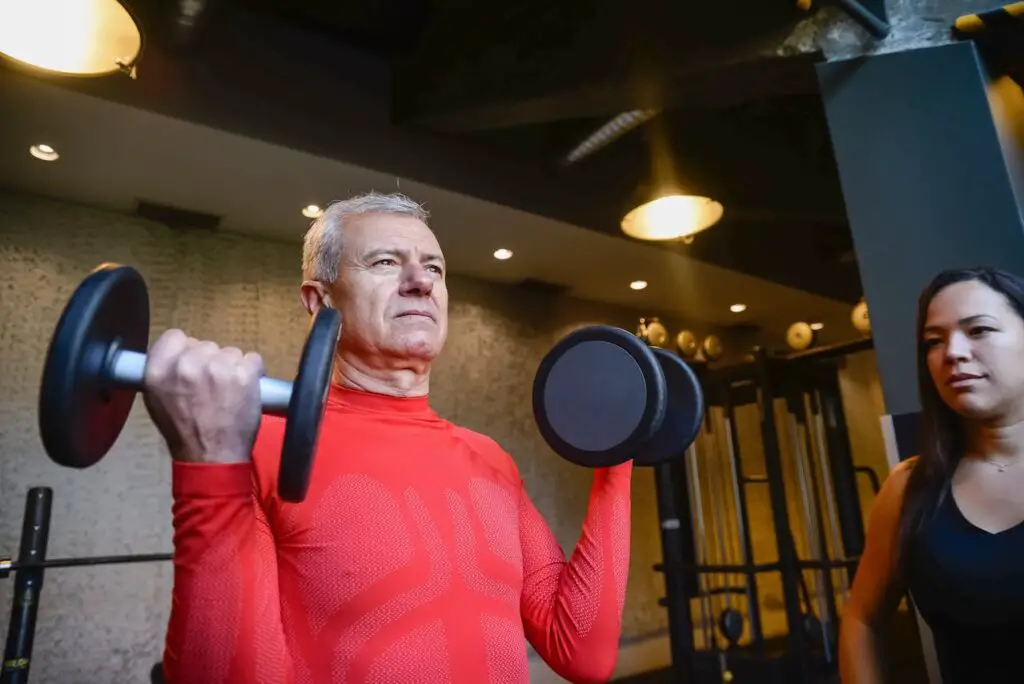
One of the best ways to protect your joints is to surround them with strong muscles. That’s where light strength training comes in. You don’t need heavy weights or an expensive gym membership. In fact, resistance bands, light dumbbells, or even your own body weight can do the trick.
Try moves like wall push-ups, seated bicep curls, leg lifts, or chair squats. These exercises target key areas like the hips, thighs, shoulders, and core—areas that tend to weaken with age and affect mobility. Strength training two to three times per week helps you move more easily, carry groceries with less effort, and reduce your risk of injury. Best of all, it can be done from the comfort of your living room.
6. Chair Yoga and Gentle Stretching
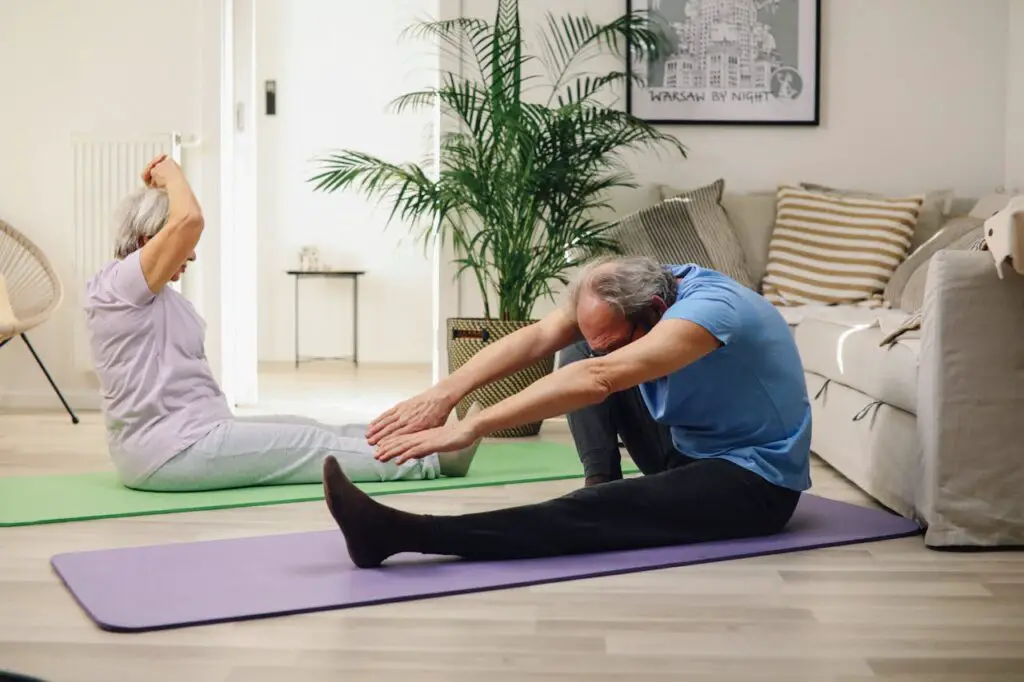
Yoga is often seen as a young person’s game, full of headstands and pretzel-like poses. But chair yoga offers a joint-safe alternative that boomers love. It brings all the benefits of traditional yoga—improved flexibility, strength, and mental focus—without the risk of falling or overstraining.
Using a sturdy chair for support, you can perform seated twists, forward bends, neck stretches, and leg lifts that help reduce stiffness and improve circulation. It’s an especially good option for people with arthritis, back pain, or balance concerns. And because it incorporates deep breathing, chair yoga also doubles as stress relief. You’ll come out of each session feeling refreshed, realigned, and maybe even a little taller.
7. Backward Walking for Coordination and Balance
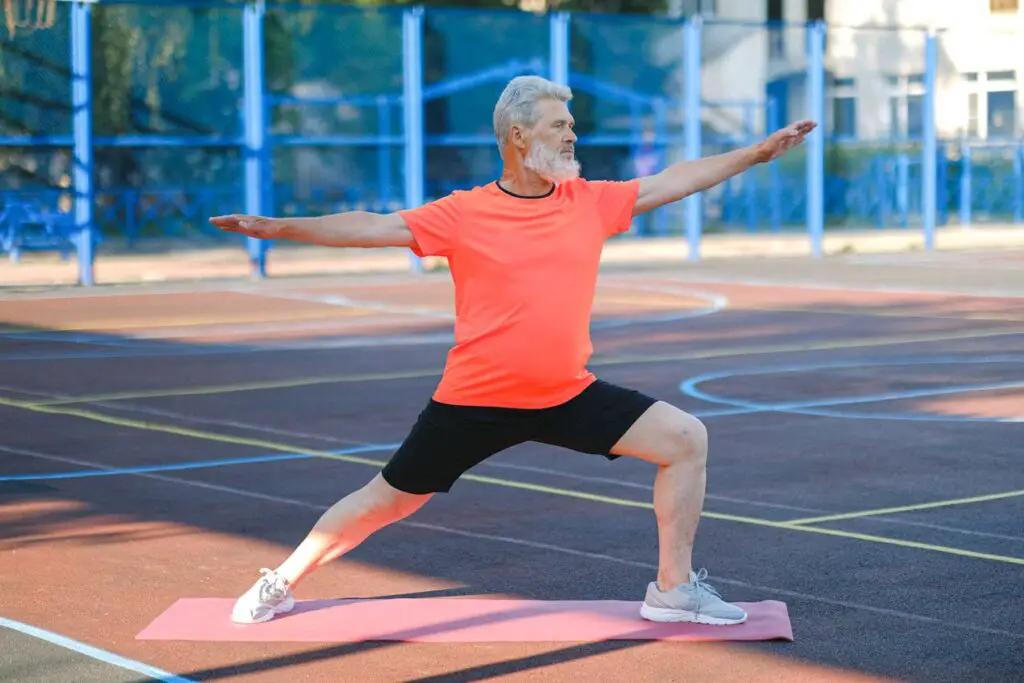
It might sound strange at first, but walking backward is one of the most effective—and fun—ways to challenge your body in a new way. Known as retro walking, this movement activates muscles in your legs and hips that don’t get used as much when walking forward. It also requires more focus, which improves coordination and brain function.
Start slowly by walking backward in a hallway, along a fence, or next to a wall for support. Just a few minutes a day can help improve your balance, strengthen your knees, and enhance your spatial awareness. It may feel a bit silly at first, but give it time. Many boomers find that this quirky move quickly becomes a favorite part of their routine—and a conversation starter to boot.
Final Thoughts
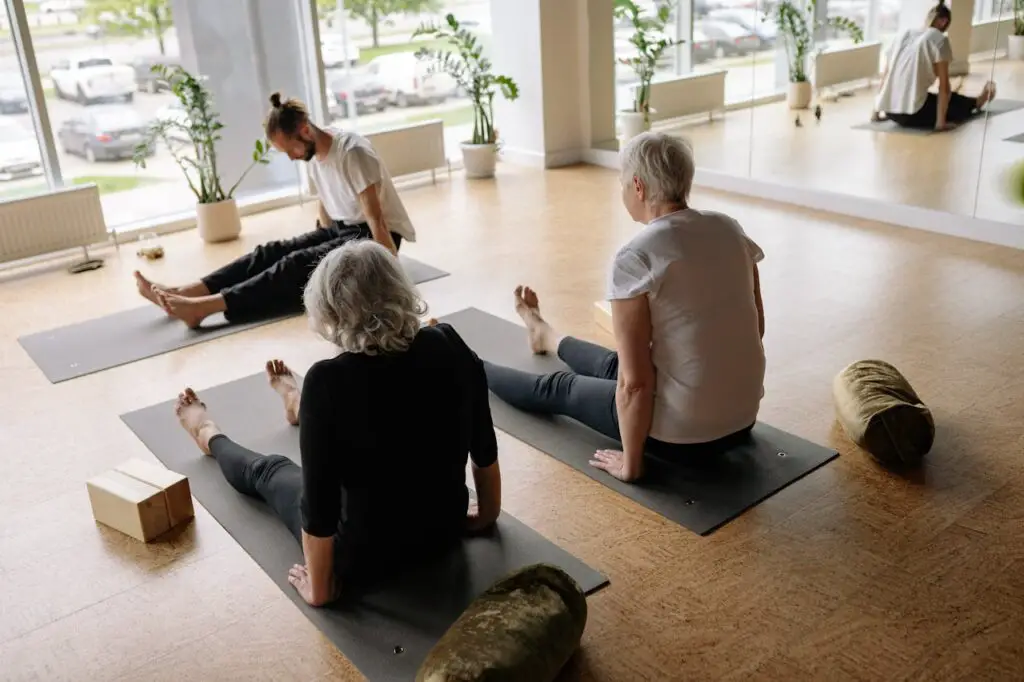
Here’s the thing about feeling younger—it doesn’t come from sitting still. It comes from moving often, moving smart, and moving with joy. The exercises in this list aren’t fads or trends. They’re time-tested, science-backed, and boomer-approved methods for keeping your body strong, flexible, and capable at every stage of life.
You don’t have to do them all, and you certainly don’t have to be perfect. Start where you are. Maybe it’s a ten-minute walk around the block or a few leg lifts during a commercial break. What matters most is showing up for yourself, one joint-friendly move at a time.
Because getting older doesn’t mean giving up—it means getting wiser about how you take care of yourself. And when you choose exercises that support your body instead of strain it, you’re not just preserving your health—you’re reclaiming your freedom.
So take a deep breath, pick one movement that speaks to you, and get started. Your younger-feeling self is waiting.
Leave a Reply