The Hard Truths About Living Paycheck to Paycheck in 2025
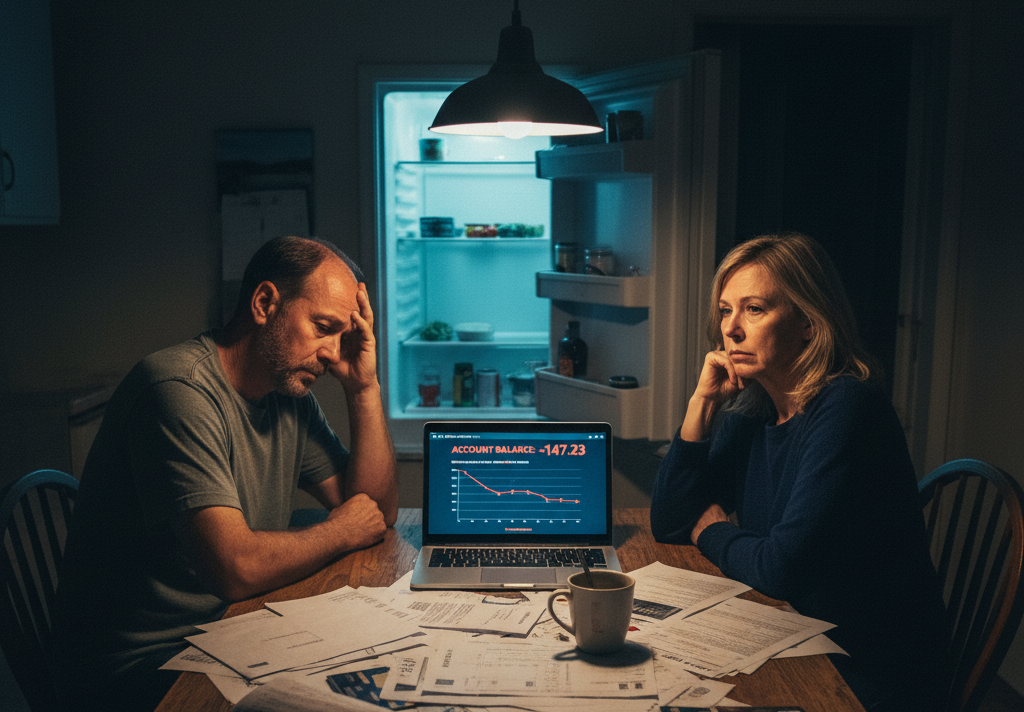
It’s payday, and for a brief moment, you feel rich. You grab your favorite coffee, maybe order takeout for dinner, and for a split second, life feels good. Then—bam—the rent hits, the car payment clears, groceries drain the rest, and before you know it, you’re refreshing your banking app wondering how it all disappeared so fast. Sound familiar?
You’re not alone. In 2025, living paycheck to paycheck isn’t just a temporary phase—it’s become a way of life for millions of Americans. Despite working full-time, budgeting carefully, and doing “all the right things,” many people still find themselves counting the days until the next direct deposit lands. It’s not because they’re reckless or bad with money—it’s because the math simply doesn’t add up anymore.
But this isn’t just about money. It’s about the constant tension of trying to stay afloat in an economy that feels stacked against you. It’s the stress of unexpected expenses, the guilt of saying no to fun, and the quiet fear of what happens if your paycheck ever stops.
The truth is, this financial balancing act takes a toll—on your mind, your health, and your sense of control. And while some of these truths might be hard to hear, facing them head-on can also be freeing. Because the first step to breaking the cycle is understanding the reality behind it.
So, let’s get real. Here are ten hard truths about living paycheck to paycheck in 2025—and what they reveal about life, money, and the hope for something better.
1. You’re Not Alone—Far From It

If you feel like everyone else is doing better than you, social media is lying to you. Over half of Americans report living paycheck to paycheck in 2025. That means more than 60 percent of people are barely scraping by between paydays. You’re not lazy, irresponsible, or unlucky—you’re part of a growing reality shaped by inflation, housing costs, and economic pressure. Understanding that you’re not alone isn’t meant to make you comfortable, but it should remind you that you’re not broken. The system is tough, and millions are facing the same uphill climb.
2. A Bigger Paycheck Doesn’t Always Mean Financial Freedom

It’s easy to assume that more money equals less stress, but that’s not always true. Surprisingly, even people earning six figures often live paycheck to paycheck. Lifestyle inflation—the tendency to spend more as you earn more—can keep you trapped in the same financial loop, just with bigger numbers. Whether you make $40,000 or $120,000 a year, what matters most is how much of that income stays in your pocket after bills, not how impressive it looks on paper.
3. Living Without a Safety Net Means Living on Edge
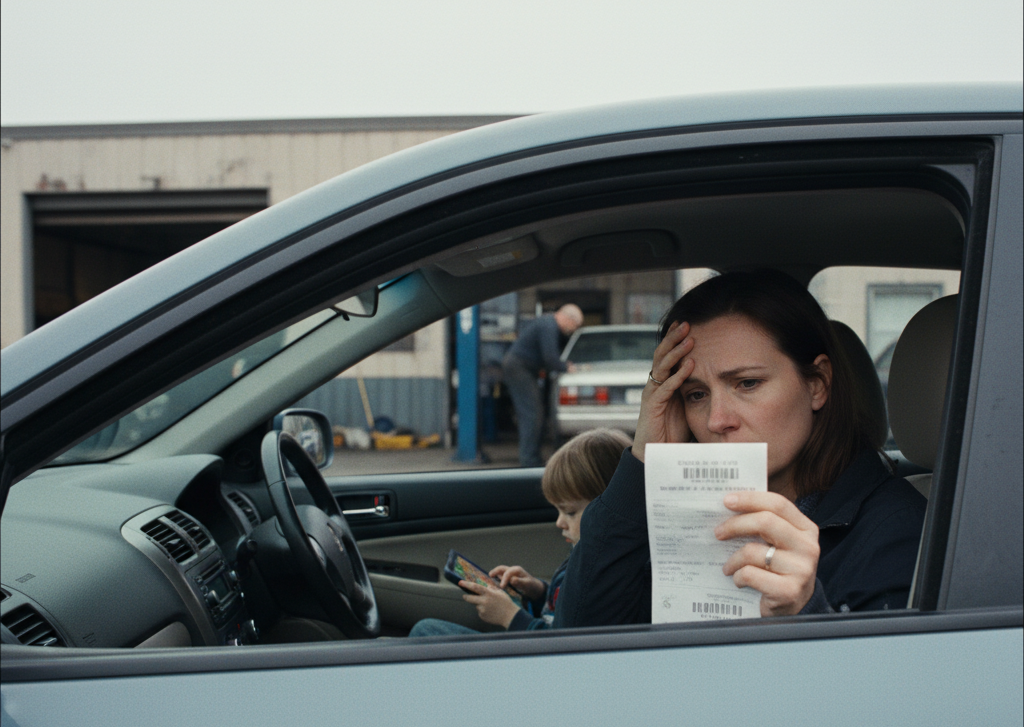
When you have little to no savings, every small emergency can feel like a full-blown crisis. A surprise car repair, a medical bill, or even a lost shift at work can send your entire budget spiraling. Studies show that about 40 percent of Americans can’t cover a $1,000 emergency without borrowing money. That lack of cushion creates constant anxiety, because you’re one unexpected event away from financial chaos. The stress of not knowing how you’d handle an emergency can take a serious toll on your mental and emotional health.
4. The Cost of Living Keeps Rising—But Paychecks Aren’t Keeping Up

Groceries, rent, gas, insurance—everything costs more in 2025. Even if your paycheck has gone up a little, inflation has likely eaten away those gains. The reality is that many workers’ incomes simply aren’t keeping pace with rising expenses. You might be earning more dollars than you did a few years ago, but those dollars don’t stretch nearly as far. The result? You’re working harder than ever just to stay in the same place.
5. When Every Dollar Is Accounted For, Life Feels Fragile

Living paycheck to paycheck doesn’t just mean running out of money—it means living without margin. If your entire paycheck is already spoken for by bills, there’s no breathing room for mistakes, changes, or opportunities. You might hesitate to take a day off, turn down social invitations, or make career moves simply because the risk feels too high. When every financial decision feels like a tightrope walk, you start to feel trapped. That fragility wears you down over time.
6. Budgeting Helps—but It’s Not Always Enough

Financial experts love to preach the power of budgeting, and yes, it can be life-changing. But when your income barely covers your basic expenses, no amount of budgeting can magically create extra money. Sometimes the issue isn’t your spending habits—it’s the math. The cost of housing, healthcare, and groceries can simply outpace what you earn. That doesn’t mean you shouldn’t budget—it means you shouldn’t blame yourself if your budget still feels impossibly tight. The real problem isn’t a lack of discipline; it’s an economy that’s stretched many people to their limits.
7. It Can Feel Stable—Until It Isn’t

When you’ve been managing this lifestyle for a while, it can start to feel “normal.” The bills get paid, the lights stay on, and you get by. But that sense of stability is often misleading. Without savings or a backup plan, you’re always one paycheck away from falling behind. You might be surviving, but you’re not secure. The danger of living paycheck to paycheck is that it disguises fragility as normalcy—until something goes wrong and reality hits hard.
8. The Stress Doesn’t Stay in Your Wallet

Money stress has a way of showing up everywhere else in your life. It keeps you up at night, distracts you during the day, and strains your relationships. Studies have linked chronic financial stress to anxiety, depression, and even physical health problems like high blood pressure. Living paycheck to paycheck means carrying constant uncertainty—and that kind of pressure doesn’t just hurt your bank account, it hurts your well-being. You start to live in survival mode, and it’s hard to dream, plan, or even relax when you’re always worried about money.
9. It Delays or Derails Life Goals

When every penny is tied to your next paycheck, saving for the future becomes nearly impossible. Retirement, buying a home, taking a vacation—these milestones feel out of reach when you’re just trying to stay afloat. You may find yourself putting off big goals or sacrificing dreams because the money simply isn’t there. Over time, that can lead to frustration and regret, especially when you realize how much life you’ve spent in “catch-up” mode.
10. The Cycle Can Be Broken—But It Takes Intention

Here’s the hopeful part: even though living paycheck to paycheck is tough, it’s not permanent. Small, consistent changes can start to build momentum. Creating a tiny emergency fund, automating a bit of savings, cutting one unnecessary expense, or finding small ways to increase income can help you slowly build breathing room. The goal isn’t to overhaul your life overnight—it’s to start moving from “barely getting by” to “slightly ahead.” Over time, those little wins add up, and with patience and persistence, the cycle can be broken.
Final Thoughts

Living paycheck to paycheck in 2025 is more common than most people realize, and it’s not a reflection of your worth or effort. It’s the result of economic realities that make financial security harder to achieve for millions of Americans. But while the system might be stacked against you, awareness is the first step toward change.
When you understand these truths—how widespread the issue is, how emotional the toll can be, and how fragile that balance really feels—you can start making practical decisions that shift your situation, even in small ways. It might mean trimming one expense, setting up a savings auto-transfer, or exploring a side hustle that adds a few hundred dollars a month.
You may not escape the paycheck-to-paycheck grind overnight, but every step you take toward financial breathing room is a win. Little by little, you can build stability, confidence, and peace of mind. And while the hard truths might sting at first, facing them is how you eventually create a life where your money works for you—not the other way around.
Leave a Reply