5 Meats Seniors Should Avoid, According to Experts
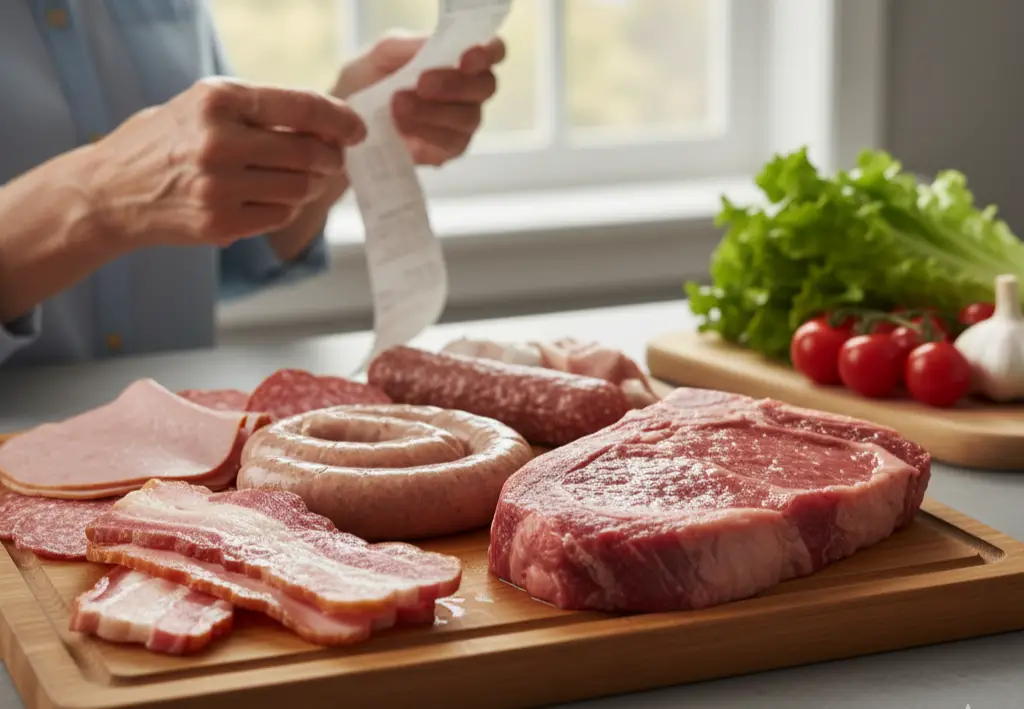
As the years go by, most of us start paying closer attention to what we eat—and for good reason. The foods that once seemed harmless can take a bigger toll on our health as we age. For baby boomers, staying active and sharp often means being smarter about diet choices. One area that experts continually emphasize is meat consumption.
Sure, a juicy steak or a crispy strip of bacon might taste like heaven, but certain meats come with hidden health risks that can creep up on you. As metabolism slows and the body becomes less efficient at processing fats and sodium, the impact of these foods becomes more significant. That doesn’t mean you need to swear off meat completely, but it does mean it’s worth knowing which ones could be doing you more harm than good.
Here are five types of meat that experts recommend seniors limit or avoid to protect their heart, boost their energy, and help them live longer, healthier lives.
1. Processed Deli Meats
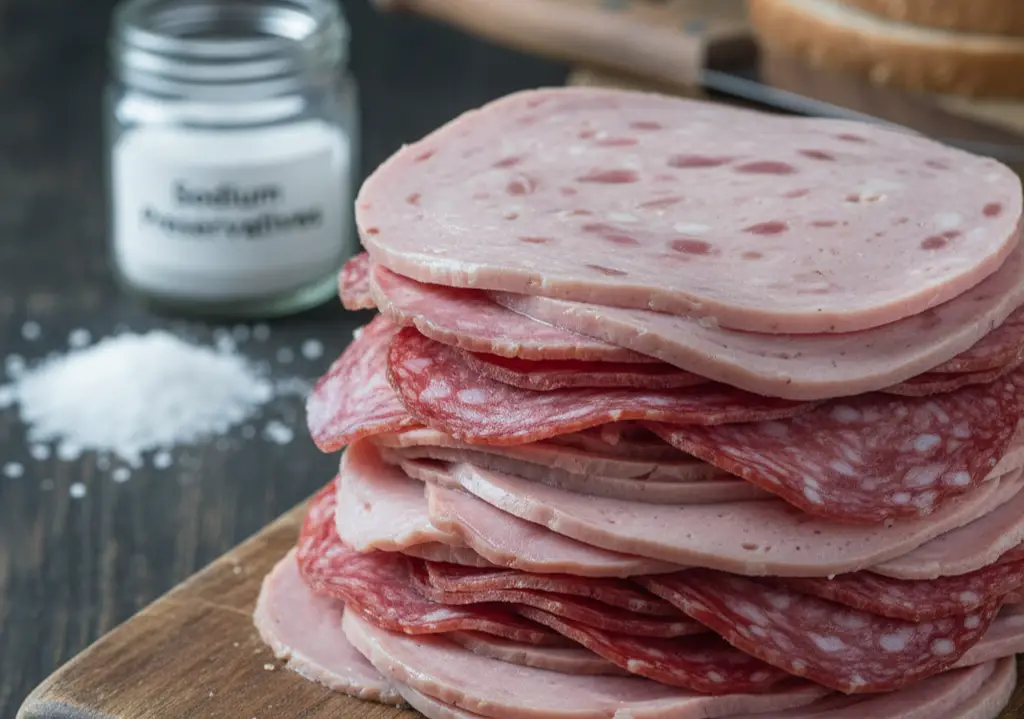
They might be quick and convenient, but processed deli meats like salami, bologna, and deli ham are some of the worst offenders when it comes to unhealthy ingredients. These meats are often loaded with sodium, saturated fats, preservatives, and nitrates—all of which can contribute to high blood pressure, heart disease, and even certain cancers.
As we get older, our kidneys and cardiovascular system become more sensitive to salt and fat. That daily turkey sandwich from the supermarket may seem innocent, but the salt and additives in those thin slices can add up fast. Nutritionists recommend swapping out processed deli meats for freshly roasted turkey or chicken that you prepare at home. You’ll not only cut down on unnecessary sodium, but you’ll also get a cleaner, more natural source of protein.
If convenience is the issue, consider cooking extra chicken breasts or turkey fillets and storing them in the fridge for quick, healthy sandwiches during the week.
2. Hot Dogs and Sausages

Few foods feel more American than a hot dog at a summer barbecue. Unfortunately, these classic favorites are among the least senior-friendly meats out there. Hot dogs, sausages, and bratwursts are typically highly processed and cured, meaning they contain nitrates, nitrites, and plenty of added fat and salt.
The high sodium content can worsen blood pressure problems, while the preservatives have been linked to increased cancer risks. Add in the fact that these meats are often cooked at high temperatures—grilled or smoked—which can create harmful compounds, and you have a recipe for trouble.
If you still love the occasional cookout, experts say it’s fine to enjoy a hot dog or sausage once in a while, but treat it as a rare indulgence. Look for versions made with leaner meats like turkey or chicken, and pair them with fiber-rich sides like vegetables or a whole-grain bun to help offset the sodium.
3. Large Portions of Red Meat
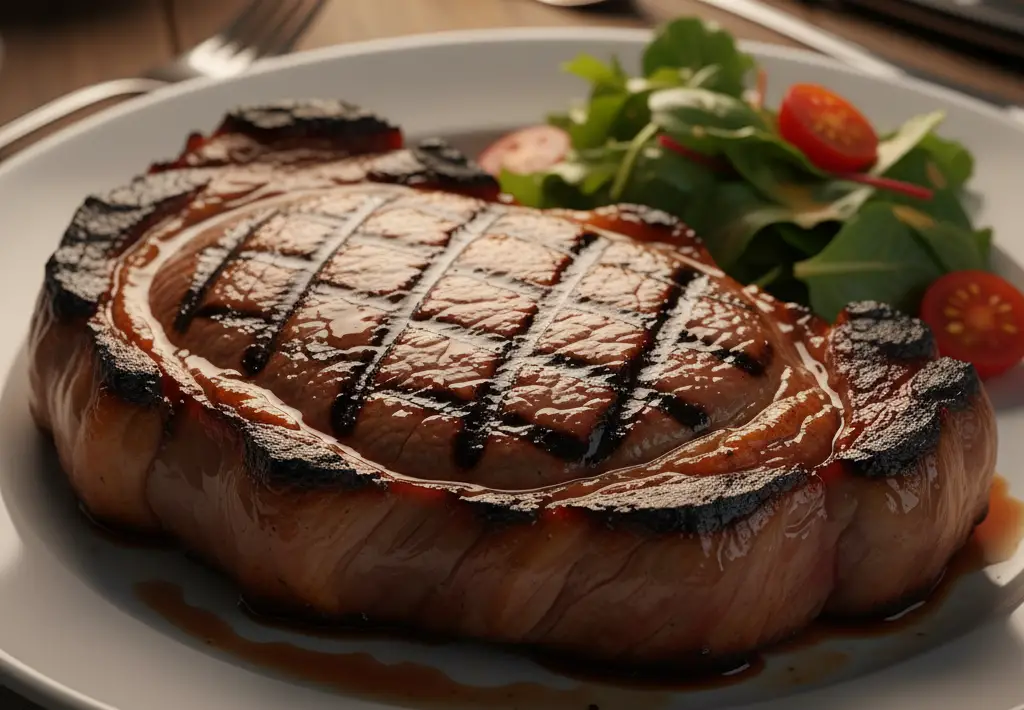
Steak, burgers, and pork chops have long been staples of the American dinner table, but for older adults, less is more when it comes to red meat. Studies show that eating large amounts of red meat—especially fatty cuts—can increase the risk of heart disease, type 2 diabetes, and certain cancers.
Red meat is also a top source of saturated fat, which can raise LDL (bad) cholesterol and put strain on aging arteries. That doesn’t mean you can’t ever have a steak again, but experts suggest enjoying it in moderation. Stick to leaner cuts such as sirloin or tenderloin, keep portions smaller (around three to four ounces), and limit red meat meals to a couple of times per week.
When you do have it, try to grill or broil lightly instead of charring it. Heavy charring not only adds bitterness but can also produce carcinogenic compounds. Balance your plate with colorful vegetables and whole grains to round out the meal and boost your fiber intake.
4. Undercooked or Raw Meats
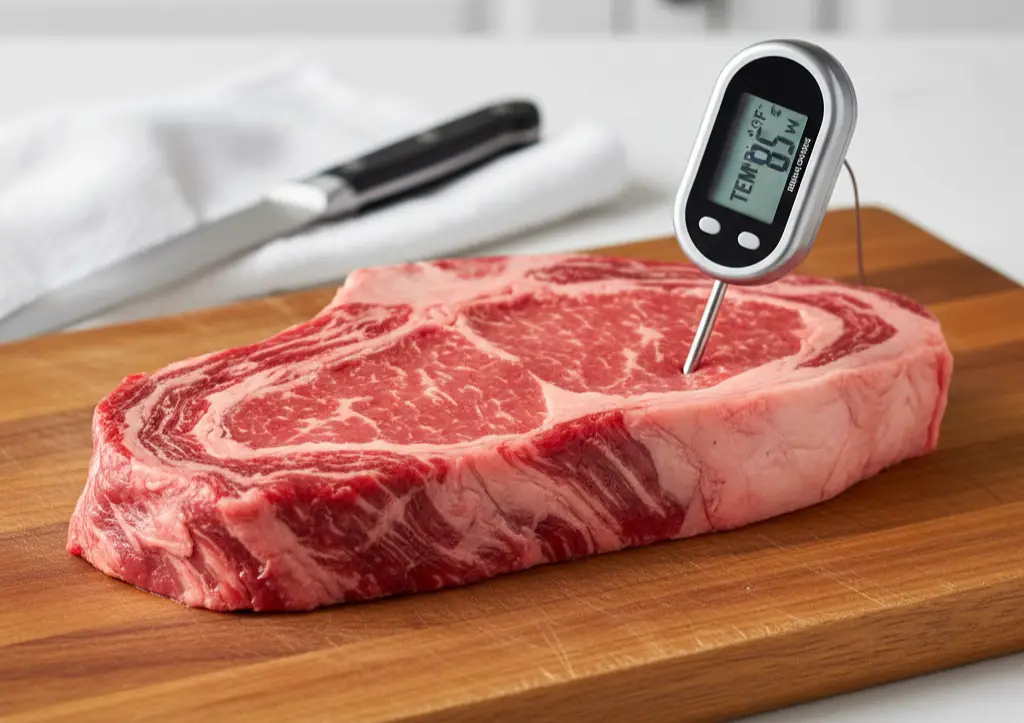
There was a time when ordering your steak “rare” felt sophisticated, but as we age, the risks of undercooked or raw meat become far greater than the reward. The immune system naturally weakens with age, making seniors more susceptible to foodborne illnesses caused by bacteria like Salmonella, Listeria, and E. coli.
According to the Centers for Disease Control and Prevention (CDC), adults over 65 are among the most vulnerable to severe complications from these infections. Even a mild case of food poisoning can quickly become dangerous for older adults, especially if dehydration or hospitalization follows.
The safest approach is simple: cook meats thoroughly. Use a meat thermometer to ensure the proper internal temperature—145°F for whole cuts of beef, pork, and lamb (with a three-minute rest), 160°F for ground meats, and 165°F for poultry. Store meats properly in the fridge, avoid cross-contamination on cutting boards, and reheat leftovers completely before eating.
Playing it safe doesn’t make you fussy—it makes you smart.
5. Fatty and Greasy Cuts of Meat
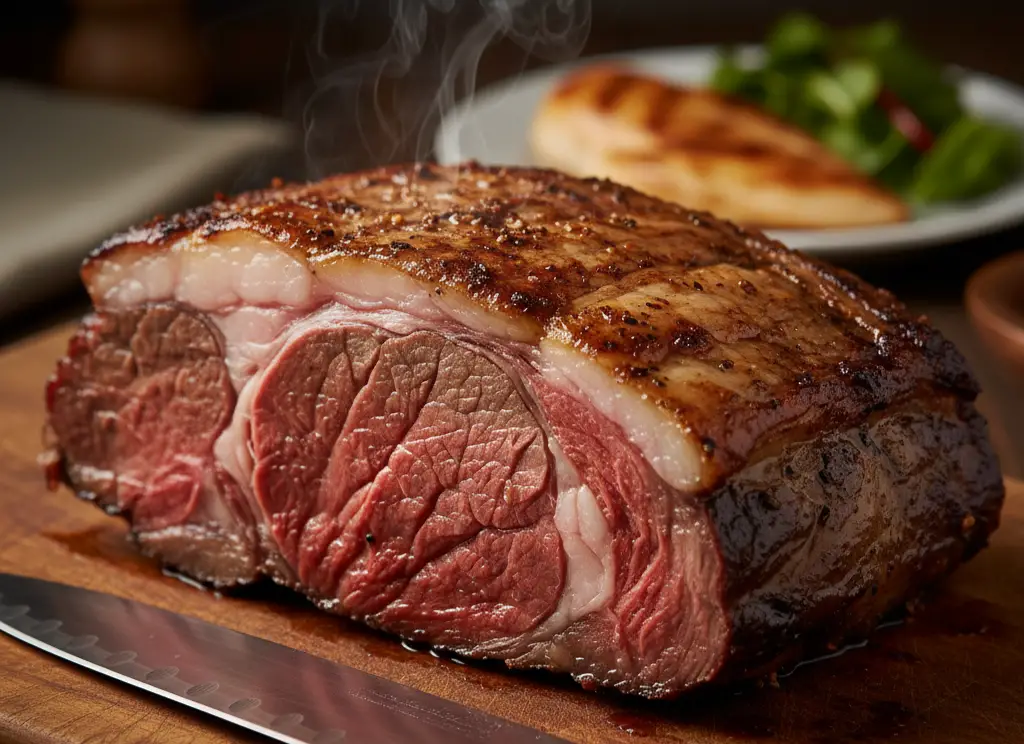
We all know that prime rib and marbled steaks are delicious, but they’re also loaded with saturated fat. Consuming too much of this type of fat can raise your cholesterol levels, clog arteries, and put unnecessary strain on your heart. For many seniors who already deal with high blood pressure or cholesterol issues, these cuts are best enjoyed on rare occasions.
Fatty meats also tend to be harder to digest, which can cause discomfort as the digestive system slows with age. Instead, choose leaner cuts such as flank steak, pork tenderloin, or skinless chicken breast. Trim off visible fat before cooking, and opt for baking, grilling, or roasting instead of frying.
You’ll still get all the flavor and satisfaction of a hearty meal—just without the extra grease weighing you down.
Final Thoughts
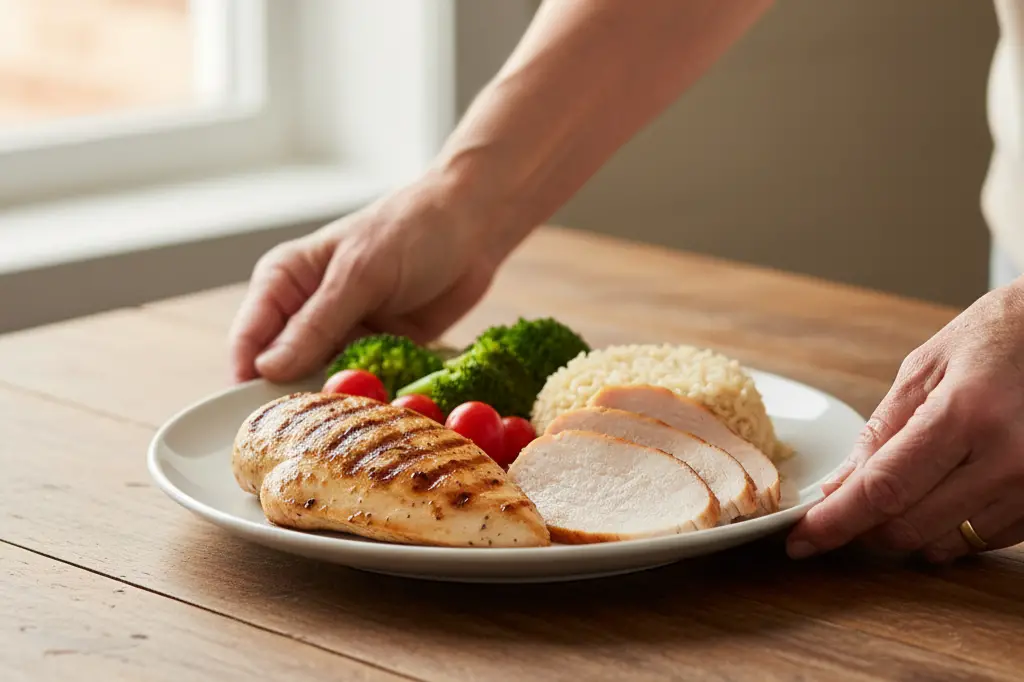
Eating well in your later years isn’t about giving up the foods you love—it’s about making smarter choices that help you feel your best. The truth is, you don’t have to eliminate meat entirely. You simply need to be more mindful of the types and portions you choose.
By cutting back on processed, fatty, and undercooked meats, you can dramatically improve your heart health, digestion, and energy levels. Replacing them with lean proteins, fish, beans, and plenty of vegetables will help your body get the nutrients it needs without the extra salt, fat, or additives that can cause harm.
Remember, food is one of life’s great pleasures, and there’s no reason you can’t continue to enjoy it. With a few small adjustments, you can keep your favorite flavors on the plate while giving your body the respect and care it deserves.
After all, you’ve worked hard to get to this stage in life—why not enjoy it feeling strong, healthy, and full of vitality? Make the change today, and let your next meal be a step toward a longer, happier tomorrow.
Leave a Reply