Why You Should Think Twice Before Mixing Coffee with These 10 Medications

For millions of Americans, the day doesn’t officially start until that first sip of coffee hits the bloodstream. The aroma, the warmth, the comfort—it’s more than a drink; it’s a ritual. But while coffee gives your brain a boost, it can also clash with certain medications in ways you might not expect.
Caffeine is a powerful stimulant that affects how drugs are absorbed, processed, and even how they work once inside your body. Sometimes it weakens a medication’s effectiveness. Other times, it can intensify side effects like anxiety, restlessness, or insomnia. The result? Your favorite morning cup might be doing more harm than good—especially when timed poorly with certain prescriptions.
Here’s a practical guide to the medications you should never mix with coffee, plus simple tips to keep both your health and caffeine habit in harmony.
1. Anticoagulants (Blood Thinners)
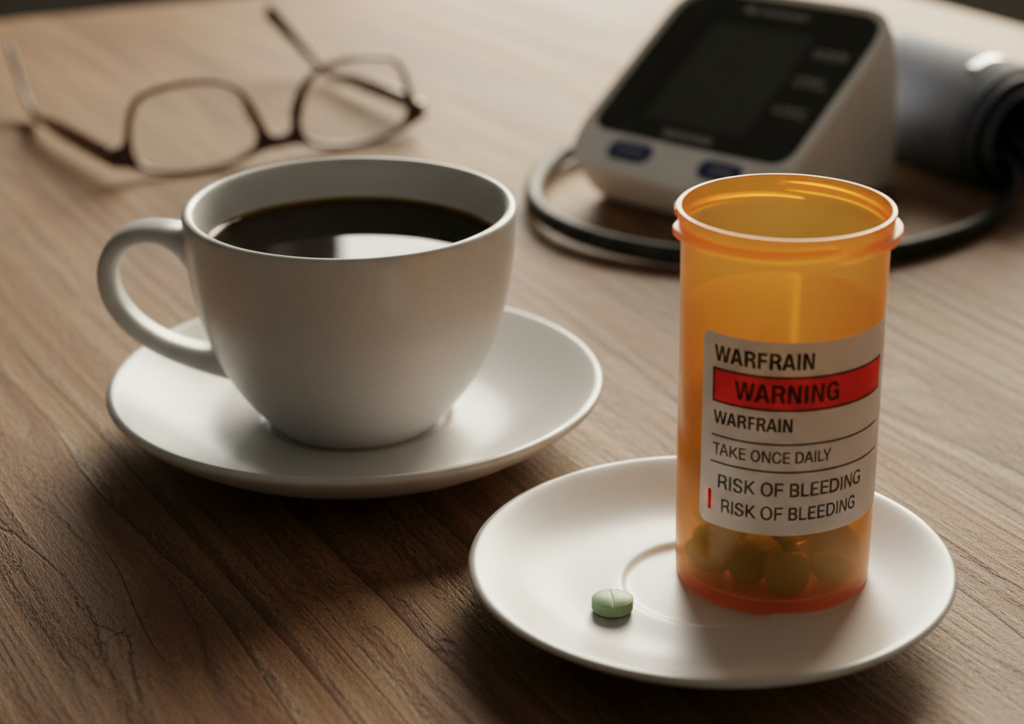
If you’re taking blood thinners like Warfarin, it’s worth being cautious with your coffee. Caffeine can raise drug levels in your bloodstream, potentially increasing the risk of bruising or bleeding. Since these medications already thin the blood, the added stimulation from caffeine may push things a little too far.
Pro Tip: Enjoy your coffee at least an hour before or after your dose. And if you notice unexplained bruises or prolonged bleeding, talk to your doctor about adjusting your caffeine intake.
2. Thyroid Medications (Levothyroxine)

If you take thyroid medication such as Levothyroxine, your morning coffee could be getting in the way. Studies show that drinking coffee too soon after swallowing your pill can reduce its absorption by up to half, leaving you feeling sluggish or unbalanced throughout the day.
Pro Tip: Take your thyroid medication first thing in the morning with a full glass of water, and wait at least 30 to 60 minutes before sipping your first cup of coffee. It might feel like a long wait, but your thyroid will thank you.
3. Osteoporosis Medications (Bisphosphonates)

If you’re on bone-strengthening drugs like Alendronate, Ibandronate, or Risedronate, coffee is not your friend—at least not right after taking your pill. These medications are tricky to absorb and require an empty stomach and plain water to work properly. Adding coffee too soon can cancel out much of their benefit.
Pro Tip: Take your medication first thing in the morning, stay upright for at least 30 minutes, and resist the temptation to grab your latte until later. Think of it as a well-earned reward for good bone health.
4. Asthma Medications (Theophylline and Similar Drugs)

If you rely on older asthma medications like Theophylline, caffeine can be a problem. Both coffee and Theophylline stimulate the central nervous system, which can lead to racing heartbeats, jitteriness, or even trouble sleeping.
Pro Tip: Space your coffee and medication apart by at least an hour or two. If your asthma medication already makes you feel wired, you might want to switch to decaf or tea until your body adjusts.
5. Antidepressants and Antipsychotics

Some antidepressants and antipsychotic medications, including certain SSRIs and tricyclics, don’t play well with caffeine. Coffee can either make these medications less effective or exaggerate their side effects—like restlessness, irritability, and increased heart rate.
Pro Tip: You don’t have to give up your morning brew completely, but it might help to cut down or time your coffee after your medication has had a chance to work. If you’re feeling extra jittery or can’t sleep, ask your doctor whether caffeine could be to blame.
6. Alzheimer’s and Dementia Medications (Cholinesterase Inhibitors)

For people taking drugs like Donepezil or Rivastigmine, caffeine may interfere with how well the medication reaches the brain. This can reduce its effectiveness and even amplify side effects like nausea or restlessness.
Pro Tip: If you or a loved one is on medication for memory or cognition, separate coffee from pill time. Taking your medication first and having coffee with breakfast later is often the safest route.
7. Blood Pressure Medications (Calcium Channel Blockers and Beta Blockers)
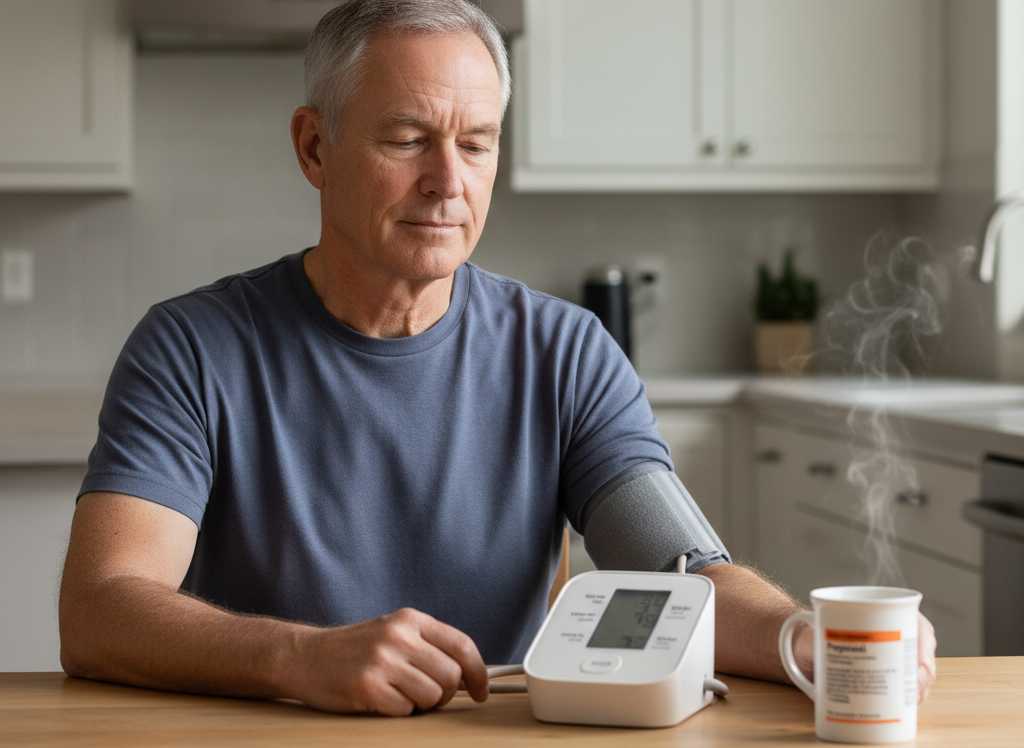
If you take blood pressure medications like Verapamil or Propranolol, that morning coffee could counteract their effects. Caffeine temporarily raises blood pressure, which can undo the benefits of the medication and make readings less stable.
Pro Tip: Keep your coffee moderate—one or two cups per day—and take your medication well before you start drinking caffeine. Monitoring your blood pressure regularly can also help you see how coffee impacts your numbers.
8. Cold, Flu, and Allergy Medications (Decongestants and Antihistamines)

If you reach for a cold medicine containing Pseudoephedrine or another stimulant, combining it with coffee can lead to a serious case of the jitters. Both substances raise your heart rate and blood pressure, leaving you feeling shaky and anxious.
Pro Tip: When you’re under the weather, stick to decaf or herbal tea until your symptoms clear up. Your body will have an easier time resting and recovering without the caffeine kick.
9. Diabetes Medications
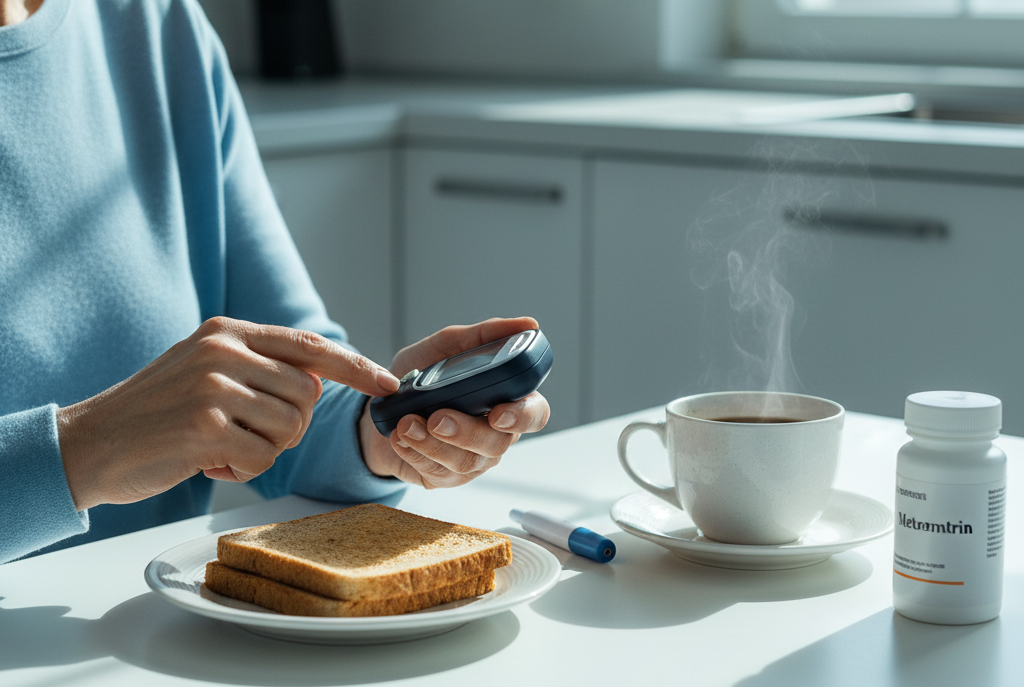
If you have diabetes, coffee can affect how your body processes sugar and insulin. Caffeine may cause blood sugar spikes or make it harder to predict how your glucose levels will respond after meals. When combined with diabetes medications, that can create an unpredictable roller coaster of highs and lows.
Pro Tip: Track your blood sugar after drinking coffee, especially when starting a new medication. You may find it easier to tolerate coffee when it’s paired with food rather than on an empty stomach.
10. Methotrexate and Other Immunosuppressants

If you take Methotrexate or similar medications for autoimmune conditions or certain cancers, caffeine may increase how much of the drug stays in your system. This can intensify side effects like nausea, fatigue, and mouth sores.
Pro Tip: Ask your doctor or pharmacist whether caffeine could interfere with your treatment. If you’re advised to cut back, try switching to low-caffeine or caffeine-free options that still give you that cozy morning ritual.
Final Thoughts
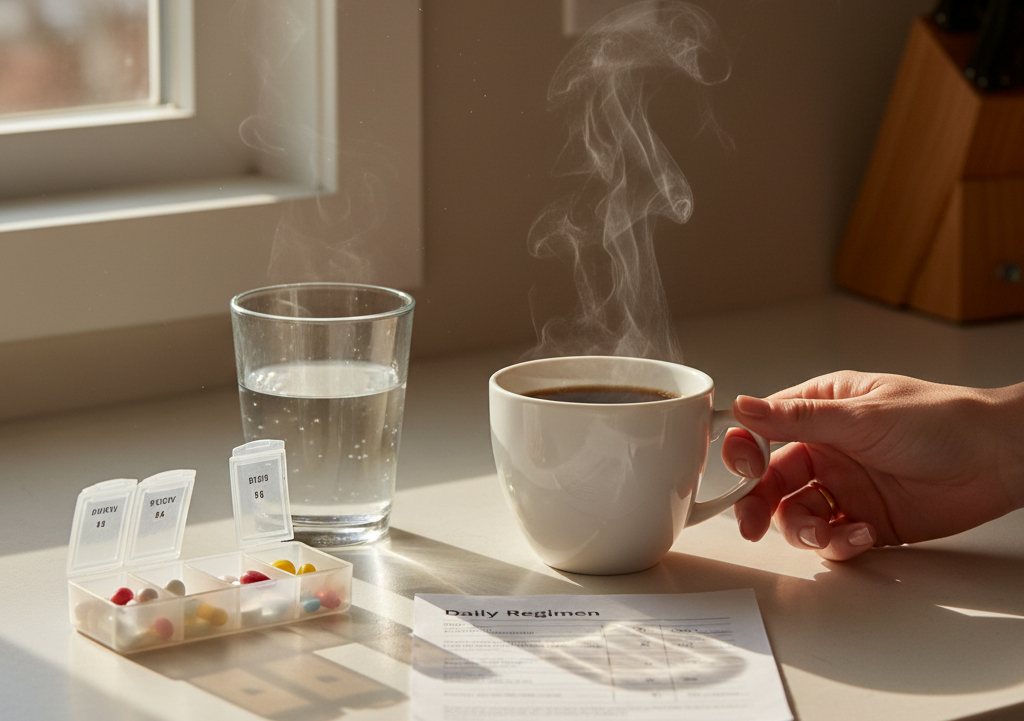
Let’s be honest—coffee isn’t going anywhere. It’s part comfort, part energy, and part pure happiness. But being smart about when you drink it can make a world of difference, especially if you rely on prescription medications.
The key isn’t to give up coffee—it’s to make it work with your routine instead of against it. Read your medication instructions carefully, pay attention to any “take on an empty stomach” warnings, and don’t hesitate to ask your doctor or pharmacist how caffeine might fit into the picture.
Most of the time, it’s just a matter of timing. Taking your medication first, waiting 30 to 60 minutes, and then savoring your cup can help your treatment do its job properly while letting you keep your favorite ritual intact.
At the end of the day, your health and your happiness both matter. And with a little planning, you can have your coffee—and drink it too.
Leave a Reply