Our Debt Free Family

Commit. Plan. Take action.

  • BUDGETING
  • DEBT REDUCTION
  • INVESTING
  • LIFESTYLE
  • TOOLS
  • ABOUT
  • Privacy Policy
  • CONTACT
You are here: Home / Health & Fitness / Midlife Stress Relief: 7 Proven Strategies to Manage Anxiety and Feel Better

Midlife Stress Relief: 7 Proven Strategies to Manage Anxiety and Feel Better

October 20, 2025 | Leave a Comment

Midlife Stress Relief: 7 Proven Strategies to Manage Anxiety and Feel Better

<p> Midlife can be a time of significant change, bringing challenges that can feel overwhelming. Balancing work, family, health concerns, and financial responsibilities can create stress that impacts both mental and physical well-being. However, by implementing the right strategies, you can regain control, reduce anxiety, and improve your quality of life. Here are seven proven ways to manage stress and feel better during midlife. </p> :: Freepik

Midlife can be a time of significant change, bringing challenges that can feel overwhelming. Balancing work, family, health concerns, and financial responsibilities can create stress that impacts both mental and physical well-being. However, by implementing the right strategies, you can regain control, reduce anxiety, and improve your quality of life. Here are seven proven ways to manage stress and feel better during midlife.

1. Prioritize Physical Activity to Release Tension

<p> Exercise is one of the most effective ways to combat stress and improve mood. Physical activity helps reduce anxiety by releasing endorphins, which are natural mood boosters. Activities like walking, swimming, cycling, or yoga can help clear your mind and reduce physical tension caused by stress. Strength training and stretching can also improve flexibility and prevent stiffness, which becomes more common with age. Consistency is key, so aim for at least 30 minutes of moderate activity most days of the week. By making exercise a priority, you can enhance both your mental and physical well-being. </p> :: Pexels

Exercise is one of the most effective ways to combat stress and improve mood. Physical activity helps reduce anxiety by releasing endorphins, which are natural mood boosters. Activities like walking, swimming, cycling, or yoga can help clear your mind and reduce physical tension caused by stress. Strength training and stretching can also improve flexibility and prevent stiffness, which becomes more common with age. Consistency is key, so aim for at least 30 minutes of moderate activity most days of the week. By making exercise a priority, you can enhance both your mental and physical well-being.

2. Improve Sleep Quality for Better Mental Health

<p> Poor sleep can significantly contribute to anxiety, irritability, and low energy levels. As you age, hormonal changes and lifestyle factors can make it harder to get quality rest. Creating a consistent bedtime routine and reducing screen time before bed can help signal to your body that it is time to wind down. Avoiding caffeine and heavy meals in the evening, keeping your bedroom cool and dark, and using relaxation techniques like deep breathing or meditation can also improve sleep quality. When you prioritize sleep, you allow your body and mind to recover, reducing stress and enhancing daily resilience. </p> :: Pexels

Poor sleep can significantly contribute to anxiety, irritability, and low energy levels. As you age, hormonal changes and lifestyle factors can make it harder to get quality rest. Creating a consistent bedtime routine and reducing screen time before bed can help signal to your body that it is time to wind down. Avoiding caffeine and heavy meals in the evening, keeping your bedroom cool and dark, and using relaxation techniques like deep breathing or meditation can also improve sleep quality. When you prioritize sleep, you allow your body and mind to recover, reducing stress and enhancing daily resilience.

3. Practice Mindfulness and Deep Breathing to Stay Present
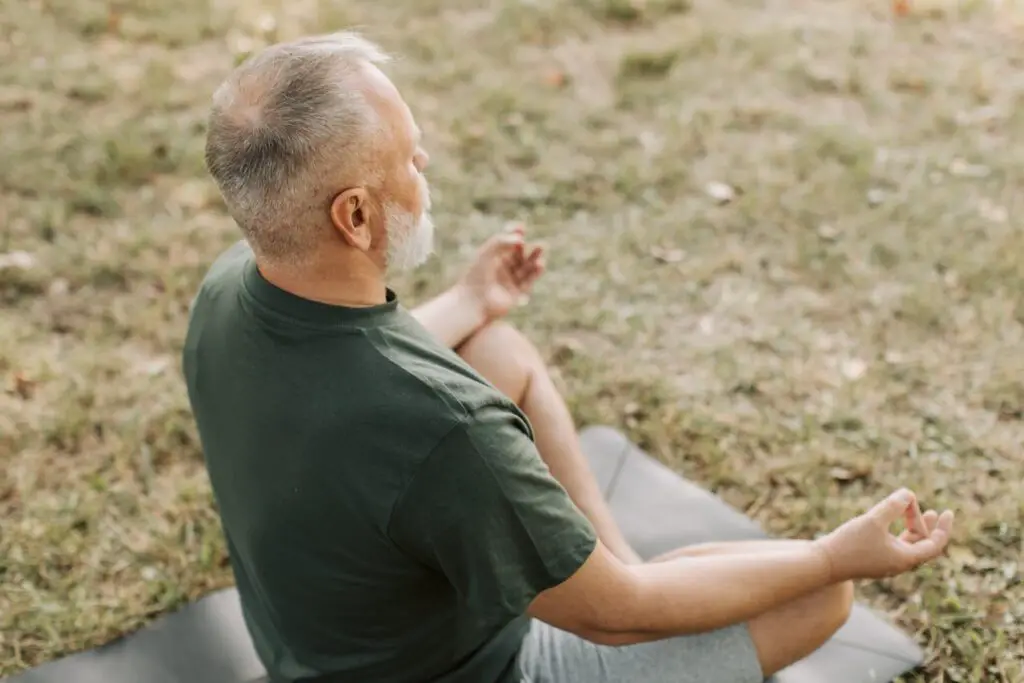
<p> Mindfulness is a powerful tool for managing stress, as it helps you focus on the present moment instead of worrying about the past or future. Simple practices like deep breathing, guided meditation, or mindful walking can bring clarity and reduce mental overwhelm. Deep breathing techniques, such as the 4-7-8 method, help lower cortisol levels and promote relaxation. Even just a few minutes of mindfulness each day can help reset your stress response, making it easier to handle life’s challenges with a calmer mindset. Incorporating mindfulness into your daily routine can lead to long-term emotional balance. </p> :: Pexels

Mindfulness is a powerful tool for managing stress, as it helps you focus on the present moment instead of worrying about the past or future. Simple practices like deep breathing, guided meditation, or mindful walking can bring clarity and reduce mental overwhelm. Deep breathing techniques, such as the 4-7-8 method, help lower cortisol levels and promote relaxation. Even just a few minutes of mindfulness each day can help reset your stress response, making it easier to handle life’s challenges with a calmer mindset. Incorporating mindfulness into your daily routine can lead to long-term emotional balance.

4. Strengthen Social Connections to Reduce Loneliness

<p> Strong social relationships are essential for emotional health, particularly during midlife when personal and professional responsibilities can create feelings of isolation. Spending time with supportive friends, family, or social groups can provide a sense of belonging and emotional security. Engaging in meaningful conversations, participating in community activities, or even joining online support groups can help you feel more connected. Socializing does not have to be time-consuming—sometimes, a quick phone call or a coffee date can be enough to lift your spirits and reduce stress. Surrounding yourself with positive influences can significantly improve your mental well-being. </p> :: Freepik

Strong social relationships are essential for emotional health, particularly during midlife when personal and professional responsibilities can create feelings of isolation. Spending time with supportive friends, family, or social groups can provide a sense of belonging and emotional security. Engaging in meaningful conversations, participating in community activities, or even joining online support groups can help you feel more connected. Socializing does not have to be time-consuming—sometimes, a quick phone call or a coffee date can be enough to lift your spirits and reduce stress. Surrounding yourself with positive influences can significantly improve your mental well-being.

5. Manage Stress Through Healthy Nutrition

<p> What you eat can directly impact your mood, energy levels, and stress response. A balanced diet rich in whole foods, lean proteins, healthy fats, and fiber can support brain function and help stabilize mood. Avoiding excessive sugar, caffeine, and processed foods can prevent energy crashes and mood swings. Omega-3 fatty acids, found in foods like salmon, flaxseeds, and walnuts, have been shown to reduce anxiety and promote mental clarity. Staying hydrated and incorporating stress-reducing herbal teas, such as chamomile or green tea, can further support relaxation. Prioritizing a nutritious diet can help keep both your mind and body in optimal condition. </p> :: Pexels

What you eat can directly impact your mood, energy levels, and stress response. A balanced diet rich in whole foods, lean proteins, healthy fats, and fiber can support brain function and help stabilize mood. Avoiding excessive sugar, caffeine, and processed foods can prevent energy crashes and mood swings. Omega-3 fatty acids, found in foods like salmon, flaxseeds, and walnuts, have been shown to reduce anxiety and promote mental clarity. Staying hydrated and incorporating stress-reducing herbal teas, such as chamomile or green tea, can further support relaxation. Prioritizing a nutritious diet can help keep both your mind and body in optimal condition.

6. Set Boundaries and Learn to Say No

<p> One major source of midlife stress is taking on too many responsibilities, whether at work, home, or in social settings. Learning to set healthy boundaries and say no when necessary is essential for managing stress effectively. Identify tasks or commitments that drain your energy and consider whether they are truly necessary. Communicating your limits clearly and assertively can prevent burnout and allow you to focus on what truly matters. It is okay to prioritize your well-being and decline requests that add unnecessary stress to your life. Creating boundaries helps you maintain a better work-life balance and reduces anxiety. </p> :: Pexels

One major source of midlife stress is taking on too many responsibilities, whether at work, home, or in social settings. Learning to set healthy boundaries and say no when necessary is essential for managing stress effectively. Identify tasks or commitments that drain your energy and consider whether they are truly necessary. Communicating your limits clearly and assertively can prevent burnout and allow you to focus on what truly matters. It is okay to prioritize your well-being and decline requests that add unnecessary stress to your life. Creating boundaries helps you maintain a better work-life balance and reduces anxiety.

7. Engage in Hobbies and Activities That Bring Joy

<p> Taking time to do things you love can be a powerful stress reliever. Engaging in hobbies, whether it is painting, gardening, reading, or playing music, provides a mental escape from daily pressures and helps you reconnect with yourself. Pursuing creative or recreational activities can enhance relaxation, boost self-esteem, and bring a sense of fulfillment. If you do not already have a hobby, consider exploring new interests or revisiting old passions that once brought you joy. Making time for enjoyable activities can serve as a natural way to relieve stress and bring more happiness into your daily life. </p> :: Pexels

Taking time to do things you love can be a powerful stress reliever. Engaging in hobbies, whether it is painting, gardening, reading, or playing music, provides a mental escape from daily pressures and helps you reconnect with yourself. Pursuing creative or recreational activities can enhance relaxation, boost self-esteem, and bring a sense of fulfillment. If you do not already have a hobby, consider exploring new interests or revisiting old passions that once brought you joy. Making time for enjoyable activities can serve as a natural way to relieve stress and bring more happiness into your daily life.

Final Thoughts

<p> Managing midlife stress requires a proactive approach, but by incorporating these strategies into your routine, you can significantly reduce anxiety and improve your overall well-being. Prioritizing physical health, fostering strong relationships, practicing mindfulness, and setting boundaries are all effective ways to regain control and enhance your quality of life. Stress is a normal part of life, but with the right techniques, you can navigate midlife challenges with greater ease and confidence. Start small, stay consistent, and embrace the positive changes that come with taking care of your mental and emotional health. </p> :: Pexels

Managing midlife stress requires a proactive approach, but by incorporating these strategies into your routine, you can significantly reduce anxiety and improve your overall well-being. Prioritizing physical health, fostering strong relationships, practicing mindfulness, and setting boundaries are all effective ways to regain control and enhance your quality of life. Stress is a normal part of life, but with the right techniques, you can navigate midlife challenges with greater ease and confidence. Start small, stay consistent, and embrace the positive changes that come with taking care of your mental and emotional health.

Filed Under: Health & Fitness

Leave a Reply Cancel reply

Your email address will not be published. Required fields are marked *

  • Email
  • Facebook
  • Pinterest
  • Twitter

Our Most Popular Articles

ClickCashGo Review: Should You Avoid At All Costs?

Ultimate Guide to Mastering Your Credit Score

The 'YOLO' Mindset is a Dangerous Thing

Dave Ramsey's Financial Peace University Review: Is it Worth the Money?

Cash App Glitch 2025: Is the Free Money Glitch Real?

Five Steps To Debt Freedom

Here are five simple guidlines that will help you pay off debt.  

1) Get an emergency fund so you don’t take on debt when something comes up.

2) List your debts. This way you know where you stand.

3) Use the debt snowball. Pay your debts from smallest to largest, or most expensive to least expensive.

4) Avoid new debt. No new credit cards or loans. Period.

5) Go all cash. After everything is paid off, switch to all cash.

Helpful Resources

U of Tennesse Debt Repayment Plan Basics

Vertex 42's Debt Payoff Calculator

Savingadvice's Helpful Debt Forums

Jackie Becks Debt Blog