Mindfulness That Actually Works: 5 Surprisingly Helpful Practices for Boomers

If you’ve ever rolled your eyes at the word “mindfulness,” you’re not alone. For many people, especially those who didn’t grow up with meditation apps and wellness trends, it can sound like something vague, time-consuming, or just not practical. You might picture sitting silently for an hour, trying not to think about anything, and wondering why you even started in the first place.
But here’s the reality. Mindfulness is not about being perfect or doing something complicated. It is about paying attention to what is already happening in your life. And for many boomers, that shift in attention turns out to be incredibly useful.
In fact, a lot of people who try mindfulness later in life are surprised by how natural it feels. It is less about learning something new and more about reconnecting with something simple that has always been there. It can help you handle stress better, sleep more easily, enjoy everyday moments more, and even improve how you respond to challenges.
The best part is that you do not need to change your lifestyle or invest in anything special. These practices fit into your daily routine without much effort. They are simple, practical, and easy to stick with.
Here are five mindfulness practices that many boomers find genuinely helpful and worth keeping.
1. Mindful Breathing Without Overthinking It
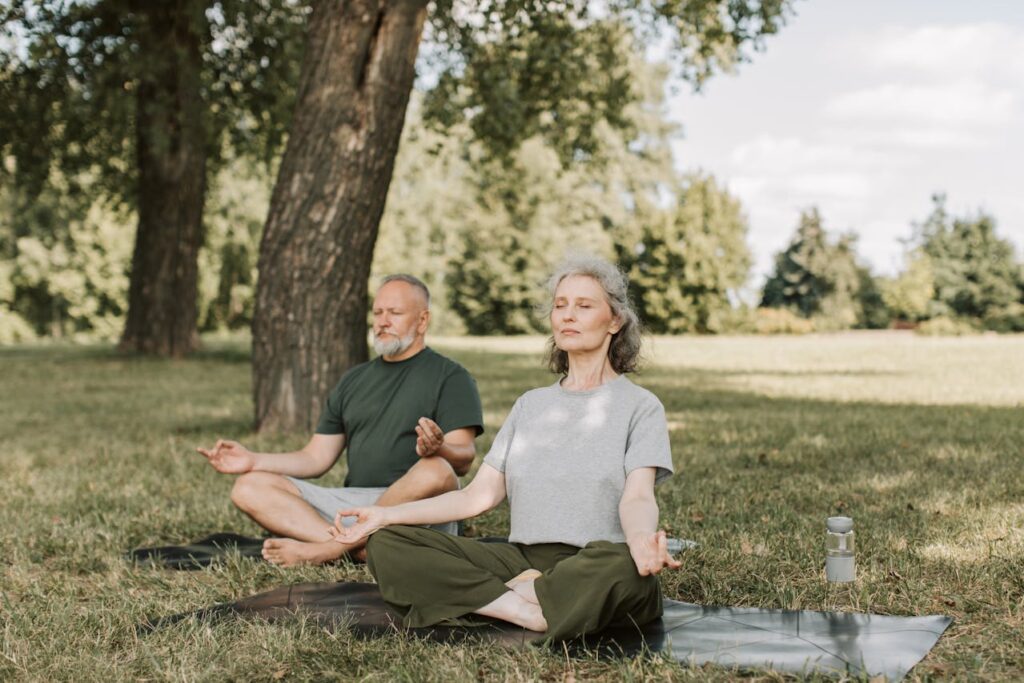
Let’s start with something you already do every single day without even noticing. Breathing. It sounds almost too simple, but that is exactly why it works.
Mindful breathing is not about changing your breath or doing it in a special way. It is about paying attention to it. You take a slow breath in, notice how your chest or stomach rises, then breathe out and notice how it falls. That is the whole practice.
What makes it powerful is the pause it creates. When life feels overwhelming, whether it is dealing with finances, health concerns, or family stress, your mind tends to race. Focusing on your breath gives you a moment to slow everything down. It creates space between what is happening and how you react to it.
You do not need a quiet room or a set schedule. You can do this while sitting in your car, waiting in line, or even standing in the kitchen. Many people find that just one or two minutes of mindful breathing can calm their nerves and help them think more clearly.
The key is not to aim for perfection. Your mind will wander. That is normal. When it does, gently bring your attention back to your breath. No frustration, no judgment. Over time, this simple habit can make a noticeable difference in how you handle everyday stress.
2. The One-Task Rule That Brings Back Calm
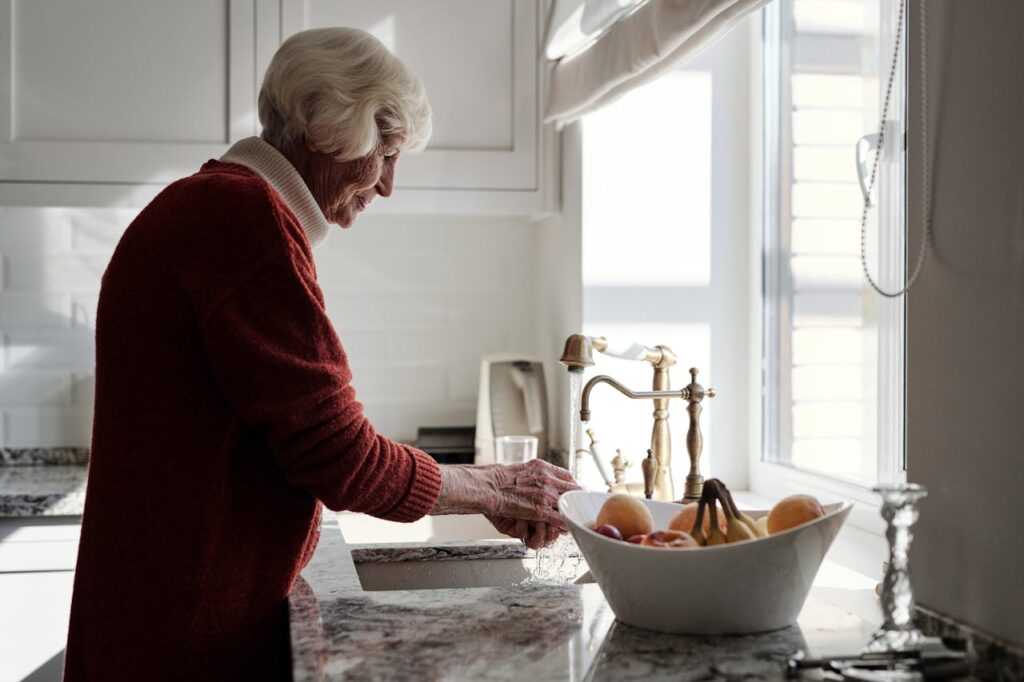
Somewhere along the way, multitasking became a badge of honor. Doing several things at once can feel productive, but it often leaves you feeling scattered and drained.
This mindfulness practice flips that idea on its head. Instead of trying to do everything at once, you focus on one thing at a time and give it your full attention.
It could be something as ordinary as washing dishes. Instead of rushing through it while thinking about your to-do list, you notice the warmth of the water, the movement of your hands, and the rhythm of the task. The same goes for cooking, folding laundry, or even organizing a drawer.
At first, it might feel unusual to slow down like this. But many boomers find that it actually makes tasks feel less stressful and more manageable. There is something grounding about focusing on one thing without distractions.
It also has a surprising side effect. Tasks that used to feel like chores can become moments of quiet. Not necessarily exciting, but calmer and more satisfying.
In a world that constantly pushes you to do more and move faster, choosing to do one thing at a time can feel like a small act of control. And that feeling of control can go a long way in reducing stress.
3. Mindful Walking That Fits Into Real Life

You do not need a meditation cushion or a silent retreat to practice mindfulness. Sometimes, all you need is a comfortable pair of shoes and a short walk.
Mindful walking is exactly what it sounds like. You walk as you normally would, but you pay attention to the experience. You notice how your feet feel as they touch the ground. You listen to the sounds around you. You observe what you see without rushing past it.
This can be done anywhere. Around your neighborhood, in a park, at the grocery store, or even inside a mall. There is no need to walk slowly or look different from anyone else. The focus is internal.
For many boomers, this practice feels more natural than sitting still and meditating. It combines movement with awareness, which can make it easier to stay engaged.
It also comes with physical benefits. Walking supports heart health, improves mobility, and boosts mood. When you add mindfulness to it, you get both physical and mental benefits at the same time.
A simple walk can become a break from overthinking. Instead of replaying conversations or worrying about what comes next, you are just walking and noticing. That shift can be surprisingly refreshing.
4. Gratitude Reflection That Feels Real, Not Forced
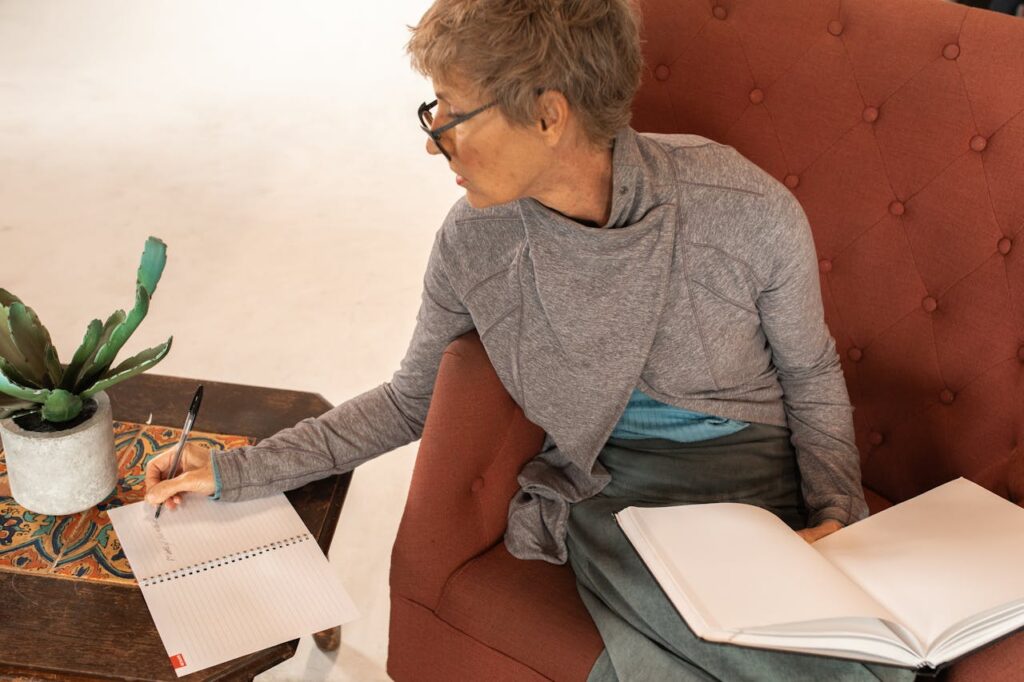
Gratitude practices can sometimes feel a bit awkward, especially if they seem too formal or overly positive. But when done in a simple and honest way, they can be incredibly effective.
This practice is straightforward. Take a moment, usually at the end of the day, and think of three things you are grateful for. They do not have to be big or life-changing. In fact, the smaller they are, the more meaningful they often feel.
It could be a good cup of coffee in the morning, a pleasant conversation with a friend, or even a quiet moment where everything felt still. These are the kinds of things that are easy to overlook but can add up to a better overall mood.
You can keep it in your head or write it down in a notebook. There is no strict rule. What matters is that you pause and acknowledge what went well.
Many boomers find that this practice helps balance their perspective. Life comes with its share of challenges, and those do not disappear. But gratitude creates a counterweight. It reminds you that even on difficult days, there are still small moments worth noticing.
Over time, this habit can gently shift how you see your day-to-day life. It does not make problems go away, but it makes them feel less overwhelming.
5. The Body Scan That Helps You Actually Sleep

Sleep can become more complicated with age. You might find yourself lying awake, thinking about everything from tomorrow’s plans to things that happened years ago. That is where the body scan can help.
The body scan is a simple way to relax your body and calm your mind. You lie down comfortably and slowly bring your attention to different parts of your body, starting from your feet and moving upward.
You notice how each area feels. If there is tension, you allow it to soften without forcing it. You move from your feet to your legs, then to your hips, stomach, chest, arms, shoulders, and finally your head.
The goal is not to fix anything. It is just to notice. That act of noticing often helps your body relax naturally.
Many boomers use this practice as part of their bedtime routine. It gives the mind something gentle to focus on, which can prevent it from drifting into worry or overthinking.
It also signals to your body that it is time to wind down. Over time, this can make falling asleep feel less like a struggle and more like a natural transition.
Even if you do not fall asleep right away, the practice itself is calming. It turns bedtime into a more peaceful experience instead of a frustrating one.
Final Thoughts
Mindfulness does not have to be complicated, and it does not have to look a certain way to be effective. In fact, the most helpful practices are often the simplest ones.
What makes these five approaches work is that they fit into real life. You are not being asked to carve out large chunks of time or learn something completely new. You are simply paying attention to things you already do, like breathing, walking, or getting ready for bed.
That is why so many boomers stick with these practices. They are practical, flexible, and easy to return to, even after a busy or stressful day.
There is also something deeper at play. With years of life experience comes a different perspective. You have seen enough to know that time moves quickly and that small moments matter more than we often realize. Mindfulness helps you notice those moments instead of letting them pass by unnoticed.
You might not feel a dramatic change overnight, and that is perfectly fine. The benefits tend to build slowly. A little less stress here, a bit more patience there, a slightly better night’s sleep. Over time, those small improvements can add up in a meaningful way.
If you are curious about trying mindfulness, start with just one practice. Keep it simple and give yourself room to figure out what works for you. There is no right or wrong way to do it.
At the end of the day, mindfulness is not about doing more. It is about experiencing your life more fully. And that is something worth making time for.
Leave a Reply