Our Debt Free Family

Commit. Plan. Take action.

  • BUDGETING
  • DEBT REDUCTION
  • INVESTING
  • LIFESTYLE
  • TOOLS
  • ABOUT
  • Privacy Policy
  • CONTACT
You are here: Home / Health & Fitness / Activities People Over 70 Should Quit Immediately to Stay Safe and Healthy
Activities People Over 70 Should Quit Immediately to Stay Safe and Healthy

November 28, 2025 | Leave a Comment

Activities People Over 70 Should Quit Immediately to Stay Safe and Healthy

<p> Growing older is a gift, but it comes with a few reality checks. If someone you love is over 70, certain activities they might still enjoy could actually be putting them at serious risk. Aging affects muscles, joints, reflexes, and balance, and what felt easy or harmless a decade ago may now be dangerous.

The goal is not to encourage a sedentary lifestyle or give up the joys of an active life. On the contrary, staying physically and socially active is critical for health and longevity. But knowing which activities to quit, modify, or replace with safer alternatives can make all the difference between a healthy, independent lifestyle and preventable injuries or setbacks.

Below is a detailed look at twelve activities seniors should consider quitting or modifying, along with safer options to continue living life fully and confidently. </p> :: Gemini

Growing older is a gift, but it comes with a few reality checks. If someone you love is over 70, certain activities they might still enjoy could actually be putting them at serious risk. Aging affects muscles, joints, reflexes, and balance, and what felt easy or harmless a decade ago may now be dangerous.

The goal is not to encourage a sedentary lifestyle or give up the joys of an active life. On the contrary, staying physically and socially active is critical for health and longevity. But knowing which activities to quit, modify, or replace with safer alternatives can make all the difference between a healthy, independent lifestyle and preventable injuries or setbacks.

Below is a detailed look at twelve activities seniors should consider quitting or modifying, along with safer options to continue living life fully and confidently.

1. High-Impact Aerobics
<p> High-impact aerobics, such as jumping jacks, step classes, or plyometric routines, can put a lot of stress on aging knees, hips, and the spine. Over time, repeated pounding increases the risk of arthritis flare-ups, joint pain, and even falls. Many seniors find themselves unable to keep up with the intensity and may push through pain, which can worsen injuries.

Instead of jumping into these high-impact workouts, seniors can benefit from low-impact alternatives. Walking briskly around the neighborhood, water aerobics classes, or gentle tai chi can all raise the heart rate and improve circulation without straining the joints. Water-based exercises, in particular, provide buoyancy that supports the body, reducing stress on bones and connective tissue while still offering resistance to build strength. </p> :: Gemini

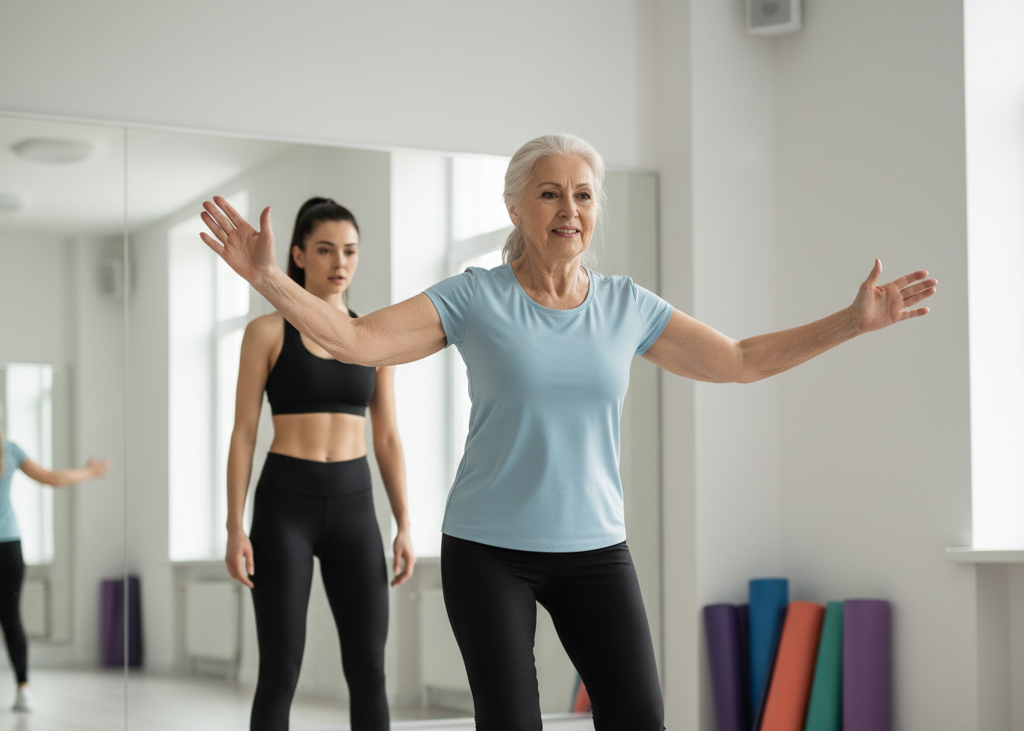
High-impact aerobics, such as jumping jacks, step classes, or plyometric routines, can put a lot of stress on aging knees, hips, and the spine. Over time, repeated pounding increases the risk of arthritis flare-ups, joint pain, and even falls. Many seniors find themselves unable to keep up with the intensity and may push through pain, which can worsen injuries.

Instead of jumping into these high-impact workouts, seniors can benefit from low-impact alternatives. Walking briskly around the neighborhood, water aerobics classes, or gentle tai chi can all raise the heart rate and improve circulation without straining the joints. Water-based exercises, in particular, provide buoyancy that supports the body, reducing stress on bones and connective tissue while still offering resistance to build strength.

2. Heavy Lifting
<p> Whether it is traditional weightlifting, moving large grocery bags, or lifting furniture, heavy lifting puts tremendous strain on muscles, joints, and bones. After 70, bones are often less dense, muscles weaker, and balance can be compromised, making heavy lifting a high-risk activity. Even a seemingly small misstep can result in a sprain, a pulled muscle, or a fracture.

For seniors who want to maintain or build strength, lighter weights or resistance bands are excellent alternatives. Bodyweight exercises, such as seated squats, wall push-ups, or leg lifts, can also build strength without heavy strain. The key is consistency and safety rather than intensity — small, controlled movements provide long-term benefits without unnecessary risk. </p> :: Gemini

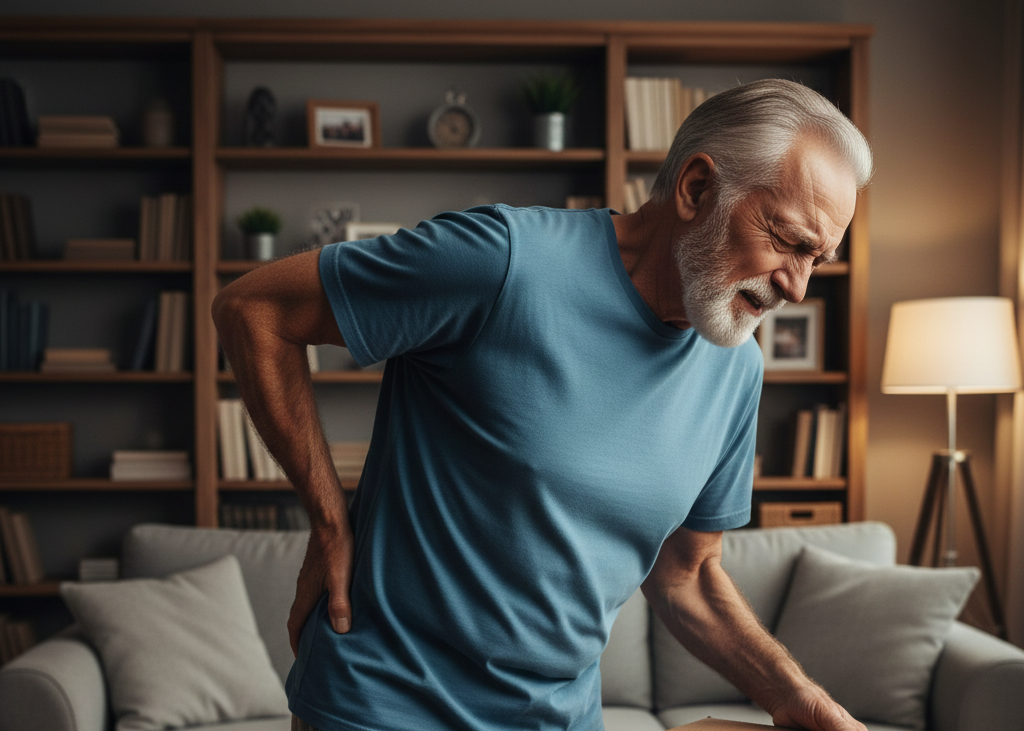
Whether it is traditional weightlifting, moving large grocery bags, or lifting furniture, heavy lifting puts tremendous strain on muscles, joints, and bones. After 70, bones are often less dense, muscles weaker, and balance can be compromised, making heavy lifting a high-risk activity. Even a seemingly small misstep can result in a sprain, a pulled muscle, or a fracture.

For seniors who want to maintain or build strength, lighter weights or resistance bands are excellent alternatives. Bodyweight exercises, such as seated squats, wall push-ups, or leg lifts, can also build strength without heavy strain. The key is consistency and safety rather than intensity — small, controlled movements provide long-term benefits without unnecessary risk.

3. Long-Distance Running

<p> Many people maintain running routines well into their later years, but long-distance running can be harsh on aging joints and the lower back. Repeated impact over time can accelerate wear and tear, leading to chronic pain or injuries that may take months to heal. Older adults may also have slower reflexes, which increases the risk of falls on uneven surfaces or when running outdoors.

Alternatives such as brisk walking, cycling, swimming, or using an elliptical machine offer cardiovascular benefits without pounding the joints. Even short intervals of walking throughout the day can make a difference. Seniors can also consider group walking clubs, which add a social component and help maintain motivation. </p> :: Gemini

Many people maintain running routines well into their later years, but long-distance running can be harsh on aging joints and the lower back. Repeated impact over time can accelerate wear and tear, leading to chronic pain or injuries that may take months to heal. Older adults may also have slower reflexes, which increases the risk of falls on uneven surfaces or when running outdoors.

Alternatives such as brisk walking, cycling, swimming, or using an elliptical machine offer cardiovascular benefits without pounding the joints. Even short intervals of walking throughout the day can make a difference. Seniors can also consider group walking clubs, which add a social component and help maintain motivation.

4. Traditional Sit-Ups and Crunches
<p> Core strength is essential for stability, balance, and preventing falls. However, traditional sit-ups and crunches can strain the neck and spine, especially for those with osteoporosis, arthritis, or past back injuries. Repeated bending and twisting may aggravate preexisting conditions and lead to discomfort or long-term injury.

Gentle alternatives such as seated leg lifts, standing side bends, or modified planks can strengthen the core without placing excessive stress on the spine. Pilates-based routines designed for older adults are another excellent option, offering controlled movements that improve balance, posture, and flexibility. </p> :: Gemini

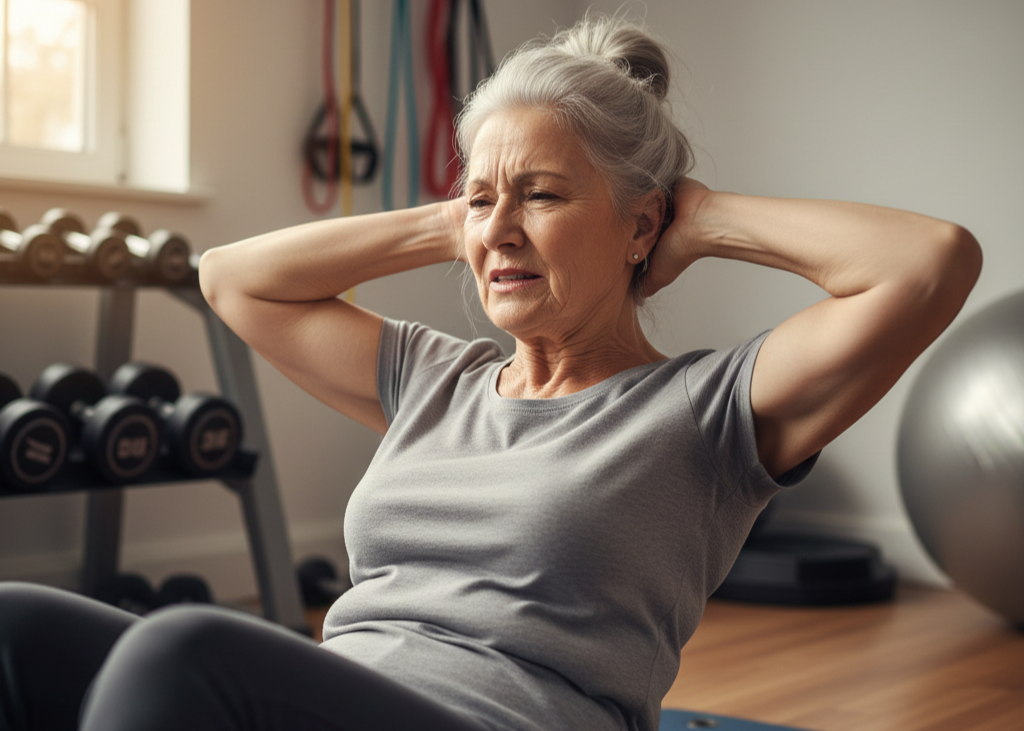
Core strength is essential for stability, balance, and preventing falls. However, traditional sit-ups and crunches can strain the neck and spine, especially for those with osteoporosis, arthritis, or past back injuries. Repeated bending and twisting may aggravate preexisting conditions and lead to discomfort or long-term injury.

Gentle alternatives such as seated leg lifts, standing side bends, or modified planks can strengthen the core without placing excessive stress on the spine. Pilates-based routines designed for older adults are another excellent option, offering controlled movements that improve balance, posture, and flexibility.

5. High-Intensity Interval Training

<p> High-intensity interval training (HIIT) is all the rage among younger fitness enthusiasts. While it can improve cardiovascular health and burn calories quickly, the intense bursts of activity may put seniors at risk for heart strain, joint stress, or dizziness. HIIT is especially risky for those with high blood pressure, heart conditions, or limited mobility.

Moderate-intensity activity is safer and still extremely beneficial. Walking, water aerobics, light cycling, or gentle strength circuits maintain cardiovascular health and endurance while minimizing risk. Seniors who enjoy variety can try interval walking — short periods of slightly faster pace followed by a comfortable pace — which gives a similar benefit without extreme stress. </p> :: Gemini

High-intensity interval training (HIIT) is all the rage among younger fitness enthusiasts. While it can improve cardiovascular health and burn calories quickly, the intense bursts of activity may put seniors at risk for heart strain, joint stress, or dizziness. HIIT is especially risky for those with high blood pressure, heart conditions, or limited mobility.

Moderate-intensity activity is safer and still extremely beneficial. Walking, water aerobics, light cycling, or gentle strength circuits maintain cardiovascular health and endurance while minimizing risk. Seniors who enjoy variety can try interval walking — short periods of slightly faster pace followed by a comfortable pace — which gives a similar benefit without extreme stress.

6. Climbing Stairs Rapidly
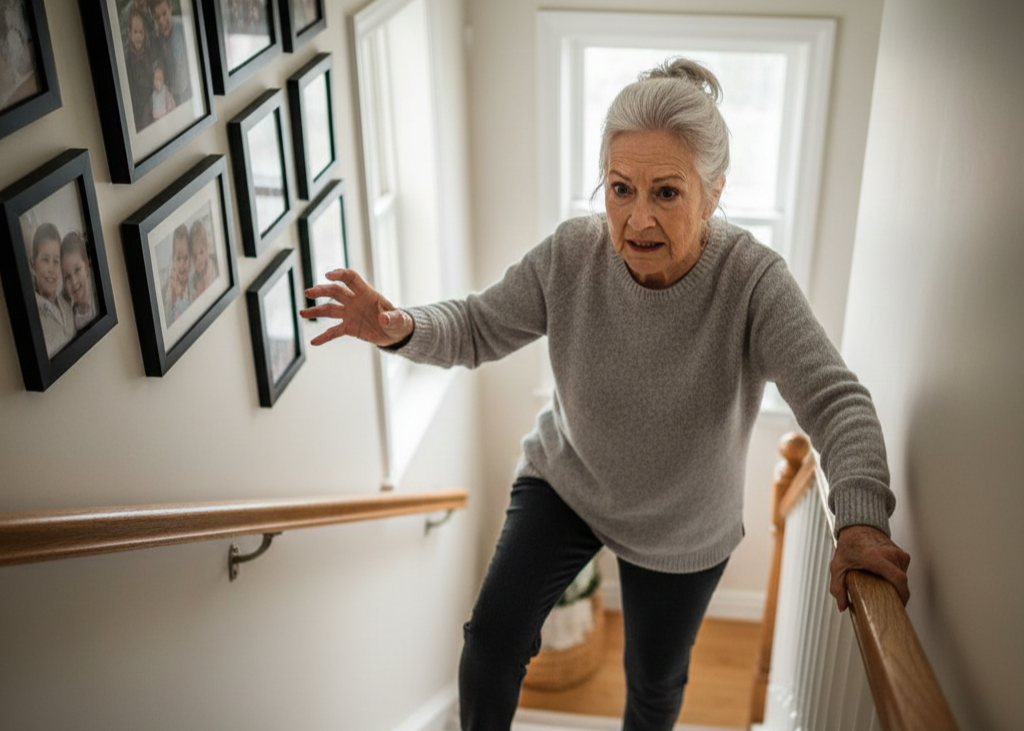
<p> Climbing stairs quickly or running up and down steps can be deceptively dangerous for seniors. Balance, muscle strength, and coordination all decline with age, and a single misstep can lead to a fall. Hip fractures, wrist injuries, and sprains are common consequences of stair accidents in older adults.

Safer approaches include taking stairs slowly, always using handrails, and avoiding rushing altogether. For those living in multi-story homes, it may even be worth investing in a stairlift or planning activities to minimize frequent stair use. Physical therapy exercises focused on leg strength and balance can also make stairs safer when occasional use is necessary. </p> :: Gemini

Climbing stairs quickly or running up and down steps can be deceptively dangerous for seniors. Balance, muscle strength, and coordination all decline with age, and a single misstep can lead to a fall. Hip fractures, wrist injuries, and sprains are common consequences of stair accidents in older adults.

Safer approaches include taking stairs slowly, always using handrails, and avoiding rushing altogether. For those living in multi-story homes, it may even be worth investing in a stairlift or planning activities to minimize frequent stair use. Physical therapy exercises focused on leg strength and balance can also make stairs safer when occasional use is necessary.

7. Swimming Alone or in Open Water
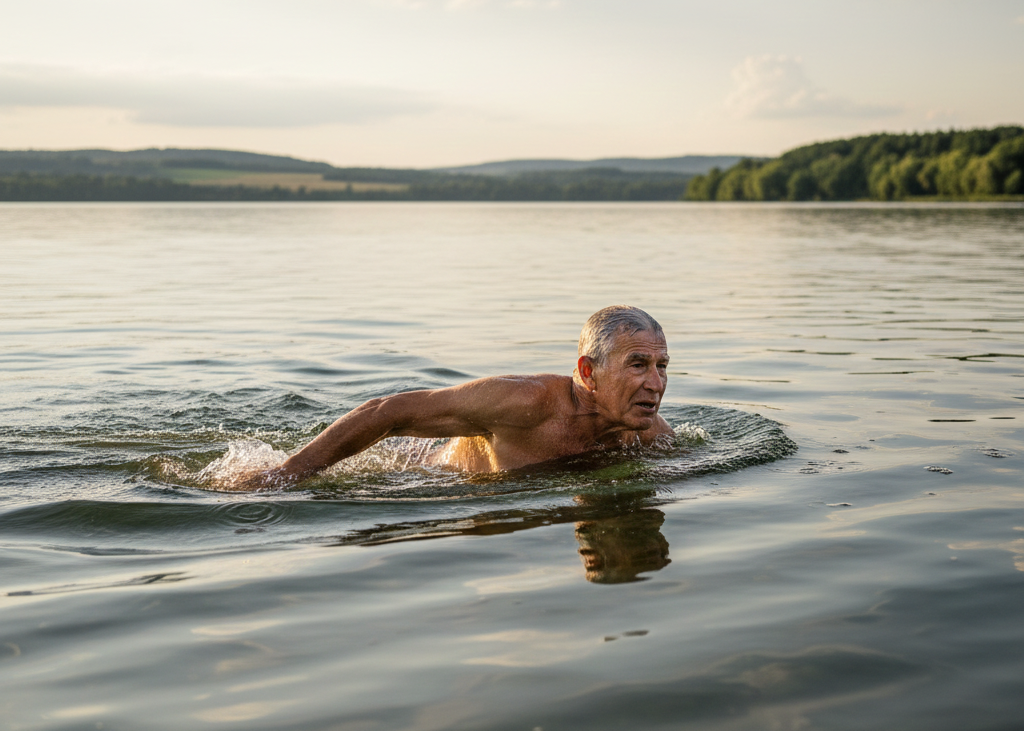
<p> Swimming is a fantastic low-impact exercise, but swimming alone, especially in open water, carries risks. Older adults may have slower reflexes, weaker muscles, and reduced stamina, increasing the likelihood of cramps or fatigue in water. Open water adds variables such as currents, waves, and temperature changes that can be dangerous.

Safer options include supervised pool swimming or structured water aerobics classes. Swimming with a buddy or instructor ensures help is available if needed, while group classes add social interaction, which supports mental and emotional health. </p> :: Gemini

Swimming is a fantastic low-impact exercise, but swimming alone, especially in open water, carries risks. Older adults may have slower reflexes, weaker muscles, and reduced stamina, increasing the likelihood of cramps or fatigue in water. Open water adds variables such as currents, waves, and temperature changes that can be dangerous.

Safer options include supervised pool swimming or structured water aerobics classes. Swimming with a buddy or instructor ensures help is available if needed, while group classes add social interaction, which supports mental and emotional health.

8. Contact or Adventure Sports
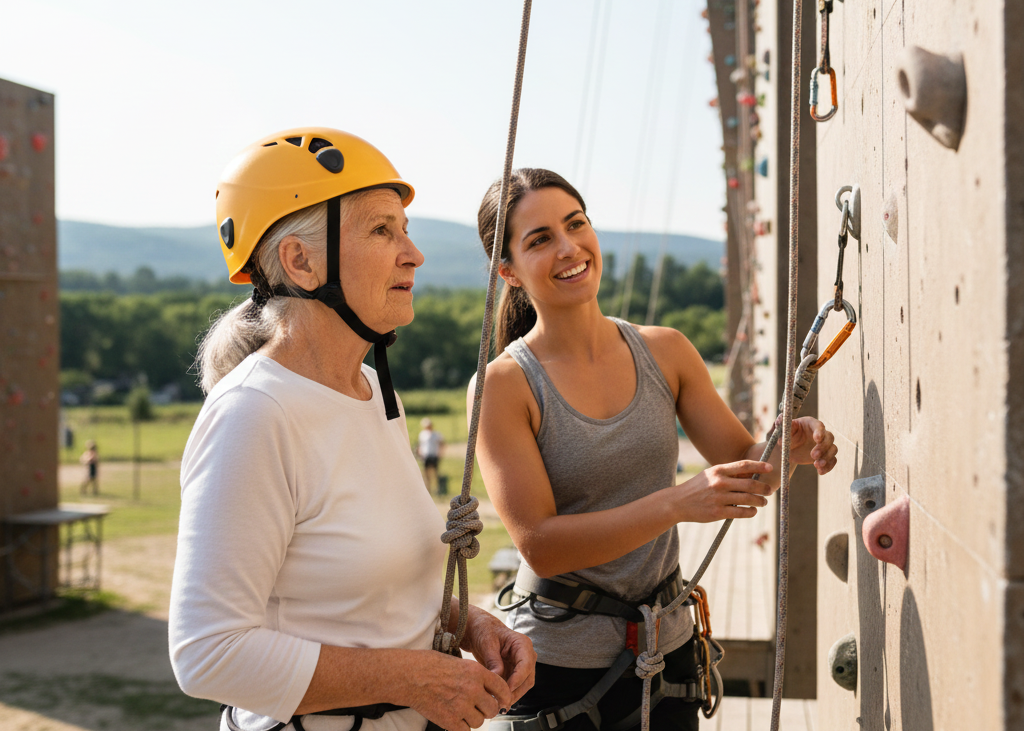
<p> High-risk sports like rock climbing, horse riding, skiing, or contact sports may have been thrilling in younger years, but they are generally unsafe after 70. Reflexes slow, bones become more brittle, and recovery from injury takes longer. Even a minor fall in these sports can result in a serious, life-changing injury.

Instead, seniors can choose recreational activities that offer excitement and enjoyment with lower risk. Gardening, golf, gentle hiking, or shuffleboard provides physical activity and mental stimulation without excessive danger. Engaging in group or community activities also keeps seniors socially active. </p> :: Gemini

High-risk sports like rock climbing, horse riding, skiing, or contact sports may have been thrilling in younger years, but they are generally unsafe after 70. Reflexes slow, bones become more brittle, and recovery from injury takes longer. Even a minor fall in these sports can result in a serious, life-changing injury.

Instead, seniors can choose recreational activities that offer excitement and enjoyment with lower risk. Gardening, golf, gentle hiking, or shuffleboard provides physical activity and mental stimulation without excessive danger. Engaging in group or community activities also keeps seniors socially active.

9. Heavy Home Projects or Manual Labor
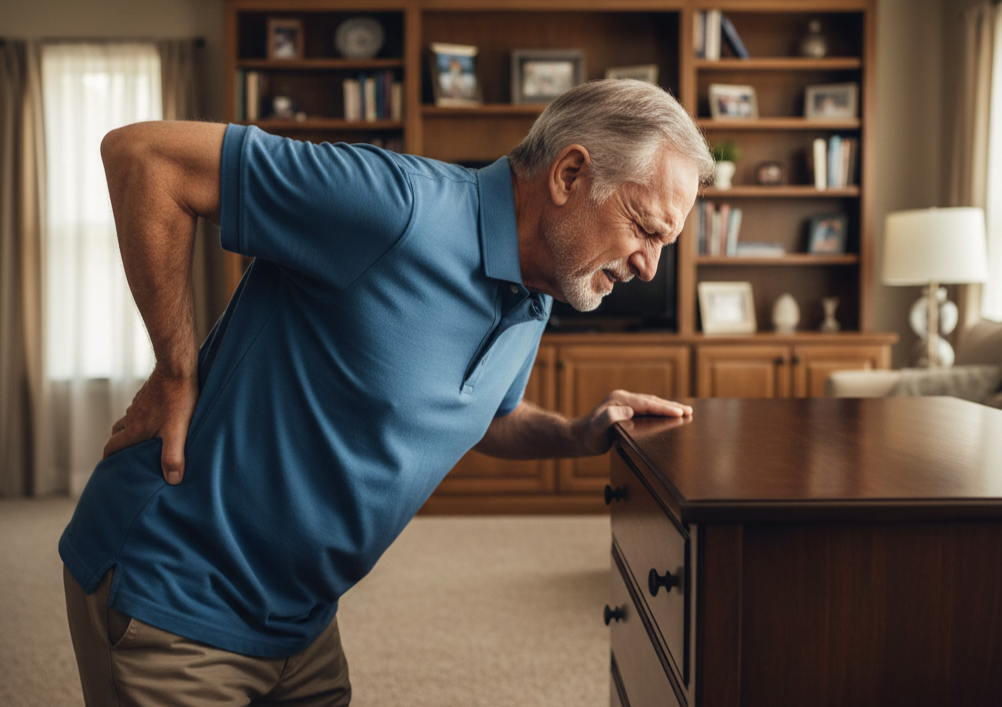
<p> Many seniors like to stay productive around the house, whether moving furniture, chopping wood, or tackling DIY projects. While fulfilling, these tasks demand strength, coordination, and stamina that may be compromised after 70. Fatigue or slower reactions can make accidents more likely.

Hiring help for heavy tasks or finding creative, lighter-duty solutions can maintain independence safely. Using step stools, lightweight tools, or ergonomic designs can reduce strain. Even small changes like spreading tasks over several days instead of one marathon session can prevent injury. </p> :: Gemini

Many seniors like to stay productive around the house, whether moving furniture, chopping wood, or tackling DIY projects. While fulfilling, these tasks demand strength, coordination, and stamina that may be compromised after 70. Fatigue or slower reactions can make accidents more likely.

Hiring help for heavy tasks or finding creative, lighter-duty solutions can maintain independence safely. Using step stools, lightweight tools, or ergonomic designs can reduce strain. Even small changes like spreading tasks over several days instead of one marathon session can prevent injury.

10. Long or Challenging Driving Trips
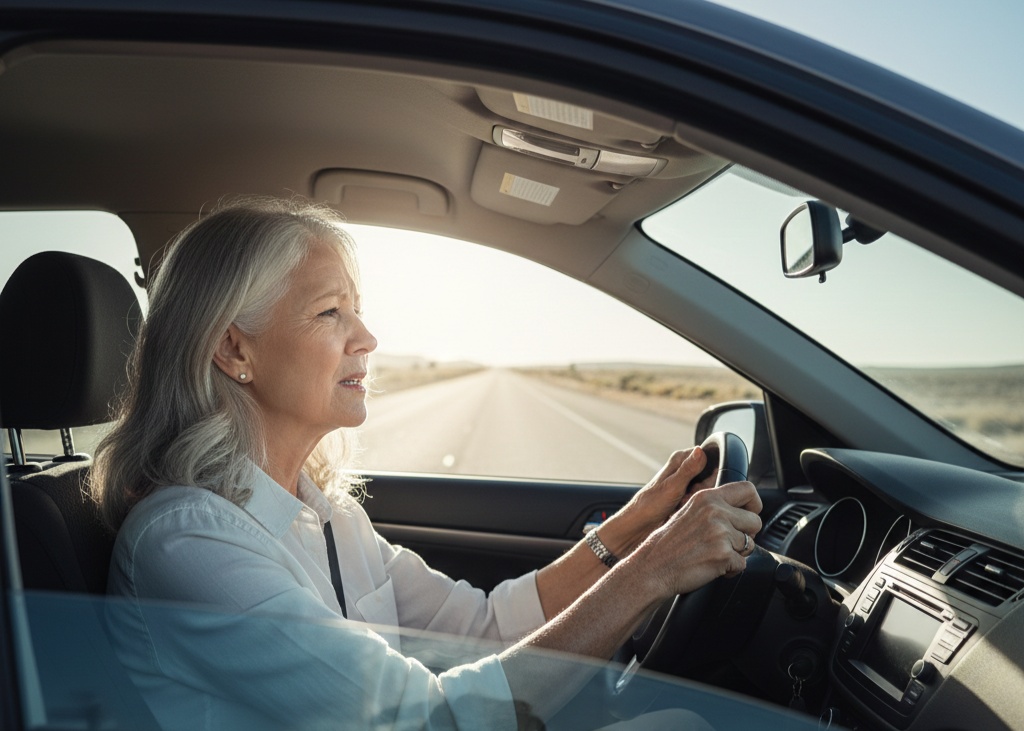
<p> Driving maintains independence, but aging can affect vision, reaction time, and decision-making in critical situations. Long drives, nighttime driving, and poor weather conditions increase the risk of accidents. Medications that affect alertness can further compromise driving safety.

Practical alternatives include planning shorter trips, using ride-sharing services, or traveling during daylight and good weather. Regular vision checks, defensive driving courses, and avoiding multitasking while driving are additional ways to stay safe behind the wheel. </p> :: Gemini

Driving maintains independence, but aging can affect vision, reaction time, and decision-making in critical situations. Long drives, nighttime driving, and poor weather conditions increase the risk of accidents. Medications that affect alertness can further compromise driving safety.

Practical alternatives include planning shorter trips, using ride-sharing services, or traveling during daylight and good weather. Regular vision checks, defensive driving courses, and avoiding multitasking while driving are additional ways to stay safe behind the wheel.

11. Prolonged Sitting or Sedentary Behavior
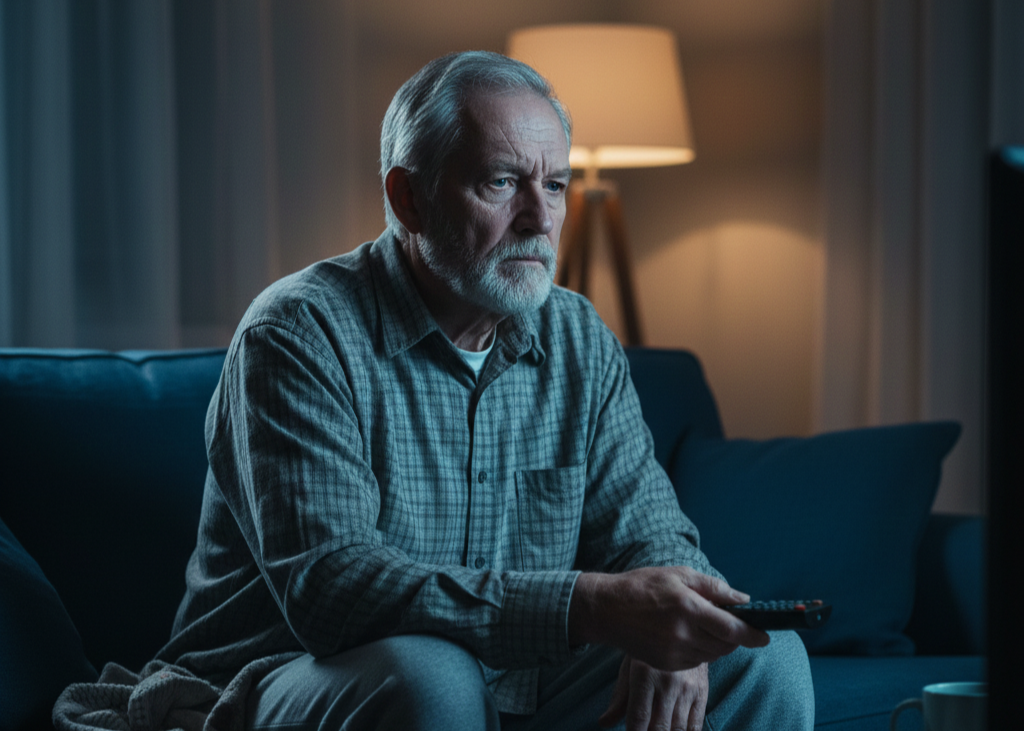
<p> While it is essential to avoid risky high-impact activities, remaining sedentary is equally harmful. Sitting for long periods leads to weakened muscles, poor posture, reduced mobility, and increased risk of heart disease or diabetes. Many seniors fall into the trap of extended TV time or minimal movement throughout the day.

Integrating light activity throughout the day makes a significant difference. Short walks, gentle stretching, household chores, or even standing breaks can keep muscles engaged and improve circulation. The goal is regular movement, not exhaustive workouts. </p> :: Gemini

While it is essential to avoid risky high-impact activities, remaining sedentary is equally harmful. Sitting for long periods leads to weakened muscles, poor posture, reduced mobility, and increased risk of heart disease or diabetes. Many seniors fall into the trap of extended TV time or minimal movement throughout the day.

Integrating light activity throughout the day makes a significant difference. Short walks, gentle stretching, household chores, or even standing breaks can keep muscles engaged and improve circulation. The goal is regular movement, not exhaustive workouts.

12. Over-Stretching or Advanced Yoga Moves
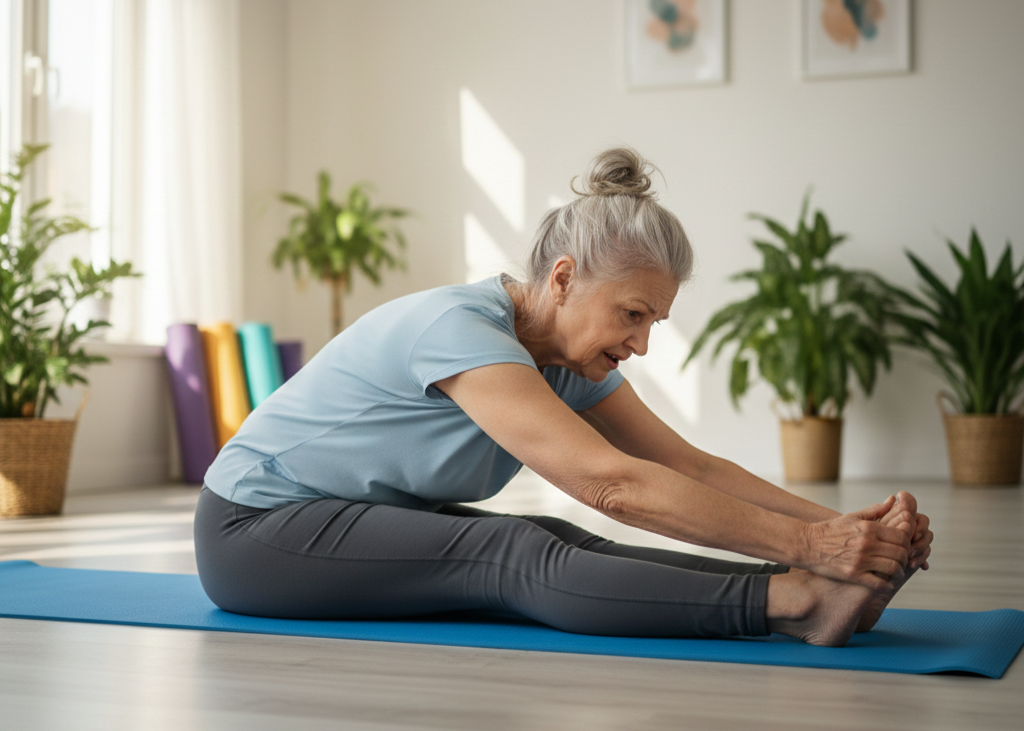
<p> Flexibility is a wonderful goal, but extreme stretching or complicated yoga poses can result in muscle tears, joint injuries, or strains. Older joints and muscles are often less resilient, making overextension a real danger.

Gentle yoga, tai chi, or slow, controlled stretches are excellent for maintaining flexibility and balance without risk. Seniors should focus on comfort and gradual progression, listening to their bodies, and avoiding poses that feel unsafe or painful. </p> :: Gemini

Flexibility is a wonderful goal, but extreme stretching or complicated yoga poses can result in muscle tears, joint injuries, or strains. Older joints and muscles are often less resilient, making overextension a real danger.

Gentle yoga, tai chi, or slow, controlled stretches are excellent for maintaining flexibility and balance without risk. Seniors should focus on comfort and gradual progression, listening to their bodies, and avoiding poses that feel unsafe or painful.

Final Thoughts
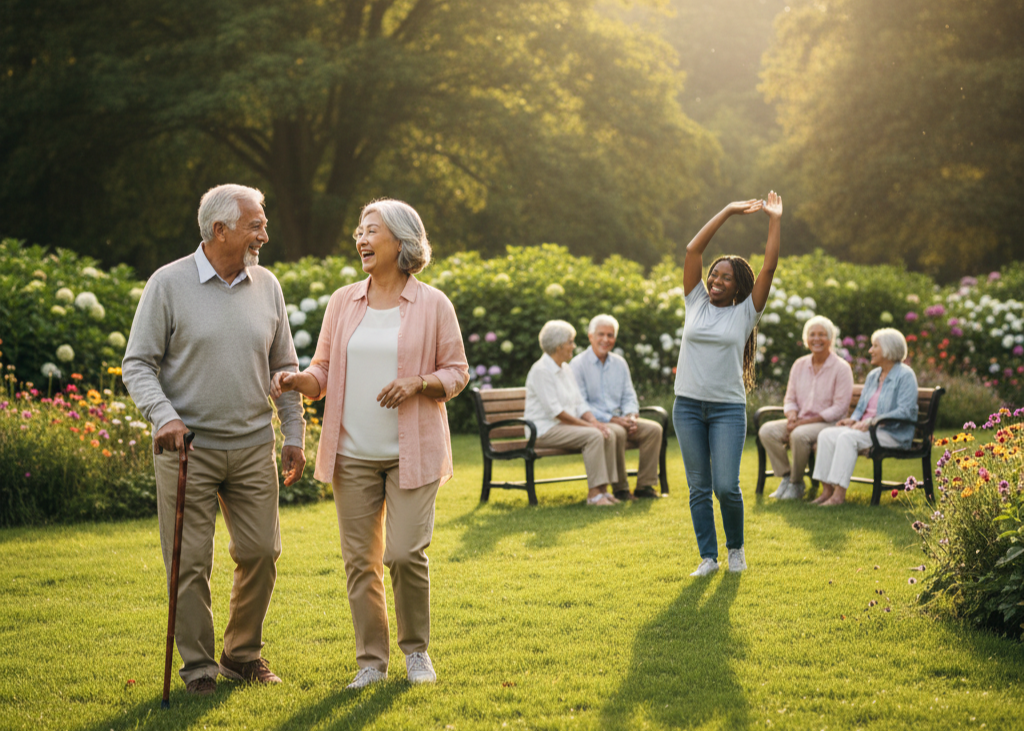
<p> Aging gracefully is not about giving up an active lifestyle. Instead, it is about making smart choices and knowing which activities could cause harm. Quitting high-risk exercises and adopting safer alternatives allows seniors to continue enjoying life, stay independent, and reduce the likelihood of injury.

Safer options, such as walking, swimming, gentle strength training, tai chi, and low-impact group classes, maintain strength, balance, and cardiovascular health while minimizing risk. Encouraging older adults to listen to their bodies, pace themselves, and replace risky activities with safe alternatives can make a world of difference.

Ultimately, the key is adaptation rather than restriction. Making informed choices today can help seniors remain healthy, mobile, and active for years to come. Life after 70 can still be full, vibrant, and fun — as long as it is approached wisely. </p> :: Gemini

Aging gracefully is not about giving up an active lifestyle. Instead, it is about making smart choices and knowing which activities could cause harm. Quitting high-risk exercises and adopting safer alternatives allows seniors to continue enjoying life, stay independent, and reduce the likelihood of injury.

Safer options, such as walking, swimming, gentle strength training, tai chi, and low-impact group classes, maintain strength, balance, and cardiovascular health while minimizing risk. Encouraging older adults to listen to their bodies, pace themselves, and replace risky activities with safe alternatives can make a world of difference.

Ultimately, the key is adaptation rather than restriction. Making informed choices today can help seniors remain healthy, mobile, and active for years to come. Life after 70 can still be full, vibrant, and fun — as long as it is approached wisely.

Filed Under: Health & Fitness

Leave a Reply Cancel reply

Your email address will not be published. Required fields are marked *

  • Email
  • Facebook
  • Pinterest
  • Twitter

Our Most Popular Articles

ClickCashGo Review: Should You Avoid At All Costs?

Ultimate Guide to Mastering Your Credit Score

The 'YOLO' Mindset is a Dangerous Thing

Dave Ramsey's Financial Peace University Review: Is it Worth the Money?

Cash App Glitch 2025: Is the Free Money Glitch Real?

Five Steps To Debt Freedom

Here are five simple guidlines that will help you pay off debt.  

1) Get an emergency fund so you don’t take on debt when something comes up.

2) List your debts. This way you know where you stand.

3) Use the debt snowball. Pay your debts from smallest to largest, or most expensive to least expensive.

4) Avoid new debt. No new credit cards or loans. Period.

5) Go all cash. After everything is paid off, switch to all cash.

Helpful Resources

U of Tennesse Debt Repayment Plan Basics

Vertex 42's Debt Payoff Calculator

Savingadvice's Helpful Debt Forums

Jackie Becks Debt Blog