12 Overrated Foods Baby Boomers Are Secretly Tired of Pretending to Enjoy
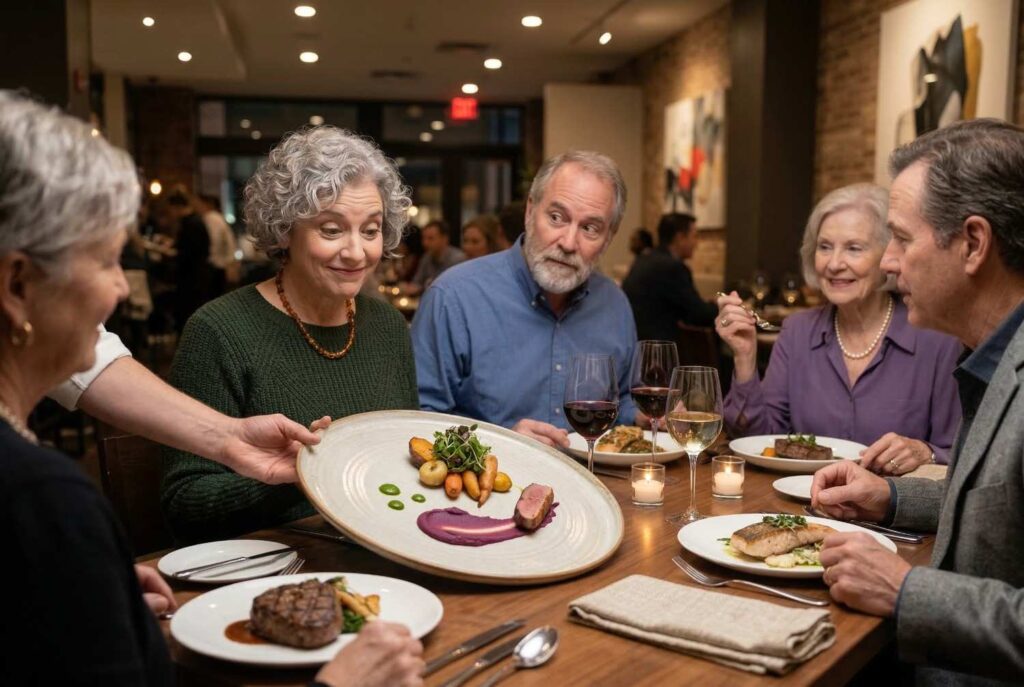
There is something funny that happens at dinner parties, upscale restaurants, and trendy brunch spots across America. A plate arrives at the table. Everyone nods approvingly. Someone says, “Oh, this is amazing.” A few polite smiles follow. And yet, if we are being honest, not everyone at that table is loving what they are eating.
If you are a baby boomer, you have lived through decades of food trends. You grew up when dinner was straightforward, satisfying, and filling. Meatloaf, pot roast, fresh vegetables, homemade pies. Then somewhere along the way, food became a fashion statement. Suddenly, you were expected to appreciate things that look artistic, cost a small fortune, and sometimes taste… questionable.
This list is not about shaming anyone’s preferences. Taste is personal. But it is a lighthearted look at foods that many baby boomers across the United States might claim to enjoy, even if deep down they would rather have something simpler and more satisfying. Let us pull back the curtain and talk about the dishes that may be more hype than happiness.
1. Avocado Toast
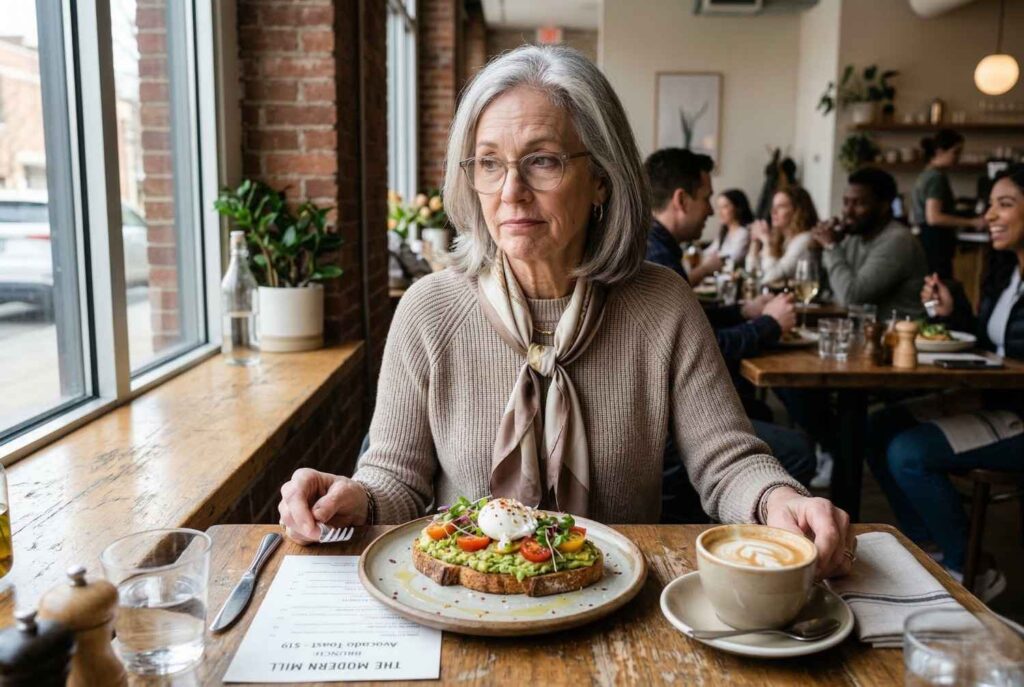
It is hard to scroll through social media without seeing a perfectly styled slice of avocado toast topped with microgreens and a sprinkle of sea salt. Yes, avocado is healthy. Yes, toast is comforting. But paying restaurant prices for mashed avocado on bread can feel like a stretch. Many boomers quietly wonder why this became a culinary revolution. It is pleasant enough, but it is hardly groundbreaking. If you grew up making hearty breakfasts at home, this trendy brunch staple may feel more like a marketing success than a must have meal.
2. Kale Salad
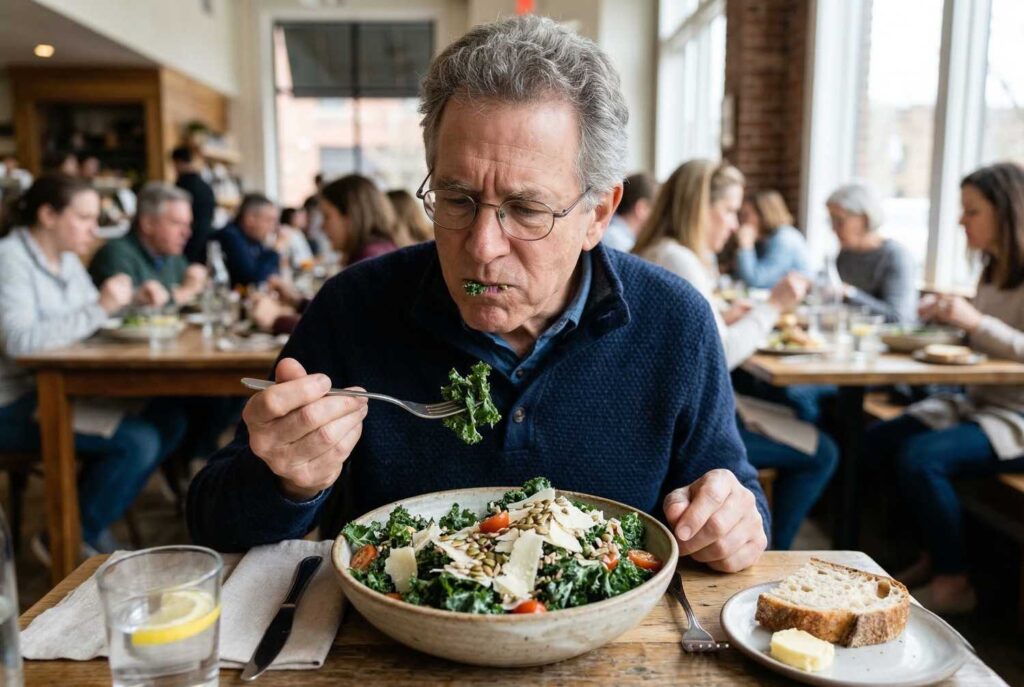
Kale has been crowned a superfood, and for good reason. It is packed with nutrients. The problem is that raw kale can be tough, bitter, and stubbornly chewy. You may have nodded along while someone praised its earthy flavor, all while working your jaw harder than you expected to at lunch. For many baby boomers, spinach or romaine feels far more enjoyable. Kale often seems like something we eat because we should, not because we crave it.
3. Acai Bowls
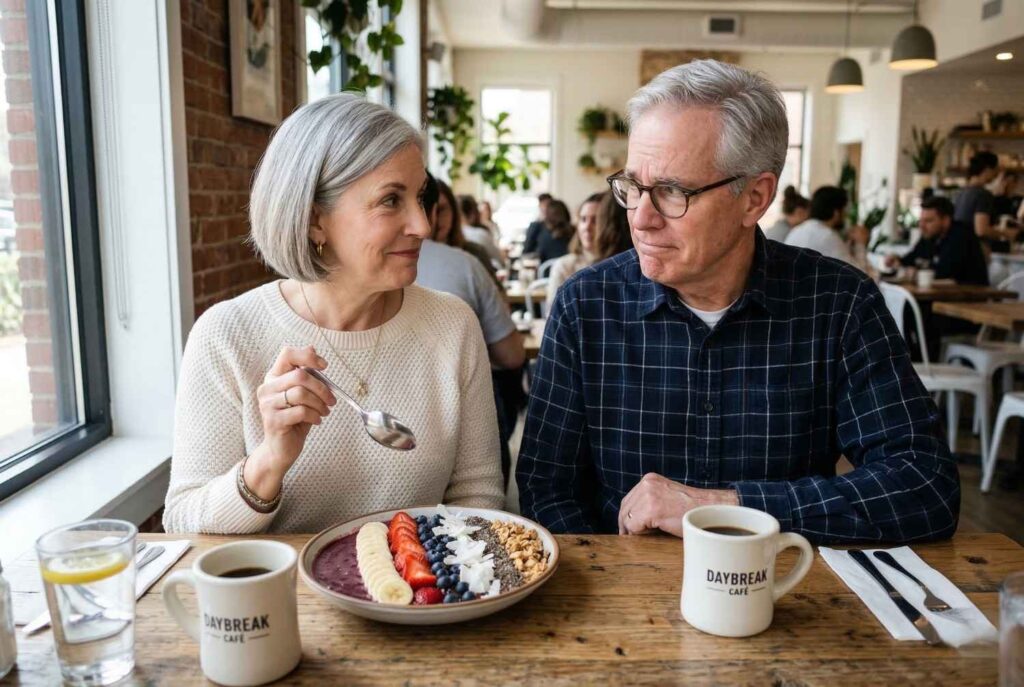
These bright purple bowls topped with fruit, coconut flakes, and chia seeds look beautiful. They photograph well and scream wellness. But when it comes to flavor and satisfaction, they can fall short. Some are loaded with sugar, and others leave you hungry an hour later. Boomers who appreciate a balanced breakfast with protein and substance may find acai bowls more decorative than dependable. They are not bad, but they are not always worth the hype or the price.
4. Matcha Lattes

Matcha has deep cultural roots and real health benefits. However, the modern café version often tastes grassy and slightly bitter, especially if you are used to a strong cup of black coffee. Many baby boomers have been drinking coffee for decades. Switching to a frothy green drink can feel like trying to convince yourself you like something just because it is popular. Some genuinely enjoy it. Others sip politely and long for their usual brew.
5. Truffle Oil Fries
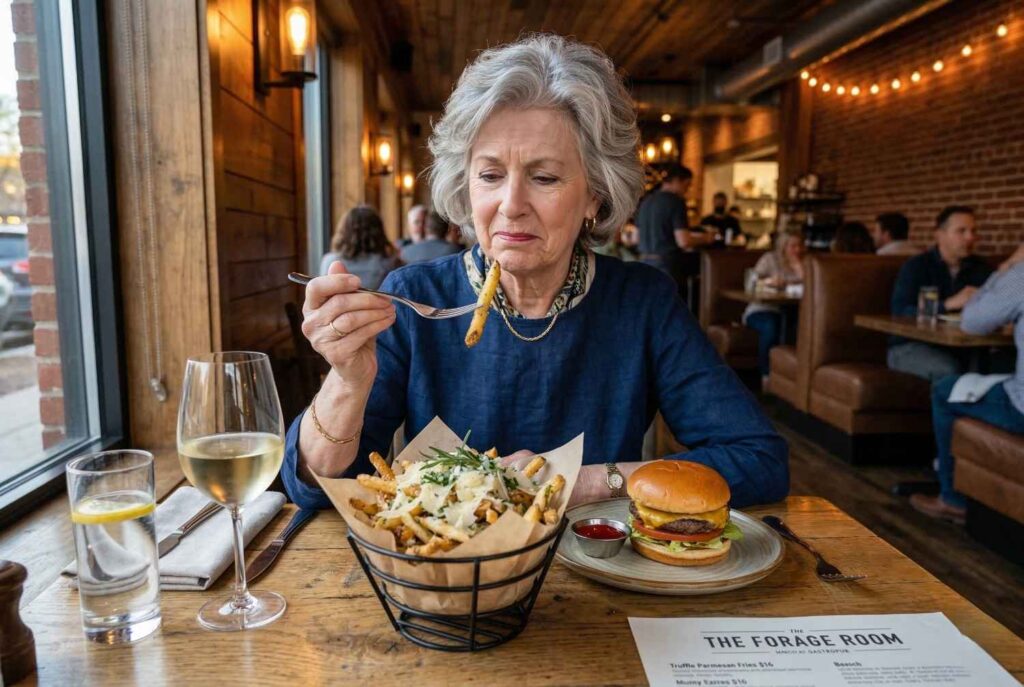
Truffle oil sounds luxurious. It promises sophistication. In reality, many versions use synthetic flavoring that can overpower an otherwise good dish. A plate of fries drizzled in heavy truffle oil can go from delicious to overwhelming in seconds. For boomers who appreciate simple flavors done well, plain crispy fries with a sprinkle of salt often win. The truffle trend sometimes feels like an attempt to make comfort food fancier than it needs to be.
6. Foie Gras
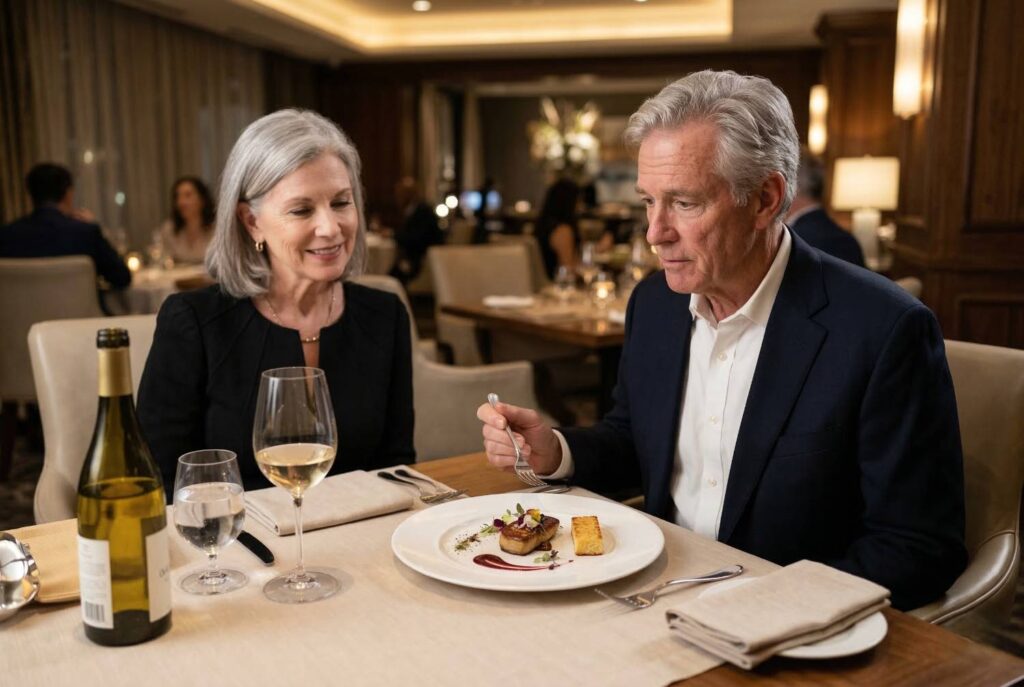
Foie gras has long been associated with fine dining. It is rich, smooth, and indulgent. But it is also incredibly heavy. After a few bites, many people are done. Add in the high price tag and ethical concerns, and it becomes even harder to justify. Some baby boomers may try it once for the experience, especially at a special event, but few are requesting it for their next family gathering. It often feels like something you are supposed to admire more than truly enjoy.
7. Lobster at Luxury Prices

There was a time when lobster was not considered fancy at all. Today, it is often the most expensive item on the menu. While lobster can be sweet and tender, it is also a lot of work for relatively small bites of meat. Crack the shell, dig around, dip in butter, repeat. Some boomers cannot help but think a well prepared steak or grilled fish offers more flavor and satisfaction for the money. The prestige of lobster sometimes outweighs the practical enjoyment.
8. Caviar
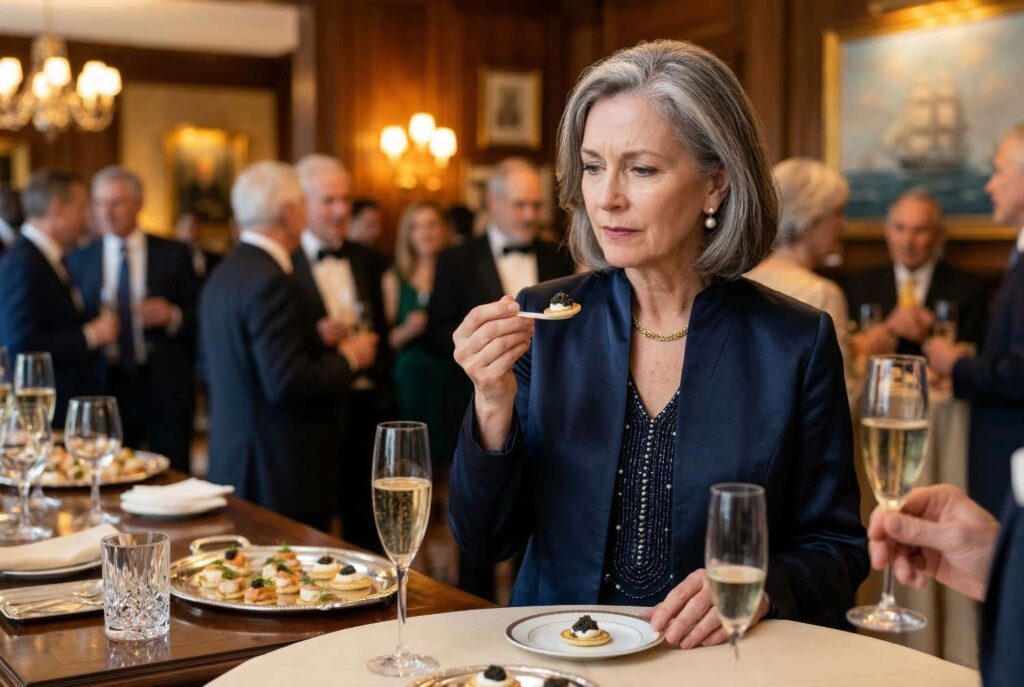
Caviar has a reputation for elegance. It is served in small portions, often at exclusive gatherings, and associated with celebration. Yet, for many people, it tastes intensely salty and surprisingly subtle at the same time. The texture can also be an acquired preference. Baby boomers who appreciate bold, comforting flavors may struggle to understand why tiny fish eggs command such admiration. It is one of those foods people often praise quietly, even if they would not order it on their own dime.
9. Raw Oysters
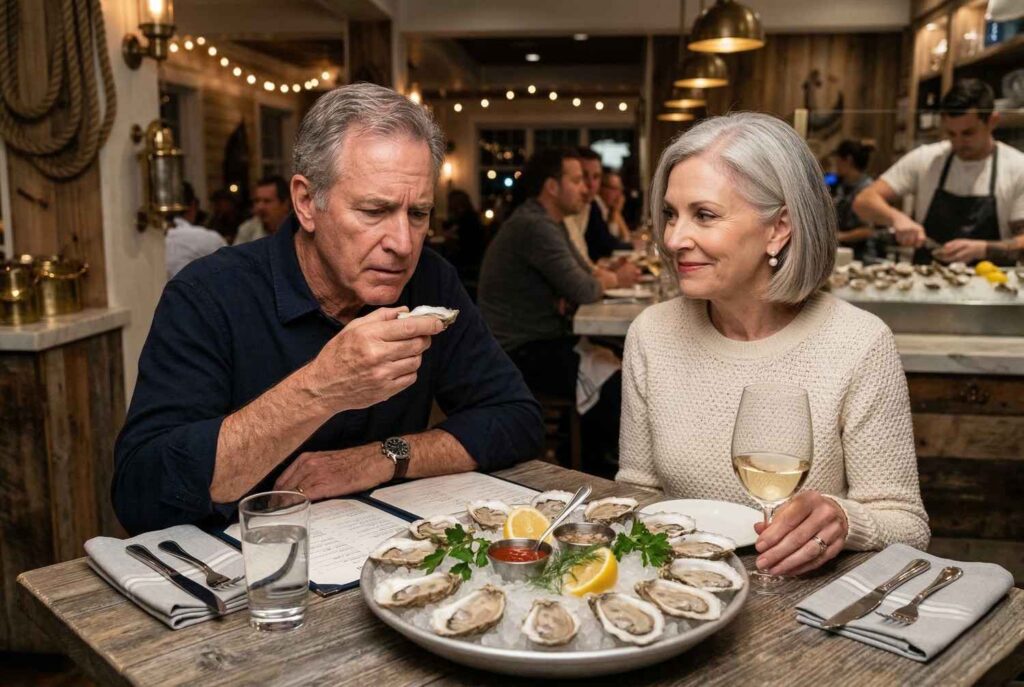
Oysters have long been linked to seaside charm and upscale dining. There is a certain romance to slurping them fresh from the shell. But let us be honest. The texture can be slippery, and the flavor is briny in a way that not everyone loves. Many baby boomers prefer their seafood cooked, seasoned, and warm. Raw oysters can feel more like a daring experience than a genuinely enjoyable meal. Some love them. Others participate once and call it good.
10. Cronuts and Over the Top Pastries
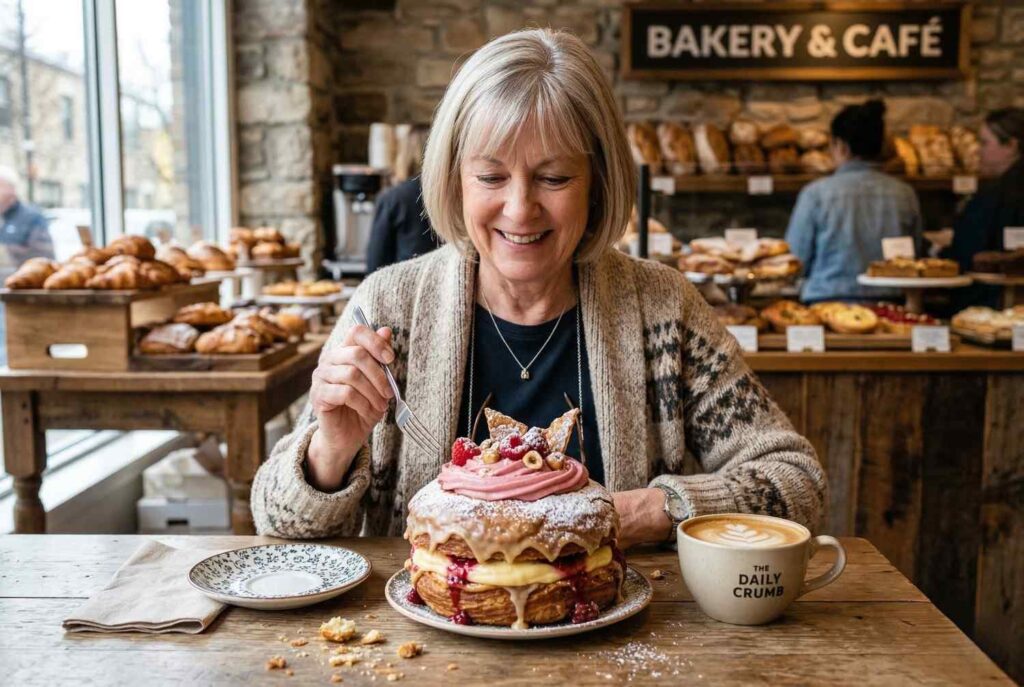
When pastries become viral sensations, expectations skyrocket. Hybrid desserts like croissant donut combinations often look incredible in photos. In reality, they can be overly sweet, greasy, and difficult to eat without making a mess. Boomers who grew up with classic apple pie or a simple glazed donut might find these mashups more chaotic than charming. Sometimes tradition tastes better than innovation.
11. Deconstructed Dishes
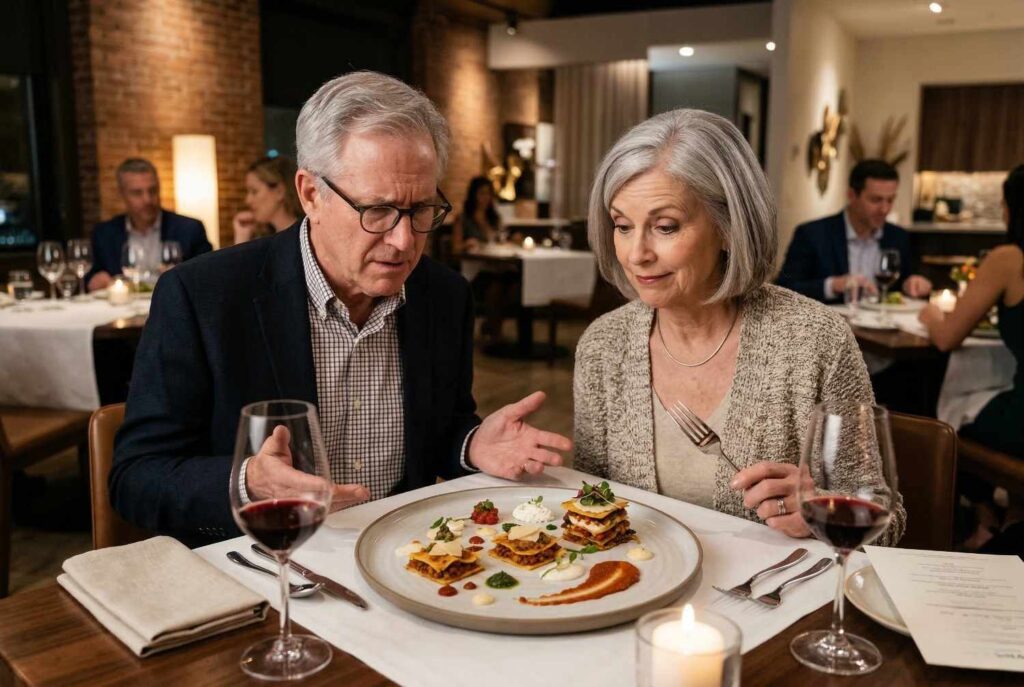
There is a moment at certain restaurants when your meal arrives looking like an art project. Sauce dotted in precise circles. Ingredients separated instead of combined. You are told it is a “deconstructed” version of a classic dish. While creativity has its place, many baby boomers just want their lasagna to look like lasagna. When you are paying good money, you expect comfort and clarity, not a puzzle you have to assemble yourself.
12. Plant Based Imitation Meats
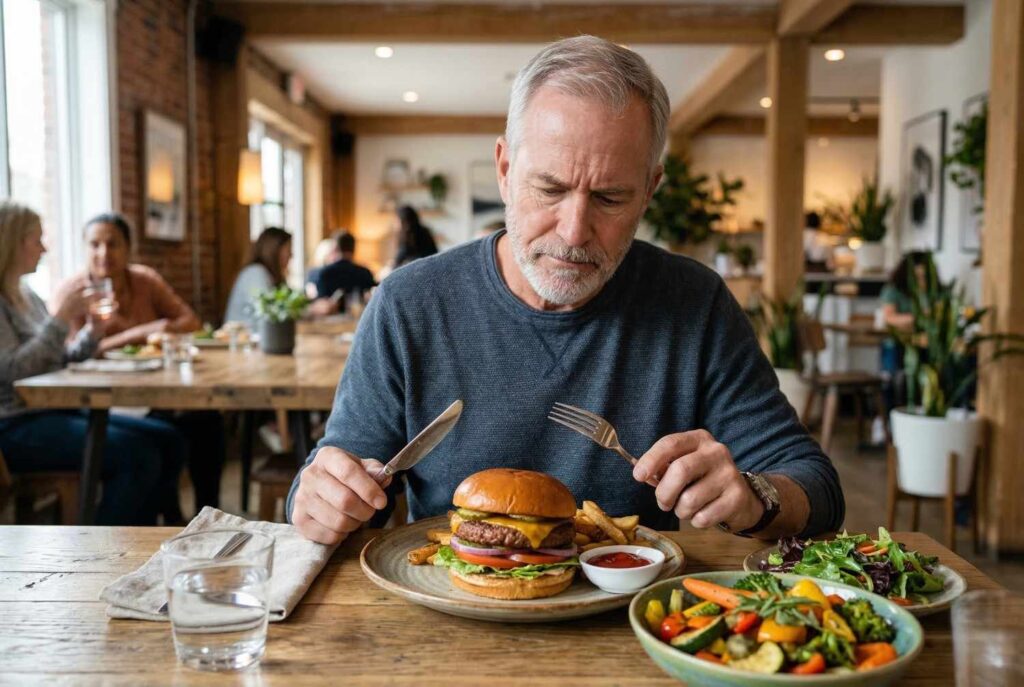
There is growing interest in plant based eating, and that can be a positive shift for health and the environment. However, some imitation meats try so hard to replicate beef or chicken that they end up tasting processed and overly engineered. Many boomers would rather enjoy real vegetables prepared well than a patty designed to mimic something else. Authentic flavor often feels more satisfying than a lab inspired substitute.
Final Thoughts
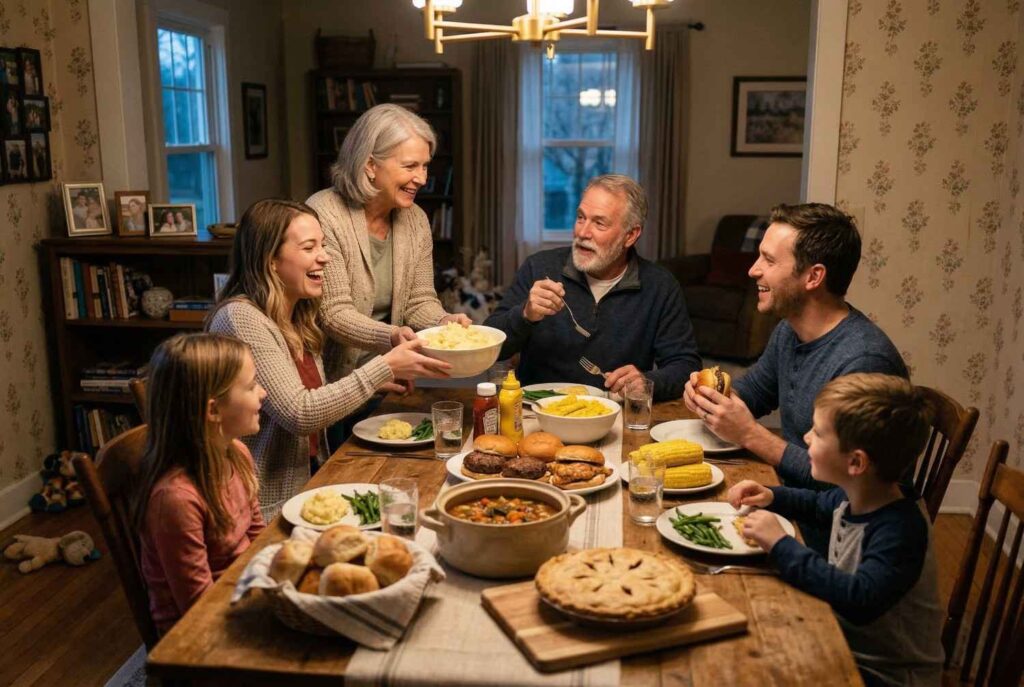
Food is deeply personal. It is tied to memory, family, culture, and comfort. For baby boomers, meals often meant gathering around the table after a long day, sharing stories, and enjoying dishes made with care. The rise of food trends has brought variety and creativity, which is wonderful. But it has also introduced pressure to appreciate things that may not truly suit your taste.
There is no rule that says you must love avocado toast, raw oysters, or the latest viral dessert. You have earned the right to trust your own palate. If you prefer a hearty bowl of soup, a perfectly grilled burger, or a slice of homemade pie, that is not old fashioned. It is honest.
The real takeaway is simple. Eat what you genuinely enjoy. Try new things with curiosity, not obligation. Say yes to the foods that make you feel satisfied, energized, and happy. And the next time a trendy dish lands in front of you and everyone raves about it, remember that it is perfectly fine to smile and say, “It is not for me.” That kind of confidence never goes out of style.
Leave a Reply