7 Reasons Why Legal Squatting Has Endured Despite Changing Laws
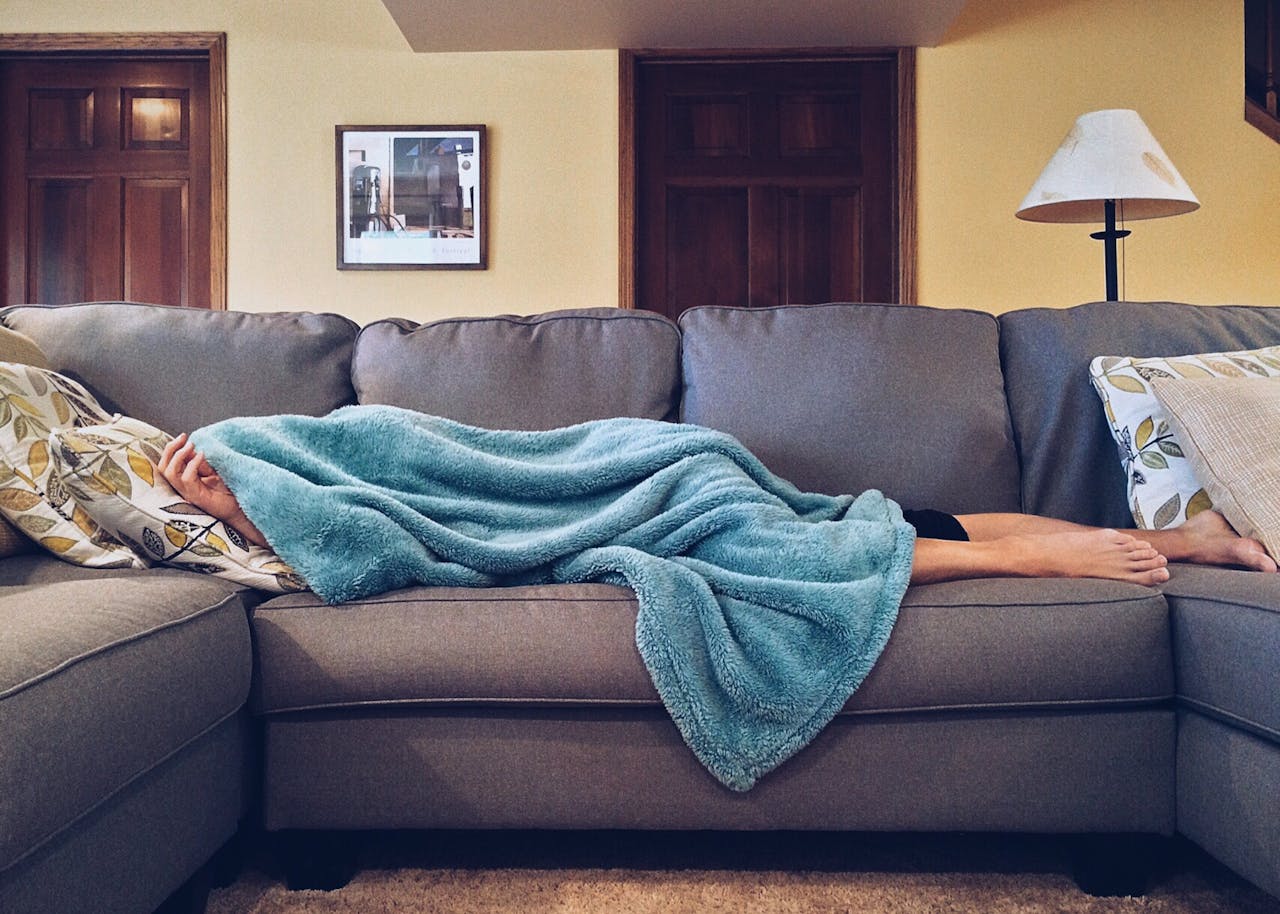
Legal squatting, also known as adverse possession, is a phenomenon where individuals occupy land or property they do not own, with the intention of claiming legal ownership over time. Despite evolving property laws and increasing awareness, legal squatting persists. Here are seven reasons why this practice has endured.
1. Historical Precedent

Adverse possession has deep roots in legal history, dating back to English common law. The principle was initially designed to encourage the productive use of land and prevent disputes over property. Over centuries, this doctrine has been embedded in legal systems worldwide, making it a resilient concept despite modern legal reforms.
2. Property Law Complexity

Property laws are often complex and vary significantly between jurisdictions. The intricacies of these laws can make it difficult for property owners to understand and protect their rights fully. This complexity can create opportunities for squatters to exploit legal loopholes and ambiguities, enabling them to occupy properties for extended periods without detection or intervention.
3. Urbanization and Housing Crises
![<p>Rapid urbanization and housing shortages in many cities have exacerbated the issue of squatting. As property prices soar and affordable housing becomes scarce, some individuals turn to squatting as a last resort for shelter. This situation has led to a rise in squatting cases, particularly in economically distressed areas where enforcement may be lax.var cid = "9048067730"; var pid = "ca-pub-4779785715115193"; var slotId = "div-gpt-ad-ourdebtfreefamily_com-large-mobile-banner-1-0"; var ffid = 1; var alS = 1713 % 1000; if(typeof ez_ad_units == "undefined"){ez_ad_units=[];}ez_ad_units.push([[300,250],"ourdebtfreefamily_com-large-mobile-banner-1","ezslot_8",107,"0","0", "ourdebtfreefamily_com-large-mobile-banner-1-0"]); var container = document.getElementById(slotId); if (container) { var ins = document.createElement("ins"); ins.id = slotId + "-asloaded"; ins.className = "adsbygoogle ezasloaded"; ins.dataset.adClient = pid; ins.dataset.adChannel = cid; ins.style.display = "block"; ins.style.minWidth = container.attributes.ezaw.value + "px"; ins.style.width = "100%"; ins.style.height = container.attributes.ezah.value + "px"; ins.style.margin = "0px auto"; container.style.maxHeight = container.style.minHeight + "px"; container.style.maxWidth = container.style.minWidth + "px"; var script = document.createElement("script"); script.innerText = "(adsbygoogle = window.adsbygoogle || []).push({});"; ins.appendChild(script); container.appendChild(ins); window.ezoSTPixels = window.ezoSTPixels || []; if (typeof ezoSTPixelAdd === "function") { window.ezoSTPixelAdd(slotId, "stat_source_id", 44); window.ezoSTPixelAdd(slotId, "adsensetype", 1); } else { window.ezoSTPixels.push({id: slotId, name: "stat_source_id", value: 44}); window.ezoSTPixels.push({id: slotId, name: "adsensetype", value: 1}); } window.ezaslWatch = window.ezaslWatch || []; window.ezaslWatch.push(slotId); }(adsbygoogle = window.adsbygoogle || []).push({});</p> ::Pexels](https://www.ourdebtfreefamily.com/wp-content/uploads/2024/10/pexels-energepic-com-27411-313691-1.jpg "3. Urbanization and Housing Crises")
Rapid urbanization and housing shortages in many cities have exacerbated the issue of squatting. As property prices soar and affordable housing becomes scarce, some individuals turn to squatting as a last resort for shelter. This situation has led to a rise in squatting cases, particularly in economically distressed areas where enforcement may be lax.
4. Neglected Properties
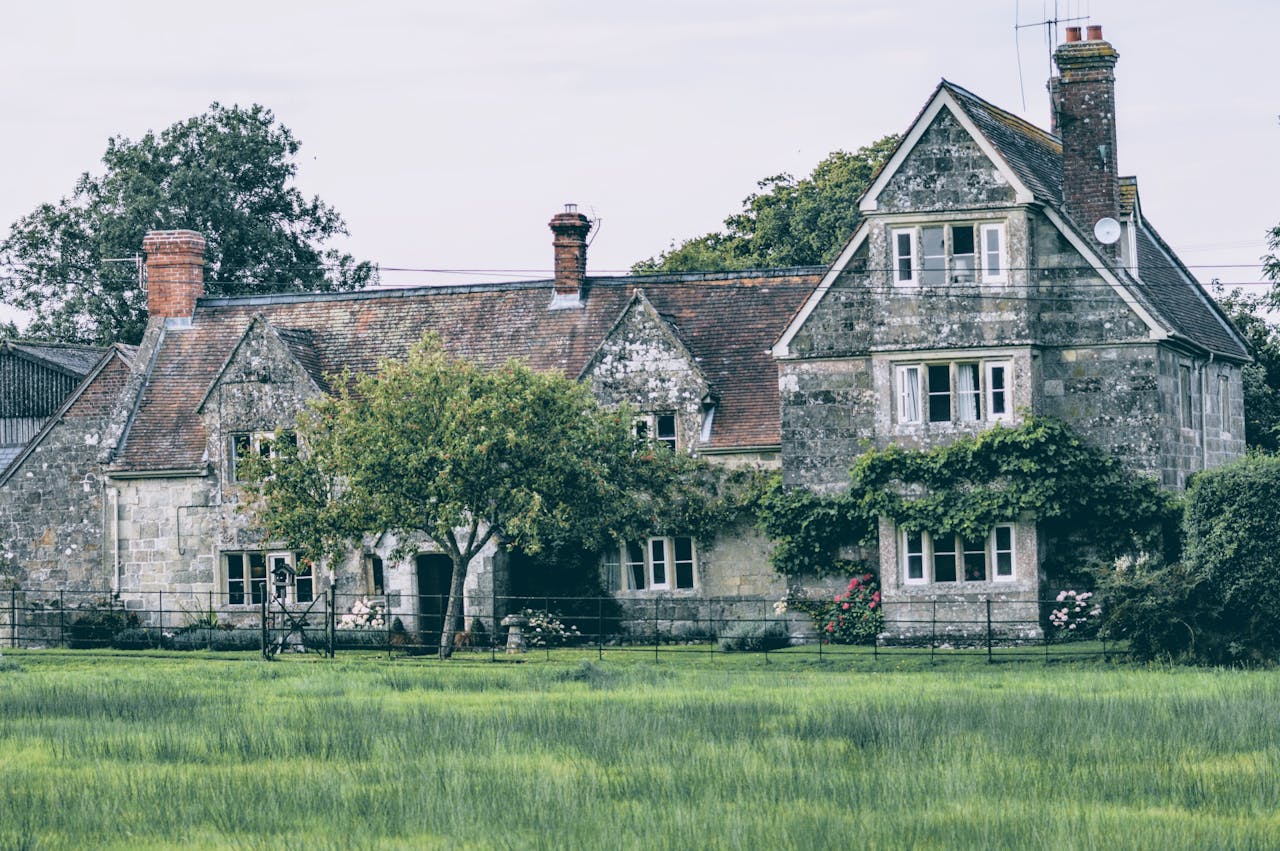
Vacant and neglected properties are prime targets for squatters. Owners who abandon or fail to maintain their properties due to financial difficulties, absenteeism, or other reasons create opportunities for squatters to move in. Once established, squatters can sometimes claim adverse possession if they occupy the property openly and continuously for a specified period.
5. Social and Economic Inequality

Socioeconomic disparities play a significant role in the persistence of squatting. Marginalized and impoverished individuals often have limited access to legal resources and housing opportunities. Squatting can sometimes be a desperate attempt to secure basic shelter. Addressing the root causes of inequality and providing affordable housing options are essential to mitigating this issue.
6. Legal Protections and Advocacy
 In some cases, squatters receive legal protections or support from advocacy groups. These organizations argue that housing is a fundamental human right and that squatting can be a form of social protest against unjust housing policies. Legal battles and advocacy efforts can delay evictions and create public sympathy for squatters, complicating efforts to address the issue through legislation alone.
7. Property Owner Challenges

Property owners face numerous challenges in addressing squatting. Legal processes to reclaim occupied properties can be lengthy and costly, deterring some owners from taking action. Additionally, the burden of proof often falls on the property owner to demonstrate that the squatter does not have a legitimate claim, further complicating the situation.
Final Thoughts
The persistence of legal squatting is a multifaceted issue rooted in historical precedents, legal complexities, socioeconomic factors, and urban challenges. While modern laws aim to protect property rights and address housing shortages, the enduring nature of squatting highlights the need for comprehensive solutions that balance property ownership with the fundamental human need for shelter. Addressing the underlying causes of squatting requires collaboration between lawmakers, property owners, and advocacy groups to create a more equitable and sustainable housing environment.
Leave a Reply