Relaxation Techniques That Reduce Stress After 50: 10 Simple Ways to Feel More Like Yourself Again

Stress doesn’t retire when you do. If anything, it just changes its tone.
By the time you reach your 50s and beyond, life usually looks very different. Maybe the kids are grown, maybe your career has shifted, or maybe you are juggling health concerns, finances, and family all at once. There is a quiet kind of pressure that can build up over time. It is not always loud or obvious, but it lingers in your body, your sleep, and your thoughts.
Here is the thing most people do not say out loud. You do not need complicated routines or expensive solutions to manage stress at this stage of life. What actually works tends to be simple, repeatable, and realistic.
This is not about chasing some perfect version of calm. It is about finding small ways to feel better, more often.
Below are ten relaxation techniques that are easy to start and surprisingly effective, especially after 50.
1. Deep Breathing That Actually Slows You Down
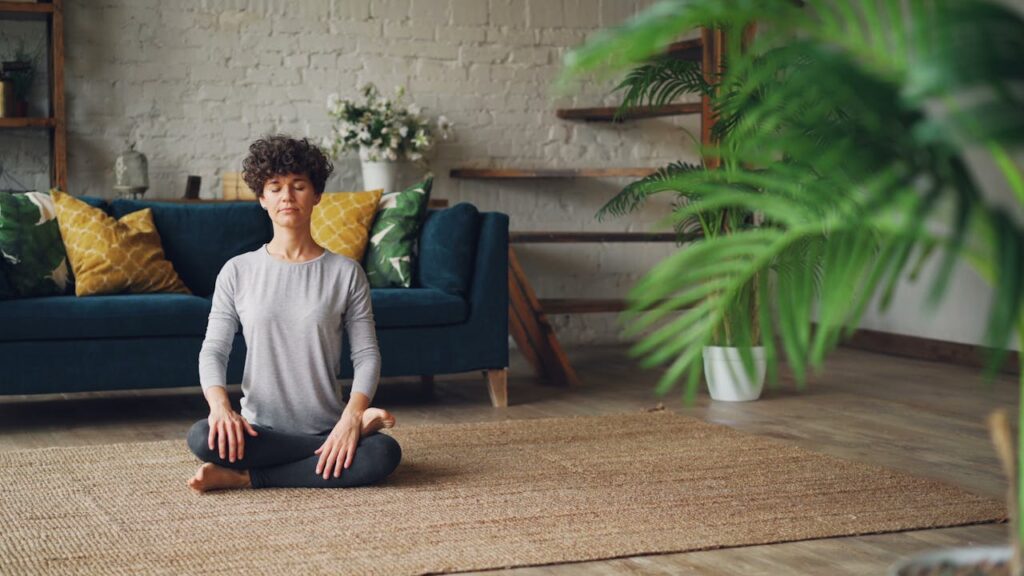
It might sound basic, but deep breathing is one of the fastest ways to calm your body. Stress often shows up physically first. Tight chest, shallow breathing, tense muscles. When you change your breathing, you send a signal to your brain that things are okay.
Try this simple rhythm. Inhale slowly through your nose for four seconds, hold for four seconds, then exhale through your mouth for six seconds. Do this for a few minutes.
You will notice your shoulders drop a little. Your thoughts slow down. It is subtle, but it works.
The best part is you can do this anywhere. No equipment, no preparation. Just a few quiet moments and your breath.
2. Gentle Stretching to Release Hidden Tension

Stress does not just stay in your mind. It settles into your body over time. That stiff neck or tight lower back is not always just about age. It is often stress that never fully left.
Gentle stretching gives your body a chance to let go of that tension. You do not need to follow a full workout routine. Even ten minutes in the morning or before bed can help.
Move slowly. Pay attention to how your body feels. Breathe as you stretch. This is less about exercise and more about giving your body permission to relax.
Over time, you may notice you feel looser, lighter, and a bit more comfortable in your own skin.
3. Walking Outdoors to Clear Your Head

There is something about walking outside that resets your mind in a way nothing else quite does.
You do not have to power walk or track your steps unless you want to. A simple, steady walk around your neighborhood or a nearby park is enough. The combination of fresh air, natural light, and movement helps lower stress levels and improve your mood.
Sometimes, the best ideas or sense of clarity come during these walks. Other times, it is just a break from overthinking.
Even fifteen minutes can make a noticeable difference in how you feel.
4. Listening to Music That Meets You Where You Are

Music has a way of reaching parts of you that words cannot.
The right song can calm you down, lift your mood, or help you process emotions you did not even realize you were carrying. Instead of just playing music in the background, try being intentional with it.
Create a few simple playlists. One for relaxing evenings, one for when you need a little energy, and one for quiet reflection.
Sit with the music. Let it play without distraction. You might be surprised how much lighter you feel afterward.
5. Practicing Mindfulness Without Making It Complicated

Mindfulness can sound intimidating, but it does not have to be.
At its core, it is simply about paying attention to the present moment. No overthinking, no trying to clear your mind completely. Just noticing what is happening right now.
You can do this while drinking your morning coffee, washing dishes, or sitting outside. Pay attention to the small details. The taste, the temperature, the sounds around you.
This simple habit helps break the cycle of worrying about what might happen or replaying what already did. It brings you back to what is actually in front of you.
6. Journaling to Get Thoughts Out of Your Head
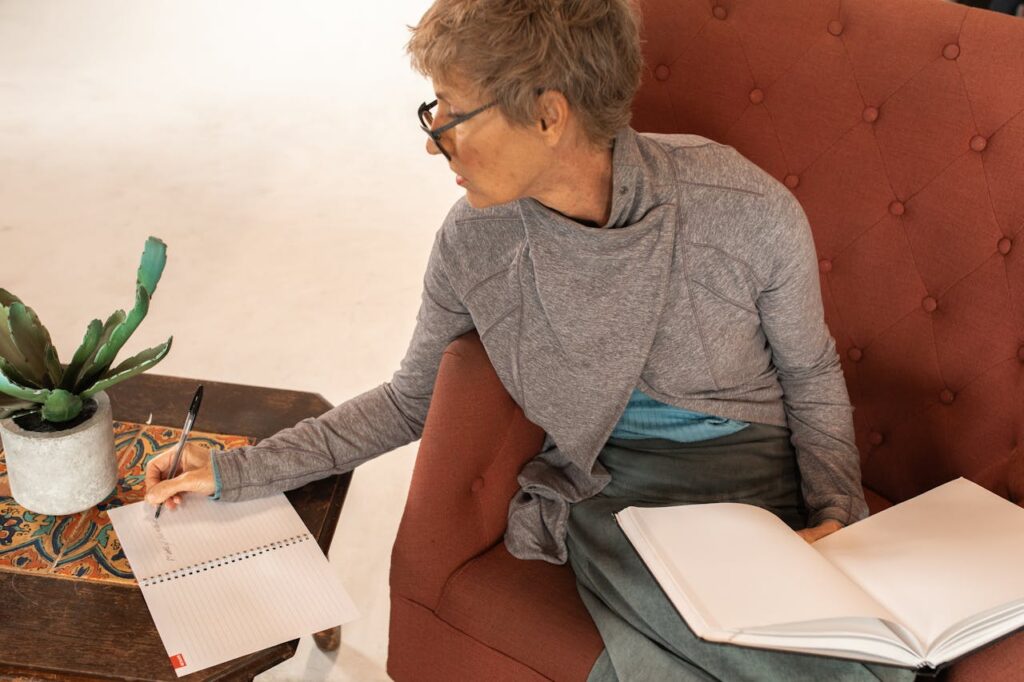
When everything stays in your head, it tends to feel heavier than it really is.
Writing things down gives those thoughts somewhere to go. You do not need to be a great writer. You do not even need full sentences. Just let your thoughts come out as they are.
You might write about what is bothering you, what you are grateful for, or even just how your day went.
Many people find it especially helpful before bed. It is like clearing your mind so you can actually rest.
Over time, journaling can help you understand your patterns and feel more in control of your emotions.
7. Spending Time on Hobbies That Feel Good Again

At some point, a lot of people stop doing things just because they enjoy them.
Life gets busy, responsibilities take over, and hobbies quietly disappear. Bringing them back can be one of the simplest ways to reduce stress.
It does not have to be anything impressive. Gardening, cooking, painting, reading, or even solving puzzles can do the trick.
The goal is not productivity. It is enjoyment.
When you spend time doing something you like, your mind gets a break from everything else. That alone can make a big difference in how you feel.
8. Staying Social in Ways That Feel Natural

Not all social time is relaxing. Some of it can feel draining, especially if it feels forced.
What matters more is spending time with people who make you feel comfortable and understood. This could be a close friend, a family member, or even a neighbor you enjoy talking to.
It does not have to be a big event. A simple conversation over coffee or a quick phone call can lift your mood.
Connection matters, especially as life changes. The right kind of interaction can remind you that you are not alone in what you are feeling.
9. Improving Sleep Habits One Small Step at a Time

Sleep and stress are closely connected. When you do not sleep well, everything feels a little harder the next day.
After 50, sleep can become more unpredictable. That is why small habits matter more than ever.
Try to go to bed and wake up at the same time each day. Keep your bedroom cool, quiet, and dark. Limit screen time before bed, since it can make it harder to fall asleep.
You might also create a simple routine before bed. Reading, light stretching, or just sitting quietly for a few minutes can signal to your body that it is time to wind down.
Better sleep does not fix everything, but it makes everything else easier to handle.
10. Making Space for Real Quiet

True quiet is rare these days. There is almost always something playing, buzzing, or demanding your attention.
Taking even ten or fifteen minutes for real quiet can feel surprisingly powerful. No phone, no television, no background noise. Just sit and be still.
At first, it might feel uncomfortable. That is normal. Most people are not used to it anymore.
But if you stick with it, this quiet time becomes something you look forward to. It gives your mind a chance to settle and reset.
Sometimes doing nothing is exactly what you need.
Final Thoughts

Managing stress after 50 is not about adding more to your life. It is about choosing what actually helps and letting go of what does not.
You do not need to follow all ten techniques. Start with one or two that feel easy and natural. The goal is not to do everything perfectly. It is to create small moments of calm that you can return to again and again.
Stress will always be part of life in some form. But it does not have to control how you feel day to day.
With a few simple habits, you can create more space to breathe, think clearly, and enjoy the life you have built.
And sometimes, that shift begins with something as small as stepping outside, taking a slow breath, and allowing yourself a moment of peace.
Leave a Reply