Our Debt Free Family

Commit. Plan. Take action.

  • BUDGETING
  • DEBT REDUCTION
  • INVESTING
  • LIFESTYLE
  • TOOLS
  • ABOUT
  • Privacy Policy
  • CONTACT
You are here: Home / Budgeting / Sneaky Expenses Draining Your Money: 10 Hidden Costs and How to Cut Them Without Feeling Broke

Sneaky Expenses Draining Your Money: 10 Hidden Costs and How to Cut Them Without Feeling Broke

April 26, 2026 | Leave a Comment

Sneaky Expenses Draining Your Money: 10 Hidden Costs and How to Cut Them Without Feeling Broke

<p> Ever check your bank account and wonder, “Where did all my money go?” You’re not imagining things. For many people, it is not the big, obvious purchases that cause the problem. It is the quiet, everyday spending that slips in unnoticed. A few dollars here, a small fee there, and before you know it, your budget feels tight even when you are trying to be responsible.

The tricky part is that these expenses rarely feel like mistakes in the moment. They feel justified, convenient, or even necessary. That is why they are so hard to spot and even harder to fix.

The good news is that you do not need to cut out everything you enjoy or live on a strict, joyless budget. The real goal is to become more intentional. When you identify what is quietly draining your money, you can make small adjustments that add up in a big way over time.

Let’s walk through ten sneaky expenses that could be eating away at your finances and, more importantly, how you can reduce them without feeling like you are missing out on life. </p> :: Pexels

Ever check your bank account and wonder, “Where did all my money go?” You’re not imagining things. For many people, it is not the big, obvious purchases that cause the problem. It is the quiet, everyday spending that slips in unnoticed. A few dollars here, a small fee there, and before you know it, your budget feels tight even when you are trying to be responsible.

The tricky part is that these expenses rarely feel like mistakes in the moment. They feel justified, convenient, or even necessary. That is why they are so hard to spot and even harder to fix.

The good news is that you do not need to cut out everything you enjoy or live on a strict, joyless budget. The real goal is to become more intentional. When you identify what is quietly draining your money, you can make small adjustments that add up in a big way over time.

Let’s walk through ten sneaky expenses that could be eating away at your finances and, more importantly, how you can reduce them without feeling like you are missing out on life.

1. Subscription Overload
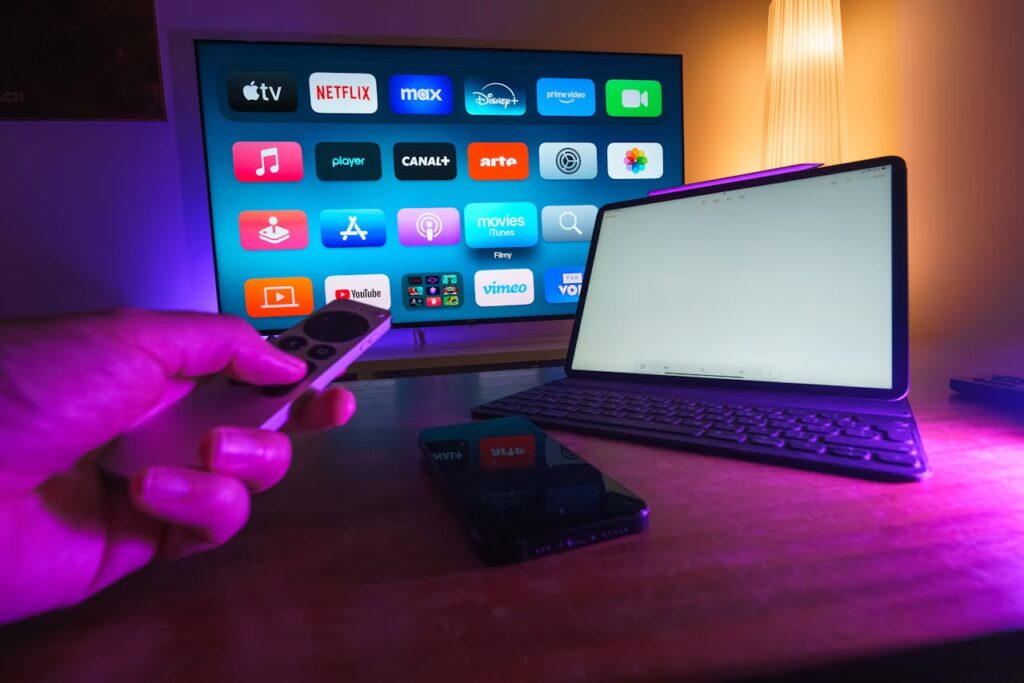
<p> Subscriptions are one of the easiest ways to lose track of your spending. A streaming service here, a music app there, maybe a premium cloud storage plan you signed up for months ago. Each one feels small on its own, but together they can quietly take a serious chunk out of your monthly budget.

The real problem is that many subscriptions run in the background. You might not even remember signing up for some of them. Free trials turn into paid plans, and before long, you are paying for services you barely use.

A simple fix is to do a subscription audit. Take fifteen minutes to go through your bank or credit card statements and list every recurring charge. Be honest with yourself about what you actually use. Cancel anything that has not added value in the past month or two. For the ones you want to keep, consider rotating them. Watch what you want on one platform, then pause or cancel it before moving to another. This way, you still enjoy your content without paying for everything all at once. </p> :: Pexels

Subscriptions are one of the easiest ways to lose track of your spending. A streaming service here, a music app there, maybe a premium cloud storage plan you signed up for months ago. Each one feels small on its own, but together they can quietly take a serious chunk out of your monthly budget.

The real problem is that many subscriptions run in the background. You might not even remember signing up for some of them. Free trials turn into paid plans, and before long, you are paying for services you barely use.

A simple fix is to do a subscription audit. Take fifteen minutes to go through your bank or credit card statements and list every recurring charge. Be honest with yourself about what you actually use. Cancel anything that has not added value in the past month or two. For the ones you want to keep, consider rotating them. Watch what you want on one platform, then pause or cancel it before moving to another. This way, you still enjoy your content without paying for everything all at once.

2. Food Delivery and Convenience Fees

<p> Food delivery has become incredibly popular, and it is easy to see why. After a long day, the idea of having a meal show up at your door feels like a small reward. But the real cost is often much higher than it appears.

Between delivery fees, service charges, tips, and sometimes inflated menu prices, a simple meal can end up costing nearly double. When this becomes a regular habit, it can quietly drain hundreds of dollars each month.

Instead of cutting delivery out completely, set a clear boundary. Treat it like an occasional convenience rather than a default option. Try planning a few quick meals you can make at home in under twenty minutes. Even stocking up on ready-to-heat meals can reduce the temptation to order out. You still get convenience, but at a much lower cost. </p> :: Pexels

Food delivery has become incredibly popular, and it is easy to see why. After a long day, the idea of having a meal show up at your door feels like a small reward. But the real cost is often much higher than it appears.

Between delivery fees, service charges, tips, and sometimes inflated menu prices, a simple meal can end up costing nearly double. When this becomes a regular habit, it can quietly drain hundreds of dollars each month.

Instead of cutting delivery out completely, set a clear boundary. Treat it like an occasional convenience rather than a default option. Try planning a few quick meals you can make at home in under twenty minutes. Even stocking up on ready-to-heat meals can reduce the temptation to order out. You still get convenience, but at a much lower cost.

3. Daily Coffee and Snacks

<p> A quick coffee run or snack stop does not seem like a big deal. It is part of the routine for many people. But when you start adding it up, the numbers tell a different story.

Spending five to ten dollars a day might not feel significant, but over a month, that can easily reach a few hundred dollars. Over a year, it becomes a surprisingly large amount.

The key here is not to eliminate these small pleasures entirely. Instead, be more intentional. Make your coffee at home most days and save café visits for when you really want to enjoy them. For snacks, buy in bulk and bring them with you. You will still get your daily boost without the steady drain on your wallet. </p> :: Pexels

A quick coffee run or snack stop does not seem like a big deal. It is part of the routine for many people. But when you start adding it up, the numbers tell a different story.

Spending five to ten dollars a day might not feel significant, but over a month, that can easily reach a few hundred dollars. Over a year, it becomes a surprisingly large amount.

The key here is not to eliminate these small pleasures entirely. Instead, be more intentional. Make your coffee at home most days and save café visits for when you really want to enjoy them. For snacks, buy in bulk and bring them with you. You will still get your daily boost without the steady drain on your wallet.

4. Unused Gym Memberships

<p> A gym membership often starts with good intentions. You sign up feeling motivated and ready to commit to your health. But life happens, routines change, and suddenly you are not going as often as you planned.

What makes this expense sneaky is that it continues whether you use it or not. Many people keep paying simply because they feel guilty canceling or believe they will start going again soon.

If you are not using your membership, it is time to let it go. You can always sign up again later if your routine changes. In the meantime, explore alternatives like home workouts, walking, or free fitness videos online. Staying active does not have to come with a monthly fee. </p> :: Pexels

A gym membership often starts with good intentions. You sign up feeling motivated and ready to commit to your health. But life happens, routines change, and suddenly you are not going as often as you planned.

What makes this expense sneaky is that it continues whether you use it or not. Many people keep paying simply because they feel guilty canceling or believe they will start going again soon.

If you are not using your membership, it is time to let it go. You can always sign up again later if your routine changes. In the meantime, explore alternatives like home workouts, walking, or free fitness videos online. Staying active does not have to come with a monthly fee.

5. Impulse Online Shopping

<p> Online shopping has made it incredibly easy to buy things without much thought. With just a few clicks, something is on its way to your doorstep. The convenience is great, but it also makes impulse spending much more common.

Sales, limited-time offers, and personalized ads are designed to encourage quick decisions. The result is often a collection of items you did not really need.

One effective strategy is to create a pause between wanting something and buying it. Try the 24-hour rule. If you see something you want, wait a full day before making the purchase. More often than not, the urgency fades. You can also remove saved payment details from your accounts to make the process slightly less convenient. That extra step can be enough to help you think twice. </p> :: Pexels

Online shopping has made it incredibly easy to buy things without much thought. With just a few clicks, something is on its way to your doorstep. The convenience is great, but it also makes impulse spending much more common.

Sales, limited-time offers, and personalized ads are designed to encourage quick decisions. The result is often a collection of items you did not really need.

One effective strategy is to create a pause between wanting something and buying it. Try the 24-hour rule. If you see something you want, wait a full day before making the purchase. More often than not, the urgency fades. You can also remove saved payment details from your accounts to make the process slightly less convenient. That extra step can be enough to help you think twice.

6. Bank Fees and Interest Charges
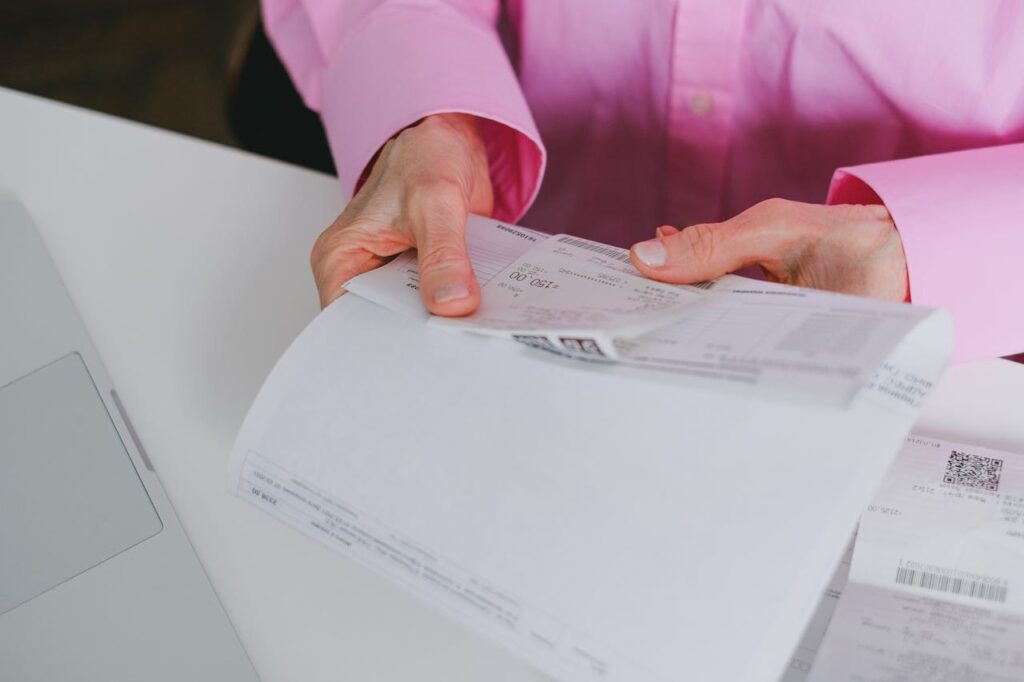
<p> Bank fees and credit card interest are easy to overlook because they do not feel like typical spending. There is no product or experience attached to them, yet they can take a significant bite out of your finances.

Overdraft fees, late payment penalties, and high-interest charges can quickly add up. In many cases, they are avoidable with a few simple habits.

Start by setting up account alerts for low balances and upcoming payments. Automate your bills whenever possible to avoid missing due dates. If you carry credit card debt, make it a priority to pay it down, even if it is just a little extra each month. Reducing interest charges can free up more of your money for things you actually care about. </p> :: Pexels

Bank fees and credit card interest are easy to overlook because they do not feel like typical spending. There is no product or experience attached to them, yet they can take a significant bite out of your finances.

Overdraft fees, late payment penalties, and high-interest charges can quickly add up. In many cases, they are avoidable with a few simple habits.

Start by setting up account alerts for low balances and upcoming payments. Automate your bills whenever possible to avoid missing due dates. If you carry credit card debt, make it a priority to pay it down, even if it is just a little extra each month. Reducing interest charges can free up more of your money for things you actually care about.

7. Cable TV and Unused Channels

<p> Traditional cable packages often include far more than you actually use. You might be paying for dozens of channels when you regularly watch only a handful.

This makes cable one of those expenses that feels normal but is not always necessary. With so many streaming options available, many people find they can cut their entertainment costs without losing access to their favorite shows.

Take a close look at your viewing habits. If cable is not giving you enough value, consider switching to a more flexible setup. You can choose services that match your interests and avoid paying for content you never watch. </p> :: Pexels

Traditional cable packages often include far more than you actually use. You might be paying for dozens of channels when you regularly watch only a handful.

This makes cable one of those expenses that feels normal but is not always necessary. With so many streaming options available, many people find they can cut their entertainment costs without losing access to their favorite shows.

Take a close look at your viewing habits. If cable is not giving you enough value, consider switching to a more flexible setup. You can choose services that match your interests and avoid paying for content you never watch.

8. Buying New Instead of Used

<p> There is a certain appeal to buying things brand new. It feels cleaner, more reliable, and sometimes more satisfying. But always choosing new can be much more expensive than necessary.

Many items, especially furniture, electronics, and clothing, are available in excellent condition at a lower price through secondhand options. Refurbished products can also offer great value without sacrificing quality.

This does not mean you should never buy new. It simply means being open to alternatives when it makes sense. Mixing in secondhand purchases can significantly reduce your overall spending without changing your lifestyle. </p> :: Pexels

There is a certain appeal to buying things brand new. It feels cleaner, more reliable, and sometimes more satisfying. But always choosing new can be much more expensive than necessary.

Many items, especially furniture, electronics, and clothing, are available in excellent condition at a lower price through secondhand options. Refurbished products can also offer great value without sacrificing quality.

This does not mean you should never buy new. It simply means being open to alternatives when it makes sense. Mixing in secondhand purchases can significantly reduce your overall spending without changing your lifestyle.

9. Energy Waste at Home

<p> Energy costs are another area where money can slip away without much notice. Leaving lights on, running appliances inefficiently, or setting your thermostat too high or too low can gradually increase your utility bills.

The impact may seem small at first, but over time it adds up. The good news is that small changes can make a noticeable difference.

Turn off lights when they are not needed, unplug devices that are not in use, and be mindful of your heating and cooling settings. Switching to energy-efficient bulbs or using power strips can also help. These are simple habits that can lower your bills without affecting your comfort. </p> :: Pexels

Energy costs are another area where money can slip away without much notice. Leaving lights on, running appliances inefficiently, or setting your thermostat too high or too low can gradually increase your utility bills.

The impact may seem small at first, but over time it adds up. The good news is that small changes can make a noticeable difference.

Turn off lights when they are not needed, unplug devices that are not in use, and be mindful of your heating and cooling settings. Switching to energy-efficient bulbs or using power strips can also help. These are simple habits that can lower your bills without affecting your comfort.

10. Convenience Purchases

<p> Convenience is one of the biggest drivers of modern spending. Pre-cut fruits, bottled water, ride-sharing services, and express shipping all make life easier, but they often come at a premium.

There is nothing wrong with paying for convenience when you truly need it. The problem arises when it becomes your default for everything.

A little planning can go a long way. Preparing items in advance, carrying reusable bottles, or choosing standard shipping can help you avoid unnecessary costs. You still get to enjoy convenience when it matters most, just without overpaying for it every time. </p> :: Pexels

Convenience is one of the biggest drivers of modern spending. Pre-cut fruits, bottled water, ride-sharing services, and express shipping all make life easier, but they often come at a premium.

There is nothing wrong with paying for convenience when you truly need it. The problem arises when it becomes your default for everything.

A little planning can go a long way. Preparing items in advance, carrying reusable bottles, or choosing standard shipping can help you avoid unnecessary costs. You still get to enjoy convenience when it matters most, just without overpaying for it every time.

Final Thoughts

<p> Getting your finances under control does not require extreme measures. You do not need to give up everything you enjoy or follow a strict budget that makes life feel restrictive. In reality, the most effective changes are often the simplest ones.

The key is awareness. Once you start noticing where your money is quietly slipping away, you gain the power to decide whether those expenses are truly worth it. Some will be, and that is perfectly fine. Others will not, and those are the opportunities to make adjustments.

Think of it as a shift in mindset rather than a list of rules. You are not cutting back for the sake of it. You are making room for what matters more. Whether that is saving for something important, reducing financial stress, or simply having more flexibility in your day-to-day life, every small change contributes to a bigger result.

Over time, these small decisions build momentum. What starts as a few minor tweaks can lead to noticeable improvements in your financial situation. And the best part is that you do not have to feel deprived along the way.

When you spend with intention, you are not just saving money. You are taking control of it. </p> :: Pexels

Getting your finances under control does not require extreme measures. You do not need to give up everything you enjoy or follow a strict budget that makes life feel restrictive. In reality, the most effective changes are often the simplest ones.

The key is awareness. Once you start noticing where your money is quietly slipping away, you gain the power to decide whether those expenses are truly worth it. Some will be, and that is perfectly fine. Others will not, and those are the opportunities to make adjustments.

Think of it as a shift in mindset rather than a list of rules. You are not cutting back for the sake of it. You are making room for what matters more. Whether that is saving for something important, reducing financial stress, or simply having more flexibility in your day-to-day life, every small change contributes to a bigger result.

Over time, these small decisions build momentum. What starts as a few minor tweaks can lead to noticeable improvements in your financial situation. And the best part is that you do not have to feel deprived along the way.

When you spend with intention, you are not just saving money. You are taking control of it.

Filed Under: Budgeting

Leave a Reply Cancel reply

Your email address will not be published. Required fields are marked *

  • Email
  • Facebook
  • Pinterest
  • Twitter

Our Most Popular Articles

ClickCashGo Review: Should You Avoid At All Costs?

Ultimate Guide to Mastering Your Credit Score

The 'YOLO' Mindset is a Dangerous Thing

Dave Ramsey's Financial Peace University Review: Is it Worth the Money?

Cash App Glitch 2025: Is the Free Money Glitch Real?

Five Steps To Debt Freedom

Here are five simple guidlines that will help you pay off debt.  

1) Get an emergency fund so you don’t take on debt when something comes up.

2) List your debts. This way you know where you stand.

3) Use the debt snowball. Pay your debts from smallest to largest, or most expensive to least expensive.

4) Avoid new debt. No new credit cards or loans. Period.

5) Go all cash. After everything is paid off, switch to all cash.

Helpful Resources

U of Tennesse Debt Repayment Plan Basics

Vertex 42's Debt Payoff Calculator

Savingadvice's Helpful Debt Forums

Jackie Becks Debt Blog