10 Sports and Activities Every Boomer Should Try for a Healthier Lifestyle
Growing older comes with wisdom, perspective, and hopefully, a little more free time. But let’s be honest—our bodies do not always cooperate the way they used to. The knees creak, the back complains, and suddenly the idea of running a marathon feels less like a bucket-list goal and more like a wild dream. The good news? Staying active in your 50s, 60s, and beyond does not require punishing workouts or extreme sports. In fact, the best activities for boomers are often fun, low-impact, and surprisingly social.
Whether you want to boost your heart health, improve balance, stay strong, or simply keep up with the grandkids, there is a sport or activity that can fit into your lifestyle. Here are ten enjoyable ways to keep your body moving, your mind sharp, and your spirit lifted.
1. Pickleball
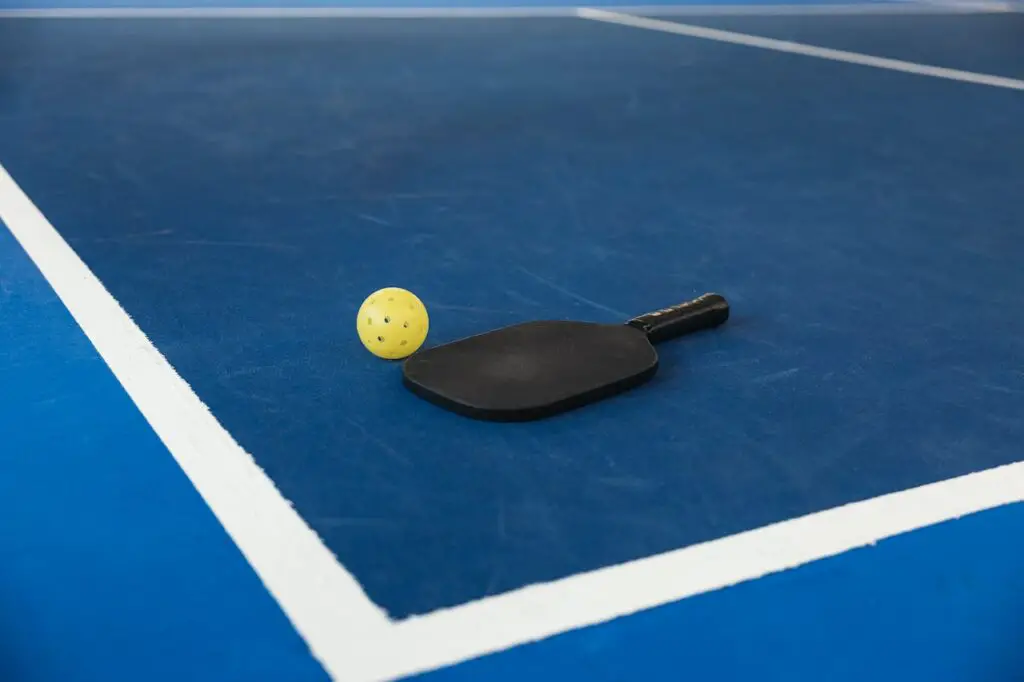
Pickleball has quickly become the go-to sport for boomers across America. It is easy to learn, friendly on the joints, and highly social, which makes it a perfect match for those who want to stay active without wearing themselves out. Played on a smaller court than tennis with paddles and a plastic ball, it offers just the right mix of fun and competition. Many community centers and retirement communities now have pickleball leagues, so it is also a great way to meet new people. Plus, it delivers a surprising cardiovascular workout while keeping the risk of injury lower than many high-impact sports.
2. Swimming and Water Aerobics
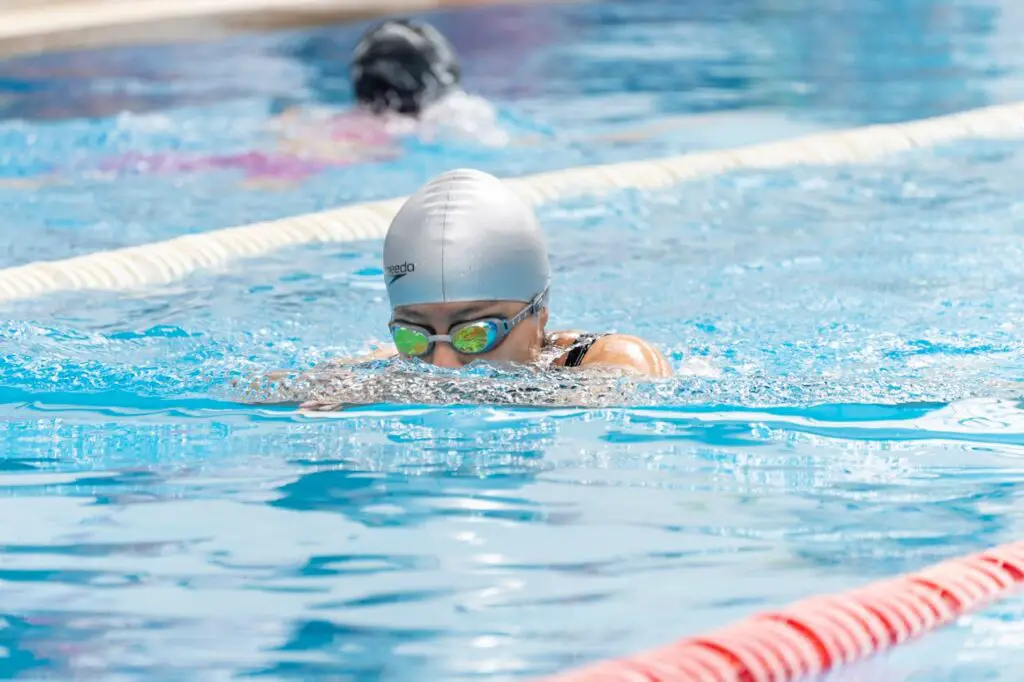
If you are looking for something that feels more like play than exercise, swimming and water aerobics are excellent options. Water supports your body weight, which reduces stress on your joints and makes movements easier, even for those with arthritis or mobility issues. Swimming strengthens the entire body, boosts lung capacity, and improves cardiovascular health. Water aerobics, often done in group classes, adds resistance and variety while keeping things fun with music and social energy. The best part? You leave the pool refreshed instead of sweaty.
3. Walking and Nordic Walking
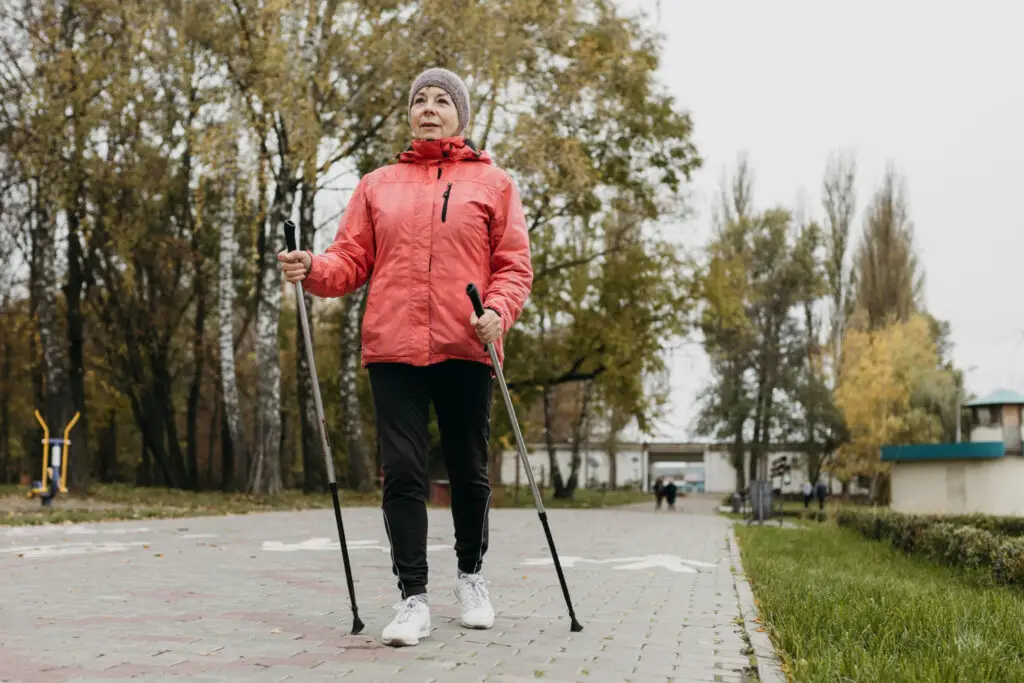
Never underestimate the power of a good walk. Walking is one of the most accessible and effective ways to stay active as you age. It is free, gentle on the body, and can be done almost anywhere. A brisk 30-minute walk can strengthen your heart, improve circulation, and lift your mood. To take it up a notch, try Nordic walking, which involves using poles to engage your upper body and improve posture. It turns an ordinary stroll into a full-body workout without adding strain. Walking with a friend or joining a walking group also makes it a social habit that is easy to stick with.
4. Cycling
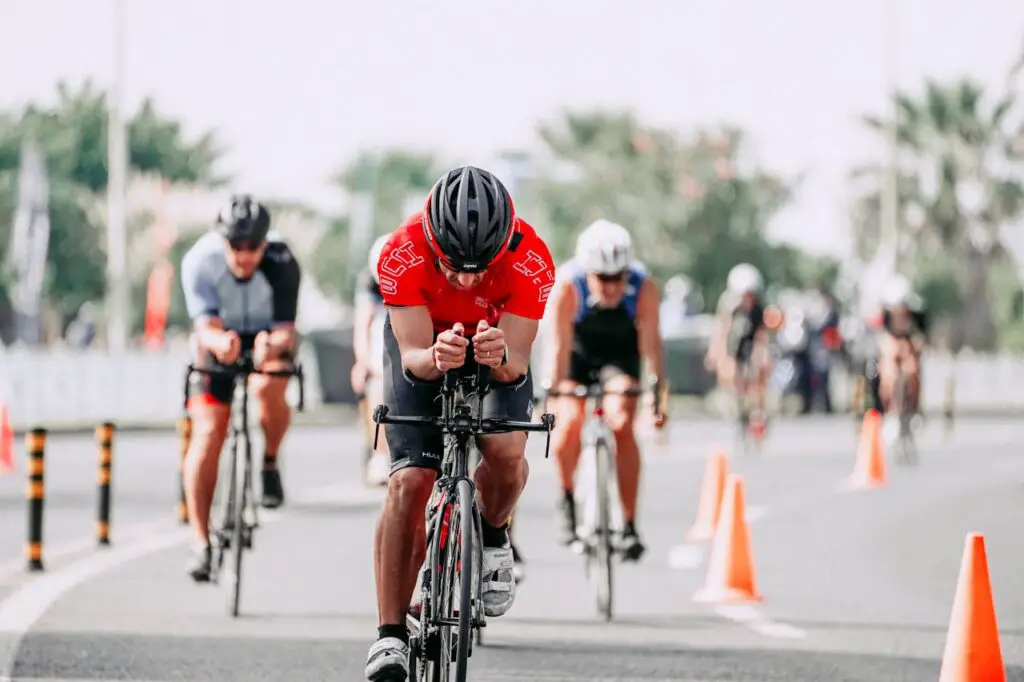
Cycling, whether outdoors on scenic bike trails or indoors on a stationary bike, is a fantastic way to build leg strength and improve cardiovascular endurance. Unlike running, cycling puts very little stress on your knees and hips, making it ideal for older adults. Outdoor cycling lets you soak up fresh air and sunshine, while indoor cycling provides a safe alternative when weather or balance is a concern. If you want extra stability, consider a recumbent bike, which provides back support and a more relaxed riding position. Cycling is versatile, enjoyable, and can be adjusted to match your fitness level.
5. Yoga and Pilates
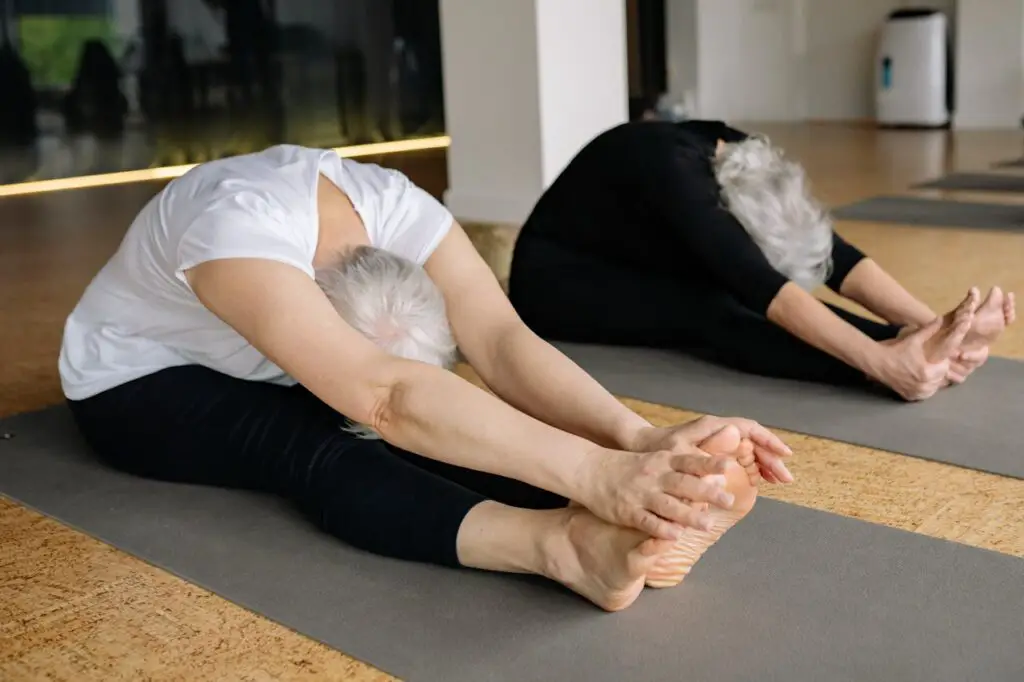
Flexibility and balance often decline with age, but yoga and Pilates are wonderful ways to keep both in check. These practices strengthen your core, improve joint mobility, and enhance posture, all of which make everyday activities easier. Gentle forms of yoga, such as restorative or chair yoga, are perfect for beginners, while Pilates offers controlled movements that target muscles without adding strain. Both also encourage deep breathing and mindfulness, which reduce stress and promote better sleep. You do not need to twist yourself into a pretzel—just a few consistent sessions each week can help you feel stronger, looser, and more centered.
6. Tai Chi and Qigong
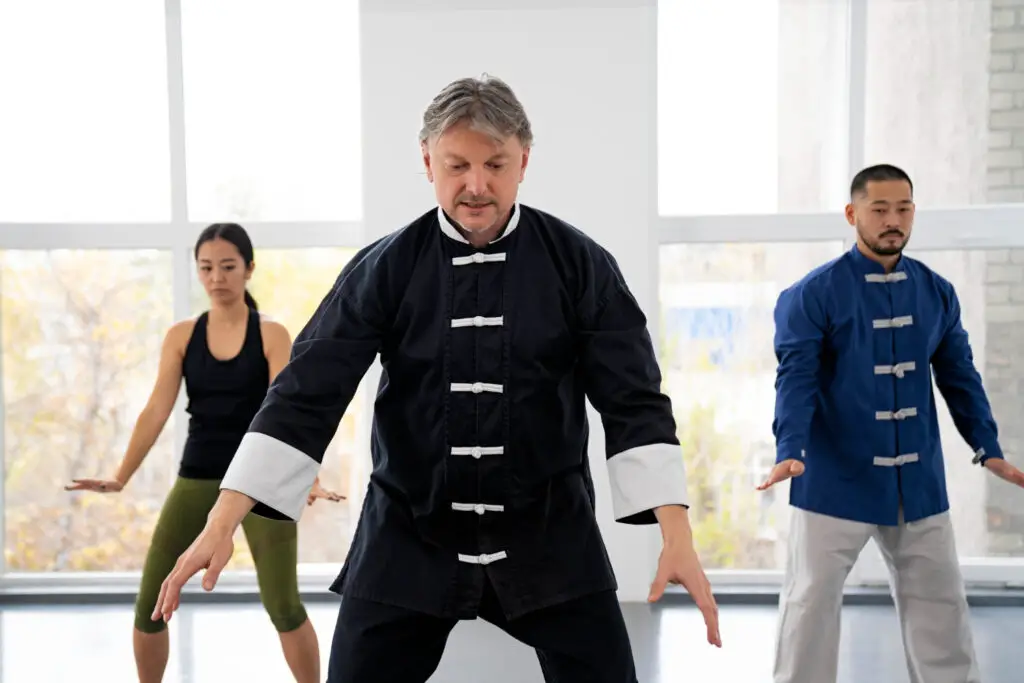
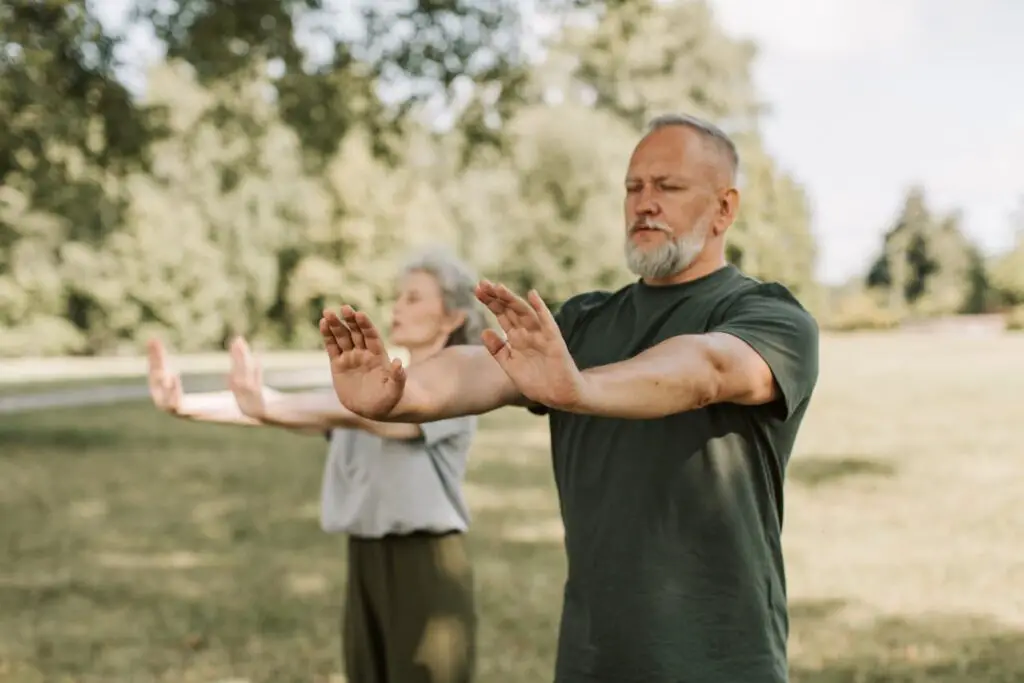
If you are seeking an activity that benefits both body and mind, tai chi and qigong might be exactly what you need. These ancient Chinese practices use slow, flowing movements combined with deep breathing to improve balance, coordination, and mental clarity. Research has shown that tai chi can reduce the risk of falls, strengthen leg muscles, and even lower blood pressure. Because the movements are gentle and meditative, they are accessible to people at almost any fitness level. Many local community centers and senior programs offer beginner classes, and you might find that the peaceful, rhythmic motions become the highlight of your week.
7. Golf
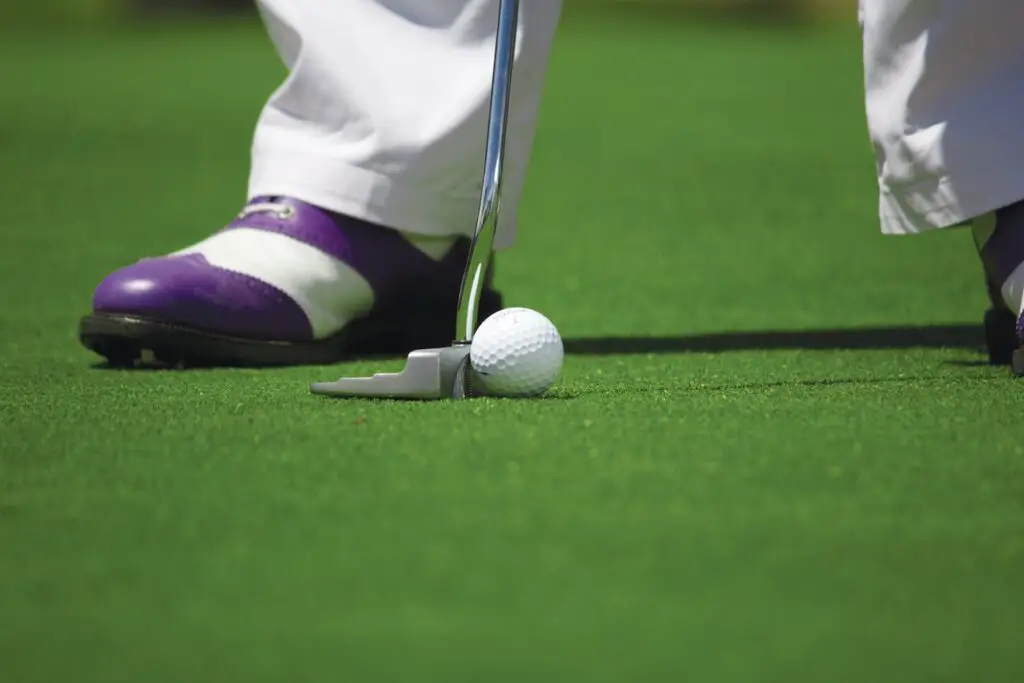
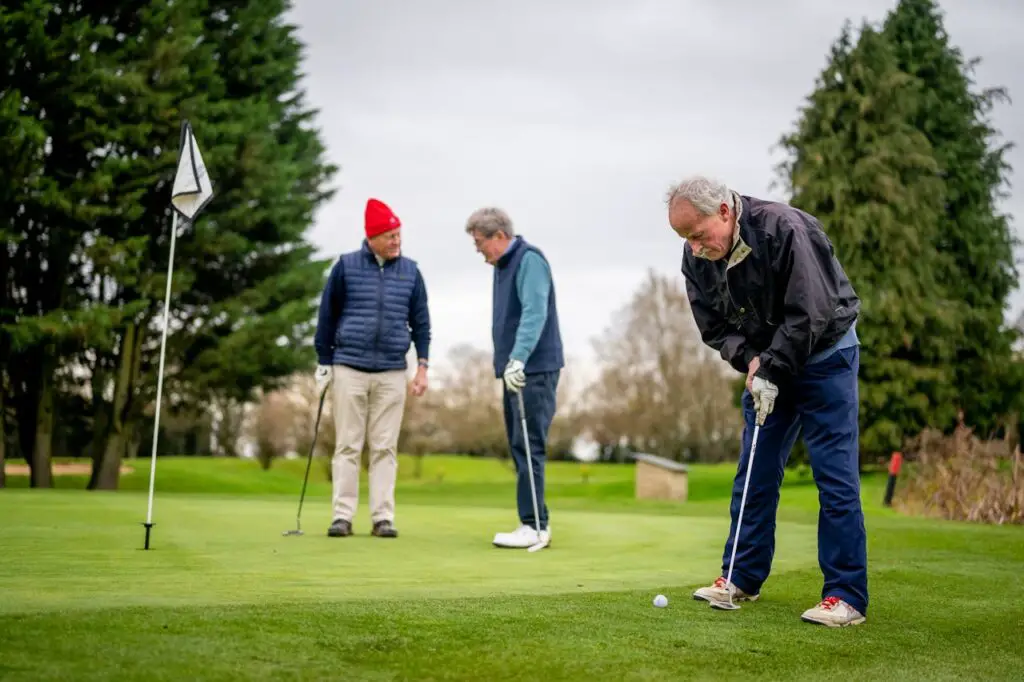
Golf is more than just a leisurely pastime—it is a sneaky workout that improves balance, coordination, and flexibility. Walking the course provides low-intensity cardio, swinging the club engages multiple muscle groups, and time outdoors supports mental health. Golf also doubles as a social outlet, making it perfect for boomers who enjoy being part of a community. If a full 18 holes feels overwhelming, nine holes or practicing at the driving range can still give you health benefits. Golf can be as competitive or as casual as you want it to be, which makes it an activity you can continue enjoying for decades.
8. Dancing
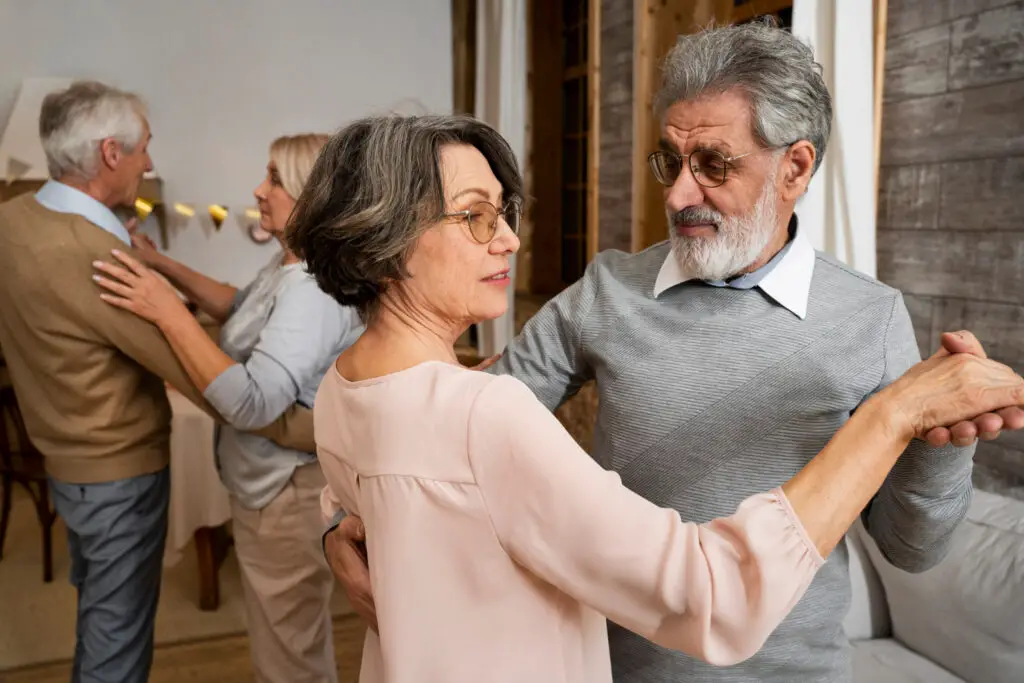
Dancing is proof that exercise can feel like pure joy. Whether it is ballroom, salsa, line dancing, or even just moving to your favorite songs in the living room, dancing raises your heart rate, improves coordination, and builds endurance. Learning new dance steps also stimulates your brain and sharpens memory, making it as good for your mind as it is for your body. Plus, dancing is inherently social, which means you are more likely to stick with it. It is fun, uplifting, and an activity that never really feels like exercise at all.
9. Strength and Resistance Training
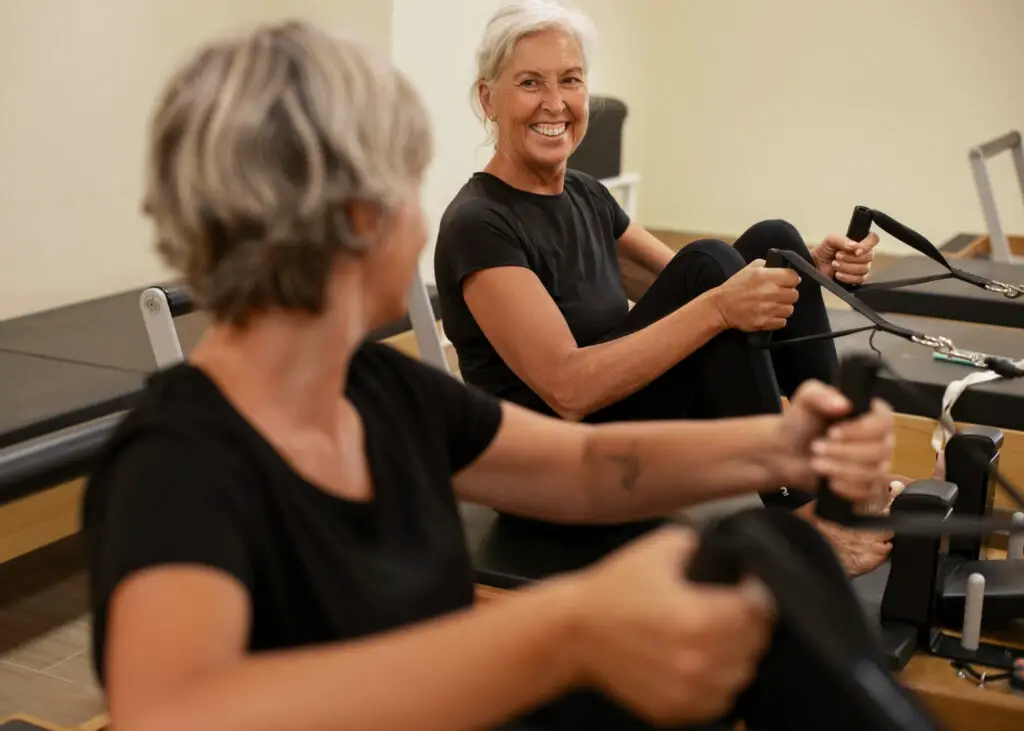
Strength training is often overlooked by older adults, but it is one of the most important activities for maintaining independence as you age. As muscle mass naturally declines, resistance training helps rebuild strength, protect bones, and improve balance. You do not need to lift heavy weights to see results—resistance bands, light dumbbells, or even bodyweight exercises like squats and push-ups can do the trick. Just two sessions per week can make everyday tasks like climbing stairs, carrying groceries, or getting up from a chair much easier. Think of it as an investment in your future independence.
10. Hiking and Nature Walks
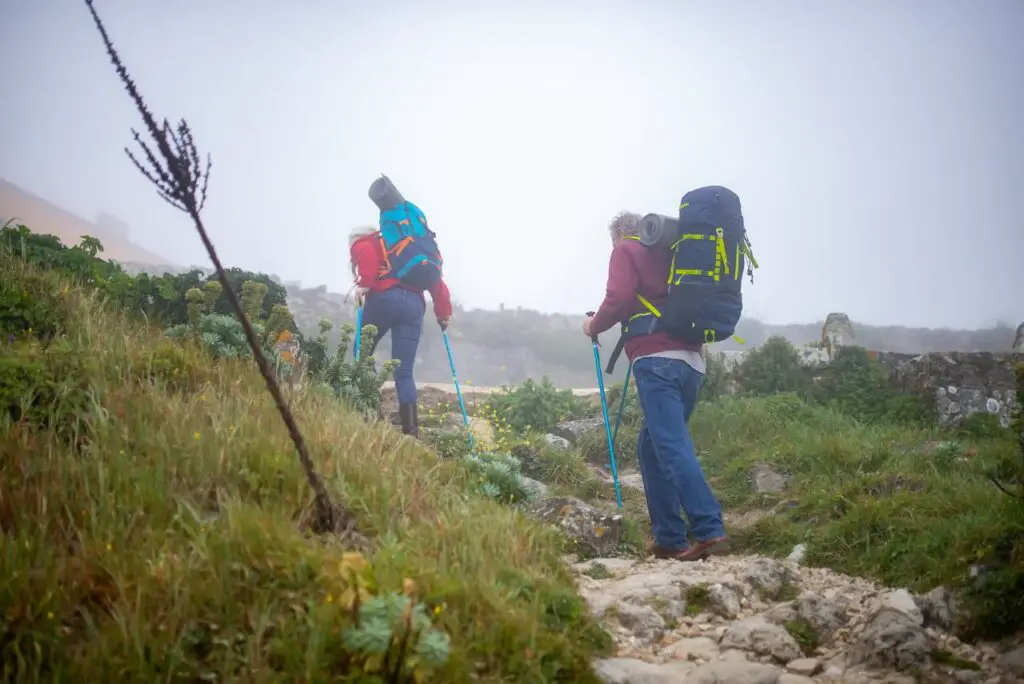
Few activities are as rewarding as spending time in nature. Hiking and nature walks offer all the benefits of walking, with the added bonus of fresh air, natural scenery, and a healthy dose of vitamin D. Hiking builds lower-body strength and balance, especially when navigating uneven terrain, while gentler nature walks provide stress relief and mental clarity. Whether you prefer a paved trail at a local park or a scenic hike through the mountains, being outdoors reconnects you with the simple joys of life. Plus, the changing seasons mean every outing offers something new to see and enjoy.
Final Thoughts
Being active in your 50s, 60s, and beyond is not about chasing youth or keeping up with the twenty-somethings at the gym. It is about living well, moving with ease, and enjoying the freedom to do the things you love for as long as possible. Sports and activities like pickleball, tai chi, or even a simple walk around the block are not just good for your health—they are also good for your happiness.
The beauty of this stage in life is that you can choose activities that bring joy rather than obligation. There is no “perfect” sport or one-size-fits-all routine. The right activity is the one that makes you smile, keeps you moving, and leaves you feeling better than when you started. So grab your walking shoes, dust off that yoga mat, or sign up for that dance class you have always wanted to try. Your healthier, more vibrant lifestyle is waiting for you—and now is the perfect time to begin.
Leave a Reply