How to Stay Fit Without the Gym: 10 Low-Impact Exercises for Boomers
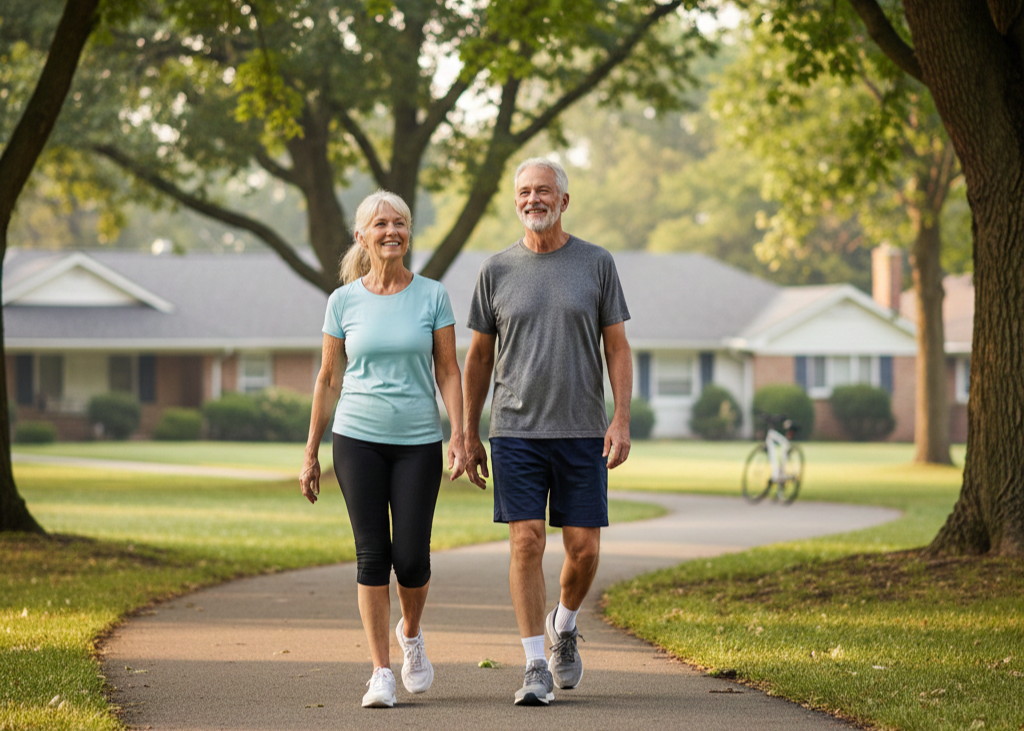
Staying fit as we get older can sometimes feel like a challenge. Gym memberships, crowded classes, and high-intensity workouts are not always appealing, and for many baby boomers, they are not even necessary. The good news is that maintaining health, strength, and energy does not require expensive equipment or fancy facilities. Low-impact exercises offer a gentler, safer way to stay active while protecting joints, improving balance, and enhancing cardiovascular health.
Fitness at this stage of life is not about chasing the newest trend or doing the hardest workouts. It is about consistency, enjoyment, and choosing movements that keep you moving for the long term. From walking and stretching to dancing and water aerobics, there are plenty of ways to stay in shape without stepping into a gym. The following 10 exercises are practical, fun, and ideal for U.S.-based boomers looking to stay healthy, independent, and energized in retirement.
1. Brisk Walking: Nature’s Fitness Friend
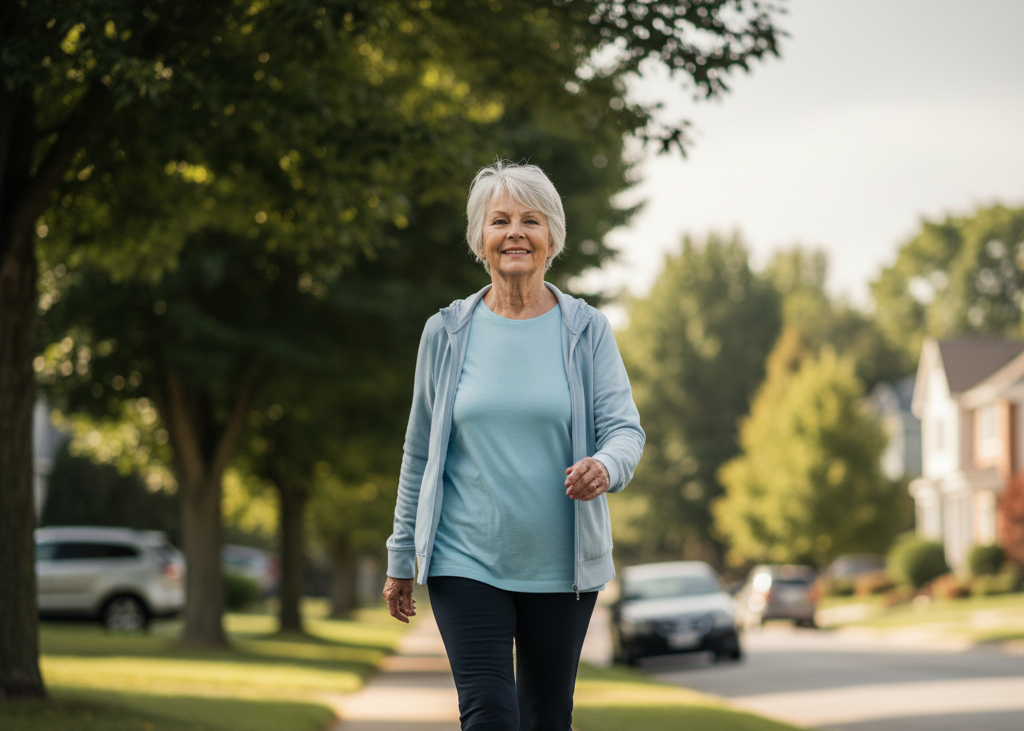
Walking is one of the simplest yet most effective ways to stay active. It requires no special equipment and can be done anywhere — around your neighborhood, in a nearby park, or even inside your home during inclement weather. Brisk walking elevates your heart rate, strengthens leg muscles, and helps maintain bone density. Beyond the physical benefits, walking can improve mood, reduce stress, and even spark creativity.
A few tips can make walking more enjoyable. Choose scenic routes, listen to music or podcasts, or walk with a friend or pet. If 30 minutes at a time feels challenging, break your walk into two or three shorter sessions throughout the day. Even a 10-minute walk after meals can aid digestion and help maintain energy levels. Over time, these walks will become a habit you look forward to rather than a chore.
2. Tai Chi: Gentle Movements for Balance and Calm
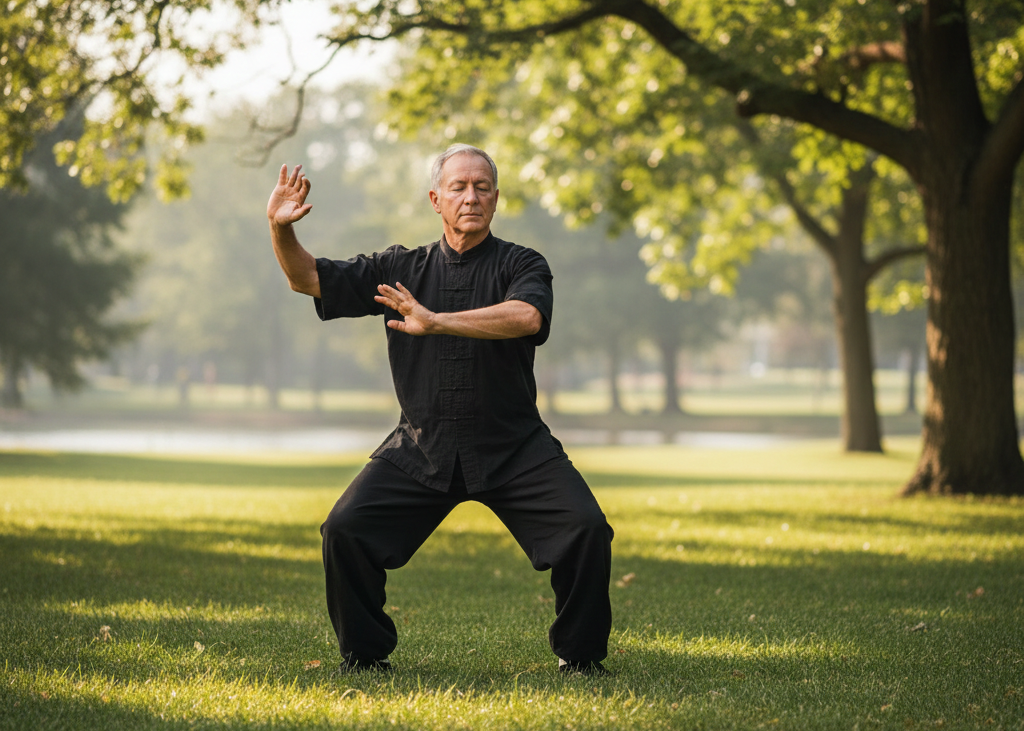
Tai Chi is often described as meditation in motion, and for good reason. This ancient Chinese practice combines slow, deliberate movements with deep, mindful breathing. Tai Chi is excellent for improving balance, flexibility, and coordination — skills that are especially important for preventing falls as we age.
Beginners can start with short, daily sessions using online tutorials or local community classes. Even practicing five to ten minutes a day can enhance stability and overall body awareness. Tai Chi also provides a calming mental effect, reducing stress and promoting mindfulness. Over time, these gentle movements can feel meditative, like a moving form of yoga, leaving both your body and mind feeling centered and strong.
3. Water Aerobics: Fun in the Pool
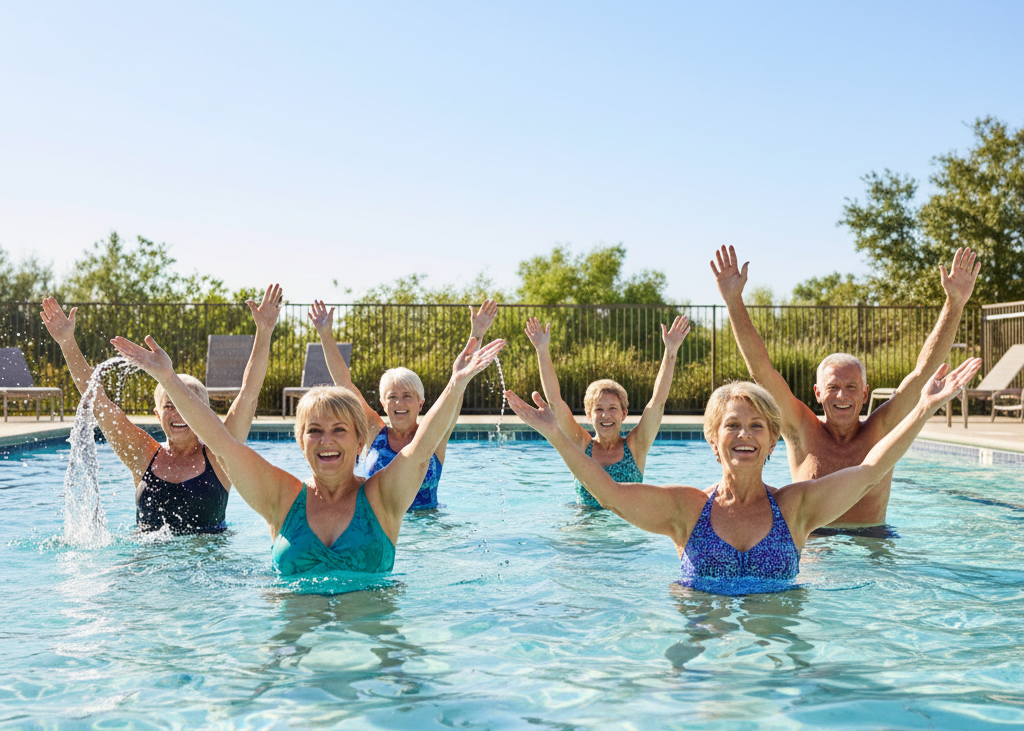
If you have access to a pool, water aerobics offers a full-body workout without putting pressure on your joints. The buoyancy of water supports your body, making movements easier while providing natural resistance that strengthens muscles. Water aerobics also improves cardiovascular health, flexibility, and endurance.
Many community centers, senior centers, and gyms offer group classes, making this a social activity as well as a physical one. Even simple exercises like walking in water, gentle leg lifts, or arm movements against water resistance can boost strength and energy. Beyond the physical benefits, spending time in the water can be incredibly refreshing and enjoyable, making it a workout you actually look forward to.
4. Chair Yoga: Stretch and Strengthen Safely
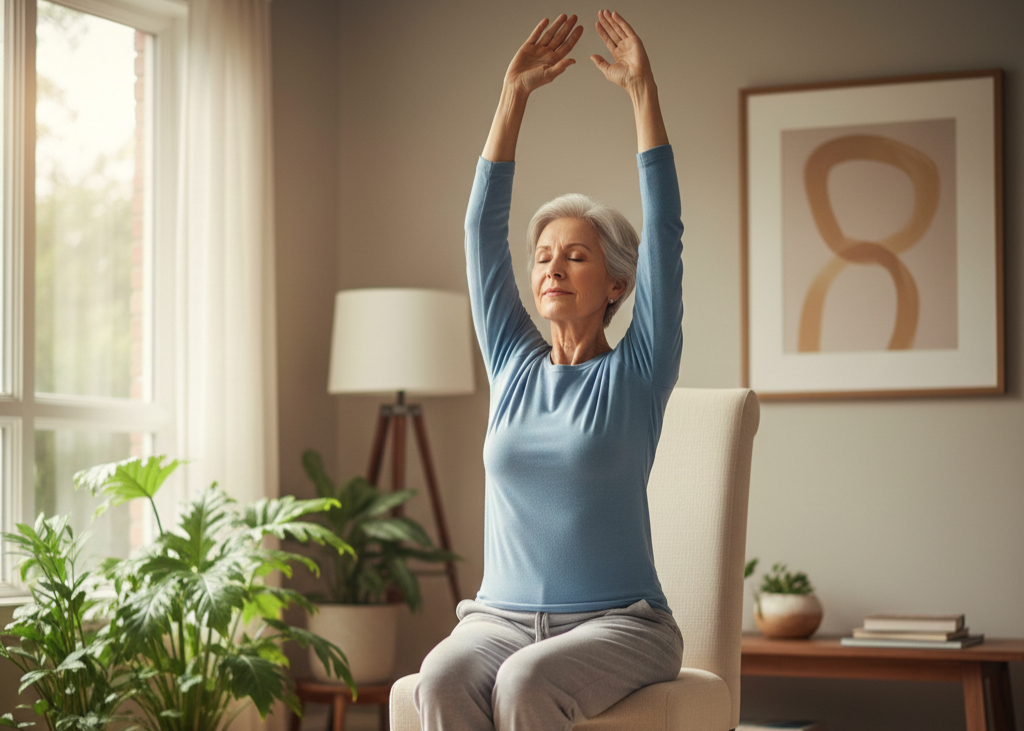
Yoga does not need to be challenging or performed on the floor. Chair yoga adapts traditional poses so that they can be performed while seated or with the support of a sturdy chair. This makes it ideal for boomers who may have joint issues or limited mobility.
Chair yoga helps improve flexibility, posture, and joint mobility while being easy on knees, hips, and the lower back. It also encourages deep, mindful breathing, which promotes relaxation and reduces stress. A few short sessions each week can increase range of motion, strengthen muscles, and help you feel more balanced in everyday activities. Whether you follow an online video, a DVD, or a local instructor, chair yoga is highly accessible and effective.
5. Gentle Cycling: Cardio Without Strain
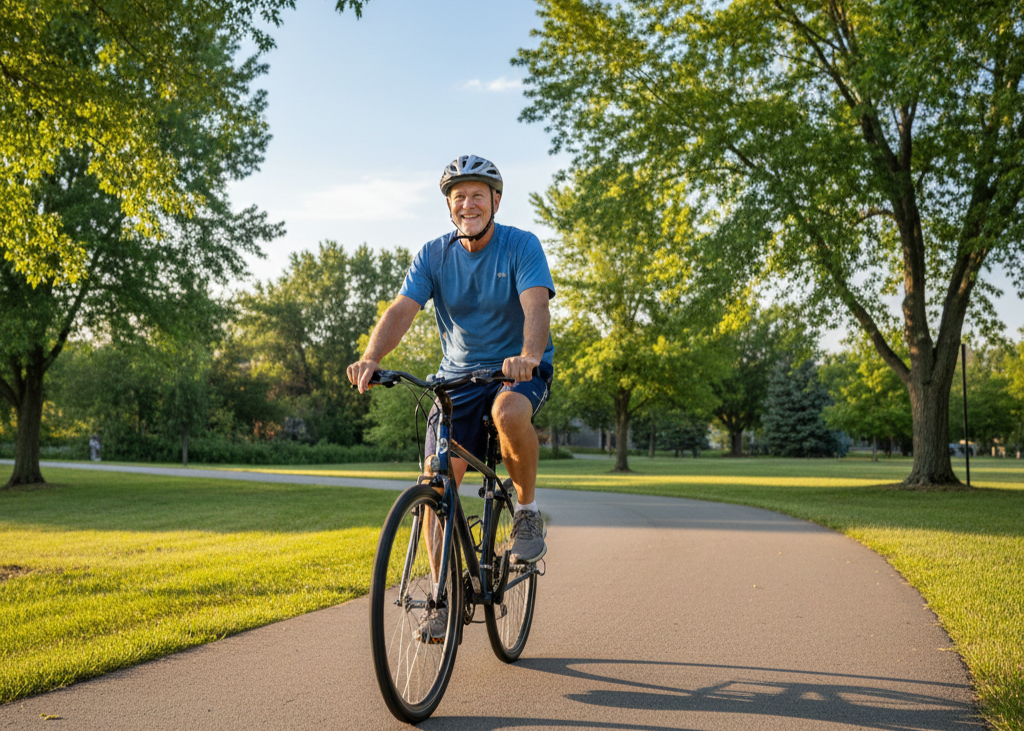
Cycling is a low-impact, joint-friendly way to get a cardiovascular workout. Whether on a stationary bike at home or pedaling through quiet streets, cycling strengthens leg muscles, increases endurance, and improves heart health. It is also gentle on knees, hips, and ankles compared to running or high-impact aerobics.
One of the best parts about cycling is that you can control the intensity. Beginners can start with short, easy rides, gradually building up to longer sessions. A few 20 to 30-minute rides per week can enhance stamina and energy, leaving you feeling stronger and more confident in your daily movements. Pair cycling with a favorite podcast or audiobook, and your workout can also become a relaxing, entertaining part of your day.
6. Pilates: Core Strength for Everyday Life
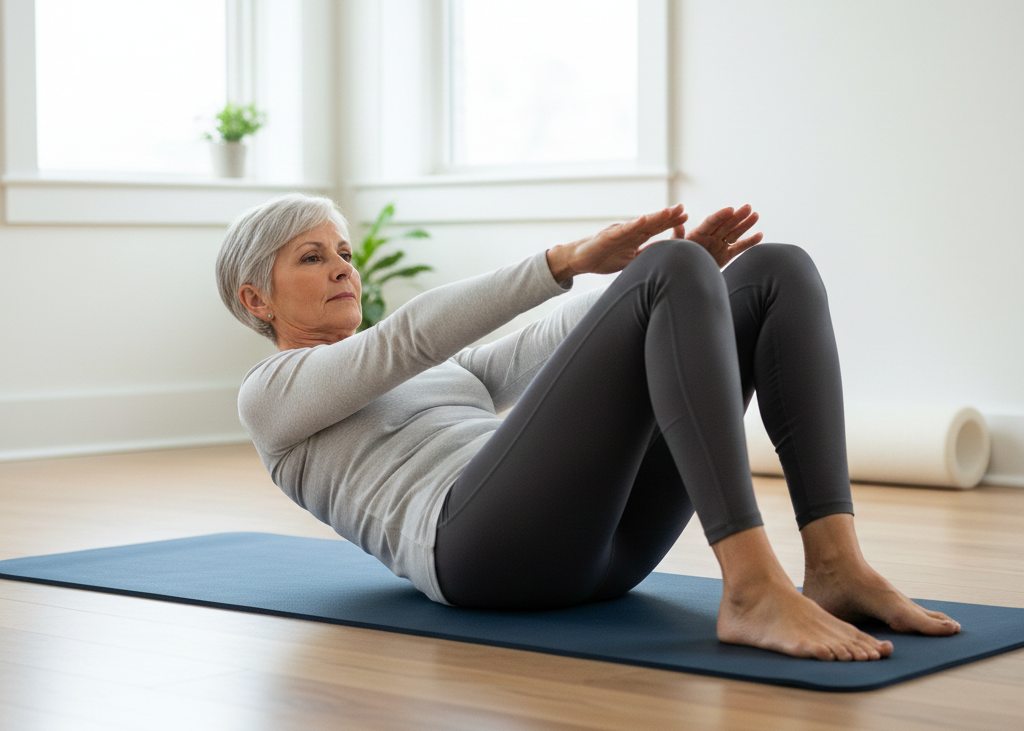
Pilates focuses on controlled movements and mindful breathing to strengthen core muscles and improve posture. A strong core supports your back, prevents injuries, and makes everyday tasks — like lifting groceries or standing for long periods — easier and safer.
Pilates routines can be adapted for beginners and are gentle on joints. You do not need expensive equipment; a mat and guidance from online videos or a local class are enough to get started. Practicing Pilates two to three times a week can improve flexibility, balance, and muscle tone. Many boomers find that building core strength makes a noticeable difference in energy and comfort during daily life.
7. Dancing: Fitness That Feels Like Fun
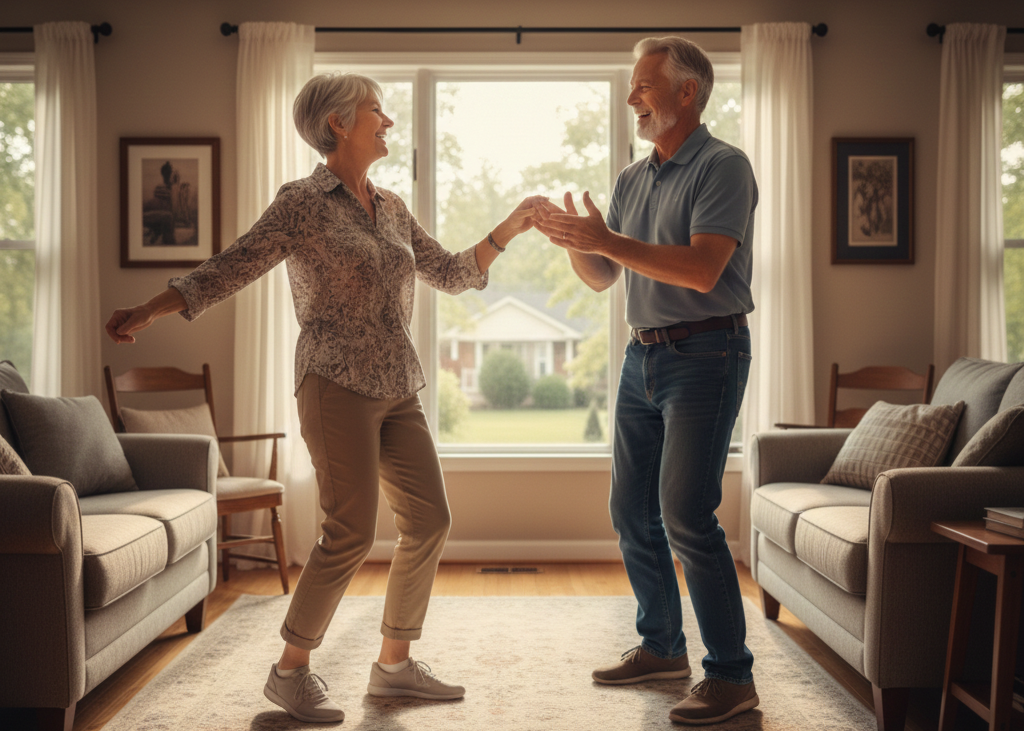
Dancing is exercise disguised as fun. Whether you move to your favorite songs at home, join a local dance class, or try ballroom or line dancing, your heart, muscles, and coordination all benefit. Dancing also improves mood, reduces stress, and can even rekindle fond memories through familiar tunes.
The best part is that dancing is highly adaptable. You can dance at your own pace, take breaks when needed, and enjoy the activity socially or solo. Just 20 to 30 minutes of dancing several times a week provides cardiovascular benefits, strengthens muscles, and increases flexibility. Most importantly, it reminds us that fitness does not have to feel like work — it can feel joyful.
8. Stretching Routine: Everyday Flexibility Boost
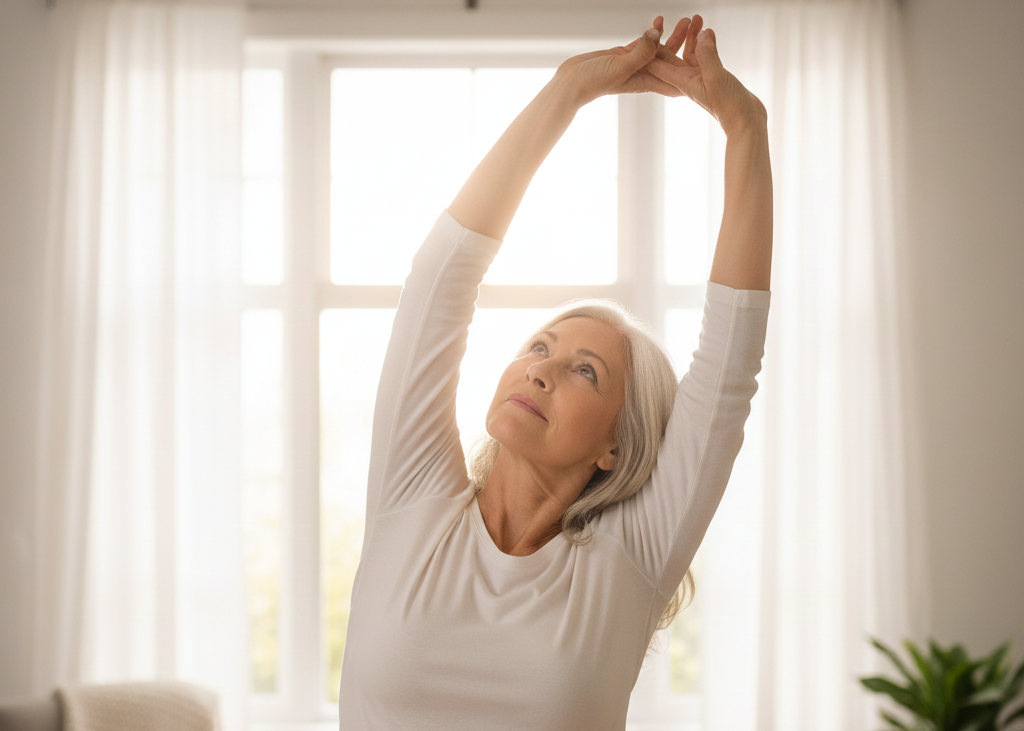
Regular stretching is essential for maintaining mobility, reducing stiffness, and supporting joint health. Spending just five to ten minutes each day stretching your back, legs, arms, and shoulders can make everyday movements easier and prevent discomfort.
Incorporating stretching into your morning or evening routine also gives you a moment to check in with your body. Gentle stretches improve circulation, increase range of motion, and make bending, reaching, and twisting more comfortable. Over time, you will notice that simple tasks feel easier and your overall posture improves. Stretching is a small but powerful investment in your daily comfort and long-term mobility.
9. Balance Drills: Strength for Stability
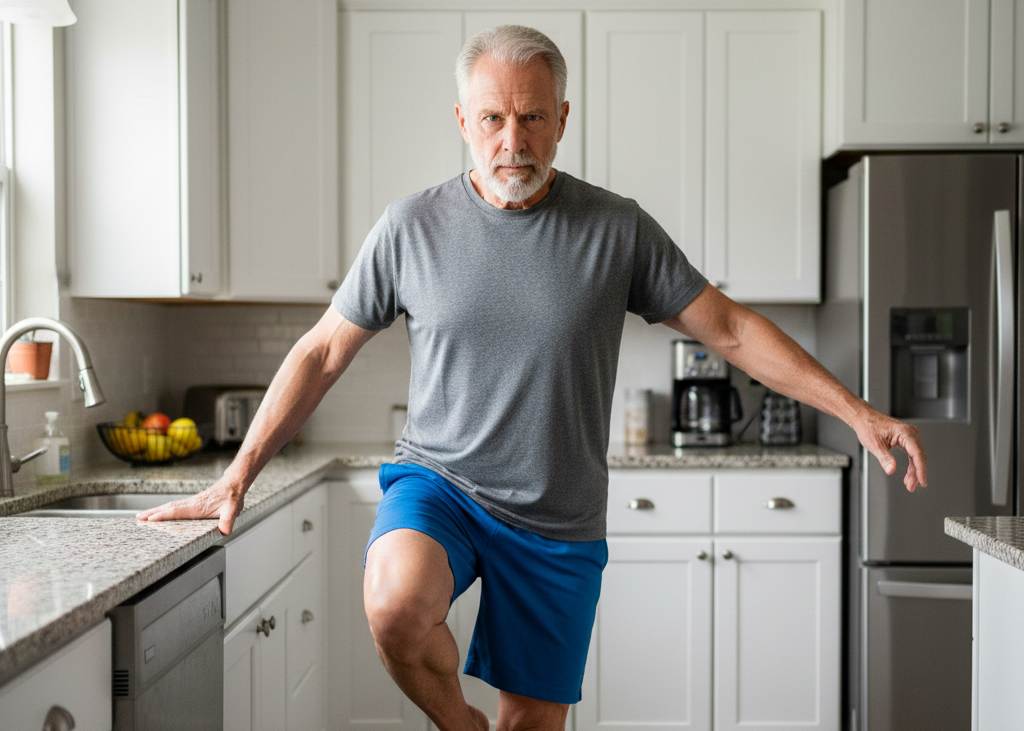
Balance is a key factor in maintaining independence as we age. Simple exercises like standing on one foot, walking heel-to-toe in a straight line, or practicing gentle side steps can strengthen the muscles that keep you steady.
You can hold a chair or countertop for support until you feel more confident. Practicing balance for just a few minutes each day can make a noticeable difference in stability, coordination, and confidence. These exercises also enhance overall body awareness, making it easier to navigate stairs, curbs, and uneven surfaces safely.
10. Interval Walking: Boost Your Fitness
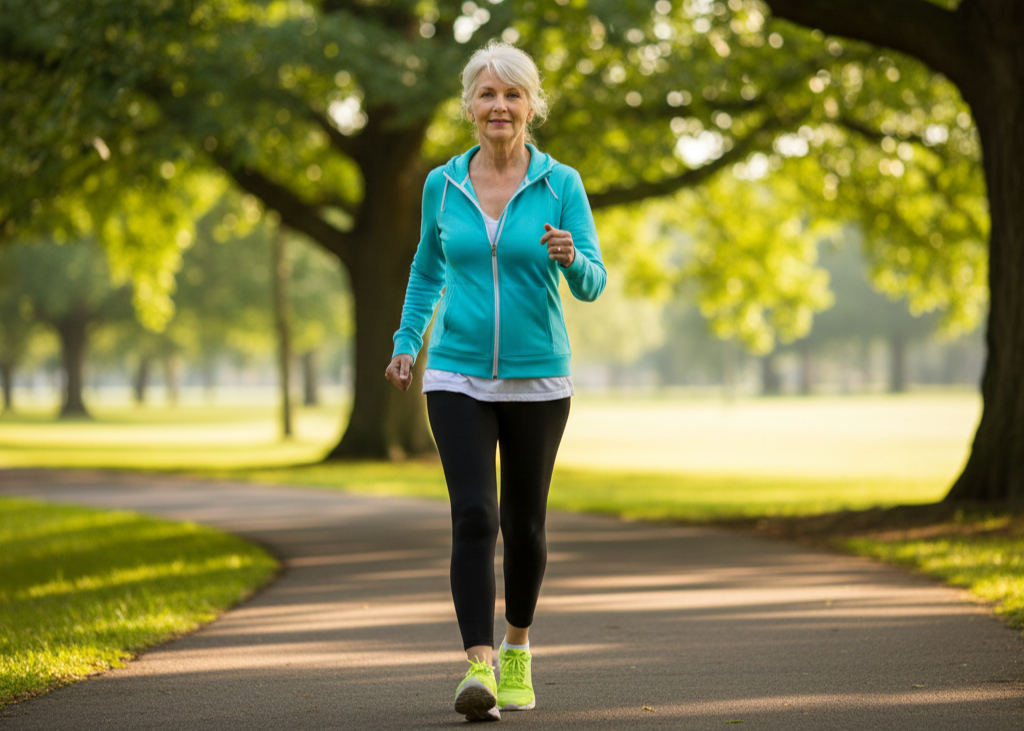
Interval walking is a simple way to increase the benefits of a regular walk without straining your joints. The idea is to alternate periods of brisk walking with slower, recovery-paced steps. For example, walk briskly for two minutes, then slow down for one minute, repeating for 20 to 30 minutes.
This approach improves cardiovascular health, strengthens muscles, and keeps your routine more interesting. You can adjust the pace according to your comfort and gradually increase the intensity over time. Interval walking adds variety to your regular walks and helps you challenge your fitness while remaining gentle on your body.
Final Thoughts
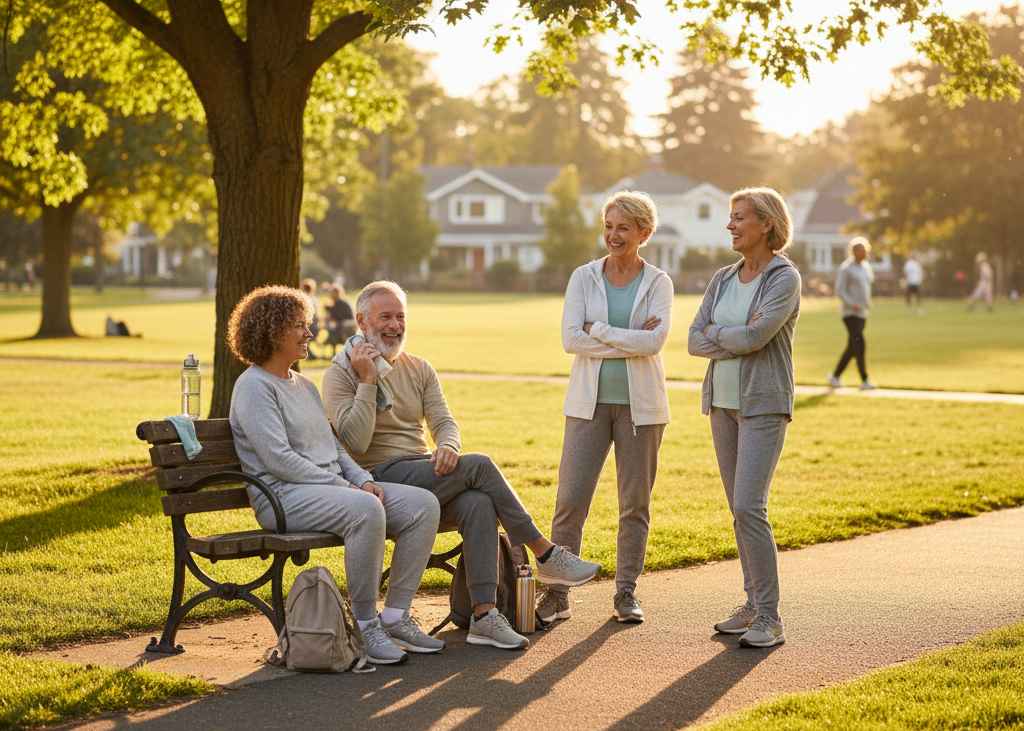
Fitness after 50 is not about running marathons or lifting heavy weights. It is about keeping your body moving in ways that are enjoyable, safe, and sustainable. Low-impact exercises provide the perfect solution for baby boomers who want to stay strong, flexible, and energized without putting stress on joints.
The key is consistency and variety. Mix and match these exercises to keep your routine fresh and exciting. Listen to your body and progress at your own pace. Fitness is not a one-size-fits-all approach, and what matters most is finding activities that make you feel capable, confident, and happy.
Moving regularly improves more than just your physical health. It enhances mood, boosts energy, sharpens mental clarity, and increases independence. Whether it is a walk in the park, a few minutes of stretching, or a dance session in your living room, every movement counts. Start small, celebrate each accomplishment, and embrace the joy of being active.
Staying fit without the gym is not only possible — it can be fun, practical, and deeply rewarding. By incorporating these low-impact exercises into your daily routine, you are investing in yourself and your future. Your body will thank you, your mind will feel clearer, and your overall quality of life will improve. So, grab your walking shoes, roll out your yoga mat, or turn on your favorite music, and start moving today. Fitness at any age is achievable, enjoyable, and yours to claim.
Leave a Reply