Stroke Warning Signs You Should Never Ignore: 8 Red Flags That Can Save a Life

Most of us like to believe we would recognize a medical emergency the moment it happens. A heart attack looks dramatic in movies. A stroke, however, often does not. It can start quietly, with symptoms that seem easy to dismiss. A strange headache. A bit of dizziness. Words that come out slightly wrong. People brush these moments off every day, telling themselves they are tired, stressed, or dehydrated. Unfortunately, that hesitation can cost precious time.
A stroke is a true race against the clock. Every minute that passes without treatment can mean permanent brain damage, long-term disability, or worse. The good news is that the body often sends clear warning signals. The challenge is knowing which ones matter and having the confidence to act immediately. This guide breaks down the most important stroke warning signs in plain language so you can recognize them in yourself or someone you love and know exactly what to do.
1. Sudden Face Drooping or Numbness

One of the most classic signs of a stroke is sudden drooping or numbness on one side of the face. You may notice that a smile looks uneven or that one corner of the mouth does not move the way it should. Sometimes the person feels numbness rather than visible drooping, which makes it even easier to ignore. This happens because a stroke disrupts the brain signals controlling facial muscles. If someone suddenly looks lopsided or says their face feels strange, it is not a cosmetic issue or fatigue. It is a medical emergency, and calling 911 immediately can make all the difference.
2. Weakness or Numbness in One Arm

Another major red flag is sudden weakness or numbness in one arm. A quick way to check is to ask the person to raise both arms at the same time. If one arm drifts downward, feels heavy, or cannot be lifted at all, that is a strong warning sign. This symptom can appear out of nowhere and may feel like pins and needles or complete loss of strength. Even if the arm weakness improves after a few minutes, it should never be ignored. Temporary symptoms can still signal a serious stroke risk.
3. Slurred Speech or Trouble Speaking Clearly
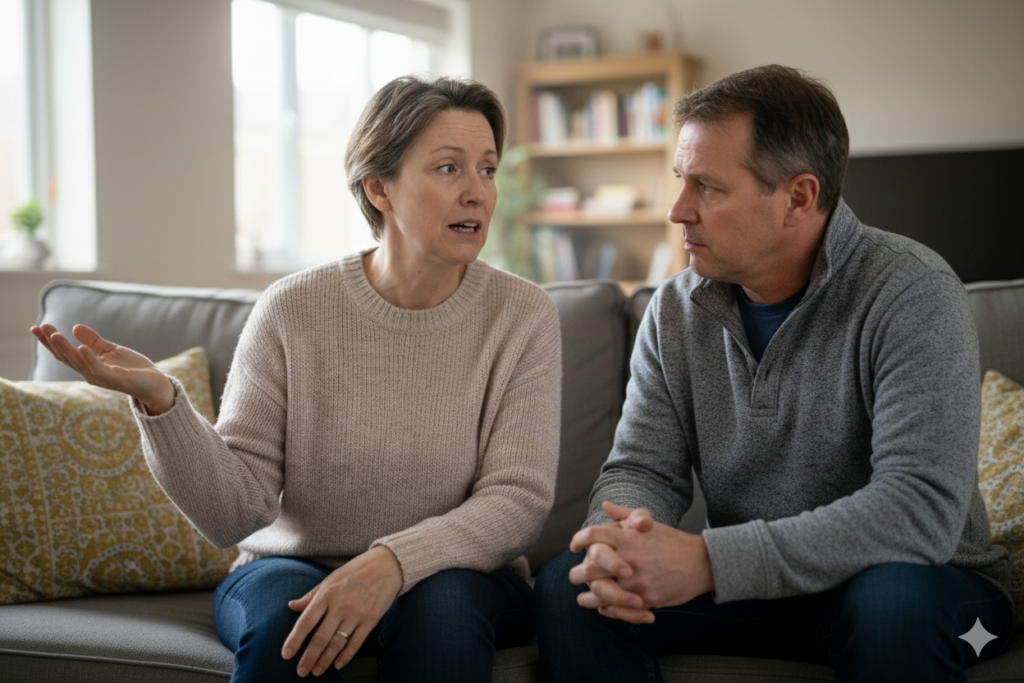
Speech problems are often one of the most alarming signs of a stroke. Words may sound slurred, sentences may not make sense, or the person may struggle to find simple words. Sometimes they know exactly what they want to say but cannot get the words out. Other times, they may not understand what others are saying to them. If speech suddenly sounds off, do not wait to see if it improves. Ask the person to repeat a simple sentence. If they cannot do it clearly, it is time to call 911 right away.
4. Sudden Vision Problems in One or Both Eyes

A stroke can affect vision just as quickly as it affects speech or movement. Vision warning signs include sudden blurriness, double vision, or partial or complete loss of sight in one or both eyes. Some people describe it as a curtain coming down over their vision, while others notice that they cannot focus or track movement properly. These changes can be subtle or dramatic, but any sudden visual disturbance should be taken seriously. Vision problems linked to a stroke rarely come with pain, which is why people sometimes delay seeking help. Do not make that mistake.
5. Dizziness or Loss of Balance

Feeling dizzy once in a while is common, but sudden and unexplained dizziness combined with trouble walking or poor coordination can be a stroke warning sign. A person may feel like the room is spinning or that they cannot keep their balance no matter how hard they try. They may stumble, lean to one side, or feel unusually clumsy. This happens when a stroke affects parts of the brain responsible for balance and coordination. If dizziness appears suddenly and feels different from anything experienced before, treat it as urgent.
6. Sudden Severe Headache With No Clear Cause
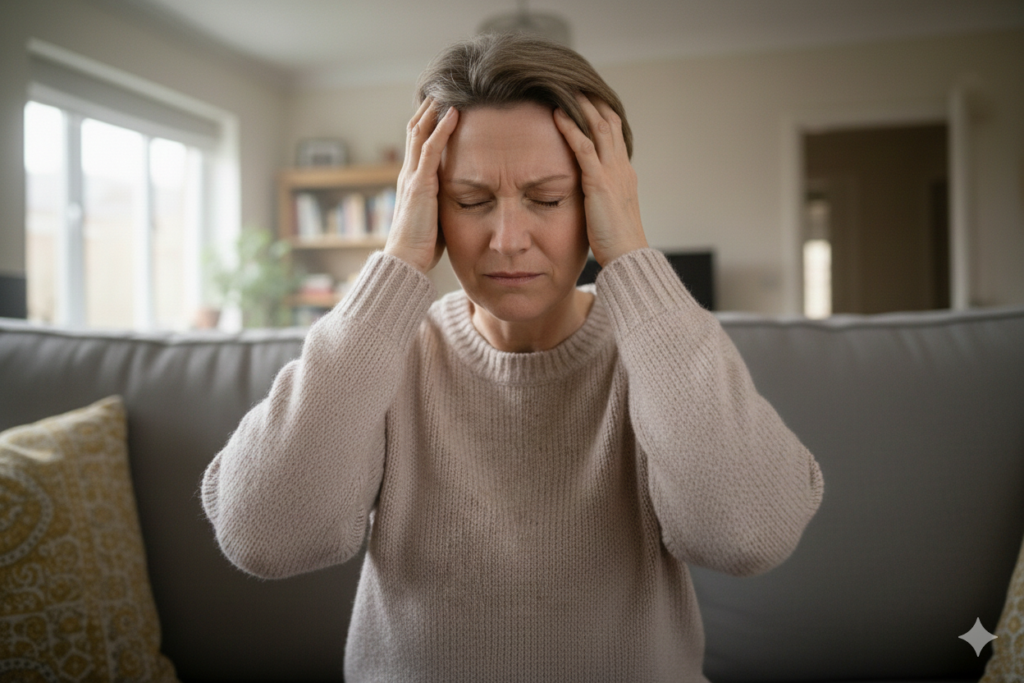
Not all headaches are dangerous, but a sudden and intense headache that comes out of nowhere should raise concern. Many people describe it as the worst headache of their life. This type of headache may appear along with nausea, vomiting, or sensitivity to light. It can be a sign of a bleeding stroke, which requires immediate medical attention. If a headache feels dramatically different from typical headaches and has no obvious explanation, do not try to push through it. Call for emergency help.
7. Confusion or Trouble Understanding Others
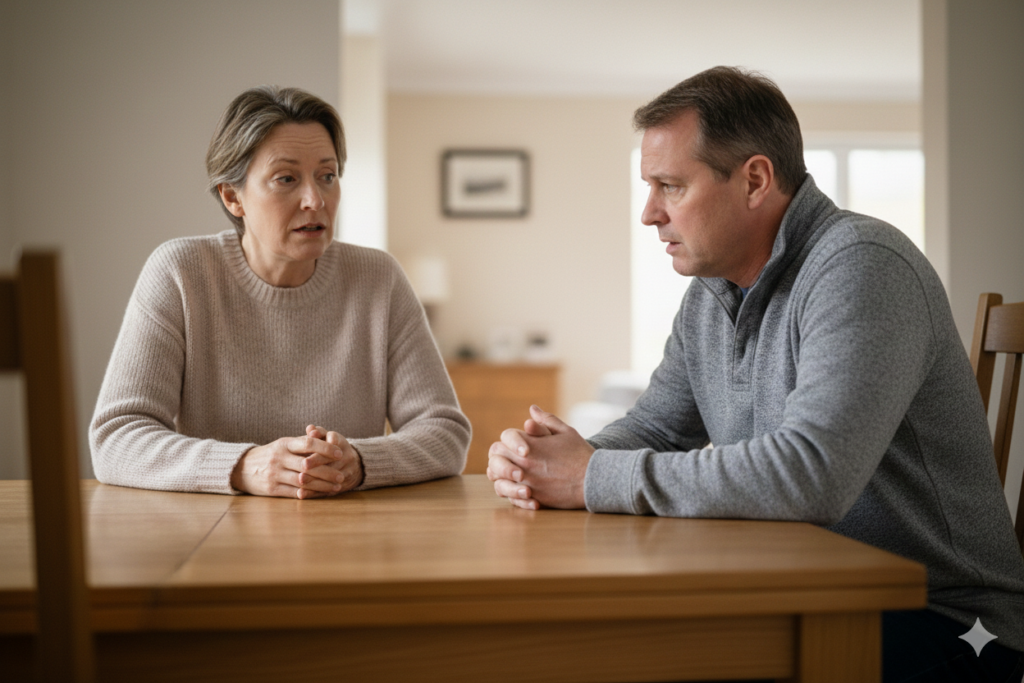
A stroke can disrupt thinking, reasoning, and comprehension. Someone may suddenly seem confused, struggle to follow simple instructions, or respond in ways that do not make sense. They might appear disoriented or forget where they are or what they were doing. Loved ones often describe it as the person seeming “not like themselves.” Mental changes like these are easy to dismiss as stress or exhaustion, but sudden confusion is a serious neurological warning sign that should never be ignored.
8. Symptoms That Appear Briefly and Then Go Away

One of the most dangerous misconceptions about stroke symptoms is that they must be severe and long-lasting to be serious. Some strokes begin as brief episodes known as transient ischemic attacks, often called mini-strokes. Symptoms may last only a few minutes and then disappear completely. Because the person feels fine afterward, they may skip medical care. This is a critical mistake. A mini-stroke is often a loud warning that a full stroke could happen soon. Any temporary stroke-like symptom deserves immediate evaluation.
Final Thoughts
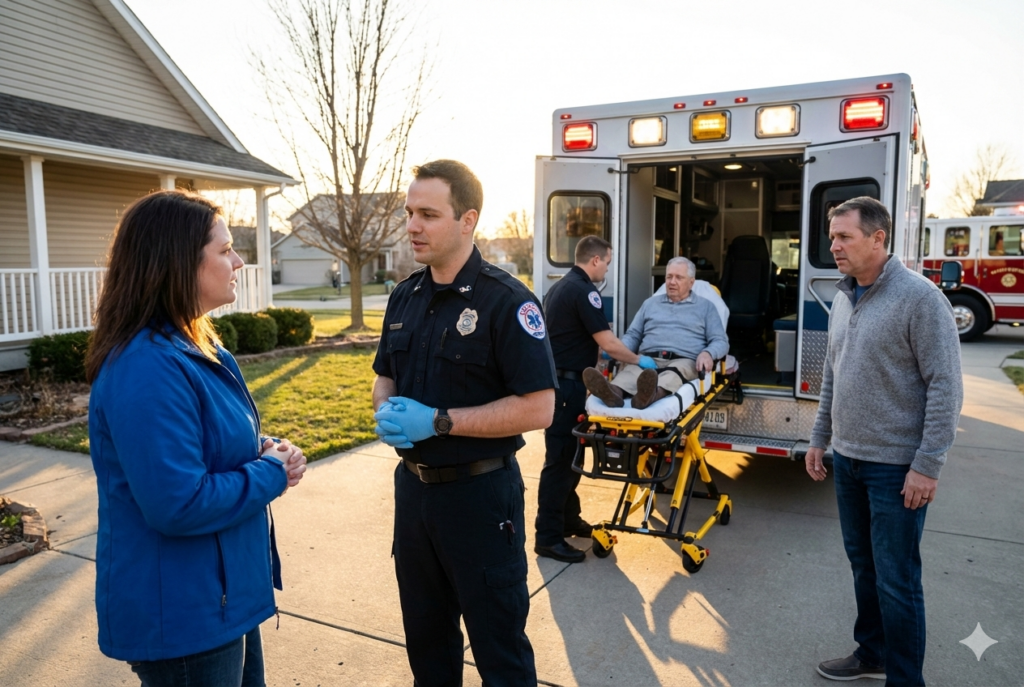
Strokes rarely announce themselves in dramatic fashion. More often, they whisper. A drooping smile. A sentence that comes out wrong. A sudden wave of dizziness. The people who fare best are not the ones who wait for certainty. They are the ones who act on suspicion.
If you remember nothing else, remember this. Sudden changes in the face, arms, speech, vision, balance, or thinking are never normal. Even if symptoms seem mild or disappear quickly, calling 911 right away can open the door to treatments that reduce brain damage and save lives. Emergency responders can begin care immediately, which is far safer than driving yourself or waiting it out.
Sharing this knowledge matters too. Talk to your family, your friends, and even your coworkers about stroke warning signs. The person who recognizes a stroke fastest is often not the one experiencing it. Being prepared does not make you anxious. It makes you ready. And when it comes to stroke, being ready can mean everything.
Leave a Reply