Our Debt Free Family

Commit. Plan. Take action.

  • BUDGETING
  • DEBT REDUCTION
  • INVESTING
  • LIFESTYLE
  • TOOLS
  • ABOUT
  • Privacy Policy
  • CONTACT
You are here: Home / Health & Fitness / Struggling with Sleepless Nights? Try These 15 Game-Changing Sleep Habits!

Struggling with Sleepless Nights? Try These 15 Game-Changing Sleep Habits!

October 11, 2025 | Leave a Comment

Struggling with Sleepless Nights? Try These 15 Game-Changing Sleep Habits!

<p> Are you tossing and turning at night, struggling to get the rest you need? Poor sleep can affect your mood, productivity, and overall health. The good news is that small changes to your daily routine can make a huge difference in the quality of your sleep. Here are 15 game-changing sleep habits that can help you fall asleep faster, stay asleep longer, and wake up feeling refreshed. </p> :: Pexels

Are you tossing and turning at night, struggling to get the rest you need? Poor sleep can affect your mood, productivity, and overall health. The good news is that small changes to your daily routine can make a huge difference in the quality of your sleep. Here are 15 game-changing sleep habits that can help you fall asleep faster, stay asleep longer, and wake up feeling refreshed.

1. Stick to a Consistent Sleep Schedule

<p> Going to bed and waking up at the same time every day, even on weekends, helps regulate your body's internal clock. Inconsistent sleep patterns can disrupt your circadian rhythm, making it harder to fall asleep and wake up feeling rested. Aim for seven to nine hours of sleep each night and keep your schedule as consistent as possible to improve your sleep quality over time. </p> :: Pexels

Going to bed and waking up at the same time every day, even on weekends, helps regulate your body’s internal clock. Inconsistent sleep patterns can disrupt your circadian rhythm, making it harder to fall asleep and wake up feeling rested. Aim for seven to nine hours of sleep each night and keep your schedule as consistent as possible to improve your sleep quality over time.

2. Create a Relaxing Bedtime Routine

<p> A calming pre-sleep routine signals to your body that it is time to wind down. Activities like reading a book, taking a warm bath, or practicing deep breathing exercises can help you relax before bed. Avoid stimulating activities, such as watching intense TV shows or scrolling through your phone, as they can keep your mind active and make it harder to fall asleep. </p> :: Freepik

A calming pre-sleep routine signals to your body that it is time to wind down. Activities like reading a book, taking a warm bath, or practicing deep breathing exercises can help you relax before bed. Avoid stimulating activities, such as watching intense TV shows or scrolling through your phone, as they can keep your mind active and make it harder to fall asleep.

3. Avoid Caffeine and Nicotine in the Evening

<p> Caffeine and nicotine are stimulants that can interfere with your ability to fall asleep. Caffeine can stay in your system for up to six hours, so it is best to avoid coffee, tea, soda, and chocolate in the afternoon and evening. If you are sensitive to stimulants, consider cutting back earlier in the day to prevent sleep disruptions. </p> :: Freepik

Caffeine and nicotine are stimulants that can interfere with your ability to fall asleep. Caffeine can stay in your system for up to six hours, so it is best to avoid coffee, tea, soda, and chocolate in the afternoon and evening. If you are sensitive to stimulants, consider cutting back earlier in the day to prevent sleep disruptions.

4. Keep Electronics Out of the Bedroom

<p> The blue light emitted by phones, tablets, and computers can suppress melatonin production, making it harder to fall asleep. Try to limit screen time at least one hour before bed and keep electronics out of the bedroom. If you must use a screen, consider using blue light filters or wearing blue light-blocking glasses to reduce its impact on your sleep. </p> :: Pexels

The blue light emitted by phones, tablets, and computers can suppress melatonin production, making it harder to fall asleep. Try to limit screen time at least one hour before bed and keep electronics out of the bedroom. If you must use a screen, consider using blue light filters or wearing blue light-blocking glasses to reduce its impact on your sleep.

5. Make Your Bedroom a Sleep-Friendly Environment

<p> Your sleep environment plays a significant role in the quality of your rest. Keep your bedroom cool, dark, and quiet to create an ideal sleeping space. Blackout curtains, white noise machines, and a comfortable mattress and pillows can make a big difference. Remove clutter and distractions to make your bedroom a sanctuary for rest and relaxation. </p> :: Pexels

Your sleep environment plays a significant role in the quality of your rest. Keep your bedroom cool, dark, and quiet to create an ideal sleeping space. Blackout curtains, white noise machines, and a comfortable mattress and pillows can make a big difference. Remove clutter and distractions to make your bedroom a sanctuary for rest and relaxation.

6. Get Plenty of Natural Light During the Day

<p> Exposure to natural sunlight during the day helps regulate your body's sleep-wake cycle. Try to spend at least 30 minutes outside in the morning or early afternoon. If natural light is limited, consider using a light therapy lamp to help keep your circadian rhythm in sync and improve your sleep quality. </p> :: Pexels

Exposure to natural sunlight during the day helps regulate your body’s sleep-wake cycle. Try to spend at least 30 minutes outside in the morning or early afternoon. If natural light is limited, consider using a light therapy lamp to help keep your circadian rhythm in sync and improve your sleep quality.

7. Limit Naps to 20-30 Minutes

<p> While short naps can boost energy and improve alertness, long or late-afternoon naps can interfere with nighttime sleep. If you find yourself struggling to fall asleep at night, try reducing your nap length or avoiding naps altogether. A quick power nap earlier in the day is usually the best way to recharge without affecting your sleep. </p> :: Pexels

While short naps can boost energy and improve alertness, long or late-afternoon naps can interfere with nighttime sleep. If you find yourself struggling to fall asleep at night, try reducing your nap length or avoiding naps altogether. A quick power nap earlier in the day is usually the best way to recharge without affecting your sleep.

8. Avoid Heavy Meals Before Bed

<p> Eating large or spicy meals right before bedtime can cause discomfort, acid reflux, and disrupted sleep. Try to finish eating at least two to three hours before you go to bed. If you need a snack, choose something light and sleep-friendly, such as a banana, yogurt, or a handful of almonds. </p> :: Pexels

Eating large or spicy meals right before bedtime can cause discomfort, acid reflux, and disrupted sleep. Try to finish eating at least two to three hours before you go to bed. If you need a snack, choose something light and sleep-friendly, such as a banana, yogurt, or a handful of almonds.

9. Exercise Regularly, but Not Too Late

<p> Regular physical activity helps promote better sleep, but exercising too close to bedtime can be stimulating and make it harder to fall asleep. Aim for at least 30 minutes of moderate exercise most days of the week, preferably earlier in the day. Activities like yoga or stretching in the evening can help you unwind without disrupting sleep. </p> :: Pexels

Regular physical activity helps promote better sleep, but exercising too close to bedtime can be stimulating and make it harder to fall asleep. Aim for at least 30 minutes of moderate exercise most days of the week, preferably earlier in the day. Activities like yoga or stretching in the evening can help you unwind without disrupting sleep.

10. Manage Stress and Anxiety

<p> Stress and anxiety are common causes of sleepless nights. Incorporate relaxation techniques such as meditation, journaling, or progressive muscle relaxation to calm your mind before bed. Practicing gratitude and positive thinking can also help shift your focus away from stress and promote a more restful sleep. </p> :: Pexels

Stress and anxiety are common causes of sleepless nights. Incorporate relaxation techniques such as meditation, journaling, or progressive muscle relaxation to calm your mind before bed. Practicing gratitude and positive thinking can also help shift your focus away from stress and promote a more restful sleep.

11. Keep Your Bedroom Cool

<p> The ideal bedroom temperature for sleep is between 60-67 degrees Fahrenheit. A cooler environment helps signal to your body that it is time to sleep. If you find yourself waking up hot at night, consider using breathable bedding, a fan, or adjusting your thermostat to create a comfortable sleep environment. </p> :: Pexels

The ideal bedroom temperature for sleep is between 60-67 degrees Fahrenheit. A cooler environment helps signal to your body that it is time to sleep. If you find yourself waking up hot at night, consider using breathable bedding, a fan, or adjusting your thermostat to create a comfortable sleep environment.

12. Try Sleep-Inducing Scents
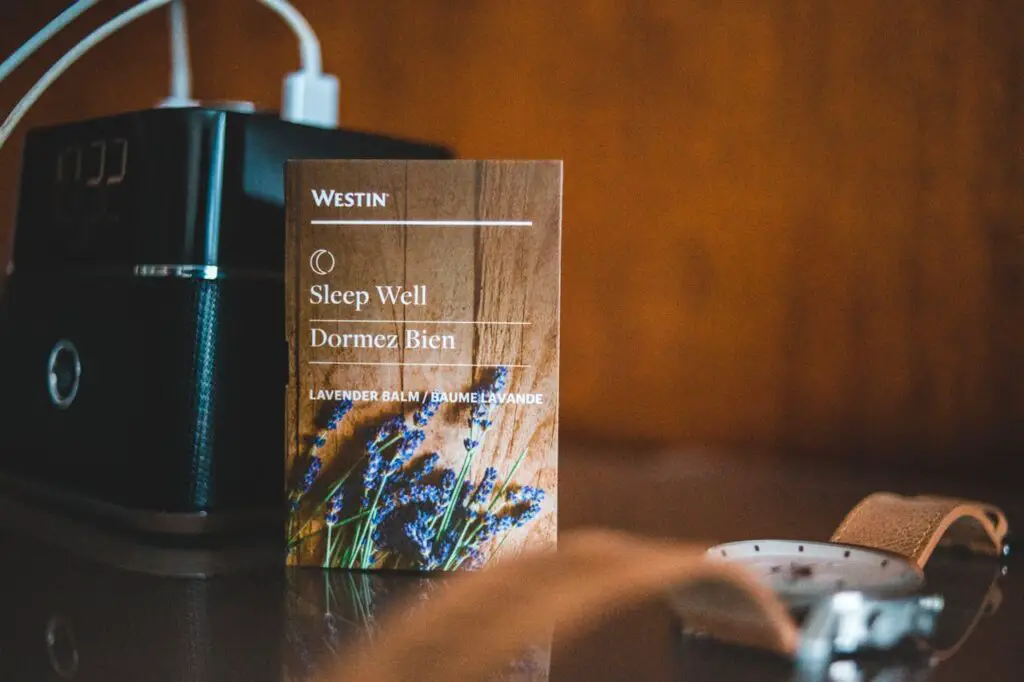
<p> Certain scents, such as lavender and chamomile, have been shown to promote relaxation and improve sleep quality. Using essential oils in a diffuser, spraying lavender mist on your pillow, or using scented candles can create a calming atmosphere that helps you drift off more easily. </p> :: Pexels

Certain scents, such as lavender and chamomile, have been shown to promote relaxation and improve sleep quality. Using essential oils in a diffuser, spraying lavender mist on your pillow, or using scented candles can create a calming atmosphere that helps you drift off more easily.

13. Use White Noise or Relaxing Sounds

<p> Background noise can be soothing and help block out disruptions that might wake you up during the night. White noise machines, nature sounds, or calming music can create a consistent and relaxing sleep environment. Experiment with different sounds to find what works best for you. </p> :: Pexels

Background noise can be soothing and help block out disruptions that might wake you up during the night. White noise machines, nature sounds, or calming music can create a consistent and relaxing sleep environment. Experiment with different sounds to find what works best for you.

14. Do Not Watch the Clock

<p> Constantly checking the time when you cannot sleep can increase anxiety and make it even harder to drift off. If you wake up in the middle of the night, avoid looking at the clock. Instead, focus on relaxation techniques like deep breathing or visualization to help you fall back asleep without stressing about the time. </p> :: Pexels

Constantly checking the time when you cannot sleep can increase anxiety and make it even harder to drift off. If you wake up in the middle of the night, avoid looking at the clock. Instead, focus on relaxation techniques like deep breathing or visualization to help you fall back asleep without stressing about the time.

15. Seek Professional Help if Necessary

<p> If you have tried multiple sleep strategies and still struggle with chronic insomnia or sleep disturbances, it may be time to seek professional help. Sleep disorders such as sleep apnea, restless leg syndrome, or anxiety-related insomnia can require medical intervention. A doctor or sleep specialist can help diagnose any underlying issues and recommend treatments to improve your sleep. </p> :: Pexels

If you have tried multiple sleep strategies and still struggle with chronic insomnia or sleep disturbances, it may be time to seek professional help. Sleep disorders such as sleep apnea, restless leg syndrome, or anxiety-related insomnia can require medical intervention. A doctor or sleep specialist can help diagnose any underlying issues and recommend treatments to improve your sleep.

Final Thoughts

<p> Getting quality sleep is essential for your overall health and well-being. By incorporating these game-changing sleep habits into your routine, you can improve your sleep quality and wake up feeling refreshed and energized. Start making small adjustments today, and you will notice a difference in how you feel both mentally and physically. Sweet dreams! </p> :: Pexels

Getting quality sleep is essential for your overall health and well-being. By incorporating these game-changing sleep habits into your routine, you can improve your sleep quality and wake up feeling refreshed and energized. Start making small adjustments today, and you will notice a difference in how you feel both mentally and physically. Sweet dreams!

Filed Under: Health & Fitness

Leave a Reply Cancel reply

Your email address will not be published. Required fields are marked *

  • Email
  • Facebook
  • Pinterest
  • Twitter

Our Most Popular Articles

ClickCashGo Review: Should You Avoid At All Costs?

Ultimate Guide to Mastering Your Credit Score

The 'YOLO' Mindset is a Dangerous Thing

Dave Ramsey's Financial Peace University Review: Is it Worth the Money?

Cash App Glitch 2025: Is the Free Money Glitch Real?

Five Steps To Debt Freedom

Here are five simple guidlines that will help you pay off debt.  

1) Get an emergency fund so you don’t take on debt when something comes up.

2) List your debts. This way you know where you stand.

3) Use the debt snowball. Pay your debts from smallest to largest, or most expensive to least expensive.

4) Avoid new debt. No new credit cards or loans. Period.

5) Go all cash. After everything is paid off, switch to all cash.

Helpful Resources

U of Tennesse Debt Repayment Plan Basics

Vertex 42's Debt Payoff Calculator

Savingadvice's Helpful Debt Forums

Jackie Becks Debt Blog