Our Debt Free Family

Commit. Plan. Take action.

  • BUDGETING
  • Debt Reduction
  • INVESTING
  • LIFESTYLE
  • TOOLS
  • ABOUT
  • Privacy Policy
  • CONTACT
You are here: Home / Lifestyle / Sustainable Fashion: How to Shop Ethically and Reduce Your Fashion Footprint

Sustainable Fashion: How to Shop Ethically and Reduce Your Fashion Footprint

July 2, 2025 | Leave a Comment

Sustainable Fashion: How to Shop Ethically and Reduce Your Fashion Footprint

<p> In an era where fast fashion dominates the retail landscape, the importance of sustainable fashion has never been more critical. The fashion industry is one of the most environmentally damaging sectors globally, contributing to pollution, waste, and the depletion of natural resources. However, a growing awareness of these issues has led to an increasing number of consumers seeking ethically made clothing that minimizes environmental impact. This article will explore practical ways to shop ethically, understand sustainable practices, and reduce your fashion footprint, enabling you to make informed choices that align with your values. </p> :: Pexels

In an era where fast fashion dominates the retail landscape, the importance of sustainable fashion has never been more critical. The fashion industry is one of the most environmentally damaging sectors globally, contributing to pollution, waste, and the depletion of natural resources. However, a growing awareness of these issues has led to an increasing number of consumers seeking ethically made clothing that minimizes environmental impact. We will explore practical ways to shop ethically, understand sustainable practices, and reduce your fashion footprint, enabling you to make informed choices that align with your values.

1. Understand Sustainable Fashion
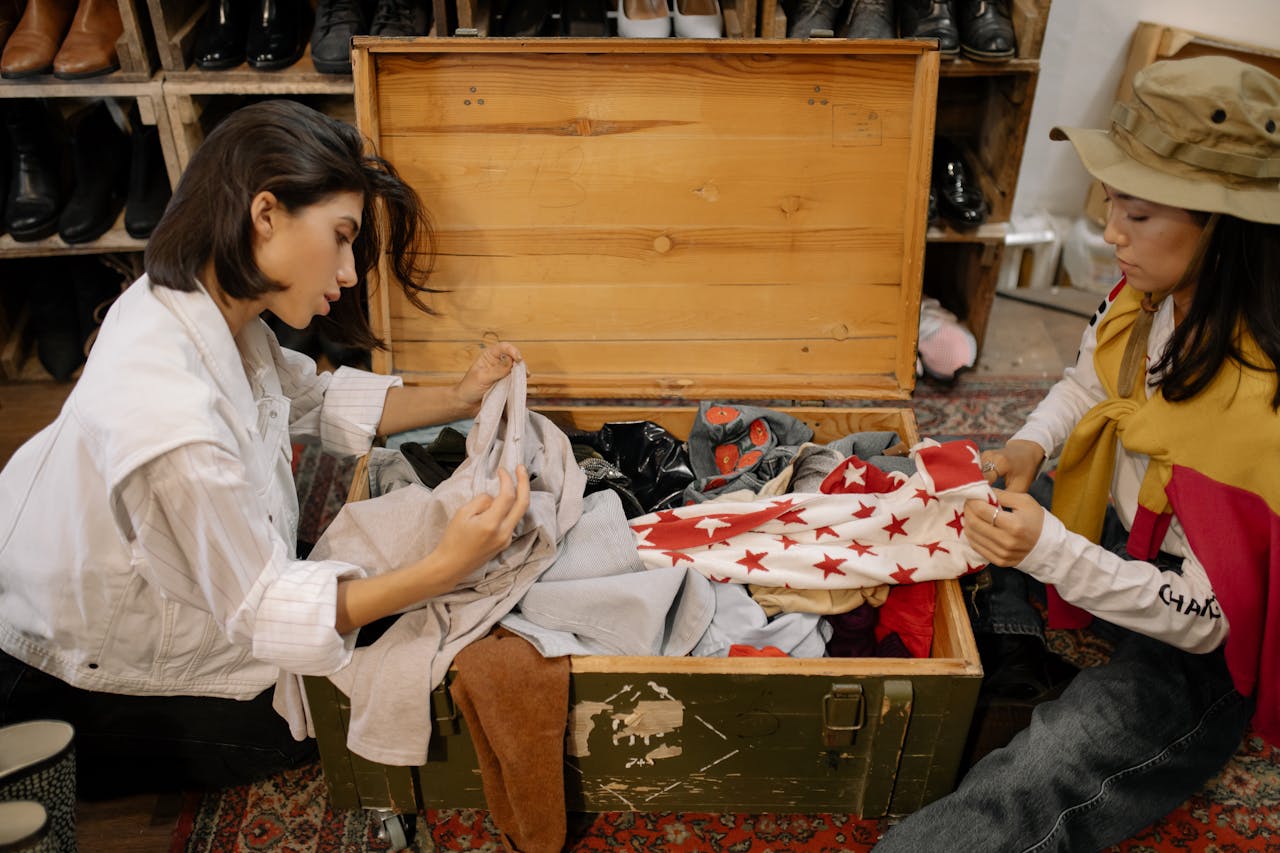
<p> Sustainable fashion encompasses a range of practices aimed at minimizing the negative environmental and social impacts of clothing production. This includes using eco-friendly materials, ethical labor practices, and reducing waste throughout the supply chain. Sustainable fashion encourages a shift from the fast fashion model, which prioritizes speed and low cost, to a more mindful approach that values quality, durability, and transparency. Understanding these principles is essential for making informed decisions about your wardrobe and supporting brands that prioritize sustainability. </p> :: Pexels

Sustainable fashion encompasses a range of practices aimed at minimizing the negative environmental and social impacts of clothing production. This includes using eco-friendly materials, ethical labor practices, and reducing waste throughout the supply chain. Sustainable fashion encourages a shift from the fast fashion model, which prioritizes speed and low cost, to a more mindful approach that values quality, durability, and transparency. Understanding these principles is essential for making informed decisions about your wardrobe and supporting brands that prioritize sustainability.

2. Research Ethical Brands

<p> Before making a purchase, take the time to research and identify brands committed to sustainable practices. Look for certifications and labels that indicate ethical standards, such as Fair Trade, Global Organic Textile Standard (GOTS), or the Ethical Trading Initiative. Many brands also share their sustainability initiatives on their websites, detailing their sourcing practices, labor conditions, and environmental impact. By choosing to support ethical brands, you contribute to a more sustainable fashion industry and encourage other companies to adopt responsible practices. </p> :: Pexels

Before making a purchase, take the time to research and identify brands committed to sustainable practices. Look for certifications and labels that indicate ethical standards, such as Fair Trade, Global Organic Textile Standard (GOTS), or the Ethical Trading Initiative. Many brands also share their sustainability initiatives on their websites, detailing their sourcing practices, labor conditions, and environmental impact. By choosing to support ethical brands, you contribute to a more sustainable fashion industry and encourage other companies to adopt responsible practices.

3. Invest in Quality Over Quantity

<p> One of the most effective ways to reduce your fashion footprint is to prioritize quality over quantity. Fast fashion encourages frequent purchases of low-quality items that quickly fall apart, leading to increased waste. Instead, focus on investing in well-made, timeless pieces that will last for years. Look for clothing made from durable materials and pay attention to details such as stitching and finishing. By building a versatile wardrobe of high-quality garments, you’ll not only reduce waste but also enjoy the benefits of long-lasting fashion. </p> :: Pexels

One of the most effective ways to reduce your fashion footprint is to prioritize quality over quantity. Fast fashion encourages frequent purchases of low-quality items that quickly fall apart, leading to increased waste. Instead, focus on investing in well-made, timeless pieces that will last for years. Look for clothing made from durable materials and pay attention to details such as stitching and finishing. By building a versatile wardrobe of high-quality garments, you’ll not only reduce waste but also enjoy the benefits of long-lasting fashion.

4. Embrace Second-Hand Shopping

<p> Shopping second-hand is a fantastic way to reduce your fashion footprint and discover unique pieces. Thrift stores, consignment shops, and online platforms for pre-owned clothing allow you to find high-quality items at a fraction of the original price. By choosing second-hand items, you extend the life cycle of clothing and divert them from landfills. Additionally, vintage and thrifted pieces often come with stories and character, making your wardrobe more eclectic and personal. Embrace the thrill of the hunt and enjoy the satisfaction of giving clothing a new home. </p> :: Pexels

Shopping second-hand is a fantastic way to reduce your fashion footprint and discover unique pieces. Thrift stores, consignment shops, and online platforms for pre-owned clothing allow you to find high-quality items at a fraction of the original price. By choosing second-hand items, you extend the life cycle of clothing and divert them from landfills. Additionally, vintage and thrifted pieces often come with stories and character, making your wardrobe more eclectic and personal. Embrace the thrill of the hunt and enjoy the satisfaction of giving clothing a new home.

5. Practice Mindful Consumption

<p> Mindful consumption involves being intentional about your clothing purchases. Before buying an item, consider whether you truly need it, how often you’ll wear it, and whether it aligns with your personal style and values. Create a checklist to guide your decision-making process, asking questions like: Is it versatile? Can I wear it in multiple seasons? Does it complement my existing wardrobe? By cultivating a mindful approach to shopping, you’ll make more thoughtful choices that contribute to a sustainable wardrobe. </p> :: Pexels

Mindful consumption involves being intentional about your clothing purchases. Before buying an item, consider whether you truly need it, how often you’ll wear it, and whether it aligns with your personal style and values. Create a checklist to guide your decision-making process, asking questions like: Is it versatile? Can I wear it in multiple seasons? Does it complement my existing wardrobe? By cultivating a mindful approach to shopping, you’ll make more thoughtful choices that contribute to a sustainable wardrobe.

6. Choose Eco-Friendly Materials

<p> When shopping for new clothing, pay attention to the materials used in production. Opt for eco-friendly fabrics such as organic cotton, Tencel, hemp, or recycled materials. These options not only have a lower environmental impact but are often more breathable and comfortable to wear. Avoid synthetic materials like polyester and nylon, which are derived from fossil fuels and can take hundreds of years to decompose. By choosing clothing made from sustainable materials, you contribute to a more eco-conscious fashion industry. </p> :: Pexels

When shopping for new clothing, pay attention to the materials used in production. Opt for eco-friendly fabrics such as organic cotton, Tencel, hemp, or recycled materials. These options not only have a lower environmental impact but are often more breathable and comfortable to wear. Avoid synthetic materials like polyester and nylon, which are derived from fossil fuels and can take hundreds of years to decompose. By choosing clothing made from sustainable materials, you contribute to a more eco-conscious fashion industry.

7. Take Care of Your Clothes
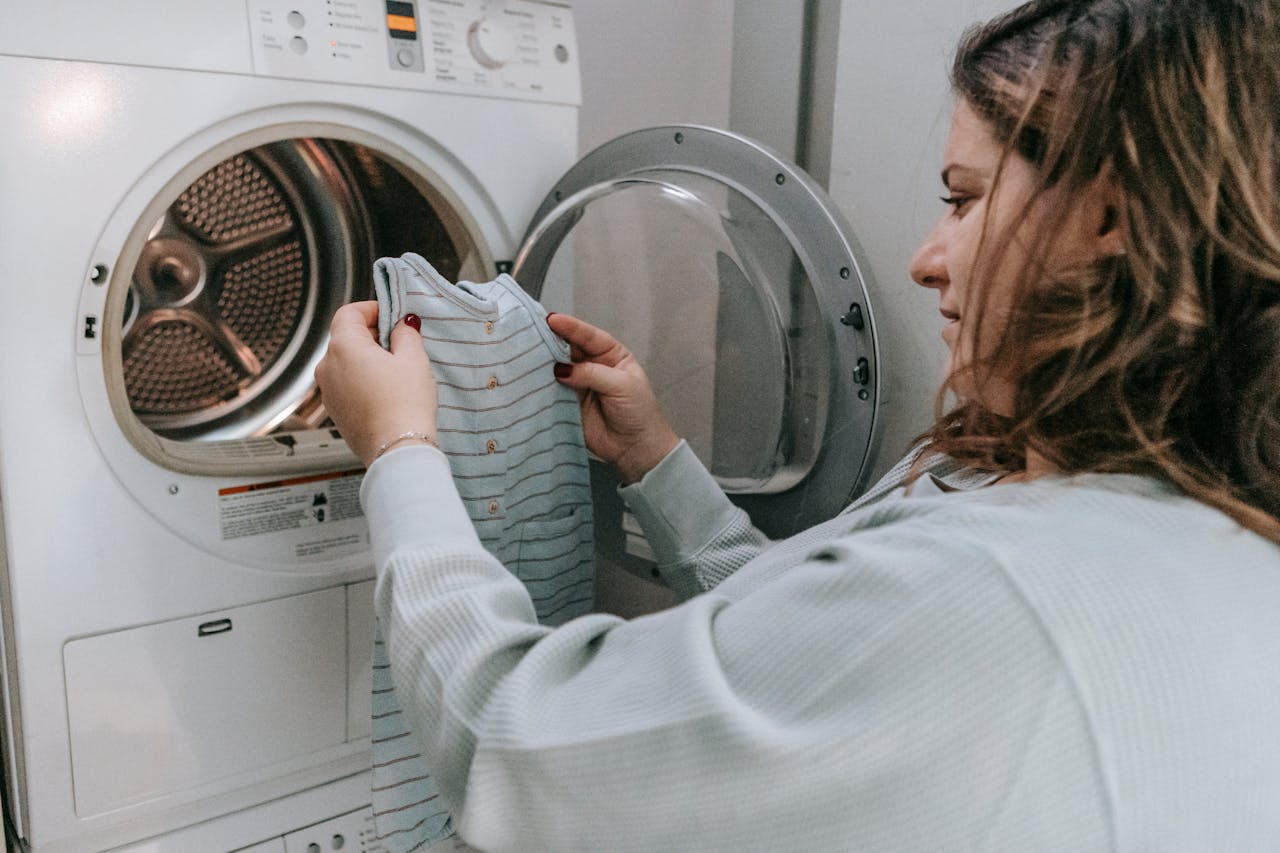
<p> Extending the lifespan of your clothing is a crucial aspect of reducing your fashion footprint. Proper care can make a significant difference in how long your garments last. Follow care instructions on labels, and consider washing clothes in cold water to reduce energy consumption. Repair items instead of discarding them, whether it’s sewing on a button or patching a hole. Additionally, try to air-dry your clothes when possible to save energy. By caring for your clothing, you contribute to a more sustainable cycle of fashion consumption. </p> :: Pexels

Extending the lifespan of your clothing is a crucial aspect of reducing your fashion footprint. Proper care can make a significant difference in how long your garments last. Follow care instructions on labels, and consider washing clothes in cold water to reduce energy consumption. Repair items instead of discarding them, whether it’s sewing on a button or patching a hole. Additionally, try to air-dry your clothes when possible to save energy. By caring for your clothing, you contribute to a more sustainable cycle of fashion consumption.

8. Advocate for Change

<p> As a consumer, you have the power to influence the fashion industry. Advocate for sustainable practices by supporting brands that prioritize ethical production and environmental responsibility. Use social media to raise awareness about sustainable fashion and share your favorite ethical brands with your network. Participate in local initiatives, such as clothing swaps or community events focused on sustainability. By voicing your support for sustainable fashion, you encourage others to make informed choices and help drive positive change within the industry. </p> :: Pexels

As a consumer, you have the power to influence the fashion industry. Advocate for sustainable practices by supporting brands that prioritize ethical production and environmental responsibility. Use social media to raise awareness about sustainable fashion and share your favorite ethical brands with your network. Participate in local initiatives, such as clothing swaps or community events focused on sustainability. By voicing your support for sustainable fashion, you encourage others to make informed choices and help drive positive change within the industry.

Final Thoughts
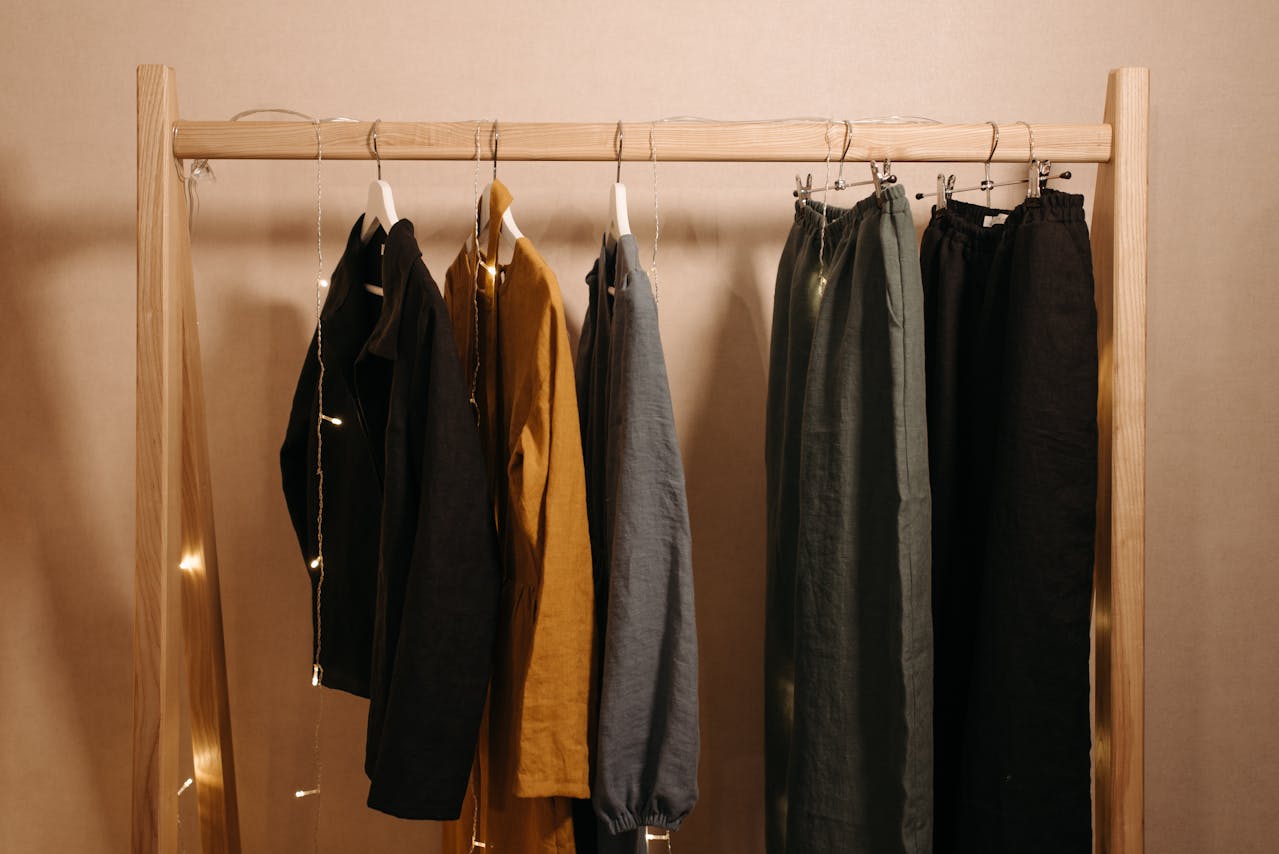
<p> Shopping ethically and reducing your fashion footprint requires a conscious effort and a commitment to sustainability. By understanding sustainable fashion, researching ethical brands, investing in quality, embracing second-hand shopping, and practicing mindful consumption, you can make a meaningful impact on the industry. Remember that every small choice counts, and collectively, consumers have the power to shape a more sustainable future for fashion. </p> :: Pexels

Shopping ethically and reducing your fashion footprint requires a conscious effort and a commitment to sustainability. By understanding sustainable fashion, researching ethical brands, investing in quality, embracing second-hand shopping, and practicing mindful consumption, you can make a meaningful impact on the industry. Remember that every small choice counts, and collectively, consumers have the power to shape a more sustainable future for fashion. 

Filed Under: Lifestyle

Leave a Reply Cancel reply

Your email address will not be published. Required fields are marked *

  • Email
  • Facebook
  • Pinterest
  • Twitter

Our Most Popular Articles

ClickCashGo Review: Should You Avoid At All Costs?

Ultimate Guide to Mastering Your Credit Score

The 'YOLO' Mindset is a Dangerous Thing

Dave Ramsey's Financial Peace University Review: Is it Worth the Money?

Cash App Glitch 2025: Is the Free Money Glitch Real?

Five Steps To Debt Freedom

Here are five simple guidlines that will help you pay off debt.  

1) Get an emergency fund so you don’t take on debt when something comes up.

2) List your debts. This way you know where you stand.

3) Use the debt snowball. Pay your debts from smallest to largest, or most expensive to least expensive.

4) Avoid new debt. No new credit cards or loans. Period.

5) Go all cash. After everything is paid off, switch to all cash.

Helpful Resources

The Free Checklist for a Strong Financial Plan

U of Tennesse Debt Repayment Plan Basics

Vertex 42's Debt Payoff Calculator

Savingadvice's Helpful Debt Forums

Jackie Becks Debt Blog