Our Debt Free Family

Commit. Plan. Take action.

  • BUDGETING
  • DEBT REDUCTION
  • INVESTING
  • LIFESTYLE
  • TOOLS
  • ABOUT
  • Privacy Policy
  • CONTACT
You are here: Home / Lifestyle / The New Rules of Love in 2026: 10 Non-Traditional Marriage Trends Breaking Old Norms
The New Rules of Love in 2026: 10 Non-Traditional Marriage Trends Breaking Old Norms

April 24, 2026 | Leave a Comment

The New Rules of Love in 2026: 10 Non-Traditional Marriage Trends Breaking Old Norms

<p> Love has always evolved, but right now it feels like it’s changing faster than ever. If you grew up believing there was only one “right” way to build a relationship, chances are you’ve already noticed that reality looks very different. Marriage is no longer a fixed formula. People are asking more questions, setting more boundaries, and designing relationships that actually reflect who they are. In the United States, this shift is especially clear. Cultural expectations still exist, but they no longer hold the same power they once did. More couples are choosing paths that would have been considered unusual just a generation ago. Instead of following tradition out of obligation, they are building relationships with intention. What’s interesting is that these changes are not about rejecting love or commitment. They are about redefining what those things look like in real life. Whether it’s living in separate homes, skipping marriage altogether, or rethinking family structure, the goal is the same: create something that works. Below are ten non-traditional marriage trends that are reshaping modern relationships in ways that feel more honest, flexible, and sustainable. </p> :: Pexels

Love has always evolved, but right now it feels like it’s changing faster than ever. If you grew up believing there was only one “right” way to build a relationship, chances are you’ve already noticed that reality looks very different. Marriage is no longer a fixed formula. People are asking more questions, setting more boundaries, and designing relationships that actually reflect who they are.

In the United States, this shift is especially clear. Cultural expectations still exist, but they no longer hold the same power they once did. More couples are choosing paths that would have been considered unusual just a generation ago. Instead of following tradition out of obligation, they are building relationships with intention.

What’s interesting is that these changes are not about rejecting love or commitment. They are about redefining what those things look like in real life. Whether it’s living in separate homes, skipping marriage altogether, or rethinking family structure, the goal is the same: create something that works.

Below are ten non-traditional marriage trends that are reshaping modern relationships in ways that feel more honest, flexible, and sustainable.

1. Living Apart Together (LAT)

<p> Living Apart Together, often called LAT, flips one of the oldest assumptions about relationships. Instead of moving in together, couples stay in separate homes while maintaining a committed partnership. At first glance, it might seem counterintuitive. After all, isn’t sharing a home supposed to bring people closer? For many couples, the opposite can be true. Having separate spaces allows each partner to maintain their routines, habits, and sense of identity without constant compromise. It can reduce everyday conflicts over chores, noise, or personal time. When they do spend time together, it often feels more intentional and less routine. This arrangement is particularly appealing for people who value independence, have demanding careers, or are entering relationships later in life. It allows love to exist without the pressure of merging everything into one shared space. Instead of measuring closeness by proximity, these couples measure it by connection and effort. </p> :: Pexels

Living Apart Together, often called LAT, flips one of the oldest assumptions about relationships. Instead of moving in together, couples stay in separate homes while maintaining a committed partnership. At first glance, it might seem counterintuitive. After all, isn’t sharing a home supposed to bring people closer?

For many couples, the opposite can be true. Having separate spaces allows each partner to maintain their routines, habits, and sense of identity without constant compromise. It can reduce everyday conflicts over chores, noise, or personal time. When they do spend time together, it often feels more intentional and less routine.

This arrangement is particularly appealing for people who value independence, have demanding careers, or are entering relationships later in life. It allows love to exist without the pressure of merging everything into one shared space. Instead of measuring closeness by proximity, these couples measure it by connection and effort.

2. Long-Term Cohabitation Without Marriage

<p> For decades, living together was seen as a step toward marriage. Now, for many couples, it is the destination itself. Long-term cohabitation without marriage has become increasingly common across the United States, and it is no longer viewed as unconventional. There are many reasons behind this shift. Some people want to avoid the legal and financial complexities that come with marriage. Others simply do not feel that a formal contract is necessary to validate their commitment. They build lives together, share expenses, and even raise children without ever feeling the need to make it official on paper. What stands out is that these relationships are not lacking in commitment. In many cases, they are deeply stable and long-lasting. The difference is that the commitment comes from choice rather than tradition. Every day, both partners actively choose to stay, rather than relying on a formal structure to hold things together. </p> :: Pexels

For decades, living together was seen as a step toward marriage. Now, for many couples, it is the destination itself. Long-term cohabitation without marriage has become increasingly common across the United States, and it is no longer viewed as unconventional.

There are many reasons behind this shift. Some people want to avoid the legal and financial complexities that come with marriage. Others simply do not feel that a formal contract is necessary to validate their commitment. They build lives together, share expenses, and even raise children without ever feeling the need to make it official on paper.

What stands out is that these relationships are not lacking in commitment. In many cases, they are deeply stable and long-lasting. The difference is that the commitment comes from choice rather than tradition. Every day, both partners actively choose to stay, rather than relying on a formal structure to hold things together.

3. Open Marriages and Ethical Non-Monogamy
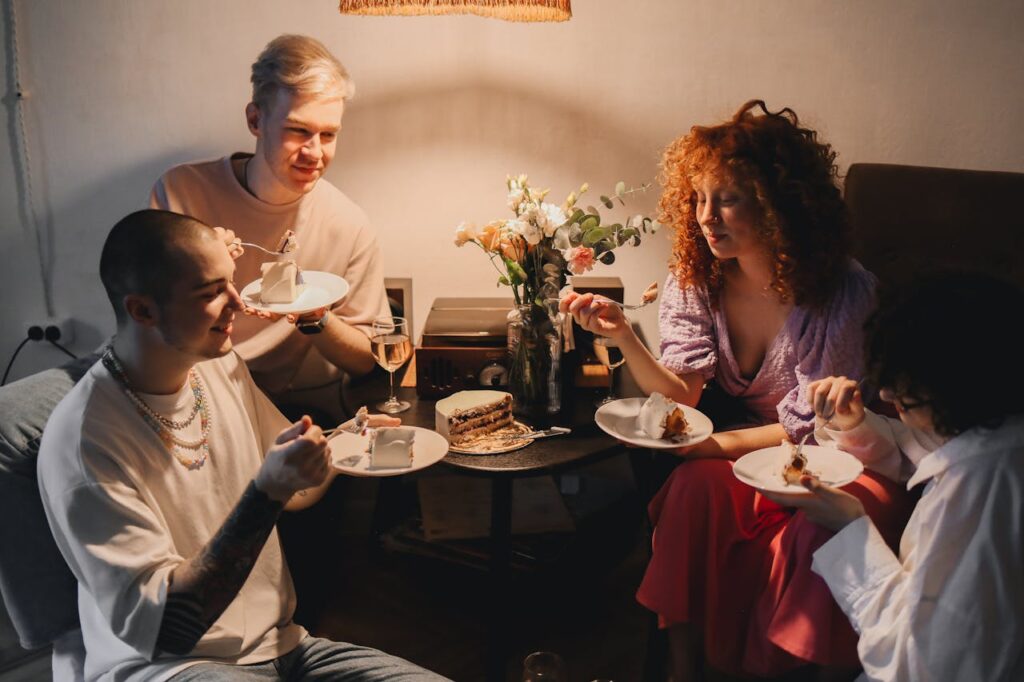
<p> Open marriages and ethical non-monogamy have moved from the margins into more open conversations. While still not mainstream, they are becoming less stigmatized as people begin to understand the principles behind them. At the core of these relationships is communication. Couples who explore non-monogamy typically set clear boundaries, define expectations, and check in with each other regularly. It is not about avoiding commitment. It is about expanding the definition of what commitment can look like. This approach requires a high level of emotional awareness and honesty. Jealousy, insecurity, and trust are all addressed directly rather than ignored. For some couples, this leads to stronger communication skills and a deeper understanding of each other. It is not a simple path, but for those who choose it, it can be a meaningful one. </p> :: Pexels

Open marriages and ethical non-monogamy have moved from the margins into more open conversations. While still not mainstream, they are becoming less stigmatized as people begin to understand the principles behind them.

At the core of these relationships is communication. Couples who explore non-monogamy typically set clear boundaries, define expectations, and check in with each other regularly. It is not about avoiding commitment. It is about expanding the definition of what commitment can look like.

This approach requires a high level of emotional awareness and honesty. Jealousy, insecurity, and trust are all addressed directly rather than ignored. For some couples, this leads to stronger communication skills and a deeper understanding of each other. It is not a simple path, but for those who choose it, it can be a meaningful one.

4. Marriage Without Children (DINK Lifestyle)

<p> The idea that marriage must include children is no longer a given. More couples are intentionally choosing a child-free life, often referred to as the dual-income, no kids lifestyle. This decision is rarely made lightly. It often reflects a desire for flexibility, financial stability, and personal freedom. Without the responsibilities of raising children, couples have more time to invest in their careers, hobbies, travel, and each other. There is also a growing recognition that fulfillment does not look the same for everyone. For some, building a life together without children allows for deeper focus on the relationship itself. It removes external pressures and allows couples to define success on their own terms. </p> :: Pexels

The idea that marriage must include children is no longer a given. More couples are intentionally choosing a child-free life, often referred to as the dual-income, no kids lifestyle.

This decision is rarely made lightly. It often reflects a desire for flexibility, financial stability, and personal freedom. Without the responsibilities of raising children, couples have more time to invest in their careers, hobbies, travel, and each other.

There is also a growing recognition that fulfillment does not look the same for everyone. For some, building a life together without children allows for deeper focus on the relationship itself. It removes external pressures and allows couples to define success on their own terms.

5. Contract-Based Relationships

<p> Some couples are taking a practical approach to love by creating relationship agreements or contracts. These documents outline expectations around finances, responsibilities, and long-term goals. While it may sound unromantic at first, many people find it incredibly helpful. Instead of assuming that both partners are on the same page, everything is discussed openly from the start. Topics that are often avoided, like money management or career priorities, are addressed directly. This level of clarity can prevent misunderstandings and reduce conflict over time. It creates a shared understanding of what the relationship is meant to be. In a way, it replaces vague expectations with clear agreements, which can make the relationship feel more secure rather than less. </p> :: Pexels

Some couples are taking a practical approach to love by creating relationship agreements or contracts. These documents outline expectations around finances, responsibilities, and long-term goals.

While it may sound unromantic at first, many people find it incredibly helpful. Instead of assuming that both partners are on the same page, everything is discussed openly from the start. Topics that are often avoided, like money management or career priorities, are addressed directly.

This level of clarity can prevent misunderstandings and reduce conflict over time. It creates a shared understanding of what the relationship is meant to be. In a way, it replaces vague expectations with clear agreements, which can make the relationship feel more secure rather than less.

6. “Starter Marriages” and Relationship Evolution

<p> The idea that marriage must last forever is slowly being reexamined. Some people now view early marriages as part of personal growth rather than a lifelong commitment. These so-called starter marriages are not entered into with the intention of ending. Instead, they reflect an understanding that people change over time. As individuals grow, their needs, goals, and identities can shift in ways that affect the relationship. When a marriage ends, it is not always seen as a failure. It can be viewed as a chapter that served a purpose. This perspective encourages people to focus on what they learned rather than what they lost. It also reduces the stigma around divorce, allowing people to move forward with less guilt and more clarity. </p> :: Pexels

The idea that marriage must last forever is slowly being reexamined. Some people now view early marriages as part of personal growth rather than a lifelong commitment.

These so-called starter marriages are not entered into with the intention of ending. Instead, they reflect an understanding that people change over time. As individuals grow, their needs, goals, and identities can shift in ways that affect the relationship.

When a marriage ends, it is not always seen as a failure. It can be viewed as a chapter that served a purpose. This perspective encourages people to focus on what they learned rather than what they lost. It also reduces the stigma around divorce, allowing people to move forward with less guilt and more clarity.

7. Financial Independence Within Marriage

<p> Money has always been one of the most common sources of conflict in relationships. In response, many couples are rethinking how they handle finances within marriage. Instead of combining everything, some partners choose to keep their finances partially or entirely separate. They may split expenses based on income, maintain individual accounts, or set personal financial goals alongside shared ones. This approach can create a sense of autonomy and reduce tension around spending habits. Each person retains control over their own money while still contributing to shared responsibilities. It also encourages open conversations about financial priorities, which can strengthen trust over time. </p> :: Pexels

Money has always been one of the most common sources of conflict in relationships. In response, many couples are rethinking how they handle finances within marriage.

Instead of combining everything, some partners choose to keep their finances partially or entirely separate. They may split expenses based on income, maintain individual accounts, or set personal financial goals alongside shared ones.

This approach can create a sense of autonomy and reduce tension around spending habits. Each person retains control over their own money while still contributing to shared responsibilities. It also encourages open conversations about financial priorities, which can strengthen trust over time.

8. Blended and Chosen Families
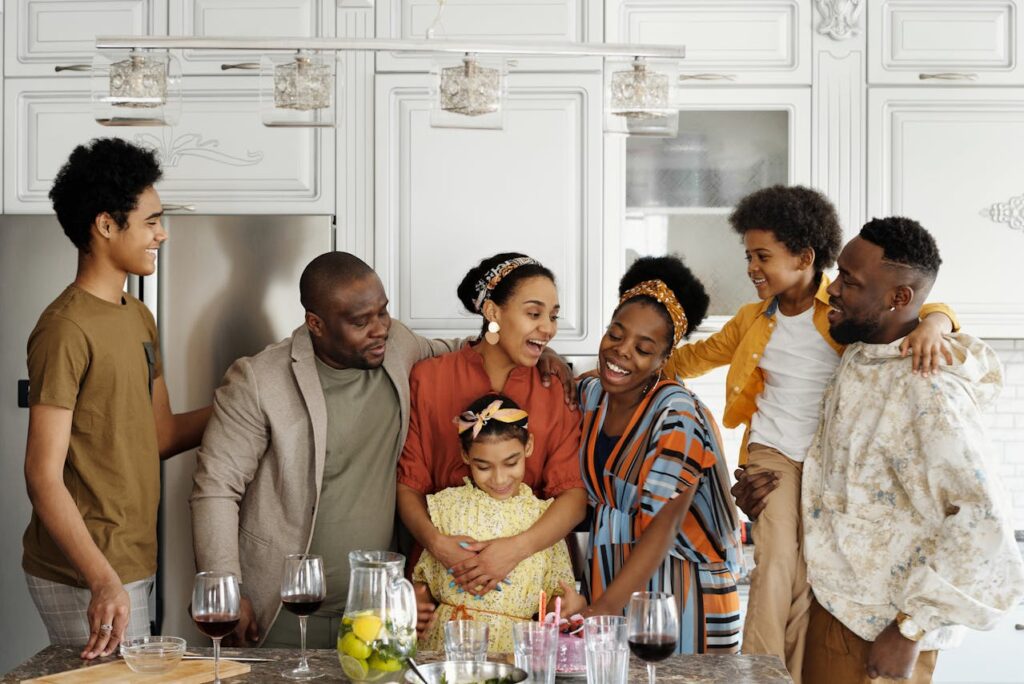
<p> Family structures are becoming more diverse, reflecting the realities of modern life. Blended families, where partners bring children from previous relationships, are now common and widely accepted. At the same time, the concept of chosen family is gaining recognition. Close friends, mentors, and community members can play roles traditionally filled by relatives. These relationships are built on trust, support, and shared experiences rather than biology. This shift expands the definition of family. It emphasizes connection over convention and allows people to build support systems that truly reflect their lives. For many, this creates a stronger sense of belonging and emotional security. </p> :: Pexels

Family structures are becoming more diverse, reflecting the realities of modern life. Blended families, where partners bring children from previous relationships, are now common and widely accepted.

At the same time, the concept of chosen family is gaining recognition. Close friends, mentors, and community members can play roles traditionally filled by relatives. These relationships are built on trust, support, and shared experiences rather than biology.

This shift expands the definition of family. It emphasizes connection over convention and allows people to build support systems that truly reflect their lives. For many, this creates a stronger sense of belonging and emotional security.

9. Delayed Marriage and Intentional Commitment

<p> People are getting married later than previous generations, and this delay is changing how relationships develop. Instead of rushing into marriage, individuals are spending more time understanding themselves and what they want from a partner. This often leads to more intentional commitments. Couples enter marriage with clearer expectations, stronger communication skills, and a better sense of compatibility. They are less likely to be influenced by external pressure and more likely to make decisions based on personal readiness. While waiting longer can come with its own challenges, it often results in more stable and thoughtful partnerships. The focus shifts from timing to quality, which can make a significant difference in the long run. </p> :: Pexels

People are getting married later than previous generations, and this delay is changing how relationships develop. Instead of rushing into marriage, individuals are spending more time understanding themselves and what they want from a partner.

This often leads to more intentional commitments. Couples enter marriage with clearer expectations, stronger communication skills, and a better sense of compatibility. They are less likely to be influenced by external pressure and more likely to make decisions based on personal readiness.

While waiting longer can come with its own challenges, it often results in more stable and thoughtful partnerships. The focus shifts from timing to quality, which can make a significant difference in the long run.

10. Digital-Age Relationships and Virtual Intimacy

Technology has transformed how people connect, especially in romantic relationships. Long-distance couples can now maintain close connections through video calls, messaging, and shared online experiences.

Some relationships even begin entirely online, growing over time before partners meet in person. While this may have seemed unusual in the past, it is now a common way for people to connect across distances.

Digital intimacy allows for constant communication, but it also requires effort to maintain emotional depth. Successful couples learn how to balance convenience with genuine connection. When used thoughtfully, technology can strengthen relationships rather than replace real-world interaction.

Final Thoughts

<p> If there is one thing these trends make clear, it is that love is no longer confined to a single blueprint. The traditional model of marriage still works for many people, but it is no longer the default path for everyone. And that shift is opening the door to more honest, adaptable, and meaningful relationships. What makes these non-traditional approaches powerful is not that they reject commitment. It is that they redefine it. Instead of following expectations, couples are asking better questions. What do we actually want? What works for our lives? How do we support each other in a way that feels real? There is something refreshing about that level of intention. It moves relationships away from autopilot and toward conscious choice. It also allows people to be more honest about their needs, which can lead to deeper connection and fewer unspoken frustrations. Of course, none of these trends are perfect solutions. Every relationship comes with its own challenges, regardless of the structure. What matters is not whether a relationship looks traditional or unconventional from the outside. What matters is whether it works for the people inside it. As these new rules of love continue to take shape, one thing remains constant. People still want connection, trust, and a sense of belonging. The difference is that they are now more willing to build those things in ways that reflect their true selves. And maybe that is the real shift. Love is becoming less about fitting into a mold and more about creating something that actually fits. </p> :: Pexels

If there is one thing these trends make clear, it is that love is no longer confined to a single blueprint. The traditional model of marriage still works for many people, but it is no longer the default path for everyone. And that shift is opening the door to more honest, adaptable, and meaningful relationships.

What makes these non-traditional approaches powerful is not that they reject commitment. It is that they redefine it. Instead of following expectations, couples are asking better questions. What do we actually want? What works for our lives? How do we support each other in a way that feels real?

There is something refreshing about that level of intention. It moves relationships away from autopilot and toward conscious choice. It also allows people to be more honest about their needs, which can lead to deeper connection and fewer unspoken frustrations.

Of course, none of these trends are perfect solutions. Every relationship comes with its own challenges, regardless of the structure. What matters is not whether a relationship looks traditional or unconventional from the outside. What matters is whether it works for the people inside it.

As these new rules of love continue to take shape, one thing remains constant. People still want connection, trust, and a sense of belonging. The difference is that they are now more willing to build those things in ways that reflect their true selves.

And maybe that is the real shift. Love is becoming less about fitting into a mold and more about creating something that actually fits.

Filed Under: Lifestyle

Leave a Reply Cancel reply

Your email address will not be published. Required fields are marked *

  • Email
  • Facebook
  • Pinterest
  • Twitter

Our Most Popular Articles

ClickCashGo Review: Should You Avoid At All Costs?

Ultimate Guide to Mastering Your Credit Score

The 'YOLO' Mindset is a Dangerous Thing

Dave Ramsey's Financial Peace University Review: Is it Worth the Money?

Cash App Glitch 2025: Is the Free Money Glitch Real?

Five Steps To Debt Freedom

Here are five simple guidlines that will help you pay off debt.  

1) Get an emergency fund so you don’t take on debt when something comes up.

2) List your debts. This way you know where you stand.

3) Use the debt snowball. Pay your debts from smallest to largest, or most expensive to least expensive.

4) Avoid new debt. No new credit cards or loans. Period.

5) Go all cash. After everything is paid off, switch to all cash.

Helpful Resources

U of Tennesse Debt Repayment Plan Basics

Vertex 42's Debt Payoff Calculator

Savingadvice's Helpful Debt Forums

Jackie Becks Debt Blog