Our Debt Free Family

Commit. Plan. Take action.

  • BUDGETING
  • DEBT REDUCTION
  • INVESTING
  • LIFESTYLE
  • TOOLS
  • ABOUT
  • Privacy Policy
  • CONTACT
You are here: Home / Money / How Much is Enough: 10 Ways We Enabled Today’s Out-of-Control Tipping Culture

How Much is Enough: 10 Ways We Enabled Today’s Out-of-Control Tipping Culture

December 23, 2025 | Leave a Comment

How Much is Enough: 10 Ways We Enabled Today’s Out-of-Control Tipping Culture

<p>In recent years, the practice of tipping has evolved into a complicated and often contentious issue. Once a simple gesture of appreciation for good service, tipping has morphed into a system that can feel obligatory, with expectations spiraling out of control. As consumers, we find ourselves grappling with how much is enough, as tipping amounts continue to rise in various sectors, from restaurants to coffee shops. Lets look at ten ways we have contributed to the current tipping culture, exploring the implications of these practices and offering insights into what this means for us as patrons.</p> ::Pexels

In recent years, the practice of tipping has evolved into a complicated and often contentious issue. Once a simple gesture of appreciation for good service, tipping has morphed into a system that can feel obligatory, with expectations spiraling out of control. As consumers, we find ourselves grappling with how much is enough, as tipping amounts continue to rise in various sectors, from restaurants to coffee shops. Lets look at ten ways we have contributed to the current tipping culture, exploring the implications of these practices and offering insights into what this means for us as patrons.


1. The Rise of Digital Payment Systems
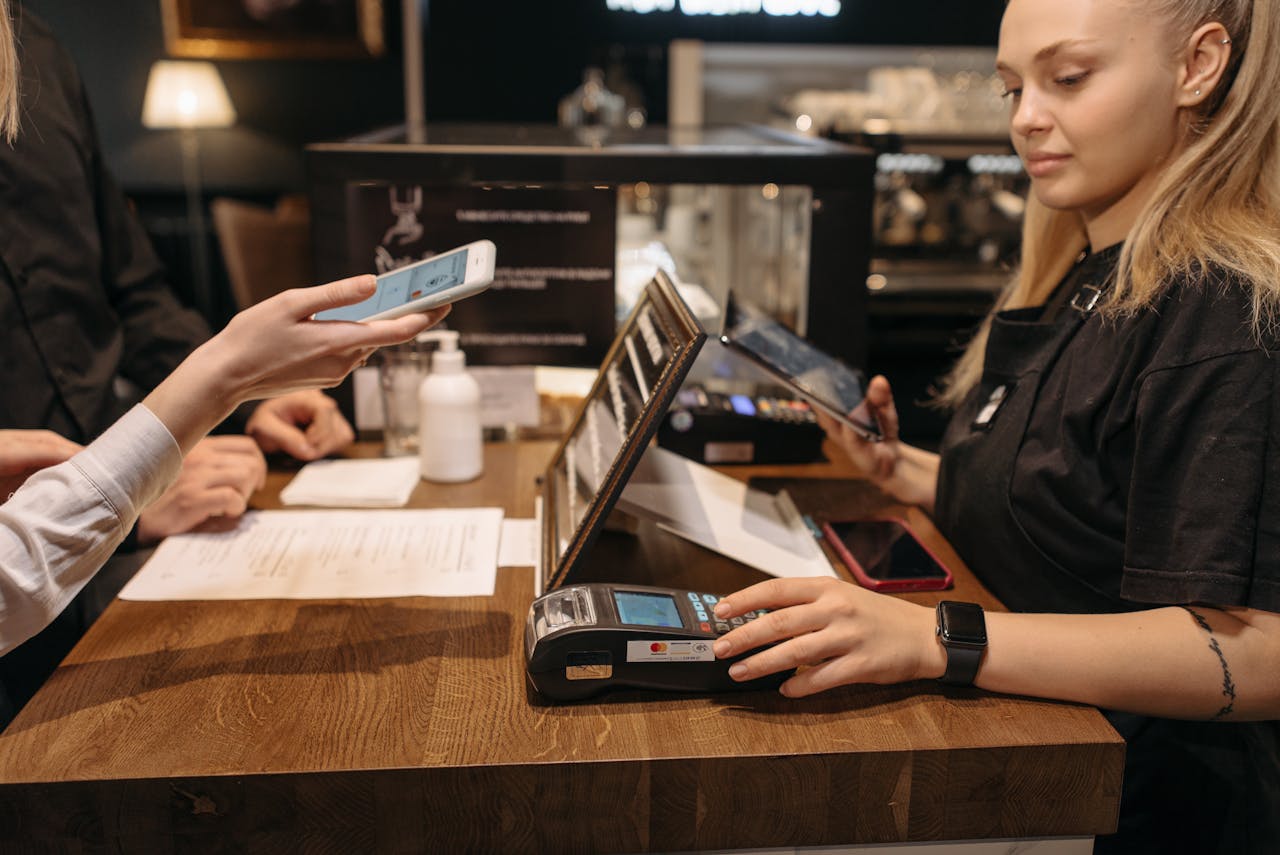
<p>The convenience of digital payments is undeniable, but it has also enabled the normalization of higher tipping amounts. As a result, consumers are often left questioning how much is enough, especially when service expectations have become inflated. This digital shift has altered our perception of tipping, transforming it from a voluntary gesture into an almost mandatory practice.</p> :: Pexels

The convenience of digital payments is undeniable, but it has also enabled the normalization of higher tipping amounts. As a result, consumers are often left questioning how much is enough, especially when service expectations have become inflated. This digital shift has altered our perception of tipping, transforming it from a voluntary gesture into an almost mandatory practice.


2. Social Media Influence

<p>As people share their experiences, there’s an unspoken pressure to conform to what others consider appropriate tipping. Posts showcasing extravagant tips or recommendations for tipping in specific contexts can lead to inflated expectations. Social media reinforces the notion that tipping should reflect not just appreciation for service but also one’s social standing, further fueling the out-of-control tipping culture.</p> :: Pexels

As people share their experiences, there’s an unspoken pressure to conform to what others consider appropriate tipping. Posts showcasing extravagant tips or recommendations for tipping in specific contexts can lead to inflated expectations. Social media reinforces the notion that tipping should reflect not just appreciation for service but also one’s social standing, further fueling the out-of-control tipping culture.


3. Cultural Expectations

<p>The prevalence of these cultural expectations has contributed to a cycle where patrons feel obligated to tip regardless of service quality. As tipping becomes increasingly ingrained in our societal norms, the question of how much is enough becomes more complicated. It’s no longer just about rewarding good service; it’s about meeting societal standards.</p> :: Pexels

The prevalence of these cultural expectations has contributed to a cycle where patrons feel obligated to tip regardless of service quality. As tipping becomes increasingly ingrained in our societal norms, the question of how much is enough becomes more complicated. It’s no longer just about rewarding good service; it’s about meeting societal standards.


4. The Service Industry’s Dependence on Tips

<p>This dynamic influences customers, who may feel obligated to tip higher amounts to support service workers. While it’s essential to recognize the challenges faced by those in the service industry, this reliance on tips has contributed to the out-of-control tipping culture. Patrons find themselves questioning how much is enough, knowing that service workers often depend on their generosity for their livelihood.</p> :: Pexels

This dynamic influences customers, who may feel obligated to tip higher amounts to support service workers. While it’s essential to recognize the challenges faced by those in the service industry, this reliance on tips has contributed to the out-of-control tipping culture. Patrons find themselves questioning how much is enough, knowing that service workers often depend on their generosity for their livelihood.


5. Increased Options for Tipping

<p>With more opportunities to tip, customers are left grappling with how much is enough. The convenience of tipping through digital payment systems, coupled with the expectation to tip in multiple contexts, has contributed to a tipping culture where higher amounts are considered the norm. As tipping becomes ubiquitous, it raises questions about the sustainability of this practice and the financial strain it may place on consumers.</p> :: Pexels

With more opportunities to tip, customers are left grappling with how much is enough. The convenience of tipping through digital payment systems, coupled with the expectation to tip in multiple contexts, has contributed to a tipping culture where higher amounts are considered the norm. As tipping becomes ubiquitous, it raises questions about the sustainability of this practice and the financial strain it may place on consumers.


6. The “Tipflation” Phenomenon

<p>The concept of tipflation contributes to the out-of-control tipping culture, as patrons feel compelled to adjust their tipping practices in line with rising expectations. The pressure to keep up with these changes can leave consumers feeling uncertain about how much is enough, ultimately leading to confusion and frustration around tipping norms.</p> :: Pexels

The concept of tipflation contributes to the out-of-control tipping culture, as patrons feel compelled to adjust their tipping practices in line with rising expectations. The pressure to keep up with these changes can leave consumers feeling uncertain about how much is enough, ultimately leading to confusion and frustration around tipping norms.


7. The Impact of Service Quality on Tipping

<p>With so many factors influencing tipping, customers may feel that the line between good and exceptional service has blurred. As a result, the question of how much is enough becomes more challenging to answer. The notion that higher tips equate to better service can lead to inflated expectations, leaving patrons uncertain about what constitutes an appropriate tipping amount.</p> :: Pexels

With so many factors influencing tipping, customers may feel that the line between good and exceptional service has blurred. As a result, the question of how much is enough becomes more challenging to answer. The notion that higher tips equate to better service can lead to inflated expectations, leaving patrons uncertain about what constitutes an appropriate tipping amount.


8. Changing Consumer Attitudes

<p>These evolving attitudes contribute to a tipping culture that may feel disconnected from traditional practices. As consumers grapple with how much is enough, they must navigate their beliefs about service, compensation, and community support. The interplay of these factors creates a complex environment where tipping expectations can feel overwhelming.</p> :: Pexels

These evolving attitudes contribute to a tipping culture that may feel disconnected from traditional practices. As consumers grapple with how much is enough, they must navigate their beliefs about service, compensation, and community support. The interplay of these factors creates a complex environment where tipping expectations can feel overwhelming.


9. General Guilt

<p>This feeling of guilt can create a cycle where patrons consistently tip higher amounts, even when service may not warrant it. The emotional impact of general guilt can blur the lines between genuine appreciation for service and the desire to alleviate one’s conscience, further enabling the out-of-control tipping culture. </p> :: Pexels

This feeling of guilt can create a cycle where patrons consistently tip higher amounts, even when service may not warrant it. The emotional impact of general guilt can blur the lines between genuine appreciation for service and the desire to alleviate one’s conscience, further enabling the out-of-control tipping culture.


10. The Desire to Avoid Appearing Broke

<p>This desire to maintain a certain image can lead to inflated tipping amounts, as individuals often tip more to signal their financial stability or social status. The pressure to fit in with perceived norms around generosity can further enable the out-of-control tipping culture, leaving patrons grappling with the question of how much is enough while prioritizing appearances. </p> :: Pexels

This desire to maintain a certain image can lead to inflated tipping amounts, as individuals often tip more to signal their financial stability or social status. The pressure to fit in with perceived norms around generosity can further enable the out-of-control tipping culture, leaving patrons grappling with the question of how much is enough while prioritizing appearances.


Final Thoughts

<p>The out-of-control tipping culture we experience today is the result of various interconnected factors. Ultimately, the question of how much is enough remains complicated. As we navigate this ever-evolving tipping culture, it’s crucial to foster open conversations about tipping practices, service quality, and fair compensation for workers. By doing so, we can begin to redefine what tipping means in our society and ensure that it remains a genuine expression of appreciation rather than an obligatory expectation.</p> :: Pexels

The out-of-control tipping culture we experience today is the result of various interconnected factors. Ultimately, the question of how much is enough remains complicated. As we navigate this ever-evolving tipping culture, it’s crucial to foster open conversations about tipping practices, service quality, and fair compensation for workers. By doing so, we can begin to redefine what tipping means in our society and ensure that it remains a genuine expression of appreciation rather than an obligatory expectation.

Filed Under: Money

Leave a Reply Cancel reply

Your email address will not be published. Required fields are marked *

  • Email
  • Facebook
  • Pinterest
  • Twitter

Our Most Popular Articles

ClickCashGo Review: Should You Avoid At All Costs?

Ultimate Guide to Mastering Your Credit Score

The 'YOLO' Mindset is a Dangerous Thing

Dave Ramsey's Financial Peace University Review: Is it Worth the Money?

Cash App Glitch 2025: Is the Free Money Glitch Real?

Five Steps To Debt Freedom

Here are five simple guidlines that will help you pay off debt.  

1) Get an emergency fund so you don’t take on debt when something comes up.

2) List your debts. This way you know where you stand.

3) Use the debt snowball. Pay your debts from smallest to largest, or most expensive to least expensive.

4) Avoid new debt. No new credit cards or loans. Period.

5) Go all cash. After everything is paid off, switch to all cash.

Helpful Resources

U of Tennesse Debt Repayment Plan Basics

Vertex 42's Debt Payoff Calculator

Savingadvice's Helpful Debt Forums

Jackie Becks Debt Blog