Top Debt Reduction & Financial Management Books
| # | Cover | Book & Details | Link |
|---|---|---|---|
| 1 | 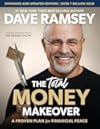 |
The Total Money Makeover Dave Ramsey Rating: ★★★★★ 4.7 avg Highlights: Build a $1,000 starter emergency fund, pay off debts with the snowball method, save 3–6 months of expenses, then invest 15% for retirement. Behavior-first, step-by-step plan. |
See on Amazon |
| 2 |  |
Your Money or Your Life Vicki Robin & Joe Dominguez Rating: ★★★★☆ 4.6 avg Highlights: Track every dollar, calculate your real hourly wage, align spending with values, and use a nine-step framework to widen the gap between income and expenses toward financial independence. |
See on Amazon |
| 3 |  |
I Will Teach You to Be Rich Ramit Sethi Rating: ★★★★★ 4.7 avg Highlights: Build an automated money system for bills, saving, and investing. Use a conscious spending plan for guilt‑free purchases and negotiation scripts to cut fees and interest rates. |
See on Amazon |
| 4 | 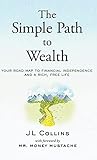 |
The Simple Path to Wealth JL Collins Rating: ★★★★★ 4.8 avg Highlights: Spend less than you earn, avoid debt, and invest the surplus in broad, low‑cost index funds. Keep costs low, stay the course, and build “F‑You Money” for security and freedom. |
See on Amazon |
| 5 | 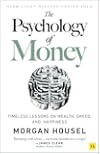 |
The Psychology of Money Morgan Housel Rating: ★★★★★ 4.8 avg Highlights: Money success is mostly behavior: humility, patience, and avoiding catastrophic losses. Let compounding work and aim to be reasonable rather than perfectly rational. |
See on Amazon |
| 6 |  |
The Automatic Millionaire David Bach Rating: ★★★★☆ 4.6 avg Highlights: Pay yourself first, automatically. Small, steady contributions into retirement and savings accounts compound over time, removing willpower from the process. |
See on Amazon |
| 7 | 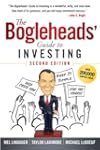 |
The Bogleheads’ Guide to Investing Taylor Larimore, Mel Lindauer & Michael LeBoeuf Rating: ★★★★★ 4.7 avg Highlights: Diversify with low‑cost index funds, choose an asset allocation you can live with, rebalance occasionally, and avoid market timing and high fees. |
See on Amazon |
| 8 | 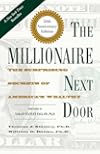 |
The Millionaire Next Door Thomas J. Stanley & William D. Danko Rating: ★★★★☆ 4.6 avg Highlights: Research shows many millionaires are quiet savers: they live below their means, avoid status spending, and channel income into assets for decades. |
See on Amazon |
| 9 | 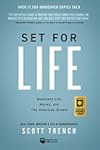 |
Set for Life Scott Trench Rating: ★★★★☆ 4.6 avg Highlights: Drive a high savings rate, grow income, and use big‑win tactics—like house hacking and controlled housing costs—to move from stability to security to independence. |
See on Amazon |
| 10 | 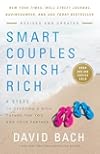 |
Smart Couples Finish Rich David Bach Rating: ★★★★☆ 4.6 avg Highlights: Create a shared money vision, automate saving and investing together, and cover retirement, insurance, and estate planning with clear, repeatable steps. |
See on Amazon |
Disclosure: As an Amazon Associate I earn from qualifying purchases. Prices and ratings change frequently; check Amazon for the latest details.
Leave a Reply