Beat Bloating and Stay Regular: 15 Powerful Foods That Relieve Constipation and Improve Digestion

Let’s talk about something most of us think about more often than we admit but rarely discuss out loud: constipation.
If you have ever felt uncomfortably full, sluggish, or frustrated because your body just will not cooperate, you are in very good company. Millions of Americans deal with occasional constipation every year. Busy schedules, low fiber diets, travel, stress, and not drinking enough water can all throw your digestion off track.
The good news is that your kitchen can be one of the most effective places to find relief. Certain foods naturally support healthy digestion, feed beneficial gut bacteria, and help keep bowel movements regular without relying on harsh remedies. When you choose the right mix of fiber rich produce, whole grains, and probiotic foods, your digestive system often responds quickly and gratefully.
Below are 15 of the best foods to relieve constipation and improve digestion, each easy to find in U.S. grocery stores and simple to add to your everyday meals.
1. Prunes
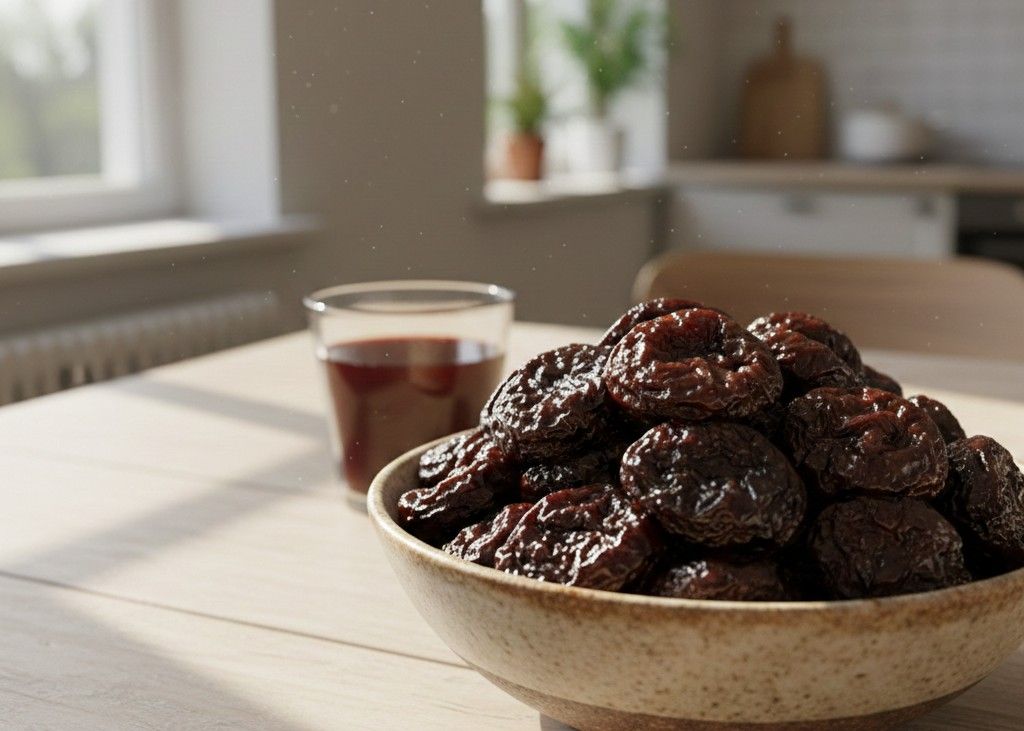
Prunes have earned their reputation for a reason. These dried plums contain both soluble and insoluble fiber, along with sorbitol, a natural compound that helps draw water into the intestines and soften stool. That combination can gently stimulate a bowel movement without feeling aggressive. Eating a small handful as a snack or drinking a small glass of prune juice in the morning can help get things moving. If you find the taste too strong, chop prunes into oatmeal or blend them into a smoothie for a naturally sweet digestive boost.
2. Chia Seeds
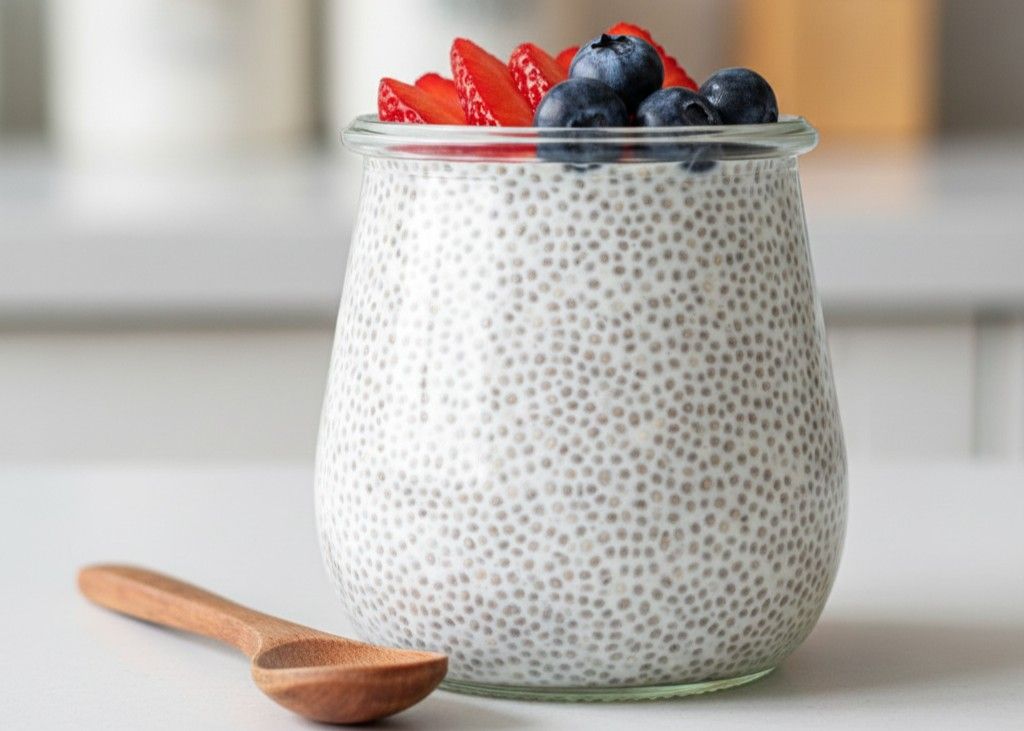
Chia seeds may be tiny, but they are one of the most fiber dense foods you can eat. When soaked in water or milk, they form a gel that helps add bulk and moisture to stool, making it easier to pass. Just one or two tablespoons can make a noticeable difference over time. Stir chia seeds into yogurt, sprinkle them over cereal, or make a simple chia pudding with almond milk and fruit. Be sure to drink enough water when increasing your chia intake so your digestive system can do its job comfortably.
3. Yogurt with Live Cultures

Not all yogurt is created equal. Look for labels that say “live and active cultures.” These beneficial bacteria, often called probiotics, help balance the gut microbiome and support smoother digestion. When your gut bacteria are thriving, your bowel habits tend to become more regular. Plain Greek yogurt topped with berries and a drizzle of honey makes a gut friendly breakfast. If dairy does not agree with you, many plant based yogurts now include added live cultures as well.
4. Kefir
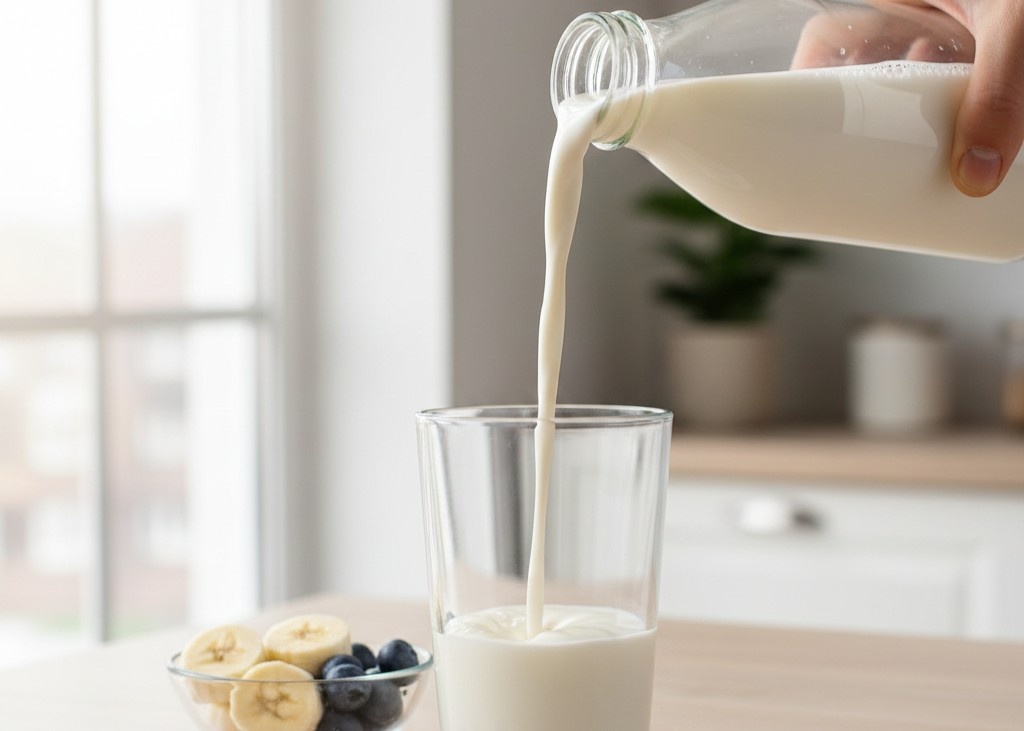
Kefir is a fermented milk drink that takes probiotics to the next level. It contains a wider variety of beneficial bacteria and yeasts than most yogurts. Many people find that regular consumption improves bloating and promotes more consistent bowel movements. Its tangy flavor works well in smoothies or poured over granola. If you are new to kefir, start with a small serving and build up gradually to see how your body responds.
5. Kiwifruit
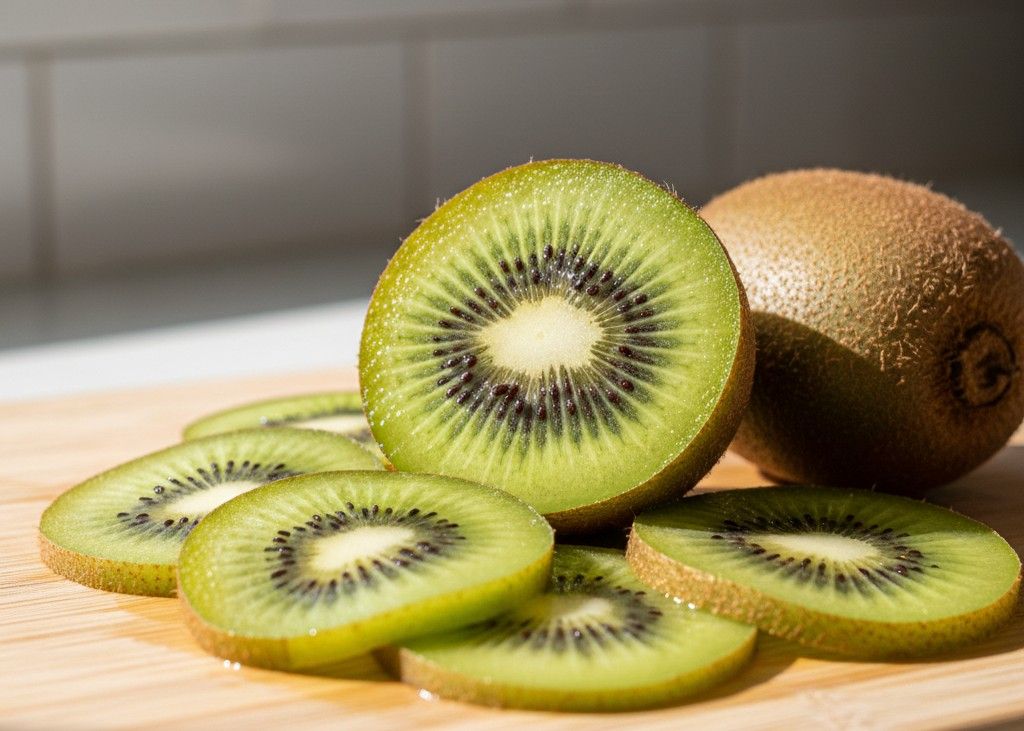
Kiwis are not just colorful and refreshing. They are surprisingly powerful when it comes to digestion. They provide both soluble and insoluble fiber and contain natural compounds that may stimulate intestinal movement. Some studies suggest that eating one or two kiwis a day can increase stool frequency and reduce straining. Slice them into a fruit salad, add them to your morning smoothie, or simply enjoy them with a spoon for a sweet and functional snack.
6. Pears
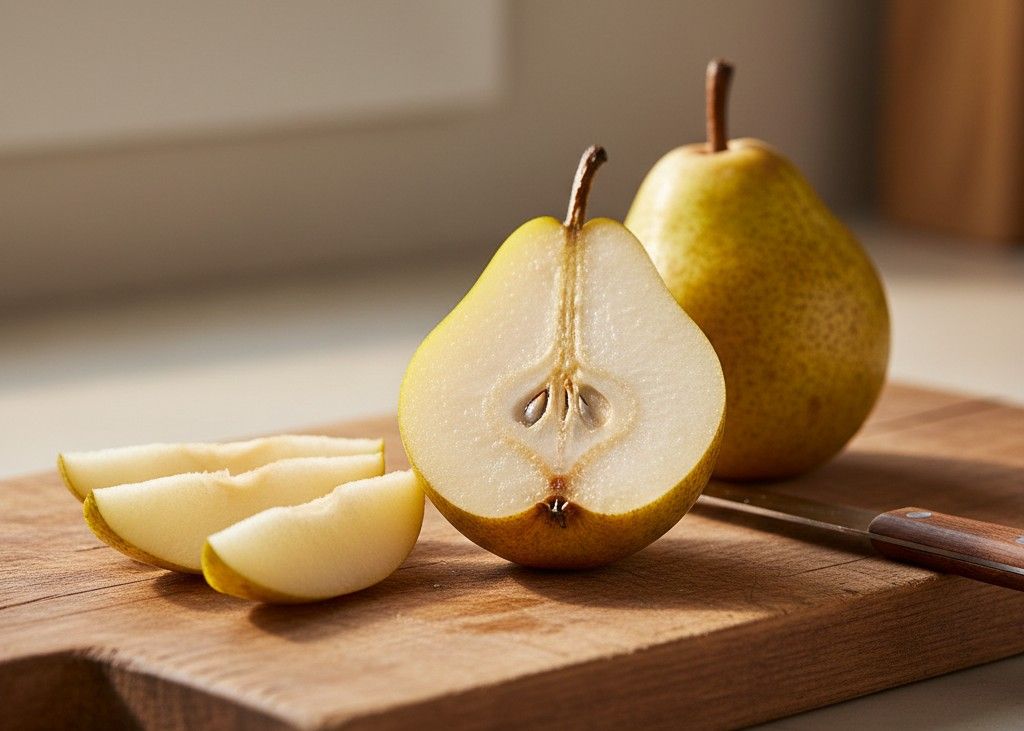
Pears are juicy, portable, and packed with fiber. Like prunes, they also contain sorbitol, which can help draw water into the digestive tract. Eating pears with the skin on maximizes their fiber content. They make an easy grab and go snack, especially for busy workdays. Pair a pear with a handful of nuts or a slice of cheese for a balanced mini meal that supports both digestion and energy levels.
7. Flaxseeds
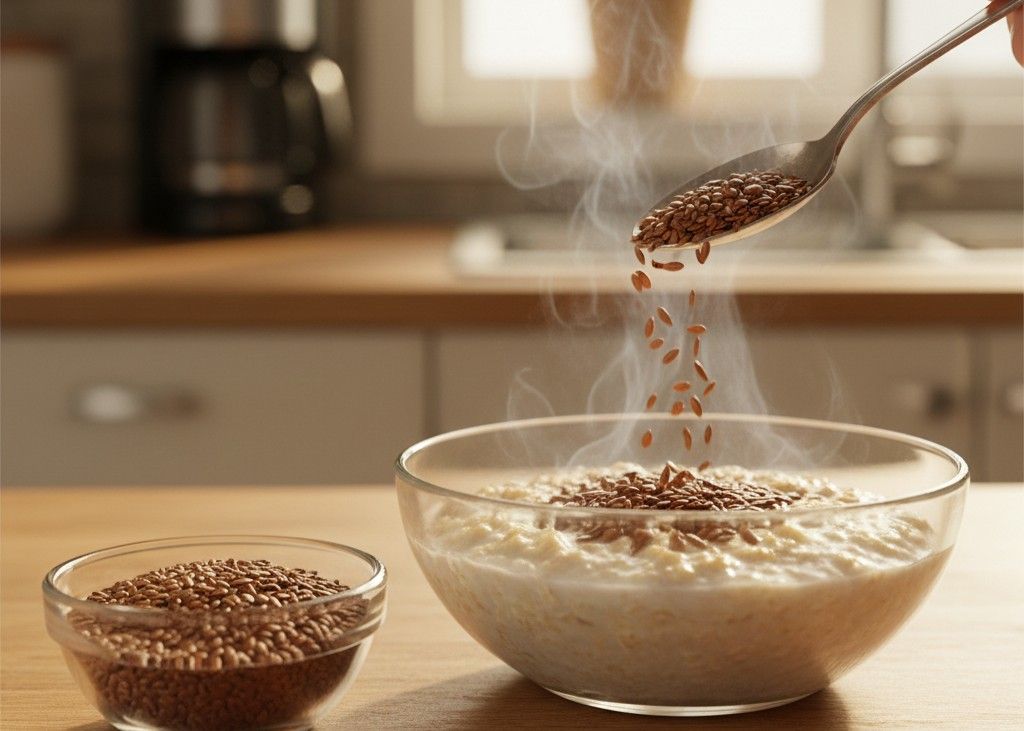
Ground flaxseeds offer a powerful combination of soluble and insoluble fiber. Soluble fiber helps soften stool, while insoluble fiber adds bulk and speeds up transit time. For best results, choose ground flaxseed instead of whole seeds, which can pass through the body undigested. Stir a tablespoon into oatmeal, pancake batter, or smoothies. Flaxseeds also provide heart healthy omega 3 fatty acids, making them a smart addition beyond digestive health.
8. Beans and Lentils
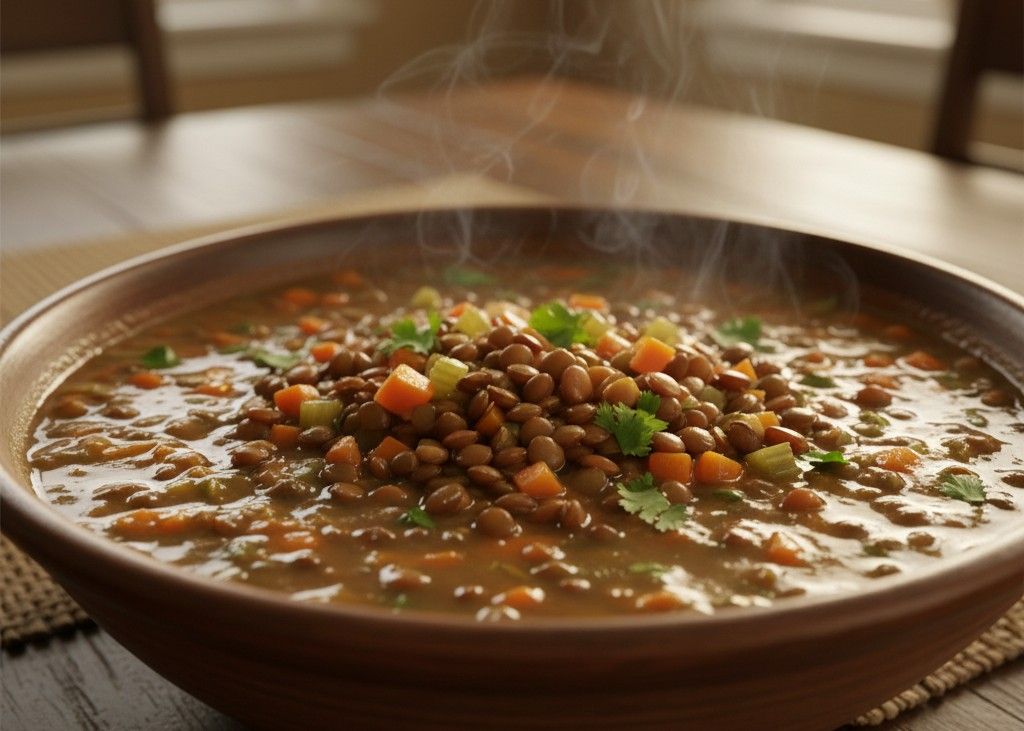
Beans, lentils, and chickpeas are some of the most effective foods for preventing constipation. They are rich in fiber and also provide plant based protein, which makes them filling and satisfying. Just one cup of cooked lentils delivers a substantial portion of your daily fiber needs. Add black beans to tacos, toss chickpeas into salads, or make a hearty lentil soup. If you are not used to eating legumes, increase your intake slowly to minimize gas and bloating.
9. Oats
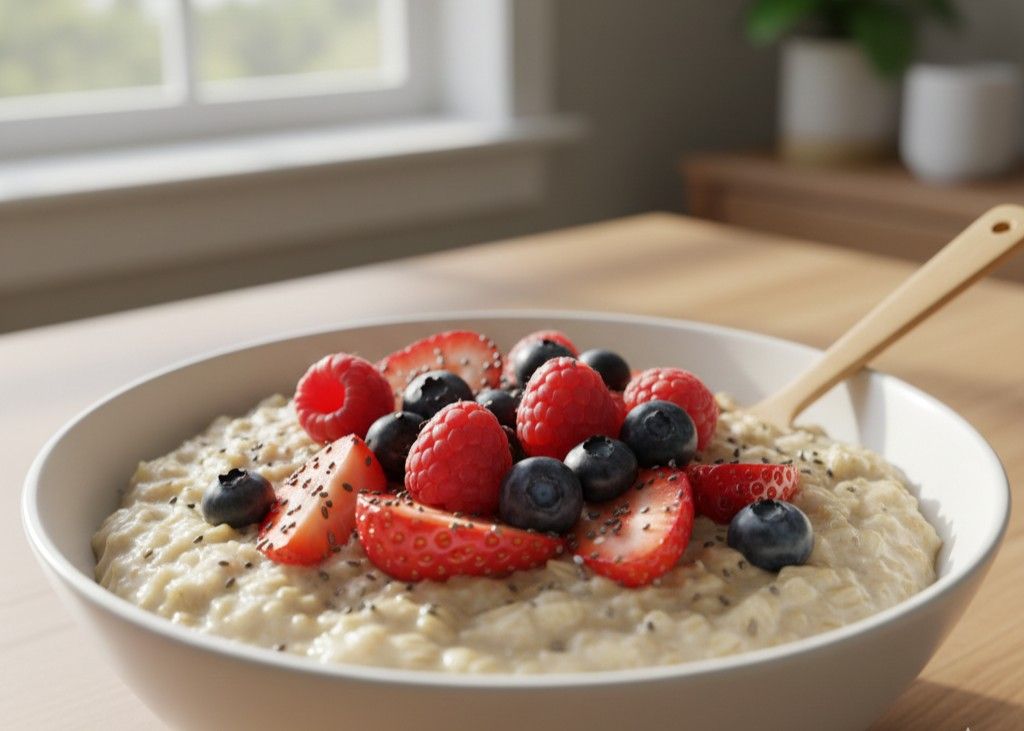
Oats are a breakfast favorite for good reason. They contain a type of soluble fiber called beta glucan, which forms a gel in the gut and helps soften stool. A warm bowl of oatmeal in the morning can be a comforting way to support regularity. Top it with berries, chia seeds, and a spoonful of nut butter for an even bigger fiber boost. Steel cut and old fashioned oats tend to be less processed than instant varieties and may offer greater digestive benefits.
10. Brown Rice
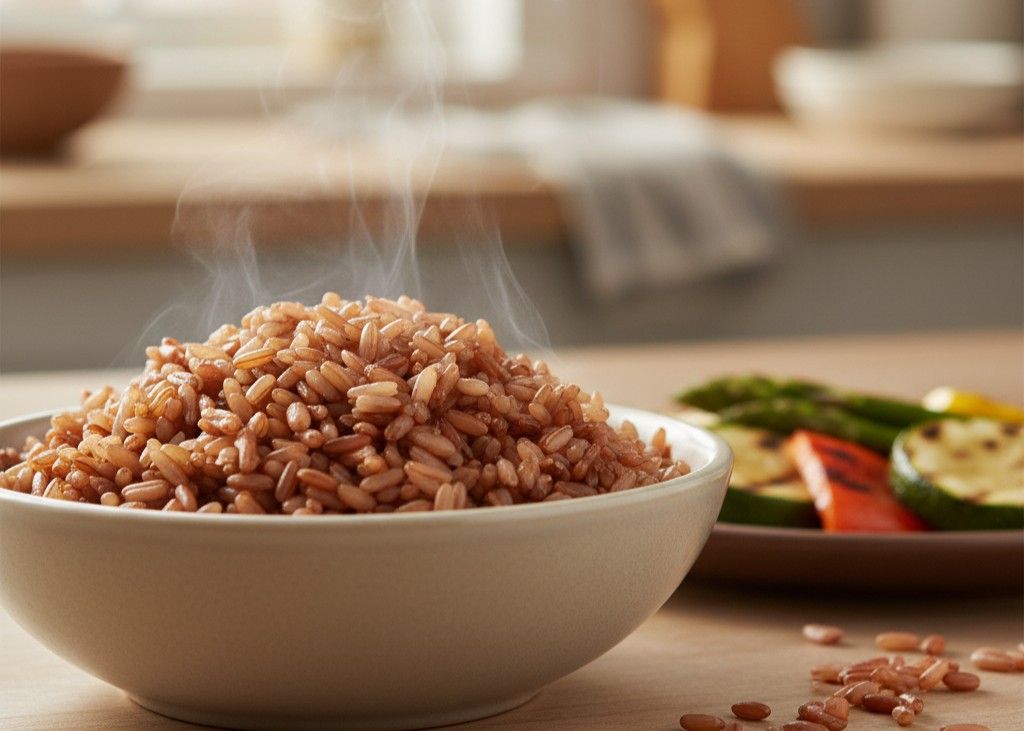
Brown rice keeps its outer bran layer intact, which means it retains more fiber than white rice. That extra fiber helps bulk up stool and promote smoother bowel movements. Swap white rice for brown rice in stir fries, grain bowls, and side dishes. The nutty flavor and chewy texture can make meals feel more satisfying while quietly supporting your digestive system.
11. Leafy Greens
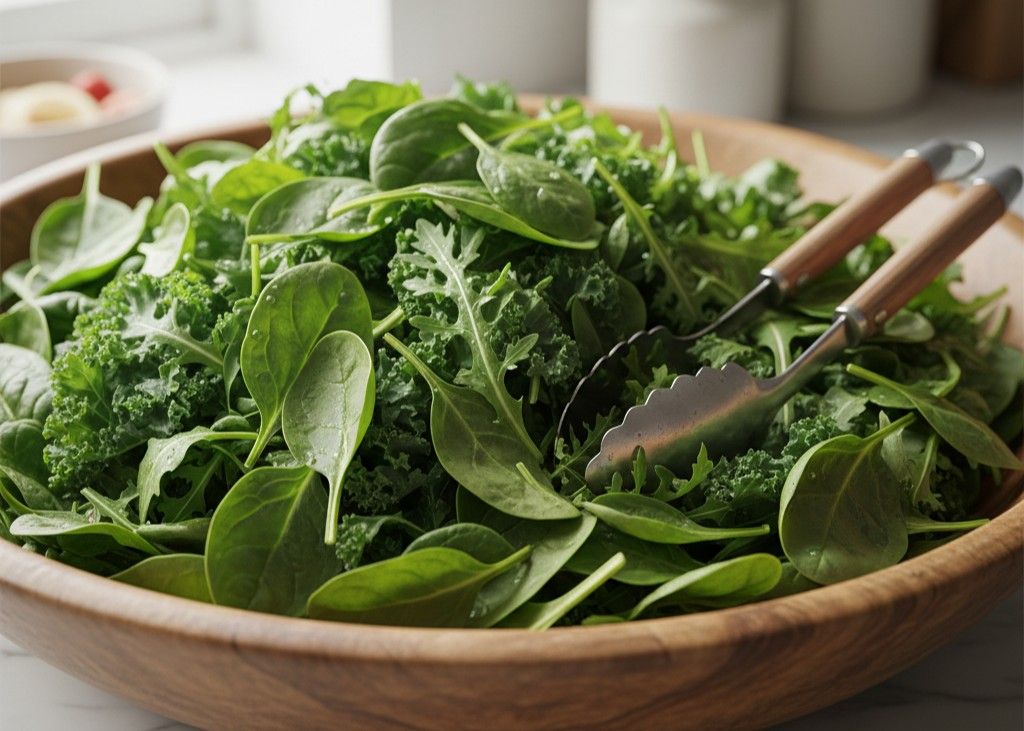
Spinach, kale, and other leafy greens are loaded with fiber, magnesium, and water content. Magnesium can help relax the muscles in the digestive tract, making it easier to pass stool. Adding a handful of spinach to scrambled eggs or blending kale into a smoothie is a simple way to increase your daily intake. Large salads topped with colorful vegetables can also provide a gentle nudge to a sluggish system.
12. Artichokes

Artichokes are one of the highest fiber vegetables available in most U.S. grocery stores. They are especially rich in a type of prebiotic fiber called inulin, which feeds beneficial gut bacteria. A healthy gut microbiome plays a major role in digestion and regularity. Steam whole artichokes and dip the leaves in olive oil and lemon, or use canned artichoke hearts in salads and pasta dishes for a convenient option.
13. Berries

Raspberries, blackberries, strawberries, and blueberries all contain impressive amounts of fiber along with antioxidants and water. Raspberries and blackberries are especially high in fiber compared to many other fruits. Toss a handful into your morning cereal, blend them into a smoothie, or enjoy them as a naturally sweet dessert. They add color to your plate and give your digestive system the roughage it needs to function properly.
14. Sweet Potatoes

Sweet potatoes are a comforting and versatile source of fiber. They contain both soluble and insoluble fiber, which helps support stool consistency and regularity. Roast them as wedges, mash them as a side dish, or cube them into a breakfast hash. Leaving the skin on adds even more fiber. Their natural sweetness makes them appealing to adults and kids alike, which is a win for the whole household.
15. Sauerkraut and Other Fermented Vegetables
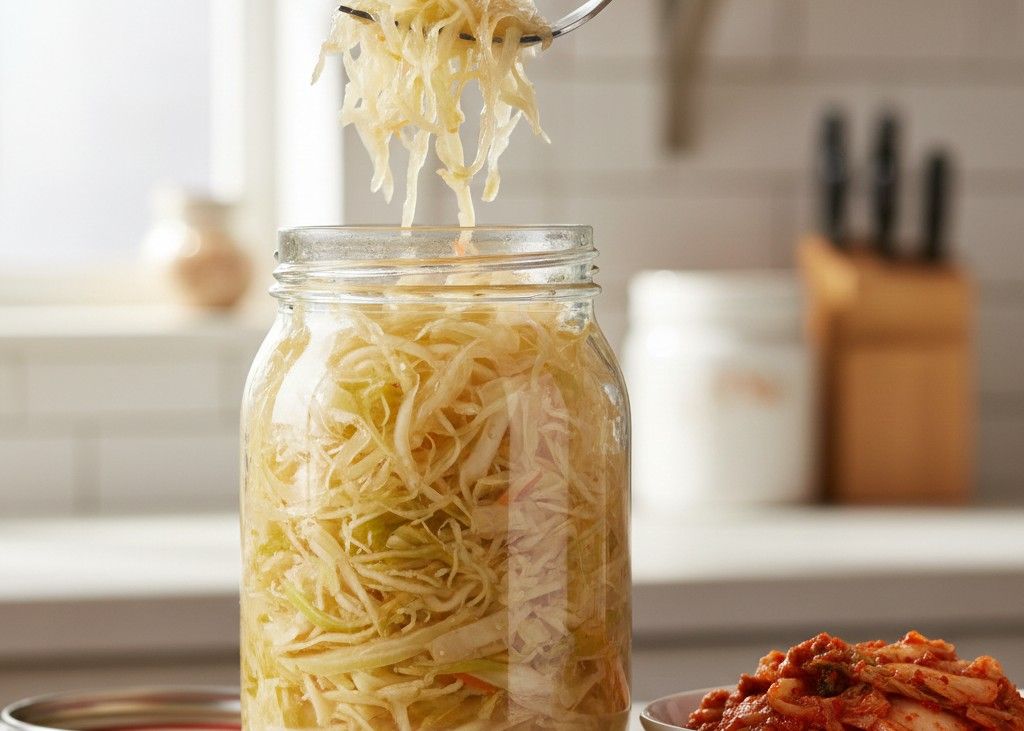
Fermented vegetables like sauerkraut and kimchi deliver both fiber and live beneficial bacteria. These probiotics help maintain a balanced gut environment, which can improve digestion and reduce occasional constipation. A small serving alongside sandwiches, grain bowls, or grilled meats can add tangy flavor and functional benefits. Look for refrigerated varieties that list live cultures on the label for maximum impact.
Final Thoughts

Improving digestion and relieving constipation does not require an extreme cleanse or complicated plan. In most cases, it starts with simple, consistent changes. Adding more fiber rich whole foods, drinking enough water, and staying physically active can make a dramatic difference over time.
If you decide to increase your fiber intake, do it gradually. Jumping from very little fiber to a high fiber diet overnight can lead to gas and discomfort. Aim to add one or two of these foods at a time and pay attention to how your body responds. And remember, hydration matters. Fiber works best when it has water to absorb.
Your digestive system works hard for you every day. When you nourish it with whole, plant forward foods and probiotic rich options, it often rewards you with better energy, less bloating, and more predictable bathroom visits. It may not be the most glamorous topic, but feeling comfortable in your own body is worth it. Sometimes the path to better health truly does begin with what is on your plate.
Leave a Reply