Our Debt Free Family

Commit. Plan. Take action.

  • BUDGETING
  • DEBT REDUCTION
  • INVESTING
  • LIFESTYLE
  • TOOLS
  • ABOUT
  • Privacy Policy
  • CONTACT
You are here: Home / Health & Fitness / 12 Vital Health Screenings for Your 40s: Stay Healthy and Proactive

12 Vital Health Screenings for Your 40s: Stay Healthy and Proactive

October 15, 2025 | Leave a Comment

12 Vital Health Screenings for Your 40s: Stay Healthy and Proactive

<p> Reaching your 40s is a milestone that comes with new health considerations. While you may still feel youthful, your body undergoes subtle changes that can increase the risk of certain conditions. The best way to stay ahead of potential health issues is through regular screenings. These tests help detect problems early when they are easier to treat. Here are 12 vital health screenings you should not skip in your 40s to maintain optimal well-being. </p> :: Freepik

Reaching your 40s is a milestone that comes with new health considerations. While you may still feel youthful, your body undergoes subtle changes that can increase the risk of certain conditions. The best way to stay ahead of potential health issues is through regular screenings. These tests help detect problems early when they are easier to treat. Here are 12 vital health screenings you should not skip in your 40s to maintain optimal well-being.


1. Blood Pressure Check
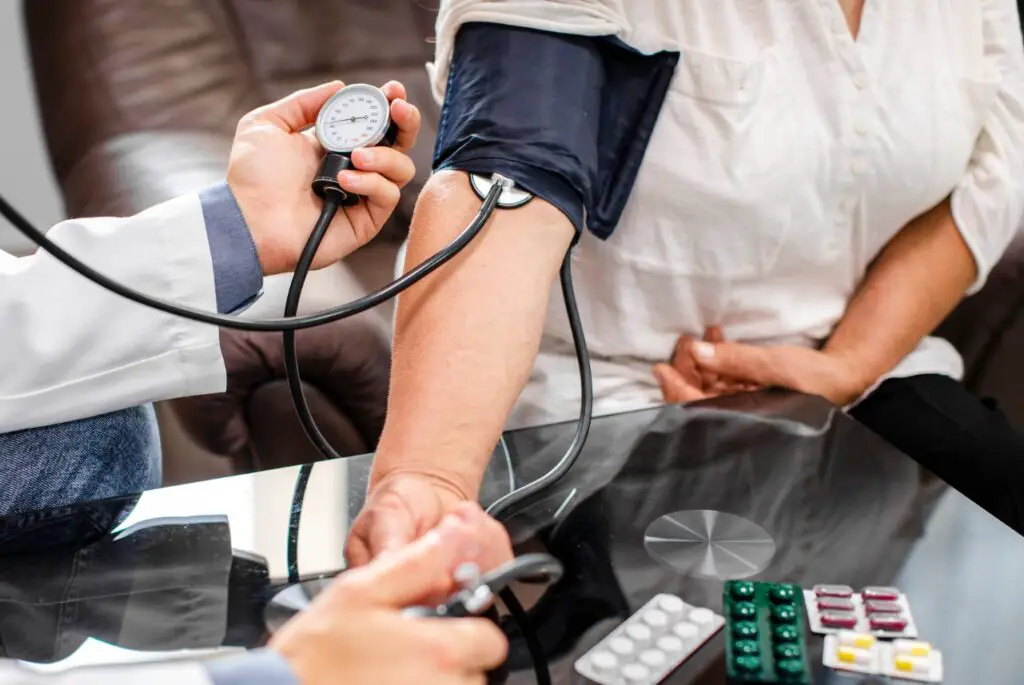
<p> High blood pressure is often called the "silent killer" because it usually has no symptoms but can lead to heart disease, stroke, and kidney damage. A blood pressure screening is a simple, non-invasive test that helps monitor your cardiovascular health. Doctors recommend checking your blood pressure at least once a year. If your readings are consistently high, lifestyle changes or medications may be necessary to keep it in a healthy range. </p> :: Freepik

High blood pressure is often called the “silent killer” because it usually has no symptoms but can lead to heart disease, stroke, and kidney damage. A blood pressure screening is a simple, non-invasive test that helps monitor your cardiovascular health. Doctors recommend checking your blood pressure at least once a year. If your readings are consistently high, lifestyle changes or medications may be necessary to keep it in a healthy range.


2. Cholesterol Screening

<p> High cholesterol levels can increase the risk of heart disease, stroke, and other cardiovascular issues. In your 40s, it is essential to have a lipid panel test every four to six years, or more frequently if you have a family history of heart disease. This screening measures your levels of LDL (bad cholesterol), HDL (good cholesterol), and triglycerides, providing insight into your heart health and the necessary steps to keep it in check. </p> :: Freepik

High cholesterol levels can increase the risk of heart disease, stroke, and other cardiovascular issues. In your 40s, it is essential to have a lipid panel test every four to six years, or more frequently if you have a family history of heart disease. This screening measures your levels of LDL (bad cholesterol), HDL (good cholesterol), and triglycerides, providing insight into your heart health and the necessary steps to keep it in check.


3. Blood Sugar Test

<p> Type 2 diabetes is becoming more common in adults, and the risk increases with age. A fasting blood sugar test or an A1C test can help detect prediabetes or diabetes early, allowing for timely intervention. If left untreated, diabetes can lead to complications such as nerve damage, kidney disease, and vision problems. If you have risk factors such as obesity, a sedentary lifestyle, or a family history of diabetes, more frequent testing may be recommended. </p> :: Freepik

Type 2 diabetes is becoming more common in adults, and the risk increases with age. A fasting blood sugar test or an A1C test can help detect prediabetes or diabetes early, allowing for timely intervention. If left untreated, diabetes can lead to complications such as nerve damage, kidney disease, and vision problems. If you have risk factors such as obesity, a sedentary lifestyle, or a family history of diabetes, more frequent testing may be recommended.


4. Mammogram (for Women)

<p> Breast cancer risk increases with age, making regular mammograms essential for early detection. Women in their 40s should discuss with their doctors whether to start annual or biennial mammograms based on their individual risk factors. Early detection significantly improves the chances of successful treatment. Self-examinations and clinical breast exams also play a role in maintaining breast health. </p> :: cwcobgyn.com

Breast cancer risk increases with age, making regular mammograms essential for early detection. Women in their 40s should discuss with their doctors whether to start annual or biennial mammograms based on their individual risk factors. Early detection significantly improves the chances of successful treatment. Self-examinations and clinical breast exams also play a role in maintaining breast health.

5. Prostate Cancer Screening (for Men)

<p> Prostate cancer is one of the most common cancers in men, and early detection can make a significant difference in treatment outcomes. The PSA (prostate-specific antigen) test and a digital rectal exam (DRE) help identify prostate issues. Men with a family history of prostate cancer or other risk factors should have a conversation with their doctor about when to start screening. </p> :: Freepik

Prostate cancer is one of the most common cancers in men, and early detection can make a significant difference in treatment outcomes. The PSA (prostate-specific antigen) test and a digital rectal exam (DRE) help identify prostate issues. Men with a family history of prostate cancer or other risk factors should have a conversation with their doctor about when to start screening.


6. Colorectal Cancer Screening

<p> While colonoscopies are typically recommended at age 45, some individuals with risk factors such as a family history of colorectal cancer should consider screening earlier. Colon cancer is highly preventable and treatable when detected early. Alternatives to colonoscopy, such as stool-based tests, are available, but a colonoscopy remains the gold standard for detecting precancerous polyps and early-stage cancers. </p> :: Freepik

While colonoscopies are typically recommended at age 45, some individuals with risk factors such as a family history of colorectal cancer should consider screening earlier. Colon cancer is highly preventable and treatable when detected early. Alternatives to colonoscopy, such as stool-based tests, are available, but a colonoscopy remains the gold standard for detecting precancerous polyps and early-stage cancers.


7. Eye Exam
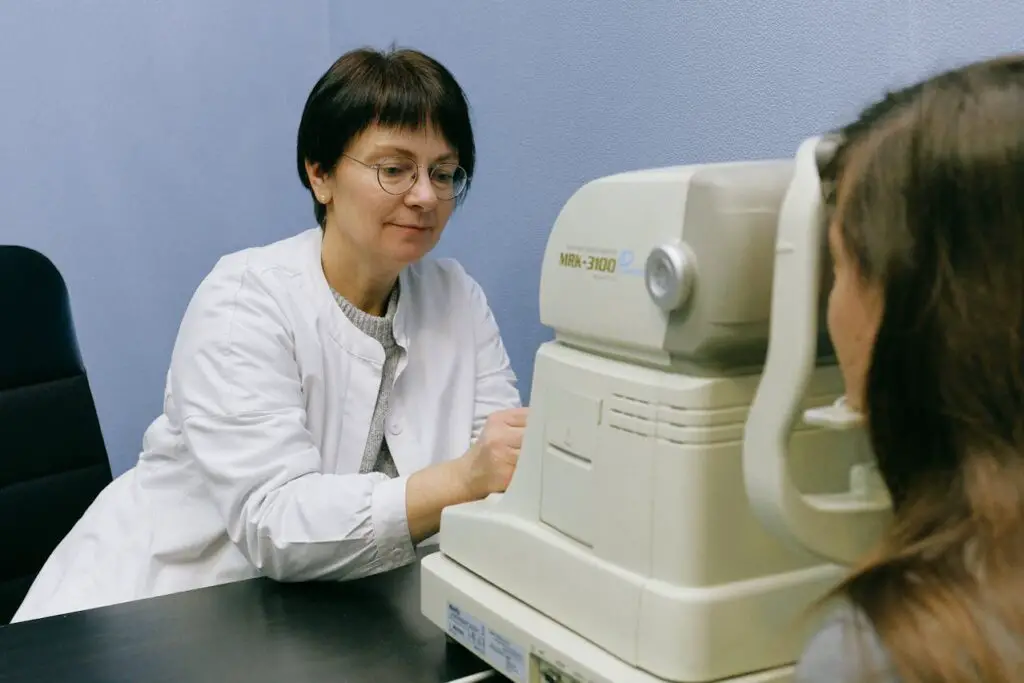
<p> Vision changes are common in your 40s, with many people experiencing difficulty reading small print due to presbyopia. Additionally, regular eye exams help detect conditions like glaucoma, cataracts, and macular degeneration, which become more prevalent with age. Eye exams also offer insights into overall health, as they can reveal signs of diabetes, high blood pressure, and other systemic diseases. </p> :: Pexels

Vision changes are common in your 40s, with many people experiencing difficulty reading small print due to presbyopia. Additionally, regular eye exams help detect conditions like glaucoma, cataracts, and macular degeneration, which become more prevalent with age. Eye exams also offer insights into overall health, as they can reveal signs of diabetes, high blood pressure, and other systemic diseases.


8. Skin Cancer Screening

<p> Skin cancer is the most common type of cancer, and early detection is key to effective treatment. A dermatologist can perform a full-body skin exam to check for suspicious moles or lesions. Self-examinations are also crucial, especially if you have a history of sun exposure or a family history of skin cancer. Any new or changing moles should be evaluated promptly. </p> :: Freepik

Skin cancer is the most common type of cancer, and early detection is key to effective treatment. A dermatologist can perform a full-body skin exam to check for suspicious moles or lesions. Self-examinations are also crucial, especially if you have a history of sun exposure or a family history of skin cancer. Any new or changing moles should be evaluated promptly.


9. Bone Density Test

<p> Osteoporosis is often considered a concern for older adults, but bone loss can begin in your 40s. A bone density test (DEXA scan) assesses bone strength and helps identify the risk of fractures. Women, particularly those with a family history of osteoporosis or other risk factors like smoking or low calcium intake, should discuss this screening with their doctor to prevent future bone health issues. </p> :: Freepik

Osteoporosis is often considered a concern for older adults, but bone loss can begin in your 40s. A bone density test (DEXA scan) assesses bone strength and helps identify the risk of fractures. Women, particularly those with a family history of osteoporosis or other risk factors like smoking or low calcium intake, should discuss this screening with their doctor to prevent future bone health issues.


10. Thyroid Function Test

<p> Thyroid disorders, such as hypothyroidism and hyperthyroidism, can cause symptoms like fatigue, weight changes, mood swings, and temperature sensitivity. A simple blood test measuring thyroid hormone levels (TSH, T3, and T4) can detect any imbalances. Undiagnosed thyroid issues can impact metabolism, heart health, and overall well-being, making screening in your 40s an important step in maintaining energy levels and hormonal balance. </p> :: Freepik

Thyroid disorders, such as hypothyroidism and hyperthyroidism, can cause symptoms like fatigue, weight changes, mood swings, and temperature sensitivity. A simple blood test measuring thyroid hormone levels (TSH, T3, and T4) can detect any imbalances. Undiagnosed thyroid issues can impact metabolism, heart health, and overall well-being, making screening in your 40s an important step in maintaining energy levels and hormonal balance.


11. Hearing Test
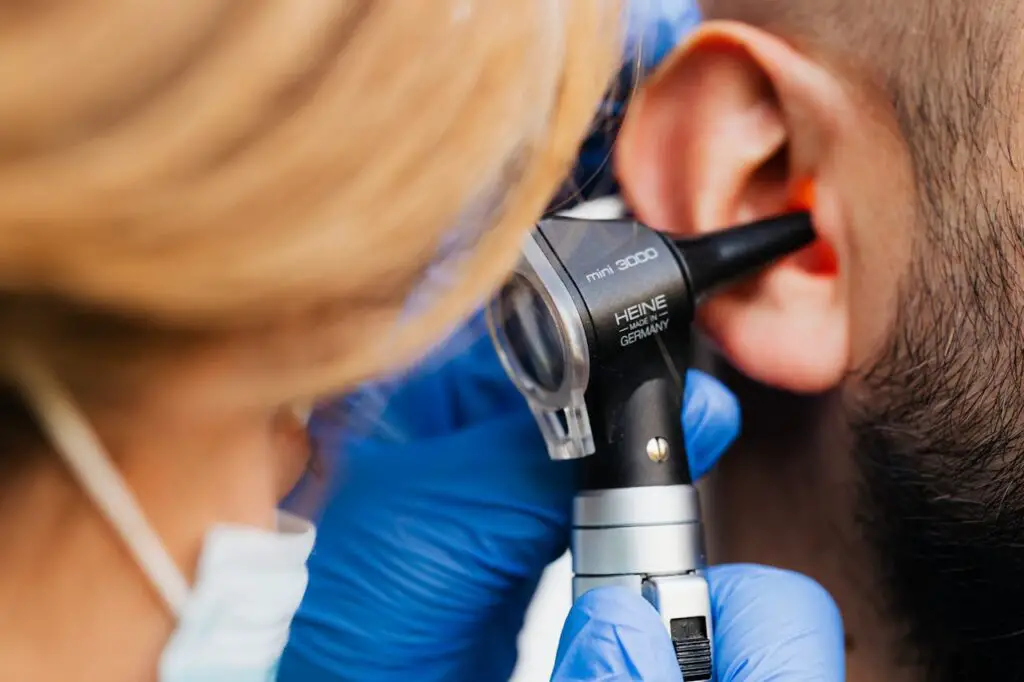
<p> Hearing loss can occur gradually, and many people do not realize they are experiencing it until it significantly affects their daily life. A hearing test in your 40s can establish a baseline and detect early signs of hearing impairment. Exposure to loud noises, genetics, and aging all contribute to hearing decline, so early detection can help manage and prevent further loss. </p> :: Pexels

Hearing loss can occur gradually, and many people do not realize they are experiencing it until it significantly affects their daily life. A hearing test in your 40s can establish a baseline and detect early signs of hearing impairment. Exposure to loud noises, genetics, and aging all contribute to hearing decline, so early detection can help manage and prevent further loss.


12. Mental Health Screening

<p> Mental health is just as important as physical health, and issues such as anxiety, depression, and stress-related disorders often emerge in midlife. A mental health screening can help identify underlying concerns and provide guidance on effective treatments. Seeking professional help, engaging in stress management techniques, and prioritizing self-care can significantly improve emotional well-being and overall quality of life. </p> :: Pexels

Mental health is just as important as physical health, and issues such as anxiety, depression, and stress-related disorders often emerge in midlife. A mental health screening can help identify underlying concerns and provide guidance on effective treatments. Seeking professional help, engaging in stress management techniques, and prioritizing self-care can significantly improve emotional well-being and overall quality of life.


Final Thoughts

<p> Your 40s are a critical time to take charge of your health through preventive screenings and lifestyle adjustments. By staying proactive, you can catch potential health concerns early and take the necessary steps to maintain your well-being. Regular check-ups, a balanced diet, regular exercise, and stress management all contribute to a healthier and more fulfilling life. Schedule your screenings today and invest in a healthier future! </p> :: Pexels

Your 40s are a critical time to take charge of your health through preventive screenings and lifestyle adjustments. By staying proactive, you can catch potential health concerns early and take the necessary steps to maintain your well-being. Regular check-ups, a balanced diet, regular exercise, and stress management all contribute to a healthier and more fulfilling life. Schedule your screenings today and invest in a healthier future!

Filed Under: Health & Fitness

Leave a Reply Cancel reply

Your email address will not be published. Required fields are marked *

  • Email
  • Facebook
  • Pinterest
  • Twitter

Our Most Popular Articles

ClickCashGo Review: Should You Avoid At All Costs?

Ultimate Guide to Mastering Your Credit Score

The 'YOLO' Mindset is a Dangerous Thing

Dave Ramsey's Financial Peace University Review: Is it Worth the Money?

Cash App Glitch 2025: Is the Free Money Glitch Real?

Five Steps To Debt Freedom

Here are five simple guidlines that will help you pay off debt.  

1) Get an emergency fund so you don’t take on debt when something comes up.

2) List your debts. This way you know where you stand.

3) Use the debt snowball. Pay your debts from smallest to largest, or most expensive to least expensive.

4) Avoid new debt. No new credit cards or loans. Period.

5) Go all cash. After everything is paid off, switch to all cash.

Helpful Resources

U of Tennesse Debt Repayment Plan Basics

Vertex 42's Debt Payoff Calculator

Savingadvice's Helpful Debt Forums

Jackie Becks Debt Blog