Our Debt Free Family

Commit. Plan. Take action.

  • BUDGETING
  • DEBT REDUCTION
  • INVESTING
  • LIFESTYLE
  • TOOLS
  • ABOUT
  • Privacy Policy
  • CONTACT
You are here: Home / Health & Fitness / How to Start Walking for Weight Loss: 8 Expert-Backed Tips to Get Results
How to Start Walking for Weight Loss: 8 Expert-Backed Tips to Get Results

January 15, 2026 | Leave a Comment

How to Start Walking for Weight Loss: 8 Expert-Backed Tips to Get Results

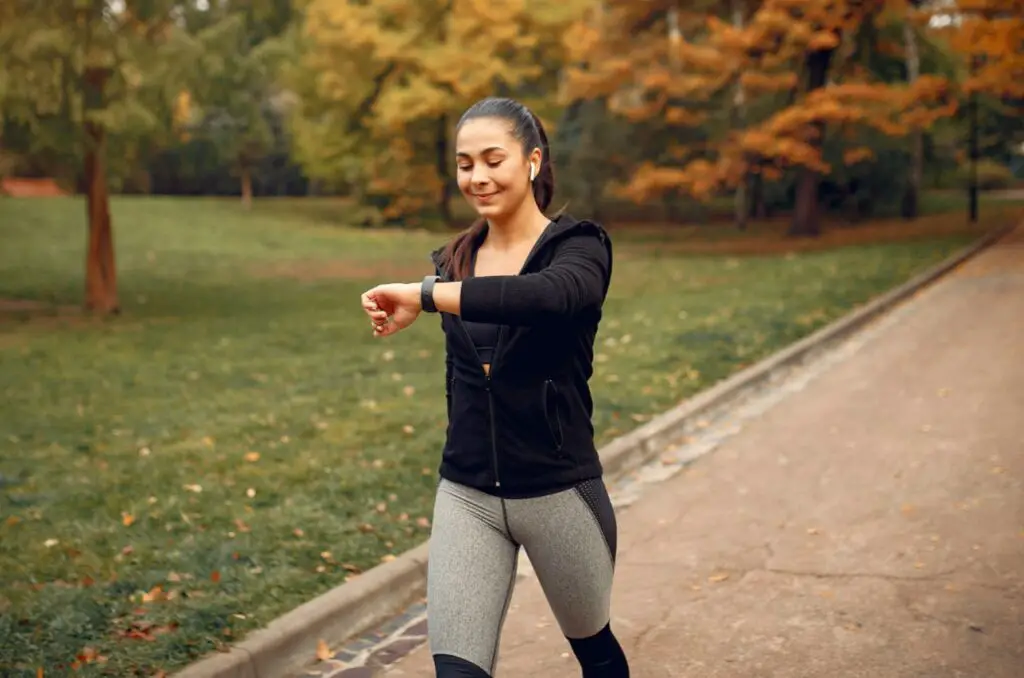
<p> Walking might seem like a simple activity, but when done with intention and consistency, it can be one of the most powerful tools in your weight loss journey. It is accessible, low-impact, and incredibly effective when paired with the right strategies. Whether you are new to exercise or looking for a sustainable way to shed pounds, walking offers a path to better health that does not require expensive equipment or a gym membership. Below are eight expert-backed tips that will help you walk your way to weight loss success while making the process enjoyable and manageable. </p> :: Freepik

Walking might seem like a simple activity, but when done with intention and consistency, it can be one of the most powerful tools in your weight loss journey. It is accessible, low-impact, and incredibly effective when paired with the right strategies. Whether you are new to exercise or looking for a sustainable way to shed pounds, walking offers a path to better health that does not require expensive equipment or a gym membership. Below are eight expert-backed tips that will help you walk your way to weight loss success while making the process enjoyable and manageable.

1. Start with a Realistic Walking Schedule You Can Stick To

<p> The biggest mistake beginners make is diving into an unrealistic workout plan that quickly leads to burnout or injury. Instead, experts recommend starting with short, manageable walks—aim for 15 to 20 minutes a day, five days a week. As you build endurance and confidence, gradually increase the time and frequency. The key is consistency, not perfection. Even light walking has been shown to improve cardiovascular health, boost mood, and burn calories. When it becomes a regular habit, those daily steps add up quickly and create lasting change. Scheduling your walks, like you would any important meeting, also increases your chances of staying on track. </p> :: Pexels

The biggest mistake beginners make is diving into an unrealistic workout plan that quickly leads to burnout or injury. Instead, experts recommend starting with short, manageable walks—aim for 15 to 20 minutes a day, five days a week. As you build endurance and confidence, gradually increase the time and frequency. The key is consistency, not perfection. Even light walking has been shown to improve cardiovascular health, boost mood, and burn calories. When it becomes a regular habit, those daily steps add up quickly and create lasting change. Scheduling your walks, like you would any important meeting, also increases your chances of staying on track.

2. Track Your Steps and Set Smart Goals

<p> Setting step goals helps you stay accountable and provides a tangible way to measure your progress. While the classic benchmark of 10,000 steps a day is well known, it is not the only metric for success. Experts suggest starting with your current average and increasing it by 500 to 1,000 steps each week. Using a pedometer, fitness tracker, or smartphone app can help you monitor your movement throughout the day. Watching your step count grow is not only motivating but also reinforces how everyday activities like walking the dog or running errands contribute to your fitness goals. Tracking can also help identify patterns and optimize your walking routine for better results. </p> :: Pexels

Setting step goals helps you stay accountable and provides a tangible way to measure your progress. While the classic benchmark of 10,000 steps a day is well known, it is not the only metric for success. Experts suggest starting with your current average and increasing it by 500 to 1,000 steps each week. Using a pedometer, fitness tracker, or smartphone app can help you monitor your movement throughout the day. Watching your step count grow is not only motivating but also reinforces how everyday activities like walking the dog or running errands contribute to your fitness goals. Tracking can also help identify patterns and optimize your walking routine for better results.

3. Incorporate Intervals to Burn More Calories

<p> Walking at a steady pace is good, but adding intervals can supercharge your weight loss. Interval walking means alternating between periods of brisk walking and slower, recovery-paced walking. According to fitness professionals, these bursts of increased intensity raise your heart rate, improve endurance, and significantly boost calorie burn. For instance, walk briskly for one minute, then slow down for two minutes, and repeat the cycle for 20 to 30 minutes. Over time, you can shorten the recovery period or increase the intensity to challenge your body. This method not only enhances fat burning but also keeps your walks engaging and prevents workout boredom. </p> :: Pexels

Walking at a steady pace is good, but adding intervals can supercharge your weight loss. Interval walking means alternating between periods of brisk walking and slower, recovery-paced walking. According to fitness professionals, these bursts of increased intensity raise your heart rate, improve endurance, and significantly boost calorie burn. For instance, walk briskly for one minute, then slow down for two minutes, and repeat the cycle for 20 to 30 minutes. Over time, you can shorten the recovery period or increase the intensity to challenge your body. This method not only enhances fat burning but also keeps your walks engaging and prevents workout boredom.

4. Use Proper Walking Form to Prevent Injury and Improve Efficiency

<p> Your posture and stride can significantly affect how effective and safe your walks are. Experts advise maintaining good walking form by keeping your head up, shoulders relaxed, and arms bent at a 90-degree angle while swinging them naturally. Engaging your core and avoiding slouching helps reduce lower back strain and improves balance. Make sure your feet roll from heel to toe with each step for better shock absorption and smoother movement. Proper walking mechanics prevent injuries such as shin splints or knee pain and enable you to walk longer distances with less fatigue, which is essential for achieving and maintaining weight loss. </p> :: Pexels

Your posture and stride can significantly affect how effective and safe your walks are. Experts advise maintaining good walking form by keeping your head up, shoulders relaxed, and arms bent at a 90-degree angle while swinging them naturally. Engaging your core and avoiding slouching helps reduce lower back strain and improves balance. Make sure your feet roll from heel to toe with each step for better shock absorption and smoother movement. Proper walking mechanics prevent injuries such as shin splints or knee pain and enable you to walk longer distances with less fatigue, which is essential for achieving and maintaining weight loss.

5. Fuel Your Body the Right Way Before and After Walking

<p> Walking is a form of exercise, and just like with any physical activity, nutrition plays a key role in performance and recovery. Eating a light, balanced snack 30 to 60 minutes before walking can provide the energy needed to stay active—try options like a banana with peanut butter or Greek yogurt with berries. After your walk, especially if it is longer than 30 minutes, replenish with a combination of protein and healthy carbs to support muscle recovery. Staying well-hydrated before and after your walk also prevents fatigue and helps with metabolism. Making smart food choices supports your walking routine and helps maximize your weight loss results. </p> :: Pexels

Walking is a form of exercise, and just like with any physical activity, nutrition plays a key role in performance and recovery. Eating a light, balanced snack 30 to 60 minutes before walking can provide the energy needed to stay active—try options like a banana with peanut butter or Greek yogurt with berries. After your walk, especially if it is longer than 30 minutes, replenish with a combination of protein and healthy carbs to support muscle recovery. Staying well-hydrated before and after your walk also prevents fatigue and helps with metabolism. Making smart food choices supports your walking routine and helps maximize your weight loss results.

6. Mix Up Your Routes to Stay Engaged and Motivated
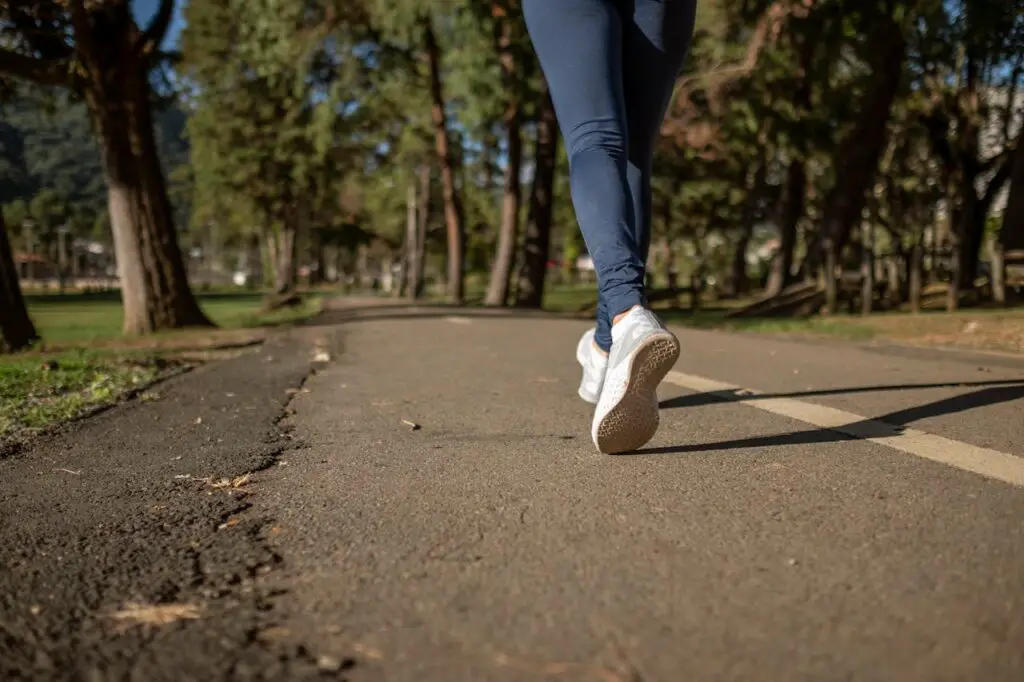
<p> Doing the same walking loop every day can become monotonous and lead to decreased motivation. To keep your routine exciting and avoid hitting a plateau, vary your routes by exploring different neighborhoods, parks, trails, or indoor walking tracks. Changing your scenery not only keeps you mentally stimulated but can also increase the duration of your walks without you noticing. If possible, add in routes with hills or uneven terrain to engage different muscles and increase intensity. Listening to music, podcasts, or audiobooks can also make your walks more enjoyable, turning a workout into something you look forward to. </p> :: Pexels

Doing the same walking loop every day can become monotonous and lead to decreased motivation. To keep your routine exciting and avoid hitting a plateau, vary your routes by exploring different neighborhoods, parks, trails, or indoor walking tracks. Changing your scenery not only keeps you mentally stimulated but can also increase the duration of your walks without you noticing. If possible, add in routes with hills or uneven terrain to engage different muscles and increase intensity. Listening to music, podcasts, or audiobooks can also make your walks more enjoyable, turning a workout into something you look forward to.

7. Pair Walking with Mindfulness or Stress Reduction Techniques

<p> Walking offers more than just physical benefits—it can be a valuable tool for managing stress and improving mental health. High stress levels are known to contribute to weight gain and poor eating habits. Experts suggest incorporating mindfulness during your walks by focusing on your breath, your surroundings, or how your body feels with each step. You can also try walking meditations or simply unplugging from digital distractions to be present in the moment. This practice can reduce anxiety, curb emotional eating, and promote better sleep—all of which support your overall weight loss goals. Mindful walking turns your daily exercise into a holistic wellness activity. </p> :: Pexels

Walking offers more than just physical benefits—it can be a valuable tool for managing stress and improving mental health. High stress levels are known to contribute to weight gain and poor eating habits. Experts suggest incorporating mindfulness during your walks by focusing on your breath, your surroundings, or how your body feels with each step. You can also try walking meditations or simply unplugging from digital distractions to be present in the moment. This practice can reduce anxiety, curb emotional eating, and promote better sleep—all of which support your overall weight loss goals. Mindful walking turns your daily exercise into a holistic wellness activity.

8. Do Not Rely on Walking Alone—Balance It with Strength and Nutrition

<p> While walking is an excellent foundation for weight loss, combining it with strength training and good nutrition creates a more complete fitness plan. Walking primarily burns calories and improves cardiovascular health, but adding resistance exercises builds lean muscle, which helps you burn more calories at rest. Even simple bodyweight exercises like squats, lunges, and pushups can be effective. At the same time, a balanced diet rich in vegetables, lean protein, and whole grains enhances the benefits of your walking routine. Think of walking as your daily anchor for movement, but support it with other healthy habits for long-term success. </p> :: Pexels

While walking is an excellent foundation for weight loss, combining it with strength training and good nutrition creates a more complete fitness plan. Walking primarily burns calories and improves cardiovascular health, but adding resistance exercises builds lean muscle, which helps you burn more calories at rest. Even simple bodyweight exercises like squats, lunges, and pushups can be effective. At the same time, a balanced diet rich in vegetables, lean protein, and whole grains enhances the benefits of your walking routine. Think of walking as your daily anchor for movement, but support it with other healthy habits for long-term success.

Final Thoughts

<p> Walking for weight loss is not about quick fixes—it is about building a consistent, enjoyable routine that fits into your life. With the right approach, walking can transform your health, boost your mood, and help you shed unwanted pounds. By following these expert-backed tips—starting slow, setting goals, incorporating intervals, maintaining good form, eating well, and varying your routes—you can create a sustainable routine that delivers results. Walking may be simple, but when done with purpose and paired with smart strategies, it becomes one of the most powerful tools in your journey toward better health. </p> :: Pexels

Walking for weight loss is not about quick fixes—it is about building a consistent, enjoyable routine that fits into your life. With the right approach, walking can transform your health, boost your mood, and help you shed unwanted pounds. By following these expert-backed tips—starting slow, setting goals, incorporating intervals, maintaining good form, eating well, and varying your routes—you can create a sustainable routine that delivers results. Walking may be simple, but when done with purpose and paired with smart strategies, it becomes one of the most powerful tools in your journey toward better health.

Filed Under: Health & Fitness

Leave a Reply Cancel reply

Your email address will not be published. Required fields are marked *

  • Email
  • Facebook
  • Pinterest
  • Twitter

Our Most Popular Articles

ClickCashGo Review: Should You Avoid At All Costs?

Ultimate Guide to Mastering Your Credit Score

The 'YOLO' Mindset is a Dangerous Thing

Dave Ramsey's Financial Peace University Review: Is it Worth the Money?

Cash App Glitch 2025: Is the Free Money Glitch Real?

Five Steps To Debt Freedom

Here are five simple guidlines that will help you pay off debt.  

1) Get an emergency fund so you don’t take on debt when something comes up.

2) List your debts. This way you know where you stand.

3) Use the debt snowball. Pay your debts from smallest to largest, or most expensive to least expensive.

4) Avoid new debt. No new credit cards or loans. Period.

5) Go all cash. After everything is paid off, switch to all cash.

Helpful Resources

U of Tennesse Debt Repayment Plan Basics

Vertex 42's Debt Payoff Calculator

Savingadvice's Helpful Debt Forums

Jackie Becks Debt Blog