Our Debt Free Family

Commit. Plan. Take action.

  • BUDGETING
  • DEBT REDUCTION
  • INVESTING
  • LIFESTYLE
  • TOOLS
  • ABOUT
  • Privacy Policy
  • CONTACT
You are here: Home / Money / You’re Throwing Away Money on These 9 Things Every Month Without Realizing It

You’re Throwing Away Money on These 9 Things Every Month Without Realizing It

December 24, 2025 | Leave a Comment

You’re Throwing Away Money on These 9 Things Every Month Without Realizing It

<p> Do you ever look at your bank account at the end of the month and wonder, Where did all my money go? You’re not alone. While it’s easy to blame big-ticket items, the truth is most people waste a shocking amount of cash on small, recurring expenses they barely notice. These silent budget killers often fly under the radar—sneaky subscriptions, wasteful habits, and seemingly harmless purchases that slowly bleed your finances dry. The worst part? You could be losing hundreds every month without even realizing it. Let’s shine a light on nine everyday money drains that might be sabotaging your budget—and how to stop them before they sink your financial goals. </p> :: Freepik

Do you ever look at your bank account at the end of the month and wonder, Where did all my money go? You’re not alone. While it’s easy to blame big-ticket items, the truth is most people waste a shocking amount of cash on small, recurring expenses they barely notice. These silent budget killers often fly under the radar—sneaky subscriptions, wasteful habits, and seemingly harmless purchases that slowly bleed your finances dry. The worst part? You could be losing hundreds every month without even realizing it. Let’s shine a light on nine everyday money drains that might be sabotaging your budget—and how to stop them before they sink your financial goals.

1. Forgotten Subscriptions and Memberships

<p> In today’s digital world, it’s easier than ever to sign up for a subscription—and just as easy to forget about it. Whether it’s a meditation app, a cloud storage service, or a digital magazine you never read, these monthly charges can pile up fast. What starts as a $7.99 subscription here or a $14.99 membership there can quietly add up to hundreds annually. The real danger is in how seamlessly these payments are processed in the background. To stop the drain, audit your bank and credit card statements monthly or use a subscription-tracking app. Cancel anything you don’t use at least once a week. Your budget will thank you. </p> :: Freepik

In today’s digital world, it’s easier than ever to sign up for a subscription—and just as easy to forget about it. Whether it’s a meditation app, a cloud storage service, or a digital magazine you never read, these monthly charges can pile up fast. What starts as a $7.99 subscription here or a $14.99 membership there can quietly add up to hundreds annually. The real danger is in how seamlessly these payments are processed in the background. To stop the drain, audit your bank and credit card statements monthly or use a subscription-tracking app. Cancel anything you don’t use at least once a week. Your budget will thank you.

2. Paying for Streaming Services You Don’t Use

<p> Having access to Netflix, Hulu, Disney Plus, Prime Video, and a dozen other streaming platforms might sound like entertainment heaven—but how many are you really using regularly? Most households are subscribed to more platforms than they watch, leading to wasted money every single month. Each service may only cost $10 to $20, but together they can easily exceed $80 or more monthly. Instead of juggling five streaming accounts, consider rotating your subscriptions. Watch your favorite shows on one platform for a month, cancel, and switch to another. You’ll still enjoy great content while keeping your wallet intact. </p> :: Pexels

Having access to Netflix, Hulu, Disney Plus, Prime Video, and a dozen other streaming platforms might sound like entertainment heaven—but how many are you really using regularly? Most households are subscribed to more platforms than they watch, leading to wasted money every single month. Each service may only cost $10 to $20, but together they can easily exceed $80 or more monthly. Instead of juggling five streaming accounts, consider rotating your subscriptions. Watch your favorite shows on one platform for a month, cancel, and switch to another. You’ll still enjoy great content while keeping your wallet intact.

3. Ordering Too Much Takeout and Delivery

<p> Ordering food is fast, easy, and comforting—but it’s also one of the sneakiest ways to overspend. Between inflated menu prices, delivery fees, service charges, and tips, a simple meal can end up costing twice as much as it would if you made it at home. Multiply that by multiple orders a week and you’re looking at hundreds per month down the drain. While it’s fine to treat yourself occasionally, making a habit out of it wrecks your budget. Instead, try cooking simple meals in batches, planning weekly menus, or meal prepping on Sundays. You’ll eat better and spend far less. </p> :: Pexels

Ordering food is fast, easy, and comforting—but it’s also one of the sneakiest ways to overspend. Between inflated menu prices, delivery fees, service charges, and tips, a simple meal can end up costing twice as much as it would if you made it at home. Multiply that by multiple orders a week and you’re looking at hundreds per month down the drain. While it’s fine to treat yourself occasionally, making a habit out of it wrecks your budget. Instead, try cooking simple meals in batches, planning weekly menus, or meal prepping on Sundays. You’ll eat better and spend far less.

4. Grocery Shopping Without a Plan

<p> Wandering into the grocery store without a list or meal plan is a budget disaster waiting to happen. You’re more likely to impulse buy, forget key ingredients, or end up with food that spoils before you use it. That’s wasted money straight from your fridge to the trash can. Over time, this waste can add up to hundreds of dollars each year. To avoid it, shop with intention. Make a weekly meal plan, create a detailed grocery list, and check your pantry before heading out. Sticking to your list and buying only what you need helps you stay on budget and reduce food waste. </p> :: Pexels

Wandering into the grocery store without a list or meal plan is a budget disaster waiting to happen. You’re more likely to impulse buy, forget key ingredients, or end up with food that spoils before you use it. That’s wasted money straight from your fridge to the trash can. Over time, this waste can add up to hundreds of dollars each year. To avoid it, shop with intention. Make a weekly meal plan, create a detailed grocery list, and check your pantry before heading out. Sticking to your list and buying only what you need helps you stay on budget and reduce food waste.

5. Overpaying on Utility Bills

<p> If your monthly utility bills seem unusually high, it might not just be rising energy costs—it could be your usage habits or outdated service plans. Leaving lights on, running outdated appliances, or overusing heating and cooling systems can drive up your costs unnecessarily. Additionally, many people stay locked into utility contracts or billing setups that are no longer competitive. Combat this by reviewing your bills every few months, calling your providers for better deals, and investing in energy-saving upgrades like LED bulbs, smart thermostats, and efficient appliances. Even small changes can make a big difference over time. </p> :: Pexels

If your monthly utility bills seem unusually high, it might not just be rising energy costs—it could be your usage habits or outdated service plans. Leaving lights on, running outdated appliances, or overusing heating and cooling systems can drive up your costs unnecessarily. Additionally, many people stay locked into utility contracts or billing setups that are no longer competitive. Combat this by reviewing your bills every few months, calling your providers for better deals, and investing in energy-saving upgrades like LED bulbs, smart thermostats, and efficient appliances. Even small changes can make a big difference over time.

6. Paying Avoidable Bank Fees and Credit Card Interest
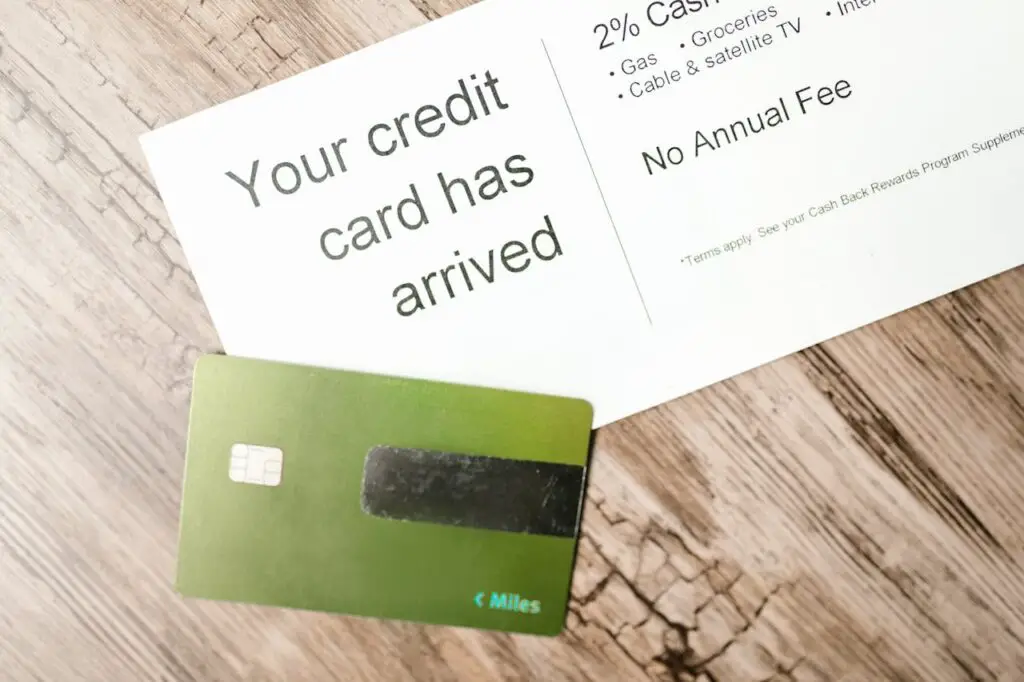
<p> Bank fees might seem small, but they add up quickly. Whether it’s monthly maintenance fees, overdraft charges, ATM fees, or late payment penalties, these unnecessary expenses quietly drain your account. If you’re also carrying a credit card balance, high interest rates can cost you hundreds or even thousands of dollars annually. The fix? Choose no-fee banking accounts, set up low-balance alerts, and pay your bills on time. If you have credit card debt, focus on paying it down aggressively or consider transferring your balance to a lower-interest card. Every dollar you save here is a dollar that can be invested elsewhere. </p> :: Pexels

Bank fees might seem small, but they add up quickly. Whether it’s monthly maintenance fees, overdraft charges, ATM fees, or late payment penalties, these unnecessary expenses quietly drain your account. If you’re also carrying a credit card balance, high interest rates can cost you hundreds or even thousands of dollars annually. The fix? Choose no-fee banking accounts, set up low-balance alerts, and pay your bills on time. If you have credit card debt, focus on paying it down aggressively or consider transferring your balance to a lower-interest card. Every dollar you save here is a dollar that can be invested elsewhere.

7. Letting Gift Cards Go Unused

<p> Everyone loves getting gift cards—but far too many go forgotten in junk drawers, email inboxes, or wallet pouches. Letting them sit unused is like leaving free money on the table. In fact, billions of dollars in gift cards go unspent every year. Sometimes we forget about them, lose track of their balance, or never get around to using them at all. To avoid waste, keep your gift cards in a visible spot, track their balances, and use them on things you already plan to buy. You can also trade or sell unwanted gift cards online. Just don’t let them expire without being used. </p> :: Freepik

Everyone loves getting gift cards—but far too many go forgotten in junk drawers, email inboxes, or wallet pouches. Letting them sit unused is like leaving free money on the table. In fact, billions of dollars in gift cards go unspent every year. Sometimes we forget about them, lose track of their balance, or never get around to using them at all. To avoid waste, keep your gift cards in a visible spot, track their balances, and use them on things you already plan to buy. You can also trade or sell unwanted gift cards online. Just don’t let them expire without being used.

8. Always Buying Name-Brand Products

<p> Many people believe that name-brand products are superior—but in most cases, store-brand or generic alternatives offer the same quality at a much lower price. This is especially true for pantry items, cleaning supplies, over-the-counter medications, and household basics. Brand loyalty can cost you big time without any real benefit. Try comparing ingredients and performance between your go-to brand and its cheaper counterpart. If there’s no noticeable difference, make the switch. Even a small change in your shopping habits can result in significant savings over the course of a year—without compromising on quality. </p> :: Pexels

Many people believe that name-brand products are superior—but in most cases, store-brand or generic alternatives offer the same quality at a much lower price. This is especially true for pantry items, cleaning supplies, over-the-counter medications, and household basics. Brand loyalty can cost you big time without any real benefit. Try comparing ingredients and performance between your go-to brand and its cheaper counterpart. If there’s no noticeable difference, make the switch. Even a small change in your shopping habits can result in significant savings over the course of a year—without compromising on quality.

9. Forgetting to Cancel Free Trials

<p> It starts innocently—you sign up for a free trial to try a fitness app, streaming service, or premium subscription. But by the time the trial ends, you’ve forgotten all about it and start getting charged monthly. These automatic renewals often go unnoticed for months. Companies count on this forgetfulness, and they make canceling just difficult enough to keep you locked in. Always read the fine print before signing up, and set a calendar reminder for a few days before the trial ends. You can also use virtual card numbers that expire automatically or subscribe via services that let you cancel in one click. </p> :: Freepik

It starts innocently—you sign up for a free trial to try a fitness app, streaming service, or premium subscription. But by the time the trial ends, you’ve forgotten all about it and start getting charged monthly. These automatic renewals often go unnoticed for months. Companies count on this forgetfulness, and they make canceling just difficult enough to keep you locked in. Always read the fine print before signing up, and set a calendar reminder for a few days before the trial ends. You can also use virtual card numbers that expire automatically or subscribe via services that let you cancel in one click.

Final Thoughts

<p> Most people don’t go broke from one big expense—it’s the dozens of little ones they don’t notice. Forgotten subscriptions, unplanned grocery runs, name-brand bias, and lazy canceling habits slowly chip away at your financial health. The good news? These are all manageable. The first step is awareness. Once you know where your money is leaking, you can take simple, effective action to stop it. Start by tracking your spending for one month. Review your recurring charges, eating habits, and shopping routines. Look for patterns and see which of these nine culprits apply to you. Even if you only fix three or four, you could save hundreds of dollars—money that can go toward savings, travel, or simply making ends meet with less stress. Being smart with your money doesn’t mean depriving yourself. It means being intentional. When you know better, you save better. </p> :: Pexels

Most people don’t go broke from one big expense—it’s the dozens of little ones they don’t notice. Forgotten subscriptions, unplanned grocery runs, name-brand bias, and lazy canceling habits slowly chip away at your financial health. The good news? These are all manageable. The first step is awareness. Once you know where your money is leaking, you can take simple, effective action to stop it.

Start by tracking your spending for one month. Review your recurring charges, eating habits, and shopping routines. Look for patterns and see which of these nine culprits apply to you. Even if you only fix three or four, you could save hundreds of dollars—money that can go toward savings, travel, or simply making ends meet with less stress. Being smart with your money doesn’t mean depriving yourself. It means being intentional. When you know better, you save better.

Filed Under: Money

Leave a Reply Cancel reply

Your email address will not be published. Required fields are marked *

  • Email
  • Facebook
  • Pinterest
  • Twitter

Our Most Popular Articles

ClickCashGo Review: Should You Avoid At All Costs?

Ultimate Guide to Mastering Your Credit Score

The 'YOLO' Mindset is a Dangerous Thing

Dave Ramsey's Financial Peace University Review: Is it Worth the Money?

Cash App Glitch 2025: Is the Free Money Glitch Real?

Five Steps To Debt Freedom

Here are five simple guidlines that will help you pay off debt.  

1) Get an emergency fund so you don’t take on debt when something comes up.

2) List your debts. This way you know where you stand.

3) Use the debt snowball. Pay your debts from smallest to largest, or most expensive to least expensive.

4) Avoid new debt. No new credit cards or loans. Period.

5) Go all cash. After everything is paid off, switch to all cash.

Helpful Resources

U of Tennesse Debt Repayment Plan Basics

Vertex 42's Debt Payoff Calculator

Savingadvice's Helpful Debt Forums

Jackie Becks Debt Blog