Why More Boomers Will Try Plant Forward Eating in 2026 (Without Giving Up Their Favorites)

There is a quiet food revolution happening in American kitchens, and it is not driven by twenty somethings experimenting with quinoa bowls. It is happening among baby boomers who grew up loving Sunday roasts, backyard barbecues, and comfort foods that never failed to hit the spot. As 2026 unfolds, many boomers are discovering that eating in a more plant forward way does not require abandoning beloved meals or switching to an all vegetable lifestyle. Instead, it means adding more plants to everyday eating in a way that feels natural, flavorful, and satisfying.
This shift is not fueled by fads or pressure. It comes from something more personal: wanting to feel good, eat well, and keep enjoying food without restrictions that make life less fun. Plant forward eating is gaining ground because it respects tradition while embracing small changes that support health, taste, and enjoyment. Imagine adding more vegetables to lasagna, serving beans alongside grilled chicken, or pairing a perfectly cooked steak with roasted Brussels sprouts instead of fries. The foods boomers love stay on the table, just surrounded by more color, texture, and nutrients.
Below are twelve reasons why plant forward eating will be a top food direction for boomers in 2026. Each reason reflects what truly matters to this generation: flavor, wellness, value, practicality, and feeling great without losing what they love most about eating.
1. Health Benefits Boomers Actually Feel

By their late fifties, sixties, and beyond, many boomers have learned that feeling energized and maintaining good health is worth more than fitting into a certain jean size. Plant forward eating increases the amount of fiber, antioxidants, and vitamins in meals, which can support heart health, digestion, and stable blood sugar. Choosing more whole grains, vegetables, fruits, legumes, nuts, and seeds gives the body a steady stream of nutrients that can help reduce inflammation and provide longer lasting energy. The best part is that boomers can absorb these benefits without giving up their favorite dishes. A bowl of chili made with both beans and beef, or pasta with vegetables and lean meat, can deliver flavor and nourishment at the same time.
2. Flexitarian Eating Fits Real Life

Many boomers are not interested in labeling themselves as vegan or vegetarian. Flexitarian eating offers a comfortable middle path where animal protein is still welcome, but plants take up more space on the plate. This approach is appealing because it does not feel restrictive. A flexitarian might grill chicken as always, but also prepare a roasted vegetable side dish large enough to be a star rather than an afterthought. It is an eating style that blends balance with enjoyment, letting boomers adjust meals as needed without feeling pressured to give up signature family favorites.
3. Meat Limiting Is Happening Naturally
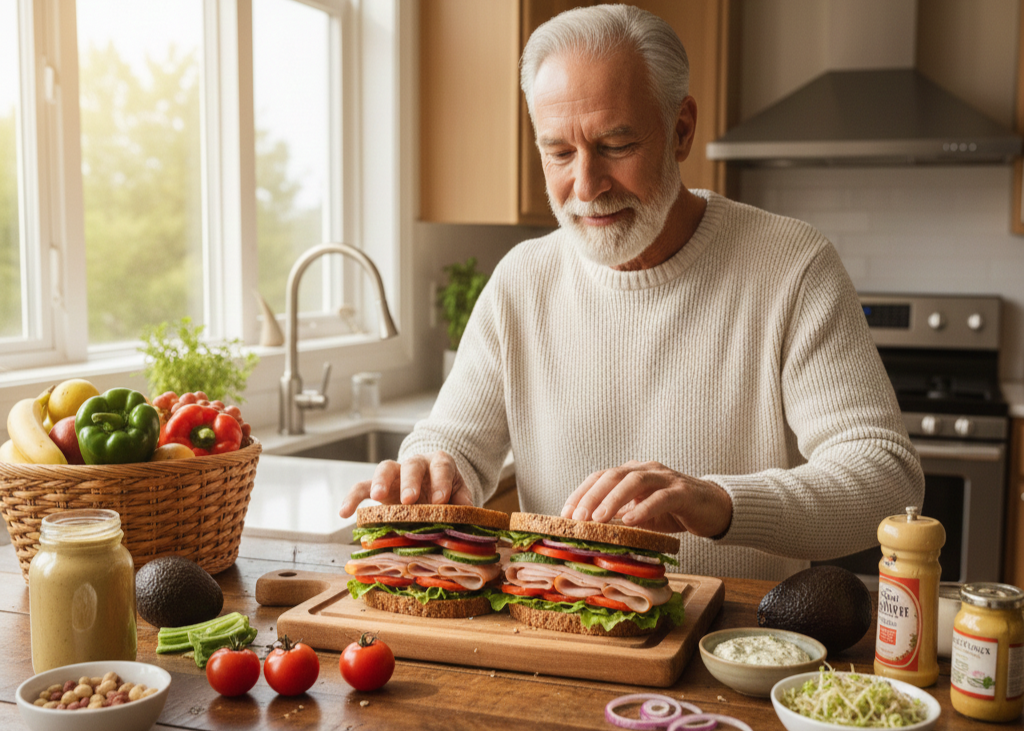
Whether for health, budget, or curiosity, many boomers find themselves eating less meat without consciously planning it. They are choosing meals that include meat but in smaller portions or paired with more vegetables and grains. This natural shift allows them to enjoy familiar flavors while trying new combinations. Rather than eliminating foods, meat limiting allows boomers to be intentional. The same sandwich that once relied on three slices of deli meat might now feature two slices plus crunchy vegetables and flavorful spreads. These little changes add up without feeling like sacrifices.
4. Flavor Forward Cooking Keeps Things Interesting

One misconception about plant forward eating is that it is bland or boring, which could not be further from the truth. With the help of herbs, spices, citrus, roasted vegetables, and hearty grains, plant centered meals can be full of flavor and texture. Boomers who love to cook often enjoy the creativity that comes with new ingredients. Imagine roasted cauliflower tossed with paprika and garlic, or a lentil and vegetable soup simmered with thyme and tomato. These meals bring comfort and satisfaction without relying solely on heavy meats or cream based dishes to carry the flavor.
5. Fiber Is Becoming a Wellness Priority

Fiber has always been important, but now it is getting well deserved attention among chefs, doctors, and home cooks because of its direct impact on gut health and digestion. Eating more vegetables, fruits, legumes, and whole grains naturally increases fiber intake, which can help boomers feel fuller, support regular digestion, and maintain stable energy between meals. A simple switch like using whole grain bread instead of white, or replacing half the ground meat in a recipe with beans, adds fiber without changing the traditional dish too much. The body notices these shifts in a positive way, which encourages boomers to keep going.
6. Plant Forward Eating Supports Energy for an Active Life

Boomers are not slowing down. Many stay active through hobbies, travel, work, volunteering, and grandchild adventures. Eating more plant based foods can support stamina and overall vitality. By incorporating plant foods full of vitamins and antioxidants, boomers may feel more energetic and less sluggish after meals. Vegetables, nuts, and fruits offer steady energy that keeps pace with busy days, whether that means walking the dog, spending a day in the garden, or taking a much anticipated road trip.
7. Familiar Meals Are Easy to Upgrade

One of the main reasons plant forward eating will thrive in 2026 is how easily classic dishes can be enhanced with plants. Instead of removing foods, boomers can add ingredients that offer more nutrition without changing the core experience. Think of spaghetti sauce enriched with carrots and mushrooms, meatloaf blended with lentils, tacos filled with meat and black beans, or shepherds pie topped with a blend of mashed potatoes and cauliflower. These improved dishes still taste familiar but deliver more balance and satisfaction.
8. Plant Forward Foods Are Easier to Find

Grocery stores and restaurants have expanded their plant forward selections, giving boomers more options than ever before. Frozen, fresh, and shelf stable items make it simple to cook quick meals centered on vegetables, grains, legumes, and fruits. Supermarket aisles now carry beans that are already seasoned, vegetable based pastas, premade salads with hearty grains, and marinades that elevate vegetables. This increase in availability takes the guesswork out of plant forward eating and makes it feel accessible and convenient.
9. The Planet Benefits Without Judgment or Pressure

Boomers often care about the world they are leaving for future generations, but that does not mean they want to be lectured about their eating habits. Plant forward eating helps lower environmental impact in a way that feels realistic. Even choosing to cook a plant centered dinner once or twice a week can reduce resource use without making boomers give up traditions. The approach is not about perfection. It is about making choices that feel good both personally and globally, one meal at a time.
10. Restaurants Are Stepping Up Their Plant Game
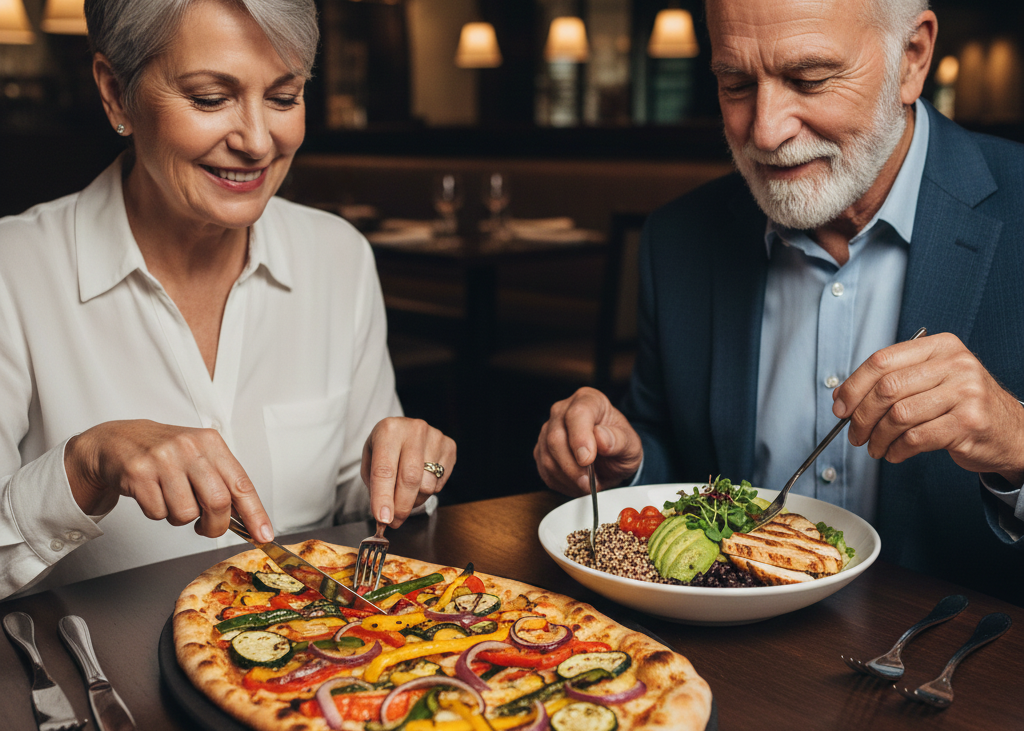
Dining out is a cherished experience for many boomers, and restaurant menus are catching up with the demand for plant forward meals. Instead of serving only salads as the sole vegetable option, restaurants are introducing flavorful dishes such as roasted vegetable flatbreads, pastas with lentils and greens, grain bowls topped with grilled chicken, and hearty vegetable stews. These dishes are satisfying, balanced, and full of textures that make eating out fun without feeling like a compromise.
11. Comfort Foods Do Not Have To Disappear
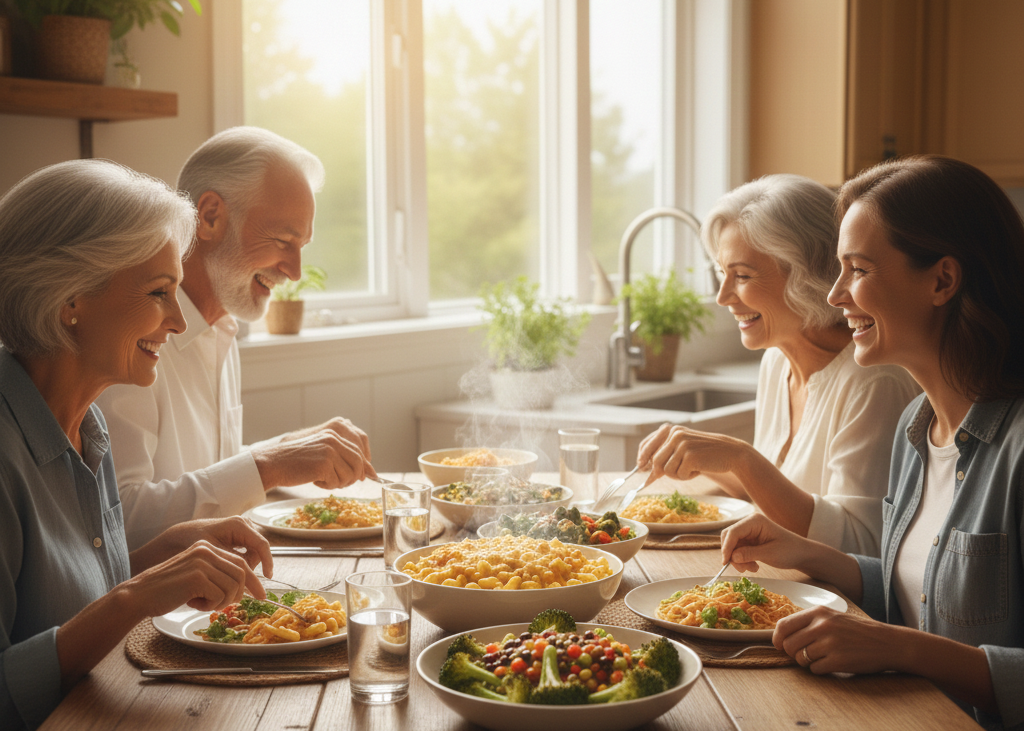
Boomers are more likely to stick with a way of eating if they do not feel deprived. Plant forward eating respects comfort foods instead of pushing them away. Macaroni and cheese can include roasted broccoli on the side, burgers can be paired with bean salads instead of fries, and desserts can feature fresh fruit along with traditional treats. Comfort remains intact while plants simply share the spotlight.
12. It Is a Lifestyle That Lasts, Not a Trend That Fades
Fad diets come and go, but plant forward eating is not a temporary change. It is a style of eating that blends flexibility, taste, and health in a way that feels logical and enjoyable for boomers. It encourages curiosity, balance, and new habits without strict rules. Because plant forward eating is adaptable, boomers can personalize it year after year, allowing it to grow with changing tastes, health needs, and family routines.
Final Thoughts

Plant forward eating is less about taking away and more about adding abundance to the plate. Boomers adopting this approach in 2026 are not chasing trends. They are choosing a style of eating that helps them feel healthier, stronger, and more satisfied while keeping their favorite foods in rotation. With small changes, everyday meals become richer in color, flavor, and nutrition, while comfort and tradition remain firmly in place.
The beauty of plant forward eating is that it can be enjoyed at any pace. Some may start with a vegetable packed side dish once a week, while others may dive into experimenting with grains, legumes, and roasted vegetables. What matters is the balance that feels right. Food can continue to be a source of joy, nostalgia, and connection while also supporting long term wellness.
For boomers, plant forward eating offers the best of both worlds: the foods they love and the benefits their bodies appreciate. In 2026, that combination is more inviting than ever.
Leave a Reply