Our Debt Free Family

Commit. Plan. Take action.

  • BUDGETING
  • DEBT REDUCTION
  • INVESTING
  • LIFESTYLE
  • TOOLS
  • ABOUT
  • Privacy Policy
  • CONTACT
You are here: Home / Health & Fitness / Preventive Healthcare Platforms You’ll Be Using Sooner Than You Think: 10 Smart Tools Changing Everyday Wellness

Preventive Healthcare Platforms You’ll Be Using Sooner Than You Think: 10 Smart Tools Changing Everyday Wellness

April 28, 2026 | Leave a Comment

Preventive Healthcare Platforms You’ll Be Using Sooner Than You Think: 10 Smart Tools Changing Everyday Wellness

<p> Something interesting is happening in healthcare right now, and most people do not even notice it at first. It is no longer just about going to the doctor when something feels wrong. More and more, it is about catching issues early, staying informed, and making small daily choices that prevent bigger problems later. Think about it. You already check your phone for everything else. Messages, directions, food delivery, even your sleep schedule. It only makes sense that your health would start living there too. In the United States, where healthcare can be expensive and time-consuming, this shift toward prevention is not just convenient. It is practical. Preventive healthcare platforms are helping people avoid long hospital visits, reduce costs, and feel more in control of their well-being. The best part is that you do not need to be a tech expert or a fitness enthusiast to use them. These tools are designed for real life. Busy schedules, tight budgets, and everything in between. Here are ten preventive healthcare platforms that are quietly becoming part of everyday life and will likely be even more common sooner than you expect. </p> :: Pexels

Something interesting is happening in healthcare right now, and most people do not even notice it at first. It is no longer just about going to the doctor when something feels wrong. More and more, it is about catching issues early, staying informed, and making small daily choices that prevent bigger problems later.

Think about it. You already check your phone for everything else. Messages, directions, food delivery, even your sleep schedule. It only makes sense that your health would start living there too.

In the United States, where healthcare can be expensive and time-consuming, this shift toward prevention is not just convenient. It is practical. Preventive healthcare platforms are helping people avoid long hospital visits, reduce costs, and feel more in control of their well-being.

The best part is that you do not need to be a tech expert or a fitness enthusiast to use them. These tools are designed for real life. Busy schedules, tight budgets, and everything in between.

Here are ten preventive healthcare platforms that are quietly becoming part of everyday life and will likely be even more common sooner than you expect.

1. AI-Powered Symptom Checkers
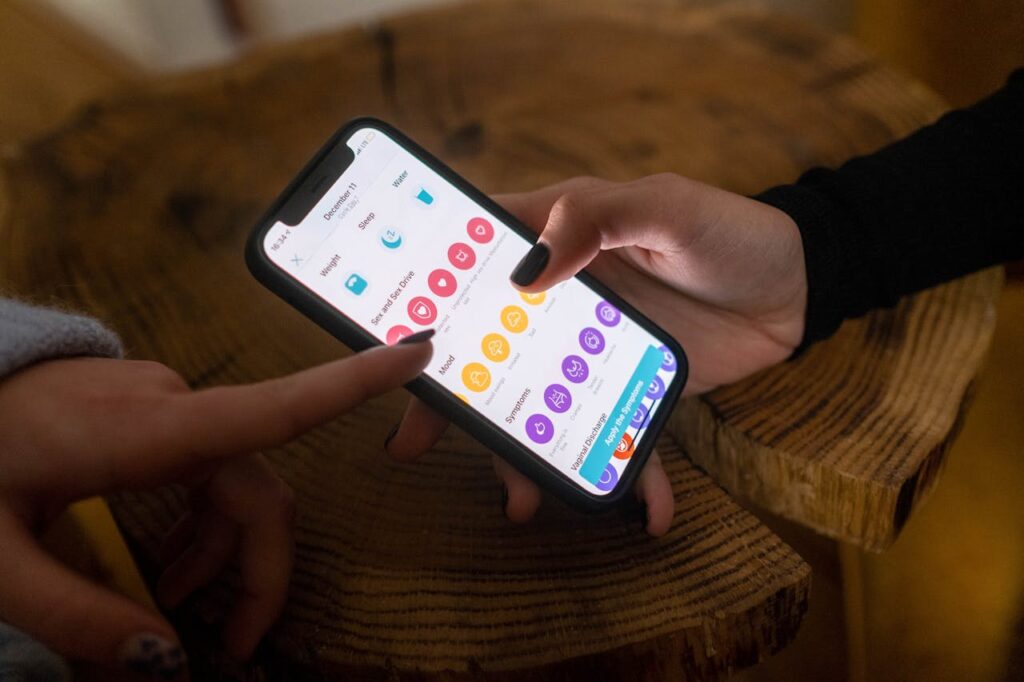
<p> You have probably done it before. You feel something unusual, search it online, and suddenly you are convinced it is something serious. AI-powered symptom checkers are trying to fix that experience by giving you a more structured and realistic starting point. These platforms ask specific questions about your symptoms, your history, and your lifestyle, then guide you toward possible explanations and next steps. They are not meant to replace doctors, but they help you decide whether you need urgent care, a routine checkup, or just rest. For many people, this removes the guesswork and anxiety that comes with random online searches and gives a clearer path forward. </p> :: Pexels

You have probably done it before. You feel something unusual, search it online, and suddenly you are convinced it is something serious. AI-powered symptom checkers are trying to fix that experience by giving you a more structured and realistic starting point. These platforms ask specific questions about your symptoms, your history, and your lifestyle, then guide you toward possible explanations and next steps. They are not meant to replace doctors, but they help you decide whether you need urgent care, a routine checkup, or just rest. For many people, this removes the guesswork and anxiety that comes with random online searches and gives a clearer path forward.

2. At-Home Lab Testing Services
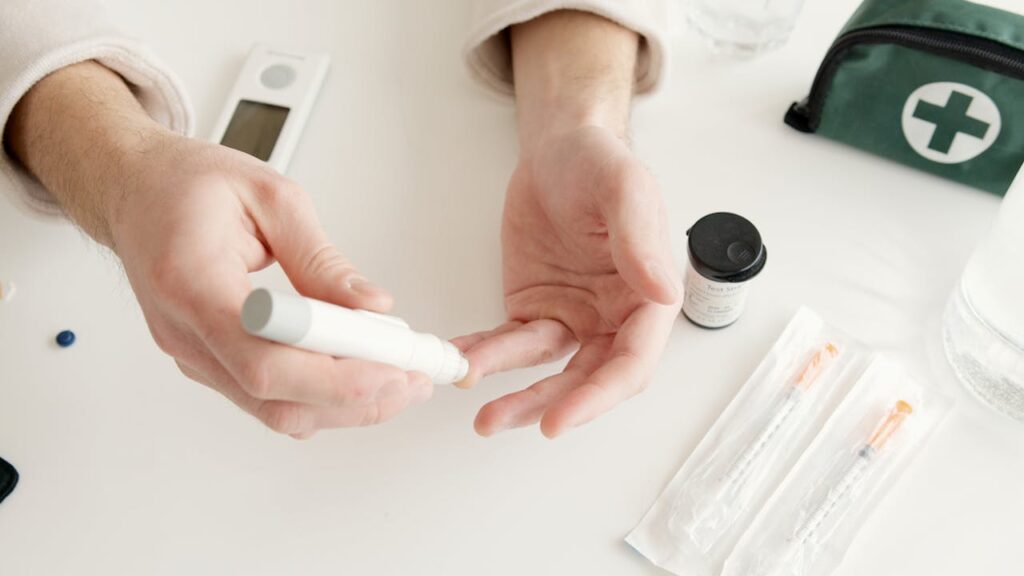
<p> Going to a clinic just to get basic lab work done can feel like a whole-day commitment. At-home lab testing services simplify that process. You order a kit, collect your sample at home, and send it back for analysis. The results are delivered online with clear explanations that are easy to understand. These platforms cover everything from cholesterol and blood sugar to hormone levels and vitamin deficiencies. What makes them powerful is consistency. Instead of waiting until something feels wrong, you can check your health regularly without disrupting your schedule. That makes prevention feel less like a task and more like a habit. </p> :: Pexels

Going to a clinic just to get basic lab work done can feel like a whole-day commitment. At-home lab testing services simplify that process. You order a kit, collect your sample at home, and send it back for analysis. The results are delivered online with clear explanations that are easy to understand. These platforms cover everything from cholesterol and blood sugar to hormone levels and vitamin deficiencies. What makes them powerful is consistency. Instead of waiting until something feels wrong, you can check your health regularly without disrupting your schedule. That makes prevention feel less like a task and more like a habit.

3. Wearable Health Monitoring Apps
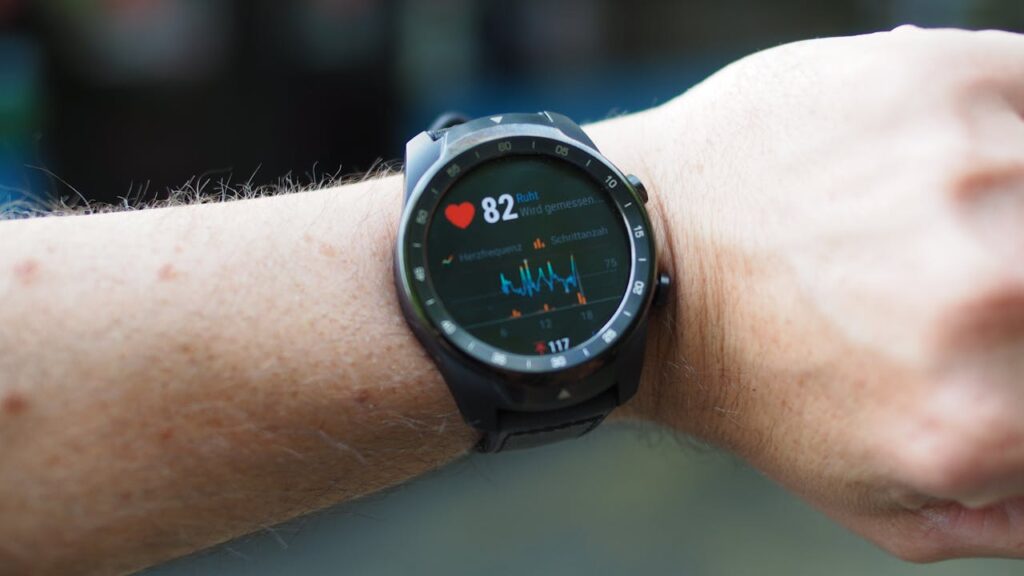
<p> Wearables have quietly become one of the most influential tools in preventive health. What started as step counters has evolved into full health monitoring systems. These devices can track heart rate, sleep quality, activity levels, and even detect irregular patterns that may need attention. The real value comes from how these apps turn raw data into simple insights. You might get a reminder to move more during the day or wind down earlier at night. Over time, these small nudges help build healthier routines without feeling overwhelming. It is like having a gentle coach with you all the time. </p> :: Pexels

Wearables have quietly become one of the most influential tools in preventive health. What started as step counters has evolved into full health monitoring systems. These devices can track heart rate, sleep quality, activity levels, and even detect irregular patterns that may need attention. The real value comes from how these apps turn raw data into simple insights. You might get a reminder to move more during the day or wind down earlier at night. Over time, these small nudges help build healthier routines without feeling overwhelming. It is like having a gentle coach with you all the time.

4. Virtual Preventive Care Clinics
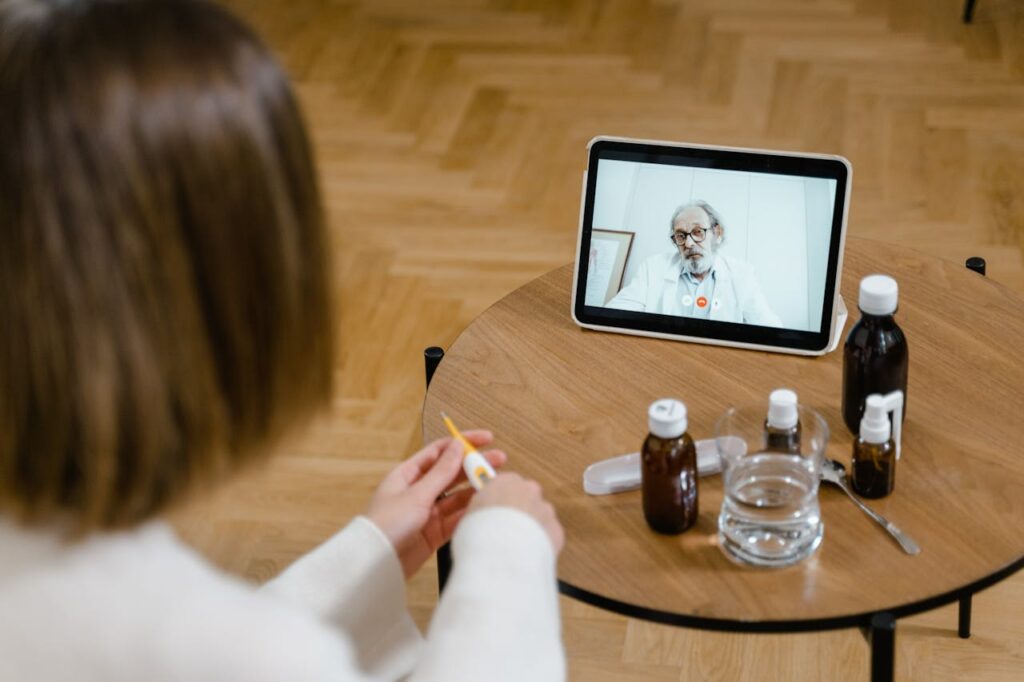
<p> Telehealth has grown quickly, but it is no longer just for when you are sick. Virtual preventive care clinics focus on keeping you healthy before issues arise. You can schedule regular check-ins, discuss trends in your health, and get advice tailored to your lifestyle. This is especially helpful for people who live far from healthcare facilities or have packed schedules. Instead of delaying care, you can access it from your home or even during a lunch break. It makes healthcare feel more accessible and less like something you only deal with when necessary. </p> :: Pexels

Telehealth has grown quickly, but it is no longer just for when you are sick. Virtual preventive care clinics focus on keeping you healthy before issues arise. You can schedule regular check-ins, discuss trends in your health, and get advice tailored to your lifestyle. This is especially helpful for people who live far from healthcare facilities or have packed schedules. Instead of delaying care, you can access it from your home or even during a lunch break. It makes healthcare feel more accessible and less like something you only deal with when necessary.

5. Mental Health and Stress Management Platforms
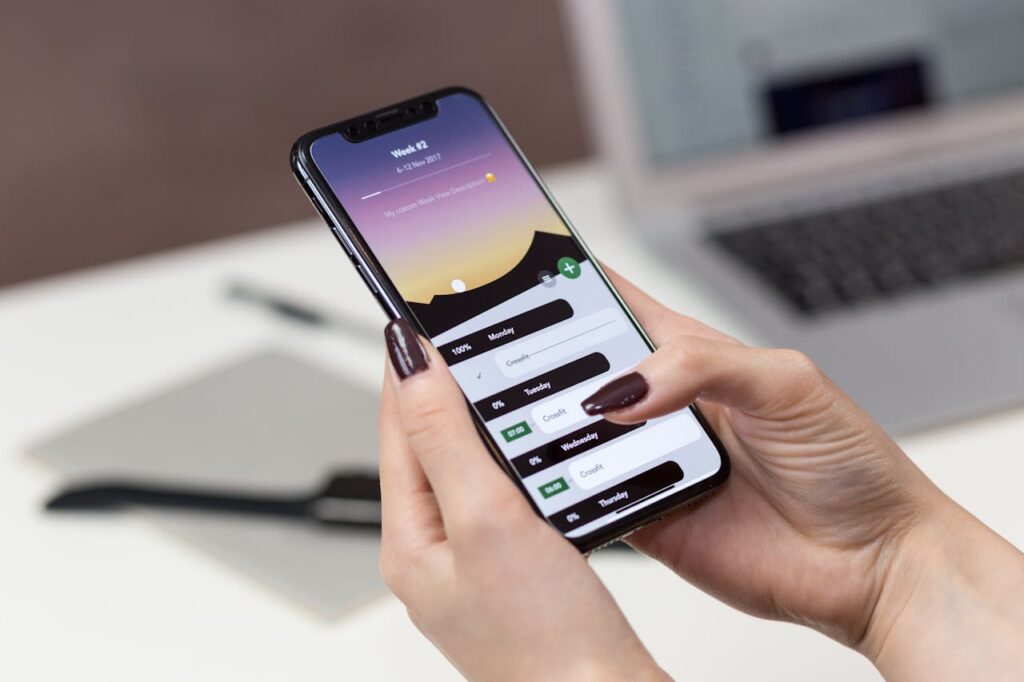
<p> Mental health is finally becoming part of everyday health conversations, and preventive care plays a big role in that shift. Stress management platforms offer tools like guided meditation, mood tracking, journaling prompts, and access to licensed therapists. These are not just for crisis situations. They help you stay balanced before stress builds up into something harder to manage. In a fast-paced environment where burnout is common, having daily support can make a real difference. It is about checking in with yourself regularly, not just when things feel overwhelming. </p> :: Pexels

Mental health is finally becoming part of everyday health conversations, and preventive care plays a big role in that shift. Stress management platforms offer tools like guided meditation, mood tracking, journaling prompts, and access to licensed therapists. These are not just for crisis situations. They help you stay balanced before stress builds up into something harder to manage. In a fast-paced environment where burnout is common, having daily support can make a real difference. It is about checking in with yourself regularly, not just when things feel overwhelming.

6. Personalized Nutrition and Diet Apps

<p> General diet advice can feel frustrating because it does not always fit your lifestyle or your body. Personalized nutrition platforms change that by offering recommendations based on your habits, preferences, and sometimes even your biology. These apps can suggest meals, track your intake, and explain how certain foods affect your health. The focus is not on strict dieting but on building sustainable habits. Over time, this approach helps reduce the risk of chronic conditions while making healthy eating feel realistic instead of restrictive. </p> :: Pexels

General diet advice can feel frustrating because it does not always fit your lifestyle or your body. Personalized nutrition platforms change that by offering recommendations based on your habits, preferences, and sometimes even your biology. These apps can suggest meals, track your intake, and explain how certain foods affect your health. The focus is not on strict dieting but on building sustainable habits. Over time, this approach helps reduce the risk of chronic conditions while making healthy eating feel realistic instead of restrictive.

7. Preventive Genomic Testing Platforms

<p> Genetic testing has moved beyond curiosity about ancestry. Preventive genomic platforms analyze your DNA to identify potential health risks. This might include a higher likelihood of certain conditions, allowing you to take action early. While it can sound intimidating, the goal is not to create fear. It is to provide useful information that helps you make informed choices. With guidance from healthcare providers, you can adjust your lifestyle or monitor specific areas more closely. It is like having a personalized guide to your future health, giving you a chance to prepare rather than react. </p> :: Pexels

Genetic testing has moved beyond curiosity about ancestry. Preventive genomic platforms analyze your DNA to identify potential health risks. This might include a higher likelihood of certain conditions, allowing you to take action early. While it can sound intimidating, the goal is not to create fear. It is to provide useful information that helps you make informed choices. With guidance from healthcare providers, you can adjust your lifestyle or monitor specific areas more closely. It is like having a personalized guide to your future health, giving you a chance to prepare rather than react.

8. Chronic Disease Prevention Programs

<p> Chronic diseases such as diabetes and hypertension often develop gradually, which means there is a window of time where prevention is possible. These platforms focus on that window. They combine tracking tools, coaching, and community support to help users make steady progress. Instead of overwhelming you with big changes, they break things down into manageable steps. You might start with small adjustments to your diet, increase your daily activity, or learn how to manage stress more effectively. The consistent support makes it easier to stay on track and see real improvements over time. </p> :: Pexels

Chronic diseases such as diabetes and hypertension often develop gradually, which means there is a window of time where prevention is possible. These platforms focus on that window. They combine tracking tools, coaching, and community support to help users make steady progress. Instead of overwhelming you with big changes, they break things down into manageable steps. You might start with small adjustments to your diet, increase your daily activity, or learn how to manage stress more effectively. The consistent support makes it easier to stay on track and see real improvements over time.

9. Digital Preventive Care for Families
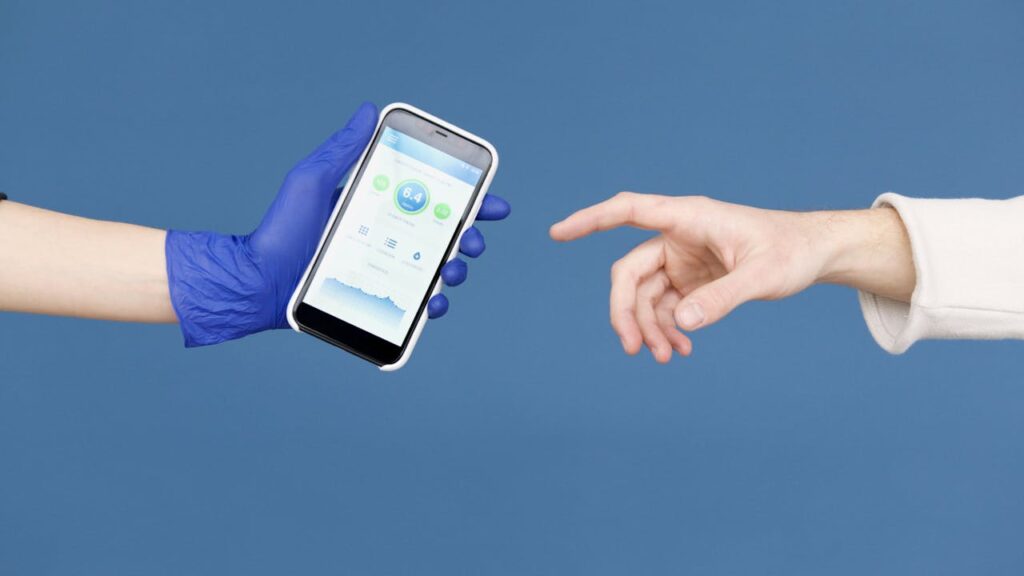
<p> Managing health for an entire family can feel like a juggling act. Digital platforms designed for families bring everything into one place. You can track vaccinations, schedule checkups, monitor development milestones, and receive reminders for important appointments. This reduces the chances of missing something important and helps parents stay organized. It also encourages a culture of prevention within the household. When health becomes a shared priority, it is easier to build habits that benefit everyone. </p> :: Pexels

Managing health for an entire family can feel like a juggling act. Digital platforms designed for families bring everything into one place. You can track vaccinations, schedule checkups, monitor development milestones, and receive reminders for important appointments. This reduces the chances of missing something important and helps parents stay organized. It also encourages a culture of prevention within the household. When health becomes a shared priority, it is easier to build habits that benefit everyone.

10. Health Data Integration Platforms
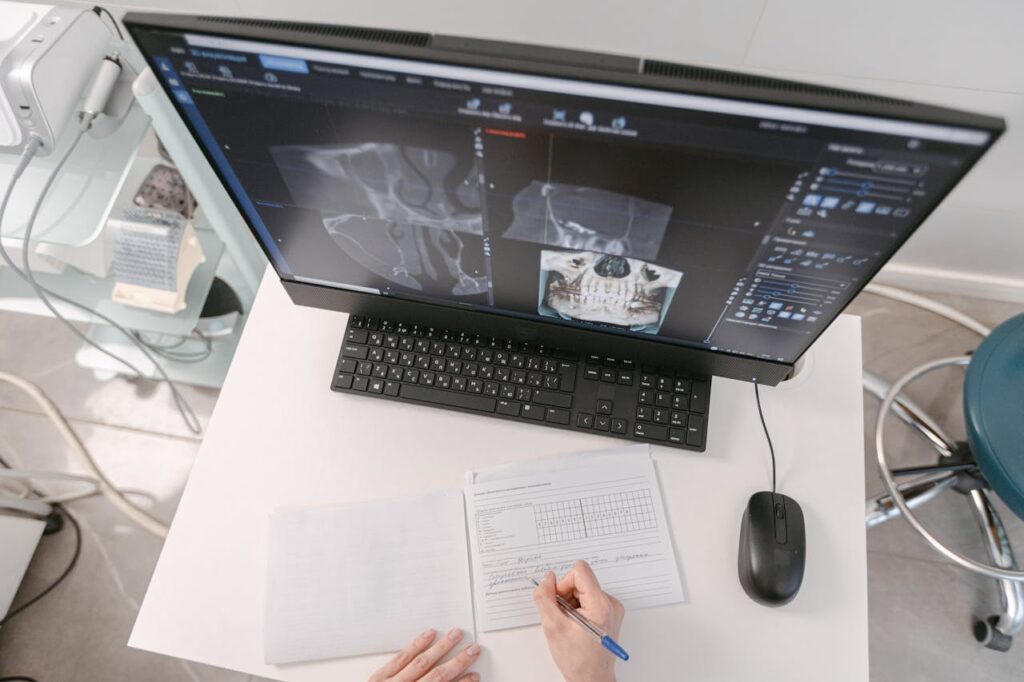
<p> One of the biggest frustrations in healthcare has always been how scattered information can be. Different doctors, apps, and services often operate separately, which makes it harder to see the full picture. Health data integration platforms solve this by bringing everything together in one place. Your wearable data, lab results, medical history, and medications can all be accessed through a single dashboard. This not only helps you understand your health better but also allows healthcare providers to make more informed decisions. It creates a more connected experience where nothing important slips through the cracks. </p> :: Pexels

One of the biggest frustrations in healthcare has always been how scattered information can be. Different doctors, apps, and services often operate separately, which makes it harder to see the full picture. Health data integration platforms solve this by bringing everything together in one place. Your wearable data, lab results, medical history, and medications can all be accessed through a single dashboard. This not only helps you understand your health better but also allows healthcare providers to make more informed decisions. It creates a more connected experience where nothing important slips through the cracks.

Final Thoughts

<p> Preventive healthcare platforms are not some distant idea waiting to happen. They are already part of everyday life, just not always in obvious ways. Maybe it is your smartwatch reminding you to stand up. Maybe it is an app helping you sleep better. Maybe it is a quick virtual consultation that saves you hours of waiting. What makes these tools powerful is not just the technology behind them. It is how they fit into real routines. They meet people where they are, whether that means a busy college schedule, a full-time job, or managing a household. In the United States, where healthcare can feel complicated and expensive, prevention offers a smarter path. Catching issues early often means simpler treatments, lower costs, and less stress overall. But beyond that, it gives you something more valuable. Control. You do not have to overhaul your entire lifestyle overnight. Even starting with one platform can create a ripple effect. You begin to notice patterns, make better decisions, and feel more aware of your own health. Over time, those small changes build something bigger. A routine that supports you, habits that stick, and a mindset that focuses on staying well instead of just getting better. That shift might seem small, but it changes everything. </p> :: Pexels

Preventive healthcare platforms are not some distant idea waiting to happen. They are already part of everyday life, just not always in obvious ways. Maybe it is your smartwatch reminding you to stand up. Maybe it is an app helping you sleep better. Maybe it is a quick virtual consultation that saves you hours of waiting.

What makes these tools powerful is not just the technology behind them. It is how they fit into real routines. They meet people where they are, whether that means a busy college schedule, a full-time job, or managing a household.

In the United States, where healthcare can feel complicated and expensive, prevention offers a smarter path. Catching issues early often means simpler treatments, lower costs, and less stress overall. But beyond that, it gives you something more valuable. Control.

You do not have to overhaul your entire lifestyle overnight. Even starting with one platform can create a ripple effect. You begin to notice patterns, make better decisions, and feel more aware of your own health.

Over time, those small changes build something bigger. A routine that supports you, habits that stick, and a mindset that focuses on staying well instead of just getting better.

That shift might seem small, but it changes everything.

Filed Under: Health & Fitness

Leave a Reply Cancel reply

Your email address will not be published. Required fields are marked *

  • Email
  • Facebook
  • Pinterest
  • Twitter

Our Most Popular Articles

ClickCashGo Review: Should You Avoid At All Costs?

Ultimate Guide to Mastering Your Credit Score

The 'YOLO' Mindset is a Dangerous Thing

Dave Ramsey's Financial Peace University Review: Is it Worth the Money?

Cash App Glitch 2025: Is the Free Money Glitch Real?

Five Steps To Debt Freedom

Here are five simple guidlines that will help you pay off debt.  

1) Get an emergency fund so you don’t take on debt when something comes up.

2) List your debts. This way you know where you stand.

3) Use the debt snowball. Pay your debts from smallest to largest, or most expensive to least expensive.

4) Avoid new debt. No new credit cards or loans. Period.

5) Go all cash. After everything is paid off, switch to all cash.

Helpful Resources

U of Tennesse Debt Repayment Plan Basics

Vertex 42's Debt Payoff Calculator

Savingadvice's Helpful Debt Forums

Jackie Becks Debt Blog