Are You Guilty of These 11 Rude Tipping Habits You Might Not Even Notice?
Tipping in the United States is one of those everyday habits that seems simple until you actually stop and think about it. You get your bill, you add a tip, and you move on. That’s the routine. But underneath that routine is a whole set of unspoken expectations, social cues, and cultural norms that many people are still figuring out.
What makes tipping tricky is that there is no single rulebook everyone memorizes. Some people were taught to always tip a certain percentage. Others learned through trial and error. And plenty of people are still unsure about what is considered fair in different situations, especially now that tipping shows up everywhere from coffee shops to delivery apps.
Because of that, a lot of “rude” tipping habits are not intentional at all. They come from misunderstanding, rushing through the moment, or simply not realizing how certain actions are perceived. The problem is that for service workers who depend on tips, these small habits can add up in a big way.
The good news is that once you become aware of these patterns, they are easy to fix. A few small adjustments can make your tipping habits more consistent, respectful, and aligned with everyday expectations. Here are eleven common tipping habits that might seem harmless but can actually come across as rude, along with why they matter more than you might think.
1. Letting Your Mood Decide the Tip

It is easy to underestimate how much your mood can influence your decisions, especially when it comes to something as quick as tipping. Maybe you had a long day at work, you are tired, or something stressful happened before you arrived at the restaurant. Without even realizing it, you might leave a smaller tip simply because you are not in a great headspace.
The issue here is that your server has no connection to whatever is affecting your mood. If they provided attentive and respectful service, lowering the tip sends a message that does not reflect their actual performance. Over time, this habit can feel unfair from the perspective of someone who is doing their job well.
A better approach is to treat tipping as a consistent practice rather than a reaction to how you feel in the moment. Setting a personal baseline, such as a standard percentage for average service, helps remove emotion from the equation. Then, you can adjust up or down only when the service truly stands out, either positively or negatively.
2. Forgetting That Tips Are a Major Part of Income
One of the biggest misconceptions about tipping is that it is just a bonus on top of a regular paycheck. In reality, many service workers in the United States earn a base wage that is significantly lower than the standard minimum wage because tips are expected to make up the difference.
This means that when you skip a tip or leave far less than expected, it is not just a minor social slip. It can directly affect someone’s ability to pay for essentials like rent, food, or transportation. For workers, tips are often the difference between a manageable week and a stressful one.
Even if you personally feel uncertain about tipping culture, it helps to separate the system from the individual. Choosing not to tip does not change the system, but it does impact the person who served you. Being aware of that makes it easier to approach tipping with fairness and empathy.
3. Ignoring the People Working Behind the Scenes
When you think about tipping, your mind probably goes straight to your server. They are the one you interact with the most, so it makes sense. But in many restaurants, your experience depends on a whole team of people working together.
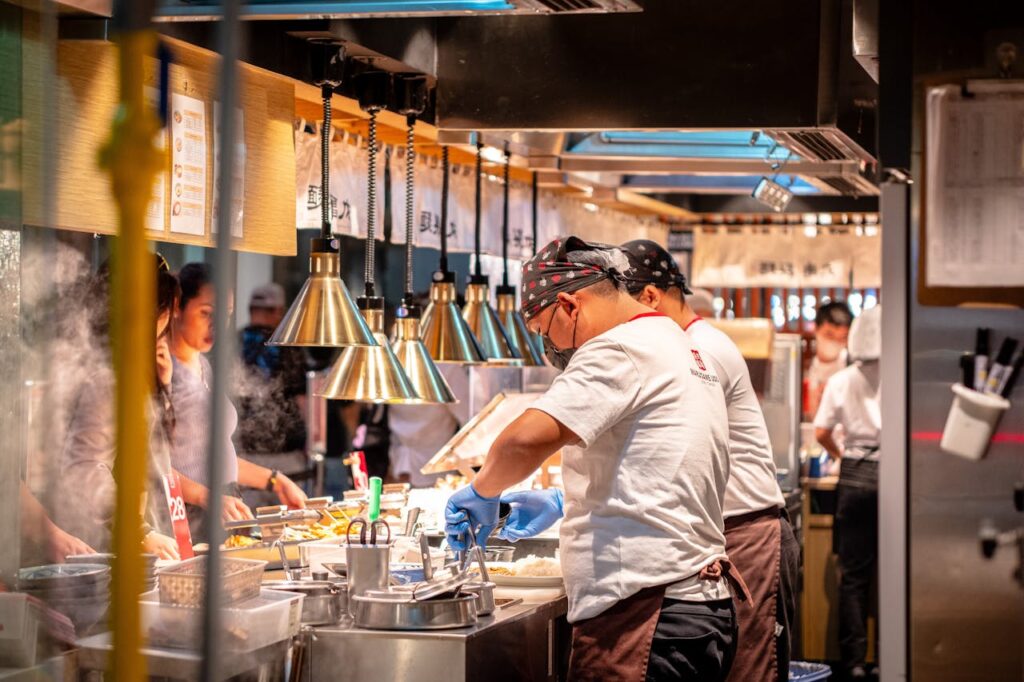
There are bussers clearing tables quickly so you have a clean space. There are food runners making sure your meal arrives hot and on time. There are kitchen staff carefully preparing each dish. In many cases, tips are shared among these team members, meaning your tip supports more than just one person.
When you leave a very low tip, it can affect multiple people who contributed to your experience, even if you did not interact with them directly. Keeping that in mind helps you see tipping as a way of acknowledging the entire effort behind your meal, not just the most visible part of it.
4. Tipping Less Because You Used a Coupon or Discount
Everyone enjoys saving money. Whether it is a coupon, a promotional deal, or a discount code, it always feels good to pay less than expected. But one common mistake is adjusting your tip based on the discounted total rather than the original price.
The key thing to remember is that the level of service you received did not change because you used a discount. Your server still took your order, checked on your table, and made sure everything went smoothly. Reducing your tip because your bill is lower can unintentionally undervalue that effort.
A widely accepted practice is to tip based on the original total before any discounts are applied. It is a simple shift in thinking, but it ensures that your tip reflects the service you received, not just the amount you paid.
5. Leaving Only Loose Change
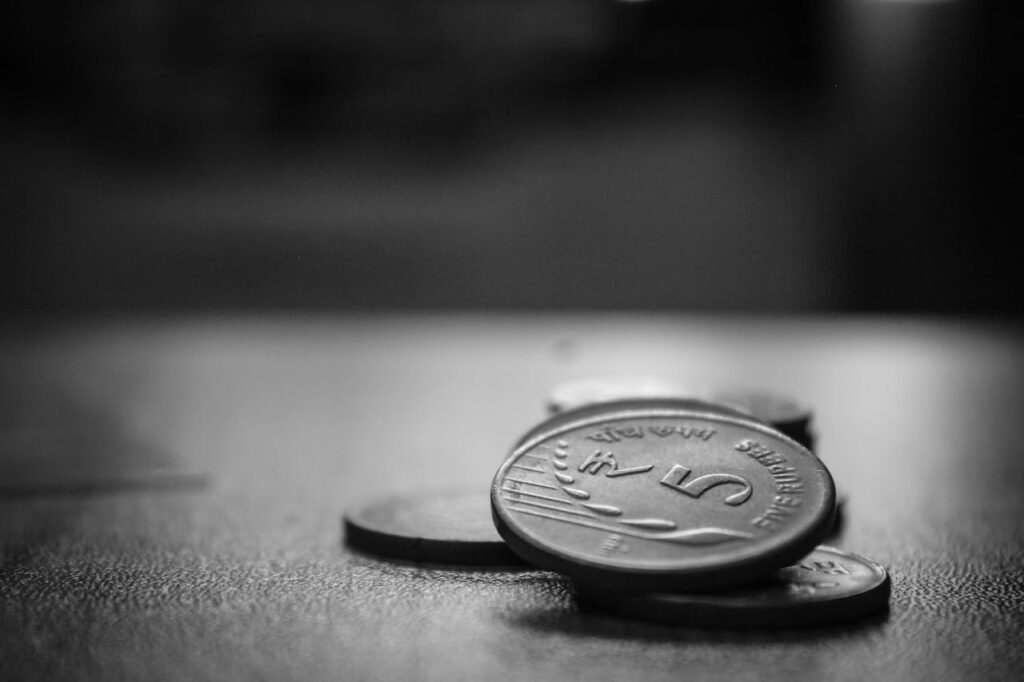
There is something about leaving a few coins on the table that often feels less like appreciation and more like an afterthought. Even if you did not mean it that way, it can come across as dismissive, especially in a full-service setting where more effort was involved.
Coins tend to signal that tipping was not really considered or prioritized. In contrast, leaving bills or rounding up to a more meaningful amount shows that you took a moment to think about your tip.
If you are ever unsure, a good rule of thumb is to ask yourself whether the amount you are leaving would feel reasonable if you were in the other person’s position. That quick mental check can help you avoid unintentionally sending the wrong message.
6. Skipping Tips for Takeout Orders Entirely
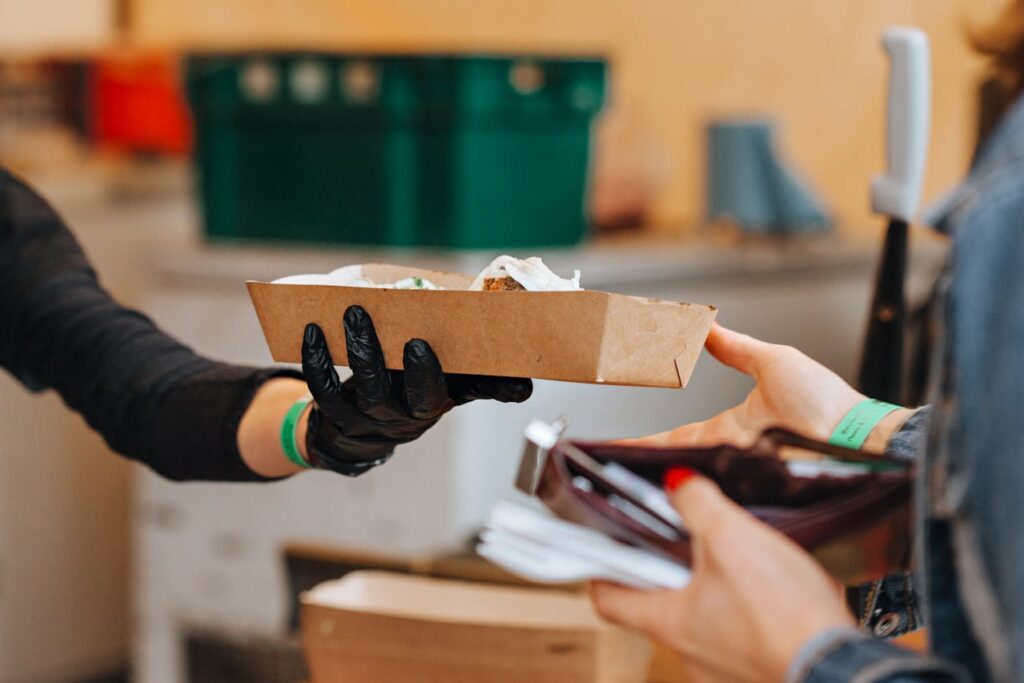
Takeout tipping is one of the most debated areas of tipping culture. Since you are not sitting down and receiving full service, it can feel like tipping is optional or unnecessary. While it is true that takeout does not involve the same level of interaction, there is still work happening behind the scenes.
Staff members are preparing your order, packaging it carefully, checking for accuracy, and often coordinating multiple orders at once. Ignoring that effort entirely by leaving no tip can come across as inconsiderate, even if that was not your intention.
You do not need to tip as much as you would for dine-in service, but adding a small amount, even just a few dollars, is a simple way to acknowledge the time and effort involved.
7. Splitting the Bill but Overlooking the Tip

Group meals are fun, but the payment process can quickly become chaotic. Everyone pulls out their phone, starts calculating their share, and focuses on making sure they are paying the exact amount they owe. In the middle of all that, the tip can easily get overlooked.
Sometimes people assume someone else has included it. Other times, it gets divided unevenly, leaving the server with less than expected. It is rarely intentional, but it still has the same effect.
One of the easiest ways to avoid this is to calculate the tip first based on the full bill. Once that is set, you can divide the total among the group. This keeps everything clear and ensures that the server is fairly compensated.
8. Delaying or Skipping Tips for Delivery Drivers

Delivery services have become a regular part of daily life, and with that comes the responsibility of tipping the people who make that convenience possible. Delivery drivers often deal with traffic, long distances, and unpredictable conditions to get your order to you.
When tips are delayed or skipped entirely, it can feel discouraging, especially after quick or careful service. In many cases, drivers rely heavily on tips to make the job worthwhile, since they are also covering costs like gas and vehicle maintenance.
Tipping promptly, whether through the app or in cash, shows that you recognize the effort involved. It also helps create a more positive experience for both you and the driver in the long run.
9. Expecting Perfection Before Tipping

It is natural to want good service, but expecting perfection every time can set an unrealistic standard. Restaurants and service environments can be fast-paced and unpredictable, which means small mistakes are bound to happen occasionally.
When tipping becomes something that must be “earned” through flawless service, it can lead to overly harsh judgments for minor issues. In the United States, a standard tip is generally expected for average service, not just exceptional experiences.
If something goes seriously wrong, it is usually more effective to address it politely rather than reducing the tip without explanation. Clear communication often leads to better outcomes than silent frustration.
10. Replacing Tips with Kind Words
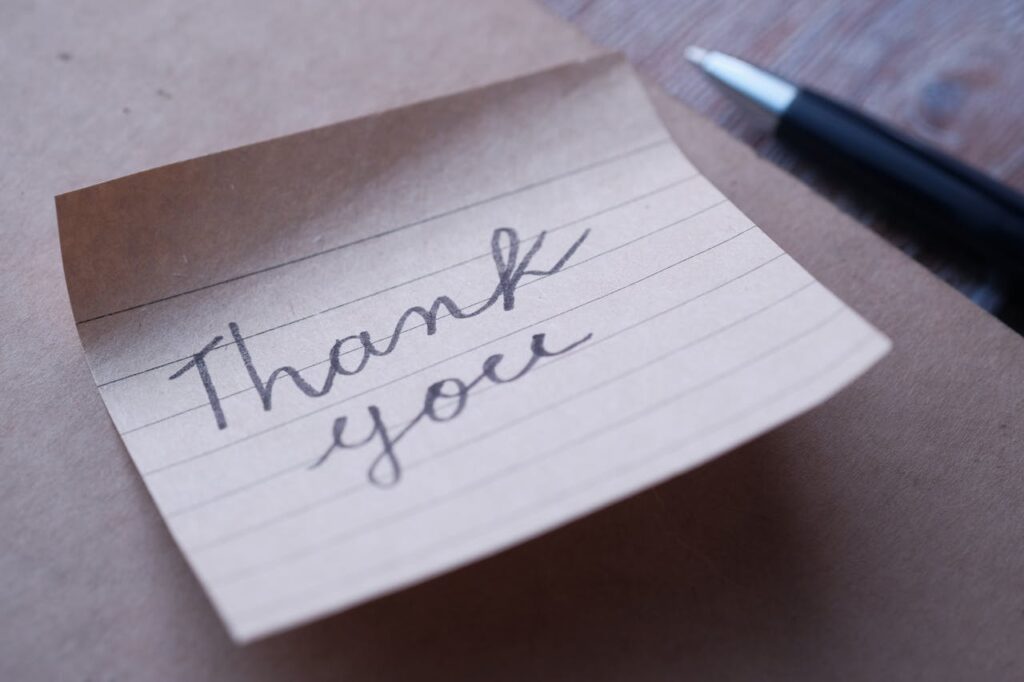
Leaving a kind message or compliment is always appreciated. It shows that you noticed the effort and took a moment to express it. However, words alone cannot replace a monetary tip.
For service workers, tips are part of their income, not just a bonus. While a note like “Great service” can brighten someone’s day, it does not help with practical needs like paying bills.
The best approach is to combine both. Leave a fair tip and add a short note if you feel inspired. That way, your appreciation is both meaningful and helpful.
11. Not Checking for Automatic Gratuity
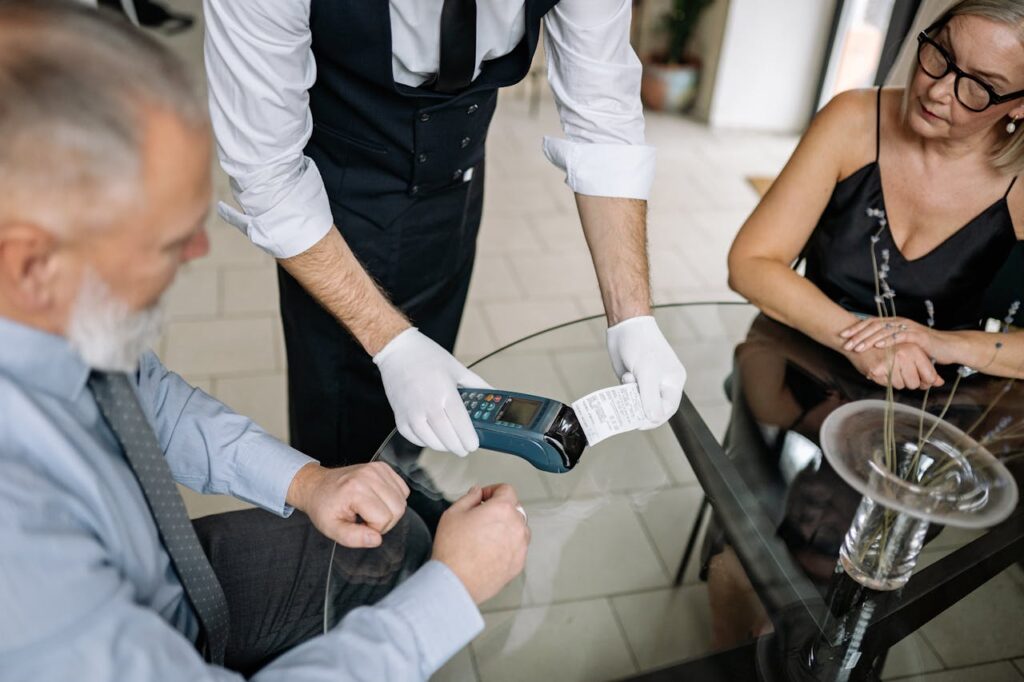
Automatic gratuity is more common than many people realize, especially for larger groups or special situations. The problem is that it is easy to miss if you are not carefully reviewing your bill.
This can lead to confusion in two different ways. You might accidentally leave too little because you assumed the tip was included when it was not. Or you might feel frustrated about tipping without realizing that gratuity has already been added.
Taking a moment to read your receipt helps you understand exactly what you are paying for. It also gives you the chance to decide whether you want to leave anything extra based on the quality of service.
Final Thoughts

Tipping is more than just a routine part of paying a bill. It is a small but meaningful way to recognize the effort that goes into serving you, whether that is in a restaurant, at your doorstep, or behind a counter. While it may seem like a quick decision, the way you tip can leave a lasting impression.
What stands out is that most rude tipping habits are not driven by bad intentions. They come from habit, confusion, or simply not thinking about the bigger picture. The encouraging part is that these habits are easy to improve once you are aware of them.
Being mindful of your tipping choices does not mean overthinking every situation. It simply means taking a moment to consider the service you received and responding in a way that feels fair. Consistency matters more than perfection. A steady, thoughtful approach goes a long way in showing respect.
At the same time, tipping does not have to feel stressful or complicated. Once you understand the general expectations and apply a bit of awareness, it becomes second nature. You start to move through these situations with more confidence and less uncertainty.
In the end, good tipping habits reflect something bigger than just money. They reflect how we treat people in everyday interactions. When you tip with fairness and intention, you are not just completing a transaction. You are acknowledging someone’s time, effort, and role in your experience. And that simple act of awareness can make a bigger difference than you might expect.
Leave a Reply