AI Coaches That Keep Boomers Active Safely and Smarter: 5 Worth Trying Today
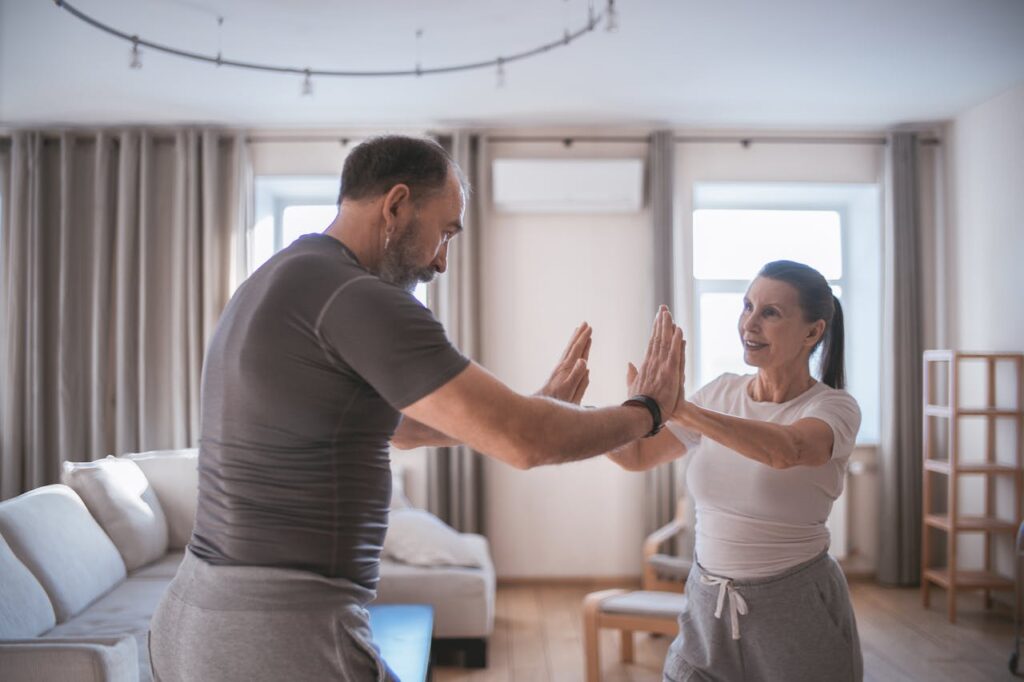
There is a quiet shift happening in how people stay active as they get older. It is no longer about pushing harder, keeping up with younger crowds, or chasing unrealistic fitness goals. For many boomers across the United States, the focus has become something far more meaningful: staying strong enough to enjoy daily life, avoiding injury, and feeling confident in their own bodies.
But here is the challenge. Fitness advice online can feel overwhelming or even discouraging. One video tells you to go all in, another warns you to slow down. Gym environments are not always welcoming, and hiring a personal trainer can be expensive or inconvenient. It leaves a lot of people wondering where to even begin.
This is where AI fitness coaches are quietly changing the game.
Instead of giving you a one size fits all program, these tools learn from you. They adjust to your pace, your ability, and even how your body feels on a given day. They are like having a coach who pays attention, remembers your progress, and does not rush you. Even better, many of them focus on safe movement, proper form, and long term health instead of quick results.
If you are looking for ways to stay active without feeling intimidated or risking injury, these five AI coaches are worth exploring.
1. Tempo Move: A Watchful Eye That Helps You Move Correctly
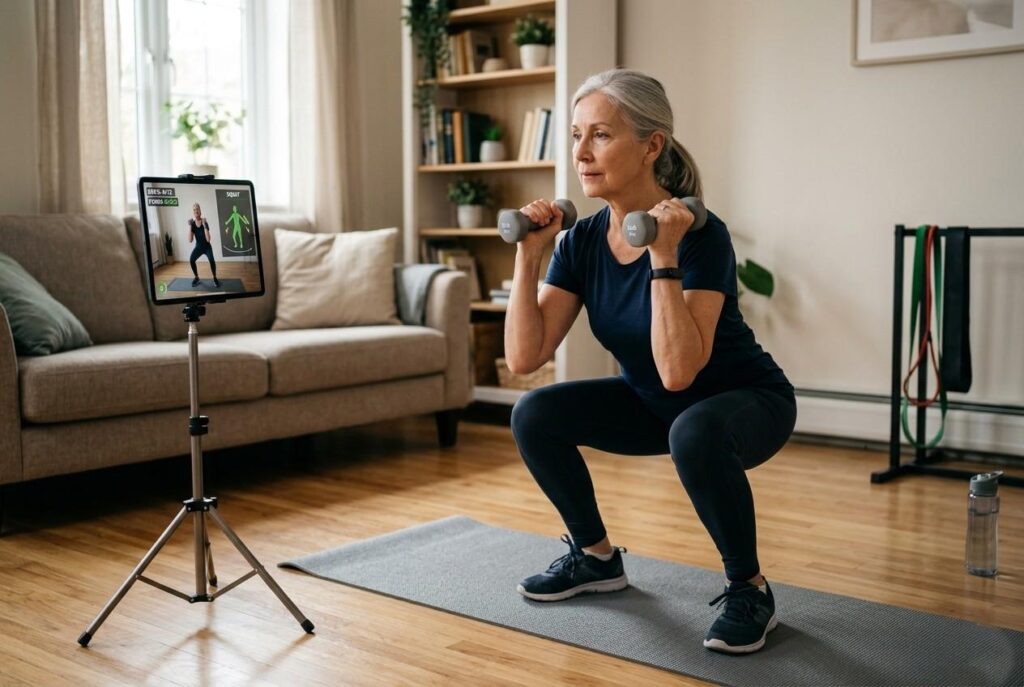
One of the biggest concerns when exercising alone is simple but important: am I doing this right? Poor form can lead to unnecessary strain, especially on joints like the knees, hips, and lower back. Tempo Move tackles this problem head on by using your phone’s camera and smart weights to track your movements in real time. It is not just counting reps. It is actually analyzing how your body moves and offering corrections as you go. That means if your posture slips during a squat or your alignment is off during a lift, it gently guides you back on track. What makes this especially valuable for boomers is that it focuses on controlled, safe movement rather than pushing intensity for the sake of it. Over time, it adapts to your strength level and builds a routine that feels manageable and steady. It is the kind of system that builds trust because you know it is looking out for your safety every step of the way.
2. Fitbod: A Smarter Way to Build Strength Without Guesswork
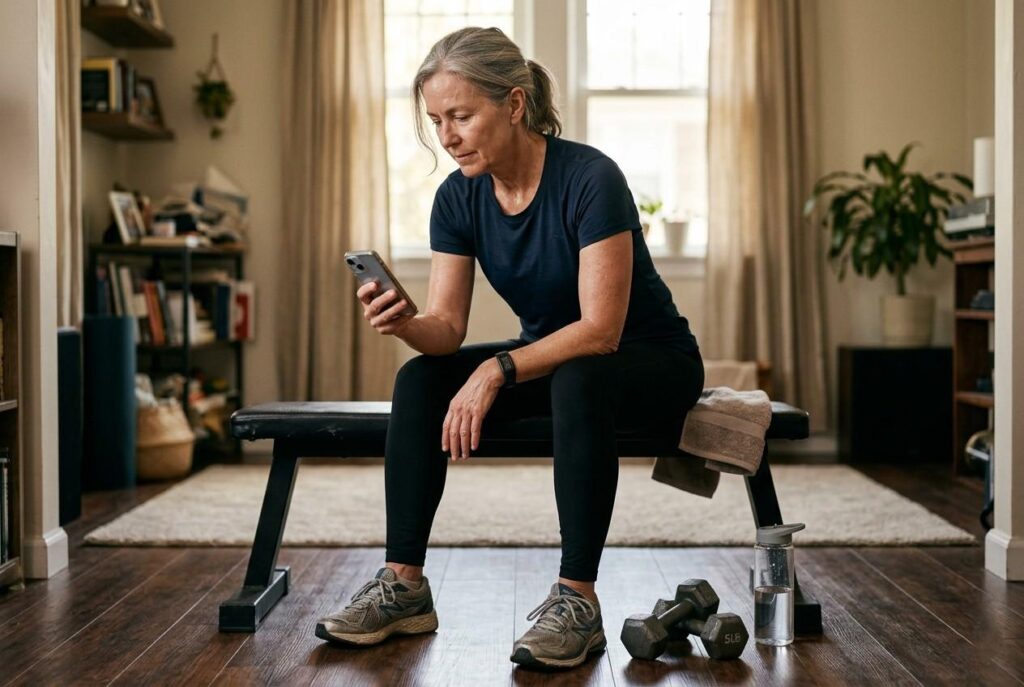
Strength training is one of the most effective ways to maintain independence as you age, but it can also feel confusing if you are not sure what exercises to do or how much is enough. Fitbod removes that uncertainty by creating personalized workout plans that adjust daily based on your progress, your available equipment, and even how sore you feel. Instead of repeating the same routine, it rotates exercises to give your muscles time to recover while still keeping you active. This is especially helpful for older adults because recovery matters just as much as the workout itself. Fitbod also provides clear demonstrations for each movement, making it easier to follow along without second guessing. The experience feels less like following a rigid program and more like having a thoughtful coach who understands that some days you feel strong and other days you need to take it easy. That balance is what keeps people consistent over time.
3. Kaia Health: A Gentle Approach for Pain Relief and Mobility
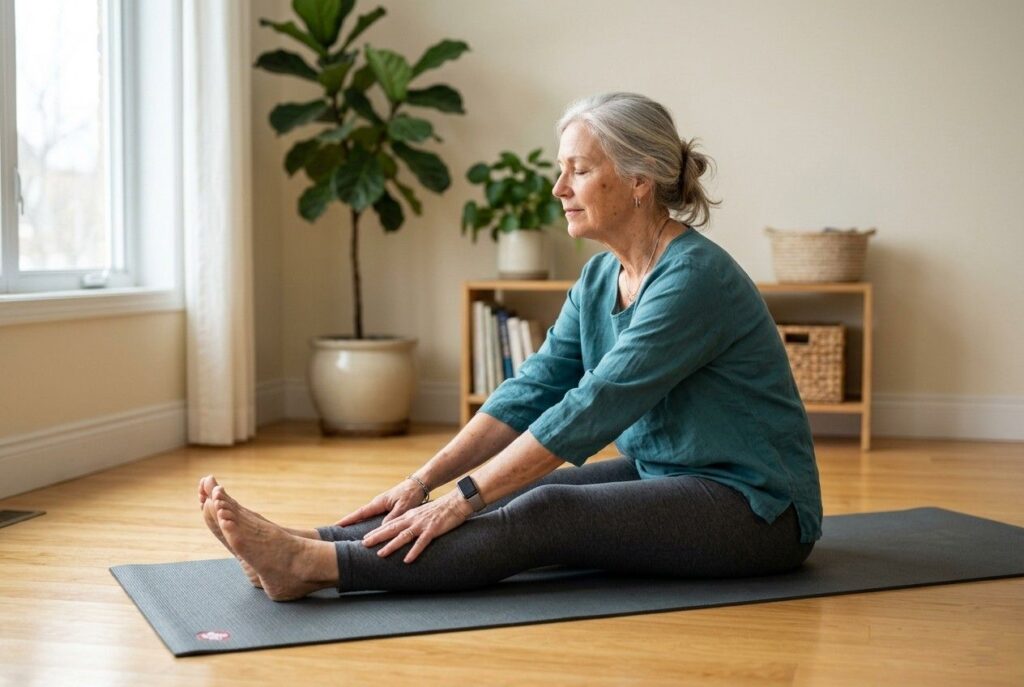
For many people, staying active is not just about motivation. It is about managing discomfort. Back pain, stiff joints, or old injuries can make exercise feel risky or even out of reach. Kaia Health takes a different approach by focusing on movement that supports healing rather than pushing intensity. It combines physical therapy style exercises, breathing techniques, and relaxation practices into a single program that adapts to your needs. Using motion tracking through your device, it observes how you perform each exercise and offers feedback to keep you safe. The pace is intentionally gentle, which makes it less intimidating if you are returning to movement after a long break. What stands out is how it connects physical activity with overall well being. It recognizes that feeling better is not just about muscles, but also about reducing stress and building confidence in your body again. For anyone hesitant to move because of pain, this can be a reassuring place to start.
4. Freeletics: A Flexible Coach That Builds Confidence Over Time
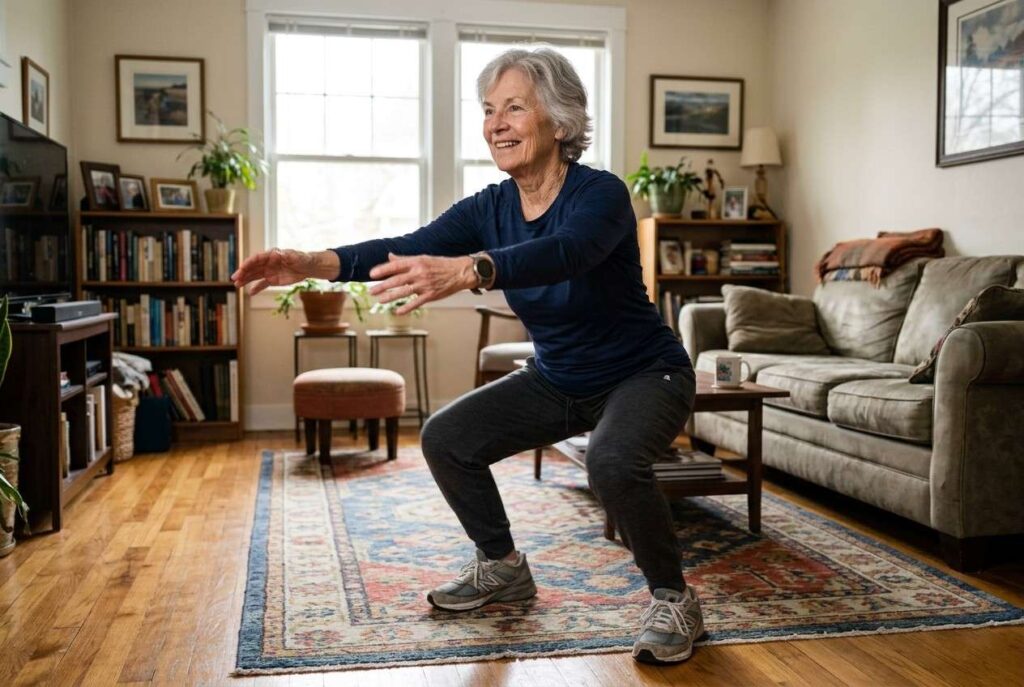
At first glance, Freeletics might seem like it is designed for high intensity workouts, but it is far more adaptable than it appears. The real strength of this app lies in how it listens to your feedback and adjusts your plan accordingly. After each session, you rate how challenging it felt, and the system uses that input to fine tune your next workout. If something felt too demanding, it eases up. If it felt too easy, it gradually increases the challenge. This creates a rhythm that feels natural rather than forced. For boomers who may feel unsure about how much effort is appropriate, this kind of responsiveness can make a big difference. You are not guessing or pushing blindly. You are building confidence step by step. Over time, that confidence becomes one of the biggest motivators to keep going. It turns exercise into something you feel capable of, not something you have to endure.
5. Lumen: Understanding Your Body Beyond Exercise

Staying active is not only about what you do during a workout. It is also about how your body uses energy throughout the day. Lumen offers a unique perspective by focusing on your metabolism. With a small handheld device, it analyzes your breath to determine whether your body is primarily burning fats or carbohydrates. Based on that data, it provides personalized suggestions for both nutrition and activity. This can be especially helpful as metabolism naturally changes with age. Instead of relying on generic advice, you get insights that are specific to your body. Some days it might suggest a lighter activity like walking, while on others it may encourage a bit more effort. It also helps guide food choices in a way that supports steady energy rather than extreme dieting. The result is a more balanced approach that connects what you eat with how you move. For many people, that clarity makes healthy habits easier to maintain.
Final Thoughts
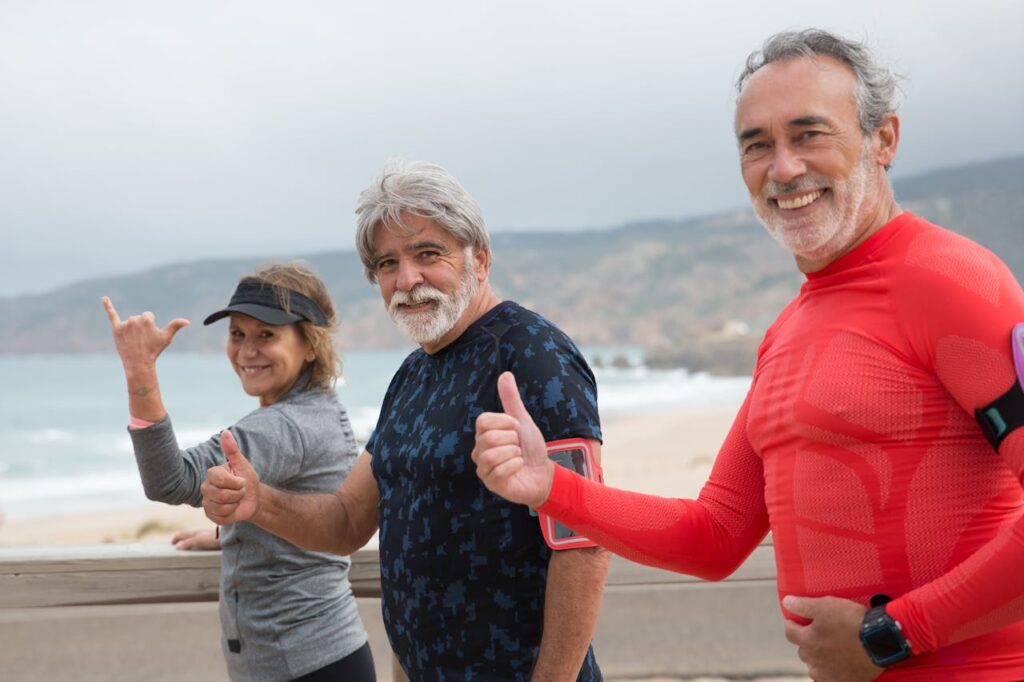
Staying active later in life is not about proving anything to anyone. It is about feeling strong enough to do the things that matter, whether that is playing with grandchildren, traveling, or simply moving through daily routines with ease. The challenge has always been finding the right kind of guidance, something that supports your body without pushing it too far.
That is exactly where AI coaching stands out.
These tools are not trying to turn you into an athlete overnight. They are designed to meet you where you are. They pay attention to your limits, adapt to your progress, and help you move with confidence instead of fear. In many ways, they remove the biggest barriers that keep people from staying active, which are uncertainty, lack of guidance, and concern about injury.
What makes this even more encouraging is how accessible these options have become. You can use them at home, on your own schedule, without feeling rushed or judged. That kind of flexibility matters more than people realize. It turns exercise from something you have to plan around into something that fits naturally into your day.
If you have been hesitant to start or restart a fitness routine, this might be the right moment to try a different approach. You do not need to do everything perfectly. You just need to begin with something that feels safe and manageable. Over time, those small steps add up.
The goal is not perfection. It is consistency, confidence, and a body that supports the life you want to live. With the help of the right AI coach, staying active can feel less like a challenge and more like a habit you actually enjoy.
Leave a Reply