Our Debt Free Family

Commit. Plan. Take action.

  • BUDGETING
  • DEBT REDUCTION
  • INVESTING
  • LIFESTYLE
  • TOOLS
  • ABOUT
  • Privacy Policy
  • CONTACT

7 Fun Activities Baby Boomers Loved That Seem to Have Disappeared
March 20, 2026 | Leave a Comment

7 Fun Activities Baby Boomers Loved That Seem to Have Disappeared

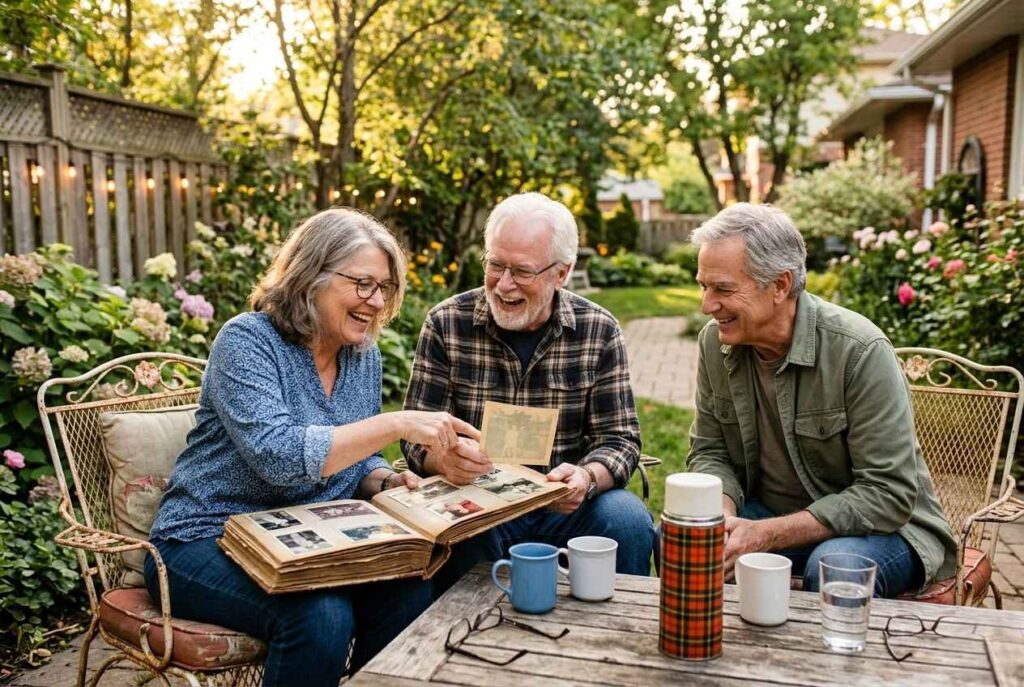
<p> Remember those days when fun felt simple, yet unforgettable? For Baby Boomers — born between 1946 and 1964 — weekends and summers were full of activities that brought friends, families, and communities together. From neighborhood races to late-night drive-in movies, these pastimes shaped childhoods and young adult life in ways that screen time and digital distractions cannot replace. The laughter, camaraderie, and excitement of these moments created memories that still bring a smile decades later. They reminded us that joy often came from connection and creativity rather than gadgets or schedules. Yet, many of these activities have largely disappeared. What changed? And what can we learn from these treasured traditions?

Here, we revisit seven fun activities that Baby Boomers loved, explore why they faded away, and reflect on the timeless joy they brought to everyday life. </p> :: Gemini

Remember those days when fun felt simple, yet unforgettable? For Baby Boomers — born between 1946 and 1964 — weekends and summers were full of activities that brought friends, families, and communities together. From neighborhood races to late-night drive-in movies, these pastimes shaped childhoods and young adult life in ways that screen time and digital distractions cannot replace. The laughter, camaraderie, and excitement of these moments created memories that still bring a smile decades later. They reminded us that joy often came from connection and creativity rather than gadgets or schedules. Yet, many of these activities have largely disappeared. What changed? And what can we learn from these treasured traditions?

Here, we revisit seven fun activities that Baby Boomers loved, explore why they faded away, and reflect on the timeless joy they brought to everyday life.

1. Drive-In Movie Nights
<p> Nothing says nostalgia like piling into the family car with snacks and blankets, heading to the local drive-in theater for a double feature under the stars. Drive-in movies were more than just watching a film — they were events. Families, friends, and even neighbors shared laughter, suspense, and unforgettable moments while tuning in to the radio for sound. Boomers fondly recall seeing classics like The Sound of Music or Jaws while enjoying the fresh evening air.

Drive-ins began disappearing as indoor theaters grew more comfortable and offered state-of-the-art screens and sound systems. Rising land values also made these large outdoor spaces too expensive to maintain. Though a few drive-ins survive today as nostalgic attractions, the cultural ritual of gathering for movies under the open sky has mostly faded. </p> :: Gemini

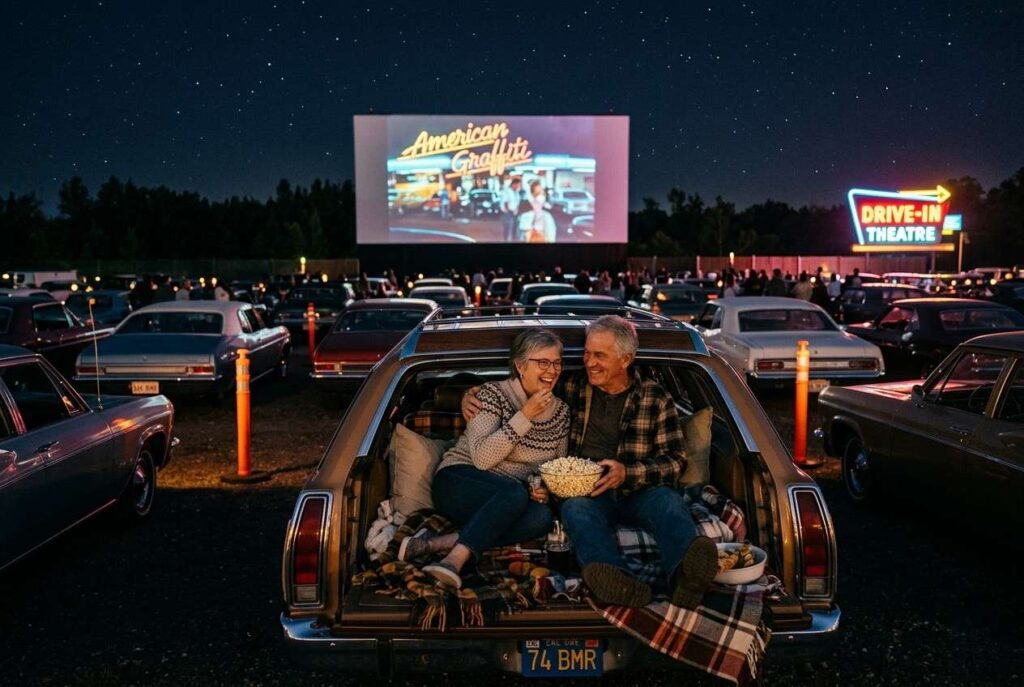
Nothing says nostalgia like piling into the family car with snacks and blankets, heading to the local drive-in theater for a double feature under the stars. Drive-in movies were more than just watching a film — they were events. Families, friends, and even neighbors shared laughter, suspense, and unforgettable moments while tuning in to the radio for sound. Boomers fondly recall seeing classics like The Sound of Music or Jaws while enjoying the fresh evening air.

Drive-ins began disappearing as indoor theaters grew more comfortable and offered state-of-the-art screens and sound systems. Rising land values also made these large outdoor spaces too expensive to maintain. Though a few drive-ins survive today as nostalgic attractions, the cultural ritual of gathering for movies under the open sky has mostly faded.

2. Bowling Leagues
<p> For many Baby Boomers, bowling was the ultimate social sport. Weekly league nights were about more than strikes and spares; they created lasting friendships and a sense of community. Teams celebrated victories, shared jokes, and supported one another outside of work and family life. The clatter of pins, the smell of fresh polish on the lanes, and the friendly rivalry kept people coming back week after week. Some Boomers even recall homemade scorecards, cheering sections, and the excitement of small-town tournaments that drew crowds from all around. Bowling was a way to unwind, connect, and make memories that often lasted a lifetime.

The decline of organized bowling leagues can be traced to busier lifestyles, evolving social habits, and the rise of digital entertainment that offered instant fun without leaving home. While bowling alleys still exist, the camaraderie and excitement of weekly league competition is a memory that brings smiles to those who experienced it firsthand. </p> :: Gemini

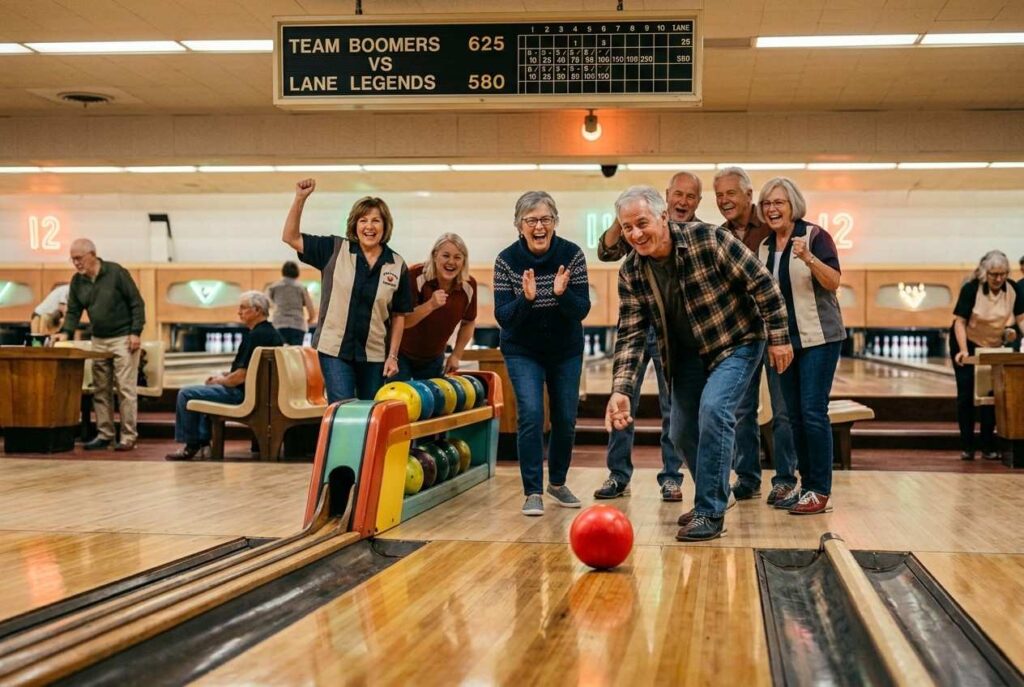
For many Baby Boomers, bowling was the ultimate social sport. Weekly league nights were about more than strikes and spares; they created lasting friendships and a sense of community. Teams celebrated victories, shared jokes, and supported one another outside of work and family life. The clatter of pins, the smell of fresh polish on the lanes, and the friendly rivalry kept people coming back week after week. Some Boomers even recall homemade scorecards, cheering sections, and the excitement of small-town tournaments that drew crowds from all around. Bowling was a way to unwind, connect, and make memories that often lasted a lifetime.

The decline of organized bowling leagues can be traced to busier lifestyles, evolving social habits, and the rise of digital entertainment that offered instant fun without leaving home. While bowling alleys still exist, the camaraderie and excitement of weekly league competition is a memory that brings smiles to those who experienced it firsthand.

3. Waiting for Film Photos
<p> Imagine the anticipation of dropping off a roll of film at the local drugstore and waiting days for your photos to be developed. Each print revealed moments of vacations, birthdays, and everyday life, turning memories into something tangible. The suspense and surprise were part of the joy, making the experience more meaningful than just snapping a picture. There was something magical about holding a physical photo in your hands, carefully placing it in an album, and sharing it with friends and family. Every faded corner or slightly off-focus shot told a story and brought laughter or smiles that digital images rarely evoke.

Digital cameras and smartphones revolutionized photography, offering instant previews, unlimited storage, and convenience. While film photography enjoys a niche revival for its aesthetic charm, the anticipation and shared experience of waiting for printed photos is largely gone. </p> :: Gemini

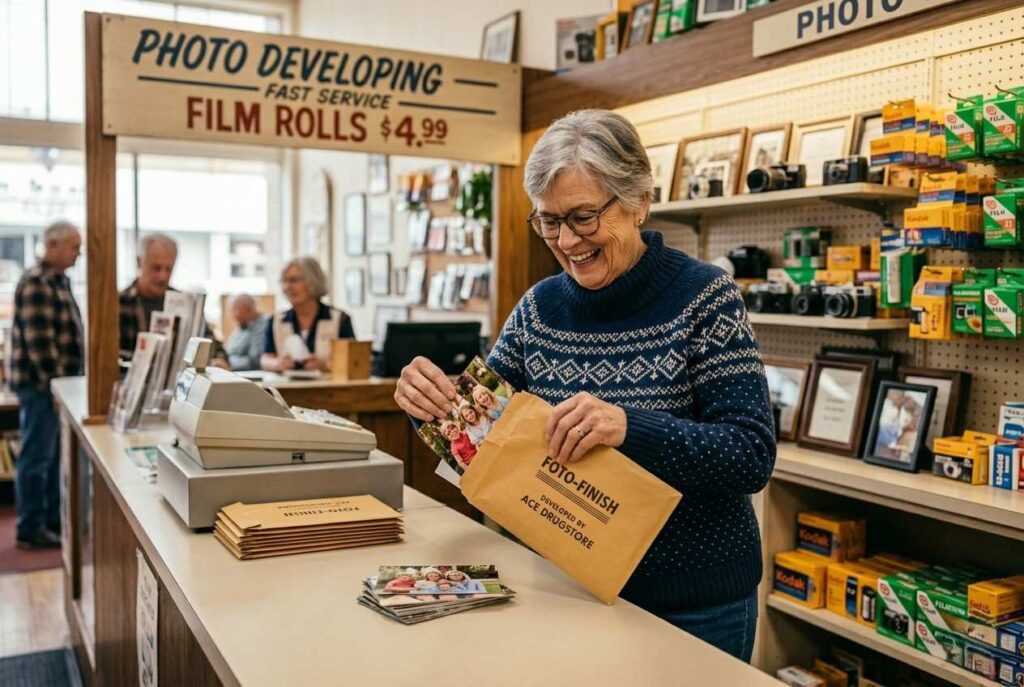
Imagine the anticipation of dropping off a roll of film at the local drugstore and waiting days for your photos to be developed. Each print revealed moments of vacations, birthdays, and everyday life, turning memories into something tangible. The suspense and surprise were part of the joy, making the experience more meaningful than just snapping a picture. There was something magical about holding a physical photo in your hands, carefully placing it in an album, and sharing it with friends and family. Every faded corner or slightly off-focus shot told a story and brought laughter or smiles that digital images rarely evoke.

Digital cameras and smartphones revolutionized photography, offering instant previews, unlimited storage, and convenience. While film photography enjoys a niche revival for its aesthetic charm, the anticipation and shared experience of waiting for printed photos is largely gone.

4. Soapbox and Homemade Races
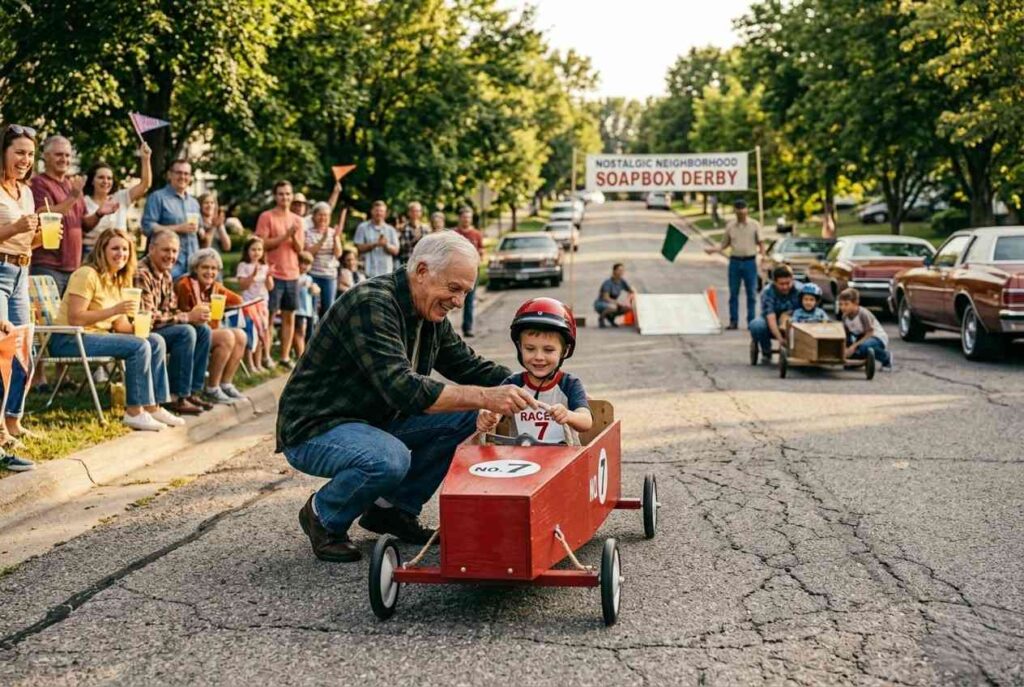
<p> Building a gravity-powered car from wood and racing it down the street was a rite of passage for many Baby Boomers. The Soap Box Derby and neighborhood races combined creativity, engineering, and friendly competition. These events were community celebrations where families gathered to cheer for kids showing off their homemade vehicles.

Over time, increased safety regulations and structured youth activities replaced spontaneous racing. While organized Soap Box events continue, the casual, backyard creativity and excitement that defined these races are rare today, leaving only cherished memories of hands-on fun and neighborhood camaraderie. </p> :: Gemini

Building a gravity-powered car from wood and racing it down the street was a rite of passage for many Baby Boomers. The Soap Box Derby and neighborhood races combined creativity, engineering, and friendly competition. These events were community celebrations where families gathered to cheer for kids showing off their homemade vehicles.

Over time, increased safety regulations and structured youth activities replaced spontaneous racing. While organized Soap Box events continue, the casual, backyard creativity and excitement that defined these races are rare today, leaving only cherished memories of hands-on fun and neighborhood camaraderie.

5. CB Radio Chatter

<p> Long before social media, CB radios connected drivers across the country. Truckers and everyday motorists could talk in real time, swapping stories, advice, and humor over the airwaves. Phrases like "breaker one-nine" were part of a lively subculture that built connections far beyond the highway. Many Boomers remember tuning in on long road trips just to hear the latest jokes, helpful traffic tips, or quirky nicknames from strangers who felt like friends. It was not uncommon for entire communities of drivers to form tight-knit networks, offering support during tough drives or sharing celebrations and milestones. The excitement of catching a rare signal from a faraway town brought a sense of adventure and camaraderie that made every trip feel connected.

The widespread adoption of mobile phones and the internet made CB radio largely obsolete. Yet, for Baby Boomers, it was a social lifeline and a source of fun that offered a sense of community and instant communication that modern technology has only partially replicated. </p> :: Gemini

Long before social media, CB radios connected drivers across the country. Truckers and everyday motorists could talk in real time, swapping stories, advice, and humor over the airwaves. Phrases like “breaker one-nine” were part of a lively subculture that built connections far beyond the highway. Many Boomers remember tuning in on long road trips just to hear the latest jokes, helpful traffic tips, or quirky nicknames from strangers who felt like friends. It was not uncommon for entire communities of drivers to form tight-knit networks, offering support during tough drives or sharing celebrations and milestones. The excitement of catching a rare signal from a faraway town brought a sense of adventure and camaraderie that made every trip feel connected.

The widespread adoption of mobile phones and the internet made CB radio largely obsolete. Yet, for Baby Boomers, it was a social lifeline and a source of fun that offered a sense of community and instant communication that modern technology has only partially replicated.

6. Roller Disco Nights

<p> Skating to disco beats under twinkling lights captured the spirit of the 1970s and early 1980s. Roller rinks were cultural hubs where teens and adults alike could express themselves, enjoy music, and socialize. It was more than exercise; it was a vibrant combination of music, fashion, and movement that brought communities together. People dressed in colorful outfits, perfected their spins and slides, and even formed small skating crews that competed for style and flair. For many, it was a magical escape from everyday life, where friendships and memories were forged on wheels.

With the rise of home entertainment, stricter safety considerations, and changing social trends, roller disco declined. Today, roller skating enjoys a nostalgic comeback, but the dazzling scene of disco balls and synchronized moves that filled rinks nationwide has mostly passed. </p> :: Gemini

Skating to disco beats under twinkling lights captured the spirit of the 1970s and early 1980s. Roller rinks were cultural hubs where teens and adults alike could express themselves, enjoy music, and socialize. It was more than exercise; it was a vibrant combination of music, fashion, and movement that brought communities together. People dressed in colorful outfits, perfected their spins and slides, and even formed small skating crews that competed for style and flair. For many, it was a magical escape from everyday life, where friendships and memories were forged on wheels.

With the rise of home entertainment, stricter safety considerations, and changing social trends, roller disco declined. Today, roller skating enjoys a nostalgic comeback, but the dazzling scene of disco balls and synchronized moves that filled rinks nationwide has mostly passed.

7. Outdoor Neighborhood Play Until Dark
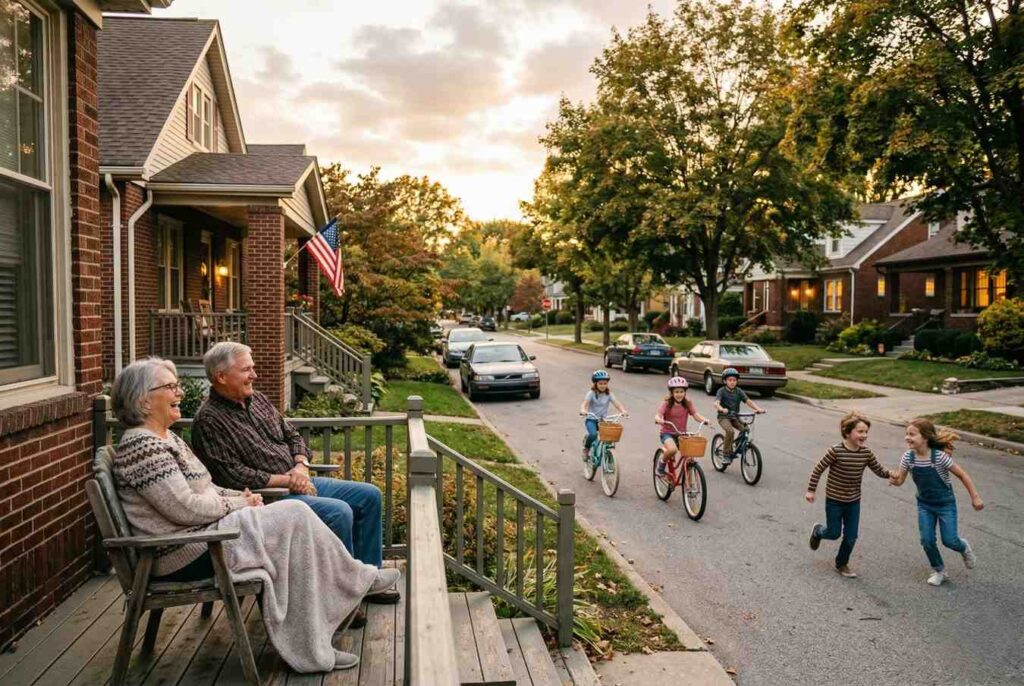
<p> One of the simplest and most memorable joys for Baby Boomers was the freedom to play outside with friends until the streetlights came on. Biking, tag, hide-and-seek, or impromptu ball games created lasting friendships, encouraged creativity, and gave children a sense of independence. These hours spent outdoors also taught problem-solving, negotiation, and teamwork in ways that classrooms and structured activities often could not. Many Boomers remember the laughter, scraped knees, and the thrill of exploring their neighborhoods with complete freedom.

Modern neighborhoods, safety concerns, and busy schedules have greatly reduced opportunities for unstructured outdoor play. Technology also offers countless distractions, shifting children’s attention indoors. While outdoor fun is still part of childhood, the carefree, community-centered play that Baby Boomers experienced is far less common. </p> :: Gemini

One of the simplest and most memorable joys for Baby Boomers was the freedom to play outside with friends until the streetlights came on. Biking, tag, hide-and-seek, or impromptu ball games created lasting friendships, encouraged creativity, and gave children a sense of independence. These hours spent outdoors also taught problem-solving, negotiation, and teamwork in ways that classrooms and structured activities often could not. Many Boomers remember the laughter, scraped knees, and the thrill of exploring their neighborhoods with complete freedom.

Modern neighborhoods, safety concerns, and busy schedules have greatly reduced opportunities for unstructured outdoor play. Technology also offers countless distractions, shifting children’s attention indoors. While outdoor fun is still part of childhood, the carefree, community-centered play that Baby Boomers experienced is far less common.

Final Thoughts

<p> Looking back at these activities, it is clear they offered more than simple entertainment. They fostered creativity, connection, and community in ways that modern substitutes struggle to replicate. The decline of these pastimes was driven by technology, safety considerations, urban development, and lifestyle changes, yet their impact is timeless.

For Baby Boomers, remembering and even reviving these activities can bring joy not only for themselves but also for younger generations. Film photography nights, community races, drive-in movies, and roller skating sessions can all be reimagined in a modern context, keeping the spirit of fun alive.

The lesson is simple: fun is not just about convenience or speed; it is about connection, shared experiences, and memories that last. By revisiting these activities, Boomers can inspire communities, create bonding experiences, and remind everyone that the best fun is often hands-on, active, and shared with others.

So pull out those old bowling shoes, check for a local roller rink, or organize a family movie night reminiscent of the drive-in era. Nostalgia is more than memory — it is an opportunity to bring back moments of pure joy and to share them with those we care about. </p> :: Gemini

Looking back at these activities, it is clear they offered more than simple entertainment. They fostered creativity, connection, and community in ways that modern substitutes struggle to replicate. The decline of these pastimes was driven by technology, safety considerations, urban development, and lifestyle changes, yet their impact is timeless.

For Baby Boomers, remembering and even reviving these activities can bring joy not only for themselves but also for younger generations. Film photography nights, community races, drive-in movies, and roller skating sessions can all be reimagined in a modern context, keeping the spirit of fun alive.

The lesson is simple: fun is not just about convenience or speed; it is about connection, shared experiences, and memories that last. By revisiting these activities, Boomers can inspire communities, create bonding experiences, and remind everyone that the best fun is often hands-on, active, and shared with others.

So pull out those old bowling shoes, check for a local roller rink, or organize a family movie night reminiscent of the drive-in era. Nostalgia is more than memory — it is an opportunity to bring back moments of pure joy and to share them with those we care about.


Filed Under: Entertainment

Why Sleep Gets Worse After 60 — and 8 Ways to Fix It (So You Actually Feel Rested Again)

March 20, 2026 | Leave a Comment

Why Sleep Gets Worse After 60 — and 8 Ways to Fix It (So You Actually Feel Rested Again)

<p> Sleep is supposed to leave you feeling refreshed and ready to face the day, but if you are over 60, you may have noticed that your nights are not quite what they used to be. Waking up multiple times, tossing and turning, or feeling groggy after a full night of sleep has become far too familiar for many older adults. You might even joke that your bed has turned into a soft stage for lying awake. The truth is, sleep naturally changes as we age. Hormonal shifts, lifestyle changes, and health factors all play a role. While some alterations are normal, many can be improved with a few practical strategies. Understanding why your sleep changes and learning how to adapt can make a huge difference in both your rest and overall well-being. Here are the main reasons sleep gets worse after 60 and eight practical ways you can fix it. </p> :: Gemini

Sleep is supposed to leave you feeling refreshed and ready to face the day, but if you are over 60, you may have noticed that your nights are not quite what they used to be. Waking up multiple times, tossing and turning, or feeling groggy after a full night of sleep has become far too familiar for many older adults. You might even joke that your bed has turned into a soft stage for lying awake.

The truth is, sleep naturally changes as we age. Hormonal shifts, lifestyle changes, and health factors all play a role. While some alterations are normal, many can be improved with a few practical strategies. Understanding why your sleep changes and learning how to adapt can make a huge difference in both your rest and overall well-being.

Here are the main reasons sleep gets worse after 60 and eight practical ways you can fix it.

1. Your Internal Clock Shifts

<p> As we age, our internal clock, or circadian rhythm, gradually shifts. Many older adults find themselves feeling sleepy earlier in the evening and waking up earlier than they want. This shift is called a “phase advance” and often comes with more frequent nighttime awakenings. As a result, even if you get seven or eight hours of sleep, it might not feel restorative.

How to fix it: Keeping a consistent sleep and wake schedule can help retrain your body clock. Even if you are retired and your schedule is flexible, going to bed and waking up at roughly the same time each day strengthens your natural rhythm. Morning exposure to natural light, such as a walk outside or sitting near a sunny window, also signals your brain that it is daytime and can help regulate sleep timing. </p> :: Gemini

As we age, our internal clock, or circadian rhythm, gradually shifts. Many older adults find themselves feeling sleepy earlier in the evening and waking up earlier than they want. This shift is called a “phase advance” and often comes with more frequent nighttime awakenings. As a result, even if you get seven or eight hours of sleep, it might not feel restorative.

How to fix it: Keeping a consistent sleep and wake schedule can help retrain your body clock. Even if you are retired and your schedule is flexible, going to bed and waking up at roughly the same time each day strengthens your natural rhythm. Morning exposure to natural light, such as a walk outside or sitting near a sunny window, also signals your brain that it is daytime and can help regulate sleep timing.

2. Less Deep Sleep

<p> Deep sleep is the stage where the body repairs itself, strengthens the immune system, and consolidates memories. After age 60, the amount of time spent in deep sleep decreases. You might notice that you wake up feeling groggy or that your sleep feels lighter, even if you spend enough hours in bed.

How to fix it: Gentle daily exercise such as walking, swimming, or yoga encourages deeper sleep. Exercise improves circulation and hormone balance, making sleep more restorative. Avoid intense workouts right before bedtime because they can temporarily increase alertness and make falling asleep harder. </p> :: Gemini

Deep sleep is the stage where the body repairs itself, strengthens the immune system, and consolidates memories. After age 60, the amount of time spent in deep sleep decreases. You might notice that you wake up feeling groggy or that your sleep feels lighter, even if you spend enough hours in bed.

How to fix it: Gentle daily exercise such as walking, swimming, or yoga encourages deeper sleep. Exercise improves circulation and hormone balance, making sleep more restorative. Avoid intense workouts right before bedtime because they can temporarily increase alertness and make falling asleep harder.

3. Nighttime Awakenings Increase

<p> It is normal for older adults to wake up multiple times during the night. Changes in sleep cycles, lighter sleep, trips to the bathroom, and physical discomfort all contribute to these interruptions. Even brief awakenings can leave you feeling unrested.

How to fix it: Limit fluids a few hours before bedtime and visit the bathroom right before going to bed. Small adjustments such as keeping a nightlight in the bathroom and ensuring your bedroom is easy to navigate can reduce stress and help you fall back asleep more quickly. If you wake up in the middle of the night, avoid looking at the clock, as that can increase anxiety and make it harder to return to sleep. </p> :: Gemini

It is normal for older adults to wake up multiple times during the night. Changes in sleep cycles, lighter sleep, trips to the bathroom, and physical discomfort all contribute to these interruptions. Even brief awakenings can leave you feeling unrested.

How to fix it: Limit fluids a few hours before bedtime and visit the bathroom right before going to bed. Small adjustments such as keeping a nightlight in the bathroom and ensuring your bedroom is easy to navigate can reduce stress and help you fall back asleep more quickly. If you wake up in the middle of the night, avoid looking at the clock, as that can increase anxiety and make it harder to return to sleep.

4. Hormone Changes Affect Sleep

<p> Melatonin is a hormone that regulates sleep and wake cycles. As you age, melatonin levels naturally decline, making it harder to fall asleep and stay asleep. Bright lights, phone screens, and TV can further interfere with your body’s natural rhythm, signaling to your brain that it is not yet time to sleep.

How to fix it: Dim lights in the evening and reduce screen exposure at least an hour before bed. A relaxing pre-sleep routine such as reading a book, gentle stretching, or listening to soft music can reinforce your body’s natural sleep signals. For some, using low-wattage lamps or soft, warm lighting can be surprisingly effective in signaling the brain to wind down. </p> :: Gemini

Melatonin is a hormone that regulates sleep and wake cycles. As you age, melatonin levels naturally decline, making it harder to fall asleep and stay asleep. Bright lights, phone screens, and TV can further interfere with your body’s natural rhythm, signaling to your brain that it is not yet time to sleep.

How to fix it: Dim lights in the evening and reduce screen exposure at least an hour before bed. A relaxing pre-sleep routine such as reading a book, gentle stretching, or listening to soft music can reinforce your body’s natural sleep signals. For some, using low-wattage lamps or soft, warm lighting can be surprisingly effective in signaling the brain to wind down.

5. Daytime Naps Can Disrupt Nighttime Sleep

<p> Napping can seem harmless, especially for retirees or those who feel tired during the day. However, long or late-afternoon naps can interfere with your nighttime sleep. They reduce the natural sleep drive, making it harder to fall asleep in the evening and stay asleep through the night.

How to fix it: Keep naps short, ideally 20 to 30 minutes, and take them earlier in the day, preferably before mid-afternoon. A quick, refreshing nap can boost alertness without affecting nighttime rest. Combining short naps with regular morning sunlight exposure can enhance overall energy and help maintain a consistent circadian rhythm. </p> :: Gemini

Napping can seem harmless, especially for retirees or those who feel tired during the day. However, long or late-afternoon naps can interfere with your nighttime sleep. They reduce the natural sleep drive, making it harder to fall asleep in the evening and stay asleep through the night.

How to fix it: Keep naps short, ideally 20 to 30 minutes, and take them earlier in the day, preferably before mid-afternoon. A quick, refreshing nap can boost alertness without affecting nighttime rest. Combining short naps with regular morning sunlight exposure can enhance overall energy and help maintain a consistent circadian rhythm.

6. Pain and Health Conditions Interrupt Sleep

<p> Chronic health issues such as arthritis, acid reflux, sleep apnea, restless legs syndrome, and even minor aches and pains can make falling asleep and staying asleep difficult. Nighttime discomfort can wake you repeatedly, affecting your overall rest and daytime energy.

How to fix it: Address underlying health concerns with your healthcare provider. Supportive pillows, adjusting sleep positions, managing reflux through diet, and following treatment plans for sleep apnea can significantly improve sleep quality. Even small adjustments like keeping medications and water within easy reach at night can make your routine smoother and less disruptive. </p> :: Gemini

Chronic health issues such as arthritis, acid reflux, sleep apnea, restless legs syndrome, and even minor aches and pains can make falling asleep and staying asleep difficult. Nighttime discomfort can wake you repeatedly, affecting your overall rest and daytime energy.

How to fix it: Address underlying health concerns with your healthcare provider. Supportive pillows, adjusting sleep positions, managing reflux through diet, and following treatment plans for sleep apnea can significantly improve sleep quality. Even small adjustments like keeping medications and water within easy reach at night can make your routine smoother and less disruptive.

7. Stress and Anxiety Can Keep You Awake

<p> Even in retirement, worries about health, family, finances, or world events can follow you into the night. A racing mind can make it difficult to fall asleep or cause frequent awakenings. Stress and anxiety can amplify the natural challenges of aging sleep, creating a cycle of sleeplessness and daytime fatigue.

How to fix it: Establish a calming bedtime routine. Journaling about your day, meditation, or gentle stretching can help calm your mind. Breathing exercises and guided relaxation apps are effective tools for quieting racing thoughts. Creating a ritual, such as sipping warm herbal tea or listening to soft music, can signal your body that it is time to rest. </p> :: Gemini

Even in retirement, worries about health, family, finances, or world events can follow you into the night. A racing mind can make it difficult to fall asleep or cause frequent awakenings. Stress and anxiety can amplify the natural challenges of aging sleep, creating a cycle of sleeplessness and daytime fatigue.

How to fix it: Establish a calming bedtime routine. Journaling about your day, meditation, or gentle stretching can help calm your mind. Breathing exercises and guided relaxation apps are effective tools for quieting racing thoughts. Creating a ritual, such as sipping warm herbal tea or listening to soft music, can signal your body that it is time to rest.

8. Your Sleep Environment Matters

<p> Older adults are often more sensitive to their sleep environment. Noise, temperature, light, and even bedding can impact your ability to fall and stay asleep. What may have been tolerable in younger years might now be enough to disturb sleep.

How to fix it: Optimize your bedroom for comfort. Keep it cool, ideally between 60 and 67 degrees Fahrenheit. Use blackout curtains, white-noise machines, or earplugs to block disruptions. Invest in mattresses and bedding that support your preferred sleep positions. Even small changes, such as rearranging furniture for a more peaceful layout or adding a soft rug to reduce nighttime noise, can improve sleep quality significantly. </p> :: Gemini

Older adults are often more sensitive to their sleep environment. Noise, temperature, light, and even bedding can impact your ability to fall and stay asleep. What may have been tolerable in younger years might now be enough to disturb sleep.

How to fix it: Optimize your bedroom for comfort. Keep it cool, ideally between 60 and 67 degrees Fahrenheit. Use blackout curtains, white-noise machines, or earplugs to block disruptions. Invest in mattresses and bedding that support your preferred sleep positions. Even small changes, such as rearranging furniture for a more peaceful layout or adding a soft rug to reduce nighttime noise, can improve sleep quality significantly.

Final Thoughts

<p> Sleep after 60 is not the same as it was in your younger years, but restful nights are far from impossible. Understanding why your sleep patterns change—whether due to hormonal shifts, lighter sleep, nighttime awakenings, or environmental sensitivities—gives you the power to make meaningful improvements. Simple adjustments to daily routines, exercise habits, bedtime rituals, and bedroom environment can transform your nights. Prioritizing consistent sleep schedules, creating a calm and dark sleep space, managing stress, and addressing underlying health conditions all contribute to better quality sleep. Better sleep does more than make mornings easier. It improves memory, mood, energy, and overall physical health, allowing you to fully enjoy life after 60. With patience, consistency, and a few smart adjustments, you can reclaim deep, restorative sleep and wake up refreshed, ready to embrace each day with clarity and vitality. Sleep well, because the next chapter of life deserves nights that feel as rejuvenating as they did in your youth. </p> :: Gemini

Sleep after 60 is not the same as it was in your younger years, but restful nights are far from impossible. Understanding why your sleep patterns change—whether due to hormonal shifts, lighter sleep, nighttime awakenings, or environmental sensitivities—gives you the power to make meaningful improvements.

Simple adjustments to daily routines, exercise habits, bedtime rituals, and bedroom environment can transform your nights. Prioritizing consistent sleep schedules, creating a calm and dark sleep space, managing stress, and addressing underlying health conditions all contribute to better quality sleep.

Better sleep does more than make mornings easier. It improves memory, mood, energy, and overall physical health, allowing you to fully enjoy life after 60. With patience, consistency, and a few smart adjustments, you can reclaim deep, restorative sleep and wake up refreshed, ready to embrace each day with clarity and vitality.

Sleep well, because the next chapter of life deserves nights that feel as rejuvenating as they did in your youth.

Filed Under: Lifestyle

12 Essential Plants You Should Never Prune in the Fall for a Healthy Spring Garden

March 19, 2026 | Leave a Comment

12 Essential Plants You Should Never Prune in the Fall for a Healthy Spring Garden

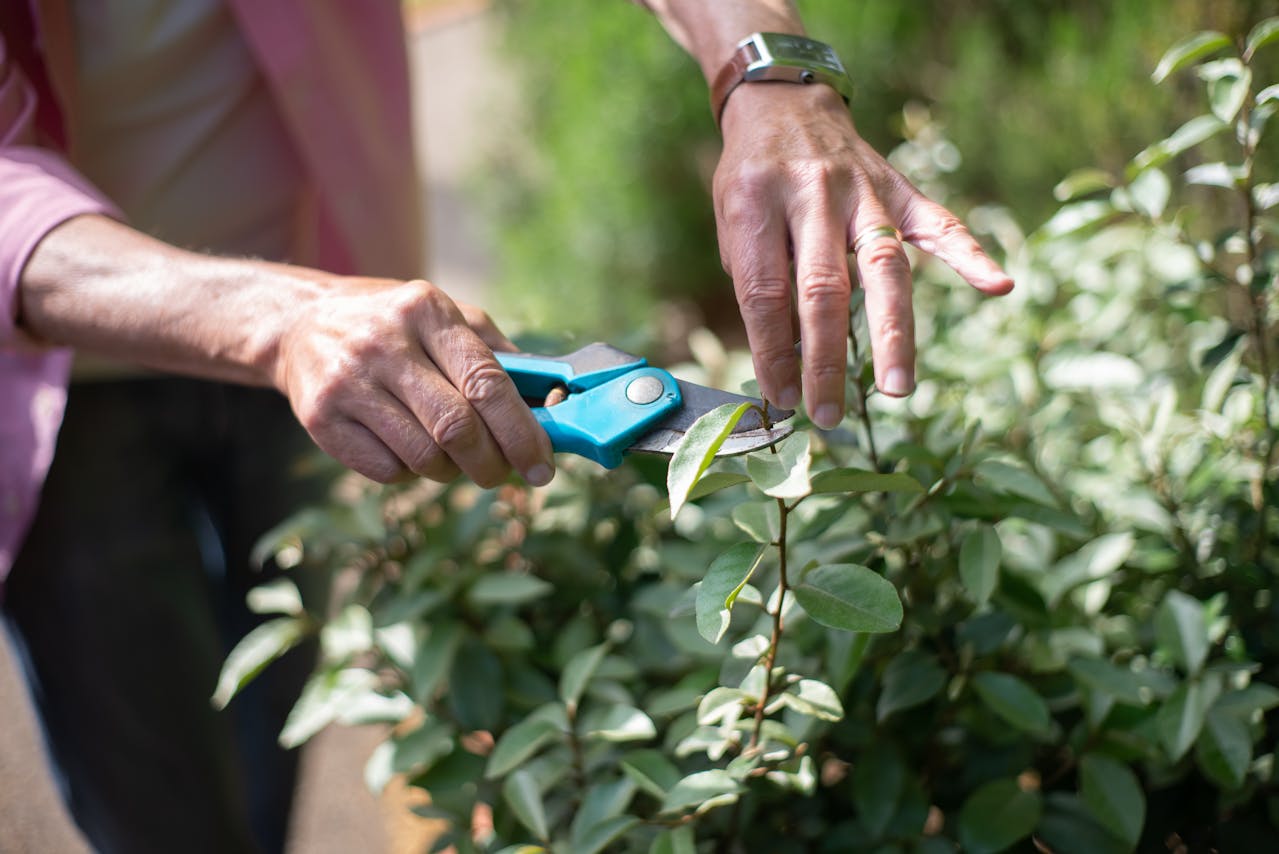
<p> Fall cleanup in the garden is common, but some plants actually fare better if left untouched through winter. Cutting them back too soon can hinder growth, reduce winter hardiness, or even prevent blooming the following year. Knowing which plants to avoid cutting back in the fall can ensure you have a healthy, vibrant garden come spring. Here's a guide to 12 plants you should never cut back in the fall and why waiting until spring is best. </p> :: Pexels

Fall cleanup in the garden is common, but some plants actually fare better if left untouched through winter. Cutting them back too soon can hinder growth, reduce winter hardiness, or even prevent blooming the following year. Knowing which plants to avoid cutting back in the fall can ensure you have a healthy, vibrant garden come spring. Here’s a guide to 12 plants you should never cut back in the fall and why waiting until spring is best.

1. Hydrangeas (Hydrangea macrophylla)

<p> Bigleaf hydrangeas bloom on old wood, meaning the flower buds for next year’s blooms are already set by the end of summer. Pruning them in the fall can result in cutting off these buds, leaving you with few or no flowers next spring. It's best to avoid fall pruning and instead prune after flowering in late summer. This ensures you’ll enjoy abundant blossoms in the following season. </p> :: Pexels

Bigleaf hydrangeas bloom on old wood, meaning the flower buds for next year’s blooms are already set by the end of summer. Pruning them in the fall can result in cutting off these buds, leaving you with few or no flowers next spring. It’s best to avoid fall pruning and instead prune after flowering in late summer. This ensures you’ll enjoy abundant blossoms in the following season.

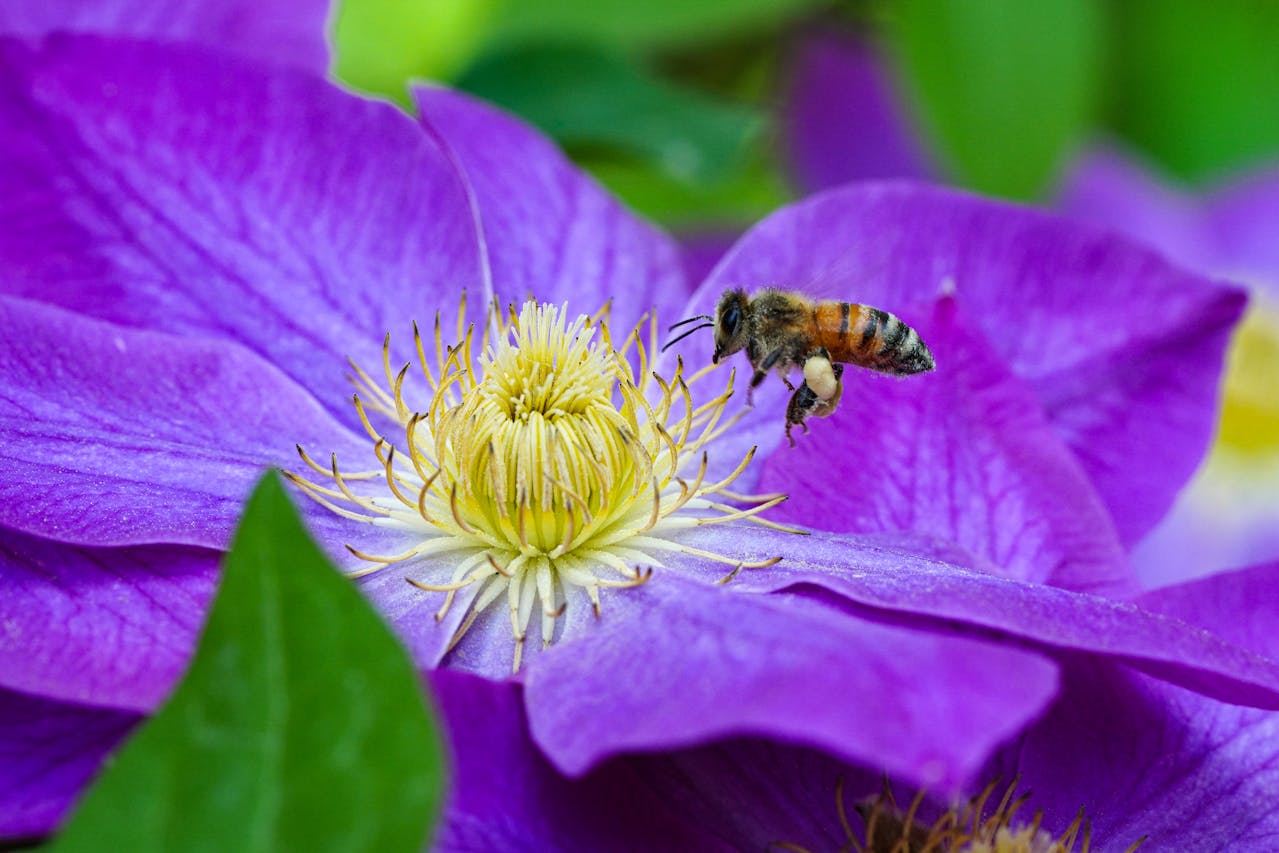
2. Clematis (Clematis montana)

<p> Early-flowering clematis, like Clematis montana, bloom on old wood. Their buds form the year before, so cutting them back in the fall will remove these buds and deprive you of spring flowers. Clematis varieties should be pruned after flowering in the spring to avoid interfering with their bloom cycle. When left alone through winter, they’ll reward you with a profusion of blooms come spring. </p> :: Pexels

Early-flowering clematis, like Clematis montana, bloom on old wood. Their buds form the year before, so cutting them back in the fall will remove these buds and deprive you of spring flowers. Clematis varieties should be pruned after flowering in the spring to avoid interfering with their bloom cycle. When left alone through winter, they’ll reward you with a profusion of blooms come spring.

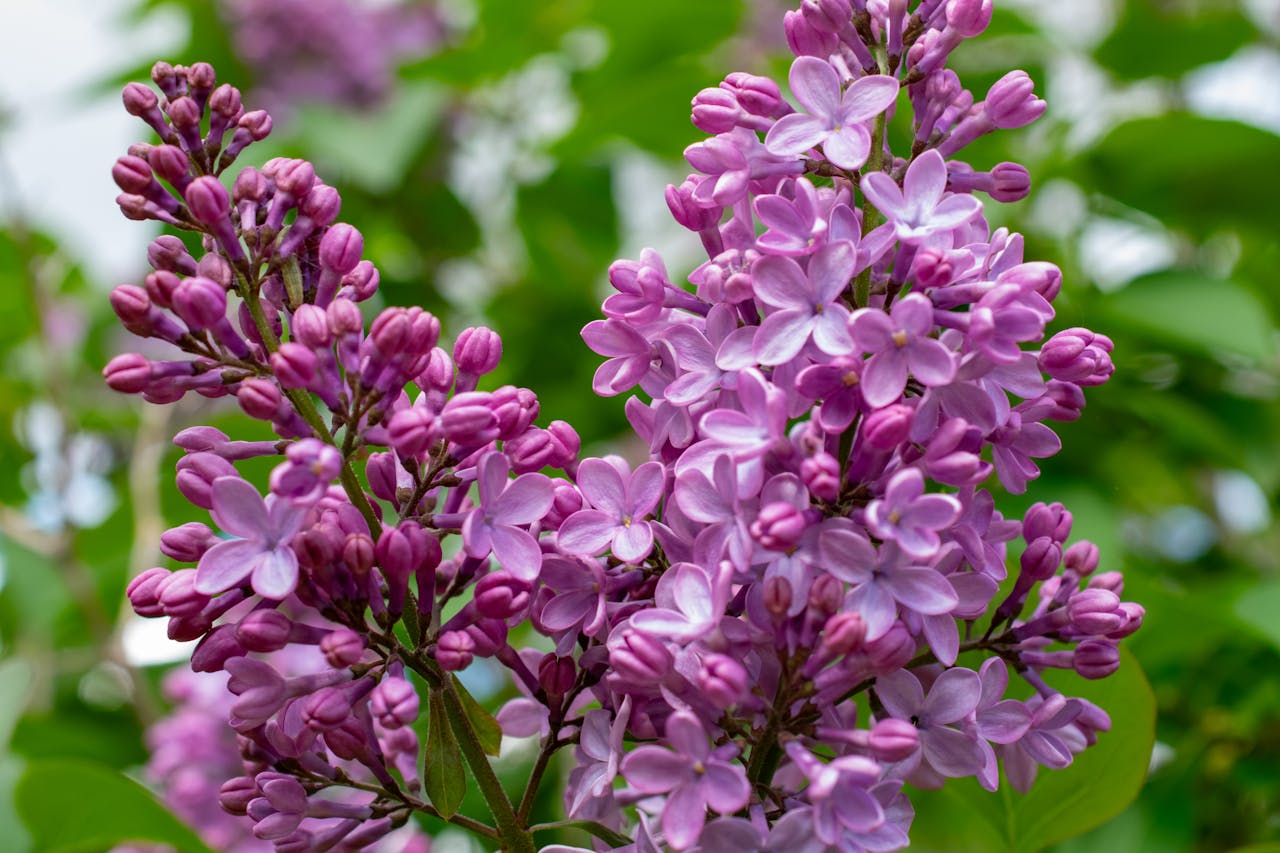
3. Lilacs (Syringa vulgaris)

<p> Lilacs are a classic garden staple, beloved for their fragrant spring flowers. They bloom on old wood, meaning their flower buds form in the previous season. Cutting them back in the fall risks removing these buds, resulting in fewer blooms the next year. To keep your lilacs healthy and blooming abundantly, prune them only after they finish flowering in late spring or early summer. </p> :: Pexels

Lilacs are a classic garden staple, beloved for their fragrant spring flowers. They bloom on old wood, meaning their flower buds form in the previous season. Cutting them back in the fall risks removing these buds, resulting in fewer blooms the next year. To keep your lilacs healthy and blooming abundantly, prune them only after they finish flowering in late spring or early summer.

4. Peonies (Paeonia spp.)

<p> Peonies are perennial plants that produce large, showy blooms. Their foliage dies back naturally after the first frost, but cutting it too early can expose the plant to fungal infections. The foliage helps the plant store nutrients for next year’s growth, so it’s best to wait until it has fully withered before cutting it back. By waiting until early spring, you give the peony time to prepare for another beautiful bloom cycle. </p> :: Pexels

Peonies are perennial plants that produce large, showy blooms. Their foliage dies back naturally after the first frost, but cutting it too early can expose the plant to fungal infections. The foliage helps the plant store nutrients for next year’s growth, so it’s best to wait until it has fully withered before cutting it back. By waiting until early spring, you give the peony time to prepare for another beautiful bloom cycle.

5. Roses (Rosa spp.)

<p> Roses are often pruned in the fall, but this can stimulate new growth just before winter, which is vulnerable to frost damage. Instead, wait until early spring to prune your roses, just as new growth begins. This timing helps ensure that your roses stay healthy and strong through the winter and produce vigorous growth and abundant blooms in the spring. </p> :: Pexels

Roses are often pruned in the fall, but this can stimulate new growth just before winter, which is vulnerable to frost damage. Instead, wait until early spring to prune your roses, just as new growth begins. This timing helps ensure that your roses stay healthy and strong through the winter and produce vigorous growth and abundant blooms in the spring.

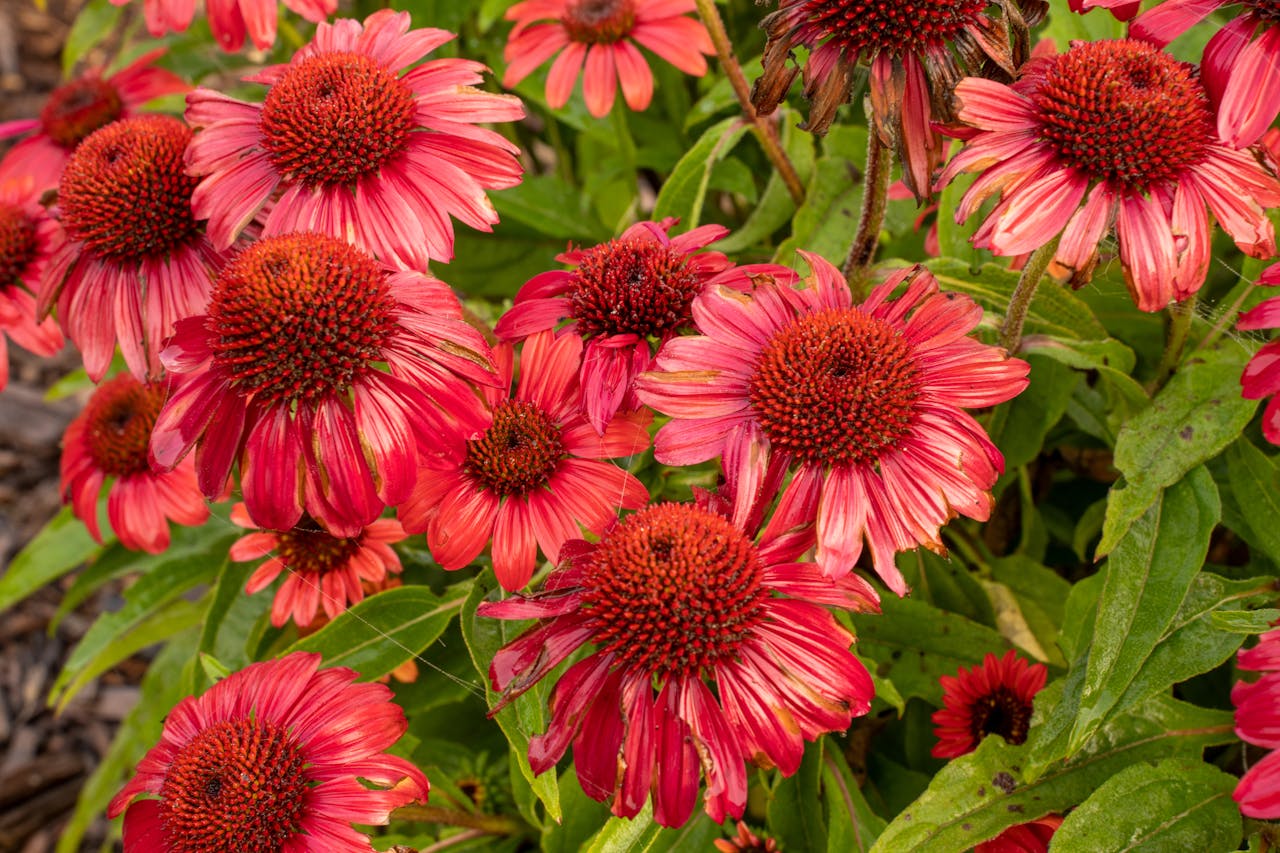
6. Coneflowers (Echinacea spp.)

<p> Coneflowers are known for their long-lasting, daisy-like blooms and spiky seed heads. These seed heads provide an important food source for birds, such as goldfinches, throughout the winter. Cutting them back in the fall removes this food source and also makes the plant more susceptible to frost damage. Leaving coneflowers standing through winter not only helps wildlife but also preserves the plant’s health for the next growing season. You can trim them back in early spring as new growth emerges. </p> :: Pexels

Coneflowers are known for their long-lasting, daisy-like blooms and spiky seed heads. These seed heads provide an important food source for birds, such as goldfinches, throughout the winter. Cutting them back in the fall removes this food source and also makes the plant more susceptible to frost damage. Leaving coneflowers standing through winter not only helps wildlife but also preserves the plant’s health for the next growing season. You can trim them back in early spring as new growth emerges.

7. Lavender (Lavandula spp.)

<p> Lavender thrives in warm, dry conditions, but pruning it in the fall can expose it to excessive moisture and cold, which can lead to root rot. Lavender is sensitive to winter damage, so it’s best left unpruned until the growing season starts again. Prune lavender after its summer blooms or wait until early spring to trim back the plant. This ensures a healthy lavender plant that will thrive in the warmer months. </p> :: Pexels

Lavender thrives in warm, dry conditions, but pruning it in the fall can expose it to excessive moisture and cold, which can lead to root rot. Lavender is sensitive to winter damage, so it’s best left unpruned until the growing season starts again. Prune lavender after its summer blooms or wait until early spring to trim back the plant. This ensures a healthy lavender plant that will thrive in the warmer months.

8. Ornamental Grasses (Miscanthus, Pennisetum, etc.)

<p> Ornamental grasses add texture and interest to gardens throughout the fall and winter. Their tall stalks and feathery seed heads also provide habitat for wildlife during the colder months. Cutting them back in the fall robs your garden of this winter interest and exposes the plant to the elements. Leave ornamental grasses standing until late winter or early spring before cutting them back to make room for new growth. Their resilience through winter adds both beauty and practical benefits to the landscape. </p> :: Pexels

Ornamental grasses add texture and interest to gardens throughout the fall and winter. Their tall stalks and feathery seed heads also provide habitat for wildlife during the colder months. Cutting them back in the fall robs your garden of this winter interest and exposes the plant to the elements. Leave ornamental grasses standing until late winter or early spring before cutting them back to make room for new growth. Their resilience through winter adds both beauty and practical benefits to the landscape.

9. Russian Sage (Perovskia atriplicifolia)

<p> Russian sage is a hardy plant that thrives in well-drained soil. Cutting it back in the fall can make it more vulnerable to winter damage, especially in cold climates. Its woody stems offer protection during winter, so it’s best to leave them intact until spring. Once new growth emerges, you can prune the old stems back to encourage a fresh, full plant. This approach ensures that Russian sage continues to flourish year after year. </p> :: Pexels

Russian sage is a hardy plant that thrives in well-drained soil. Cutting it back in the fall can make it more vulnerable to winter damage, especially in cold climates. Its woody stems offer protection during winter, so it’s best to leave them intact until spring. Once new growth emerges, you can prune the old stems back to encourage a fresh, full plant. This approach ensures that Russian sage continues to flourish year after year.

10. Butterfly Bush (Buddleja spp.)

<p> Butterfly bushes are fast-growing, pollinator-friendly shrubs that benefit from careful pruning. While it might seem tempting to trim them back in the fall, doing so can leave them vulnerable to winter frost, as new growth is particularly sensitive to cold temperatures. Instead, wait until spring to prune the butterfly bush. Once the risk of frost has passed, you can trim it back to encourage strong, healthy growth for the new season. </p> :: Pexels

Butterfly bushes are fast-growing, pollinator-friendly shrubs that benefit from careful pruning. While it might seem tempting to trim them back in the fall, doing so can leave them vulnerable to winter frost, as new growth is particularly sensitive to cold temperatures. Instead, wait until spring to prune the butterfly bush. Once the risk of frost has passed, you can trim it back to encourage strong, healthy growth for the new season.

11. Bee Balm (Monarda spp.)

<p> Bee balm is loved for its vibrant blooms and ability to attract pollinators like bees and butterflies. Cutting it back in the fall can leave the plant exposed to harsh winter conditions. Additionally, the seed heads offer a food source for birds during the winter months. It’s best to leave bee balm standing through the winter and trim it back in early spring. This gives the plant time to rest and ensures it will come back strong and healthy when the weather warms up. </p> :: Pexels

Bee balm is loved for its vibrant blooms and ability to attract pollinators like bees and butterflies. Cutting it back in the fall can leave the plant exposed to harsh winter conditions. Additionally, the seed heads offer a food source for birds during the winter months. It’s best to leave bee balm standing through the winter and trim it back in early spring. This gives the plant time to rest and ensures it will come back strong and healthy when the weather warms up.

12. Hostas (Hosta spp.)

<p> Hostas are shade-loving plants that are known for their lush, green leaves. After the first frost, the leaves will naturally begin to die back, but cutting them too early can interfere with the plant’s ability to store energy for the next growing season. It’s best to wait until the leaves have fully withered and turned brown before removing them. By waiting until spring to clean up the hostas, you allow them to store up the nutrients they need to thrive when they return in the warmer months. </p> :: Pexels

Hostas are shade-loving plants that are known for their lush, green leaves. After the first frost, the leaves will naturally begin to die back, but cutting them too early can interfere with the plant’s ability to store energy for the next growing season. It’s best to wait until the leaves have fully withered and turned brown before removing them. By waiting until spring to clean up the hostas, you allow them to store up the nutrients they need to thrive when they return in the warmer months.

Final Thoughts

<p> By following these guidelines and leaving these 12 plants unpruned in the fall, you’ll not only protect them from winter damage but also encourage stronger growth and more abundant blooms in the coming seasons. Each plant on this list has specific needs that make fall pruning a bad idea, whether it’s setting flower buds on old wood, providing food and shelter for wildlife, or needing the protection of woody stems. By letting nature take its course and waiting until spring to tidy up, you’ll enjoy a healthier, more resilient garden next year. Remember, knowing your plants' growth habits and needs is key to keeping your garden in peak condition. With a little patience, you’ll be rewarded with vibrant, thriving plants that are ready to bloom and grow when the warmer months return. </p> :: Pexels

By following these guidelines and leaving these 12 plants unpruned in the fall, you’ll not only protect them from winter damage but also encourage stronger growth and more abundant blooms in the coming seasons. Each plant on this list has specific needs that make fall pruning a bad idea, whether it’s setting flower buds on old wood, providing food and shelter for wildlife, or needing the protection of woody stems. By letting nature take its course and waiting until spring to tidy up, you’ll enjoy a healthier, more resilient garden next year.

Remember, knowing your plants’ growth habits and needs is key to keeping your garden in peak condition. With a little patience, you’ll be rewarded with vibrant, thriving plants that are ready to bloom and grow when the warmer months return.

Filed Under: Lifestyle

7 Reasons Why Legal Squatting Has Endured Despite Changing Laws

March 19, 2026 | Leave a Comment

7 Reasons Why Legal Squatting Has Endured Despite Changing Laws

<p>Legal squatting, also known as adverse possession, is a phenomenon where individuals occupy land or property they do not own, with the intention of claiming legal ownership over time. Despite evolving property laws and increasing awareness, legal squatting persists. Here are seven reasons why this practice has endured.</p> ::Pexels

Legal squatting, also known as adverse possession, is a phenomenon where individuals occupy land or property they do not own, with the intention of claiming legal ownership over time. Despite evolving property laws and increasing awareness, legal squatting persists. Here are seven reasons why this practice has endured.


1. Historical Precedent

<p>Adverse possession has deep roots in legal history, dating back to English common law. The principle was initially designed to encourage the productive use of land and prevent disputes over property. Over centuries, this doctrine has been embedded in legal systems worldwide, making it a resilient concept despite modern legal reforms.</p> ::Pexels

Adverse possession has deep roots in legal history, dating back to English common law. The principle was initially designed to encourage the productive use of land and prevent disputes over property. Over centuries, this doctrine has been embedded in legal systems worldwide, making it a resilient concept despite modern legal reforms.


2. Property Law Complexity

<p>Property laws are often complex and vary significantly between jurisdictions. The intricacies of these laws can make it difficult for property owners to understand and protect their rights fully. This complexity can create opportunities for squatters to exploit legal loopholes and ambiguities, enabling them to occupy properties for extended periods without detection or intervention.</p> ::Pexels

Property laws are often complex and vary significantly between jurisdictions. The intricacies of these laws can make it difficult for property owners to understand and protect their rights fully. This complexity can create opportunities for squatters to exploit legal loopholes and ambiguities, enabling them to occupy properties for extended periods without detection or intervention.


3. Urbanization and Housing Crises

<p>Rapid urbanization and housing shortages in many cities have exacerbated the issue of squatting. As property prices soar and affordable housing becomes scarce, some individuals turn to squatting as a last resort for shelter. This situation has led to a rise in squatting cases, particularly in economically distressed areas where enforcement may be lax.var cid = "9048067730"; var pid = "ca-pub-4779785715115193"; var slotId = "div-gpt-ad-ourdebtfreefamily_com-large-mobile-banner-1-0"; var ffid = 1; var alS = 1713 % 1000; if(typeof ez_ad_units == "undefined"){ez_ad_units=[];}ez_ad_units.push([[300,250],"ourdebtfreefamily_com-large-mobile-banner-1","ezslot_8",107,"0","0", "ourdebtfreefamily_com-large-mobile-banner-1-0"]); var container = document.getElementById(slotId); if (container) { var ins = document.createElement("ins"); ins.id = slotId + "-asloaded"; ins.className = "adsbygoogle ezasloaded"; ins.dataset.adClient = pid; ins.dataset.adChannel = cid; ins.style.display = "block"; ins.style.minWidth = container.attributes.ezaw.value + "px"; ins.style.width = "100%"; ins.style.height = container.attributes.ezah.value + "px"; ins.style.margin = "0px auto"; container.style.maxHeight = container.style.minHeight + "px"; container.style.maxWidth = container.style.minWidth + "px"; var script = document.createElement("script"); script.innerText = "(adsbygoogle = window.adsbygoogle || []).push({});"; ins.appendChild(script); container.appendChild(ins); window.ezoSTPixels = window.ezoSTPixels || []; if (typeof ezoSTPixelAdd === "function") { window.ezoSTPixelAdd(slotId, "stat_source_id", 44); window.ezoSTPixelAdd(slotId, "adsensetype", 1); } else { window.ezoSTPixels.push({id: slotId, name: "stat_source_id", value: 44}); window.ezoSTPixels.push({id: slotId, name: "adsensetype", value: 1}); } window.ezaslWatch = window.ezaslWatch || []; window.ezaslWatch.push(slotId); }(adsbygoogle = window.adsbygoogle || []).push({});</p> ::Pexels

Rapid urbanization and housing shortages in many cities have exacerbated the issue of squatting. As property prices soar and affordable housing becomes scarce, some individuals turn to squatting as a last resort for shelter. This situation has led to a rise in squatting cases, particularly in economically distressed areas where enforcement may be lax.


4. Neglected Properties

<p>Vacant and neglected properties are prime targets for squatters. Owners who abandon or fail to maintain their properties due to financial difficulties, absenteeism, or other reasons create opportunities for squatters to move in. Once established, squatters can sometimes claim adverse possession if they occupy the property openly and continuously for a specified period.</p> ::Pexels

Vacant and neglected properties are prime targets for squatters. Owners who abandon or fail to maintain their properties due to financial difficulties, absenteeism, or other reasons create opportunities for squatters to move in. Once established, squatters can sometimes claim adverse possession if they occupy the property openly and continuously for a specified period.


5. Social and Economic Inequality

<p>Socioeconomic disparities play a significant role in the persistence of squatting. Marginalized and impoverished individuals often have limited access to legal resources and housing opportunities. Squatting can sometimes be a desperate attempt to secure basic shelter. Addressing the root causes of inequality and providing affordable housing options are essential to mitigating this issue.</p> ::Pexels

Socioeconomic disparities play a significant role in the persistence of squatting. Marginalized and impoverished individuals often have limited access to legal resources and housing opportunities. Squatting can sometimes be a desperate attempt to secure basic shelter. Addressing the root causes of inequality and providing affordable housing options are essential to mitigating this issue.


6. Legal Protections and Advocacy

<p> In some cases, squatters receive legal protections or support from advocacy groups. These organizations argue that housing is a fundamental human right and that squatting can be a form of social protest against unjust housing policies. Legal battles and advocacy efforts can delay evictions and create public sympathy for squatters, complicating efforts to address the issue through legislation alone. </p> :: Pexels In some cases, squatters receive legal protections or support from advocacy groups. These organizations argue that housing is a fundamental human right and that squatting can be a form of social protest against unjust housing policies. Legal battles and advocacy efforts can delay evictions and create public sympathy for squatters, complicating efforts to address the issue through legislation alone.



 

7. Property Owner Challenges

<p>Property owners face numerous challenges in addressing squatting. Legal processes to reclaim occupied properties can be lengthy and costly, deterring some owners from taking action. Additionally, the burden of proof often falls on the property owner to demonstrate that the squatter does not have a legitimate claim, further complicating the situation.</p> ::Pexels

Property owners face numerous challenges in addressing squatting. Legal processes to reclaim occupied properties can be lengthy and costly, deterring some owners from taking action. Additionally, the burden of proof often falls on the property owner to demonstrate that the squatter does not have a legitimate claim, further complicating the situation.


Final Thoughts

<p>The persistence of legal squatting is a multifaceted issue rooted in historical precedents, legal complexities, socioeconomic factors, and urban challenges. While modern laws aim to protect property rights and address housing shortages, the enduring nature of squatting highlights the need for comprehensive solutions that balance property ownership with the fundamental human need for shelter. Addressing the underlying causes of squatting requires collaboration between lawmakers, property owners, and advocacy groups to create a more equitable and sustainable housing environment.</p> ::Pexels

The persistence of legal squatting is a multifaceted issue rooted in historical precedents, legal complexities, socioeconomic factors, and urban challenges. While modern laws aim to protect property rights and address housing shortages, the enduring nature of squatting highlights the need for comprehensive solutions that balance property ownership with the fundamental human need for shelter. Addressing the underlying causes of squatting requires collaboration between lawmakers, property owners, and advocacy groups to create a more equitable and sustainable housing environment.

Filed Under: Money

Top 12 Music Festivals Around the World for All Ages

March 19, 2026 | Leave a Comment

Top 12 Music Festivals Around the World for All Ages

<p> Music festivals have long been a way for people of all ages to come together and celebrate the universal language of music. From electrifying beats to folk tunes, festivals are a great place to experience diverse cultures, meet new people, and make lasting memories. Whether you’re an adventurous teen, a young family, or a seasoned traveler looking for a good time, there’s a music festival for everyone. Here’s a roundup of the top 12 music festivals around the world that cater to all ages. </p> :: Pexels

Music festivals have long been a way for people of all ages to come together and celebrate the universal language of music. From electrifying beats to folk tunes, festivals are a great place to experience diverse cultures, meet new people, and make lasting memories. Whether you’re an adventurous teen, a young family, or a seasoned traveler looking for a good time, there’s a music festival for everyone. Here’s a roundup of the top 12 music festivals around the world that cater to all ages.

1. Glastonbury Festival – UK

<p> Glastonbury is one of the most iconic music festivals in the world, attracting music lovers of all ages. Held in Somerset, England, this five-day event offers a vast range of genres, including rock, pop, electronic, and folk, with performances from some of the biggest names in the industry. Beyond the music, the festival features art installations, circus acts, and wellness areas, making it a family-friendly event. Whether you’re a teen experiencing your first festival or a parent introducing your kids to live music, Glastonbury provides a perfect atmosphere for everyone. </p> :: Pexels

Glastonbury is one of the most iconic music festivals in the world, attracting music lovers of all ages. Held in Somerset, England, this five-day event offers a vast range of genres, including rock, pop, electronic, and folk, with performances from some of the biggest names in the industry. Beyond the music, the festival features art installations, circus acts, and wellness areas, making it a family-friendly event. Whether you’re a teen experiencing your first festival or a parent introducing your kids to live music, Glastonbury provides a perfect atmosphere for everyone.

2. Coachella – USA

<p> Set in the stunning desert landscape of Indio, California, Coachella is a trendsetting festival known for its cutting-edge music, art installations, and vibrant atmosphere. While it’s often associated with younger crowds and influencers, Coachella has something for all ages, from its diverse musical lineup to its family-friendly camping areas. The festival includes performances from chart-topping artists, emerging talent, and genre-blurring acts, ensuring that there’s something for every music lover in the family. </p> :: Pexels

Set in the stunning desert landscape of Indio, California, Coachella is a trendsetting festival known for its cutting-edge music, art installations, and vibrant atmosphere. While it’s often associated with younger crowds and influencers, Coachella has something for all ages, from its diverse musical lineup to its family-friendly camping areas. The festival includes performances from chart-topping artists, emerging talent, and genre-blurring acts, ensuring that there’s something for every music lover in the family.

3. Tomorrowland – Belgium

<p> Tomorrowland is the ultimate destination for electronic dance music (EDM) lovers, but it’s not just for the young and wild. Located in Boom, Belgium, Tomorrowland attracts festival-goers from around the world with its stunning stage designs, immersive experiences, and world-class DJs. With its "DreamVille" camping area, families can enjoy the festival in a more relaxed setting, making it accessible to fans of all ages. Whether you’re dancing under the stars or exploring the festival’s magical atmosphere, Tomorrowland is an unforgettable experience for everyone. </p> :: Pexels

Tomorrowland is the ultimate destination for electronic dance music (EDM) lovers, but it’s not just for the young and wild. Located in Boom, Belgium, Tomorrowland attracts festival-goers from around the world with its stunning stage designs, immersive experiences, and world-class DJs. With its “DreamVille” camping area, families can enjoy the festival in a more relaxed setting, making it accessible to fans of all ages. Whether you’re dancing under the stars or exploring the festival’s magical atmosphere, Tomorrowland is an unforgettable experience for everyone.

4. Fuji Rock Festival – Japan

<p> Nestled in the picturesque mountains of Niigata Prefecture, Fuji Rock is Japan’s premier outdoor music festival. The festival showcases a wide variety of genres, from rock and indie to electronic and folk, with both international and Japanese artists performing. Fuji Rock is particularly family-friendly, offering a "Kids Land" area with fun activities for children. The natural setting of the festival, combined with its eco-friendly ethos and diverse lineup, makes it a great choice for music lovers of all ages. </p> :: Pexels

Nestled in the picturesque mountains of Niigata Prefecture, Fuji Rock is Japan’s premier outdoor music festival. The festival showcases a wide variety of genres, from rock and indie to electronic and folk, with both international and Japanese artists performing. Fuji Rock is particularly family-friendly, offering a “Kids Land” area with fun activities for children. The natural setting of the festival, combined with its eco-friendly ethos and diverse lineup, makes it a great choice for music lovers of all ages.

5. Montreux Jazz Festival – Switzerland

<p> The Montreux Jazz Festival is one of the most prestigious music festivals in the world, held on the scenic shores of Lake Geneva. Though jazz is at its core, the festival has expanded to include a wide range of genres, from rock to pop and world music. With its relaxed, sophisticated atmosphere, Montreux attracts an older crowd but remains open and inviting to all ages. Whether you’re there to discover new jazz talents or to see legendary artists perform, Montreux offers a world-class experience for music lovers of all generations. </p> :: Pexels

The Montreux Jazz Festival is one of the most prestigious music festivals in the world, held on the scenic shores of Lake Geneva. Though jazz is at its core, the festival has expanded to include a wide range of genres, from rock to pop and world music. With its relaxed, sophisticated atmosphere, Montreux attracts an older crowd but remains open and inviting to all ages. Whether you’re there to discover new jazz talents or to see legendary artists perform, Montreux offers a world-class experience for music lovers of all generations.

6. Lollapalooza – USA

<p> Lollapalooza is a global music festival with editions in cities like Chicago, Berlin, and São Paulo. It features a broad range of genres, including alternative rock, hip-hop, and electronic music, making it accessible to a diverse audience. Lollapalooza is known for being family-friendly, with its "Kidzapalooza" area designed specifically for young children. This makes it an ideal festival for parents who want to share the live music experience with their kids while enjoying performances from some of the biggest names in the industry. </p> :: Pexels

Lollapalooza is a global music festival with editions in cities like Chicago, Berlin, and São Paulo. It features a broad range of genres, including alternative rock, hip-hop, and electronic music, making it accessible to a diverse audience. Lollapalooza is known for being family-friendly, with its “Kidzapalooza” area designed specifically for young children. This makes it an ideal festival for parents who want to share the live music experience with their kids while enjoying performances from some of the biggest names in the industry.

7. Roskilde Festival – Denmark

<p> Roskilde is one of the largest and most well-established music festivals in Europe, held annually in Denmark. What sets Roskilde apart is its strong focus on community and social responsibility, with all profits going to charity. The festival features a wide array of musical genres, from rock and metal to electronic and hip-hop. Roskilde is a festival for all ages, offering a relaxed camping area and various family-friendly activities. Its inclusive and welcoming atmosphere makes it a top choice for music fans of all generations. </p> :: Pexels

Roskilde is one of the largest and most well-established music festivals in Europe, held annually in Denmark. What sets Roskilde apart is its strong focus on community and social responsibility, with all profits going to charity. The festival features a wide array of musical genres, from rock and metal to electronic and hip-hop. Roskilde is a festival for all ages, offering a relaxed camping area and various family-friendly activities. Its inclusive and welcoming atmosphere makes it a top choice for music fans of all generations.

8. Byron Bay Bluesfest – Australia

<p> Australia’s Byron Bay Bluesfest is a laid-back, family-friendly festival that brings together the best in blues, roots, and world music. Held over the Easter weekend in the coastal town of Byron Bay, the festival features performances by legendary artists as well as up-and-coming talent. With a dedicated family area and free admission for kids under 12, Bluesfest is perfect for families looking to enjoy live music in a safe and relaxed environment. The festival’s beautiful setting and welcoming atmosphere make it a great option for music lovers of all ages. </p> :: Pexels

Australia’s Byron Bay Bluesfest is a laid-back, family-friendly festival that brings together the best in blues, roots, and world music. Held over the Easter weekend in the coastal town of Byron Bay, the festival features performances by legendary artists as well as up-and-coming talent. With a dedicated family area and free admission for kids under 12, Bluesfest is perfect for families looking to enjoy live music in a safe and relaxed environment. The festival’s beautiful setting and welcoming atmosphere make it a great option for music lovers of all ages.

9. Exit Festival – Serbia

<p> Held in the historic Petrovaradin Fortress in Novi Sad, Serbia, Exit Festival is one of Europe’s most unique music festivals. While it’s known for its electronic and rock music lineups, the festival offers a broad mix of genres and has something for everyone. The family-friendly camping areas and diverse food options make Exit accessible to all ages. With its stunning location overlooking the Danube River, Exit provides a one-of-a-kind experience that draws festival-goers from all around the world, young and old alike. </p> :: Pexels

Held in the historic Petrovaradin Fortress in Novi Sad, Serbia, Exit Festival is one of Europe’s most unique music festivals. While it’s known for its electronic and rock music lineups, the festival offers a broad mix of genres and has something for everyone. The family-friendly camping areas and diverse food options make Exit accessible to all ages. With its stunning location overlooking the Danube River, Exit provides a one-of-a-kind experience that draws festival-goers from all around the world, young and old alike.

10. Sziget Festival – Hungary

<p> Sziget, held on an island in the heart of Budapest, is one of the largest music and cultural festivals in Europe. The festival offers an eclectic lineup of music, including rock, pop, electronic, and world music, alongside theater performances, art installations, and workshops. Sziget is known for its inclusive atmosphere, making it a great festival for all ages. With family-friendly accommodations and a wide variety of non-musical activities, Sziget provides an immersive experience for festival-goers of every generation. </p> :: Pexels

Sziget, held on an island in the heart of Budapest, is one of the largest music and cultural festivals in Europe. The festival offers an eclectic lineup of music, including rock, pop, electronic, and world music, alongside theater performances, art installations, and workshops. Sziget is known for its inclusive atmosphere, making it a great festival for all ages. With family-friendly accommodations and a wide variety of non-musical activities, Sziget provides an immersive experience for festival-goers of every generation.

11. Primavera Sound – Spain

<p> Primavera Sound, held in Barcelona, is one of Europe’s most acclaimed music festivals, featuring an impressive lineup of alternative, indie, and electronic acts. While it has a reputation for attracting younger audiences, Primavera is designed to be inclusive, with family-friendly spaces and activities. The festival’s laid-back vibe, combined with its stunning seaside location, makes it a great destination for music lovers of all ages. Whether you’re a fan of underground indie bands or headlining acts, Primavera Sound has something for everyone. </p> :: Pexels

Primavera Sound, held in Barcelona, is one of Europe’s most acclaimed music festivals, featuring an impressive lineup of alternative, indie, and electronic acts. While it has a reputation for attracting younger audiences, Primavera is designed to be inclusive, with family-friendly spaces and activities. The festival’s laid-back vibe, combined with its stunning seaside location, makes it a great destination for music lovers of all ages. Whether you’re a fan of underground indie bands or headlining acts, Primavera Sound has something for everyone.

12. Isle of Wight Festival – UK

<p> The Isle of Wight Festival is a legendary event with a rich history dating back to the 1960s. Held on the picturesque Isle of Wight in the UK, the festival features a diverse lineup of rock, pop, and electronic artists, as well as family-friendly camping options. The Isle of Wight Festival is perfect for families and older festival-goers who want to experience live music in a relaxed, scenic environment. Its welcoming atmosphere and strong sense of community make it one of the best festivals for all ages. </p> :: Pexels

The Isle of Wight Festival is a legendary event with a rich history dating back to the 1960s. Held on the picturesque Isle of Wight in the UK, the festival features a diverse lineup of rock, pop, and electronic artists, as well as family-friendly camping options. The Isle of Wight Festival is perfect for families and older festival-goers who want to experience live music in a relaxed, scenic environment. Its welcoming atmosphere and strong sense of community make it one of the best festivals for all ages.

Final Thoughts

<p> Music festivals are a celebration of life and culture that transcend age, and these 12 events showcase the diverse experiences available for everyone, regardless of musical preferences. From the vibrant atmosphere of Coachella to the historic allure of the Isle of Wight Festival, each festival offers a unique experience that appeals to all generations. Whether you're grooving to the beat with friends or enjoying quality time with family in stunning surroundings, these festivals create lasting memories for everyone involved. Embrace the adventure and immerse yourself in the unforgettable magic of the world’s best music festivals. </p> :: Pexels

Music festivals are a celebration of life and culture that transcend age, and these 12 events showcase the diverse experiences available for everyone, regardless of musical preferences. From the vibrant atmosphere of Coachella to the historic allure of the Isle of Wight Festival, each festival offers a unique experience that appeals to all generations. Whether you’re grooving to the beat with friends or enjoying quality time with family in stunning surroundings, these festivals create lasting memories for everyone involved. Embrace the adventure and immerse yourself in the unforgettable magic of the world’s best music festivals.

Filed Under: Lifestyle

11 Things You Should Never Keep in Your Car and Why

March 19, 2026 | Leave a Comment

11 Things You Should Never Keep in Your Car and Why

<p> Your car is an extension of your home, but unlike the comforts of your living space, your vehicle has unique environmental challenges. From scorching heat to freezing cold, your car's interior can become a dangerous storage spot for various items. To help you keep your car safe and organized, we’ve compiled a list of 11 things you should never keep in your car, along with compelling reasons why you should remove them immediately. </p> :: Pexels

Your car is an extension of your home, but unlike the comforts of your living space, your vehicle has unique environmental challenges. From scorching heat to freezing cold, your car’s interior can become a dangerous storage spot for various items. To help you keep your car safe and organized, we’ve compiled a list of 11 things you should never keep in your car, along with compelling reasons why you should remove them immediately.

1. Medications

<p> While it may seem convenient to keep medications in your car for easy access, it’s a risky choice. Many medications require specific temperature ranges to maintain their effectiveness, and cars can reach extreme temperatures in both summer and winter. Heat can degrade the potency of certain drugs, rendering them ineffective, while cold can cause others to crystallize or change chemically. To ensure your medications remain safe and effective, store them in a cool, dry place at home and take only what you need when you leave. </p> :: Pexels

While it may seem convenient to keep medications in your car for easy access, it’s a risky choice. Many medications require specific temperature ranges to maintain their effectiveness, and cars can reach extreme temperatures in both summer and winter. Heat can degrade the potency of certain drugs, rendering them ineffective, while cold can cause others to crystallize or change chemically. To ensure your medications remain safe and effective, store them in a cool, dry place at home and take only what you need when you leave.

2. Electronics

<p> Smartphones, laptops, and tablets are essential items that many people keep in their vehicles. However, these devices are sensitive to temperature fluctuations. Leaving electronics in a hot car can cause batteries to swell or leak, screens to crack, and components to malfunction. Even moderate temperatures can harm sensitive electronic devices, especially if they are exposed for extended periods. Instead of stashing your gadgets in the car, carry them with you or store them in a temperature-controlled environment. </p> :: Pexels

Smartphones, laptops, and tablets are essential items that many people keep in their vehicles. However, these devices are sensitive to temperature fluctuations. Leaving electronics in a hot car can cause batteries to swell or leak, screens to crack, and components to malfunction. Even moderate temperatures can harm sensitive electronic devices, especially if they are exposed for extended periods. Instead of stashing your gadgets in the car, carry them with you or store them in a temperature-controlled environment.

3. Flammable Materials

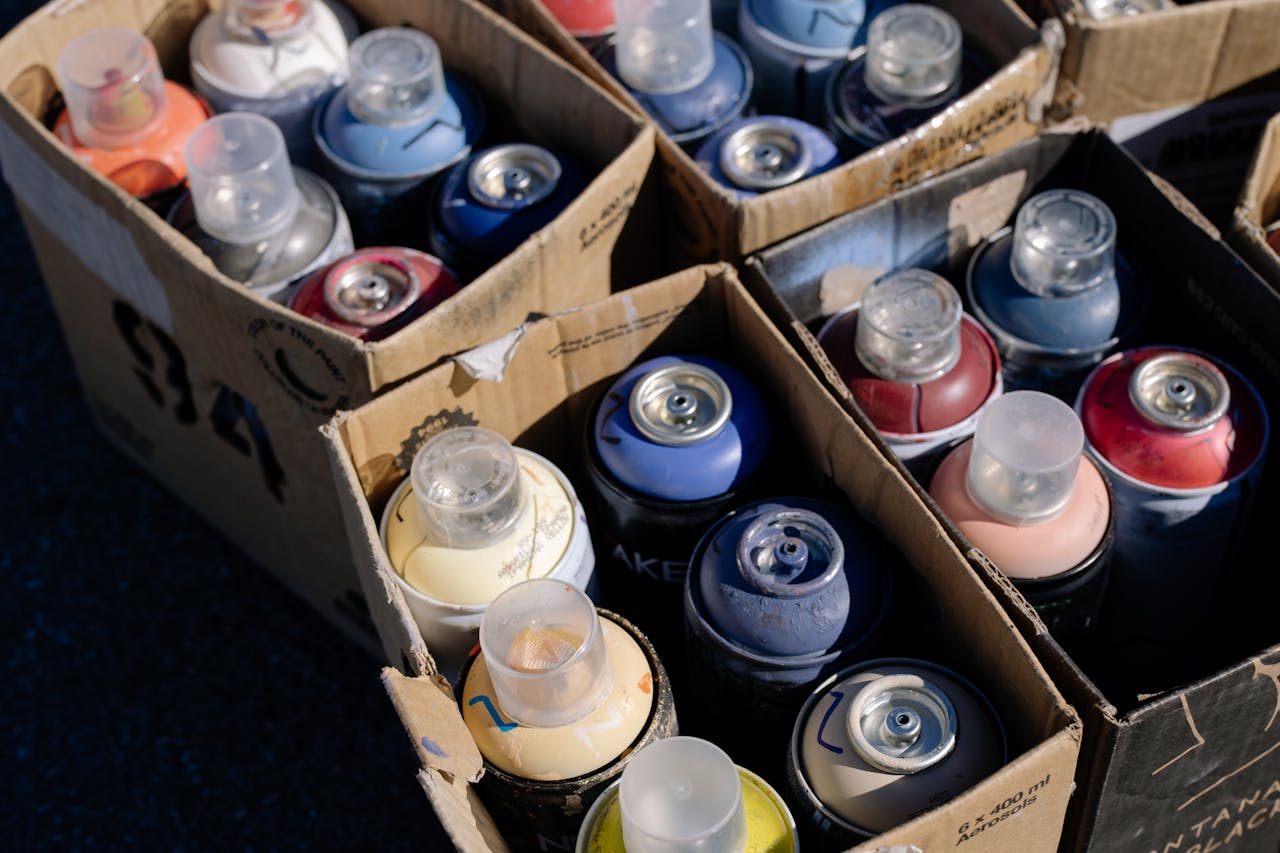
<p> Keeping flammable materials like lighter fluid, gasoline, or aerosol sprays in your car can pose serious risks. These substances can ignite due to the heat inside your vehicle, leading to fires or explosions that can endanger both you and others. Even common items like spray paint and air fresheners are not safe in the heat. Always transport flammable materials in approved containers and store them in a secure area away from direct sunlight or heat sources. </p> :: Pexels

Keeping flammable materials like lighter fluid, gasoline, or aerosol sprays in your car can pose serious risks. These substances can ignite due to the heat inside your vehicle, leading to fires or explosions that can endanger both you and others. Even common items like spray paint and air fresheners are not safe in the heat. Always transport flammable materials in approved containers and store them in a secure area away from direct sunlight or heat sources.

4. Important Documents

<p> Your car is not a safe place for important documents like passports, social security cards, and financial records. If your vehicle is broken into, these sensitive documents can be a goldmine for identity thieves. Even if you think you’ve hidden them well, criminals often know where to look. Instead, keep important documents at home in a secure location. If you must have them in your car, consider using a safe or lockbox that is not easily visible. </p> :: Pexels

Your car is not a safe place for important documents like passports, social security cards, and financial records. If your vehicle is broken into, these sensitive documents can be a goldmine for identity thieves. Even if you think you’ve hidden them well, criminals often know where to look. Instead, keep important documents at home in a secure location. If you must have them in your car, consider using a safe or lockbox that is not easily visible.

5. Food and Drinks

<p> Leaving food and beverages in your car can lead to unpleasant odors, pest infestations, and foodborne illnesses. Perishable items, especially, can spoil quickly in warm temperatures, creating a breeding ground for bacteria. Even non-perishables can attract ants and other pests if left unattended for long periods. To keep your car clean and your health in check, consume food and drinks promptly or carry a cooler if you need to transport them. </p> :: Pexels

Leaving food and beverages in your car can lead to unpleasant odors, pest infestations, and foodborne illnesses. Perishable items, especially, can spoil quickly in warm temperatures, creating a breeding ground for bacteria. Even non-perishables can attract ants and other pests if left unattended for long periods. To keep your car clean and your health in check, consume food and drinks promptly or carry a cooler if you need to transport them.

6. Pets

<p> Although you may want to take your furry friend with you on errands, leaving pets in a car—even for just a few minutes—can be deadly. Cars can heat up rapidly, even on relatively mild days, leading to heatstroke or death in a matter of minutes. Pets cannot regulate their body temperatures as effectively as humans, making them particularly vulnerable. Always take your pet inside with you or make alternate arrangements to keep them safe and comfortable. </p> :: Pexels

Although you may want to take your furry friend with you on errands, leaving pets in a car—even for just a few minutes—can be deadly. Cars can heat up rapidly, even on relatively mild days, leading to heatstroke or death in a matter of minutes. Pets cannot regulate their body temperatures as effectively as humans, making them particularly vulnerable. Always take your pet inside with you or make alternate arrangements to keep them safe and comfortable.

7. Batteries

<p> Batteries, especially non-rechargeable types like alkaline batteries, should not be left in your car. Extreme temperatures can cause batteries to leak or even explode, which can damage your vehicle’s interior and create a hazardous mess. Additionally, batteries can lose their charge more quickly when exposed to heat or cold. To ensure batteries last longer and don’t pose a safety risk, store them in a temperature-controlled environment. </p> :: Pexels

Batteries, especially non-rechargeable types like alkaline batteries, should not be left in your car. Extreme temperatures can cause batteries to leak or even explode, which can damage your vehicle’s interior and create a hazardous mess. Additionally, batteries can lose their charge more quickly when exposed to heat or cold. To ensure batteries last longer and don’t pose a safety risk, store them in a temperature-controlled environment.

8. Clothing and Shoes

<p> While it might be convenient to keep an extra outfit or pair of shoes in your car, doing so can lead to unpleasant consequences. Clothing left in a vehicle can absorb odors, attract pests, and even develop mold or mildew in humid conditions. Furthermore, leaving shoes in the car can lead to worn-out soles and other damage due to temperature fluctuations. Instead, try to limit the amount of clothing you keep in your car and regularly clean and air out any items you do have. </p> :: Pexels

While it might be convenient to keep an extra outfit or pair of shoes in your car, doing so can lead to unpleasant consequences. Clothing left in a vehicle can absorb odors, attract pests, and even develop mold or mildew in humid conditions. Furthermore, leaving shoes in the car can lead to worn-out soles and other damage due to temperature fluctuations. Instead, try to limit the amount of clothing you keep in your car and regularly clean and air out any items you do have.

9. Cash and Valuables

<p> Your car is not a bank, and storing cash or valuable items inside it is a bad idea. Thieves often target vehicles that appear to have valuables inside. Leaving items like wallets, jewelry, or electronics visible can attract unwanted attention and increase the risk of break-ins. If you must keep valuables in your car, ensure they are stored in the trunk or hidden from view, and always lock your doors when leaving your vehicle unattended. </p> :: Pexels

Your car is not a bank, and storing cash or valuable items inside it is a bad idea. Thieves often target vehicles that appear to have valuables inside. Leaving items like wallets, jewelry, or electronics visible can attract unwanted attention and increase the risk of break-ins. If you must keep valuables in your car, ensure they are stored in the trunk or hidden from view, and always lock your doors when leaving your vehicle unattended.

10. Unsecured Sports Equipment

<p> While it might seem harmless to keep sports equipment like bicycles, golf clubs, or surfboards in your car, doing so can pose safety risks. Unsecured items can become projectiles in a sudden stop or accident, potentially causing injury to passengers. Additionally, expensive sports gear left in plain sight can attract thieves. Store valuable equipment in a secure place at home, or invest in a roof rack or trunk organizer designed to safely hold sports gear when traveling. </p> :: Pexels

While it might seem harmless to keep sports equipment like bicycles, golf clubs, or surfboards in your car, doing so can pose safety risks. Unsecured items can become projectiles in a sudden stop or accident, potentially causing injury to passengers. Additionally, expensive sports gear left in plain sight can attract thieves. Store valuable equipment in a secure place at home, or invest in a roof rack or trunk organizer designed to safely hold sports gear when traveling.

11. Old Receipts and Trash

<p> Finally, while it may seem trivial, keeping old receipts and trash in your car can create a cluttered and disorganized environment that detracts from your driving experience. Over time, clutter can accumulate, making it difficult to find important items and leading to distractions while driving. Moreover, trash can attract pests and create unpleasant odors. Make it a habit to regularly clean out your car, disposing of unnecessary items and maintaining a tidy space. </p> :: Pexels

Finally, while it may seem trivial, keeping old receipts and trash in your car can create a cluttered and disorganized environment that detracts from your driving experience. Over time, clutter can accumulate, making it difficult to find important items and leading to distractions while driving. Moreover, trash can attract pests and create unpleasant odors. Make it a habit to regularly clean out your car, disposing of unnecessary items and maintaining a tidy space.


Final Thoughts

<p> Your car should be a place of comfort and convenience, not a storage unit for hazardous or unnecessary items. By avoiding the storage of these 11 things, you can protect your vehicle and ensure a safer driving experience. Regularly cleaning out your car and being mindful of what you keep inside will not only enhance your safety but also prolong the life of your vehicle. Remember, a clutter-free car is a happy car! </p> :: Pexels

Your car should be a place of comfort and convenience, not a storage unit for hazardous or unnecessary items. By avoiding the storage of these 11 things, you can protect your vehicle and ensure a safer driving experience. Regularly cleaning out your car and being mindful of what you keep inside will not only enhance your safety but also prolong the life of your vehicle. Remember, a clutter-free car is a happy car!

Filed Under: Autos

Declutter Your Garage: 11 Items That Aren’t Worth Keeping

March 19, 2026 | Leave a Comment

Declutter Your Garage: 11 Items That Aren’t Worth Keeping

<p> Garages can be a black hole of clutter, where items we once deemed essential morph into sources of stress and frustration. If your garage feels more like a dumping ground than a functional space, it’s time to take stock and let go of items that no longer serve a purpose. In this article, we’ll explore 11 common garage items that aren’t worth keeping, helping you reclaim that precious space and create a more organized, functional environment. With practical tips on how to dispose of or repurpose these items, you’ll be inspired to tackle your garage and enjoy the satisfaction of a decluttered space. </p> :: Pexels

Garages can be a black hole of clutter, where items we once deemed essential morph into sources of stress and frustration. If your garage feels more like a dumping ground than a functional space, it’s time to take stock and let go of items that no longer serve a purpose. In this article, we’ll explore 11 common garage items that aren’t worth keeping, helping you reclaim that precious space and create a more organized, functional environment. With practical tips on how to dispose of or repurpose these items, you’ll be inspired to tackle your garage and enjoy the satisfaction of a decluttered space.

1. Broken Tools

<p> When was the last time you reached for a broken tool? Broken wrenches, cracked shovels, and rusted pliers don’t do you any good if they can’t get the job done. While it might be tempting to hold onto these tools in the hope of fixing them one day, the reality is that they just take up space. Evaluate your toolbox: if a tool doesn’t work, it’s time to let it go. What to do instead: Recycle any metal tools or dispose of them properly. Check with local recycling centers for their policies on broken tools and make sure to get rid of them responsibly. This frees up space for tools that are functional and can actually assist you with your projects. </p> :: Pexels

When was the last time you reached for a broken tool? Broken wrenches, cracked shovels, and rusted pliers don’t do you any good if they can’t get the job done. While it might be tempting to hold onto these tools in the hope of fixing them one day, the reality is that they just take up space. Evaluate your toolbox: if a tool doesn’t work, it’s time to let it go.

What to do instead: Recycle any metal tools or dispose of them properly. Check with local recycling centers for their policies on broken tools and make sure to get rid of them responsibly. This frees up space for tools that are functional and can actually assist you with your projects.

2. Old Paint Cans

<p> Old paint cans often accumulate in garages, taking up space and gathering dust. Many of us hold onto them for sentimental reasons or the belief that we might need a touch-up in the future. However, once paint has dried up or the can has been opened for too long, it becomes unusable. What to do instead: Before you toss them, check the contents of each can. If the paint is still good, consider using it for a project or donating it. If it’s dried out, find out your local waste management guidelines for proper disposal. Many municipalities have designated days for hazardous waste disposal, ensuring that your old paint is handled safely. </p> :: Pexels

Old paint cans often accumulate in garages, taking up space and gathering dust. Many of us hold onto them for sentimental reasons or the belief that we might need a touch-up in the future. However, once paint has dried up or the can has been opened for too long, it becomes unusable.

What to do instead: Before you toss them, check the contents of each can. If the paint is still good, consider using it for a project or donating it. If it’s dried out, find out your local waste management guidelines for proper disposal. Many municipalities have designated days for hazardous waste disposal, ensuring that your old paint is handled safely.

3. Expired or Unused Chemicals

<p> Chemicals like fertilizers, pesticides, and cleaning products can pose safety hazards, especially if they’ve expired. Keeping expired chemicals not only wastes space but can also be harmful to your family and pets. It's crucial to evaluate your garage for these items regularly. What to do instead: Carefully check expiration dates on all your chemicals and dispose of any that are outdated or that you no longer use. Many local waste management facilities have special programs for hazardous waste, so take advantage of those services to ensure safe disposal. </p> :: Pexels

Chemicals like fertilizers, pesticides, and cleaning products can pose safety hazards, especially if they’ve expired. Keeping expired chemicals not only wastes space but can also be harmful to your family and pets. It’s crucial to evaluate your garage for these items regularly.

What to do instead: Carefully check expiration dates on all your chemicals and dispose of any that are outdated or that you no longer use. Many local waste management facilities have special programs for hazardous waste, so take advantage of those services to ensure safe disposal.

4. Unused Sports Equipment

<p> If your garage doubles as a makeshift sports equipment storage area, it may be time to assess what’s really worth keeping. From old tennis rackets and unused golf clubs to dusty bikes, if you haven’t used it in the past year, it might be time to say goodbye. What to do instead: Consider donating or selling items in good condition. Local schools, community centers, and youth sports programs often appreciate donations. Not only will you declutter your garage, but you’ll also be supporting others in your community. </p> :: Pexels

If your garage doubles as a makeshift sports equipment storage area, it may be time to assess what’s really worth keeping. From old tennis rackets and unused golf clubs to dusty bikes, if you haven’t used it in the past year, it might be time to say goodbye.

What to do instead: Consider donating or selling items in good condition. Local schools, community centers, and youth sports programs often appreciate donations. Not only will you declutter your garage, but you’ll also be supporting others in your community.

5. Old Furniture

<p> Garages often become a graveyard for old furniture—couches, chairs, and tables that we have replaced but can’t bear to throw away. If the furniture is in decent shape but hasn’t been used in years, it's time to reassess its value. What to do instead: If the items are still usable, consider donating them to local charities, shelters, or thrift stores. They may need furniture for families in need. If the furniture is beyond repair, recycle or dispose of it appropriately to make space in your garage. </p> :: Pexels

Garages often become a graveyard for old furniture—couches, chairs, and tables that we have replaced but can’t bear to throw away. If the furniture is in decent shape but hasn’t been used in years, it’s time to reassess its value.

What to do instead: If the items are still usable, consider donating them to local charities, shelters, or thrift stores. They may need furniture for families in need. If the furniture is beyond repair, recycle or dispose of it appropriately to make space in your garage.

6. Outdated Technology

<p> Old electronics can quickly clutter your garage. Outdated computers, old televisions, and defunct gaming consoles can gather dust and take up valuable real estate. With technology changing so rapidly, it’s likely you have several gadgets that are no longer functional. What to do instead: Check if any of your electronics still work. If not, many electronics stores or recycling programs accept old gadgets for proper disposal. Some even offer trade-in programs that allow you to exchange old devices for credit towards new purchases. </p> :: Pexels

Old electronics can quickly clutter your garage. Outdated computers, old televisions, and defunct gaming consoles can gather dust and take up valuable real estate. With technology changing so rapidly, it’s likely you have several gadgets that are no longer functional.

What to do instead: Check if any of your electronics still work. If not, many electronics stores or recycling programs accept old gadgets for proper disposal. Some even offer trade-in programs that allow you to exchange old devices for credit towards new purchases.

7. Unused Gardening Tools

<p> Gardening tools can pile up quickly, especially if you’ve accumulated duplicates or items that have rusted over time. If you find yourself with a collection of unused gardening gear, it’s time to evaluate what you actually need. What to do instead: Keep only the tools you regularly use and consider donating or recycling the rest. Local community gardens or horticultural societies might appreciate your unwanted tools, giving them a second life and helping others enjoy gardening. </p> :: Pexels

Gardening tools can pile up quickly, especially if you’ve accumulated duplicates or items that have rusted over time. If you find yourself with a collection of unused gardening gear, it’s time to evaluate what you actually need.

What to do instead: Keep only the tools you regularly use and consider donating or recycling the rest. Local community gardens or horticultural societies might appreciate your unwanted tools, giving them a second life and helping others enjoy gardening.

8. Mismatched or Unused Holiday Decorations

<p> As the holiday seasons come and go, many of us end up with a collection of decorations that have seen better days. Mismatched items, broken ornaments, or decorations you haven’t used in years can clutter your garage, making it hard to find what you need. What to do instead: Donate holiday decorations to local charities, schools, or community centers. They may use them for events or parties, allowing your decorations to spread joy even when you’re not using them. </p> :: Pexels

As the holiday seasons come and go, many of us end up with a collection of decorations that have seen better days. Mismatched items, broken ornaments, or decorations you haven’t used in years can clutter your garage, making it hard to find what you need.

What to do instead: Donate holiday decorations to local charities, schools, or community centers. They may use them for events or parties, allowing your decorations to spread joy even when you’re not using them.

9. Leftover Building Materials

<p> DIY projects can lead to excess building materials, whether it’s leftover paint, lumber, or tools you bought but didn’t end up needing. If you haven’t used these materials in the past year, it’s unlikely that you will. What to do instead: Consider donating usable materials to Habitat for Humanity or similar organizations that accept donations for construction supplies. This not only clears space in your garage but also supports community projects that help those in need. </p> :: Pexels

DIY projects can lead to excess building materials, whether it’s leftover paint, lumber, or tools you bought but didn’t end up needing. If you haven’t used these materials in the past year, it’s unlikely that you will.

What to do instead: Consider donating usable materials to Habitat for Humanity or similar organizations that accept donations for construction supplies. This not only clears space in your garage but also supports community projects that help those in need.

10. Dated Fitness Equipment

<p> Fitness equipment can take up a surprising amount of space in your garage, especially if it’s gathering dust. If you find yourself stepping over weights, exercise bikes, or yoga mats you haven’t used in ages, it may be time to reevaluate their presence. What to do instead: Sell or donate fitness equipment that’s in good condition. Local gyms, community centers, or sports clubs may accept your donations, allowing others to benefit from what you no longer use. </p> :: Pexels

Fitness equipment can take up a surprising amount of space in your garage, especially if it’s gathering dust. If you find yourself stepping over weights, exercise bikes, or yoga mats you haven’t used in ages, it may be time to reevaluate their presence.

What to do instead: Sell or donate fitness equipment that’s in good condition. Local gyms, community centers, or sports clubs may accept your donations, allowing others to benefit from what you no longer use.

11. Old Tires

<p> Old tires often accumulate in garages, taking up space and potentially attracting pests. Whether you’ve upgraded your vehicle or simply have tires from a previous car, holding onto them is not necessary. What to do instead: Many tire shops offer recycling services, so check with your local shop about proper disposal methods. Some may even have programs for exchanging old tires when you buy new ones, making it easy to clear out those old, unwanted tires. </p> :: Pexels

Old tires often accumulate in garages, taking up space and potentially attracting pests. Whether you’ve upgraded your vehicle or simply have tires from a previous car, holding onto them is not necessary.

What to do instead: Many tire shops offer recycling services, so check with your local shop about proper disposal methods. Some may even have programs for exchanging old tires when you buy new ones, making it easy to clear out those old, unwanted tires.

Final Thoughts

<p> Decluttering your garage doesn’t have to be a daunting task. By identifying and removing these 11 items, you can transform your garage into a more organized and functional space. Not only will you reclaim valuable square footage, but you’ll also create an environment that’s safer and more enjoyable. The process may take some time, but the satisfaction of a decluttered garage is well worth the effort. So grab some boxes, start sorting through your items, and prepare to enjoy the benefits of a more organized life! </p> :: Pexels

Decluttering your garage doesn’t have to be a daunting task. By identifying and removing these 11 items, you can transform your garage into a more organized and functional space. Not only will you reclaim valuable square footage, but you’ll also create an environment that’s safer and more enjoyable. The process may take some time, but the satisfaction of a decluttered garage is well worth the effort. So grab some boxes, start sorting through your items, and prepare to enjoy the benefits of a more organized life!

Filed Under: Money

11 Common Reasons Older Men Struggle to Maintain Friendships

March 19, 2026 | Leave a Comment

11 Common Reasons Older Men Struggle to Maintain Friendships

<p> Friendships are one of life’s greatest treasures, yet many older men in the United States find that maintaining those connections gets tougher with age. Maybe you had a group of close friends when you were younger, but now the phone hardly rings. Or perhaps you look around and realize most of your social life revolved around work—and now that you are retired, things feel a little too quiet. The truth is, you are not alone. Studies show that men often lose friends more quickly as they age, and many report feeling isolated or lonely. While women tend to build emotional support systems that carry through life, men often let friendships fade without meaning to. But knowing the reasons behind this can help you change course. Below, we explore 11 common reasons older men struggle to maintain friendships—and offer some real-world insights to help you keep those connections strong. </p> :: Freepik

Friendships are one of life’s greatest treasures, yet many older men in the United States find that maintaining those connections gets tougher with age. Maybe you had a group of close friends when you were younger, but now the phone hardly rings. Or perhaps you look around and realize most of your social life revolved around work—and now that you are retired, things feel a little too quiet.

The truth is, you are not alone. Studies show that men often lose friends more quickly as they age, and many report feeling isolated or lonely. While women tend to build emotional support systems that carry through life, men often let friendships fade without meaning to. But knowing the reasons behind this can help you change course.

Below, we explore 11 common reasons older men struggle to maintain friendships—and offer some real-world insights to help you keep those connections strong.

1. Friendships Were Often Tied to the Workplace

<p> For decades, many men found friendship at the office, the job site, or during after-work outings. Work created a built-in social network without requiring much effort. But once retirement begins, those relationships often fade, leaving men without the daily contact they once took for granted. Without a conscious plan to keep in touch, these connections can disappear quickly. </p> :: Pexels

For decades, many men found friendship at the office, the job site, or during after-work outings. Work created a built-in social network without requiring much effort. But once retirement begins, those relationships often fade, leaving men without the daily contact they once took for granted. Without a conscious plan to keep in touch, these connections can disappear quickly.

2. Gender Norms Discourage Emotional Sharing

<p> Older generations of men were often raised to “tough it out” and keep their emotions under wraps. While that approach may have worked at the time, it can create a barrier to forming deeper, lasting friendships. When conversations stay surface-level, friendships may feel less fulfilling and eventually fade. Opening up, even in small ways, can make a huge difference in maintaining meaningful bonds. </p> :: Pexels

Older generations of men were often raised to “tough it out” and keep their emotions under wraps. While that approach may have worked at the time, it can create a barrier to forming deeper, lasting friendships. When conversations stay surface-level, friendships may feel less fulfilling and eventually fade. Opening up, even in small ways, can make a huge difference in maintaining meaningful bonds.

3. Low Expectations for Adult Male Friendships

<p> Many men fall into the trap of believing friendships do not need much maintenance—seeing a buddy once every few years feels fine. But friendships, like gardens, need attention. Without check-ins, plans, or shared experiences, even the strongest connections weaken. Treating friendships as something that requires regular care can keep them alive and well. </p> :: Pexels

Many men fall into the trap of believing friendships do not need much maintenance—seeing a buddy once every few years feels fine. But friendships, like gardens, need attention. Without check-ins, plans, or shared experiences, even the strongest connections weaken. Treating friendships as something that requires regular care can keep them alive and well.

4. Loss of Friends to Life Changes

<p> Time can change the landscape of a man’s social circle. Retirement, relocation, illness, or even the passing of close friends can shrink one’s network. Losing a friend, whether through distance or death, can leave a noticeable hole that is not easily filled. While it may feel discouraging, reaching out to old acquaintances or making new connections can help soften the impact. </p> :: Pexels

Time can change the landscape of a man’s social circle. Retirement, relocation, illness, or even the passing of close friends can shrink one’s network. Losing a friend, whether through distance or death, can leave a noticeable hole that is not easily filled. While it may feel discouraging, reaching out to old acquaintances or making new connections can help soften the impact.

5. Health and Mobility Issues

<p> Aging often brings physical challenges, from joint pain and fatigue to hearing difficulties or limited mobility. These issues can make socializing more complicated. Driving across town or standing for long periods may no longer feel doable, leading men to stay home instead. Seeking out accessible social options—like nearby community groups or video calls—can help overcome these barriers. </p> :: Pexels

Aging often brings physical challenges, from joint pain and fatigue to hearing difficulties or limited mobility. These issues can make socializing more complicated. Driving across town or standing for long periods may no longer feel doable, leading men to stay home instead. Seeking out accessible social options—like nearby community groups or video calls—can help overcome these barriers.

6. Ageism and Feeling Socially Invisible

<p> It is no secret that American culture tends to glorify youth. Older men may feel overlooked or dismissed, particularly in mixed-age settings. That sense of invisibility can make socializing feel awkward or discouraging. The good news? Many communities now offer groups and events specifically designed for older adults, creating welcoming spaces where age is celebrated, not ignored. </p> :: Pexels

It is no secret that American culture tends to glorify youth. Older men may feel overlooked or dismissed, particularly in mixed-age settings. That sense of invisibility can make socializing feel awkward or discouraging. The good news? Many communities now offer groups and events specifically designed for older adults, creating welcoming spaces where age is celebrated, not ignored.

7. Limited Time or Energy for Social Maintenance

<p> Ironically, even after retirement, many older men feel busier than ever. Between family responsibilities, caregiving, and managing personal health, there is little energy left for friendships. Socializing may feel like a luxury rather than a necessity. Yet, even small efforts—like a weekly phone call or a quick coffee date—can keep friendships alive without draining your schedule. </p> :: Pexels

Ironically, even after retirement, many older men feel busier than ever. Between family responsibilities, caregiving, and managing personal health, there is little energy left for friendships. Socializing may feel like a luxury rather than a necessity. Yet, even small efforts—like a weekly phone call or a quick coffee date—can keep friendships alive without draining your schedule.

8. Reliance on Romantic Partners

<p> It is common for older men to rely heavily on their spouses or partners to handle social plans. While convenient, this can mean fewer independent friendships. If something happens to the relationship or the partner passes away, men may find themselves socially adrift. Taking personal initiative—whether suggesting outings, joining clubs, or reconnecting with old friends—builds a stronger safety net. </p> :: Pexels

It is common for older men to rely heavily on their spouses or partners to handle social plans. While convenient, this can mean fewer independent friendships. If something happens to the relationship or the partner passes away, men may find themselves socially adrift. Taking personal initiative—whether suggesting outings, joining clubs, or reconnecting with old friends—builds a stronger safety net.

9. Fewer Shared Spaces (“Third Places”)

<p> In the past, places like local diners, community centers, or neighborhood bars provided easy opportunities to connect. These “third places,” outside of home and work, have become less common. Without these casual gathering spots, friendships often fade. Joining hobby-based groups, fitness classes, or volunteer programs can help fill the gap. </p> :: Pexels

In the past, places like local diners, community centers, or neighborhood bars provided easy opportunities to connect. These “third places,” outside of home and work, have become less common. Without these casual gathering spots, friendships often fade. Joining hobby-based groups, fitness classes, or volunteer programs can help fill the gap.

10. Technology and Digital Disconnect

<p> While technology makes it easier than ever to stay connected, many older men feel left behind by the digital world. They may not use social media, messaging apps, or video calls as often as younger people do. As a result, they miss out on the quick check-ins that keep friendships strong. Learning basic digital tools can open up a whole new world of connection. </p> :: Pexels

While technology makes it easier than ever to stay connected, many older men feel left behind by the digital world. They may not use social media, messaging apps, or video calls as often as younger people do. As a result, they miss out on the quick check-ins that keep friendships strong. Learning basic digital tools can open up a whole new world of connection.

11. Shrinking Social Circles by Choice

<p> Sometimes, men intentionally narrow their circles as they age, choosing to spend time only with a select few. This can bring comfort and reduce stress, but it also makes social losses more impactful. If one close friend moves away or passes on, the support network may suddenly feel too small. Balancing deep friendships with a few lighter connections can create more resilience. </p> :: Pexels

Sometimes, men intentionally narrow their circles as they age, choosing to spend time only with a select few. This can bring comfort and reduce stress, but it also makes social losses more impactful. If one close friend moves away or passes on, the support network may suddenly feel too small. Balancing deep friendships with a few lighter connections can create more resilience.

Final Thoughts

<p> Friendships are not just nice to have—they are essential for happiness and health as we age. While it is true that many older men face challenges in maintaining these bonds, recognizing the reasons why is the first step toward change. Think of friendship like a muscle: if you do not use it, it weakens. But with regular attention—whether through a weekly call, a shared activity, or simply being more open—friendships can grow stronger, even in later years. It is never too late to build or rebuild the connections that make life richer. So, pick up the phone, join that community group, or send that message you have been putting off. Your future self will thank you for keeping those friendships alive and thriving. </p> ;; Pexels

Friendships are not just nice to have—they are essential for happiness and health as we age. While it is true that many older men face challenges in maintaining these bonds, recognizing the reasons why is the first step toward change.

Think of friendship like a muscle: if you do not use it, it weakens. But with regular attention—whether through a weekly call, a shared activity, or simply being more open—friendships can grow stronger, even in later years. It is never too late to build or rebuild the connections that make life richer.

So, pick up the phone, join that community group, or send that message you have been putting off. Your future self will thank you for keeping those friendships alive and thriving.

Filed Under: Lifestyle

10 Risky Places Fraud Experts Say You Should Avoid Using Your Debit Card

March 19, 2026 | Leave a Comment

10 Risky Places Fraud Experts Say You Should Avoid Using Your Debit Card

<p> Your debit card feels harmless. It is small, convenient, and always within reach when you need to grab groceries, fill up your gas tank, or pay for a quick lunch. But the truth is, using a debit card in the wrong place can expose you to a much bigger headache than most people realize. Unlike a credit card, a debit card connects directly to your checking account. That means if a criminal gets access to your information, they are not borrowing someone else’s money. They are going straight for yours.

That is what makes debit card fraud so frustrating. It often happens in ordinary places you barely think twice about. A quick stop at the gas station. A rushed ATM withdrawal. A night out with friends. The danger is not always obvious, and that is exactly why scammers love it. They count on people being distracted, in a hurry, or simply assuming every payment terminal is safe.

The good news is you do not need to stop using your debit card altogether. You just need to be smarter about where you use it. A few simple habits can make a big difference in protecting your bank account from skimmers, fake readers, and shady payment setups. If you want to keep your money where it belongs, here are the risky places fraud experts say you should think twice about before pulling out your debit card. </p> :: Gemini

Your debit card feels harmless. It is small, convenient, and always within reach when you need to grab groceries, fill up your gas tank, or pay for a quick lunch. But the truth is, using a debit card in the wrong place can expose you to a much bigger headache than most people realize. Unlike a credit card, a debit card connects directly to your checking account. That means if a criminal gets access to your information, they are not borrowing someone else’s money. They are going straight for yours.

That is what makes debit card fraud so frustrating. It often happens in ordinary places you barely think twice about. A quick stop at the gas station. A rushed ATM withdrawal. A night out with friends. The danger is not always obvious, and that is exactly why scammers love it. They count on people being distracted, in a hurry, or simply assuming every payment terminal is safe.

The good news is you do not need to stop using your debit card altogether. You just need to be smarter about where you use it. A few simple habits can make a big difference in protecting your bank account from skimmers, fake readers, and shady payment setups. If you want to keep your money where it belongs, here are the risky places fraud experts say you should think twice about before pulling out your debit card.

1. Gas station pumps

<p> Gas pumps are one of the most common places for debit card fraud, and fraud experts warn about them for good reason. Outdoor pumps are often left unattended for long stretches, which gives criminals time to install skimming devices that steal card information. Some even place hidden cameras or fake keypads to capture your PIN. That is especially dangerous with a debit card because once thieves have both your card data and PIN, they may be able to access your checking account directly. If you need to pay for gas, it is usually safer to go inside and pay at the register, use tap to pay if the pump offers it, or use a credit card instead. If a pump looks loose, damaged, or just plain odd, trust your instincts and move on. </p> :: Gemini

Gas pumps are one of the most common places for debit card fraud, and fraud experts warn about them for good reason. Outdoor pumps are often left unattended for long stretches, which gives criminals time to install skimming devices that steal card information. Some even place hidden cameras or fake keypads to capture your PIN. That is especially dangerous with a debit card because once thieves have both your card data and PIN, they may be able to access your checking account directly. If you need to pay for gas, it is usually safer to go inside and pay at the register, use tap to pay if the pump offers it, or use a credit card instead. If a pump looks loose, damaged, or just plain odd, trust your instincts and move on.

2. Standalone ATMs in convenience stores

<p> That random ATM in the back corner of a convenience store may look convenient, but it can also be one of the riskiest places to use your debit card. Standalone ATMs that are not attached to a bank often have less oversight and fewer security checks, which makes them easier targets for skimming devices and tampering. Because these machines are usually in high traffic areas where people are rushing, many users never notice when something looks slightly off. If you need cash, try to use an ATM at your bank branch or one located inside a bank lobby where there is better lighting, better monitoring, and a lower chance of tampering. A few extra minutes is a small price to pay compared to the hassle of disputing fraudulent withdrawals. </p> :: Gemini

That random ATM in the back corner of a convenience store may look convenient, but it can also be one of the riskiest places to use your debit card. Standalone ATMs that are not attached to a bank often have less oversight and fewer security checks, which makes them easier targets for skimming devices and tampering. Because these machines are usually in high traffic areas where people are rushing, many users never notice when something looks slightly off. If you need cash, try to use an ATM at your bank branch or one located inside a bank lobby where there is better lighting, better monitoring, and a lower chance of tampering. A few extra minutes is a small price to pay compared to the hassle of disputing fraudulent withdrawals.

3. Bars and nightclubs

<p> Bars and nightclubs are not exactly the place where people make their sharpest financial decisions, and scammers know that. In crowded nightlife spots, it is common for your card to leave your hand while a bartender or server processes the payment. Most employees are honest, but anytime your debit card disappears out of sight, there is a little more risk involved. Between dim lighting, distractions, loud music, and the general chaos of a busy bar, it is easier for fraudulent charges or stolen card details to slip through unnoticed. If you are going out for drinks, a credit card or even cash is often the safer option. It is much easier to laugh off a bad karaoke performance than it is to laugh off mystery charges in your checking account the next morning. </p> :: Gemini

Bars and nightclubs are not exactly the place where people make their sharpest financial decisions, and scammers know that. In crowded nightlife spots, it is common for your card to leave your hand while a bartender or server processes the payment. Most employees are honest, but anytime your debit card disappears out of sight, there is a little more risk involved. Between dim lighting, distractions, loud music, and the general chaos of a busy bar, it is easier for fraudulent charges or stolen card details to slip through unnoticed. If you are going out for drinks, a credit card or even cash is often the safer option. It is much easier to laugh off a bad karaoke performance than it is to laugh off mystery charges in your checking account the next morning.

4. Sit-down restaurants that take your card out of sight

<p> In many U.S. restaurants, handing your card to a server and waiting for it to come back still feels normal. But from a fraud prevention standpoint, it is not ideal. When your debit card leaves the table, you lose control over how and where it is handled. In most cases, nothing bad happens, but it only takes one dishonest employee or one careless moment for your card information to end up somewhere it should not. Because debit card fraud can tie up your real money immediately, this type of risk is more serious than it may seem. If a restaurant offers a payment terminal at the table, a QR code payment option, or tap to pay at the register, those are better choices. If not, a credit card is usually the safer move. </p> :: Gemini

In many U.S. restaurants, handing your card to a server and waiting for it to come back still feels normal. But from a fraud prevention standpoint, it is not ideal. When your debit card leaves the table, you lose control over how and where it is handled. In most cases, nothing bad happens, but it only takes one dishonest employee or one careless moment for your card information to end up somewhere it should not. Because debit card fraud can tie up your real money immediately, this type of risk is more serious than it may seem. If a restaurant offers a payment terminal at the table, a QR code payment option, or tap to pay at the register, those are better choices. If not, a credit card is usually the safer move.

5. Unattended vending machines and kiosks

<p> Vending machines, parking kiosks, transit ticket machines, and other unattended payment terminals can be surprisingly risky places to use a debit card. These machines often sit outside or in low supervision areas, which makes them easier for criminals to tamper with. A skimming device or fake card overlay can go unnoticed for hours or even days before anyone realizes there is a problem. Because these machines are built for speed and convenience, most people are not inspecting the card reader before they insert a card. That is exactly what scammers count on. If you have another option, use tap to pay, a mobile wallet, or cash instead. And if the machine looks damaged, loose, or unusually bulky, do not let your debit card be the test subject. </p> :: Gemini

Vending machines, parking kiosks, transit ticket machines, and other unattended payment terminals can be surprisingly risky places to use a debit card. These machines often sit outside or in low supervision areas, which makes them easier for criminals to tamper with. A skimming device or fake card overlay can go unnoticed for hours or even days before anyone realizes there is a problem. Because these machines are built for speed and convenience, most people are not inspecting the card reader before they insert a card. That is exactly what scammers count on. If you have another option, use tap to pay, a mobile wallet, or cash instead. And if the machine looks damaged, loose, or unusually bulky, do not let your debit card be the test subject.

6. Tourist hotspots and travel convenience stops

<p> Tourist areas can be fun, but they are also prime hunting grounds for fraud. Whether it is a beachside kiosk, a souvenir stand, a busy boardwalk machine, or an airport convenience stop, these places are full of distracted people who are in a hurry and unfamiliar with the area. That makes them ideal targets for scammers who rely on rushed decisions and quick transactions. Travelers are also less likely to notice if a card reader looks different from what they are used to seeing back home. If you are visiting a busy tourist spot, it is smarter to use a credit card or a secure mobile wallet instead of your debit card. Your vacation budget is already under enough pressure without surprise fraud charges tagging along for the ride. </p> :: Gemini

Tourist areas can be fun, but they are also prime hunting grounds for fraud. Whether it is a beachside kiosk, a souvenir stand, a busy boardwalk machine, or an airport convenience stop, these places are full of distracted people who are in a hurry and unfamiliar with the area. That makes them ideal targets for scammers who rely on rushed decisions and quick transactions. Travelers are also less likely to notice if a card reader looks different from what they are used to seeing back home. If you are visiting a busy tourist spot, it is smarter to use a credit card or a secure mobile wallet instead of your debit card. Your vacation budget is already under enough pressure without surprise fraud charges tagging along for the ride.

7. Pop-up shops and temporary vendors

<p> Pop-up markets, festival booths, flea market sellers, and temporary vendors can be a lot of fun, but they are not always the best places to use your debit card. The challenge is not that every temporary vendor is suspicious. The issue is that these businesses can be harder to verify, harder to trace later, and sometimes use older or less secure payment equipment. If something goes wrong, the seller may be gone before you even realize there is a problem. That makes resolving fraud or disputing a bad charge more complicated than it would be with an established retailer. If you want to buy something from a temporary vendor, a credit card is often the safer choice. For smaller purchases, cash can also keep things simple and stress free. </p> :: Gemini

Pop-up markets, festival booths, flea market sellers, and temporary vendors can be a lot of fun, but they are not always the best places to use your debit card. The challenge is not that every temporary vendor is suspicious. The issue is that these businesses can be harder to verify, harder to trace later, and sometimes use older or less secure payment equipment. If something goes wrong, the seller may be gone before you even realize there is a problem. That makes resolving fraud or disputing a bad charge more complicated than it would be with an established retailer. If you want to buy something from a temporary vendor, a credit card is often the safer choice. For smaller purchases, cash can also keep things simple and stress free.

8. Old swipe-only card terminals

<p> If a payment terminal only gives you the option to swipe your card, that should make you pause. Swipe transactions rely on the magnetic stripe, which is much easier for criminals to copy than a chip or contactless tap payment. That is why skimmers are often designed to steal magnetic stripe data. Older terminals are not always fraudulent, but they do tend to be less secure and more vulnerable to tampering. If a business offers tap to pay or chip insertion, use that instead. If the machine is swipe only, looks outdated, or feels loose when you use it, it may be better to choose another payment method altogether. Your debit card does not need to time travel back to less secure technology. </p> :: Gemini

If a payment terminal only gives you the option to swipe your card, that should make you pause. Swipe transactions rely on the magnetic stripe, which is much easier for criminals to copy than a chip or contactless tap payment. That is why skimmers are often designed to steal magnetic stripe data. Older terminals are not always fraudulent, but they do tend to be less secure and more vulnerable to tampering. If a business offers tap to pay or chip insertion, use that instead. If the machine is swipe only, looks outdated, or feels loose when you use it, it may be better to choose another payment method altogether. Your debit card does not need to time travel back to less secure technology.

9. Self-checkout lanes with suspicious card readers

<p> Self-checkout is convenient until you are trying to scan produce, bag groceries, and figure out why the machine keeps yelling at you. In that distracted state, it is easy to miss signs that a card reader has been tampered with. A loose card slot, a bulky overlay, scratches around the keypad, or a terminal that looks different from the others nearby can all be warning signs. Because self-checkout areas are busy and people tend to rush, criminals know there is a good chance nobody will stop to look closely. If something feels off, switch to another lane and tell an employee. If you are using a debit card, tap to pay is usually the safer option because it reduces the chance of your card data being captured by a compromised reader. </p> :: Gemini

Self-checkout is convenient until you are trying to scan produce, bag groceries, and figure out why the machine keeps yelling at you. In that distracted state, it is easy to miss signs that a card reader has been tampered with. A loose card slot, a bulky overlay, scratches around the keypad, or a terminal that looks different from the others nearby can all be warning signs. Because self-checkout areas are busy and people tend to rush, criminals know there is a good chance nobody will stop to look closely. If something feels off, switch to another lane and tell an employee. If you are using a debit card, tap to pay is usually the safer option because it reduces the chance of your card data being captured by a compromised reader.

10. Any place where you need to enter your PIN in public

<p> This is the big one that many people overlook. A debit card becomes much riskier the moment you have to type in your PIN in a public place. Once criminals get both your card information and your PIN, they have a much easier path to draining your checking account or making unauthorized transactions. Hidden cameras, fake keypads, and shoulder surfers can all turn a normal purchase into a costly mistake. If you must use your debit card, try to run the transaction as credit when possible so you can skip entering the PIN. Always cover the keypad with your hand, even if it feels awkward. Protecting your PIN may not feel glamorous, but neither does explaining to your bank why someone else suddenly went shopping with your money. </p> :: Gemini

This is the big one that many people overlook. A debit card becomes much riskier the moment you have to type in your PIN in a public place. Once criminals get both your card information and your PIN, they have a much easier path to draining your checking account or making unauthorized transactions. Hidden cameras, fake keypads, and shoulder surfers can all turn a normal purchase into a costly mistake. If you must use your debit card, try to run the transaction as credit when possible so you can skip entering the PIN. Always cover the keypad with your hand, even if it feels awkward. Protecting your PIN may not feel glamorous, but neither does explaining to your bank why someone else suddenly went shopping with your money.

Final Thoughts

<p> The truth is, your debit card is not dangerous by itself. The real danger is using it too casually in places that make fraud easier. That is what catches so many people off guard. Most debit card scams do not happen because someone was reckless. They happen because someone was busy, distracted, tired, or simply assumed the card reader in front of them was safe.

That is why the smartest strategy is not to stop using your debit card completely. It is to become a little more selective. Save it for trusted situations, especially bank ATMs or familiar businesses with secure payment systems. For everything else, especially places where your card can leave your sight or where a machine looks questionable, a credit card or mobile wallet is usually the better choice.

Think of your debit card like your house keys. You would not hand them to a stranger, leave them sitting out, or use them carelessly just because it is more convenient in the moment. Your checking account deserves that same level of caution. A few smarter payment habits today can save you a lot of stress, phone calls, and frustration later. And honestly, keeping your money safe is always worth being just a little extra. </p> :: Gemini

The truth is, your debit card is not dangerous by itself. The real danger is using it too casually in places that make fraud easier. That is what catches so many people off guard. Most debit card scams do not happen because someone was reckless. They happen because someone was busy, distracted, tired, or simply assumed the card reader in front of them was safe.

That is why the smartest strategy is not to stop using your debit card completely. It is to become a little more selective. Save it for trusted situations, especially bank ATMs or familiar businesses with secure payment systems. For everything else, especially places where your card can leave your sight or where a machine looks questionable, a credit card or mobile wallet is usually the better choice.

Think of your debit card like your house keys. You would not hand them to a stranger, leave them sitting out, or use them carelessly just because it is more convenient in the moment. Your checking account deserves that same level of caution. A few smarter payment habits today can save you a lot of stress, phone calls, and frustration later. And honestly, keeping your money safe is always worth being just a little extra.

Filed Under: Money

Why Smart Shoppers Still Use Cash for These 9 Everyday Purchases

March 19, 2026 | Leave a Comment

Why Smart Shoppers Still Use Cash for These 9 Everyday Purchases

<p> If you have ever looked at your bank statement and wondered how a quick errand somehow turned into a mini financial disaster, you are not alone. Paying with a card is easy. Too easy, honestly. One tap here, one swipe there, and suddenly you are wondering why your checking account is acting like it is on life support. While digital payments are convenient, there are still plenty of everyday situations where cash is the smarter move.

For many U.S. consumers, cash does something your debit card cannot. It creates boundaries. It makes spending feel real. It can help you avoid surprise fees, keep transactions simple, and even give you more power when it is time to negotiate. No, this is not a call to stuff your wallet with a giant roll of bills like you are starring in a crime movie. It is simply a reminder that in certain situations, cash can save you money, stress, and a few avoidable regrets.

If you want to spend more intentionally and avoid some very common financial headaches, here are nine things you should strongly consider paying for in cash. </p> :: Gemini

If you have ever looked at your bank statement and wondered how a quick errand somehow turned into a mini financial disaster, you are not alone. Paying with a card is easy. Too easy, honestly. One tap here, one swipe there, and suddenly you are wondering why your checking account is acting like it is on life support. While digital payments are convenient, there are still plenty of everyday situations where cash is the smarter move.

For many U.S. consumers, cash does something your debit card cannot. It creates boundaries. It makes spending feel real. It can help you avoid surprise fees, keep transactions simple, and even give you more power when it is time to negotiate. No, this is not a call to stuff your wallet with a giant roll of bills like you are starring in a crime movie. It is simply a reminder that in certain situations, cash can save you money, stress, and a few avoidable regrets.

If you want to spend more intentionally and avoid some very common financial headaches, here are nine things you should strongly consider paying for in cash.

1. Yard Sales, Garage Sales, and Flea Market Finds

<p> When you are hunting for bargains at a yard sale, garage sale, estate sale, or flea market, cash is almost always the best option. Many casual sellers still do not accept cards, and even if they do use payment apps, those transactions can be slower and sometimes more awkward than they need to be. Cash keeps things simple, fast, and easy to negotiate. If you are holding exact bills and asking, “Would you take $15 for this today?” you are far more likely to get a yes than if you are fumbling through your phone trying to send money. It also avoids potential confusion with digital payment apps, especially in casual transactions between individuals. If you are buying a used lamp, a stack of vintage books, or a random lawn ornament you absolutely did not plan to fall in love with, cash makes the whole thing smoother. </p> :: Gemini

When you are hunting for bargains at a yard sale, garage sale, estate sale, or flea market, cash is almost always the best option. Many casual sellers still do not accept cards, and even if they do use payment apps, those transactions can be slower and sometimes more awkward than they need to be. Cash keeps things simple, fast, and easy to negotiate. If you are holding exact bills and asking, “Would you take $15 for this today?” you are far more likely to get a yes than if you are fumbling through your phone trying to send money. It also avoids potential confusion with digital payment apps, especially in casual transactions between individuals. If you are buying a used lamp, a stack of vintage books, or a random lawn ornament you absolutely did not plan to fall in love with, cash makes the whole thing smoother.

2. Tips for Service Workers

<p> Tipping on a card is common, but cash tips still have a lot going for them. Bartenders, hotel housekeeping staff, bellhops, valet attendants, movers, barbers, delivery drivers, and musicians often appreciate cash because it is immediate and direct. There is no waiting for payroll, no wondering when the tip will be processed, and no risk of it getting mixed into a system that makes things more complicated than necessary. It also feels more personal. Handing someone cash is a simple way to say, “I see your effort, and I appreciate it.” That small gesture can go a long way. Plus, if you have ever stared at one of those checkout screens that asks if you want to tip 18 percent, 25 percent, or apparently your firstborn child, cash can feel refreshingly straightforward. </p> :: Gemini

Tipping on a card is common, but cash tips still have a lot going for them. Bartenders, hotel housekeeping staff, bellhops, valet attendants, movers, barbers, delivery drivers, and musicians often appreciate cash because it is immediate and direct. There is no waiting for payroll, no wondering when the tip will be processed, and no risk of it getting mixed into a system that makes things more complicated than necessary. It also feels more personal. Handing someone cash is a simple way to say, “I see your effort, and I appreciate it.” That small gesture can go a long way. Plus, if you have ever stared at one of those checkout screens that asks if you want to tip 18 percent, 25 percent, or apparently your firstborn child, cash can feel refreshingly straightforward.

3. Small Home Repairs and Handyman Jobs

<p> For small local jobs like lawn care, junk hauling, furniture assembly, minor plumbing fixes, or a quick handyman repair, cash can often work in your favor. Independent workers sometimes prefer cash because they get paid immediately and do not have to deal with card processing fees. In some cases, they may even offer you a slightly lower price for paying in cash. That said, smart cash payments still come with one rule: always get a receipt. You want the simplicity of cash, not the mystery of a transaction that disappears into thin air if something goes wrong. If someone is patching drywall, cleaning gutters, or helping with a one-time job around the house, cash can make the payment easy while still keeping the arrangement professional. </p> :: Gemini

For small local jobs like lawn care, junk hauling, furniture assembly, minor plumbing fixes, or a quick handyman repair, cash can often work in your favor. Independent workers sometimes prefer cash because they get paid immediately and do not have to deal with card processing fees. In some cases, they may even offer you a slightly lower price for paying in cash. That said, smart cash payments still come with one rule: always get a receipt. You want the simplicity of cash, not the mystery of a transaction that disappears into thin air if something goes wrong. If someone is patching drywall, cleaning gutters, or helping with a one-time job around the house, cash can make the payment easy while still keeping the arrangement professional.

4. Used Cars from Private Sellers

<p> Buying a used car from a private seller is one of those classic situations where cash can still make a big difference. Private sellers often prefer cash because it feels final and avoids concerns about bounced checks or sketchy payment methods. For buyers, showing up ready to pay can create a real negotiating advantage. A seller asking $6,500 may be more willing to accept $6,000 if the money is ready right then and there. Of course, this is not the moment to get careless. If you are making a larger payment, meet somewhere safe, ideally at a bank, verify the title, and always complete a bill of sale. Cash can help close the deal, but the paperwork is what protects you after the handshake. When done correctly, cash makes the transaction feel more secure for both sides and can save you a surprising amount of money. </p> :: Gemini

Buying a used car from a private seller is one of those classic situations where cash can still make a big difference. Private sellers often prefer cash because it feels final and avoids concerns about bounced checks or sketchy payment methods. For buyers, showing up ready to pay can create a real negotiating advantage. A seller asking $6,500 may be more willing to accept $6,000 if the money is ready right then and there. Of course, this is not the moment to get careless. If you are making a larger payment, meet somewhere safe, ideally at a bank, verify the title, and always complete a bill of sale. Cash can help close the deal, but the paperwork is what protects you after the handshake. When done correctly, cash makes the transaction feel more secure for both sides and can save you a surprising amount of money.

5. Farmers Markets, Festivals, and Pop Up Vendors

<p> Few things are more annoying than standing in line for coffee, tacos, or fresh produce only to hear, “Sorry, our card reader is not working.” That is exactly why cash is so useful at farmers markets, craft fairs, food trucks, street festivals, and small pop up events. Even when vendors do accept cards, some have minimum purchase requirements or add small processing fees that make a cheap purchase less of a bargain. Cash helps you avoid those little charges and keeps the line moving. It also helps you set a spending limit before you arrive. If you bring $40, you are less likely to leave with four pastries, artisan jam, handmade candles, and a decorative wooden spoon that somehow felt necessary in the moment. Cash keeps spontaneous shopping fun without letting it quietly become expensive. </p> :: Gemini

Few things are more annoying than standing in line for coffee, tacos, or fresh produce only to hear, “Sorry, our card reader is not working.” That is exactly why cash is so useful at farmers markets, craft fairs, food trucks, street festivals, and small pop up events. Even when vendors do accept cards, some have minimum purchase requirements or add small processing fees that make a cheap purchase less of a bargain. Cash helps you avoid those little charges and keeps the line moving. It also helps you set a spending limit before you arrive. If you bring $40, you are less likely to leave with four pastries, artisan jam, handmade candles, and a decorative wooden spoon that somehow felt necessary in the moment. Cash keeps spontaneous shopping fun without letting it quietly become expensive.

6. Kids’ Allowances, School Fundraisers, and Casual Family Paybacks

<p> Not every small transaction needs to happen through an app. Cash is often the easiest and most practical way to handle kids’ allowances, lunch money, school fundraisers, birthday card gifts, bake sales, and casual reimbursements between family and friends. If your child is selling fundraiser items, your niece is collecting for a school event, or your friend covered parking and just needs a quick payback, cash is clean and uncomplicated. It also helps avoid silly mix-ups that can happen when digital payments get labeled incorrectly. Sometimes the easiest way to keep a small transaction from becoming an unnecessarily confusing one is to simply hand over the money and move on. There is something wonderfully efficient about that. </p> :: Gemini

Not every small transaction needs to happen through an app. Cash is often the easiest and most practical way to handle kids’ allowances, lunch money, school fundraisers, birthday card gifts, bake sales, and casual reimbursements between family and friends. If your child is selling fundraiser items, your niece is collecting for a school event, or your friend covered parking and just needs a quick payback, cash is clean and uncomplicated. It also helps avoid silly mix-ups that can happen when digital payments get labeled incorrectly. Sometimes the easiest way to keep a small transaction from becoming an unnecessarily confusing one is to simply hand over the money and move on. There is something wonderfully efficient about that.

7. Gambling, Bars, and Other Budget Traps

<p> If there is one category where cash can protect you from yourself, it is entertainment spending. Casinos, bars, clubs, concerts, sporting events, and weekend nights out have a magical ability to make money vanish. When you use cash, you create a hard stop. If you bring $100 for the night, that is your limit. Once it is gone, it is gone. No extra swipes. No “just one more round.” No waking up the next morning and discovering a string of charges that look like they were made by a stranger who borrowed your card and made questionable decisions. Cash forces you to be intentional in places where overspending is almost part of the atmosphere. It is not about ruining the fun. It is about making sure the fun does not follow you home in the form of financial regret. </p> :: Gemini



If there is one category where cash can protect you from yourself, it is entertainment spending. Casinos, bars, clubs, concerts, sporting events, and weekend nights out have a magical ability to make money vanish. When you use cash, you create a hard stop. If you bring $100 for the night, that is your limit. Once it is gone, it is gone. No extra swipes. No “just one more round.” No waking up the next morning and discovering a string of charges that look like they were made by a stranger who borrowed your card and made questionable decisions. Cash forces you to be intentional in places where overspending is almost part of the atmosphere. It is not about ruining the fun. It is about making sure the fun does not follow you home in the form of financial regret.

8. Thrift Stores, Antique Shops, and Pawn Shops

<p> Cash can be surprisingly powerful when you are shopping in places where prices are flexible or at least open to discussion. Independent thrift stores, antique shops, secondhand furniture sellers, and pawn shops are all places where cash can give you a little leverage. Sellers may be more open to lowering the price if they know they can make the sale immediately without paying card processing fees. A polite question like, “Is that your best cash price?” can sometimes shave a little off the total, especially on higher-ticket secondhand items. You will not always get a discount, but when you do, it feels like a win. And if you are the type of shopper who can somehow turn a quick browse into a full trunk of “treasures,” cash also gives you a built-in spending limit that keeps the adventure from getting too expensive. </p> :: Gemini

Cash can be surprisingly powerful when you are shopping in places where prices are flexible or at least open to discussion. Independent thrift stores, antique shops, secondhand furniture sellers, and pawn shops are all places where cash can give you a little leverage. Sellers may be more open to lowering the price if they know they can make the sale immediately without paying card processing fees. A polite question like, “Is that your best cash price?” can sometimes shave a little off the total, especially on higher-ticket secondhand items. You will not always get a discount, but when you do, it feels like a win. And if you are the type of shopper who can somehow turn a quick browse into a full trunk of “treasures,” cash also gives you a built-in spending limit that keeps the adventure from getting too expensive.

9. Any Spending Category Where You Tend to Overspend

<p> This may be the most important item on the list because it applies to almost everyone. If there is a category where you constantly overspend, cash can be one of the best tools you have. Groceries, takeout, beauty products, hobby supplies, convenience store runs, home decor, and those random “I deserve a little treat” purchases can add up fast when you are swiping without thinking. Cash changes the experience. You physically see the money leaving your hand. You notice how much is left. You pause before buying something extra. That tiny bit of friction is often enough to help you make a better decision. If you have ever walked into a store for one item and left with seven, cash can quietly become your best accountability partner. </p> :: Gemini

This may be the most important item on the list because it applies to almost everyone. If there is a category where you constantly overspend, cash can be one of the best tools you have. Groceries, takeout, beauty products, hobby supplies, convenience store runs, home decor, and those random “I deserve a little treat” purchases can add up fast when you are swiping without thinking. Cash changes the experience. You physically see the money leaving your hand. You notice how much is left. You pause before buying something extra. That tiny bit of friction is often enough to help you make a better decision. If you have ever walked into a store for one item and left with seven, cash can quietly become your best accountability partner.

Final Thoughts

<p> Cash may not be flashy, but it still deserves a place in your financial toolkit. In a world built around quick taps and effortless spending, cash brings back something many people are missing: awareness. It slows you down just enough to make smarter choices. It helps you avoid unnecessary fees, makes certain transactions easier, and can even give you an edge when it is time to negotiate.

The goal is not to stop using cards altogether. That would be inconvenient for most people and honestly a little exhausting. The real goal is to use cash strategically in the moments where it works better. For local deals, tipping, negotiable purchases, small personal transactions, and categories where your budget tends to fall apart, cash can be the simple habit that saves you real money.

Sometimes the smartest financial move is not a complicated trick, a new budgeting app, or a fancy rewards program. Sometimes it is just carrying a little cash and knowing exactly when to use it. </p> :: Gemini

Cash may not be flashy, but it still deserves a place in your financial toolkit. In a world built around quick taps and effortless spending, cash brings back something many people are missing: awareness. It slows you down just enough to make smarter choices. It helps you avoid unnecessary fees, makes certain transactions easier, and can even give you an edge when it is time to negotiate.

The goal is not to stop using cards altogether. That would be inconvenient for most people and honestly a little exhausting. The real goal is to use cash strategically in the moments where it works better. For local deals, tipping, negotiable purchases, small personal transactions, and categories where your budget tends to fall apart, cash can be the simple habit that saves you real money.

Sometimes the smartest financial move is not a complicated trick, a new budgeting app, or a fancy rewards program. Sometimes it is just carrying a little cash and knowing exactly when to use it.

Filed Under: Money

  • « Previous Page
  • 1
  • …
  • 8
  • 9
  • 10
  • 11
  • 12
  • …
  • 192
  • Next Page »
  • Email
  • Facebook
  • Pinterest
  • Twitter

Our Most Popular Articles

ClickCashGo Review: Should You Avoid At All Costs?

Ultimate Guide to Mastering Your Credit Score

The 'YOLO' Mindset is a Dangerous Thing

Dave Ramsey's Financial Peace University Review: Is it Worth the Money?

Cash App Glitch 2025: Is the Free Money Glitch Real?

Five Steps To Debt Freedom

Here are five simple guidlines that will help you pay off debt.  

1) Get an emergency fund so you don’t take on debt when something comes up.

2) List your debts. This way you know where you stand.

3) Use the debt snowball. Pay your debts from smallest to largest, or most expensive to least expensive.

4) Avoid new debt. No new credit cards or loans. Period.

5) Go all cash. After everything is paid off, switch to all cash.

Helpful Resources

U of Tennesse Debt Repayment Plan Basics

Vertex 42's Debt Payoff Calculator

Savingadvice's Helpful Debt Forums

Jackie Becks Debt Blog