Dietitians Reveal 7 Muscle-Preserving Foods to Support Strength as You Age

Have you ever noticed that simple things start to feel a little heavier over time? Carrying groceries, climbing stairs, even getting up from the couch can require more effort than it used to. That is not just “getting older.” In many cases, it is gradual muscle loss, a natural process called sarcopenia that begins as early as your 30s and accelerates after 60.
The encouraging news is this: you are not powerless. While aging is inevitable, losing strength at a rapid pace is not. One of the most effective and practical ways to protect your muscles is through what you put on your plate every day. Dietitians consistently emphasize that eating enough high-quality protein, spread throughout the day, plays a key role in preserving lean muscle and supporting healthy aging.
If you live in the United States, where convenience foods often crowd out nutrient-dense options, being intentional about your meals matters even more. Below are seven muscle-preserving foods dietitians recommend to help you stay strong, steady, and independent for years to come.
1. Eggs — Affordable Muscle Builders

Eggs are one of the most affordable and versatile muscle-building foods you can buy at any American grocery store. Each large egg contains about 6 to 7 grams of high-quality protein, including leucine, an amino acid that plays a major role in triggering muscle protein synthesis. That is simply your body’s process of repairing and building muscle tissue. Eggs also provide vitamin D and choline, nutrients that support nerve and muscle function. Whether you prefer them scrambled at breakfast, hard-boiled for an afternoon snack, or added to a veggie-packed omelet for dinner, eggs make it easy to consistently fuel your muscles without complicated recipes or expensive ingredients.
2. Greek Yogurt — Thick, Tangy, and High in Protein

Greek yogurt has become a staple in many American refrigerators, and for good reason. Compared to regular yogurt, it is strained to remove extra liquid, which makes it thicker and significantly higher in protein. A single cup can deliver 20 grams or more, making it a powerful option for muscle support. It also provides calcium and often vitamin D, both important for maintaining bone health alongside muscle strength. Try topping it with berries and nuts for breakfast, blending it into smoothies, or using it as a healthier substitute for sour cream in recipes. It is one of the easiest ways to increase protein intake without feeling like you are “dieting.”
3. Salmon — Protein + Omega-3s for Muscle and More

Salmon is not just heart-healthy. It is also a muscle-friendly superstar. A three-ounce serving offers around 22 grams of high-quality protein along with omega-3 fatty acids. These healthy fats help reduce inflammation in the body, which may support muscle recovery and overall function as you age. For Americans who are concerned about heart disease, salmon provides a double benefit by supporting cardiovascular and muscular health at the same time. Bake it with lemon and herbs, grill it for tacos, or add it to salads for a satisfying and strength-supporting meal that does not feel boring.
4. Chicken Breast — Lean Protein Classic

When dietitians talk about lean protein, chicken breast often tops the list. A three-ounce cooked portion delivers roughly 25 to 26 grams of complete protein with relatively little saturated fat. That makes it ideal for maintaining muscle without overloading on calories. Chicken is also rich in B vitamins, which help your body convert food into energy. The beauty of chicken breast is its flexibility. It can be roasted, grilled, shredded for soups, or sliced over salads. Preparing a batch at the beginning of the week can make it much easier to hit your daily protein goals, especially if you are balancing work, family, and other responsibilities.
5. Cottage Cheese — Snackable, Creamy, and Muscle-Friendly

Cottage cheese may remind you of old-school diet culture, but it deserves a modern comeback. One cup can provide 24 grams of protein, much of it in the form of casein, a slow-digesting protein that helps feed your muscles over several hours. That makes it a smart option before bed, when your body goes into repair mode. Cottage cheese is also a good source of calcium and vitamin B12, which support both bone and nerve health. Enjoy it plain, pair it with fresh fruit, or spread it on whole-grain toast. It is simple, filling, and surprisingly versatile.
6. Tofu — Plant Protein That Packs a Punch

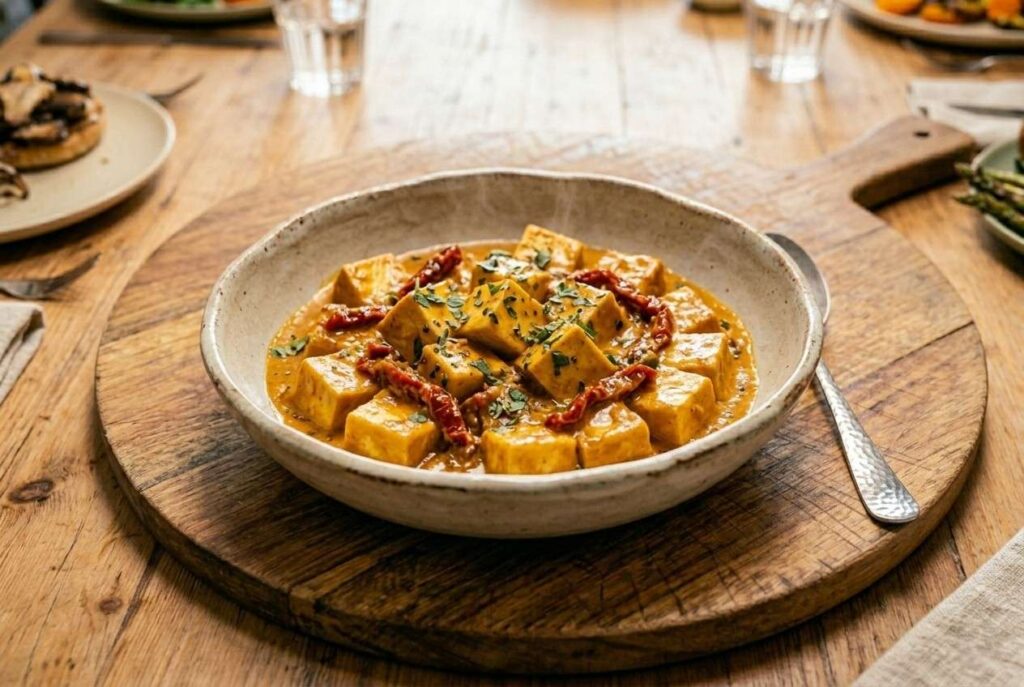
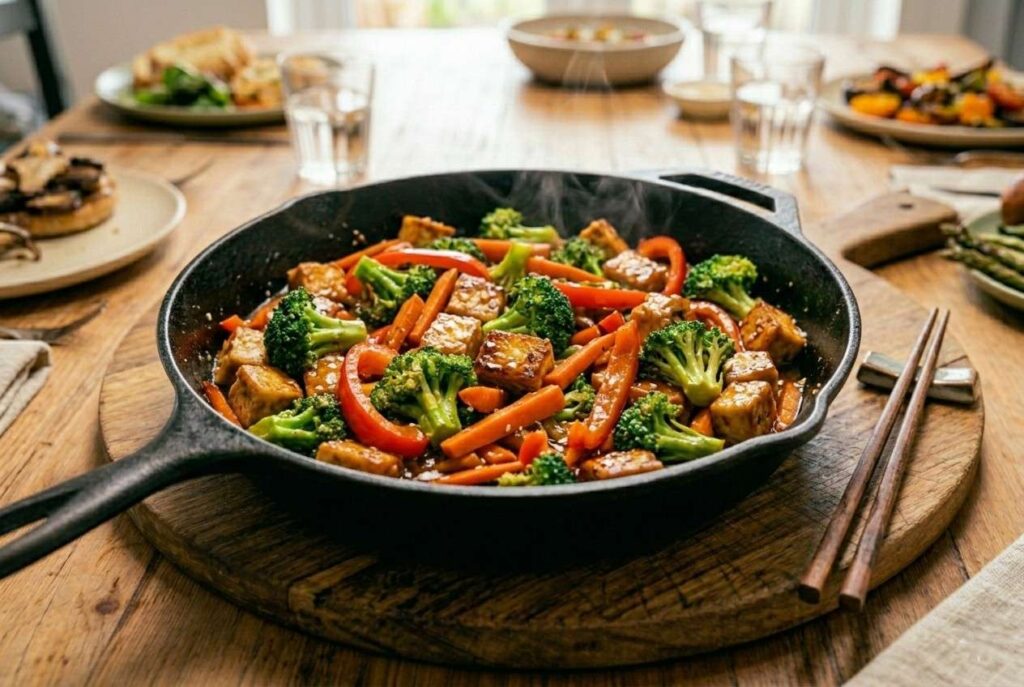
If you are trying to eat less meat or follow a plant-based lifestyle, tofu is a fantastic muscle-preserving choice. Made from soybeans, tofu is considered a complete protein, meaning it contains all nine essential amino acids your body needs. A cup of firm tofu can provide about 20 grams of protein. It also contains iron and calcium, nutrients that are especially important as you age. Tofu absorbs the flavors of whatever you cook it with, so it works beautifully in stir-fries, curries, and even on the grill. For Americans exploring plant-forward eating patterns, tofu offers a practical way to support strength without relying solely on animal products.
7. Legumes (Beans & Lentils) — Fiber, Minerals, and Protein

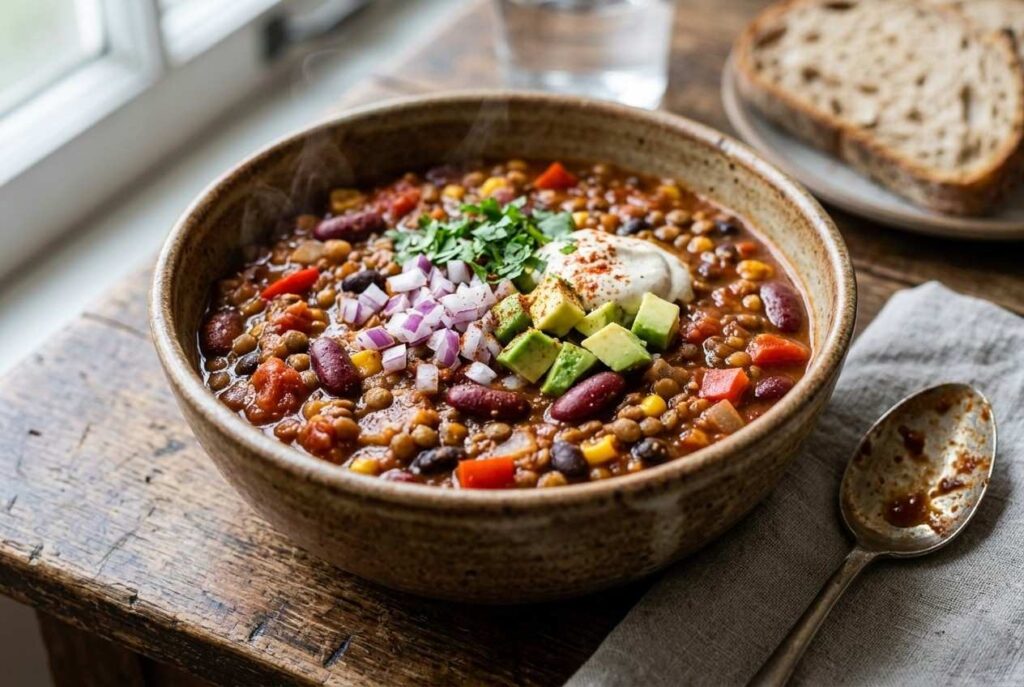
Beans and lentils might not have as much protein per serving as chicken or fish, but they bring something equally valuable to the table. A half-cup of cooked lentils provides about 9 grams of protein, along with fiber, magnesium, and potassium. Fiber supports gut health and helps regulate blood sugar, which is particularly important for older adults managing or trying to prevent type 2 diabetes. Magnesium plays a role in muscle contraction and relaxation. Adding black beans to tacos, chickpeas to salads, or lentils to soups is an affordable and accessible way to increase both protein and overall nutrient intake. They are pantry staples that work hard for your muscles and your long-term health.
Final Thoughts

Aging strong is not about chasing a younger version of yourself. It is about protecting the strength you need to live life on your terms. The ability to carry your own groceries, travel comfortably, play with grandchildren, or simply move through your day without fear of falling is deeply connected to muscle health.
The good news is that supporting your muscles does not require fancy supplements or extreme diets. It starts with everyday foods you can find at your local supermarket. Eggs in the morning, Greek yogurt as a snack, salmon or chicken for dinner, beans in your chili, tofu in your stir-fry. These choices add up.
Think of each meal as an opportunity to invest in your future strength. You do not have to overhaul your entire lifestyle overnight. Start by adding one muscle-preserving food to your routine this week. Then build from there. With consistency, a little planning, and a commitment to moving your body, you can support your muscles and enjoy a stronger, more confident version of yourself for decades to come.