Our Debt Free Family

Commit. Plan. Take action.

  • BUDGETING
  • DEBT REDUCTION
  • INVESTING
  • LIFESTYLE
  • TOOLS
  • ABOUT
  • Privacy Policy
  • CONTACT

14 Smart Money Moves Every Retiree Should Know

February 20, 2026 | Leave a Comment

14 Smart Money Moves Every Retiree Should Know

<p> Retirement is supposed to be the reward for decades of hard work, a time to savor your freedom, travel, spend quality time with loved ones, and finally enjoy life without the stress of a 9-to-5. Yet for many U.S. baby boomers, retirement can bring new worries about finances. Questions about Social Security, investments, taxes, and healthcare can make even the most confident retiree feel uneasy. The truth is, retirement success is less about luck and more about making smart money decisions that protect your savings and maximize your income.

The good news is that with a few practical strategies, you can keep your finances healthy, reduce stress, and enjoy the retirement you deserve. From timing Social Security to managing healthcare costs, these smart money moves will help you take control of your financial future.

Here are fourteen essential strategies every retiree should know. </p> :: Gemini

Retirement is supposed to be the reward for decades of hard work, a time to savor your freedom, travel, spend quality time with loved ones, and finally enjoy life without the stress of a 9-to-5. Yet for many U.S. baby boomers, retirement can bring new worries about finances. Questions about Social Security, investments, taxes, and healthcare can make even the most confident retiree feel uneasy. The truth is, retirement success is less about luck and more about making smart money decisions that protect your savings and maximize your income.

The good news is that with a few practical strategies, you can keep your finances healthy, reduce stress, and enjoy the retirement you deserve. From timing Social Security to managing healthcare costs, these smart money moves will help you take control of your financial future.

Here are fourteen essential strategies every retiree should know.

1. Delay Social Security to Maximize Your Benefits

<p> Many retirees are tempted to claim Social Security as soon as they can, but waiting can make a significant difference. Delaying your Social Security claim past age 62 can increase your monthly benefit by approximately eight percent for every year you wait until age 70. This boost can add up to hundreds of dollars a month and thousands over a lifetime. The extra income can provide a safety net against unexpected expenses and protect your finances as you live longer. Even if you only occasionally think about money, delaying Social Security is one of the easiest ways to give your retirement a solid foundation. </p> :: Gemini

Many retirees are tempted to claim Social Security as soon as they can, but waiting can make a significant difference. Delaying your Social Security claim past age 62 can increase your monthly benefit by approximately eight percent for every year you wait until age 70. This boost can add up to hundreds of dollars a month and thousands over a lifetime. The extra income can provide a safety net against unexpected expenses and protect your finances as you live longer. Even if you only occasionally think about money, delaying Social Security is one of the easiest ways to give your retirement a solid foundation.

2. Create a Retirement Budget That Reflects Reality

<p> Retirement often changes your spending patterns. Some expenses decrease, like commuting costs or work clothes, while others, such as healthcare, travel, and leisure activities, might increase. Creating a realistic budget helps you understand exactly what you need to cover each month and prevents you from dipping into your savings without noticing. Make sure your budget is flexible enough to evolve with your lifestyle and priorities. Tracking expenses may feel tedious at first, but it can give you clarity and peace of mind, allowing you to make smarter decisions with your money. </p> :: Gemini

Retirement often changes your spending patterns. Some expenses decrease, like commuting costs or work clothes, while others, such as healthcare, travel, and leisure activities, might increase. Creating a realistic budget helps you understand exactly what you need to cover each month and prevents you from dipping into your savings without noticing. Make sure your budget is flexible enough to evolve with your lifestyle and priorities. Tracking expenses may feel tedious at first, but it can give you clarity and peace of mind, allowing you to make smarter decisions with your money.

3. Build a Buffer with a High-Yield Emergency Fund

<p> Even in retirement, unexpected expenses are inevitable. Whether it is a car repair, home maintenance, or a sudden medical bill, having a cash reserve is essential. Placing several months of expenses in a high-yield savings account ensures you can cover emergencies without touching your investment accounts. A dedicated emergency fund not only protects your long-term savings but also provides peace of mind. Knowing you are prepared for the unexpected allows you to enjoy retirement without constantly worrying about what might go wrong. </p> :: Gemini

Even in retirement, unexpected expenses are inevitable. Whether it is a car repair, home maintenance, or a sudden medical bill, having a cash reserve is essential. Placing several months of expenses in a high-yield savings account ensures you can cover emergencies without touching your investment accounts. A dedicated emergency fund not only protects your long-term savings but also provides peace of mind. Knowing you are prepared for the unexpected allows you to enjoy retirement without constantly worrying about what might go wrong.

4. Plan Your Withdrawal Strategy Carefully

<p> Deciding when and how to withdraw funds from retirement accounts can have a major impact on your finances. Drawing from traditional IRAs, Roth IRAs, and 401(k)s without a plan can result in unnecessary taxes, increased Medicare premiums, or even reduced Social Security benefits. A well-thought-out withdrawal strategy can help you minimize taxes and keep your money working efficiently. Working with a financial advisor to develop a tax-efficient drawdown plan can be one of the most effective moves to maintain your financial health throughout retirement. </p> :: Gemini

Deciding when and how to withdraw funds from retirement accounts can have a major impact on your finances. Drawing from traditional IRAs, Roth IRAs, and 401(k)s without a plan can result in unnecessary taxes, increased Medicare premiums, or even reduced Social Security benefits. A well-thought-out withdrawal strategy can help you minimize taxes and keep your money working efficiently. Working with a financial advisor to develop a tax-efficient drawdown plan can be one of the most effective moves to maintain your financial health throughout retirement.

5. Diversify Your Income Streams

<p> Relying on just one source of income in retirement, such as Social Security, can be risky. Diversifying your income helps protect your finances from market fluctuations and unexpected expenses. Consider combining Social Security with dividends, rental income, part-time work, annuities, or other investments. Having multiple streams of income ensures that even if one source decreases, you still have others to rely on. Diversification is not only a smart financial move, but it also provides a sense of security and confidence as you navigate retirement. </p> :: Gemini

Relying on just one source of income in retirement, such as Social Security, can be risky. Diversifying your income helps protect your finances from market fluctuations and unexpected expenses. Consider combining Social Security with dividends, rental income, part-time work, annuities, or other investments. Having multiple streams of income ensures that even if one source decreases, you still have others to rely on. Diversification is not only a smart financial move, but it also provides a sense of security and confidence as you navigate retirement.

6. Use the Bucket Strategy for Your Savings

<p> The bucket strategy is a simple but powerful way to manage your retirement savings. Divide your money into three categories: cash for immediate bills, safer investments for short-term needs, and growth-oriented assets for long-term support. This approach balances risk with accessibility, ensuring you can cover near-term expenses while keeping money invested for future growth. The bucket strategy allows you to enjoy retirement without constantly worrying about the stock market, giving you confidence that your funds are in the right place at the right time. </p> :: Gemini

The bucket strategy is a simple but powerful way to manage your retirement savings. Divide your money into three categories: cash for immediate bills, safer investments for short-term needs, and growth-oriented assets for long-term support. This approach balances risk with accessibility, ensuring you can cover near-term expenses while keeping money invested for future growth. The bucket strategy allows you to enjoy retirement without constantly worrying about the stock market, giving you confidence that your funds are in the right place at the right time.

7. Convert Some Traditional IRA Funds to Roth

<p> Roth conversions can be a valuable tool to reduce future tax burdens. By moving money from a traditional IRA into a Roth IRA, you can minimize Required Minimum Distributions later in life and potentially lower your taxable income in retirement. This strategy is especially useful if you anticipate being in a higher tax bracket later or want to leave tax-free assets to heirs. While Roth conversions are not for everyone, consulting a tax professional can help determine whether this move makes sense for your specific situation. </p> :: Gemini

Roth conversions can be a valuable tool to reduce future tax burdens. By moving money from a traditional IRA into a Roth IRA, you can minimize Required Minimum Distributions later in life and potentially lower your taxable income in retirement. This strategy is especially useful if you anticipate being in a higher tax bracket later or want to leave tax-free assets to heirs. While Roth conversions are not for everyone, consulting a tax professional can help determine whether this move makes sense for your specific situation.

8. Mind Your Taxes

<p> Taxes can take a big bite out of your retirement income if you are not careful. Withdrawals from retirement accounts, Social Security taxation, and Medicare premiums can all increase your tax burden. By planning ahead, you can strategically time withdrawals to minimize taxes. Being mindful of tax implications allows you to preserve more of your savings and make smarter decisions about spending and investing. Small adjustments, like spacing withdrawals over several years or converting to Roth accounts, can make a significant difference in the long run. </p> :: Gemini

Taxes can take a big bite out of your retirement income if you are not careful. Withdrawals from retirement accounts, Social Security taxation, and Medicare premiums can all increase your tax burden. By planning ahead, you can strategically time withdrawals to minimize taxes. Being mindful of tax implications allows you to preserve more of your savings and make smarter decisions about spending and investing. Small adjustments, like spacing withdrawals over several years or converting to Roth accounts, can make a significant difference in the long run.

9. Guard Against Scams

<p> Unfortunately, retirees are often targeted by financial scams promising guaranteed returns or quick profits. These schemes can drain life savings in an instant. Protecting yourself involves vigilance: always verify offers with a trusted advisor or family member, avoid sharing personal information with strangers, and question anything that sounds too good to be true. Taking a cautious approach helps safeguard your wealth and ensures that your hard-earned money goes toward your retirement goals, not a scammer’s pocket. </p> :: Gemini

Unfortunately, retirees are often targeted by financial scams promising guaranteed returns or quick profits. These schemes can drain life savings in an instant. Protecting yourself involves vigilance: always verify offers with a trusted advisor or family member, avoid sharing personal information with strangers, and question anything that sounds too good to be true. Taking a cautious approach helps safeguard your wealth and ensures that your hard-earned money goes toward your retirement goals, not a scammer’s pocket.

10. Downsize and Rebalance Big Expenses

<p> Maintaining a large home or carrying high monthly costs can put unnecessary strain on retirement finances. Downsizing to a smaller home or relocating to an area with a lower cost of living can free up equity and reduce ongoing expenses. The money saved can be invested or used to supplement your retirement income. This strategy not only provides financial benefits but can also simplify your lifestyle, leaving more time and energy to focus on activities you enjoy rather than home maintenance and bills. </p> :: Gemini

Maintaining a large home or carrying high monthly costs can put unnecessary strain on retirement finances. Downsizing to a smaller home or relocating to an area with a lower cost of living can free up equity and reduce ongoing expenses. The money saved can be invested or used to supplement your retirement income. This strategy not only provides financial benefits but can also simplify your lifestyle, leaving more time and energy to focus on activities you enjoy rather than home maintenance and bills.

11. Take Advantage of Senior Discounts and Programs

<p> Many retirees overlook opportunities to save on everyday expenses. From travel and dining to technology and healthcare services, senior discounts are widely available. By taking advantage of these programs, you can stretch your retirement dollars further. Every little saving adds up, and being proactive about discounts can allow you to enjoy more activities, travel, and experiences without compromising your financial security. </p> :: Gemini

Many retirees overlook opportunities to save on everyday expenses. From travel and dining to technology and healthcare services, senior discounts are widely available. By taking advantage of these programs, you can stretch your retirement dollars further. Every little saving adds up, and being proactive about discounts can allow you to enjoy more activities, travel, and experiences without compromising your financial security.

12. Explore Part-Time or Passion Work

<p> Some retirees find that working part-time or pursuing a passion project provides both financial and personal benefits. Freelancing, consulting, or even starting a small business can supplement income while keeping you engaged and active. This kind of work can provide a sense of purpose and structure, as well as an additional safety net for your finances. Retirement does not have to mean stopping work entirely; it can mean working smarter and on your own terms. </p> :: Gemini

Some retirees find that working part-time or pursuing a passion project provides both financial and personal benefits. Freelancing, consulting, or even starting a small business can supplement income while keeping you engaged and active. This kind of work can provide a sense of purpose and structure, as well as an additional safety net for your finances. Retirement does not have to mean stopping work entirely; it can mean working smarter and on your own terms.

13. Prepare for Rising Healthcare and Long-Term Care Costs

<p> Healthcare costs are one of the biggest financial challenges in retirement. While Medicare covers many basic expenses, it does not cover everything. Planning for supplemental insurance and long-term care needs can prevent sudden financial strain. Setting aside funds specifically for medical expenses and future care ensures that you can handle health issues without sacrificing other aspects of your lifestyle. Preparing ahead of time helps you maintain independence and peace of mind throughout your retirement years. </p> :: Gemini

Healthcare costs are one of the biggest financial challenges in retirement. While Medicare covers many basic expenses, it does not cover everything. Planning for supplemental insurance and long-term care needs can prevent sudden financial strain. Setting aside funds specifically for medical expenses and future care ensures that you can handle health issues without sacrificing other aspects of your lifestyle. Preparing ahead of time helps you maintain independence and peace of mind throughout your retirement years.

14. Review Your Plan Regularly

<p> Retirement is not a static phase of life. Your needs, the economy, tax laws, and personal circumstances can change. Conducting an annual financial review with a trusted advisor allows you to adjust spending, investments, and income strategies as needed. Staying proactive helps you catch potential issues early and ensures that your retirement plan continues to serve you effectively. By reviewing your plan regularly, you can make informed decisions and enjoy a retirement that is both financially secure and personally fulfilling. </p> :: Gemini

Retirement is not a static phase of life. Your needs, the economy, tax laws, and personal circumstances can change. Conducting an annual financial review with a trusted advisor allows you to adjust spending, investments, and income strategies as needed. Staying proactive helps you catch potential issues early and ensures that your retirement plan continues to serve you effectively. By reviewing your plan regularly, you can make informed decisions and enjoy a retirement that is both financially secure and personally fulfilling.

Final Thoughts

<p> Retirement is a time to enjoy the life you have earned, not to worry constantly about money. Smart money moves are about balance: protecting your savings, making informed decisions, and preparing for the unexpected. By delaying Social Security, budgeting realistically, diversifying income, and preparing for healthcare costs, you create a retirement plan that offers security, flexibility, and freedom.

Every decision you make now has a ripple effect on the years to come. Small changes, like taking advantage of senior discounts or reviewing your withdrawal strategy, can add up to significant financial and emotional benefits. With the right planning and mindset, retirement can be a time of growth, exploration, and joy rather than stress.

By taking control of your money, you allow yourself to focus on the things that truly matter — family, friends, hobbies, and the adventures you have dreamed about for decades. Retirement is your reward. Make it the time of life you always hoped it would be. </p> :: Gemini

Retirement is a time to enjoy the life you have earned, not to worry constantly about money. Smart money moves are about balance: protecting your savings, making informed decisions, and preparing for the unexpected. By delaying Social Security, budgeting realistically, diversifying income, and preparing for healthcare costs, you create a retirement plan that offers security, flexibility, and freedom.

Every decision you make now has a ripple effect on the years to come. Small changes, like taking advantage of senior discounts or reviewing your withdrawal strategy, can add up to significant financial and emotional benefits. With the right planning and mindset, retirement can be a time of growth, exploration, and joy rather than stress.

By taking control of your money, you allow yourself to focus on the things that truly matter — family, friends, hobbies, and the adventures you have dreamed about for decades. Retirement is your reward. Make it the time of life you always hoped it would be.


Filed Under: Budgeting

Is It Right to Split the Bill on the First Date? 8 Things Baby Boomers Want You to Know

February 19, 2026 | Leave a Comment

Is It Right to Split the Bill on the First Date? 8 Things Baby Boomers Want You to Know

<p> First dates are exciting, nerve-wracking, and sometimes a little confusing. You carefully choose your outfit, rehearse a few conversation topics, and maybe even wonder if you remembered to brush your teeth one last time. Then comes the moment everyone secretly dreads: the check arrives. That little slip of paper can feel like the ultimate test of etiquette, personality, and compatibility all at once. Should you insist on paying? Should you split the bill? Will offering to split seem stingy, or will picking up the entire tab seem old-fashioned?

For baby boomers, this is more than just a question about money. It is about manners, respect, and reading social cues—things many of us grew up taking seriously. But times have changed, and dating has evolved. With more people enjoying financial independence and different ideas about gender roles and etiquette, the question of who pays on a first date can feel tricky.

To help navigate this minefield, we asked what baby boomers would tell you about handling the check. Here are eight insights that combine traditional values, modern practicality, and real-life wisdom. </p> :: Gemini

First dates are exciting, nerve-wracking, and sometimes a little confusing. You carefully choose your outfit, rehearse a few conversation topics, and maybe even wonder if you remembered to brush your teeth one last time. Then comes the moment everyone secretly dreads: the check arrives. That little slip of paper can feel like the ultimate test of etiquette, personality, and compatibility all at once. Should you insist on paying? Should you split the bill? Will offering to split seem stingy, or will picking up the entire tab seem old-fashioned?

For baby boomers, this is more than just a question about money. It is about manners, respect, and reading social cues—things many of us grew up taking seriously. But times have changed, and dating has evolved. With more people enjoying financial independence and different ideas about gender roles and etiquette, the question of who pays on a first date can feel tricky.

To help navigate this minefield, we asked what baby boomers would tell you about handling the check. Here are eight insights that combine traditional values, modern practicality, and real-life wisdom.

1. Tradition Still Holds Weight

<p> Many baby boomers still appreciate the traditional notion that the man pays for the first date, especially in heterosexual relationships. Paying the bill is often seen as a gesture of courtesy and an effort to make a good impression. It is not just about covering the cost—it signals thoughtfulness, generosity, and an understanding of dating as a polite, intentional activity.

That said, baby boomers recognize that traditions are evolving. Picking up the bill is no longer mandatory, and the ultimate goal is mutual respect and enjoyment of the date. A traditional gesture can be meaningful, but it should come from genuine intention rather than obligation. </p> :: Gemini

Many baby boomers still appreciate the traditional notion that the man pays for the first date, especially in heterosexual relationships. Paying the bill is often seen as a gesture of courtesy and an effort to make a good impression. It is not just about covering the cost—it signals thoughtfulness, generosity, and an understanding of dating as a polite, intentional activity.

That said, baby boomers recognize that traditions are evolving. Picking up the bill is no longer mandatory, and the ultimate goal is mutual respect and enjoyment of the date. A traditional gesture can be meaningful, but it should come from genuine intention rather than obligation.

2. Who Invited You Matters

<p> Etiquette experts across generations emphasize that the person who extends the invitation generally offers to pay. If someone asks you out, they are signaling that they want to treat you to a special experience. Offering to pay is a natural continuation of that gesture.

For baby boomers, this approach eliminates confusion about gender roles while maintaining a sense of courtesy. It allows both parties to enjoy the experience without the pressure of guessing who should foot the bill. It is practical, polite, and straightforward. </p> :: Gemini

Etiquette experts across generations emphasize that the person who extends the invitation generally offers to pay. If someone asks you out, they are signaling that they want to treat you to a special experience. Offering to pay is a natural continuation of that gesture.

For baby boomers, this approach eliminates confusion about gender roles while maintaining a sense of courtesy. It allows both parties to enjoy the experience without the pressure of guessing who should foot the bill. It is practical, polite, and straightforward.

3. Splitting the Bill Can Be Respectful

<p> While many baby boomers were raised with traditional expectations, they also recognize that splitting the bill is perfectly acceptable in certain situations. In today’s world, where both parties may have independent finances, offering to split can be practical and respectful.

Splitting the bill demonstrates equality and can prevent awkward power dynamics. When presented kindly, it shows that you value fairness and self-sufficiency. Baby boomers often note that how you suggest splitting the bill matters as much as the choice itself. Doing it with humor or a light touch keeps the moment friendly and relaxed. </p> :: Gemini

While many baby boomers were raised with traditional expectations, they also recognize that splitting the bill is perfectly acceptable in certain situations. In today’s world, where both parties may have independent finances, offering to split can be practical and respectful.

Splitting the bill demonstrates equality and can prevent awkward power dynamics. When presented kindly, it shows that you value fairness and self-sufficiency. Baby boomers often note that how you suggest splitting the bill matters as much as the choice itself. Doing it with humor or a light touch keeps the moment friendly and relaxed.

4. Respect Is More Important Than Money

<p> One of the most consistent messages from baby boomers is that handling the check gracefully is more important than who actually pays. Manners, patience, and clarity show thoughtfulness, whereas arguing over cents can create unnecessary tension.

Offering to pay, accepting a polite offer, or suggesting a split with kindness reflects emotional intelligence and maturity. First dates are about connection, not a financial showdown. Baby boomers believe that showing respect during this small but telling moment says more about you than the size of the bill. </p> :: Gemini

One of the most consistent messages from baby boomers is that handling the check gracefully is more important than who actually pays. Manners, patience, and clarity show thoughtfulness, whereas arguing over cents can create unnecessary tension.

Offering to pay, accepting a polite offer, or suggesting a split with kindness reflects emotional intelligence and maturity. First dates are about connection, not a financial showdown. Baby boomers believe that showing respect during this small but telling moment says more about you than the size of the bill.

5. The Check Reveals Values

<p> Baby boomers often point out that the way people handle the check provides subtle insights into their personality and values. Does the person offer to pay with enthusiasm or reluctance? Do they communicate honestly and politely if they prefer to split?

These moments reveal thoughtfulness, generosity, and social awareness. Baby boomers have learned from experience that the check can sometimes be a litmus test for compatibility. How someone handles money on a first date can hint at their approach to partnership, fairness, and consideration. </p> :: Gemini

Baby boomers often point out that the way people handle the check provides subtle insights into their personality and values. Does the person offer to pay with enthusiasm or reluctance? Do they communicate honestly and politely if they prefer to split?

These moments reveal thoughtfulness, generosity, and social awareness. Baby boomers have learned from experience that the check can sometimes be a litmus test for compatibility. How someone handles money on a first date can hint at their approach to partnership, fairness, and consideration.

6. Comfort Should Guide the Decision

<p> Baby boomers advise that your personal comfort should drive your approach to the bill, not social expectations or ego. If you feel strongly about paying for the first date, go ahead. If you prefer to split, do it respectfully and without hesitation.

Mutual comfort is key. If both people feel respected, the outcome of the check is secondary. This approach emphasizes authenticity and reduces awkwardness, making it easier to focus on the actual purpose of the date: connecting, enjoying conversation, and discovering common ground. </p> :: Gemini

Baby boomers advise that your personal comfort should drive your approach to the bill, not social expectations or ego. If you feel strongly about paying for the first date, go ahead. If you prefer to split, do it respectfully and without hesitation.

Mutual comfort is key. If both people feel respected, the outcome of the check is secondary. This approach emphasizes authenticity and reduces awkwardness, making it easier to focus on the actual purpose of the date: connecting, enjoying conversation, and discovering common ground.

7. Discuss Preferences Ahead of Time

<p> Many baby boomers suggest a simple but powerful strategy: talk about money before the date. A brief, casual question such as “How do you usually handle the check?” can prevent uncomfortable moments when the bill arrives.

Communicating openly demonstrates emotional intelligence and helps both parties feel comfortable. It shows thoughtfulness, maturity, and respect for the other person’s preferences. By addressing the issue ahead of time, you keep the focus on conversation and chemistry rather than awkward financial decisions. </p> :: Gemini

Many baby boomers suggest a simple but powerful strategy: talk about money before the date. A brief, casual question such as “How do you usually handle the check?” can prevent uncomfortable moments when the bill arrives.

Communicating openly demonstrates emotional intelligence and helps both parties feel comfortable. It shows thoughtfulness, maturity, and respect for the other person’s preferences. By addressing the issue ahead of time, you keep the focus on conversation and chemistry rather than awkward financial decisions.

8. There Is No One Right Way

<p> At the end of the day, baby boomers stress that there is no single correct approach. Dating is personal, and what works for one person may not work for another. The best choice is one that aligns with your values, communicates respect, and reflects genuine intention.

Some baby boomers still find joy in picking up the tab, seeing it as a sign of generosity and interest. Others embrace splitting the bill, valuing equality and independence. Both approaches can be right, as long as they are handled with care and honesty. </p> :: Gemini

At the end of the day, baby boomers stress that there is no single correct approach. Dating is personal, and what works for one person may not work for another. The best choice is one that aligns with your values, communicates respect, and reflects genuine intention.

Some baby boomers still find joy in picking up the tab, seeing it as a sign of generosity and interest. Others embrace splitting the bill, valuing equality and independence. Both approaches can be right, as long as they are handled with care and honesty.

Final Thoughts

<p> Ultimately, the first date is about creating a connection, enjoying each other’s company, and seeing whether there is potential for more. Whether you pick up the entire bill, split it evenly, or find another solution, the key is thoughtfulness and communication.

Baby boomers remind us that small gestures reveal character. A kind offer, a respectful conversation, or a lighthearted approach to the check can make a lasting impression. Focus on the experience, the conversation, and the laughter rather than stressing over every dollar.

Remember, the right approach is the one that feels authentic to you. Be clear, be considerate, and be present. If those three things are in place, the question of who pays becomes far less important than the quality of the date itself. In the end, connection is priceless, and any financial detail is just a small part of the bigger picture. </p> :: Gemini

Ultimately, the first date is about creating a connection, enjoying each other’s company, and seeing whether there is potential for more. Whether you pick up the entire bill, split it evenly, or find another solution, the key is thoughtfulness and communication.

Baby boomers remind us that small gestures reveal character. A kind offer, a respectful conversation, or a lighthearted approach to the check can make a lasting impression. Focus on the experience, the conversation, and the laughter rather than stressing over every dollar.

Remember, the right approach is the one that feels authentic to you. Be clear, be considerate, and be present. If those three things are in place, the question of who pays becomes far less important than the quality of the date itself. In the end, connection is priceless, and any financial detail is just a small part of the bigger picture.

Filed Under: Lifestyle

Staying Connected with Grandkids Online: 7 Practical and Fun Tips for Baby Boomers

February 19, 2026 | Leave a Comment

Staying Connected with Grandkids Online: 7 Practical and Fun Tips for Baby Boomers

<p> There is something truly special about the bond between grandparents and grandchildren. The laughter, the stories, the shared secrets – these moments stay with both generations forever. But when distance or busy schedules keep you apart, maintaining that connection can feel challenging. Luckily, technology has made it easier than ever to keep in touch, share experiences, and create new memories, even from across the country. Whether you are new to video calls or a tech-savvy grandparent looking for fresh ideas, there are practical and creative ways to stay connected online that can be both meaningful and fun. If you are ready to bring more smiles, laughter, and shared experiences into your virtual time together, here are seven tried-and-true tips to strengthen your relationship with your grandchildren online. </p> :: Gemini

There is something truly special about the bond between grandparents and grandchildren. The laughter, the stories, the shared secrets – these moments stay with both generations forever. But when distance or busy schedules keep you apart, maintaining that connection can feel challenging. Luckily, technology has made it easier than ever to keep in touch, share experiences, and create new memories, even from across the country. Whether you are new to video calls or a tech-savvy grandparent looking for fresh ideas, there are practical and creative ways to stay connected online that can be both meaningful and fun.

If you are ready to bring more smiles, laughter, and shared experiences into your virtual time together, here are seven tried-and-true tips to strengthen your relationship with your grandchildren online.

1. Make Video Calls Meaningful and Engaging

<p> Video calls have become the backbone of long-distance grandparenting. However, simply saying hello or asking how school was can feel routine and even a little dull for kids. Instead, try making video chats interactive. You can read a favorite story together, play a quick guessing game, or even hold a mini scavenger hunt where each of you searches your home for specific items. Keep calls short enough to hold their attention, around 10 to 15 minutes, but make them lively and memorable. The goal is to create moments your grandkids will look forward to rather than endure. Treat your virtual time as an event, not a check-in, and you will notice the connection deepen over time. </p> :: Gemini

Video calls have become the backbone of long-distance grandparenting. However, simply saying hello or asking how school was can feel routine and even a little dull for kids. Instead, try making video chats interactive. You can read a favorite story together, play a quick guessing game, or even hold a mini scavenger hunt where each of you searches your home for specific items. Keep calls short enough to hold their attention, around 10 to 15 minutes, but make them lively and memorable. The goal is to create moments your grandkids will look forward to rather than endure. Treat your virtual time as an event, not a check-in, and you will notice the connection deepen over time.

2. Turn Online Time into Shared Activities

<p> Children love doing things with the people they care about. Transforming video calls into shared activities makes the time feel purposeful and fun. Cooking the same simple recipe together can be a hit, as kids often love helping in the kitchen. Painting, building small crafts, or even working on a simple puzzle simultaneously can create laughter and conversation. Online board games or multiplayer apps can also provide a playful way to interact. These activities not only make your time together enjoyable, but they also create a sense of teamwork, giving both of you a reason to look forward to your next digital session. </p> :: Gemini

Children love doing things with the people they care about. Transforming video calls into shared activities makes the time feel purposeful and fun. Cooking the same simple recipe together can be a hit, as kids often love helping in the kitchen. Painting, building small crafts, or even working on a simple puzzle simultaneously can create laughter and conversation. Online board games or multiplayer apps can also provide a playful way to interact. These activities not only make your time together enjoyable, but they also create a sense of teamwork, giving both of you a reason to look forward to your next digital session.

3. Share Photos and Create Digital Albums

<p> Distance does not mean you have to miss the little milestones in your grandchild’s life. Sharing photos and videos can keep you part of their daily world. Consider setting up a shared digital album on a platform like Google Photos, where you can upload snapshots from both your lives. Include photos of school projects, family events, or even everyday fun moments. Adding captions, funny stories, or notes about the pictures can spark conversation in your next video call. Over time, these albums become a living record of your relationship, a way for your grandkids to see themselves through your eyes and for you to cherish every stage of their growth. </p> :: Gemini

Distance does not mean you have to miss the little milestones in your grandchild’s life. Sharing photos and videos can keep you part of their daily world. Consider setting up a shared digital album on a platform like Google Photos, where you can upload snapshots from both your lives. Include photos of school projects, family events, or even everyday fun moments. Adding captions, funny stories, or notes about the pictures can spark conversation in your next video call. Over time, these albums become a living record of your relationship, a way for your grandkids to see themselves through your eyes and for you to cherish every stage of their growth.

4. Use Messaging to Stay Connected Between Calls

<p> Long-distance grandparenting is not only about the big video calls; it is about the little touches too. Text messages, voice notes, or even emojis can maintain the connection throughout the week. A quick message saying “Thinking of you today” or sending a funny GIF can make your grandchildren smile and remind them you are always there for them. Using messaging apps in small doses keeps your relationship alive without feeling intrusive. It is also a great way for grandchildren to reach out spontaneously, sharing moments that they might not wait to tell you about in a scheduled call. These tiny gestures accumulate into meaningful, ongoing engagement that strengthens your bond. </p> :: Gemini

Long-distance grandparenting is not only about the big video calls; it is about the little touches too. Text messages, voice notes, or even emojis can maintain the connection throughout the week. A quick message saying “Thinking of you today” or sending a funny GIF can make your grandchildren smile and remind them you are always there for them. Using messaging apps in small doses keeps your relationship alive without feeling intrusive. It is also a great way for grandchildren to reach out spontaneously, sharing moments that they might not wait to tell you about in a scheduled call. These tiny gestures accumulate into meaningful, ongoing engagement that strengthens your bond.

5. Establish Shared Routines

<p> Children thrive on routine, and grandparents can benefit from it as well. Creating a regular schedule for online interactions adds predictability and something exciting to anticipate. Consider weekly themes such as Storytime Sunday, Fun Fact Friday, or Game Night Thursday. By sticking to a regular rhythm, your grandchildren will know they have dedicated time with you, and it will feel special every time. Routines also help you plan your own activities around these sessions, ensuring your time together is intentional and well-spent. Over time, these repeated interactions become cherished rituals that children remember long into adulthood. </p> :: Gemini

Children thrive on routine, and grandparents can benefit from it as well. Creating a regular schedule for online interactions adds predictability and something exciting to anticipate. Consider weekly themes such as Storytime Sunday, Fun Fact Friday, or Game Night Thursday. By sticking to a regular rhythm, your grandchildren will know they have dedicated time with you, and it will feel special every time. Routines also help you plan your own activities around these sessions, ensuring your time together is intentional and well-spent. Over time, these repeated interactions become cherished rituals that children remember long into adulthood.

6. Collaborate on Projects

<p> Shared projects provide a sense of accomplishment and a tangible result that keeps the connection alive even after the session ends. You can co-write a story by sending drafts back and forth via email, work together on a digital scrapbook using tools like Canva, or even create a family playlist with your favorite songs. Another idea is to build a digital family tree, encouraging your grandkids to research and add information about relatives, stories, or photos. These projects give your conversations purpose, foster teamwork, and provide an opportunity for your grandchildren to express their creativity while strengthening their bond with you. </p> :: Gemini

Shared projects provide a sense of accomplishment and a tangible result that keeps the connection alive even after the session ends. You can co-write a story by sending drafts back and forth via email, work together on a digital scrapbook using tools like Canva, or even create a family playlist with your favorite songs. Another idea is to build a digital family tree, encouraging your grandkids to research and add information about relatives, stories, or photos. These projects give your conversations purpose, foster teamwork, and provide an opportunity for your grandchildren to express their creativity while strengthening their bond with you.

7. Blend Traditional Touches with Technology

<p> While technology is wonderful, it does not replace the magic of traditional gestures. Sending a handwritten card, a drawing, or a small care package adds a personal touch that digital messages cannot replicate. You can then incorporate technology by opening the package together on a video call, sharing your excitement and reactions in real time. Combining traditional gestures with online engagement creates a multi-layered experience that children often remember best. It also reinforces the idea that while screens help us connect, the sentiment and effort behind every interaction are what truly matter. </p> :: Gemini

While technology is wonderful, it does not replace the magic of traditional gestures. Sending a handwritten card, a drawing, or a small care package adds a personal touch that digital messages cannot replicate. You can then incorporate technology by opening the package together on a video call, sharing your excitement and reactions in real time. Combining traditional gestures with online engagement creates a multi-layered experience that children often remember best. It also reinforces the idea that while screens help us connect, the sentiment and effort behind every interaction are what truly matter.

Final Thoughts

<p> Maintaining a strong bond with your grandchildren in a digital world is not about perfection or mastering every app. It is about being present, intentional, and creative in the ways you reach out. Whether it is a video call filled with laughter, a shared online project, or a surprise card in the mail, every effort you make strengthens your relationship and reminds your grandchildren of your love. Remember that your grandkids benefit as much from seeing your excitement and curiosity as they do from the activities themselves. Let them teach you new tricks, celebrate small victories, and create moments that will become cherished memories. Distance does not diminish love — it simply challenges us to find new ways to show it. So pick up your device, plan a fun activity, and let your grandkids see how much you care. The smiles, the giggles, and the conversations will not only keep you connected today but will also build a legacy of love, trust, and togetherness that lasts a lifetime. Even miles apart, your love is never out of reach. Every message, every call, and every shared experience matters — and in the world of grandparenting, those moments are priceless. </p> :: Gemini

Maintaining a strong bond with your grandchildren in a digital world is not about perfection or mastering every app. It is about being present, intentional, and creative in the ways you reach out. Whether it is a video call filled with laughter, a shared online project, or a surprise card in the mail, every effort you make strengthens your relationship and reminds your grandchildren of your love.

Remember that your grandkids benefit as much from seeing your excitement and curiosity as they do from the activities themselves. Let them teach you new tricks, celebrate small victories, and create moments that will become cherished memories. Distance does not diminish love — it simply challenges us to find new ways to show it.

So pick up your device, plan a fun activity, and let your grandkids see how much you care. The smiles, the giggles, and the conversations will not only keep you connected today but will also build a legacy of love, trust, and togetherness that lasts a lifetime.

Even miles apart, your love is never out of reach. Every message, every call, and every shared experience matters — and in the world of grandparenting, those moments are priceless.

Filed Under: Lifestyle

7 Essential Pickleball Tips for Players Over 50 — Unlock Your Best Game Yet!

February 18, 2026 | Leave a Comment

7 Essential Pickleball Tips for Players Over 50 — Unlock Your Best Game Yet!

<p> Picture this: you’re laughing with friends, paddle in hand, your feet moving in quick, playful steps as you angle a perfect shot across the net. You’re sweating, but in the best way—and you’re feeling younger than you have in years. Welcome to pickleball, the sport that’s taking America by storm, especially among folks over 50. What started as a quirky backyard game has turned into a national obsession, drawing boomers and seniors onto courts everywhere. It’s not just about hitting a ball; it’s about staying fit, meeting new friends, and having an absolute blast while doing it. Maybe you’ve been curious but felt a bit intimidated. Maybe you’ve watched others play and wondered, Could I really do that? The answer is a resounding yes—and it’s easier than you think. To help you step onto the court with confidence, here are 7 must-know secrets that will turn you into a pickleball enthusiast in no time. </p> :: Freepik AI

Picture this: you’re laughing with friends, paddle in hand, your feet moving in quick, playful steps as you angle a perfect shot across the net. You’re sweating, but in the best way—and you’re feeling younger than you have in years.

Welcome to pickleball, the sport that’s taking America by storm, especially among folks over 50. What started as a quirky backyard game has turned into a national obsession, drawing boomers and seniors onto courts everywhere. It’s not just about hitting a ball; it’s about staying fit, meeting new friends, and having an absolute blast while doing it.

Maybe you’ve been curious but felt a bit intimidated. Maybe you’ve watched others play and wondered, Could I really do that? The answer is a resounding yes—and it’s easier than you think. To help you step onto the court with confidence, here are 7 must-know secrets that will turn you into a pickleball enthusiast in no time.

1. It’s Kinder to Your Body Than You’d Expect

<p> One of the biggest reasons pickleball has captured the hearts of those over 50 is because it’s much easier on aging bodies than many other sports. Unlike tennis, where players cover a large court with fast sprints, pickleball courts are smaller and require less running. The paddle is lightweight, and the ball—a perforated plastic ball similar to a wiffle ball—moves slower than a tennis ball, reducing strain on your arm and shoulder. This means you can enjoy the fun of racquet sports without leaving the court exhausted or risking injury. Many boomers find it helps maintain agility, balance, and cardiovascular health—all without pounding their joints. It’s a sneaky way to stay young while having fun. </p> :: Pexels

One of the biggest reasons pickleball has captured the hearts of those over 50 is because it’s much easier on aging bodies than many other sports. Unlike tennis, where players cover a large court with fast sprints, pickleball courts are smaller and require less running. The paddle is lightweight, and the ball—a perforated plastic ball similar to a wiffle ball—moves slower than a tennis ball, reducing strain on your arm and shoulder.

This means you can enjoy the fun of racquet sports without leaving the court exhausted or risking injury. Many boomers find it helps maintain agility, balance, and cardiovascular health—all without pounding their joints. It’s a sneaky way to stay young while having fun.

2. You Don’t Need Expensive Equipment

<p> One secret behind pickleball’s meteoric rise is how budget-friendly it is. Unlike sports like golf or cycling that demand pricey gear, pickleball has a low cost of entry. All you really need is a paddle, a few pickleballs, and comfortable court shoes. Beginner paddles often cost under $40, and many local recreation centers lend paddles and balls for free or for a small fee. As for shoes, a good pair of non-marking sneakers with solid grip will keep you safe and stable. You don’t need a fancy wardrobe either—just wear breathable, flexible clothes that let you move freely. For boomers watching their budget, pickleball is an affordable ticket to fun and fitness. </p> :: Unsplash

One secret behind pickleball’s meteoric rise is how budget-friendly it is. Unlike sports like golf or cycling that demand pricey gear, pickleball has a low cost of entry. All you really need is a paddle, a few pickleballs, and comfortable court shoes.

Beginner paddles often cost under $40, and many local recreation centers lend paddles and balls for free or for a small fee. As for shoes, a good pair of non-marking sneakers with solid grip will keep you safe and stable. You don’t need a fancy wardrobe either—just wear breathable, flexible clothes that let you move freely. For boomers watching their budget, pickleball is an affordable ticket to fun and fitness.

3. Master the “Dink” to Gain an Edge

<p> Ready for your first piece of insider lingo? Meet the dink—a soft, short shot that just clears the net and lands in the no-volley zone (a.k.a. the “kitchen”). While powerful slams and hard drives might look impressive, the dink is the true secret weapon in pickleball. Why? Because it forces your opponent to step closer to the net, setting them up for errors and opening the court for your next shot. For players over 50, the dink is pure gold—it relies on finesse and strategy rather than speed and power, helping you control the game’s pace and conserve energy. Practice your dinking skills, and you’ll quickly become the player everyone wants on their side. </p> :: DALL-E

Ready for your first piece of insider lingo? Meet the dink—a soft, short shot that just clears the net and lands in the no-volley zone (a.k.a. the “kitchen”). While powerful slams and hard drives might look impressive, the dink is the true secret weapon in pickleball.

Why? Because it forces your opponent to step closer to the net, setting them up for errors and opening the court for your next shot. For players over 50, the dink is pure gold—it relies on finesse and strategy rather than speed and power, helping you control the game’s pace and conserve energy. Practice your dinking skills, and you’ll quickly become the player everyone wants on their side.

4. Warm Up and Stretch Before You Play

<p> Pickleball may look gentle compared to sports like basketball or tennis, but don’t let that fool you—it still involves quick side-to-side movements, lunges, and rotations. Especially for players over 50, warming up is crucial to avoid strains and injuries. Start with five to ten minutes of brisk walking or light jogging to get your blood flowing, then do some dynamic stretches to loosen up your hips, legs, arms, and back. After you play, spend a few minutes stretching major muscle groups to keep soreness at bay. Many boomers report feeling decades younger on the pickleball court—but skip your warmup, and you might feel decades older the next day! </p> :: Freepik AI

Pickleball may look gentle compared to sports like basketball or tennis, but don’t let that fool you—it still involves quick side-to-side movements, lunges, and rotations. Especially for players over 50, warming up is crucial to avoid strains and injuries.

Start with five to ten minutes of brisk walking or light jogging to get your blood flowing, then do some dynamic stretches to loosen up your hips, legs, arms, and back. After you play, spend a few minutes stretching major muscle groups to keep soreness at bay. Many boomers report feeling decades younger on the pickleball court—but skip your warmup, and you might feel decades older the next day!

5. Pickleball is a Social Game—and That’s the Best Part

<p> If you ask boomers why they love pickleball, many will mention the friendships they’ve formed. Unlike tennis, where you often play with just one partner, pickleball thrives on a rotating, community vibe. Players mix and match partners throughout open play sessions, creating a lively, social atmosphere. There’s laughter, high-fives, playful banter, and a lot of encouragement, regardless of skill level. Many baby boomers say they’ve made lifelong friends through pickleball. Beyond physical health, the sport is a fantastic way to stay mentally sharp and connected, fighting off feelings of loneliness or isolation. In fact, don’t be surprised if your pickleball crew becomes your go-to group for coffee dates, lunches, and social outings! </p> :: Freepik AI
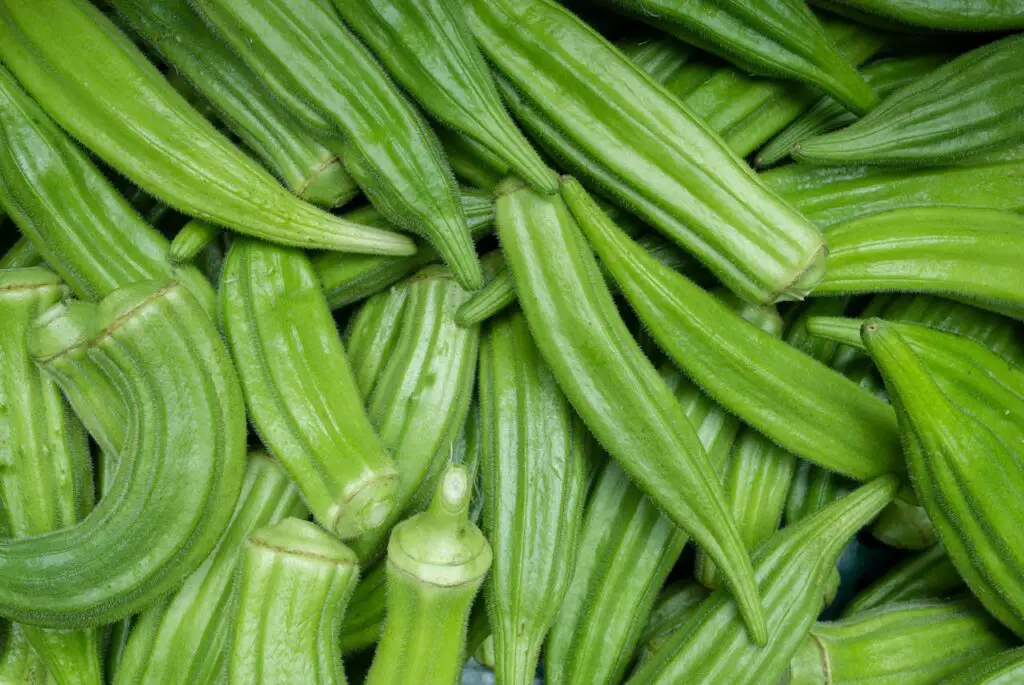


If you ask boomers why they love pickleball, many will mention the friendships they’ve formed. Unlike tennis, where you often play with just one partner, pickleball thrives on a rotating, community vibe. Players mix and match partners throughout open play sessions, creating a lively, social atmosphere.

There’s laughter, high-fives, playful banter, and a lot of encouragement, regardless of skill level. Many baby boomers say they’ve made lifelong friends through pickleball. Beyond physical health, the sport is a fantastic way to stay mentally sharp and connected, fighting off feelings of loneliness or isolation. In fact, don’t be surprised if your pickleball crew becomes your go-to group for coffee dates, lunches, and social outings!

6. Learn the Rules—But Don’t Let Perfection Stop You

<p> To a newcomer, pickleball can look a little complicated at first. What’s “the kitchen”? Why are there so many serves and side-outs? Don’t worry—it’s much simpler than it appears. Games are played to 11 points (win by two), and only the serving team can score. The ball must bounce once on each side after the serve before volleys start—that’s called the two-bounce rule. But here’s the real secret: nobody expects you to be an expert right away. Most pickleball communities are incredibly welcoming and patient. Experienced players love teaching newcomers the ropes and are more focused on fun than perfection. The best way to learn is to jump in and play. Mistakes happen, and half the joy of pickleball is laughing about them afterward. </p> :: DALL-E

To a newcomer, pickleball can look a little complicated at first. What’s “the kitchen”? Why are there so many serves and side-outs? Don’t worry—it’s much simpler than it appears. Games are played to 11 points (win by two), and only the serving team can score. The ball must bounce once on each side after the serve before volleys start—that’s called the two-bounce rule.

But here’s the real secret: nobody expects you to be an expert right away. Most pickleball communities are incredibly welcoming and patient. Experienced players love teaching newcomers the ropes and are more focused on fun than perfection. The best way to learn is to jump in and play. Mistakes happen, and half the joy of pickleball is laughing about them afterward.

7. It’s a Ticket to Better Health and Happiness

<p> Beyond being ridiculously fun, pickleball delivers big health benefits for players over 50. Studies show older adults who play regularly improve cardiovascular health, balance, coordination, and overall fitness. It also provides an excellent mental workout—quick decision-making, strategy, and hand-eye coordination keep your brain sharp and engaged. Equally important, pickleball’s social aspect has been linked to lower rates of depression and anxiety. Many boomers say it’s given them a renewed sense of purpose and vitality. Whether you’re looking to shed a few pounds, keep your joints moving, or simply have more laughter in your life, pickleball might be your new secret weapon. </p> :: DALL-E

Beyond being ridiculously fun, pickleball delivers big health benefits for players over 50. Studies show older adults who play regularly improve cardiovascular health, balance, coordination, and overall fitness. It also provides an excellent mental workout—quick decision-making, strategy, and hand-eye coordination keep your brain sharp and engaged.

Equally important, pickleball’s social aspect has been linked to lower rates of depression and anxiety. Many boomers say it’s given them a renewed sense of purpose and vitality. Whether you’re looking to shed a few pounds, keep your joints moving, or simply have more laughter in your life, pickleball might be your new secret weapon.

Final Thoughts

<p> So here’s the question: why wait? The pickleball courts are buzzing with energy, laughter, and camaraderie. This isn’t just a sport—it’s a gateway to a healthier, happier, and more connected life after 50. It’s a way to rediscover your competitive spirit, meet wonderful new friends, and feel decades younger than you did yesterday. You don’t have to be an athlete, you don’t have to break the bank, and you certainly don’t have to be perfect. Just grab a paddle, find a local court, and give it a try. The pickleball craze is real—and there’s no reason you shouldn’t be part of it. Step onto the court and see why boomers everywhere are falling in love with this game. You might just find yourself hooked for life! </p> :: Unsplash

So here’s the question: why wait? The pickleball courts are buzzing with energy, laughter, and camaraderie. This isn’t just a sport—it’s a gateway to a healthier, happier, and more connected life after 50. It’s a way to rediscover your competitive spirit, meet wonderful new friends, and feel decades younger than you did yesterday.

You don’t have to be an athlete, you don’t have to break the bank, and you certainly don’t have to be perfect. Just grab a paddle, find a local court, and give it a try. The pickleball craze is real—and there’s no reason you shouldn’t be part of it.

Step onto the court and see why boomers everywhere are falling in love with this game. You might just find yourself hooked for life!

Filed Under: Sports

Heart Health Superfoods: 9 Vegetables That Slash Cholesterol and Boost Wellness

February 18, 2026 | Leave a Comment

Heart Health Superfoods: 9 Vegetables That Slash Cholesterol and Boost Wellness

<p> If the thought of heart health makes you picture bland meals and endless bowls of lettuce, think again. Lowering cholesterol and boosting heart wellness does not mean resigning yourself to cardboard-tasting food. The truth is, your kitchen is bursting with delicious, vibrant vegetables that not only taste amazing but work behind the scenes to help keep your arteries clean and your ticker ticking. Imagine being able to enjoy flavorful dishes while quietly fighting off bad cholesterol. Sounds pretty great, right? Whether you’re looking to prevent heart disease or simply keep your health on track, these vegetables can help you achieve your wellness goals — one tasty bite at a time. Here are nine vegetables that act like heart health superheroes, slashing cholesterol and lifting your overall wellness without sacrificing flavor or fun. </p> :: Pexels

If the thought of heart health makes you picture bland meals and endless bowls of lettuce, think again. Lowering cholesterol and boosting heart wellness does not mean resigning yourself to cardboard-tasting food. The truth is, your kitchen is bursting with delicious, vibrant vegetables that not only taste amazing but work behind the scenes to help keep your arteries clean and your ticker ticking.

Imagine being able to enjoy flavorful dishes while quietly fighting off bad cholesterol. Sounds pretty great, right? Whether you’re looking to prevent heart disease or simply keep your health on track, these vegetables can help you achieve your wellness goals — one tasty bite at a time.

Here are nine vegetables that act like heart health superheroes, slashing cholesterol and lifting your overall wellness without sacrificing flavor or fun.

1. Spinach

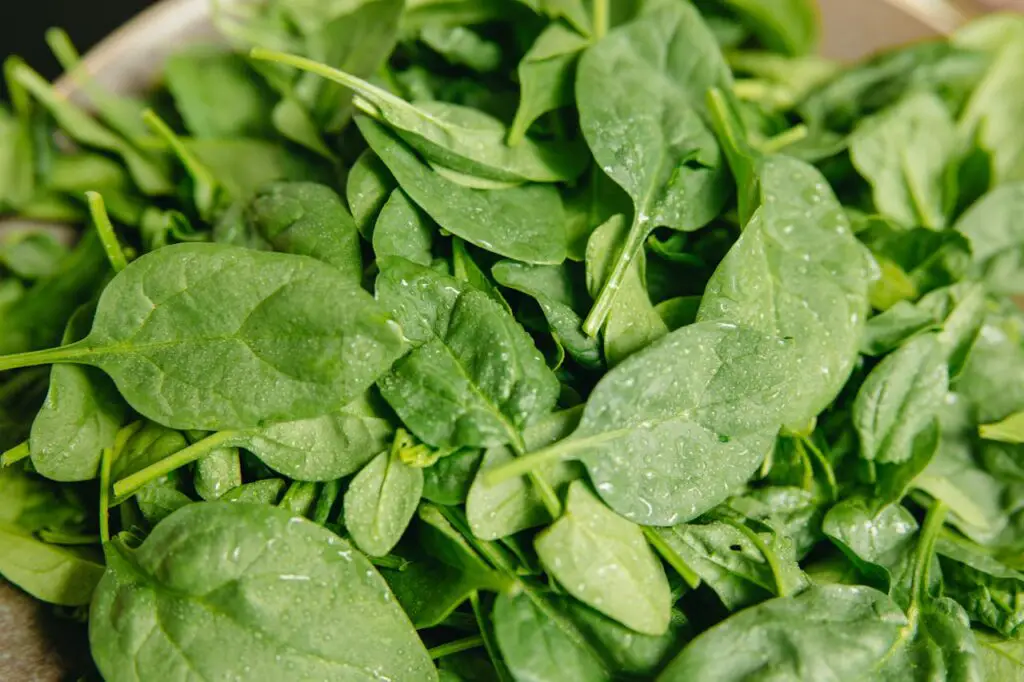
<p> Spinach is like the Clark Kent of the vegetable world — mild, unassuming, yet secretly powerful. This leafy green is packed with soluble fiber, which helps lower LDL (“bad”) cholesterol by preventing its absorption in the gut. Plus, spinach is rich in vitamin K, which supports healthy arteries. Toss spinach into your smoothies, layer it into sandwiches, or sauté it lightly for a nutrient-rich side. The best part? Its flavor is gentle enough to blend into nearly any dish, making it an easy veggie win for your heart. </p> :: Pexels

Spinach is like the Clark Kent of the vegetable world — mild, unassuming, yet secretly powerful. This leafy green is packed with soluble fiber, which helps lower LDL (“bad”) cholesterol by preventing its absorption in the gut. Plus, spinach is rich in vitamin K, which supports healthy arteries.

Toss spinach into your smoothies, layer it into sandwiches, or sauté it lightly for a nutrient-rich side. The best part? Its flavor is gentle enough to blend into nearly any dish, making it an easy veggie win for your heart.

2. Kale

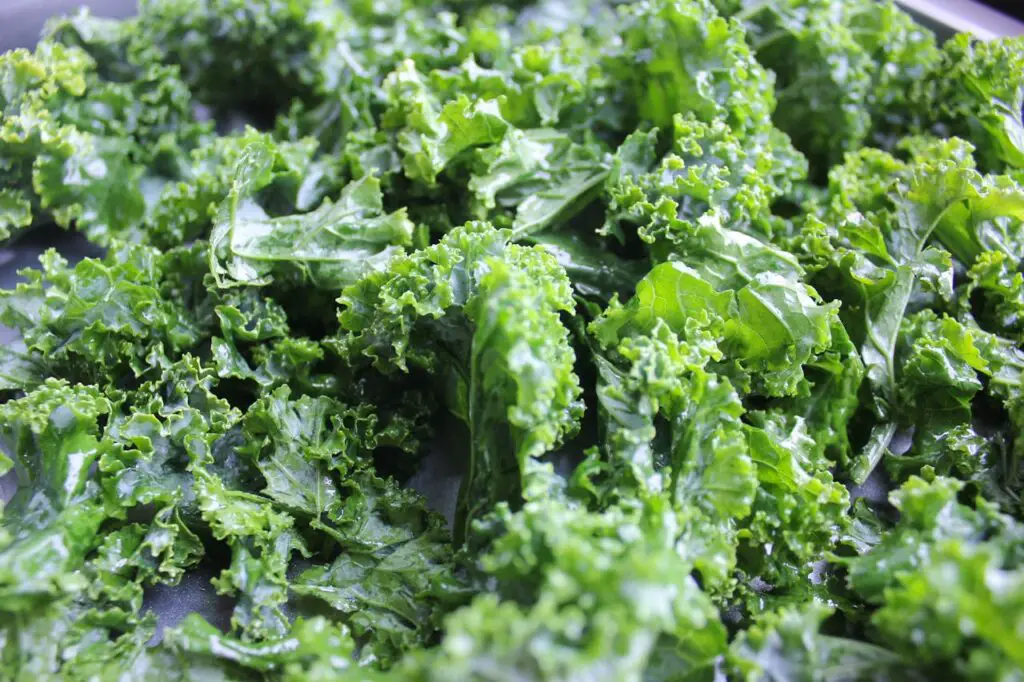
<p> Kale has earned its superstar reputation for a reason. It’s brimming with antioxidants like lutein and zeaxanthin, which combat inflammation that contributes to heart disease. It’s also a solid source of fiber and vitamin K1, which helps reduce calcium build-up in arteries — a risk factor for heart attacks and strokes. If chewing on raw kale seems daunting, try massaging it with olive oil and lemon juice to soften its texture for a salad, or bake it into crunchy kale chips for a snack that’s both salty and heart-smart. </p> :: Pexels

Kale has earned its superstar reputation for a reason. It’s brimming with antioxidants like lutein and zeaxanthin, which combat inflammation that contributes to heart disease. It’s also a solid source of fiber and vitamin K1, which helps reduce calcium build-up in arteries — a risk factor for heart attacks and strokes.

If chewing on raw kale seems daunting, try massaging it with olive oil and lemon juice to soften its texture for a salad, or bake it into crunchy kale chips for a snack that’s both salty and heart-smart.

3. Broccoli

<p> Broccoli is a true MVP when it comes to cholesterol-lowering veggies. Loaded with fiber, vitamins C and K, and antioxidant compounds, it helps stabilize LDL levels and supports overall cardiovascular health. Roasting broccoli in the oven until the florets caramelize brings out a nutty, savory flavor that’s worlds away from bland boiled broccoli. Or toss it into a quick stir-fry with garlic and a splash of soy sauce for an easy side that loves your arteries. </p> :: Pexels

Broccoli is a true MVP when it comes to cholesterol-lowering veggies. Loaded with fiber, vitamins C and K, and antioxidant compounds, it helps stabilize LDL levels and supports overall cardiovascular health.

Roasting broccoli in the oven until the florets caramelize brings out a nutty, savory flavor that’s worlds away from bland boiled broccoli. Or toss it into a quick stir-fry with garlic and a splash of soy sauce for an easy side that loves your arteries.

4. Brussels Sprouts

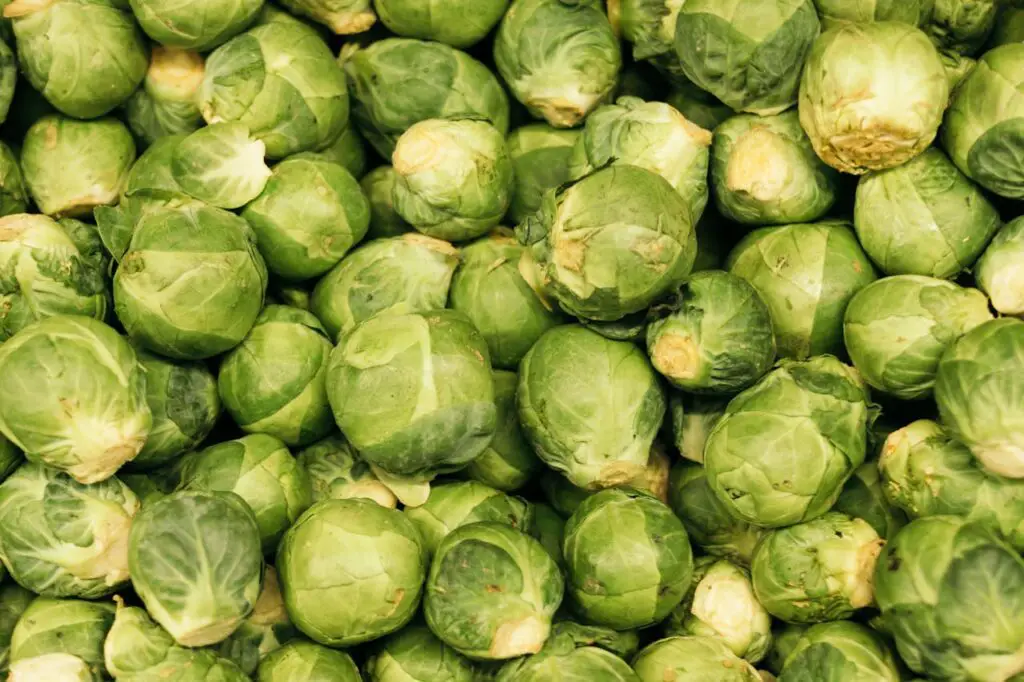
<p> Brussels sprouts might have a mixed reputation thanks to childhood dinner trauma, but give them another chance. These mini cabbages are full of soluble fiber and antioxidants, both of which are vital for lowering LDL cholesterol and reducing inflammation. Roast Brussels sprouts until they’re golden and crispy, then finish with a squeeze of lemon juice and a sprinkle of black pepper. They transform from bitter to beautifully caramelized, and they might just become the new favorite veggie on your table. </p> :: Pexels

Brussels sprouts might have a mixed reputation thanks to childhood dinner trauma, but give them another chance. These mini cabbages are full of soluble fiber and antioxidants, both of which are vital for lowering LDL cholesterol and reducing inflammation.

Roast Brussels sprouts until they’re golden and crispy, then finish with a squeeze of lemon juice and a sprinkle of black pepper. They transform from bitter to beautifully caramelized, and they might just become the new favorite veggie on your table.

5. Green Beans

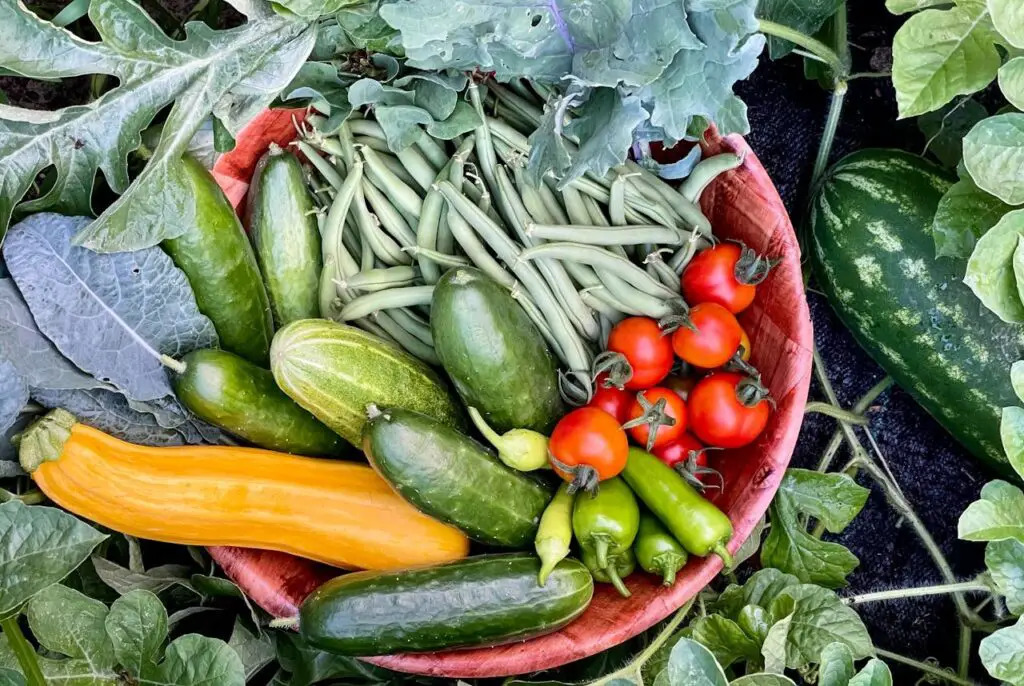
<p> Green beans don’t always get credit for being heart-healthy powerhouses, but they’re an excellent source of fiber, vitamins A, C, and K, as well as folate and potassium — all important for regulating blood pressure and supporting healthy cholesterol levels. For a quick side dish, steam green beans until just tender, then sauté with garlic, olive oil, and a dash of lemon zest. Or add them to salads for a crunchy, fresh burst of flavor and color. </p> :: Pexels

Green beans don’t always get credit for being heart-healthy powerhouses, but they’re an excellent source of fiber, vitamins A, C, and K, as well as folate and potassium — all important for regulating blood pressure and supporting healthy cholesterol levels.

For a quick side dish, steam green beans until just tender, then sauté with garlic, olive oil, and a dash of lemon zest. Or add them to salads for a crunchy, fresh burst of flavor and color.

6. Carrots

<p> Carrots are so much more than rabbit food. Besides being rich in beta-carotene, which is fantastic for eye health, carrots contain soluble fiber that helps lower cholesterol by binding with bile acids and removing them from the body. Enjoy them raw as a crunchy snack, grate them into a turkey burger mix for added moisture and nutrients, or roast them with a drizzle of honey and thyme for a sweet, savory side dish that’s as good for your heart as it is for your taste buds. </p> :: Pexels

Carrots are so much more than rabbit food. Besides being rich in beta-carotene, which is fantastic for eye health, carrots contain soluble fiber that helps lower cholesterol by binding with bile acids and removing them from the body.

Enjoy them raw as a crunchy snack, grate them into a turkey burger mix for added moisture and nutrients, or roast them with a drizzle of honey and thyme for a sweet, savory side dish that’s as good for your heart as it is for your taste buds.

7. Eggplant

<p> Eggplant often flies under the radar, but it’s another hero for your heart. Its spongy flesh is rich in soluble fiber, which can block cholesterol absorption in your digestive tract. It’s also low in calories and versatile enough for countless delicious dishes. Try grilling thick slices of eggplant and layering them into sandwiches, or dice and roast them for a hearty addition to pasta dishes. Or whip up a creamy baba ganoush dip for a tasty, cholesterol-friendly snack. </p> :: Pexels

Eggplant often flies under the radar, but it’s another hero for your heart. Its spongy flesh is rich in soluble fiber, which can block cholesterol absorption in your digestive tract. It’s also low in calories and versatile enough for countless delicious dishes.

Try grilling thick slices of eggplant and layering them into sandwiches, or dice and roast them for a hearty addition to pasta dishes. Or whip up a creamy baba ganoush dip for a tasty, cholesterol-friendly snack.

8. Okra

<p> Okra might be best known for its starring role in gumbo, but it deserves a solo spotlight for heart health. The vegetable’s unique mucilaginous texture comes from soluble fiber that binds cholesterol in the gut, helping lower overall cholesterol levels. Roast okra into crunchy chips for a satisfying snack, stir it into stews for thickness and flavor, or sauté with tomatoes and spices for a simple side that’s full of Southern charm and cardiovascular benefits. </p> :: Pexels

Okra might be best known for its starring role in gumbo, but it deserves a solo spotlight for heart health. The vegetable’s unique mucilaginous texture comes from soluble fiber that binds cholesterol in the gut, helping lower overall cholesterol levels.

Roast okra into crunchy chips for a satisfying snack, stir it into stews for thickness and flavor, or sauté with tomatoes and spices for a simple side that’s full of Southern charm and cardiovascular benefits.

9. Sweet Potato

<p> Sweet potatoes bring vibrant color and natural sweetness to your plate, and they’re also great for your heart. Packed with soluble fiber, antioxidants, potassium, and vitamin A, sweet potatoes help lower LDL cholesterol while offering anti-inflammatory benefits. Bake them whole and enjoy with a sprinkle of cinnamon, mash them as a nutritious alternative to regular mashed potatoes, or spiralize and roast them into sweet potato fries for a fun, healthy twist. </p> :: Pexels

Sweet potatoes bring vibrant color and natural sweetness to your plate, and they’re also great for your heart. Packed with soluble fiber, antioxidants, potassium, and vitamin A, sweet potatoes help lower LDL cholesterol while offering anti-inflammatory benefits.

Bake them whole and enjoy with a sprinkle of cinnamon, mash them as a nutritious alternative to regular mashed potatoes, or spiralize and roast them into sweet potato fries for a fun, healthy twist.

Final Thoughts

<p> Taking care of your heart doesn’t mean resigning yourself to bland or boring meals. These nine vegetables are not only bursting with flavor and color but also work tirelessly to lower cholesterol and protect your cardiovascular health. Think of each meal as a chance to sneak in a few superhero veggies. Start small — toss some spinach into your smoothie or swap out your fries for roasted sweet potato wedges. Over time, these little changes add up to big benefits for your heart. Your heart deserves the best — and so do you. So grab your grocery list, pick your favorite veggies from this lineup, and start your journey toward a happier, healthier you. Here’s to delicious meals that love you back! </p> :: Pexels

Taking care of your heart doesn’t mean resigning yourself to bland or boring meals. These nine vegetables are not only bursting with flavor and color but also work tirelessly to lower cholesterol and protect your cardiovascular health.

Think of each meal as a chance to sneak in a few superhero veggies. Start small — toss some spinach into your smoothie or swap out your fries for roasted sweet potato wedges. Over time, these little changes add up to big benefits for your heart.

Your heart deserves the best — and so do you. So grab your grocery list, pick your favorite veggies from this lineup, and start your journey toward a happier, healthier you. Here’s to delicious meals that love you back!

Filed Under: Health & Fitness

Wine Secrets for Boomers: 8 Pairing Tricks You’ll Wish You Knew Sooner

February 18, 2026 | Leave a Comment

Wine Secrets for Boomers: 8 Pairing Tricks You’ll Wish You Knew Sooner

<p> Have you ever stood in the wine aisle, staring at rows of bottles, wishing someone would whisper the magic secrets of what pairs with what? You are not alone. For many baby boomers, wine has been part of countless dinners, celebrations, and quiet nights in—but pairing it confidently with food can still feel mysterious. Good news: you do not have to be a sommelier or spend hundreds of dollars to enjoy delicious pairings that elevate your meals. These eight pairing tricks are perfect for boomers who love great flavors, good company, and a few new adventures along the way. So pour yourself a glass, settle in, and discover how easy—and fun—it can be to pair wine like a pro! </p> :: Freepik

Have you ever stood in the wine aisle, staring at rows of bottles, wishing someone would whisper the magic secrets of what pairs with what? You are not alone. For many baby boomers, wine has been part of countless dinners, celebrations, and quiet nights in—but pairing it confidently with food can still feel mysterious.

Good news: you do not have to be a sommelier or spend hundreds of dollars to enjoy delicious pairings that elevate your meals. These eight pairing tricks are perfect for boomers who love great flavors, good company, and a few new adventures along the way. So pour yourself a glass, settle in, and discover how easy—and fun—it can be to pair wine like a pro!

1. Match the “Weight” — Wine Body Versus Food Richness

<p> One of the oldest wine truths is this: match the weight of your wine to the richness of your food. Think of wine like clothing layers. A light, breezy sundress works on a summer day, while a heavy winter coat belongs in the snow. Similarly, light-bodied wines go beautifully with delicate dishes, while hearty wines shine alongside rich, robust fare. A crisp Pinot Grigio or an unoaked Chardonnay is perfect for lighter meals like seafood, chicken, or fresh salads. Meanwhile, a full-bodied Cabernet Sauvignon or Syrah holds its own with red meat, lamb chops, or a beef stew. A handy trick: if you are grilling salmon, reach for a light Pinot Noir instead of white. Its bright acidity and subtle fruit flavors complement the fish without overpowering it, making it a go-to for many boomers looking to mix things up. </p> :: Pexels

One of the oldest wine truths is this: match the weight of your wine to the richness of your food. Think of wine like clothing layers. A light, breezy sundress works on a summer day, while a heavy winter coat belongs in the snow. Similarly, light-bodied wines go beautifully with delicate dishes, while hearty wines shine alongside rich, robust fare.

A crisp Pinot Grigio or an unoaked Chardonnay is perfect for lighter meals like seafood, chicken, or fresh salads. Meanwhile, a full-bodied Cabernet Sauvignon or Syrah holds its own with red meat, lamb chops, or a beef stew.

A handy trick: if you are grilling salmon, reach for a light Pinot Noir instead of white. Its bright acidity and subtle fruit flavors complement the fish without overpowering it, making it a go-to for many boomers looking to mix things up.

2. Use Acidity to Cut Through Fatty, Rich Foods

<p> Acidity is your secret weapon when it comes to pairing wine with rich, fatty foods. An acidic wine can slice through creamy, oily, or fried dishes, refreshing your palate and keeping things balanced instead of heavy. Picture this: crispy fried chicken and a glass of sparkling Champagne or bright Albariño. The bubbles and tangy acidity wash away the grease, leaving each bite tasting as delicious as the first. Another great example is pairing buttery crab cakes with Sauvignon Blanc. The crisp acidity lifts the richness of the crab and cuts through the buttery sauce. Next time you are enjoying creamy pasta, fried seafood, or cheese-laden dishes, reach for a wine with zippy acidity—you will wonder why you ever struggled with heaviness on your plate. </p> :: Freepik

Acidity is your secret weapon when it comes to pairing wine with rich, fatty foods. An acidic wine can slice through creamy, oily, or fried dishes, refreshing your palate and keeping things balanced instead of heavy.

Picture this: crispy fried chicken and a glass of sparkling Champagne or bright Albariño. The bubbles and tangy acidity wash away the grease, leaving each bite tasting as delicious as the first.

Another great example is pairing buttery crab cakes with Sauvignon Blanc. The crisp acidity lifts the richness of the crab and cuts through the buttery sauce. Next time you are enjoying creamy pasta, fried seafood, or cheese-laden dishes, reach for a wine with zippy acidity—you will wonder why you ever struggled with heaviness on your plate.

3. Know Congruent Versus Contrasting Pairings — and Pick Your Mood

<p> When pairing food and wine, you have two main strategies up your sleeve: congruent or contrasting pairings. Think of them as two dance partners—either moving in sync or creating exciting tension on the dance floor. Congruent pairings match flavors and textures. For instance, buttery Chardonnay with creamy pasta creates a rich, harmonious blend that feels cozy and indulgent. Contrasting pairings balance opposing tastes. A crisp Sauvignon Blanc paired with spicy curry or an acidic Rioja matched with a tomato sauce can brighten flavors and keep your palate intrigued. Ask yourself: are you in the mood for comfort or a little adventure? Feeling mellow? Go for congruent. Want to wake up your taste buds? Contrasting is the way to go! </p> :: Freepik

When pairing food and wine, you have two main strategies up your sleeve: congruent or contrasting pairings. Think of them as two dance partners—either moving in sync or creating exciting tension on the dance floor.

  • Congruent pairings match flavors and textures. For instance, buttery Chardonnay with creamy pasta creates a rich, harmonious blend that feels cozy and indulgent.

  • Contrasting pairings balance opposing tastes. A crisp Sauvignon Blanc paired with spicy curry or an acidic Rioja matched with a tomato sauce can brighten flavors and keep your palate intrigued.

Ask yourself: are you in the mood for comfort or a little adventure? Feeling mellow? Go for congruent. Want to wake up your taste buds? Contrasting is the way to go!

4. Do Not Be Afraid to Break the “White for Fish, Red for Meat” Rule

<p> For decades, many people believed a strict rule: white wine for fish and red wine for meat. But modern wine lovers—and savvy boomers—know that rules are made to be bent. Delicate reds like Pinot Noir or Beaujolais can pair surprisingly well with fish dishes, especially those with bolder flavors like grilled salmon or tuna. These wines have lower tannins and gentle fruit notes, so they do not overpower lighter proteins. At your next backyard barbecue, serve a chilled Beaujolais with cedar-smoked salmon. Your guests will likely be impressed by the unexpected combination. Breaking the old rule can lead to exciting new discoveries, so trust your palate and experiment. </p> :: Freepik

For decades, many people believed a strict rule: white wine for fish and red wine for meat. But modern wine lovers—and savvy boomers—know that rules are made to be bent.

Delicate reds like Pinot Noir or Beaujolais can pair surprisingly well with fish dishes, especially those with bolder flavors like grilled salmon or tuna. These wines have lower tannins and gentle fruit notes, so they do not overpower lighter proteins.

At your next backyard barbecue, serve a chilled Beaujolais with cedar-smoked salmon. Your guests will likely be impressed by the unexpected combination. Breaking the old rule can lead to exciting new discoveries, so trust your palate and experiment.

5. Let Sauces and Seasonings Be Your Guide

<p> Sometimes it is not the meat or fish on your plate that determines your wine pairing—it is the sauce. A simple grilled chicken breast can swing from light to rich depending on whether it is topped with a creamy Alfredo sauce, a tomato-based marinara, or a spicy Thai curry. Here is an easy way to remember: pair wine with the dominant flavors on the plate. Creamy sauces? Go with a buttery Chardonnay. Tomato-based dishes? Choose a Chianti or Sangiovese—the acidity in these wines matches beautifully with tomatoes’ natural tang. Spicy Asian curries? A slightly off-dry Riesling or Gewürztraminer balances heat and sweetness for a satisfying combination. Next time you are planning dinner, look at your sauce first—that is often the real star dictating your perfect wine match. </p> :: Pexels

Sometimes it is not the meat or fish on your plate that determines your wine pairing—it is the sauce. A simple grilled chicken breast can swing from light to rich depending on whether it is topped with a creamy Alfredo sauce, a tomato-based marinara, or a spicy Thai curry.

Here is an easy way to remember: pair wine with the dominant flavors on the plate. Creamy sauces? Go with a buttery Chardonnay. Tomato-based dishes? Choose a Chianti or Sangiovese—the acidity in these wines matches beautifully with tomatoes’ natural tang. Spicy Asian curries? A slightly off-dry Riesling or Gewürztraminer balances heat and sweetness for a satisfying combination.

Next time you are planning dinner, look at your sauce first—that is often the real star dictating your perfect wine match.

6. Think Regional Harmony — What Grows Together Goes Together

<p> There is an old saying among wine lovers: what grows together goes together. For centuries, regions have developed wines that complement the food grown and cooked in the same place. Cooking a Tuscan pasta? Reach for a Chianti. Preparing Spanish tapas? Pour a glass of Rioja. Making French dishes with herbs and butter? Try a classic Burgundy. Regional pairings feel instinctive because they developed over time, marrying local flavors and wine styles. For boomers who love travel—or just reminiscing about past trips—choosing regional pairings is a wonderful way to relive favorite destinations right at your dinner table. </p> :: Freepik

There is an old saying among wine lovers: what grows together goes together. For centuries, regions have developed wines that complement the food grown and cooked in the same place.

Cooking a Tuscan pasta? Reach for a Chianti. Preparing Spanish tapas? Pour a glass of Rioja. Making French dishes with herbs and butter? Try a classic Burgundy.

Regional pairings feel instinctive because they developed over time, marrying local flavors and wine styles. For boomers who love travel—or just reminiscing about past trips—choosing regional pairings is a wonderful way to relive favorite destinations right at your dinner table.

7. Sparkling Wines Are Your Universal Palate Cleanser

<p> If you ever feel stumped by what wine to serve—especially with appetizers or diverse finger foods—remember this universal truth: sparkling wines go with almost everything. Champagne, Prosecco, or Cava have bubbles and bright acidity that act as palate cleansers, washing away salt, oil, and strong flavors so each new bite tastes fresh. Sparkling wines pair beautifully with oysters, shrimp cocktail, salty popcorn, or even a basket of French fries. Next time you are hosting a casual gathering, pop open a bottle of Prosecco, and watch how it elevates simple snacks into something special. It is one of the easiest ways to impress guests without fuss. </p> :: Pexels

If you ever feel stumped by what wine to serve—especially with appetizers or diverse finger foods—remember this universal truth: sparkling wines go with almost everything.

Champagne, Prosecco, or Cava have bubbles and bright acidity that act as palate cleansers, washing away salt, oil, and strong flavors so each new bite tastes fresh.

Sparkling wines pair beautifully with oysters, shrimp cocktail, salty popcorn, or even a basket of French fries. Next time you are hosting a casual gathering, pop open a bottle of Prosecco, and watch how it elevates simple snacks into something special. It is one of the easiest ways to impress guests without fuss.

8. Embrace Adventure Pairing — Let Your Gut Lead

<p> The most important secret in wine pairing? Trust your taste buds. No list of rules can replace your own senses. The pros often say: if a wine tastes better after a bite of food, you have found a great pairing. Do not be afraid to try unconventional matches. Red Bordeaux with grilled tuna? Delicious. Rosé with a fresh fruit salad? Surprisingly good. Taste the wine alone, then taste it with your dish. If flavors blossom and feel more vivid, that pairing is a keeper. Boomers have the advantage of life experience and confidence—so lean into your instincts, experiment, and have fun. Wine is meant to be enjoyed, not overanalyzed! </p> :: Freepik

The most important secret in wine pairing? Trust your taste buds. No list of rules can replace your own senses. The pros often say: if a wine tastes better after a bite of food, you have found a great pairing.

Do not be afraid to try unconventional matches. Red Bordeaux with grilled tuna? Delicious. Rosé with a fresh fruit salad? Surprisingly good. Taste the wine alone, then taste it with your dish. If flavors blossom and feel more vivid, that pairing is a keeper.

Boomers have the advantage of life experience and confidence—so lean into your instincts, experiment, and have fun. Wine is meant to be enjoyed, not overanalyzed!

Final Thoughts

<p> Learning how to pair wine does not have to be intimidating or reserved for fancy restaurants. As a boomer, you have earned the right to enjoy the good stuff, and these eight secrets will help you get the most from every bottle. Matching the weight of your wine and food, using acidity to balance rich flavors, choosing congruent or contrasting pairings depending on your mood, and letting sauces guide your choices are just the beginning. You no longer have to feel bound by outdated rules like “white for fish, red for meat.” Instead, you can explore regional pairings, trust sparkling wines to save the day, and most importantly, let your own taste be your guide. Wine pairing is about joy, discovery, and sharing good times with friends and family. So uncork that bottle, serve up your favorite dishes, and enjoy every sip. Cheers to making new memories—and delicious pairings—you’ll wish you discovered sooner! </p> :: Pexels

Learning how to pair wine does not have to be intimidating or reserved for fancy restaurants. As a boomer, you have earned the right to enjoy the good stuff, and these eight secrets will help you get the most from every bottle. Matching the weight of your wine and food, using acidity to balance rich flavors, choosing congruent or contrasting pairings depending on your mood, and letting sauces guide your choices are just the beginning. You no longer have to feel bound by outdated rules like “white for fish, red for meat.” Instead, you can explore regional pairings, trust sparkling wines to save the day, and most importantly, let your own taste be your guide.

Wine pairing is about joy, discovery, and sharing good times with friends and family. So uncork that bottle, serve up your favorite dishes, and enjoy every sip. Cheers to making new memories—and delicious pairings—you’ll wish you discovered sooner!

Filed Under: Food & Drink

10 Activities Boomers Should Think Twice About Keeping Up as They Get Older

February 18, 2026 | Leave a Comment

10 Activities Boomers Should Think Twice About Keeping Up as They Get Older

<p> Aging doesn’t mean slowing down to a crawl, but it does mean our bodies and minds have different needs than they did at 30. Many boomers feel younger than ever, and that’s wonderful—but there are some activities worth reconsidering as you rack up more candles on the birthday cake. From the physical risks to hidden health impacts, certain hobbies and habits could put a damper on your golden years if you’re not careful. Here are 10 activities boomers should think twice about keeping up as they get older, and why making a few tweaks might help you stay healthier, safer, and happier for decades to come. </p> :: Freepik

Aging doesn’t mean slowing down to a crawl, but it does mean our bodies and minds have different needs than they did at 30. Many boomers feel younger than ever, and that’s wonderful—but there are some activities worth reconsidering as you rack up more candles on the birthday cake. From the physical risks to hidden health impacts, certain hobbies and habits could put a damper on your golden years if you’re not careful.

Here are 10 activities boomers should think twice about keeping up as they get older, and why making a few tweaks might help you stay healthier, safer, and happier for decades to come.

1. High-Impact Running

<p> There’s nothing like the rush of pounding the pavement, especially if you caught the running bug during the jogging craze of the 70s and 80s. But as time marches on, so do the aches and pains. High-impact running puts serious strain on your knees, hips, and ankles, and aging cartilage and stiffer tendons can turn every step into a potential injury risk. If you love to move, consider switching to lower-impact options like brisk walking, swimming, or elliptical workouts. You’ll still get your heart pumping without punishing your joints. </p> :: Pexels

There’s nothing like the rush of pounding the pavement, especially if you caught the running bug during the jogging craze of the 70s and 80s. But as time marches on, so do the aches and pains. High-impact running puts serious strain on your knees, hips, and ankles, and aging cartilage and stiffer tendons can turn every step into a potential injury risk. If you love to move, consider switching to lower-impact options like brisk walking, swimming, or elliptical workouts. You’ll still get your heart pumping without punishing your joints.

2. Extreme Sports

<p> Adventure keeps life exciting, but activities like skydiving, rock climbing, or water-skiing can carry higher risks as you get older. Reflexes slow down, bones lose density, and injuries take longer to heal. That’s not to say you need to give up thrills altogether—but maybe swap bungee jumping for a scenic hot air balloon ride, or choose a gentle zip-lining course instead of scaling cliffs. You can keep the adrenaline rush without putting yourself in the emergency room. </p> :: Pexels

Adventure keeps life exciting, but activities like skydiving, rock climbing, or water-skiing can carry higher risks as you get older. Reflexes slow down, bones lose density, and injuries take longer to heal. That’s not to say you need to give up thrills altogether—but maybe swap bungee jumping for a scenic hot air balloon ride, or choose a gentle zip-lining course instead of scaling cliffs. You can keep the adrenaline rush without putting yourself in the emergency room.

3. Heavy Weightlifting

<p> Many boomers are dedicated gym-goers who love feeling strong and powerful. But lifting heavy weights can put your aging joints, tendons, and muscles under stress, leading to injuries like torn tendons, hernias, or back strains. The good news? You don’t have to quit strength training—it’s crucial for maintaining muscle mass and bone density. Just consider lifting lighter weights with higher repetitions, focusing on controlled movements rather than chasing personal bests. Your body will thank you. </p> :: Freepik

Many boomers are dedicated gym-goers who love feeling strong and powerful. But lifting heavy weights can put your aging joints, tendons, and muscles under stress, leading to injuries like torn tendons, hernias, or back strains. The good news? You don’t have to quit strength training—it’s crucial for maintaining muscle mass and bone density. Just consider lifting lighter weights with higher repetitions, focusing on controlled movements rather than chasing personal bests. Your body will thank you.

4. Yard Work Marathons

<p> There’s something deeply satisfying about a well-tended yard or garden, but all-day yard work marathons can be risky business. Hours of bending, digging, and hauling heavy bags of mulch can lead to sore muscles, back injuries, or dehydration, especially during the summer. Instead of marathon sessions, break tasks into shorter stints with plenty of water and stretching breaks. Or consider hiring local help for the heavier jobs. You can still enjoy your garden without feeling like you’ve run a triathlon. </p> :: Pexels

There’s something deeply satisfying about a well-tended yard or garden, but all-day yard work marathons can be risky business. Hours of bending, digging, and hauling heavy bags of mulch can lead to sore muscles, back injuries, or dehydration, especially during the summer. Instead of marathon sessions, break tasks into shorter stints with plenty of water and stretching breaks. Or consider hiring local help for the heavier jobs. You can still enjoy your garden without feeling like you’ve run a triathlon.

5. Ignoring Sleep Problems

<p> Boomers often pride themselves on powering through fatigue, but sleep issues are not something to shrug off. Poor sleep in your 50s, 60s, and beyond can raise your risk of memory problems, heart disease, and even depression. Many people assume sleep struggles are just part of aging—but that’s a myth. Conditions like sleep apnea, restless legs syndrome, or chronic insomnia are common and very treatable. If you’re tossing and turning night after night, don’t tough it out—talk to your doctor. A restful night’s sleep is one of the best investments you can make in your health. </p> :: Pexels

Boomers often pride themselves on powering through fatigue, but sleep issues are not something to shrug off. Poor sleep in your 50s, 60s, and beyond can raise your risk of memory problems, heart disease, and even depression. Many people assume sleep struggles are just part of aging—but that’s a myth. Conditions like sleep apnea, restless legs syndrome, or chronic insomnia are common and very treatable. If you’re tossing and turning night after night, don’t tough it out—talk to your doctor. A restful night’s sleep is one of the best investments you can make in your health.

6. Solo International Travel

<p> There’s a certain freedom in grabbing your passport and exploring the world solo. But solo international travel can bring new challenges as you age. Health conditions, mobility limitations, and dietary restrictions can make navigating airports, foreign transit systems, and language barriers much more stressful. You don’t have to scrap your travel dreams, though. Consider traveling with friends, family, or an organized tour group. You’ll gain peace of mind knowing help is available if you run into an unexpected situation—and you’ll still collect amazing memories. </p> :: Pexels

There’s a certain freedom in grabbing your passport and exploring the world solo. But solo international travel can bring new challenges as you age. Health conditions, mobility limitations, and dietary restrictions can make navigating airports, foreign transit systems, and language barriers much more stressful. You don’t have to scrap your travel dreams, though. Consider traveling with friends, family, or an organized tour group. You’ll gain peace of mind knowing help is available if you run into an unexpected situation—and you’ll still collect amazing memories.

7. High-Intensity Group Fitness Classes

<p> Remember step aerobics, Zumba, or even CrossFit? These classes are fun and energizing—but they’re often designed for younger bodies with quick recovery times. Fast-paced moves, high-impact jumps, and rapid direction changes can spell trouble for aging joints and increase the risk of injuries like strains or sprains. Don’t give up the group vibe altogether. Look for lower-impact classes like water aerobics, gentle yoga, or dance programs designed for older adults. You’ll still get a great workout, minus the joint pain. </p> :: Pexels

Remember step aerobics, Zumba, or even CrossFit? These classes are fun and energizing—but they’re often designed for younger bodies with quick recovery times. Fast-paced moves, high-impact jumps, and rapid direction changes can spell trouble for aging joints and increase the risk of injuries like strains or sprains. Don’t give up the group vibe altogether. Look for lower-impact classes like water aerobics, gentle yoga, or dance programs designed for older adults. You’ll still get a great workout, minus the joint pain.

8. Procrastinating on Health Screenings

<p> Many boomers feel healthy and think, “Why bother with that colonoscopy or mammogram?” But regular health screenings become more important with every passing year. Catching potential problems early—like high cholesterol, cancer, or vision changes—means easier treatment and better outcomes. Skipping checkups because you feel fine is tempting, but it could let silent issues grow into serious health threats. Stay on schedule with recommended screenings, even if it’s not your favorite way to spend the afternoon. Prevention truly beats cure every time. </p> :: Freepik

Many boomers feel healthy and think, “Why bother with that colonoscopy or mammogram?” But regular health screenings become more important with every passing year. Catching potential problems early—like high cholesterol, cancer, or vision changes—means easier treatment and better outcomes. Skipping checkups because you feel fine is tempting, but it could let silent issues grow into serious health threats. Stay on schedule with recommended screenings, even if it’s not your favorite way to spend the afternoon. Prevention truly beats cure every time.

9. Eating Like You’re Still 25

<p> Remember the days when you could polish off a cheeseburger, fries, and milkshake without a second thought? As metabolism slows down with age, those same eating habits can contribute to weight gain, high blood pressure, diabetes, or acid reflux. Many boomers keep eating the same portions and rich foods from their younger years, only to pay the price later. You don’t have to live on kale and quinoa—just be more mindful about portion sizes, sodium, and sugar. A few simple swaps can help you enjoy delicious meals while protecting your health. </p> :: Pexels

Remember the days when you could polish off a cheeseburger, fries, and milkshake without a second thought? As metabolism slows down with age, those same eating habits can contribute to weight gain, high blood pressure, diabetes, or acid reflux. Many boomers keep eating the same portions and rich foods from their younger years, only to pay the price later. You don’t have to live on kale and quinoa—just be more mindful about portion sizes, sodium, and sugar. A few simple swaps can help you enjoy delicious meals while protecting your health.

10. Driving Long Distances Without Breaks

<p> Boomers have a legendary love affair with the open road, but long-distance driving can become more challenging with age. Eyes tire faster, reflexes slow, and sitting for hours can lead to circulation problems or back pain. Nighttime driving also becomes trickier because of glare and reduced night vision. That doesn’t mean road trips are off the table—just plan more frequent breaks, avoid driving when you’re tired, and consider dividing long journeys into shorter legs. Safe travels are worth a few extra stops along the way. </p> :: Pexels

Boomers have a legendary love affair with the open road, but long-distance driving can become more challenging with age. Eyes tire faster, reflexes slow, and sitting for hours can lead to circulation problems or back pain. Nighttime driving also becomes trickier because of glare and reduced night vision. That doesn’t mean road trips are off the table—just plan more frequent breaks, avoid driving when you’re tired, and consider dividing long journeys into shorter legs. Safe travels are worth a few extra stops along the way.

Final Thoughts

<p> Here’s the thing about getting older: it’s not about limitation—it’s about adaptation. Boomers have never been the type to sit quietly on the sidelines. You’ve broken barriers, set trends, and shown the world how to live vibrantly at every age. By being smart and making a few adjustments, you can keep enjoying the activities you love while protecting your health and well-being. Listen to your body, talk openly with your doctor, and keep exploring all the adventures that life has to offer. Your best years aren’t behind you—they’re happening right now, and the possibilities are endless. </p> :: Pexels

Here’s the thing about getting older: it’s not about limitation—it’s about adaptation. Boomers have never been the type to sit quietly on the sidelines. You’ve broken barriers, set trends, and shown the world how to live vibrantly at every age.

By being smart and making a few adjustments, you can keep enjoying the activities you love while protecting your health and well-being. Listen to your body, talk openly with your doctor, and keep exploring all the adventures that life has to offer. Your best years aren’t behind you—they’re happening right now, and the possibilities are endless.

Filed Under: Health & Fitness

7 Stress-Free Tips for Dealing With Debt Collectors

February 18, 2026 | Leave a Comment

7 Stress-Free Tips for Dealing With Debt Collectors

<p> Imagine this: You’re savoring your morning coffee, enjoying a peaceful moment, when suddenly your phone buzzes. It’s an unknown number. You pick up—and a stern voice on the other end demands payment for a debt you barely recognize. Your pulse races. Your palms get clammy. Cue instant panic. Sound familiar? You’re definitely not alone. Facing debt collectors is right up there with root canals on the list of things most of us dread. But here’s the silver lining: it doesn’t have to be a horror story. Armed with some key know-how, a smart plan, and a steady mindset, you can handle those calls with confidence—and maybe even turn the situation to your advantage. So, take a deep breath. Refill your coffee cup. And join me as we explore seven stress-busting tips to help you stay in control, safeguard your rights, and keep your sanity when dealing with debt collectors in the United States. </p> :: Pexels

Imagine this: You’re savoring your morning coffee, enjoying a peaceful moment, when suddenly your phone buzzes. It’s an unknown number. You pick up—and a stern voice on the other end demands payment for a debt you barely recognize. Your pulse races. Your palms get clammy. Cue instant panic.

Sound familiar? You’re definitely not alone. Facing debt collectors is right up there with root canals on the list of things most of us dread. But here’s the silver lining: it doesn’t have to be a horror story. Armed with some key know-how, a smart plan, and a steady mindset, you can handle those calls with confidence—and maybe even turn the situation to your advantage.

So, take a deep breath. Refill your coffee cup. And join me as we explore seven stress-busting tips to help you stay in control, safeguard your rights, and keep your sanity when dealing with debt collectors in the United States.

1. Verify Their Legitimacy and Avoid Scams

<p> Before you say a single word about your finances, make sure the person on the other end of the line is the real deal. Scammers often pose as debt collectors, trying to scare you into paying money you do not owe. Under the Fair Debt Collection Practices Act (FDCPA), legitimate debt collectors must send you a validation notice within five days of contacting you. This notice should list the amount of the debt, the name of the creditor, and how you can dispute the debt. Here’s what to do: Politely ask for the collector’s name, company, phone number, and mailing address. Tell them you want written verification of the debt. Until you receive it, do not give out personal information like your bank account, Social Security number, or employer details. Taking this simple step can protect you from falling into a scammer’s trap and save you a world of stress. </p> :: Pexels

Before you say a single word about your finances, make sure the person on the other end of the line is the real deal. Scammers often pose as debt collectors, trying to scare you into paying money you do not owe.

Under the Fair Debt Collection Practices Act (FDCPA), legitimate debt collectors must send you a validation notice within five days of contacting you. This notice should list the amount of the debt, the name of the creditor, and how you can dispute the debt.

Here’s what to do: Politely ask for the collector’s name, company, phone number, and mailing address. Tell them you want written verification of the debt. Until you receive it, do not give out personal information like your bank account, Social Security number, or employer details.

Taking this simple step can protect you from falling into a scammer’s trap and save you a world of stress.

2. Know Your Rights Under the Law

<p> Knowledge truly is power when dealing with debt collectors. The FDCPA and similar state laws give you significant rights that protect you from harassment, threats, and shady tactics. Collectors are forbidden from calling you before 8 a.m. or after 9 p.m. your local time. They cannot curse at you, threaten you with violence, falsely claim you’ll be arrested, or lie about how much you owe. If a collector crosses the line, you have every right to hang up. Document the incident and report it to the Consumer Financial Protection Bureau (CFPB) or your state attorney general’s office. Practical tip: If you feel overwhelmed, remember that you’re not obligated to talk right away. You can always say, “I’m not prepared to discuss this right now. Please send me information in writing.” Standing your ground calmly and confidently helps you stay in control of the conversation—and keeps your stress levels from skyrocketing. </p> :: Pexels

Knowledge truly is power when dealing with debt collectors. The FDCPA and similar state laws give you significant rights that protect you from harassment, threats, and shady tactics.

Collectors are forbidden from calling you before 8 a.m. or after 9 p.m. your local time. They cannot curse at you, threaten you with violence, falsely claim you’ll be arrested, or lie about how much you owe.

If a collector crosses the line, you have every right to hang up. Document the incident and report it to the Consumer Financial Protection Bureau (CFPB) or your state attorney general’s office.

Practical tip: If you feel overwhelmed, remember that you’re not obligated to talk right away. You can always say, “I’m not prepared to discuss this right now. Please send me information in writing.”

Standing your ground calmly and confidently helps you stay in control of the conversation—and keeps your stress levels from skyrocketing.

3. Keep Detailed Records of Every Interaction

<p> Think of dealing with debt collectors like keeping a personal journal—except this one can save you legally and financially. Every time you talk to a collector, jot down the date, time, name of the person you spoke to, and what was discussed. Keep copies of letters, emails, and voicemails. Why bother? Because a solid paper trail can become your best defense if a collector tries to misrepresent your agreement, violate your rights, or take you to court. Pro tip: Create a dedicated folder for all debt collection documents—digital or physical. This way, you will not scramble to find information when you need it most. Keeping detailed records turns a stressful situation into a manageable process—and helps you feel more secure and organized. </p> :: Freepik

Think of dealing with debt collectors like keeping a personal journal—except this one can save you legally and financially. Every time you talk to a collector, jot down the date, time, name of the person you spoke to, and what was discussed. Keep copies of letters, emails, and voicemails.

Why bother? Because a solid paper trail can become your best defense if a collector tries to misrepresent your agreement, violate your rights, or take you to court.

Pro tip: Create a dedicated folder for all debt collection documents—digital or physical. This way, you will not scramble to find information when you need it most.

Keeping detailed records turns a stressful situation into a manageable process—and helps you feel more secure and organized.

4. Do Not Rush Into Paying (Even a Small Amount Counts)

<p> When you are on the phone with a collector, the pressure can feel intense. They might encourage you to “just make a small payment” or agree to a plan right then and there. But resist the urge to act impulsively. Why? Because even a small payment can reset the statute of limitations on your debt in many states. This means the collector could regain the right to sue you for the full balance, even if the debt was previously too old for legal action. Here’s what to do: Take a step back. Tell the collector you need time to review your finances and the debt information. Do not let them rush you into any agreement without understanding the consequences. Being cautious helps you avoid financial traps—and gives you breathing room to figure out the best next steps. </p> :: Freepik

When you are on the phone with a collector, the pressure can feel intense. They might encourage you to “just make a small payment” or agree to a plan right then and there. But resist the urge to act impulsively.

Why? Because even a small payment can reset the statute of limitations on your debt in many states. This means the collector could regain the right to sue you for the full balance, even if the debt was previously too old for legal action.

Here’s what to do: Take a step back. Tell the collector you need time to review your finances and the debt information. Do not let them rush you into any agreement without understanding the consequences.

Being cautious helps you avoid financial traps—and gives you breathing room to figure out the best next steps.

5. Dispute or Validate the Debt If Something Seems Off

<p> If something does not look right—maybe the amount seems too high, or you do not recognize the debt—speak up. You have the legal right to dispute the debt within 30 days of first being contacted. Send a written dispute letter via certified mail, requesting that the collector validate the debt. Once they receive your letter, they must stop all collection efforts until they provide verification. Why it matters: Debt collectors sometimes pursue debts that have been paid off, discharged in bankruptcy, or belong to someone else. Disputing forces them to prove their claim, which can stop unnecessary collection efforts in their tracks. Disputing does not make you difficult—it makes you smart. Protect yourself and your wallet by ensuring every debt is legitimate and accurately documented. </p> :: Pexels

If something does not look right—maybe the amount seems too high, or you do not recognize the debt—speak up. You have the legal right to dispute the debt within 30 days of first being contacted.

Send a written dispute letter via certified mail, requesting that the collector validate the debt. Once they receive your letter, they must stop all collection efforts until they provide verification.

Why it matters: Debt collectors sometimes pursue debts that have been paid off, discharged in bankruptcy, or belong to someone else. Disputing forces them to prove their claim, which can stop unnecessary collection efforts in their tracks.

Disputing does not make you difficult—it makes you smart. Protect yourself and your wallet by ensuring every debt is legitimate and accurately documented.

6. Negotiate Smartly When You Can’t Pay the Full Amount

<p> If you confirm that the debt is valid but simply cannot pay the full amount, do not despair. Many collectors are willing to negotiate settlements for less than you owe or arrange payment plans that fit your budget. Here’s how to negotiate like a pro: Start low when offering a lump-sum settlement. Be honest about your financial situation. Keep your tone respectful but firm. Never agree to anything until you receive the terms in writing. Humor can help ease tension—for example, try saying, “I’d love to pay it all today, but my bank account strongly disagrees.” A little levity can remind everyone that this is a business conversation, not a personal attack. Negotiating might feel intimidating, but remember: collectors want to collect something rather than nothing. A fair settlement helps both sides—and can give you peace of mind and financial relief </p> :: Pexels

If you confirm that the debt is valid but simply cannot pay the full amount, do not despair. Many collectors are willing to negotiate settlements for less than you owe or arrange payment plans that fit your budget.

Here’s how to negotiate like a pro:

  • Start low when offering a lump-sum settlement.

  • Be honest about your financial situation.

  • Keep your tone respectful but firm.

  • Never agree to anything until you receive the terms in writing.

Humor can help ease tension—for example, try saying, “I’d love to pay it all today, but my bank account strongly disagrees.” A little levity can remind everyone that this is a business conversation, not a personal attack.

Negotiating might feel intimidating, but remember: collectors want to collect something rather than nothing. A fair settlement helps both sides—and can give you peace of mind and financial relief.

7. Shut Down Unwanted Calls—Legally

<p> Sometimes, despite your best efforts, the constant calls become too much. If you decide you no longer want to talk to a debt collector, you have the right to tell them to stop contacting you altogether. Send a certified letter stating that you wish them to cease communication. After receiving your letter, the collector can only contact you one more time to let you know they will stop contacting you or to inform you of specific legal action they plan to take. Important note: Stopping the calls does not erase the debt. If you owe the money, the collector can still sue you to collect it. But it can give you peace and breathing room while you figure out your options. Sending a cease communication letter is a powerful tool to reduce stress and regain control of your day-to-day life. </p> :: Pexels

Sometimes, despite your best efforts, the constant calls become too much. If you decide you no longer want to talk to a debt collector, you have the right to tell them to stop contacting you altogether.

Send a certified letter stating that you wish them to cease communication. After receiving your letter, the collector can only contact you one more time to let you know they will stop contacting you or to inform you of specific legal action they plan to take.

Important note: Stopping the calls does not erase the debt. If you owe the money, the collector can still sue you to collect it. But it can give you peace and breathing room while you figure out your options.

Sending a cease communication letter is a powerful tool to reduce stress and regain control of your day-to-day life.

Final Thoughts

<p> Dealing with debt collectors can feel like facing a dragon—but remember: dragons can be tamed. You are not powerless, and you do not have to live in fear every time your phone rings. Arming yourself with knowledge, staying organized, and asserting your rights transforms this intimidating process into one you can handle confidently. Think of it like playing chess: knowing the rules, anticipating the next move, and keeping your cool are how you win the game. So the next time a debt collector calls, take a deep breath. Speak calmly. Gather your facts. And remember—you are in control. Because at the end of the day, dealing with debt collectors is not just about money. It is about protecting your peace of mind, your dignity, and your future. You’ve got this! </p> :: Freepik

Dealing with debt collectors can feel like facing a dragon—but remember: dragons can be tamed. You are not powerless, and you do not have to live in fear every time your phone rings.

Arming yourself with knowledge, staying organized, and asserting your rights transforms this intimidating process into one you can handle confidently. Think of it like playing chess: knowing the rules, anticipating the next move, and keeping your cool are how you win the game.

So the next time a debt collector calls, take a deep breath. Speak calmly. Gather your facts. And remember—you are in control.

Because at the end of the day, dealing with debt collectors is not just about money. It is about protecting your peace of mind, your dignity, and your future. You’ve got this!

Filed Under: Debt Reduction

Retire with Purpose: 9 Meaningful Volunteer Ideas Boomers Will Love

February 18, 2026 | Leave a Comment

Retire with Purpose: 9 Meaningful Volunteer Ideas Boomers Will Love

<p> You’ve spent decades working hard, raising families, and building communities—and now you’re finally free to set your own schedule. But retirement doesn’t have to mean slowing down or fading into the background. For many Baby Boomers, this stage of life is the perfect time to rediscover purpose, stay connected, and make a real difference in the world. Volunteering can transform your golden years into some of the most rewarding times of your life. Whether you crave social connection, want to stay mentally sharp, or simply feel the urge to give back, there’s a volunteer opportunity that’s just right for you. Let’s dive into nine meaningful volunteer ideas that Boomers across the United States are loving—and why these paths could be the key to a retirement filled with joy, health, and purpose. </p> :: Freepik

You’ve spent decades working hard, raising families, and building communities—and now you’re finally free to set your own schedule. But retirement doesn’t have to mean slowing down or fading into the background. For many Baby Boomers, this stage of life is the perfect time to rediscover purpose, stay connected, and make a real difference in the world.

Volunteering can transform your golden years into some of the most rewarding times of your life. Whether you crave social connection, want to stay mentally sharp, or simply feel the urge to give back, there’s a volunteer opportunity that’s just right for you.

Let’s dive into nine meaningful volunteer ideas that Boomers across the United States are loving—and why these paths could be the key to a retirement filled with joy, health, and purpose.

1. Become an Experience Corps Literacy Tutor

<p> If you’re passionate about reading and love helping children succeed, Experience Corps might be your calling. This AARP-backed program places volunteers aged 50 and older in public schools to help students improve their reading and comprehension skills. It’s not just the kids who benefit—research shows that volunteers experience boosts in mental sharpness and overall well-being. Imagine watching a child’s eyes light up as they finally crack the code of reading, knowing you helped unlock that world for them. Just a few hours a week can make an incredible difference for both you and the students you help. </p> :: Freepik

If you’re passionate about reading and love helping children succeed, Experience Corps might be your calling. This AARP-backed program places volunteers aged 50 and older in public schools to help students improve their reading and comprehension skills.

It’s not just the kids who benefit—research shows that volunteers experience boosts in mental sharpness and overall well-being. Imagine watching a child’s eyes light up as they finally crack the code of reading, knowing you helped unlock that world for them. Just a few hours a week can make an incredible difference for both you and the students you help.

2. Join AmeriCorps Seniors

<p> AmeriCorps Seniors, formerly known as Senior Corps, offers a wealth of volunteer opportunities tailored for people aged 55 and older. Programs like Foster Grandparents, RSVP, and Senior Companions allow you to mentor children, provide companionship to other seniors, or assist with community projects. These roles are flexible, letting you choose the amount of time you commit and the type of work that resonates with you. Whether you’re sharing wisdom with a child or lending a helping hand to an elderly neighbor, you’ll be contributing to a stronger, more connected community. </p> :: Lifescape Community Services | lifescapeservices.org

AmeriCorps Seniors, formerly known as Senior Corps, offers a wealth of volunteer opportunities tailored for people aged 55 and older. Programs like Foster Grandparents, RSVP, and Senior Companions allow you to mentor children, provide companionship to other seniors, or assist with community projects.

These roles are flexible, letting you choose the amount of time you commit and the type of work that resonates with you. Whether you’re sharing wisdom with a child or lending a helping hand to an elderly neighbor, you’ll be contributing to a stronger, more connected community.

3. Mentor Small Businesses or Startups

<p> After decades in the workforce, Baby Boomers have a treasure trove of knowledge to share. Organizations like SCORE match retirees with entrepreneurs who need guidance in running or launching their businesses. Imagine helping a small bakery refine its marketing plan, advising a tech startup on budgeting, or guiding a young professional through business negotiations. You’ll stay mentally engaged, leave a legacy of shared expertise, and help fuel the next generation of American businesses—all without needing to clock in from nine to five. </p> :: Pexels

After decades in the workforce, Baby Boomers have a treasure trove of knowledge to share. Organizations like SCORE match retirees with entrepreneurs who need guidance in running or launching their businesses.

Imagine helping a small bakery refine its marketing plan, advising a tech startup on budgeting, or guiding a young professional through business negotiations. You’ll stay mentally engaged, leave a legacy of shared expertise, and help fuel the next generation of American businesses—all without needing to clock in from nine to five.

4. Become a Pen Pal or Virtual Buddy

<p> Not all volunteering requires leaving your home. Pen-pal and virtual buddy programs are wonderful options for those who prefer to volunteer from the comfort of their living room. Many programs connect you with children, seniors, prisoners, or people facing isolation. Your letters, emails, or video calls can brighten someone’s day and help reduce feelings of loneliness. Plus, research suggests that social engagement keeps your brain healthy and your mood elevated. All it takes is your time, your words, and a willingness to connect. </p> :: Pexels

Not all volunteering requires leaving your home. Pen-pal and virtual buddy programs are wonderful options for those who prefer to volunteer from the comfort of their living room.

Many programs connect you with children, seniors, prisoners, or people facing isolation. Your letters, emails, or video calls can brighten someone’s day and help reduce feelings of loneliness. Plus, research suggests that social engagement keeps your brain healthy and your mood elevated. All it takes is your time, your words, and a willingness to connect.

5. Support Activities at Senior Centers

<p> Today’s senior centers are far from stuffy halls with bingo cards and plastic chairs. Modern centers host everything from fitness classes and art workshops to trivia nights and dance lessons—and they’re always looking for enthusiastic volunteers to keep the fun rolling. You could lead a yoga class, teach painting, organize social events, or help with administrative tasks. It’s a fantastic way to stay social, make friends, and help create vibrant, engaging spaces for your peers. Plus, you might discover a hidden talent along the way! </p> :: Freepik

Today’s senior centers are far from stuffy halls with bingo cards and plastic chairs. Modern centers host everything from fitness classes and art workshops to trivia nights and dance lessons—and they’re always looking for enthusiastic volunteers to keep the fun rolling.

You could lead a yoga class, teach painting, organize social events, or help with administrative tasks. It’s a fantastic way to stay social, make friends, and help create vibrant, engaging spaces for your peers. Plus, you might discover a hidden talent along the way!

6. Pitch In with Environmental or Park Groups

<p> If you love the great outdoors, environmental volunteering could be your ticket to a fulfilling retirement. National, state, and local parks are often on the lookout for volunteers to help with trail maintenance, educational tours, wildlife monitoring, and gardening projects. Volunteering in parks offers plenty of benefits: fresh air, physical activity, and the chance to preserve natural spaces for future generations. Imagine spending your days tending a garden, restoring a hiking trail, or teaching kids about native plants and animals. It’s a powerful way to give back—and keep your own spirit thriving. </p> :: Freepik

If you love the great outdoors, environmental volunteering could be your ticket to a fulfilling retirement. National, state, and local parks are often on the lookout for volunteers to help with trail maintenance, educational tours, wildlife monitoring, and gardening projects.

Volunteering in parks offers plenty of benefits: fresh air, physical activity, and the chance to preserve natural spaces for future generations. Imagine spending your days tending a garden, restoring a hiking trail, or teaching kids about native plants and animals. It’s a powerful way to give back—and keep your own spirit thriving.

7. Jump into Political or Civic Campaigns

<p> Many Boomers remember the days of sit-ins, marches, and rallies. If civic engagement still calls your name, volunteering for political or community causes could be deeply fulfilling. Campaigns at every level—from local city council races to presidential elections—need volunteers to help register voters, make phone calls, organize events, and knock on doors. Civic organizations also welcome volunteers for public meetings, issue advocacy, and community outreach. It’s a chance to stay informed, connect with like-minded people, and use your voice to shape the future. Whether you’re passionate about environmental issues, healthcare, education, or local policies, there’s a role waiting for you. </p> :: Freepik

Many Boomers remember the days of sit-ins, marches, and rallies. If civic engagement still calls your name, volunteering for political or community causes could be deeply fulfilling.

Campaigns at every level—from local city council races to presidential elections—need volunteers to help register voters, make phone calls, organize events, and knock on doors. Civic organizations also welcome volunteers for public meetings, issue advocacy, and community outreach.

It’s a chance to stay informed, connect with like-minded people, and use your voice to shape the future. Whether you’re passionate about environmental issues, healthcare, education, or local policies, there’s a role waiting for you.

8. Drive or Provide Companionship for Homebound Neighbors

<p> Millions of older adults across the United States struggle with isolation and transportation barriers. Programs like Senior Companions (part of AmeriCorps Seniors) rely on volunteers to help seniors stay connected to their communities. You might drive someone to medical appointments, help them grocery shop, or simply share a cup of coffee and good conversation. These seemingly small gestures have a huge impact, allowing seniors to maintain their independence and dignity. And you’ll gain meaningful friendships and unforgettable stories along the way. </p> :: Freepik

Millions of older adults across the United States struggle with isolation and transportation barriers. Programs like Senior Companions (part of AmeriCorps Seniors) rely on volunteers to help seniors stay connected to their communities.

You might drive someone to medical appointments, help them grocery shop, or simply share a cup of coffee and good conversation. These seemingly small gestures have a huge impact, allowing seniors to maintain their independence and dignity. And you’ll gain meaningful friendships and unforgettable stories along the way.

9. Create Care Packages or Shop for Vulnerable Neighbors

<p> Sometimes, volunteering is as simple as running errands or putting together care packages. Many community organizations coordinate efforts to provide food, toiletries, and essential items to individuals and families facing hardships. You can help by shopping for groceries, assembling hygiene kits, or delivering supplies to people in need. These small acts of kindness ripple outward, strengthening neighborhoods and reminding people that they’re not alone. It’s perfect for Boomers who want to help without committing to a long-term volunteer role. </p> :: Freepik

Sometimes, volunteering is as simple as running errands or putting together care packages. Many community organizations coordinate efforts to provide food, toiletries, and essential items to individuals and families facing hardships.

You can help by shopping for groceries, assembling hygiene kits, or delivering supplies to people in need. These small acts of kindness ripple outward, strengthening neighborhoods and reminding people that they’re not alone. It’s perfect for Boomers who want to help without committing to a long-term volunteer role.

Final Thoughts

<p> Retirement is not the end of your story—it’s the start of an exciting new chapter. This is your time to explore passions, learn new skills, and share your wealth of experience with the world. Each of the volunteer opportunities above can bring immense joy, purpose, and connection into your life. You’ll be giving back to your community while reaping the health and emotional benefits that come from staying engaged and active. So go ahead—embrace your next adventure. Whether it’s in a classroom, a community center, a national park, or your own kitchen table, your time and talents matter. Your best days of making a difference might be just beginning. </p> :: Pexels

Retirement is not the end of your story—it’s the start of an exciting new chapter. This is your time to explore passions, learn new skills, and share your wealth of experience with the world.

Each of the volunteer opportunities above can bring immense joy, purpose, and connection into your life. You’ll be giving back to your community while reaping the health and emotional benefits that come from staying engaged and active.

So go ahead—embrace your next adventure. Whether it’s in a classroom, a community center, a national park, or your own kitchen table, your time and talents matter. Your best days of making a difference might be just beginning.

Filed Under: Lifestyle

12 Reasons Younger Generations Wouldn’t Last a Week in the 1960s

February 18, 2026 | Leave a Comment

12 Reasons Younger Generations Wouldn’t Last a Week in the 1960s

<p> Close your eyes and picture it: the Beatles blaring from a record player, lava lamps casting psychedelic glows, and bell-bottoms swishing down the sidewalks. The 1960s were a thrilling ride of social change, unforgettable music, and wild fashion statements. But beneath all that groovy exterior was a world that demanded patience, resilience, and a whole lot of improvisation. For younger generations raised on Wi-Fi, smartphones, and instant everything, stepping into the 1960s would be like landing on another planet. Could they even last a week? Here are 12 hilarious and eye-opening reasons why the answer might be a resounding “no.” </p> :: Freepik AI

Close your eyes and picture it: the Beatles blaring from a record player, lava lamps casting psychedelic glows, and bell-bottoms swishing down the sidewalks. The 1960s were a thrilling ride of social change, unforgettable music, and wild fashion statements. But beneath all that groovy exterior was a world that demanded patience, resilience, and a whole lot of improvisation.

For younger generations raised on Wi-Fi, smartphones, and instant everything, stepping into the 1960s would be like landing on another planet. Could they even last a week? Here are 12 hilarious and eye-opening reasons why the answer might be a resounding “no.”

1. No Internet—At All

<p> Imagine waking up to a world without notifications, Google searches, or social media scrolling. While that might sound blissful for five minutes, reality would soon set in. Need a recipe, movie times, or a random fact about which Beatles album came first? Too bad. You had to rely on encyclopedias, libraries, or calling someone who might know. For younger folks who demand instant answers, the uncertainty of “just not knowing” would be maddening. </p> :: Pexels

Imagine waking up to a world without notifications, Google searches, or social media scrolling. While that might sound blissful for five minutes, reality would soon set in. Need a recipe, movie times, or a random fact about which Beatles album came first? Too bad. You had to rely on encyclopedias, libraries, or calling someone who might know. For younger folks who demand instant answers, the uncertainty of “just not knowing” would be maddening.

2. Phones Were Tethered to the Wall

<p> Texting under the dinner table or Facetiming from your bed? Not in the 1960s. Phones were bulky rotary models attached to the wall or sitting on a table, and the entire family could hear your conversations. Privacy was basically nonexistent. Want to talk for hours with your crush? You would have an audience—and possibly your dad glaring from the next room. For digital natives used to private, portable devices, the old-school landline would be a real buzzkill. </p> :: Pexels

Texting under the dinner table or Facetiming from your bed? Not in the 1960s. Phones were bulky rotary models attached to the wall or sitting on a table, and the entire family could hear your conversations. Privacy was basically nonexistent. Want to talk for hours with your crush? You would have an audience—and possibly your dad glaring from the next room. For digital natives used to private, portable devices, the old-school landline would be a real buzzkill.

3. Music Wasn’t Instantly Available

<p> If you wanted to hear the latest hit, you had two choices: pray the radio DJ played it or buy the vinyl record. Making a playlist involved carefully stacking records on a turntable or recording songs off the radio, hoping the DJ didn’t talk over the intro. Younger generations, used to streaming any song in seconds, would probably lose their minds waiting for a favorite track—or worse, having to flip a record halfway through an album. </p> :: Pexels

If you wanted to hear the latest hit, you had two choices: pray the radio DJ played it or buy the vinyl record. Making a playlist involved carefully stacking records on a turntable or recording songs off the radio, hoping the DJ didn’t talk over the intro. Younger generations, used to streaming any song in seconds, would probably lose their minds waiting for a favorite track—or worse, having to flip a record halfway through an album.

4. No GPS—Only Paper Maps

<p> Getting lost today means your GPS politely rerouting you in seconds. In the 1960s, you navigated with paper maps so large they could double as picnic blankets. Folding them back up was an art form few mastered. Wrong turns were frequent, and arguments about directions were practically a sport. For younger drivers who rely on a robotic voice guiding every turn, the thought of navigating solo would be downright terrifying. </p> :: Pexels

Getting lost today means your GPS politely rerouting you in seconds. In the 1960s, you navigated with paper maps so large they could double as picnic blankets. Folding them back up was an art form few mastered. Wrong turns were frequent, and arguments about directions were practically a sport. For younger drivers who rely on a robotic voice guiding every turn, the thought of navigating solo would be downright terrifying.

5. TV Was Limited and Scheduled

<p> Picture this: you’re obsessed with a show, and it only airs once a week. Miss it, and you are out of luck until a possible rerun months later. Streaming entire seasons in a weekend was unimaginable. TV offered just a handful of channels, and you watched what was on when it was on. Younger generations used to pausing, rewinding, and binge-watching would quickly become unhinged under the tyranny of scheduled programming. </p> :: Pexels

Picture this: you’re obsessed with a show, and it only airs once a week. Miss it, and you are out of luck until a possible rerun months later. Streaming entire seasons in a weekend was unimaginable. TV offered just a handful of channels, and you watched what was on when it was on. Younger generations used to pausing, rewinding, and binge-watching would quickly become unhinged under the tyranny of scheduled programming.

6. Fashion Was Far Less Comfortable

<p> While the 1960s brought fabulous styles, everyday fashion wasn’t built for comfort. Women squeezed into girdles and pointy bras, men wore starched shirts and stiff suits even in summer, and jeans were thick and rigid. Forget stretchy leggings or cozy hoodies. Younger folks who live in athleisure might survive about an hour in a 1960s outfit before longing for sweatpants and sneakers. Comfort was simply not a priority back then. </p> :: Freepik AI

While the 1960s brought fabulous styles, everyday fashion wasn’t built for comfort. Women squeezed into girdles and pointy bras, men wore starched shirts and stiff suits even in summer, and jeans were thick and rigid. Forget stretchy leggings or cozy hoodies. Younger folks who live in athleisure might survive about an hour in a 1960s outfit before longing for sweatpants and sneakers. Comfort was simply not a priority back then.

7. No Online Shopping

<p> Running low on toothpaste or craving new shoes? Today, it takes a few taps and an Amazon delivery. In the 1960s, shopping meant physically going to a store, hoping they had what you needed, and possibly waiting in long lines. No online reviews, no overnight shipping, and definitely no returns by clicking a button. For younger generations addicted to convenience, the idea of shopping as a time-consuming outing would feel like pure torture. </p> :: Pexels

Running low on toothpaste or craving new shoes? Today, it takes a few taps and an Amazon delivery. In the 1960s, shopping meant physically going to a store, hoping they had what you needed, and possibly waiting in long lines. No online reviews, no overnight shipping, and definitely no returns by clicking a button. For younger generations addicted to convenience, the idea of shopping as a time-consuming outing would feel like pure torture.

8. Censorship Was Much Stricter

<p> Television, movies, and music in the 1960s were subject to tight censorship. Topics like sexuality, politics, and social justice were often off-limits. Swear words? Forget about it. Even mild innuendos could get cut. Younger generations, who value open conversations and diverse representation, would feel stifled in a decade where so much was considered taboo or inappropriate for public discussion. </p> :: Pexels

Television, movies, and music in the 1960s were subject to tight censorship. Topics like sexuality, politics, and social justice were often off-limits. Swear words? Forget about it. Even mild innuendos could get cut. Younger generations, who value open conversations and diverse representation, would feel stifled in a decade where so much was considered taboo or inappropriate for public discussion.

9. Cash Was King

<p> Tap to pay with your phone? Not in the 1960s. Buying anything required cash or a checkbook, which had to be balanced by hand. Credit cards were rare and not widely accepted. Running out of money meant no purchases until your next bank visit—which could involve waiting in a long line and dealing with grumpy tellers. For younger people used to digital wallets and easy payments, handling and budgeting physical cash would be a rude awakening. </p> :: Pexels

Tap to pay with your phone? Not in the 1960s. Buying anything required cash or a checkbook, which had to be balanced by hand. Credit cards were rare and not widely accepted. Running out of money meant no purchases until your next bank visit—which could involve waiting in a long line and dealing with grumpy tellers. For younger people used to digital wallets and easy payments, handling and budgeting physical cash would be a rude awakening.

10. Smoking Was Everywhere

<p> In the 1960s, smoking was practically a national pastime. People smoked in offices, restaurants, airplanes, and even hospitals. Ashtrays were everywhere, and secondhand smoke was inescapable. For today’s health-conscious generations, the constant haze of cigarette smoke—and the cultural pressure to light up—would be not only unpleasant but downright horrifying. </p> :: Freepik AI

In the 1960s, smoking was practically a national pastime. People smoked in offices, restaurants, airplanes, and even hospitals. Ashtrays were everywhere, and secondhand smoke was inescapable. For today’s health-conscious generations, the constant haze of cigarette smoke—and the cultural pressure to light up—would be not only unpleasant but downright horrifying.

11. Kids Had Way More Freedom and Responsibility

<p> Kids in the 1960s had a level of freedom that would send modern parents into panic mode. Children roamed neighborhoods until the streetlights came on, biked without helmets, and entertained themselves for hours without adult supervision. Structured activities were rare, and “helicopter parenting” hadn’t been invented yet. For younger generations raised on schedules, apps, and constant check-ins, the 1960s version of “go play outside” would be both thrilling and overwhelming. </p> :: Freepik

Kids in the 1960s had a level of freedom that would send modern parents into panic mode. Children roamed neighborhoods until the streetlights came on, biked without helmets, and entertained themselves for hours without adult supervision. Structured activities were rare, and “helicopter parenting” hadn’t been invented yet. For younger generations raised on schedules, apps, and constant check-ins, the 1960s version of “go play outside” would be both thrilling and overwhelming.

12. Waiting Was a Way of Life

<p> Patience wasn’t just a virtue in the 1960s—it was a necessity. Taking photos meant waiting days or weeks for the film to be developed. Mailing a letter could mean waiting a week or longer for a reply. Want to read up on a new topic? You might spend hours at the library flipping through card catalogs. Younger generations used to instant messaging, email, and real-time everything would find the slow pace of life in the ‘60s utterly maddening. </p> :: Pexels

Patience wasn’t just a virtue in the 1960s—it was a necessity. Taking photos meant waiting days or weeks for the film to be developed. Mailing a letter could mean waiting a week or longer for a reply. Want to read up on a new topic? You might spend hours at the library flipping through card catalogs. Younger generations used to instant messaging, email, and real-time everything would find the slow pace of life in the ‘60s utterly maddening.

Final Thoughts

<p> The 1960s were undoubtedly one of the most colorful and revolutionary decades in American history. The music changed the world, social movements reshaped society, and people dreamed bigger than ever before. But daily life demanded patience, resilience, and adaptability in ways many of us take for granted today. While younger generations are incredibly savvy, creative, and resourceful, they have also grown up in a world of instant gratification and endless convenience. Dropping them into the 1960s—even for a week—would be a fascinating social experiment, full of eye rolls, culture shocks, and hilarious mishaps. So, the next time your Wi-Fi cuts out for five minutes or Amazon takes a whole day to deliver, take a deep breath and remember: it could always be the 1960s. And that’s not just nostalgia talking—that’s survival! </p> :: Freepik AI

The 1960s were undoubtedly one of the most colorful and revolutionary decades in American history. The music changed the world, social movements reshaped society, and people dreamed bigger than ever before. But daily life demanded patience, resilience, and adaptability in ways many of us take for granted today.

While younger generations are incredibly savvy, creative, and resourceful, they have also grown up in a world of instant gratification and endless convenience. Dropping them into the 1960s—even for a week—would be a fascinating social experiment, full of eye rolls, culture shocks, and hilarious mishaps.

So, the next time your Wi-Fi cuts out for five minutes or Amazon takes a whole day to deliver, take a deep breath and remember: it could always be the 1960s. And that’s not just nostalgia talking—that’s survival!

Filed Under: Lifestyle

  • « Previous Page
  • 1
  • …
  • 28
  • 29
  • 30
  • 31
  • 32
  • …
  • 192
  • Next Page »
  • Email
  • Facebook
  • Pinterest
  • Twitter

Our Most Popular Articles

ClickCashGo Review: Should You Avoid At All Costs?

Ultimate Guide to Mastering Your Credit Score

The 'YOLO' Mindset is a Dangerous Thing

Dave Ramsey's Financial Peace University Review: Is it Worth the Money?

Cash App Glitch 2025: Is the Free Money Glitch Real?

Five Steps To Debt Freedom

Here are five simple guidlines that will help you pay off debt.  

1) Get an emergency fund so you don’t take on debt when something comes up.

2) List your debts. This way you know where you stand.

3) Use the debt snowball. Pay your debts from smallest to largest, or most expensive to least expensive.

4) Avoid new debt. No new credit cards or loans. Period.

5) Go all cash. After everything is paid off, switch to all cash.

Helpful Resources

U of Tennesse Debt Repayment Plan Basics

Vertex 42's Debt Payoff Calculator

Savingadvice's Helpful Debt Forums

Jackie Becks Debt Blog