Small-Town Reality Check: 15 Things No One Tells You Before You Move
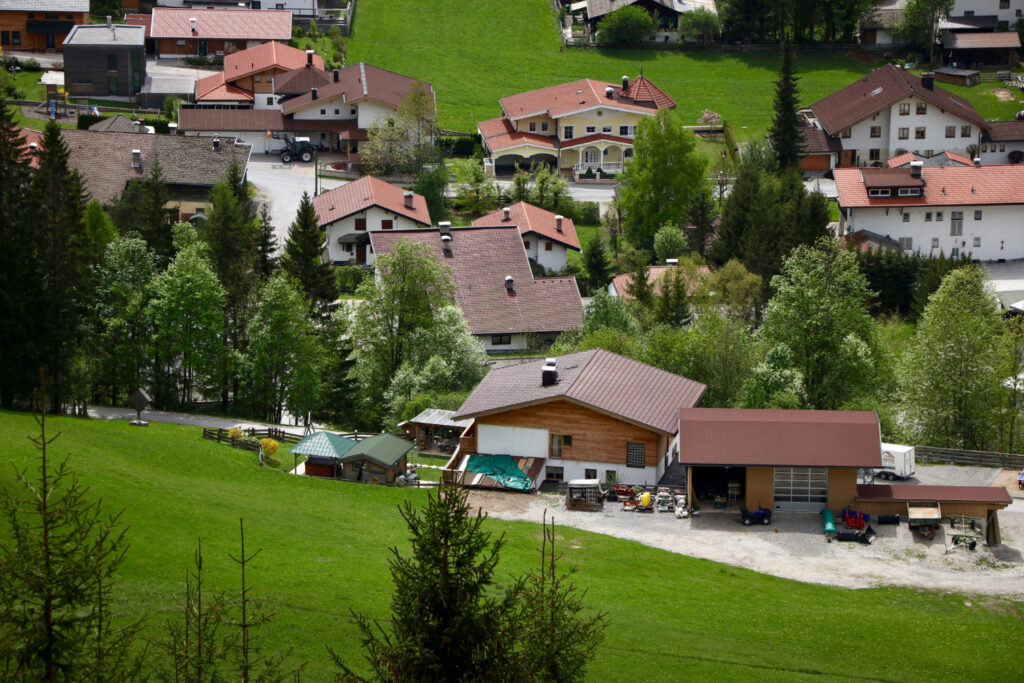
Ever scrolled through Instagram and caught yourself daydreaming about life in a small town? Picture it: cute coffee shops, quiet streets, fresh air, and friendly neighbors who know your dog’s name. It all sounds idyllic—and honestly, it can be. But moving to a small town is not just a change of scenery. It is a whole different way of living, with a mix of sweet surprises and unexpected realities that few people talk about.
So, before you sell your city condo and pack your bags for life under the stars, here are 15 things you absolutely need to know about small-town living. Because while small towns can offer peace and community, they also come with their own set of quirks you will want to be ready for.
1. Everyone Knows Everyone—and Your Business Too

In small towns, privacy is more of a rumor than a reality. People know your name, your family, and what you ordered for lunch last Tuesday. News travels fast—even the harmless stuff. That quirky dance you did at the grocery store? Someone’s probably already told three people. It is a community superpower for staying connected—but it can also feel like living in a fishbowl.
2. The Pace Is Delightfully (and Occasionally Frustratingly) Slow
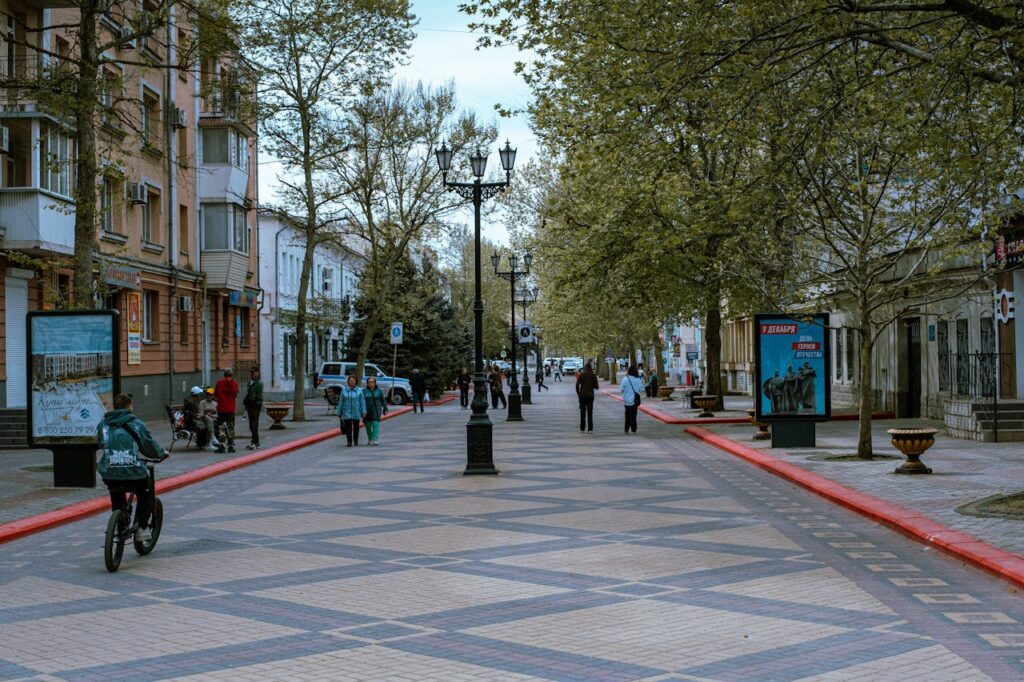
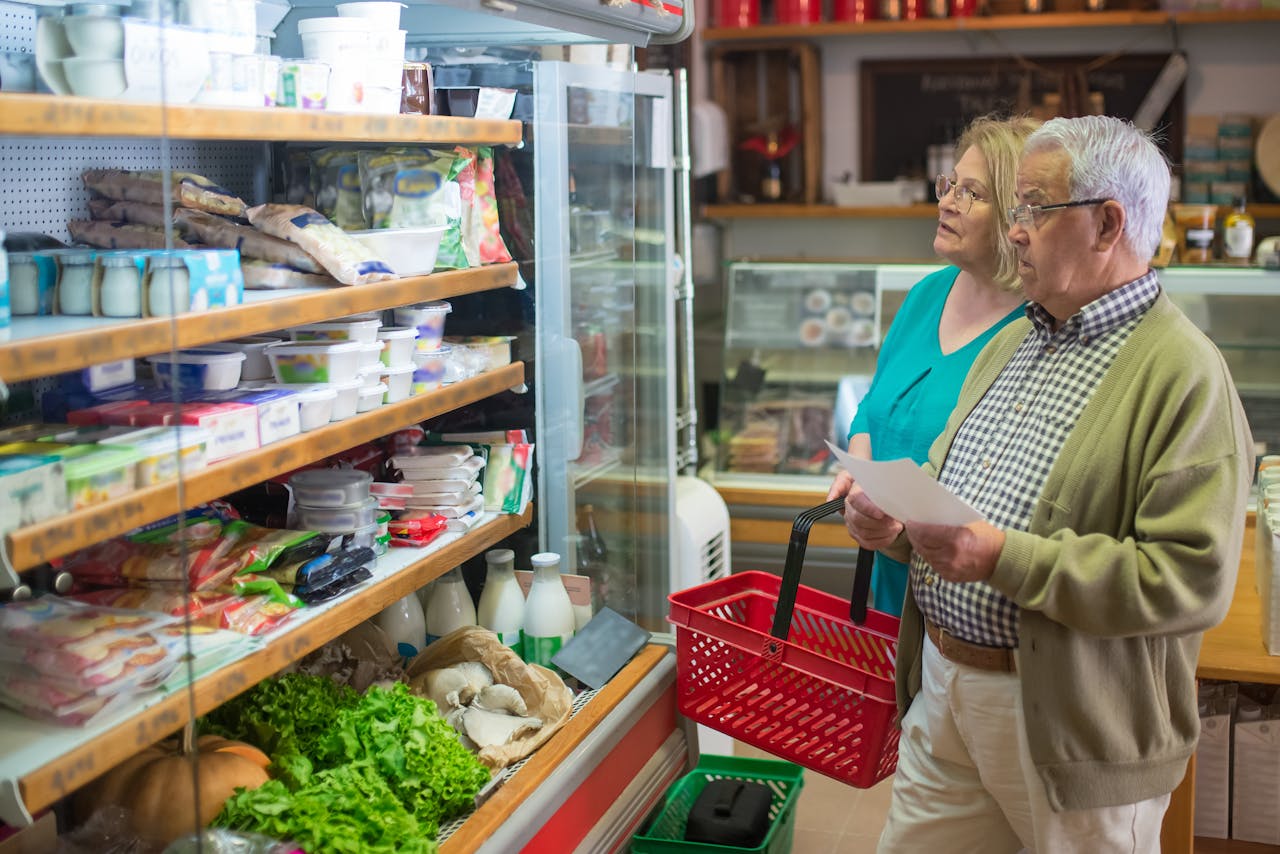
Used to fast-moving crowds, 24-hour everything, and instant deliveries? Small-town life moves at a gentler pace. People chat longer in the checkout line, appointments take time, and town business happens on its own schedule. It is relaxing—until you need something now. Learning to slow down and breathe is part of the adjustment.
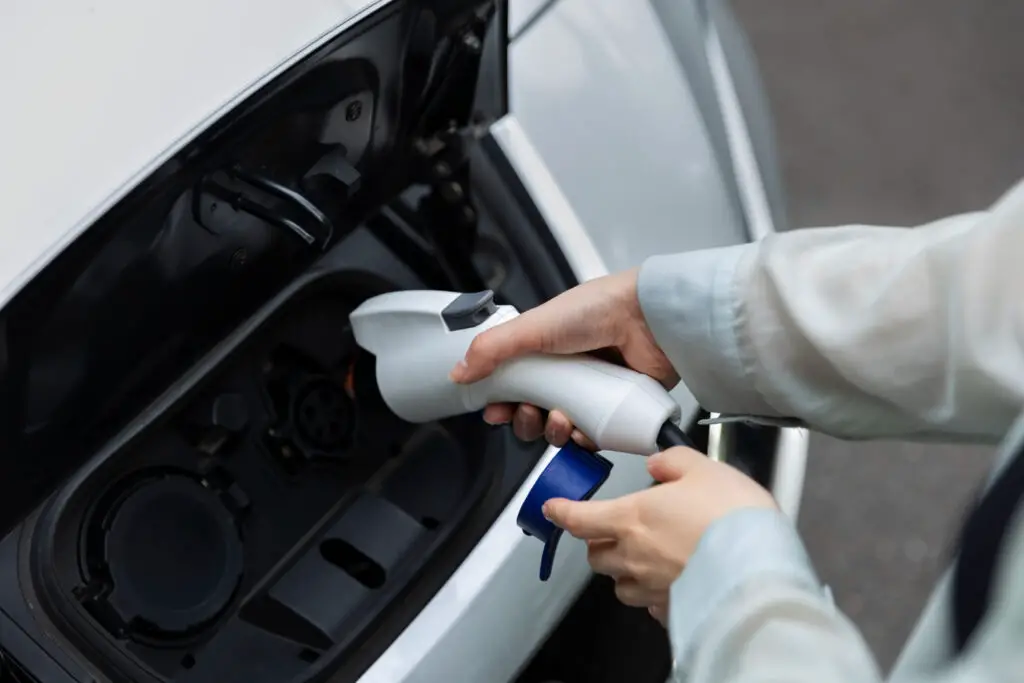
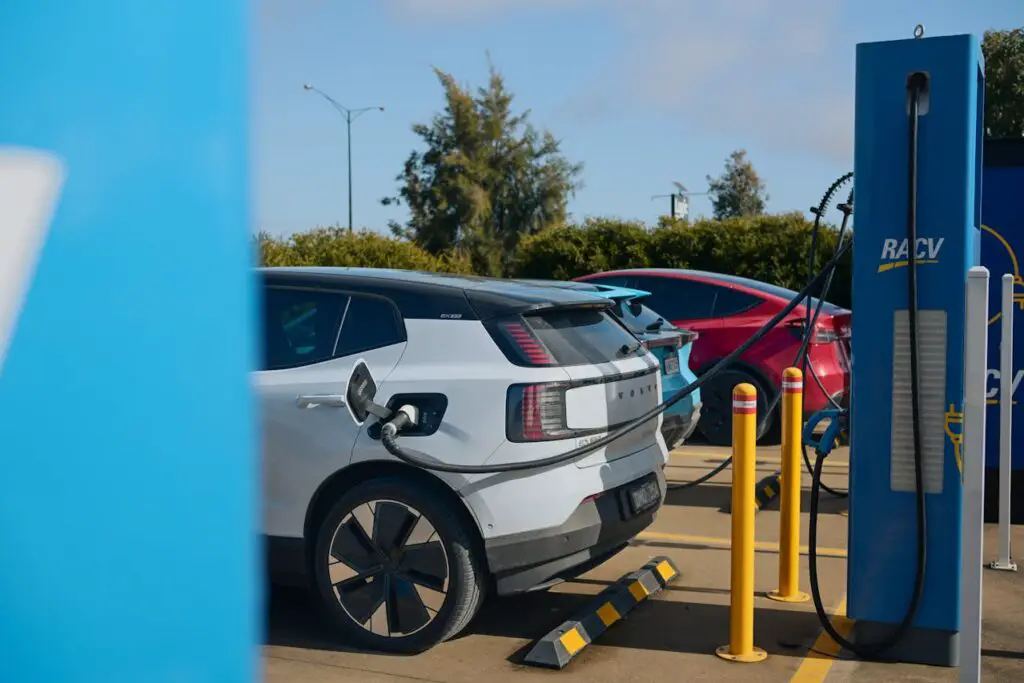
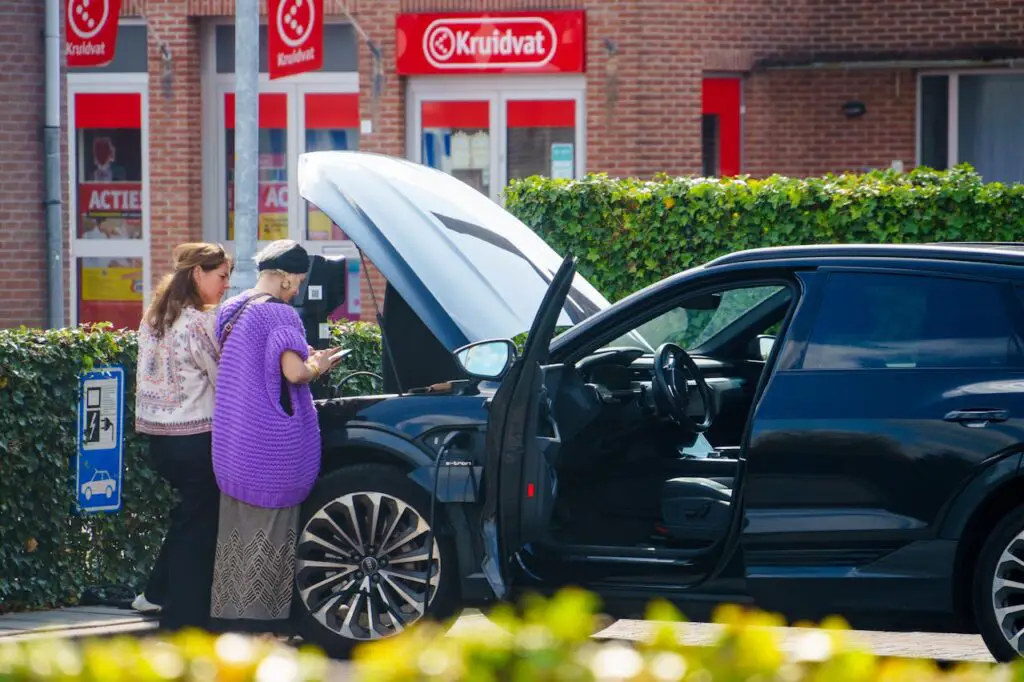
3. Owning a Car Is Not Optional
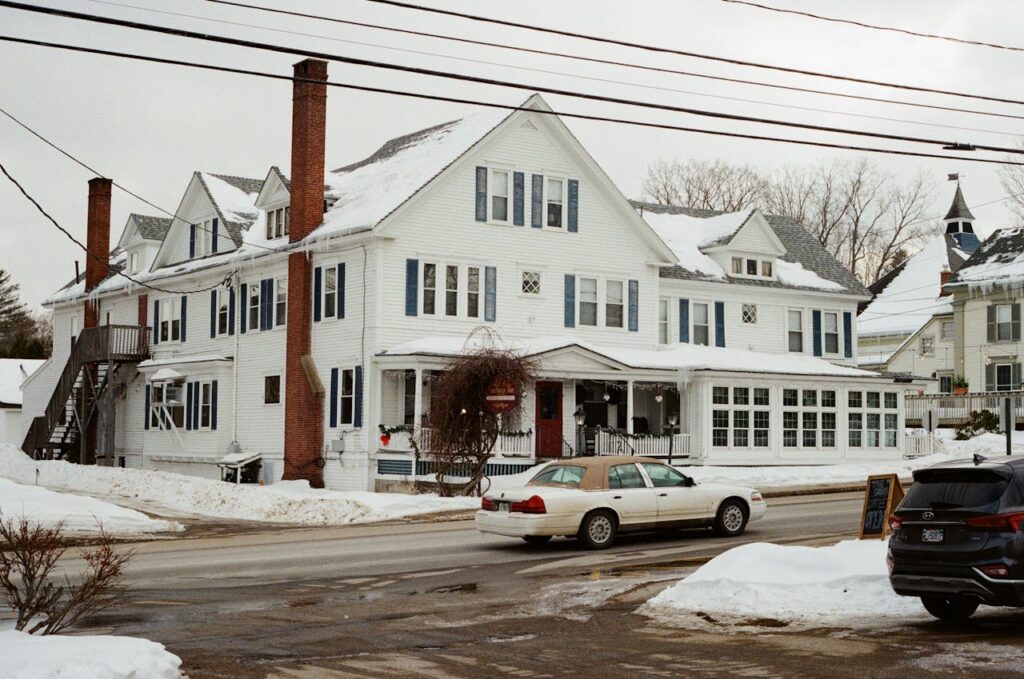
Public transportation in many small towns is practically nonexistent. Forget about hopping on a subway or grabbing an Uber at a moment’s notice. A car is not just helpful—it is essential for getting groceries, commuting, visiting friends, or seeking medical care. And “just down the road” often means a ten-mile drive.
4. Job Choices Can Be Limited

While some people thrive working remotely from small towns, local job options often aren’t as plentiful—or diverse—as they are in big cities. Industries might be few, salaries can be lower, and many folks cobble together multiple part-time gigs or commute to bigger towns. It is crucial to research work options before you move, especially if your job depends on reliable internet.
5. Housing Prices Can Surprise You—In Both Directions
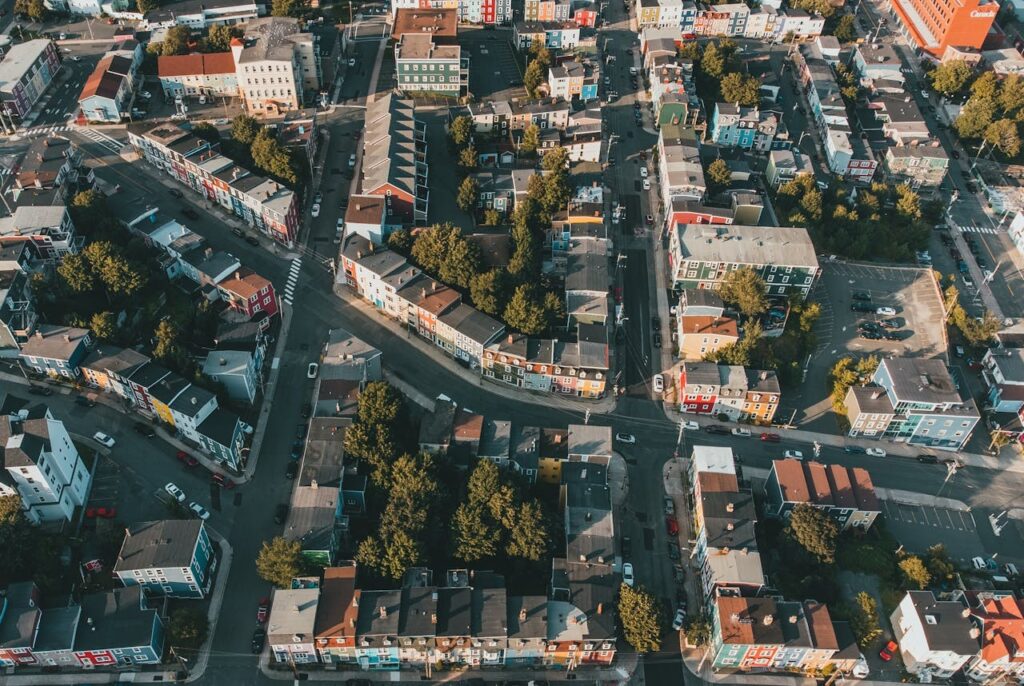
It is a common belief that moving to a small town means cheap real estate. Sometimes it does—but not always. Small towns near popular cities, vacation destinations, or scenic spots have seen property prices spike in recent years. You might score a beautiful old house for a steal—or find yourself outbid on the only decent listing in town.
6. Healthcare and Schools May Not Meet Your Expectations

One of the biggest shocks for new small-town residents is realizing how limited healthcare and educational resources can be. Specialist doctors might be hours away, hospitals could be small, and schools may have fewer programs or extracurriculars. Families especially should look closely at what services exist locally—and how far they might need to travel for serious needs.
7. Internet and Infrastructure Can Be Hit or Miss
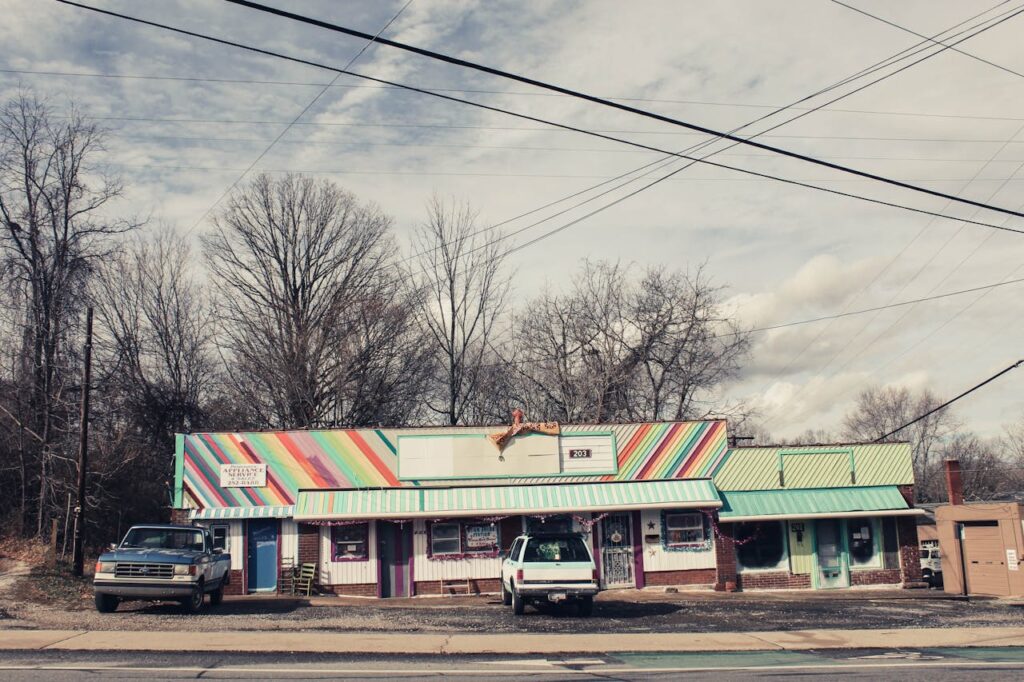
Streaming your favorite shows or working remotely sounds great—unless your internet crawls at dial-up speeds. Many small towns still lack reliable high-speed internet, which can be a dealbreaker for remote work, kids’ homework, or just modern life. Infrastructure like roads, water, and electricity might also be older and slower to repair after storms or outages.
8. Locals Might Keep You at Arm’s Length at First
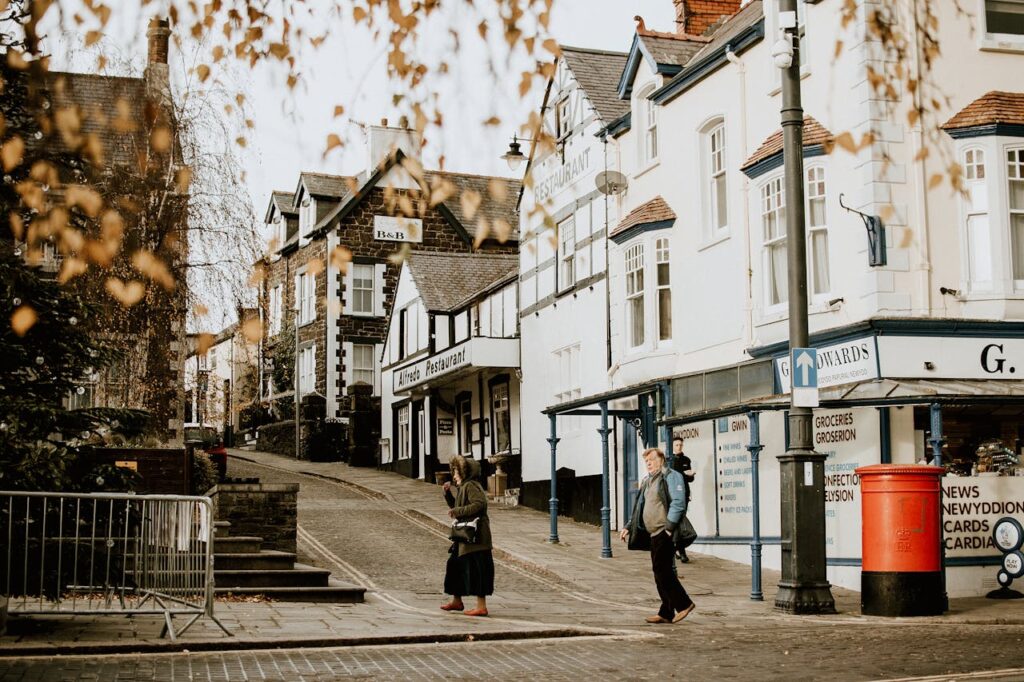
Small-town folks can be incredibly warm and loyal—but relationships take time. Longtime residents often have tight social circles and deep family histories in the area. It is not personal if people seem reserved initially. Show genuine interest, attend local events, and volunteer to help out. Over time, you will become “one of us.”
9. Neighbors Help Each Other—And Expect the Same in Return

One of the best things about small-town living is how people show up for each other. Neighbors might offer to plow your driveway, watch your pets, or bring casseroles when life gets tough. But it goes both ways. Be prepared to pitch in when someone else needs a hand—it is how community bonds are built.
10. Your Social Life Will Revolve Around Community Events
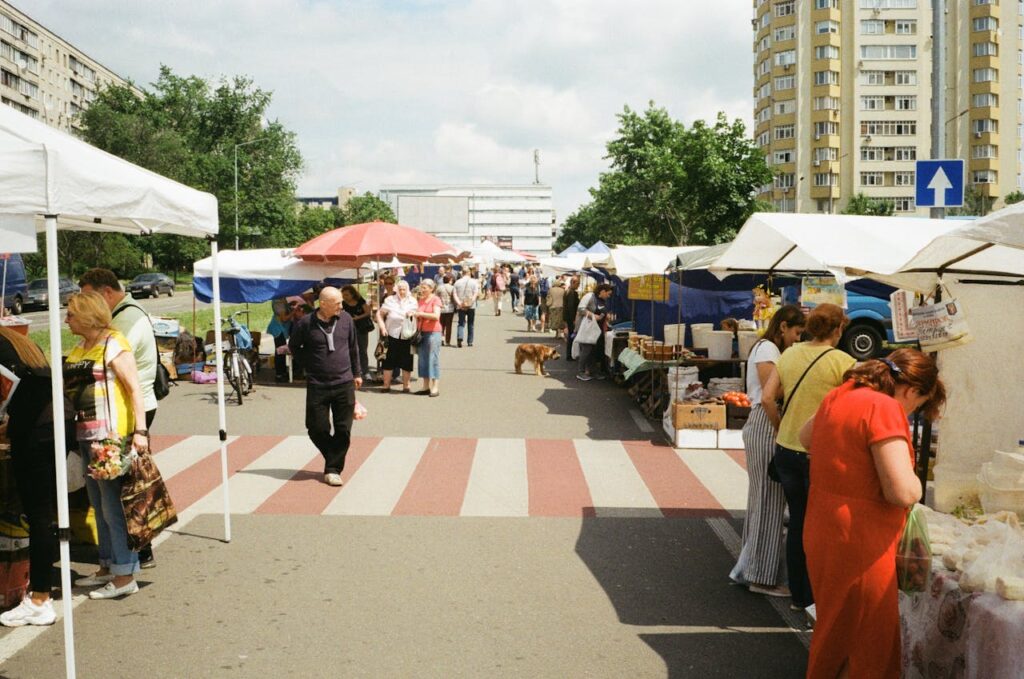
Forget rooftop bars and late-night clubbing. In a small town, your social calendar is likely to include town fairs, high school football games, pancake breakfasts, and church picnics. If you want friends and connections, get involved. The upside? You will probably never feel lonely—but you might have to trade in your dancing shoes for a folding chair at the community center.
11. Nature Is Abundant—But Amenities Might Be Sparse

One of the huge perks of small-town life is the natural beauty: rolling hills, quiet lakes, and star-filled skies. But do not assume every small town comes with perfectly maintained parks, hiking trails, or fitness studios. If you love organized activities, be ready to travel or create your own adventures. Sometimes, “nature” means a whole lot of cornfields.
12. Volunteering Is Practically a Social Requirement

In small towns, volunteering is not just a hobby—it is how things get done. Whether it is running the local festival, coaching Little League, or serving on the library board, community involvement is expected. It is also one of the best ways to meet people and make friends. If you plan to blend in, roll up your sleeves and join in.
13. Local Politics Feel Personal—and Sometimes Intense

Small-town politics is not abstract. Debates about zoning, new businesses, or school budgets can feel intensely personal, with neighbors firmly on one side or another. People remember who took what stance at the town meeting. If you plan to get involved, tread carefully—and know your opinions might follow you for years.
14. Emergency Services Can Be Slower
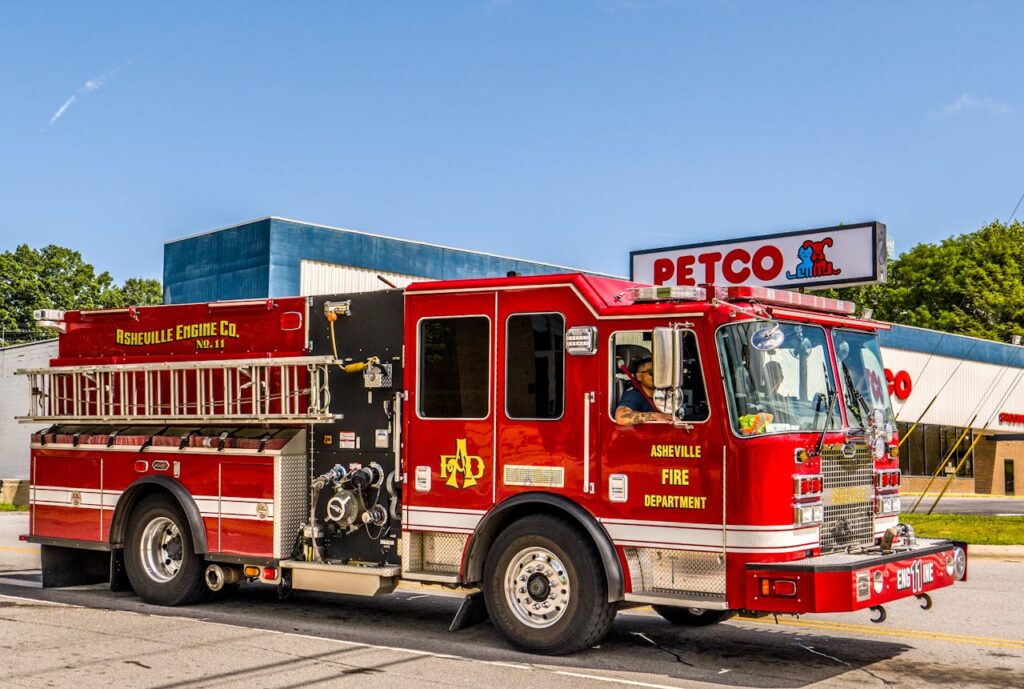
Many small towns rely on volunteer fire departments and part-time police forces. Response times might be longer than you are used to, especially during severe weather or widespread emergencies. It is wise to plan ahead for storms, medical needs, and power outages because help might not always be just minutes away.
15. A Deep Sense of Community Makes It All Worthwhile

For all the quirks and challenges, small-town living offers something priceless: a profound sense of belonging. Neighbors look out for each other, traditions are cherished, and there is a comfort in being part of a place where people genuinely care. Many who have made the switch say the peace, connections, and slower pace have given them a happiness they never found in the city.
Final Thoughts
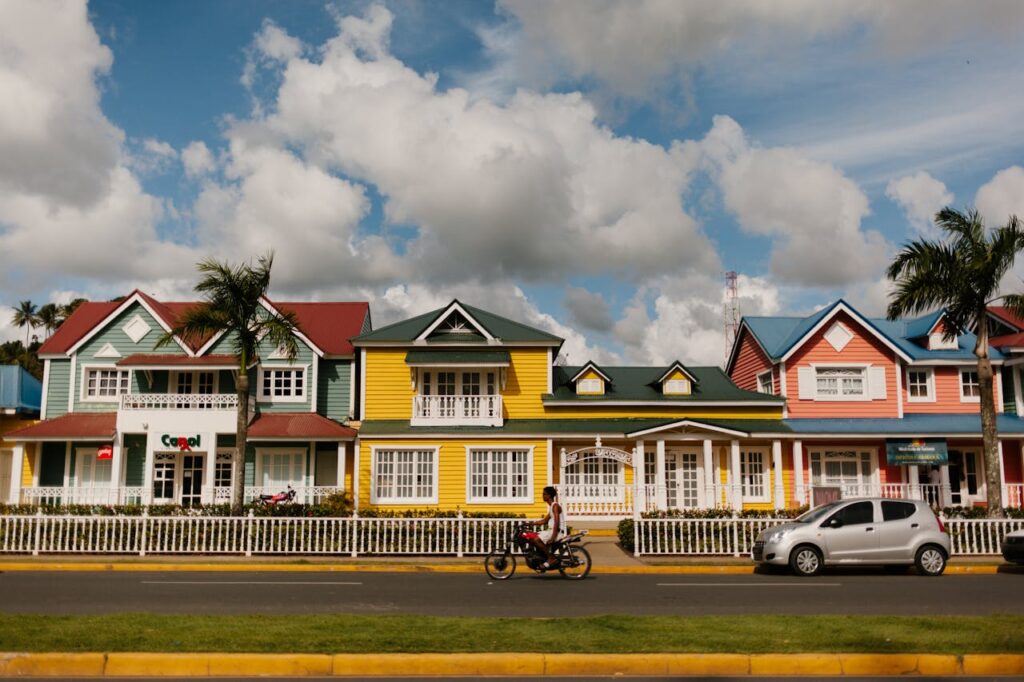
Moving to a small town is more than just swapping a city skyline for fields and forests—it is an entire lifestyle change. The sunsets might be spectacular, and the cost of living could be lower, but the pace, the culture, and the practicalities are very different from what many newcomers expect.
If you are considering this leap, spend time there first. Stroll through local stores, talk to residents, and see how the community feels. Look into practical matters like jobs, schools, hospitals, and yes—internet speeds. Run the numbers and factor in costs like commuting, property taxes, and potential upgrades to infrastructure.
Above all, be ready to dive in and participate. Small towns thrive on people who show up, help out, and become part of the fabric of local life. It is a place where your presence matters—and where, in time, you might discover connections and contentment deeper than anything you left behind.
Small towns may have fewer people, but they often have bigger hearts—and if you are ready for the adventure, it could be the best move you ever make.















































![<p>People often notice the age of a car, and this can hint at your lifestyle choices. Driving an older model might suggest that you’re nostalgic, practical, or environmentally conscious by extending the life of your vehicle. A brand-new, high-tech car, on the other hand, can indicate that you’re up-to-date with the latest trends and enjoy having the newest gadgets at your fingertips.if(typeof ez_ad_units == "undefined"){ez_ad_units=[];}ez_ad_units.push([[336,280],"ourdebtfreefamily_com-large-mobile-banner-1","ezslot_4",107,"0","0", "ourdebtfreefamily_com-large-mobile-banner-1-0"]);if(typeof __ez_fad_position == "function"){__ez_fad_position("div-gpt-ad-ourdebtfreefamily_com-large-mobile-banner-1-0");}</p> ::Pexels](https://www.ourdebtfreefamily.com/wp-content/uploads/2024/10/pexels-joshuaklr-757184.jpg "3. Age of the Car: Nostalgic or Up-to-Date?")