Our Debt Free Family

Commit. Plan. Take action.

  • BUDGETING
  • DEBT REDUCTION
  • INVESTING
  • LIFESTYLE
  • TOOLS
  • ABOUT
  • Privacy Policy
  • CONTACT

14 Common Phrases Men Say That Reveal They Might Be Bad Partners

March 28, 2026 | Leave a Comment

14 Common Phrases Men Say That Reveal They Might Be Bad Partners

<p> Words can be charming, disarming, and sometimes dangerously misleading. A man can say all the right things to sweep you off your feet, but hidden in casual conversation are phrases that quietly reveal more than he realizes. They can signal whether he is emotionally mature, genuinely caring, or… the kind of partner you will regret giving your time to. For many women — especially those who have loved, learned, and lived enough life to recognize the warning signs — these phrases are worth noting. They are not just harmless throwaway lines. They can be early indicators of selfishness, emotional unavailability, or even manipulative tendencies. If you are dating or in a relationship, keeping an ear out for these red-flag expressions can help you protect your peace, your heart, and your future. Here are 14 phrases men use that could mean trouble ahead. </p> :: Pexels

Words can be charming, disarming, and sometimes dangerously misleading. A man can say all the right things to sweep you off your feet, but hidden in casual conversation are phrases that quietly reveal more than he realizes. They can signal whether he is emotionally mature, genuinely caring, or… the kind of partner you will regret giving your time to.

For many women — especially those who have loved, learned, and lived enough life to recognize the warning signs — these phrases are worth noting. They are not just harmless throwaway lines. They can be early indicators of selfishness, emotional unavailability, or even manipulative tendencies.

If you are dating or in a relationship, keeping an ear out for these red-flag expressions can help you protect your peace, your heart, and your future. Here are 14 phrases men use that could mean trouble ahead.

1. “You are overreacting.”

<p> Translation: “I do not want to deal with your feelings.” When a man dismisses your concerns with this phrase, he is minimizing your emotions rather than addressing them. A healthy partner listens, asks questions, and tries to understand. If he constantly makes you feel your feelings are too big or unwarranted, you might be dealing with someone who lacks empathy — or worse, someone trying to gaslight you. </p> :: Pexels

Translation: “I do not want to deal with your feelings.” When a man dismisses your concerns with this phrase, he is minimizing your emotions rather than addressing them. A healthy partner listens, asks questions, and tries to understand. If he constantly makes you feel your feelings are too big or unwarranted, you might be dealing with someone who lacks empathy — or worse, someone trying to gaslight you.

2. “I am just being honest.”

<p> Honesty is important, but when this line follows a hurtful comment, it usually means he is hiding behind “truth” to avoid taking responsibility for unkindness. A good partner can be truthful while still being considerate. If “I am just being honest” is his excuse for cruelty, you may be dealing with someone who values bluntness over kindness. </p> :: Pexels

Honesty is important, but when this line follows a hurtful comment, it usually means he is hiding behind “truth” to avoid taking responsibility for unkindness. A good partner can be truthful while still being considerate. If “I am just being honest” is his excuse for cruelty, you may be dealing with someone who values bluntness over kindness.

3. “That is just how I am.”

<p> This might sound like self-awareness, but more often it is a wall against change. Relationships require compromise and growth. If he uses this phrase to excuse lateness, poor communication, or temper issues, he is saying he is not willing to adapt — even if his behavior is hurting you. </p> :: Pexels

This might sound like self-awareness, but more often it is a wall against change. Relationships require compromise and growth. If he uses this phrase to excuse lateness, poor communication, or temper issues, he is saying he is not willing to adapt — even if his behavior is hurting you.

4. “My ex was crazy.”

<p> Sharing past relationship details is normal, but when every ex is labeled “crazy,” it can be a sign he refuses to take any responsibility for what went wrong. It might also mean he has a habit of painting himself as the victim. Listen for whether he ever admits his own missteps — if he never does, that is a problem. </p> :: Pexels

Sharing past relationship details is normal, but when every ex is labeled “crazy,” it can be a sign he refuses to take any responsibility for what went wrong. It might also mean he has a habit of painting himself as the victim. Listen for whether he ever admits his own missteps — if he never does, that is a problem.

5. “I do not want drama.”

<p> No one wants unnecessary drama, but be cautious when a man uses this phrase to shut down any conversation about problems. It can mean he is unwilling to handle normal relationship discussions. If you find yourself avoiding honest talks for fear of being called “dramatic,” you are not in a safe emotional space. </p> :: Pexels

No one wants unnecessary drama, but be cautious when a man uses this phrase to shut down any conversation about problems. It can mean he is unwilling to handle normal relationship discussions. If you find yourself avoiding honest talks for fear of being called “dramatic,” you are not in a safe emotional space.

6. “Why are you so emotional?”

<p> This phrase dismisses your feelings and frames emotion as a flaw. A caring partner understands that emotions are part of being human. If he treats your emotional side as a weakness, it may mean he is not capable of supporting you when you need it most. </p> :: Pexels

This phrase dismisses your feelings and frames emotion as a flaw. A caring partner understands that emotions are part of being human. If he treats your emotional side as a weakness, it may mean he is not capable of supporting you when you need it most.

7. “You are lucky to have me.”

<p> Confidence can be attractive; arrogance is not. If he says this seriously, it can be a way to position himself above you in the relationship. In a healthy partnership, both people should feel fortunate to have each other — not like one person is doing the other a favor. </p> :: Pexels

Confidence can be attractive; arrogance is not. If he says this seriously, it can be a way to position himself above you in the relationship. In a healthy partnership, both people should feel fortunate to have each other — not like one person is doing the other a favor.

8. “You are too sensitive.”

<p> Similar to “you are overreacting,” this line turns the problem into something wrong with you instead of the situation. Over time, it can make you second-guess your instincts and stop speaking up altogether. This is not the foundation of a respectful relationship. </p> :: Pexels

Similar to “you are overreacting,” this line turns the problem into something wrong with you instead of the situation. Over time, it can make you second-guess your instincts and stop speaking up altogether. This is not the foundation of a respectful relationship.

9. “I do not believe in labels.”

<p> Sometimes this means he wants to take things slow, but more often, it is a way to keep things casual while still enjoying all the benefits of a relationship. If he is avoiding commitment while still expecting your loyalty, you deserve more clarity than that. </p> :: Pexels

Sometimes this means he wants to take things slow, but more often, it is a way to keep things casual while still enjoying all the benefits of a relationship. If he is avoiding commitment while still expecting your loyalty, you deserve more clarity than that.

10. “I am not like other guys.”

<p> Everyone wants to feel unique, but if he constantly reminds you he is different from “other guys,” take note of whether his actions actually prove it. If they do not, it is just empty talk meant to win your trust quickly. </p> :: Pexels

Everyone wants to feel unique, but if he constantly reminds you he is different from “other guys,” take note of whether his actions actually prove it. If they do not, it is just empty talk meant to win your trust quickly.

11. “I work too much for a relationship.”

<p> Dedication to work is admirable, but relationships require effort and time. If work is always his reason for not calling, spending time together, or investing emotionally, you might always be second to his career. </p> :: Pexels

Dedication to work is admirable, but relationships require effort and time. If work is always his reason for not calling, spending time together, or investing emotionally, you might always be second to his career.

12. “I am just not a feelings guy.”

<p> Not everyone is naturally expressive, but this phrase can be a way to avoid emotional vulnerability altogether. A partner who refuses to share feelings will leave you emotionally isolated, no matter how much you care for him. </p> :: Pexels

Not everyone is naturally expressive, but this phrase can be a way to avoid emotional vulnerability altogether. A partner who refuses to share feelings will leave you emotionally isolated, no matter how much you care for him.

13. “If you loved me, you would…”

<p> This is emotional manipulation disguised as a test of love. Whether he is trying to pressure you into something you are uncomfortable with or guilt you into changing your behavior, it is a major red flag. Love should never be conditional on doing something against your values. </p> :: Pexels

This is emotional manipulation disguised as a test of love. Whether he is trying to pressure you into something you are uncomfortable with or guilt you into changing your behavior, it is a major red flag. Love should never be conditional on doing something against your values.

14. “That is your problem, not mine.”

<p> Independence is healthy, but dismissing your struggles entirely is not. While you should not expect a partner to solve every problem, compassion and support are essential. If his go-to response is “deal with it yourself,” you are dealing with someone who does not see the relationship as a team effort. </p> :: Pexels

Independence is healthy, but dismissing your struggles entirely is not. While you should not expect a partner to solve every problem, compassion and support are essential. If his go-to response is “deal with it yourself,” you are dealing with someone who does not see the relationship as a team effort.

Final Thoughts

<p> Words matter — they are not just sounds in the air. They reveal attitudes, priorities, and sometimes deep-seated patterns. While hearing one of these phrases once in a blue moon does not necessarily mean you are with a bad partner, repeated use is worth paying attention to. A loving partner does not make you feel small, silly, or “too much.” He listens when you speak, values your feelings, and takes responsibility for his own actions. If someone’s words consistently make you doubt yourself, chip away at your confidence, or feel unheard, believe them — they are showing you who they are. You have lived enough life to know that peace, respect, and mutual care are not luxuries — they are requirements. The right partner will not just avoid these phrases, he will replace them with ones that build trust and connection. Because the best relationships are not about who is “lucky” to have whom — they are about two people lucky enough to have each other. </p> :: Pexels

Words matter — they are not just sounds in the air. They reveal attitudes, priorities, and sometimes deep-seated patterns. While hearing one of these phrases once in a blue moon does not necessarily mean you are with a bad partner, repeated use is worth paying attention to.

A loving partner does not make you feel small, silly, or “too much.” He listens when you speak, values your feelings, and takes responsibility for his own actions. If someone’s words consistently make you doubt yourself, chip away at your confidence, or feel unheard, believe them — they are showing you who they are.

You have lived enough life to know that peace, respect, and mutual care are not luxuries — they are requirements. The right partner will not just avoid these phrases, he will replace them with ones that build trust and connection. Because the best relationships are not about who is “lucky” to have whom — they are about two people lucky enough to have each other.


Filed Under: Lifestyle

10 Ways to Avoid Overspending on Food While Traveling

March 28, 2026 | Leave a Comment

10 Ways to Avoid Overspending on Food While Traveling

<p> Traveling can be an exciting and enriching experience, but it can also come with a hefty price tag. One of the areas where many travelers overspend is food. Between dining out at trendy restaurants, grabbing quick snacks, and indulging in local delicacies, food costs can quickly add up. Fortunately, there are plenty of ways to keep your food budget in check while still enjoying the local cuisine and making the most of your trip. Here are 10 practical tips to help you avoid overspending on food while traveling, ensuring that you can enjoy your trip without breaking the bank. </p> :: Pexels

Traveling can be an exciting and enriching experience, but it can also come with a hefty price tag. One of the areas where many travelers overspend is food. Between dining out at trendy restaurants, grabbing quick snacks, and indulging in local delicacies, food costs can quickly add up. Fortunately, there are plenty of ways to keep your food budget in check while still enjoying the local cuisine and making the most of your trip. Here are 10 practical tips to help you avoid overspending on food while traveling, ensuring that you can enjoy your trip without breaking the bank.

1. Plan Your Meals Ahead of Time

<p> One of the most effective ways to avoid overspending on food is to plan your meals ahead of time. Before you arrive at your destination, take some time to research affordable dining options in the area. Look up local markets, street food vendors, and inexpensive restaurants that offer authentic cuisine. Planning ahead can help you avoid impulsive decisions when hunger strikes, preventing you from falling into the trap of expensive touristy restaurants. By having a rough idea of where and what you’ll eat, you can set a realistic food budget and stick to it. In addition to planning where to eat, consider mapping out your meals for the day. This will help you avoid unnecessary spending by ensuring that you are not tempted to grab expensive snacks or meals on the go. You can even plan to have a larger meal during lunchtime, which is often more affordable, and then enjoy a lighter dinner. By setting clear expectations for your meals, you will have more control over your spending. </p> :: Pexels

One of the most effective ways to avoid overspending on food is to plan your meals ahead of time. Before you arrive at your destination, take some time to research affordable dining options in the area. Look up local markets, street food vendors, and inexpensive restaurants that offer authentic cuisine. Planning ahead can help you avoid impulsive decisions when hunger strikes, preventing you from falling into the trap of expensive touristy restaurants. By having a rough idea of where and what you’ll eat, you can set a realistic food budget and stick to it.

In addition to planning where to eat, consider mapping out your meals for the day. This will help you avoid unnecessary spending by ensuring that you are not tempted to grab expensive snacks or meals on the go. You can even plan to have a larger meal during lunchtime, which is often more affordable, and then enjoy a lighter dinner. By setting clear expectations for your meals, you will have more control over your spending.

2. Cook Your Own Meals

<p> While dining out is part of the travel experience, cooking your own meals can be a great way to save money. Many accommodations, such as hostels, Airbnbs, or vacation rentals, come equipped with kitchen facilities. Taking advantage of these kitchens allows you to prepare simple, home-cooked meals, which can be much more affordable than eating out for every meal. You can visit local markets or grocery stores to pick up fresh ingredients, and prepare meals that suit your taste and dietary preferences. Cooking your own meals doesn’t have to be complicated. Even if you're not a seasoned chef, you can easily prepare quick and easy meals like sandwiches, salads, pasta, or stir-fries. Having the ability to cook your own food also gives you more flexibility and control over your meal schedule. You can prepare breakfast or lunch in advance, saving both time and money while exploring the local area. </p> :: Pexels

While dining out is part of the travel experience, cooking your own meals can be a great way to save money. Many accommodations, such as hostels, Airbnbs, or vacation rentals, come equipped with kitchen facilities. Taking advantage of these kitchens allows you to prepare simple, home-cooked meals, which can be much more affordable than eating out for every meal. You can visit local markets or grocery stores to pick up fresh ingredients, and prepare meals that suit your taste and dietary preferences.

Cooking your own meals doesn’t have to be complicated. Even if you’re not a seasoned chef, you can easily prepare quick and easy meals like sandwiches, salads, pasta, or stir-fries. Having the ability to cook your own food also gives you more flexibility and control over your meal schedule. You can prepare breakfast or lunch in advance, saving both time and money while exploring the local area.

3. Use Food Delivery Apps Wisely

<p> Food delivery apps have become increasingly popular, offering convenience and access to local restaurants. However, it’s important to use these apps wisely to avoid overspending. While ordering food through apps like Uber Eats, DoorDash, or Grubhub can be convenient, it often comes with additional service fees and delivery charges that can add up quickly. To save money, look for special deals or promotions that these apps often offer, such as discounts for first-time users or free delivery on select orders. Another way to save money is by ordering directly from local restaurants rather than through third-party services. Many restaurants charge higher prices when using delivery apps, so ordering directly can help you save money. Additionally, you may be able to pick up your food directly from the restaurant, saving on delivery fees altogether. </p> :: Pexels

Food delivery apps have become increasingly popular, offering convenience and access to local restaurants. However, it’s important to use these apps wisely to avoid overspending. While ordering food through apps like Uber Eats, DoorDash, or Grubhub can be convenient, it often comes with additional service fees and delivery charges that can add up quickly. To save money, look for special deals or promotions that these apps often offer, such as discounts for first-time users or free delivery on select orders.

Another way to save money is by ordering directly from local restaurants rather than through third-party services. Many restaurants charge higher prices when using delivery apps, so ordering directly can help you save money. Additionally, you may be able to pick up your food directly from the restaurant, saving on delivery fees altogether.

4. Avoid Tourist Traps

<p> When you’re traveling, it’s easy to fall into the trap of eating at touristy restaurants that are located near major attractions. These places often cater to tourists and charge inflated prices for food that may not be as high-quality or authentic as local options. To avoid overspending, try to venture a little farther from the main tourist areas. Explore neighborhoods where locals eat, and you’ll often find more reasonably priced and authentic dining experiences. If you’re unsure where to go, ask locals for recommendations. They can point you to hidden gems that are not only affordable but also offer a true taste of the local cuisine. You can also use apps like Yelp, TripAdvisor, or Google Reviews to find highly-rated, budget-friendly restaurants. Eating like a local not only saves you money but also enhances your travel experience. </p> :: Pexels

When you’re traveling, it’s easy to fall into the trap of eating at touristy restaurants that are located near major attractions. These places often cater to tourists and charge inflated prices for food that may not be as high-quality or authentic as local options. To avoid overspending, try to venture a little farther from the main tourist areas. Explore neighborhoods where locals eat, and you’ll often find more reasonably priced and authentic dining experiences.

If you’re unsure where to go, ask locals for recommendations. They can point you to hidden gems that are not only affordable but also offer a true taste of the local cuisine. You can also use apps like Yelp, TripAdvisor, or Google Reviews to find highly-rated, budget-friendly restaurants. Eating like a local not only saves you money but also enhances your travel experience.

5. Embrace Street Food

<p> Street food is one of the best ways to enjoy authentic local flavors without breaking the bank. In many countries, street food is not only delicious but also incredibly affordable. Whether it’s tacos in Mexico, bánh mì in Vietnam, or falafel in the Middle East, street food offers a wide variety of options that are both tasty and budget-friendly. Street vendors often offer freshly prepared meals at a fraction of the price you’d pay at a sit-down restaurant. When choosing street food, it’s important to be mindful of food safety. Make sure the vendor is busy, which often indicates that the food is fresh. Look for clean preparation areas, and if possible, choose vendors that cook food in front of you to ensure its quality. Street food can be a great way to immerse yourself in the local culture while keeping your food costs low. </p> :: Pexels

Street food is one of the best ways to enjoy authentic local flavors without breaking the bank. In many countries, street food is not only delicious but also incredibly affordable. Whether it’s tacos in Mexico, bánh mì in Vietnam, or falafel in the Middle East, street food offers a wide variety of options that are both tasty and budget-friendly. Street vendors often offer freshly prepared meals at a fraction of the price you’d pay at a sit-down restaurant.

When choosing street food, it’s important to be mindful of food safety. Make sure the vendor is busy, which often indicates that the food is fresh. Look for clean preparation areas, and if possible, choose vendors that cook food in front of you to ensure its quality. Street food can be a great way to immerse yourself in the local culture while keeping your food costs low.

6. Stick to a Food Budget

<p> Setting a daily food budget is a simple but effective way to ensure that you don’t overspend on food while traveling. Before your trip, determine how much you’re willing to spend on food each day. This will help you allocate your resources and make conscious decisions about where and what to eat. Having a clear budget in mind can also help you prioritize spending on experiences that are more important to you, such as a special meal or a food tour. If you find that you’re spending more than expected on one day, try to balance it out by eating more affordably the next day. For example, if you splurge on a fancy dinner, you can save money by preparing a simple breakfast or lunch the following day. Keeping track of your food expenses will help you stay within your overall travel budget. </p> :: Pexels

Setting a daily food budget is a simple but effective way to ensure that you don’t overspend on food while traveling. Before your trip, determine how much you’re willing to spend on food each day. This will help you allocate your resources and make conscious decisions about where and what to eat. Having a clear budget in mind can also help you prioritize spending on experiences that are more important to you, such as a special meal or a food tour.

If you find that you’re spending more than expected on one day, try to balance it out by eating more affordably the next day. For example, if you splurge on a fancy dinner, you can save money by preparing a simple breakfast or lunch the following day. Keeping track of your food expenses will help you stay within your overall travel budget.

7. Take Advantage of Free Breakfasts

<p> Many hotels, hostels, and vacation rentals offer free breakfast as part of the accommodation package. This is a great opportunity to save money on one of the most important meals of the day. Even if the breakfast is simple, it can provide you with a solid start to the day, helping you avoid the temptation to buy expensive snacks or meals on the go. Some places offer more substantial breakfasts with options like eggs, fruit, bread, and pastries, which can also serve as a light lunch later in the day. If your accommodation doesn’t offer a free breakfast, consider visiting a local café or bakery for a quick and inexpensive meal. Many cafés offer affordable breakfast options like pastries, coffee, and fruit, which can help you fuel up without overspending. </p> :: Pexels

Many hotels, hostels, and vacation rentals offer free breakfast as part of the accommodation package. This is a great opportunity to save money on one of the most important meals of the day. Even if the breakfast is simple, it can provide you with a solid start to the day, helping you avoid the temptation to buy expensive snacks or meals on the go. Some places offer more substantial breakfasts with options like eggs, fruit, bread, and pastries, which can also serve as a light lunch later in the day.

If your accommodation doesn’t offer a free breakfast, consider visiting a local café or bakery for a quick and inexpensive meal. Many cafés offer affordable breakfast options like pastries, coffee, and fruit, which can help you fuel up without overspending.

8. Shop at Local Grocery Stores

<p> Shopping at local grocery stores is another great way to save money on food while traveling. Whether you’re looking for ingredients to cook your own meals or simply need snacks for the day, grocery stores often offer better prices than convenience stores or tourist shops. You can buy fresh produce, bread, cheese, and other staples to create your own meals or pack a picnic for day trips. Shopping at local markets can also be an enjoyable experience, as you’ll get a chance to see the local food culture and try new ingredients. Many destinations have vibrant farmers' markets where you can find fresh, seasonal produce at affordable prices. By shopping at grocery stores and markets, you can save money and have more control over what you eat. </p> :: Pexels

Shopping at local grocery stores is another great way to save money on food while traveling. Whether you’re looking for ingredients to cook your own meals or simply need snacks for the day, grocery stores often offer better prices than convenience stores or tourist shops. You can buy fresh produce, bread, cheese, and other staples to create your own meals or pack a picnic for day trips.

Shopping at local markets can also be an enjoyable experience, as you’ll get a chance to see the local food culture and try new ingredients. Many destinations have vibrant farmers’ markets where you can find fresh, seasonal produce at affordable prices. By shopping at grocery stores and markets, you can save money and have more control over what you eat.

9. Avoid Expensive Airport or Train Station Meals

<p> Airport and train station meals are often overpriced, with limited options and inflated prices. Whether you’re grabbing a quick bite before your flight or waiting for a train, these meals are rarely a good value. To avoid overspending, try to eat before you arrive at the airport or station. If you’re already at the airport, consider packing snacks or a meal from a local grocery store or restaurant to take with you. If you must buy something at the airport or train station, opt for smaller snacks or drinks rather than a full meal. Many airports and stations now have convenience stores where you can find affordable snacks like sandwiches, fruits, or yogurt. </p> :: Pexels

Airport and train station meals are often overpriced, with limited options and inflated prices. Whether you’re grabbing a quick bite before your flight or waiting for a train, these meals are rarely a good value. To avoid overspending, try to eat before you arrive at the airport or station. If you’re already at the airport, consider packing snacks or a meal from a local grocery store or restaurant to take with you.

If you must buy something at the airport or train station, opt for smaller snacks or drinks rather than a full meal. Many airports and stations now have convenience stores where you can find affordable snacks like sandwiches, fruits, or yogurt.

10. Drink Water Instead of Sugary Beverages

<p> When dining out, it’s easy to add sugary sodas, juices, or alcoholic drinks to your meal, but these beverages can quickly inflate your food bill. Instead, opt for water, which is often free or very inexpensive. Drinking water is not only a healthier choice, but it can also save you a significant amount of money during your trip. If you’re craving something more exciting, consider carrying a refillable water bottle and refilling it at water fountains or local cafes. In some countries, tap water is safe to drink, while in others, bottled water may be necessary. Either way, drinking water instead of sugary beverages can help you stay hydrated, save money, and maintain your energy levels throughout the day. </p> :: Pexels

When dining out, it’s easy to add sugary sodas, juices, or alcoholic drinks to your meal, but these beverages can quickly inflate your food bill. Instead, opt for water, which is often free or very inexpensive. Drinking water is not only a healthier choice, but it can also save you a significant amount of money during your trip. If you’re craving something more exciting, consider carrying a refillable water bottle and refilling it at water fountains or local cafes.

In some countries, tap water is safe to drink, while in others, bottled water may be necessary. Either way, drinking water instead of sugary beverages can help you stay hydrated, save money, and maintain your energy levels throughout the day.

Final Thoughts

<p> Food is an essential part of any travel experience, but it doesn’t have to be a major expense. By planning your meals ahead of time, cooking your own food, embracing street food, and using food delivery apps wisely, you can enjoy the local cuisine without overspending. Avoiding tourist traps, shopping at local grocery stores, and sticking to a food budget will further help you keep your food costs under control. With these practical tips, you can savor the flavors of your destination while staying within your budget, making your travel experience even more enjoyable and stress-free. </p> :: Pexels

Food is an essential part of any travel experience, but it doesn’t have to be a major expense. By planning your meals ahead of time, cooking your own food, embracing street food, and using food delivery apps wisely, you can enjoy the local cuisine without overspending. Avoiding tourist traps, shopping at local grocery stores, and sticking to a food budget will further help you keep your food costs under control. With these practical tips, you can savor the flavors of your destination while staying within your budget, making your travel experience even more enjoyable and stress-free.

Filed Under: Food & Drink

8 Non-Alcoholic Beverages Baby Boomers Are Loving in 2025

March 28, 2026 | Leave a Comment

8 Non-Alcoholic Beverages Baby Boomers Are Loving in 2025

<p> In 2025, the drink menu looks a whole lot different—and in the best possible way. Baby Boomers across the United States are discovering that you do not need alcohol to have a flavorful, refreshing, and downright enjoyable beverage in hand. In fact, today’s non-alcoholic drinks are so creative, sophisticated, and satisfying that they often outshine their boozy counterparts. For many Boomers, this shift is about more than just skipping the hangover. It is about embracing drinks that fit a healthier, more active lifestyle, without giving up on taste or the joy of socializing. Whether it is a sparkling botanical water that feels like a spa day in a glass or a craft non-alcoholic beer that tastes just like the real thing, these beverages are redefining what it means to “have a drink.” If you are curious to expand your options, here are eight non-alcoholic beverages that Baby Boomers are loving in 2025—perfect for sipping solo, sharing with friends, or pairing with your favorite meals. </p> :: Freepik

In 2025, the drink menu looks a whole lot different—and in the best possible way. Baby Boomers across the United States are discovering that you do not need alcohol to have a flavorful, refreshing, and downright enjoyable beverage in hand. In fact, today’s non-alcoholic drinks are so creative, sophisticated, and satisfying that they often outshine their boozy counterparts.

For many Boomers, this shift is about more than just skipping the hangover. It is about embracing drinks that fit a healthier, more active lifestyle, without giving up on taste or the joy of socializing. Whether it is a sparkling botanical water that feels like a spa day in a glass or a craft non-alcoholic beer that tastes just like the real thing, these beverages are redefining what it means to “have a drink.”

If you are curious to expand your options, here are eight non-alcoholic beverages that Baby Boomers are loving in 2025—perfect for sipping solo, sharing with friends, or pairing with your favorite meals.

1. Sparkling Botanical Water

<p> Plain seltzer has had its moment—now it is time for sparkling botanical water to shine. These lightly carbonated drinks are infused with natural flavors from herbs, flowers, and fruits like lavender, rosemary, hibiscus, and yuzu. The result? A drink that is both refreshing and sophisticated, with aromas that make you feel like you are sipping in a garden café. Many varieties are also sugar-free, which is a plus for those watching their calorie or sugar intake. Some brands even include adaptogens like ashwagandha or L-theanine, which may help promote relaxation and mental clarity. Serve them in a pretty glass, and you have a drink that feels celebratory without a drop of alcohol. </p> :: Chicago Tribune

Plain seltzer has had its moment—now it is time for sparkling botanical water to shine. These lightly carbonated drinks are infused with natural flavors from herbs, flowers, and fruits like lavender, rosemary, hibiscus, and yuzu. The result? A drink that is both refreshing and sophisticated, with aromas that make you feel like you are sipping in a garden café. Many varieties are also sugar-free, which is a plus for those watching their calorie or sugar intake. Some brands even include adaptogens like ashwagandha or L-theanine, which may help promote relaxation and mental clarity. Serve them in a pretty glass, and you have a drink that feels celebratory without a drop of alcohol.

2. Craft Non-Alcoholic Beers

<p> Gone are the days when non-alcoholic beer meant watery, bland disappointment. In 2025, craft brewers have mastered the art of making alcohol-free lagers, IPAs, stouts, and even seasonal specialties that taste remarkably close to the real thing. These beers are brewed using innovative techniques that preserve the complex flavors of hops and malt while keeping alcohol content at near zero. For Baby Boomers who enjoy the ritual of an ice-cold beer on a summer evening, these options hit the spot without affecting energy levels or sleep. Many are also lower in carbs and calories, making them friendly for both health goals and flavor cravings. </p> :: Pexels

Gone are the days when non-alcoholic beer meant watery, bland disappointment. In 2025, craft brewers have mastered the art of making alcohol-free lagers, IPAs, stouts, and even seasonal specialties that taste remarkably close to the real thing. These beers are brewed using innovative techniques that preserve the complex flavors of hops and malt while keeping alcohol content at near zero. For Baby Boomers who enjoy the ritual of an ice-cold beer on a summer evening, these options hit the spot without affecting energy levels or sleep. Many are also lower in carbs and calories, making them friendly for both health goals and flavor cravings.

3. Functional Mocktails

<p> Mocktails have graduated from overly sweet, one-note drinks to sophisticated, multi-layered creations you would be proud to order at any restaurant. Think cucumber-basil coolers, turmeric-ginger tonics, and pomegranate-rosemary spritzers. Many modern mocktails feature “functional” ingredients such as superfoods, probiotics, or antioxidants, which can support digestion, boost immunity, or promote joint health. For Baby Boomers, they offer the fun and social connection of cocktails without the downsides of alcohol. They are also incredibly versatile—you can make them at home with fresh ingredients, sparkling water, and a bit of creativity. </p> :: Pexels

Mocktails have graduated from overly sweet, one-note drinks to sophisticated, multi-layered creations you would be proud to order at any restaurant. Think cucumber-basil coolers, turmeric-ginger tonics, and pomegranate-rosemary spritzers. Many modern mocktails feature “functional” ingredients such as superfoods, probiotics, or antioxidants, which can support digestion, boost immunity, or promote joint health. For Baby Boomers, they offer the fun and social connection of cocktails without the downsides of alcohol. They are also incredibly versatile—you can make them at home with fresh ingredients, sparkling water, and a bit of creativity.

4. Cold Brew Tea

<p> Cold brew tea takes your favorite loose leaf or bagged tea and brews it slowly in cool water for several hours, resulting in a smooth, naturally sweet flavor with less bitterness than hot-brewed tea. Popular flavors include jasmine green, hibiscus berry, and oolong peach. This gentle brewing method preserves antioxidants while creating a refreshing drink that is easy on the stomach. Cold brew teas are now widely available in ready-to-drink bottles, making them perfect for travel, picnics, or simply sipping in the backyard. For Baby Boomers who want a beverage that is flavorful, hydrating, and full of health benefits, cold brew tea is an easy win. </p> :: Freepik

Cold brew tea takes your favorite loose leaf or bagged tea and brews it slowly in cool water for several hours, resulting in a smooth, naturally sweet flavor with less bitterness than hot-brewed tea. Popular flavors include jasmine green, hibiscus berry, and oolong peach. This gentle brewing method preserves antioxidants while creating a refreshing drink that is easy on the stomach. Cold brew teas are now widely available in ready-to-drink bottles, making them perfect for travel, picnics, or simply sipping in the backyard. For Baby Boomers who want a beverage that is flavorful, hydrating, and full of health benefits, cold brew tea is an easy win.

5. Low-Sugar Smoothies

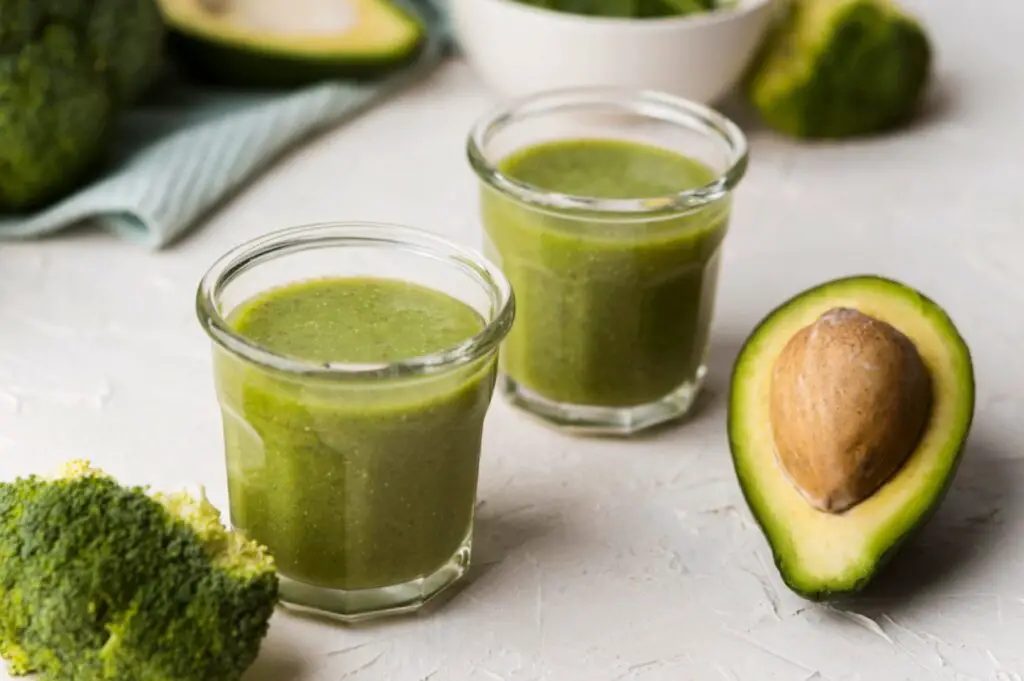
<p> Smoothies are a classic go-to for a quick meal or snack, but the newest versions are lighter, lower in sugar, and packed with nutrients. Instead of the fruit-only blends of the past, today’s low-sugar smoothies balance ingredients like spinach, avocado, berries, Greek yogurt, and a dash of cinnamon. They offer a rich, creamy texture with a nutritional profile that includes protein, fiber, and healthy fats. Many health-conscious cafés and grocery stores now offer pre-made versions with less than 10 grams of sugar, making them an excellent choice for those mindful of blood sugar levels. For Baby Boomers, they are a tasty way to fuel the day without the mid-afternoon crash. </p> :: Freepik

Smoothies are a classic go-to for a quick meal or snack, but the newest versions are lighter, lower in sugar, and packed with nutrients. Instead of the fruit-only blends of the past, today’s low-sugar smoothies balance ingredients like spinach, avocado, berries, Greek yogurt, and a dash of cinnamon. They offer a rich, creamy texture with a nutritional profile that includes protein, fiber, and healthy fats. Many health-conscious cafés and grocery stores now offer pre-made versions with less than 10 grams of sugar, making them an excellent choice for those mindful of blood sugar levels. For Baby Boomers, they are a tasty way to fuel the day without the mid-afternoon crash.

6. Alcohol-Free Wines

<p> For wine lovers, alcohol-free wine is one of the most exciting beverage trends of the year. These wines begin as traditional reds, whites, or sparklings, and then the alcohol is gently removed to preserve the complex flavors and aromas. Many still contain beneficial antioxidants like resveratrol, so you can raise a glass to heart health without the drawbacks of alcohol. Perfect for dinner parties, date nights, or solo unwinding, alcohol-free wines let you keep the tradition and elegance of wine drinking while aligning with a health-conscious lifestyle. The best part? You can enjoy a second glass without worrying about how you will feel in the morning. </p> :: Freepik

For wine lovers, alcohol-free wine is one of the most exciting beverage trends of the year. These wines begin as traditional reds, whites, or sparklings, and then the alcohol is gently removed to preserve the complex flavors and aromas. Many still contain beneficial antioxidants like resveratrol, so you can raise a glass to heart health without the drawbacks of alcohol. Perfect for dinner parties, date nights, or solo unwinding, alcohol-free wines let you keep the tradition and elegance of wine drinking while aligning with a health-conscious lifestyle. The best part? You can enjoy a second glass without worrying about how you will feel in the morning.

7. Plant-Based Lattes

<p> Warm, comforting, and endlessly customizable, plant-based lattes are becoming a daily ritual for many Baby Boomers. Options like oat milk chai, almond milk matcha, and coconut turmeric lattes bring together creamy dairy-free bases with flavorful spices and teas. They are ideal for those with lactose sensitivities, and many are sweetened naturally with honey, maple syrup, or dates instead of refined sugar. Herbal versions can be completely caffeine-free, while matcha or chai can provide a gentle energy lift. Whether you enjoy them at home or from your favorite coffee shop, plant-based lattes are a cozy, health-forward alternative to sugary coffee drinks. </p> :: Freepik

Warm, comforting, and endlessly customizable, plant-based lattes are becoming a daily ritual for many Baby Boomers. Options like oat milk chai, almond milk matcha, and coconut turmeric lattes bring together creamy dairy-free bases with flavorful spices and teas. They are ideal for those with lactose sensitivities, and many are sweetened naturally with honey, maple syrup, or dates instead of refined sugar. Herbal versions can be completely caffeine-free, while matcha or chai can provide a gentle energy lift. Whether you enjoy them at home or from your favorite coffee shop, plant-based lattes are a cozy, health-forward alternative to sugary coffee drinks.

8. Electrolyte Infused Water

<p> Hydration is key to feeling your best, especially as you get older, and electrolyte-infused waters make it easier and more enjoyable. These drinks replace essential minerals like potassium, magnesium, and sodium, which can be lost through exercise, gardening, or hot weather. Unlike traditional sports drinks, today’s electrolyte waters are low in sugar and free from artificial colors. They come in a variety of light, refreshing flavors and are a smart choice for supporting muscle function, heart health, and overall energy. For Baby Boomers, they are a practical upgrade to plain water and a great companion for active days. </p> :: Pexels

Hydration is key to feeling your best, especially as you get older, and electrolyte-infused waters make it easier and more enjoyable. These drinks replace essential minerals like potassium, magnesium, and sodium, which can be lost through exercise, gardening, or hot weather. Unlike traditional sports drinks, today’s electrolyte waters are low in sugar and free from artificial colors. They come in a variety of light, refreshing flavors and are a smart choice for supporting muscle function, heart health, and overall energy. For Baby Boomers, they are a practical upgrade to plain water and a great companion for active days.

Final Thoughts

<p> Non-alcoholic beverages in 2025 are not just about what you take out—they are about what you add in: flavor, health benefits, and a sense of enjoyment that goes far beyond a simple glass of water. For Baby Boomers, this growing variety of drinks offers the perfect blend of indulgence and wellness, whether you are sipping sparkling botanical water during a sunny afternoon, enjoying a plant-based latte on a crisp morning, or toasting with a glass of alcohol-free wine at a family dinner. The beauty of these drinks is that they fit seamlessly into real life. You can enjoy them during social gatherings without feeling left out, keep your energy steady throughout the day, and choose flavors that suit your mood. And with so many options on the market, there has never been a better time to experiment and discover your new favorite. So here is to celebrating life, health, and good taste—one delicious, non-alcoholic sip at a time. </p> :: Pexels

Non-alcoholic beverages in 2025 are not just about what you take out—they are about what you add in: flavor, health benefits, and a sense of enjoyment that goes far beyond a simple glass of water. For Baby Boomers, this growing variety of drinks offers the perfect blend of indulgence and wellness, whether you are sipping sparkling botanical water during a sunny afternoon, enjoying a plant-based latte on a crisp morning, or toasting with a glass of alcohol-free wine at a family dinner.

The beauty of these drinks is that they fit seamlessly into real life. You can enjoy them during social gatherings without feeling left out, keep your energy steady throughout the day, and choose flavors that suit your mood. And with so many options on the market, there has never been a better time to experiment and discover your new favorite.

So here is to celebrating life, health, and good taste—one delicious, non-alcoholic sip at a time.

Filed Under: Food & Drink

Missed the Raise? What to Do When You’re Denied a Pay Increase

March 28, 2026 | Leave a Comment

You Were Denied a Pay Increase – What’s Next?

<p>Receiving a pay increase rejection can be disappointing, especially if you feel you’ve been performing well and adding value to your company. While it’s natural to feel discouraged, a denial doesn’t have to be the end of the road. In fact, it can be a stepping stone to new opportunities and growth. Here are seven steps to take after being denied a pay increase to help you plan your next moves effectively.</p> ::Pexels

Receiving a pay increase rejection can be disappointing, especially if you feel you’ve been performing well and adding value to your company. While it’s natural to feel discouraged, a denial doesn’t have to be the end of the road. In fact, it can be a stepping stone to new opportunities and growth. Here are seven steps to take after being denied a pay increase to help you plan your next moves effectively.


1. Process Your Emotions and Regain Perspective

<p>It’s normal to feel frustrated or disheartened when a raise request is denied. Before taking any action, give yourself a little time to process those emotions. Vent to a friend or write down your thoughts to release the initial disappointment. Once you’ve calmed down, try to regain perspective. Remember that a single denial doesn’t define your worth or potential. With a clear head, you can approach the situation more objectively and start strategizing for the future.</p> ::Pexels

It’s normal to feel frustrated or disheartened when a raise request is denied. Before taking any action, give yourself a little time to process those emotions. Vent to a friend or write down your thoughts to release the initial disappointment. Once you’ve calmed down, try to regain perspective. Remember that a single denial doesn’t define your worth or potential. With a clear head, you can approach the situation more objectively and start strategizing for the future.


2. Seek Constructive Feedback

<p>After receiving a pay denial, ask your manager for specific feedback on why the request was turned down. This conversation can offer valuable insights into areas where you might improve or align your performance more closely with the company’s goals. Be sure to ask questions like, “What skills or achievements would make me eligible for a raise in the future?” and “Are there specific performance metrics I should aim for?” This feedback will not only guide your development but also show your manager that you’re committed to growth.</p> ::Pexels

After receiving a pay denial, ask your manager for specific feedback on why the request was turned down. This conversation can offer valuable insights into areas where you might improve or align your performance more closely with the company’s goals. Be sure to ask questions like, “What skills or achievements would make me eligible for a raise in the future?” and “Are there specific performance metrics I should aim for?” This feedback will not only guide your development but also show your manager that you’re committed to growth.


3. Reevaluate Your Goals and Timeline

<p>After understanding why your raise was denied, it’s time to reassess your goals and timeline. Determine whether the goals provided are achievable within a reasonable timeframe and if they align with your career aspirations. Set new short-term and long-term goals that will help you progress toward your desired pay level. Consider documenting these objectives, so you can track your progress and have evidence of your commitment when you revisit your raise request in the future.</p> ::Pexels

After understanding why your raise was denied, it’s time to reassess your goals and timeline. Determine whether the goals provided are achievable within a reasonable timeframe and if they align with your career aspirations. Set new short-term and long-term goals that will help you progress toward your desired pay level. Consider documenting these objectives, so you can track your progress and have evidence of your commitment when you revisit your raise request in the future.


4. Build and Showcase Your Value

<p>Use this period to focus on areas where you can build and highlight your value within the company. Take on additional responsibilities, work on high-impact projects, or improve efficiency in your role. Additionally, document your accomplishments. Keeping a record of measurable achievements (like cost savings, project completions, or improvements) can create a compelling case for a raise in the future. The more you contribute and demonstrate your impact, the stronger your position will be the next time you negotiate.</p> ::Pexels

Use this period to focus on areas where you can build and highlight your value within the company. Take on additional responsibilities, work on high-impact projects, or improve efficiency in your role. Additionally, document your accomplishments. Keeping a record of measurable achievements (like cost savings, project completions, or improvements) can create a compelling case for a raise in the future. The more you contribute and demonstrate your impact, the stronger your position will be the next time you negotiate.


5. Consider Professional Development

<p>If your manager mentioned specific skills or qualifications that would support your case for a pay increase, consider investing in professional development. Enroll in relevant courses, attend workshops, or earn certifications to expand your skill set. Not only will this make you a more valuable asset to your current team, but it will also strengthen your resume for future opportunities. Plus, taking the initiative to learn demonstrates your commitment to self-improvement, which can leave a positive impression on your employer.</p> ::Pexels

If your manager mentioned specific skills or qualifications that would support your case for a pay increase, consider investing in professional development. Enroll in relevant courses, attend workshops, or earn certifications to expand your skill set. Not only will this make you a more valuable asset to your current team, but it will also strengthen your resume for future opportunities. Plus, taking the initiative to learn demonstrates your commitment to self-improvement, which can leave a positive impression on your employer.


6. Monitor Industry Salary Trends

<p>Staying informed about industry salary trends for your role and experience level is essential. Research average pay ranges for your position within your geographic area, and take note of any discrepancies between your current salary and the industry standard. This data can serve as useful leverage if you decide to readdress the pay conversation later or if you consider opportunities elsewhere. Websites like Glassdoor, LinkedIn, and Payscale offer up-to-date salary information and can give you a clearer picture of where your salary stands.</p> ::Pexels

Staying informed about industry salary trends for your role and experience level is essential. Research average pay ranges for your position within your geographic area, and take note of any discrepancies between your current salary and the industry standard. This data can serve as useful leverage if you decide to readdress the pay conversation later or if you consider opportunities elsewhere. Websites like Glassdoor, LinkedIn, and Payscale offer up-to-date salary information and can give you a clearer picture of where your salary stands.


7. Evaluate Future Career Options

<p>Sometimes, a pay denial can be a sign that it’s time to explore new opportunities. If you feel you’ve exhausted all avenues for advancement within your current organization, it may be worth considering a job search. Look for roles that align with your growth goals, pay expectations, and values. If you enjoy your current company and role, start by searching internally for other opportunities. However, if an external opportunity better aligns with your professional and financial goals, remember that a change can often lead to the growth you seek.</p> ::Pexels

Sometimes, a pay denial can be a sign that it’s time to explore new opportunities. If you feel you’ve exhausted all avenues for advancement within your current organization, it may be worth considering a job search. Look for roles that align with your growth goals, pay expectations, and values. If you enjoy your current company and role, start by searching internally for other opportunities. However, if an external opportunity better aligns with your professional and financial goals, remember that a change can often lead to the growth you seek.


8. Strengthen Your Network and Build Visibility

<p>Expanding your professional network can open doors to new opportunities, both within and outside your current organization. Start by connecting with colleagues across departments, attending company events, or participating in professional associations. Building a network increases your visibility and can lead to collaborations, mentorships, or even job referrals in the future. Networking also helps you stay informed about industry trends and insider knowledge that could benefit you when negotiating for a raise down the line.</p> ::Pexels

Expanding your professional network can open doors to new opportunities, both within and outside your current organization. Start by connecting with colleagues across departments, attending company events, or participating in professional associations. Building a network increases your visibility and can lead to collaborations, mentorships, or even job referrals in the future. Networking also helps you stay informed about industry trends and insider knowledge that could benefit you when negotiating for a raise down the line.


9. Seek Out a Mentor for Guidance

<p>A mentor can provide invaluable guidance and perspective during this time. They can offer insights on career growth, share strategies that helped them navigate similar challenges, and give feedback on your approach to negotiations. Look for a mentor within your company or industry who has experience with career development and salary discussions. A mentor can also help you develop a clear action plan, offer encouragement, and be a sounding board as you work toward your goals.</p> ::Pexels

A mentor can provide invaluable guidance and perspective during this time. They can offer insights on career growth, share strategies that helped them navigate similar challenges, and give feedback on your approach to negotiations. Look for a mentor within your company or industry who has experience with career development and salary discussions. A mentor can also help you develop a clear action plan, offer encouragement, and be a sounding board as you work toward your goals.


10. Assess and Improve Your Negotiation Skills

<p>Effective negotiation is a valuable skill that can benefit you in salary discussions and other aspects of your career. Reflect on how you approached the pay increase discussion, and identify areas where you could improve. Consider reading books on negotiation, taking online courses, or practicing with a friend. The next time you negotiate, you’ll be more confident, better prepared, and equipped to present a compelling case. Strengthened negotiation skills can also help in other areas, from securing better project terms to advancing more quickly in your role.</p> ::Pexels

Effective negotiation is a valuable skill that can benefit you in salary discussions and other aspects of your career. Reflect on how you approached the pay increase discussion, and identify areas where you could improve. Consider reading books on negotiation, taking online courses, or practicing with a friend. The next time you negotiate, you’ll be more confident, better prepared, and equipped to present a compelling case. Strengthened negotiation skills can also help in other areas, from securing better project terms to advancing more quickly in your role.


Final Thoughts

<p>A denied pay increase doesn’t mean the end of your career growth. By taking these steps, you can turn a disappointing outcome into an opportunity for improvement, positioning yourself for greater success. Whether it’s developing new skills, enhancing your contributions, or reevaluating your career path, every action you take will bring you closer to achieving your goals.</p> ::Pexels

A denied pay increase doesn’t mean the end of your career growth. By taking these steps, you can turn a disappointing outcome into an opportunity for improvement, positioning yourself for greater success. Whether it’s developing new skills, enhancing your contributions, or reevaluating your career path, every action you take will bring you closer to achieving your goals.

Filed Under: Money

7 Easy-to-Understand Car Safety Features Every Baby Boomer Should Know

March 28, 2026 | Leave a Comment

7 Easy-to-Understand Car Safety Features Every Baby Boomer Should Know

<p> Remember when “car safety” meant buckling your seatbelt and checking the rearview mirror before pulling out of the driveway? Times have certainly changed. Today’s vehicles are packed with smart technology designed not just to protect you during a crash, but to help prevent accidents from happening in the first place. For many baby boomers, all this new technology can seem a bit intimidating—like trying to figure out the remote control for a new TV. But the truth is, these features are designed to make driving easier, safer, and more comfortable, especially as our reflexes and eyesight are not quite what they used to be. If you grew up in the era of carburetors and cassette players, don’t worry—you do not need to be a tech wizard to understand these innovations. In fact, once you know how they work, you will probably wonder how you ever drove without them. Let’s take a look at seven easy-to-understand car safety features that can give you peace of mind and make every trip behind the wheel a little more relaxing. </p> :: Pexels

Remember when “car safety” meant buckling your seatbelt and checking the rearview mirror before pulling out of the driveway? Times have certainly changed. Today’s vehicles are packed with smart technology designed not just to protect you during a crash, but to help prevent accidents from happening in the first place. For many baby boomers, all this new technology can seem a bit intimidating—like trying to figure out the remote control for a new TV. But the truth is, these features are designed to make driving easier, safer, and more comfortable, especially as our reflexes and eyesight are not quite what they used to be.

If you grew up in the era of carburetors and cassette players, don’t worry—you do not need to be a tech wizard to understand these innovations. In fact, once you know how they work, you will probably wonder how you ever drove without them. Let’s take a look at seven easy-to-understand car safety features that can give you peace of mind and make every trip behind the wheel a little more relaxing.

1. Anti-Lock Brakes (ABS) and Electronic Stability Control (ESC)

<p> Imagine you are driving down the highway and suddenly need to slam on the brakes. Back in the day, your wheels might have locked up, sending your car skidding uncontrollably. Anti-lock brakes prevent that from happening by rapidly pulsing the brakes so your wheels keep turning, allowing you to steer while stopping. Pair that with electronic stability control, which detects if your car is starting to skid and gently applies the brakes to specific wheels, and you have a system that can help you stay in control even during sudden maneuvers or on slippery roads. For baby boomers, who may have slower reaction times than they did in their twenties, these features are like having an invisible co-pilot ready to jump in during emergencies. The best part? You do not have to do anything special—just hit the brakes as usual, and the system takes care of the rest. </p> :: Freepik

Imagine you are driving down the highway and suddenly need to slam on the brakes. Back in the day, your wheels might have locked up, sending your car skidding uncontrollably. Anti-lock brakes prevent that from happening by rapidly pulsing the brakes so your wheels keep turning, allowing you to steer while stopping. Pair that with electronic stability control, which detects if your car is starting to skid and gently applies the brakes to specific wheels, and you have a system that can help you stay in control even during sudden maneuvers or on slippery roads.

For baby boomers, who may have slower reaction times than they did in their twenties, these features are like having an invisible co-pilot ready to jump in during emergencies. The best part? You do not have to do anything special—just hit the brakes as usual, and the system takes care of the rest.

2. Blind-Spot Detection and Rear Cross-Traffic Alert

<p> Remember craning your neck to double-check that sneaky spot just behind your car when changing lanes? Blind-spot detection takes care of that for you. Using sensors on the side of the vehicle, it alerts you—usually with a light in the side mirror—when a car is lurking where you cannot easily see it. Rear cross-traffic alert is equally handy. When you are backing out of a parking space, especially in a crowded grocery store lot, it can warn you if a vehicle or even a cyclist is approaching from the side. These systems are lifesavers for those with stiff necks, limited mobility, or simply a desire to avoid those heart-pounding “near misses” we all dread. </p> :: CarExpert | www.carexpert.com.au/

Remember craning your neck to double-check that sneaky spot just behind your car when changing lanes? Blind-spot detection takes care of that for you. Using sensors on the side of the vehicle, it alerts you—usually with a light in the side mirror—when a car is lurking where you cannot easily see it.

Rear cross-traffic alert is equally handy. When you are backing out of a parking space, especially in a crowded grocery store lot, it can warn you if a vehicle or even a cyclist is approaching from the side. These systems are lifesavers for those with stiff necks, limited mobility, or simply a desire to avoid those heart-pounding “near misses” we all dread.

3. Forward Collision Warning and Automatic Emergency Braking

<p> Picture this: traffic suddenly stops on the freeway, and you are a split second too late to hit the brakes. That is where forward collision warning comes in. Using sensors, it monitors the road ahead and gives you a loud warning if you are approaching another vehicle too quickly. If you do not react fast enough, automatic emergency braking can step in and apply the brakes for you. This feature has been a game changer for reducing rear-end accidents. It is especially helpful in stop-and-go traffic, where even the most alert driver can get distracted for a moment. For baby boomers who might not want to deal with the aches and pains that come from even a minor fender bender, this technology is a quiet hero. </p> :: EHCar.net

Picture this: traffic suddenly stops on the freeway, and you are a split second too late to hit the brakes. That is where forward collision warning comes in. Using sensors, it monitors the road ahead and gives you a loud warning if you are approaching another vehicle too quickly. If you do not react fast enough, automatic emergency braking can step in and apply the brakes for you.

This feature has been a game changer for reducing rear-end accidents. It is especially helpful in stop-and-go traffic, where even the most alert driver can get distracted for a moment. For baby boomers who might not want to deal with the aches and pains that come from even a minor fender bender, this technology is a quiet hero.

4. Lane Departure Warning and Lane Keeping Assist

<p> Have you ever realized you were drifting slightly out of your lane because you were adjusting the radio or admiring the scenery? Lane departure warning detects when your car begins to cross a lane marker without using a turn signal. It will then alert you, often with a gentle vibration in the steering wheel or a warning sound. Some vehicles take it a step further with lane keeping assist. If you do not respond quickly, the system can nudge your steering to guide you back into the center of the lane. For long highway drives, this feature can be a real comfort, reducing the risk of drifting into another lane if you momentarily lose focus. </p> :: J.D. Power | jdpower.com

Have you ever realized you were drifting slightly out of your lane because you were adjusting the radio or admiring the scenery? Lane departure warning detects when your car begins to cross a lane marker without using a turn signal. It will then alert you, often with a gentle vibration in the steering wheel or a warning sound.

Some vehicles take it a step further with lane keeping assist. If you do not respond quickly, the system can nudge your steering to guide you back into the center of the lane. For long highway drives, this feature can be a real comfort, reducing the risk of drifting into another lane if you momentarily lose focus.

5. Backup Camera and Rear Camera Systems

<p> If you have ever tried to back into a tight parking spot while guessing what was behind you, you know how stressful it can be. Thankfully, backup cameras are now standard on all new cars sold in the U.S. since 2018. With a clear view of what is behind your vehicle displayed right on your dashboard screen, reversing becomes far less nerve-wracking. Some cars even include guidelines on the screen to show you the path of your vehicle, making it easier to line up in a driveway or parking spot. For baby boomers, who may not be as flexible for twisting and turning, a backup camera removes the guesswork and can prevent accidents with everything from curbs to kids’ bikes left in the driveway. </p> :: Pexels

If you have ever tried to back into a tight parking spot while guessing what was behind you, you know how stressful it can be. Thankfully, backup cameras are now standard on all new cars sold in the U.S. since 2018. With a clear view of what is behind your vehicle displayed right on your dashboard screen, reversing becomes far less nerve-wracking.

Some cars even include guidelines on the screen to show you the path of your vehicle, making it easier to line up in a driveway or parking spot. For baby boomers, who may not be as flexible for twisting and turning, a backup camera removes the guesswork and can prevent accidents with everything from curbs to kids’ bikes left in the driveway.

6. Driver Alertness and Drowsiness Monitoring

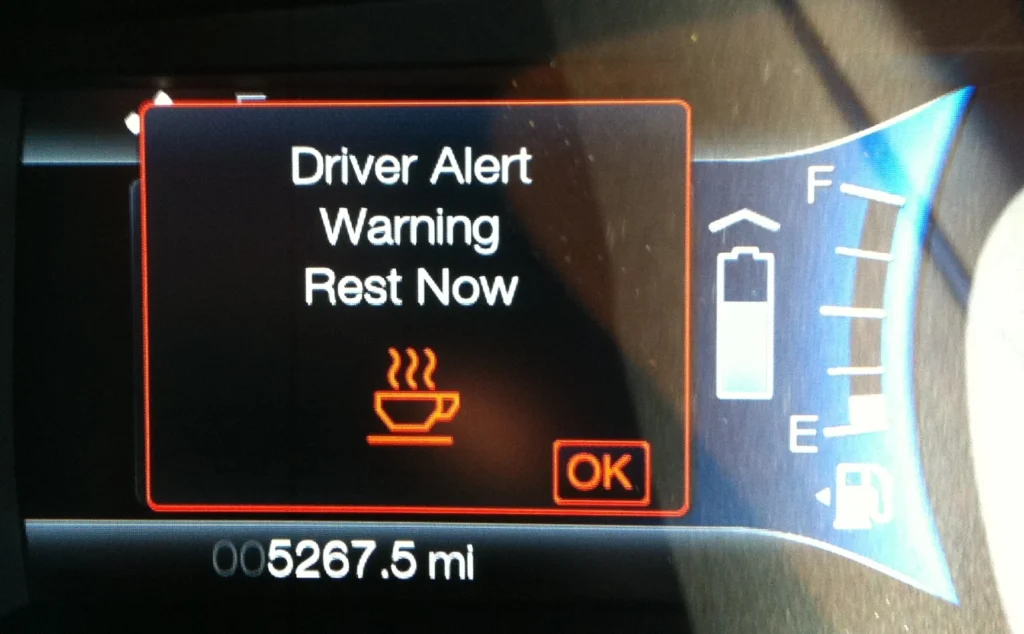
<p> We all like to believe we can drive as long as we want without tiring out. But the truth is, fatigue can sneak up on anyone. Driver alertness systems monitor subtle signs like erratic steering, drifting out of a lane, or even facial cues in some advanced models. If the car detects that you may be getting drowsy, it will send an alert—sometimes even suggesting you pull over for a break. Think of it as a caring friend riding shotgun, reminding you when it is time for a cup of coffee. On long road trips or late-night drives, this feature can be the difference between arriving safely and risking an accident. </p> :: PCMag | pcmag.com

We all like to believe we can drive as long as we want without tiring out. But the truth is, fatigue can sneak up on anyone. Driver alertness systems monitor subtle signs like erratic steering, drifting out of a lane, or even facial cues in some advanced models. If the car detects that you may be getting drowsy, it will send an alert—sometimes even suggesting you pull over for a break.

Think of it as a caring friend riding shotgun, reminding you when it is time for a cup of coffee. On long road trips or late-night drives, this feature can be the difference between arriving safely and risking an accident.

7. Adaptive Cruise Control

<p> Cruise control used to be a simple convenience: set your speed and take your foot off the gas. But today’s adaptive cruise control goes a step further by automatically adjusting your speed to maintain a safe distance from the car ahead. If traffic slows, your car will slow down too—no need to hit the brakes yourself. When traffic clears, it smoothly accelerates back up to your chosen speed. This feature is especially valuable for baby boomers who may experience fatigue during long drives. It reduces the constant need to adjust your speed, making highway travel more comfortable and less stressful. Think of it as having a helpful assistant who never gets tired of keeping the perfect pace. </p> :: caranddriver.com

Cruise control used to be a simple convenience: set your speed and take your foot off the gas. But today’s adaptive cruise control goes a step further by automatically adjusting your speed to maintain a safe distance from the car ahead. If traffic slows, your car will slow down too—no need to hit the brakes yourself. When traffic clears, it smoothly accelerates back up to your chosen speed.

This feature is especially valuable for baby boomers who may experience fatigue during long drives. It reduces the constant need to adjust your speed, making highway travel more comfortable and less stressful. Think of it as having a helpful assistant who never gets tired of keeping the perfect pace.

Final Thoughts

<p> Driving has always been about freedom—whether it was cruising down Main Street in your first car or taking a Sunday drive to the lake. For baby boomers, that freedom is still just as important today, but staying safe on the road is the key to enjoying it for years to come. The good news is that you do not need to be a tech expert to benefit from these modern safety features. From blind-spot detection to adaptive cruise control, these tools are designed to work quietly in the background, stepping in only when you need them most. They are not meant to replace your skills behind the wheel—they are there to back you up. So the next time you shop for a new or used car, ask about these seven features. With them on your side, you can drive with confidence, knowing that you are protected by some of the smartest technology available. After all, you have places to go, memories to make, and a whole lot more life to live—and the road ahead should be as safe and enjoyable as possible. </p> :: Pexels

Driving has always been about freedom—whether it was cruising down Main Street in your first car or taking a Sunday drive to the lake. For baby boomers, that freedom is still just as important today, but staying safe on the road is the key to enjoying it for years to come.

The good news is that you do not need to be a tech expert to benefit from these modern safety features. From blind-spot detection to adaptive cruise control, these tools are designed to work quietly in the background, stepping in only when you need them most. They are not meant to replace your skills behind the wheel—they are there to back you up.

So the next time you shop for a new or used car, ask about these seven features. With them on your side, you can drive with confidence, knowing that you are protected by some of the smartest technology available. After all, you have places to go, memories to make, and a whole lot more life to live—and the road ahead should be as safe and enjoyable as possible.

Filed Under: Autos

10 Steps to Work Remotely from Abroad After Retirement

March 28, 2026 | Leave a Comment

10 Steps to Work Remotely from Abroad After Retirement

<p> As more people retire, the dream of working remotely while traveling the world becomes increasingly appealing. If you are looking to blend work and travel after retirement, this guide outlines ten essential steps to make your dream a reality. Whether you want to soak in the sun in a tropical paradise or explore the historical streets of Europe, following these steps will help you navigate the process of working remotely from abroad successfully. </p> :: Pexels

As more people retire, the dream of working remotely while traveling the world becomes increasingly appealing. If you are looking to blend work and travel after retirement, this guide outlines ten essential steps to make your dream a reality. Whether you want to soak in the sun in a tropical paradise or explore the historical streets of Europe, following these steps will help you navigate the process of working remotely from abroad successfully.

1. Determine Your Work Goals

<p> Before diving into remote work, it is crucial to define your work goals. Ask yourself what you want to achieve: Do you want to maintain a similar workload to what you had before retirement, or are you looking for a more relaxed pace? Identifying your objectives will help you choose the right type of remote work that suits your lifestyle. Additionally, think about the kind of work that excites you. Whether it is freelance consulting, part-time projects, or starting your own business, clarifying your goals will serve as your foundation for the journey ahead. </p> :: Pexels

Before diving into remote work, it is crucial to define your work goals. Ask yourself what you want to achieve: Do you want to maintain a similar workload to what you had before retirement, or are you looking for a more relaxed pace? Identifying your objectives will help you choose the right type of remote work that suits your lifestyle. Additionally, think about the kind of work that excites you. Whether it is freelance consulting, part-time projects, or starting your own business, clarifying your goals will serve as your foundation for the journey ahead.

2. Assess Your Skills and Experience

<p> Take an inventory of your professional skills and experiences. Consider what you enjoy doing and what skills are marketable in the remote job market. Many retirees find their extensive career experiences invaluable, whether in management, teaching, or specialized consulting. Explore online platforms to see what skills are in demand. You may discover opportunities in fields you had not considered, allowing you to leverage your background and create a fulfilling remote work experience abroad. </p> :: Pexels

Take an inventory of your professional skills and experiences. Consider what you enjoy doing and what skills are marketable in the remote job market. Many retirees find their extensive career experiences invaluable, whether in management, teaching, or specialized consulting. Explore online platforms to see what skills are in demand. You may discover opportunities in fields you had not considered, allowing you to leverage your background and create a fulfilling remote work experience abroad.

3. Research Remote Job Opportunities

<p> Once you know what kind of work you are interested in, begin researching remote job opportunities. Websites like Remote.co, We Work Remotely, and FlexJobs specialize in remote positions across various industries. Create profiles on freelance platforms like Upwork or Fiverr if you are looking to offer your services directly to clients. Networking is equally important; join online groups or forums related to your field to connect with potential employers and collaborators. By exploring these resources, you will gain insight into the types of jobs available and the skills required to succeed. </p> :: Pexels

Once you know what kind of work you are interested in, begin researching remote job opportunities. Websites like Remote.co, We Work Remotely, and FlexJobs specialize in remote positions across various industries. Create profiles on freelance platforms like Upwork or Fiverr if you are looking to offer your services directly to clients. Networking is equally important; join online groups or forums related to your field to connect with potential employers and collaborators. By exploring these resources, you will gain insight into the types of jobs available and the skills required to succeed.

4. Choose Your Destination Wisely

<p> Choosing the right destination is essential for a successful remote work experience. Consider factors like cost of living, internet connectivity, and local culture. Countries like Portugal, Mexico, and Thailand are popular among retirees due to their affordable lifestyles and vibrant expatriate communities. Research the visa requirements for your chosen country; many nations offer specific visas for remote workers, allowing you to stay longer while working. Your ideal destination should inspire and enhance your overall remote work experience. </p> :: Pexels

Choosing the right destination is essential for a successful remote work experience. Consider factors like cost of living, internet connectivity, and local culture. Countries like Portugal, Mexico, and Thailand are popular among retirees due to their affordable lifestyles and vibrant expatriate communities. Research the visa requirements for your chosen country; many nations offer specific visas for remote workers, allowing you to stay longer while working. Your ideal destination should inspire and enhance your overall remote work experience.

5. Set Up a Functional Workspace

<p> Creating a dedicated workspace is crucial for maintaining productivity while working remotely. Look for a comfortable and quiet area in your accommodation where you can focus. Invest in quality equipment, such as a reliable laptop, noise-canceling headphones, and ergonomic furniture, if possible. Ensure your workspace has good lighting and minimal distractions, creating an environment that fosters creativity and concentration. Additionally, consider local co-working spaces, which can provide a professional atmosphere and opportunities to network with fellow remote workers. </p> :: Pexels

Creating a dedicated workspace is crucial for maintaining productivity while working remotely. Look for a comfortable and quiet area in your accommodation where you can focus. Invest in quality equipment, such as a reliable laptop, noise-canceling headphones, and ergonomic furniture, if possible. Ensure your workspace has good lighting and minimal distractions, creating an environment that fosters creativity and concentration. Additionally, consider local co-working spaces, which can provide a professional atmosphere and opportunities to network with fellow remote workers.

6. Establish a Routine

<p> Developing a daily routine can help you stay productive while enjoying your new lifestyle. Set specific working hours that align with your job responsibilities and the time zone of your employer or clients. Incorporate breaks to explore your new surroundings and engage in local activities. Maintaining a routine will not only keep you organized but also enhance your work-life balance, ensuring you make the most of your time abroad while staying focused on your professional commitments. </p> :: Pexels

Developing a daily routine can help you stay productive while enjoying your new lifestyle. Set specific working hours that align with your job responsibilities and the time zone of your employer or clients. Incorporate breaks to explore your new surroundings and engage in local activities. Maintaining a routine will not only keep you organized but also enhance your work-life balance, ensuring you make the most of your time abroad while staying focused on your professional commitments.

7. Invest in Reliable Technology

<p> Having reliable technology is crucial when working remotely from abroad. Ensure you have a dependable laptop, smartphone, and any other necessary devices for your work. Invest in a portable Wi-Fi hotspot for reliable internet access, especially if you plan to travel to remote areas where connectivity may be spotty. Familiarize yourself with tools for video conferencing, project management, and file sharing, which are essential for remote work. Being technologically prepared will enhance your ability to communicate effectively and manage your work efficiently. </p> :: Pexels

Having reliable technology is crucial when working remotely from abroad. Ensure you have a dependable laptop, smartphone, and any other necessary devices for your work. Invest in a portable Wi-Fi hotspot for reliable internet access, especially if you plan to travel to remote areas where connectivity may be spotty. Familiarize yourself with tools for video conferencing, project management, and file sharing, which are essential for remote work. Being technologically prepared will enhance your ability to communicate effectively and manage your work efficiently.

8. Stay Connected with Colleagues

<p> Maintaining communication with your colleagues and clients is vital when working remotely. Use tools like Slack, Zoom, or Microsoft Teams to stay in touch and collaborate on projects. Schedule regular check-ins to keep everyone updated on your work progress and maintain a sense of connection, even from afar. Being proactive in communication not only ensures productivity but also strengthens your professional relationships, making remote work more enjoyable and successful. </p> :: Pexels

Maintaining communication with your colleagues and clients is vital when working remotely. Use tools like Slack, Zoom, or Microsoft Teams to stay in touch and collaborate on projects. Schedule regular check-ins to keep everyone updated on your work progress and maintain a sense of connection, even from afar. Being proactive in communication not only ensures productivity but also strengthens your professional relationships, making remote work more enjoyable and successful.

9. Navigate Legal and Financial Considerations

<p> Working abroad as a retiree involves understanding various legal and financial implications. Research the tax obligations in both your home country and the country where you will be working. Some countries have tax treaties that can affect your earnings. Consider speaking with a financial advisor who specializes in expatriate issues to ensure you understand how your retirement income and remote earnings will be taxed. Additionally, look into health insurance options that provide coverage while you are abroad, ensuring that you are protected against unexpected medical expenses. </p> :: Pexels

Working abroad as a retiree involves understanding various legal and financial implications. Research the tax obligations in both your home country and the country where you will be working. Some countries have tax treaties that can affect your earnings. Consider speaking with a financial advisor who specializes in expatriate issues to ensure you understand how your retirement income and remote earnings will be taxed. Additionally, look into health insurance options that provide coverage while you are abroad, ensuring that you are protected against unexpected medical expenses.

10. Embrace the Adventure

<p> Finally, embrace the adventure of working remotely from abroad. Take advantage of your flexible schedule to explore new cultures, try different cuisines, and meet locals and fellow travelers. Join local clubs or community groups that align with your interests to build a network and enhance your experience. Remember that remote work is just a part of your new lifestyle; enjoy the journey and create lasting memories while balancing work and exploration. </p> :: Pexels

Finally, embrace the adventure of working remotely from abroad. Take advantage of your flexible schedule to explore new cultures, try different cuisines, and meet locals and fellow travelers. Join local clubs or community groups that align with your interests to build a network and enhance your experience. Remember that remote work is just a part of your new lifestyle; enjoy the journey and create lasting memories while balancing work and exploration.

Final Thoughts

<p> Working remotely from abroad after retirement is not only possible but can also be a fulfilling way to blend your professional and personal aspirations. By following these ten steps, you can navigate the transition smoothly, allowing you to enjoy your golden years while continuing to contribute your skills and expertise. With proper planning and an adventurous spirit, you can create a rewarding lifestyle that balances work and travel, making the most of every moment in this exciting new chapter of your life. </p> :: Pexels

Working remotely from abroad after retirement is not only possible but can also be a fulfilling way to blend your professional and personal aspirations. By following these ten steps, you can navigate the transition smoothly, allowing you to enjoy your golden years while continuing to contribute your skills and expertise. With proper planning and an adventurous spirit, you can create a rewarding lifestyle that balances work and travel, making the most of every moment in this exciting new chapter of your life.

Filed Under: Lifestyle

Top 10 Skincare Ingredients to Consider if You Have Oily Skin

March 28, 2026 | Leave a Comment

Top 10 Skincare Ingredients to Consider if You Have Oily Skin

<p> When it comes to managing oily skin, choosing the right skincare ingredients can make all the difference. Oily skin can be prone to breakouts, enlarged pores, and shine, so it’s important to select products that balance oil production without stripping your skin’s natural moisture. In this blog, we’ll explore the top 10 skincare ingredients that can help you achieve a clearer, more balanced complexion. Whether you're looking to control shine, reduce acne, or simply maintain healthy skin, these ingredients are must-haves for anyone dealing with oily skin. Let’s dive in! </p> :: Pexels

When it comes to managing oily skin, choosing the right skincare ingredients can make all the difference. Oily skin can be prone to breakouts, enlarged pores, and shine, so it’s important to select products that balance oil production without stripping your skin’s natural moisture. In this blog, we’ll explore the top 10 skincare ingredients that can help you achieve a clearer, more balanced complexion. Whether you’re looking to control shine, reduce acne, or simply maintain healthy skin, these ingredients are must-haves for anyone dealing with oily skin. Let’s dive in!

1. Salicylic Acid

<p> Salicylic acid is a beta hydroxy acid (BHA) known for its ability to penetrate deep into the pores. It’s oil-soluble, making it highly effective for oily skin. By breaking down excess sebum and dead skin cells, it helps prevent clogged pores and acne formation. Regular use can lead to fewer blackheads and breakouts, giving the skin a smoother, clearer appearance. Beyond its acne-fighting abilities, salicylic acid also has anti-inflammatory properties, which can reduce redness and irritation often associated with acne-prone skin. It’s ideal for those seeking a gentle but effective exfoliant. </p> :: Pexels

Salicylic acid is a beta hydroxy acid (BHA) known for its ability to penetrate deep into the pores. It’s oil-soluble, making it highly effective for oily skin. By breaking down excess sebum and dead skin cells, it helps prevent clogged pores and acne formation. Regular use can lead to fewer blackheads and breakouts, giving the skin a smoother, clearer appearance. Beyond its acne-fighting abilities, salicylic acid also has anti-inflammatory properties, which can reduce redness and irritation often associated with acne-prone skin. It’s ideal for those seeking a gentle but effective exfoliant.

2. Niacinamide

<p> Niacinamide, or Vitamin B3, is a multi-functional ingredient that works wonders for oily skin. It helps regulate sebum production, which can reduce shine and prevent clogged pores. Additionally, niacinamide has anti-inflammatory properties, which can calm irritated or acne-prone skin. Over time, it can also improve the appearance of enlarged pores and even out skin tone by reducing hyperpigmentation. It's a versatile ingredient that can be used in various formulations, including serums, moisturizers, and toners, making it an essential part of any oily skincare routine. </p> :: Pexels

Niacinamide, or Vitamin B3, is a multi-functional ingredient that works wonders for oily skin. It helps regulate sebum production, which can reduce shine and prevent clogged pores. Additionally, niacinamide has anti-inflammatory properties, which can calm irritated or acne-prone skin. Over time, it can also improve the appearance of enlarged pores and even out skin tone by reducing hyperpigmentation. It’s a versatile ingredient that can be used in various formulations, including serums, moisturizers, and toners, making it an essential part of any oily skincare routine.

3. Benzoyl Peroxide

<p> Benzoyl peroxide is a powerful acne-fighting ingredient that works by killing the bacteria responsible for acne breakouts. It also helps to reduce the amount of oil on the skin, which prevents clogged pores. For those with oily skin, benzoyl peroxide can be a game-changer in controlling acne and preventing new blemishes from forming. However, it can be drying, so it’s important to use it sparingly and follow up with a good moisturizer. Over time, consistent use of benzoyl peroxide can result in clearer, less oily skin.</p> :: Pexels

Benzoyl peroxide is a powerful acne-fighting ingredient that works by killing the bacteria responsible for acne breakouts. It also helps to reduce the amount of oil on the skin, which prevents clogged pores. For those with oily skin, benzoyl peroxide can be a game-changer in controlling acne and preventing new blemishes from forming. However, it can be drying, so it’s important to use it sparingly and follow up with a good moisturizer. Over time, consistent use of benzoyl peroxide can result in clearer, less oily skin.

4. Clay (Kaolin or Bentonite)

<p> Clay masks, especially those containing kaolin or bentonite, are excellent for oily skin. These types of clay are known for their ability to absorb excess oil and impurities from the skin, leaving it feeling clean and refreshed. Regular use of clay masks can help to minimize the appearance of pores and reduce the frequency of breakouts. They also provide a mattifying effect, which can keep shine at bay throughout the day. Clay is gentle enough for sensitive skin but powerful enough to effectively manage oily skin concerns. </p> :: Pexels

Clay masks, especially those containing kaolin or bentonite, are excellent for oily skin. These types of clay are known for their ability to absorb excess oil and impurities from the skin, leaving it feeling clean and refreshed. Regular use of clay masks can help to minimize the appearance of pores and reduce the frequency of breakouts. They also provide a mattifying effect, which can keep shine at bay throughout the day. Clay is gentle enough for sensitive skin but powerful enough to effectively manage oily skin concerns.

5. Glycolic Acid

<p> Glycolic acid is an alpha hydroxy acid (AHA) that exfoliates the skin by removing dead skin cells from the surface. This helps to prevent clogged pores, a common issue for those with oily skin. Glycolic acid also encourages cell turnover, leading to a smoother, more even complexion. It’s particularly effective in reducing the appearance of acne scars and hyperpigmentation, which are common concerns for people with oily skin. Regular use can help control oil production and improve skin texture without stripping the skin of essential moisture. </p> :: Pexels

Glycolic acid is an alpha hydroxy acid (AHA) that exfoliates the skin by removing dead skin cells from the surface. This helps to prevent clogged pores, a common issue for those with oily skin. Glycolic acid also encourages cell turnover, leading to a smoother, more even complexion. It’s particularly effective in reducing the appearance of acne scars and hyperpigmentation, which are common concerns for people with oily skin. Regular use can help control oil production and improve skin texture without stripping the skin of essential moisture.

6. Zinc

<p> Zinc is a mineral that plays a vital role in controlling oil production and reducing inflammation, making it ideal for oily and acne-prone skin. Skincare products containing zinc, such as sunscreens or moisturizers, help to mattify the skin while offering soothing properties. Zinc can also assist in the healing of acne lesions and reduce the appearance of post-inflammatory hyperpigmentation. When used regularly, zinc-based products help to balance sebum levels, providing a clearer and more even complexion over time. Plus, zinc is gentle, making it suitable for sensitive skin. </p> :: Pexels

Zinc is a mineral that plays a vital role in controlling oil production and reducing inflammation, making it ideal for oily and acne-prone skin. Skincare products containing zinc, such as sunscreens or moisturizers, help to mattify the skin while offering soothing properties. Zinc can also assist in the healing of acne lesions and reduce the appearance of post-inflammatory hyperpigmentation. When used regularly, zinc-based products help to balance sebum levels, providing a clearer and more even complexion over time. Plus, zinc is gentle, making it suitable for sensitive skin.

7. Tea Tree Oil

<p> Tea tree oil is a natural essential oil known for its antibacterial and anti-inflammatory properties. It helps to kill acne-causing bacteria and reduces inflammation, making it a popular choice for those with oily and acne-prone skin. Unlike some harsher treatments, tea tree oil offers a more natural way to keep breakouts under control. It also helps to balance oil production without over-drying the skin. When diluted properly in skincare products, tea tree oil can be a highly effective addition to your routine, providing clearer skin over time. </p> :: Pexels

Tea tree oil is a natural essential oil known for its antibacterial and anti-inflammatory properties. It helps to kill acne-causing bacteria and reduces inflammation, making it a popular choice for those with oily and acne-prone skin. Unlike some harsher treatments, tea tree oil offers a more natural way to keep breakouts under control. It also helps to balance oil production without over-drying the skin. When diluted properly in skincare products, tea tree oil can be a highly effective addition to your routine, providing clearer skin over time.

<p> Although it might seem counterintuitive to use a hydrating ingredient for oily skin, hyaluronic acid is a must-have. It provides lightweight hydration by attracting moisture to the skin without clogging pores or adding to oiliness. Oily skin can still become dehydrated, and hyaluronic acid ensures that your skin gets the moisture it needs while maintaining a balanced appearance. This ingredient can help reduce the appearance of fine lines and keep your skin looking plump and healthy, all without contributing to excess oil production. </p> :: Pexels


Although it might seem counterintuitive to use a hydrating ingredient for oily skin, hyaluronic acid is a must-have. It provides lightweight hydration by attracting moisture to the skin without clogging pores or adding to oiliness. Oily skin can still become dehydrated, and hyaluronic acid ensures that your skin gets the moisture it needs while maintaining a balanced appearance. This ingredient can help reduce the appearance of fine lines and keep your skin looking plump and healthy, all without contributing to excess oil production.

9. Retinol

<p> Retinol, a form of Vitamin A, is a powerful ingredient for those with oily skin. It works by speeding up cell turnover, which helps prevent clogged pores and breakouts. Retinol can also improve skin texture and reduce the appearance of enlarged pores over time. Additionally, it helps fade acne scars and promotes an even skin tone. While it can be drying initially, pairing retinol with a lightweight moisturizer can mitigate this effect. Consistent use can result in smoother, clearer, and more balanced skin, making it a cornerstone of oily skin care. </p> :: Pexels

Retinol, a form of Vitamin A, is a powerful ingredient for those with oily skin. It works by speeding up cell turnover, which helps prevent clogged pores and breakouts. Retinol can also improve skin texture and reduce the appearance of enlarged pores over time. Additionally, it helps fade acne scars and promotes an even skin tone. While it can be drying initially, pairing retinol with a lightweight moisturizer can mitigate this effect. Consistent use can result in smoother, clearer, and more balanced skin, making it a cornerstone of oily skin care.

10. Witch Hazel

<p> Witch hazel is a natural astringent that helps to tighten pores and control excess oil production. It’s often found in toners designed for oily and acne-prone skin because it provides a refreshing, mattifying effect without stripping the skin of its natural moisture. Witch hazel also has anti-inflammatory properties, which can calm redness and irritation associated with breakouts. Regular use can help to reduce shine and keep your skin looking fresh throughout the day. It's a gentle, effective option for anyone looking to manage oily skin without harsh chemicals. </p> :: Pexels

Witch hazel is a natural astringent that helps to tighten pores and control excess oil production. It’s often found in toners designed for oily and acne-prone skin because it provides a refreshing, mattifying effect without stripping the skin of its natural moisture. Witch hazel also has anti-inflammatory properties, which can calm redness and irritation associated with breakouts. Regular use can help to reduce shine and keep your skin looking fresh throughout the day. It’s a gentle, effective option for anyone looking to manage oily skin without harsh chemicals.

Final Thoughts

<p> Managing oily skin can be challenging, but using the right ingredients can make a huge difference in keeping your skin balanced, clear, and healthy. From exfoliating acids like salicylic and glycolic acid to soothing options like niacinamide and zinc, these ingredients are specially formulated to target excess oil while preventing breakouts and irritation. Consistency is key when it comes to skincare, so make sure to introduce these ingredients gradually and pay attention to how your skin responds. With the right approach, you can achieve a glowing, matte complexion without compromising your skin's natural moisture. </p> :: Pexels

Managing oily skin can be challenging, but using the right ingredients can make a huge difference in keeping your skin balanced, clear, and healthy. From exfoliating acids like salicylic and glycolic acid to soothing options like niacinamide and zinc, these ingredients are specially formulated to target excess oil while preventing breakouts and irritation. Consistency is key when it comes to skincare, so make sure to introduce these ingredients gradually and pay attention to how your skin responds. With the right approach, you can achieve a glowing, matte complexion without compromising your skin’s natural moisture.

Filed Under: Lifestyle

7 Pastime Activities That Baby Boomers Enjoyed and Are Gone Forever

March 28, 2026 | Leave a Comment

7 Pastime Activities That Baby Boomers Enjoyed and Are Gone Forever

<p> There was a time when leisure meant something different. Before smartphones, streaming, and social media dominated every spare moment, Baby Boomers found joy in hobbies that shaped their friendships, creativity, and sense of community. These were activities that demanded patience, imagination, and sometimes a little ingenuity. They weren’t just ways to pass the time — they were experiences that created lasting memories. Today, many of these pastimes have quietly disappeared, leaving only stories and photographs as reminders of simpler, slower days. They offered a rhythm to life that was both comforting and exciting, giving people reasons to look forward to weekends, summers, and special occasions. In revisiting these lost hobbies, we can glimpse the charm of an era where time seemed to move a little more slowly and connections felt deeper.

If you grew up during this era or are just curious about what life used to look like, here are seven pastime activities that Baby Boomers enjoyed that have largely vanished from everyday life.

Discover 7 pastime activities Baby Boomers enjoyed that are gone forever and why these lost hobbies still inspire creativity, connection, and fun today. </p> :: Gemini

There was a time when leisure meant something different. Before smartphones, streaming, and social media dominated every spare moment, Baby Boomers found joy in hobbies that shaped their friendships, creativity, and sense of community. These were activities that demanded patience, imagination, and sometimes a little ingenuity. They weren’t just ways to pass the time — they were experiences that created lasting memories. Today, many of these pastimes have quietly disappeared, leaving only stories and photographs as reminders of simpler, slower days. They offered a rhythm to life that was both comforting and exciting, giving people reasons to look forward to weekends, summers, and special occasions. In revisiting these lost hobbies, we can glimpse the charm of an era where time seemed to move a little more slowly and connections felt deeper.

If you grew up during this era or are just curious about what life used to look like, here are seven pastime activities that Baby Boomers enjoyed that have largely vanished from everyday life.

Discover 7 pastime activities Baby Boomers enjoyed that are gone forever and why these lost hobbies still inspire creativity, connection, and fun today.

1. Pen Pal Letter Writing

<p> Long before email, texting, or instant messaging, writing to a pen pal was a treasured activity. Baby Boomers would carefully compose letters, fold them, and send them across states or even countries, eagerly awaiting a reply that could take weeks. Each letter was more than words on paper — it was a chance to share dreams, swap stories, and build friendships that spanned miles. Writing by hand taught patience and expression in ways digital communication rarely does today. There was a certain thrill in choosing the perfect stationery, sealing the envelope, and imagining the other person opening it somewhere far away. Every returned letter felt like a little treasure, carrying pieces of someone else’s life directly into your hands. The joy of receiving a thick envelope in the mailbox is something that today’s instant notifications simply cannot replace. </p> :: Gemini

Long before email, texting, or instant messaging, writing to a pen pal was a treasured activity. Baby Boomers would carefully compose letters, fold them, and send them across states or even countries, eagerly awaiting a reply that could take weeks. Each letter was more than words on paper — it was a chance to share dreams, swap stories, and build friendships that spanned miles. Writing by hand taught patience and expression in ways digital communication rarely does today. There was a certain thrill in choosing the perfect stationery, sealing the envelope, and imagining the other person opening it somewhere far away. Every returned letter felt like a little treasure, carrying pieces of someone else’s life directly into your hands. The joy of receiving a thick envelope in the mailbox is something that today’s instant notifications simply cannot replace.

2. CB Radio Chatting

<p> The Citizens Band radio was a social lifeline for many. Truck drivers, hobbyists, and neighbors tuned into the airwaves to share road conditions, local news, or just have a friendly chat. Users adopted playful nicknames like Rubber Duck or Gray Ghost, forming communities through voice and static. It was a hobby that mixed technology with human connection in a way that was exciting and personal. CB radios required no apps, no Wi-Fi, and no monthly bills — just a microphone and a willingness to talk. Many people even decorated their vehicles with antennas and lights to show off their CB setup, turning it into a point of pride. Weekend conversations could last for hours, creating friendships that sometimes lasted a lifetime. With the rise of cell phones and online forums, this once-thriving pastime has faded almost entirely. </p> :: Gemini

The Citizens Band radio was a social lifeline for many. Truck drivers, hobbyists, and neighbors tuned into the airwaves to share road conditions, local news, or just have a friendly chat. Users adopted playful nicknames like Rubber Duck or Gray Ghost, forming communities through voice and static. It was a hobby that mixed technology with human connection in a way that was exciting and personal. CB radios required no apps, no Wi-Fi, and no monthly bills — just a microphone and a willingness to talk. Many people even decorated their vehicles with antennas and lights to show off their CB setup, turning it into a point of pride. Weekend conversations could last for hours, creating friendships that sometimes lasted a lifetime. With the rise of cell phones and online forums, this once-thriving pastime has faded almost entirely.

3. Building and Racing Icebox Carts

<p> One of the quirkiest activities from mid-20th century America was turning old iceboxes into racing carts. Kids and teenagers would attach wheels, add brakes, and race these DIY creations downhill during summer fairs or neighborhood gatherings. Creativity, problem-solving, and a little daring were all part of the fun. These races encouraged community involvement, and watching friends zip by on homemade contraptions was thrilling. Families often gathered along the streets to cheer, and neighbors swapped tips on how to make carts faster or sturdier. For many, the excitement wasn’t just in winning but in the camaraderie and shared joy of building something from scratch. As iceboxes disappeared and organized soapbox derbies took over, this playful pastime quietly vanished, leaving only memories of laughter and scraped knees. </p> :: Gemini

One of the quirkiest activities from mid-20th century America was turning old iceboxes into racing carts. Kids and teenagers would attach wheels, add brakes, and race these DIY creations downhill during summer fairs or neighborhood gatherings. Creativity, problem-solving, and a little daring were all part of the fun. These races encouraged community involvement, and watching friends zip by on homemade contraptions was thrilling. Families often gathered along the streets to cheer, and neighbors swapped tips on how to make carts faster or sturdier. For many, the excitement wasn’t just in winning but in the camaraderie and shared joy of building something from scratch. As iceboxes disappeared and organized soapbox derbies took over, this playful pastime quietly vanished, leaving only memories of laughter and scraped knees.

4. Home Darkroom Photography

<p> Photography used to be a hands-on art that required both skill and patience. Baby Boomers often developed their own photos at home using darkrooms, trays of chemicals, and careful timing under red safelights. Watching an image slowly emerge on paper was magical, and it offered a tangible reward for effort and creativity. The smell of the chemicals, the quiet focus, and the thrill of a perfectly developed photo made every session an adventure. Each photograph was not just a picture, but a memory carefully crafted and preserved. Today, digital cameras and smartphones make photography instant and effortless, but they also remove the suspense and tactile satisfaction of the darkroom process. While digital images can be shared in seconds, they lack the intimate, hands-on experience that made photography a true craft. </p> :: Gemini

Photography used to be a hands-on art that required both skill and patience. Baby Boomers often developed their own photos at home using darkrooms, trays of chemicals, and careful timing under red safelights. Watching an image slowly emerge on paper was magical, and it offered a tangible reward for effort and creativity. The smell of the chemicals, the quiet focus, and the thrill of a perfectly developed photo made every session an adventure. Each photograph was not just a picture, but a memory carefully crafted and preserved. Today, digital cameras and smartphones make photography instant and effortless, but they also remove the suspense and tactile satisfaction of the darkroom process. While digital images can be shared in seconds, they lack the intimate, hands-on experience that made photography a true craft.

5. Model Building

<p> From model trains and ships to airplanes and even miniature towns, building models was a pastime that demanded attention to detail and patience. It wasn’t just about completing the model — it was about the process of constructing something by hand, learning new skills, and feeling a sense of accomplishment when the project was finished. Many Baby Boomers spent hours perfecting glue joints, painting tiny details, and arranging complex displays. Kids would often proudly display their creations to friends and family, turning living rooms into miniature worlds of imagination. These projects also encouraged problem-solving and creativity in ways that screen-based entertainment rarely can. In today’s fast-paced world, where entertainment is mostly digital, the quiet satisfaction of model building has become rare, replaced by instant gratification and screen-based hobbies. </p> :: Gemini

From model trains and ships to airplanes and even miniature towns, building models was a pastime that demanded attention to detail and patience. It wasn’t just about completing the model — it was about the process of constructing something by hand, learning new skills, and feeling a sense of accomplishment when the project was finished. Many Baby Boomers spent hours perfecting glue joints, painting tiny details, and arranging complex displays. Kids would often proudly display their creations to friends and family, turning living rooms into miniature worlds of imagination. These projects also encouraged problem-solving and creativity in ways that screen-based entertainment rarely can. In today’s fast-paced world, where entertainment is mostly digital, the quiet satisfaction of model building has become rare, replaced by instant gratification and screen-based hobbies.

6. Drive-In Movie Nights

<p> Drive-in theaters were a central part of social life for many Baby Boomers. Families and friends would pile into cars, bring blankets and snacks, and enjoy a movie under the stars. There was something uniquely communal about sharing laughter, gasps, and excitement in the open air while the world slowed down around you. Although a few drive-ins still exist, the golden era is gone. Streaming services, home theaters, and multiplex cinemas offer convenience, but they cannot replicate the charm, spontaneity, and sense of adventure that made drive-in movie nights special. </p> :: Gemini

Drive-in theaters were a central part of social life for many Baby Boomers. Families and friends would pile into cars, bring blankets and snacks, and enjoy a movie under the stars. There was something uniquely communal about sharing laughter, gasps, and excitement in the open air while the world slowed down around you. Although a few drive-ins still exist, the golden era is gone. Streaming services, home theaters, and multiplex cinemas offer convenience, but they cannot replicate the charm, spontaneity, and sense of adventure that made drive-in movie nights special.

7. Bowling Leagues as Community Hubs

<p> Bowling was more than just rolling balls down lanes; it was a weekly ritual, a chance to see neighbors, coworkers, and friends, and to celebrate victories or commiserate over losses. Bowling leagues created small communities built on friendly competition and social connection. Some alleys even offered potlucks and gatherings that strengthened relationships beyond the game. Today, bowling still exists, but league culture has largely faded. People still enjoy the occasional game, but the structured, social, and communal aspect of bowling leagues is mostly a thing of the past. For many Baby Boomers, those nights at the alley weren’t just about the score — they were about belonging to a community and creating memories that lasted a lifetime. The laughter, the playful rivalries, and the shared traditions are moments that modern casual play rarely captures. </p> :: Gemini

Bowling was more than just rolling balls down lanes; it was a weekly ritual, a chance to see neighbors, coworkers, and friends, and to celebrate victories or commiserate over losses. Bowling leagues created small communities built on friendly competition and social connection. Some alleys even offered potlucks and gatherings that strengthened relationships beyond the game. Today, bowling still exists, but league culture has largely faded. People still enjoy the occasional game, but the structured, social, and communal aspect of bowling leagues is mostly a thing of the past. For many Baby Boomers, those nights at the alley weren’t just about the score — they were about belonging to a community and creating memories that lasted a lifetime. The laughter, the playful rivalries, and the shared traditions are moments that modern casual play rarely captures.

Final Thoughts

<p> These seven pastimes remind us that leisure once carried a different rhythm. Baby Boomers grew up in an era where patience, creativity, and human connection were woven into hobbies. Writing letters, chatting over CB radios, racing icebox carts, building models, developing photos, enjoying drive-in movies, and joining bowling leagues were all activities that brought joy, fostered skills, and strengthened relationships.

While modern technology has replaced many of these activities, the underlying lessons still matter. There is value in slowing down, in making something with your hands, and in connecting with people in meaningful ways. Some of these pastimes may never return in their original forms, but remembering them can inspire new ways to bring a little of that old-world magic into our fast-moving lives. Perhaps writing a letter to a friend, visiting a local bowling alley, or trying out film photography can offer a taste of these lost joys, bridging the gap between generations and showing that even the smallest hobbies can leave lasting memories. </p> :: Gemini

These seven pastimes remind us that leisure once carried a different rhythm. Baby Boomers grew up in an era where patience, creativity, and human connection were woven into hobbies. Writing letters, chatting over CB radios, racing icebox carts, building models, developing photos, enjoying drive-in movies, and joining bowling leagues were all activities that brought joy, fostered skills, and strengthened relationships.

While modern technology has replaced many of these activities, the underlying lessons still matter. There is value in slowing down, in making something with your hands, and in connecting with people in meaningful ways. Some of these pastimes may never return in their original forms, but remembering them can inspire new ways to bring a little of that old-world magic into our fast-moving lives. Perhaps writing a letter to a friend, visiting a local bowling alley, or trying out film photography can offer a taste of these lost joys, bridging the gap between generations and showing that even the smallest hobbies can leave lasting memories.

Filed Under: Lifestyle

When Boomers Were Actually Right: 12 Old School Habits That Still Make Sense Today

March 28, 2026 | Leave a Comment

When Boomers Were Actually Right: 12 Old School Habits That Still Make Sense Today

<p> If you have ever heard someone say, “Back in my day,” you probably rolled your eyes a little. For years, many younger Americans have joked about boomer advice, especially when it comes to money, lifestyle habits, and everyday routines. Some of that advice may sound outdated in a world filled with apps, subscriptions, and instant convenience.

But here is the funny thing. When you step back and look at some of those habits more closely, a surprising number of them still make a lot of sense today.

Many boomers grew up during times when budgets were tighter, waste was frowned upon, and people learned practical skills out of necessity. Instead of constantly upgrading or outsourcing everything, they developed habits that saved money, reduced stress, and made life a little more manageable. Today, with rising costs and digital overload, some of those same habits feel less old fashioned and more like smart life strategies.

Here are twelve times boomers were actually on to something you might not have realized. </p> :: Gemini

If you have ever heard someone say, “Back in my day,” you probably rolled your eyes a little. For years, many younger Americans have joked about boomer advice, especially when it comes to money, lifestyle habits, and everyday routines. Some of that advice may sound outdated in a world filled with apps, subscriptions, and instant convenience.

But here is the funny thing. When you step back and look at some of those habits more closely, a surprising number of them still make a lot of sense today.

Many boomers grew up during times when budgets were tighter, waste was frowned upon, and people learned practical skills out of necessity. Instead of constantly upgrading or outsourcing everything, they developed habits that saved money, reduced stress, and made life a little more manageable. Today, with rising costs and digital overload, some of those same habits feel less old fashioned and more like smart life strategies.

Here are twelve times boomers were actually on to something you might not have realized.

1. Cooking at Home Was the Default

<p> For many boomer households, cooking at home was not a special hobby. It was simply how life worked. Eating out was usually reserved for birthdays or special occasions, while most meals came from the kitchen at home. That simple routine saved families a lot of money and often resulted in healthier meals. Research and lifestyle experts still point out that cooking at home reduces spending on restaurant meals and processed foods while giving people better control over ingredients and portion sizes.

In today’s world of delivery apps and convenience food, returning to even a few home cooked meals each week can make a noticeable difference in both your budget and your health. </p> :: Gemini

For many boomer households, cooking at home was not a special hobby. It was simply how life worked. Eating out was usually reserved for birthdays or special occasions, while most meals came from the kitchen at home. That simple routine saved families a lot of money and often resulted in healthier meals. Research and lifestyle experts still point out that cooking at home reduces spending on restaurant meals and processed foods while giving people better control over ingredients and portion sizes.

In today’s world of delivery apps and convenience food, returning to even a few home cooked meals each week can make a noticeable difference in both your budget and your health.

2. Fixing Things Instead of Throwing Them Away

<p> Boomers grew up in a culture where broken items were not automatically replaced. If a zipper broke, it was repaired. If a chair got loose, someone tightened the screws. Instead of treating household items as disposable, people learned basic repair skills.

This repair first mindset is becoming popular again because it saves money and reduces waste. Instead of constantly replacing items, simple repairs can extend the life of furniture, clothing, and appliances. With countless tutorials now available online, learning small fixes is easier than ever.

Sometimes a five minute repair can save you hundreds of dollars. </p> :: Gemini

Boomers grew up in a culture where broken items were not automatically replaced. If a zipper broke, it was repaired. If a chair got loose, someone tightened the screws. Instead of treating household items as disposable, people learned basic repair skills.

This repair first mindset is becoming popular again because it saves money and reduces waste. Instead of constantly replacing items, simple repairs can extend the life of furniture, clothing, and appliances. With countless tutorials now available online, learning small fixes is easier than ever.

Sometimes a five minute repair can save you hundreds of dollars.

3. Living Below Your Means Was a Normal Expectation

<p> Many boomers were raised with a simple financial rule. Spend less than you earn. It was not flashy or exciting, but it worked.

Instead of upgrading every aspect of their lifestyle, many people focused on stability. They avoided unnecessary debt and tried to build savings slowly over time. While the economy has changed, the core idea still holds true. Living slightly below your means creates breathing room in your budget and helps you handle unexpected expenses without panic.

In a culture that constantly encourages upgrades and impulse purchases, that mindset can be surprisingly powerful. </p> :: Gemini

Many boomers were raised with a simple financial rule. Spend less than you earn. It was not flashy or exciting, but it worked.

Instead of upgrading every aspect of their lifestyle, many people focused on stability. They avoided unnecessary debt and tried to build savings slowly over time. While the economy has changed, the core idea still holds true. Living slightly below your means creates breathing room in your budget and helps you handle unexpected expenses without panic.

In a culture that constantly encourages upgrades and impulse purchases, that mindset can be surprisingly powerful.

4. Paying With Cash Helped Control Spending

<p> Before digital wallets and credit cards became the norm, many people used physical cash to manage their budgets. Some households even used envelope systems where cash was divided into categories like groceries, gas, and household expenses.

Seeing money leave your wallet creates a stronger sense of spending awareness than tapping a card or clicking a purchase button. Studies in behavioral finance suggest that people often spend less when using physical cash because the transaction feels more tangible.

You do not need to abandon digital payments completely, but using cash for certain spending categories can help curb impulse purchases. </p> :: Gemini

Before digital wallets and credit cards became the norm, many people used physical cash to manage their budgets. Some households even used envelope systems where cash was divided into categories like groceries, gas, and household expenses.

Seeing money leave your wallet creates a stronger sense of spending awareness than tapping a card or clicking a purchase button. Studies in behavioral finance suggest that people often spend less when using physical cash because the transaction feels more tangible.

You do not need to abandon digital payments completely, but using cash for certain spending categories can help curb impulse purchases.

5. Buying Quality Was Often Cheaper in the Long Run

<p> Boomers often believed in buying fewer things but choosing higher quality items when possible. Durable cookware, sturdy tools, and well made furniture were viewed as long term investments.

This mindset contrasts sharply with today’s fast fashion and disposable products. While cheap items may seem like a bargain initially, they often wear out quickly and need frequent replacement.

Investing in durable products that last for years can actually reduce spending over time while also cutting down on waste. </p> :: Gemini

Boomers often believed in buying fewer things but choosing higher quality items when possible. Durable cookware, sturdy tools, and well made furniture were viewed as long term investments.

This mindset contrasts sharply with today’s fast fashion and disposable products. While cheap items may seem like a bargain initially, they often wear out quickly and need frequent replacement.

Investing in durable products that last for years can actually reduce spending over time while also cutting down on waste.

6. Growing Food Was Both Practical and Rewarding

<p> Backyard gardens were common in many neighborhoods decades ago. Families often grew tomatoes, herbs, and other vegetables that supplemented their grocery shopping.

Growing food may not replace your entire grocery bill, but it can lower costs and provide fresh ingredients right outside your door. Even small container gardens can produce herbs and vegetables that add flavor and nutrition to everyday meals.

There is also something deeply satisfying about cooking with ingredients you grew yourself. </p> :: Gemini

Backyard gardens were common in many neighborhoods decades ago. Families often grew tomatoes, herbs, and other vegetables that supplemented their grocery shopping.

Growing food may not replace your entire grocery bill, but it can lower costs and provide fresh ingredients right outside your door. Even small container gardens can produce herbs and vegetables that add flavor and nutrition to everyday meals.

There is also something deeply satisfying about cooking with ingredients you grew yourself.

7. Small Daily Expenses Were Taken Seriously

<p> Boomers often paid close attention to everyday spending. Small purchases were rarely dismissed as insignificant because people understood how quickly those costs could add up.

A daily coffee shop visit, convenience snacks, or frequent takeout might feel minor in the moment. Over the course of a month or a year, however, those expenses can quietly drain hundreds or even thousands of dollars from a budget.

Paying attention to these small habits does not mean eliminating every treat. It simply means being aware of how often they occur. </p> :: Gemini

Boomers often paid close attention to everyday spending. Small purchases were rarely dismissed as insignificant because people understood how quickly those costs could add up.

A daily coffee shop visit, convenience snacks, or frequent takeout might feel minor in the moment. Over the course of a month or a year, however, those expenses can quietly drain hundreds or even thousands of dollars from a budget.

Paying attention to these small habits does not mean eliminating every treat. It simply means being aware of how often they occur.

8. The Library Was a Community Treasure

<p> For many boomers, the local library was one of the most valuable free resources in town. It provided books, educational materials, and a quiet place to learn.

Libraries today offer even more than they did decades ago. In addition to books, many libraries provide digital media, audiobooks, online learning tools, and community programs.

At a time when entertainment and education often come with subscription fees, the library remains one of the best free resources available. </p> :: Gemini

For many boomers, the local library was one of the most valuable free resources in town. It provided books, educational materials, and a quiet place to learn.

Libraries today offer even more than they did decades ago. In addition to books, many libraries provide digital media, audiobooks, online learning tools, and community programs.

At a time when entertainment and education often come with subscription fees, the library remains one of the best free resources available.

9. DIY Skills Built Independence

<p> Many boomers learned basic do it yourself skills simply because hiring someone for every small task was not practical.

Knowing how to paint a wall, patch drywall, sew a button, or unclog a drain can save money and reduce stress. These skills also create a sense of independence. Instead of feeling helpless when something breaks, you have the confidence to handle small problems yourself.

With thousands of online tutorials available today, learning these skills has never been easier. </p> :: Gemini

Many boomers learned basic do it yourself skills simply because hiring someone for every small task was not practical.

Knowing how to paint a wall, patch drywall, sew a button, or unclog a drain can save money and reduce stress. These skills also create a sense of independence. Instead of feeling helpless when something breaks, you have the confidence to handle small problems yourself.

With thousands of online tutorials available today, learning these skills has never been easier.

10. Holding Onto Cars Longer Saved Thousands

<p> Instead of trading in vehicles every few years, many boomers kept their cars for a decade or longer. Regular maintenance and careful driving allowed them to avoid constant car payments.

Because vehicles lose value quickly during the first few years of ownership, holding onto a car longer can save a significant amount of money. Maintaining a reliable vehicle rather than constantly upgrading often results in far lower transportation costs.

Sometimes the smartest financial move is simply sticking with what already works. </p> :: Gemini

Instead of trading in vehicles every few years, many boomers kept their cars for a decade or longer. Regular maintenance and careful driving allowed them to avoid constant car payments.

Because vehicles lose value quickly during the first few years of ownership, holding onto a car longer can save a significant amount of money. Maintaining a reliable vehicle rather than constantly upgrading often results in far lower transportation costs.

Sometimes the smartest financial move is simply sticking with what already works.

11. Saving Consistently Was More Important Than Timing

<p> Boomers often approached saving with patience. Instead of waiting for the perfect financial moment, they focused on consistent contributions to savings accounts or retirement plans.

Even small amounts saved regularly can grow over time through compounding. This slow and steady approach may not be exciting, but it is one of the most reliable ways to build financial security.

Consistency often beats perfection when it comes to money habits. </p> :: Gemini

Boomers often approached saving with patience. Instead of waiting for the perfect financial moment, they focused on consistent contributions to savings accounts or retirement plans.

Even small amounts saved regularly can grow over time through compounding. This slow and steady approach may not be exciting, but it is one of the most reliable ways to build financial security.

Consistency often beats perfection when it comes to money habits.

12. They Knew the Difference Between Wants and Needs

<p> Perhaps the biggest lesson from the boomer generation is the simple habit of distinguishing between needs and wants.

Needs include essentials such as housing, food, transportation, and healthcare. Wants are the extras that make life more enjoyable but are not necessary for survival.

Boomers were often more intentional about this distinction. Before making purchases, many people asked themselves whether the item was truly necessary or simply a temporary desire.

That small pause before buying something can prevent countless impulse purchases. </p> :: Gemini

Perhaps the biggest lesson from the boomer generation is the simple habit of distinguishing between needs and wants.

Needs include essentials such as housing, food, transportation, and healthcare. Wants are the extras that make life more enjoyable but are not necessary for survival.

Boomers were often more intentional about this distinction. Before making purchases, many people asked themselves whether the item was truly necessary or simply a temporary desire.

That small pause before buying something can prevent countless impulse purchases.

Final Thoughts

<p> It is easy to joke about generational advice. Every generation believes the next one does things differently, and sometimes those differences lead to friendly criticism.

Yet when you look closely at many boomer habits, a common theme emerges. Practicality.

Cooking at home, repairing things, living within your means, and building useful skills were not trendy lifestyle choices. They were simply sensible ways to navigate everyday life.

In a modern world filled with constant advertising, subscription services, and endless convenience options, those practical habits can feel refreshingly grounded.

You do not need to adopt every old school routine to benefit from these ideas. But borrowing even a few of these habits can lead to better financial stability, less waste, and a stronger sense of control over your daily life.

Sometimes the best advice is not new at all. It has simply been waiting for us to notice it again. </p> :: Gemini

It is easy to joke about generational advice. Every generation believes the next one does things differently, and sometimes those differences lead to friendly criticism.

Yet when you look closely at many boomer habits, a common theme emerges. Practicality.

Cooking at home, repairing things, living within your means, and building useful skills were not trendy lifestyle choices. They were simply sensible ways to navigate everyday life.

In a modern world filled with constant advertising, subscription services, and endless convenience options, those practical habits can feel refreshingly grounded.

You do not need to adopt every old school routine to benefit from these ideas. But borrowing even a few of these habits can lead to better financial stability, less waste, and a stronger sense of control over your daily life.

Sometimes the best advice is not new at all. It has simply been waiting for us to notice it again.

Filed Under: Lifestyle

Women Want Men to Stop Doing These 10 Things, Not Be Perfect

March 27, 2026 | Leave a Comment

Women Want Men to Stop Doing These 10 Things, Not Be Perfect

<p> No woman wakes up dreaming of a perfect man. She does not want someone with flawless looks, an impeccable job, or the ability to quote every movie ever made. What she truly wants is connection, respect, and a partner who makes her feel valued. The truth is that relationships are not about perfection. They are about shared understanding, effort, and knowing when to drop the behaviors that quietly push a woman away. Small missteps can feel bigger than they really are, but consistently repeating them can slowly chip away at trust and closeness. The good news is that becoming more aware of these patterns is the first step toward creating a relationship that feels safe, supportive, and genuinely loving.

If you want to improve your relationship and deepen your connection, the key is to stop certain behaviors that unintentionally create distance. You do not have to change who you are, but small shifts can make a huge difference. Here are ten things women want men to stop doing to build stronger, more meaningful relationships. </p> :: Gemini

No woman wakes up dreaming of a perfect man. She does not want someone with flawless looks, an impeccable job, or the ability to quote every movie ever made. What she truly wants is connection, respect, and a partner who makes her feel valued. The truth is that relationships are not about perfection. They are about shared understanding, effort, and knowing when to drop the behaviors that quietly push a woman away. Small missteps can feel bigger than they really are, but consistently repeating them can slowly chip away at trust and closeness. The good news is that becoming more aware of these patterns is the first step toward creating a relationship that feels safe, supportive, and genuinely loving.

If you want to improve your relationship and deepen your connection, the key is to stop certain behaviors that unintentionally create distance. You do not have to change who you are, but small shifts can make a huge difference. Here are ten things women want men to stop doing to build stronger, more meaningful relationships.

1. Treating Every Conversation Like Something to Fix

<p> Sometimes a woman just needs to talk, not be given a solution. When she shares her thoughts or feelings, responding with problem-solving instead of listening can feel dismissive. Women want to feel heard and supported. Taking a moment to listen, validate, and empathize can transform conversations from frustrating to bonding experiences. Showing that you care about her feelings, even when you cannot solve them, builds emotional safety and trust. It is not about fixing everything perfectly, but about showing up fully in the moment. Even a simple, “I hear you, and I’m here with you” can make a world of difference and strengthen your connection. </p> :: Gemini

Sometimes a woman just needs to talk, not be given a solution. When she shares her thoughts or feelings, responding with problem-solving instead of listening can feel dismissive. Women want to feel heard and supported. Taking a moment to listen, validate, and empathize can transform conversations from frustrating to bonding experiences. Showing that you care about her feelings, even when you cannot solve them, builds emotional safety and trust. It is not about fixing everything perfectly, but about showing up fully in the moment. Even a simple, “I hear you, and I’m here with you” can make a world of difference and strengthen your connection.

2. Neglecting Everyday Affection

<p> Affection is not about grand gestures or expensive surprises. Women appreciate simple actions that show you care, like holding hands while walking, giving a warm hug, or resting your arm on the back of the couch. When these gestures disappear, it can leave her feeling emotionally distant. Regular affection communicates love, attention, and emotional closeness without the need for words. Small, consistent gestures often matter more than occasional grand displays. Even a gentle touch on the shoulder or a quick goodnight kiss can remind her she is valued. Over time, these little moments of connection build a sense of warmth and security that grand gestures alone cannot achieve. </p> :: Gemini

Affection is not about grand gestures or expensive surprises. Women appreciate simple actions that show you care, like holding hands while walking, giving a warm hug, or resting your arm on the back of the couch. When these gestures disappear, it can leave her feeling emotionally distant. Regular affection communicates love, attention, and emotional closeness without the need for words. Small, consistent gestures often matter more than occasional grand displays. Even a gentle touch on the shoulder or a quick goodnight kiss can remind her she is valued. Over time, these little moments of connection build a sense of warmth and security that grand gestures alone cannot achieve.

3. Not Listening Actively

<p> Half-listening or being distracted during a conversation can make a woman feel invisible. Eye contact, responsive reactions, and genuinely engaging with what she is saying show that her thoughts and experiences matter. Active listening is about more than hearing words; it is about understanding emotions and responding thoughtfully. When you make an effort to truly listen, it strengthens trust and demonstrates respect for her perspective. It also helps prevent misunderstandings before they become arguments, saving both of you frustration down the line. Remember, showing that you care enough to pay attention can be one of the simplest yet most powerful ways to deepen your connection. </p> :: Gemini

Half-listening or being distracted during a conversation can make a woman feel invisible. Eye contact, responsive reactions, and genuinely engaging with what she is saying show that her thoughts and experiences matter. Active listening is about more than hearing words; it is about understanding emotions and responding thoughtfully. When you make an effort to truly listen, it strengthens trust and demonstrates respect for her perspective. It also helps prevent misunderstandings before they become arguments, saving both of you frustration down the line. Remember, showing that you care enough to pay attention can be one of the simplest yet most powerful ways to deepen your connection.

4. Comparing Her to Other Women

<p> Comparisons are rarely flattering. Referencing exes, friends, or idealized images can erode confidence and create unnecessary pressure. Women want to be appreciated for who they are, not measured against someone else. Every woman has unique qualities that deserve recognition. Complimenting her strengths and celebrating her individuality fosters connection, admiration, and confidence in the relationship. Taking time to notice the little things she does differently shows that you truly see her. Instead of imagining how she could be like someone else, focus on building memories together that highlight the uniqueness of your bond. </p> :: Gemini

Comparisons are rarely flattering. Referencing exes, friends, or idealized images can erode confidence and create unnecessary pressure. Women want to be appreciated for who they are, not measured against someone else. Every woman has unique qualities that deserve recognition. Complimenting her strengths and celebrating her individuality fosters connection, admiration, and confidence in the relationship. Taking time to notice the little things she does differently shows that you truly see her. Instead of imagining how she could be like someone else, focus on building memories together that highlight the uniqueness of your bond.

5. Being Emotionally Unavailable

<p> Men are often socialized to hide their emotions, but withholding feelings can create distance. Women value vulnerability and emotional presence. Sharing your thoughts and being open about fears, frustrations, and joys allows for genuine intimacy. Emotional availability is not weakness; it is a sign of strength and authenticity. Being willing to show your emotions also encourages her to do the same, creating a safe space for both of you. Over time, this openness can turn everyday conversations into moments of connection that strengthen your bond. When both partners feel safe expressing emotions, the relationship grows deeper and more resilient. </p> :: Gemini

Men are often socialized to hide their emotions, but withholding feelings can create distance. Women value vulnerability and emotional presence. Sharing your thoughts and being open about fears, frustrations, and joys allows for genuine intimacy. Emotional availability is not weakness; it is a sign of strength and authenticity. Being willing to show your emotions also encourages her to do the same, creating a safe space for both of you. Over time, this openness can turn everyday conversations into moments of connection that strengthen your bond. When both partners feel safe expressing emotions, the relationship grows deeper and more resilient.

6. Prioritizing Everything and Everyone Else

<p> Having a full life is important, but consistently putting other responsibilities above the relationship can make a woman feel undervalued. Whether it is friends, hobbies, or work, making time for your partner shows that she matters. Being intentional about quality time and shared experiences communicates that the relationship is a priority. Women want to feel chosen and important in their partner’s life. It is not about giving up your passions but finding a balance that includes her in your world. Small gestures, like planning a weekend activity together or checking in during a busy day, can make her feel seen and appreciated. </p> :: Gemini

Having a full life is important, but consistently putting other responsibilities above the relationship can make a woman feel undervalued. Whether it is friends, hobbies, or work, making time for your partner shows that she matters. Being intentional about quality time and shared experiences communicates that the relationship is a priority. Women want to feel chosen and important in their partner’s life. It is not about giving up your passions but finding a balance that includes her in your world. Small gestures, like planning a weekend activity together or checking in during a busy day, can make her feel seen and appreciated.

7. Breaking Small Promises

<p> Trust is built in the details. Forgetting to respond to messages, missing minor commitments, or not following through on small promises can chip away at trust over time. Women notice consistency. Keeping your word, even in small matters, communicates reliability and respect. Demonstrating that you can be counted on creates a foundation for long-term trust and emotional safety. </p> :: Gemini

Trust is built in the details. Forgetting to respond to messages, missing minor commitments, or not following through on small promises can chip away at trust over time. Women notice consistency. Keeping your word, even in small matters, communicates reliability and respect. Demonstrating that you can be counted on creates a foundation for long-term trust and emotional safety.

8. Using Silence as a Weapon

<p> Avoiding conflict or using the silent treatment may seem like a way to prevent arguments, but it often creates more harm than good. Women want partners who will communicate openly and work through disagreements constructively. Engaging in respectful conversation, expressing your feelings, and resolving issues together strengthens the relationship. Silence as a weapon fosters frustration, misunderstanding, and emotional distance. </p> :: Gemini

Avoiding conflict or using the silent treatment may seem like a way to prevent arguments, but it often creates more harm than good. Women want partners who will communicate openly and work through disagreements constructively. Engaging in respectful conversation, expressing your feelings, and resolving issues together strengthens the relationship. Silence as a weapon fosters frustration, misunderstanding, and emotional distance.

9. Mocking What Matters to Her

<p> Making fun of her interests, ambitions, or hobbies, even jokingly, can be hurtful. Women appreciate support for their passions, even if they do not align with your personal interests. Showing curiosity and respect for what is important to her demonstrates care and validation. Encouraging her growth and celebrating her achievements builds a positive, respectful dynamic. Even small gestures, like asking about her latest project or attending an event she cares about, show that you value her as a person. Over time, this consistent support strengthens trust and deepens emotional connection in the relationship. </p> :: Gemini

Making fun of her interests, ambitions, or hobbies, even jokingly, can be hurtful. Women appreciate support for their passions, even if they do not align with your personal interests. Showing curiosity and respect for what is important to her demonstrates care and validation. Encouraging her growth and celebrating her achievements builds a positive, respectful dynamic. Even small gestures, like asking about her latest project or attending an event she cares about, show that you value her as a person. Over time, this consistent support strengthens trust and deepens emotional connection in the relationship.

10. Assuming You Know Her Needs Without Asking

<p> Assuming a woman’s preferences or feelings can lead to misunderstandings. Each person is unique, and what worked in one situation may not work in another. Women value partners who ask questions, listen actively, and seek to understand their emotional needs. Taking the time to learn about her love language, desires, and boundaries shows attentiveness and fosters deeper intimacy. Making small, thoughtful gestures based on what you learn demonstrates that you truly pay attention and care. Over time, these intentional actions build trust and show that you are committed to understanding her fully. </p> :: Gemini

Assuming a woman’s preferences or feelings can lead to misunderstandings. Each person is unique, and what worked in one situation may not work in another. Women value partners who ask questions, listen actively, and seek to understand their emotional needs. Taking the time to learn about her love language, desires, and boundaries shows attentiveness and fosters deeper intimacy. Making small, thoughtful gestures based on what you learn demonstrates that you truly pay attention and care. Over time, these intentional actions build trust and show that you are committed to understanding her fully.

Final Thoughts

<p> Relationships are not built on perfection. They are built on connection, respect, and mutual growth. Women do not expect men to be flawless, but they do expect behaviors that show care, attention, and consideration. By stopping these ten habits, men can create stronger emotional bonds, foster trust, and enhance intimacy.

Improving a relationship is about awareness and effort, not radical change. Small shifts in how you communicate, show affection, and respect your partner’s needs can transform how she experiences your relationship. Ultimately, women want partners who listen, engage, and are willing to grow together. Strive for connection, not perfection, and you will build a love that lasts.

Remember, the best relationships are not those with perfect partners. They are those where both people feel valued, heard, and supported. Stop these behaviors, show up consistently, and watch your relationship flourish. </p> :: Gemini

Relationships are not built on perfection. They are built on connection, respect, and mutual growth. Women do not expect men to be flawless, but they do expect behaviors that show care, attention, and consideration. By stopping these ten habits, men can create stronger emotional bonds, foster trust, and enhance intimacy.

Improving a relationship is about awareness and effort, not radical change. Small shifts in how you communicate, show affection, and respect your partner’s needs can transform how she experiences your relationship. Ultimately, women want partners who listen, engage, and are willing to grow together. Strive for connection, not perfection, and you will build a love that lasts.


Remember, the best relationships are not those with perfect partners. They are those where both people feel valued, heard, and supported. Stop these behaviors, show up consistently, and watch your relationship flourish.

Filed Under: Lifestyle

  • « Previous Page
  • 1
  • 2
  • 3
  • 4
  • 5
  • 6
  • …
  • 192
  • Next Page »
  • Email
  • Facebook
  • Pinterest
  • Twitter

Our Most Popular Articles

ClickCashGo Review: Should You Avoid At All Costs?

Ultimate Guide to Mastering Your Credit Score

The 'YOLO' Mindset is a Dangerous Thing

Dave Ramsey's Financial Peace University Review: Is it Worth the Money?

Cash App Glitch 2025: Is the Free Money Glitch Real?

Five Steps To Debt Freedom

Here are five simple guidlines that will help you pay off debt.  

1) Get an emergency fund so you don’t take on debt when something comes up.

2) List your debts. This way you know where you stand.

3) Use the debt snowball. Pay your debts from smallest to largest, or most expensive to least expensive.

4) Avoid new debt. No new credit cards or loans. Period.

5) Go all cash. After everything is paid off, switch to all cash.

Helpful Resources

U of Tennesse Debt Repayment Plan Basics

Vertex 42's Debt Payoff Calculator

Savingadvice's Helpful Debt Forums

Jackie Becks Debt Blog