Our Debt Free Family

Commit. Plan. Take action.

  • BUDGETING
  • DEBT REDUCTION
  • INVESTING
  • LIFESTYLE
  • TOOLS
  • ABOUT
  • Privacy Policy
  • CONTACT

A Night to Remember: 10 Romantic Valentine’s Day Dinner Ideas That Truly Impress

February 7, 2026 | Leave a Comment

A Night to Remember: 10 Romantic Valentine’s Day Dinner Ideas That Truly Impress

Valentine’s Day has a way of turning even the calmest people into overthinkers. Suddenly, dinner feels like it needs to be meaningful, memorable, and somehow romantic without being over-the-top. Restaurant reservations disappear fast, prices climb, and crowded dining rooms often make it hard to actually connect. That is why so many couples across the U.S. are choosing a different approach: staying in and creating something special at home.

A Valentine’s Day dinner does not need to be complicated or intimidating to be romantic. In fact, some of the most memorable meals come from familiar kitchens, simple ingredients, and shared effort. Cooking at home allows you to control the pace of the evening, tailor the meal to your tastes, and enjoy real conversation without distractions. It also removes the pressure to impress strangers and puts the focus back where it belongs: on the two of you.

This list of 10 Valentine’s Day dinner ideas is designed for real life. These meals are elegant without being fussy, comforting without being boring, and impressive without requiring professional skills. Whether you are planning something intimate and quiet or fun and interactive, you will find an option that fits your style and your comfort level in the kitchen.

1. Marry Me Salmon With Creamy Tuscan Sauce

<p> This dish has become a modern classic for romantic dinners, and it earns its reputation. Tender salmon fillets simmered in a creamy garlic sauce with sun-dried tomatoes and spinach create a rich, restaurant-quality meal that feels indulgent without being heavy. The flavors are bold yet balanced, making it a great choice for couples who want something impressive that still feels nourishing. Best of all, it comes together quickly, leaving you more time to enjoy the evening instead of standing over the stove. </p> :: Gemini

This dish has become a modern classic for romantic dinners, and it earns its reputation. Tender salmon fillets simmered in a creamy garlic sauce with sun-dried tomatoes and spinach create a rich, restaurant-quality meal that feels indulgent without being heavy. The flavors are bold yet balanced, making it a great choice for couples who want something impressive that still feels nourishing. Best of all, it comes together quickly, leaving you more time to enjoy the evening instead of standing over the stove.

2. Filet Mignon With Garlic Butter

<p> Few meals signal “special occasion” as clearly as filet mignon. A well-seared steak topped with homemade garlic butter feels luxurious and intentional, even though the preparation is straightforward. The key is keeping things simple and letting the quality of the ingredients shine. Pair it with roasted vegetables or mashed potatoes for a classic, comforting plate that feels worthy of a celebration without being intimidating to cook. </p> :: Gemini

Few meals signal “special occasion” as clearly as filet mignon. A well-seared steak topped with homemade garlic butter feels luxurious and intentional, even though the preparation is straightforward. The key is keeping things simple and letting the quality of the ingredients shine. Pair it with roasted vegetables or mashed potatoes for a classic, comforting plate that feels worthy of a celebration without being intimidating to cook.

3. Lobster Tails With Lemon Butter

<p> Lobster instantly elevates any Valentine’s Day dinner, yet it is often less complicated than people expect. Baked or broiled lobster tails brushed with lemon butter deliver a rich, indulgent flavor that feels celebratory and romantic. This option works especially well if you want a shorter menu with fewer components while still creating a sense of occasion. Add a simple side and you have an elegant meal that feels intentional and memorable. </p> :: Gemini

Lobster instantly elevates any Valentine’s Day dinner, yet it is often less complicated than people expect. Baked or broiled lobster tails brushed with lemon butter deliver a rich, indulgent flavor that feels celebratory and romantic. This option works especially well if you want a shorter menu with fewer components while still creating a sense of occasion. Add a simple side and you have an elegant meal that feels intentional and memorable.

4. Linguine With Shrimp Scampi
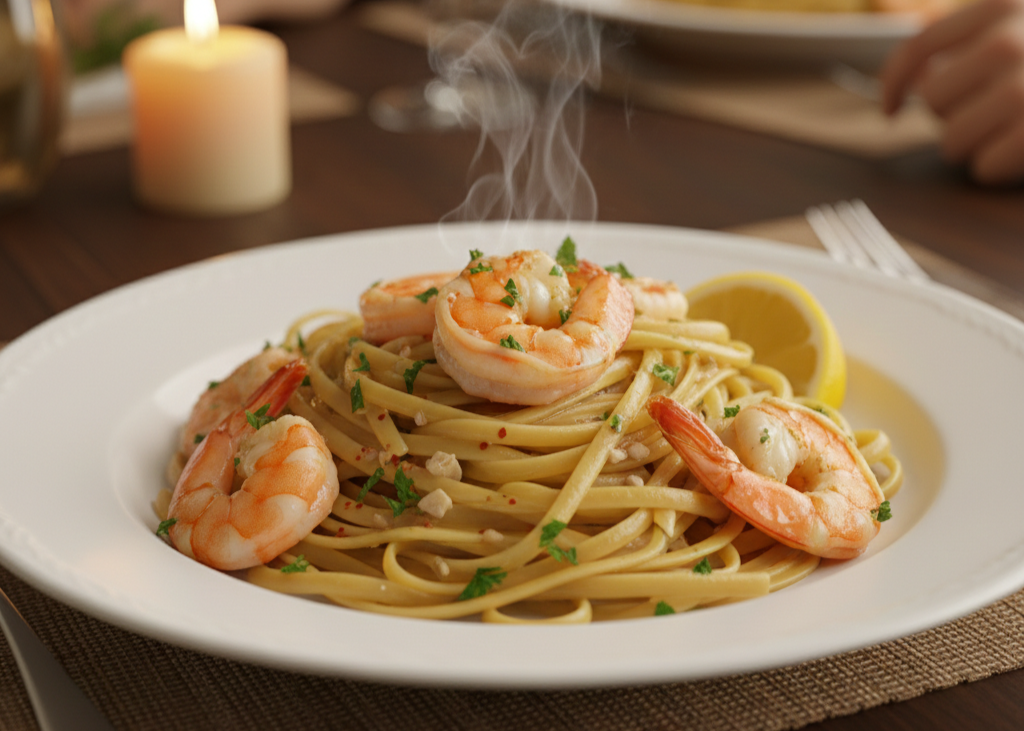
<p> Shrimp scampi is the kind of dish that feels fancy without trying too hard. Juicy shrimp cooked in garlic, butter, olive oil, lemon, and white wine create a sauce that is both comforting and bright. Tossed with linguine, it becomes a satisfying and shareable meal that encourages slowing down and savoring each bite. It is ideal for couples who appreciate classic flavors and want a dish that feels romantic but approachable. </p> :: Gemini

Shrimp scampi is the kind of dish that feels fancy without trying too hard. Juicy shrimp cooked in garlic, butter, olive oil, lemon, and white wine create a sauce that is both comforting and bright. Tossed with linguine, it becomes a satisfying and shareable meal that encourages slowing down and savoring each bite. It is ideal for couples who appreciate classic flavors and want a dish that feels romantic but approachable.

5. Heart-Shaped Pasta With Creamy Sauce
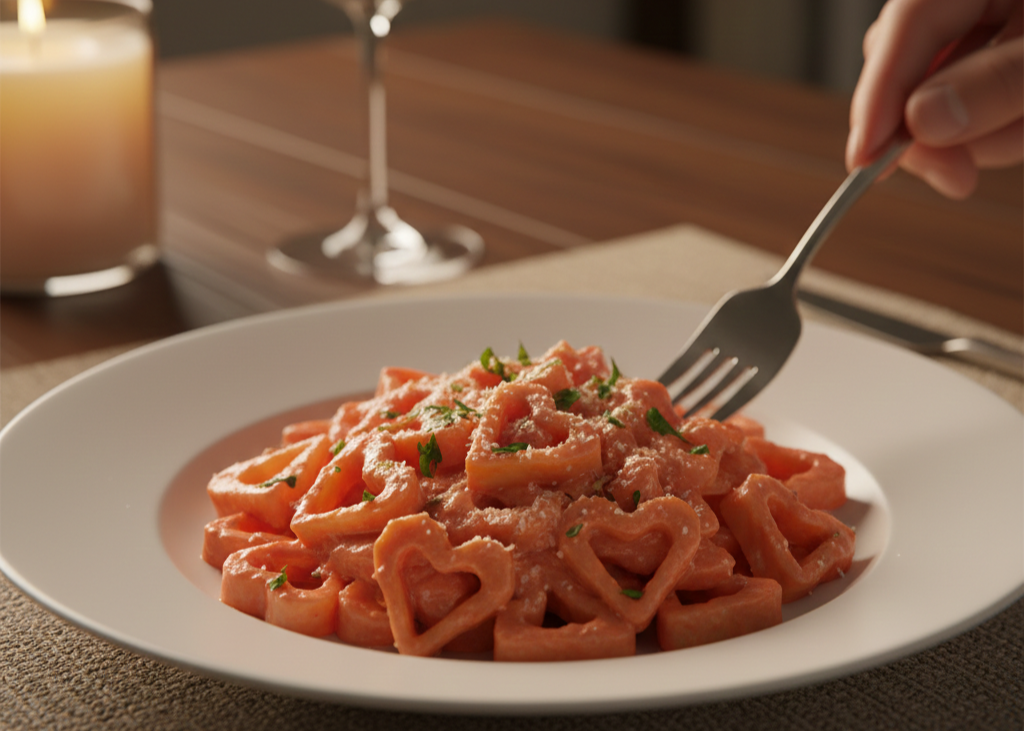
<p> Valentine’s Day is the perfect excuse to lean into a little fun. Heart-shaped pasta brings charm and playfulness to the table while still delivering a satisfying meal. Tossed in a creamy tomato or Alfredo-style sauce, this dish balances comfort and celebration. It is especially well-suited for couples who value warmth, humor, and a relaxed atmosphere over formal elegance. </p> :: Gemini

Valentine’s Day is the perfect excuse to lean into a little fun. Heart-shaped pasta brings charm and playfulness to the table while still delivering a satisfying meal. Tossed in a creamy tomato or Alfredo-style sauce, this dish balances comfort and celebration. It is especially well-suited for couples who value warmth, humor, and a relaxed atmosphere over formal elegance.

6. Chicken Piccata With Lemon and Capers
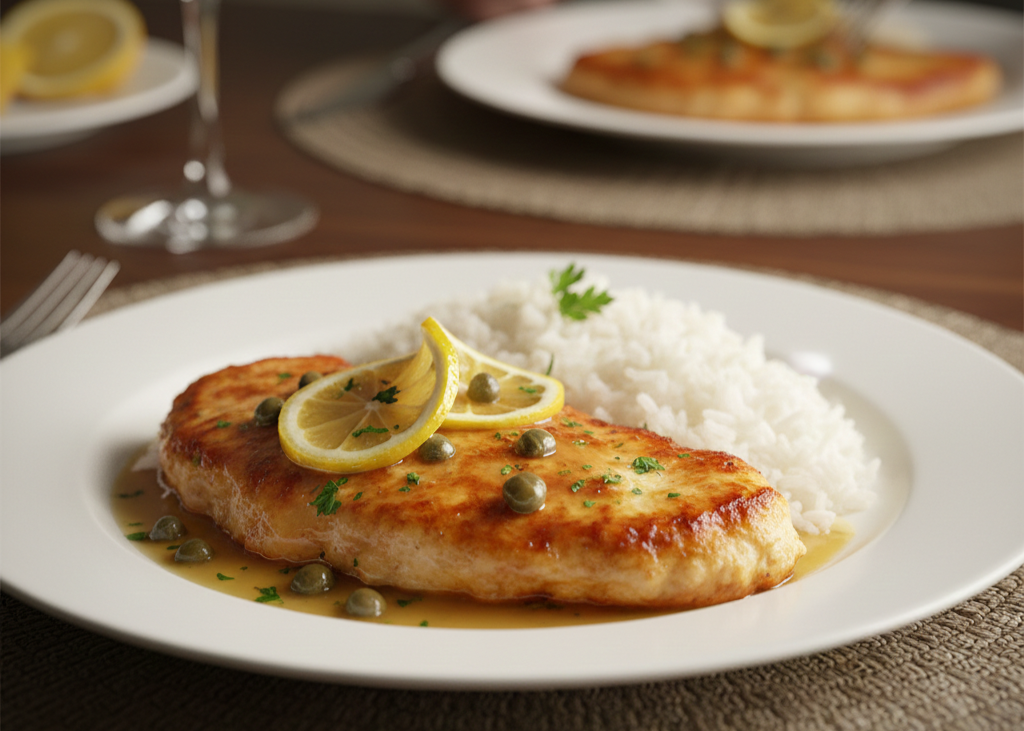
<p> Chicken piccata is a great example of how simple ingredients can create an elegant result. Lightly breaded chicken cutlets cooked in a lemon, butter, and caper sauce offer bright, zesty flavors that keep the meal from feeling heavy. This dish works well for Valentine’s Day because it feels refined while still being familiar and comforting. Serve it with pasta or rice to soak up the sauce and complete the experience. </p> :: Gemini

Chicken piccata is a great example of how simple ingredients can create an elegant result. Lightly breaded chicken cutlets cooked in a lemon, butter, and caper sauce offer bright, zesty flavors that keep the meal from feeling heavy. This dish works well for Valentine’s Day because it feels refined while still being familiar and comforting. Serve it with pasta or rice to soak up the sauce and complete the experience.

7. Creamy Mushroom Risotto With Truffle Oil
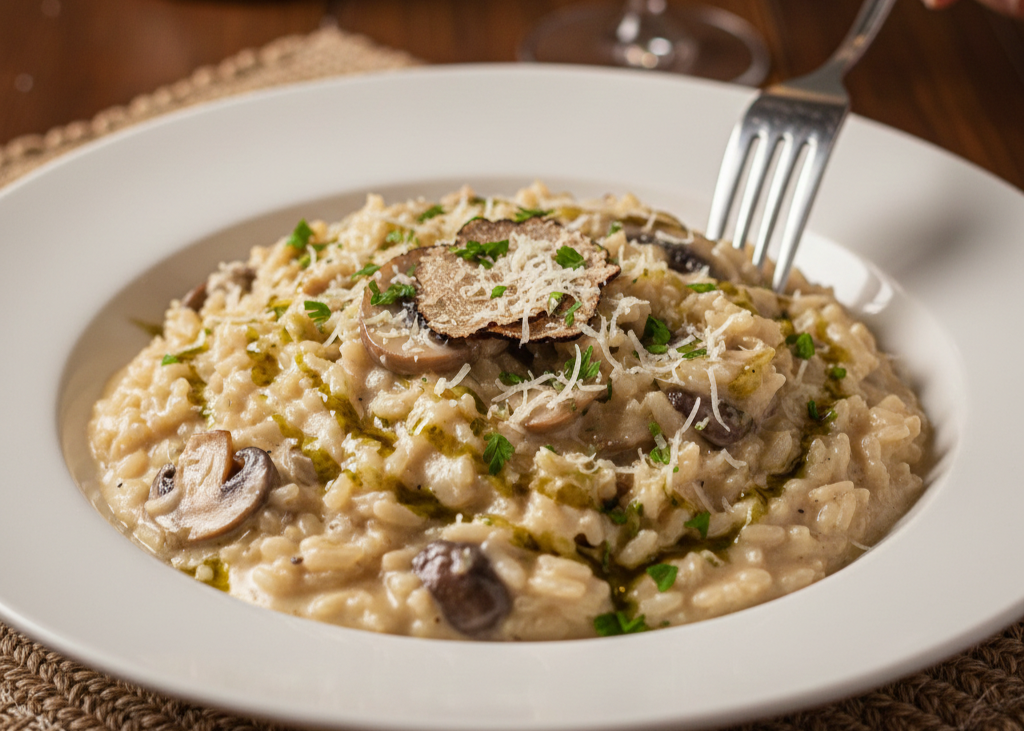
<p> Risotto is more than just a dish. It is an experience. The slow stirring, the gradual building of flavor, and the shared patience turn cooking into part of the evening itself. Mushroom risotto finished with a touch of truffle oil feels rich, earthy, and luxurious. It is ideal for couples who enjoy cooking together and appreciate meals that are meant to be savored rather than rushed. </p> :: Gemini

Risotto is more than just a dish. It is an experience. The slow stirring, the gradual building of flavor, and the shared patience turn cooking into part of the evening itself. Mushroom risotto finished with a touch of truffle oil feels rich, earthy, and luxurious. It is ideal for couples who enjoy cooking together and appreciate meals that are meant to be savored rather than rushed.

8. Honey Garlic Glazed Salmon
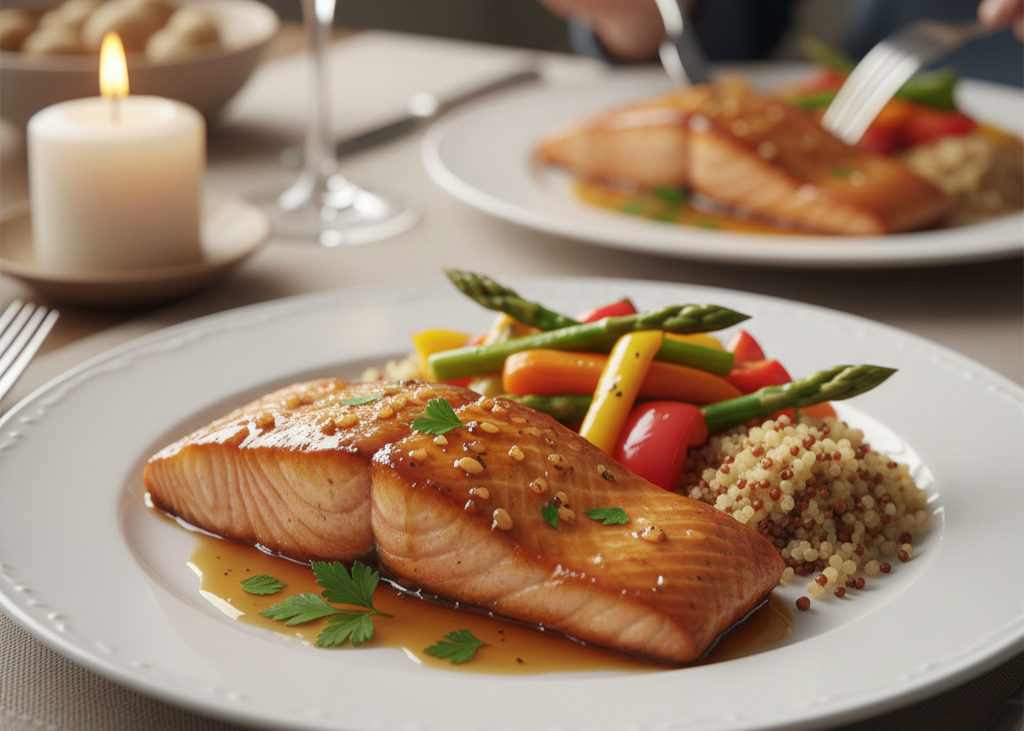
<p> For couples looking for a balance between indulgence and health-conscious choices, honey garlic glazed salmon is an excellent option. The sweetness of the honey paired with savory garlic creates a satisfying flavor that feels special without being overwhelming. This dish is quick to prepare and pairs well with roasted vegetables or grains, making it perfect for a Valentine’s dinner that feels thoughtful and nourishing. </p> :: Gemini

For couples looking for a balance between indulgence and health-conscious choices, honey garlic glazed salmon is an excellent option. The sweetness of the honey paired with savory garlic creates a satisfying flavor that feels special without being overwhelming. This dish is quick to prepare and pairs well with roasted vegetables or grains, making it perfect for a Valentine’s dinner that feels thoughtful and nourishing.

9. Sheet Pan Fish With Roasted Vegetables
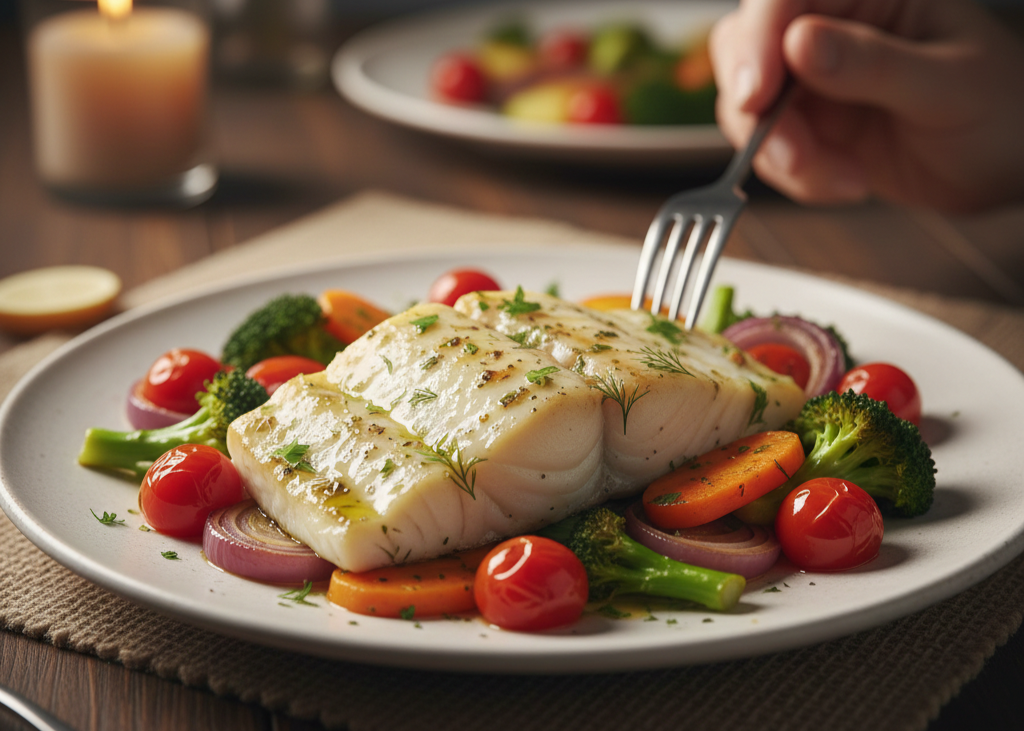
<p> Not every romantic dinner needs multiple courses or complicated preparation. A sheet pan fish dinner keeps things simple while still delivering fresh, vibrant flavors. Roasting fish alongside colorful vegetables with olive oil, herbs, and lemon creates a balanced meal with minimal cleanup. This option is ideal for couples who want to spend less time cooking and more time enjoying each other’s company. </p> :: Gemini

Not every romantic dinner needs multiple courses or complicated preparation. A sheet pan fish dinner keeps things simple while still delivering fresh, vibrant flavors. Roasting fish alongside colorful vegetables with olive oil, herbs, and lemon creates a balanced meal with minimal cleanup. This option is ideal for couples who want to spend less time cooking and more time enjoying each other’s company.

10. Cozy Paella for Two

<p> Paella turns dinner into a shared celebration. The fragrant rice, warm spices, and combination of seafood, chicken, or vegetables create a dish that feels festive and comforting at the same time. Cooking paella encourages teamwork and conversation, making it a great choice for couples who enjoy interactive meals. It is a wonderful way to slow down, share from one pan, and end the evening feeling connected. </p> :: Gemini

Paella turns dinner into a shared celebration. The fragrant rice, warm spices, and combination of seafood, chicken, or vegetables create a dish that feels festive and comforting at the same time. Cooking paella encourages teamwork and conversation, making it a great choice for couples who enjoy interactive meals. It is a wonderful way to slow down, share from one pan, and end the evening feeling connected.

Final Thoughts

<p> The best Valentine’s Day dinners are not about perfection or presentation alone. They are about intention, presence, and shared experience. A thoughtfully prepared meal at home allows you to create an atmosphere that feels personal and relaxed, free from distractions and expectations. Whether you choose steak, pasta, seafood, or a simple sheet pan meal, what matters most is the care behind it.

Valentine’s Day does not need to be extravagant to be meaningful. A warm kitchen, a favorite playlist, and a meal made with love often leave a deeper impression than any crowded restaurant ever could. Choose a dinner that feels realistic for you, set the mood in a way that feels natural, and allow the evening to unfold without pressure.

Those quiet moments, shared laughs, and simple gestures are what linger long after the plates are cleared. And in the end, that is what makes a Valentine’s Day dinner truly unforgettable. </p> :: Gemini

The best Valentine’s Day dinners are not about perfection or presentation alone. They are about intention, presence, and shared experience. A thoughtfully prepared meal at home allows you to create an atmosphere that feels personal and relaxed, free from distractions and expectations. Whether you choose steak, pasta, seafood, or a simple sheet pan meal, what matters most is the care behind it.

Valentine’s Day does not need to be extravagant to be meaningful. A warm kitchen, a favorite playlist, and a meal made with love often leave a deeper impression than any crowded restaurant ever could. Choose a dinner that feels realistic for you, set the mood in a way that feels natural, and allow the evening to unfold without pressure.

Those quiet moments, shared laughs, and simple gestures are what linger long after the plates are cleared. And in the end, that is what makes a Valentine’s Day dinner truly unforgettable.


Filed Under: Entertainment

7 Best Activities for Staying Active After 60 (No Marathon Required)

February 6, 2026 | Leave a Comment

7 Best Activities for Staying Active After 60 (No Marathon Required)

<p> Staying active after 60 is one of the best gifts you can give yourself. It boosts your energy, sharpens your mind, and helps you maintain independence — all while making life more enjoyable. But let’s be honest: not everyone dreams of running marathons or signing up for triathlons. If pounding the pavement isn’t your idea of fun, don’t worry! There are plenty of enjoyable, practical ways to keep moving that don’t require training like an athlete. Whether you’re a seasoned fitness enthusiast or just starting out, these seven activities are perfect for baby boomers who want to stay active without the pressure of high-impact workouts. </p> :: Pexels

Staying active after 60 is one of the best gifts you can give yourself. It boosts your energy, sharpens your mind, and helps you maintain independence — all while making life more enjoyable. But let’s be honest: not everyone dreams of running marathons or signing up for triathlons. If pounding the pavement isn’t your idea of fun, don’t worry! There are plenty of enjoyable, practical ways to keep moving that don’t require training like an athlete. Whether you’re a seasoned fitness enthusiast or just starting out, these seven activities are perfect for baby boomers who want to stay active without the pressure of high-impact workouts.

1. Walking — Your Friendly, Low-Impact Power Move

<p> Walking might sound basic, but that’s exactly what makes it so effective and accessible. It’s low-impact, requires no special equipment beyond good shoes, and you can do it anywhere — from your neighborhood to a scenic park or even indoors at the mall. Aim for brisk 30-minute walks most days of the week to improve cardiovascular health, strengthen muscles, and boost your mood. Plus, walking is a fantastic social activity. Invite a friend, join a local walking group, or even take a pet along for some extra motivation. The best part? You get all the health benefits without feeling like you’re “exercising.” </p> :: Pexels
Walking might sound basic, but that’s exactly what makes it so effective and accessible. It’s low-impact, requires no special equipment beyond good shoes, and you can do it anywhere — from your neighborhood to a scenic park or even indoors at the mall. Aim for brisk 30-minute walks most days of the week to improve cardiovascular health, strengthen muscles, and boost your mood. Plus, walking is a fantastic social activity. Invite a friend, join a local walking group, or even take a pet along for some extra motivation. The best part? You get all the health benefits without feeling like you’re “exercising.”


2. Water Aerobics — Fun, Refreshing, and Joint-Friendly

<p> If joint pain or arthritis slows you down, water aerobics can be a game-changer. Exercising in the pool reduces stress on your joints while providing resistance that tones muscles and improves flexibility. Many community centers and gyms offer water aerobics classes tailored for older adults, often set to upbeat music and led by encouraging instructors. You’ll find yourself laughing, splashing, and moving your body without the aches and pains that sometimes come with land workouts. And don’t underestimate the social perks — water classes are a great way to meet new people and enjoy a lively atmosphere. </p> :: Pexels

If joint pain or arthritis slows you down, water aerobics can be a game-changer. Exercising in the pool reduces stress on your joints while providing resistance that tones muscles and improves flexibility. Many community centers and gyms offer water aerobics classes tailored for older adults, often set to upbeat music and led by encouraging instructors. You’ll find yourself laughing, splashing, and moving your body without the aches and pains that sometimes come with land workouts. And don’t underestimate the social perks — water classes are a great way to meet new people and enjoy a lively atmosphere.

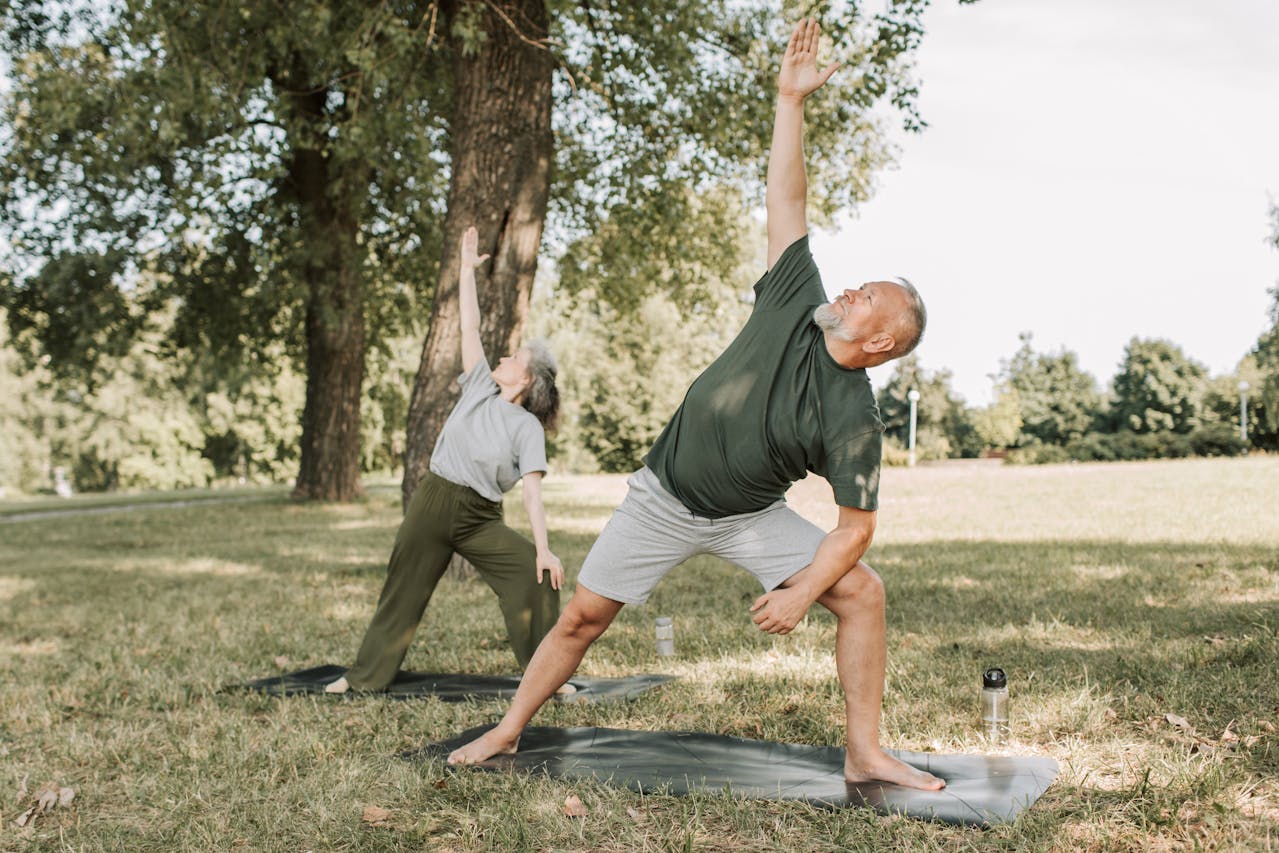
3. Tai Chi — The Gentle Martial Art with Big Benefits

<p> Tai Chi might look like slow, graceful dance moves, but this ancient Chinese martial art packs powerful health benefits for older adults. It focuses on balance, flexibility, and controlled breathing — all crucial for reducing fall risk and improving mental clarity. Regular Tai Chi practice has been shown to reduce stress, ease arthritis symptoms, and promote better sleep. Plus, it’s gentle enough for beginners and those with limited mobility. Many senior centers, gyms, and parks offer Tai Chi classes, or you can find online videos if you prefer practicing at home. It’s a wonderful way to nurture both your body and mind without breaking a sweat. </p> :: Pexels

Tai Chi might look like slow, graceful dance moves, but this ancient Chinese martial art packs powerful health benefits for older adults. It focuses on balance, flexibility, and controlled breathing — all crucial for reducing fall risk and improving mental clarity. Regular Tai Chi practice has been shown to reduce stress, ease arthritis symptoms, and promote better sleep. Plus, it’s gentle enough for beginners and those with limited mobility. Many senior centers, gyms, and parks offer Tai Chi classes, or you can find online videos if you prefer practicing at home. It’s a wonderful way to nurture both your body and mind without breaking a sweat.

4. Gardening — Cultivate Your Health and Happiness

<p> Gardening is often overlooked as an exercise, but it’s surprisingly physical and mentally rewarding. Digging, planting, weeding, and watering engage your arms, legs, and core muscles while getting you outside in the fresh air and sunshine. Plus, nurturing plants can boost your mood and reduce stress. Whether you have a sprawling backyard or just a few pots on the balcony, gardening can be customized to your energy level and mobility. Raised beds and container gardening make it easier for those with limited bending or kneeling ability. As a bonus, growing your own herbs and veggies can inspire healthier eating habits. </p> :: Pexels

Gardening is often overlooked as an exercise, but it’s surprisingly physical and mentally rewarding. Digging, planting, weeding, and watering engage your arms, legs, and core muscles while getting you outside in the fresh air and sunshine. Plus, nurturing plants can boost your mood and reduce stress. Whether you have a sprawling backyard or just a few pots on the balcony, gardening can be customized to your energy level and mobility. Raised beds and container gardening make it easier for those with limited bending or kneeling ability. As a bonus, growing your own herbs and veggies can inspire healthier eating habits.

5. Chair Yoga — Stretch, Strengthen, and Stay Comfortable

<p> Not a fan of floor exercises or worried about balance issues? Chair yoga offers a gentle, accessible way to improve flexibility, strength, and relaxation. Using a sturdy chair for support, you can enjoy many classic yoga poses that increase circulation, ease stiffness, and reduce tension without risking falls. Chair yoga classes or videos often incorporate breathing techniques and meditation, which are great for managing stress and enhancing well-being. It’s perfect for anyone looking for a calm, restorative form of movement that fits into daily life — no yoga mat or gym membership needed. </p> :: Freepik

Not a fan of floor exercises or worried about balance issues? Chair yoga offers a gentle, accessible way to improve flexibility, strength, and relaxation. Using a sturdy chair for support, you can enjoy many classic yoga poses that increase circulation, ease stiffness, and reduce tension without risking falls. Chair yoga classes or videos often incorporate breathing techniques and meditation, which are great for managing stress and enhancing well-being. It’s perfect for anyone looking for a calm, restorative form of movement that fits into daily life — no yoga mat or gym membership needed.

6. Dancing — Turn Up the Music and Feel Alive

<p> Dancing is an energizing way to get moving that feels more like a party than a workout. Whether it’s ballroom, line dancing, salsa, or just grooving to your favorite tunes at home, dancing improves cardiovascular fitness, coordination, and balance. It also triggers the release of feel-good endorphins and sparks social connection. Local community centers and dance studios often offer beginner classes specifically for older adults, making it easy to learn new steps and meet people. No matter your skill level, dancing lets you express yourself, have fun, and stay active in a way that feels joyful — no marathon training required. </p> :: Pexels

Dancing is an energizing way to get moving that feels more like a party than a workout. Whether it’s ballroom, line dancing, salsa, or just grooving to your favorite tunes at home, dancing improves cardiovascular fitness, coordination, and balance. It also triggers the release of feel-good endorphins and sparks social connection. Local community centers and dance studios often offer beginner classes specifically for older adults, making it easy to learn new steps and meet people. No matter your skill level, dancing lets you express yourself, have fun, and stay active in a way that feels joyful — no marathon training required.

7. Strength Training with Light Weights — Build Muscle and Confidence

<p> Maintaining muscle mass is essential as we age, helping to support joints, improve balance, and keep everyday tasks easier. Strength training with light weights or resistance bands can be done safely at home or in a gym setting and doesn’t mean heavy lifting or intimidating gym machines. Focus on exercises that target major muscle groups two to three times per week, using manageable weights that let you complete 8-15 repetitions comfortably. Start slow and gradually increase resistance to build strength, endurance, and confidence. Not only will you feel stronger physically, but boosting your muscle tone can also increase your metabolism and energy levels. </p> :: Pexels

Maintaining muscle mass is essential as we age, helping to support joints, improve balance, and keep everyday tasks easier. Strength training with light weights or resistance bands can be done safely at home or in a gym setting and doesn’t mean heavy lifting or intimidating gym machines. Focus on exercises that target major muscle groups two to three times per week, using manageable weights that let you complete 8-15 repetitions comfortably. Start slow and gradually increase resistance to build strength, endurance, and confidence. Not only will you feel stronger physically, but boosting your muscle tone can also increase your metabolism and energy levels.

Final Thoughts

<p> The key to staying active after 60 is finding activities you genuinely enjoy — no marathon medals required. Whether it’s walking with a friend, swaying to music, or tending your garden, moving your body regularly will improve your health, mood, and quality of life. Remember, consistency beats intensity every time. Start where you are, listen to your body, and celebrate small wins along the way. Your future self will thank you for making activity a joyful, sustainable part of your everyday routine. Ready to get moving? Pick one (or more) of these activities and start enjoying the benefits today. Staying active is not about pushing limits but embracing life fully, at your own pace. </p> :: Pexels

The key to staying active after 60 is finding activities you genuinely enjoy — no marathon medals required. Whether it’s walking with a friend, swaying to music, or tending your garden, moving your body regularly will improve your health, mood, and quality of life. Remember, consistency beats intensity every time. Start where you are, listen to your body, and celebrate small wins along the way. Your future self will thank you for making activity a joyful, sustainable part of your everyday routine.

Ready to get moving? Pick one (or more) of these activities and start enjoying the benefits today. Staying active is not about pushing limits but embracing life fully, at your own pace.

Filed Under: Health & Fitness

7 Natural Ways to Manage Stress Without a Prescription

February 6, 2026 | Leave a Comment

7 Natural Ways to Manage Stress Without a Prescription

<p> Let’s face it—stress isn’t just for the young and restless. For many baby boomers, the so-called “golden years” come with their own set of pressures: managing health changes, helping adult children (and sometimes grandchildren), adjusting to retirement, and navigating a fast-paced, ever-changing world. The truth? Life doesn’t slow down after 50—it just shifts gears. And with that shift comes the need for new ways to care for your mental and emotional health. While some folks reach for prescriptions to take the edge off, that’s not the only option. There are many natural, practical, and surprisingly simple ways to manage stress that don’t require a trip to the pharmacy. In fact, most of them are free and easy to fit into your daily routine. If you're looking to feel more grounded, focused, and peaceful—without popping a pill—here are 7 tried-and-true ways to manage stress naturally, tailored for boomers who want real-life solutions that work. </p> :: Pexels

Let’s face it—stress isn’t just for the young and restless. For many baby boomers, the so-called “golden years” come with their own set of pressures: managing health changes, helping adult children (and sometimes grandchildren), adjusting to retirement, and navigating a fast-paced, ever-changing world. The truth? Life doesn’t slow down after 50—it just shifts gears. And with that shift comes the need for new ways to care for your mental and emotional health.

While some folks reach for prescriptions to take the edge off, that’s not the only option. There are many natural, practical, and surprisingly simple ways to manage stress that don’t require a trip to the pharmacy. In fact, most of them are free and easy to fit into your daily routine.

If you’re looking to feel more grounded, focused, and peaceful—without popping a pill—here are 7 tried-and-true ways to manage stress naturally, tailored for boomers who want real-life solutions that work.

1. Take a Walk—Your Brain Will Thank You

<p> You don’t need to train for a marathon to get the mental benefits of walking. A brisk 20–30 minute walk, especially outdoors, does wonders for reducing stress hormones and boosting mood-enhancing endorphins. Nature walks are particularly powerful—they help calm a racing mind and give you a moment to unplug. Walking also improves circulation, balance, and joint health, making it an ideal activity for older adults. Try making it a daily ritual—early mornings or late afternoons are great times to move your body and clear your head. If you have a walking buddy, even better! Shared steps and good conversation are a winning combo. </p> :: Pexels

You don’t need to train for a marathon to get the mental benefits of walking. A brisk 20–30 minute walk, especially outdoors, does wonders for reducing stress hormones and boosting mood-enhancing endorphins. Nature walks are particularly powerful—they help calm a racing mind and give you a moment to unplug.

Walking also improves circulation, balance, and joint health, making it an ideal activity for older adults. Try making it a daily ritual—early mornings or late afternoons are great times to move your body and clear your head. If you have a walking buddy, even better! Shared steps and good conversation are a winning combo.

2. Master the Power of Deep Breathing

<p> It sounds almost too simple to be effective—but deep breathing is one of the quickest ways to turn down the volume on stress. When you’re anxious or overwhelmed, your breathing becomes shallow and rapid, which signals danger to your brain. Deep, slow breaths flip that signal and tell your body it’s safe. Try the 4-4-6 technique: inhale through your nose for 4 seconds, hold for 4 seconds, then exhale through your mouth for 6 seconds. Do this for 3–5 minutes, and you’ll feel more centered and calm. You can practice deep breathing in line at the store, during TV commercials, or even when you're lying in bed trying to fall asleep. </p> :: Pexels

It sounds almost too simple to be effective—but deep breathing is one of the quickest ways to turn down the volume on stress. When you’re anxious or overwhelmed, your breathing becomes shallow and rapid, which signals danger to your brain. Deep, slow breaths flip that signal and tell your body it’s safe.

Try the 4-4-6 technique: inhale through your nose for 4 seconds, hold for 4 seconds, then exhale through your mouth for 6 seconds. Do this for 3–5 minutes, and you’ll feel more centered and calm. You can practice deep breathing in line at the store, during TV commercials, or even when you’re lying in bed trying to fall asleep.

3. Declutter Your Space to Declutter Your Mind

<p> Clutter isn’t just a visual nuisance—it’s a sneaky source of stress. A crowded countertop, an overflowing closet, or that stack of unopened mail can make your mind feel just as cluttered. Studies show that disorganization in your environment can increase cortisol levels, making it harder to relax and think clearly. Start small. Pick one drawer, shelf, or corner and spend 15 minutes tidying it up. You don’t need to Marie Kondo your entire house—just create a few peaceful, organized zones. A cleaner space promotes a calmer mind, and that fresh, open feeling is like a breath of fresh air for your soul. </p> :: Pexels

Clutter isn’t just a visual nuisance—it’s a sneaky source of stress. A crowded countertop, an overflowing closet, or that stack of unopened mail can make your mind feel just as cluttered. Studies show that disorganization in your environment can increase cortisol levels, making it harder to relax and think clearly.

Start small. Pick one drawer, shelf, or corner and spend 15 minutes tidying it up. You don’t need to Marie Kondo your entire house—just create a few peaceful, organized zones. A cleaner space promotes a calmer mind, and that fresh, open feeling is like a breath of fresh air for your soul.

4. Unplug from the News (Yes, You Can Still Stay Informed)

<p> While it’s good to be aware of what’s going on in the world, constantly tuning into the 24/7 news cycle can crank up your anxiety. It’s often a stream of bad news, urgent alerts, and divisive commentary—and your brain absorbs all of that as danger signals. Try limiting your news intake to once or twice a day from a trusted source. Avoid watching the news right before bed, and give yourself permission to take a “media detox” now and then. Fill that space with music, audiobooks, podcasts, or even just quiet time. Remember, staying informed is good—but your peace of mind is better. </p> :: Pexels

While it’s good to be aware of what’s going on in the world, constantly tuning into the 24/7 news cycle can crank up your anxiety. It’s often a stream of bad news, urgent alerts, and divisive commentary—and your brain absorbs all of that as danger signals.

Try limiting your news intake to once or twice a day from a trusted source. Avoid watching the news right before bed, and give yourself permission to take a “media detox” now and then. Fill that space with music, audiobooks, podcasts, or even just quiet time. Remember, staying informed is good—but your peace of mind is better.

5. Stretch and Flow with Yoga or Tai Chi

<p> You don’t need to be super flexible or wear spandex to enjoy the benefits of gentle movement practices like yoga or tai chi. These slow, flowing exercises combine stretching, breathing, and focused attention—all of which are proven to reduce stress and promote relaxation. Yoga helps release tension from your muscles and your mind, while tai chi is often described as “meditation in motion.” Both are ideal for improving balance, flexibility, and mindfulness. Many senior centers and online platforms offer beginner-friendly classes that can be done from the comfort of your home. Even 10–15 minutes a day can help you feel more grounded and less frazzled. </p> :: Pexels

You don’t need to be super flexible or wear spandex to enjoy the benefits of gentle movement practices like yoga or tai chi. These slow, flowing exercises combine stretching, breathing, and focused attention—all of which are proven to reduce stress and promote relaxation.

Yoga helps release tension from your muscles and your mind, while tai chi is often described as “meditation in motion.” Both are ideal for improving balance, flexibility, and mindfulness. Many senior centers and online platforms offer beginner-friendly classes that can be done from the comfort of your home. Even 10–15 minutes a day can help you feel more grounded and less frazzled.

6. Lean on Laughter and Connection

<p> Laughter really is medicine. It reduces stress hormones, boosts immune function, and increases feel-good chemicals like dopamine and serotonin. Whether you’re watching a classic comedy, chatting with a funny friend, or telling old family stories, laughing regularly can dramatically improve your emotional health. But connection goes deeper than just sharing a joke. Social support is one of the strongest buffers against stress. Call a friend, join a group, or meet someone for coffee—even short interactions can give you that much-needed emotional lift. And if you’re dealing with something heavy, simply talking it out with someone who listens can help lighten the load. </p> :: Pexels

Laughter really is medicine. It reduces stress hormones, boosts immune function, and increases feel-good chemicals like dopamine and serotonin. Whether you’re watching a classic comedy, chatting with a funny friend, or telling old family stories, laughing regularly can dramatically improve your emotional health.

But connection goes deeper than just sharing a joke. Social support is one of the strongest buffers against stress. Call a friend, join a group, or meet someone for coffee—even short interactions can give you that much-needed emotional lift. And if you’re dealing with something heavy, simply talking it out with someone who listens can help lighten the load.

7. Practice Daily Gratitude to Shift Your Perspective

<p> When life gets stressful, it’s easy to focus on what’s going wrong. But choosing to notice what’s going right can completely change how you feel. A simple daily gratitude practice—writing down 3 things you're thankful for—can lower stress, increase optimism, and even improve sleep. Gratitude helps train your brain to look for the good, even on difficult days. It might be the smile from your grandchild, a favorite meal, or just the comfort of your morning coffee. Over time, this habit rewires your outlook and builds emotional resilience. Start or end your day with this simple practice, and see how it helps create more peace, patience, and perspective. </p> :: Pexels

When life gets stressful, it’s easy to focus on what’s going wrong. But choosing to notice what’s going right can completely change how you feel. A simple daily gratitude practice—writing down 3 things you’re thankful for—can lower stress, increase optimism, and even improve sleep.

Gratitude helps train your brain to look for the good, even on difficult days. It might be the smile from your grandchild, a favorite meal, or just the comfort of your morning coffee. Over time, this habit rewires your outlook and builds emotional resilience. Start or end your day with this simple practice, and see how it helps create more peace, patience, and perspective.

Final Thoughts

<p> Life after 50 can be rich, meaningful—and yes, occasionally stressful. But here’s the truth: you’re not at the mercy of stress, and you don’t need a prescription to manage it. With a few intentional habits and small daily choices, you can build a life that feels more balanced, joyful, and in control. These seven natural strategies aren’t just quick fixes—they’re tools for building long-term emotional well-being. Start with one or two that feel manageable and enjoyable, and give yourself time to make them part of your routine. You’ve made it this far with grit and grace—now’s the time to embrace calm and contentment. So take that walk, clear that drawer, and breathe a little deeper. You’ve got this! </p> :: Pexels

Life after 50 can be rich, meaningful—and yes, occasionally stressful. But here’s the truth: you’re not at the mercy of stress, and you don’t need a prescription to manage it. With a few intentional habits and small daily choices, you can build a life that feels more balanced, joyful, and in control.

These seven natural strategies aren’t just quick fixes—they’re tools for building long-term emotional well-being. Start with one or two that feel manageable and enjoyable, and give yourself time to make them part of your routine. You’ve made it this far with grit and grace—now’s the time to embrace calm and contentment. So take that walk, clear that drawer, and breathe a little deeper. You’ve got this!

Filed Under: Health & Fitness

10 DIY Car Maintenance Tips to Save You Hundreds

February 6, 2026 | Leave a Comment

10 DIY Car Maintenance Tips to Save You Hundreds

<p> Owning a car can be expensive, with ongoing costs for fuel, insurance, and routine maintenance. While some repairs require professional help, many simple car maintenance tasks can be done yourself, saving you hundreds of dollars on labor fees. By investing a little time and effort, you can handle a variety of repairs and upkeep without breaking the bank. Here are 10 DIY car maintenance tips that will help you keep your car running smoothly and save money in the process. </p> :: Pexels

Owning a car can be expensive, with ongoing costs for fuel, insurance, and routine maintenance. While some repairs require professional help, many simple car maintenance tasks can be done yourself, saving you hundreds of dollars on labor fees. By investing a little time and effort, you can handle a variety of repairs and upkeep without breaking the bank. Here are 10 DIY car maintenance tips that will help you keep your car running smoothly and save money in the process.

1. Change Your Oil Regularly

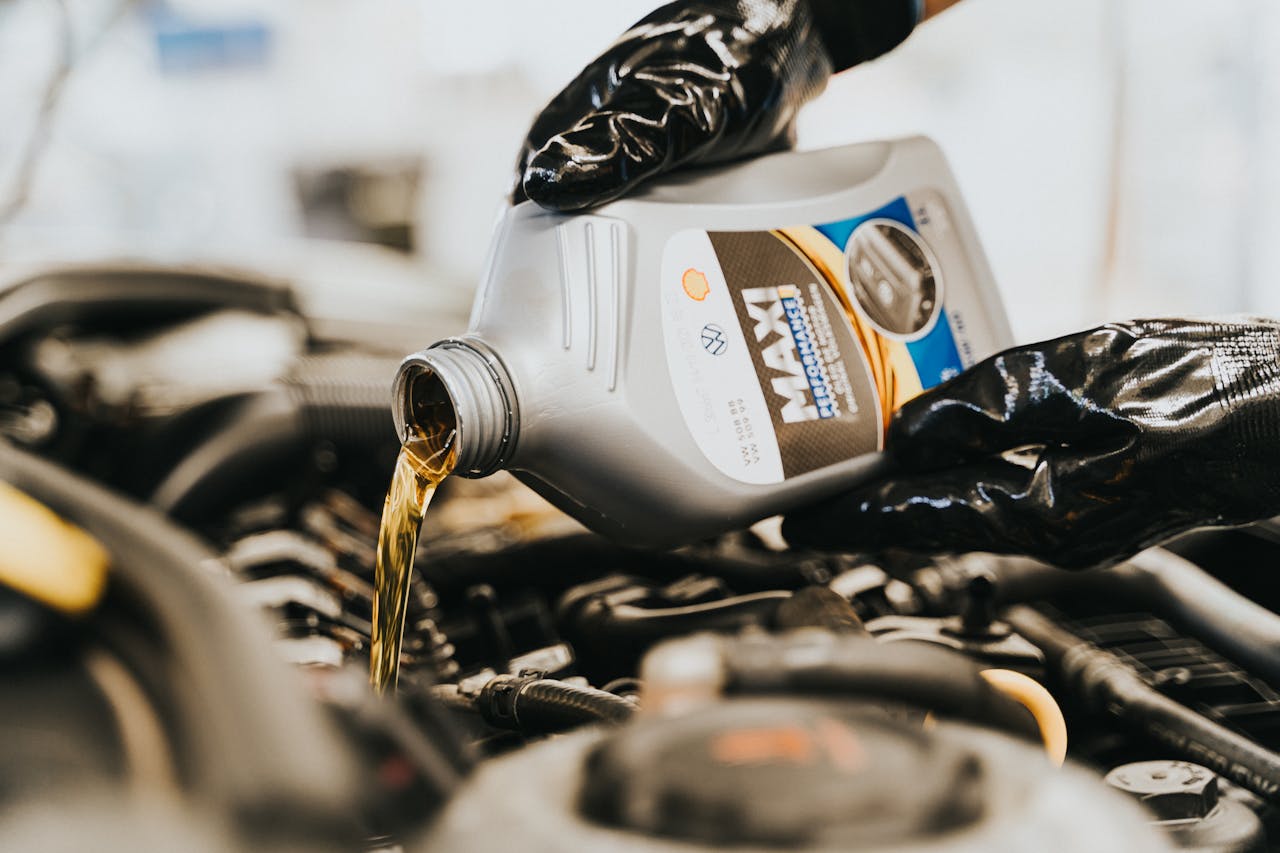
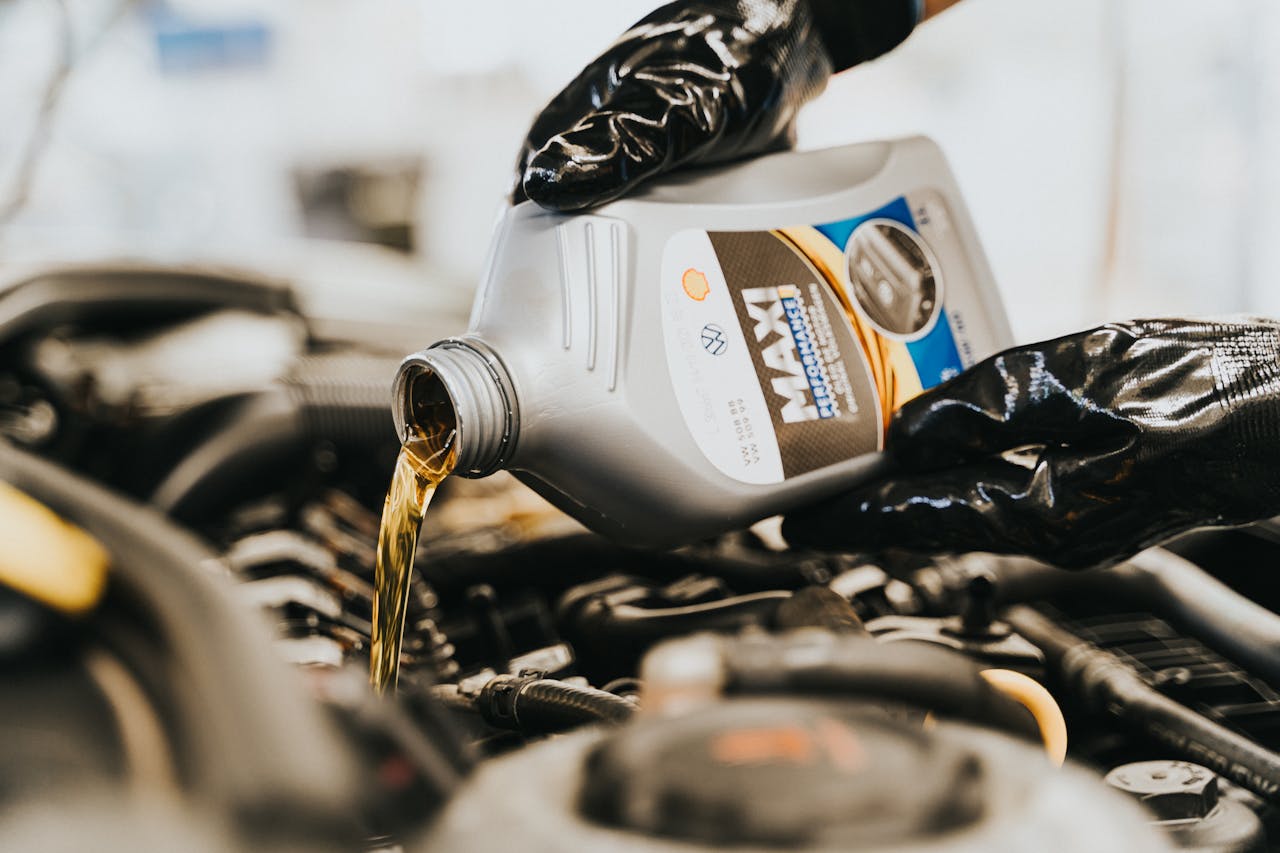
<p> Changing your car’s oil is one of the most crucial maintenance tasks to keep your engine running smoothly. Over time, oil breaks down and loses its ability to lubricate engine parts effectively, which can lead to engine damage. By changing your oil yourself, you can save between $20 and $50 compared to paying for a professional oil change. All you need is the right oil, an oil filter, and some basic tools like a drain pan and a wrench. Be sure to follow your car's manual for the correct oil type and change intervals to keep your engine in top condition. </p> :: Pexels

Changing your car’s oil is one of the most crucial maintenance tasks to keep your engine running smoothly. Over time, oil breaks down and loses its ability to lubricate engine parts effectively, which can lead to engine damage. By changing your oil yourself, you can save between $20 and $50 compared to paying for a professional oil change. All you need is the right oil, an oil filter, and some basic tools like a drain pan and a wrench. Be sure to follow your car’s manual for the correct oil type and change intervals to keep your engine in top condition.

2. Replace Air Filters

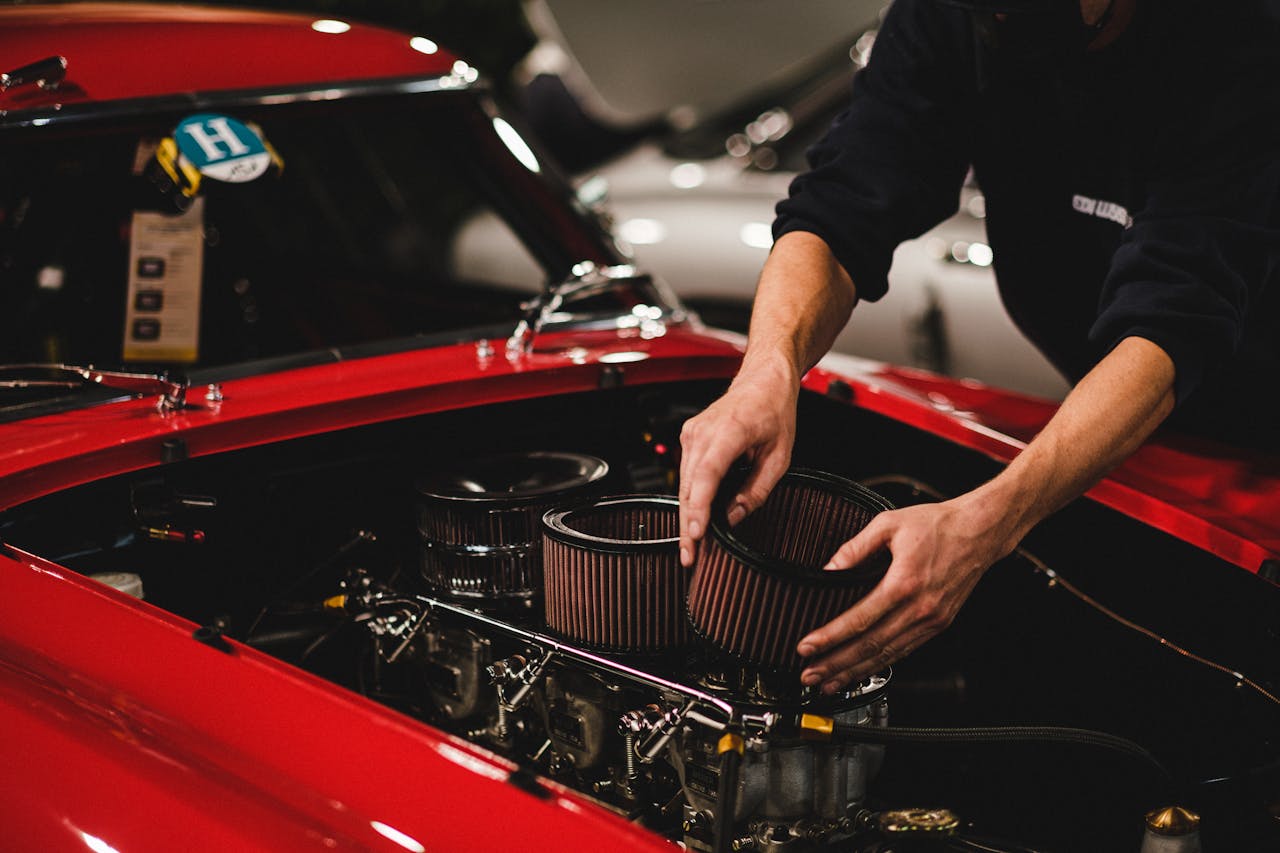
<p> A clogged air filter can reduce your engine's performance and fuel efficiency. Replacing the air filter is an easy and inexpensive task that can improve your car’s gas mileage and engine health. Air filters typically cost between $10 and $20, and the replacement process is simple. Just locate the filter compartment, remove the old filter, and install a new one. Changing the air filter every 12,000 to 15,000 miles will help your engine run more efficiently and save you money at the gas pump. </p> :: Pexels

A clogged air filter can reduce your engine’s performance and fuel efficiency. Replacing the air filter is an easy and inexpensive task that can improve your car’s gas mileage and engine health. Air filters typically cost between $10 and $20, and the replacement process is simple. Just locate the filter compartment, remove the old filter, and install a new one. Changing the air filter every 12,000 to 15,000 miles will help your engine run more efficiently and save you money at the gas pump.

3. Rotate Your Tires

<p> Rotating your tires is essential for ensuring even wear and extending the lifespan of your tires. If you neglect tire rotation, you may experience premature tire wear, which could lead to costly replacements. The process is straightforward: lift your car with a jack, remove the tires, and swap their positions according to the manufacturer’s instructions. You can perform this task every 6,000 to 8,000 miles, which is the typical interval for tire rotations. Not only will this DIY task save you money on labor costs, but it will also help your tires last longer, giving you better value for your money. </p> :: Pexels

Rotating your tires is essential for ensuring even wear and extending the lifespan of your tires. If you neglect tire rotation, you may experience premature tire wear, which could lead to costly replacements. The process is straightforward: lift your car with a jack, remove the tires, and swap their positions according to the manufacturer’s instructions. You can perform this task every 6,000 to 8,000 miles, which is the typical interval for tire rotations. Not only will this DIY task save you money on labor costs, but it will also help your tires last longer, giving you better value for your money.

4. Check and Replace Brake Pads

<p> Brake pads are vital to your car’s safety, and replacing them on time is essential to avoid costly repairs. Worn brake pads can reduce your car’s stopping power, putting you at risk of accidents and causing damage to the brake rotors. Thankfully, replacing brake pads is a simple DIY job. With basic tools like a jack, jack stands, and a lug wrench, you can replace the pads yourself and save hundreds of dollars on labor. Brake pads typically cost between $30 and $100, and replacing them regularly will keep your car’s braking system in good working order. </p> :: Pexels

Brake pads are vital to your car’s safety, and replacing them on time is essential to avoid costly repairs. Worn brake pads can reduce your car’s stopping power, putting you at risk of accidents and causing damage to the brake rotors. Thankfully, replacing brake pads is a simple DIY job. With basic tools like a jack, jack stands, and a lug wrench, you can replace the pads yourself and save hundreds of dollars on labor. Brake pads typically cost between $30 and $100, and replacing them regularly will keep your car’s braking system in good working order.

5. Replace Windshield Wipers

<p> Windshield wipers are often overlooked but are essential for maintaining clear visibility during rain or snow. Over time, wipers can become cracked, torn, or ineffective at clearing your windshield. Replacing them is quick and inexpensive, with wiper blades typically costing between $10 and $30 for a pair. The replacement process is simple: just lift the wiper arm and snap off the old blades, then install the new ones. Replacing your wipers every six months will ensure you always have clear visibility, preventing dangerous driving conditions caused by poor weather. </p> :: Pexels

Windshield wipers are often overlooked but are essential for maintaining clear visibility during rain or snow. Over time, wipers can become cracked, torn, or ineffective at clearing your windshield. Replacing them is quick and inexpensive, with wiper blades typically costing between $10 and $30 for a pair. The replacement process is simple: just lift the wiper arm and snap off the old blades, then install the new ones. Replacing your wipers every six months will ensure you always have clear visibility, preventing dangerous driving conditions caused by poor weather.

6. Change Your Spark Plugs

<p> Spark plugs are responsible for igniting the fuel in your engine. When they wear out, your engine may misfire, leading to poor performance and reduced fuel efficiency. Replacing spark plugs is a relatively easy task that can save you money and improve your car’s performance. To do this, you’ll need a spark plug socket and a torque wrench. Spark plugs typically cost between $5 and $20 each, and replacing them yourself can save you hundreds of dollars compared to paying for a professional service. Be sure to replace spark plugs every 30,000 to 100,000 miles, depending on your car's make and model. </p> :: DALL-E

Spark plugs are responsible for igniting the fuel in your engine. When they wear out, your engine may misfire, leading to poor performance and reduced fuel efficiency. Replacing spark plugs is a relatively easy task that can save you money and improve your car’s performance. To do this, you’ll need a spark plug socket and a torque wrench. Spark plugs typically cost between $5 and $20 each, and replacing them yourself can save you hundreds of dollars compared to paying for a professional service. Be sure to replace spark plugs every 30,000 to 100,000 miles, depending on your car’s make and model.

7. Maintain Your Battery

<p> A dead battery is a common cause of car breakdowns, but with proper maintenance, you can extend its life and avoid the hassle of being stranded. Regularly check the battery terminals for corrosion and clean them with a mixture of baking soda and water. You can also use a voltmeter to check the battery’s charge. If your battery is more than three years old, consider replacing it yourself. A new battery typically costs between $50 and $150, and replacing it is a relatively simple task with the right tools. Keeping your battery terminals clean and ensuring the battery is charged will help you avoid expensive roadside assistance fees. </p> :: Pexels

A dead battery is a common cause of car breakdowns, but with proper maintenance, you can extend its life and avoid the hassle of being stranded. Regularly check the battery terminals for corrosion and clean them with a mixture of baking soda and water. You can also use a voltmeter to check the battery’s charge. If your battery is more than three years old, consider replacing it yourself. A new battery typically costs between $50 and $150, and replacing it is a relatively simple task with the right tools. Keeping your battery terminals clean and ensuring the battery is charged will help you avoid expensive roadside assistance fees.

8. Flush Your Radiator

<p> Your car’s radiator is essential for keeping the engine cool, preventing overheating. Over time, the coolant can become dirty and lose its effectiveness. Flushing your radiator and replacing the coolant is an important maintenance task that can prevent engine damage. You’ll need to drain the old coolant, flush the radiator with water, and refill it with the appropriate coolant. This task is simple to perform at home and can save you from costly repairs due to overheating. Be sure to use the correct coolant type and follow your car's manual for the recommended intervals. </p> :: Pexels

Your car’s radiator is essential for keeping the engine cool, preventing overheating. Over time, the coolant can become dirty and lose its effectiveness. Flushing your radiator and replacing the coolant is an important maintenance task that can prevent engine damage. You’ll need to drain the old coolant, flush the radiator with water, and refill it with the appropriate coolant. This task is simple to perform at home and can save you from costly repairs due to overheating. Be sure to use the correct coolant type and follow your car’s manual for the recommended intervals.

9. Inspect and Replace Belts and Hoses

<p> Belts and hoses are responsible for running critical systems in your car, such as the engine, power steering, and air conditioning. Over time, these components can wear out, crack, or break, leading to costly repairs if not addressed. Inspect your belts and hoses regularly for signs of wear, such as cracks, fraying, or leaks. Replacing a worn-out belt or hose is relatively easy with basic tools, and doing so yourself can save you hundreds of dollars. It’s recommended to replace belts and hoses every 60,000 miles or sooner if you notice any signs of damage. </p> :: Pexels

Belts and hoses are responsible for running critical systems in your car, such as the engine, power steering, and air conditioning. Over time, these components can wear out, crack, or break, leading to costly repairs if not addressed. Inspect your belts and hoses regularly for signs of wear, such as cracks, fraying, or leaks. Replacing a worn-out belt or hose is relatively easy with basic tools, and doing so yourself can save you hundreds of dollars. It’s recommended to replace belts and hoses every 60,000 miles or sooner if you notice any signs of damage.

10. Check Fluid Levels

<p> Maintaining the correct fluid levels is crucial for your car’s performance and longevity. Fluids like engine oil, transmission fluid, brake fluid, power steering fluid, and coolant all need to be checked regularly to ensure they’re at optimal levels. Checking and topping off fluids is an easy DIY task that can prevent major engine or transmission issues. It only takes a few minutes, and keeping your fluids in check can save you from expensive repairs down the road. Make it a habit to check your fluid levels every month to keep your car running smoothly. </p> :: Pexels

Maintaining the correct fluid levels is crucial for your car’s performance and longevity. Fluids like engine oil, transmission fluid, brake fluid, power steering fluid, and coolant all need to be checked regularly to ensure they’re at optimal levels. Checking and topping off fluids is an easy DIY task that can prevent major engine or transmission issues. It only takes a few minutes, and keeping your fluids in check can save you from expensive repairs down the road. Make it a habit to check your fluid levels every month to keep your car running smoothly.

Final Thoughts

<p> Car maintenance doesn’t have to be expensive. By performing these simple DIY tasks, you can save hundreds of dollars on labor fees while keeping your vehicle in top condition. Whether you're changing the oil, rotating the tires, or replacing brake pads, these tasks are easy to do at home with the right tools and a little time. Regular maintenance will help your car run smoothly, improve fuel efficiency, and extend its lifespan. By taking charge of your car’s upkeep, you’ll not only save money but also avoid costly repairs in the future. </p> :: Pexels

Car maintenance doesn’t have to be expensive. By performing these simple DIY tasks, you can save hundreds of dollars on labor fees while keeping your vehicle in top condition. Whether you’re changing the oil, rotating the tires, or replacing brake pads, these tasks are easy to do at home with the right tools and a little time. Regular maintenance will help your car run smoothly, improve fuel efficiency, and extend its lifespan. By taking charge of your car’s upkeep, you’ll not only save money but also avoid costly repairs in the future.

Filed Under: Autos

12 Life Lessons Baby Boomers Got Right That We’re Finally Learning

February 6, 2026 | Leave a Comment

12 Life Lessons Baby Boomers Got Right That We’re Finally Embracing

<p> Baby Boomers, born between 1946 and 1964, have lived through countless changes in society, technology, and culture. While the world around them evolved, they held onto certain timeless values that continue to shape their lives. Today, younger generations are beginning to recognize the importance of these lessons. As we face our own challenges, we’re finally understanding the wisdom behind the practices that Baby Boomers embraced. Here are 12 life lessons Baby Boomers got right that we’re only now beginning to appreciate and adopt. </p> :: Pexels

Baby Boomers, born between 1946 and 1964, have lived through countless changes in society, technology, and culture. While the world around them evolved, they held onto certain timeless values that continue to shape their lives. Today, younger generations are beginning to recognize the importance of these lessons. As we face our own challenges, we’re finally understanding the wisdom behind the practices that Baby Boomers embraced. Here are 12 life lessons Baby Boomers got right that we’re only now beginning to appreciate and adopt.

1. Prioritize Face-to-Face Communication

<p> In a world dominated by digital communication, Baby Boomers knew the value of face-to-face interactions. They understood that real connections are made when we communicate in person, where body language and tone of voice play a crucial role in understanding. As younger generations increasingly rely on texts, emails, and social media, we’re learning that in-person conversations are essential for building strong relationships and fostering meaningful connections. It’s a lesson we’re beginning to embrace as we realize the importance of human interaction in our personal and professional lives. </p> :: Pexels

In a world dominated by digital communication, Baby Boomers knew the value of face-to-face interactions. They understood that real connections are made when we communicate in person, where body language and tone of voice play a crucial role in understanding. As younger generations increasingly rely on texts, emails, and social media, we’re learning that in-person conversations are essential for building strong relationships and fostering meaningful connections. It’s a lesson we’re beginning to embrace as we realize the importance of human interaction in our personal and professional lives.

2. Work Hard, But Don’t Forget to Rest

<p> While Baby Boomers were known for their strong work ethic, they also understood the importance of rest and relaxation. They knew that working non-stop could lead to burnout, and that taking breaks was essential for maintaining productivity and mental well-being. In today’s fast-paced world, we’re starting to recognize that rest is just as important as hard work. Finding a balance between work and relaxation is crucial for long-term success and happiness, and it’s a lesson we’re only now fully appreciating. </p> :: Pexels

While Baby Boomers were known for their strong work ethic, they also understood the importance of rest and relaxation. They knew that working non-stop could lead to burnout, and that taking breaks was essential for maintaining productivity and mental well-being. In today’s fast-paced world, we’re starting to recognize that rest is just as important as hard work. Finding a balance between work and relaxation is crucial for long-term success and happiness, and it’s a lesson we’re only now fully appreciating.

3. Save for the Future, Even If It’s a Small Amount

<p> Baby Boomers were experts at saving for the future, whether through pensions, savings accounts, or 401(k) plans. They understood that even small contributions could add up over time and help secure a comfortable future. In a world where instant gratification often takes precedence, younger generations are finally learning the importance of saving for retirement and other long-term goals. The earlier we start, the better prepared we’ll be for whatever the future holds. </p> :: Pexels

Baby Boomers were experts at saving for the future, whether through pensions, savings accounts, or 401(k) plans. They understood that even small contributions could add up over time and help secure a comfortable future. In a world where instant gratification often takes precedence, younger generations are finally learning the importance of saving for retirement and other long-term goals. The earlier we start, the better prepared we’ll be for whatever the future holds.

4. Value Experiences Over Material Possessions

<p> While Baby Boomers enjoyed the benefits of consumerism, many of them valued experiences over material possessions. Whether it was traveling, spending time with loved ones, or pursuing hobbies, they understood that memories and experiences last longer than things. Today, younger generations are beginning to embrace this philosophy, recognizing that the best moments in life are often those that can’t be bought. It’s a lesson that’s gaining traction as we focus more on what truly matters in life. </p> :: Pexels

While Baby Boomers enjoyed the benefits of consumerism, many of them valued experiences over material possessions. Whether it was traveling, spending time with loved ones, or pursuing hobbies, they understood that memories and experiences last longer than things. Today, younger generations are beginning to embrace this philosophy, recognizing that the best moments in life are often those that can’t be bought. It’s a lesson that’s gaining traction as we focus more on what truly matters in life.

5. Maintain a Healthy Work Ethic

<p> The Baby Boomer generation was defined by its strong work ethic. They took pride in their jobs and were committed to doing their best. This dedication to hard work has been passed down to younger generations, who are now realizing that success doesn’t come easily. Consistency, responsibility, and perseverance are all key to achieving our goals, and Baby Boomers got it right by making these values central to their lives. As we navigate our own careers, we’re learning that a solid work ethic is the foundation for lasting success. </p> :: Pexels

The Baby Boomer generation was defined by its strong work ethic. They took pride in their jobs and were committed to doing their best. This dedication to hard work has been passed down to younger generations, who are now realizing that success doesn’t come easily. Consistency, responsibility, and perseverance are all key to achieving our goals, and Baby Boomers got it right by making these values central to their lives. As we navigate our own careers, we’re learning that a solid work ethic is the foundation for lasting success.

6. Invest in Your Health Early

<p> Baby Boomers understood that good health is something that must be nurtured from a young age. They prioritized regular exercise, healthy eating, and routine checkups, knowing that maintaining good health early on would pay off later. Today, many of us are learning the importance of preventive care and making healthier choices to improve our well-being. The lesson here is clear: investing in our health today will help us live better and longer lives. </p> :: Pexels

Baby Boomers understood that good health is something that must be nurtured from a young age. They prioritized regular exercise, healthy eating, and routine checkups, knowing that maintaining good health early on would pay off later. Today, many of us are learning the importance of preventive care and making healthier choices to improve our well-being. The lesson here is clear: investing in our health today will help us live better and longer lives.

7. Build Strong Relationships and Networks

<p> Baby Boomers understood the power of relationships. Whether in business or in personal life, they knew that building strong networks and maintaining meaningful connections was crucial for success. In a world where online connections often replace face-to-face interactions, younger generations are rediscovering the value of real relationships. Building a solid support system, whether through friends, family, or professional networks, is a lesson Baby Boomers mastered and passed on to us. </p> :: Pexels

Baby Boomers understood the power of relationships. Whether in business or in personal life, they knew that building strong networks and maintaining meaningful connections was crucial for success. In a world where online connections often replace face-to-face interactions, younger generations are rediscovering the value of real relationships. Building a solid support system, whether through friends, family, or professional networks, is a lesson Baby Boomers mastered and passed on to us.

8. Be Adaptable to Change

<p> Baby Boomers lived through significant societal and technological changes, and they learned to adapt to these shifts. They embraced change, whether it was the rise of the internet, the evolution of the workplace, or changes in social norms. Today’s world is moving faster than ever, and younger generations are learning that flexibility and adaptability are key to thriving in an ever-changing environment. Embracing change rather than resisting it is a lesson that’s becoming increasingly important as we navigate new challenges. </p> :: Pexels

Baby Boomers lived through significant societal and technological changes, and they learned to adapt to these shifts. They embraced change, whether it was the rise of the internet, the evolution of the workplace, or changes in social norms. Today’s world is moving faster than ever, and younger generations are learning that flexibility and adaptability are key to thriving in an ever-changing environment. Embracing change rather than resisting it is a lesson that’s becoming increasingly important as we navigate new challenges.

9. Practice Gratitude and Positivity

<p> Baby Boomers understood that maintaining a positive outlook and practicing gratitude were key to happiness. They focused on what they had rather than what they lacked, and this mindset helped them stay resilient in difficult times. In today’s world, where negativity often dominates the news and social media, younger generations are realizing the power of gratitude. Taking time each day to appreciate the good in our lives can lead to greater happiness, improved relationships, and better mental health. </p> :: Pexels

Baby Boomers understood that maintaining a positive outlook and practicing gratitude were key to happiness. They focused on what they had rather than what they lacked, and this mindset helped them stay resilient in difficult times. In today’s world, where negativity often dominates the news and social media, younger generations are realizing the power of gratitude. Taking time each day to appreciate the good in our lives can lead to greater happiness, improved relationships, and better mental health.

10. Plan for the Long Term

<p> Baby Boomers were planners. They knew that preparing for the future was essential, whether it was saving for retirement, buying a home, or making long-term career goals. Today, many of us are learning the importance of thinking ahead and planning for the future. Whether it’s creating a financial plan, setting personal goals, or mapping out our careers, Baby Boomers got it right by thinking long term. The earlier we start planning, the more secure and fulfilling our future will be. </p> :: Pexels

Baby Boomers were planners. They knew that preparing for the future was essential, whether it was saving for retirement, buying a home, or making long-term career goals. Today, many of us are learning the importance of thinking ahead and planning for the future. Whether it’s creating a financial plan, setting personal goals, or mapping out our careers, Baby Boomers got it right by thinking long term. The earlier we start planning, the more secure and fulfilling our future will be.

11. Don’t Be Afraid to Make Mistakes

<p> Baby Boomers weren’t afraid to make mistakes, and they understood that failure was a part of life. They viewed mistakes as opportunities to learn and grow, rather than as setbacks. In today’s world, where perfectionism often takes center stage, younger generations are finally learning that it’s okay to fail. Embracing mistakes as part of the learning process allows us to take risks, grow stronger, and ultimately achieve greater success. Baby Boomers taught us that failure is not the end, but the beginning of a new lesson. </p> :: Pexels

Baby Boomers weren’t afraid to make mistakes, and they understood that failure was a part of life. They viewed mistakes as opportunities to learn and grow, rather than as setbacks. In today’s world, where perfectionism often takes center stage, younger generations are finally learning that it’s okay to fail. Embracing mistakes as part of the learning process allows us to take risks, grow stronger, and ultimately achieve greater success. Baby Boomers taught us that failure is not the end, but the beginning of a new lesson.

12. Give Back to Your Community

<p> Baby Boomers were known for their involvement in their communities, whether through volunteer work, charity donations, or simply helping out their neighbors. They understood the importance of giving back and making a positive impact. Today, younger generations are recognizing that contributing to the greater good not only helps others but also enriches our own lives. Giving back fosters a sense of purpose and creates stronger, more connected communities. It’s a lesson we’re learning as we strive to make the world a better place for future generations. </p> :: Pexels

Baby Boomers were known for their involvement in their communities, whether through volunteer work, charity donations, or simply helping out their neighbors. They understood the importance of giving back and making a positive impact. Today, younger generations are recognizing that contributing to the greater good not only helps others but also enriches our own lives. Giving back fosters a sense of purpose and creates stronger, more connected communities. It’s a lesson we’re learning as we strive to make the world a better place for future generations.

Final Thoughts

<p> In conclusion, the Baby Boomer generation has imparted timeless lessons that continue to shape our lives today. From prioritizing face-to-face communication to embracing adaptability, their wisdom is more relevant than ever. As we face our own challenges, we can look to these lessons as a guide to living more fulfilling, balanced, and successful lives. By embracing these principles, we can build a brighter future for ourselves and those around us. Let’s continue to learn from the Baby Boomers and pass these valuable lessons on to the next generation. </p> :: Pexels

In conclusion, the Baby Boomer generation has imparted timeless lessons that continue to shape our lives today. From prioritizing face-to-face communication to embracing adaptability, their wisdom is more relevant than ever. As we face our own challenges, we can look to these lessons as a guide to living more fulfilling, balanced, and successful lives. By embracing these principles, we can build a brighter future for ourselves and those around us. Let’s continue to learn from the Baby Boomers and pass these valuable lessons on to the next generation.

Filed Under: Health & Fitness

Sweet Satisfaction: 8 Doctor-Approved Ways to Satisfy Your Sweet Tooth After 50

February 6, 2026 | Leave a Comment

Sweet Satisfaction: 8 Doctor-Approved Ways to Satisfy Your Sweet Tooth After 50

<p> Let’s face it—our love for sweets doesn’t fade with age. In fact, sometimes it feels like our sweet tooth gets stronger with time. But if you're over 50, indulging in sugary treats too often can lead to health concerns like weight gain, blood sugar spikes, and increased risk of heart disease. So, does that mean you have to give up desserts for good? Absolutely not! Doctors and nutritionists agree: there are plenty of healthy, satisfying, and downright delicious ways to tame those sugar cravings without wrecking your health. Whether you’re cutting back on refined sugar or just trying to make smarter choices, these eight treats are made with real, wholesome ingredients that support your body while delighting your taste buds. Here are 8 doctor-approved ways to satisfy your sweet tooth—without the guilt. </p> :: Pexels

Let’s face it—our love for sweets doesn’t fade with age. In fact, sometimes it feels like our sweet tooth gets stronger with time. But if you’re over 50, indulging in sugary treats too often can lead to health concerns like weight gain, blood sugar spikes, and increased risk of heart disease. So, does that mean you have to give up desserts for good? Absolutely not!

Doctors and nutritionists agree: there are plenty of healthy, satisfying, and downright delicious ways to tame those sugar cravings without wrecking your health. Whether you’re cutting back on refined sugar or just trying to make smarter choices, these eight treats are made with real, wholesome ingredients that support your body while delighting your taste buds.

Here are 8 doctor-approved ways to satisfy your sweet tooth—without the guilt.


1. Greek Yogurt Parfait with Berries and Honey

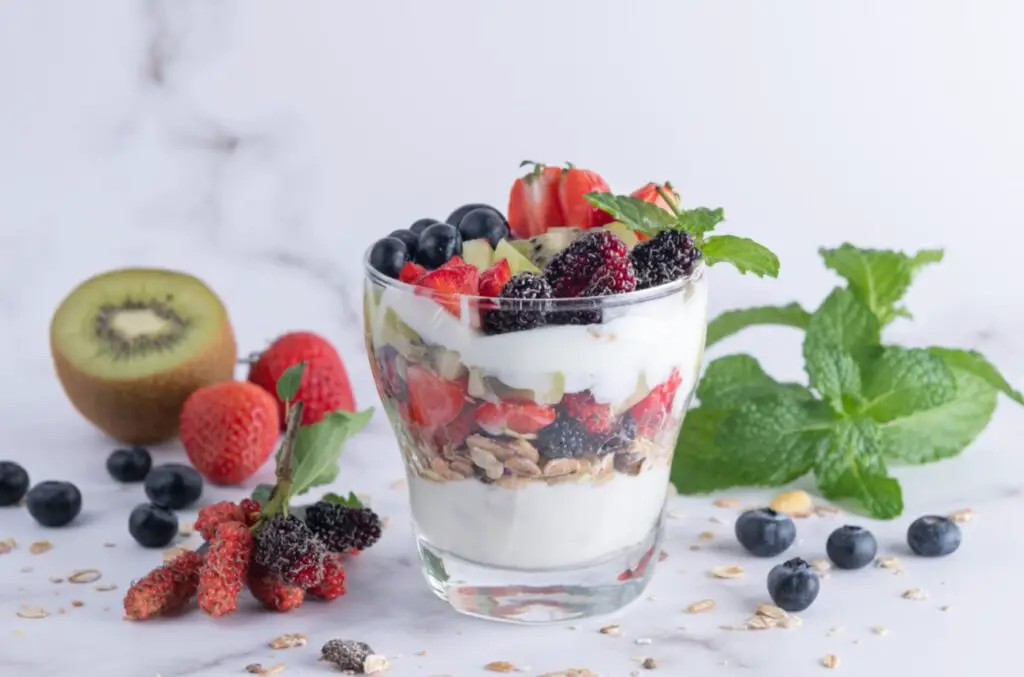
<p> Creamy, rich, and naturally sweet—Greek yogurt parfaits are a refreshing way to enjoy dessert and get a health boost at the same time. Greek yogurt is loaded with protein and probiotics, which help support digestion and muscle maintenance. Layer it with antioxidant-rich berries like blueberries, raspberries, or strawberries, and drizzle a teaspoon of raw honey on top. It’s a snack or dessert that tastes indulgent but is incredibly nourishing. Plus, it’s easy to customize with nuts, seeds, or a sprinkle of granola for added crunch. </p> :: Freepik

Creamy, rich, and naturally sweet—Greek yogurt parfaits are a refreshing way to enjoy dessert and get a health boost at the same time. Greek yogurt is loaded with protein and probiotics, which help support digestion and muscle maintenance. Layer it with antioxidant-rich berries like blueberries, raspberries, or strawberries, and drizzle a teaspoon of raw honey on top. It’s a snack or dessert that tastes indulgent but is incredibly nourishing. Plus, it’s easy to customize with nuts, seeds, or a sprinkle of granola for added crunch.


2. Baked Apples with Cinnamon

<p> Nothing says comfort like warm, baked apples fresh from the oven. Core your favorite apples (like Honeycrisp or Fuji), stuff them with oats and chopped nuts, sprinkle on some cinnamon, and bake until soft. The natural sugars in apples caramelize beautifully, creating a sweet, satisfying dessert with no added sugar needed. Cinnamon not only enhances the flavor but may also help balance blood sugar levels. Serve it warm with a dollop of Greek yogurt or a splash of vanilla almond milk for a cozy, fiber-rich treat. </p> :: Freepik

Nothing says comfort like warm, baked apples fresh from the oven. Core your favorite apples (like Honeycrisp or Fuji), stuff them with oats and chopped nuts, sprinkle on some cinnamon, and bake until soft. The natural sugars in apples caramelize beautifully, creating a sweet, satisfying dessert with no added sugar needed. Cinnamon not only enhances the flavor but may also help balance blood sugar levels. Serve it warm with a dollop of Greek yogurt or a splash of vanilla almond milk for a cozy, fiber-rich treat.


3. Dark Chocolate-Dipped Strawberries

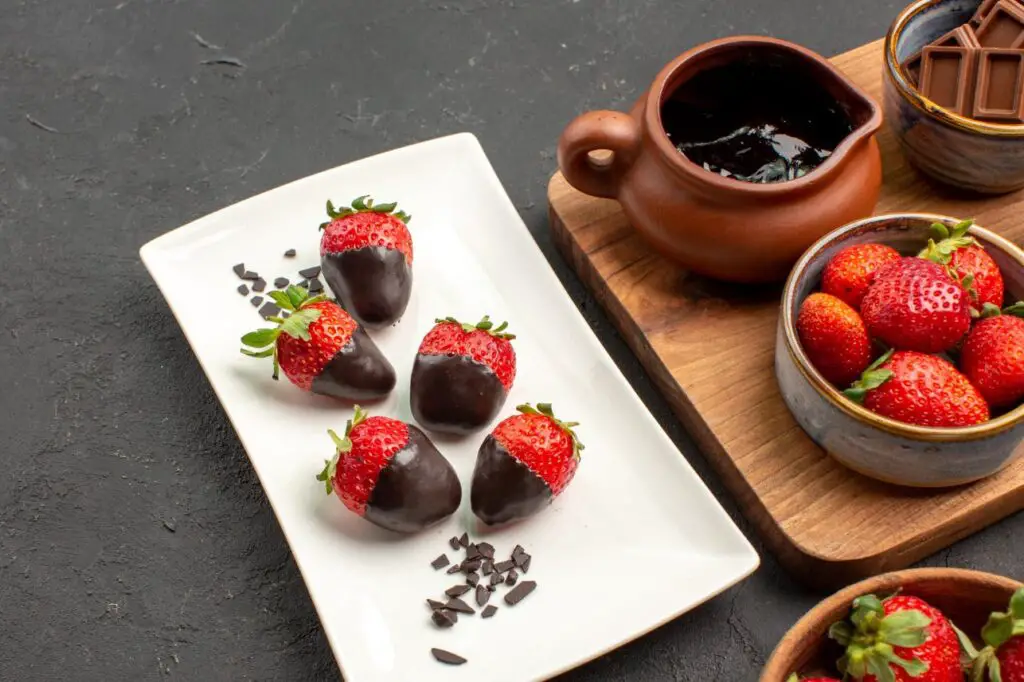
<p> Craving chocolate? Good news: you don’t have to give it up. Dark chocolate, especially varieties with 70% cocoa or higher, is packed with antioxidants that support heart health. Dip fresh, juicy strawberries into melted dark chocolate and let them cool until the chocolate hardens. It’s the perfect mix of rich and refreshing, and just a couple can be enough to hit the sweet spot. You’ll get a dose of vitamin C from the fruit and heart-friendly flavonoids from the chocolate—a win-win. </p> :: Freepik

Craving chocolate? Good news: you don’t have to give it up. Dark chocolate, especially varieties with 70% cocoa or higher, is packed with antioxidants that support heart health. Dip fresh, juicy strawberries into melted dark chocolate and let them cool until the chocolate hardens. It’s the perfect mix of rich and refreshing, and just a couple can be enough to hit the sweet spot. You’ll get a dose of vitamin C from the fruit and heart-friendly flavonoids from the chocolate—a win-win.


4. Frozen Banana Pops

<p> Frozen banana pops are as fun to eat as they are good for you. Slice a ripe banana in half, insert a popsicle stick, dip it in dark chocolate or Greek yogurt, and roll it in chopped nuts, coconut, or crushed granola. Freeze until solid and enjoy! Bananas are naturally sweet and packed with potassium, which supports heart and muscle function. These pops are a great grab-and-go option for hot days or a quick dessert when cravings strike. Bonus: they feel like a treat from your childhood—but way healthier. </p> :: Freepik

Frozen banana pops are as fun to eat as they are good for you. Slice a ripe banana in half, insert a popsicle stick, dip it in dark chocolate or Greek yogurt, and roll it in chopped nuts, coconut, or crushed granola. Freeze until solid and enjoy! Bananas are naturally sweet and packed with potassium, which supports heart and muscle function. These pops are a great grab-and-go option for hot days or a quick dessert when cravings strike. Bonus: they feel like a treat from your childhood—but way healthier.


5. Chia Seed Pudding

<p> If you’ve never tried chia pudding, now’s the time. This fiber-packed superfood dessert is easy to make and endlessly customizable. Mix 3 tablespoons of chia seeds with 1 cup of milk (dairy or plant-based) and a little honey or maple syrup. Let it sit in the fridge overnight, and by morning, you’ll have a rich, pudding-like treat that’s full of omega-3s, protein, and antioxidants. Add fresh fruit, nuts, or a dusting of cinnamon for extra flavor and texture. It’s a great option for dessert, breakfast, or a mid-afternoon pick-me-up. </p> :: Pexels
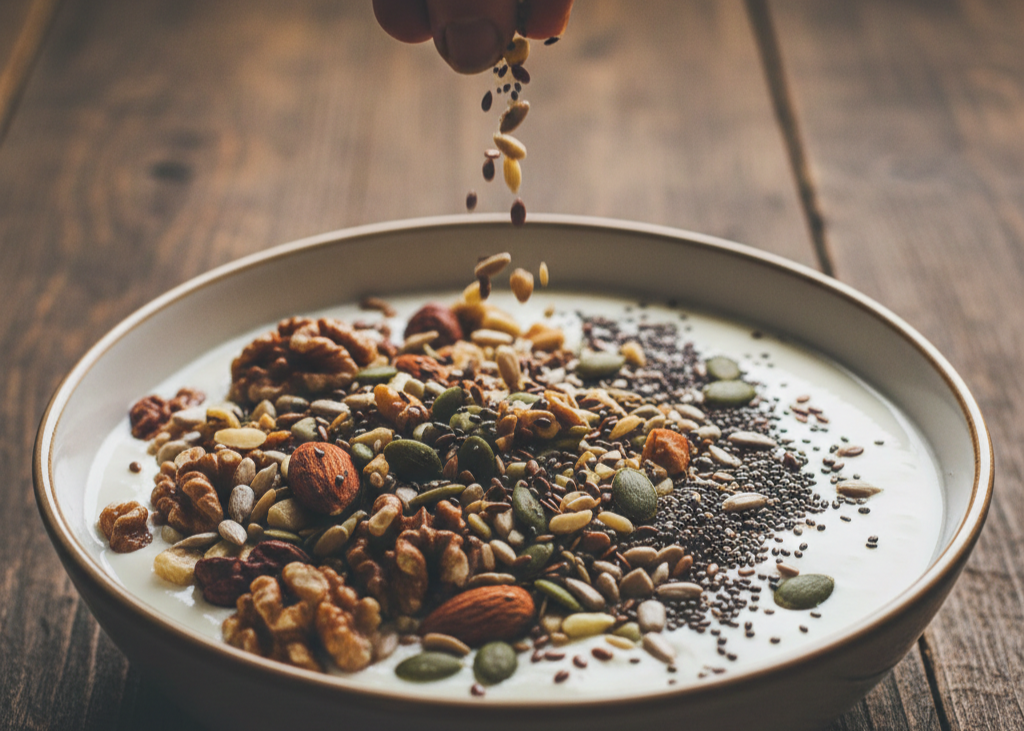
If you’ve never tried chia pudding, now’s the time. This fiber-packed superfood dessert is easy to make and endlessly customizable. Mix 3 tablespoons of chia seeds with 1 cup of milk (dairy or plant-based) and a little honey or maple syrup. Let it sit in the fridge overnight, and by morning, you’ll have a rich, pudding-like treat that’s full of omega-3s, protein, and antioxidants. Add fresh fruit, nuts, or a dusting of cinnamon for extra flavor and texture. It’s a great option for dessert, breakfast, or a mid-afternoon pick-me-up.
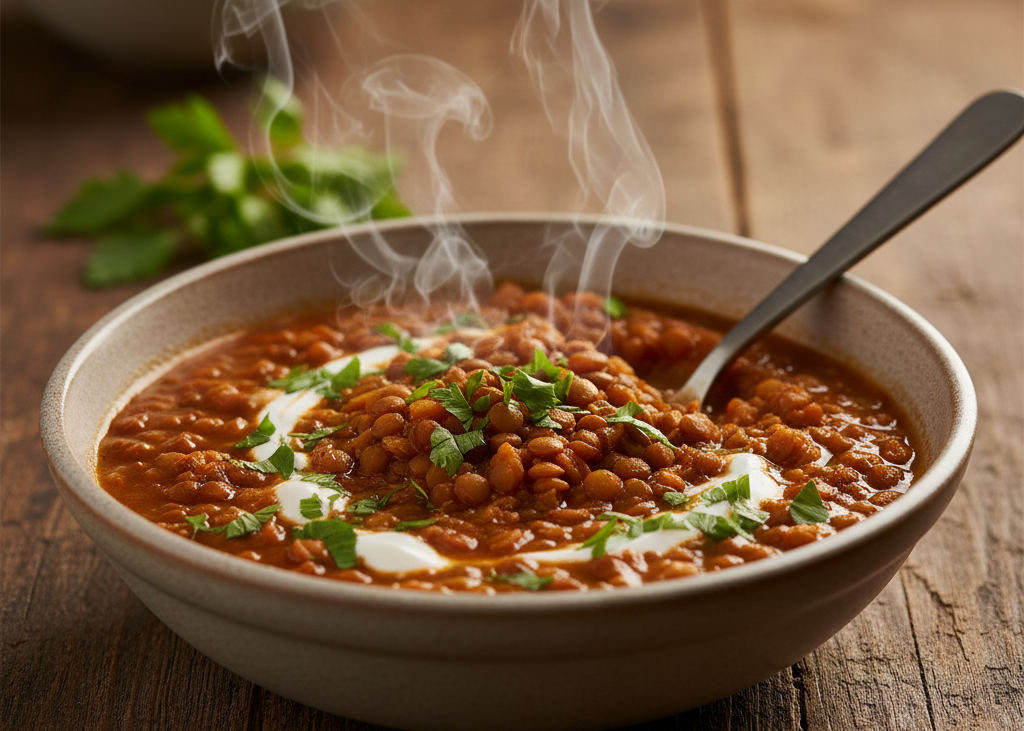
 

6. Sweet Potato Brownies

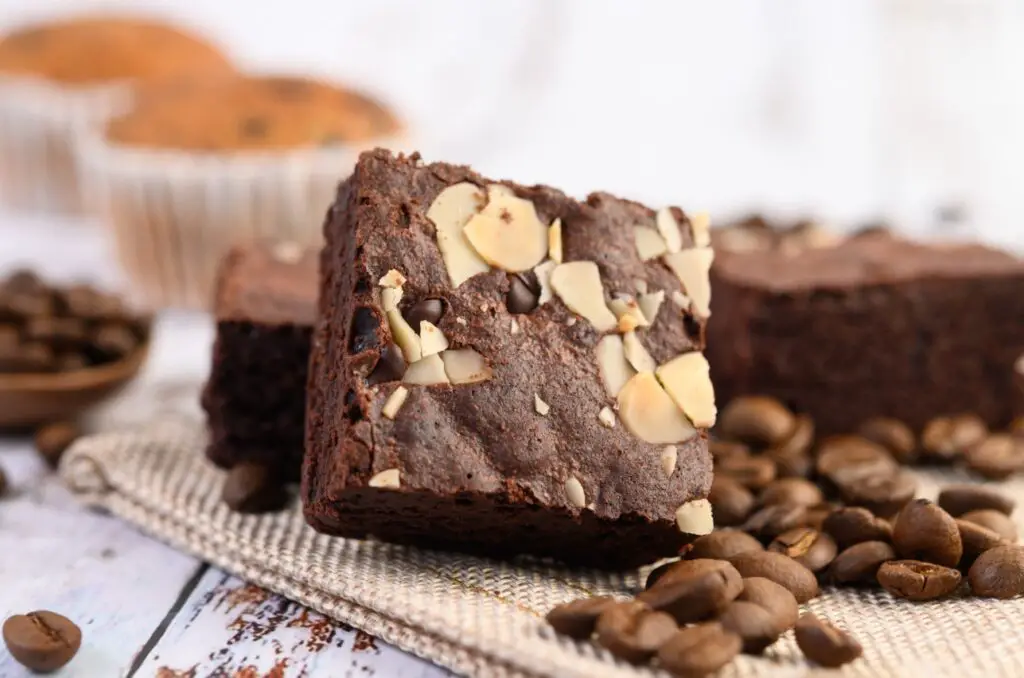
<p> These aren’t your average brownies. Made with mashed sweet potatoes, cocoa powder, and a touch of maple syrup, sweet potato brownies offer a naturally sweet and fudgy alternative to sugar-loaded baked goods. Sweet potatoes bring fiber, beta-carotene, and vitamin C to the table, all while keeping your blood sugar more stable than traditional flour-and-sugar desserts. Bake a batch, freeze them individually, and enjoy a square when you want something rich and chocolatey—without the sugar crash. </p> :: Freepik

These aren’t your average brownies. Made with mashed sweet potatoes, cocoa powder, and a touch of maple syrup, sweet potato brownies offer a naturally sweet and fudgy alternative to sugar-loaded baked goods. Sweet potatoes bring fiber, beta-carotene, and vitamin C to the table, all while keeping your blood sugar more stable than traditional flour-and-sugar desserts. Bake a batch, freeze them individually, and enjoy a square when you want something rich and chocolatey—without the sugar crash.


7. Homemade Applesauce with Cinnamon

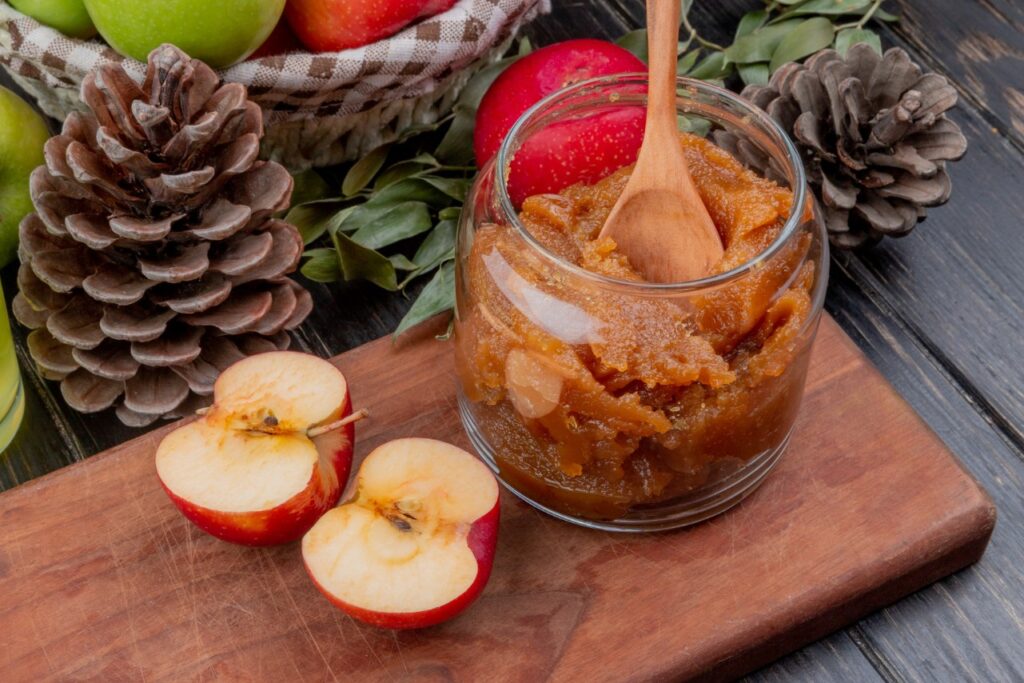
<p> Skip the store-bought applesauce and whip up your own at home. All you need are apples, a little water, and a dash of cinnamon. Simmer the apples until soft, mash or blend to your desired texture, and let it cool. Homemade applesauce is naturally sweet, free of added sugars, and a great source of soluble fiber to support healthy digestion. It also makes a great side dish, snack, or topping for oatmeal and pancakes. For extra fun, try mixing in pears or a pinch of nutmeg. </p> :: Freepik

Skip the store-bought applesauce and whip up your own at home. All you need are apples, a little water, and a dash of cinnamon. Simmer the apples until soft, mash or blend to your desired texture, and let it cool. Homemade applesauce is naturally sweet, free of added sugars, and a great source of soluble fiber to support healthy digestion. It also makes a great side dish, snack, or topping for oatmeal and pancakes. For extra fun, try mixing in pears or a pinch of nutmeg.


8. Nut Butter Energy Bites

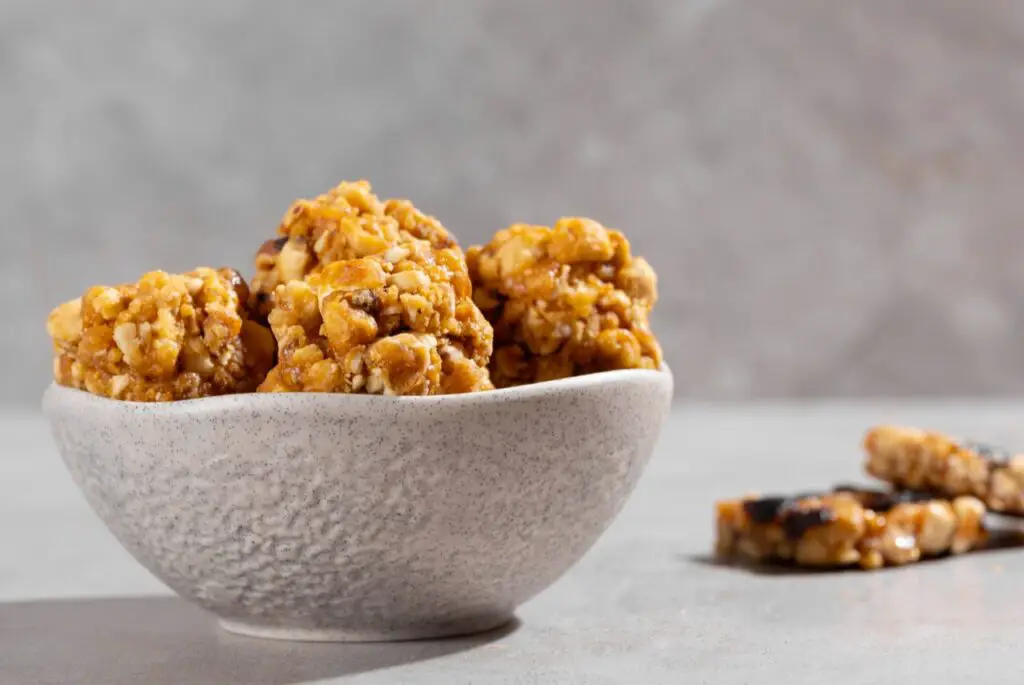
<p> These little bites pack a big punch of flavor and nutrition. Combine natural nut butter (like almond or peanut), rolled oats, a bit of honey, ground flaxseed, and add-ins like dark chocolate chips, dried cranberries, or chopped dates. Roll into balls and refrigerate. They’re a fantastic alternative to cookies, offering fiber, protein, and healthy fats in every bite. Keep a stash in the fridge for when the sweet cravings hit—you’ll feel full and satisfied without any sugar crash. </p> :: Freepik

These little bites pack a big punch of flavor and nutrition. Combine natural nut butter (like almond or peanut), rolled oats, a bit of honey, ground flaxseed, and add-ins like dark chocolate chips, dried cranberries, or chopped dates. Roll into balls and refrigerate. They’re a fantastic alternative to cookies, offering fiber, protein, and healthy fats in every bite. Keep a stash in the fridge for when the sweet cravings hit—you’ll feel full and satisfied without any sugar crash.


Final Thoughts

<p> Getting older doesn’t mean giving up dessert—it just means being a little smarter about how we indulge. These eight treats prove that you can satisfy your sweet tooth in ways that support your health, rather than hurt it. With natural ingredients, balanced flavors, and plenty of nutritional value, each of these options offers a better way to enjoy the sweeter things in life. So go ahead—treat yourself! Just swap the processed snacks for wholesome ingredients and savor the flavors that not only taste good but also do your body good. Whether it’s a rich chia pudding or a warm baked apple, you deserve desserts that love you back. And remember: moderation is key. Even healthy sweets should be enjoyed as part of a balanced diet. If you have specific health conditions, be sure to check in with your doctor or dietitian before making big changes. But with these ideas in your kitchen toolbox, you’ll never have to deny your sweet tooth again—just give it a healthier twist. Here's to aging sweetly and smartly! </p> :: Pexels

Getting older doesn’t mean giving up dessert—it just means being a little smarter about how we indulge. These eight treats prove that you can satisfy your sweet tooth in ways that support your health, rather than hurt it. With natural ingredients, balanced flavors, and plenty of nutritional value, each of these options offers a better way to enjoy the sweeter things in life.

So go ahead—treat yourself! Just swap the processed snacks for wholesome ingredients and savor the flavors that not only taste good but also do your body good. Whether it’s a rich chia pudding or a warm baked apple, you deserve desserts that love you back.

And remember: moderation is key. Even healthy sweets should be enjoyed as part of a balanced diet. If you have specific health conditions, be sure to check in with your doctor or dietitian before making big changes. But with these ideas in your kitchen toolbox, you’ll never have to deny your sweet tooth again—just give it a healthier twist. Here’s to aging sweetly and smartly!

Filed Under: Food & Drink

11 Things Your Adult Kids Secretly Wish You’d Stop Doing (But Might Be Too Polite to Say)

February 6, 2026 | Leave a Comment

11 Things Your Adult Kids Secretly Wish You’d Stop Doing (But Might Be Too Polite to Say)

<p> As a baby boomer, you’ve spent decades guiding your children through childhood and adolescence. Now that your kids are adults, the parent-child relationship naturally evolves. While your love and concern remain strong, some behaviors that once worked may now unintentionally create tension or distance. Your adult children likely appreciate your care more than you realize, but they might also secretly wish you’d stop certain habits that interfere with their independence, privacy, or peace of mind. Recognizing these habits and making small changes can strengthen your relationship and show your respect for their autonomy. Here are 11 things your adult kids secretly wish you’d stop doing—and practical ways to adjust for a healthier, happier connection. </p> :: Freepik

As a baby boomer, you’ve spent decades guiding your children through childhood and adolescence. Now that your kids are adults, the parent-child relationship naturally evolves. While your love and concern remain strong, some behaviors that once worked may now unintentionally create tension or distance.

Your adult children likely appreciate your care more than you realize, but they might also secretly wish you’d stop certain habits that interfere with their independence, privacy, or peace of mind. Recognizing these habits and making small changes can strengthen your relationship and show your respect for their autonomy.

Here are 11 things your adult kids secretly wish you’d stop doing—and practical ways to adjust for a healthier, happier connection.

1. Constantly Offering Unasked-For Advice

<p> You’ve lived a long, rich life and naturally want to share your wisdom with your kids. But as adults, they want to make their own choices—even if those choices aren’t perfect. Unsolicited advice can feel like criticism or imply you don’t trust their judgment. Instead, try listening more and offering support only when asked. Phrases like, “If you ever want to hear my take, I’m here,” create space without pressure. This shows you care while respecting their independence. After all, adult kids want to feel empowered, not micromanaged. </p> :: Pexels

You’ve lived a long, rich life and naturally want to share your wisdom with your kids. But as adults, they want to make their own choices—even if those choices aren’t perfect. Unsolicited advice can feel like criticism or imply you don’t trust their judgment.

Instead, try listening more and offering support only when asked. Phrases like, “If you ever want to hear my take, I’m here,” create space without pressure. This shows you care while respecting their independence. After all, adult kids want to feel empowered, not micromanaged.

2. Hovering Over Their Life Choices

<p> From careers to relationships and lifestyle habits, your adult children want to live life on their own terms. Constantly questioning their decisions or expressing doubt can feel like hovering and undermine their confidence. Remember, they’re adults now, capable of learning through experience—even mistakes. Trusting them to navigate their own path shows respect and helps your kids grow stronger. Offer support with empathy instead of judgment, and you’ll likely see a more open, appreciative response. </p> :: Pexels

From careers to relationships and lifestyle habits, your adult children want to live life on their own terms. Constantly questioning their decisions or expressing doubt can feel like hovering and undermine their confidence.

Remember, they’re adults now, capable of learning through experience—even mistakes. Trusting them to navigate their own path shows respect and helps your kids grow stronger. Offer support with empathy instead of judgment, and you’ll likely see a more open, appreciative response.

3. Invading Their Privacy

<p> Privacy becomes increasingly important as kids grow older. Constantly checking their phones, dropping by without notice, or asking overly personal questions can feel intrusive. Respecting their space means asking before visiting and trusting they’ll share what they want, when they want. This small adjustment honors their adulthood and builds trust. It also helps prevent feelings of resentment or frustration on both sides. </p> :: Pexels

Privacy becomes increasingly important as kids grow older. Constantly checking their phones, dropping by without notice, or asking overly personal questions can feel intrusive.

Respecting their space means asking before visiting and trusting they’ll share what they want, when they want. This small adjustment honors their adulthood and builds trust. It also helps prevent feelings of resentment or frustration on both sides.

4. Comparing Them to Others

<p> It’s tempting to compare your kids to siblings, friends, or neighbors—especially when you want the best for them. But comparisons often lead to feelings of inadequacy or competition rather than motivation. Celebrate your children’s unique strengths and accomplishments instead. Recognize that each person’s journey is different and success looks different for everyone. Genuine praise and encouragement foster self-esteem and a more positive relationship. </p> :: Freepik

It’s tempting to compare your kids to siblings, friends, or neighbors—especially when you want the best for them. But comparisons often lead to feelings of inadequacy or competition rather than motivation.

Celebrate your children’s unique strengths and accomplishments instead. Recognize that each person’s journey is different and success looks different for everyone. Genuine praise and encouragement foster self-esteem and a more positive relationship.

5. Reliving the Past Too Much

<p> Fond memories are precious, but dwelling on “how things used to be” can send the message that you’re stuck in the past. Adult kids want to be seen and appreciated for who they are now, not just who they were. Focus conversations on their current lives and future plans. Ask about their interests, goals, and challenges today. This shows you care about their growth and evolving identity, which can deepen your connection. </p> :: Pexels

Fond memories are precious, but dwelling on “how things used to be” can send the message that you’re stuck in the past. Adult kids want to be seen and appreciated for who they are now, not just who they were.

Focus conversations on their current lives and future plans. Ask about their interests, goals, and challenges today. This shows you care about their growth and evolving identity, which can deepen your connection.

6. Expecting Immediate Responses to Messages or Calls

<p> We live in a world of instant communication, but your adult kids have busy lives. Expecting immediate replies or calling repeatedly can come across as demanding or impatient. Practice patience and give them time to respond on their own schedule. Remember, when they do reply, it’s because they care. Setting realistic expectations about communication reduces stress for both of you. </p> :: Pexels

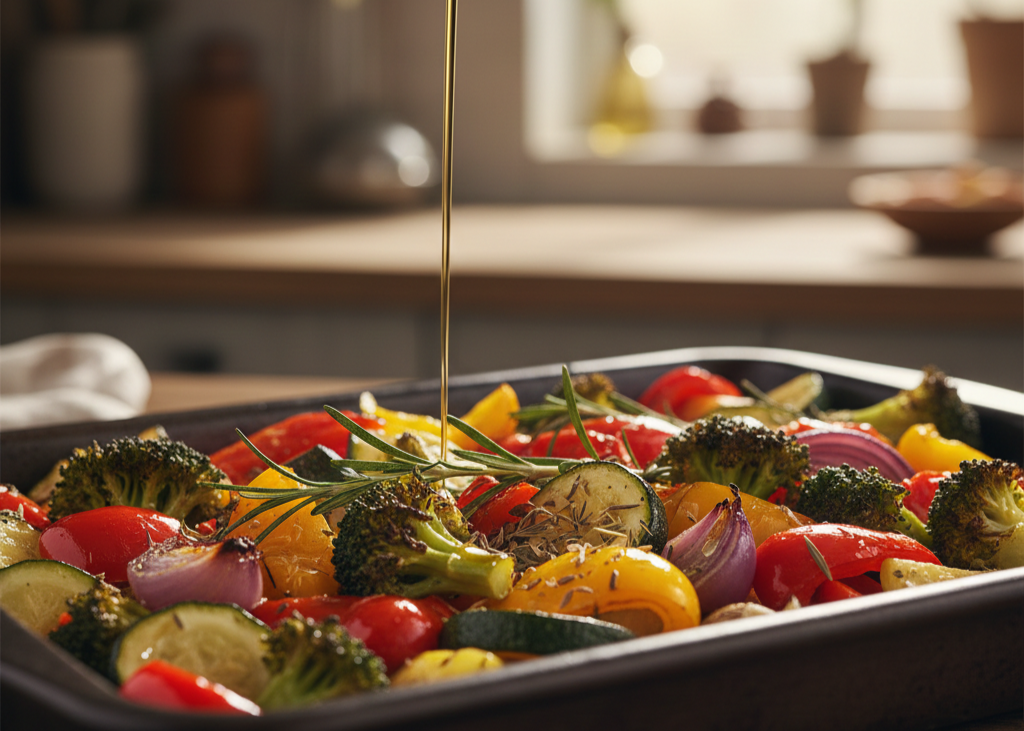
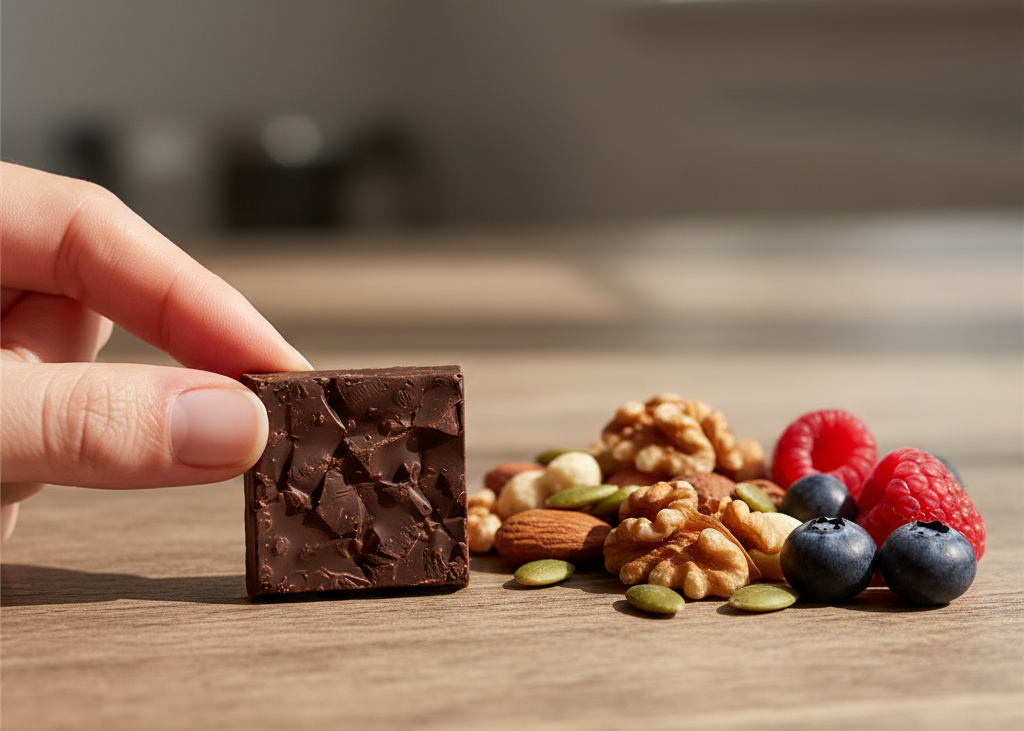
We live in a world of instant communication, but your adult kids have busy lives. Expecting immediate replies or calling repeatedly can come across as demanding or impatient.

Practice patience and give them time to respond on their own schedule. Remember, when they do reply, it’s because they care. Setting realistic expectations about communication reduces stress for both of you.

7. Offering Help Without Asking

<p> Your impulse to help comes from love, but offering assistance without being asked can sometimes feel like you don’t believe your kids can manage on their own. This may unintentionally undermine their confidence. Before stepping in, ask if they need help and respect their wishes—even if they say no. When help is requested, it feels like a supportive gift, not a judgment. This approach fosters independence and mutual respect. </p> :: Pexels

Your impulse to help comes from love, but offering assistance without being asked can sometimes feel like you don’t believe your kids can manage on their own. This may unintentionally undermine their confidence.

Before stepping in, ask if they need help and respect their wishes—even if they say no. When help is requested, it feels like a supportive gift, not a judgment. This approach fosters independence and mutual respect.

8. Bringing Up Money Too Often

<p> Money is a sensitive topic. While you may worry about your kids’ financial well-being, frequently bringing up finances—whether it’s about their spending habits, savings, or career choices—can cause tension. Trust that your adult children are managing their money responsibly. Save financial discussions for when they initiate or when you know they want your input. Focus more on emotional support and encouragement rather than money management. </p> :: Freepik

Money is a sensitive topic. While you may worry about your kids’ financial well-being, frequently bringing up finances—whether it’s about their spending habits, savings, or career choices—can cause tension.

Trust that your adult children are managing their money responsibly. Save financial discussions for when they initiate or when you know they want your input. Focus more on emotional support and encouragement rather than money management.

9. Pushing Family Traditions Too Hard

<p> Family traditions are important but adult children might want to adapt or create new ones to fit their lifestyles and families. Insisting on celebrating or participating exactly as you did growing up can feel restrictive or out of touch. Be flexible and open to new traditions that include your kids’ preferences. Supporting their choices honors their growing families and keeps bonds strong across generations. </p> :: Freepik

Family traditions are important but adult children might want to adapt or create new ones to fit their lifestyles and families. Insisting on celebrating or participating exactly as you did growing up can feel restrictive or out of touch.

Be flexible and open to new traditions that include your kids’ preferences. Supporting their choices honors their growing families and keeps bonds strong across generations.

10. Overusing Social Media to Share Their Lives

<p> Sharing family photos and updates online is common, but posting too much about your adult kids—especially without asking—can feel like an invasion of privacy. Before posting pictures or stories, check in with your kids about their comfort level. Respecting their wishes about what gets shared keeps boundaries clear and relationships positive in the digital age. </p> :: Pexels

Sharing family photos and updates online is common, but posting too much about your adult kids—especially without asking—can feel like an invasion of privacy.

Before posting pictures or stories, check in with your kids about their comfort level. Respecting their wishes about what gets shared keeps boundaries clear and relationships positive in the digital age.

11. Holding Grudges or Bringing Up Old Conflicts

<p> No family is perfect, and past disagreements or mistakes can linger in memory. Holding grudges or frequently rehashing old conflicts only weighs down your relationship. Adult kids want to move forward and have healthy, positive connections with their parents. Practicing forgiveness and focusing on the present and future rather than past hurts creates space for healing and stronger bonds. </p> :: Pexels

No family is perfect, and past disagreements or mistakes can linger in memory. Holding grudges or frequently rehashing old conflicts only weighs down your relationship.

Adult kids want to move forward and have healthy, positive connections with their parents. Practicing forgiveness and focusing on the present and future rather than past hurts creates space for healing and stronger bonds.

Final Thoughts

<p> Parenting adult children requires a new mindset—one based on trust, respect, and mutual understanding. Your love remains, but your role shifts from protector to supporter. By letting go of these 11 habits, you demonstrate respect for your kids’ independence and show your desire for a mature, balanced relationship. This new dynamic can be rewarding for everyone involved, deepening your family bonds and allowing you all to thrive. After all, your adult kids want to feel loved and valued for who they are today—not just for the children you raised. Embrace this new chapter with patience, openness, and above all, love. </p> :: Freepik

Parenting adult children requires a new mindset—one based on trust, respect, and mutual understanding. Your love remains, but your role shifts from protector to supporter.

By letting go of these 11 habits, you demonstrate respect for your kids’ independence and show your desire for a mature, balanced relationship. This new dynamic can be rewarding for everyone involved, deepening your family bonds and allowing you all to thrive.

After all, your adult kids want to feel loved and valued for who they are today—not just for the children you raised. Embrace this new chapter with patience, openness, and above all, love.

Filed Under: Lifestyle

10 Common Driving Habits That Are Ruining Your Car

February 6, 2026 | Leave a Comment

10 Common Driving Habits That Are Slowly Destroying Your Car

<p> Your car is more than just a way to get from point A to point B—it’s an investment that requires proper care and attention. While regular maintenance is essential, the way you drive also plays a huge role in how long your vehicle lasts. Many common driving habits can cause serious damage over time, leading to costly repairs and decreased performance. In this blog, we’ll dive into 10 driving habits that are secretly ruining your car and how you can break them to keep your vehicle running smoothly for years. </p> :: Pexels

Your car is more than just a way to get from point A to point B—it’s an investment that requires proper care and attention. While regular maintenance is essential, the way you drive also plays a huge role in how long your vehicle lasts. Many common driving habits can cause serious damage over time, leading to costly repairs and decreased performance. In this blog, we’ll dive into 10 driving habits that are secretly ruining your car and how you can break them to keep your vehicle running smoothly for years.

1. Accelerating and Braking Suddenly

<p> You’ve probably been in a rush at some point, pressing the gas pedal hard and slamming on the brakes to avoid missing a light or make a quick stop. While this might seem like a time-saver, it can actually cause serious damage to your car’s engine, brakes, and transmission. Sudden acceleration and braking create unnecessary strain on your vehicle’s components, leading to premature wear. To protect your car, try to accelerate and brake smoothly. Gradual movements will not only improve your car’s lifespan but also enhance your fuel efficiency and safety. </p> :: Pexels

You’ve probably been in a rush at some point, pressing the gas pedal hard and slamming on the brakes to avoid missing a light or make a quick stop. While this might seem like a time-saver, it can actually cause serious damage to your car’s engine, brakes, and transmission. Sudden acceleration and braking create unnecessary strain on your vehicle’s components, leading to premature wear. To protect your car, try to accelerate and brake smoothly. Gradual movements will not only improve your car’s lifespan but also enhance your fuel efficiency and safety.

2. Ignoring Warning Lights

<p> Those little warning lights on your dashboard aren’t just there for decoration—they’re there to tell you something is wrong. Ignoring them can lead to major problems down the road. Whether it’s the check engine light or the oil pressure warning, these lights signal that your car needs attention. If you continue driving without addressing the issue, it could lead to expensive repairs, or worse, a breakdown. Always take the time to investigate any warning lights that appear, and get your car checked out when necessary to avoid further damage. </p> :: Pexels

Those little warning lights on your dashboard aren’t just there for decoration—they’re there to tell you something is wrong. Ignoring them can lead to major problems down the road. Whether it’s the check engine light or the oil pressure warning, these lights signal that your car needs attention. If you continue driving without addressing the issue, it could lead to expensive repairs, or worse, a breakdown. Always take the time to investigate any warning lights that appear, and get your car checked out when necessary to avoid further damage.

3. Driving with Low Tire Pressure

<p> Driving on underinflated tires is a common habit that can severely affect your car’s performance. Low tire pressure creates more friction between the tires and the road, which leads to faster wear and poor fuel economy. It can also put extra strain on your suspension and alignment. To avoid these issues, check your tire pressure regularly—especially before long trips—and make sure they are inflated to the manufacturer’s recommended levels. This simple task will improve your car’s handling and save you money in the long run. </p> :: Pexels

Driving on underinflated tires is a common habit that can severely affect your car’s performance. Low tire pressure creates more friction between the tires and the road, which leads to faster wear and poor fuel economy. It can also put extra strain on your suspension and alignment. To avoid these issues, check your tire pressure regularly—especially before long trips—and make sure they are inflated to the manufacturer’s recommended levels. This simple task will improve your car’s handling and save you money in the long run.

4. Neglecting Regular Oil Changes

<p> Your car’s engine oil is vital for keeping everything running smoothly. Over time, the oil breaks down and loses its effectiveness, which can lead to increased friction, overheating, and engine damage. Skipping oil changes or delaying them for too long can cause your engine to suffer, resulting in costly repairs or even a complete engine failure. Stick to a regular oil change schedule based on your car’s manual to ensure your engine remains well-lubricated and runs efficiently. </p> :: Pexels

Your car’s engine oil is vital for keeping everything running smoothly. Over time, the oil breaks down and loses its effectiveness, which can lead to increased friction, overheating, and engine damage. Skipping oil changes or delaying them for too long can cause your engine to suffer, resulting in costly repairs or even a complete engine failure. Stick to a regular oil change schedule based on your car’s manual to ensure your engine remains well-lubricated and runs efficiently.

5. Overloading Your Car

<p> It’s easy to think that your car can handle extra weight, especially when you’re hauling groceries, luggage, or other heavy items. However, overloading your vehicle can strain its suspension, brakes, and engine. This can lead to premature wear on vital components and even affect your car’s handling. Always check the manufacturer’s recommended weight limit for your vehicle and avoid exceeding it. Not only will this protect your car, but it will also improve your safety on the road. </p> :: Pexels

It’s easy to think that your car can handle extra weight, especially when you’re hauling groceries, luggage, or other heavy items. However, overloading your vehicle can strain its suspension, brakes, and engine. This can lead to premature wear on vital components and even affect your car’s handling. Always check the manufacturer’s recommended weight limit for your vehicle and avoid exceeding it. Not only will this protect your car, but it will also improve your safety on the road.

6. Riding the Clutch

<p> For drivers with manual transmissions, riding the clutch is a common bad habit that can cause unnecessary wear on your car’s clutch system. Keeping your foot on the clutch pedal when you’re not shifting gears can lead to premature clutch failure. This simple action can result in a slipping clutch, which can be expensive to fix. To avoid this, only engage the clutch when shifting gears, and keep your foot off the pedal when it’s not in use. </p> :: Pexels

For drivers with manual transmissions, riding the clutch is a common bad habit that can cause unnecessary wear on your car’s clutch system. Keeping your foot on the clutch pedal when you’re not shifting gears can lead to premature clutch failure. This simple action can result in a slipping clutch, which can be expensive to fix. To avoid this, only engage the clutch when shifting gears, and keep your foot off the pedal when it’s not in use.

7. Short Trips and Frequent Stops

<p> Frequent short trips or constant stops and starts in heavy traffic may seem like a normal part of driving, but they can be hard on your car. Short trips don’t allow your engine to fully warm up, which can lead to inefficient fuel combustion and increased engine wear. Frequent stops and starts also put strain on your brakes and transmission. Whenever possible, combine errands into one trip and avoid excessive idling to help preserve your car’s longevity. </p> :: Pexels

Frequent short trips or constant stops and starts in heavy traffic may seem like a normal part of driving, but they can be hard on your car. Short trips don’t allow your engine to fully warm up, which can lead to inefficient fuel combustion and increased engine wear. Frequent stops and starts also put strain on your brakes and transmission. Whenever possible, combine errands into one trip and avoid excessive idling to help preserve your car’s longevity.

8. Revving the Engine When Cold

<p> It can be tempting to rev your engine when it’s cold, especially if you’re in a hurry. However, this is a habit that can seriously damage your engine over time. When the engine is cold, the oil hasn’t circulated fully, and revving it can cause unnecessary stress on the engine’s components. Instead of revving, allow your engine to idle for a minute or two before driving to give the oil time to circulate and ensure smoother operation. </p> :: Pexels

It can be tempting to rev your engine when it’s cold, especially if you’re in a hurry. However, this is a habit that can seriously damage your engine over time. When the engine is cold, the oil hasn’t circulated fully, and revving it can cause unnecessary stress on the engine’s components. Instead of revving, allow your engine to idle for a minute or two before driving to give the oil time to circulate and ensure smoother operation.

9. Not Using the Parking Brake

<p> Many drivers neglect to use the parking brake, especially when parking on level ground. However, failing to engage the parking brake can cause unnecessary strain on your car’s transmission. Without the parking brake, the transmission bears the full weight of the vehicle, which can lead to premature wear. Make it a habit to always use the parking brake, even when parking on flat surfaces, to protect your transmission and ensure your car stays securely in place. </p> :: Pexels

Many drivers neglect to use the parking brake, especially when parking on level ground. However, failing to engage the parking brake can cause unnecessary strain on your car’s transmission. Without the parking brake, the transmission bears the full weight of the vehicle, which can lead to premature wear. Make it a habit to always use the parking brake, even when parking on flat surfaces, to protect your transmission and ensure your car stays securely in place.

10. Ignoring the Air Filter

<p> The air filter in your car plays an essential role in maintaining engine health by preventing dirt and debris from entering the engine. Over time, the air filter can become clogged, which reduces engine efficiency and can even lead to engine damage. A dirty air filter can also decrease fuel efficiency and cause your car to perform poorly. To keep your engine running smoothly, check and replace the air filter regularly, especially if you drive in dusty or polluted areas. </p> :: Pexels

The air filter in your car plays an essential role in maintaining engine health by preventing dirt and debris from entering the engine. Over time, the air filter can become clogged, which reduces engine efficiency and can even lead to engine damage. A dirty air filter can also decrease fuel efficiency and cause your car to perform poorly. To keep your engine running smoothly, check and replace the air filter regularly, especially if you drive in dusty or polluted areas.

Final Thoughts

<p> Your driving habits are more important than you might think when it comes to the health of your car. From speeding up and slamming on the brakes to neglecting regular maintenance, these bad habits can lead to costly repairs and a shorter lifespan for your vehicle. By making a few simple changes—like accelerating smoothly, using the parking brake, and staying on top of oil changes—you can protect your car and keep it running smoothly for years. Start paying attention to your driving habits today, and your car will thank you tomorrow. </p> :: Pexels

Your driving habits are more important than you might think when it comes to the health of your car. From speeding up and slamming on the brakes to neglecting regular maintenance, these bad habits can lead to costly repairs and a shorter lifespan for your vehicle. By making a few simple changes—like accelerating smoothly, using the parking brake, and staying on top of oil changes—you can protect your car and keep it running smoothly for years. Start paying attention to your driving habits today, and your car will thank you tomorrow.

Filed Under: Autos

Foods That Seem Healthy but Often Are Not: 7 Common Choices That Deserve a Second Look

February 6, 2026 | Leave a Comment

Foods That Seem Healthy but Often Are Not: 7 Common Choices That Deserve a Second Look

<p> Walking through a U.S. grocery store can feel like navigating a wellness obstacle course. Every aisle is packed with products promising better energy, weight loss, heart health, or “clean” eating. Words like natural, protein-packed, whole grain, and gluten-free jump off the packaging, making it seem like eating healthy is as simple as trusting the label on the front of the box. The problem is that many of these foods only appear healthy. Beneath the polished marketing and earthy colors, some of the most popular “better-for-you” options are quietly loaded with sugar, refined carbs, sodium, or unnecessary additives. This does not mean you need to eat perfectly or avoid convenience foods altogether. Real life is busy, and most people are doing the best they can with the time and budget they have. The goal is not fear or restriction, but awareness. When you understand which foods are commonly misunderstood, you can make smarter choices without overthinking every bite. Below are seven foods many Americans believe are healthy but often fall short once you look a little closer. </p> :: Gemini

Walking through a U.S. grocery store can feel like navigating a wellness obstacle course. Every aisle is packed with products promising better energy, weight loss, heart health, or “clean” eating. Words like natural, protein-packed, whole grain, and gluten-free jump off the packaging, making it seem like eating healthy is as simple as trusting the label on the front of the box. The problem is that many of these foods only appear healthy. Beneath the polished marketing and earthy colors, some of the most popular “better-for-you” options are quietly loaded with sugar, refined carbs, sodium, or unnecessary additives.

This does not mean you need to eat perfectly or avoid convenience foods altogether. Real life is busy, and most people are doing the best they can with the time and budget they have. The goal is not fear or restriction, but awareness. When you understand which foods are commonly misunderstood, you can make smarter choices without overthinking every bite. Below are seven foods many Americans believe are healthy but often fall short once you look a little closer.

1. Granola and Sweetened Breakfast Cereals

<p> Granola and cereal have long been marketed as a wholesome way to start the day, especially when the box features oats, nuts, or images of fresh fruit. In reality, many popular granolas and cereals are packed with added sugars, oils, and calorie-dense ingredients that can rival desserts. A small serving can contain multiple teaspoons of sugar, yet most people pour far more than the suggested portion into their bowl. While oats themselves are nutritious, the heavy sweeteners and coatings used in many packaged versions turn breakfast into a blood sugar roller coaster. Choosing plain oats or low-sugar cereals and adding your own fruit is usually a much better option. </p> :: Gemini

Granola and cereal have long been marketed as a wholesome way to start the day, especially when the box features oats, nuts, or images of fresh fruit. In reality, many popular granolas and cereals are packed with added sugars, oils, and calorie-dense ingredients that can rival desserts. A small serving can contain multiple teaspoons of sugar, yet most people pour far more than the suggested portion into their bowl. While oats themselves are nutritious, the heavy sweeteners and coatings used in many packaged versions turn breakfast into a blood sugar roller coaster. Choosing plain oats or low-sugar cereals and adding your own fruit is usually a much better option.

2. Protein Bars and Energy Bars

<p> Protein bars are often seen as a smart grab-and-go snack, especially for people trying to eat healthier or stay full between meals. The problem is that many of them are closer to candy bars with a fitness costume. They frequently contain high amounts of added sugar, syrups, artificial sweeteners, and processed fillers that do little for long-term nutrition. While protein is important, it does not magically cancel out excessive sugar or calories. Unless you truly need a compact meal replacement, whole-food snacks like nuts, yogurt, or fruit with peanut butter are often more satisfying and less processed. </p> :: Gemini

Protein bars are often seen as a smart grab-and-go snack, especially for people trying to eat healthier or stay full between meals. The problem is that many of them are closer to candy bars with a fitness costume. They frequently contain high amounts of added sugar, syrups, artificial sweeteners, and processed fillers that do little for long-term nutrition. While protein is important, it does not magically cancel out excessive sugar or calories. Unless you truly need a compact meal replacement, whole-food snacks like nuts, yogurt, or fruit with peanut butter are often more satisfying and less processed.

3. Flavored Yogurt

<p> Yogurt has a well-earned reputation as a nutritious food thanks to its protein and probiotics. However, flavored yogurts often come with a surprising amount of added sugar, sometimes as much as a small dessert. Fruit-on-the-bottom varieties and dessert-inspired flavors can contain more sugar than many people realize, which reduces their overall health value. Plain yogurt, especially Greek yogurt, provides the same protein and probiotic benefits without the sugar overload. Adding fresh fruit or a drizzle of honey gives you sweetness while keeping control over what goes into your body. </p> :: Gemini

Yogurt has a well-earned reputation as a nutritious food thanks to its protein and probiotics. However, flavored yogurts often come with a surprising amount of added sugar, sometimes as much as a small dessert. Fruit-on-the-bottom varieties and dessert-inspired flavors can contain more sugar than many people realize, which reduces their overall health value. Plain yogurt, especially Greek yogurt, provides the same protein and probiotic benefits without the sugar overload. Adding fresh fruit or a drizzle of honey gives you sweetness while keeping control over what goes into your body.

4. Bottled Smoothies and Fruit Juice

<p> Smoothies and juices are commonly associated with clean eating, detoxes, and wellness trends. Unfortunately, many store-bought versions are essentially liquid sugar. Even when made from fruit, the lack of fiber means sugar is absorbed quickly, leading to energy crashes and hunger soon after. Fruit juice, including 100 percent juice, often contains as much sugar as soda without the benefit of chewing or fullness. Homemade smoothies made with whole fruits, vegetables, protein, and healthy fats are far more balanced and filling than bottled versions. </p> :: Gemini

Smoothies and juices are commonly associated with clean eating, detoxes, and wellness trends. Unfortunately, many store-bought versions are essentially liquid sugar. Even when made from fruit, the lack of fiber means sugar is absorbed quickly, leading to energy crashes and hunger soon after. Fruit juice, including 100 percent juice, often contains as much sugar as soda without the benefit of chewing or fullness. Homemade smoothies made with whole fruits, vegetables, protein, and healthy fats are far more balanced and filling than bottled versions.

5. Veggie Chips and Better-For-You Snack Foods

<p> Veggie chips sound like a clever way to eat more vegetables, but the name can be misleading. Most veggie chips are made from processed starches or refined flours with vegetable powders added for color rather than nutrition. They are often fried or heavily baked in oils and seasoned with salt, making them nutritionally similar to regular chips. While they are fine as an occasional treat, they should not be mistaken for real vegetables. Whole vegetables, air-popped popcorn, or lightly roasted chickpeas offer more fiber and lasting satisfaction. </p> :: Gemini

Veggie chips sound like a clever way to eat more vegetables, but the name can be misleading. Most veggie chips are made from processed starches or refined flours with vegetable powders added for color rather than nutrition. They are often fried or heavily baked in oils and seasoned with salt, making them nutritionally similar to regular chips. While they are fine as an occasional treat, they should not be mistaken for real vegetables. Whole vegetables, air-popped popcorn, or lightly roasted chickpeas offer more fiber and lasting satisfaction.

6. Store-Bought Trail Mix

<p> Trail mix has a healthy reputation thanks to nuts, seeds, and dried fruit, but many pre-packaged versions quietly cross into dessert territory. Sweetened dried fruits, chocolate candies, and heavily salted nuts can turn a small handful into a calorie-dense snack that is easy to overeat. While trail mix can be nutritious, portion size and ingredients matter. Making your own mix with unsweetened dried fruit and plain nuts gives you the benefits without the hidden sugar and excess sodium. </p> :: Gemini

Trail mix has a healthy reputation thanks to nuts, seeds, and dried fruit, but many pre-packaged versions quietly cross into dessert territory. Sweetened dried fruits, chocolate candies, and heavily salted nuts can turn a small handful into a calorie-dense snack that is easy to overeat. While trail mix can be nutritious, portion size and ingredients matter. Making your own mix with unsweetened dried fruit and plain nuts gives you the benefits without the hidden sugar and excess sodium.

7. Gluten-Free and Trend-Labeled Foods

<p> Gluten-free, keto-friendly, vegan, and natural labels often create a strong health halo, even when the product itself is highly processed. Unless you have a medical reason to avoid gluten, gluten-free products are not automatically healthier and can sometimes contain less fiber and more sugar than regular versions. Similarly, foods labeled natural or plant-based can still be high in calories and low in nutrients. These terms are marketing tools, not guarantees of quality. Checking the ingredient list and nutrition label is far more reliable than trusting trendy claims. </p> :: Gemini

Gluten-free, keto-friendly, vegan, and natural labels often create a strong health halo, even when the product itself is highly processed. Unless you have a medical reason to avoid gluten, gluten-free products are not automatically healthier and can sometimes contain less fiber and more sugar than regular versions. Similarly, foods labeled natural or plant-based can still be high in calories and low in nutrients. These terms are marketing tools, not guarantees of quality. Checking the ingredient list and nutrition label is far more reliable than trusting trendy claims.

Final Thoughts

<p> Eating well does not require perfection, strict rules, or giving up foods you enjoy. What it does require is a little curiosity and a willingness to look beyond the front of the package. Many foods that seem healthy are not harmful in moderation, but problems arise when they are eaten daily under the assumption that they are doing your body a favor. Over time, small misunderstandings can add up to low energy, stubborn weight gain, or blood sugar swings that feel confusing and frustrating. The good news is that awareness is empowering. Once you recognize common nutrition traps, grocery shopping becomes less stressful and more intentional. You start choosing foods because they truly nourish you, not because a label told you they would. Real health is not about chasing the latest food trend. It is about balance, consistency, and understanding what your body actually needs. When you shift from assumptions to informed choices, healthy eating becomes simpler, more realistic, and far more sustainable. </p> :: Gemini

Eating well does not require perfection, strict rules, or giving up foods you enjoy. What it does require is a little curiosity and a willingness to look beyond the front of the package. Many foods that seem healthy are not harmful in moderation, but problems arise when they are eaten daily under the assumption that they are doing your body a favor. Over time, small misunderstandings can add up to low energy, stubborn weight gain, or blood sugar swings that feel confusing and frustrating.

The good news is that awareness is empowering. Once you recognize common nutrition traps, grocery shopping becomes less stressful and more intentional. You start choosing foods because they truly nourish you, not because a label told you they would. Real health is not about chasing the latest food trend. It is about balance, consistency, and understanding what your body actually needs. When you shift from assumptions to informed choices, healthy eating becomes simpler, more realistic, and far more sustainable.

Filed Under: Food & Drink

15 Heart-Healthy Foods Every Woman Should Be Eating Regularly

February 6, 2026 | Leave a Comment

15 Heart-Healthy Foods Every Woman Should Be Eating Regularly

<p> If you are a woman in the United States, chances are you have heard that heart disease is the leading cause of death for women. It is a sobering fact, but the good news is that you have more control over your heart health than you might think. One of the most powerful tools in your arsenal is right on your plate. The foods you choose every day can either help protect your heart or put it at risk.

Eating for heart health does not have to be complicated or boring. In fact, it can be delicious, colorful, and full of flavor. By focusing on foods that nourish your body with fiber, healthy fats, antioxidants, and essential nutrients, you can give your heart the support it deserves. This list of 15 heart-healthy foods is practical, evidence-based, and easy to incorporate into your daily meals. Think of it as a roadmap to eating with your heart in mind while enjoying every bite. </p> :: Gemini

If you are a woman in the United States, chances are you have heard that heart disease is the leading cause of death for women. It is a sobering fact, but the good news is that you have more control over your heart health than you might think. One of the most powerful tools in your arsenal is right on your plate. The foods you choose every day can either help protect your heart or put it at risk.

Eating for heart health does not have to be complicated or boring. In fact, it can be delicious, colorful, and full of flavor. By focusing on foods that nourish your body with fiber, healthy fats, antioxidants, and essential nutrients, you can give your heart the support it deserves. This list of 15 heart-healthy foods is practical, evidence-based, and easy to incorporate into your daily meals. Think of it as a roadmap to eating with your heart in mind while enjoying every bite.

1. Fatty Fish (Salmon, Mackerel, Sardines)

<p> Fatty fish are some of the best sources of omega-3 fatty acids, which are essential for heart health. These healthy fats can lower triglycerides, reduce inflammation, and support a steady heartbeat. Including salmon or sardines in your meals two to three times a week is a simple way to give your heart a boost. You can bake, grill, or even enjoy them in salads or sandwiches. Not only are they nutritious, but they also add a savory, satisfying flavor to any meal. </p> :: Gemini

Fatty fish are some of the best sources of omega-3 fatty acids, which are essential for heart health. These healthy fats can lower triglycerides, reduce inflammation, and support a steady heartbeat. Including salmon or sardines in your meals two to three times a week is a simple way to give your heart a boost. You can bake, grill, or even enjoy them in salads or sandwiches. Not only are they nutritious, but they also add a savory, satisfying flavor to any meal.

2. Berries (Blueberries, Strawberries, Raspberries)

<p> Berries are small but mighty when it comes to heart health. They are packed with antioxidants and fiber, which help fight inflammation and protect blood vessels. Add them to oatmeal, yogurt, smoothies, or just enjoy a handful as a snack. The natural sweetness of berries makes them a delightful and heart-friendly alternative to sugary treats. Plus, their vibrant colors brighten up any plate, making healthy eating feel like a celebration. </p> :: Gemini

Berries are small but mighty when it comes to heart health. They are packed with antioxidants and fiber, which help fight inflammation and protect blood vessels. Add them to oatmeal, yogurt, smoothies, or just enjoy a handful as a snack. The natural sweetness of berries makes them a delightful and heart-friendly alternative to sugary treats. Plus, their vibrant colors brighten up any plate, making healthy eating feel like a celebration.

3. Oats and Other Whole Grains

<p> Whole grains such as oats, brown rice, barley, and quinoa are excellent sources of soluble fiber. This fiber can help lower LDL cholesterol, stabilize blood sugar, and support overall cardiovascular health. Starting your day with a bowl of oatmeal or adding barley to soups and stews is an easy way to get more heart-healthy fiber. Whole grains also provide lasting energy, keeping you satisfied and ready for whatever your day brings. </p> :: Gemini

Whole grains such as oats, brown rice, barley, and quinoa are excellent sources of soluble fiber. This fiber can help lower LDL cholesterol, stabilize blood sugar, and support overall cardiovascular health. Starting your day with a bowl of oatmeal or adding barley to soups and stews is an easy way to get more heart-healthy fiber. Whole grains also provide lasting energy, keeping you satisfied and ready for whatever your day brings.

4. Leafy Greens (Spinach, Kale, Swiss Chard)

<p> Leafy greens are nutritional powerhouses that offer vitamins, minerals, and natural compounds that can lower blood pressure and improve circulation. Spinach in a smoothie, kale in a salad, or Swiss chard sautéed with garlic are simple ways to add heart-loving greens to your meals. Their earthy flavors complement a wide range of dishes, and the more you include them, the more your heart will thank you. </p> :: Gemini

Leafy greens are nutritional powerhouses that offer vitamins, minerals, and natural compounds that can lower blood pressure and improve circulation. Spinach in a smoothie, kale in a salad, or Swiss chard sautéed with garlic are simple ways to add heart-loving greens to your meals. Their earthy flavors complement a wide range of dishes, and the more you include them, the more your heart will thank you.

5. Avocado

<p> Avocados are creamy, versatile, and loaded with monounsaturated fats and potassium. These nutrients can help improve cholesterol levels and reduce inflammation in the arteries. Spread avocado on toast, mix it into salads, or use it to make a smooth, heart-healthy dressing. Avocados are not only delicious but also incredibly satisfying, making them a perfect addition to a diet focused on cardiovascular wellness. </p> :: Gemini

Avocados are creamy, versatile, and loaded with monounsaturated fats and potassium. These nutrients can help improve cholesterol levels and reduce inflammation in the arteries. Spread avocado on toast, mix it into salads, or use it to make a smooth, heart-healthy dressing. Avocados are not only delicious but also incredibly satisfying, making them a perfect addition to a diet focused on cardiovascular wellness.

6. Nuts and Seeds (Almonds, Walnuts, Flaxseeds)

<p> A handful of nuts or seeds can do wonders for your heart. They contain healthy fats, fiber, and essential micronutrients that support normal cholesterol levels and blood pressure. Walnuts, in particular, provide plant-based omega-3s, giving your heart an extra boost. Sprinkle them on oatmeal, yogurt, or salads, or enjoy them as a convenient snack. They are nutrient-dense, satisfying, and heart-smart all at once. </p> :: Gemini

A handful of nuts or seeds can do wonders for your heart. They contain healthy fats, fiber, and essential micronutrients that support normal cholesterol levels and blood pressure. Walnuts, in particular, provide plant-based omega-3s, giving your heart an extra boost. Sprinkle them on oatmeal, yogurt, or salads, or enjoy them as a convenient snack. They are nutrient-dense, satisfying, and heart-smart all at once.

7. Legumes (Beans, Lentils, Chickpeas)

<p> Legumes are a staple for heart-healthy eating. Beans, lentils, and chickpeas are rich in fiber and protein, helping to stabilize blood sugar and manage cholesterol. Add them to soups, salads, or grain bowls for a filling, nutrient-packed meal. They are affordable, versatile, and easy to incorporate into your weekly menu, making them one of the easiest ways to nourish your heart regularly. </p> :: Gemini

Legumes are a staple for heart-healthy eating. Beans, lentils, and chickpeas are rich in fiber and protein, helping to stabilize blood sugar and manage cholesterol. Add them to soups, salads, or grain bowls for a filling, nutrient-packed meal. They are affordable, versatile, and easy to incorporate into your weekly menu, making them one of the easiest ways to nourish your heart regularly.

8. Tomatoes

<p> Tomatoes are more than just a tasty addition to meals. They are rich in lycopene, an antioxidant that helps protect your arteries and reduce inflammation. Fresh tomatoes in salads, roasted tomatoes as a side dish, or tomato-based sauces can all contribute to your heart’s well-being. Plus, their vibrant red color adds visual appeal to your plate, proving that heart-healthy eating can be both nutritious and beautiful. </p> :: Gemini

Tomatoes are more than just a tasty addition to meals. They are rich in lycopene, an antioxidant that helps protect your arteries and reduce inflammation. Fresh tomatoes in salads, roasted tomatoes as a side dish, or tomato-based sauces can all contribute to your heart’s well-being. Plus, their vibrant red color adds visual appeal to your plate, proving that heart-healthy eating can be both nutritious and beautiful.

9. Olive Oil

<p> Extra virgin olive oil is a simple yet powerful way to enhance heart health. Its monounsaturated fats and antioxidants can help lower inflammation and improve cholesterol levels. Use it as a cooking oil, drizzle it over roasted vegetables, or mix it into homemade salad dressings. Olive oil adds flavor, richness, and a heart-healthy boost to your meals without much effort. </p> :: Gemini

Extra virgin olive oil is a simple yet powerful way to enhance heart health. Its monounsaturated fats and antioxidants can help lower inflammation and improve cholesterol levels. Use it as a cooking oil, drizzle it over roasted vegetables, or mix it into homemade salad dressings. Olive oil adds flavor, richness, and a heart-healthy boost to your meals without much effort.

10. Dark Chocolate (70 Percent Cocoa or More)

<p> Dark chocolate is a treat that actually benefits your heart when eaten in moderation. Rich in flavonoids, dark chocolate can help improve blood flow and reduce blood pressure. Enjoy a small square as a daily indulgence or chop it into yogurt or oatmeal for a sweet and nutritious touch. Choosing quality chocolate with high cocoa content ensures you get the benefits without excess sugar. </p> :: Gemini

Dark chocolate is a treat that actually benefits your heart when eaten in moderation. Rich in flavonoids, dark chocolate can help improve blood flow and reduce blood pressure. Enjoy a small square as a daily indulgence or chop it into yogurt or oatmeal for a sweet and nutritious touch. Choosing quality chocolate with high cocoa content ensures you get the benefits without excess sugar.

11. Citrus Fruits (Oranges, Grapefruit)

<p> Citrus fruits provide vitamin C and flavonoids, which support vascular health and protect against oxidative stress. Oranges, grapefruits, lemons, and limes are refreshing and versatile additions to meals. Slice them into salads, add them to water for a flavorful drink, or enjoy them as a snack. Citrus fruits not only taste amazing but also offer a natural boost for heart protection. </p> :: Gemini

Citrus fruits provide vitamin C and flavonoids, which support vascular health and protect against oxidative stress. Oranges, grapefruits, lemons, and limes are refreshing and versatile additions to meals. Slice them into salads, add them to water for a flavorful drink, or enjoy them as a snack. Citrus fruits not only taste amazing but also offer a natural boost for heart protection.

12. Green Tea

<p> Green tea is a simple swap for sugary beverages that can positively impact heart health. It contains polyphenols, plant compounds that help lower LDL cholesterol and support healthy blood pressure. Enjoy it hot or iced, and consider adding lemon or a splash of honey for flavor. Drinking green tea can be a soothing daily ritual while quietly supporting your cardiovascular system. </p> :: Gemini

Green tea is a simple swap for sugary beverages that can positively impact heart health. It contains polyphenols, plant compounds that help lower LDL cholesterol and support healthy blood pressure. Enjoy it hot or iced, and consider adding lemon or a splash of honey for flavor. Drinking green tea can be a soothing daily ritual while quietly supporting your cardiovascular system.

13. Low-Fat or Fat-Free Dairy (Yogurt, Milk)

<p> Low-fat or fat-free dairy products provide protein, calcium, and potassium without the excess saturated fat. Greek yogurt with fruit, a splash of milk in cereal, or a yogurt-based smoothie can all contribute to a heart-healthy diet. Dairy is an easy way to get essential nutrients that support blood pressure and overall cardiovascular function. </p> :: Gemini

Low-fat or fat-free dairy products provide protein, calcium, and potassium without the excess saturated fat. Greek yogurt with fruit, a splash of milk in cereal, or a yogurt-based smoothie can all contribute to a heart-healthy diet. Dairy is an easy way to get essential nutrients that support blood pressure and overall cardiovascular function.

14. Whole Fruit (Apples, Pears)

<p> Whole fruits like apples and pears are rich in fiber, vitamins, and antioxidants that promote heart health. They are convenient, portable, and make excellent snacks for busy days. Enjoy them fresh, sliced with nut butter, or baked with a sprinkle of cinnamon for a naturally sweet and heart-friendly treat. Eating a variety of whole fruits ensures you are nourishing your body while satisfying your taste buds. </p> :: Gemini

Whole fruits like apples and pears are rich in fiber, vitamins, and antioxidants that promote heart health. They are convenient, portable, and make excellent snacks for busy days. Enjoy them fresh, sliced with nut butter, or baked with a sprinkle of cinnamon for a naturally sweet and heart-friendly treat. Eating a variety of whole fruits ensures you are nourishing your body while satisfying your taste buds.

15. Spices with Benefits (Garlic, Turmeric)

<p> Certain spices like garlic and turmeric offer remarkable benefits for heart health. Garlic supports circulation and helps reduce inflammation, while turmeric contains compounds that can protect blood vessels and improve overall cardiovascular function. Adding these spices to soups, stews, roasted vegetables, or sauces is a flavorful way to enhance your meals and support your heart at the same time. </p> :: Gemini

Certain spices like garlic and turmeric offer remarkable benefits for heart health. Garlic supports circulation and helps reduce inflammation, while turmeric contains compounds that can protect blood vessels and improve overall cardiovascular function. Adding these spices to soups, stews, roasted vegetables, or sauces is a flavorful way to enhance your meals and support your heart at the same time.

Final Thoughts

<p> Eating for your heart is not about strict rules or complicated diets. It is about building patterns that nourish your body consistently, making choices that are practical, sustainable, and enjoyable. By including these 15 heart-healthy foods regularly, you are giving your cardiovascular system the nutrients it needs to function at its best.

Think of it as creating a partnership with your body. Colorful fruits, hearty whole grains, vibrant vegetables, healthy fats, and flavorful spices all work together to protect your arteries, lower cholesterol, and reduce inflammation. Small changes—like swapping butter for olive oil, adding berries to breakfast, or enjoying a small square of dark chocolate—can have a significant impact over time.

Heart health is a lifelong journey, and every meal is an opportunity to make a positive choice. Pair these nutrient-rich foods with regular movement, adequate sleep, and stress management, and you have a well-rounded approach to protecting your heart.

Most importantly, enjoy the process. Heart-healthy eating does not mean giving up flavor, pleasure, or creativity in the kitchen. It is about discovering delicious ways to care for yourself while creating meals that satisfy both your taste buds and your heart. By making these foods a regular part of your life, you are investing in your future, one bite at a time. </p> :: Gemini

Eating for your heart is not about strict rules or complicated diets. It is about building patterns that nourish your body consistently, making choices that are practical, sustainable, and enjoyable. By including these 15 heart-healthy foods regularly, you are giving your cardiovascular system the nutrients it needs to function at its best.

Think of it as creating a partnership with your body. Colorful fruits, hearty whole grains, vibrant vegetables, healthy fats, and flavorful spices all work together to protect your arteries, lower cholesterol, and reduce inflammation. Small changes—like swapping butter for olive oil, adding berries to breakfast, or enjoying a small square of dark chocolate—can have a significant impact over time.

Heart health is a lifelong journey, and every meal is an opportunity to make a positive choice. Pair these nutrient-rich foods with regular movement, adequate sleep, and stress management, and you have a well-rounded approach to protecting your heart.

Most importantly, enjoy the process. Heart-healthy eating does not mean giving up flavor, pleasure, or creativity in the kitchen. It is about discovering delicious ways to care for yourself while creating meals that satisfy both your taste buds and your heart. By making these foods a regular part of your life, you are investing in your future, one bite at a time.

Filed Under: Food & Drink

  • « Previous Page
  • 1
  • …
  • 38
  • 39
  • 40
  • 41
  • 42
  • …
  • 192
  • Next Page »
  • Email
  • Facebook
  • Pinterest
  • Twitter

Our Most Popular Articles

ClickCashGo Review: Should You Avoid At All Costs?

Ultimate Guide to Mastering Your Credit Score

The 'YOLO' Mindset is a Dangerous Thing

Dave Ramsey's Financial Peace University Review: Is it Worth the Money?

Cash App Glitch 2025: Is the Free Money Glitch Real?

Five Steps To Debt Freedom

Here are five simple guidlines that will help you pay off debt.  

1) Get an emergency fund so you don’t take on debt when something comes up.

2) List your debts. This way you know where you stand.

3) Use the debt snowball. Pay your debts from smallest to largest, or most expensive to least expensive.

4) Avoid new debt. No new credit cards or loans. Period.

5) Go all cash. After everything is paid off, switch to all cash.

Helpful Resources

U of Tennesse Debt Repayment Plan Basics

Vertex 42's Debt Payoff Calculator

Savingadvice's Helpful Debt Forums

Jackie Becks Debt Blog