Our Debt Free Family

Commit. Plan. Take action.

  • BUDGETING
  • DEBT REDUCTION
  • INVESTING
  • LIFESTYLE
  • TOOLS
  • ABOUT
  • Privacy Policy
  • CONTACT

11 Beginner Photography Tips for Those Over 50 to Capture Life’s Moments

February 5, 2026 | Leave a Comment

11 Beginner Photography Tips for Those Over 50 to Capture Life’s Moments

<p> Photography is an incredible way to capture life’s fleeting moments, create lasting memories, and express your unique perspective. If you are over 50 and looking to explore this fulfilling hobby, you might feel a bit overwhelmed by the technology and techniques involved. However, photography is accessible to everyone, regardless of age. Here are 11 engaging beginner photography tips specifically designed for those over 50, making it easier for you to embrace this enriching art form. </p> :: Pexels

Photography is an incredible way to capture life’s fleeting moments, create lasting memories, and express your unique perspective. If you are over 50 and looking to explore this fulfilling hobby, you might feel a bit overwhelmed by the technology and techniques involved. However, photography is accessible to everyone, regardless of age. Here are 11 engaging beginner photography tips specifically designed for those over 50, making it easier for you to embrace this enriching art form.

1. Start with Your Smartphone Camera

<p> Most smartphones today are equipped with high-quality cameras that are user-friendly. Before investing in expensive equipment, get familiar with your smartphone’s camera features. Explore its capabilities, such as adjusting exposure, focus, and using various modes like portrait or landscape. Remember, the best camera is the one you have with you, and a smartphone allows you to always be ready to capture moments as they happen. </p> :: Pexels

Most smartphones today are equipped with high-quality cameras that are user-friendly. Before investing in expensive equipment, get familiar with your smartphone’s camera features. Explore its capabilities, such as adjusting exposure, focus, and using various modes like portrait or landscape. Remember, the best camera is the one you have with you, and a smartphone allows you to always be ready to capture moments as they happen.

2. Understand the Basics of Composition

<p> Composition is essential in photography, as it determines how your photos are framed and perceived. Familiarize yourself with basic composition rules, such as the Rule of Thirds, leading lines, and framing. The Rule of Thirds suggests dividing your image into thirds, both horizontally and vertically, and placing important elements along these lines or at their intersections. This technique creates balance and interest, making your photos more engaging and visually appealing. </p> :: Pexels

Composition is essential in photography, as it determines how your photos are framed and perceived. Familiarize yourself with basic composition rules, such as the Rule of Thirds, leading lines, and framing. The Rule of Thirds suggests dividing your image into thirds, both horizontally and vertically, and placing important elements along these lines or at their intersections. This technique creates balance and interest, making your photos more engaging and visually appealing.

3. Experiment with Natural Light

<p> Natural light can dramatically affect the mood and quality of your photos. Try to shoot during the "golden hour," which is the hour after sunrise and before sunset when the light is soft and warm. Avoid harsh midday sunlight that can create unflattering shadows. Pay attention to how light interacts with your subject, and don't hesitate to move around to find the best angle that enhances your image. </p> :: Pexels

Natural light can dramatically affect the mood and quality of your photos. Try to shoot during the “golden hour,” which is the hour after sunrise and before sunset when the light is soft and warm. Avoid harsh midday sunlight that can create unflattering shadows. Pay attention to how light interacts with your subject, and don’t hesitate to move around to find the best angle that enhances your image.

4. Practice Holding the Camera Steady

<p> A steady camera is key to capturing sharp images. Practice holding your camera (or smartphone) with both hands, keeping your elbows close to your body for added stability. If you are using a camera, consider investing in a tripod for additional support, especially in low-light situations or for long-exposure shots. The steadier you hold your camera, the clearer your pictures will be, leading to more stunning captures. </p> :: Pexels

A steady camera is key to capturing sharp images. Practice holding your camera (or smartphone) with both hands, keeping your elbows close to your body for added stability. If you are using a camera, consider investing in a tripod for additional support, especially in low-light situations or for long-exposure shots. The steadier you hold your camera, the clearer your pictures will be, leading to more stunning captures.

5. Take Advantage of Online Resources

<p> The internet is a treasure trove of photography resources. Websites, YouTube channels, and social media platforms offer countless tutorials, tips, and inspiration tailored for beginners. Look for online photography courses specifically designed for older adults to enhance your skills in a comfortable learning environment. Joining photography forums can also provide valuable feedback and support from fellow enthusiasts, helping you grow as a photographer. </p> :: Pexels

The internet is a treasure trove of photography resources. Websites, YouTube channels, and social media platforms offer countless tutorials, tips, and inspiration tailored for beginners. Look for online photography courses specifically designed for older adults to enhance your skills in a comfortable learning environment. Joining photography forums can also provide valuable feedback and support from fellow enthusiasts, helping you grow as a photographer.

6. Focus on What You Love

<p> As you embark on your photography journey, concentrate on subjects that genuinely interest you. Whether it is landscapes, portraits, wildlife, or still life, pursuing your passions will make your photography experience more enjoyable and fulfilling. When you photograph subjects you love, your enthusiasm will shine through, resulting in more captivating images that tell your story. </p> :: Pexels

As you embark on your photography journey, concentrate on subjects that genuinely interest you. Whether it is landscapes, portraits, wildlife, or still life, pursuing your passions will make your photography experience more enjoyable and fulfilling. When you photograph subjects you love, your enthusiasm will shine through, resulting in more captivating images that tell your story.

7. Don’t Be Afraid to Make Mistakes

<p> Mistakes are a natural part of the learning process. Do not let the fear of failure hold you back. Each time you take a photo, you learn something new—whether it is about lighting, composition, or settings. Embrace the journey, review your images critically, and use them as a learning tool. The more you shoot, the more you will improve, and the more confident you will become in your photography skills. </p> :: Pexels

Mistakes are a natural part of the learning process. Do not let the fear of failure hold you back. Each time you take a photo, you learn something new—whether it is about lighting, composition, or settings. Embrace the journey, review your images critically, and use them as a learning tool. The more you shoot, the more you will improve, and the more confident you will become in your photography skills.

8. Get to Know Your Camera Settings

<p> Understanding your camera’s settings can elevate your photography to the next level. Familiarize yourself with basic concepts like aperture, shutter speed, and ISO. These elements work together to determine the exposure of your images. Start by experimenting with automatic settings, and as you become more comfortable, gradually transition to manual settings to gain greater creative control over your shots. </p> :: Pexels

Understanding your camera’s settings can elevate your photography to the next level. Familiarize yourself with basic concepts like aperture, shutter speed, and ISO. These elements work together to determine the exposure of your images. Start by experimenting with automatic settings, and as you become more comfortable, gradually transition to manual settings to gain greater creative control over your shots.

9. Use Editing Software

<p> Post-processing is an essential part of modern photography. Learning to use basic editing software can help enhance your images and correct any issues that may have arisen during shooting. Programs like Adobe Lightroom and even smartphone apps like Snapseed allow you to adjust brightness, contrast, and color balance. Experimenting with editing can help you achieve your desired look and feel for your photographs, making your images truly shine. </p> :: Pexels

Post-processing is an essential part of modern photography. Learning to use basic editing software can help enhance your images and correct any issues that may have arisen during shooting. Programs like Adobe Lightroom and even smartphone apps like Snapseed allow you to adjust brightness, contrast, and color balance. Experimenting with editing can help you achieve your desired look and feel for your photographs, making your images truly shine.

10. Join a Photography Group or Class

<p> Connecting with others who share your passion can be incredibly motivating. Consider joining a local photography club or taking a class specifically for older adults. These groups often provide valuable feedback, offer workshops, and create opportunities for you to practice your skills in a supportive environment. Socializing with fellow photography enthusiasts can also lead to lasting friendships, enhancing your overall experience. </p> :: Pexels

Connecting with others who share your passion can be incredibly motivating. Consider joining a local photography club or taking a class specifically for older adults. These groups often provide valuable feedback, offer workshops, and create opportunities for you to practice your skills in a supportive environment. Socializing with fellow photography enthusiasts can also lead to lasting friendships, enhancing your overall experience.

11. Enjoy the Journey

<p> Photography is about capturing moments and expressing yourself. Take the time to enjoy the process and appreciate the beauty around you. Celebrate your progress, whether it is mastering a new technique or capturing a stunning shot. The joy of photography lies in the journey, so allow yourself to explore, create, and most importantly, have fun along the way. Remember, each photo tells a story, and your unique perspective is what makes it special. </p> :: Pexels

Photography is about capturing moments and expressing yourself. Take the time to enjoy the process and appreciate the beauty around you. Celebrate your progress, whether it is mastering a new technique or capturing a stunning shot. The joy of photography lies in the journey, so allow yourself to explore, create, and most importantly, have fun along the way. Remember, each photo tells a story, and your unique perspective is what makes it special.

Final Thoughts

<p> Photography can be a fulfilling and enriching hobby at any age. With these beginner photography tips, those over 50 can confidently explore the world of photography and capture the beauty of life. Embrace your creativity, learn at your own pace, and do not forget to have fun along the way. Remember, every great photographer started as a beginner, so keep shooting and enjoy the wonderful moments you will capture! </p> :: Pexels

Photography can be a fulfilling and enriching hobby at any age. With these beginner photography tips, those over 50 can confidently explore the world of photography and capture the beauty of life. Embrace your creativity, learn at your own pace, and do not forget to have fun along the way. Remember, every great photographer started as a beginner, so keep shooting and enjoy the wonderful moments you will capture!


Filed Under: Entertainment

10 Key Health Questions to Ask Your Doctor for a Stronger Health Journey

February 5, 2026 | Leave a Comment

10 Key Health Questions to Ask Your Doctor for a Stronger Health Journey

<p> Taking charge of your health is an empowering step, and one of the best ways to do this is by asking the right questions during your doctor visits. Whether you are addressing a specific health concern or attending a routine check-up, having a prepared list of essential questions can transform your experience. Here are 10 key health questions that can guide you toward better health and strengthen your journey. </p> :: Pexels

Taking charge of your health is an empowering step, and one of the best ways to do this is by asking the right questions during your doctor visits. Whether you are addressing a specific health concern or attending a routine check-up, having a prepared list of essential questions can transform your experience. Here are 10 key health questions that can guide you toward better health and strengthen your journey.

1. What Preventive Screenings Do I Need?

<p> Preventive screenings are critical for identifying potential health issues early on. Ask your doctor which screenings are appropriate based on your age, gender, and medical history. This might include tests for high blood pressure, cholesterol levels, diabetes, or cancer screenings like mammograms or colonoscopies. Understanding which preventive measures to prioritize can help you stay ahead of health problems and maintain a proactive approach to your well-being. </p> :: Pexels

Preventive screenings are critical for identifying potential health issues early on. Ask your doctor which screenings are appropriate based on your age, gender, and medical history. This might include tests for high blood pressure, cholesterol levels, diabetes, or cancer screenings like mammograms or colonoscopies. Understanding which preventive measures to prioritize can help you stay ahead of health problems and maintain a proactive approach to your well-being.

2. How Can I Improve My Diet and Nutrition?

<p> Nutrition plays a vital role in maintaining good health and preventing chronic diseases. Inquire about personalized dietary recommendations that cater to your health needs and lifestyle. This conversation might include advice on portion control, increasing your intake of fruits and vegetables, or reducing sugar and sodium. Gaining insights into what constitutes a balanced diet for you can significantly impact your energy levels and overall health. </p> :: Pexels

Nutrition plays a vital role in maintaining good health and preventing chronic diseases. Inquire about personalized dietary recommendations that cater to your health needs and lifestyle. This conversation might include advice on portion control, increasing your intake of fruits and vegetables, or reducing sugar and sodium. Gaining insights into what constitutes a balanced diet for you can significantly impact your energy levels and overall health.

3. What Physical Activities Do You Recommend?

<p> Regular physical activity is essential for both physical and mental well-being. Ask your doctor for tailored recommendations on the types of exercises that suit your fitness level and any existing health conditions. Whether you are a beginner or looking to enhance your current routine, your doctor can provide valuable insights into aerobic exercises, strength training, and flexibility workouts. Following their advice can help you create an effective exercise plan that supports your health goals. </p> :: Pexels

Regular physical activity is essential for both physical and mental well-being. Ask your doctor for tailored recommendations on the types of exercises that suit your fitness level and any existing health conditions. Whether you are a beginner or looking to enhance your current routine, your doctor can provide valuable insights into aerobic exercises, strength training, and flexibility workouts. Following their advice can help you create an effective exercise plan that supports your health goals.

4. What Are the Side Effects of My Medications?

<p> If you are on medications, understanding their potential side effects and interactions is crucial. Ask your doctor to explain how each medication works and what side effects to expect. Being informed about possible adverse effects allows you to monitor your response to medications and discuss any concerns with your doctor. This proactive approach can lead to better management of your health and medication regimen. </p> :: Pexels

If you are on medications, understanding their potential side effects and interactions is crucial. Ask your doctor to explain how each medication works and what side effects to expect. Being informed about possible adverse effects allows you to monitor your response to medications and discuss any concerns with your doctor. This proactive approach can lead to better management of your health and medication regimen.

5. How Can I Manage Stress Effectively?

<p> Stress can take a toll on your physical and mental health, making it important to have effective management strategies. Inquire about relaxation techniques, coping mechanisms, and lifestyle changes that can help reduce stress. Your doctor might suggest practices such as mindfulness, meditation, or specific breathing exercises. Addressing stress proactively can enhance your overall health and improve your quality of life. </p> :: Pexels

Stress can take a toll on your physical and mental health, making it important to have effective management strategies. Inquire about relaxation techniques, coping mechanisms, and lifestyle changes that can help reduce stress. Your doctor might suggest practices such as mindfulness, meditation, or specific breathing exercises. Addressing stress proactively can enhance your overall health and improve your quality of life.

6. What Symptoms Should I Monitor Closely?

<p> Knowing which symptoms may indicate serious health issues is essential for timely intervention. Ask your doctor about specific signs and symptoms that warrant immediate attention. Understanding the difference between minor discomforts and significant health concerns can empower you to take action quickly when necessary, ultimately leading to better health outcomes. </p> :: Pexels

Knowing which symptoms may indicate serious health issues is essential for timely intervention. Ask your doctor about specific signs and symptoms that warrant immediate attention. Understanding the difference between minor discomforts and significant health concerns can empower you to take action quickly when necessary, ultimately leading to better health outcomes.

7. How Can I Improve My Sleep Quality?

<p> Quality sleep is foundational for overall health, yet many people struggle with it. Discuss your sleep patterns with your doctor and ask for recommendations on improving your sleep hygiene. This might include strategies such as establishing a consistent bedtime routine, limiting screen time before bed, and creating a comfortable sleep environment. Prioritizing good sleep habits can enhance your mood, cognitive function, and overall well-being. </p> :: Pexels

Quality sleep is foundational for overall health, yet many people struggle with it. Discuss your sleep patterns with your doctor and ask for recommendations on improving your sleep hygiene. This might include strategies such as establishing a consistent bedtime routine, limiting screen time before bed, and creating a comfortable sleep environment. Prioritizing good sleep habits can enhance your mood, cognitive function, and overall well-being.

8. What Are the Latest Developments in My Condition?

<p> If you have a chronic condition, staying informed about the latest research and treatment options is vital. Ask your doctor about new findings or advancements related to your condition. This could include updated medications, therapies, or lifestyle changes. Being knowledgeable about the latest developments empowers you to make informed decisions about your health and explore the best available care. </p> :: Pexels

If you have a chronic condition, staying informed about the latest research and treatment options is vital. Ask your doctor about new findings or advancements related to your condition. This could include updated medications, therapies, or lifestyle changes. Being knowledgeable about the latest developments empowers you to make informed decisions about your health and explore the best available care.

9. How Can I Prepare for Emergencies?

<p> Health emergencies can occur unexpectedly, so having a plan is essential. Discuss with your doctor how to prepare for potential medical emergencies. This might include recognizing symptoms that require immediate care, having an emergency contact plan, and keeping a list of your medications and allergies readily available. Being prepared can help reduce anxiety and ensure you are ready to act swiftly in case of an emergency. </p> :: Pexels

Health emergencies can occur unexpectedly, so having a plan is essential. Discuss with your doctor how to prepare for potential medical emergencies. This might include recognizing symptoms that require immediate care, having an emergency contact plan, and keeping a list of your medications and allergies readily available. Being prepared can help reduce anxiety and ensure you are ready to act swiftly in case of an emergency.

10. What Resources Are Available for Ongoing Support?

<p> Finally, ask your doctor about resources that can support your health journey. This may include referrals to specialists, community health programs, support groups, or trustworthy online resources. Establishing a network of support can be invaluable in managing your health effectively and staying motivated. Your doctor can guide you to connect with the right resources tailored to your specific needs. </p> :: Pexels

Finally, ask your doctor about resources that can support your health journey. This may include referrals to specialists, community health programs, support groups, or trustworthy online resources. Establishing a network of support can be invaluable in managing your health effectively and staying motivated. Your doctor can guide you to connect with the right resources tailored to your specific needs.

Final Thoughts

<p> By asking these 10 key health questions, you can significantly impact your health journey. Open communication with your doctor and being proactive in your health management will empower you to make informed decisions. Remember, your health is a collaborative effort between you and your healthcare provider, so prioritize being engaged and informed. Incorporating these questions into your next doctor's visit can help you navigate your health more effectively, ensuring you have the necessary information for a stronger health journey. Your commitment to your well-being is the first step toward a healthier and happier life. Take charge, stay curious, and be an active participant in your care, because your health journey deserves your attention and dedication. </p> :: Pexels

By asking these 10 key health questions, you can significantly impact your health journey. Open communication with your doctor and being proactive in your health management will empower you to make informed decisions. Remember, your health is a collaborative effort between you and your healthcare provider, so prioritize being engaged and informed.

Incorporating these questions into your next doctor’s visit can help you navigate your health more effectively, ensuring you have the necessary information for a stronger health journey. Your commitment to your well-being is the first step toward a healthier and happier life. Take charge, stay curious, and be an active participant in your care, because your health journey deserves your attention and dedication.

Filed Under: Health & Fitness

8 Benefits of Journaling: Your Essential Reflection Tool After 40

February 5, 2026 | Leave a Comment

8 Benefits of Journaling: Your Essential Reflection Tool After 40

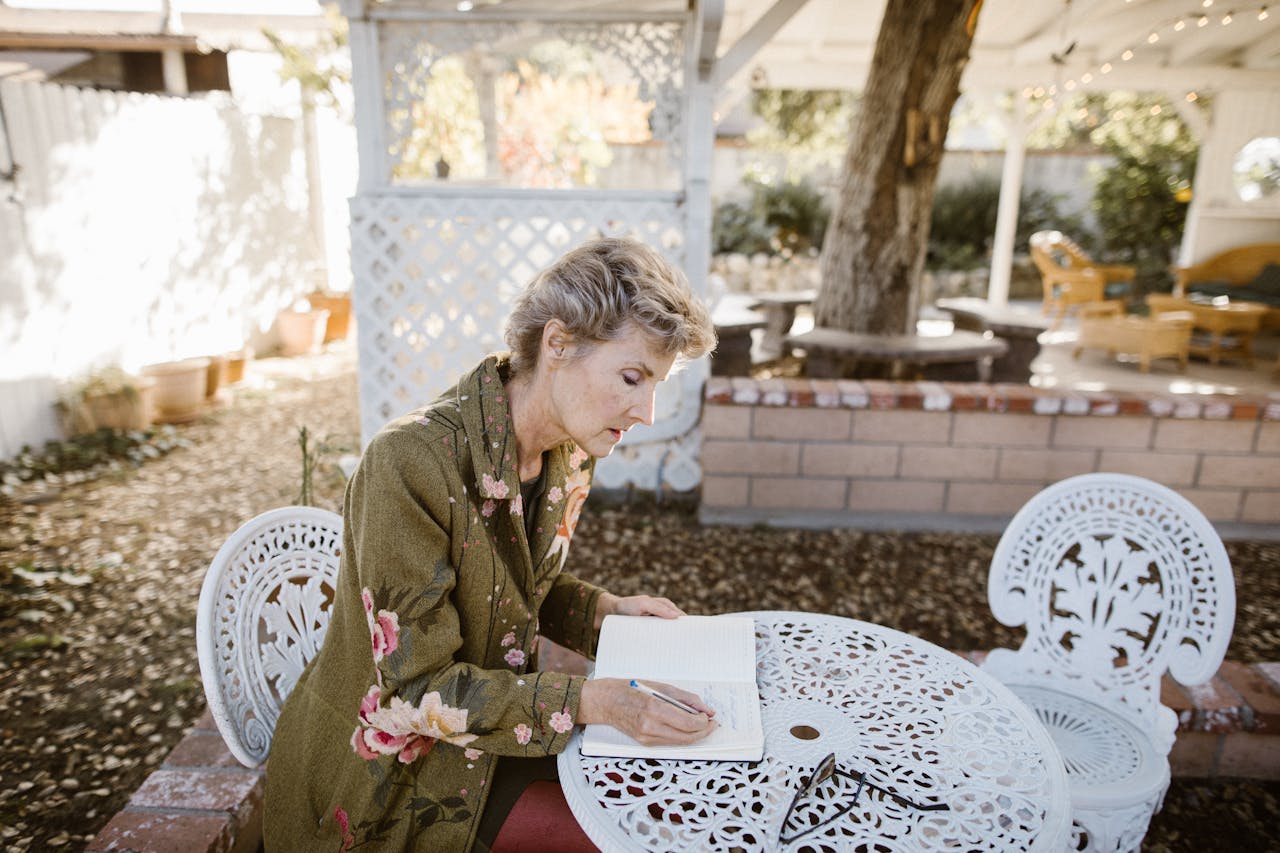
<p> Journaling is more than just a pastime; it is a powerful tool for reflection and personal growth, especially as we enter our 40s and beyond. This stage of life often brings significant changes—career shifts, family dynamics, and personal transformations. Embracing the practice of journaling can provide clarity and support as you navigate these changes. Here are eight compelling benefits of journaling that make it an essential reflection tool for those over 40. </p> :: Pexels

Journaling is more than just a pastime; it is a powerful tool for reflection and personal growth, especially as we enter our 40s and beyond. This stage of life often brings significant changes—career shifts, family dynamics, and personal transformations. Embracing the practice of journaling can provide clarity and support as you navigate these changes. Here are eight compelling benefits of journaling that make it an essential reflection tool for those over 40.

1. Enhanced Self-Awareness

<p> Journaling is an excellent way to cultivate self-awareness. By writing down your thoughts and feelings, you create a space for introspection, helping you better understand your emotions, motivations, and behaviors. This increased self-awareness can lead to improved decision-making and healthier relationships as you become more in tune with your inner self. Whether you are reflecting on daily experiences or exploring deeper existential questions, journaling encourages you to examine your life more closely and identify patterns that might not be immediately apparent. </p> :: Pexels

Journaling is an excellent way to cultivate self-awareness. By writing down your thoughts and feelings, you create a space for introspection, helping you better understand your emotions, motivations, and behaviors. This increased self-awareness can lead to improved decision-making and healthier relationships as you become more in tune with your inner self. Whether you are reflecting on daily experiences or exploring deeper existential questions, journaling encourages you to examine your life more closely and identify patterns that might not be immediately apparent.

2. Stress Reduction

<p> Life after 40 can come with its share of stress, whether from work pressures, family responsibilities, or health concerns. Journaling provides a therapeutic outlet for expressing feelings of anxiety and overwhelm. By putting pen to paper, you can process your emotions and articulate your worries, which can help to alleviate stress. Numerous studies have shown that expressive writing can lower cortisol levels, the hormone associated with stress, leading to a greater sense of calm and emotional balance. Regular journaling can serve as a healthy coping mechanism, allowing you to offload burdens and regain control. </p> :: Pexels

Life after 40 can come with its share of stress, whether from work pressures, family responsibilities, or health concerns. Journaling provides a therapeutic outlet for expressing feelings of anxiety and overwhelm. By putting pen to paper, you can process your emotions and articulate your worries, which can help to alleviate stress. Numerous studies have shown that expressive writing can lower cortisol levels, the hormone associated with stress, leading to a greater sense of calm and emotional balance. Regular journaling can serve as a healthy coping mechanism, allowing you to offload burdens and regain control.

3. Improved Mental Clarity

<p> As we age, our minds can feel cluttered with responsibilities and memories. Journaling helps clear this mental clutter by allowing you to organize your thoughts and feelings. Writing down your ideas or to-do lists can facilitate a clearer perspective, enabling you to prioritize what truly matters. This practice not only improves cognitive function but also enhances focus and productivity. By creating a habit of journaling, you can foster a mindset that values clarity and purpose, making it easier to navigate daily challenges and achieve your goals. </p> :: Pexels

As we age, our minds can feel cluttered with responsibilities and memories. Journaling helps clear this mental clutter by allowing you to organize your thoughts and feelings. Writing down your ideas or to-do lists can facilitate a clearer perspective, enabling you to prioritize what truly matters. This practice not only improves cognitive function but also enhances focus and productivity. By creating a habit of journaling, you can foster a mindset that values clarity and purpose, making it easier to navigate daily challenges and achieve your goals.

4. Enhanced Emotional Resilience

<p> Facing life’s challenges requires emotional resilience, which can be cultivated through journaling. Reflective writing allows you to explore difficult situations, fostering a deeper understanding of your emotional responses. By examining how you cope with setbacks and frustrations, you can identify strategies that work for you and those that do not. This self-exploration enables you to build a more resilient mindset, equipping you to handle adversity with greater grace. Over time, journaling can help you develop a more positive outlook and greater emotional strength, making you more adept at navigating life’s ups and downs. </p> :: Pexels

Facing life’s challenges requires emotional resilience, which can be cultivated through journaling. Reflective writing allows you to explore difficult situations, fostering a deeper understanding of your emotional responses. By examining how you cope with setbacks and frustrations, you can identify strategies that work for you and those that do not. This self-exploration enables you to build a more resilient mindset, equipping you to handle adversity with greater grace. Over time, journaling can help you develop a more positive outlook and greater emotional strength, making you more adept at navigating life’s ups and downs.

5. Creative Expression

<p> Journaling is a fantastic medium for creative expression, providing a safe space to explore your thoughts, ideas, and fantasies. Whether you enjoy writing, drawing, or brainstorming, a journal can serve as a canvas for your creativity. This form of expression can be especially liberating as you age, allowing you to rediscover passions that may have been sidelined during busier years. Engaging in creative journaling not only enhances your imaginative skills but can also lead to a greater sense of fulfillment and joy in your life. Embracing creativity in this way can reignite your passions and inspire new hobbies. </p> :: Pexels

Journaling is a fantastic medium for creative expression, providing a safe space to explore your thoughts, ideas, and fantasies. Whether you enjoy writing, drawing, or brainstorming, a journal can serve as a canvas for your creativity. This form of expression can be especially liberating as you age, allowing you to rediscover passions that may have been sidelined during busier years. Engaging in creative journaling not only enhances your imaginative skills but can also lead to a greater sense of fulfillment and joy in your life. Embracing creativity in this way can reignite your passions and inspire new hobbies.

6. Goal Setting and Tracking

<p> As you move through your 40s and beyond, setting and achieving goals becomes increasingly important. Journaling offers an effective way to outline your aspirations and track your progress. By regularly documenting your goals, whether personal, professional, or health-related, you create a roadmap for success. This practice not only holds you accountable but also allows you to celebrate your achievements, no matter how small. Revisiting your goals periodically helps to reinforce your commitment and can provide motivation during challenging times. By actively engaging in this process, you can foster a proactive approach to life, making it easier to realize your dreams. </p> :: Pexels

As you move through your 40s and beyond, setting and achieving goals becomes increasingly important. Journaling offers an effective way to outline your aspirations and track your progress. By regularly documenting your goals, whether personal, professional, or health-related, you create a roadmap for success. This practice not only holds you accountable but also allows you to celebrate your achievements, no matter how small. Revisiting your goals periodically helps to reinforce your commitment and can provide motivation during challenging times. By actively engaging in this process, you can foster a proactive approach to life, making it easier to realize your dreams.

7. Strengthened Memory

<p> Writing helps improve memory retention and recall, making it particularly beneficial as we age. The act of journaling requires you to articulate your thoughts and experiences, which can enhance your cognitive function and memory skills. When you record events, emotions, and reflections, you engage different parts of your brain, reinforcing neural pathways and helping you retain information more effectively. This mental exercise is vital for maintaining cognitive health as you age, potentially staving off memory decline. Regularly journaling can keep your mind sharp and agile, allowing you to navigate life’s complexities with ease. </p> :: Pexels

Writing helps improve memory retention and recall, making it particularly beneficial as we age. The act of journaling requires you to articulate your thoughts and experiences, which can enhance your cognitive function and memory skills. When you record events, emotions, and reflections, you engage different parts of your brain, reinforcing neural pathways and helping you retain information more effectively. This mental exercise is vital for maintaining cognitive health as you age, potentially staving off memory decline. Regularly journaling can keep your mind sharp and agile, allowing you to navigate life’s complexities with ease.

8. A Legacy of Reflection

<p> Journaling serves not only as a personal reflection tool but also as a means of creating a legacy for future generations. As you document your thoughts, experiences, and wisdom gained over the years, you create a valuable resource that can be shared with family and friends. This written legacy allows others to learn from your insights and experiences, fostering connection and understanding across generations. In a world that often prioritizes the digital over the personal, a handwritten journal can become a treasured keepsake that carries your stories and lessons forward. Sharing your reflections can inspire others and encourage meaningful conversations about life’s journeys. </p> :: Pexels

Journaling serves not only as a personal reflection tool but also as a means of creating a legacy for future generations. As you document your thoughts, experiences, and wisdom gained over the years, you create a valuable resource that can be shared with family and friends. This written legacy allows others to learn from your insights and experiences, fostering connection and understanding across generations. In a world that often prioritizes the digital over the personal, a handwritten journal can become a treasured keepsake that carries your stories and lessons forward. Sharing your reflections can inspire others and encourage meaningful conversations about life’s journeys.

Final Thoughts

<p> Journaling offers a myriad of benefits, particularly for those navigating the transformative years after 40. From enhancing self-awareness and emotional resilience to providing a space for creative expression and goal setting, the act of journaling can significantly enrich your life. As you embark on this reflective journey, remember that your journal is a personal sanctuary—a place where you can explore, grow, and discover new dimensions of yourself. So, grab a pen and paper, or open your favorite digital journaling app, and start reflecting today. Embrace the transformative power of journaling, and watch as it becomes an essential tool in your journey of self-discovery and growth. </p> :: Pexels

Journaling offers a myriad of benefits, particularly for those navigating the transformative years after 40. From enhancing self-awareness and emotional resilience to providing a space for creative expression and goal setting, the act of journaling can significantly enrich your life. As you embark on this reflective journey, remember that your journal is a personal sanctuary—a place where you can explore, grow, and discover new dimensions of yourself. So, grab a pen and paper, or open your favorite digital journaling app, and start reflecting today. Embrace the transformative power of journaling, and watch as it becomes an essential tool in your journey of self-discovery and growth.

Filed Under: Lifestyle

8 Low-Sugar Desserts That Don’t Skimp on Flavor

February 5, 2026 | Leave a Comment

8 Low-Sugar Desserts That Don’t Skimp on Flavor

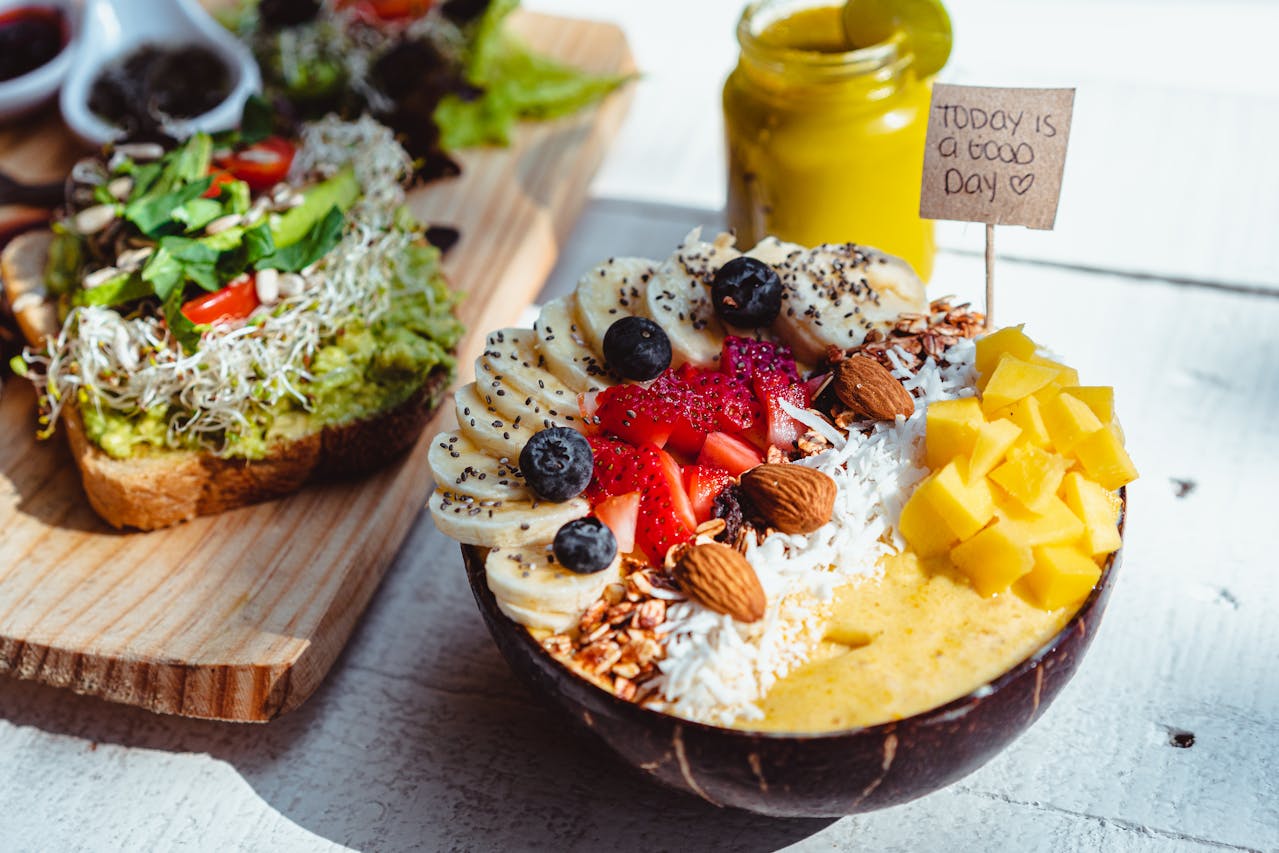
<p> Looking to satisfy your sweet tooth without all the extra sugar? Whether you’re cutting back on sugar for health reasons or just aiming for a lighter option, there are plenty of delicious treats that keep sugar low while delivering maximum flavor. Here’s a list of eight mouth-watering, low-sugar desserts that won’t make you feel like you’re missing out. These treats use natural sweeteners and wholesome ingredients to give you all the taste without the sugar overload. </p> :: Pexels

Looking to satisfy your sweet tooth without all the extra sugar? Whether you’re cutting back on sugar for health reasons or just aiming for a lighter option, there are plenty of delicious treats that keep sugar low while delivering maximum flavor. Here’s a list of eight mouth-watering, low-sugar desserts that won’t make you feel like you’re missing out. These treats use natural sweeteners and wholesome ingredients to give you all the taste without the sugar overload.

1. Chocolate Avocado Mousse

<p> Chocolate mousse lovers can enjoy a new twist with this avocado-based version that swaps heavy cream for ripe avocados, creating a creamy, rich texture without loads of added sugar. Avocado mousse is typically sweetened with just a hint of honey or maple syrup, allowing the natural taste of cocoa to shine. Simply blend ripe avocados with unsweetened cocoa powder, a dash of vanilla extract, and a small amount of natural sweetener. The result is a smooth, decadent dessert with healthy fats from the avocado and a fraction of the sugar found in traditional mousse. It’s a guilt-free way to enjoy chocolate! </p> :: Pexels

Chocolate mousse lovers can enjoy a new twist with this avocado-based version that swaps heavy cream for ripe avocados, creating a creamy, rich texture without loads of added sugar. Avocado mousse is typically sweetened with just a hint of honey or maple syrup, allowing the natural taste of cocoa to shine. Simply blend ripe avocados with unsweetened cocoa powder, a dash of vanilla extract, and a small amount of natural sweetener. The result is a smooth, decadent dessert with healthy fats from the avocado and a fraction of the sugar found in traditional mousse. It’s a guilt-free way to enjoy chocolate!

2. Greek Yogurt Parfait with Berries and Nuts

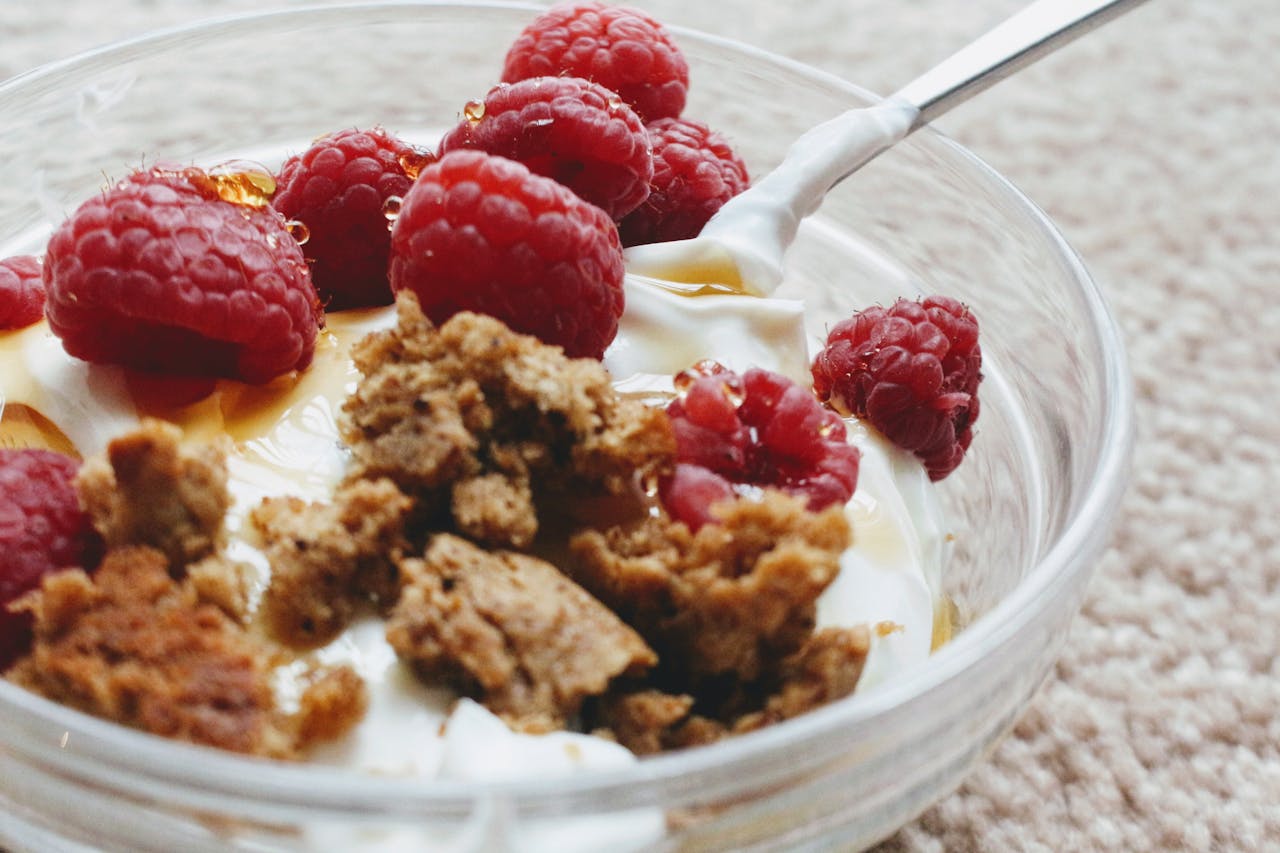
<p> A Greek yogurt parfait is both visually stunning and packed with flavor, making it a popular low-sugar dessert choice. By layering Greek yogurt with fresh berries and a sprinkle of nuts or seeds, you create a treat that’s naturally sweetened by the fruit. Greek yogurt is high in protein and low in sugar, especially if you choose the plain variety. Add a tiny drizzle of honey if you prefer it a bit sweeter, but the berries and nuts will bring out natural flavors that make this parfait a delightful and nutritious choice. It’s perfect for breakfast or dessert! </p> :: Pexels

A Greek yogurt parfait is both visually stunning and packed with flavor, making it a popular low-sugar dessert choice. By layering Greek yogurt with fresh berries and a sprinkle of nuts or seeds, you create a treat that’s naturally sweetened by the fruit. Greek yogurt is high in protein and low in sugar, especially if you choose the plain variety. Add a tiny drizzle of honey if you prefer it a bit sweeter, but the berries and nuts will bring out natural flavors that make this parfait a delightful and nutritious choice. It’s perfect for breakfast or dessert!

3. Chia Seed Pudding with Almond Milk

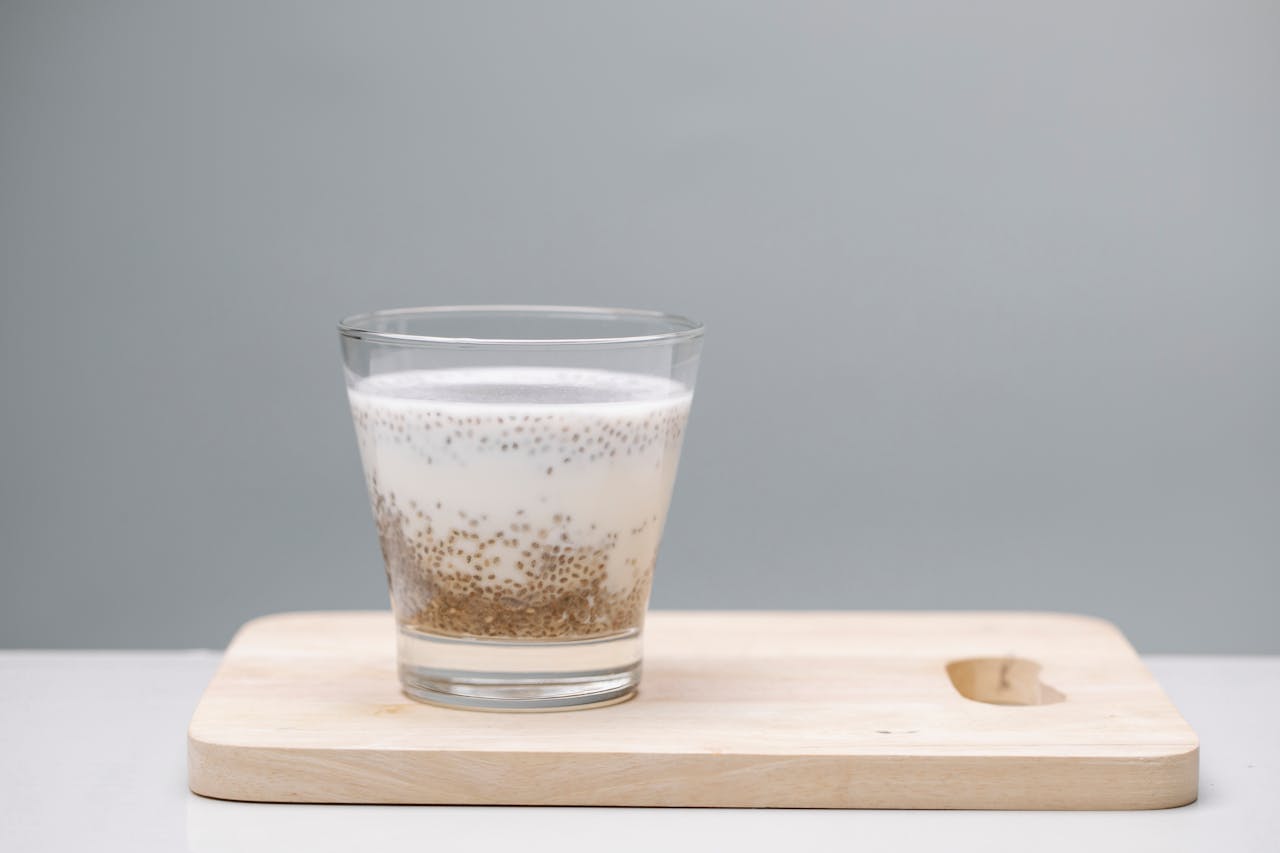
<p> Chia seed pudding is a dessert that’s as fun to make as it is to eat. When chia seeds are combined with almond milk and left to sit overnight, they absorb the liquid and create a pudding-like consistency. This dessert can be made in a variety of flavors by adding vanilla, cinnamon, or a touch of cocoa powder. Sweeten it lightly with a teaspoon of maple syrup or enjoy it plain to let the toppings—such as fresh fruit or a sprinkle of crushed nuts—shine. This dessert is low in sugar, high in fiber, and has a unique texture that’s both satisfying and filling. </p> :: Pexels

Chia seed pudding is a dessert that’s as fun to make as it is to eat. When chia seeds are combined with almond milk and left to sit overnight, they absorb the liquid and create a pudding-like consistency. This dessert can be made in a variety of flavors by adding vanilla, cinnamon, or a touch of cocoa powder. Sweeten it lightly with a teaspoon of maple syrup or enjoy it plain to let the toppings—such as fresh fruit or a sprinkle of crushed nuts—shine. This dessert is low in sugar, high in fiber, and has a unique texture that’s both satisfying and filling.

4. Coconut Macaroons

<p> Coconut macaroons are naturally low in sugar, especially if you use unsweetened coconut flakes and a touch of honey or a sugar substitute. These little coconut bites are moist, chewy, and bursting with tropical flavor. For an extra touch, consider dipping the bottoms in melted dark chocolate. Coconut is high in fiber and healthy fats, making these treats a satisfying option that will keep you full longer than most cookies. They’re ideal for anyone craving a sweet snack that’s low on the glycemic index and big on flavor. </p> :: Pexels

Coconut macaroons are naturally low in sugar, especially if you use unsweetened coconut flakes and a touch of honey or a sugar substitute. These little coconut bites are moist, chewy, and bursting with tropical flavor. For an extra touch, consider dipping the bottoms in melted dark chocolate. Coconut is high in fiber and healthy fats, making these treats a satisfying option that will keep you full longer than most cookies. They’re ideal for anyone craving a sweet snack that’s low on the glycemic index and big on flavor.

5. Apple Cinnamon Baked Slices

<p> If you’re a fan of warm, comforting desserts, baked apple slices are a must-try. Simply slice up a few apples, sprinkle them with cinnamon, and bake until tender. Apples are naturally sweet, and when they’re baked, their sugars caramelize to create a delicious, candy-like flavor. You can even add a sprinkle of oats or nuts on top for a bit of crunch. This dessert is entirely naturally sweetened by the apples themselves, making it a low-sugar option that still feels indulgent. It’s the perfect dessert for chilly nights or a cozy autumn afternoon. </p> :: Pexels

If you’re a fan of warm, comforting desserts, baked apple slices are a must-try. Simply slice up a few apples, sprinkle them with cinnamon, and bake until tender. Apples are naturally sweet, and when they’re baked, their sugars caramelize to create a delicious, candy-like flavor. You can even add a sprinkle of oats or nuts on top for a bit of crunch. This dessert is entirely naturally sweetened by the apples themselves, making it a low-sugar option that still feels indulgent. It’s the perfect dessert for chilly nights or a cozy autumn afternoon.

6. Banana Nice Cream

<p> For ice cream lovers looking to reduce their sugar intake, “nice cream” is the ultimate substitute. Made by blending frozen bananas, this dairy-free treat mimics the creamy texture of traditional ice cream without any added sugar. Bananas provide natural sweetness, and you can customize the flavor by adding cocoa powder, a handful of berries, or even a dash of cinnamon. You get all the satisfaction of ice cream with the added bonus of vitamins and minerals from the bananas. This dessert is perfect for anyone seeking a creamy, cold treat that’s both nutritious and naturally sweet. </p> :: Pexels

For ice cream lovers looking to reduce their sugar intake, “nice cream” is the ultimate substitute. Made by blending frozen bananas, this dairy-free treat mimics the creamy texture of traditional ice cream without any added sugar. Bananas provide natural sweetness, and you can customize the flavor by adding cocoa powder, a handful of berries, or even a dash of cinnamon. You get all the satisfaction of ice cream with the added bonus of vitamins and minerals from the bananas. This dessert is perfect for anyone seeking a creamy, cold treat that’s both nutritious and naturally sweet.

7. Ricotta with Honey and Fresh Peaches

<p> Ricotta cheese isn’t just for savory dishes; it makes an excellent base for a low-sugar dessert. Simply spoon out some creamy ricotta, drizzle with a tiny amount of honey, and top with fresh peach slices. The mild flavor of ricotta pairs beautifully with the sweetness of peaches and a hint of honey, creating a balanced dessert that feels luxurious without being overly sweet. This is an especially great choice for those who prefer creamy, dairy-based treats. Ricotta is naturally high in protein and calcium, making this dessert as nutritious as it is delicious. </p> :: Pexels

Ricotta cheese isn’t just for savory dishes; it makes an excellent base for a low-sugar dessert. Simply spoon out some creamy ricotta, drizzle with a tiny amount of honey, and top with fresh peach slices. The mild flavor of ricotta pairs beautifully with the sweetness of peaches and a hint of honey, creating a balanced dessert that feels luxurious without being overly sweet. This is an especially great choice for those who prefer creamy, dairy-based treats. Ricotta is naturally high in protein and calcium, making this dessert as nutritious as it is delicious.

8. Pumpkin Spice Energy Balls

<p> These no-bake pumpkin spice energy balls are an ideal choice for fall. They’re made with real pumpkin puree, a touch of nut butter, and a sprinkle of pumpkin spice, creating a flavorful treat that’s low in sugar but big on taste. Oats and nuts provide texture, while a hint of maple syrup adds just the right amount of sweetness. Simply mix, roll, and refrigerate these energy balls for a quick and easy dessert. They’re packed with fiber, healthy fats, and the warming flavors of autumn, giving you a dessert that’s both wholesome and satisfying. </p> :: Pexels

These no-bake pumpkin spice energy balls are an ideal choice for fall. They’re made with real pumpkin puree, a touch of nut butter, and a sprinkle of pumpkin spice, creating a flavorful treat that’s low in sugar but big on taste. Oats and nuts provide texture, while a hint of maple syrup adds just the right amount of sweetness. Simply mix, roll, and refrigerate these energy balls for a quick and easy dessert. They’re packed with fiber, healthy fats, and the warming flavors of autumn, giving you a dessert that’s both wholesome and satisfying.

Final Thoughts

<p> Low-sugar desserts don’t have to be dull or tasteless. By using natural sweeteners like fruit, honey, or maple syrup sparingly and incorporating nutrient-rich ingredients, it’s possible to create a range of delicious desserts that satisfy your cravings without a sugar overload. Each of these eight options brings its own unique flavor profile and texture, proving that you can enjoy dessert even when watching your sugar intake. Whether you’re making a rich chocolate avocado mousse or a simple baked apple treat, these low-sugar options let you indulge without compromise. </p> :: Pexels

Low-sugar desserts don’t have to be dull or tasteless. By using natural sweeteners like fruit, honey, or maple syrup sparingly and incorporating nutrient-rich ingredients, it’s possible to create a range of delicious desserts that satisfy your cravings without a sugar overload. Each of these eight options brings its own unique flavor profile and texture, proving that you can enjoy dessert even when watching your sugar intake. Whether you’re making a rich chocolate avocado mousse or a simple baked apple treat, these low-sugar options let you indulge without compromise.

Filed Under: Food & Drink

10 Perfect Gifts for Home Bar Enthusiasts Who Love Cocktails

February 5, 2026 | Leave a Comment

10 Perfect Gifts for Home Bar Enthusiasts Who Love Cocktails

<p> If you know someone who is passionate about cocktails and loves crafting drinks at home, there's no better way to show you care than with a thoughtful and practical gift. From beginner bartenders to seasoned mixologists, the perfect gift can enhance their home bar setup and make their cocktail experience even more enjoyable. Whether they’re into classic cocktails or experimenting with new creations, these 10 perfect gifts for home bar enthusiasts are sure to impress. Each item on this list serves as both a useful tool and a stylish addition to any home bar, giving them everything they need to elevate their cocktail game. </p> :: Pexels

If you know someone who is passionate about cocktails and loves crafting drinks at home, there’s no better way to show you care than with a thoughtful and practical gift. From beginner bartenders to seasoned mixologists, the perfect gift can enhance their home bar setup and make their cocktail experience even more enjoyable. Whether they’re into classic cocktails or experimenting with new creations, these 10 perfect gifts for home bar enthusiasts are sure to impress. Each item on this list serves as both a useful tool and a stylish addition to any home bar, giving them everything they need to elevate their cocktail game.

1. Cocktail Shaker Set

Every home bartender needs a reliable cocktail shaker set to create perfect drinks every time. A complete shaker set usually includes a shaker, muddler, strainer, jigger, and stirring spoon. Made from durable stainless steel, this set not only ensures a smooth mixing experience but also adds a touch of sophistication to the home bar. Whether they are mixing up a martini, margarita, or mojito, this shaker set has everything they need to create their favorite cocktails with precision. For anyone serious about their drink-making skills, this set is an indispensable gift.

2. Personalized Whiskey Decanter Set

For someone who appreciates fine spirits like whiskey, bourbon, or rum, a personalized whiskey decanter set makes for a thoughtful and stylish gift. The decanter is perfect for storing and showcasing their favorite liquors while keeping them fresh. The set often includes matching glasses, which add to the elegance of the drinking experience. What makes this gift truly special is the ability to personalize the decanter and glasses with their name or initials, creating a one-of-a-kind gift that they’ll cherish for years to come. It’s a gift that’s both functional and decorative, perfect for a home bar enthusiast.

3. Craft Cocktail Recipe Book

<p> A craft cocktail recipe book is an ideal gift for anyone who enjoys experimenting with new drinks and flavors. These books offer step-by-step instructions for creating both classic and contemporary cocktails. Some even focus on specific types of spirits, like rum or gin, allowing the recipient to explore a wide range of cocktail styles. A good recipe book not only teaches new techniques but also gives helpful tips on garnishing, presentation, and substitutions for hard-to-find ingredients. Whether they’re looking to make a new favorite drink or improve their skills, this gift will help them expand their cocktail-making knowledge. </p> :: Cook In Dine Our | cookindineout.com

A craft cocktail recipe book is an ideal gift for anyone who enjoys experimenting with new drinks and flavors. These books offer step-by-step instructions for creating both classic and contemporary cocktails. Some even focus on specific types of spirits, like rum or gin, allowing the recipient to explore a wide range of cocktail styles. A good recipe book not only teaches new techniques but also gives helpful tips on garnishing, presentation, and substitutions for hard-to-find ingredients. Whether they’re looking to make a new favorite drink or improve their skills, this gift will help them expand their cocktail-making knowledge.

4. Ice Cube Trays for Perfect Ice

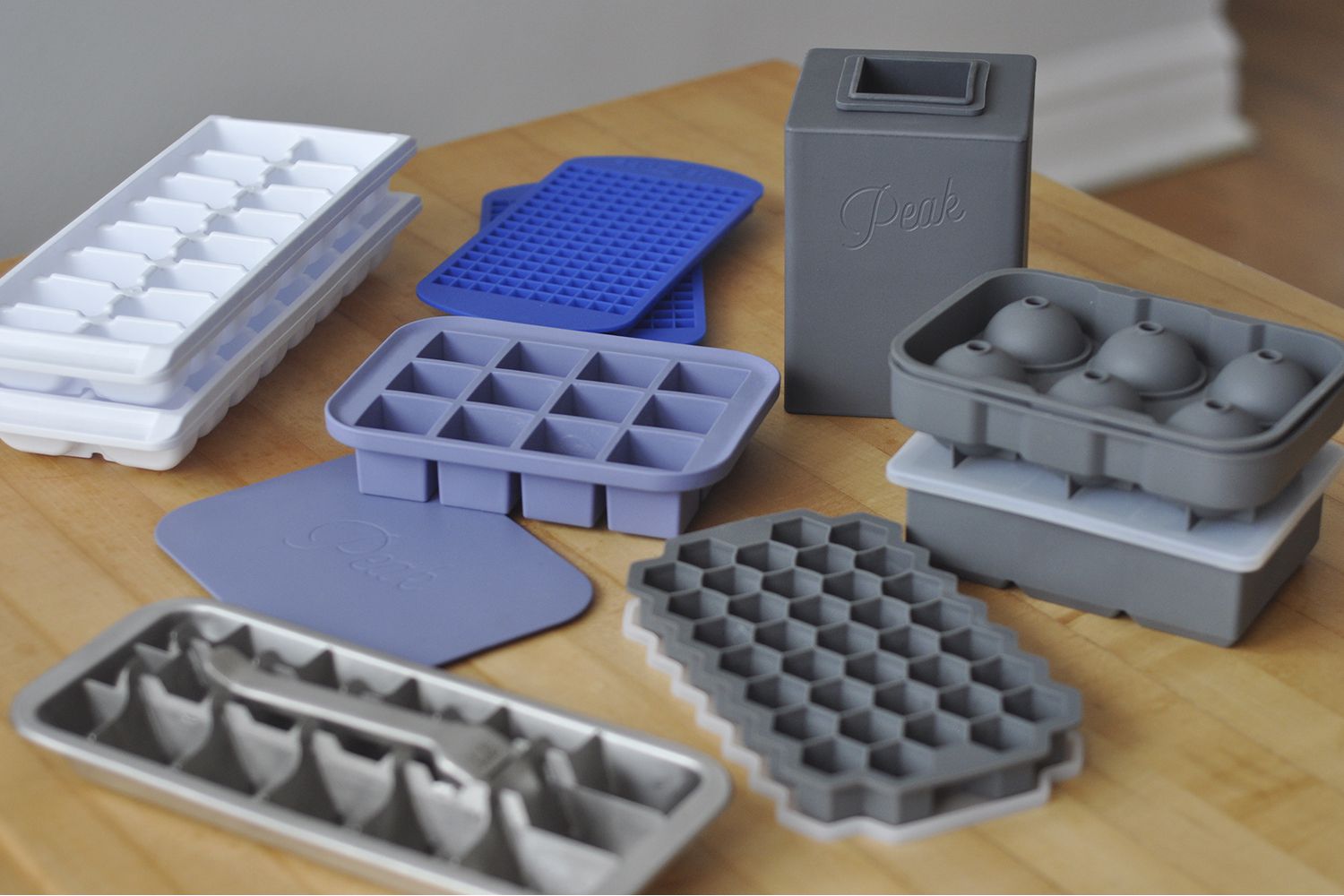
<p> The perfect ice cube can make all the difference in a cocktail, and large, slow-melting cubes are ideal for keeping drinks cold without diluting them too quickly. High-quality ice cube trays that create large, square, or spherical ice cubes are an excellent gift for any home bartender. For those looking to add an extra touch of luxury to their drinks, crystal-clear ice makers are a great option. These trays and machines ensure that every cocktail, from a whiskey on the rocks to a gin and tonic, is perfectly chilled and presented. For someone who takes their cocktails seriously, perfect ice is a must-have. </p> :: Liquor.com / Sarah Freeman

The perfect ice cube can make all the difference in a cocktail, and large, slow-melting cubes are ideal for keeping drinks cold without diluting them too quickly. High-quality ice cube trays that create large, square, or spherical ice cubes are an excellent gift for any home bartender. For those looking to add an extra touch of luxury to their drinks, crystal-clear ice makers are a great option. These trays and machines ensure that every cocktail, from a whiskey on the rocks to a gin and tonic, is perfectly chilled and presented. For someone who takes their cocktails seriously, perfect ice is a must-have.

5. Bartender’s Tool Roll

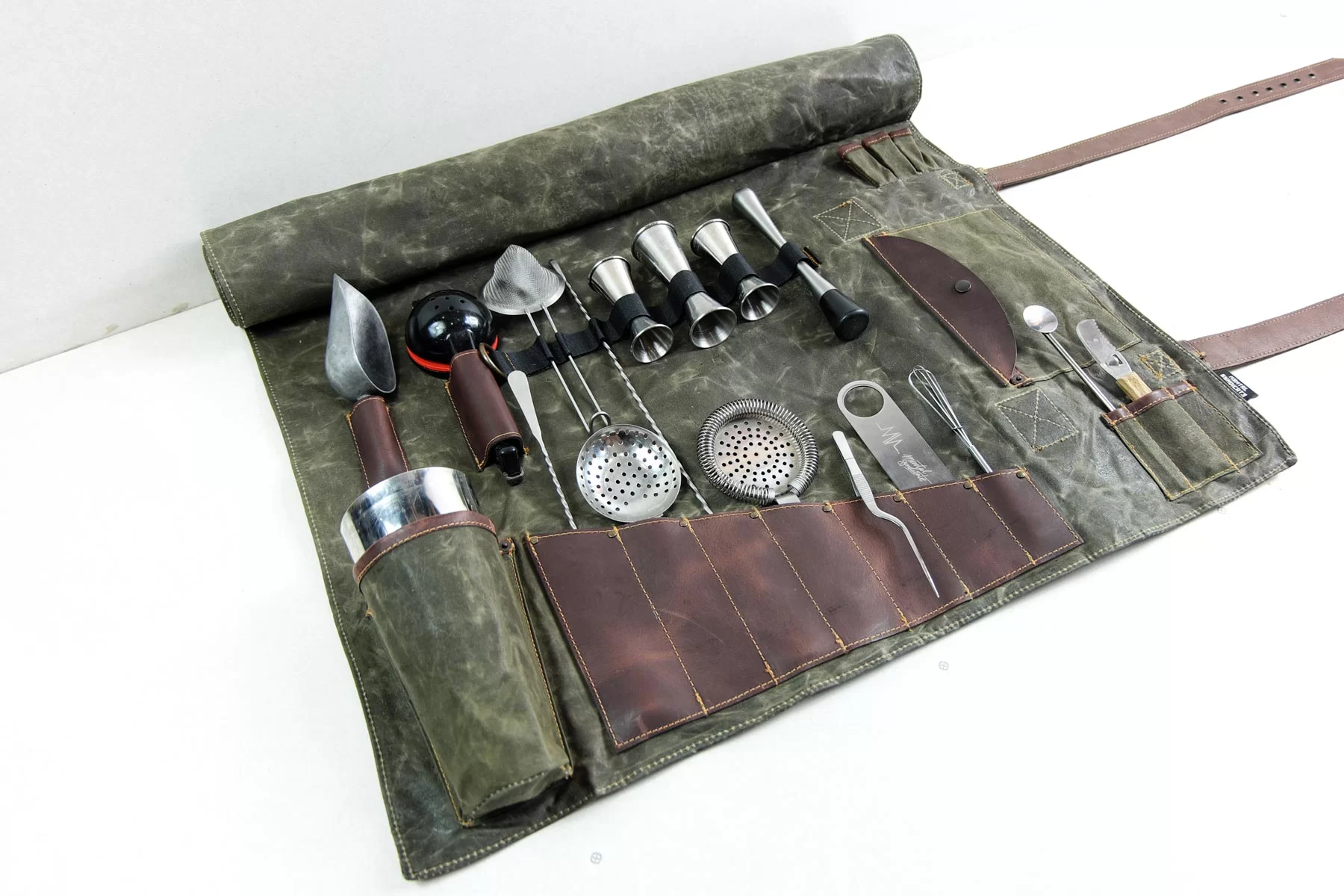
<p> For the bartender on the go, a bartender’s tool roll is a practical and stylish gift. These rolls are designed to hold all the essential tools needed for crafting cocktails, such as a muddler, jigger, strainer, and bar spoon. Made from durable materials like leather or canvas, these tool rolls keep everything organized and easily accessible. Whether they’re hosting a gathering, attending a party, or traveling to a cocktail competition, a tool roll ensures they have all their tools at hand in one compact, portable package. It’s a perfect gift for anyone who enjoys mixing drinks in a variety of settings. </p> :: Mental Syndicate

For the bartender on the go, a bartender’s tool roll is a practical and stylish gift. These rolls are designed to hold all the essential tools needed for crafting cocktails, such as a muddler, jigger, strainer, and bar spoon. Made from durable materials like leather or canvas, these tool rolls keep everything organized and easily accessible. Whether they’re hosting a gathering, attending a party, or traveling to a cocktail competition, a tool roll ensures they have all their tools at hand in one compact, portable package. It’s a perfect gift for anyone who enjoys mixing drinks in a variety of settings.

6. Premium Cocktail Glassware Set

<p> The right glassware can take a cocktail from ordinary to extraordinary, making it an essential gift for any home bar enthusiast. A premium set of cocktail glasses, such as martini glasses, coupe glasses, or highball glasses, adds elegance to the drink-making process. Choose a set that suits their style and the types of cocktails they enjoy most. For example, coupe glasses are perfect for classic cocktails like a French 75 or a Manhattan, while highball glasses work well for mixed drinks like gin and tonic. With high-quality glassware, every drink becomes a special occasion. </p> :: Pexels

The right glassware can take a cocktail from ordinary to extraordinary, making it an essential gift for any home bar enthusiast. A premium set of cocktail glasses, such as martini glasses, coupe glasses, or highball glasses, adds elegance to the drink-making process. Choose a set that suits their style and the types of cocktails they enjoy most. For example, coupe glasses are perfect for classic cocktails like a French 75 or a Manhattan, while highball glasses work well for mixed drinks like gin and tonic. With high-quality glassware, every drink becomes a special occasion.

7. Infused Cocktail Kits

<p> Infused cocktail kits offer a unique way for home bartenders to explore new flavors and create personalized drinks. These kits typically include ingredients like dried fruits, herbs, spices, and easy-to-follow instructions for infusing spirits such as rum, gin, or vodka. The infusion process allows cocktail lovers to experiment with different flavor profiles and create drinks that are truly one-of-a-kind. Whether they’re infusing botanicals for a gin-based cocktail or experimenting with tropical fruits for a rum punch, these kits will inspire creativity in their home bar. For someone who loves exploring new flavor combinations, an infused cocktail kit is an excellent gift. </p> :: Pexels

Infused cocktail kits offer a unique way for home bartenders to explore new flavors and create personalized drinks. These kits typically include ingredients like dried fruits, herbs, spices, and easy-to-follow instructions for infusing spirits such as rum, gin, or vodka. The infusion process allows cocktail lovers to experiment with different flavor profiles and create drinks that are truly one-of-a-kind. Whether they’re infusing botanicals for a gin-based cocktail or experimenting with tropical fruits for a rum punch, these kits will inspire creativity in their home bar. For someone who loves exploring new flavor combinations, an infused cocktail kit is an excellent gift.

8. Wine and Liquor Storage Rack

<p> A stylish wine and liquor storage rack not only helps organize a home bar but also adds a decorative touch to any space. These racks are designed to store bottles of wine, liquor, and even cocktail glasses in an organized manner. They come in various designs, from sleek and modern to rustic and vintage, so you can choose one that matches their style. A wine and liquor storage rack is a practical gift for someone who enjoys collecting different spirits or wines. It keeps their bottles easily accessible and displays them in a way that enhances their home bar’s overall aesthetic. </p> :: Pexels

A stylish wine and liquor storage rack not only helps organize a home bar but also adds a decorative touch to any space. These racks are designed to store bottles of wine, liquor, and even cocktail glasses in an organized manner. They come in various designs, from sleek and modern to rustic and vintage, so you can choose one that matches their style. A wine and liquor storage rack is a practical gift for someone who enjoys collecting different spirits or wines. It keeps their bottles easily accessible and displays them in a way that enhances their home bar’s overall aesthetic.

9. Smoked Cocktail Kit

<p> For cocktail enthusiasts who want to add a little flair to their drink-making, a smoked cocktail kit is the perfect gift. These kits typically come with a smoker, wood chips, and a glass dome to create a smoky effect when placed over a drink. The result is a visually stunning cocktail with an enhanced aroma and flavor profile. Smoked cocktails are perfect for special occasions or when they want to impress guests with something unique. A smoked cocktail kit is a fun and creative gift for anyone who loves experimenting with new techniques and flavors in their drinks. </p> :: The Spruce Eats / Will Dickey

For cocktail enthusiasts who want to add a little flair to their drink-making, a smoked cocktail kit is the perfect gift. These kits typically come with a smoker, wood chips, and a glass dome to create a smoky effect when placed over a drink. The result is a visually stunning cocktail with an enhanced aroma and flavor profile. Smoked cocktails are perfect for special occasions or when they want to impress guests with something unique. A smoked cocktail kit is a fun and creative gift for anyone who loves experimenting with new techniques and flavors in their drinks.

10. Bartender’s Digital Thermometer

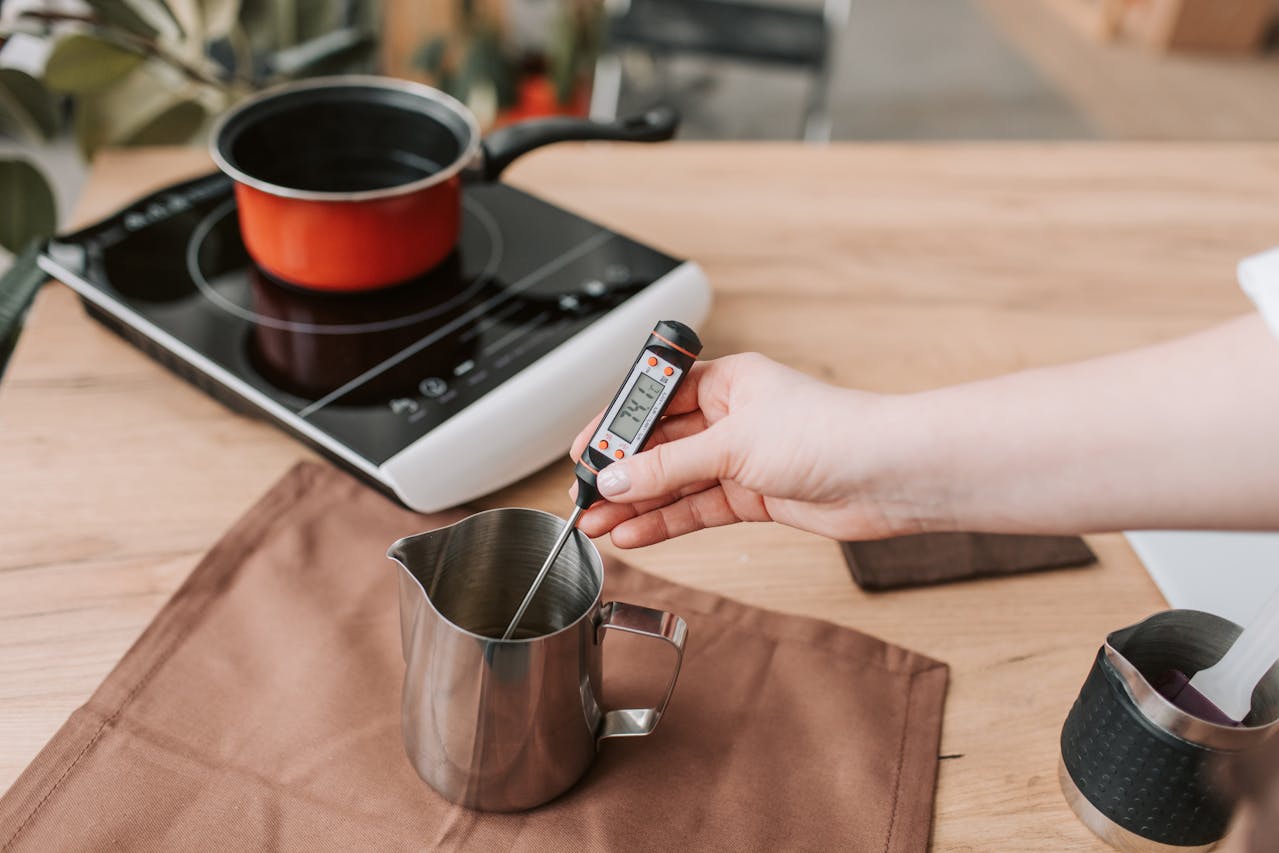
<p> Precision is key when it comes to making the perfect cocktail, and a bartender’s digital thermometer is an excellent tool for ensuring the ideal temperature for every ingredient. Whether they’re heating up a hot cocktail like a mulled wine or chilling a cold drink to perfection, this thermometer allows the home bartender to get it just right every time. It can also be useful for checking the temperature of syrups, bitters, and other cocktail components. For someone who takes their drinks seriously and wants to perfect every detail, a bartender’s digital thermometer is a must-have addition to their toolkit. </p> :: Pexels

Precision is key when it comes to making the perfect cocktail, and a bartender’s digital thermometer is an excellent tool for ensuring the ideal temperature for every ingredient. Whether they’re heating up a hot cocktail like a mulled wine or chilling a cold drink to perfection, this thermometer allows the home bartender to get it just right every time. It can also be useful for checking the temperature of syrups, bitters, and other cocktail components. For someone who takes their drinks seriously and wants to perfect every detail, a bartender’s digital thermometer is a must-have addition to their toolkit.

Final Thoughts

<p> These 10 perfect gifts for home bar enthusiasts who love cocktails are designed to enhance their mixology experience and elevate their home bar setup. From essential tools like a cocktail shaker set to creative items like a smoked cocktail kit, each gift provides both style and function. Whether the person you’re shopping for is a novice or an experienced bartender, these thoughtful gifts will inspire them to experiment with new flavors, improve their techniques, and create memorable drinks. If you’re looking for a gift that any home bartender will love, look no further—these items are sure to impress and delight! </p> :: Pexels

These 10 perfect gifts for home bar enthusiasts who love cocktails are designed to enhance their mixology experience and elevate their home bar setup. From essential tools like a cocktail shaker set to creative items like a smoked cocktail kit, each gift provides both style and function. Whether the person you’re shopping for is a novice or an experienced bartender, these thoughtful gifts will inspire them to experiment with new flavors, improve their techniques, and create memorable drinks. If you’re looking for a gift that any home bartender will love, look no further—these items are sure to impress and delight!

Filed Under: Lifestyle

The 10 “Oh No…” Things Husbands Quietly Fear Wifey Will Ask For

February 5, 2026 | Leave a Comment

The 10 “Oh No…” Things Husbands Quietly Fear Wifey Will Ask For

<p> Marriage is built on love, trust, and communication, but let’s be real for a second. Even in the happiest relationships, there are certain questions that can make a husband’s stomach drop just a little. Not because he does not care, and not because he is hiding something terrible, but because some questions feel heavy. They touch pride, vulnerability, responsibility, and the fear of disappointing the person he loves most.

Many wives ask these questions to feel closer, safer, or more connected. Many husbands hear them and immediately start running worst case scenarios in their heads. Understanding this gap can turn tense moments into opportunities for deeper connection instead of silent stress.

Below are ten common things husbands often fear their wife might ask. If you are a wife, this may give you insight into why certain conversations feel harder than expected. If you are a husband, you may find yourself nodding along, relieved that you are not alone. </p> :: Gemini

Marriage is built on love, trust, and communication, but let’s be real for a second. Even in the happiest relationships, there are certain questions that can make a husband’s stomach drop just a little. Not because he does not care, and not because he is hiding something terrible, but because some questions feel heavy. They touch pride, vulnerability, responsibility, and the fear of disappointing the person he loves most.

Many wives ask these questions to feel closer, safer, or more connected. Many husbands hear them and immediately start running worst case scenarios in their heads. Understanding this gap can turn tense moments into opportunities for deeper connection instead of silent stress.

Below are ten common things husbands often fear their wife might ask. If you are a wife, this may give you insight into why certain conversations feel harder than expected. If you are a husband, you may find yourself nodding along, relieved that you are not alone.

1. Can We Talk About Us?

<p> Few phrases cause instant internal panic like this one. To many husbands, it sounds open ended and ominous, even if the wife’s tone is calm. The fear comes from not knowing what is coming next. Is something wrong? Did I miss a signal? Am I about to fail a test I did not know I was taking?

Most men want to fix problems, but vague emotional conversations can feel like walking into a room without knowing the rules. When this question is framed with reassurance, it often leads to honest and productive conversations instead of defensive silence. </p> :: Gemini

Few phrases cause instant internal panic like this one. To many husbands, it sounds open ended and ominous, even if the wife’s tone is calm. The fear comes from not knowing what is coming next. Is something wrong? Did I miss a signal? Am I about to fail a test I did not know I was taking?

Most men want to fix problems, but vague emotional conversations can feel like walking into a room without knowing the rules. When this question is framed with reassurance, it often leads to honest and productive conversations instead of defensive silence.

2. Are You Happy in This Marriage?

<p> This question cuts deep because it goes straight to identity and responsibility. Many husbands feel a strong internal pressure to be a good provider, protector, and partner. Being asked if they are happy can feel like being asked if they are succeeding at their role.

Even men who are generally content may fear that the wrong answer could hurt their wife or open a door to conflict. In reality, this question often comes from a desire for reassurance and shared growth, not criticism. Still, it can feel like standing under a spotlight with no script. </p> :: Gemini

This question cuts deep because it goes straight to identity and responsibility. Many husbands feel a strong internal pressure to be a good provider, protector, and partner. Being asked if they are happy can feel like being asked if they are succeeding at their role.

Even men who are generally content may fear that the wrong answer could hurt their wife or open a door to conflict. In reality, this question often comes from a desire for reassurance and shared growth, not criticism. Still, it can feel like standing under a spotlight with no script.

3. How Much Do You Really Earn?

<p> Money is rarely just about money. For many husbands, income is tangled up with self worth, security, and the fear of not being enough. This question can trigger worries about being judged or compared, even if the intention is simply financial planning.

Husbands may fear that revealing exact numbers could lead to pressure, disappointment, or expectations they cannot meet. When money conversations are framed as teamwork and shared goals, they tend to feel far less threatening and far more productive. </p> :: Gemini

Money is rarely just about money. For many husbands, income is tangled up with self worth, security, and the fear of not being enough. This question can trigger worries about being judged or compared, even if the intention is simply financial planning.

Husbands may fear that revealing exact numbers could lead to pressure, disappointment, or expectations they cannot meet. When money conversations are framed as teamwork and shared goals, they tend to feel far less threatening and far more productive.

4. Have You Ever Thought About Being With Someone Else?

<p> This question often triggers instant alarm bells. It touches jealousy, insecurity, and the fear of losing trust. Even husbands who have never strayed may feel trapped by the question, unsure how to answer without causing pain.

Many men worry that any honest response will be misinterpreted or remembered forever. While curiosity about the relationship is natural, this question can feel like walking through emotional landmines. Gentle framing and reassurance are crucial if this topic ever comes up. </p> :: Gemini

This question often triggers instant alarm bells. It touches jealousy, insecurity, and the fear of losing trust. Even husbands who have never strayed may feel trapped by the question, unsure how to answer without causing pain.

Many men worry that any honest response will be misinterpreted or remembered forever. While curiosity about the relationship is natural, this question can feel like walking through emotional landmines. Gentle framing and reassurance are crucial if this topic ever comes up.

5. Are You Sure You Still Love Me?

<p> This question is usually not about doubt, but about reassurance. Still, it can hit husbands hard. Love may feel constant to them, expressed through actions rather than words, so being asked directly can make them wonder what they did wrong.

Some husbands fear that saying yes is not enough, or that the question itself means their wife feels neglected. Understanding that love needs to be both shown and spoken can help bridge this emotional gap and reduce the fear tied to this question. </p> :: Gemini

This question is usually not about doubt, but about reassurance. Still, it can hit husbands hard. Love may feel constant to them, expressed through actions rather than words, so being asked directly can make them wonder what they did wrong.

Some husbands fear that saying yes is not enough, or that the question itself means their wife feels neglected. Understanding that love needs to be both shown and spoken can help bridge this emotional gap and reduce the fear tied to this question.

6. Why Do You Not Talk to Me More?

<p> Communication differences are a classic source of tension in marriage. Many husbands process internally and speak only after they have sorted things out. When asked this question, they may feel accused of withholding or not caring.

The fear here is not about talking, but about failing at emotional connection. Husbands may worry they will never communicate the right way or enough to meet expectations. Clear guidance about what kind of communication is needed often helps far more than criticism. </p> :: Gemini

Communication differences are a classic source of tension in marriage. Many husbands process internally and speak only after they have sorted things out. When asked this question, they may feel accused of withholding or not caring.

The fear here is not about talking, but about failing at emotional connection. Husbands may worry they will never communicate the right way or enough to meet expectations. Clear guidance about what kind of communication is needed often helps far more than criticism.

7. What Are Your Dreams and Goals?

<p> On the surface, this seems like a positive and supportive question. Underneath, it can feel intimidating. Some husbands worry their dreams are unrealistic, unfinished, or not impressive enough. Others fear they no longer have clear goals and that admitting this will look like failure.

This question requires vulnerability, something many men were not taught to practice openly. When asked with encouragement instead of expectation, it can lead to powerful conversations about growth, purpose, and shared vision. </p> :: Gemini

On the surface, this seems like a positive and supportive question. Underneath, it can feel intimidating. Some husbands worry their dreams are unrealistic, unfinished, or not impressive enough. Others fear they no longer have clear goals and that admitting this will look like failure.

This question requires vulnerability, something many men were not taught to practice openly. When asked with encouragement instead of expectation, it can lead to powerful conversations about growth, purpose, and shared vision.

8. Are You Overwhelmed?

<p> Many husbands are taught, directly or indirectly, that they should be strong and unshakeable. Being asked if they are overwhelmed can feel like being asked to admit weakness. Even when the concern is genuine, the question can stir up discomfort.

Some men fear that acknowledging stress will make them seem unreliable or incapable. In truth, this question can be an invitation to support and partnership. Creating a safe space where honesty is met with understanding makes all the difference. </p> :: Gemini

Many husbands are taught, directly or indirectly, that they should be strong and unshakeable. Being asked if they are overwhelmed can feel like being asked to admit weakness. Even when the concern is genuine, the question can stir up discomfort.

Some men fear that acknowledging stress will make them seem unreliable or incapable. In truth, this question can be an invitation to support and partnership. Creating a safe space where honesty is met with understanding makes all the difference.

9. Do You Want to Spend More Time Together?

<p> This question can bring up a quiet internal conflict. Husbands often juggle work, family responsibilities, and the need for personal downtime. Being asked this may feel like a test they are afraid to fail.

The fear is not about spending time together, but about balance. Many men worry that admitting they need space will be taken as rejection. Healthy relationships allow room for togetherness and individuality without guilt or resentment. </p> :: Gemini

This question can bring up a quiet internal conflict. Husbands often juggle work, family responsibilities, and the need for personal downtime. Being asked this may feel like a test they are afraid to fail.

The fear is not about spending time together, but about balance. Many men worry that admitting they need space will be taken as rejection. Healthy relationships allow room for togetherness and individuality without guilt or resentment.

10. Can You Help More Around the House Without Being Asked?

<p> This is one of the most practical questions and one of the most emotionally charged. For some husbands, it triggers defensiveness because it feels like a critique of effort rather than a request for help.

The fear often comes from unclear expectations. Many men genuinely want to help but do not always see tasks the same way their wives do. Clear communication about needs and shared responsibility usually leads to less tension and more teamwork. </p> :: Gemini

This is one of the most practical questions and one of the most emotionally charged. For some husbands, it triggers defensiveness because it feels like a critique of effort rather than a request for help.

The fear often comes from unclear expectations. Many men genuinely want to help but do not always see tasks the same way their wives do. Clear communication about needs and shared responsibility usually leads to less tension and more teamwork.

Final Thoughts

<p> At the heart of these feared questions is not selfishness or avoidance. It is vulnerability. Husbands often fear disappointing their wives, being misunderstood, or failing at roles they take seriously. Wives often ask these questions because they want closeness, honesty, and reassurance.

When both sides understand the emotional weight behind these conversations, everything changes. Questions become invitations instead of threats. Answers become opportunities instead of defenses. Marriage is not about avoiding hard topics, but about learning how to approach them with empathy, patience, and care.

The strongest relationships are not built on perfect communication. They are built on the willingness to keep talking, even when it feels uncomfortable. When husbands and wives meet each other with curiosity instead of fear, those dreaded questions often lead to the deepest connection of all. </p> :: Gemini

At the heart of these feared questions is not selfishness or avoidance. It is vulnerability. Husbands often fear disappointing their wives, being misunderstood, or failing at roles they take seriously. Wives often ask these questions because they want closeness, honesty, and reassurance.

When both sides understand the emotional weight behind these conversations, everything changes. Questions become invitations instead of threats. Answers become opportunities instead of defenses. Marriage is not about avoiding hard topics, but about learning how to approach them with empathy, patience, and care.

The strongest relationships are not built on perfect communication. They are built on the willingness to keep talking, even when it feels uncomfortable. When husbands and wives meet each other with curiosity instead of fear, those dreaded questions often lead to the deepest connection of all.

Filed Under: Budgeting

Strong Women Know the Power of Words: 9 Phrases They Use to Block Manipulators

February 5, 2026 | Leave a Comment

Strong Women Know the Power of Words: 9 Phrases They Use to Block Manipulators

<p> Manipulation rarely shows up wearing a warning label. It sneaks in through guilt, pressure, subtle comments, or that uneasy feeling that you are being pushed into something you never agreed to. It can happen at work, in friendships, in romantic relationships, and even within families. Many women sense it happening but freeze in the moment, unsure of what to say without sounding rude, dramatic, or defensive.

Strong women are not immune to manipulation. The difference is that they recognize it faster and respond with clarity instead of confusion. They do not argue endlessly or over explain. They use calm, intentional phrases that shut down control tactics while protecting their peace. These phrases are not aggressive or cold. They are grounded, self respectful, and incredibly effective.

Below are nine phrases strong women rely on to block manipulators in real life. Each one is simple, practical, and easy to remember, even when emotions are running high. </p> :: Gemini

Manipulation rarely shows up wearing a warning label. It sneaks in through guilt, pressure, subtle comments, or that uneasy feeling that you are being pushed into something you never agreed to. It can happen at work, in friendships, in romantic relationships, and even within families. Many women sense it happening but freeze in the moment, unsure of what to say without sounding rude, dramatic, or defensive.

Strong women are not immune to manipulation. The difference is that they recognize it faster and respond with clarity instead of confusion. They do not argue endlessly or over explain. They use calm, intentional phrases that shut down control tactics while protecting their peace. These phrases are not aggressive or cold. They are grounded, self respectful, and incredibly effective.

Below are nine phrases strong women rely on to block manipulators in real life. Each one is simple, practical, and easy to remember, even when emotions are running high.

1. No.

<p> This tiny word carries enormous power when it is delivered calmly and without apology. Manipulators often expect explanations, excuses, or emotional reactions. A clear “No” gives them none of that. Strong women understand that no is a complete sentence. You do not need to justify your boundaries to earn the right to have them. When said confidently, no ends the conversation before manipulation has room to grow. </p> :: Gemini

This tiny word carries enormous power when it is delivered calmly and without apology. Manipulators often expect explanations, excuses, or emotional reactions. A clear “No” gives them none of that. Strong women understand that no is a complete sentence. You do not need to justify your boundaries to earn the right to have them. When said confidently, no ends the conversation before manipulation has room to grow.

2. That does not work for me.

<p> This phrase is firm but respectful, which is exactly why it works so well. It makes it clear that you have considered what is being asked and you are choosing not to participate. It avoids blame and avoids debate. Strong women use this phrase to stop pushy requests, unreasonable expectations, or emotional pressure without escalating the situation or sounding defensive. </p> :: Gemini

This phrase is firm but respectful, which is exactly why it works so well. It makes it clear that you have considered what is being asked and you are choosing not to participate. It avoids blame and avoids debate. Strong women use this phrase to stop pushy requests, unreasonable expectations, or emotional pressure without escalating the situation or sounding defensive.

3. Let me think about that and get back to you.

<p> Manipulators thrive on urgency. They want you to decide right now before you have time to reflect or check in with yourself. Asking for time instantly shifts the power dynamic. It gives you space to think clearly and removes their ability to rush you into compliance. Strong women know that any request worth agreeing to can wait. </p> :: Gemini

Manipulators thrive on urgency. They want you to decide right now before you have time to reflect or check in with yourself. Asking for time instantly shifts the power dynamic. It gives you space to think clearly and removes their ability to rush you into compliance. Strong women know that any request worth agreeing to can wait.

4. I am not comfortable with this.

<p> Discomfort is often the first signal that manipulation is happening. Strong women trust that signal. This phrase centers your feelings without attacking the other person. It clearly communicates a boundary while staying grounded and honest. Even if someone tries to dismiss your discomfort, stating it out loud makes it real and non negotiable. </p> :: Gemini

Discomfort is often the first signal that manipulation is happening. Strong women trust that signal. This phrase centers your feelings without attacking the other person. It clearly communicates a boundary while staying grounded and honest. Even if someone tries to dismiss your discomfort, stating it out loud makes it real and non negotiable.

5. I hear you, but my decision is final.

<p> This phrase combines empathy with strength. It acknowledges the other person’s perspective while making it clear that the conversation is over. Manipulators often keep pushing because they think persistence will eventually wear you down. This response shows that listening does not equal agreeing and that your decision will not change no matter how many times they repeat themselves. </p> :: Gemini

This phrase combines empathy with strength. It acknowledges the other person’s perspective while making it clear that the conversation is over. Manipulators often keep pushing because they think persistence will eventually wear you down. This response shows that listening does not equal agreeing and that your decision will not change no matter how many times they repeat themselves.

6. I am not responsible for your feelings.

<p> Guilt is one of the most common manipulation tools. You are made to feel selfish, cold, or uncaring for setting boundaries. Strong women understand that adults are responsible for managing their own emotions. This phrase gently but firmly releases you from emotional responsibility that does not belong to you. It reminds both you and the other person that your choices are valid even if they do not like them. </p> :: Gemini

Guilt is one of the most common manipulation tools. You are made to feel selfish, cold, or uncaring for setting boundaries. Strong women understand that adults are responsible for managing their own emotions. This phrase gently but firmly releases you from emotional responsibility that does not belong to you. It reminds both you and the other person that your choices are valid even if they do not like them.

7. We are going to have to agree to disagree.

<p> Some manipulators drag conversations in circles, hoping exhaustion will lead to surrender. This phrase shuts that down. It signals that you respect differing opinions but you are not interested in endless debate. Strong women use this phrase to exit conversations that are going nowhere and protect their energy from being drained. </p> :: Gemini

Some manipulators drag conversations in circles, hoping exhaustion will lead to surrender. This phrase shuts that down. It signals that you respect differing opinions but you are not interested in endless debate. Strong women use this phrase to exit conversations that are going nowhere and protect their energy from being drained.

8. Let us stick to the facts.

<p> Manipulation often relies on exaggeration, emotional storytelling, or twisting past events. Bringing the conversation back to facts helps neutralize emotional pressure. This phrase keeps discussions grounded and makes it harder for someone to distort reality. Strong women use it to maintain clarity and prevent conversations from becoming emotionally charged traps. </p> :: Gemini

Manipulation often relies on exaggeration, emotional storytelling, or twisting past events. Bringing the conversation back to facts helps neutralize emotional pressure. This phrase keeps discussions grounded and makes it harder for someone to distort reality. Strong women use it to maintain clarity and prevent conversations from becoming emotionally charged traps.

9. I see what you are doing, and it is not going to work.

<p> Sometimes the most powerful move is naming the behavior. This phrase does not accuse or insult. It simply shows awareness. Manipulators rely on subtlety and confusion. When you calmly demonstrate that you recognize the tactic, it loses its power. Strong women are not afraid to call out patterns when needed, especially after boundaries have already been ignored. </p> :: Gemini

Sometimes the most powerful move is naming the behavior. This phrase does not accuse or insult. It simply shows awareness. Manipulators rely on subtlety and confusion. When you calmly demonstrate that you recognize the tactic, it loses its power. Strong women are not afraid to call out patterns when needed, especially after boundaries have already been ignored.

Final Thoughts

<p> Being a strong woman does not mean being loud, harsh, or confrontational. It means being clear. It means trusting yourself enough to speak up when something feels off. Manipulation feeds on hesitation, guilt, and silence. Boundaries starve it.

These phrases are not about winning arguments or controlling others. They are about protecting your time, your emotional health, and your self respect. The more you practice them, the more natural they feel. Over time, you may notice something powerful happen. The people who rely on manipulation start to back away, and the people who respect you start to step forward.

Your words matter. The way you speak to others teaches them how to treat you. When you choose clarity over confusion and confidence over compliance, you are not just blocking manipulators. You are modeling strength, self trust, and emotional maturity. And that is a language worth learning fluently. </p> :: Gemini

Being a strong woman does not mean being loud, harsh, or confrontational. It means being clear. It means trusting yourself enough to speak up when something feels off. Manipulation feeds on hesitation, guilt, and silence. Boundaries starve it.

These phrases are not about winning arguments or controlling others. They are about protecting your time, your emotional health, and your self respect. The more you practice them, the more natural they feel. Over time, you may notice something powerful happen. The people who rely on manipulation start to back away, and the people who respect you start to step forward.

Your words matter. The way you speak to others teaches them how to treat you. When you choose clarity over confusion and confidence over compliance, you are not just blocking manipulators. You are modeling strength, self trust, and emotional maturity. And that is a language worth learning fluently.

Filed Under: Lifestyle

12 Strange Rules You Grew Up With That Shaped Who You Are

February 4, 2026 | Leave a Comment

12 Strange Rules You Grew Up With That Shaped Who You Are

<p> As children, we were all raised with a variety of rules that seemed strange, unnecessary, or even irritating at the time. However, as we grew older, we began to realize that these seemingly quirky guidelines played a significant role in shaping who we are today. Whether they came from our parents, society, or our culture, these rules helped mold our behavior, attitudes, and even our values. In this blog, we will explore 12 strange rules you likely grew up with that left a lasting impact on your life, helping to shape the person you’ve become. </p> :: Pexels

As children, we were all raised with a variety of rules that seemed strange, unnecessary, or even irritating at the time. However, as we grew older, we began to realize that these seemingly quirky guidelines played a significant role in shaping who we are today. Whether they came from our parents, society, or our culture, these rules helped mold our behavior, attitudes, and even our values. In this blog, we will explore 12 strange rules you likely grew up with that left a lasting impact on your life, helping to shape the person you’ve become.

1. “You Can’t Leave the House Without Your Shoes On”

<p> One of the most common rules many of us grew up with was the idea that you couldn’t leave the house without your shoes on. At the time, this rule might have seemed pointless, especially when we were eager to run outside barefoot. However, this rule taught us the importance of being prepared and presentable at all times. It instilled a sense of readiness for any situation, teaching us that it’s always good to be prepared for whatever the day might bring. It also helped us understand the importance of hygiene and being mindful of where we walk, making sure we were always ready for social situations, even if we didn’t always understand why it mattered. </p> :: Pexels

One of the most common rules many of us grew up with was the idea that you couldn’t leave the house without your shoes on. At the time, this rule might have seemed pointless, especially when we were eager to run outside barefoot. However, this rule taught us the importance of being prepared and presentable at all times. It instilled a sense of readiness for any situation, teaching us that it’s always good to be prepared for whatever the day might bring. It also helped us understand the importance of hygiene and being mindful of where we walk, making sure we were always ready for social situations, even if we didn’t always understand why it mattered.

2. “Don’t Talk Back to Adults”

<p> "Don’t talk back to adults" was a rule that many of us encountered at some point in our childhood. It was meant to teach respect for authority, but it often felt like a way to silence children. While it may have seemed harsh, this rule instilled a deep respect for others, especially those with more experience. It taught us that communication is not just about speaking our minds but also about listening and showing respect to others. Even though it might have stifled some of our natural curiosity or desire to express ourselves, it helped shape our understanding of how to navigate relationships with those in positions of authority. </p> :: Pexels

“Don’t talk back to adults” was a rule that many of us encountered at some point in our childhood. It was meant to teach respect for authority, but it often felt like a way to silence children. While it may have seemed harsh, this rule instilled a deep respect for others, especially those with more experience. It taught us that communication is not just about speaking our minds but also about listening and showing respect to others. Even though it might have stifled some of our natural curiosity or desire to express ourselves, it helped shape our understanding of how to navigate relationships with those in positions of authority.

3. “Finish Everything on Your Plate”

<p> "Finish everything on your plate" is a rule many of us heard at dinner time, and it often felt like a never-ending battle. However, this rule came from a place of wanting to avoid food waste, especially during times when food was less abundant. It taught us the importance of appreciation and not taking things for granted. While it might have led to some uncomfortable moments at the dinner table, it also helped us develop a sense of discipline. It reminded us that sometimes we need to complete tasks, even when they are difficult or unappealing, before we can enjoy the rewards. This lesson has stayed with us, making us more mindful of our resources and appreciative of what we have. </p> :: Pexels

“Finish everything on your plate” is a rule many of us heard at dinner time, and it often felt like a never-ending battle. However, this rule came from a place of wanting to avoid food waste, especially during times when food was less abundant. It taught us the importance of appreciation and not taking things for granted. While it might have led to some uncomfortable moments at the dinner table, it also helped us develop a sense of discipline. It reminded us that sometimes we need to complete tasks, even when they are difficult or unappealing, before we can enjoy the rewards. This lesson has stayed with us, making us more mindful of our resources and appreciative of what we have.

4. “Always Say Please and Thank You”

<p> The rule of saying "please" and "thank you" was one of the first lessons we learned in manners, and it has likely stayed with us for life. While it may have felt like a chore to repeat these phrases constantly, they instilled a sense of politeness and respect for others. This simple rule helped shape our ability to interact with people in a courteous and respectful manner. As we grew older, we began to realize that these small gestures go a long way in creating positive relationships. Saying "please" and "thank you" became second nature, and they remain essential in our everyday interactions. </p> :: Pexels

The rule of saying “please” and “thank you” was one of the first lessons we learned in manners, and it has likely stayed with us for life. While it may have felt like a chore to repeat these phrases constantly, they instilled a sense of politeness and respect for others. This simple rule helped shape our ability to interact with people in a courteous and respectful manner. As we grew older, we began to realize that these small gestures go a long way in creating positive relationships. Saying “please” and “thank you” became second nature, and they remain essential in our everyday interactions.

5. “Never Wear White After Labor Day”

<p> Although this rule may seem outdated today, many of us were taught that wearing white after Labor Day was a fashion faux pas. This strange rule likely shaped our understanding of fashion and social norms, teaching us that there were certain unspoken rules about when and how to wear certain things. While it may have seemed trivial at the time, it reinforced the idea of following trends and societal expectations, even if they didn’t always make sense. Today, we might not follow this rule, but it likely influenced how we approached fashion and the importance of fitting in with the crowd. </p> :: Pexels

Although this rule may seem outdated today, many of us were taught that wearing white after Labor Day was a fashion faux pas. This strange rule likely shaped our understanding of fashion and social norms, teaching us that there were certain unspoken rules about when and how to wear certain things. While it may have seemed trivial at the time, it reinforced the idea of following trends and societal expectations, even if they didn’t always make sense. Today, we might not follow this rule, but it likely influenced how we approached fashion and the importance of fitting in with the crowd.

6. “You Can’t Go Outside Until You’ve Finished Your Homework”

<p> This rule might have been one of the most dreaded during childhood, but it was essential in teaching us discipline and responsibility. The idea that we couldn’t go outside to play until we finished our homework instilled the importance of prioritizing tasks. It helped us understand that work often comes before play, and that success requires focus and effort. Although it might have felt like a punishment, it helped develop a strong work ethic and a sense of responsibility that we carry into adulthood. The lesson of finishing tasks before enjoying rewards is one that has stayed with us throughout our lives. </p> :: Pexels

This rule might have been one of the most dreaded during childhood, but it was essential in teaching us discipline and responsibility. The idea that we couldn’t go outside to play until we finished our homework instilled the importance of prioritizing tasks. It helped us understand that work often comes before play, and that success requires focus and effort. Although it might have felt like a punishment, it helped develop a strong work ethic and a sense of responsibility that we carry into adulthood. The lesson of finishing tasks before enjoying rewards is one that has stayed with us throughout our lives.

7. “Don’t Interrupt People When They’re Talking”

<p> "Don’t interrupt people when they’re talking" was a rule that helped shape our communication skills. While it may have been frustrating at times, especially when we had something important to say, it taught us the value of listening. This rule helped us understand that communication is a two-way street, and that listening is just as important as speaking. It encouraged patience and respect for others’ thoughts and opinions, helping us become more thoughtful and considerate communicators. Over time, we learned that effective communication is about more than just talking—it’s about understanding and respecting others. </p> :: Pexels

“Don’t interrupt people when they’re talking” was a rule that helped shape our communication skills. While it may have been frustrating at times, especially when we had something important to say, it taught us the value of listening. This rule helped us understand that communication is a two-way street, and that listening is just as important as speaking. It encouraged patience and respect for others’ thoughts and opinions, helping us become more thoughtful and considerate communicators. Over time, we learned that effective communication is about more than just talking—it’s about understanding and respecting others.

8. “You Can’t Have Dessert Until You Finish Your Dinner”

<p> This rule likely felt like a constant battle, but it taught us the value of delayed gratification. The idea that we couldn’t have dessert until we finished our dinner instilled the importance of working for rewards. It showed us that good things often come to those who wait and that hard work and effort are often required before we can enjoy the fruits of our labor. This simple rule helped us develop patience and self-discipline, lessons that have served us well in many areas of life. It also reinforced the idea that rewards should be earned, not given freely. </p> :: Pexels

This rule likely felt like a constant battle, but it taught us the value of delayed gratification. The idea that we couldn’t have dessert until we finished our dinner instilled the importance of working for rewards. It showed us that good things often come to those who wait and that hard work and effort are often required before we can enjoy the fruits of our labor. This simple rule helped us develop patience and self-discipline, lessons that have served us well in many areas of life. It also reinforced the idea that rewards should be earned, not given freely.

9. “No Talking at the Dinner Table”

<p> For some families, the rule of no talking at the dinner table was strictly enforced. While it may have felt uncomfortable or awkward at times, it taught us the importance of being present and focused. It encouraged us to savor the moment and appreciate the time spent with family. This rule also helped us develop a sense of mindfulness, teaching us to be aware of our surroundings and the people we are with. Over time, we learned that family meals weren’t just about eating—they were about connecting, sharing, and being present in the moment. </p> :: Pexels

For some families, the rule of no talking at the dinner table was strictly enforced. While it may have felt uncomfortable or awkward at times, it taught us the importance of being present and focused. It encouraged us to savor the moment and appreciate the time spent with family. This rule also helped us develop a sense of mindfulness, teaching us to be aware of our surroundings and the people we are with. Over time, we learned that family meals weren’t just about eating—they were about connecting, sharing, and being present in the moment.

10. “If You Don’t Have Anything Nice to Say, Don’t Say Anything at All”

<p> This rule likely came from a place of wanting to prevent hurtful comments, but it also taught us the value of empathy and kindness. It encouraged us to think before we spoke and to consider the impact our words might have on others. While it may have led to moments of silence in tough situations, it also helped us develop emotional intelligence and the ability to navigate social situations with care. We learned that sometimes, silence is better than speaking harshly, and that kindness and consideration should guide our words. </p> :: Pexels

This rule likely came from a place of wanting to prevent hurtful comments, but it also taught us the value of empathy and kindness. It encouraged us to think before we spoke and to consider the impact our words might have on others. While it may have led to moments of silence in tough situations, it also helped us develop emotional intelligence and the ability to navigate social situations with care. We learned that sometimes, silence is better than speaking harshly, and that kindness and consideration should guide our words.

11. “You Can’t Wear Hats Indoors”

<p> Though this rule might seem trivial today, many of us were taught that wearing hats indoors was disrespectful. It was one of those unspoken rules of etiquette that helped shape our understanding of social norms and appropriate behavior. While we may not always follow this rule now, it taught us about the importance of showing respect in different settings. It also helped us understand the concept of formality and the unspoken rules that govern our interactions in various social situations. Today, we may not think twice about wearing hats indoors, but this rule still shaped our understanding of manners and respect. </p> :: Pexels

Though this rule might seem trivial today, many of us were taught that wearing hats indoors was disrespectful. It was one of those unspoken rules of etiquette that helped shape our understanding of social norms and appropriate behavior. While we may not always follow this rule now, it taught us about the importance of showing respect in different settings. It also helped us understand the concept of formality and the unspoken rules that govern our interactions in various social situations. Today, we may not think twice about wearing hats indoors, but this rule still shaped our understanding of manners and respect.

12. “Always Carry Cash, Just in Case”

<p> "Always carry cash" was a rule many of us grew up with, passed down by older generations who valued preparedness. While digital payments have largely replaced cash today, this rule taught us the importance of being financially prepared for unexpected situations. Whether it was for emergencies, tips, or small purchases, this rule instilled a sense of responsibility and readiness. It taught us that being prepared financially is just as important as being prepared in other aspects of life. Though cash may no longer be as crucial in today’s world, the lesson of being ready for anything has remained with us. </p> :: Pexels

“Always carry cash” was a rule many of us grew up with, passed down by older generations who valued preparedness. While digital payments have largely replaced cash today, this rule taught us the importance of being financially prepared for unexpected situations. Whether it was for emergencies, tips, or small purchases, this rule instilled a sense of responsibility and readiness. It taught us that being prepared financially is just as important as being prepared in other aspects of life. Though cash may no longer be as crucial in today’s world, the lesson of being ready for anything has remained with us.

Final Thoughts

<p> Looking back, these 12 strange rules may have seemed odd or even frustrating at times, but they helped shape us into the people we are today. From teaching us discipline and responsibility to instilling empathy and respect, these rules left a lasting impact on our values and behavior. Even though some of these guidelines may no longer be relevant in today’s world, the lessons they taught us continue to influence how we approach life. So, while you might not remember the exact words of your parents or the exact reason for some of these rules, you can be sure that they played a key role in shaping the person you’ve become. </p> :: Pexels

Looking back, these 12 strange rules may have seemed odd or even frustrating at times, but they helped shape us into the people we are today. From teaching us discipline and responsibility to instilling empathy and respect, these rules left a lasting impact on our values and behavior. Even though some of these guidelines may no longer be relevant in today’s world, the lessons they taught us continue to influence how we approach life. So, while you might not remember the exact words of your parents or the exact reason for some of these rules, you can be sure that they played a key role in shaping the person you’ve become.

Filed Under: Lifestyle

10 Myths About Baby Boomers That Simply Aren’t True

February 4, 2026 | Leave a Comment

10 Myths About Baby Boomers That Simply Aren’t True

<p> Let’s be honest—baby boomers have heard it all. From being blamed for the housing crisis to being labeled “technologically helpless,” this generation is often misunderstood, underestimated, and unfairly stereotyped. But if there’s one thing boomers know how to do, it’s rise above the noise. Born between 1946 and 1964, baby boomers have witnessed—and helped shape—some of the most significant events in modern history. Civil rights, moon landings, personal computers, and smartphones? Boomers were there, adapting and contributing all along the way. Yet despite their experience and resilience, people continue to make inaccurate assumptions about who they are and how they live. So let’s set the record straight. Whether you’re a boomer yourself or just trying to better understand one, here are ten common myths people get wrong about this powerful, resourceful, and still-evolving generation. </p> :: Freepik

Let’s be honest—baby boomers have heard it all. From being blamed for the housing crisis to being labeled “technologically helpless,” this generation is often misunderstood, underestimated, and unfairly stereotyped. But if there’s one thing boomers know how to do, it’s rise above the noise.

Born between 1946 and 1964, baby boomers have witnessed—and helped shape—some of the most significant events in modern history. Civil rights, moon landings, personal computers, and smartphones? Boomers were there, adapting and contributing all along the way. Yet despite their experience and resilience, people continue to make inaccurate assumptions about who they are and how they live.

So let’s set the record straight. Whether you’re a boomer yourself or just trying to better understand one, here are ten common myths people get wrong about this powerful, resourceful, and still-evolving generation.

1. Boomers Don’t Understand Technology

<p> This stereotype just won’t die—but it’s far from reality. Sure, boomers didn’t grow up with tablets in their hands, but many of them helped build the digital world we live in today. They worked on early computers, launched internet companies, and created the tech foundations that Gen Z now relies on. Today, boomers text, Zoom, stream, bank online, and yes—even use emojis. Tech-savviness isn’t defined by age—it’s shaped by willingness to learn, and boomers are plenty willing. </p> :: Pexels

This stereotype just won’t die—but it’s far from reality. Sure, boomers didn’t grow up with tablets in their hands, but many of them helped build the digital world we live in today. They worked on early computers, launched internet companies, and created the tech foundations that Gen Z now relies on. Today, boomers text, Zoom, stream, bank online, and yes—even use emojis. Tech-savviness isn’t defined by age—it’s shaped by willingness to learn, and boomers are plenty willing.

2. Boomers Are Out of Touch With Modern Values

<p> It’s easy to assume that boomers are stuck in the past, clinging to outdated ideals—but that overlooks a lot of nuance. This is the generation that protested the Vietnam War, fought for women’s rights, and marched for civil rights. Many boomers today still advocate for social change, volunteer for progressive causes, and support movements that push society forward. They may not always agree with every trend, but being rooted in values doesn’t mean being blind to growth. </p> :: Pexels

It’s easy to assume that boomers are stuck in the past, clinging to outdated ideals—but that overlooks a lot of nuance. This is the generation that protested the Vietnam War, fought for women’s rights, and marched for civil rights. Many boomers today still advocate for social change, volunteer for progressive causes, and support movements that push society forward. They may not always agree with every trend, but being rooted in values doesn’t mean being blind to growth.

3. Boomers Are All Retired and Living Luxuriously

<p> While some boomers are enjoying retirement, many are still clocking in every day—some by choice, others out of financial need. Rising living costs, longer life expectancies, and unpredictable markets have made traditional retirement less attainable for many. Even those who have stepped away from the 9-to-5 grind are hardly idle—they’re traveling, volunteering, launching side businesses, caring for grandkids, and staying active in their communities. Retirement, for boomers, is often just the start of a new chapter. </p> :: Pexels

While some boomers are enjoying retirement, many are still clocking in every day—some by choice, others out of financial need. Rising living costs, longer life expectancies, and unpredictable markets have made traditional retirement less attainable for many. Even those who have stepped away from the 9-to-5 grind are hardly idle—they’re traveling, volunteering, launching side businesses, caring for grandkids, and staying active in their communities. Retirement, for boomers, is often just the start of a new chapter.

4. Boomers Don’t Care About the Environment

<p> If you think environmentalism is a Gen Z invention, think again. Boomers were around for the first Earth Day in 1970 and have been raising awareness about pollution, conservation, and sustainability ever since. Many are avid recyclers, backyard gardeners, or hybrid car drivers. They may not post about it online as much, but their actions speak louder. Boomers care deeply about the world they’re leaving for future generations—and they’re still taking steps to protect it. </p> :: Pexels

If you think environmentalism is a Gen Z invention, think again. Boomers were around for the first Earth Day in 1970 and have been raising awareness about pollution, conservation, and sustainability ever since. Many are avid recyclers, backyard gardeners, or hybrid car drivers. They may not post about it online as much, but their actions speak louder. Boomers care deeply about the world they’re leaving for future generations—and they’re still taking steps to protect it.

5. Boomers Are Bad With Money

<p> This assumption misses the mark entirely. Boomers came of age during economic booms and busts, and many learned financial discipline the hard way. They budgeted before budgeting apps, paid off mortgages with double-digit interest rates, and planned retirements without the safety net of today’s digital tools. While not every boomer is financially secure, many are skilled at living within their means, investing wisely, and saving for the future—even on a modest income. </p> :: Pexels

This assumption misses the mark entirely. Boomers came of age during economic booms and busts, and many learned financial discipline the hard way. They budgeted before budgeting apps, paid off mortgages with double-digit interest rates, and planned retirements without the safety net of today’s digital tools. While not every boomer is financially secure, many are skilled at living within their means, investing wisely, and saving for the future—even on a modest income.

6. Boomers Can’t Handle Change

<p> Boomers have weathered more change than most generations alive today. They’ve adapted from rotary phones to smartphones, from handwritten letters to instant messaging, and from TV antennas to streaming platforms. They’ve reinvented themselves multiple times—changing careers, moving cities, and starting over when life demanded it. Change isn’t always comfortable, but boomers have proven time and again that they’re capable of learning, adjusting, and even thriving. </p> :: Pexels

Boomers have weathered more change than most generations alive today. They’ve adapted from rotary phones to smartphones, from handwritten letters to instant messaging, and from TV antennas to streaming platforms. They’ve reinvented themselves multiple times—changing careers, moving cities, and starting over when life demanded it. Change isn’t always comfortable, but boomers have proven time and again that they’re capable of learning, adjusting, and even thriving.

7. Boomers Don’t Work Well With Younger People

<p> This myth fuels unnecessary division between generations. In reality, many boomers value collaboration and mentoring relationships with younger coworkers. They bring decades of experience, perspective, and professionalism to the workplace—qualities that are increasingly rare and deeply valuable. When mutual respect is present, boomers and millennials or Gen Zers can learn a lot from each other, creating stronger, more dynamic teams. </p> :: Pexels

This myth fuels unnecessary division between generations. In reality, many boomers value collaboration and mentoring relationships with younger coworkers. They bring decades of experience, perspective, and professionalism to the workplace—qualities that are increasingly rare and deeply valuable. When mutual respect is present, boomers and millennials or Gen Zers can learn a lot from each other, creating stronger, more dynamic teams.

8. Boomers Are Technophobic

<p> Let’s clear this up: being cautious isn’t the same as being afraid. Boomers are discerning when it comes to new tech, but that doesn’t mean they avoid it. They’re using smartphones to manage health appointments, organize travel, stream entertainment, and even control smart home devices. Tech adoption among boomers continues to grow each year, and many appreciate its convenience—especially when it makes life easier or helps them stay connected with loved ones. </p> :: Pexels

Let’s clear this up: being cautious isn’t the same as being afraid. Boomers are discerning when it comes to new tech, but that doesn’t mean they avoid it. They’re using smartphones to manage health appointments, organize travel, stream entertainment, and even control smart home devices. Tech adoption among boomers continues to grow each year, and many appreciate its convenience—especially when it makes life easier or helps them stay connected with loved ones.

9. Boomers Are All Conservative and Traditional

<p> Labeling boomers as politically monolithic is not only inaccurate—it’s lazy. Boomers span the political spectrum and have always held a wide range of beliefs. Some are deeply traditional, yes, but others are progressive, moderate, or somewhere in between. Their views are shaped by personal experience, not just generational identity. The diversity of thought among boomers is a reflection of their openness and complexity, not a sign of contradiction. </p> :: Pexels

Labeling boomers as politically monolithic is not only inaccurate—it’s lazy. Boomers span the political spectrum and have always held a wide range of beliefs. Some are deeply traditional, yes, but others are progressive, moderate, or somewhere in between. Their views are shaped by personal experience, not just generational identity. The diversity of thought among boomers is a reflection of their openness and complexity, not a sign of contradiction.

10. Boomers Are Set in Their Ways

<p> This is perhaps the most stubborn myth of all. The truth? Boomers are constantly learning and reinventing themselves. Whether it’s picking up yoga in their 60s, learning a new language online, switching careers late in life, or even embracing plant-based diets, boomers are anything but rigid. They know that growth doesn’t stop at 50—or even 70. Life is still full of curiosity, creativity, and second (or third) acts. </p> :: Pexels

This is perhaps the most stubborn myth of all. The truth? Boomers are constantly learning and reinventing themselves. Whether it’s picking up yoga in their 60s, learning a new language online, switching careers late in life, or even embracing plant-based diets, boomers are anything but rigid. They know that growth doesn’t stop at 50—or even 70. Life is still full of curiosity, creativity, and second (or third) acts.

Final Thoughts

<p> Stereotyping boomers does a disservice to everyone. It reduces a vibrant, diverse generation to lazy caricatures and misses out on the valuable wisdom and perspective they bring to the table. Boomers aren’t fading into the background—they’re running marathons, mentoring startups, raising grandchildren, and driving change in their communities. If you're a boomer reading this, here's the truth: you’re more relevant than ever. You've helped build the world we live in, and you still have plenty to offer. So go ahead—share your story, chase your next dream, or try that thing you’ve always been curious about. You’ve earned the right to define your generation on your own terms. And if you're not a boomer, take a moment to rethink those assumptions. You might be surprised by how much you have in common—and how much you can learn—from the boomers in your life. </p> :: Pexels

Stereotyping boomers does a disservice to everyone. It reduces a vibrant, diverse generation to lazy caricatures and misses out on the valuable wisdom and perspective they bring to the table. Boomers aren’t fading into the background—they’re running marathons, mentoring startups, raising grandchildren, and driving change in their communities.

If you’re a boomer reading this, here’s the truth: you’re more relevant than ever. You’ve helped build the world we live in, and you still have plenty to offer. So go ahead—share your story, chase your next dream, or try that thing you’ve always been curious about. You’ve earned the right to define your generation on your own terms.

And if you’re not a boomer, take a moment to rethink those assumptions. You might be surprised by how much you have in common—and how much you can learn—from the boomers in your life.

Filed Under: Lifestyle

10 Habits That Make You a Bad Apartment Neighbor (and How to Avoid Them)

February 4, 2026 | Leave a Comment

10 Habits That Make You a Bad Apartment Neighbor (And What to Do Instead)

<p> Let’s face it—apartment living has its perks. You don’t have to mow the lawn, fix the roof, or shovel snow (hallelujah!). For many baby boomers, downsizing into an apartment means less maintenance and more freedom. But there’s one trade-off: shared walls, ceilings, and floors. Suddenly, your private world isn't so private anymore. Whether you’re a longtime tenant or new to apartment life, how you behave in a shared living environment can make all the difference. You don’t need to bake cookies for the entire building (though it wouldn’t hurt), but you also don’t want to be that neighbor—the one everyone whispers about when the elevator doors close. So before you unknowingly step on any neighborly toes, let’s take a look at 10 habits that make you a bad apartment neighbor—and what you can do to be a better one. </p> :: Freepik

Let’s face it—apartment living has its perks. You don’t have to mow the lawn, fix the roof, or shovel snow (hallelujah!). For many baby boomers, downsizing into an apartment means less maintenance and more freedom. But there’s one trade-off: shared walls, ceilings, and floors. Suddenly, your private world isn’t so private anymore.

Whether you’re a longtime tenant or new to apartment life, how you behave in a shared living environment can make all the difference. You don’t need to bake cookies for the entire building (though it wouldn’t hurt), but you also don’t want to be that neighbor—the one everyone whispers about when the elevator doors close.

So before you unknowingly step on any neighborly toes, let’s take a look at 10 habits that make you a bad apartment neighbor—and what you can do to be a better one.

1. Playing the Volume Game: Loud Music, TV, or Phone Calls

<p> Love your Motown hits or crime drama marathons? Great. But if your walls are shaking or your phone calls are echoing through the hallway, your neighbors aren’t likely enjoying the concert or the plot twists. Sound carries in apartment buildings more than you think—especially in older buildings with thin walls or hardwood floors. What to do instead: Use headphones, place rugs on hard floors to absorb sound, and keep volume low—especially during quiet hours (usually after 10 p.m.). It shows consideration and helps avoid awkward hallway encounters. </p> :: Pexels

Love your Motown hits or crime drama marathons? Great. But if your walls are shaking or your phone calls are echoing through the hallway, your neighbors aren’t likely enjoying the concert or the plot twists. Sound carries in apartment buildings more than you think—especially in older buildings with thin walls or hardwood floors.

What to do instead: Use headphones, place rugs on hard floors to absorb sound, and keep volume low—especially during quiet hours (usually after 10 p.m.). It shows consideration and helps avoid awkward hallway encounters.

2. Letting Your Dog Be the Building DJ (Barking Edition)

<p> A barking dog is natural—but constant barking is a top complaint in many apartment buildings. Whether your furry friend gets anxious when you’re away or just loves to make announcements, the noise can quickly wear thin for neighbors who work from home, have grandchildren visiting, or simply value peace and quiet. What to do instead: Train your pet to reduce barking, leave toys to keep them occupied, or consider a dog-walker if you're gone for long periods. If all else fails, talk to your vet or a trainer. A quieter pet is better for everyone—especially you. </p> :: Pexels

A barking dog is natural—but constant barking is a top complaint in many apartment buildings. Whether your furry friend gets anxious when you’re away or just loves to make announcements, the noise can quickly wear thin for neighbors who work from home, have grandchildren visiting, or simply value peace and quiet.

What to do instead: Train your pet to reduce barking, leave toys to keep them occupied, or consider a dog-walker if you’re gone for long periods. If all else fails, talk to your vet or a trainer. A quieter pet is better for everyone—especially you.

3. Being a Laundry Room Offender

<p> If your building has a shared laundry room, there are unspoken rules. Leaving your wet clothes in the washer for hours, using all the machines at once, or failing to clean the lint trap can drive even the calmest neighbor up the wall. Respect for shared spaces is non-negotiable. What to do instead: Set a timer for your laundry, remove it promptly, and clean up after yourself. Bonus tip: Don’t start a load right before leaving the building. Everyone deserves clean clothes—and common courtesy. </p> :: Pexels

If your building has a shared laundry room, there are unspoken rules. Leaving your wet clothes in the washer for hours, using all the machines at once, or failing to clean the lint trap can drive even the calmest neighbor up the wall. Respect for shared spaces is non-negotiable.

What to do instead: Set a timer for your laundry, remove it promptly, and clean up after yourself. Bonus tip: Don’t start a load right before leaving the building. Everyone deserves clean clothes—and common courtesy.

4. Ignoring Pet Cleanup Responsibilities

<p> Walking your dog is great exercise for both of you, but not cleaning up after them is a fast track to becoming that neighbor. Aside from being gross, it’s inconsiderate and possibly against building rules. Plus, if you leave a mess in shared areas, someone will eventually step in it—and trust us, they’ll remember it was you. What to do instead: Always carry bags and dispose of waste properly. Even if it’s a small mess or you think no one saw, do the right thing. A clean path is a friendly path. </p> :: Pexels

Walking your dog is great exercise for both of you, but not cleaning up after them is a fast track to becoming that neighbor. Aside from being gross, it’s inconsiderate and possibly against building rules. Plus, if you leave a mess in shared areas, someone will eventually step in it—and trust us, they’ll remember it was you.

What to do instead: Always carry bags and dispose of waste properly. Even if it’s a small mess or you think no one saw, do the right thing. A clean path is a friendly path.

5. Hosting Loud or Frequent Gatherings

<p> Dinner parties, birthday celebrations, or game nights are part of a well-lived life. But if your neighbors can hear every punchline or your guests are crowding the hallway with laughter and pizza boxes, it’s probably time to scale it back. What to do instead: Let nearby neighbors know if you’re having guests over and keep noise levels respectful. Better yet, invite them! Turning a potential annoyance into a friendly connection can make a world of difference. </p> :: Pexels

Dinner parties, birthday celebrations, or game nights are part of a well-lived life. But if your neighbors can hear every punchline or your guests are crowding the hallway with laughter and pizza boxes, it’s probably time to scale it back.

What to do instead: Let nearby neighbors know if you’re having guests over and keep noise levels respectful. Better yet, invite them! Turning a potential annoyance into a friendly connection can make a world of difference.

6. Treating the Hallway Like a Storage Unit

<p> Those golf clubs, seasonal wreaths, or Amazon boxes may have nowhere to go—but the hallway isn’t the solution. Storing personal items outside your unit not only clutters the space, but it’s also a fire hazard and a potential violation of building rules. What to do instead: Keep personal belongings inside your apartment or use a designated storage unit if one’s available. Clean, clear hallways show respect for shared space and reduce tripping risks for everyone. </p> :: Pexels

Those golf clubs, seasonal wreaths, or Amazon boxes may have nowhere to go—but the hallway isn’t the solution. Storing personal items outside your unit not only clutters the space, but it’s also a fire hazard and a potential violation of building rules.

What to do instead: Keep personal belongings inside your apartment or use a designated storage unit if one’s available. Clean, clear hallways show respect for shared space and reduce tripping risks for everyone.

7. Smoking Indoors (Or on the Balcony)

<p> Even if you’re allowed to smoke in your apartment, your neighbors may still smell it. Smoke can travel through vents, cracks, and windows, affecting those with asthma, allergies, or simply sensitive noses. Balcony smoking might seem harmless, but drifting smoke is still drifting smoke. What to do instead: Choose outdoor areas far from shared windows or opt for smoke-free alternatives. And if your building has a no-smoking policy, follow it to the letter. Breathing easy is a universal neighborly wish. </p> :: Pexels

Even if you’re allowed to smoke in your apartment, your neighbors may still smell it. Smoke can travel through vents, cracks, and windows, affecting those with asthma, allergies, or simply sensitive noses. Balcony smoking might seem harmless, but drifting smoke is still drifting smoke.

What to do instead: Choose outdoor areas far from shared windows or opt for smoke-free alternatives. And if your building has a no-smoking policy, follow it to the letter. Breathing easy is a universal neighborly wish.

8. Leaving Trash or Recycling Where It Doesn’t Belong

<p> Dragging your trash bag halfway to the chute and leaving it in the hallway “for later” is a classic faux pas. It can smell, leak, attract pests, and ruin the hallway for everyone else. Same goes for leaving oversized boxes by the door or not breaking them down in the recycling area. What to do instead: Take out your trash promptly and completely. If you have bulky items, find out your building’s disposal rules. A clean building starts with each resident doing their part. </p> :: Freepik

Dragging your trash bag halfway to the chute and leaving it in the hallway “for later” is a classic faux pas. It can smell, leak, attract pests, and ruin the hallway for everyone else. Same goes for leaving oversized boxes by the door or not breaking them down in the recycling area.

What to do instead: Take out your trash promptly and completely. If you have bulky items, find out your building’s disposal rules. A clean building starts with each resident doing their part.

9. Ignoring Maintenance Issues Until It’s Too Late

<p> That slow-draining tub, flickering light, or leaky faucet might not seem urgent—but left unchecked, it can become a big (and expensive) problem for you or the neighbor below. Water damage in particular can spread quickly, causing mold and costly repairs. What to do instead: Report problems to your landlord or building manager as soon as you notice them. It protects your home, your neighbors, and your wallet. </p> :: Pexels

That slow-draining tub, flickering light, or leaky faucet might not seem urgent—but left unchecked, it can become a big (and expensive) problem for you or the neighbor below. Water damage in particular can spread quickly, causing mold and costly repairs.

What to do instead: Report problems to your landlord or building manager as soon as you notice them. It protects your home, your neighbors, and your wallet.

10. Being the Source of Gossip or Drama

<p> Some apartment buildings can feel like small towns—everyone knows each other, for better or worse. But constant gossip, passive-aggressive notes, or complaints whispered behind closed doors create a toxic atmosphere that no one enjoys. What to do instead: Be direct, kind, and solution-focused. If you have a concern, address it calmly or bring it to management. And remember: everyone’s doing their best. A smile and a simple “good morning” can go a long way. </p> :: Freepik

Some apartment buildings can feel like small towns—everyone knows each other, for better or worse. But constant gossip, passive-aggressive notes, or complaints whispered behind closed doors create a toxic atmosphere that no one enjoys.

What to do instead: Be direct, kind, and solution-focused. If you have a concern, address it calmly or bring it to management. And remember: everyone’s doing their best. A smile and a simple “good morning” can go a long way.

Final Thoughts

<p> Living in an apartment isn't just about downsizing square footage—it's about upgrading your sense of community. For many baby boomers, this chapter of life is about comfort, simplicity, and connection. Being a considerate neighbor ensures you’ll enjoy not just your home, but the people who live around you. You don’t need to be perfect, just aware. Little things—like turning the TV down or cleaning up after your pet—can mean the world to the person next door. And who knows? The friendly neighbor you’re kind to today might be the one who helps carry your groceries tomorrow. So the next time you unlock your front door, ask yourself: Would I want to live next to me? If the answer is yes, you’re on the right track. </p> :: Freepik

Living in an apartment isn’t just about downsizing square footage—it’s about upgrading your sense of community. For many baby boomers, this chapter of life is about comfort, simplicity, and connection. Being a considerate neighbor ensures you’ll enjoy not just your home, but the people who live around you.

You don’t need to be perfect, just aware. Little things—like turning the TV down or cleaning up after your pet—can mean the world to the person next door. And who knows? The friendly neighbor you’re kind to today might be the one who helps carry your groceries tomorrow.

So the next time you unlock your front door, ask yourself: Would I want to live next to me? If the answer is yes, you’re on the right track.

Filed Under: Lifestyle

  • « Previous Page
  • 1
  • …
  • 39
  • 40
  • 41
  • 42
  • 43
  • …
  • 192
  • Next Page »
  • Email
  • Facebook
  • Pinterest
  • Twitter

Our Most Popular Articles

ClickCashGo Review: Should You Avoid At All Costs?

Ultimate Guide to Mastering Your Credit Score

The 'YOLO' Mindset is a Dangerous Thing

Dave Ramsey's Financial Peace University Review: Is it Worth the Money?

Cash App Glitch 2025: Is the Free Money Glitch Real?

Five Steps To Debt Freedom

Here are five simple guidlines that will help you pay off debt.  

1) Get an emergency fund so you don’t take on debt when something comes up.

2) List your debts. This way you know where you stand.

3) Use the debt snowball. Pay your debts from smallest to largest, or most expensive to least expensive.

4) Avoid new debt. No new credit cards or loans. Period.

5) Go all cash. After everything is paid off, switch to all cash.

Helpful Resources

U of Tennesse Debt Repayment Plan Basics

Vertex 42's Debt Payoff Calculator

Savingadvice's Helpful Debt Forums

Jackie Becks Debt Blog