Our Debt Free Family

Commit. Plan. Take action.

  • BUDGETING
  • DEBT REDUCTION
  • INVESTING
  • LIFESTYLE
  • TOOLS
  • ABOUT
  • Privacy Policy
  • CONTACT

6 Must-Try Snacks from the ’60s (A Tasty Trip Down Memory Lane)

February 3, 2026 | Leave a Comment

6 Must-Try Snacks from the ’60s (A Tasty Trip Down Memory Lane)

<p> Some memories don’t fade—they just get tastier with time. If you grew up in the 1960s, chances are your childhood was sprinkled with more than a little sugar, salt, and playful marketing. Before kale chips and protein bars took over, there were lunchbox legends and countertop staples that defined an entire generation. These were the snacks that fueled schoolyard adventures, accompanied after-school TV marathons, and made every trip to the corner store feel like a small celebration. For baby boomers looking to revisit those delicious bites of nostalgia—or for anyone curious about the snacks that made growing up in the ’60s so sweet—this list is for you. And if you’ve got grandkids, don’t be surprised if they fall in love with these retro favorites too. After all, good taste is timeless. Let’s unwrap six must-try snacks from the ’60s that still hold up today. </p> :: DALL-E

Some memories don’t fade—they just get tastier with time. If you grew up in the 1960s, chances are your childhood was sprinkled with more than a little sugar, salt, and playful marketing. Before kale chips and protein bars took over, there were lunchbox legends and countertop staples that defined an entire generation. These were the snacks that fueled schoolyard adventures, accompanied after-school TV marathons, and made every trip to the corner store feel like a small celebration.

For baby boomers looking to revisit those delicious bites of nostalgia—or for anyone curious about the snacks that made growing up in the ’60s so sweet—this list is for you. And if you’ve got grandkids, don’t be surprised if they fall in love with these retro favorites too. After all, good taste is timeless.

Let’s unwrap six must-try snacks from the ’60s that still hold up today.

1. Twinkies – The Golden Sponge Cake That Stole Our Hearts

<p> No snack captured the hearts (and taste buds) of a generation quite like the Twinkie. Introduced earlier in the 20th century, Twinkies were an absolute staple by the 1960s—tucked into school lunches, handed out as after-school treats, or enjoyed while watching “The Ed Sullivan Show.” With their soft, golden sponge cake and creamy vanilla filling, they struck a perfect balance of sweet, light, and indulgent. Despite rumors of an endless shelf life, Twinkies are best enjoyed fresh—and thankfully, they’re still around today. While newer snack cakes have tried to take their place, nothing quite matches the original. Share one with your grandkids and see if they agree: some snacks just get it right the first time. </p> :: DALL-E

No snack captured the hearts (and taste buds) of a generation quite like the Twinkie. Introduced earlier in the 20th century, Twinkies were an absolute staple by the 1960s—tucked into school lunches, handed out as after-school treats, or enjoyed while watching “The Ed Sullivan Show.” With their soft, golden sponge cake and creamy vanilla filling, they struck a perfect balance of sweet, light, and indulgent. Despite rumors of an endless shelf life, Twinkies are best enjoyed fresh—and thankfully, they’re still around today. While newer snack cakes have tried to take their place, nothing quite matches the original. Share one with your grandkids and see if they agree: some snacks just get it right the first time.

2. Jell-O – America’s Favorite Jiggle
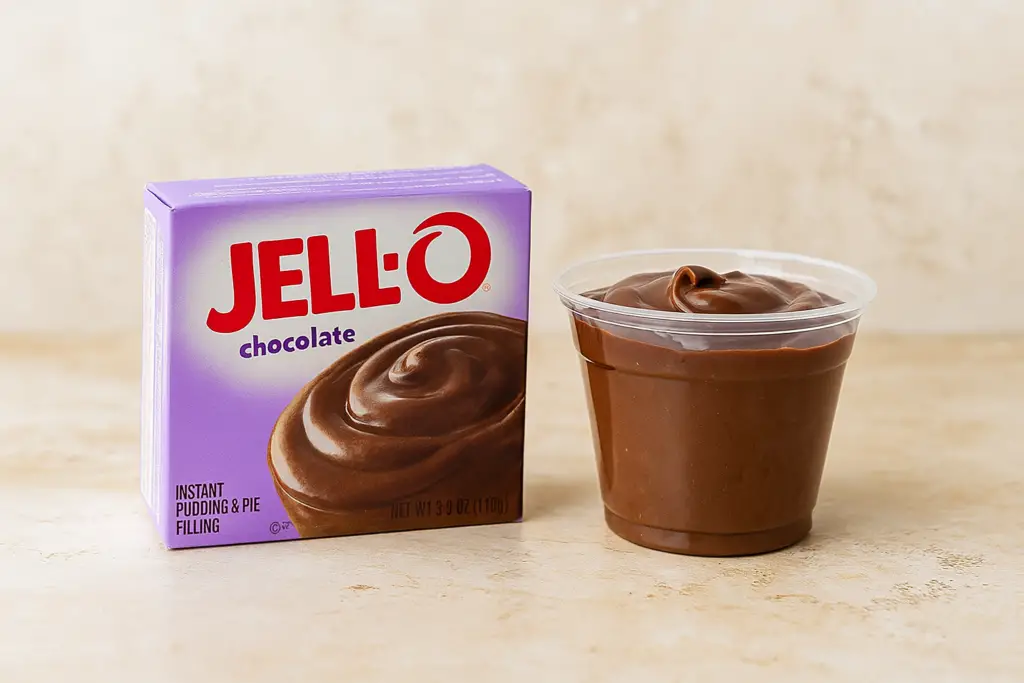
<p> If you were a kid in the ’60s, chances are your mom had a favorite Jell-O recipe—and you knew it by heart. Whether it was molded into a ring with fruit cocktail suspended in its neon depths or served simply in colorful cubes, Jell-O was the fun food that brightened up any dinner table. It was sweet, silly, and endlessly versatile. What made Jell-O so beloved wasn’t just its wobbly texture or rainbow of flavors—it was its sense of fun. Today, it’s still available in sugar-free versions and modern packaging, but the essence remains the same. Recreating a vintage Jell-O salad or just enjoying a cup of cherry Jell-O with whipped cream is a perfect way to relive simpler times. It’s nostalgic, it’s light, and it always makes people smile. </p> :: DALL-E

If you were a kid in the ’60s, chances are your mom had a favorite Jell-O recipe—and you knew it by heart. Whether it was molded into a ring with fruit cocktail suspended in its neon depths or served simply in colorful cubes, Jell-O was the fun food that brightened up any dinner table. It was sweet, silly, and endlessly versatile. What made Jell-O so beloved wasn’t just its wobbly texture or rainbow of flavors—it was its sense of fun. Today, it’s still available in sugar-free versions and modern packaging, but the essence remains the same. Recreating a vintage Jell-O salad or just enjoying a cup of cherry Jell-O with whipped cream is a perfect way to relive simpler times. It’s nostalgic, it’s light, and it always makes people smile.

3. Fritos – The Crunchy, Corny Classic
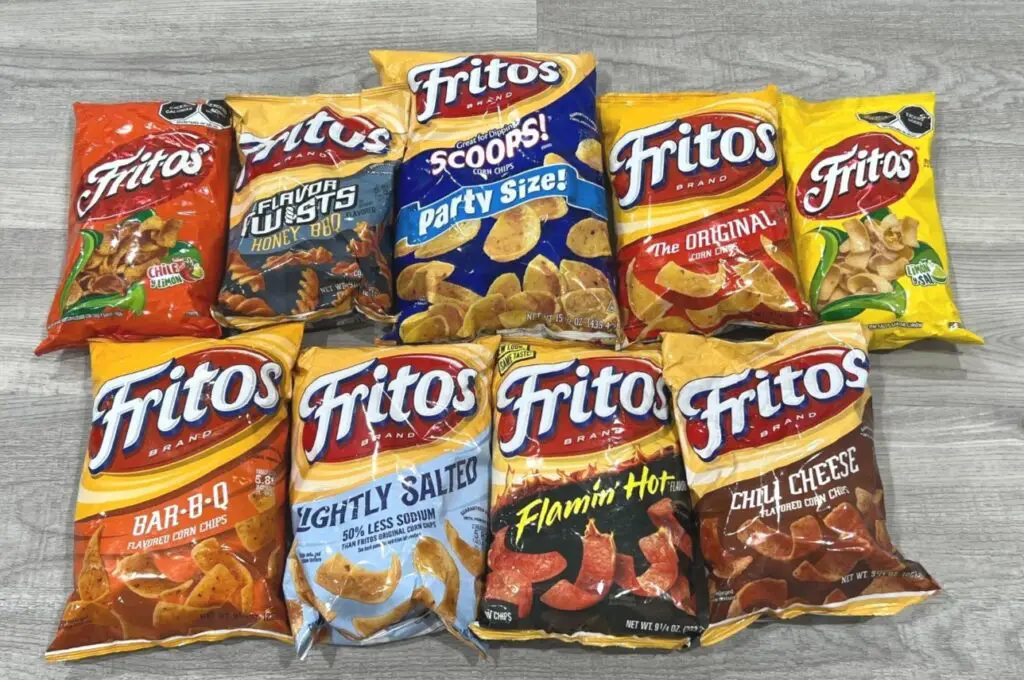
<p> Before chips came with exotic seasonings and avocado oil, there were Fritos. These salty, crispy corn chips were made from just three ingredients—corn, oil, and salt—but their flavor was bold and satisfying. In the 1960s, Fritos were more than just a snack; they were a building block for easy meals like Frito pie (a favorite at potlucks and campouts alike). Pour some chili and cheese right into the bag and dig in—it was fun, flavorful, and fuss-free. Their signature crunch and distinct flavor made Fritos a lunchbox favorite and the perfect companion to a soda on a warm afternoon. Even today, they remain a go-to snack for those who appreciate simplicity with a side of nostalgia. </p> :: Daily Meal

Before chips came with exotic seasonings and avocado oil, there were Fritos. These salty, crispy corn chips were made from just three ingredients—corn, oil, and salt—but their flavor was bold and satisfying. In the 1960s, Fritos were more than just a snack; they were a building block for easy meals like Frito pie (a favorite at potlucks and campouts alike). Pour some chili and cheese right into the bag and dig in—it was fun, flavorful, and fuss-free. Their signature crunch and distinct flavor made Fritos a lunchbox favorite and the perfect companion to a soda on a warm afternoon. Even today, they remain a go-to snack for those who appreciate simplicity with a side of nostalgia.

4. Space Food Sticks – A Snack Straight from the Stars

<p> Nothing said “future” in the ’60s quite like the space race—and what better way to taste the future than with Space Food Sticks? Created in collaboration with NASA, these chewy, tube-shaped snacks were originally developed to give astronauts an energy-packed treat in space. But down here on Earth, kids thought they were just as cool. Flavors like peanut butter, caramel, and chocolate gave them mass appeal, and their unusual texture made them feel like astronaut-approved taffy. Though they eventually disappeared from mainstream shelves, they’ve maintained cult status and even seen brief comebacks. Today, you can find DIY versions online or look for novelty brands that bring them back for retro fun. It’s the kind of snack that doesn’t just feed your appetite—it sparks your imagination. </p> :: DALL-E

Nothing said “future” in the ’60s quite like the space race—and what better way to taste the future than with Space Food Sticks? Created in collaboration with NASA, these chewy, tube-shaped snacks were originally developed to give astronauts an energy-packed treat in space. But down here on Earth, kids thought they were just as cool. Flavors like peanut butter, caramel, and chocolate gave them mass appeal, and their unusual texture made them feel like astronaut-approved taffy. Though they eventually disappeared from mainstream shelves, they’ve maintained cult status and even seen brief comebacks. Today, you can find DIY versions online or look for novelty brands that bring them back for retro fun. It’s the kind of snack that doesn’t just feed your appetite—it sparks your imagination.

5. Hostess CupCakes – The Iconic Swirl Never Gets Old
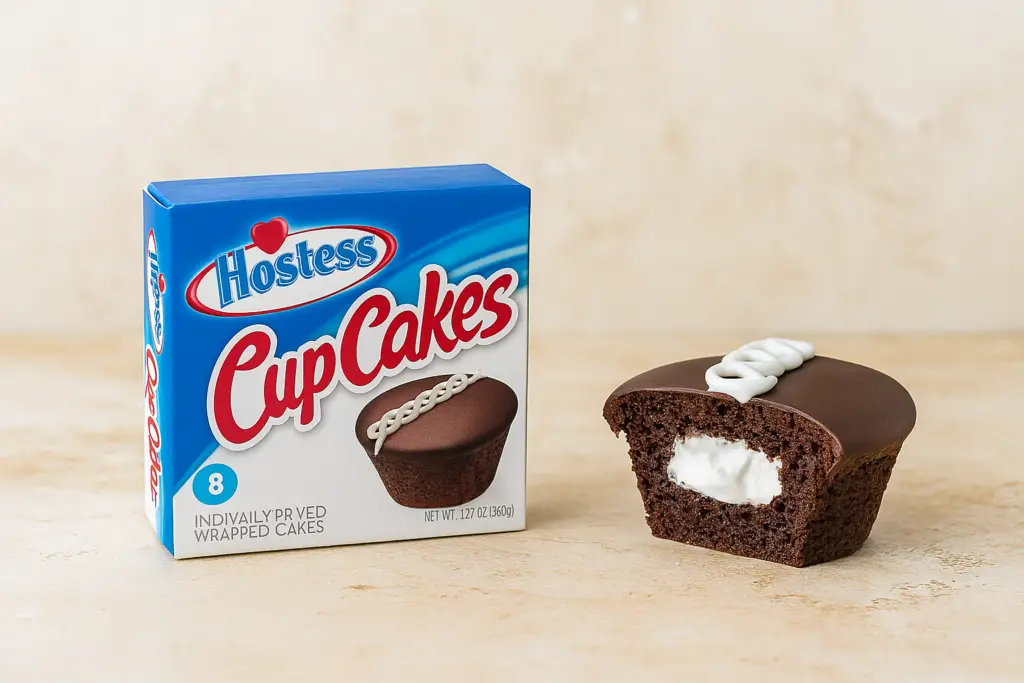
<p> You didn’t need to read the label to know what was inside a pack of Hostess CupCakes. That chocolatey dome topped with the white swirl was unmistakable—and irresistible. Introduced in the 1940s but widely loved through the 1960s, these cupcakes were a rich, individually wrapped treat with a creamy surprise at the center. They were affordable, easy to toss into a lunchbox, and fancy enough to feel like a celebration. The best part? Peeling off the chocolate top before biting into the fluffy cake. Today, Hostess has expanded its lineup, but the original cupcake—with its perfect balance of moist chocolate cake and vanilla crème—remains a fan favorite. It’s a treat that invites a little ritual, a little memory, and a lot of smiles. </p> :: DALL-E

You didn’t need to read the label to know what was inside a pack of Hostess CupCakes. That chocolatey dome topped with the white swirl was unmistakable—and irresistible. Introduced in the 1940s but widely loved through the 1960s, these cupcakes were a rich, individually wrapped treat with a creamy surprise at the center. They were affordable, easy to toss into a lunchbox, and fancy enough to feel like a celebration. The best part? Peeling off the chocolate top before biting into the fluffy cake. Today, Hostess has expanded its lineup, but the original cupcake—with its perfect balance of moist chocolate cake and vanilla crème—remains a fan favorite. It’s a treat that invites a little ritual, a little memory, and a lot of smiles.

6. Cracker Jack – The Original Surprise Inside
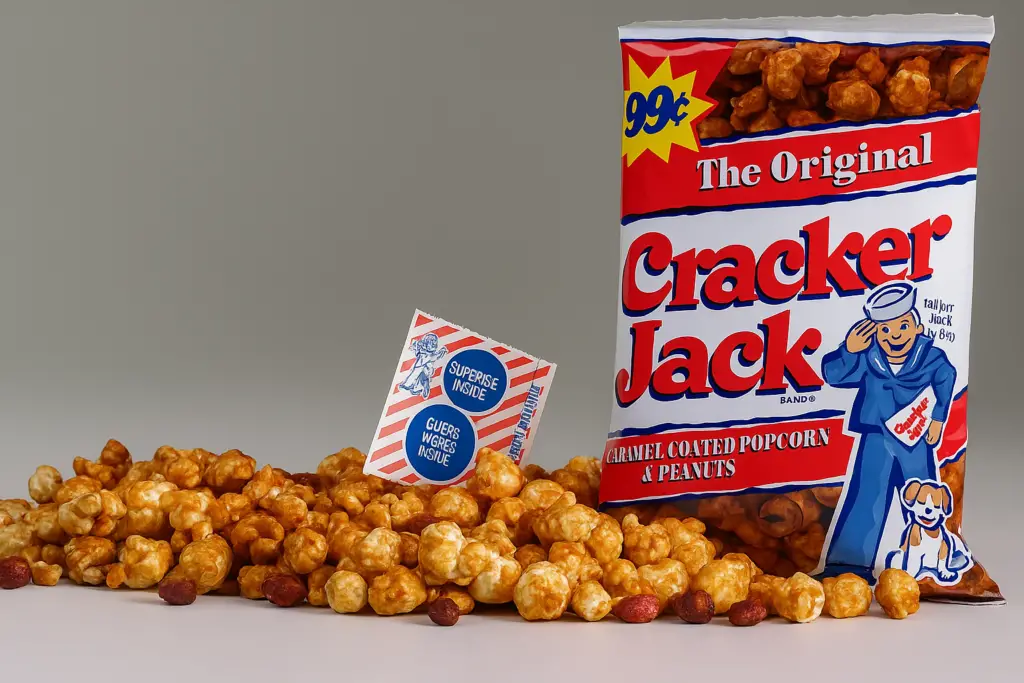
<p> “Take me out to the ballgame…” That classic tune instantly brings to mind Cracker Jack, the caramel-coated popcorn and peanut mix that’s been thrilling snack lovers since the early 1900s—and was especially popular in the 1960s. What made Cracker Jack legendary wasn’t just its deliciously crunchy, sweet-salty combo—it was the prize tucked inside. Whether it was a sticker, puzzle, or tiny toy, opening a box of Cracker Jack felt like an adventure. For many kids, it was their first taste of anticipation and reward in a snack. While today’s versions often come with digital codes or simpler trinkets, the core experience remains delightfully nostalgic. Grab a box, shake it up, and relive the joy of wondering what surprise is waiting at the bottom. </p> :: DALL-E

“Take me out to the ballgame…” That classic tune instantly brings to mind Cracker Jack, the caramel-coated popcorn and peanut mix that’s been thrilling snack lovers since the early 1900s—and was especially popular in the 1960s. What made Cracker Jack legendary wasn’t just its deliciously crunchy, sweet-salty combo—it was the prize tucked inside. Whether it was a sticker, puzzle, or tiny toy, opening a box of Cracker Jack felt like an adventure. For many kids, it was their first taste of anticipation and reward in a snack. While today’s versions often come with digital codes or simpler trinkets, the core experience remains delightfully nostalgic. Grab a box, shake it up, and relive the joy of wondering what surprise is waiting at the bottom.

Final Thoughts
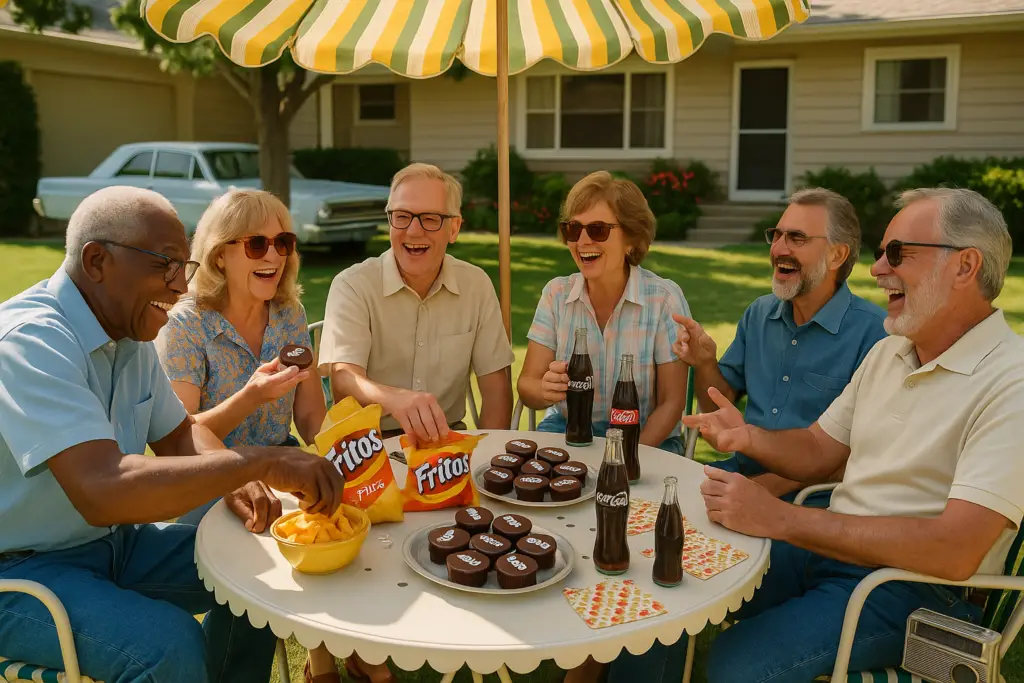
<p> There’s something undeniably special about revisiting the snacks that shaped our childhoods. They remind us of carefree afternoons, family dinners, and lunchroom trades with friends. These weren’t just treats—they were part of the rhythm of everyday life in the 1960s. In a time when everything feels fast and complicated, biting into a Twinkie or stirring up a bowl of Jell-O is a small but powerful act of remembering. It’s about savoring not just flavor, but the stories and smiles attached to it. So why not treat yourself to a retro snack break? Head to the grocery store or order a few classics online. Even better, share them with your grandkids and tell them a story about how you used to eat Fritos straight out of the bag or why getting a Cracker Jack prize was the best part of your week. After all, snacks from the past are even better when they help build connections in the present. Because good snacks—and good memories—never go out of style. </p> :: DALL-E

There’s something undeniably special about revisiting the snacks that shaped our childhoods. They remind us of carefree afternoons, family dinners, and lunchroom trades with friends. These weren’t just treats—they were part of the rhythm of everyday life in the 1960s. In a time when everything feels fast and complicated, biting into a Twinkie or stirring up a bowl of Jell-O is a small but powerful act of remembering. It’s about savoring not just flavor, but the stories and smiles attached to it.

So why not treat yourself to a retro snack break? Head to the grocery store or order a few classics online. Even better, share them with your grandkids and tell them a story about how you used to eat Fritos straight out of the bag or why getting a Cracker Jack prize was the best part of your week. After all, snacks from the past are even better when they help build connections in the present. Because good snacks—and good memories—never go out of style.


Filed Under: Food & Drink

7 Eco-Friendly Lifestyle Changes You Can Actually Stick To

February 3, 2026 | Leave a Comment

7 Eco-Friendly Lifestyle Changes You Can Actually Stick To

<p> Looking to make a difference for the planet—but without flipping your life upside down? You’re not alone. For many of us over 50, we want to do right by the Earth, but we also value comfort, routine, and, let’s be honest, a little convenience. The good news? Living a greener life doesn’t have to mean giving up everything you enjoy. These seven eco-friendly lifestyle changes are easy to adopt, budget-friendly, and—most importantly—realistic. Whether you’re retired, semi-retired, or still working, these simple shifts can reduce your environmental footprint while fitting right into your day-to-day life. </p> :: Pexels

Looking to make a difference for the planet—but without flipping your life upside down? You’re not alone. For many of us over 50, we want to do right by the Earth, but we also value comfort, routine, and, let’s be honest, a little convenience. The good news? Living a greener life doesn’t have to mean giving up everything you enjoy.

These seven eco-friendly lifestyle changes are easy to adopt, budget-friendly, and—most importantly—realistic. Whether you’re retired, semi-retired, or still working, these simple shifts can reduce your environmental footprint while fitting right into your day-to-day life.

1. Switch to Reusable Shopping Bags (and Keep Them Where You’ll Use Them)

<p> Let’s start with a classic that actually makes a difference: ditching single-use plastic bags. Americans use 100 billion plastic bags each year, most of which end up in landfills or as litter. Reusable shopping bags are a small change with a big impact. The key is making them accessible. Keep a few in your car, one by the front door, and even one in your purse or glove box. Foldable options make it easy. Choose bags that are washable, durable, and even a little stylish—because let’s face it, nobody wants to carry around something that looks like it came from 1972 unless it's vintage-chic. </p> :: Freepik

Let’s start with a classic that actually makes a difference: ditching single-use plastic bags. Americans use 100 billion plastic bags each year, most of which end up in landfills or as litter. Reusable shopping bags are a small change with a big impact.

The key is making them accessible. Keep a few in your car, one by the front door, and even one in your purse or glove box. Foldable options make it easy. Choose bags that are washable, durable, and even a little stylish—because let’s face it, nobody wants to carry around something that looks like it came from 1972 unless it’s vintage-chic.

2. Ditch the Plastic Water Bottles for a Refillable One You Love

<p> We get it: bottled water is convenient. But here’s the truth—it’s expensive and incredibly wasteful. Americans throw away 35 billion plastic water bottles each year. A reusable water bottle not only saves you money, it reduces plastic waste and keeps you hydrated without guilt. Pick a bottle you actually like using—something insulated to keep your drink cold, easy to clean, and with a wide mouth for adding ice or lemon slices. Leave it by your keys so you remember it when you go. You’ll be surprised how quickly this small habit sticks. </p> :: Pexels

We get it: bottled water is convenient. But here’s the truth—it’s expensive and incredibly wasteful. Americans throw away 35 billion plastic water bottles each year. A reusable water bottle not only saves you money, it reduces plastic waste and keeps you hydrated without guilt.

Pick a bottle you actually like using—something insulated to keep your drink cold, easy to clean, and with a wide mouth for adding ice or lemon slices. Leave it by your keys so you remember it when you go. You’ll be surprised how quickly this small habit sticks.

3. Embrace Meatless Mondays (or Any Day You Choose)

<p> You don’t have to go full vegetarian to make an environmental difference. Cutting back on meat just one day a week can reduce greenhouse gas emissions, conserve water, and even improve your health. The “Meatless Monday” movement is simple: swap out meat-based meals for plant-based ones once a week. Think hearty veggie soups, pasta primavera, black bean tacos, or even a grilled portobello burger. Many baby boomers grew up on home-cooked meals full of beans, rice, and veggies—so you’re already halfway there. Bonus: plant-based meals are often cheaper and easier on the digestive system, too. </p> :: Pexels

You don’t have to go full vegetarian to make an environmental difference. Cutting back on meat just one day a week can reduce greenhouse gas emissions, conserve water, and even improve your health. The “Meatless Monday” movement is simple: swap out meat-based meals for plant-based ones once a week.

Think hearty veggie soups, pasta primavera, black bean tacos, or even a grilled portobello burger. Many baby boomers grew up on home-cooked meals full of beans, rice, and veggies—so you’re already halfway there. Bonus: plant-based meals are often cheaper and easier on the digestive system, too.

4. Opt for Cloth Napkins and Kitchen Towels Instead of Paper

<p> This is a change that feels fancy but is actually quite down-to-earth. Swapping paper towels and napkins for cloth versions is better for the environment and your wallet. You’ll be amazed how long a good set of cloth napkins or kitchen towels lasts—and how much less trash you generate. Keep a little basket or drawer in the kitchen for used ones, and wash them with your regular laundry. No extra effort needed. Look for easy-care cotton or linen in patterns you like—something that adds a touch of personality to your kitchen table. </p> :: Pexels

This is a change that feels fancy but is actually quite down-to-earth. Swapping paper towels and napkins for cloth versions is better for the environment and your wallet. You’ll be amazed how long a good set of cloth napkins or kitchen towels lasts—and how much less trash you generate.

Keep a little basket or drawer in the kitchen for used ones, and wash them with your regular laundry. No extra effort needed. Look for easy-care cotton or linen in patterns you like—something that adds a touch of personality to your kitchen table.

5. Buy Less, Buy Better: Choose Quality Over Quantity

<p> One of the best ways to live more sustainably is to simply consume less. As the old saying goes: “Buy cheap, buy twice.” Choosing fewer, better-made items—whether it’s clothes, tools, or home goods—reduces waste and saves money in the long run. When shopping, ask: Will this last? Do I really need it? Can I repair it if it breaks? Many boomers remember when things were made to last—let’s bring that mindset back. Thrift stores, vintage shops, and local artisans are great places to find high-quality, eco-friendly goods with character and charm. </p> :: Pexels

One of the best ways to live more sustainably is to simply consume less. As the old saying goes: “Buy cheap, buy twice.” Choosing fewer, better-made items—whether it’s clothes, tools, or home goods—reduces waste and saves money in the long run.

When shopping, ask: Will this last? Do I really need it? Can I repair it if it breaks? Many boomers remember when things were made to last—let’s bring that mindset back. Thrift stores, vintage shops, and local artisans are great places to find high-quality, eco-friendly goods with character and charm.

6. Cut Down on Energy Waste Without Freezing (or Sweating)

<p> Reducing energy use doesn’t mean sitting in the dark or sweltering in summer. Start by sealing drafty windows and doors, switching to LED lightbulbs, and adjusting your thermostat just a few degrees. Use ceiling fans wisely and unplug electronics you’re not using—those “vampire” devices still draw power even when turned off. Consider installing a programmable thermostat to manage your heating and cooling more efficiently. If you’re able, upgrading to energy-efficient appliances when old ones wear out is a long-term money and energy saver. You stay comfortable while doing your part for the planet. </p> :: Pexels

Reducing energy use doesn’t mean sitting in the dark or sweltering in summer. Start by sealing drafty windows and doors, switching to LED lightbulbs, and adjusting your thermostat just a few degrees. Use ceiling fans wisely and unplug electronics you’re not using—those “vampire” devices still draw power even when turned off.

Consider installing a programmable thermostat to manage your heating and cooling more efficiently. If you’re able, upgrading to energy-efficient appliances when old ones wear out is a long-term money and energy saver. You stay comfortable while doing your part for the planet.

7. Start Composting (It’s Easier Than You Think)

<p> Composting might sound like something only hardcore gardeners do, but it’s surprisingly doable—even if you don’t have a big yard. Food scraps and yard waste make up 30% of what we throw away, but composting turns that waste into nutrient-rich soil for your plants, lawn, or local garden. Countertop compost bins now come with charcoal filters (read: no smell), and curbside compost programs are growing in many communities. You can also start a simple compost pile in the backyard. Not only is it eco-friendly, it’s kind of fun—and your garden (or your neighbor’s) will thank you. </p> :: Freepik

Composting might sound like something only hardcore gardeners do, but it’s surprisingly doable—even if you don’t have a big yard. Food scraps and yard waste make up 30% of what we throw away, but composting turns that waste into nutrient-rich soil for your plants, lawn, or local garden.

Countertop compost bins now come with charcoal filters (read: no smell), and curbside compost programs are growing in many communities. You can also start a simple compost pile in the backyard. Not only is it eco-friendly, it’s kind of fun—and your garden (or your neighbor’s) will thank you.

Final Thoughts

<p> You don’t need to go off the grid or live out of a tiny house to live a greener life. Eco-friendly living is really about being thoughtful—choosing reusable over disposable, quality over quantity, and habits that benefit both you and the planet. As a baby boomer, you’ve seen decades of change and progress. These small, meaningful lifestyle shifts are well within your reach—and the future generations (including your grandkids!) will thank you. Try one change at a time and make it your own. Living sustainably doesn’t have to be overwhelming. In fact, it can feel pretty darn good. </p> :: Pexels

You don’t need to go off the grid or live out of a tiny house to live a greener life. Eco-friendly living is really about being thoughtful—choosing reusable over disposable, quality over quantity, and habits that benefit both you and the planet.

As a baby boomer, you’ve seen decades of change and progress. These small, meaningful lifestyle shifts are well within your reach—and the future generations (including your grandkids!) will thank you. Try one change at a time and make it your own. Living sustainably doesn’t have to be overwhelming. In fact, it can feel pretty darn good.

Filed Under: Lifestyle

11 Bad Financial Choices Boomers Are Making That Younger Generations Will Not Repeat

February 3, 2026 | Leave a Comment

11 Bad Financial Choices Boomers Are Making That Younger Generations Will Not Repeat

<p> Money mistakes are universal, but some choices seem to be almost generational. Baby boomers — born roughly between 1946 and 1964 — grew up in a very different financial world. Wages were rising steadily, homes were affordable, and pensions were more common. These factors shaped the way many boomers approached money, sometimes in ways that younger generations are determined not to repeat.

Watching the financial paths of their parents and older relatives, millennials and Gen Z have seen firsthand what can go wrong when money habits are ignored or outdated. From relying too heavily on property to putting off investing, boomers’ financial decisions offer both lessons and cautionary tales. Here is a closer look at eleven bad financial choices many boomers are making and why younger generations are taking a different approach. </p> :: Gemini

Money mistakes are universal, but some choices seem to be almost generational. Baby boomers — born roughly between 1946 and 1964 — grew up in a very different financial world. Wages were rising steadily, homes were affordable, and pensions were more common. These factors shaped the way many boomers approached money, sometimes in ways that younger generations are determined not to repeat.

Watching the financial paths of their parents and older relatives, millennials and Gen Z have seen firsthand what can go wrong when money habits are ignored or outdated. From relying too heavily on property to putting off investing, boomers’ financial decisions offer both lessons and cautionary tales. Here is a closer look at eleven bad financial choices many boomers are making and why younger generations are taking a different approach.

1. Underestimating the Importance of Financial Education

<p> Many boomers grew up without learning the basics of personal finance. Budgeting, investing, and long-term planning were not common topics in schools or even at home. As a result, some boomers entered adulthood unprepared for managing credit, taxes, or retirement planning. Younger generations, in contrast, have access to countless online resources, apps, and financial podcasts. They are more likely to learn early about compounding interest, retirement accounts, and smart budgeting strategies. Understanding money from a young age allows them to make informed decisions and avoid costly mistakes later in life. </p> :: Gemini

Many boomers grew up without learning the basics of personal finance. Budgeting, investing, and long-term planning were not common topics in schools or even at home. As a result, some boomers entered adulthood unprepared for managing credit, taxes, or retirement planning. Younger generations, in contrast, have access to countless online resources, apps, and financial podcasts. They are more likely to learn early about compounding interest, retirement accounts, and smart budgeting strategies. Understanding money from a young age allows them to make informed decisions and avoid costly mistakes later in life.

2. Relying Too Heavily on Home Equity and Real Estate

<p> For many boomers, home ownership was the main path to wealth. Housing prices were lower, and real estate often appreciated steadily, making property a seemingly safe bet. Unfortunately, this reliance on home equity can be risky. Unexpected market dips, rising property taxes, or major maintenance costs can quickly erode financial security. Younger generations, facing higher home prices, are learning to diversify their wealth. They invest in stocks, retirement accounts, and other assets instead of assuming property alone will carry them to financial freedom. </p> :: Gemini

For many boomers, home ownership was the main path to wealth. Housing prices were lower, and real estate often appreciated steadily, making property a seemingly safe bet. Unfortunately, this reliance on home equity can be risky. Unexpected market dips, rising property taxes, or major maintenance costs can quickly erode financial security. Younger generations, facing higher home prices, are learning to diversify their wealth. They invest in stocks, retirement accounts, and other assets instead of assuming property alone will carry them to financial freedom.

3. Mismanaging Credit and Accumulating High Debt

<p> Boomers were some of the first to embrace credit cards widely, sometimes without fully understanding interest rates or repayment schedules. This led to long-term debt for many people who treated credit like free money. Younger generations have grown up with digital tools that track spending and encourage responsible credit use. They prioritize paying off balances quickly and avoiding unnecessary debt, understanding that interest can turn a small purchase into a long-term financial burden. </p> :: Gemini

Boomers were some of the first to embrace credit cards widely, sometimes without fully understanding interest rates or repayment schedules. This led to long-term debt for many people who treated credit like free money. Younger generations have grown up with digital tools that track spending and encourage responsible credit use. They prioritize paying off balances quickly and avoiding unnecessary debt, understanding that interest can turn a small purchase into a long-term financial burden.

4. Neglecting Digital Financial Tools

<p> Technology has changed the way people manage money, but many boomers adopted these tools later in life. Mobile banking, budgeting apps, investment platforms, and automatic savings features were not available during their early earning years. Younger generations have a different advantage. They can track expenses, set up automatic transfers, and monitor investments in real time, giving them better control and insight into their financial lives. Digital tools make it easier to stay disciplined and make smart decisions before mistakes pile up. These tools also provide instant feedback, making it harder to ignore overspending or missed savings goals. Over time, that constant awareness helps younger users build healthier money habits with far less effort. </p> :: Gemini

Technology has changed the way people manage money, but many boomers adopted these tools later in life. Mobile banking, budgeting apps, investment platforms, and automatic savings features were not available during their early earning years. Younger generations have a different advantage. They can track expenses, set up automatic transfers, and monitor investments in real time, giving them better control and insight into their financial lives. Digital tools make it easier to stay disciplined and make smart decisions before mistakes pile up. These tools also provide instant feedback, making it harder to ignore overspending or missed savings goals. Over time, that constant awareness helps younger users build healthier money habits with far less effort.

5. Waiting Too Long to Start Investing

<p> One of the most significant opportunities younger generations are taking advantage of is time in the market. Many boomers waited years or even decades to start investing, keeping money in cash or low-yield accounts. The result is often a smaller nest egg and missed growth from compounding interest. Millennials and Gen Z have embraced early investing, even in small amounts, through retirement accounts, micro-investing platforms, and other investment options. Starting early provides flexibility and the potential for long-term wealth growth. </p> :: Gemini

One of the most significant opportunities younger generations are taking advantage of is time in the market. Many boomers waited years or even decades to start investing, keeping money in cash or low-yield accounts. The result is often a smaller nest egg and missed growth from compounding interest. Millennials and Gen Z have embraced early investing, even in small amounts, through retirement accounts, micro-investing platforms, and other investment options. Starting early provides flexibility and the potential for long-term wealth growth.

6. Not Prioritizing Emergency Savings

<p> Emergencies happen to everyone, but many boomers entered retirement without a fully funded safety net. Medical expenses, home repairs, and unexpected events can devastate finances if there is no cushion. Younger generations understand the importance of an emergency fund and strive to save at least three to six months of expenses. This financial buffer not only prevents debt but also reduces stress, allowing people to handle life’s curveballs without derailing long-term goals. It also creates a sense of control during uncertain times, when income or health may suddenly change. Instead of scrambling or relying on credit, an emergency fund gives people the breathing room to make thoughtful decisions under pressure. </p> :: Gemini

Emergencies happen to everyone, but many boomers entered retirement without a fully funded safety net. Medical expenses, home repairs, and unexpected events can devastate finances if there is no cushion. Younger generations understand the importance of an emergency fund and strive to save at least three to six months of expenses. This financial buffer not only prevents debt but also reduces stress, allowing people to handle life’s curveballs without derailing long-term goals. It also creates a sense of control during uncertain times, when income or health may suddenly change. Instead of scrambling or relying on credit, an emergency fund gives people the breathing room to make thoughtful decisions under pressure.

7. Failing to Adjust to Modern Cost Realities

<p> Boomers came of age when living costs were significantly lower relative to income. College tuition, housing, and even everyday goods were more affordable, which shaped expectations about money and retirement. Younger generations face rising housing costs, medical expenses, and student debt, forcing them to adjust spending habits, negotiate salaries, and prioritize long-term savings over short-term consumption. This awareness helps younger people make more realistic financial plans tailored to today’s economic environment. </p> :: Gemini

Boomers came of age when living costs were significantly lower relative to income. College tuition, housing, and even everyday goods were more affordable, which shaped expectations about money and retirement. Younger generations face rising housing costs, medical expenses, and student debt, forcing them to adjust spending habits, negotiate salaries, and prioritize long-term savings over short-term consumption. This awareness helps younger people make more realistic financial plans tailored to today’s economic environment.

8. Overconfidence in Traditional Retirement Plans

<p> Many boomers relied heavily on pensions and Social Security for retirement income. While these programs provided security in the past, they are no longer sufficient for many people due to increased life expectancy and reduced benefits. Younger generations are building diversified retirement plans that include 401(k)s, IRAs, and side income streams. By taking a proactive approach to retirement planning, they reduce the risk of financial shortfalls and enjoy more control over their financial future. </p> :: Gemini

Many boomers relied heavily on pensions and Social Security for retirement income. While these programs provided security in the past, they are no longer sufficient for many people due to increased life expectancy and reduced benefits. Younger generations are building diversified retirement plans that include 401(k)s, IRAs, and side income streams. By taking a proactive approach to retirement planning, they reduce the risk of financial shortfalls and enjoy more control over their financial future.

9. Ignoring Tax-Efficient Investing

<p> Boomers often overlooked tax implications when investing, focusing instead on simple savings or short-term gains. Failing to plan for taxes can significantly reduce overall wealth. Younger generations are more strategic. They use Roth accounts, tax-loss harvesting, and retirement account optimization to reduce liabilities. By thinking about taxes from the start, they keep more money invested and working toward long-term financial goals. </p> :: Gemini

Boomers often overlooked tax implications when investing, focusing instead on simple savings or short-term gains. Failing to plan for taxes can significantly reduce overall wealth. Younger generations are more strategic. They use Roth accounts, tax-loss harvesting, and retirement account optimization to reduce liabilities. By thinking about taxes from the start, they keep more money invested and working toward long-term financial goals.

10. Holding Back on Multiple Income Streams

<p> Many boomers worked one or two long-term careers, relying solely on a single source of income. This approach left them vulnerable to job loss or economic shifts. Younger generations embrace side hustles, freelance work, and passive income streams not only for extra money but also for financial security. Having multiple income sources reduces dependence on a single paycheck and offers opportunities to build wealth faster and more reliably. </p> :: Gemini

Many boomers worked one or two long-term careers, relying solely on a single source of income. This approach left them vulnerable to job loss or economic shifts. Younger generations embrace side hustles, freelance work, and passive income streams not only for extra money but also for financial security. Having multiple income sources reduces dependence on a single paycheck and offers opportunities to build wealth faster and more reliably.

11. Expecting to Inherit Wealth

<p> A common assumption among younger people is that they will inherit substantial wealth from their boomer parents. Unfortunately, many boomers will not leave behind large inheritances due to rising living and healthcare costs. Millennials and Gen Z are learning to prioritize financial independence through disciplined saving, investing, and side ventures rather than counting on inherited wealth. This mindset shift encourages responsibility and long-term planning. It also pushes younger adults to build skills, careers, and income streams that can support them regardless of family circumstances. Instead of waiting for a future windfall, they are focused on creating stability and control over their financial lives right now. </p> :: Gemini

A common assumption among younger people is that they will inherit substantial wealth from their boomer parents. Unfortunately, many boomers will not leave behind large inheritances due to rising living and healthcare costs. Millennials and Gen Z are learning to prioritize financial independence through disciplined saving, investing, and side ventures rather than counting on inherited wealth. This mindset shift encourages responsibility and long-term planning. It also pushes younger adults to build skills, careers, and income streams that can support them regardless of family circumstances. Instead of waiting for a future windfall, they are focused on creating stability and control over their financial lives right now.

Final Thoughts

<p> No generation has a perfect financial track record. Boomers made plenty of smart moves and took advantage of economic opportunities that younger generations could only dream of. Yet, their mistakes offer lessons. By observing what went wrong, millennials and Gen Z are taking proactive steps to protect their financial future.

From investing early and diversifying income to embracing technology and prioritizing emergency savings, younger generations are rewriting the rules of money management. They understand that relying solely on home equity, pensions, or inheritances is risky, and they are focused on strategies that provide security and independence.

The financial landscape has changed, and so have the tools and strategies for navigating it. By learning from the past, embracing new approaches, and staying informed, younger generations can avoid repeating the missteps of boomers and create a path toward financial confidence, stability, and long-term success. </p> :: Gemini

No generation has a perfect financial track record. Boomers made plenty of smart moves and took advantage of economic opportunities that younger generations could only dream of. Yet, their mistakes offer lessons. By observing what went wrong, millennials and Gen Z are taking proactive steps to protect their financial future.

From investing early and diversifying income to embracing technology and prioritizing emergency savings, younger generations are rewriting the rules of money management. They understand that relying solely on home equity, pensions, or inheritances is risky, and they are focused on strategies that provide security and independence.

The financial landscape has changed, and so have the tools and strategies for navigating it. By learning from the past, embracing new approaches, and staying informed, younger generations can avoid repeating the missteps of boomers and create a path toward financial confidence, stability, and long-term success.

Filed Under: Money

Humor Only Boomers Could Truly Relate To: 10 Hilarious Moments From a Bygone Era

February 3, 2026 | Leave a Comment

Humor Only Boomers Could Truly Relate To: 10 Hilarious Moments From a Bygone Era

<p> If you grew up as a boomer, you know that some experiences are simply unforgettable. These moments were small victories, little frustrations, and shared cultural quirks that defined a generation. From the awkwardness of early technology to the joys of slow-paced communication, these memories are often hilarious in hindsight. They are the kinds of things that make you nod, laugh, and sometimes whisper to yourself, “Only we really understood that.” Being a boomer meant growing up in a world that balanced analog charm with early digital experiments. Life was full of inventions that seemed miraculous at first, then utterly confusing, and eventually indispensable. Today, we can stream music instantly, video chat across the globe, and scroll for hours, but there are some experiences only a boomer can truly appreciate. Whether it is the triumphant click of a VCR or the suspense of a fax machine, these shared experiences are part of the humor and nostalgia that only boomers remember. Here are ten hilarious moments and quirks that only boomers could truly relate to. </p> :: Gemini

If you grew up as a boomer, you know that some experiences are simply unforgettable. These moments were small victories, little frustrations, and shared cultural quirks that defined a generation. From the awkwardness of early technology to the joys of slow-paced communication, these memories are often hilarious in hindsight. They are the kinds of things that make you nod, laugh, and sometimes whisper to yourself, “Only we really understood that.”

Being a boomer meant growing up in a world that balanced analog charm with early digital experiments. Life was full of inventions that seemed miraculous at first, then utterly confusing, and eventually indispensable. Today, we can stream music instantly, video chat across the globe, and scroll for hours, but there are some experiences only a boomer can truly appreciate. Whether it is the triumphant click of a VCR or the suspense of a fax machine, these shared experiences are part of the humor and nostalgia that only boomers remember.

Here are ten hilarious moments and quirks that only boomers could truly relate to.

1. The Agony and Triumph of Rewinding Tapes

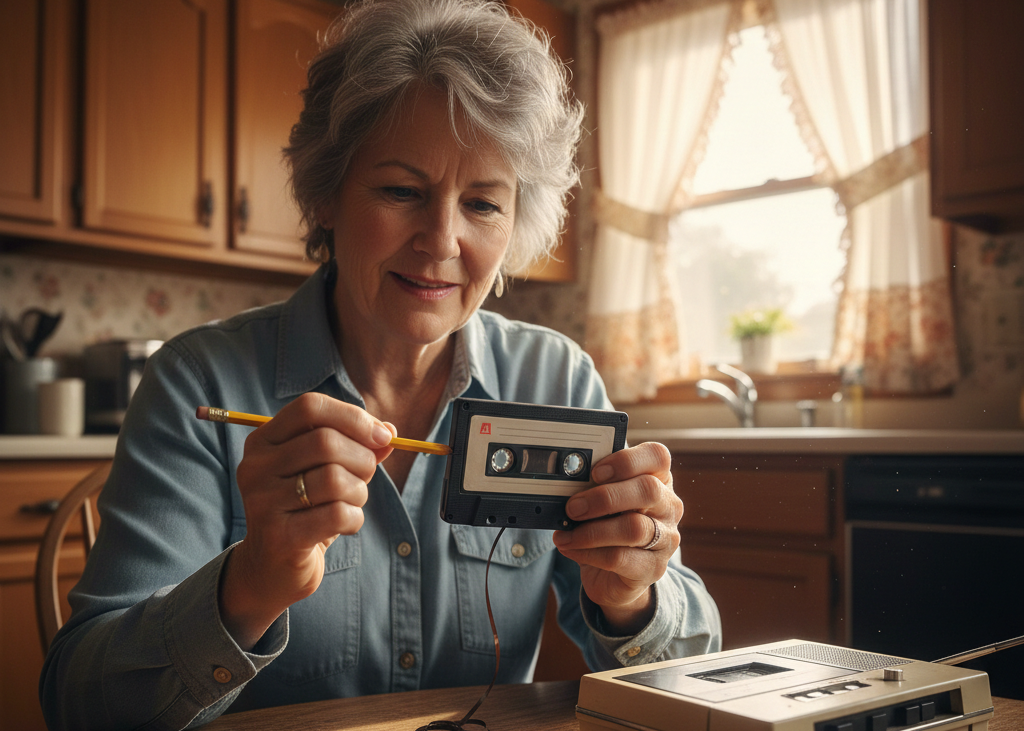
<p> Before digital playlists, music came on cassette tapes. If your favorite song played on the radio, you would grab a blank tape and hit record. Then came the inevitable tape jam. Your solution? A pencil. Inserting a pencil into the cassette reel and manually turning it became an art form. There was a mix of relief and pride when the tape was rewound perfectly. Fumbling with a tape often resulted in warped music, stretched tape, or a song that sounded slightly off-key, but that made the victory of a smooth rewind even sweeter. Today’s generation will never understand the sense of accomplishment involved in such a simple task. </p> :: Gemini

Before digital playlists, music came on cassette tapes. If your favorite song played on the radio, you would grab a blank tape and hit record. Then came the inevitable tape jam. Your solution? A pencil. Inserting a pencil into the cassette reel and manually turning it became an art form. There was a mix of relief and pride when the tape was rewound perfectly. Fumbling with a tape often resulted in warped music, stretched tape, or a song that sounded slightly off-key, but that made the victory of a smooth rewind even sweeter. Today’s generation will never understand the sense of accomplishment involved in such a simple task.

2. The Glory and Static of AM Radio

<p> AM radio was the soundtrack of every road trip, picnic, and late-night adventure. You learned patience as you twisted the dial, searching for a clear signal while the static hissed and the sound occasionally cut out. Yet, the scratchy audio gave the music a certain charm. DJs had unforgettable personalities, and certain songs became ingrained in your memory because of the static and unexpected fading. AM radio connected communities, provided entertainment, and taught patience in a way that today’s instant streaming services simply cannot. </p> :: Gemini

AM radio was the soundtrack of every road trip, picnic, and late-night adventure. You learned patience as you twisted the dial, searching for a clear signal while the static hissed and the sound occasionally cut out. Yet, the scratchy audio gave the music a certain charm. DJs had unforgettable personalities, and certain songs became ingrained in your memory because of the static and unexpected fading. AM radio connected communities, provided entertainment, and taught patience in a way that today’s instant streaming services simply cannot.

3. The Telephone Dance with Party Lines

<p> Before cell phones and caller identification, landline telephones were the lifeblood of communication. Some households even shared party lines, meaning neighbors could hear each other’s calls. Privacy was a challenge, and speaking too loudly or too quietly could ruin the conversation. Memorizing phone numbers was essential, and the phone book became a treasured reference guide. The corded phone limited your mobility, turning simple conversations into a stationary experience. Boomers mastered this complex dance of etiquette, patience, and problem-solving in a way that seems almost comical today. </p> :: Gemini

Before cell phones and caller identification, landline telephones were the lifeblood of communication. Some households even shared party lines, meaning neighbors could hear each other’s calls. Privacy was a challenge, and speaking too loudly or too quietly could ruin the conversation. Memorizing phone numbers was essential, and the phone book became a treasured reference guide. The corded phone limited your mobility, turning simple conversations into a stationary experience. Boomers mastered this complex dance of etiquette, patience, and problem-solving in a way that seems almost comical today.

4. VCRs: The Original Time Machines

<p> VCRs were a source of both fascination and frustration. Recording a television show required more skill than many modern devices demand. Buttons had mysterious functions, and programming the VCR felt like defusing a bomb. The “Be Kind Rewind” message was not just a slogan but a rule to live by. Successfully recording a show without taping over another, or rewinding without disaster, brought a level of satisfaction that today’s technology rarely inspires. VCRs were challenging, yet they offered independence and control over your own entertainment schedule. </p> :: Gemini

VCRs were a source of both fascination and frustration. Recording a television show required more skill than many modern devices demand. Buttons had mysterious functions, and programming the VCR felt like defusing a bomb. The “Be Kind Rewind” message was not just a slogan but a rule to live by. Successfully recording a show without taping over another, or rewinding without disaster, brought a level of satisfaction that today’s technology rarely inspires. VCRs were challenging, yet they offered independence and control over your own entertainment schedule.

5. Encyclopedias as the Original Search Engines

<p> Before Google and Wikipedia, encyclopedias were the ultimate source of knowledge. Every boomer remembers navigating through these massive volumes to find the perfect information for school projects or casual curiosity. You learned how to flip through indexes, cross-reference topics, and absorb facts in a systematic way. These encyclopedias were expensive and often collected dust, yet they were vital tools for learning and problem-solving. Each entry was a treasure, and every completed project felt like a true achievement. </p> :: Gemini

Before Google and Wikipedia, encyclopedias were the ultimate source of knowledge. Every boomer remembers navigating through these massive volumes to find the perfect information for school projects or casual curiosity. You learned how to flip through indexes, cross-reference topics, and absorb facts in a systematic way. These encyclopedias were expensive and often collected dust, yet they were vital tools for learning and problem-solving. Each entry was a treasure, and every completed project felt like a true achievement.

6. Handwritten Letters and Pen Pal Etiquette

<p> Before emails, texts, and instant messaging, written correspondence was a meaningful and thoughtful practice. Boomers recall the thrill of finding a handwritten letter in the mailbox, complete with stamps and personal touches. Writing a letter required care, proper stationery, and the right pen. Pen pal relationships flourished across states and even countries, offering a glimpse into distant lives and cultures. Each letter was a tangible connection, slowly bridging distances and fostering patience. There was a rhythm to communication that emphasized reflection, etiquette, and anticipation that today’s instant messages cannot replicate. </p> :: Gemini

Before emails, texts, and instant messaging, written correspondence was a meaningful and thoughtful practice. Boomers recall the thrill of finding a handwritten letter in the mailbox, complete with stamps and personal touches. Writing a letter required care, proper stationery, and the right pen. Pen pal relationships flourished across states and even countries, offering a glimpse into distant lives and cultures. Each letter was a tangible connection, slowly bridging distances and fostering patience. There was a rhythm to communication that emphasized reflection, etiquette, and anticipation that today’s instant messages cannot replicate.

7. Snapshots That Required Patience

<p> Photography was both a celebration and a gamble. Each roll of film had a limited number of exposures, so every shot was carefully considered. There were no instant previews, no deletes, and no retakes on the spot. Sending film to a photo lab and waiting days for prints built suspense and anticipation. When the envelope finally arrived, each developed image carried the weight of possibility. Photos captured genuine moments, and the process of getting them developed taught patience and appreciation for the art of photography. Boomers cherished these photos not just for memories but for the effort and anticipation behind each one. </p> :: Gemini

Photography was both a celebration and a gamble. Each roll of film had a limited number of exposures, so every shot was carefully considered. There were no instant previews, no deletes, and no retakes on the spot. Sending film to a photo lab and waiting days for prints built suspense and anticipation. When the envelope finally arrived, each developed image carried the weight of possibility. Photos captured genuine moments, and the process of getting them developed taught patience and appreciation for the art of photography. Boomers cherished these photos not just for memories but for the effort and anticipation behind each one.

8. The Fax Machine Fiasco

<p> Fax machines were an essential but often stressful tool for communication. Placing a document correctly, dialing a number, and listening to the mechanical handshake was a tense experience. A misalignment or jam could ruin important messages, causing panic and frustration. Boomers mastered patience, problem-solving, and precision to ensure successful transmissions. Despite the challenges, fax machines were revolutionary, offering near-instantaneous communication across distances that would have been unimaginable in previous decades. Today, the idea of a fax machine seems quaint, yet it was an important part of everyday life. </p> :: Gemini

Fax machines were an essential but often stressful tool for communication. Placing a document correctly, dialing a number, and listening to the mechanical handshake was a tense experience. A misalignment or jam could ruin important messages, causing panic and frustration. Boomers mastered patience, problem-solving, and precision to ensure successful transmissions. Despite the challenges, fax machines were revolutionary, offering near-instantaneous communication across distances that would have been unimaginable in previous decades. Today, the idea of a fax machine seems quaint, yet it was an important part of everyday life.

9. The Infamous Rolodex

<p> In a pre-digital era, the Rolodex was a lifeline. Spinning the cardholder to find a contact, whether it was a dentist, family friend, or business associate, was a ritual. Each card contained not just contact information but often notes, doodles, and reminders. Losing a Rolodex was like losing your memory, calendar, and address book all at once. Mastering the Rolodex required organization, foresight, and meticulous attention. For boomers, this spinning cardholder represented independence, knowledge, and control over their personal and professional networks. </p> :: Gemini

In a pre-digital era, the Rolodex was a lifeline. Spinning the cardholder to find a contact, whether it was a dentist, family friend, or business associate, was a ritual. Each card contained not just contact information but often notes, doodles, and reminders. Losing a Rolodex was like losing your memory, calendar, and address book all at once. Mastering the Rolodex required organization, foresight, and meticulous attention. For boomers, this spinning cardholder represented independence, knowledge, and control over their personal and professional networks.

10. Saturday Morning Cartoons and Cereal Rituals

<p> Saturday mornings were sacred. Children woke up early, grabbed a bowl of cereal, and claimed their spot on the couch for hours of animated adventure. The combination of cartoons, commercials, and the smell of breakfast created a ritualistic joy. These mornings were about more than entertainment—they were moments of freedom, routine, and shared excitement. Cartoons became cultural touchstones, and the experience of savoring each show without distraction created a strong sense of anticipation and community among peers. Boomers remember these mornings with fondness, nostalgia, and laughter that continues to resonate. </p> :: Gemini

Saturday mornings were sacred. Children woke up early, grabbed a bowl of cereal, and claimed their spot on the couch for hours of animated adventure. The combination of cartoons, commercials, and the smell of breakfast created a ritualistic joy. These mornings were about more than entertainment—they were moments of freedom, routine, and shared excitement. Cartoons became cultural touchstones, and the experience of savoring each show without distraction created a strong sense of anticipation and community among peers. Boomers remember these mornings with fondness, nostalgia, and laughter that continues to resonate.

Final Thoughts

<p> Boomers grew up in a world that balanced the simplicity of analog life with the first steps into digital technology. Every cassette rewind, static-filled radio, and VCR programming challenge was a small victory and a shared experience. Humor was not just in the moment—it was in the universal understanding of these quirks. These memories remind us that humor often comes from patience, creativity, and adapting to challenges. Boomers navigated life with resourcefulness, ingenuity, and a healthy dose of laughter. Younger generations may find these stories amusing or quaint, but for boomers, they represent a cultural and emotional legacy. Reflecting on these experiences, we realize that humor is more than a fleeting joke. It is a way of connecting, remembering, and appreciating the small triumphs and frustrations that shape our lives. These ten moments are more than nostalgia—they are proof that shared experiences, even the simplest ones, can create laughter that resonates for decades. Boomers understand this humor because they lived it, embraced it, and found joy in it. It is a reminder that even as technology and lifestyles change, some moments will always bring a smile because they capture a generation’s spirit. </p> :: Gemini

Boomers grew up in a world that balanced the simplicity of analog life with the first steps into digital technology. Every cassette rewind, static-filled radio, and VCR programming challenge was a small victory and a shared experience. Humor was not just in the moment—it was in the universal understanding of these quirks.

These memories remind us that humor often comes from patience, creativity, and adapting to challenges. Boomers navigated life with resourcefulness, ingenuity, and a healthy dose of laughter. Younger generations may find these stories amusing or quaint, but for boomers, they represent a cultural and emotional legacy.

Reflecting on these experiences, we realize that humor is more than a fleeting joke. It is a way of connecting, remembering, and appreciating the small triumphs and frustrations that shape our lives. These ten moments are more than nostalgia—they are proof that shared experiences, even the simplest ones, can create laughter that resonates for decades.

Boomers understand this humor because they lived it, embraced it, and found joy in it. It is a reminder that even as technology and lifestyles change, some moments will always bring a smile because they capture a generation’s spirit.

Filed Under: Lifestyle

10 Things Baby Boomers No Longer Stress About

February 2, 2026 | Leave a Comment

10 Things Baby Boomers No Longer Stress About

<p> As Baby Boomers age, they have learned to let go of the worries that once occupied their minds. With years of life experience, they’ve gained a fresh perspective on what truly matters. If you’re a Baby Boomer or simply someone curious about how this generation is navigating the later stages of life, you’ll find that many of the things they used to stress about are no longer a concern. Let’s explore 10 things Baby Boomers have stopped stressing about and how their approach to life can offer valuable lessons for all of us. </p> :: Pexels

As Baby Boomers age, they have learned to let go of the worries that once occupied their minds. With years of life experience, they’ve gained a fresh perspective on what truly matters. If you’re a Baby Boomer or simply someone curious about how this generation is navigating the later stages of life, you’ll find that many of the things they used to stress about are no longer a concern. Let’s explore 10 things Baby Boomers have stopped stressing about and how their approach to life can offer valuable lessons for all of us.

1. Perfection in Their Careers

<p> Throughout their working years, Baby Boomers may have stressed over climbing the corporate ladder and achieving perfection in their jobs. The pressure to constantly prove themselves, take on more responsibilities, and meet high expectations could be overwhelming. However, as they’ve grown older, many Baby Boomers have realized that career success is not defined by a title or paycheck. Instead, they focus on finding satisfaction in their work, whether it’s a job they love or the freedom that comes with retirement. The pressure to be perfect at work has given way to a more balanced approach, where fulfillment and happiness take center stage. For many, the idea of chasing a promotion or reaching a specific career milestone has been replaced with a focus on work-life balance. They’ve learned that it’s okay to take a step back and prioritize their personal life and health. In fact, many Baby Boomers have opted for flexible work arrangements or early retirement, choosing to spend more time with family, pursue hobbies, or simply enjoy the freedom that comes with letting go of the need to achieve perfection in the workplace. </p> :: Pexels

Throughout their working years, Baby Boomers may have stressed over climbing the corporate ladder and achieving perfection in their jobs. The pressure to constantly prove themselves, take on more responsibilities, and meet high expectations could be overwhelming. However, as they’ve grown older, many Baby Boomers have realized that career success is not defined by a title or paycheck. Instead, they focus on finding satisfaction in their work, whether it’s a job they love or the freedom that comes with retirement. The pressure to be perfect at work has given way to a more balanced approach, where fulfillment and happiness take center stage.

For many, the idea of chasing a promotion or reaching a specific career milestone has been replaced with a focus on work-life balance. They’ve learned that it’s okay to take a step back and prioritize their personal life and health. In fact, many Baby Boomers have opted for flexible work arrangements or early retirement, choosing to spend more time with family, pursue hobbies, or simply enjoy the freedom that comes with letting go of the need to achieve perfection in the workplace.

2. Staying Ahead of the Latest Technology Trends

<p> At one point, Baby Boomers may have felt the need to keep up with every new tech trend, whether it was the latest smartphone, app, or social media platform. The rapid pace of technological advancement, along with the pressure to stay connected in an increasingly digital world, created a sense of urgency to master new devices and online platforms. But as time has passed, many have stopped stressing over staying up-to-date with every new gadget. Instead, they’ve learned to use technology in a way that suits their lifestyle—staying connected with loved ones, managing finances, and keeping up with news. Rather than feeling overwhelmed by the latest technological developments, Baby Boomers now focus on using the tools that enhance their lives. They’ve embraced the idea that it’s okay not to be a tech expert and that technology should serve their needs, not overwhelm them. For instance, many Baby Boomers prefer simple, user-friendly devices that allow them to stay connected without the complexity of constantly upgrading to the latest models. This shift has freed them from the constant pressure of staying ahead of tech trends, allowing them to enjoy technology without feeling burdened by it. </p> :: Pexels

At one point, Baby Boomers may have felt the need to keep up with every new tech trend, whether it was the latest smartphone, app, or social media platform. The rapid pace of technological advancement, along with the pressure to stay connected in an increasingly digital world, created a sense of urgency to master new devices and online platforms. But as time has passed, many have stopped stressing over staying up-to-date with every new gadget. Instead, they’ve learned to use technology in a way that suits their lifestyle—staying connected with loved ones, managing finances, and keeping up with news.

Rather than feeling overwhelmed by the latest technological developments, Baby Boomers now focus on using the tools that enhance their lives. They’ve embraced the idea that it’s okay not to be a tech expert and that technology should serve their needs, not overwhelm them. For instance, many Baby Boomers prefer simple, user-friendly devices that allow them to stay connected without the complexity of constantly upgrading to the latest models. This shift has freed them from the constant pressure of staying ahead of tech trends, allowing them to enjoy technology without feeling burdened by it.

3. Pleasing Everyone Around Them

<p> For much of their lives, Baby Boomers may have felt the pressure to please others—whether it was parents, employers, or friends. The desire to meet everyone’s expectations and make others happy often led to stress and burnout. But as they age, they’ve come to understand that it’s impossible to make everyone happy all the time. Instead of stressing over what others think, Baby Boomers now prioritize their own well-being and happiness. They’ve realized that self-care and living authentically are far more important than constantly seeking approval from others. This mindset shift has allowed Baby Boomers to embrace their true selves, making decisions based on what feels right for them, rather than on the opinions of others. They’ve learned to say “no” when necessary and focus on relationships that bring them joy and fulfillment. This newfound sense of freedom has helped them reduce stress and find peace in knowing that they can’t control how others feel or react. </p> :: Pexels

For much of their lives, Baby Boomers may have felt the pressure to please others—whether it was parents, employers, or friends. The desire to meet everyone’s expectations and make others happy often led to stress and burnout. But as they age, they’ve come to understand that it’s impossible to make everyone happy all the time. Instead of stressing over what others think, Baby Boomers now prioritize their own well-being and happiness. They’ve realized that self-care and living authentically are far more important than constantly seeking approval from others.

This mindset shift has allowed Baby Boomers to embrace their true selves, making decisions based on what feels right for them, rather than on the opinions of others. They’ve learned to say “no” when necessary and focus on relationships that bring them joy and fulfillment. This newfound sense of freedom has helped them reduce stress and find peace in knowing that they can’t control how others feel or react.

4. Keeping Up with Fashion Trends

<p> In their younger years, Baby Boomers may have been more concerned with staying on top of the latest fashion trends. The pressure to look stylish, stay current, and dress in the most fashionable clothes could be overwhelming. However, as they’ve gotten older, many have stopped stressing about what’s “in” and have embraced their own sense of style. Comfort and practicality often take precedence over high-fashion trends, and Baby Boomers now wear what makes them feel good, rather than what’s considered trendy. This shift in mindset allows them to enjoy their wardrobes without the pressure of constantly updating them. Baby Boomers have learned that style doesn’t have to come with a hefty price tag or constant shopping sprees. Instead, they focus on timeless pieces that are comfortable, versatile, and make them feel confident. This approach not only reduces stress but also encourages a more sustainable and mindful way of dressing. </p> :: Pexels

In their younger years, Baby Boomers may have been more concerned with staying on top of the latest fashion trends. The pressure to look stylish, stay current, and dress in the most fashionable clothes could be overwhelming. However, as they’ve gotten older, many have stopped stressing about what’s “in” and have embraced their own sense of style. Comfort and practicality often take precedence over high-fashion trends, and Baby Boomers now wear what makes them feel good, rather than what’s considered trendy.

This shift in mindset allows them to enjoy their wardrobes without the pressure of constantly updating them. Baby Boomers have learned that style doesn’t have to come with a hefty price tag or constant shopping sprees. Instead, they focus on timeless pieces that are comfortable, versatile, and make them feel confident. This approach not only reduces stress but also encourages a more sustainable and mindful way of dressing.

5. Competing with Younger Generations

<p> The desire to compete with younger generations has significantly diminished for Baby Boomers. In their younger years, they may have felt the pressure to stay competitive, whether it was in their careers, social circles, or physical appearance. However, as they’ve grown older, they’ve learned that life is not a race, and it’s not about trying to keep up with the next generation. Instead, they focus on their own personal growth and achievements. Many Baby Boomers have embraced mentoring younger generations, sharing their wisdom, and fostering a sense of community. They’ve realized that everyone has their own path, and there’s no need to compare. This shift in perspective allows Baby Boomers to celebrate their own accomplishments without feeling threatened by the success of others. They understand that each stage of life has its own unique challenges and rewards, and they no longer feel the need to compete. </p> :: Pexels

The desire to compete with younger generations has significantly diminished for Baby Boomers. In their younger years, they may have felt the pressure to stay competitive, whether it was in their careers, social circles, or physical appearance. However, as they’ve grown older, they’ve learned that life is not a race, and it’s not about trying to keep up with the next generation. Instead, they focus on their own personal growth and achievements.

Many Baby Boomers have embraced mentoring younger generations, sharing their wisdom, and fostering a sense of community. They’ve realized that everyone has their own path, and there’s no need to compare. This shift in perspective allows Baby Boomers to celebrate their own accomplishments without feeling threatened by the success of others. They understand that each stage of life has its own unique challenges and rewards, and they no longer feel the need to compete.

6. Having a Picture-Perfect Home

<p> In the past, Baby Boomers may have stressed over keeping a spotless, perfectly organized home, often feeling the need to maintain appearances for guests or family. The pressure to have everything in its place and ensure the house was always “guest-ready” could be overwhelming. But as they’ve grown older, they’ve learned that a home doesn’t need to be perfect to be comfortable and welcoming. Instead of stressing over every little detail, Baby Boomers now focus on creating a space that feels good to them. This shift in priorities allows them to enjoy their living environment without the constant pressure of perfection. They’ve learned to embrace the lived-in look and have come to appreciate the value of simplicity and functionality over style. Baby Boomers now focus on creating a space that supports their lifestyle, whether it’s a cozy living room for family gatherings or a clutter-free kitchen for cooking. This change in mindset has helped them reduce stress and enjoy their homes in a more meaningful way. </p> :: Pexels
In the past, Baby Boomers may have stressed over keeping a spotless, perfectly organized home, often feeling the need to maintain appearances for guests or family. The pressure to have everything in its place and ensure the house was always “guest-ready” could be overwhelming. But as they’ve grown older, they’ve learned that a home doesn’t need to be perfect to be comfortable and welcoming. Instead of stressing over every little detail, Baby Boomers now focus on creating a space that feels good to them.

This shift in priorities allows them to enjoy their living environment without the constant pressure of perfection. They’ve learned to embrace the lived-in look and have come to appreciate the value of simplicity and functionality over style. Baby Boomers now focus on creating a space that supports their lifestyle, whether it’s a cozy living room for family gatherings or a clutter-free kitchen for cooking. This change in mindset has helped them reduce stress and enjoy their homes in a more meaningful way.

7. Sticking to a Strict Routine

<p> While routines are still important to many Baby Boomers, they’ve learned to embrace flexibility. In their younger years, there may have been more pressure to follow a rigid schedule, whether it was for work, family obligations, or personal goals. But as they age, they’ve realized that life is more enjoyable when there’s room for spontaneity. Whether it’s taking a nap, spending time with family, or simply relaxing, Baby Boomers now understand that it’s okay to break free from a strict routine and savor the freedom that comes with it. This flexibility allows them to enjoy life without the stress of adhering to a rigid schedule. Baby Boomers have learned to prioritize their health and happiness by giving themselves permission to take breaks, slow down, and enjoy the present moment. Whether it’s indulging in a hobby or taking a last-minute trip, they’ve learned that it’s okay to deviate from their usual routine and embrace the joy of spontaneity. </p> :: Pexels

While routines are still important to many Baby Boomers, they’ve learned to embrace flexibility. In their younger years, there may have been more pressure to follow a rigid schedule, whether it was for work, family obligations, or personal goals. But as they age, they’ve realized that life is more enjoyable when there’s room for spontaneity. Whether it’s taking a nap, spending time with family, or simply relaxing, Baby Boomers now understand that it’s okay to break free from a strict routine and savor the freedom that comes with it.

This flexibility allows them to enjoy life without the stress of adhering to a rigid schedule. Baby Boomers have learned to prioritize their health and happiness by giving themselves permission to take breaks, slow down, and enjoy the present moment. Whether it’s indulging in a hobby or taking a last-minute trip, they’ve learned that it’s okay to deviate from their usual routine and embrace the joy of spontaneity.


8. The Pressure to Maintain Physical Perfection

<p> In their younger years, Baby Boomers may have felt pressure to maintain a certain physical appearance—whether it was staying at a specific weight or looking youthful. The media often promoted unrealistic beauty standards, and many Baby Boomers tried to live up to these ideals. However, as they’ve grown older, many have learned to accept their bodies as they are. Instead of stressing about achieving physical perfection, Baby Boomers focus on staying healthy, active, and content with their appearance. They understand that aging is natural and that maintaining a positive mindset and good health is far more important than meeting unrealistic beauty standards. Many Baby Boomers now prioritize exercise, healthy eating, and mental well-being over the pursuit of physical perfection. This shift in mindset has allowed them to embrace aging with confidence and grace, rather than stressing over the inevitable changes that come with time. </p> :: Pexels

In their younger years, Baby Boomers may have felt pressure to maintain a certain physical appearance—whether it was staying at a specific weight or looking youthful. The media often promoted unrealistic beauty standards, and many Baby Boomers tried to live up to these ideals. However, as they’ve grown older, many have learned to accept their bodies as they are. Instead of stressing about achieving physical perfection, Baby Boomers focus on staying healthy, active, and content with their appearance.

They understand that aging is natural and that maintaining a positive mindset and good health is far more important than meeting unrealistic beauty standards. Many Baby Boomers now prioritize exercise, healthy eating, and mental well-being over the pursuit of physical perfection. This shift in mindset has allowed them to embrace aging with confidence and grace, rather than stressing over the inevitable changes that come with time.

9. Living Up to Society’s Expectations

<p> Society often imposes unrealistic expectations on individuals, dictating what success and happiness should look like. Baby Boomers have spent much of their lives trying to meet these societal standards—whether it was owning a home, having a successful career, or achieving financial security. But for Baby Boomers, these pressures have become less of a concern as they’ve gotten older. Many have stopped stressing about living up to societal expectations and have instead focused on creating their own definitions of success. Whether it’s pursuing hobbies, traveling, or spending time with loved ones, Baby Boomers have learned to live life on their own terms. They’ve realized that there is no one-size-fits-all approach to happiness, and that true fulfillment comes from within. This mindset shift has allowed them to live more authentically, without the burden of trying to meet the expectations of others. </p> :: Pexels

Society often imposes unrealistic expectations on individuals, dictating what success and happiness should look like. Baby Boomers have spent much of their lives trying to meet these societal standards—whether it was owning a home, having a successful career, or achieving financial security. But for Baby Boomers, these pressures have become less of a concern as they’ve gotten older. Many have stopped stressing about living up to societal expectations and have instead focused on creating their own definitions of success.

Whether it’s pursuing hobbies, traveling, or spending time with loved ones, Baby Boomers have learned to live life on their own terms. They’ve realized that there is no one-size-fits-all approach to happiness, and that true fulfillment comes from within. This mindset shift has allowed them to live more authentically, without the burden of trying to meet the expectations of others.

10. Fearing the Future

<p> In their younger years, Baby Boomers may have been consumed with fear about what the future held—whether it was retirement, health issues, or the unknowns of aging. The uncertainty of what’s to come could be overwhelming. But as they’ve reached this stage of life, many have found peace in accepting that the future is uncertain. Instead of worrying about what’s to come, Baby Boomers now focus on enjoying the present moment. They’ve learned that the future will unfold as it’s meant to, and there’s no need to fear what they can’t control. Baby Boomers now focus on living in the here and now, making the most of their time with family and friends, and savoring the experiences that bring them joy. This approach to life has helped them reduce stress and embrace the unknown with a sense of calm and acceptance. </p> :: Pexels

In their younger years, Baby Boomers may have been consumed with fear about what the future held—whether it was retirement, health issues, or the unknowns of aging. The uncertainty of what’s to come could be overwhelming. But as they’ve reached this stage of life, many have found peace in accepting that the future is uncertain. Instead of worrying about what’s to come, Baby Boomers now focus on enjoying the present moment.

They’ve learned that the future will unfold as it’s meant to, and there’s no need to fear what they can’t control. Baby Boomers now focus on living in the here and now, making the most of their time with family and friends, and savoring the experiences that bring them joy. This approach to life has helped them reduce stress and embrace the unknown with a sense of calm and acceptance.

Final Thoughts

<p> Baby Boomers have mastered the art of letting go of unnecessary stress. By focusing on what truly matters—whether it’s personal happiness, meaningful relationships, or a healthy lifestyle—they’ve found a sense of peace that many of us can learn from. Their journey offers valuable insights into how we can all shift our perspectives, let go of societal pressures, and embrace a more fulfilling, less stressful life. So, whether you’re a Baby Boomer or simply someone looking for ways to reduce stress, take a page from their book and focus on what truly brings you joy and contentment. </p> :: Pexels

Baby Boomers have mastered the art of letting go of unnecessary stress. By focusing on what truly matters—whether it’s personal happiness, meaningful relationships, or a healthy lifestyle—they’ve found a sense of peace that many of us can learn from. Their journey offers valuable insights into how we can all shift our perspectives, let go of societal pressures, and embrace a more fulfilling, less stressful life. So, whether you’re a Baby Boomer or simply someone looking for ways to reduce stress, take a page from their book and focus on what truly brings you joy and contentment.

Filed Under: Lifestyle

11 Annoying Greetings That Immediately Turn People Off When You First Meet Them

February 2, 2026 | Leave a Comment

11 Annoying Greetings That Immediately Turn People Off When You First Meet Them

First impressions can open doors—or slam them shut. Whether you’re at a neighborhood BBQ, a volunteer event, or just chatting with someone new at your grandkid’s school, how you greet people sets the tone for the entire interaction. And let’s be honest: some greetings don’t just fall flat—they crash and burn.

For baby boomers who’ve spent a lifetime building relationships in work, family, and community, there’s wisdom in knowing which phrases might unintentionally put people off. Sometimes it’s not what you say but how you say it. Other times, it’s a well-meaning comment that hits all the wrong notes.

So before you start another conversation that fizzles out before it begins, here are 11 greetings that annoy people instantly—and smarter, friendlier alternatives to use instead.

1. “You Look Tired!”

<p> This might sound caring, but it’s often received as a subtle dig. Translation: “You don’t look good.” No one wants to be reminded they seem exhausted, especially when meeting someone new. Instead, start with something upbeat: “It’s great to see you!” or “How’s your day going?” That’s more likely to lead to a warm exchange—not self-conscious squirming. </p> :: Pexels

This might sound caring, but it’s often received as a subtle dig. Translation: “You don’t look good.” No one wants to be reminded they seem exhausted, especially when meeting someone new. Instead, start with something upbeat: “It’s great to see you!” or “How’s your day going?” That’s more likely to lead to a warm exchange—not self-conscious squirming.

2. “We’ve Met Before, Haven’t We?”

<p> Ah, the awkward memory test. This question can make people feel uncomfortable or embarrassed if they don’t remember you. It can also make you seem unsure or self-important. A better approach? Take the lead and reintroduce yourself: “Hi, I’m Donna—we met at the fundraiser last fall.” That way, you smooth over any forgetfulness with grace. </p> :: Pexels

Ah, the awkward memory test. This question can make people feel uncomfortable or embarrassed if they don’t remember you. It can also make you seem unsure or self-important. A better approach? Take the lead and reintroduce yourself: “Hi, I’m Donna—we met at the fundraiser last fall.” That way, you smooth over any forgetfulness with grace.

3. “What Do You Do?”

<p> This used to be a go-to icebreaker, but it’s starting to wear thin—especially in retirement communities or mixed-age social groups. Many people don’t want to be defined by their job, especially if they’re retired or between roles. Try asking something more inviting like, “So what’s been keeping you busy lately?” or “What kind of things do you enjoy doing?” </p> :: Pexels

This used to be a go-to icebreaker, but it’s starting to wear thin—especially in retirement communities or mixed-age social groups. Many people don’t want to be defined by their job, especially if they’re retired or between roles. Try asking something more inviting like, “So what’s been keeping you busy lately?” or “What kind of things do you enjoy doing?”

4. “Wow, You’re Shorter/Taller Than I Thought!”

<p> Commenting on someone’s height or body right out of the gate can be jarring. Even if you mean it as a lighthearted observation, it can come off as rude or invasive. Physical attributes are rarely a good topic for a first-time greeting. Keep your opener focused on who they are, not what they look like. </p> :: Pexels

Commenting on someone’s height or body right out of the gate can be jarring. Even if you mean it as a lighthearted observation, it can come off as rude or invasive. Physical attributes are rarely a good topic for a first-time greeting. Keep your opener focused on who they are, not what they look like.

5. “How Old Are You?”

<p> Unless you’re filling out paperwork at the doctor’s office, this is not the kind of question people want to hear—especially from someone they’ve just met. Age can be a sensitive subject, and asking outright can come across as intrusive or inappropriate. Let personal details like age come out naturally, if they come up at all. </p> :: Pexels

Unless you’re filling out paperwork at the doctor’s office, this is not the kind of question people want to hear—especially from someone they’ve just met. Age can be a sensitive subject, and asking outright can come across as intrusive or inappropriate. Let personal details like age come out naturally, if they come up at all.

6. “You Haven’t Changed a Bit!”

<p> While this may be intended as a compliment, it often rings hollow—particularly if it’s been 10 or 20 years since you last saw the person. It can also backfire by reminding someone of how much has changed, physically or otherwise. A better alternative: “It’s so great to see you again—it’s been too long!” </p> :: Pexels

While this may be intended as a compliment, it often rings hollow—particularly if it’s been 10 or 20 years since you last saw the person. It can also backfire by reminding someone of how much has changed, physically or otherwise. A better alternative: “It’s so great to see you again—it’s been too long!”

7. “Nice to Meet You… I Think?”

<p> This kind of half-hearted greeting sounds uncertain and even a little snarky. It can make the other person question whether you actually want to be talking to them. Instead, just commit. A simple “Nice to meet you!” delivered with a smile is friendly and clear—no winking disclaimers needed. </p> :: Pexels

This kind of half-hearted greeting sounds uncertain and even a little snarky. It can make the other person question whether you actually want to be talking to them. Instead, just commit. A simple “Nice to meet you!” delivered with a smile is friendly and clear—no winking disclaimers needed.

8. “You’re Late!”

<p> Unless you’re hosting a time-sensitive event or leading a meeting, there’s really no need to point out someone’s tardiness in your first sentence. Life happens—traffic, kids, unexpected delays. Leading with a jab about their timing sets a negative tone. Try “Glad you’re here!” or “So nice to see you!” instead. </p> :: Pexels

Unless you’re hosting a time-sensitive event or leading a meeting, there’s really no need to point out someone’s tardiness in your first sentence. Life happens—traffic, kids, unexpected delays. Leading with a jab about their timing sets a negative tone. Try “Glad you’re here!” or “So nice to see you!” instead.

9. “Do You Remember Me?”

<p> This is another one that can cause unnecessary pressure. It puts people on the spot and makes them feel bad if they don’t recall who you are. Rather than turn the greeting into a memory challenge, make it easy for them: “Hi, I’m Carl—we met at Sarah’s retirement party.” That friendly nudge helps avoid awkward pauses. </p> :: Pexels

This is another one that can cause unnecessary pressure. It puts people on the spot and makes them feel bad if they don’t recall who you are. Rather than turn the greeting into a memory challenge, make it easy for them: “Hi, I’m Carl—we met at Sarah’s retirement party.” That friendly nudge helps avoid awkward pauses.

10. “You’re So Much… (Insert Comment Here)”

<p> Whether it's “thinner,” “grayer,” or “more outgoing,” starting a conversation with a comparison can feel judgmental—even if you mean well. It draws attention to how someone has changed and can make them feel self-conscious. If you want to give a compliment, keep it simple and kind: “You look great!” or “You’ve got such great energy today.” </p> :: Pexels

Whether it’s “thinner,” “grayer,” or “more outgoing,” starting a conversation with a comparison can feel judgmental—even if you mean well. It draws attention to how someone has changed and can make them feel self-conscious. If you want to give a compliment, keep it simple and kind: “You look great!” or “You’ve got such great energy today.”

11. “What’s Wrong?”

<p> This question, though often asked out of concern, can come across as accusatory or presumptive. If the person’s just having a low-key moment or deep in thought, it might make them feel scrutinized. A better approach? Greet them warmly: “Hey there! Everything okay today?” That gives them room to share if something is wrong—or just say hi and move on. </p> :: Pexels

This question, though often asked out of concern, can come across as accusatory or presumptive. If the person’s just having a low-key moment or deep in thought, it might make them feel scrutinized. A better approach? Greet them warmly: “Hey there! Everything okay today?” That gives them room to share if something is wrong—or just say hi and move on.

Final Thoughts

<p> The way we greet others says more about us than we often realize. A good greeting doesn’t need to be clever or complicated—it just needs to be genuine. As a baby boomer, you’ve likely had thousands of introductions in your lifetime. And now, more than ever, those first few seconds can set the tone for meaningful conversations, new friendships, and positive connections across generations. Avoiding these 11 annoying greetings isn’t about being perfect—it’s about being aware. A little thoughtfulness goes a long way. Swap the awkward openers for simple, sincere words like “Nice to meet you,” or “So glad you’re here.” Add a smile, a warm tone, and eye contact, and you’re already winning. Because at the end of the day, people won’t always remember exactly what you said—but they’ll always remember how you made them feel. </p> :: Freepik

The way we greet others says more about us than we often realize. A good greeting doesn’t need to be clever or complicated—it just needs to be genuine. As a baby boomer, you’ve likely had thousands of introductions in your lifetime. And now, more than ever, those first few seconds can set the tone for meaningful conversations, new friendships, and positive connections across generations.

Avoiding these 11 annoying greetings isn’t about being perfect—it’s about being aware. A little thoughtfulness goes a long way. Swap the awkward openers for simple, sincere words like “Nice to meet you,” or “So glad you’re here.” Add a smile, a warm tone, and eye contact, and you’re already winning.

Because at the end of the day, people won’t always remember exactly what you said—but they’ll always remember how you made them feel.

Filed Under: Lifestyle

7 Foods That Were Unheard Of 30 Years Ago—But Are Everywhere Today

February 2, 2026 | Leave a Comment

7 Foods That Were Unheard Of 30 Years Ago—But Are Everywhere Today

<p> Do you remember a time when the fanciest thing on the menu was a shrimp cocktail, and “superfoods” weren’t even a thing? If you grew up in the 60s, 70s, or even the 80s, the idea of putting avocado on toast or drinking milk made from almonds would’ve sounded downright bizarre. Back then, food was simple, predictable, and—let’s be honest—not nearly as adventurous as it is today. But over the past three decades, our grocery stores, restaurants, and kitchens have been invaded (in the best way possible) by foods that were once unheard of. These days, what was once niche is now mainstream, and if you’ve ever stood in front of the refrigerated section wondering what the heck oat milk is—trust us, you’re not alone. This list is a fun and practical look at seven foods that seemed strange (or didn’t exist) 30 years ago but are now just about everywhere. Whether you’ve embraced the trends or are still scratching your head, you’ll enjoy seeing how far our plates have come. </p> :: Freepik

Do you remember a time when the fanciest thing on the menu was a shrimp cocktail, and “superfoods” weren’t even a thing? If you grew up in the 60s, 70s, or even the 80s, the idea of putting avocado on toast or drinking milk made from almonds would’ve sounded downright bizarre. Back then, food was simple, predictable, and—let’s be honest—not nearly as adventurous as it is today.

But over the past three decades, our grocery stores, restaurants, and kitchens have been invaded (in the best way possible) by foods that were once unheard of. These days, what was once niche is now mainstream, and if you’ve ever stood in front of the refrigerated section wondering what the heck oat milk is—trust us, you’re not alone.

This list is a fun and practical look at seven foods that seemed strange (or didn’t exist) 30 years ago but are now just about everywhere. Whether you’ve embraced the trends or are still scratching your head, you’ll enjoy seeing how far our plates have come.

1. Avocados (Especially Avocado Toast)

<p> Let’s start with a true millennial icon: avocado toast. While avocados themselves have been around for ages, they weren’t always so beloved in the U.S. Aside from guacamole at the occasional Mexican restaurant, most Americans didn’t give this green fruit much attention. But in the 2000s, everything changed. Packed with heart-healthy fats, potassium, and fiber, avocados became the darling of the health world. Smashed on toast and topped with everything from eggs to chili flakes, it’s now a brunch staple coast to coast. For baby boomers trying to eat healthier (without sacrificing flavor), avocados are a creamy, satisfying upgrade from the buttered toast of yesteryear. </p> :: Pexels

Let’s start with a true millennial icon: avocado toast. While avocados themselves have been around for ages, they weren’t always so beloved in the U.S. Aside from guacamole at the occasional Mexican restaurant, most Americans didn’t give this green fruit much attention. But in the 2000s, everything changed. Packed with heart-healthy fats, potassium, and fiber, avocados became the darling of the health world. Smashed on toast and topped with everything from eggs to chili flakes, it’s now a brunch staple coast to coast. For baby boomers trying to eat healthier (without sacrificing flavor), avocados are a creamy, satisfying upgrade from the buttered toast of yesteryear.

2. Quinoa

<p> Even if you still find yourself pronouncing it “quin-O-a,” you’re not alone—this tiny seed has confused plenty of folks. But quinoa (keen-wah) has also earned its place as a pantry essential for anyone looking for a healthy alternative to rice or pasta. Packed with protein, fiber, iron, and all nine essential amino acids, quinoa was a hidden gem from the Andes mountains that has exploded in popularity over the last two decades. It cooks quickly, plays well with bold flavors, and can be served hot or cold. If you’ve got grandkids with dietary restrictions, quinoa is a go-to that checks all the boxes—gluten-free, vegan-friendly, and nutrient-dense. </p> :: Pexels

Even if you still find yourself pronouncing it “quin-O-a,” you’re not alone—this tiny seed has confused plenty of folks. But quinoa (keen-wah) has also earned its place as a pantry essential for anyone looking for a healthy alternative to rice or pasta. Packed with protein, fiber, iron, and all nine essential amino acids, quinoa was a hidden gem from the Andes mountains that has exploded in popularity over the last two decades. It cooks quickly, plays well with bold flavors, and can be served hot or cold. If you’ve got grandkids with dietary restrictions, quinoa is a go-to that checks all the boxes—gluten-free, vegan-friendly, and nutrient-dense.

3. Kale

<p> Remember when kale was used mostly as a decorative leaf around the potato salad at buffet tables? It certainly wasn’t something people voluntarily ate. But somewhere along the line, kale got a major glow-up. Now it’s hailed as a superfood and tossed into everything from smoothies and soups to chips and salads. Loaded with vitamins A, C, and K, plus calcium and antioxidants, kale became a nutritional powerhouse for health-conscious eaters. Sure, it can be a bit tough raw—but massage it with olive oil and lemon, or sauté it with garlic, and you’ve got a tasty, satisfying green that keeps your body happy and your doctor impressed. </p> :: Pexels

Remember when kale was used mostly as a decorative leaf around the potato salad at buffet tables? It certainly wasn’t something people voluntarily ate. But somewhere along the line, kale got a major glow-up. Now it’s hailed as a superfood and tossed into everything from smoothies and soups to chips and salads. Loaded with vitamins A, C, and K, plus calcium and antioxidants, kale became a nutritional powerhouse for health-conscious eaters. Sure, it can be a bit tough raw—but massage it with olive oil and lemon, or sauté it with garlic, and you’ve got a tasty, satisfying green that keeps your body happy and your doctor impressed.

4. Chia Seeds

<p> “Ch-ch-ch-chia!” Yep, we all remember the catchy jingle and those sprouting novelty pets. But today, chia seeds are more likely to be found in your breakfast than on your windowsill. These tiny black seeds are nutritional dynamos—rich in fiber, omega-3 fatty acids, and plant-based protein. They absorb liquid to form a pudding-like texture, making them perfect for adding to overnight oats, yogurt, or smoothies. They even help you feel full longer, which can be a nice perk for anyone watching their waistline. For baby boomers trying to eat smart with minimal fuss, chia seeds are an easy win—just stir them in and go. </p> :: Pexels

“Ch-ch-ch-chia!” Yep, we all remember the catchy jingle and those sprouting novelty pets. But today, chia seeds are more likely to be found in your breakfast than on your windowsill. These tiny black seeds are nutritional dynamos—rich in fiber, omega-3 fatty acids, and plant-based protein. They absorb liquid to form a pudding-like texture, making them perfect for adding to overnight oats, yogurt, or smoothies. They even help you feel full longer, which can be a nice perk for anyone watching their waistline. For baby boomers trying to eat smart with minimal fuss, chia seeds are an easy win—just stir them in and go.

5. Sushi (Especially in Grocery Stores)

<p> Back in the 1990s, sushi was still a curiosity in most parts of the U.S.—found mainly in big cities or upscale Japanese restaurants. Raw fish? With rice? No thanks, many of us thought. Fast-forward to today, and sushi is as common as pizza. You’ll find pre-packaged rolls in nearly every grocery store, from Costco to corner markets. While traditional sushi is an art form, American-friendly versions like California rolls (which don’t even include raw fish) helped ease sushi into the mainstream. It’s light, flavorful, and surprisingly affordable. For boomers seeking fresh, low-fat meal options, sushi is now an easy, grab-and-go favorite. </p> :: Pexels


Back in the 1990s, sushi was still a curiosity in most parts of the U.S.—found mainly in big cities or upscale Japanese restaurants. Raw fish? With rice? No thanks, many of us thought. Fast-forward to today, and sushi is as common as pizza. You’ll find pre-packaged rolls in nearly every grocery store, from Costco to corner markets. While traditional sushi is an art form, American-friendly versions like California rolls (which don’t even include raw fish) helped ease sushi into the mainstream. It’s light, flavorful, and surprisingly affordable. For boomers seeking fresh, low-fat meal options, sushi is now an easy, grab-and-go favorite.

6. Almond Milk (and Other Plant-Based Milks)

<p> There was a time when “milk” meant one thing: dairy. And it came in whole, 2%, or skim. But now, entire shelves are devoted to plant-based alternatives like almond, soy, oat, coconut, and even pea milk. Almond milk leads the pack, known for its smooth taste and low-calorie count. Whether you’re lactose intolerant, vegan, or just watching your cholesterol, almond milk offers a dairy-free way to enjoy everything from cereal to lattes. It’s light, shelf-stable (until opened), and often fortified with calcium and vitamin D. For boomers adjusting to health concerns or food sensitivities, these milk alternatives are a practical (and tasty) swap. </p> :: Freepik

There was a time when “milk” meant one thing: dairy. And it came in whole, 2%, or skim. But now, entire shelves are devoted to plant-based alternatives like almond, soy, oat, coconut, and even pea milk. Almond milk leads the pack, known for its smooth taste and low-calorie count. Whether you’re lactose intolerant, vegan, or just watching your cholesterol, almond milk offers a dairy-free way to enjoy everything from cereal to lattes. It’s light, shelf-stable (until opened), and often fortified with calcium and vitamin D. For boomers adjusting to health concerns or food sensitivities, these milk alternatives are a practical (and tasty) swap.

7. Hummus

<p> Thirty years ago, hummus was a mystery to most Americans. Now? It’s a household name and a refrigerator staple. This creamy spread, made from blended chickpeas, tahini, lemon, and garlic, has Middle Eastern roots but all-American appeal. It’s protein-rich, high in fiber, and free of dairy and gluten—making it a hit across generations. Available in flavors from classic to spicy red pepper to chocolate dessert versions, hummus is a versatile dip, sandwich spread, or veggie companion. For boomers looking to snack smarter or reduce their processed food intake, hummus is a deliciously satisfying alternative to heavier dips and spreads. </p> :: Freepik

Thirty years ago, hummus was a mystery to most Americans. Now? It’s a household name and a refrigerator staple. This creamy spread, made from blended chickpeas, tahini, lemon, and garlic, has Middle Eastern roots but all-American appeal. It’s protein-rich, high in fiber, and free of dairy and gluten—making it a hit across generations. Available in flavors from classic to spicy red pepper to chocolate dessert versions, hummus is a versatile dip, sandwich spread, or veggie companion. For boomers looking to snack smarter or reduce their processed food intake, hummus is a deliciously satisfying alternative to heavier dips and spreads.

Final Thoughts

<p> It’s amazing how much our food landscape has transformed over the last 30 years. Many of us grew up eating meatloaf, mashed potatoes, and Jell-O salads, and now we’re trying quinoa bowls, almond milk lattes, and kale smoothies. While some of these new foods may have seemed odd at first, they’ve proven to be more than just trends—they’re here to stay. And the good news? You don’t have to be a health nut or a food snob to enjoy them. These foods offer real, everyday benefits—better nutrition, more variety, and even convenience. Whether you’re feeding a growing family, watching your health, or just curious to try something new, the modern food world has opened doors that once didn’t exist. So the next time you spot something unfamiliar in the produce aisle or on a restaurant menu, go ahead and give it a try. You might just find a new favorite—and surprise your kids or grandkids with your adventurous side. </p> :: Pexels

It’s amazing how much our food landscape has transformed over the last 30 years. Many of us grew up eating meatloaf, mashed potatoes, and Jell-O salads, and now we’re trying quinoa bowls, almond milk lattes, and kale smoothies. While some of these new foods may have seemed odd at first, they’ve proven to be more than just trends—they’re here to stay.

And the good news? You don’t have to be a health nut or a food snob to enjoy them. These foods offer real, everyday benefits—better nutrition, more variety, and even convenience. Whether you’re feeding a growing family, watching your health, or just curious to try something new, the modern food world has opened doors that once didn’t exist.

So the next time you spot something unfamiliar in the produce aisle or on a restaurant menu, go ahead and give it a try. You might just find a new favorite—and surprise your kids or grandkids with your adventurous side.

Filed Under: Food & Drink

10 Habits Americans Think Are Polite—But Offend Everyone Else

February 2, 2026 | Leave a Comment

10 Habits Americans Think Are Polite—But Offend Everyone Else

<p> Traveling abroad or mingling with people from different cultures can be a delightful eye-opener—but sometimes, our "best behavior" as Americans doesn’t exactly translate the way we think it does. In fact, some of the things we do to be polite or friendly can come across as confusing, awkward, or even downright rude in other parts of the world. This is especially relevant for U.S.-based baby boomers who love to travel, host international guests, or simply understand the evolving social expectations of a more interconnected world. Our cultural habits were shaped by generations of values like friendliness, helpfulness, and optimism—but when those values are expressed differently elsewhere, we might find ourselves unintentionally stepping on toes. Here are 10 habits Americans commonly see as good manners that may be misunderstood or offensive outside the U.S.—and what to do instead. </p> :: Pexels

Traveling abroad or mingling with people from different cultures can be a delightful eye-opener—but sometimes, our “best behavior” as Americans doesn’t exactly translate the way we think it does. In fact, some of the things we do to be polite or friendly can come across as confusing, awkward, or even downright rude in other parts of the world.

This is especially relevant for U.S.-based baby boomers who love to travel, host international guests, or simply understand the evolving social expectations of a more interconnected world. Our cultural habits were shaped by generations of values like friendliness, helpfulness, and optimism—but when those values are expressed differently elsewhere, we might find ourselves unintentionally stepping on toes.

Here are 10 habits Americans commonly see as good manners that may be misunderstood or offensive outside the U.S.—and what to do instead.

1. Talking to Strangers Like They’re Old Friends

<p> Striking up a chat in line at the grocery store or complimenting someone’s shoes on the subway might feel completely normal in the U.S.—even a sign of friendliness. But in many other countries, unsolicited small talk with strangers is seen as unnecessary or even intrusive. In places like Japan, Germany, or Finland, people value quiet and personal space in public, and random conversation can cause discomfort. What we consider charming might make others feel uneasy or guarded. </p> :: Pexels

Striking up a chat in line at the grocery store or complimenting someone’s shoes on the subway might feel completely normal in the U.S.—even a sign of friendliness. But in many other countries, unsolicited small talk with strangers is seen as unnecessary or even intrusive. In places like Japan, Germany, or Finland, people value quiet and personal space in public, and random conversation can cause discomfort. What we consider charming might make others feel uneasy or guarded.

2. Smiling at Everyone

<p> A bright smile is a hallmark of American friendliness. We smile at cashiers, pedestrians, or anyone we pass on the street. But in parts of Eastern Europe, East Asia, or the Middle East, smiling at strangers for no apparent reason can appear insincere, confusing, or overly familiar. In some cultures, smiles are reserved for close relationships or genuine moments of connection. Instead of flashing a grin at everyone, observe local norms and let your warmth come through in context. </p> :: Pexels

A bright smile is a hallmark of American friendliness. We smile at cashiers, pedestrians, or anyone we pass on the street. But in parts of Eastern Europe, East Asia, or the Middle East, smiling at strangers for no apparent reason can appear insincere, confusing, or overly familiar. In some cultures, smiles are reserved for close relationships or genuine moments of connection. Instead of flashing a grin at everyone, observe local norms and let your warmth come through in context.

3. Over-Apologizing

<p> Saying “sorry” is a reflex for many Americans—we apologize when we bump into someone, ask a question, or even if someone else inconveniences us. While meant to be polite, in countries where apologies are reserved for serious mistakes, over-apologizing can be seen as weak or excessive. For example, in Germany or France, people may interpret constant apologies as lacking confidence or being disingenuous. Use “sorry” selectively and meaningfully to show sincerity rather than habit. </p> :: Pexels

Saying “sorry” is a reflex for many Americans—we apologize when we bump into someone, ask a question, or even if someone else inconveniences us. While meant to be polite, in countries where apologies are reserved for serious mistakes, over-apologizing can be seen as weak or excessive. For example, in Germany or France, people may interpret constant apologies as lacking confidence or being disingenuous. Use “sorry” selectively and meaningfully to show sincerity rather than habit.

4. Tipping Generously

<p> In the U.S., tipping is expected and often seen as a reflection of gratitude and respect for service. Many Americans even go above and beyond with large tips. However, in countries like Japan, South Korea, or Australia, tipping can be viewed as confusing or even insulting. In some places, it suggests that the staff isn’t paid adequately, or it disrupts the formality of service pride. Before reaching for your wallet, learn the local tipping customs—sometimes the best tip is a simple “thank you.” </p> :: Pexels

In the U.S., tipping is expected and often seen as a reflection of gratitude and respect for service. Many Americans even go above and beyond with large tips. However, in countries like Japan, South Korea, or Australia, tipping can be viewed as confusing or even insulting. In some places, it suggests that the staff isn’t paid adequately, or it disrupts the formality of service pride. Before reaching for your wallet, learn the local tipping customs—sometimes the best tip is a simple “thank you.”

5. Using First Names Immediately

<p> Calling someone by their first name is often a sign of friendliness and equality in the U.S., even in professional or formal settings. But in many cultures—such as Germany, South Korea, or parts of Latin America—using first names too soon is overly familiar and disrespectful. Titles, surnames, or honorifics are often preferred until a relationship develops. Take the lead from your host or counterpart; when in doubt, stay formal until invited to be casual. </p> :: Pexels

Calling someone by their first name is often a sign of friendliness and equality in the U.S., even in professional or formal settings. But in many cultures—such as Germany, South Korea, or parts of Latin America—using first names too soon is overly familiar and disrespectful. Titles, surnames, or honorifics are often preferred until a relationship develops. Take the lead from your host or counterpart; when in doubt, stay formal until invited to be casual.

6. Offering Help Without Being Asked

<p> In American culture, offering unsolicited help is usually seen as thoughtful and considerate. Whether it’s holding a door, jumping in to assist, or trying to problem-solve, these actions often come from a good place. But in cultures that value independence, such as Scandinavian countries or Japan, offering help unprompted can feel like overstepping boundaries or implying the other person is incapable. A better approach? Ask first: “Would you like a hand?”—and respect their answer. </p> :: Pexels

In American culture, offering unsolicited help is usually seen as thoughtful and considerate. Whether it’s holding a door, jumping in to assist, or trying to problem-solve, these actions often come from a good place. But in cultures that value independence, such as Scandinavian countries or Japan, offering help unprompted can feel like overstepping boundaries or implying the other person is incapable. A better approach? Ask first: “Would you like a hand?”—and respect their answer.

7. Being Loud and Expressive

<p> Americans are often praised—and sometimes mocked—for their loud, animated conversations and big personalities. At home, it’s part of our cultural charm. Abroad, however, especially in reserved cultures like Switzerland, Finland, or even the U.K., loudness in public can be seen as disruptive or rude. Emotional expressiveness that we associate with enthusiasm can come across as attention-seeking. When traveling or in mixed-company situations, consider dialing it down a notch. </p> :: Pexels

Americans are often praised—and sometimes mocked—for their loud, animated conversations and big personalities. At home, it’s part of our cultural charm. Abroad, however, especially in reserved cultures like Switzerland, Finland, or even the U.K., loudness in public can be seen as disruptive or rude. Emotional expressiveness that we associate with enthusiasm can come across as attention-seeking. When traveling or in mixed-company situations, consider dialing it down a notch.

8. Inviting People Over Casually

<p> In the U.S., it’s common and even thoughtful to invite a new friend over on short notice for coffee or dinner. But in many countries, especially those that emphasize hospitality rituals—like Japan, the U.K., or the Middle East—a home visit is a formal event requiring preparation. A casual invitation can cause stress or seem too informal. Instead, give plenty of notice and express that there’s no pressure: “We’d love to have you over sometime—no rush, only when it works for you.” </p> :: Pexels

In the U.S., it’s common and even thoughtful to invite a new friend over on short notice for coffee or dinner. But in many countries, especially those that emphasize hospitality rituals—like Japan, the U.K., or the Middle East—a home visit is a formal event requiring preparation. A casual invitation can cause stress or seem too informal. Instead, give plenty of notice and express that there’s no pressure: “We’d love to have you over sometime—no rush, only when it works for you.”

9. Over-Sharing Personal Details

<p> Americans tend to bond by opening up. Talking about our personal lives—even the awkward or emotional parts—helps us feel connected. But in countries that prioritize privacy, such as China or much of the Middle East, this can be perceived as inappropriate or oversharing. It may make people uncomfortable, especially early in a relationship. Keep things light at first, and allow time for trust to build naturally before delving into your latest family drama or health updates. </p> :: Pexels

Americans tend to bond by opening up. Talking about our personal lives—even the awkward or emotional parts—helps us feel connected. But in countries that prioritize privacy, such as China or much of the Middle East, this can be perceived as inappropriate or oversharing. It may make people uncomfortable, especially early in a relationship. Keep things light at first, and allow time for trust to build naturally before delving into your latest family drama or health updates.

10. Constant Positivity

<p> Saying “that’s great!” or “everything’s fine!” is second nature for many Americans. Our culture leans heavily toward optimism, even when things aren’t going well. While this upbeat approach can be encouraging, in other cultures—like those in Germany or Russia—it can feel insincere or even evasive. People may prefer direct, honest communication over sugar-coating. In these settings, a more measured, realistic tone is appreciated, especially in serious conversations. </p> :: Pexels

Saying “that’s great!” or “everything’s fine!” is second nature for many Americans. Our culture leans heavily toward optimism, even when things aren’t going well. While this upbeat approach can be encouraging, in other cultures—like those in Germany or Russia—it can feel insincere or even evasive. People may prefer direct, honest communication over sugar-coating. In these settings, a more measured, realistic tone is appreciated, especially in serious conversations.

Final Thoughts

<p> It’s easy to assume that what’s polite here is polite everywhere—but that’s rarely the case. Our well-meaning habits are rooted in American values like friendliness, openness, and helpfulness. While there’s nothing wrong with those traits, understanding how they’re perceived in other cultures is the key to truly respectful communication. As baby boomers, many of us grew up during a time when “being nice” was seen as universal. But in today’s globalized world, awareness and adaptability matter just as much as good intentions. Whether you’re traveling for pleasure, volunteering overseas, or welcoming foreign guests, a little cultural curiosity goes a long way. So next time you feel like flashing a big smile or offering unsolicited help, pause and consider your surroundings. The most polite thing we can do across cultures is listen, observe, and stay open to learning. That’s a habit that never goes out of style—no matter where you are in the world. </p> :: Pexels

It’s easy to assume that what’s polite here is polite everywhere—but that’s rarely the case. Our well-meaning habits are rooted in American values like friendliness, openness, and helpfulness. While there’s nothing wrong with those traits, understanding how they’re perceived in other cultures is the key to truly respectful communication.

As baby boomers, many of us grew up during a time when “being nice” was seen as universal. But in today’s globalized world, awareness and adaptability matter just as much as good intentions. Whether you’re traveling for pleasure, volunteering overseas, or welcoming foreign guests, a little cultural curiosity goes a long way.

So next time you feel like flashing a big smile or offering unsolicited help, pause and consider your surroundings. The most polite thing we can do across cultures is listen, observe, and stay open to learning. That’s a habit that never goes out of style—no matter where you are in the world.

Filed Under: Lifestyle

8 Things You Should Never Carry in Your Wallet

February 2, 2026 | Leave a Comment

8 Things You Should Never Carry in Your Wallet

<p> Your wallet is a daily companion, holding everything from your cash to your ID. While it’s tempting to stuff it with as much as possible for “just in case” moments, there are certain items that don’t belong in your wallet. Overloading your wallet with unnecessary items not only makes it bulky and difficult to carry but also exposes you to risks like theft, loss, and identity theft. In this blog, we will explore eight things you should never carry in your wallet. By eliminating these items, you can streamline your wallet, keep your personal information safe, and make it easier to find the things you truly need. </p> :: Pexels

Your wallet is a daily companion, holding everything from your cash to your ID. While it’s tempting to stuff it with as much as possible for “just in case” moments, there are certain items that don’t belong in your wallet. Overloading your wallet with unnecessary items not only makes it bulky and difficult to carry but also exposes you to risks like theft, loss, and identity theft.

In this blog, we will explore eight things you should never carry in your wallet. By eliminating these items, you can streamline your wallet, keep your personal information safe, and make it easier to find the things you truly need.

1. Your Social Security Card

<p> Your Social Security card is one of the most important documents you own, but it’s also one of the easiest to misuse if it falls into the wrong hands. Carrying your Social Security card in your wallet is a bad idea because if your wallet is lost or stolen, someone could use it to commit identity theft. It’s important to store your Social Security card in a safe place at home, not in your wallet. If you need it for a specific purpose, such as applying for a job or opening a bank account, take it with you only for the duration of the task. Once you’re done, put it back in a safe location. In addition to the security risks, carrying your Social Security card daily is unnecessary. Most of us rarely need it, and there are other ways to prove your identity without it. By leaving your Social Security card at home, you reduce the chance of it being lost or stolen. </p> :: U.S. Social Security card. MCT via Getty Images | Forbes

Your Social Security card is one of the most important documents you own, but it’s also one of the easiest to misuse if it falls into the wrong hands. Carrying your Social Security card in your wallet is a bad idea because if your wallet is lost or stolen, someone could use it to commit identity theft. It’s important to store your Social Security card in a safe place at home, not in your wallet. If you need it for a specific purpose, such as applying for a job or opening a bank account, take it with you only for the duration of the task. Once you’re done, put it back in a safe location.

In addition to the security risks, carrying your Social Security card daily is unnecessary. Most of us rarely need it, and there are other ways to prove your identity without it. By leaving your Social Security card at home, you reduce the chance of it being lost or stolen.

2. Passwords and PIN Numbers

We’ve all been there—writing down passwords and PIN numbers on scraps of paper and tucking them away in our wallets for easy access. While this might seem convenient, it’s a huge security risk. If your wallet is lost or stolen, all your sensitive information could be compromised.

Instead of storing your passwords and PINs in your wallet, consider using a secure password manager. These apps encrypt your information and allow you to access it from your phone or computer. Many password managers even offer two-factor authentication for added security. By switching to a digital solution, you’ll keep your passwords safe without the need for physical notes that could be easily stolen.

3. Too Many Credit Cards

<p> Carrying multiple credit cards may seem convenient, but it can quickly become overwhelming and risky. The more credit cards you carry, the more you expose yourself to potential theft or loss. Plus, it’s easy to forget which card is for what, leading to confusion when you need to make a purchase. The solution is simple: only carry the credit cards you use regularly. Leave the rest at home in a safe place. If you find it difficult to decide which cards to carry, think about which ones offer the best rewards or benefits for your day-to-day purchases. You can also consider using a digital wallet on your phone to store your credit card information securely. This way, you can keep everything in one place without the need for a bulky wallet. </p> :: Pexels

Carrying multiple credit cards may seem convenient, but it can quickly become overwhelming and risky. The more credit cards you carry, the more you expose yourself to potential theft or loss. Plus, it’s easy to forget which card is for what, leading to confusion when you need to make a purchase.

The solution is simple: only carry the credit cards you use regularly. Leave the rest at home in a safe place. If you find it difficult to decide which cards to carry, think about which ones offer the best rewards or benefits for your day-to-day purchases. You can also consider using a digital wallet on your phone to store your credit card information securely. This way, you can keep everything in one place without the need for a bulky wallet.

4. Expired Identification Cards

<p> Expired IDs are another thing you should never carry in your wallet. While it might not seem like a big deal, carrying an expired driver’s license or ID can cause problems if you’re ever asked to show identification. It’s also a waste of space. Having an expired ID in your wallet only increases the chances that someone might mistakenly think it’s valid, leading to potential confusion or fraud. Make it a habit to check the expiration dates on your IDs regularly. If one is about to expire, take the time to renew it before it becomes an issue. When you do carry identification, make sure it’s the most up-to-date version. Leave any expired cards at home, where they can be stored safely until you’re ready to renew them. </p> :: Pexels

Expired IDs are another thing you should never carry in your wallet. While it might not seem like a big deal, carrying an expired driver’s license or ID can cause problems if you’re ever asked to show identification. It’s also a waste of space. Having an expired ID in your wallet only increases the chances that someone might mistakenly think it’s valid, leading to potential confusion or fraud.

Make it a habit to check the expiration dates on your IDs regularly. If one is about to expire, take the time to renew it before it becomes an issue. When you do carry identification, make sure it’s the most up-to-date version. Leave any expired cards at home, where they can be stored safely until you’re ready to renew them.

5. Unused Membership Cards

<p> How many membership cards do you carry around that you never actually use? From gym memberships to store loyalty cards, it’s easy to accumulate a stack of cards that just take up space in your wallet. While it’s nice to have these cards on hand for discounts or rewards, carrying them around every day is unnecessary. Instead of keeping every membership card in your wallet, take a moment to evaluate which ones you actually use regularly. If you rarely visit a particular gym or store, leave the card at home. Many stores now offer digital versions of their loyalty cards, which you can store on your phone. By going digital, you’ll have easy access to your membership information without the added bulk in your wallet. </p> :: Pexels

How many membership cards do you carry around that you never actually use? From gym memberships to store loyalty cards, it’s easy to accumulate a stack of cards that just take up space in your wallet. While it’s nice to have these cards on hand for discounts or rewards, carrying them around every day is unnecessary.

Instead of keeping every membership card in your wallet, take a moment to evaluate which ones you actually use regularly. If you rarely visit a particular gym or store, leave the card at home. Many stores now offer digital versions of their loyalty cards, which you can store on your phone. By going digital, you’ll have easy access to your membership information without the added bulk in your wallet.

6. Receipts You Don’t Need

<p> Receipts are one of the most common culprits when it comes to wallet clutter. Whether it’s from a coffee shop, a grocery store, or a department store, we tend to hang on to receipts just in case we need them for returns or warranty purposes. However, carrying receipts you don’t need can weigh down your wallet and make it harder to find the important ones. To keep your wallet organized, make it a habit to clean out old receipts regularly. If you’re unsure whether you’ll need a receipt in the future, consider scanning it with your phone and storing it digitally. There are apps that allow you to store receipts for tax purposes or future reference, eliminating the need to carry paper receipts. This simple step will keep your wallet lighter and more organized. </p> :: Pexels

Receipts are one of the most common culprits when it comes to wallet clutter. Whether it’s from a coffee shop, a grocery store, or a department store, we tend to hang on to receipts just in case we need them for returns or warranty purposes. However, carrying receipts you don’t need can weigh down your wallet and make it harder to find the important ones.

To keep your wallet organized, make it a habit to clean out old receipts regularly. If you’re unsure whether you’ll need a receipt in the future, consider scanning it with your phone and storing it digitally. There are apps that allow you to store receipts for tax purposes or future reference, eliminating the need to carry paper receipts. This simple step will keep your wallet lighter and more organized.

7. Important Documents You Don’t Need Every Day

<p> There are certain documents that are essential but should never be carried around daily. Items like your passport, medical records, or insurance cards are important, but they don’t belong in your wallet unless absolutely necessary. Carrying these documents around can lead to unnecessary stress if your wallet is lost or stolen. Instead, keep these important documents in a safe place at home. For example, if you’re traveling, only carry your passport when you need it, and store it in a secure travel pouch. If you need medical or insurance information, consider storing it digitally on your phone or using an app that keeps everything organized and accessible. By only carrying these documents when required, you reduce the risk of losing them and make your wallet more manageable. </p> :: Pexels

There are certain documents that are essential but should never be carried around daily. Items like your passport, medical records, or insurance cards are important, but they don’t belong in your wallet unless absolutely necessary. Carrying these documents around can lead to unnecessary stress if your wallet is lost or stolen.

Instead, keep these important documents in a safe place at home. For example, if you’re traveling, only carry your passport when you need it, and store it in a secure travel pouch. If you need medical or insurance information, consider storing it digitally on your phone or using an app that keeps everything organized and accessible. By only carrying these documents when required, you reduce the risk of losing them and make your wallet more manageable.

8. Large Amounts of Cash

<p> While it’s always a good idea to have some cash on hand, carrying large amounts of money in your wallet is risky. If your wallet is lost or stolen, you’ll be out of more than just your cards and IDs. Plus, carrying too much cash can make you a target for theft. Instead of carrying large sums of cash, consider using a debit or credit card for most of your purchases. If you do need to carry cash, limit it to a reasonable amount for the day. You can also use mobile payment apps to make transactions without needing to carry physical cash. Keeping your wallet light and only carrying what you truly need will help protect your money and make your wallet easier to carry. </p> :: Pexels

While it’s always a good idea to have some cash on hand, carrying large amounts of money in your wallet is risky. If your wallet is lost or stolen, you’ll be out of more than just your cards and IDs. Plus, carrying too much cash can make you a target for theft.

Instead of carrying large sums of cash, consider using a debit or credit card for most of your purchases. If you do need to carry cash, limit it to a reasonable amount for the day. You can also use mobile payment apps to make transactions without needing to carry physical cash. Keeping your wallet light and only carrying what you truly need will help protect your money and make your wallet easier to carry.

Final Thoughts

<p> Your wallet should be a tool for convenience, not a source of stress. By eliminating unnecessary items like expired IDs, unused membership cards, and large amounts of cash, you can keep your wallet organized, secure, and free from clutter. Regularly check the contents of your wallet and remove anything you don’t need on a daily basis. In today’s digital age, there are plenty of ways to store important information securely on your phone or in the cloud, so you don’t have to carry it around physically. By being mindful of what you carry in your wallet, you’ll not only reduce the risk of theft and loss but also make your daily life a little bit easier. Keep your wallet light, organized, and safe by leaving behind items that don’t belong. </p> :: Pexels

Your wallet should be a tool for convenience, not a source of stress. By eliminating unnecessary items like expired IDs, unused membership cards, and large amounts of cash, you can keep your wallet organized, secure, and free from clutter. Regularly check the contents of your wallet and remove anything you don’t need on a daily basis.

In today’s digital age, there are plenty of ways to store important information securely on your phone or in the cloud, so you don’t have to carry it around physically. By being mindful of what you carry in your wallet, you’ll not only reduce the risk of theft and loss but also make your daily life a little bit easier. Keep your wallet light, organized, and safe by leaving behind items that don’t belong.

Filed Under: Money

8 Subtle Things People Say When They Do Not Actually Respect You

February 2, 2026 | Leave a Comment

8 Subtle Things People Say When They Do Not Actually Respect You

<p> Respect is one of those things you feel before you can fully define it. It is the difference between a conversation that leaves you energized and one that makes you question your worth. The tricky part is that lack of respect is not always loud or obvious. It does not always come in the form of yelling or open criticism. Often, it hides in small, seemingly harmless phrases that quietly chip away at your confidence and self-esteem.

If you have ever walked away from a conversation feeling dismissed, unheard, or subtly belittled, you might have been on the receiving end of disrespect without even realizing it. Recognizing these patterns is essential, whether it is in friendships, workplaces, family dynamics, or romantic relationships. Understanding the words people use when they do not truly respect you gives you the power to set boundaries, respond thoughtfully, and protect your emotional well-being.

Here are eight phrases that often indicate a lack of respect, along with a practical explanation for each so you can spot them in real life and respond with confidence. </p> :: Gemini

Respect is one of those things you feel before you can fully define it. It is the difference between a conversation that leaves you energized and one that makes you question your worth. The tricky part is that lack of respect is not always loud or obvious. It does not always come in the form of yelling or open criticism. Often, it hides in small, seemingly harmless phrases that quietly chip away at your confidence and self-esteem.

If you have ever walked away from a conversation feeling dismissed, unheard, or subtly belittled, you might have been on the receiving end of disrespect without even realizing it. Recognizing these patterns is essential, whether it is in friendships, workplaces, family dynamics, or romantic relationships. Understanding the words people use when they do not truly respect you gives you the power to set boundaries, respond thoughtfully, and protect your emotional well-being.

Here are eight phrases that often indicate a lack of respect, along with a practical explanation for each so you can spot them in real life and respond with confidence.

1. “You are too sensitive.”

<p> This phrase might seem like simple feedback, but it is often a way to dismiss your emotions rather than engage with them. When someone tells you that you are “too sensitive,” it is as if your feelings are a problem that needs fixing instead of legitimate reactions worth understanding. This phrase shifts the responsibility away from the speaker and places the burden on you to control your feelings. Respectful people acknowledge emotions as valid, even when they do not fully understand them. Being labeled “too sensitive” is often a subtle way to make you doubt yourself and minimize your perspective. </p> :: Gemini

This phrase might seem like simple feedback, but it is often a way to dismiss your emotions rather than engage with them. When someone tells you that you are “too sensitive,” it is as if your feelings are a problem that needs fixing instead of legitimate reactions worth understanding. This phrase shifts the responsibility away from the speaker and places the burden on you to control your feelings. Respectful people acknowledge emotions as valid, even when they do not fully understand them. Being labeled “too sensitive” is often a subtle way to make you doubt yourself and minimize your perspective.

2. “Whatever you say.”

<p> At first glance, this phrase might seem like an easy way to end a conversation. In reality, it is often a signal that the other person is not genuinely listening or engaging with your thoughts. Saying “whatever you say” communicates indifference. It is a quiet way of saying that your ideas, opinions, or feelings are not worth consideration. Over time, repeated dismissal like this can create frustration and make you feel invisible in your interactions. Respectful dialogue involves listening actively and responding thoughtfully, not shutting down conversation with a dismissive phrase. </p> :: Gemini

At first glance, this phrase might seem like an easy way to end a conversation. In reality, it is often a signal that the other person is not genuinely listening or engaging with your thoughts. Saying “whatever you say” communicates indifference. It is a quiet way of saying that your ideas, opinions, or feelings are not worth consideration. Over time, repeated dismissal like this can create frustration and make you feel invisible in your interactions. Respectful dialogue involves listening actively and responding thoughtfully, not shutting down conversation with a dismissive phrase.

3. “I was just being honest.”

<p> Honesty is a virtue, but the phrase “I was just being honest” is frequently used as a cover for unnecessary criticism or hurtful comments. People who respect you can be truthful without being hurtful. When someone uses this line, they are essentially giving themselves permission to say something insensitive while making you feel responsible for any negative reaction. Respectful communication allows for candid feedback delivered with care. This phrase, when used as an excuse for rudeness, is often a sign that your feelings are not a priority for the speaker. </p> :: Gemini

Honesty is a virtue, but the phrase “I was just being honest” is frequently used as a cover for unnecessary criticism or hurtful comments. People who respect you can be truthful without being hurtful. When someone uses this line, they are essentially giving themselves permission to say something insensitive while making you feel responsible for any negative reaction. Respectful communication allows for candid feedback delivered with care. This phrase, when used as an excuse for rudeness, is often a sign that your feelings are not a priority for the speaker.

4. “Calm down.”

<p> Telling someone to “calm down” is one of the most common ways emotions are minimized in conversation. While it may seem like a helpful suggestion, it is often a subtle way of dismissing your feelings. It implies that your reaction is excessive or irrational, rather than encouraging the speaker to understand why you feel the way you do. Respectful communication involves listening, acknowledging your emotions, and engaging in a conversation with empathy. When someone tells you to calm down, it is often a sign that they are more focused on controlling the interaction than on understanding your perspective. </p> :: Gemini

Telling someone to “calm down” is one of the most common ways emotions are minimized in conversation. While it may seem like a helpful suggestion, it is often a subtle way of dismissing your feelings. It implies that your reaction is excessive or irrational, rather than encouraging the speaker to understand why you feel the way you do. Respectful communication involves listening, acknowledging your emotions, and engaging in a conversation with empathy. When someone tells you to calm down, it is often a sign that they are more focused on controlling the interaction than on understanding your perspective.

5. “I did not think you would care.”

<p> Sharing something meaningful with someone and hearing “I did not think you would care” can feel like an emotional slap in the face. This phrase communicates that your thoughts or feelings were never considered important in the first place. It is a subtle form of dismissal that leaves you questioning your significance in that person’s life. Respectful people make an effort to consider your emotions and perspectives before speaking. This phrase often signals that your presence or input is undervalued, even if the speaker does not intend to hurt you. </p> :: Gemini

Sharing something meaningful with someone and hearing “I did not think you would care” can feel like an emotional slap in the face. This phrase communicates that your thoughts or feelings were never considered important in the first place. It is a subtle form of dismissal that leaves you questioning your significance in that person’s life. Respectful people make an effort to consider your emotions and perspectives before speaking. This phrase often signals that your presence or input is undervalued, even if the speaker does not intend to hurt you.

6. “You should smile more.”

<p> Hearing “you should smile more” can feel like an innocent suggestion, but it is often a way to invalidate your current emotional state. It suggests that the other person’s comfort with your mood is more important than your authenticity. Respectful communication does not pressure you to appear happy or cheerful for the sake of someone else. It allows you to express your true feelings without judgment. Telling someone to smile more often disregards their personal experience and subtly communicates that their natural response is not acceptable. </p> :: Gemini

Hearing “you should smile more” can feel like an innocent suggestion, but it is often a way to invalidate your current emotional state. It suggests that the other person’s comfort with your mood is more important than your authenticity. Respectful communication does not pressure you to appear happy or cheerful for the sake of someone else. It allows you to express your true feelings without judgment. Telling someone to smile more often disregards their personal experience and subtly communicates that their natural response is not acceptable.

7. “Well, that is one way to look at it.”

<p> This phrase may sound polite, but it is often a passive way to dismiss your viewpoint. It acknowledges your perspective but simultaneously implies that it is not entirely valid or worthy of consideration. The tone is important here. Respectful dialogue invites discussion and exploration of ideas, even when there is disagreement. Using “that is one way to look at it” frequently is a subtle way of signaling that your opinion is not taken seriously, even when it is expressed clearly and thoughtfully. </p> :: Gemini

This phrase may sound polite, but it is often a passive way to dismiss your viewpoint. It acknowledges your perspective but simultaneously implies that it is not entirely valid or worthy of consideration. The tone is important here. Respectful dialogue invites discussion and exploration of ideas, even when there is disagreement. Using “that is one way to look at it” frequently is a subtle way of signaling that your opinion is not taken seriously, even when it is expressed clearly and thoughtfully.

8. “Are you sure about that?” (With an undermining tone)

<p> Even simple questions can carry a lack of respect if they are delivered in a condescending way. When someone repeatedly questions your knowledge, decisions, or abilities, it communicates doubt in your competence and judgment. Tone matters. While clarification and discussion are healthy, a questioning tone that undermines your intelligence or expertise is a subtle form of disrespect. Respectful communication involves engaging with your perspective thoughtfully, without making you feel second-guessed or inadequate. </p> :: Gemini

Even simple questions can carry a lack of respect if they are delivered in a condescending way. When someone repeatedly questions your knowledge, decisions, or abilities, it communicates doubt in your competence and judgment. Tone matters. While clarification and discussion are healthy, a questioning tone that undermines your intelligence or expertise is a subtle form of disrespect. Respectful communication involves engaging with your perspective thoughtfully, without making you feel second-guessed or inadequate.

Final Thoughts

<p> Words have power, not just in what they say but in how they make us feel. These eight phrases may seem harmless on the surface, but they can quietly erode your confidence and sense of self-worth over time. Recognizing these subtle signals of disrespect is not about being overly sensitive; it is about protecting your emotional well-being and learning to set boundaries with people who consistently undervalue you.

It is important to remember that respect is more than polite conversation. Respect is about listening actively, acknowledging perspectives, engaging thoughtfully, and validating emotions. People who communicate with these values will elevate your confidence and foster meaningful relationships. When you encounter phrases that make you feel dismissed or minimized, take a moment to notice how they land. Your reaction is valid, and your feelings deserve recognition.

Setting boundaries is not about confrontation. It is about teaching others how you expect to be treated. Naming a dismissive pattern calmly, expressing how it makes you feel, and clarifying how you wish to be spoken to are all ways to foster healthier communication. Respect is earned and demonstrated through consistency, empathy, and engagement. Protecting your emotional space means giving yourself permission to expect these qualities from the people around you.

Ultimately, being able to identify subtle disrespect is a skill that strengthens your relationships and empowers you to live authentically. By paying attention to the small phrases, understanding the intentions behind them, and responding with clarity, you can cultivate a life surrounded by people who respect and value you for who you truly are. </p> :: Gemini

Words have power, not just in what they say but in how they make us feel. These eight phrases may seem harmless on the surface, but they can quietly erode your confidence and sense of self-worth over time. Recognizing these subtle signals of disrespect is not about being overly sensitive; it is about protecting your emotional well-being and learning to set boundaries with people who consistently undervalue you.

It is important to remember that respect is more than polite conversation. Respect is about listening actively, acknowledging perspectives, engaging thoughtfully, and validating emotions. People who communicate with these values will elevate your confidence and foster meaningful relationships. When you encounter phrases that make you feel dismissed or minimized, take a moment to notice how they land. Your reaction is valid, and your feelings deserve recognition.

Setting boundaries is not about confrontation. It is about teaching others how you expect to be treated. Naming a dismissive pattern calmly, expressing how it makes you feel, and clarifying how you wish to be spoken to are all ways to foster healthier communication. Respect is earned and demonstrated through consistency, empathy, and engagement. Protecting your emotional space means giving yourself permission to expect these qualities from the people around you.

Ultimately, being able to identify subtle disrespect is a skill that strengthens your relationships and empowers you to live authentically. By paying attention to the small phrases, understanding the intentions behind them, and responding with clarity, you can cultivate a life surrounded by people who respect and value you for who you truly are.

Filed Under: Lifestyle

  • « Previous Page
  • 1
  • …
  • 41
  • 42
  • 43
  • 44
  • 45
  • …
  • 192
  • Next Page »
  • Email
  • Facebook
  • Pinterest
  • Twitter

Our Most Popular Articles

ClickCashGo Review: Should You Avoid At All Costs?

Ultimate Guide to Mastering Your Credit Score

The 'YOLO' Mindset is a Dangerous Thing

Dave Ramsey's Financial Peace University Review: Is it Worth the Money?

Cash App Glitch 2025: Is the Free Money Glitch Real?

Five Steps To Debt Freedom

Here are five simple guidlines that will help you pay off debt.  

1) Get an emergency fund so you don’t take on debt when something comes up.

2) List your debts. This way you know where you stand.

3) Use the debt snowball. Pay your debts from smallest to largest, or most expensive to least expensive.

4) Avoid new debt. No new credit cards or loans. Period.

5) Go all cash. After everything is paid off, switch to all cash.

Helpful Resources

U of Tennesse Debt Repayment Plan Basics

Vertex 42's Debt Payoff Calculator

Savingadvice's Helpful Debt Forums

Jackie Becks Debt Blog