7 High-Protein Plant-Based Foods You’ll Want on Your Plate
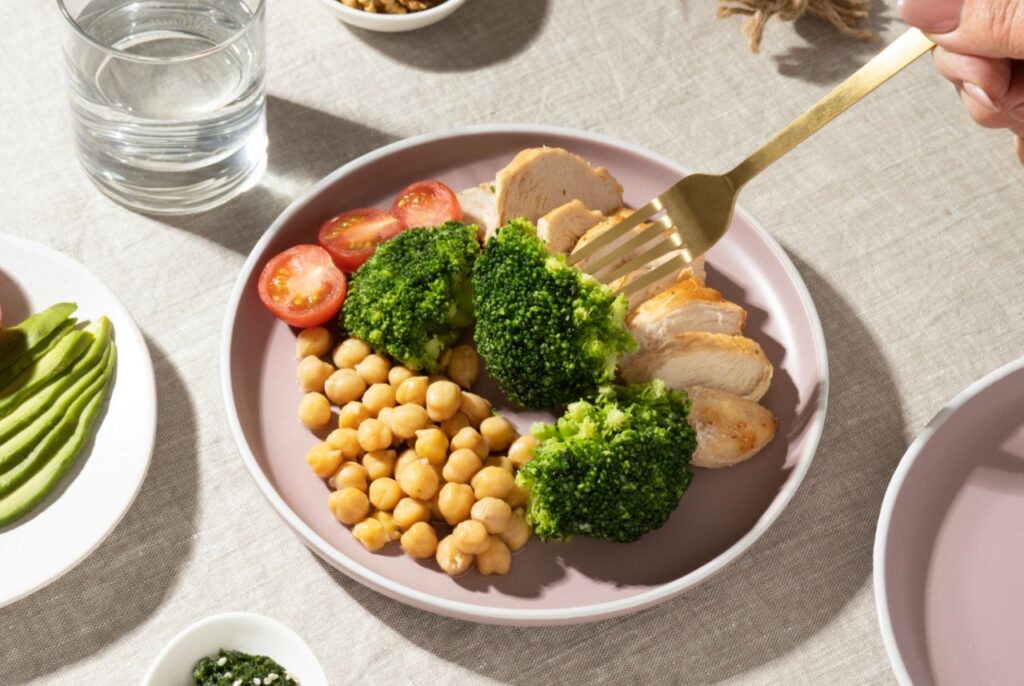
Think you need meat to hit your protein goals? Think again. The plant-based movement isn’t just a passing trend—it’s a powerful shift in how we nourish our bodies and the planet. But one question still pops up all the time: “Where do you get your protein?” Spoiler alert: there are plenty of satisfying, protein-rich foods in the plant kingdom that can fuel your body just as well—if not better—than animal-based options.
Whether you’re fully vegan, trying out Meatless Mondays, or just aiming to eat a little cleaner, these high-protein plant-based foods can help you stay full, energized, and thriving. And the best part? They’re affordable, easy to find in any U.S. grocery store, and—yes—totally delicious.
Let’s dig into seven powerhouse foods that deserve a permanent spot on your plate.
1. Lentils
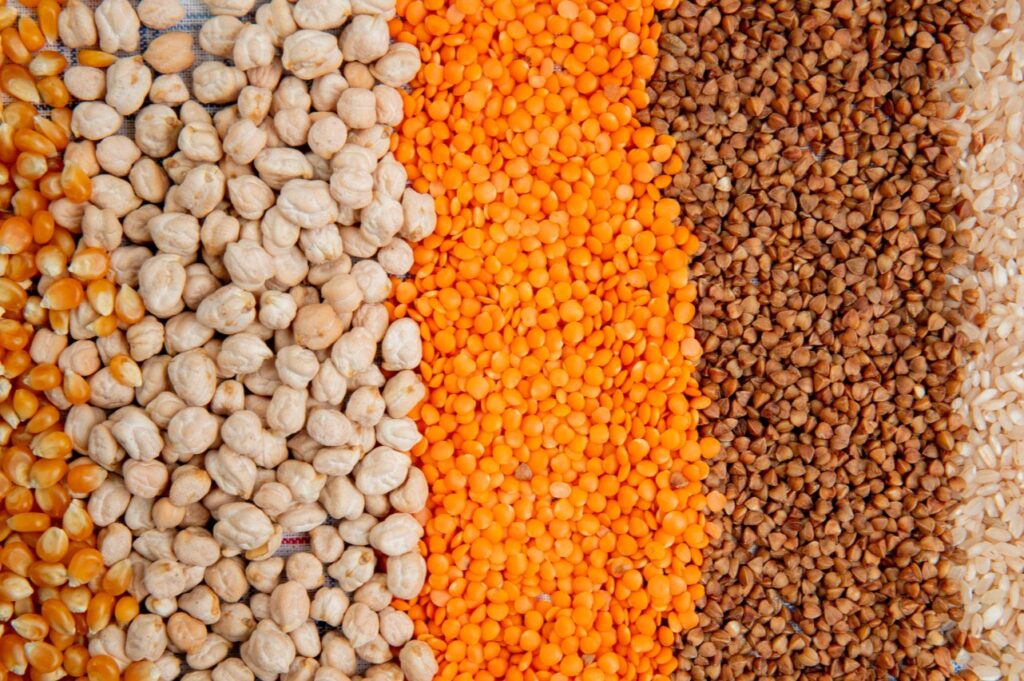
Lentils are like the quiet overachievers of the pantry—unassuming, but packed with power. One cooked cup of lentils delivers a whopping 18 grams of protein, plus iron, magnesium, and a hefty dose of fiber. They come in a variety of types (green, red, brown, black), each with slightly different textures and flavors. But no matter which kind you choose, lentils cook up quickly and are incredibly versatile. Toss them into soups, mix them into salads, or make a hearty lentil curry to warm your soul. They’re budget-friendly, filling, and the perfect way to add bulk to your meals without empty calories.
2. Chickpeas
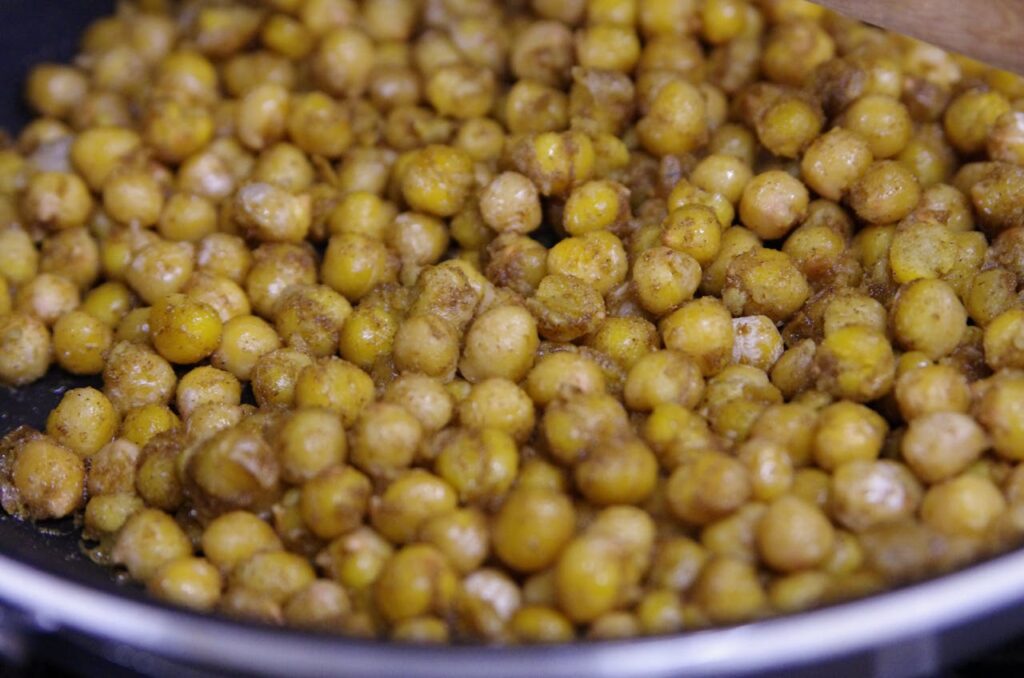
If you’ve ever enjoyed hummus, falafel, or a crispy roasted snack, you’ve already tasted the magic of chickpeas. These little legumes pack around 15 grams of protein per cooked cup, along with fiber, folate, and a subtly nutty flavor that pairs well with just about everything. Canned chickpeas are convenient and ready to use, while dried ones offer even more flavor when cooked from scratch. Whether you’re blending them into creamy dips, tossing them into grain bowls, or smashing them for a sandwich filling, chickpeas offer both texture and nutrition in every bite.
3. Quinoa
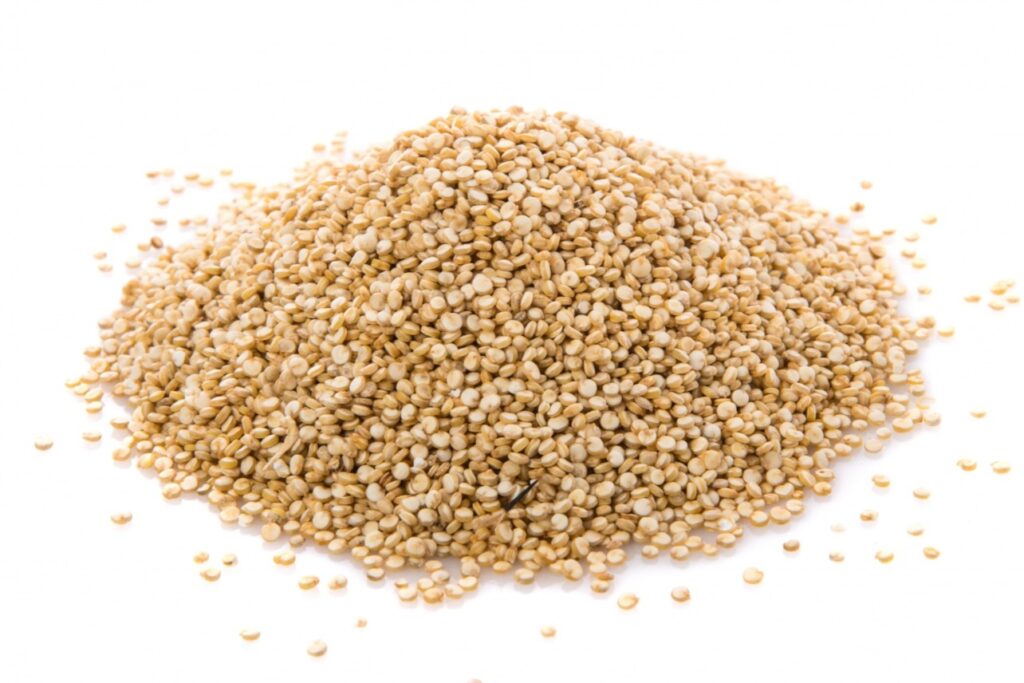
Quinoa is a protein superstar disguised as a humble grain. Technically a seed, this gluten-free pantry staple contains about 8 grams of protein per cooked cup and—bonus!—it’s a complete protein, meaning it provides all nine essential amino acids. It’s also high in fiber, iron, and magnesium, making it a solid choice for supporting energy and digestion. Quinoa cooks in under 20 minutes and works beautifully in everything from veggie-packed salads to breakfast bowls. Its light, nutty flavor makes it an easy swap for rice or pasta when you’re looking to up the nutritional value of a meal.
4. Tofu
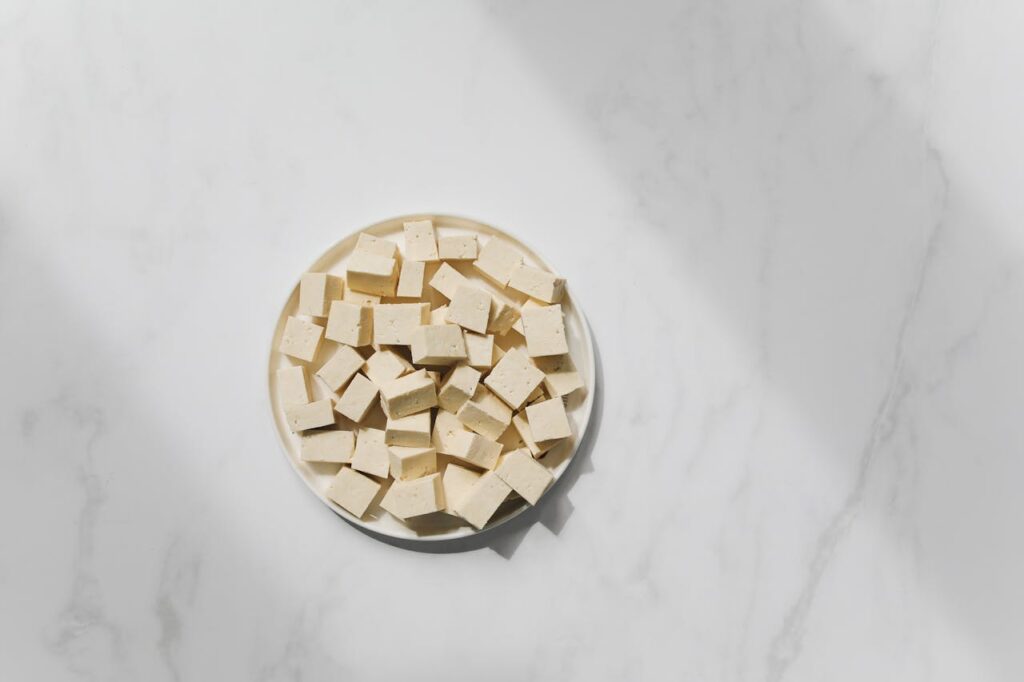
Tofu might just be the most misunderstood food in the plant-based world. Made from soybean curds, tofu contains about 10 grams of protein per half-cup serving, and it’s a blank canvas for flavor. Depending on the type—silken, soft, firm, or extra-firm—you can bake it, pan-fry it, blend it, or grill it. With the right seasonings and cooking techniques (hint: press it first to remove excess water), tofu transforms into everything from crispy stir-fry cubes to creamy sauces or even desserts. It’s also a great source of calcium and iron—especially if it’s fortified.
5. Tempeh
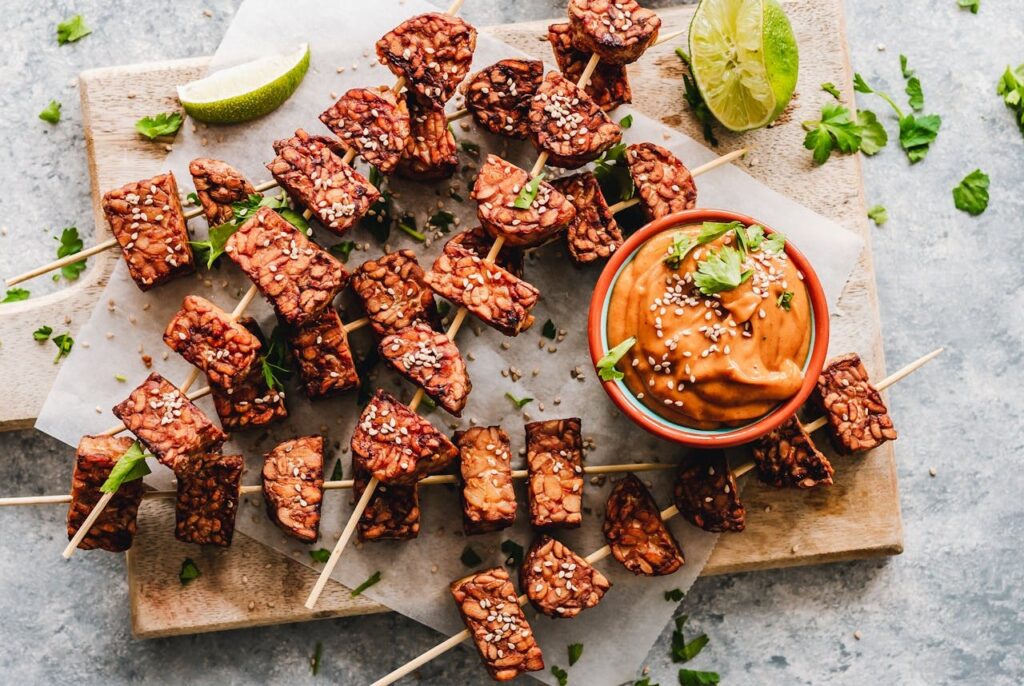
If tofu is smooth jazz, tempeh is punk rock. Made from fermented soybeans, tempeh has a chewy texture, nutty flavor, and a protein content that blows most plant foods out of the water—about 21 grams per 3.5-ounce serving. It also supports gut health thanks to its natural probiotics. Tempeh can be sliced, crumbled, or cubed and works wonders in sandwiches, grain bowls, stir-fries, or tacos. Marinate it to soak in flavor, or steam it first to mellow the taste. Once you get the hang of it, tempeh will become your go-to for a hearty, meat-like bite with serious nutritional credentials.
6. Edamame
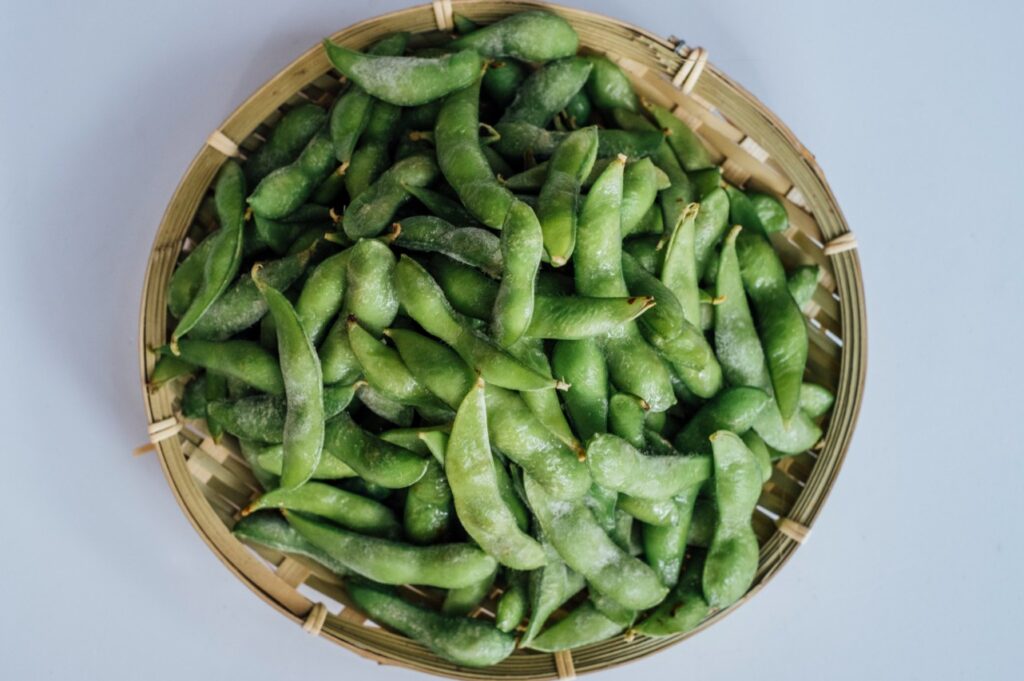
Before soybeans become tofu or tempeh, they’re edamame: bright green, slightly sweet, and deliciously snackable. One cup of shelled edamame offers about 17 grams of protein, along with plenty of fiber, folate, and vitamin K. Available frozen in most grocery stores, these little gems can be boiled or steamed in minutes. Sprinkle them with sea salt for a quick snack, toss them into noodle bowls, or mix them into salads for an easy protein boost. They’re a great way to satisfy those between-meal cravings while giving your muscles something to work with.
7. Hemp Seeds
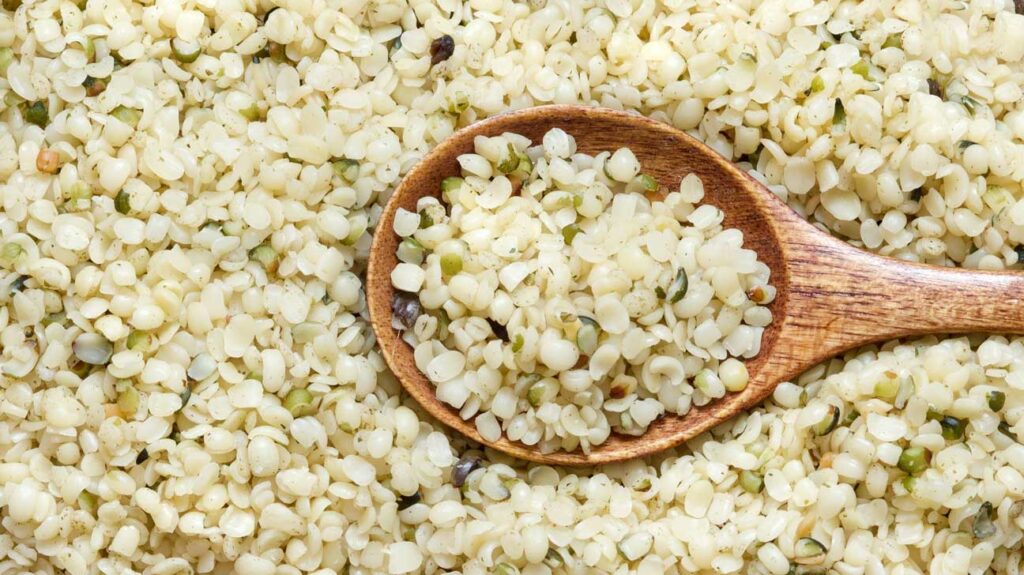
Tiny but mighty, hemp seeds offer about 10 grams of complete protein per 3-tablespoon serving, along with healthy fats and minerals like magnesium and zinc. Their mild, nutty flavor makes them an easy addition to both sweet and savory dishes. Blend them into smoothies, sprinkle them on oatmeal or avocado toast, or stir them into salads and dressings. They require zero prep—no soaking, no cooking, just scoop and sprinkle. For anyone looking to sneak extra nutrients into their meals without much effort, hemp seeds are a dream come true.
Final Thoughts
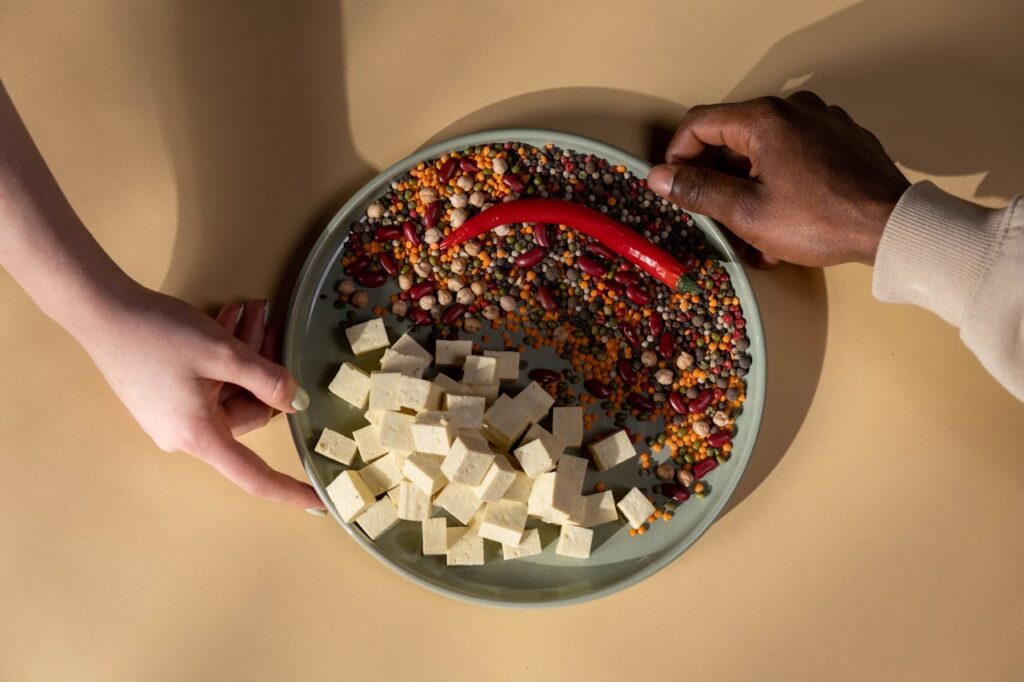
If you’re trying to add more plant-based meals to your diet—or go entirely meat-free—protein doesn’t have to be a struggle. In fact, these seven high-protein foods show that plant-based eating can be both nutritious and exciting. You don’t need fancy products or endless ingredient lists—just a few staples, a bit of creativity, and a willingness to explore.
What’s even better? These foods are easy to find in most U.S. grocery stores, often cost less than animal products, and can be batch-cooked or prepped ahead for busy weeks. Whether you’re whipping up a quinoa salad for lunch or roasting chickpeas for a crunchy snack, you’re feeding your body with fuel that satisfies, sustains, and supports long-term health.
So the next time someone asks, “But where do you get your protein?”—send them this list. Or better yet, invite them over for a lentil chili and show them what plants can really do.