Our Debt Free Family

Commit. Plan. Take action.

  • BUDGETING
  • DEBT REDUCTION
  • INVESTING
  • LIFESTYLE
  • TOOLS
  • ABOUT
  • Privacy Policy
  • CONTACT

Things Boomers Do Better Than Gen Z: 8 Skills That Stand the Test of Time

January 25, 2026 | Leave a Comment

Things Boomers Do Better Than Gen Z: 8 Skills That Stand the Test of Time

<p> We hear it all the time: “OK Boomer.” Sometimes it feels like younger generations are dismissing everything we know or have learned over decades. But the truth is, while Gen Z brings a fresh perspective and tech-savvy skills to the table, there are areas where baby boomers still shine — and shine consistently. These are not just trivial quirks. They are practical, everyday abilities and life skills that come from experience, resilience, and a lot of real-world practice.

From navigating relationships to handling work challenges, there are things that boomers still do better than Gen Z every single time. And it is worth celebrating. These skills are not just about nostalgia; they are useful, reliable, and often quietly powerful.

Here are eight things boomers do better than Gen Z and why they still matter today. </p> :: Gemini

We hear it all the time: “OK Boomer.” Sometimes it feels like younger generations are dismissing everything we know or have learned over decades. But the truth is, while Gen Z brings a fresh perspective and tech-savvy skills to the table, there are areas where baby boomers still shine — and shine consistently. These are not just trivial quirks. They are practical, everyday abilities and life skills that come from experience, resilience, and a lot of real-world practice.

From navigating relationships to handling work challenges, there are things that boomers still do better than Gen Z every single time. And it is worth celebrating. These skills are not just about nostalgia; they are useful, reliable, and often quietly powerful.

Here are eight things boomers do better than Gen Z and why they still matter today.

1. Deep Focus and Thoughtful Attention

<p> One thing that sets boomers apart is the ability to focus deeply without constant distraction. Growing up in a world without endless notifications and pings, boomers learned to fully engage with whatever was in front of them. Reading a book, completing a work task, or even having a meaningful conversation required undivided attention.

Gen Z excels at multitasking and switching between apps and tasks at lightning speed. While this can be impressive, it often comes at the cost of depth. Boomers have the patience to concentrate for longer periods and to think through problems thoroughly. Whether it is a hobby, a personal project, or a work assignment, this ability to focus and give attention to detail often produces results that are more thoughtful and lasting. </p> :: Gemini

One thing that sets boomers apart is the ability to focus deeply without constant distraction. Growing up in a world without endless notifications and pings, boomers learned to fully engage with whatever was in front of them. Reading a book, completing a work task, or even having a meaningful conversation required undivided attention.

Gen Z excels at multitasking and switching between apps and tasks at lightning speed. While this can be impressive, it often comes at the cost of depth. Boomers have the patience to concentrate for longer periods and to think through problems thoroughly. Whether it is a hobby, a personal project, or a work assignment, this ability to focus and give attention to detail often produces results that are more thoughtful and lasting.

2. Professional Writing and Clear Communication

<p> Boomers grew up in an era when writing well was essential. Learning grammar, punctuation, and sentence structure in school gave them a foundation that pays off in every area of life. Professional emails, letters, and even social communications benefit from this clarity.

While Gen Z is comfortable using emojis, shorthand, and fast digital communication, it does not always translate in professional or serious situations. Boomers still have a knack for writing in a way that is clear, persuasive, and easily understood. This skill is especially valuable when interacting with colleagues, managing projects, or maintaining relationships that depend on precise communication. </p> :: Gemini

Boomers grew up in an era when writing well was essential. Learning grammar, punctuation, and sentence structure in school gave them a foundation that pays off in every area of life. Professional emails, letters, and even social communications benefit from this clarity.

While Gen Z is comfortable using emojis, shorthand, and fast digital communication, it does not always translate in professional or serious situations. Boomers still have a knack for writing in a way that is clear, persuasive, and easily understood. This skill is especially valuable when interacting with colleagues, managing projects, or maintaining relationships that depend on precise communication.

3. Practical Do-It-Yourself Skills

<p> Nothing beats hands-on experience, and boomers have it in spades. Whether it was fixing a car in the driveway, patching a wall, sewing a torn shirt, or even assembling furniture without a YouTube tutorial, boomers learned to rely on practical skills from an early age.

While younger generations may enjoy DIY projects and can quickly follow online tutorials, boomers often bring confidence and intuition to every task. They can troubleshoot problems in real time and find solutions without waiting for step-by-step instructions. This combination of experience, resourcefulness, and independence is something that Gen Z has yet to master fully. </p> :: Gemini

Nothing beats hands-on experience, and boomers have it in spades. Whether it was fixing a car in the driveway, patching a wall, sewing a torn shirt, or even assembling furniture without a YouTube tutorial, boomers learned to rely on practical skills from an early age.

While younger generations may enjoy DIY projects and can quickly follow online tutorials, boomers often bring confidence and intuition to every task. They can troubleshoot problems in real time and find solutions without waiting for step-by-step instructions. This combination of experience, resourcefulness, and independence is something that Gen Z has yet to master fully.

4. Unyielding Work Ethic and Commitment

<p> Boomers are known for a strong sense of responsibility and commitment. Showing up, finishing what you start, and persevering through challenges were considered fundamental values. These habits were reinforced in schools, workplaces, and daily life, shaping a generation that often goes above and beyond in professional and personal pursuits.

Gen Z tends to prioritize balance, flexibility, and personal well-being, which is valuable in many ways. However, boomers often demonstrate an unwavering dedication that pushes projects, teams, and communities forward. Whether it is a work assignment, volunteer effort, or personal goal, the determination and commitment of boomers remain unmatched. </p> :: Gemini

Boomers are known for a strong sense of responsibility and commitment. Showing up, finishing what you start, and persevering through challenges were considered fundamental values. These habits were reinforced in schools, workplaces, and daily life, shaping a generation that often goes above and beyond in professional and personal pursuits.

Gen Z tends to prioritize balance, flexibility, and personal well-being, which is valuable in many ways. However, boomers often demonstrate an unwavering dedication that pushes projects, teams, and communities forward. Whether it is a work assignment, volunteer effort, or personal goal, the determination and commitment of boomers remain unmatched.

5. Face-to-Face Social Skills

<p> There is something timeless about in-person communication, and boomers still excel at it. Before text messages, social media, and video calls, relationships were built through real conversations. Learning to read body language, listen attentively, and respond thoughtfully was essential.

Gen Z communicates effortlessly online, but when it comes to face-to-face interactions, boomers often have the upper hand. They can gauge tone, interpret subtle cues, and navigate complex conversations with empathy and confidence. These skills are valuable not only in professional settings but also in maintaining friendships, family connections, and community involvement. </p> :: Gemini

There is something timeless about in-person communication, and boomers still excel at it. Before text messages, social media, and video calls, relationships were built through real conversations. Learning to read body language, listen attentively, and respond thoughtfully was essential.

Gen Z communicates effortlessly online, but when it comes to face-to-face interactions, boomers often have the upper hand. They can gauge tone, interpret subtle cues, and navigate complex conversations with empathy and confidence. These skills are valuable not only in professional settings but also in maintaining friendships, family connections, and community involvement.

6. Financial Prudence and Saving Habits

<p> Boomers have witnessed economic booms, recessions, and everything in between. That experience has created a generation that values saving, budgeting, and making cautious financial decisions. While younger generations may be more comfortable experimenting with digital investments or rapid financial trends, boomers often rely on tried-and-true approaches that have proven effective over decades.

This financial prudence is not just about accumulating money; it is about planning for stability, preparing for the future, and making choices that benefit long-term goals. Boomers often have the skills to navigate economic uncertainty and to teach younger generations how to manage money responsibly. </p> :: Gemini

Boomers have witnessed economic booms, recessions, and everything in between. That experience has created a generation that values saving, budgeting, and making cautious financial decisions. While younger generations may be more comfortable experimenting with digital investments or rapid financial trends, boomers often rely on tried-and-true approaches that have proven effective over decades.

This financial prudence is not just about accumulating money; it is about planning for stability, preparing for the future, and making choices that benefit long-term goals. Boomers often have the skills to navigate economic uncertainty and to teach younger generations how to manage money responsibly.

7. Commitment to Long-Term Relationships

<p> Boomers understand the value of investing in relationships over time. Many have long-standing marriages, friendships that span decades, and deep connections with family and community members. These bonds were built with patience, effort, and care, demonstrating that relationships require nurturing to thrive.

Gen Z values personal growth and independence, which can sometimes make long-term commitments more challenging. Boomers have shown that sticking with relationships through ups and downs often pays off in lasting companionship, trust, and mutual support. These are lessons in loyalty and care that remain relevant and inspiring. </p> :: Gemini

Boomers understand the value of investing in relationships over time. Many have long-standing marriages, friendships that span decades, and deep connections with family and community members. These bonds were built with patience, effort, and care, demonstrating that relationships require nurturing to thrive.

Gen Z values personal growth and independence, which can sometimes make long-term commitments more challenging. Boomers have shown that sticking with relationships through ups and downs often pays off in lasting companionship, trust, and mutual support. These are lessons in loyalty and care that remain relevant and inspiring.

8. Resilience Through Life’s Ups and Downs

<p> Life has thrown many challenges at boomers — from social and political changes to economic crises and technological revolutions. Navigating these challenges has built resilience and adaptability rooted in experience.

While Gen Z is adaptable in its own way, boomers have faced decades of change and developed strategies for coping with setbacks and uncertainty. This resilience shows up in career reinventions, personal growth, family support, and community leadership. The ability to endure, adapt, and thrive after challenges is a skill that cannot be learned overnight, and it is something boomers still do exceptionally well. </p> :: Gemini

Life has thrown many challenges at boomers — from social and political changes to economic crises and technological revolutions. Navigating these challenges has built resilience and adaptability rooted in experience.

While Gen Z is adaptable in its own way, boomers have faced decades of change and developed strategies for coping with setbacks and uncertainty. This resilience shows up in career reinventions, personal growth, family support, and community leadership. The ability to endure, adapt, and thrive after challenges is a skill that cannot be learned overnight, and it is something boomers still do exceptionally well.

Final Thoughts

<p> It is easy to focus on the differences between generations, especially when pop culture and social media highlight them. But when it comes to real-world skills and life experience, baby boomers still hold their own in many areas. From deep focus and clear communication to practical skills, financial wisdom, long-term relationships, and resilience, boomers continue to demonstrate abilities that remain relevant and powerful today.

These skills are not just about being old-fashioned; they are about wisdom, patience, and the ability to navigate life with confidence. Every generation brings its own strengths, and while Gen Z offers energy, creativity, and technological fluency, boomers offer perspective, reliability, and the kind of real-life experience that is hard to replace.

So the next time someone says, “OK Boomer,” remember that experience, knowledge, and practical skills do not go out of style. These are the abilities that help families thrive, workplaces succeed, and communities grow stronger. Boomers have earned the right to be proud, and their skills continue to matter — now more than ever. </p> :: Gemini

It is easy to focus on the differences between generations, especially when pop culture and social media highlight them. But when it comes to real-world skills and life experience, baby boomers still hold their own in many areas. From deep focus and clear communication to practical skills, financial wisdom, long-term relationships, and resilience, boomers continue to demonstrate abilities that remain relevant and powerful today.

These skills are not just about being old-fashioned; they are about wisdom, patience, and the ability to navigate life with confidence. Every generation brings its own strengths, and while Gen Z offers energy, creativity, and technological fluency, boomers offer perspective, reliability, and the kind of real-life experience that is hard to replace.

So the next time someone says, “OK Boomer,” remember that experience, knowledge, and practical skills do not go out of style. These are the abilities that help families thrive, workplaces succeed, and communities grow stronger. Boomers have earned the right to be proud, and their skills continue to matter — now more than ever.


Filed Under: Lifestyle

10 Lies About Food You Need to Stop Believing Right Now

January 24, 2026 | Leave a Comment

10 Lies About Food You Need to Stop Believing Right Now

<p> Food myths can shape how we eat, shop, and even think about our health. Unfortunately, many of these misconceptions can do more harm than good. Some might prevent you from enjoying nutrient-rich foods, while others could lead you to make choices that negatively impact your health and wallet. It’s time to bust some of the most common food-related lies and help you make more informed decisions. Let’s dive into the top 10 myths and the truths behind them. </p> :: Pexels

Food myths can shape how we eat, shop, and even think about our health. Unfortunately, many of these misconceptions can do more harm than good. Some might prevent you from enjoying nutrient-rich foods, while others could lead you to make choices that negatively impact your health and wallet. It’s time to bust some of the most common food-related lies and help you make more informed decisions. Let’s dive into the top 10 myths and the truths behind them.

1. Eating Fat Will Make You Gain Weight

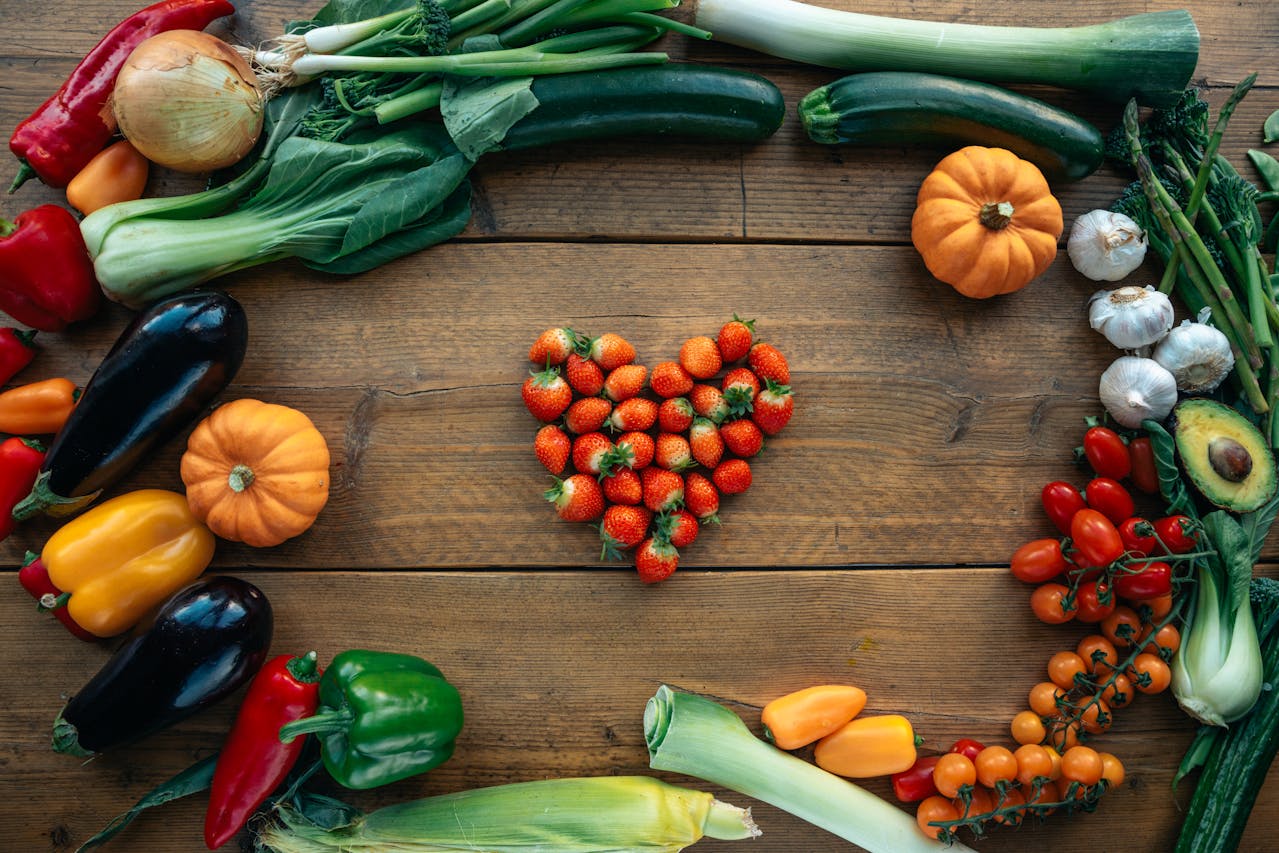
<p> For years, fat has been blamed for weight gain, but this couldn’t be further from the truth. The stigma around fat originated from outdated research linking dietary fat to obesity. However, modern studies reveal that the type of fat you consume matters more than the amount. Healthy fats, such as those found in avocados, nuts, seeds, and olive oil, are essential for brain function, hormone production, and energy. The real culprits behind weight gain are excessive calorie intake and refined carbohydrates, often found in processed snacks and sugary beverages. Incorporating healthy fats into your diet in moderation can support satiety, help regulate blood sugar, and even aid in maintaining a healthy weight. </p> :: Pexels

For years, fat has been blamed for weight gain, but this couldn’t be further from the truth. The stigma around fat originated from outdated research linking dietary fat to obesity. However, modern studies reveal that the type of fat you consume matters more than the amount. Healthy fats, such as those found in avocados, nuts, seeds, and olive oil, are essential for brain function, hormone production, and energy. The real culprits behind weight gain are excessive calorie intake and refined carbohydrates, often found in processed snacks and sugary beverages. Incorporating healthy fats into your diet in moderation can support satiety, help regulate blood sugar, and even aid in maintaining a healthy weight.

2. Microwaving Food Destroys Nutrients

<p> Many people avoid microwaves, fearing they ruin the nutritional value of food. The truth is quite the opposite. Microwaving is one of the most efficient ways to cook food while preserving nutrients, especially water-soluble vitamins like vitamin C and B vitamins. This is because microwaves use short cooking times and require minimal water, unlike boiling or frying, which can leach nutrients into cooking water or oil. Whether you’re reheating leftovers or steaming vegetables, microwaving retains more nutrition than you might think. Rest assured, your microwave is not the nutrient thief it’s often made out to be. </p> :: Pexels

Many people avoid microwaves, fearing they ruin the nutritional value of food. The truth is quite the opposite. Microwaving is one of the most efficient ways to cook food while preserving nutrients, especially water-soluble vitamins like vitamin C and B vitamins. This is because microwaves use short cooking times and require minimal water, unlike boiling or frying, which can leach nutrients into cooking water or oil. Whether you’re reheating leftovers or steaming vegetables, microwaving retains more nutrition than you might think. Rest assured, your microwave is not the nutrient thief it’s often made out to be.

3. Carbs Are the Enemy

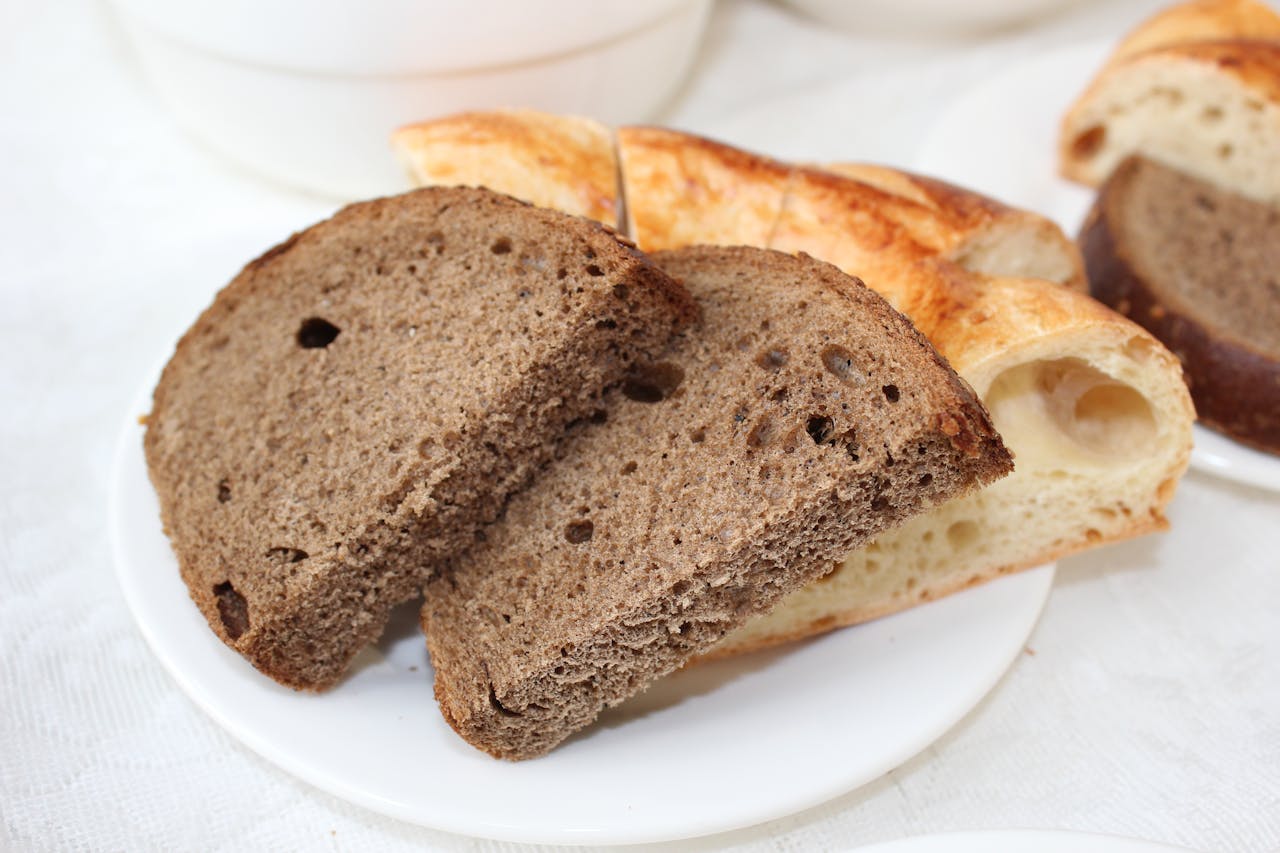
<p> Carbs have been demonized in popular diet trends, but not all carbohydrates are created equal. Refined carbs, such as white bread, pastries, and sugary snacks, are indeed problematic because they cause rapid spikes in blood sugar levels. However, complex carbs—like those found in whole grains, legumes, fruits, and vegetables—are essential for energy, digestion, and overall health. These carbs are rich in fiber, vitamins, and minerals that support your body’s functions and promote a feeling of fullness. Eliminating all carbs can lead to fatigue, nutrient deficiencies, and unsustainable eating habits. Embrace the good carbs and avoid falling into the low-carb diet trap. </p> :: Pexels

Carbs have been demonized in popular diet trends, but not all carbohydrates are created equal. Refined carbs, such as white bread, pastries, and sugary snacks, are indeed problematic because they cause rapid spikes in blood sugar levels. However, complex carbs—like those found in whole grains, legumes, fruits, and vegetables—are essential for energy, digestion, and overall health. These carbs are rich in fiber, vitamins, and minerals that support your body’s functions and promote a feeling of fullness. Eliminating all carbs can lead to fatigue, nutrient deficiencies, and unsustainable eating habits. Embrace the good carbs and avoid falling into the low-carb diet trap.

4. Processed Foods Are Always Unhealthy

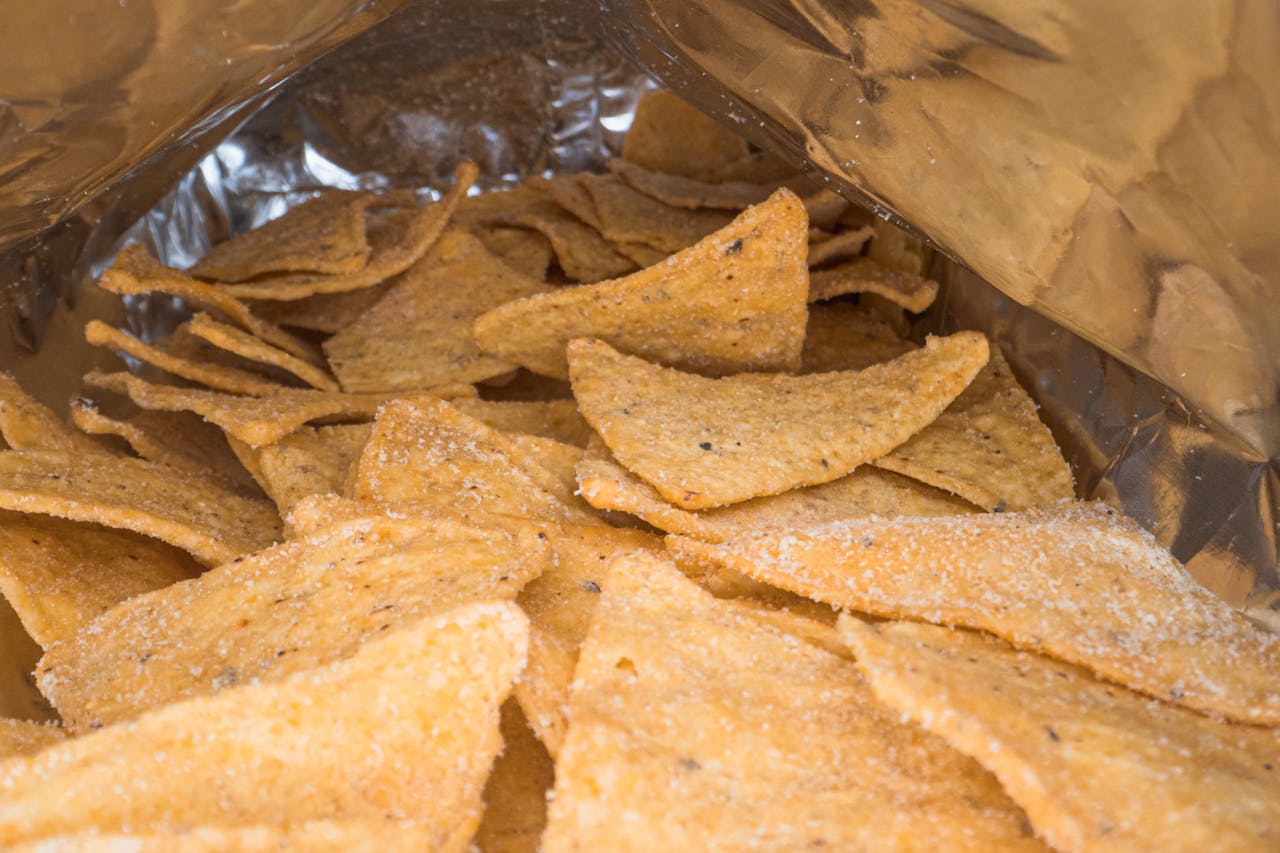
<p> Processed foods often get a bad rap, but not all of them deserve it. The term "processed" refers to any food that has been altered from its original state, which includes simple processes like freezing, canning, or pasteurization. While ultra-processed foods like chips, candies, and sodas can be harmful due to added sugars, unhealthy fats, and artificial ingredients, minimally processed foods can be healthy and convenient. Think canned beans, frozen vegetables, and plain yogurt—these items are often packed with nutrients and can be a lifesaver for busy individuals. The key is to read ingredient labels and choose options with minimal additives and preservatives. </p> :: Pexels

Processed foods often get a bad rap, but not all of them deserve it. The term “processed” refers to any food that has been altered from its original state, which includes simple processes like freezing, canning, or pasteurization. While ultra-processed foods like chips, candies, and sodas can be harmful due to added sugars, unhealthy fats, and artificial ingredients, minimally processed foods can be healthy and convenient. Think canned beans, frozen vegetables, and plain yogurt—these items are often packed with nutrients and can be a lifesaver for busy individuals. The key is to read ingredient labels and choose options with minimal additives and preservatives.

5. Brown Sugar Is Better Than White Sugar

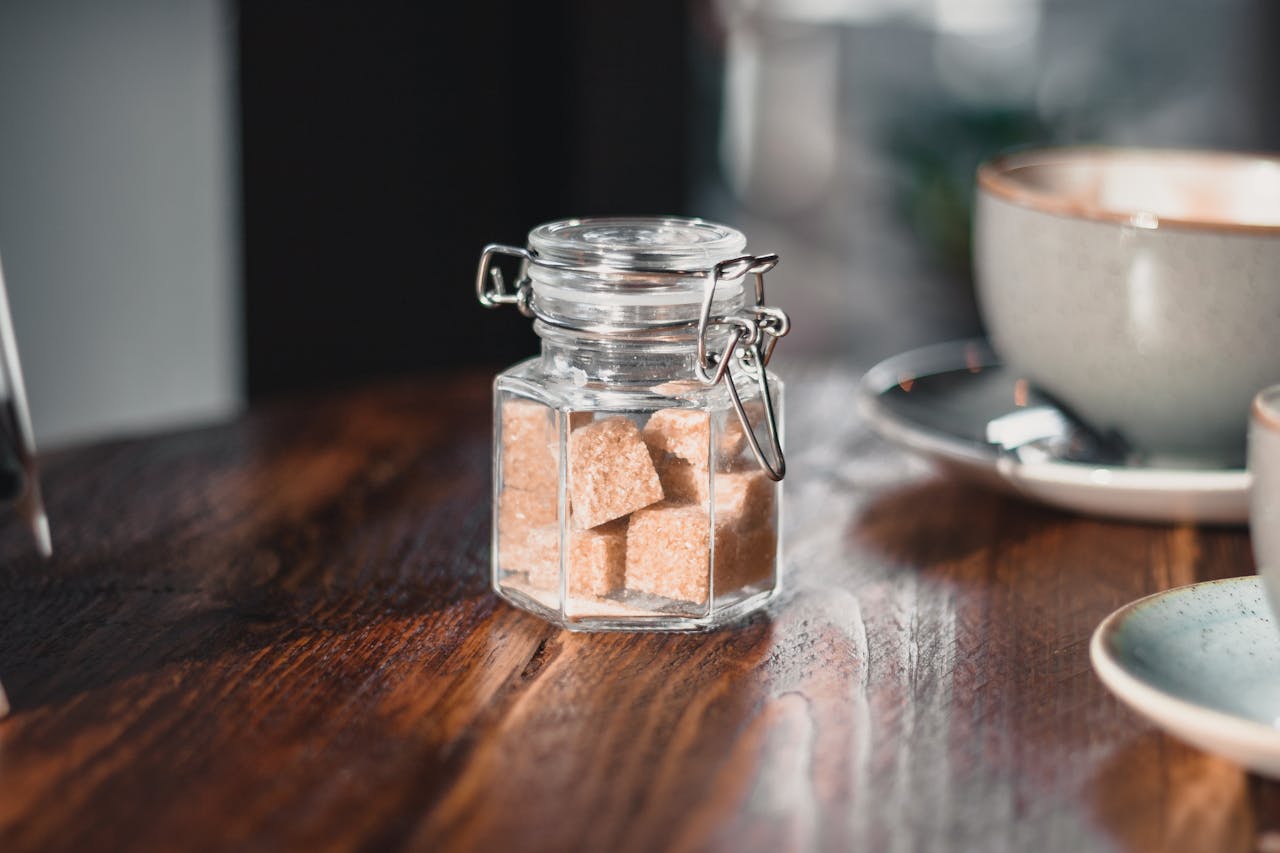
<p> Brown sugar often seems healthier than white sugar, but the differences between them are minimal. Brown sugar is essentially white sugar mixed with molasses, giving it a darker color and a slightly richer flavor. Both types of sugar have the same calorie content and similar effects on blood sugar levels. Switching from white to brown sugar won’t make your diet significantly healthier. The focus should be on reducing your overall sugar intake, whether it comes from white sugar, brown sugar, or other sweeteners, to maintain stable energy levels and prevent health issues like diabetes. </p> :: Pexels

Brown sugar often seems healthier than white sugar, but the differences between them are minimal. Brown sugar is essentially white sugar mixed with molasses, giving it a darker color and a slightly richer flavor. Both types of sugar have the same calorie content and similar effects on blood sugar levels. Switching from white to brown sugar won’t make your diet significantly healthier. The focus should be on reducing your overall sugar intake, whether it comes from white sugar, brown sugar, or other sweeteners, to maintain stable energy levels and prevent health issues like diabetes.


6. Fresh Produce Is Always Better Than Frozen

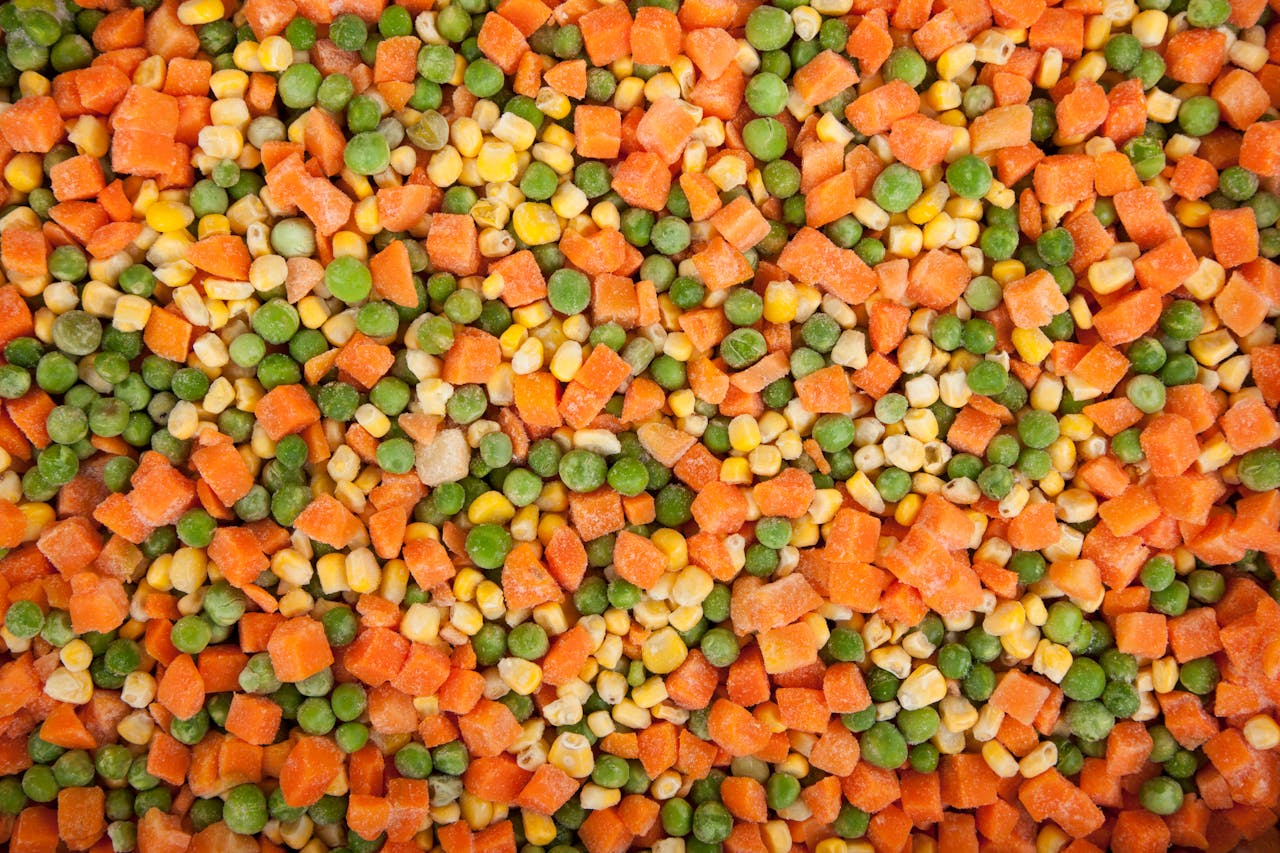
<p> While fresh fruits and vegetables are fantastic, frozen produce is an equally nutritious alternative. In fact, frozen fruits and veggies are often picked at peak ripeness and flash-frozen to lock in nutrients, whereas fresh produce may lose nutrients during long transportation and storage times. Frozen options are also a budget-friendly and convenient choice, reducing food waste and ensuring you always have healthy ingredients on hand. Whether you’re blending a smoothie or steaming a side dish, frozen produce can be a smart and nutritious addition to your meals. </p> :: Pexels

While fresh fruits and vegetables are fantastic, frozen produce is an equally nutritious alternative. In fact, frozen fruits and veggies are often picked at peak ripeness and flash-frozen to lock in nutrients, whereas fresh produce may lose nutrients during long transportation and storage times. Frozen options are also a budget-friendly and convenient choice, reducing food waste and ensuring you always have healthy ingredients on hand. Whether you’re blending a smoothie or steaming a side dish, frozen produce can be a smart and nutritious addition to your meals.

7. You Must Drink Eight Glasses of Water Every Day

<p> The recommendation to drink eight glasses of water a day is more of a guideline than a strict rule. Your hydration needs depend on factors such as activity level, diet, and the climate you live in. Foods with high water content, such as cucumbers, oranges, and watermelons, contribute to your hydration and can help reduce the amount of liquid you need to drink. Additionally, beverages like herbal teas and milk count toward your daily fluid intake. Rather than fixating on a number, listen to your body and drink whenever you feel thirsty. </p> :: Pexels

The recommendation to drink eight glasses of water a day is more of a guideline than a strict rule. Your hydration needs depend on factors such as activity level, diet, and the climate you live in. Foods with high water content, such as cucumbers, oranges, and watermelons, contribute to your hydration and can help reduce the amount of liquid you need to drink. Additionally, beverages like herbal teas and milk count toward your daily fluid intake. Rather than fixating on a number, listen to your body and drink whenever you feel thirsty.

8. Natural Sweeteners Are Always Healthier Than Sugar

<p> Honey, maple syrup, and agave are often marketed as healthier alternatives to refined sugar, but they are still forms of sugar. While they might contain small amounts of minerals or antioxidants, these benefits are negligible unless consumed in very large quantities—which isn’t advisable. Overindulging in natural sweeteners can still contribute to weight gain, blood sugar spikes, and dental issues. The takeaway? Treat natural sweeteners just like any other sugar and consume them sparingly as part of a balanced diet. </p> :: Pexels

Honey, maple syrup, and agave are often marketed as healthier alternatives to refined sugar, but they are still forms of sugar. While they might contain small amounts of minerals or antioxidants, these benefits are negligible unless consumed in very large quantities—which isn’t advisable. Overindulging in natural sweeteners can still contribute to weight gain, blood sugar spikes, and dental issues. The takeaway? Treat natural sweeteners just like any other sugar and consume them sparingly as part of a balanced diet.

9. Eggs Are Bad for Your Heart

<p> Eggs have long been misunderstood when it comes to heart health. The misconception stems from their cholesterol content, which was once believed to increase blood cholesterol levels. However, recent studies show that dietary cholesterol has minimal impact on most people’s blood cholesterol levels. Eggs are an affordable, nutrient-dense source of protein, vitamins, and healthy fats. For most individuals, eating eggs in moderation is perfectly safe and can even support a heart-healthy diet. Unless advised otherwise by your doctor, there’s no need to fear this breakfast staple. </p> :: Pexels

Eggs have long been misunderstood when it comes to heart health. The misconception stems from their cholesterol content, which was once believed to increase blood cholesterol levels. However, recent studies show that dietary cholesterol has minimal impact on most people’s blood cholesterol levels. Eggs are an affordable, nutrient-dense source of protein, vitamins, and healthy fats. For most individuals, eating eggs in moderation is perfectly safe and can even support a heart-healthy diet. Unless advised otherwise by your doctor, there’s no need to fear this breakfast staple.

10. Organic Foods Are Always Healthier

<p> Organic foods are often perceived as more nutritious, but that isn’t always the case. The main difference between organic and conventional produce lies in farming practices, not nutritional content. Organic farming reduces the use of synthetic pesticides and fertilizers, but the nutrient levels in organic foods are often comparable to those of conventionally grown produce. Instead of focusing solely on organic labels, prioritize eating a variety of fruits, vegetables, and whole foods. Washing produce thoroughly, whether it’s organic or not, is the best way to reduce pesticide exposure and ensure safe consumption. </p> :: Pexels

Organic foods are often perceived as more nutritious, but that isn’t always the case. The main difference between organic and conventional produce lies in farming practices, not nutritional content. Organic farming reduces the use of synthetic pesticides and fertilizers, but the nutrient levels in organic foods are often comparable to those of conventionally grown produce. Instead of focusing solely on organic labels, prioritize eating a variety of fruits, vegetables, and whole foods. Washing produce thoroughly, whether it’s organic or not, is the best way to reduce pesticide exposure and ensure safe consumption.

Final Thoughts

<p> Food myths have a way of sticking around, even when science disproves them. By breaking free from these misconceptions, you can make better dietary choices that truly benefit your health. Whether it’s embracing healthy fats, reconsidering the value of frozen foods, or ditching the fear of eggs, understanding the truth about food allows you to eat smarter and feel confident in your choices. Let’s leave these myths in the past and focus on nourishing ourselves with balanced, informed eating habits. </p> :: Pexels

Food myths have a way of sticking around, even when science disproves them. By breaking free from these misconceptions, you can make better dietary choices that truly benefit your health. Whether it’s embracing healthy fats, reconsidering the value of frozen foods, or ditching the fear of eggs, understanding the truth about food allows you to eat smarter and feel confident in your choices. Let’s leave these myths in the past and focus on nourishing ourselves with balanced, informed eating habits.

Filed Under: Food & Drink

9 Home Repairs You Should Never Attempt Yourself

January 24, 2026 | Leave a Comment

9 Home Repairs You Should Never Attempt Yourself

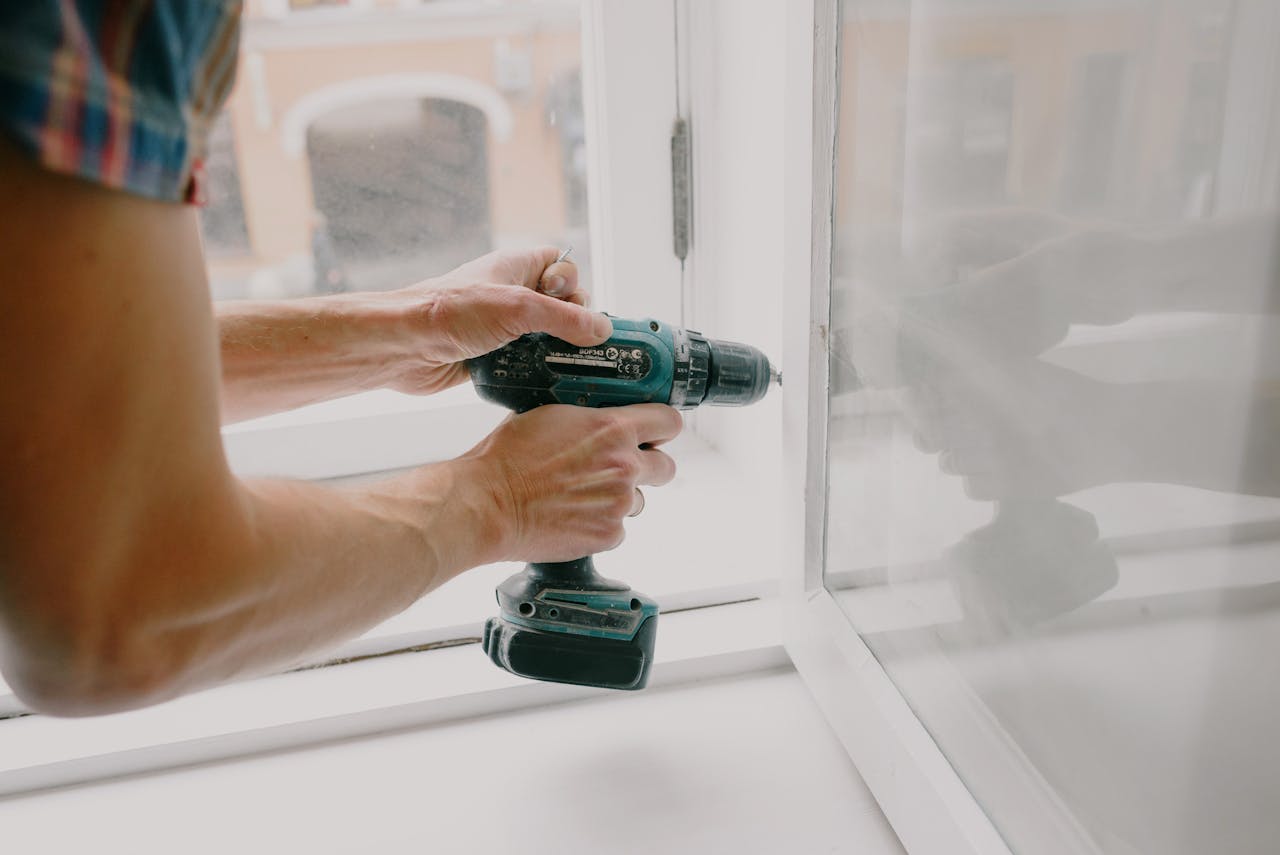
<p> When something breaks or needs fixing at home, it’s tempting to roll up your sleeves and try to handle it yourself. While DIY repairs can save money and give a sense of accomplishment, some home repairs are simply too risky, complex, or critical to do without professional expertise. Taking on these tasks yourself could lead to injuries, higher repair costs, or lasting damage to your home. Here are nine home repairs you should never attempt yourself and why calling a professional is always the better option. </p> :: Pexels

When something breaks or needs fixing at home, it’s tempting to roll up your sleeves and try to handle it yourself. While DIY repairs can save money and give a sense of accomplishment, some home repairs are simply too risky, complex, or critical to do without professional expertise. Taking on these tasks yourself could lead to injuries, higher repair costs, or lasting damage to your home. Here are nine home repairs you should never attempt yourself and why calling a professional is always the better option.

1. Major Electrical Wiring and Repairs

<p> Electrical repairs might seem manageable with the right tools, but they are among the most dangerous home fixes. One small mistake can result in electrical shocks, fires, or expensive appliance damage. Furthermore, improper wiring can create long-term safety hazards that aren’t immediately visible. Licensed electricians follow strict safety codes and have the expertise to resolve issues without putting your home or family at risk. When it comes to electricity, always leave it to the professionals. </p> :: Pexels

Electrical repairs might seem manageable with the right tools, but they are among the most dangerous home fixes. One small mistake can result in electrical shocks, fires, or expensive appliance damage. Furthermore, improper wiring can create long-term safety hazards that aren’t immediately visible. Licensed electricians follow strict safety codes and have the expertise to resolve issues without putting your home or family at risk. When it comes to electricity, always leave it to the professionals.

2. Roof Repairs and Replacement

<p>Fixing a roof leak or replacing shingles may look simple, but it’s a task best left to experienced roofers. Working at heights poses significant safety risks, especially without proper equipment or training. Additionally, a poorly executed repair can lead to water leaks, mold growth, and structural issues down the road. Roofers not only ensure the job is done correctly but can also spot hidden damage that an untrained eye might miss, saving you money in the long run. </p> :: Pexels

Fixing a roof leak or replacing shingles may look simple, but it’s a task best left to experienced roofers. Working at heights poses significant safety risks, especially without proper equipment or training. Additionally, a poorly executed repair can lead to water leaks, mold growth, and structural issues down the road. Roofers not only ensure the job is done correctly but can also spot hidden damage that an untrained eye might miss, saving you money in the long run.

3. Plumbing System Overhauls

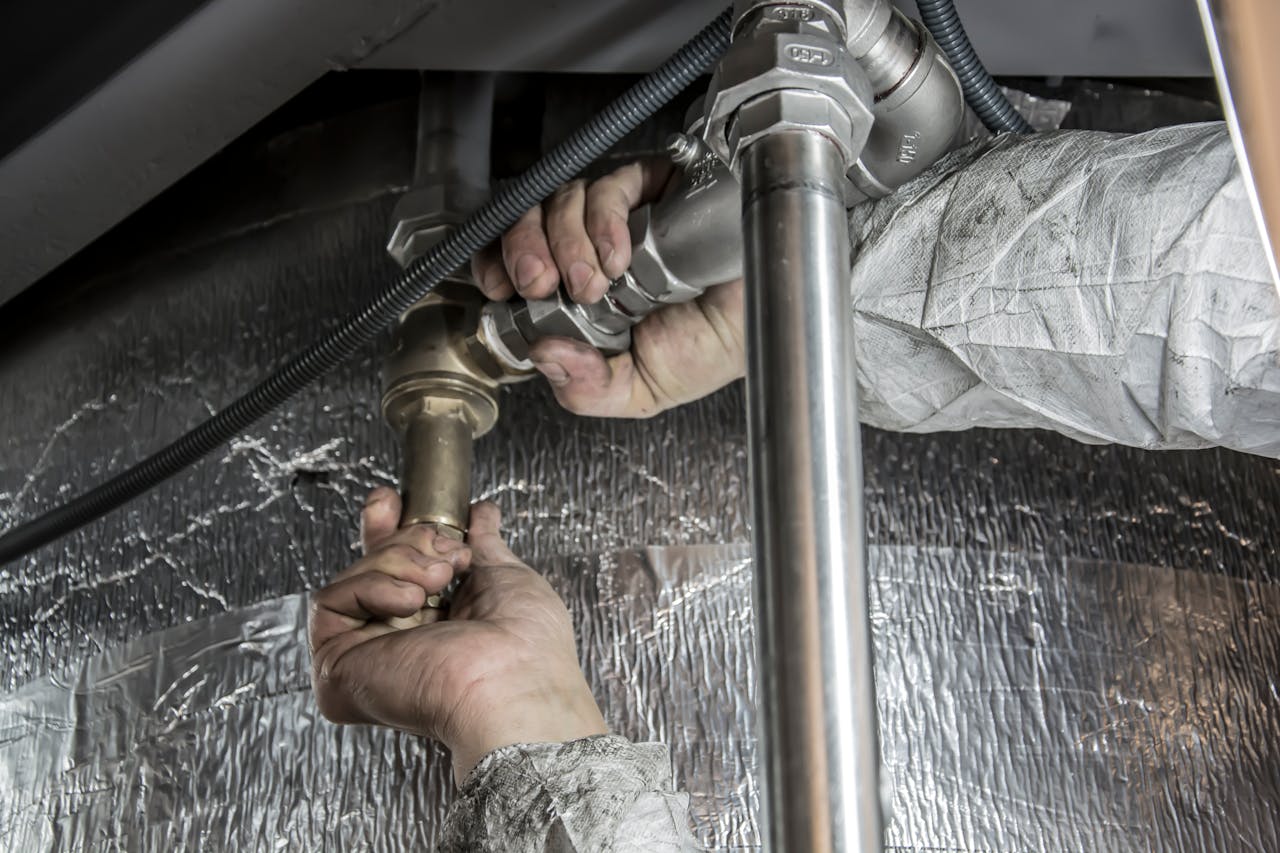
<p> A dripping faucet or clogged drain may be manageable, but major plumbing work—like replacing pipes or installing new water lines—is far too complex for a DIY approach. Incorrect installations can cause water leaks, flooding, or even damage to your home’s foundation. Professional plumbers understand building codes and use specialized tools to perform repairs safely and efficiently. They can also troubleshoot underlying issues that could escalate if left unaddressed. </p> :: Pexels

A dripping faucet or clogged drain may be manageable, but major plumbing work—like replacing pipes or installing new water lines—is far too complex for a DIY approach. Incorrect installations can cause water leaks, flooding, or even damage to your home’s foundation. Professional plumbers understand building codes and use specialized tools to perform repairs safely and efficiently. They can also troubleshoot underlying issues that could escalate if left unaddressed.

4. Gas Line Repairs or Installations

<p> Gas lines power essential appliances like stoves and heaters, but they come with serious safety risks. A single error during a repair or installation can lead to dangerous gas leaks or explosions. Professionals are trained to work with gas systems safely, using equipment to detect leaks and ensure proper sealing. Attempting to fix gas lines yourself is not only hazardous but could void your homeowner’s insurance if something goes wrong. Always hire a licensed expert for gas-related work. </p> :: Pexels

Gas lines power essential appliances like stoves and heaters, but they come with serious safety risks. A single error during a repair or installation can lead to dangerous gas leaks or explosions. Professionals are trained to work with gas systems safely, using equipment to detect leaks and ensure proper sealing. Attempting to fix gas lines yourself is not only hazardous but could void your homeowner’s insurance if something goes wrong. Always hire a licensed expert for gas-related work.

5. Foundation Repairs

<p> Your home’s foundation supports its entire structure, and even small issues can have significant consequences. Attempting to fix foundation cracks or uneven settling on your own can worsen the problem or lead to unsafe living conditions. Professional foundation repair specialists use advanced techniques to address the root cause of the issue, whether it involves drainage problems, soil movement, or structural reinforcements. Protect your home’s stability by leaving foundation repairs to the experts. </p> :: Pexels

Your home’s foundation supports its entire structure, and even small issues can have significant consequences. Attempting to fix foundation cracks or uneven settling on your own can worsen the problem or lead to unsafe living conditions. Professional foundation repair specialists use advanced techniques to address the root cause of the issue, whether it involves drainage problems, soil movement, or structural reinforcements. Protect your home’s stability by leaving foundation repairs to the experts.

6. HVAC System Repairs

<p> Your heating and cooling systems are intricate and require a professional’s expertise to maintain and repair. Attempting to fix your HVAC system without proper training can result in inefficiency, higher energy bills, and even safety risks such as refrigerant leaks. Professionals can quickly diagnose and resolve issues, ensuring your system runs smoothly while keeping manufacturer warranties intact. Trusting a licensed technician can save you from expensive repairs in the future. </p> :: Pexels

Your heating and cooling systems are intricate and require a professional’s expertise to maintain and repair. Attempting to fix your HVAC system without proper training can result in inefficiency, higher energy bills, and even safety risks such as refrigerant leaks. Professionals can quickly diagnose and resolve issues, ensuring your system runs smoothly while keeping manufacturer warranties intact. Trusting a licensed technician can save you from expensive repairs in the future.

7. Major Appliance Repairs

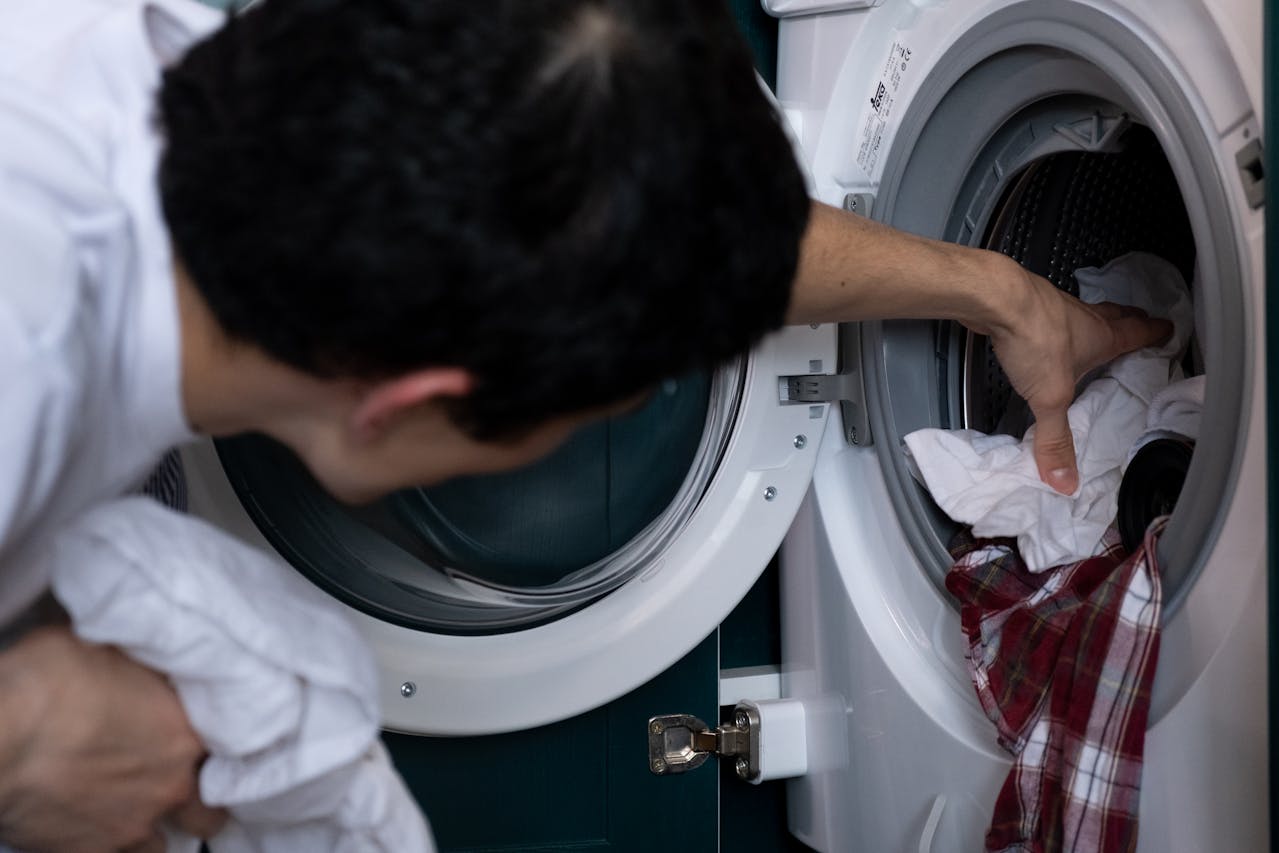
<p> It’s tempting to try fixing a malfunctioning refrigerator or washing machine, but modern appliances are complex machines with intricate electrical and mechanical components. Without the right knowledge, you could cause further damage or void the warranty. Professionals have the training and tools to handle appliance repairs correctly and ensure they’re restored to optimal working condition. A quick DIY attempt could end up costing more than hiring an expert in the first place. </p> :: Pexels

It’s tempting to try fixing a malfunctioning refrigerator or washing machine, but modern appliances are complex machines with intricate electrical and mechanical components. Without the right knowledge, you could cause further damage or void the warranty. Professionals have the training and tools to handle appliance repairs correctly and ensure they’re restored to optimal working condition. A quick DIY attempt could end up costing more than hiring an expert in the first place.

8. Tree Removal Near Power Lines or Structures

<p> Cutting down a tree might seem straightforward, but doing so near power lines or buildings is incredibly dangerous. One wrong move could lead to power outages, structural damage, or severe injuries. Professional arborists are equipped with tools and techniques to remove trees safely, even in tight or risky locations. They assess the situation carefully, ensuring both your property and nearby structures remain unharmed during the process. </p> :: Pexels

Cutting down a tree might seem straightforward, but doing so near power lines or buildings is incredibly dangerous. One wrong move could lead to power outages, structural damage, or severe injuries. Professional arborists are equipped with tools and techniques to remove trees safely, even in tight or risky locations. They assess the situation carefully, ensuring both your property and nearby structures remain unharmed during the process.

9. Wall Removal or Structural Changes

<p> Tearing down a wall to create an open layout may look simple on TV, but it can compromise your home’s structural integrity if not done correctly. Load-bearing walls support your home’s weight, and removing one without proper reinforcement can lead to sagging ceilings, cracks, or even collapse. Professionals, such as contractors or structural engineers, have the expertise to determine which walls are safe to remove and how to reinforce the structure properly. Don’t risk the stability of your home with a DIY approach. </p> :: Pexels

Tearing down a wall to create an open layout may look simple on TV, but it can compromise your home’s structural integrity if not done correctly. Load-bearing walls support your home’s weight, and removing one without proper reinforcement can lead to sagging ceilings, cracks, or even collapse. Professionals, such as contractors or structural engineers, have the expertise to determine which walls are safe to remove and how to reinforce the structure properly. Don’t risk the stability of your home with a DIY approach.

Final Thoughts

<p> Taking on DIY repairs can be fun and budget-friendly, but some tasks are simply too risky for amateurs. Attempting repairs without the proper skills, tools, or training can lead to dangerous situations, higher repair costs, or long-term damage to your home. By knowing when to call in the experts, you protect your investment, ensure safety, and enjoy the peace of mind that comes with a job well done. Save yourself the stress and potential hazards by leaving these nine home repairs to the professionals. Your future self—and your home—will thank you. </p> :: Pexels

Taking on DIY repairs can be fun and budget-friendly, but some tasks are simply too risky for amateurs. Attempting repairs without the proper skills, tools, or training can lead to dangerous situations, higher repair costs, or long-term damage to your home. By knowing when to call in the experts, you protect your investment, ensure safety, and enjoy the peace of mind that comes with a job well done.

Save yourself the stress and potential hazards by leaving these nine home repairs to the professionals. Your future self—and your home—will thank you.

Filed Under: Lifestyle

Foods Cardiologists Want You to Stop Eating Immediately: 10 Dangerous Culprits for Your Heart

January 24, 2026 | Leave a Comment

Foods Cardiologists Want You to Stop Eating Immediately: 10 Dangerous Culprits for Your Heart

<p> When it comes to maintaining a healthy heart, the food you eat plays a pivotal role. Cardiologists have long warned about the dangers of certain foods that can seriously harm your cardiovascular health. From foods that raise your cholesterol to those that contribute to high blood pressure, these eating habits can increase your risk of heart disease, stroke, and other serious conditions. If you care about your heart—and who doesn’t?—it’s time to take a hard look at your diet. In this article, we’ll cover the 10 foods that cardiologists want you to stop eating immediately to keep your heart healthy and strong. </p> :: Pexels

When it comes to maintaining a healthy heart, the food you eat plays a pivotal role. Cardiologists have long warned about the dangers of certain foods that can seriously harm your cardiovascular health. From foods that raise your cholesterol to those that contribute to high blood pressure, these eating habits can increase your risk of heart disease, stroke, and other serious conditions. If you care about your heart—and who doesn’t?—it’s time to take a hard look at your diet. In this article, we’ll cover the 10 foods that cardiologists want you to stop eating immediately to keep your heart healthy and strong.

1. Fried Foods: A Recipe for Heart Attack Risk

<p> Fried foods, including French fries, fried chicken, and deep-fried snacks, may taste delicious, but they’re loaded with unhealthy fats, particularly trans fats. These fats are known to raise bad cholesterol (LDL) levels and lower good cholesterol (HDL), leading to plaque buildup in the arteries. This process can increase your risk of atherosclerosis, which significantly raises the risk of heart disease. Cardiologists advise steering clear of fried foods altogether and choosing healthier cooking methods like grilling, steaming, or baking to protect your heart. </p> :: Pexels

Fried foods, including French fries, fried chicken, and deep-fried snacks, may taste delicious, but they’re loaded with unhealthy fats, particularly trans fats. These fats are known to raise bad cholesterol (LDL) levels and lower good cholesterol (HDL), leading to plaque buildup in the arteries. This process can increase your risk of atherosclerosis, which significantly raises the risk of heart disease. Cardiologists advise steering clear of fried foods altogether and choosing healthier cooking methods like grilling, steaming, or baking to protect your heart.

2. Processed Meats: Hidden Dangers to Your Heart

<p> Processed meats such as bacon, sausages, hot dogs, and deli meats are packed with sodium, unhealthy fats, and preservatives. High sodium intake can contribute to high blood pressure, while the saturated fats in processed meats can raise cholesterol levels, putting undue stress on your heart. Additionally, preservatives like nitrates in these meats have been linked to a greater risk of heart disease. Cardiologists recommend replacing processed meats with lean proteins like chicken, turkey, fish, or plant-based alternatives such as beans, lentils, and tofu for a heart-friendly diet. </p> :: Pexels

Processed meats such as bacon, sausages, hot dogs, and deli meats are packed with sodium, unhealthy fats, and preservatives. High sodium intake can contribute to high blood pressure, while the saturated fats in processed meats can raise cholesterol levels, putting undue stress on your heart. Additionally, preservatives like nitrates in these meats have been linked to a greater risk of heart disease. Cardiologists recommend replacing processed meats with lean proteins like chicken, turkey, fish, or plant-based alternatives such as beans, lentils, and tofu for a heart-friendly diet.

3. Sugar-Sweetened Beverages: The Silent Heart Health Killer

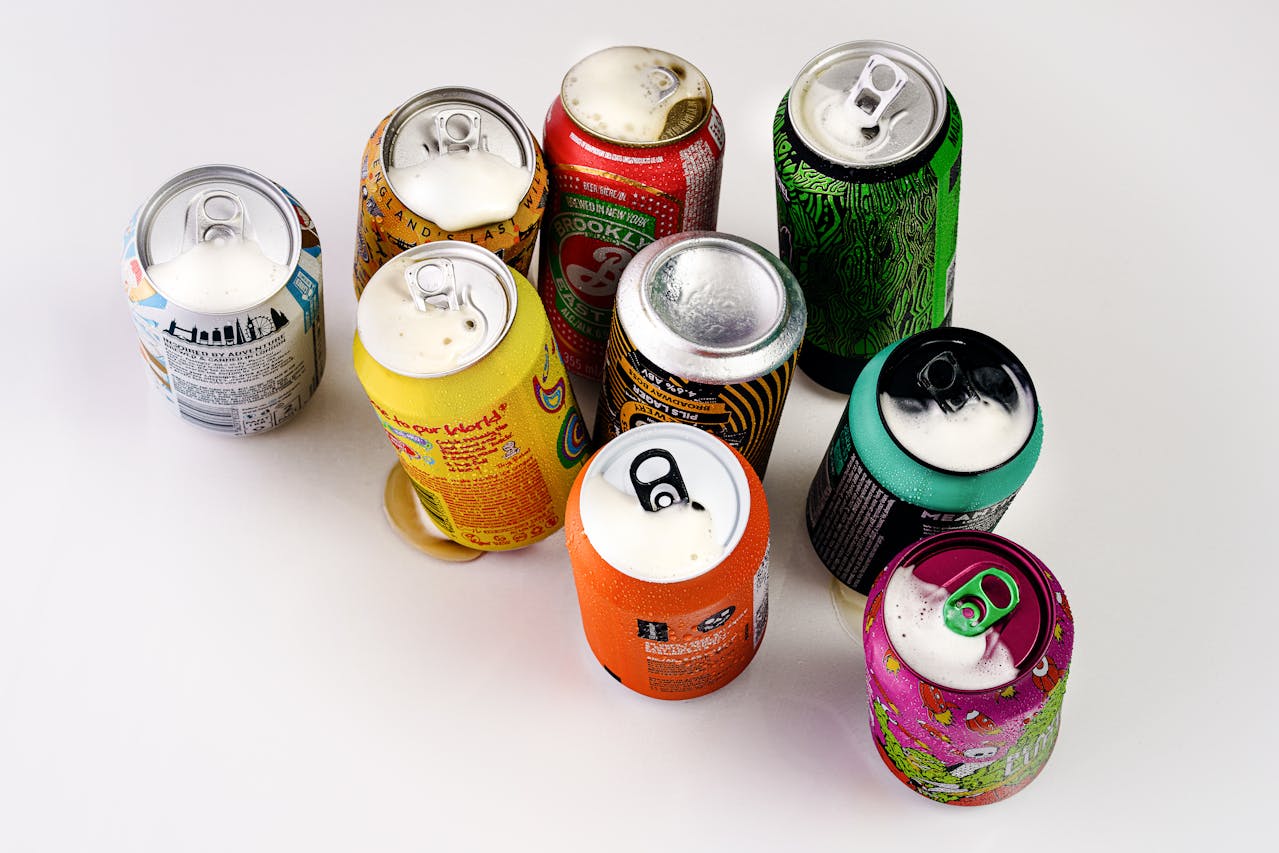
<p> Sugary drinks like sodas, energy drinks, and sweetened iced teas may provide a quick energy boost, but they’re also a major contributor to heart problems. These drinks are packed with empty calories, sugar, and no essential nutrients, which can lead to weight gain, increased blood sugar levels, and higher risks of heart disease and type 2 diabetes. Cardiologists recommend ditching sugary drinks in favor of water, herbal teas, or unsweetened beverages to keep your heart and overall health in check. </p> :: Pexels

Sugary drinks like sodas, energy drinks, and sweetened iced teas may provide a quick energy boost, but they’re also a major contributor to heart problems. These drinks are packed with empty calories, sugar, and no essential nutrients, which can lead to weight gain, increased blood sugar levels, and higher risks of heart disease and type 2 diabetes. Cardiologists recommend ditching sugary drinks in favor of water, herbal teas, or unsweetened beverages to keep your heart and overall health in check.

4. Baked Goods Made with Refined Flour: A Hidden Heart Hazard

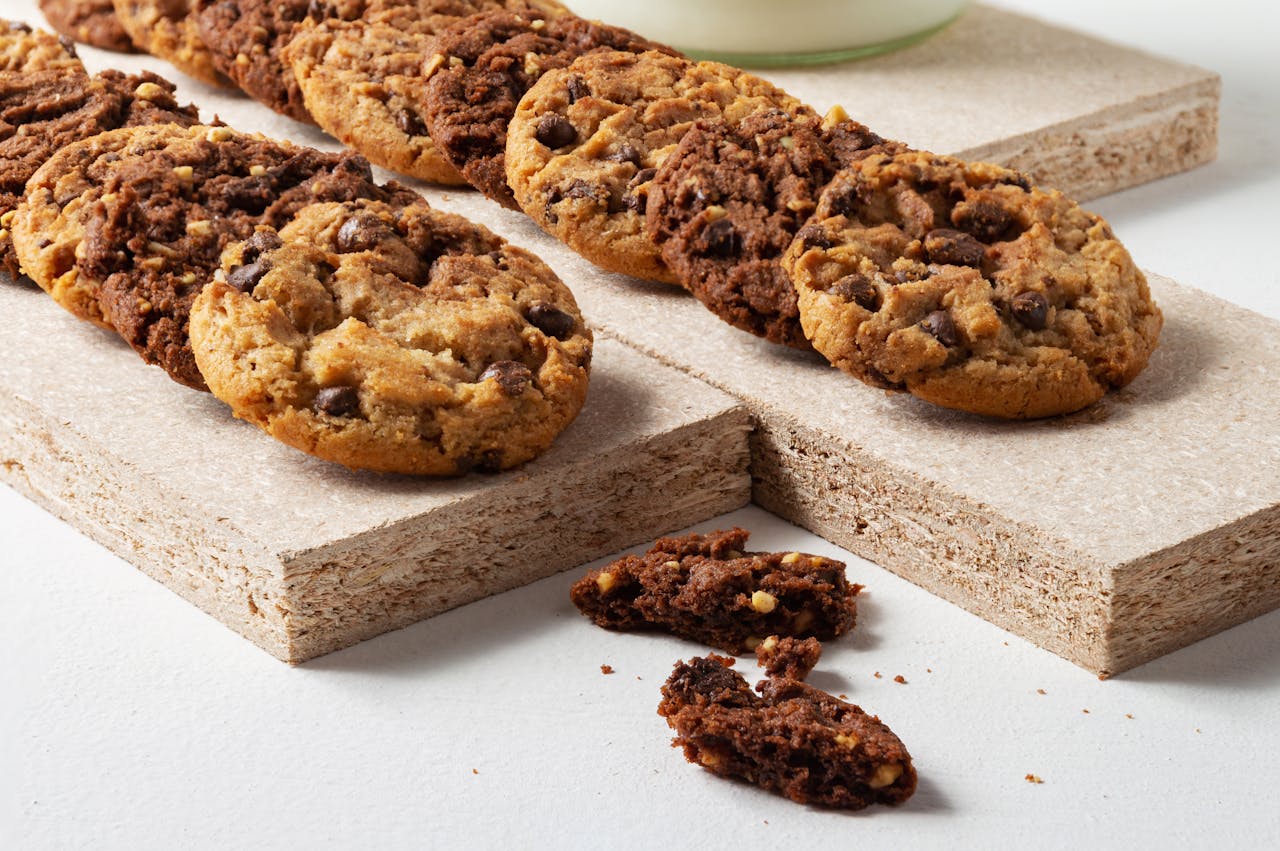
<p> Baked goods such as pastries, cakes, and cookies may be tempting, but they often contain refined flour, which is low in fiber and nutrients. Refined flour is quickly broken down into sugar in your body, leading to spikes in blood sugar levels. This can contribute to insulin resistance, obesity, and other factors that increase your risk of heart disease. Cardiologists suggest opting for whole grain options, such as whole wheat bread, quinoa, and oats, which are healthier for your heart and provide more fiber to regulate blood sugar. </p> :: Pexels

Baked goods such as pastries, cakes, and cookies may be tempting, but they often contain refined flour, which is low in fiber and nutrients. Refined flour is quickly broken down into sugar in your body, leading to spikes in blood sugar levels. This can contribute to insulin resistance, obesity, and other factors that increase your risk of heart disease. Cardiologists suggest opting for whole grain options, such as whole wheat bread, quinoa, and oats, which are healthier for your heart and provide more fiber to regulate blood sugar.

5. Trans Fats: The Worst Type of Fat for Your Heart

<p> Trans fats are found in many processed foods, fast food items, and baked goods. They’re extremely harmful to your cardiovascular system, as they raise bad cholesterol (LDL) levels and lower good cholesterol (HDL) levels. This can contribute to clogged arteries and an increased risk of heart disease. Unfortunately, trans fats are commonly found in packaged snacks, frozen meals, and even some margarines. Cardiologists urge you to read labels carefully and avoid any food containing hydrogenated oils or partially hydrogenated oils, which are the main sources of trans fats. </p> :: Pexels

Trans fats are found in many processed foods, fast food items, and baked goods. They’re extremely harmful to your cardiovascular system, as they raise bad cholesterol (LDL) levels and lower good cholesterol (HDL) levels. This can contribute to clogged arteries and an increased risk of heart disease. Unfortunately, trans fats are commonly found in packaged snacks, frozen meals, and even some margarines. Cardiologists urge you to read labels carefully and avoid any food containing hydrogenated oils or partially hydrogenated oils, which are the main sources of trans fats.

6. Excessive Salt: A Silent Culprit in Heart Disease

<p> Excessive sodium intake is a major contributor to high blood pressure, which is a significant risk factor for heart disease. Processed foods, canned soups, fast food, and salty snacks are often loaded with sodium, making it easy to exceed the recommended daily intake without realizing it. High blood pressure can cause damage to blood vessels, increasing the likelihood of heart attacks, strokes, and other cardiovascular problems. Cardiologists recommend reducing sodium intake by cooking fresh meals at home and using herbs and spices to flavor food instead of salt. </p> :: Pexels

Excessive sodium intake is a major contributor to high blood pressure, which is a significant risk factor for heart disease. Processed foods, canned soups, fast food, and salty snacks are often loaded with sodium, making it easy to exceed the recommended daily intake without realizing it. High blood pressure can cause damage to blood vessels, increasing the likelihood of heart attacks, strokes, and other cardiovascular problems. Cardiologists recommend reducing sodium intake by cooking fresh meals at home and using herbs and spices to flavor food instead of salt.

7. Fast Food: Convenience with a Heavy Price

<p> Fast food is known for being convenient, but it’s often packed with unhealthy fats, sodium, sugar, and refined carbohydrates. Regular consumption of fast food can contribute to obesity, high cholesterol, high blood pressure, and poor overall heart health. While an occasional fast food meal may not have a major impact, frequent consumption is a recipe for cardiovascular problems. Cardiologists suggest cooking your meals at home using whole, fresh ingredients, but if you must eat on the go, opt for healthier fast food choices like salads, grilled chicken, or fruit-based smoothies. </p> :: Pexels

Fast food is known for being convenient, but it’s often packed with unhealthy fats, sodium, sugar, and refined carbohydrates. Regular consumption of fast food can contribute to obesity, high cholesterol, high blood pressure, and poor overall heart health. While an occasional fast food meal may not have a major impact, frequent consumption is a recipe for cardiovascular problems. Cardiologists suggest cooking your meals at home using whole, fresh ingredients, but if you must eat on the go, opt for healthier fast food choices like salads, grilled chicken, or fruit-based smoothies.

8. Ice Cream and Sugary Desserts: A Sweet Path to Heart Disease

<p> Ice cream and sugary desserts may satisfy your sweet tooth, but they can also put your heart at risk. These indulgences are typically loaded with sugar, unhealthy fats, and artificial additives that can contribute to weight gain, high blood sugar, and high cholesterol. Excess sugar can also lead to inflammation in your body, which damages blood vessels and contributes to cardiovascular disease. Cardiologists recommend limiting sugary desserts and opting for healthier alternatives like fruit-based treats, Greek yogurt, or dark chocolate with nuts for a healthier indulgence. </p> :: Pexels

Ice cream and sugary desserts may satisfy your sweet tooth, but they can also put your heart at risk. These indulgences are typically loaded with sugar, unhealthy fats, and artificial additives that can contribute to weight gain, high blood sugar, and high cholesterol. Excess sugar can also lead to inflammation in your body, which damages blood vessels and contributes to cardiovascular disease. Cardiologists recommend limiting sugary desserts and opting for healthier alternatives like fruit-based treats, Greek yogurt, or dark chocolate with nuts for a healthier indulgence.

9. Canned and Packaged Soups: Sodium Overload in a Can

<p> While canned and packaged soups may seem like an easy option for a quick meal, many are loaded with sodium, preservatives, and unhealthy fats. A single serving can contain up to 1,000 milligrams of sodium, which is more than half of your recommended daily intake. High sodium levels can increase blood pressure and contribute to heart disease. Cardiologists suggest making homemade soups with fresh ingredients and low-sodium broth to keep your heart in top condition. </p> :: Pexels

While canned and packaged soups may seem like an easy option for a quick meal, many are loaded with sodium, preservatives, and unhealthy fats. A single serving can contain up to 1,000 milligrams of sodium, which is more than half of your recommended daily intake. High sodium levels can increase blood pressure and contribute to heart disease. Cardiologists suggest making homemade soups with fresh ingredients and low-sodium broth to keep your heart in top condition.

10. Alcohol in Excess: A Risk Factor for Heart Problems

<p> While moderate alcohol consumption can have some benefits for heart health, excessive drinking can seriously damage your cardiovascular system. Chronic heavy drinking can lead to high blood pressure, liver disease, and an increased risk of heart attack and stroke. Over time, excessive alcohol can also weaken the heart muscle, leading to a condition called cardiomyopathy, which can lead to heart failure. Cardiologists recommend limiting alcohol intake to one drink per day for women and two drinks per day for men to protect your heart. </p> :: Pexels

While moderate alcohol consumption can have some benefits for heart health, excessive drinking can seriously damage your cardiovascular system. Chronic heavy drinking can lead to high blood pressure, liver disease, and an increased risk of heart attack and stroke. Over time, excessive alcohol can also weaken the heart muscle, leading to a condition called cardiomyopathy, which can lead to heart failure. Cardiologists recommend limiting alcohol intake to one drink per day for women and two drinks per day for men to protect your heart.

Final Thoughts

<p> Taking care of your heart begins with the food you put into your body. By eliminating or reducing the intake of these harmful foods—fried foods, processed meats, sugary drinks, and others—you can significantly lower your risk of heart disease, high blood pressure, and other cardiovascular issues. Cardiologists advise focusing on a diet rich in fruits, vegetables, whole grains, lean proteins, and healthy fats to nourish your heart and promote long-term health. Small changes today can lead to big rewards for your heart health in the future. Don’t wait—start making heart-healthy choices today! </p> :: Pexels

Taking care of your heart begins with the food you put into your body. By eliminating or reducing the intake of these harmful foods—fried foods, processed meats, sugary drinks, and others—you can significantly lower your risk of heart disease, high blood pressure, and other cardiovascular issues. Cardiologists advise focusing on a diet rich in fruits, vegetables, whole grains, lean proteins, and healthy fats to nourish your heart and promote long-term health. Small changes today can lead to big rewards for your heart health in the future. Don’t wait—start making heart-healthy choices today!

Filed Under: Health & Fitness

Subtle Gaslighting Phrases That Belittle Your Emotions: 10 Signs to Watch For

January 24, 2026 | Leave a Comment

Subtle Gaslighting Phrases That Belittle Your Emotions: 10 Signs to Watch For

<p> Gaslighting is a form of emotional manipulation that can have lasting effects on your mental health and self-worth. While some forms of gaslighting are overt, others are far more subtle, often involving phrases that belittle your feelings and make you doubt your own emotions. These small, seemingly innocent comments can slowly erode your sense of reality, making it harder to trust yourself. In this blog, we’ll explore 10 common yet subtle gaslighting phrases that can invalidate your feelings and undermine your confidence. Recognizing these phrases can help you defend your emotions and regain control over your mental well-being. </p> :: Pexels

Gaslighting is a form of emotional manipulation that can have lasting effects on your mental health and self-worth. While some forms of gaslighting are overt, others are far more subtle, often involving phrases that belittle your feelings and make you doubt your own emotions. These small, seemingly innocent comments can slowly erode your sense of reality, making it harder to trust yourself. In this blog, we’ll explore 10 common yet subtle gaslighting phrases that can invalidate your feelings and undermine your confidence. Recognizing these phrases can help you defend your emotions and regain control over your mental well-being.

1. “You’re Overreacting.”

<p> One of the most common and subtle gaslighting phrases is "you're overreacting." This dismissive comment invalidates your emotions by implying that your feelings are extreme or unjustified. Whether you're upset about something big or small, this phrase makes you feel like your emotional response is out of line. It shifts the blame from the situation to your reaction, leaving you questioning if you really have a reason to be upset. The more this phrase is used, the more you may begin to doubt your own emotional responses and feel as though you're always the one in the wrong. </p> :: Pexels

One of the most common and subtle gaslighting phrases is “you’re overreacting.” This dismissive comment invalidates your emotions by implying that your feelings are extreme or unjustified. Whether you’re upset about something big or small, this phrase makes you feel like your emotional response is out of line. It shifts the blame from the situation to your reaction, leaving you questioning if you really have a reason to be upset. The more this phrase is used, the more you may begin to doubt your own emotional responses and feel as though you’re always the one in the wrong.

2. “It’s Not That Big of a Deal.”

<p> Another common way to gaslight someone is by minimizing the situation, often with the phrase "it’s not that big of a deal." This statement tells you that your feelings aren’t important or worthy of attention. It downplays what you’re going through, making it harder for you to assert your emotions. Even if the issue is serious to you, this phrase can make you question if you're overreacting, which leaves you feeling guilty or insecure about expressing yourself. It subtly forces you to dismiss your own valid emotions, leading to further confusion. </p> :: Pexels

Another common way to gaslight someone is by minimizing the situation, often with the phrase “it’s not that big of a deal.” This statement tells you that your feelings aren’t important or worthy of attention. It downplays what you’re going through, making it harder for you to assert your emotions. Even if the issue is serious to you, this phrase can make you question if you’re overreacting, which leaves you feeling guilty or insecure about expressing yourself. It subtly forces you to dismiss your own valid emotions, leading to further confusion.

3. “I Never Said That.”

<p> Gaslighting can also take the form of outright denial. When someone says, "I never said that," they are essentially trying to erase or distort your memory of events. This tactic can be incredibly damaging because it makes you question your recollection of a conversation or experience. It creates doubt in your mind, leaving you unsure about what really happened. Even though you may clearly remember the words or actions that took place, this phrase implies that you are mistaken or misinterpreting the situation. </p> :: Pexels

Gaslighting can also take the form of outright denial. When someone says, “I never said that,” they are essentially trying to erase or distort your memory of events. This tactic can be incredibly damaging because it makes you question your recollection of a conversation or experience. It creates doubt in your mind, leaving you unsure about what really happened. Even though you may clearly remember the words or actions that took place, this phrase implies that you are mistaken or misinterpreting the situation.

4. “You’re Too Sensitive.”

<p> Telling someone "you’re too sensitive" is a classic form of gaslighting that shifts the focus from the other person's actions to your emotional response. By labeling you as "too sensitive," this phrase undermines the validity of your feelings, making you feel like you are overreacting. It’s a subtle way of silencing your emotions and making you feel ashamed of how you feel. When used regularly, this phrase can cause you to question whether your emotional reactions are acceptable, and whether you are being unreasonable for feeling upset. </p> :: Pexels

Telling someone “you’re too sensitive” is a classic form of gaslighting that shifts the focus from the other person’s actions to your emotional response. By labeling you as “too sensitive,” this phrase undermines the validity of your feelings, making you feel like you are overreacting. It’s a subtle way of silencing your emotions and making you feel ashamed of how you feel. When used regularly, this phrase can cause you to question whether your emotional reactions are acceptable, and whether you are being unreasonable for feeling upset.

5. “I Was Just Joking.”

<p> Humor is sometimes used to mask hurtful behavior, and phrases like "I was just joking" are a prime example. When someone tells you they were only joking, they are attempting to excuse harmful or disrespectful comments. This makes you feel like you're too serious or overly sensitive, which only leads to more self-doubt. Even though the joke might have crossed a line, this gaslighting phrase makes it difficult for you to address how their words affected you. Instead of acknowledging your feelings, it redirects the conversation to your supposed inability to handle humor. </p> :: Pexels

Humor is sometimes used to mask hurtful behavior, and phrases like “I was just joking” are a prime example. When someone tells you they were only joking, they are attempting to excuse harmful or disrespectful comments. This makes you feel like you’re too serious or overly sensitive, which only leads to more self-doubt. Even though the joke might have crossed a line, this gaslighting phrase makes it difficult for you to address how their words affected you. Instead of acknowledging your feelings, it redirects the conversation to your supposed inability to handle humor.

6. “You’re Just Being Paranoid.”

<p> When someone tells you, "you’re just being paranoid," they are gaslighting you by implying that your concerns or suspicions are irrational. This can be especially damaging if you’re sensing that something is wrong or if your gut is telling you that you’re being mistreated. By labeling you as paranoid, they invalidate your feelings and make you second-guess your instincts. This phrase erodes your confidence, making you doubt your perception of reality and leaving you feeling more vulnerable and confused. </p> :: Pexels

When someone tells you, “you’re just being paranoid,” they are gaslighting you by implying that your concerns or suspicions are irrational. This can be especially damaging if you’re sensing that something is wrong or if your gut is telling you that you’re being mistreated. By labeling you as paranoid, they invalidate your feelings and make you second-guess your instincts. This phrase erodes your confidence, making you doubt your perception of reality and leaving you feeling more vulnerable and confused.

7. “You’re Making Things Up.”

<p> Another direct form of gaslighting occurs when someone tells you that you’re "making things up." This statement is designed to discredit your emotions, memories, and experiences. It can be especially harmful when you're recounting something that hurt you or made you uncomfortable. By denying your truth and accusing you of fabricating stories, this phrase diminishes your sense of self and makes you question whether you are simply imagining the events in question. It forces you into a position where you must defend your own feelings, even when they are perfectly justified. </p> :: Pexels

Another direct form of gaslighting occurs when someone tells you that you’re “making things up.” This statement is designed to discredit your emotions, memories, and experiences. It can be especially harmful when you’re recounting something that hurt you or made you uncomfortable. By denying your truth and accusing you of fabricating stories, this phrase diminishes your sense of self and makes you question whether you are simply imagining the events in question. It forces you into a position where you must defend your own feelings, even when they are perfectly justified.

8. “You Always Do This.”

<p> When someone uses the phrase "you always do this," they are generalizing your emotions and reactions, often in a negative light. This type of gaslighting implies that your behavior is predictable and annoying, and that you habitually react in a way that’s unreasonable. It shifts the focus away from the real issue and instead paints you as someone who is constantly overreacting or making a fuss. This subtle manipulation can lead to feelings of frustration and confusion, making it difficult for you to stand up for yourself without feeling like you’re being blamed for everything. </p> :: Pexels

When someone uses the phrase “you always do this,” they are generalizing your emotions and reactions, often in a negative light. This type of gaslighting implies that your behavior is predictable and annoying, and that you habitually react in a way that’s unreasonable. It shifts the focus away from the real issue and instead paints you as someone who is constantly overreacting or making a fuss. This subtle manipulation can lead to feelings of frustration and confusion, making it difficult for you to stand up for yourself without feeling like you’re being blamed for everything.

9. “I Don’t Remember It That Way.”

<p> This phrase is another example of gaslighting that involves distorting past events to make you question your recollection. When someone says, "I don’t remember it that way," they are denying your version of events, even if it’s clear to you what happened. This tactic makes you question your memory and causes you to doubt whether your emotions and interpretations are valid. It can be incredibly disorienting, leaving you wondering if you are misremembering or if the other person is deliberately trying to confuse you. </p> :: Pexels

This phrase is another example of gaslighting that involves distorting past events to make you question your recollection. When someone says, “I don’t remember it that way,” they are denying your version of events, even if it’s clear to you what happened. This tactic makes you question your memory and causes you to doubt whether your emotions and interpretations are valid. It can be incredibly disorienting, leaving you wondering if you are misremembering or if the other person is deliberately trying to confuse you.

10. “Why Are You So Upset About This?”

<p> Instead of acknowledging the reasons behind your emotions, the phrase "Why are you so upset about this?" is an attempt to redirect the focus onto your emotional state. It suggests that your feelings are disproportionate or that you are overreacting, without addressing the actual issue. This type of gaslighting minimizes your emotions by questioning the legitimacy of your response. Over time, it can make you feel ashamed of being upset, even if your reaction is completely justified. The focus shifts from the problem to your emotional response, making it harder to assert your needs. </p> :: Pexels

Instead of acknowledging the reasons behind your emotions, the phrase “Why are you so upset about this?” is an attempt to redirect the focus onto your emotional state. It suggests that your feelings are disproportionate or that you are overreacting, without addressing the actual issue. This type of gaslighting minimizes your emotions by questioning the legitimacy of your response. Over time, it can make you feel ashamed of being upset, even if your reaction is completely justified. The focus shifts from the problem to your emotional response, making it harder to assert your needs.

Final Thoughts

<p> Gaslighting is a subtle yet powerful form of emotional manipulation that can leave lasting scars on your self-esteem and mental health. The phrases discussed above are just a few examples of how this behavior can manifest in your relationships. By learning to recognize these phrases, you can protect yourself from their damaging effects. It’s important to trust your emotions and your perception of reality. If someone consistently uses these phrases to make you question yourself, it may be time to set boundaries, communicate more assertively, and seek support from friends, family, or a mental health professional. Your feelings are valid, and no one should belittle or invalidate them. Remember, gaslighting often happens slowly and over time, so it’s crucial to remain vigilant and stand firm in your truth. By recognizing these subtle signs, you can regain your confidence and emotional autonomy, making it easier to navigate relationships without feeling manipulated or diminished. </p> :: Pexels

Gaslighting is a subtle yet powerful form of emotional manipulation that can leave lasting scars on your self-esteem and mental health. The phrases discussed above are just a few examples of how this behavior can manifest in your relationships. By learning to recognize these phrases, you can protect yourself from their damaging effects.

It’s important to trust your emotions and your perception of reality. If someone consistently uses these phrases to make you question yourself, it may be time to set boundaries, communicate more assertively, and seek support from friends, family, or a mental health professional. Your feelings are valid, and no one should belittle or invalidate them. Remember, gaslighting often happens slowly and over time, so it’s crucial to remain vigilant and stand firm in your truth. By recognizing these subtle signs, you can regain your confidence and emotional autonomy, making it easier to navigate relationships without feeling manipulated or diminished.

Filed Under: Lifestyle

12 Cringeworthy Phrases Boomers Should Never Use to Avoid Sounding Old

January 24, 2026 | Leave a Comment

12 Cringeworthy Phrases Boomers Should Never Use to Avoid Sounding Old

<p> As we age, language can be one of the most noticeable things that reveal our generation. But just because a phrase was once trendy doesn't mean it's still in style today. For Baby Boomers, some phrases can make you sound outdated, even when you're trying to fit in with the younger crowd. If you’re aiming to connect with people from different generations, it’s time to retire certain old sayings and adopt more contemporary expressions. Here are 12 phrases that Boomers should avoid to ensure they don’t sound "old" and to stay in tune with modern lingo. </p> :: Pexels

As we age, language can be one of the most noticeable things that reveal our generation. But just because a phrase was once trendy doesn’t mean it’s still in style today. For Baby Boomers, some phrases can make you sound outdated, even when you’re trying to fit in with the younger crowd. If you’re aiming to connect with people from different generations, it’s time to retire certain old sayings and adopt more contemporary expressions. Here are 12 phrases that Boomers should avoid to ensure they don’t sound “old” and to stay in tune with modern lingo.

1. “Groovy”

<p> Once the defining word of the '60s and '70s, "groovy" was synonymous with everything cool and in-style. But today, it’s no longer seen as a trendy expression. Younger generations may find it charming but outdated. To stay in sync with current lingo, swap “groovy” for words like "cool," "awesome," or "rad." These are universally understood and won't make you seem stuck in the past. </p> :: Pexels

Once the defining word of the ’60s and ’70s, “groovy” was synonymous with everything cool and in-style. But today, it’s no longer seen as a trendy expression. Younger generations may find it charming but outdated. To stay in sync with current lingo, swap “groovy” for words like “cool,” “awesome,” or “rad.” These are universally understood and won’t make you seem stuck in the past.

2. “Far out!”

<p> "Far out!" used to be the go-to exclamation of awe and surprise, but it has fallen out of favor. While it may still get a nostalgic chuckle, it’s no longer the best way to express excitement. Instead, try words like "amazing" or "unbelievable" to convey enthusiasm. These alternatives feel more natural and won’t date you. </p> :: Pexels

“Far out!” used to be the go-to exclamation of awe and surprise, but it has fallen out of favor. While it may still get a nostalgic chuckle, it’s no longer the best way to express excitement. Instead, try words like “amazing” or “unbelievable” to convey enthusiasm. These alternatives feel more natural and won’t date you.

3. “Catch you on the flip side”

<p> This phrase was once a cool way to say goodbye, implying you’d meet again soon. Unfortunately, it’s now firmly in the "dad joke" territory and may not have the same charm for younger people. Try using "see you later" or "catch you soon" instead. These more neutral phrases still communicate the same sentiment without sounding out of place. </p> :: Pexels

This phrase was once a cool way to say goodbye, implying you’d meet again soon. Unfortunately, it’s now firmly in the “dad joke” territory and may not have the same charm for younger people. Try using “see you later” or “catch you soon” instead. These more neutral phrases still communicate the same sentiment without sounding out of place.

4. “The cat’s pajamas”

<p> An expression meaning something or someone is exceptional or "the best," "the cat’s pajamas" is an old-timey phrase that no longer resonates with younger audiences. If you're aiming to compliment someone or something, go with modern alternatives like "top-notch," "amazing," or "outstanding." They’ll sound fresher and more relatable to everyone. </p> :: Pexels

An expression meaning something or someone is exceptional or “the best,” “the cat’s pajamas” is an old-timey phrase that no longer resonates with younger audiences. If you’re aiming to compliment someone or something, go with modern alternatives like “top-notch,” “amazing,” or “outstanding.” They’ll sound fresher and more relatable to everyone.

5. “Hep cat”

<p> Coming from the jazz era, "hep cat" was used to describe someone who was hip or trendy. While it may still evoke fond memories for those who remember its heyday, today’s youth are less likely to know what it means. Replace it with words like "trendsetter" or simply "cool." These words convey the same idea but sound more current. </p> :: Pexels

Coming from the jazz era, “hep cat” was used to describe someone who was hip or trendy. While it may still evoke fond memories for those who remember its heyday, today’s youth are less likely to know what it means. Replace it with words like “trendsetter” or simply “cool.” These words convey the same idea but sound more current.

6. “Bummer”

<p> The word “bummer” was a staple in the '70s and '80s, often used to express disappointment or sympathy. However, it’s considered outdated now and can sound disengaged or overly passive. Instead, try more direct phrases like "that sucks" or "that’s rough" to convey your frustration or empathy more naturally. </p> :: Pexels

The word “bummer” was a staple in the ’70s and ’80s, often used to express disappointment or sympathy. However, it’s considered outdated now and can sound disengaged or overly passive. Instead, try more direct phrases like “that sucks” or “that’s rough” to convey your frustration or empathy more naturally.

7. “What’s the buzz?”

<p> This phrase, popular in the '60s and '70s, was used to ask what’s going on or to get the latest scoop. However, in today’s digital age, it can sound a bit cheesy. Instead, try asking "What’s up?" or "What’s going on?" These phrases are simple, friendly, and still widely used. </p> :: Pexels

This phrase, popular in the ’60s and ’70s, was used to ask what’s going on or to get the latest scoop. However, in today’s digital age, it can sound a bit cheesy. Instead, try asking “What’s up?” or “What’s going on?” These phrases are simple, friendly, and still widely used.

8. “That’s the way the cookie crumbles”

<p> Used to express acceptance when things don’t go as planned, "that’s the way the cookie crumbles" might have been relatable decades ago but now sounds old-fashioned. A more modern alternative would be something like "It is what it is" or "That’s just how it goes." These phrases are still empathetic but have a more contemporary vibe. </p> :: Pexels

Used to express acceptance when things don’t go as planned, “that’s the way the cookie crumbles” might have been relatable decades ago but now sounds old-fashioned. A more modern alternative would be something like “It is what it is” or “That’s just how it goes.” These phrases are still empathetic but have a more contemporary vibe.

9. “Do me a solid”

<p> "Do me a solid" was once a way to ask someone for a favor, but it has lost its appeal over time. Younger generations may find this phrase forced or awkward. Instead, simply say, “Can you do me a favor?” or "I need a favor." These alternatives are straightforward and much more in line with today's conversational style. </p> :: Pexels

“Do me a solid” was once a way to ask someone for a favor, but it has lost its appeal over time. Younger generations may find this phrase forced or awkward. Instead, simply say, “Can you do me a favor?” or “I need a favor.” These alternatives are straightforward and much more in line with today’s conversational style.

10. “Burning the midnight oil”

<p> Though it originally referred to staying up late working or studying, "burning the midnight oil" has become one of those phrases that feel more at home in a history book than in modern conversation. If you're talking about working late, simply say "working late" or "pulling an all-nighter" to keep your speech relevant. </p> :: Pexels

Though it originally referred to staying up late working or studying, “burning the midnight oil” has become one of those phrases that feel more at home in a history book than in modern conversation. If you’re talking about working late, simply say “working late” or “pulling an all-nighter” to keep your speech relevant.

11. “Don’t touch that dial”

<p> "Don’t touch that dial" was once a common expression used to keep someone from changing the radio station. With the advent of streaming services, digital media, and smartphones, this phrase feels out of place. Instead, use something like "Don’t change the channel" or "Don’t skip this" to express the same idea in a more modern way. </p> :: Pexels

“Don’t touch that dial” was once a common expression used to keep someone from changing the radio station. With the advent of streaming services, digital media, and smartphones, this phrase feels out of place. Instead, use something like “Don’t change the channel” or “Don’t skip this” to express the same idea in a more modern way.

12. “That’s a real knee-slapper”

<p> While this used to be a go-to phrase for describing a funny joke, it’s now firmly in the realm of corny humor. Younger people will likely cringe rather than laugh when they hear it. Instead, try using phrases like “That’s hilarious” or "I can't stop laughing." These expressions convey humor in a way that’s more natural and relatable. </p> :: Pexels

While this used to be a go-to phrase for describing a funny joke, it’s now firmly in the realm of corny humor. Younger people will likely cringe rather than laugh when they hear it. Instead, try using phrases like “That’s hilarious” or “I can’t stop laughing.” These expressions convey humor in a way that’s more natural and relatable.

Final Thoughts

<p> Our language is always evolving, and as we age, it’s important to keep up with the changes. Using outdated phrases can inadvertently make us sound out of touch, but it doesn’t mean we have to abandon our unique expressions altogether. Instead, by adopting more modern alternatives, we can continue to communicate effectively and avoid sounding old. So, next time you’re tempted to say “groovy” or “catch you on the flip side,” think about how your words might be received and opt for something that resonates with the times. By keeping your language fresh, you'll stay connected with people of all ages and avoid the cringe factor! </p> :: Pexels

Our language is always evolving, and as we age, it’s important to keep up with the changes. Using outdated phrases can inadvertently make us sound out of touch, but it doesn’t mean we have to abandon our unique expressions altogether. Instead, by adopting more modern alternatives, we can continue to communicate effectively and avoid sounding old. So, next time you’re tempted to say “groovy” or “catch you on the flip side,” think about how your words might be received and opt for something that resonates with the times. By keeping your language fresh, you’ll stay connected with people of all ages and avoid the cringe factor!

Filed Under: Lifestyle

10 Unconventional First Date Ideas That Are Actually Fun

January 24, 2026 | Leave a Comment

10 Unconventional First Date Ideas That Are Actually Fun

<p> First dates can be exciting but nerve-wracking at the same time. The typical dinner-and-movie routine often feels overdone and lacks the spark needed to create a memorable experience. If you're looking to make a lasting impression with a fun and unique first date, it’s time to think outside the box. These 10 unconventional first date ideas are perfect for those who want to step away from the usual and create a connection through creativity, fun, and adventure. </p> :: Pexels

First dates can be exciting but nerve-wracking at the same time. The typical dinner-and-movie routine often feels overdone and lacks the spark needed to create a memorable experience. If you’re looking to make a lasting impression with a fun and unique first date, it’s time to think outside the box. These 10 unconventional first date ideas are perfect for those who want to step away from the usual and create a connection through creativity, fun, and adventure.

1. Take a Scenic Hike and Enjoy a Picnic

<p> If you're both nature lovers, a scenic hike followed by a picnic is a fantastic way to enjoy each other's company. Pick a beautiful trail, pack a picnic basket with your favorite snacks, and immerse yourselves in nature. The hike offers plenty of time for conversation while you explore the outdoors, and once you reach a picturesque spot, you can relax and enjoy a meal together. This date combines adventure with relaxation and provides the perfect setting to connect with one another. </p> :: Pexels

If you’re both nature lovers, a scenic hike followed by a picnic is a fantastic way to enjoy each other’s company. Pick a beautiful trail, pack a picnic basket with your favorite snacks, and immerse yourselves in nature. The hike offers plenty of time for conversation while you explore the outdoors, and once you reach a picturesque spot, you can relax and enjoy a meal together. This date combines adventure with relaxation and provides the perfect setting to connect with one another.

2. Attend a Live Comedy Show

<p> Laughter is an easy way to break the ice, and a live comedy show is a great way to do just that. Whether you enjoy stand-up comedy or improv, this date provides the opportunity to relax, laugh, and enjoy the atmosphere. The shared experience of laughter helps ease any first-date nerves and creates an instant connection. Plus, the laid-back vibe of a comedy show takes the pressure off conversation, allowing you both to focus on enjoying the experience. </p> Pexels

Laughter is an easy way to break the ice, and a live comedy show is a great way to do just that. Whether you enjoy stand-up comedy or improv, this date provides the opportunity to relax, laugh, and enjoy the atmosphere. The shared experience of laughter helps ease any first-date nerves and creates an instant connection. Plus, the laid-back vibe of a comedy show takes the pressure off conversation, allowing you both to focus on enjoying the experience.

3. Take a Dance Class Together

<p> A dance class can be an unexpected but fun first date idea. Whether it’s salsa, swing, or even ballroom dancing, taking a class together allows you both to step outside your comfort zones and share an exciting activity. Dance requires teamwork and communication, which makes it a great way to bond. Even if you’ve never danced before, the experience of learning something new together will provide plenty of laughs and create a memorable shared moment. </p> :: Pexels

A dance class can be an unexpected but fun first date idea. Whether it’s salsa, swing, or even ballroom dancing, taking a class together allows you both to step outside your comfort zones and share an exciting activity. Dance requires teamwork and communication, which makes it a great way to bond. Even if you’ve never danced before, the experience of learning something new together will provide plenty of laughs and create a memorable shared moment.

4. Visit an Arcade or Bowling Alley

<p> For a fun and casual date, consider visiting an arcade or bowling alley. These venues offer a relaxed atmosphere with plenty of activities to keep the date lively and engaging. Whether you're competing for high scores in arcade games or seeing who can bowl the most strikes, the friendly competition makes for a playful, enjoyable experience. An arcade or bowling alley date takes the pressure off and allows you both to focus on having fun, making it an ideal way to get to know each other. </p> :: Pexels

For a fun and casual date, consider visiting an arcade or bowling alley. These venues offer a relaxed atmosphere with plenty of activities to keep the date lively and engaging. Whether you’re competing for high scores in arcade games or seeing who can bowl the most strikes, the friendly competition makes for a playful, enjoyable experience. An arcade or bowling alley date takes the pressure off and allows you both to focus on having fun, making it an ideal way to get to know each other.

5. Experience a Mystery Dinner or Themed Dining

<p> A mystery dinner or themed dining experience can turn an ordinary night out into an unforgettable adventure. Mystery dinners involve an interactive experience where guests work together to solve a mystery while enjoying a meal. This unique setting encourages conversation and cooperation, offering the perfect opportunity for bonding. Alternatively, themed dining experiences, such as medieval feasts or 1920s speakeasies, create an immersive atmosphere that adds an element of excitement to your date. </p> :: Pexels

A mystery dinner or themed dining experience can turn an ordinary night out into an unforgettable adventure. Mystery dinners involve an interactive experience where guests work together to solve a mystery while enjoying a meal. This unique setting encourages conversation and cooperation, offering the perfect opportunity for bonding. Alternatively, themed dining experiences, such as medieval feasts or 1920s speakeasies, create an immersive atmosphere that adds an element of excitement to your date.

6. Take a Cooking Class Together

<p> For couples who enjoy food or want to try something hands-on, a cooking class makes for a memorable and fun first date. Many cooking schools offer beginner-friendly classes where you can learn to prepare delicious dishes together. Whether it’s making pasta from scratch or perfecting a sushi roll, cooking together encourages teamwork and offers a great way to break the ice. Plus, you’ll get to enjoy a delicious meal at the end of the class, making it both fun and rewarding. </p> :: Pexels

For couples who enjoy food or want to try something hands-on, a cooking class makes for a memorable and fun first date. Many cooking schools offer beginner-friendly classes where you can learn to prepare delicious dishes together. Whether it’s making pasta from scratch or perfecting a sushi roll, cooking together encourages teamwork and offers a great way to break the ice. Plus, you’ll get to enjoy a delicious meal at the end of the class, making it both fun and rewarding.

7. Explore a Museum After Hours

<p> If you’re both into art, history, or science, visiting a museum after hours is a unique and intriguing first date idea. Many museums host special evening events with exclusive exhibits, live performances, or even wine tastings. The quieter, more intimate setting of an after-hours museum visit allows for meaningful conversation while exploring fascinating exhibits. The shared experience of discovering something new together makes this a memorable and thought-provoking first date option. </p> :: Pexels

If you’re both into art, history, or science, visiting a museum after hours is a unique and intriguing first date idea. Many museums host special evening events with exclusive exhibits, live performances, or even wine tastings. The quieter, more intimate setting of an after-hours museum visit allows for meaningful conversation while exploring fascinating exhibits. The shared experience of discovering something new together makes this a memorable and thought-provoking first date option.

8. Try Pottery Painting at a DIY Studio

<p> For a creative date, why not visit a pottery painting studio? These DIY studios allow you to select a piece of pottery and paint it to your liking. This laid-back, hands-on experience is a fun way to bond over creativity while creating something together. Whether you’re making mugs, vases, or other pieces, the experience of painting pottery provides an opportunity to express yourselves while getting to know each other better. Plus, you’ll have a keepsake from the date to remind you of the fun you shared. </p> :: PexelsFor a creative date, why not visit a pottery painting studio? These DIY studios allow you to select a piece of pottery and paint it to your liking. This laid-back, hands-on experience is a fun way to bond over creativity while creating something together. Whether you’re making mugs, vases, or other pieces, the experience of painting pottery provides an opportunity to express yourselves while getting to know each other better. Plus, you’ll have a keepsake from the date to remind you of the fun you shared.



9. Go Indoor Skydiving for an Adrenaline Rush

<p> If you're both looking for an adrenaline-pumping adventure, indoor skydiving can make for a thrilling first date. This activity gives you the sensation of skydiving without the need to jump out of an airplane. It’s a great way to bond over a shared experience that’s both exciting and memorable. Indoor skydiving is safe, fun, and offers the perfect opportunity for a high-energy activity that will leave you both with unforgettable memories. It's a unique date idea for those who enjoy trying new things and seeking adventure. </p> :: All Thing Skate

If you’re both looking for an adrenaline-pumping adventure, indoor skydiving can make for a thrilling first date. This activity gives you the sensation of skydiving without the need to jump out of an airplane. It’s a great way to bond over a shared experience that’s both exciting and memorable. Indoor skydiving is safe, fun, and offers the perfect opportunity for a high-energy activity that will leave you both with unforgettable memories. It’s a unique date idea for those who enjoy trying new things and seeking adventure.

10. Compete in a Trivia Night

<p> For couples who enjoy a little friendly competition, a trivia night is a fantastic first date idea. Many local bars or restaurants host trivia nights where you can test your knowledge in a variety of categories. Whether you're answering questions about pop culture, history, or random facts, trivia is a fun way to challenge each other while having a good time. The relaxed atmosphere of a trivia night makes it easy to strike up conversation and bond over shared knowledge, making it a great choice for an interactive and engaging first date. </p> :: Pexels

For couples who enjoy a little friendly competition, a trivia night is a fantastic first date idea. Many local bars or restaurants host trivia nights where you can test your knowledge in a variety of categories. Whether you’re answering questions about pop culture, history, or random facts, trivia is a fun way to challenge each other while having a good time. The relaxed atmosphere of a trivia night makes it easy to strike up conversation and bond over shared knowledge, making it a great choice for an interactive and engaging first date.

Final Thoughts

<p> Unconventional first date ideas are the perfect way to break away from the standard dinner-and-movie routine. By trying something fun and creative, you can create a memorable experience that allows you to truly connect with someone. Whether you're hiking and picnicking in the great outdoors, laughing at a live comedy show, or testing your skills in an indoor skydiving session, these ideas offer something exciting for every type of couple. So the next time you're planning a first date, think outside the box and choose one of these unique ideas to ensure a fun and unforgettable time! </p> :: Pexels

Unconventional first date ideas are the perfect way to break away from the standard dinner-and-movie routine. By trying something fun and creative, you can create a memorable experience that allows you to truly connect with someone. Whether you’re hiking and picnicking in the great outdoors, laughing at a live comedy show, or testing your skills in an indoor skydiving session, these ideas offer something exciting for every type of couple. So the next time you’re planning a first date, think outside the box and choose one of these unique ideas to ensure a fun and unforgettable time!

Filed Under: Entertainment

Compliments That Are Actually Insults in Disguise: 8 Phrases You Should Avoid

January 24, 2026 | Leave a Comment

Compliments That Are Actually Insults in Disguise: 8 Phrases You Should Avoid

<p> We all love receiving compliments—they can make us feel good about ourselves and brighten our day. However, not all compliments are as innocent as they appear. Sometimes, what seems like a flattering remark is actually a backhanded comment designed to put someone down or make them feel uncomfortable. The truth is, some compliments are cleverly disguised insults. In this post, we’ll explore 8 compliments that may sound sweet but are secretly a lot more hurtful than you think. </p> :: Pexels

We all love receiving compliments—they can make us feel good about ourselves and brighten our day. However, not all compliments are as innocent as they appear. Sometimes, what seems like a flattering remark is actually a backhanded comment designed to put someone down or make them feel uncomfortable. The truth is, some compliments are cleverly disguised insults. In this post, we’ll explore 8 compliments that may sound sweet but are secretly a lot more hurtful than you think.

1. “You’re Pretty for Your Age”

<p> This comment may seem like a compliment at first, but it carries a hidden insult. By adding the phrase "for your age," it suggests that the speaker is surprised by your looks because, according to their mindset, people your age shouldn’t look so attractive. This backhanded remark implies that beauty has an expiration date, and anything above that is considered rare or unexpected. Instead of appreciating someone’s natural beauty, it subtly reinforces outdated ideas about aging and attractiveness, diminishing their value. </p> :: Pexels

This comment may seem like a compliment at first, but it carries a hidden insult. By adding the phrase “for your age,” it suggests that the speaker is surprised by your looks because, according to their mindset, people your age shouldn’t look so attractive. This backhanded remark implies that beauty has an expiration date, and anything above that is considered rare or unexpected. Instead of appreciating someone’s natural beauty, it subtly reinforces outdated ideas about aging and attractiveness, diminishing their value.

2. “You Look Great for a Mom”

<p> While the intention may be to praise a mother's appearance, the phrase "for a mom" has an underlying message that motherhood is at odds with looking good. This compliment implies that once you become a mom, taking care of yourself and looking good isn’t expected, which is an unfair and outdated notion. It reduces the complexity of motherhood to mere physical appearance, disregarding the hard work and dedication that moms put into caring for their families. It’s a comment that assumes moms should put their own needs aside for the sake of their children and implies that being a mom somehow disqualifies you from maintaining personal style or fitness. </p> :: Pexels

While the intention may be to praise a mother’s appearance, the phrase “for a mom” has an underlying message that motherhood is at odds with looking good. This compliment implies that once you become a mom, taking care of yourself and looking good isn’t expected, which is an unfair and outdated notion. It reduces the complexity of motherhood to mere physical appearance, disregarding the hard work and dedication that moms put into caring for their families. It’s a comment that assumes moms should put their own needs aside for the sake of their children and implies that being a mom somehow disqualifies you from maintaining personal style or fitness.

3. “I Wish I Could Eat Like You and Stay Thin”

<p> At first, this comment may sound flattering, but it’s actually more uncomfortable than you might think. By saying this, the speaker is implying that they envy the other person’s body shape and weight, but in a way that undermines their eating habits. This "compliment" can make someone feel self-conscious about how they eat, knowing that others are watching them with admiration or jealousy. It also hints at unrealistic beauty standards, implying that eating without gaining weight is something extraordinary, which may not be healthy or sustainable. Instead of focusing on body image or comparing, it’s important to recognize that healthy habits are unique to each individual. </p> :: Pexels

At first, this comment may sound flattering, but it’s actually more uncomfortable than you might think. By saying this, the speaker is implying that they envy the other person’s body shape and weight, but in a way that undermines their eating habits. This “compliment” can make someone feel self-conscious about how they eat, knowing that others are watching them with admiration or jealousy. It also hints at unrealistic beauty standards, implying that eating without gaining weight is something extraordinary, which may not be healthy or sustainable. Instead of focusing on body image or comparing, it’s important to recognize that healthy habits are unique to each individual.

4. “You’re So Brave to Wear That”

<p> What sounds like a positive comment is often a thinly veiled critique of someone’s appearance. The implication behind this compliment is that the person is doing something unusual, unconventional, or surprising by wearing something bold or stylish. Whether it’s fashion, body type, or style, the speaker may not realize that their remark suggests the person doesn’t "fit" the mold of what’s expected in terms of attire. It undermines the individual’s confidence by implying that they’re taking a risk in their wardrobe choice, which should be a form of self-expression, not an act of bravery. </p> :: Pexels

What sounds like a positive comment is often a thinly veiled critique of someone’s appearance. The implication behind this compliment is that the person is doing something unusual, unconventional, or surprising by wearing something bold or stylish. Whether it’s fashion, body type, or style, the speaker may not realize that their remark suggests the person doesn’t “fit” the mold of what’s expected in terms of attire. It undermines the individual’s confidence by implying that they’re taking a risk in their wardrobe choice, which should be a form of self-expression, not an act of bravery.

5. “You’re So Smart for a Woman”

<p> This is a prime example of a compliment that reinforces harmful gender stereotypes. When someone says, "You’re so smart for a woman," they are implying that women, as a group, are not generally intelligent, and the speaker is surprised to find one who defies that stereotype. This comment subtly diminishes a woman’s intellectual achievements and suggests that they are an exception to the rule rather than just a normal individual. The praise should be based on the person’s individual abilities, not on their gender. Unfortunately, this compliment only perpetuates the outdated and damaging belief that women are less capable than men in areas requiring intelligence or critical thinking. </p> :: Pexels

This is a prime example of a compliment that reinforces harmful gender stereotypes. When someone says, “You’re so smart for a woman,” they are implying that women, as a group, are not generally intelligent, and the speaker is surprised to find one who defies that stereotype. This comment subtly diminishes a woman’s intellectual achievements and suggests that they are an exception to the rule rather than just a normal individual. The praise should be based on the person’s individual abilities, not on their gender. Unfortunately, this compliment only perpetuates the outdated and damaging belief that women are less capable than men in areas requiring intelligence or critical thinking.

6. “You Don’t Look Like You’ve Had Work Done”

<p> This compliment, while seemingly positive, has a hidden implication that can make someone feel uncomfortable. By saying, "You don’t look like you’ve had work done," the speaker is suggesting that having cosmetic procedures is something that should be hidden or disguised. It implies that looking natural is somehow more desirable, and that cosmetic enhancements are to be avoided or something to be ashamed of. This type of comment can invalidate the person’s personal choices and their autonomy over their own appearance, creating pressure to conform to societal standards of beauty that are often unrealistic. </p> :: Pexels

This compliment, while seemingly positive, has a hidden implication that can make someone feel uncomfortable. By saying, “You don’t look like you’ve had work done,” the speaker is suggesting that having cosmetic procedures is something that should be hidden or disguised. It implies that looking natural is somehow more desirable, and that cosmetic enhancements are to be avoided or something to be ashamed of. This type of comment can invalidate the person’s personal choices and their autonomy over their own appearance, creating pressure to conform to societal standards of beauty that are often unrealistic.

7. “You Look Like You Don’t Age”

<p> Although this comment might sound flattering, it has the unintended effect of subtly reinforcing the idea that aging is something undesirable. The compliment implies that growing older is something to be avoided and that the person’s true age should be hidden or masked. While youth is often celebrated in society, this comment overlooks the wisdom and experience that come with age. It can leave the recipient feeling that their natural aging process is not something to embrace, and instead, they must cling to youthful features to be accepted. The idea that aging is something to fear or be ashamed of is a harmful message. </p> :: Pexels

Although this comment might sound flattering, it has the unintended effect of subtly reinforcing the idea that aging is something undesirable. The compliment implies that growing older is something to be avoided and that the person’s true age should be hidden or masked. While youth is often celebrated in society, this comment overlooks the wisdom and experience that come with age. It can leave the recipient feeling that their natural aging process is not something to embrace, and instead, they must cling to youthful features to be accepted. The idea that aging is something to fear or be ashamed of is a harmful message.

8. “You’re So Lucky to Have That Job”

<p> At first glance, this may sound like a supportive comment, but it often carries an underlying message that can feel dismissive. By calling someone "lucky" to have a particular job or position, the speaker is suggesting that their success is based on chance rather than skill or hard work. This kind of compliment can invalidate the person’s accomplishments, implying that they didn’t earn their position but rather stumbled upon it by luck. It overlooks the dedication, experience, and effort that most people put into achieving career success. Instead of recognizing someone's achievements, this comment can undermine their sense of self-worth and minimize their accomplishments. </p> :: Pexels

At first glance, this may sound like a supportive comment, but it often carries an underlying message that can feel dismissive. By calling someone “lucky” to have a particular job or position, the speaker is suggesting that their success is based on chance rather than skill or hard work. This kind of compliment can invalidate the person’s accomplishments, implying that they didn’t earn their position but rather stumbled upon it by luck. It overlooks the dedication, experience, and effort that most people put into achieving career success. Instead of recognizing someone’s achievements, this comment can undermine their sense of self-worth and minimize their accomplishments.

Final Thoughts

<p> Compliments have the power to brighten someone's day and boost their confidence, but when delivered in a backhanded manner, they can have the opposite effect. The phrases mentioned above may sound like compliments, but they come with hidden insults that undermine the recipient. By understanding the potential harm in these seemingly innocent remarks, we can be more mindful in our interactions with others. Instead of relying on outdated stereotypes or expectations, let’s make an effort to compliment people in ways that genuinely uplift them and make them feel valued for who they are, without hidden judgments. </p> :: Pexels

Compliments have the power to brighten someone’s day and boost their confidence, but when delivered in a backhanded manner, they can have the opposite effect. The phrases mentioned above may sound like compliments, but they come with hidden insults that undermine the recipient. By understanding the potential harm in these seemingly innocent remarks, we can be more mindful in our interactions with others. Instead of relying on outdated stereotypes or expectations, let’s make an effort to compliment people in ways that genuinely uplift them and make them feel valued for who they are, without hidden judgments.

Filed Under: Lifestyle

This 7 Simple Winter Habit Can Improve Your Indoor Air Quality in Just 5 Minutes

January 24, 2026 | Leave a Comment

This 7 Simple Winter Habit Can Improve Your Indoor Air Quality in Just 5 Minutes

<p> Winter has a funny way of making us forget about the air we breathe. Once the temperature drops, we shut the windows, seal the doors, crank up the heat, and settle in for months of cozy indoor living. It feels safe and comfortable, but there is a hidden downside that most people never think about until their head feels stuffy, their throat feels dry, or their allergies suddenly act up. The air inside your home can quietly become more polluted than the air outside.

Indoor air quality matters more in winter than almost any other season. With less ventilation, dust, pet dander, cooking fumes, moisture, and chemical pollutants get trapped inside and recirculate all day long. The good news is that improving your indoor air does not require expensive equipment or a major lifestyle overhaul. In fact, a few simple habits that take about five minutes can make a noticeable difference.

Below are seven easy, practical winter habits that can improve your indoor air quality quickly. They are realistic for busy households, affordable for most budgets, and effective enough to help you breathe easier all season long. </p> :: Gemini

Winter has a funny way of making us forget about the air we breathe. Once the temperature drops, we shut the windows, seal the doors, crank up the heat, and settle in for months of cozy indoor living. It feels safe and comfortable, but there is a hidden downside that most people never think about until their head feels stuffy, their throat feels dry, or their allergies suddenly act up. The air inside your home can quietly become more polluted than the air outside.

Indoor air quality matters more in winter than almost any other season. With less ventilation, dust, pet dander, cooking fumes, moisture, and chemical pollutants get trapped inside and recirculate all day long. The good news is that improving your indoor air does not require expensive equipment or a major lifestyle overhaul. In fact, a few simple habits that take about five minutes can make a noticeable difference.

Below are seven easy, practical winter habits that can improve your indoor air quality quickly. They are realistic for busy households, affordable for most budgets, and effective enough to help you breathe easier all season long.

1. Crack Open a Window for a Quick Air Reset

<p> It might sound uncomfortable in the middle of winter, but opening a window for just a few minutes can work wonders for your indoor air. When homes stay sealed for long periods, pollutants build up and linger. A brief window opening allows stale air to escape and fresh air to circulate through your space, flushing out odors, excess moisture, and airborne irritants.

You do not need to leave windows open long enough to freeze your living room. Even five minutes is enough to refresh the air without significantly lowering the temperature. Try doing this during the warmest part of the day or when the sun is shining. Many people are surprised by how much better the air feels afterward, even if the room cools only slightly. Think of it as hitting the reset button for your home. </p> :: Gemini

It might sound uncomfortable in the middle of winter, but opening a window for just a few minutes can work wonders for your indoor air. When homes stay sealed for long periods, pollutants build up and linger. A brief window opening allows stale air to escape and fresh air to circulate through your space, flushing out odors, excess moisture, and airborne irritants.

You do not need to leave windows open long enough to freeze your living room. Even five minutes is enough to refresh the air without significantly lowering the temperature. Try doing this during the warmest part of the day or when the sun is shining. Many people are surprised by how much better the air feels afterward, even if the room cools only slightly. Think of it as hitting the reset button for your home.

2. Change Your HVAC Filter Before It Becomes a Problem

<p> Your heating system works overtime during winter, and so does the air filter inside it. That filter is responsible for trapping dust, pollen, pet hair, and other particles before they circulate through your home. When it gets clogged, it cannot do its job properly, and all those particles end up back in the air you breathe.

Changing an HVAC filter takes only a few minutes, yet it is one of the most effective ways to improve indoor air quality. A clean filter helps reduce allergens, improves airflow, and even makes your heating system run more efficiently. If you have pets or allergies, you may need to replace filters more often during winter. It is a small task with big benefits, and your lungs will thank you for it. </p> :: Gemini

Your heating system works overtime during winter, and so does the air filter inside it. That filter is responsible for trapping dust, pollen, pet hair, and other particles before they circulate through your home. When it gets clogged, it cannot do its job properly, and all those particles end up back in the air you breathe.

Changing an HVAC filter takes only a few minutes, yet it is one of the most effective ways to improve indoor air quality. A clean filter helps reduce allergens, improves airflow, and even makes your heating system run more efficiently. If you have pets or allergies, you may need to replace filters more often during winter. It is a small task with big benefits, and your lungs will thank you for it.

3. Use Bathroom and Kitchen Fans Every Single Time

<p> Steam, smoke, and odors are not just annoying. They are signals that pollutants and moisture are being released into your indoor air. Cooking and showering are two of the biggest contributors to poor indoor air quality during winter, especially when windows stay closed.

Turning on your kitchen or bathroom exhaust fan helps pull that polluted air outside instead of letting it spread through the house. It only takes a second to flip the switch, but it can prevent moisture buildup, reduce cooking fumes, and lower the risk of mold growth. Make it a habit to run fans during and after showers and while cooking. This simple step keeps your indoor air cleaner and more comfortable with almost no effort. </p> :: Gemini

Steam, smoke, and odors are not just annoying. They are signals that pollutants and moisture are being released into your indoor air. Cooking and showering are two of the biggest contributors to poor indoor air quality during winter, especially when windows stay closed.

Turning on your kitchen or bathroom exhaust fan helps pull that polluted air outside instead of letting it spread through the house. It only takes a second to flip the switch, but it can prevent moisture buildup, reduce cooking fumes, and lower the risk of mold growth. Make it a habit to run fans during and after showers and while cooking. This simple step keeps your indoor air cleaner and more comfortable with almost no effort.

4. Dust Surfaces Using a Damp Cloth Instead of a Dry One

<p> Dusting feels like a basic chore, but how you do it makes a big difference. Dry dusting often sends particles into the air, where they float around and eventually settle again. That means you end up breathing in the very dust you were trying to remove.

Using a slightly damp cloth traps dust instead of spreading it. In just a few minutes, you can wipe down common dust magnets like shelves, coffee tables, baseboards, and electronics. This method removes allergens such as pet dander and pollen more effectively and keeps them out of the air. It is a small change in technique that makes cleaning more effective and helps your home feel fresher almost instantly. </p> :: Gemini

Dusting feels like a basic chore, but how you do it makes a big difference. Dry dusting often sends particles into the air, where they float around and eventually settle again. That means you end up breathing in the very dust you were trying to remove.

Using a slightly damp cloth traps dust instead of spreading it. In just a few minutes, you can wipe down common dust magnets like shelves, coffee tables, baseboards, and electronics. This method removes allergens such as pet dander and pollen more effectively and keeps them out of the air. It is a small change in technique that makes cleaning more effective and helps your home feel fresher almost instantly.

5. Keep Indoor Humidity at a Comfortable Level

<p> Winter heating systems tend to dry out indoor air, which can irritate your nose, throat, and lungs. Air that is too dry can also make dust and other particles more irritating to breathe. On the other hand, air that is too humid can encourage mold growth and dust mites. Finding the right balance is key.

Taking five minutes to check and adjust your humidity level can improve both comfort and air quality. Many people find that indoor humidity between 30 and 50 percent feels best during winter. If your home feels overly dry, a humidifier can help add moisture. If it feels damp or musty, a short dehumidifier session can help. Balanced humidity makes the air feel cleaner and easier to breathe. </p> :: Gemini

Winter heating systems tend to dry out indoor air, which can irritate your nose, throat, and lungs. Air that is too dry can also make dust and other particles more irritating to breathe. On the other hand, air that is too humid can encourage mold growth and dust mites. Finding the right balance is key.

Taking five minutes to check and adjust your humidity level can improve both comfort and air quality. Many people find that indoor humidity between 30 and 50 percent feels best during winter. If your home feels overly dry, a humidifier can help add moisture. If it feels damp or musty, a short dehumidifier session can help. Balanced humidity makes the air feel cleaner and easier to breathe.

6. Vacuum High Traffic Areas With a HEPA Filter

<p> Vacuuming is not just about clean floors. It is also about cleaner air. Dust, crumbs, pet hair, and allergens collect on carpets and rugs, especially in areas where people walk most often. When these particles get disturbed, they can easily become airborne.

Using a vacuum with a HEPA filter helps trap tiny particles instead of blowing them back into the room. Spending just five minutes vacuuming entryways, living room rugs, or hallways can noticeably reduce airborne dust. This is especially helpful during winter when windows stay closed and particles have fewer places to escape. Even short, targeted vacuum sessions can make your indoor air feel lighter and fresher. </p> :: Gemini

Vacuuming is not just about clean floors. It is also about cleaner air. Dust, crumbs, pet hair, and allergens collect on carpets and rugs, especially in areas where people walk most often. When these particles get disturbed, they can easily become airborne.

Using a vacuum with a HEPA filter helps trap tiny particles instead of blowing them back into the room. Spending just five minutes vacuuming entryways, living room rugs, or hallways can noticeably reduce airborne dust. This is especially helpful during winter when windows stay closed and particles have fewer places to escape. Even short, targeted vacuum sessions can make your indoor air feel lighter and fresher.

7. Let Steam Escape Instead of Letting It Linger

<p> Steam from showers and cooking does not disappear on its own. When it lingers, it increases indoor humidity and creates the perfect environment for mold and mildew. These issues can quietly damage your air quality and trigger respiratory irritation.

After a shower or while cooking, take a moment to let steam escape. Turn on ventilation, open a nearby window briefly, or both. Wiping down wet surfaces afterward helps prevent moisture from sticking around. This habit takes very little time but plays a big role in keeping indoor air cleaner and healthier throughout winter. </p> :: Gemini

Steam from showers and cooking does not disappear on its own. When it lingers, it increases indoor humidity and creates the perfect environment for mold and mildew. These issues can quietly damage your air quality and trigger respiratory irritation.

After a shower or while cooking, take a moment to let steam escape. Turn on ventilation, open a nearby window briefly, or both. Wiping down wet surfaces afterward helps prevent moisture from sticking around. This habit takes very little time but plays a big role in keeping indoor air cleaner and healthier throughout winter.

Final Thoughts

<p> Improving indoor air quality in winter does not have to be complicated, expensive, or time consuming. The biggest changes often come from small habits done consistently. Five minutes here and there adds up, especially during a season when we spend most of our time indoors.

These simple winter habits are not about perfection. They are about awareness and small actions that make everyday life more comfortable. Cleaner air can mean fewer headaches, less congestion, better sleep, and a home that simply feels better to live in. You do not need to do all seven at once. Start with one or two that fit easily into your routine and build from there.

Winter should be about comfort, not stuffy rooms and stale air. By taking a few minutes each day to care for the air inside your home, you are investing in your health, your comfort, and your overall well being. Breathe easier, stay warm, and enjoy the season knowing your home is working with you, not against you. </p> :: Gemini

Improving indoor air quality in winter does not have to be complicated, expensive, or time consuming. The biggest changes often come from small habits done consistently. Five minutes here and there adds up, especially during a season when we spend most of our time indoors.

These simple winter habits are not about perfection. They are about awareness and small actions that make everyday life more comfortable. Cleaner air can mean fewer headaches, less congestion, better sleep, and a home that simply feels better to live in. You do not need to do all seven at once. Start with one or two that fit easily into your routine and build from there.

Winter should be about comfort, not stuffy rooms and stale air. By taking a few minutes each day to care for the air inside your home, you are investing in your health, your comfort, and your overall well being. Breathe easier, stay warm, and enjoy the season knowing your home is working with you, not against you.

Filed Under: Lifestyle

How These 10 Boomer-Era Habits Are Making a Surprising Comeback Among Millennials

January 24, 2026 | Leave a Comment

How These 10 Boomer-Era Habits Are Making a Surprising Comeback Among Millennials

<p> There is a fascinating trend happening across generations that might make you smile, nod in recognition, or even feel a sense of pride. Millennials, the generation raised entirely on digital devices, are looking back at the past and discovering the wisdom in habits that baby boomers lived by long before smartphones took over daily life. What was once considered old-fashioned is now trendy, practical, and surprisingly relevant.

From handwritten letters to home-cooked meals, gardening, and vinyl records, younger adults are embracing traditions that slow life down and make it more meaningful. For many millennials, these habits are a welcome antidote to constant notifications, social media pressures, and the never-ending demand to multitask. And for baby boomers, it is gratifying to see the values they grew up with—connection, resourcefulness, and mindfulness—finding a new life and fresh appreciation.

In this article, we explore ten boomer-era habits that millennials are suddenly admiring and bringing back. Each habit reveals why it has stood the test of time, why it is still useful today, and why you might even enjoy it yourself. </p> :: Gemini

There is a fascinating trend happening across generations that might make you smile, nod in recognition, or even feel a sense of pride. Millennials, the generation raised entirely on digital devices, are looking back at the past and discovering the wisdom in habits that baby boomers lived by long before smartphones took over daily life. What was once considered old-fashioned is now trendy, practical, and surprisingly relevant.

From handwritten letters to home-cooked meals, gardening, and vinyl records, younger adults are embracing traditions that slow life down and make it more meaningful. For many millennials, these habits are a welcome antidote to constant notifications, social media pressures, and the never-ending demand to multitask. And for baby boomers, it is gratifying to see the values they grew up with—connection, resourcefulness, and mindfulness—finding a new life and fresh appreciation.

In this article, we explore ten boomer-era habits that millennials are suddenly admiring and bringing back. Each habit reveals why it has stood the test of time, why it is still useful today, and why you might even enjoy it yourself.

1. Writing Handwritten Letters

<p> In a world dominated by text messages, emails, and direct messages, millennials are discovering the unique charm of handwritten letters. There is something special about selecting stationery, putting thoughts into words by hand, and mailing it off to a friend or loved one. These letters carry a personal touch that no digital message can replicate. Boomers have long understood the joy of receiving a handwritten note in the mailbox—a tangible reminder that someone cared enough to slow down and communicate thoughtfully. Millennials are now finding that this simple act can brighten someone’s day, create keepsakes, and even strengthen relationships. </p> :: Gemini

In a world dominated by text messages, emails, and direct messages, millennials are discovering the unique charm of handwritten letters. There is something special about selecting stationery, putting thoughts into words by hand, and mailing it off to a friend or loved one. These letters carry a personal touch that no digital message can replicate. Boomers have long understood the joy of receiving a handwritten note in the mailbox—a tangible reminder that someone cared enough to slow down and communicate thoughtfully. Millennials are now finding that this simple act can brighten someone’s day, create keepsakes, and even strengthen relationships.

2. Cooking Meals at Home from Scratch

<p> The art of cooking at home is making a strong comeback. Millennials are increasingly choosing to prepare meals from scratch rather than relying on takeout or meal delivery apps. Cooking at home allows people to control ingredients, eat healthier, and save money. Beyond that, it encourages creativity and provides a sense of accomplishment. Millennials are rediscovering recipes passed down through families, blending nostalgia with modern tastes. For boomers, this was once an everyday routine. Today’s young adults are finding joy not only in the food but in the shared experience of gathering around a table, just as boomers always did. </p> :: Gemini

The art of cooking at home is making a strong comeback. Millennials are increasingly choosing to prepare meals from scratch rather than relying on takeout or meal delivery apps. Cooking at home allows people to control ingredients, eat healthier, and save money. Beyond that, it encourages creativity and provides a sense of accomplishment. Millennials are rediscovering recipes passed down through families, blending nostalgia with modern tastes. For boomers, this was once an everyday routine. Today’s young adults are finding joy not only in the food but in the shared experience of gathering around a table, just as boomers always did.

3. Gardening and Growing Food at Home

<p> Tending a garden may have been a daily chore for many boomers, but it is now a beloved hobby among millennials. From backyard plots to balcony herb gardens, younger adults are embracing the satisfaction of growing their own vegetables, herbs, and flowers. Gardening reconnects people to nature, encourages patience, and produces tangible rewards in the form of fresh, flavorful food. Millennials are drawn to gardening not just for the harvest, but for the calming, mindful process it requires. Boomers can take pride in passing down this tradition, knowing that it teaches sustainability, patience, and pride in work well done. </p> :: Gemini

Tending a garden may have been a daily chore for many boomers, but it is now a beloved hobby among millennials. From backyard plots to balcony herb gardens, younger adults are embracing the satisfaction of growing their own vegetables, herbs, and flowers. Gardening reconnects people to nature, encourages patience, and produces tangible rewards in the form of fresh, flavorful food. Millennials are drawn to gardening not just for the harvest, but for the calming, mindful process it requires. Boomers can take pride in passing down this tradition, knowing that it teaches sustainability, patience, and pride in work well done.

4. Collecting and Listening to Vinyl Records

<p> There is a growing fascination among millennials with vinyl records, a pastime once central to boomer life. Collecting records and listening to them on turntables allows for a richer, more intentional music experience. Unlike streaming, vinyl encourages people to savor every track, appreciate album artwork, and immerse themselves fully in the sound. Millennials are now building their own collections, browsing record shops, and discovering artists in a more hands-on way. Boomers will recognize the nostalgia in this trend, and it is gratifying to see younger generations valuing the same deliberate approach to music that many of us grew up with. </p> :: Gemini

There is a growing fascination among millennials with vinyl records, a pastime once central to boomer life. Collecting records and listening to them on turntables allows for a richer, more intentional music experience. Unlike streaming, vinyl encourages people to savor every track, appreciate album artwork, and immerse themselves fully in the sound. Millennials are now building their own collections, browsing record shops, and discovering artists in a more hands-on way. Boomers will recognize the nostalgia in this trend, and it is gratifying to see younger generations valuing the same deliberate approach to music that many of us grew up with.

5. Engaging in DIY Crafts and Traditional Skills

<p> Knitting, sewing, woodworking, and other do-it-yourself crafts are seeing a resurgence among millennials. These skills, once common for boomers, offer more than just fun—they provide a tangible sense of accomplishment, stress relief, and creative expression. Young adults are learning to make, repair, and personalize items, discovering pride in producing something with their own hands. Boomers often relied on these skills for practical purposes, and millennials are embracing them for enjoyment, sustainability, and personal growth. The result is a powerful mix of tradition and modern creativity that brings generations closer. </p> :: Gemini

Knitting, sewing, woodworking, and other do-it-yourself crafts are seeing a resurgence among millennials. These skills, once common for boomers, offer more than just fun—they provide a tangible sense of accomplishment, stress relief, and creative expression. Young adults are learning to make, repair, and personalize items, discovering pride in producing something with their own hands. Boomers often relied on these skills for practical purposes, and millennials are embracing them for enjoyment, sustainability, and personal growth. The result is a powerful mix of tradition and modern creativity that brings generations closer.

6. Thrift Shopping and Hunting for Vintage Finds

<p> Thrift stores, vintage shops, and antique markets are booming in popularity with millennials. Young adults are finding unique clothing, furniture, and home decor while making eco-friendly choices that reduce waste. Boomers have long appreciated quality over quantity, and millennials are discovering the value of this approach in their own way. Thrift shopping is about more than saving money—it is a chance to express individuality, explore history, and find pieces with stories. It is a modern twist on a long-standing boomer habit, blending sustainability with personal style. </p> :: Gemini

Thrift stores, vintage shops, and antique markets are booming in popularity with millennials. Young adults are finding unique clothing, furniture, and home decor while making eco-friendly choices that reduce waste. Boomers have long appreciated quality over quantity, and millennials are discovering the value of this approach in their own way. Thrift shopping is about more than saving money—it is a chance to express individuality, explore history, and find pieces with stories. It is a modern twist on a long-standing boomer habit, blending sustainability with personal style.

7. Playing Board Games and Spending Time Offline

<p> As screens dominate entertainment, millennials are returning to board games and other offline social activities. Games like Scrabble, Monopoly, and Clue are seeing a resurgence because they foster face-to-face interaction, laughter, and friendly competition. Millennials are realizing that unplugged entertainment can be far more rewarding than hours spent scrolling online. Boomers have long appreciated the joy of gathering with friends or family around a game board, and now younger generations are discovering the same benefits—connection, engagement, and shared fun—without the need for a screen. </p> :: Gemini

As screens dominate entertainment, millennials are returning to board games and other offline social activities. Games like Scrabble, Monopoly, and Clue are seeing a resurgence because they foster face-to-face interaction, laughter, and friendly competition. Millennials are realizing that unplugged entertainment can be far more rewarding than hours spent scrolling online. Boomers have long appreciated the joy of gathering with friends or family around a game board, and now younger generations are discovering the same benefits—connection, engagement, and shared fun—without the need for a screen.

8. Shopping at Farmers Markets and Supporting Local Food

<p> Fresh, local produce has never gone out of style, but millennials are bringing farmers markets back into the spotlight. By purchasing fruits, vegetables, dairy, and artisanal goods from local growers, young adults are supporting their communities while making healthier food choices. Boomers have always valued the connection between food, growers, and family meals. Millennials are now embracing that same sense of connection and sustainability, discovering the joys of seasonal produce, small vendors, and a more intentional way of shopping. </p> :: Gemini

Fresh, local produce has never gone out of style, but millennials are bringing farmers markets back into the spotlight. By purchasing fruits, vegetables, dairy, and artisanal goods from local growers, young adults are supporting their communities while making healthier food choices. Boomers have always valued the connection between food, growers, and family meals. Millennials are now embracing that same sense of connection and sustainability, discovering the joys of seasonal produce, small vendors, and a more intentional way of shopping.

9. Mending and Sewing Clothes

<p> Sewing and mending clothes may have once been a necessity, but millennials are now exploring these skills out of sustainability, creativity, and practicality. Fixing or altering clothing extends its life, reduces waste, and offers a tangible sense of accomplishment. Boomers practiced these skills for generations, often out of necessity, and today’s young adults are finding the practice both practical and meaningful. Mending clothing may seem simple, but it connects us to the past while addressing modern concerns like waste reduction and mindful consumption. </p> :: Gemini

Sewing and mending clothes may have once been a necessity, but millennials are now exploring these skills out of sustainability, creativity, and practicality. Fixing or altering clothing extends its life, reduces waste, and offers a tangible sense of accomplishment. Boomers practiced these skills for generations, often out of necessity, and today’s young adults are finding the practice both practical and meaningful. Mending clothing may seem simple, but it connects us to the past while addressing modern concerns like waste reduction and mindful consumption.

10. Using Traditional Alarm Clocks Instead of Phones

<p> Finally, millennials are reconsidering the role of smartphones in their bedrooms. Many are returning to the use of traditional alarm clocks to avoid late-night scrolling and early morning notifications. This small habit has big benefits for sleep quality, daily routines, and mental health. Boomers relied on bedside alarm clocks for decades, and millennials are discovering that this simple practice helps them start the day more intentionally, setting the tone for a calmer, more focused morning. </p> :: Gemini

Finally, millennials are reconsidering the role of smartphones in their bedrooms. Many are returning to the use of traditional alarm clocks to avoid late-night scrolling and early morning notifications. This small habit has big benefits for sleep quality, daily routines, and mental health. Boomers relied on bedside alarm clocks for decades, and millennials are discovering that this simple practice helps them start the day more intentionally, setting the tone for a calmer, more focused morning.

Final Thoughts

<p> The resurgence of these boomer-era habits among millennials is more than a passing trend. It is a sign that practices rooted in thoughtfulness, self-sufficiency, and meaningful living still resonate. Millennials are not adopting these habits simply because they are nostalgic—they are embracing them because they work. They encourage creativity, connection, mindfulness, and a sense of accomplishment that is rare in today’s fast-paced digital world.

For baby boomers, this trend is a validation of the values and routines your generation developed over decades. It is an opportunity to share knowledge, offer guidance, and even participate alongside younger adults. Whether it is cooking a favorite recipe together, tending a garden, or teaching someone to sew, these habits create moments of intergenerational connection and shared learning.

Ultimately, these practices remind us all that wisdom does not age, and simple, intentional living can be just as powerful today as it was fifty years ago. Seeing millennials bring these habits back into their lives is both gratifying and inspiring—a reminder that good habits never truly go out of style, and meaningful living is always worth preserving. </p> :: Gemini

The resurgence of these boomer-era habits among millennials is more than a passing trend. It is a sign that practices rooted in thoughtfulness, self-sufficiency, and meaningful living still resonate. Millennials are not adopting these habits simply because they are nostalgic—they are embracing them because they work. They encourage creativity, connection, mindfulness, and a sense of accomplishment that is rare in today’s fast-paced digital world.

For baby boomers, this trend is a validation of the values and routines your generation developed over decades. It is an opportunity to share knowledge, offer guidance, and even participate alongside younger adults. Whether it is cooking a favorite recipe together, tending a garden, or teaching someone to sew, these habits create moments of intergenerational connection and shared learning.

Ultimately, these practices remind us all that wisdom does not age, and simple, intentional living can be just as powerful today as it was fifty years ago. Seeing millennials bring these habits back into their lives is both gratifying and inspiring—a reminder that good habits never truly go out of style, and meaningful living is always worth preserving.

Filed Under: Lifestyle

  • « Previous Page
  • 1
  • …
  • 46
  • 47
  • 48
  • 49
  • 50
  • …
  • 192
  • Next Page »
  • Email
  • Facebook
  • Pinterest
  • Twitter

Our Most Popular Articles

ClickCashGo Review: Should You Avoid At All Costs?

Ultimate Guide to Mastering Your Credit Score

The 'YOLO' Mindset is a Dangerous Thing

Dave Ramsey's Financial Peace University Review: Is it Worth the Money?

Cash App Glitch 2025: Is the Free Money Glitch Real?

Five Steps To Debt Freedom

Here are five simple guidlines that will help you pay off debt.  

1) Get an emergency fund so you don’t take on debt when something comes up.

2) List your debts. This way you know where you stand.

3) Use the debt snowball. Pay your debts from smallest to largest, or most expensive to least expensive.

4) Avoid new debt. No new credit cards or loans. Period.

5) Go all cash. After everything is paid off, switch to all cash.

Helpful Resources

U of Tennesse Debt Repayment Plan Basics

Vertex 42's Debt Payoff Calculator

Savingadvice's Helpful Debt Forums

Jackie Becks Debt Blog