Our Debt Free Family

Commit. Plan. Take action.

  • BUDGETING
  • DEBT REDUCTION
  • INVESTING
  • LIFESTYLE
  • TOOLS
  • ABOUT
  • Privacy Policy
  • CONTACT

10 Surprising Travel-Sized Essentials You’ll Wish You Packed

March 27, 2026 | Leave a Comment

10 Surprising Travel-Sized Essentials You’ll Be Grateful You Packed
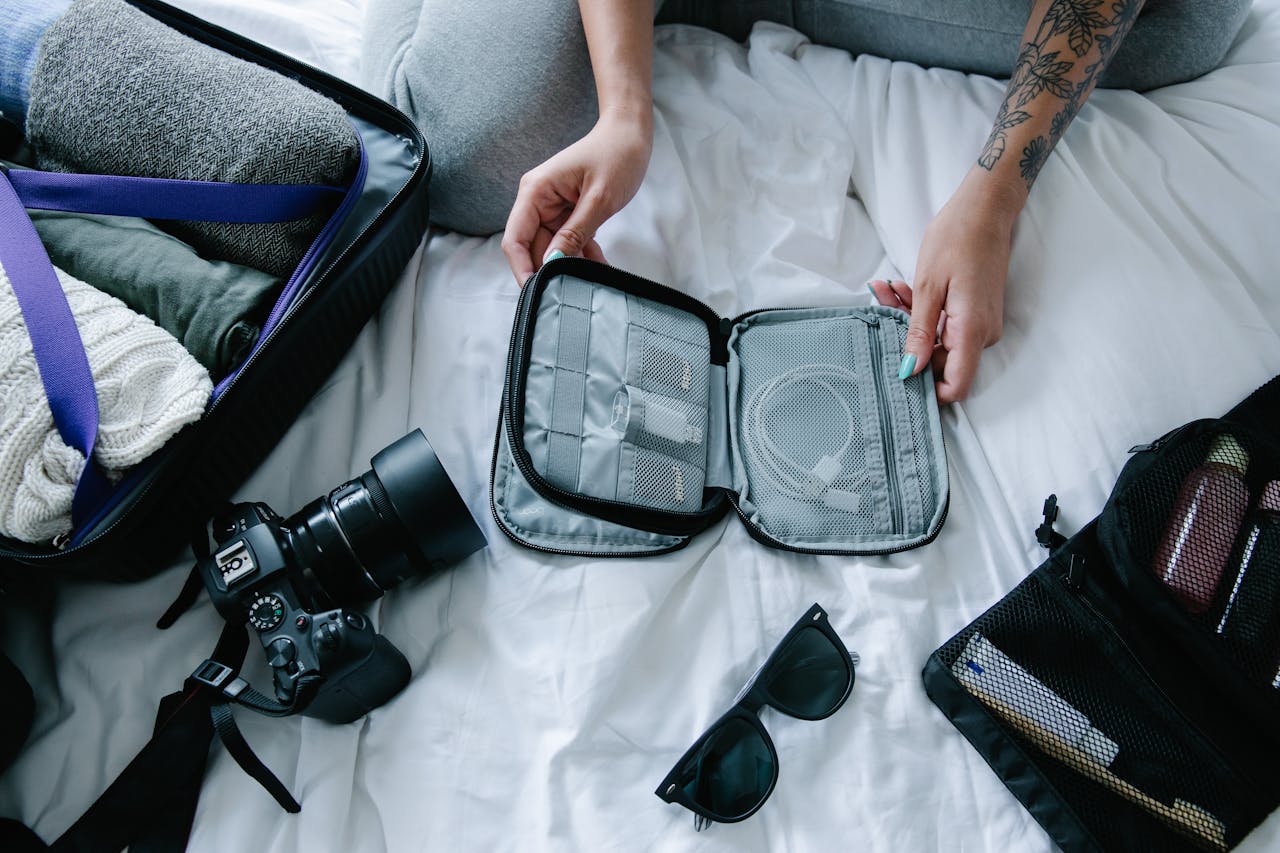
<p> Packing for a trip can be overwhelming, especially when you're trying to balance comfort, convenience, and space. While you likely already know to pack the basics like shampoo, toothpaste, and deodorant, there are some unexpected travel-sized essentials that can make your journey smoother and more enjoyable. These compact items are designed to help you stay organized, fresh, and ready for anything. Whether you're heading out for a quick weekend getaway or a longer adventure, these 10 surprising travel-sized essentials will quickly become your must-haves. </p> :: Pexels

Packing for a trip can be overwhelming, especially when you’re trying to balance comfort, convenience, and space. While you likely already know to pack the basics like shampoo, toothpaste, and deodorant, there are some unexpected travel-sized essentials that can make your journey smoother and more enjoyable. These compact items are designed to help you stay organized, fresh, and ready for anything. Whether you’re heading out for a quick weekend getaway or a longer adventure, these 10 surprising travel-sized essentials will quickly become your must-haves.

1. Portable Steamer for Wrinkles
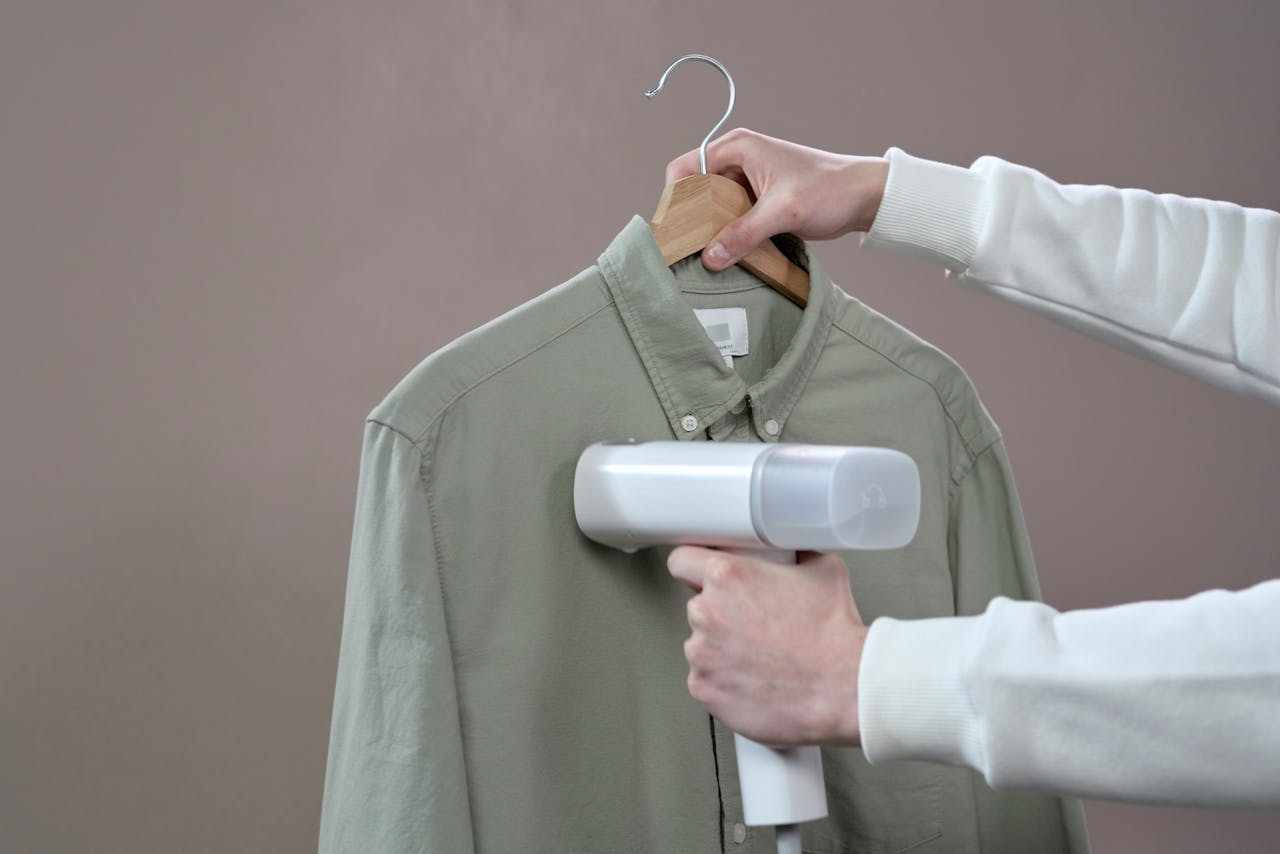
<p> A portable steamer might not be the first thing that comes to mind when packing, but it’s a game-changer for keeping your clothes wrinkle-free while traveling. Unlike bulky irons, travel-sized steamers are small, lightweight, and easy to store in your luggage. Perfect for those moments when you need to look sharp for a meeting, dinner, or special occasion, a portable steamer refreshes your clothes in minutes. It’s an essential tool for keeping your outfits looking polished without the hassle of finding an iron at your destination. Travel steamers are especially helpful if you’re traveling for business or attending a formal event where you need to look your best. They also work wonders for smoothing out wrinkles in delicate fabrics like silk or linen that are prone to creasing. The compact design of these steamers means they can fit easily into your carry-on or checked luggage, making them a space-saving alternative to traditional irons. If you're someone who values neatness and wants to avoid the stress of wrinkled clothes, a portable steamer is a must-have item. </p> :: Pexels

A portable steamer might not be the first thing that comes to mind when packing, but it’s a game-changer for keeping your clothes wrinkle-free while traveling. Unlike bulky irons, travel-sized steamers are small, lightweight, and easy to store in your luggage. Perfect for those moments when you need to look sharp for a meeting, dinner, or special occasion, a portable steamer refreshes your clothes in minutes. It’s an essential tool for keeping your outfits looking polished without the hassle of finding an iron at your destination.

Travel steamers are especially helpful if you’re traveling for business or attending a formal event where you need to look your best. They also work wonders for smoothing out wrinkles in delicate fabrics like silk or linen that are prone to creasing. The compact design of these steamers means they can fit easily into your carry-on or checked luggage, making them a space-saving alternative to traditional irons. If you’re someone who values neatness and wants to avoid the stress of wrinkled clothes, a portable steamer is a must-have item.

2. Mini First Aid Kit
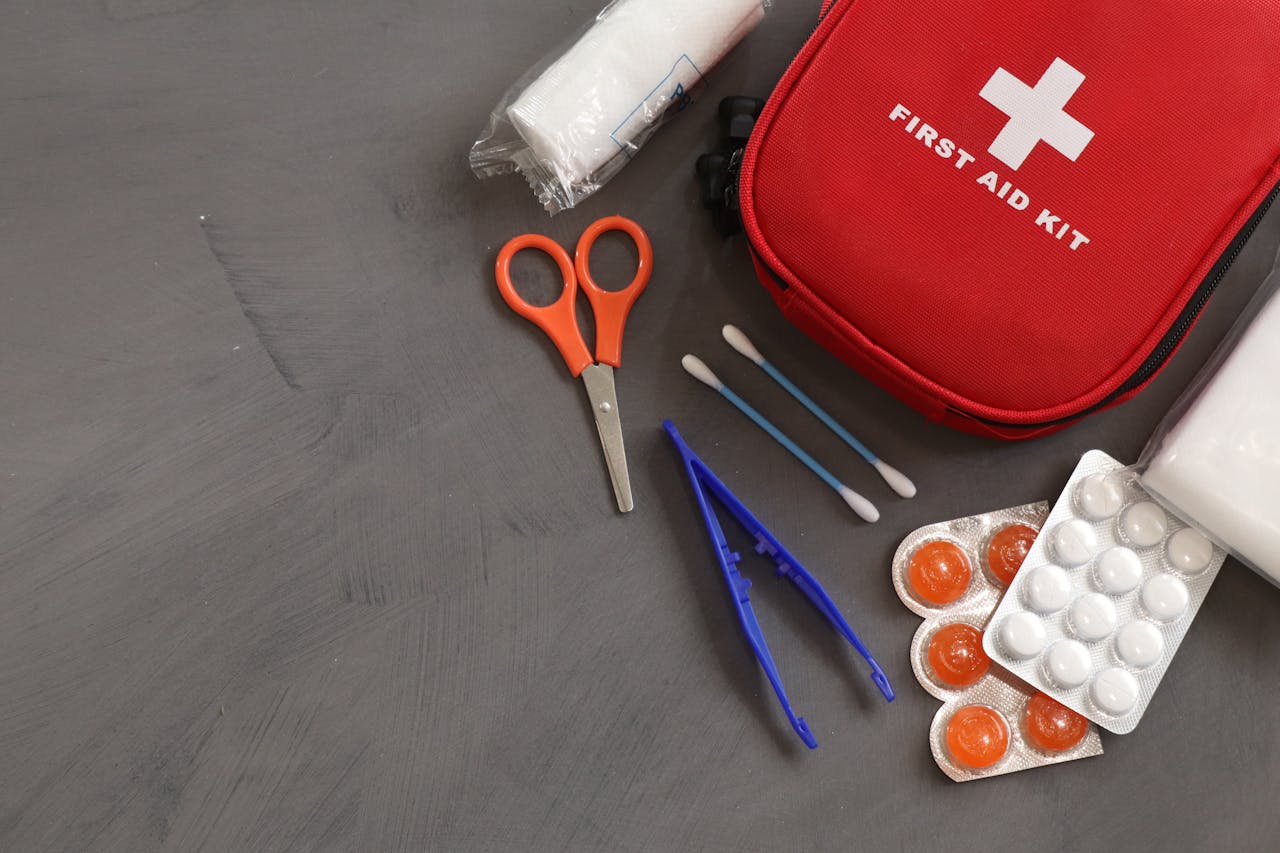
<p> You never know when a small injury or discomfort might arise during your travels. A mini first aid kit is an essential that should never be overlooked. These compact kits typically include band-aids, antiseptic wipes, pain relievers, and even allergy medications, providing you with peace of mind in case of minor emergencies. Whether you’re hiking, exploring a new city, or simply going about your day, having a first aid kit on hand ensures that you're prepared for any unexpected situation without having to search for a pharmacy. A mini first aid kit doesn’t just help with cuts or scrapes; it can also be a lifesaver for travel-related issues like headaches, stomach upsets, or minor allergies. The best part is that these kits are compact enough to fit into your day bag, so you can carry them everywhere without taking up too much space. Having a small stash of medical supplies gives you the freedom to travel with confidence, knowing that you can address common health issues on your own. Plus, it’s always better to have one and not need it than to need it and not have it. </p> :: Pexels

You never know when a small injury or discomfort might arise during your travels. A mini first aid kit is an essential that should never be overlooked. These compact kits typically include band-aids, antiseptic wipes, pain relievers, and even allergy medications, providing you with peace of mind in case of minor emergencies. Whether you’re hiking, exploring a new city, or simply going about your day, having a first aid kit on hand ensures that you’re prepared for any unexpected situation without having to search for a pharmacy.

A mini first aid kit doesn’t just help with cuts or scrapes; it can also be a lifesaver for travel-related issues like headaches, stomach upsets, or minor allergies. The best part is that these kits are compact enough to fit into your day bag, so you can carry them everywhere without taking up too much space. Having a small stash of medical supplies gives you the freedom to travel with confidence, knowing that you can address common health issues on your own. Plus, it’s always better to have one and not need it than to need it and not have it.

3. Collapsible Water Bottle
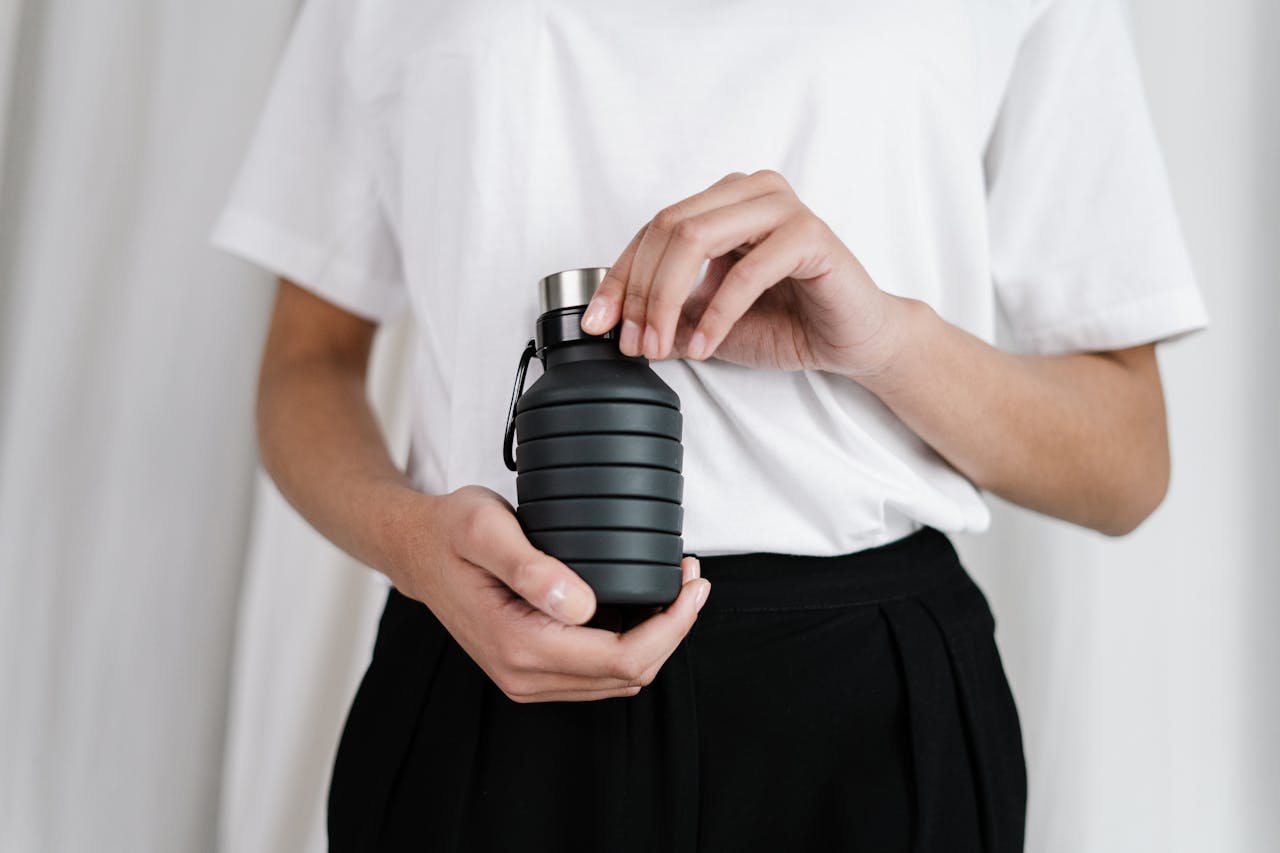
<p> Staying hydrated is crucial when you're traveling, but carrying around a bulky water bottle can take up valuable space. A collapsible water bottle solves this problem by folding down when empty, making it easy to store in your bag or pocket. Whether you’re sightseeing, hiking, or just waiting for your flight, having a portable water bottle ensures that you always have access to water. Many airports even allow empty bottles through security, so you can fill it up once you're past the checkpoint, saving money and reducing plastic waste. Collapsible water bottles are available in various materials, such as silicone or durable plastic, and some even come with built-in filters to purify tap water. This makes them not only practical but also environmentally friendly. They’re perfect for long flights or road trips, where access to water might be limited. Instead of buying bottled water at every stop, you can refill your collapsible bottle and stay hydrated without the environmental impact of single-use plastic. A collapsible water bottle is an easy and sustainable way to carry water with you wherever you go. </p> :: Pexels

Staying hydrated is crucial when you’re traveling, but carrying around a bulky water bottle can take up valuable space. A collapsible water bottle solves this problem by folding down when empty, making it easy to store in your bag or pocket. Whether you’re sightseeing, hiking, or just waiting for your flight, having a portable water bottle ensures that you always have access to water. Many airports even allow empty bottles through security, so you can fill it up once you’re past the checkpoint, saving money and reducing plastic waste.

Collapsible water bottles are available in various materials, such as silicone or durable plastic, and some even come with built-in filters to purify tap water. This makes them not only practical but also environmentally friendly. They’re perfect for long flights or road trips, where access to water might be limited. Instead of buying bottled water at every stop, you can refill your collapsible bottle and stay hydrated without the environmental impact of single-use plastic. A collapsible water bottle is an easy and sustainable way to carry water with you wherever you go.

4. Travel-Sized Laundry Detergent
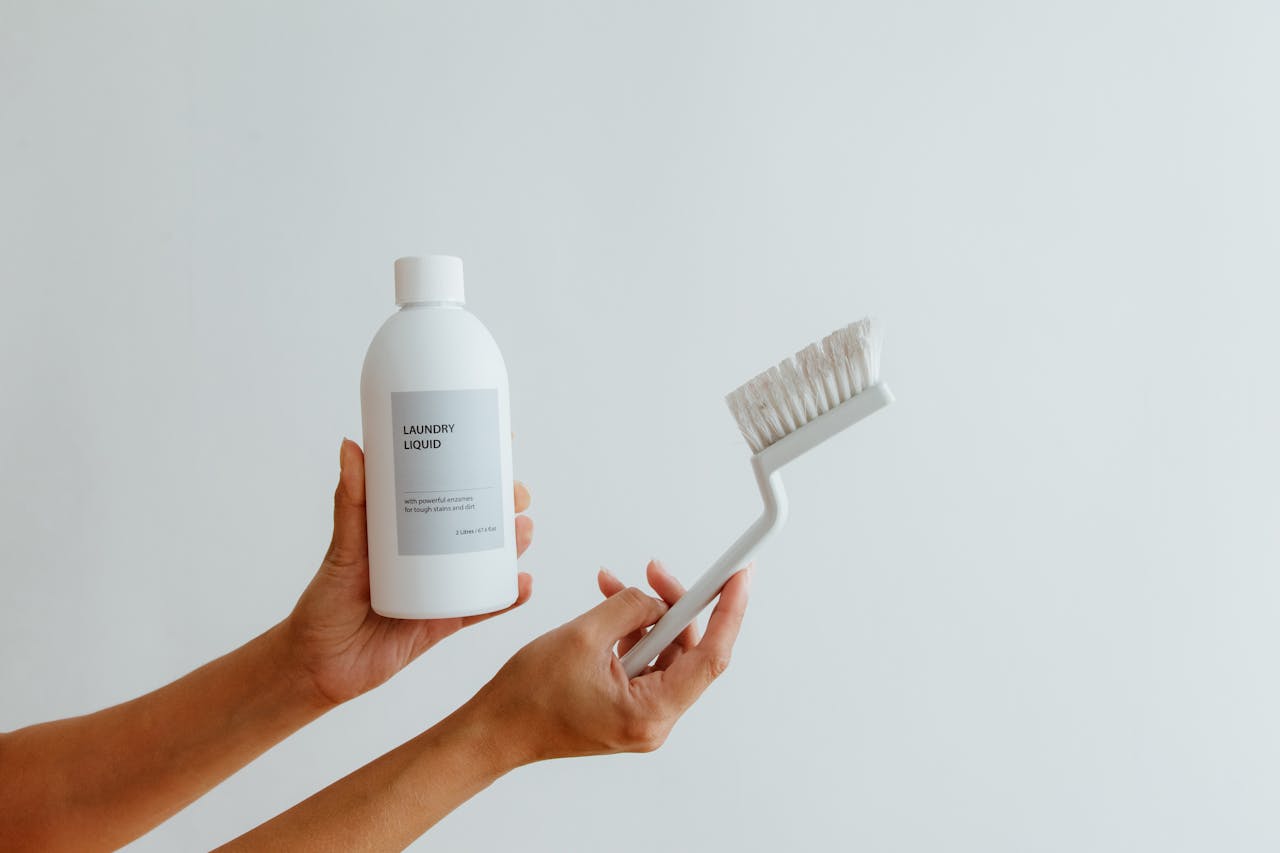
<p> When you're on the road for an extended period, doing laundry can become a challenge. Travel-sized laundry detergent makes it easy to wash a few items in your hotel room sink or at a laundromat. These small packets or bottles take up minimal space but provide the perfect solution for freshening up your clothes between washes. Whether you're backpacking across Europe or on a cross-country road trip, having laundry detergent with you means you don't have to pack as many clothes or spend money on hotel laundry services. Travel-sized laundry detergent is especially useful if you're traveling on a budget and want to minimize your luggage. Instead of paying for expensive hotel laundry services, you can wash your clothes yourself, which is both cost-effective and convenient. Many travel-sized detergents are designed to be gentle on fabrics, so you don’t have to worry about damaging your clothes. Additionally, these detergents often come in eco-friendly packaging, making them a sustainable option for travelers who want to reduce their carbon footprint. </p> :: Pexels

When you’re on the road for an extended period, doing laundry can become a challenge. Travel-sized laundry detergent makes it easy to wash a few items in your hotel room sink or at a laundromat. These small packets or bottles take up minimal space but provide the perfect solution for freshening up your clothes between washes. Whether you’re backpacking across Europe or on a cross-country road trip, having laundry detergent with you means you don’t have to pack as many clothes or spend money on hotel laundry services.

Travel-sized laundry detergent is especially useful if you’re traveling on a budget and want to minimize your luggage. Instead of paying for expensive hotel laundry services, you can wash your clothes yourself, which is both cost-effective and convenient. Many travel-sized detergents are designed to be gentle on fabrics, so you don’t have to worry about damaging your clothes. Additionally, these detergents often come in eco-friendly packaging, making them a sustainable option for travelers who want to reduce their carbon footprint.

5. Mini Power Bank
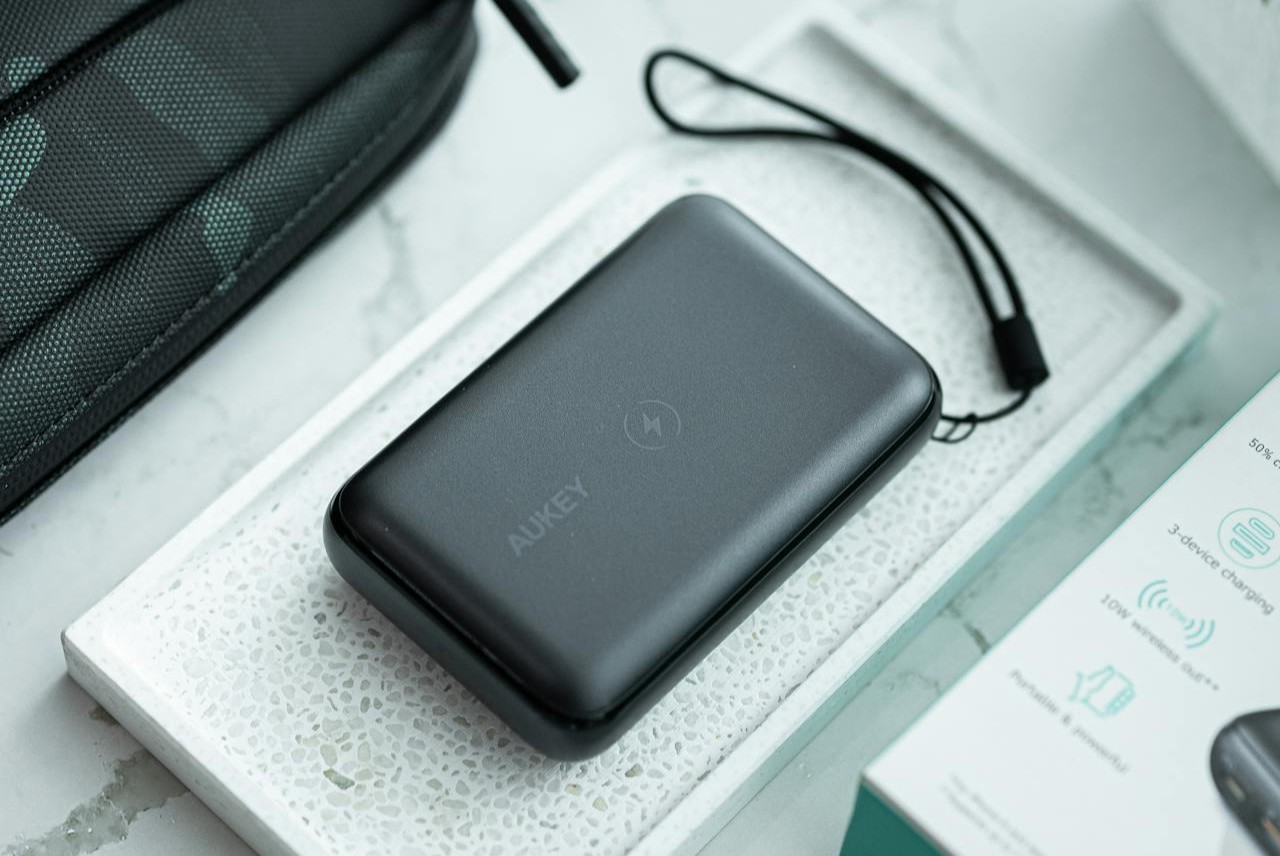
<p> Your phone is essential for navigation, communication, and entertainment while traveling, but running out of battery can quickly put a damper on your plans. A mini power bank is a travel-sized lifesaver that ensures your devices stay charged, no matter where you are. These compact power banks can easily slip into your pocket or bag and provide enough power to recharge your phone multiple times. Whether you're exploring a new city, waiting for a flight, or stuck in a long transit, a portable charger ensures you're never caught with a dead battery. Mini power banks come in various sizes, so you can choose one that best fits your needs. Some are slim and lightweight, perfect for slipping into your pocket, while others have more capacity and can charge multiple devices at once. They’re ideal for long days of sightseeing or travel days when you don’t have access to a power outlet. With a mini power bank, you can keep your phone, tablet, or other devices charged and ready to go throughout your trip, without worrying about finding an outlet. </p> :: Pexels

Your phone is essential for navigation, communication, and entertainment while traveling, but running out of battery can quickly put a damper on your plans. A mini power bank is a travel-sized lifesaver that ensures your devices stay charged, no matter where you are. These compact power banks can easily slip into your pocket or bag and provide enough power to recharge your phone multiple times. Whether you’re exploring a new city, waiting for a flight, or stuck in a long transit, a portable charger ensures you’re never caught with a dead battery.

Mini power banks come in various sizes, so you can choose one that best fits your needs. Some are slim and lightweight, perfect for slipping into your pocket, while others have more capacity and can charge multiple devices at once. They’re ideal for long days of sightseeing or travel days when you don’t have access to a power outlet. With a mini power bank, you can keep your phone, tablet, or other devices charged and ready to go throughout your trip, without worrying about finding an outlet.

6. Portable Coffee Maker
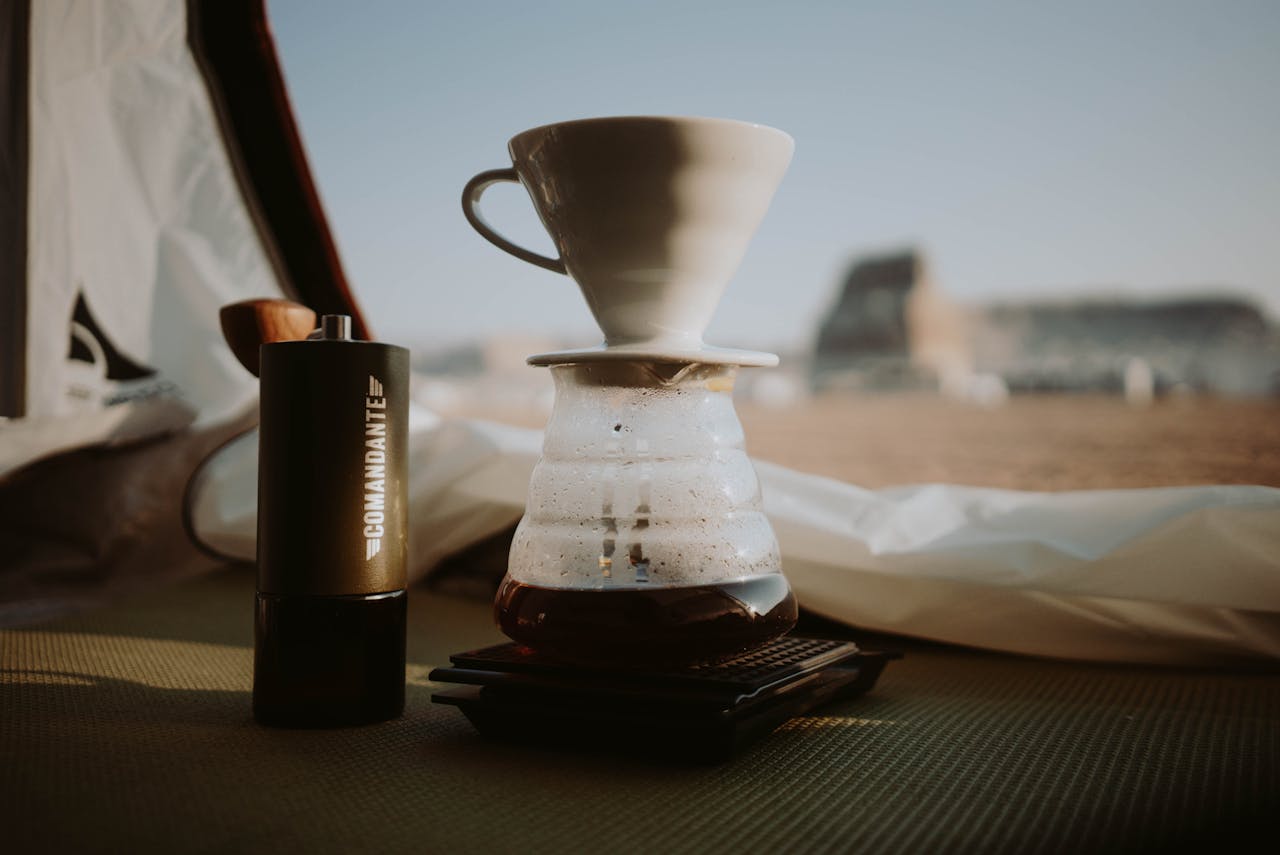
<p> For coffee lovers, a portable coffee maker is a must-have for any trip. Instead of relying on expensive hotel coffee or searching for a café, you can enjoy your favorite brew wherever you go. Travel-sized coffee makers come in a variety of options, from manual pour-over kits to small espresso machines. They’re lightweight and compact, making them easy to pack without taking up much space. Whether you're on a long road trip or staying in a remote location, having your own coffee maker ensures you never have to go without your morning pick-me-up. Portable coffee makers are perfect for those who want to enjoy a fresh cup of coffee without the hassle of finding a café or waiting for hotel coffee. They’re also great for travelers who are particular about their coffee quality and don’t want to settle for mediocre brews. With a travel-sized coffee maker, you can enjoy a rich, flavorful cup of coffee anywhere, from your hotel room to a scenic spot during a hike. It’s a small luxury that can make your travels feel more comfortable and enjoyable. </p> :: Pexels

For coffee lovers, a portable coffee maker is a must-have for any trip. Instead of relying on expensive hotel coffee or searching for a café, you can enjoy your favorite brew wherever you go. Travel-sized coffee makers come in a variety of options, from manual pour-over kits to small espresso machines. They’re lightweight and compact, making them easy to pack without taking up much space. Whether you’re on a long road trip or staying in a remote location, having your own coffee maker ensures you never have to go without your morning pick-me-up.

Portable coffee makers are perfect for those who want to enjoy a fresh cup of coffee without the hassle of finding a café or waiting for hotel coffee. They’re also great for travelers who are particular about their coffee quality and don’t want to settle for mediocre brews. With a travel-sized coffee maker, you can enjoy a rich, flavorful cup of coffee anywhere, from your hotel room to a scenic spot during a hike. It’s a small luxury that can make your travels feel more comfortable and enjoyable.

7. Dry Shampoo

<p> When you’re on the go, washing your hair isn’t always an option. That’s where dry shampoo comes in. This travel-sized essential is perfect for refreshing your hair between washes, absorbing excess oil, and adding volume. It’s a lifesaver on days when you’re too busy to shower or when water access is limited. A quick spritz of dry shampoo can make your hair look and feel fresh, even after a long day of sightseeing or traveling. It’s a must-have for anyone looking to stay fresh without the hassle of washing their hair every day. Dry shampoo is available in various formulas, including sprays, powders, and foams, so you can choose the one that works best for your hair type. It’s ideal for extending the life of a hairstyle or freshening up your hair after a long flight. Many dry shampoos also have a pleasant fragrance, leaving your hair smelling fresh and clean. Whether you're traveling for business or leisure, dry shampoo is an essential item that will help you look and feel your best without the need for a full wash. </p> :: Pexels

When you’re on the go, washing your hair isn’t always an option. That’s where dry shampoo comes in. This travel-sized essential is perfect for refreshing your hair between washes, absorbing excess oil, and adding volume. It’s a lifesaver on days when you’re too busy to shower or when water access is limited. A quick spritz of dry shampoo can make your hair look and feel fresh, even after a long day of sightseeing or traveling. It’s a must-have for anyone looking to stay fresh without the hassle of washing their hair every day.

Dry shampoo is available in various formulas, including sprays, powders, and foams, so you can choose the one that works best for your hair type. It’s ideal for extending the life of a hairstyle or freshening up your hair after a long flight. Many dry shampoos also have a pleasant fragrance, leaving your hair smelling fresh and clean. Whether you’re traveling for business or leisure, dry shampoo is an essential item that will help you look and feel your best without the need for a full wash.

8. Foldable Tote Bag

<p> A foldable tote bag is a versatile and practical addition to your travel essentials. These compact bags fold down into a small pouch, making them easy to store in your suitcase or backpack. Once unfolded, they provide ample space for carrying extra items, whether you're shopping, heading to the beach, or organizing your gear. A foldable tote bag is perfect for spontaneous activities, ensuring that you're always prepared without overpacking. It’s a simple yet effective way to make your travels more organized and efficient. Foldable tote bags are made from lightweight, durable materials, making them easy to carry and long-lasting. They’re ideal for carrying items like souvenirs, snacks, or extra clothing that don’t fit in your main bag. Many foldable totes also feature water-resistant materials, making them perfect for trips to the beach or outdoor adventures. When not in use, these bags fold down to a small size that can be tucked into any corner of your luggage, ensuring that you’re always prepared for whatever your day brings. </p> :: Pexels

A foldable tote bag is a versatile and practical addition to your travel essentials. These compact bags fold down into a small pouch, making them easy to store in your suitcase or backpack. Once unfolded, they provide ample space for carrying extra items, whether you’re shopping, heading to the beach, or organizing your gear. A foldable tote bag is perfect for spontaneous activities, ensuring that you’re always prepared without overpacking. It’s a simple yet effective way to make your travels more organized and efficient.

Foldable tote bags are made from lightweight, durable materials, making them easy to carry and long-lasting. They’re ideal for carrying items like souvenirs, snacks, or extra clothing that don’t fit in your main bag. Many foldable totes also feature water-resistant materials, making them perfect for trips to the beach or outdoor adventures. When not in use, these bags fold down to a small size that can be tucked into any corner of your luggage, ensuring that you’re always prepared for whatever your day brings.

9. Portable UV Sterilizer

<p> In today’s world, cleanliness is more important than ever. A portable UV sterilizer is a small, travel-sized device that uses ultraviolet light to kill germs and bacteria on surfaces like your phone, keys, and other personal items. It’s perfect for sanitizing your belongings when you’re in public places or using shared items like hotel remote controls. Compact and easy to carry, a UV sterilizer offers peace of mind by ensuring that your personal items stay clean and safe, no matter where you are. Portable UV sterilizers are incredibly easy to use. Simply place your items inside the device, press a button, and let the UV light do its work. These devices are ideal for sanitizing high-touch items like your phone, wallet, or headphones, which can accumulate germs throughout the day. With a portable UV sterilizer, you can travel with confidence, knowing that your belongings are free from harmful bacteria and viruses. </p> :: PC Mag

In today’s world, cleanliness is more important than ever. A portable UV sterilizer is a small, travel-sized device that uses ultraviolet light to kill germs and bacteria on surfaces like your phone, keys, and other personal items. It’s perfect for sanitizing your belongings when you’re in public places or using shared items like hotel remote controls. Compact and easy to carry, a UV sterilizer offers peace of mind by ensuring that your personal items stay clean and safe, no matter where you are.

Portable UV sterilizers are incredibly easy to use. Simply place your items inside the device, press a button, and let the UV light do its work. These devices are ideal for sanitizing high-touch items like your phone, wallet, or headphones, which can accumulate germs throughout the day. With a portable UV sterilizer, you can travel with confidence, knowing that your belongings are free from harmful bacteria and viruses.

10. Travel-Sized Essential Oils
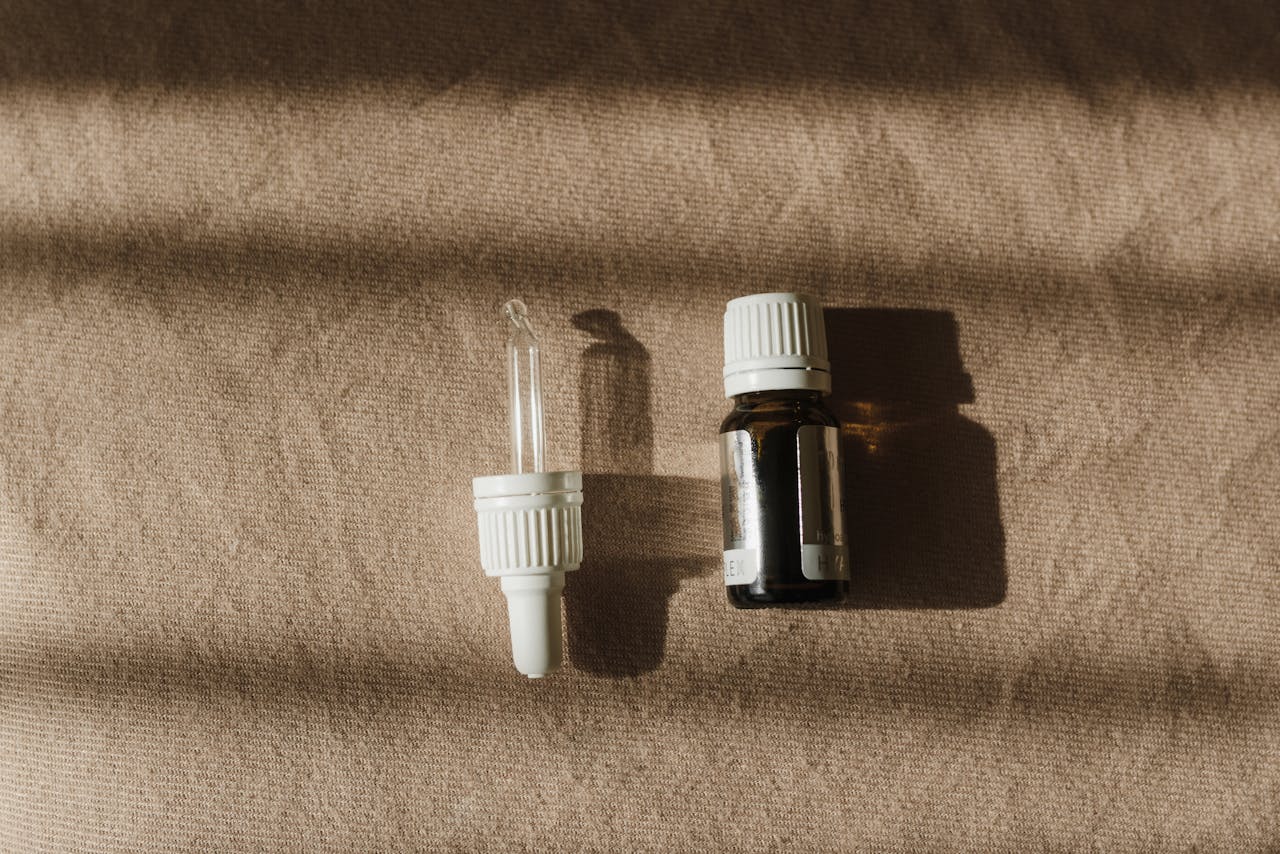
<p> Essential oils are a natural and soothing way to enhance your travel experience. These small bottles of lavender, peppermint, or eucalyptus oil can help with everything from relieving headaches to calming anxiety and aiding sleep. Travel-sized essential oils are compact and easy to carry, so you can take them anywhere you go. Whether you're trying to relax after a long flight or need a quick pick-me-up during a busy day of sightseeing, essential oils offer a convenient and effective solution for feeling your best while on the road. Essential oils can be used in a variety of ways. You can diffuse them in your hotel room, apply them to your skin for a quick massage, or simply inhale the scent to promote relaxation. Lavender is known for its calming properties, making it perfect for unwinding after a long day, while peppermint can help with energy and focus. Eucalyptus is great for clearing sinuses and improving respiratory health. With travel-sized essential oils, you can create a soothing, calming environment no matter where you are. </p> :: Pexels

Essential oils are a natural and soothing way to enhance your travel experience. These small bottles of lavender, peppermint, or eucalyptus oil can help with everything from relieving headaches to calming anxiety and aiding sleep. Travel-sized essential oils are compact and easy to carry, so you can take them anywhere you go. Whether you’re trying to relax after a long flight or need a quick pick-me-up during a busy day of sightseeing, essential oils offer a convenient and effective solution for feeling your best while on the road.

Essential oils can be used in a variety of ways. You can diffuse them in your hotel room, apply them to your skin for a quick massage, or simply inhale the scent to promote relaxation. Lavender is known for its calming properties, making it perfect for unwinding after a long day, while peppermint can help with energy and focus. Eucalyptus is great for clearing sinuses and improving respiratory health. With travel-sized essential oils, you can create a soothing, calming environment no matter where you are.

Final Thoughts

<p> Packing for a trip doesn’t have to be stressful, and with these surprising travel-sized essentials, you’ll be more than prepared for whatever comes your way. From staying fresh and clean to being ready for unexpected situations, these compact items are designed to make your travel experience easier and more enjoyable. So, next time you're planning a trip, be sure to add these items to your packing list—you’ll be glad you did! </p> :: Pexels

Packing for a trip doesn’t have to be stressful, and with these surprising travel-sized essentials, you’ll be more than prepared for whatever comes your way. From staying fresh and clean to being ready for unexpected situations, these compact items are designed to make your travel experience easier and more enjoyable. So, next time you’re planning a trip, be sure to add these items to your packing list—you’ll be glad you did!

Filed Under: Travel

Drive with Confidence: 7 Safety Gadgets Every Senior Driver Should Install

March 27, 2026 | Leave a Comment

Drive with Confidence: 7 Safety Gadgets Every Senior Driver Should Install

<p> Hitting the open road doesn’t lose its charm just because you’ve logged more miles around the sun. In fact, driving often represents freedom, independence, and the joy of staying active and connected. But as we age, it's natural for reflexes to slow and eyesight to shift—which makes vehicle safety all the more important. The good news? Today’s technology offers a range of smart, affordable gadgets that can give senior drivers a serious safety edge. Whether you’re commuting to the store, road-tripping with the grandkids, or heading out to your favorite diner, these seven must-have safety gadgets can help keep you safe, aware, and in control—without complicating your drive. Let’s get into the tech that’s making life easier (and the roads safer) for drivers over 50. </p> :: Pexels

Hitting the open road doesn’t lose its charm just because you’ve logged more miles around the sun. In fact, driving often represents freedom, independence, and the joy of staying active and connected. But as we age, it’s natural for reflexes to slow and eyesight to shift—which makes vehicle safety all the more important. The good news? Today’s technology offers a range of smart, affordable gadgets that can give senior drivers a serious safety edge.

Whether you’re commuting to the store, road-tripping with the grandkids, or heading out to your favorite diner, these seven must-have safety gadgets can help keep you safe, aware, and in control—without complicating your drive. Let’s get into the tech that’s making life easier (and the roads safer) for drivers over 50.

1. Blind Spot Detection System

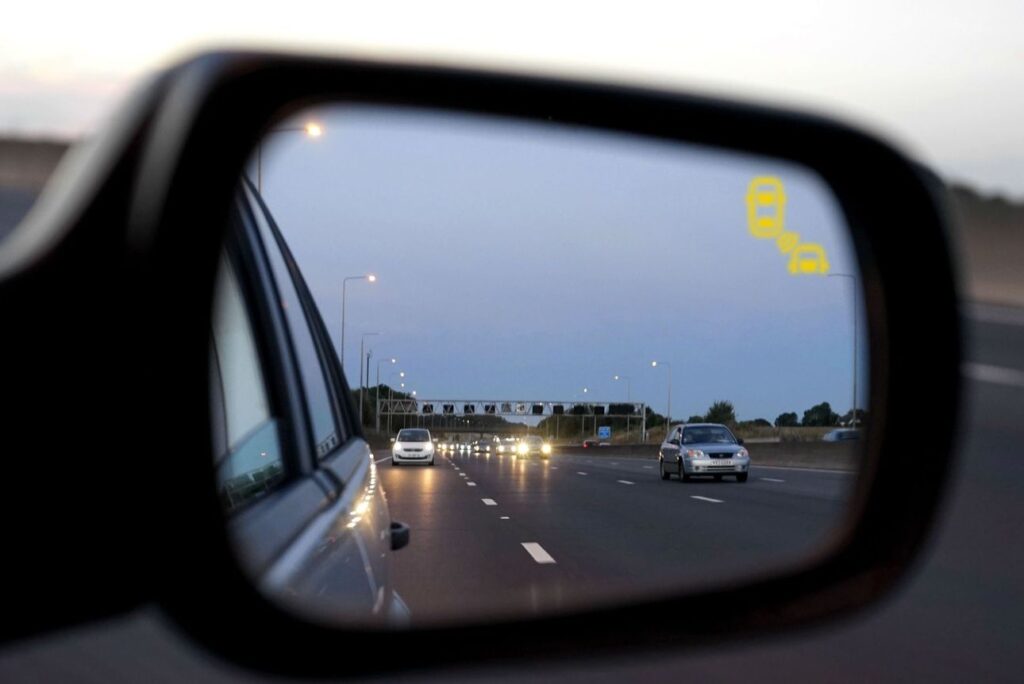
<p> No more neck-craning: this gadget watches your back—literally. A blind spot detection system uses sensors mounted on your vehicle’s rear corners to alert you when another car is lurking in those pesky side blind spots. Some systems even provide audible warnings or flashing lights in your side mirrors if you attempt to change lanes while another vehicle is present. For senior drivers who may not have the same neck flexibility they once did, this can be a game-changer. It’s like having an extra set of eyes on the road—and let’s be honest, who couldn’t use that during highway traffic? </p> :: Qui talkers

No more neck-craning: this gadget watches your back—literally.

A blind spot detection system uses sensors mounted on your vehicle’s rear corners to alert you when another car is lurking in those pesky side blind spots. Some systems even provide audible warnings or flashing lights in your side mirrors if you attempt to change lanes while another vehicle is present. For senior drivers who may not have the same neck flexibility they once did, this can be a game-changer. It’s like having an extra set of eyes on the road—and let’s be honest, who couldn’t use that during highway traffic?

2. Backup Camera with Parking Sensors

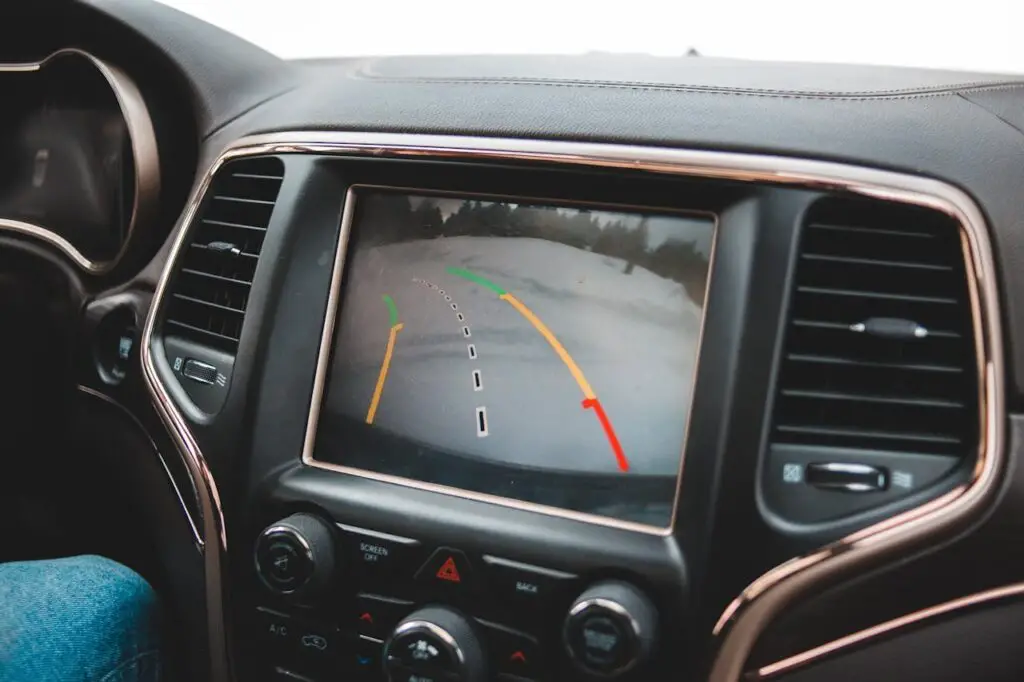
<p> Reversing with confidence has never been easier—or safer. Parking lots and narrow driveways can turn into obstacle courses, especially when visibility is limited. A backup camera shows you exactly what’s behind your vehicle, while parking sensors beep if you’re getting too close to something—or someone. Many newer cars have these built in, but if yours doesn’t, aftermarket versions are easy to install. Seniors appreciate these tools because they remove the guesswork (and the risk of backing over a forgotten trash bin or, worse, a tricycle). Bonus: they make parallel parking feel like less of a high-stakes operation. </p> :: Pexels

Reversing with confidence has never been easier—or safer.

Parking lots and narrow driveways can turn into obstacle courses, especially when visibility is limited. A backup camera shows you exactly what’s behind your vehicle, while parking sensors beep if you’re getting too close to something—or someone. Many newer cars have these built in, but if yours doesn’t, aftermarket versions are easy to install. Seniors appreciate these tools because they remove the guesswork (and the risk of backing over a forgotten trash bin or, worse, a tricycle). Bonus: they make parallel parking feel like less of a high-stakes operation.

3. Heads-Up Display (HUD)

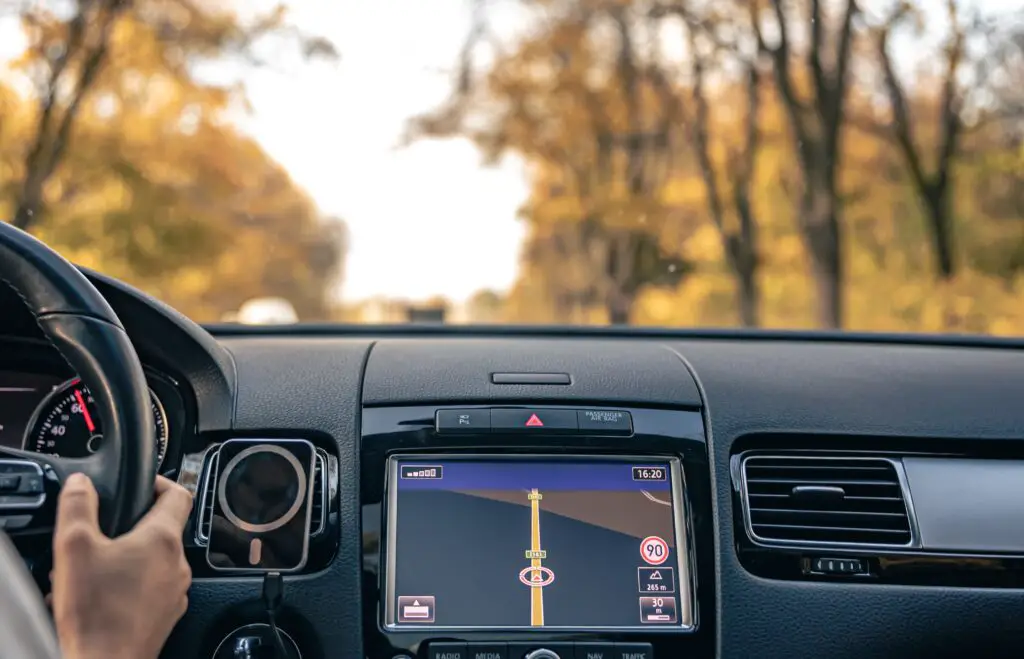
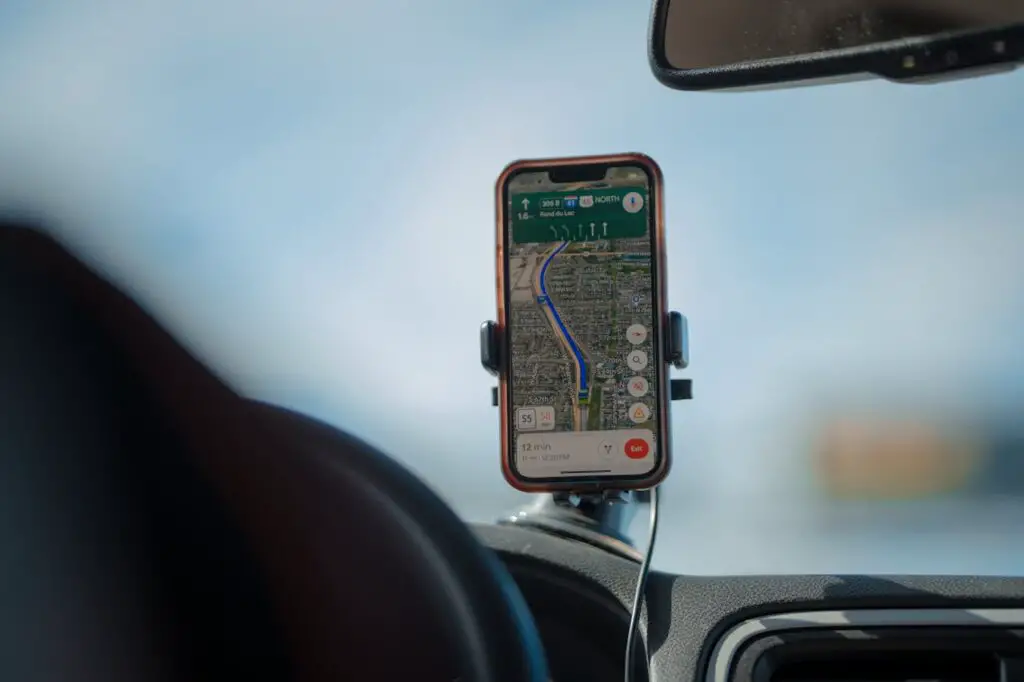
<p> Keep your eyes on the road—and still catch your turn signal in time. A heads-up display projects key driving information—like your speed, navigation, and even incoming calls—onto your windshield, right in your line of sight. That means less looking down at your dashboard and more keeping your focus on what’s ahead. For older drivers, this reduces distractions and keeps reaction times sharp. Some HUDs sync with your smartphone or GPS, so you can stay informed without taking your eyes off the road (or your hands off the wheel). It's high-tech help that doesn’t feel overwhelming. </p> :: Parkers

Keep your eyes on the road—and still catch your turn signal in time.

A heads-up display projects key driving information—like your speed, navigation, and even incoming calls—onto your windshield, right in your line of sight. That means less looking down at your dashboard and more keeping your focus on what’s ahead. For older drivers, this reduces distractions and keeps reaction times sharp. Some HUDs sync with your smartphone or GPS, so you can stay informed without taking your eyes off the road (or your hands off the wheel). It’s high-tech help that doesn’t feel overwhelming.

4. Lane Departure Warning System

<p> A gentle reminder when you start to drift—because even coffee can’t fix every swerve. Lane departure warning systems alert you if your vehicle begins to unintentionally veer out of its lane. The alerts can come through a dashboard warning, a vibration in the steering wheel, or even a subtle beep. For senior drivers who may be more susceptible to fatigue during long drives, this kind of system is like a helpful co-pilot, keeping you centered and on course. It’s especially useful on wide, quiet highways where wandering across the lines can happen without even realizing it. </p> :: Freepik

A gentle reminder when you start to drift—because even coffee can’t fix every swerve.

Lane departure warning systems alert you if your vehicle begins to unintentionally veer out of its lane. The alerts can come through a dashboard warning, a vibration in the steering wheel, or even a subtle beep. For senior drivers who may be more susceptible to fatigue during long drives, this kind of system is like a helpful co-pilot, keeping you centered and on course. It’s especially useful on wide, quiet highways where wandering across the lines can happen without even realizing it.

5. Emergency Response System (Crash Detection)

<p> If the unexpected happens, help is already on the way. An emergency response system—such as OnStar or a similar crash detection device—automatically contacts emergency services if your vehicle is involved in a crash. These systems can be lifesaving, particularly if you’re unable to call for help yourself. Some models even provide your GPS location and medical info to first responders. It’s peace of mind not just for you, but for your loved ones, too. Think of it as your personal guardian angel riding shotgun. </p> :: Freepik

If the unexpected happens, help is already on the way.

An emergency response system—such as OnStar or a similar crash detection device—automatically contacts emergency services if your vehicle is involved in a crash. These systems can be lifesaving, particularly if you’re unable to call for help yourself. Some models even provide your GPS location and medical info to first responders. It’s peace of mind not just for you, but for your loved ones, too. Think of it as your personal guardian angel riding shotgun.

6. Tire Pressure Monitoring System (TPMS)

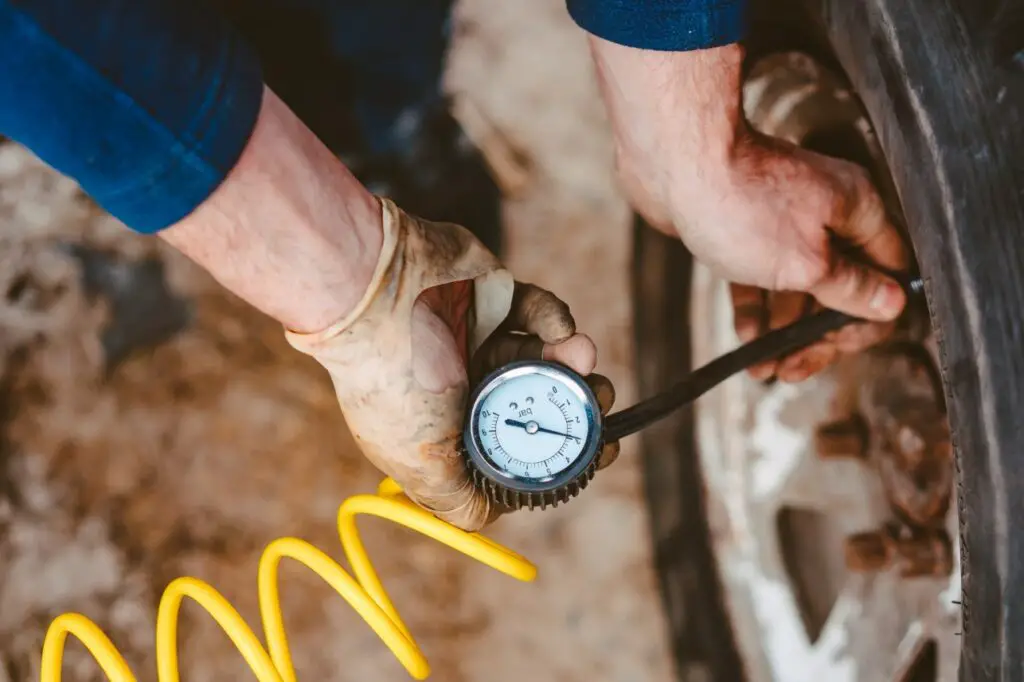
<p> Because low tire pressure can lead to big trouble—and who needs that? Maintaining proper tire pressure is crucial for fuel efficiency, handling, and overall safety. But let’s be honest: checking tire pressure isn’t high on most people’s to-do list. A TPMS alerts you when your tires are under-inflated, helping you avoid blowouts or poor traction—especially important during rain or snow. Most vehicles from 2008 onward have TPMS built in, but if yours doesn’t, standalone monitors are inexpensive and easy to use. Consider it your car’s way of saying, “Hey, something feels a little off.” </p> :: Freepik

Because low tire pressure can lead to big trouble—and who needs that?

Maintaining proper tire pressure is crucial for fuel efficiency, handling, and overall safety. But let’s be honest: checking tire pressure isn’t high on most people’s to-do list. A TPMS alerts you when your tires are under-inflated, helping you avoid blowouts or poor traction—especially important during rain or snow. Most vehicles from 2008 onward have TPMS built in, but if yours doesn’t, standalone monitors are inexpensive and easy to use. Consider it your car’s way of saying, “Hey, something feels a little off.”

7. Dash Cam with GPS Tracking

<p> Protect yourself on the road—with proof if you ever need it. A dash cam records everything happening in front of your vehicle, and many now come with GPS tracking to log your speed and route. This can be helpful if you’re involved in a collision and need evidence of what actually happened. For seniors, a dash cam can provide both protection and peace of mind—especially when insurance companies get involved. Some models even alert you to sudden braking ahead or lane changes, offering another layer of safety. It’s like having a silent witness riding along with you (who never asks to stop for snacks). </p> :: Pexels

Protect yourself on the road—with proof if you ever need it.

A dash cam records everything happening in front of your vehicle, and many now come with GPS tracking to log your speed and route. This can be helpful if you’re involved in a collision and need evidence of what actually happened. For seniors, a dash cam can provide both protection and peace of mind—especially when insurance companies get involved. Some models even alert you to sudden braking ahead or lane changes, offering another layer of safety. It’s like having a silent witness riding along with you (who never asks to stop for snacks).

Final Thoughts<p> The roads aren’t just for the young—they’re for the young at heart, too. Whether you're commuting to see family, running errands, or enjoying scenic routes with your windows down and classic rock turned up, you deserve to feel safe doing it. These gadgets aren’t about overcomplicating your vehicle—they’re about giving you back an edge, streamlining your drive, and helping you stay alert in a changing traffic landscape. Invest in the tools that give you confidence, reduce stress, and make your driving experience smoother and safer. So go ahead—gear up, hit the road, and keep enjoying the ride. The best views still lie ahead. </p> :: Pexels

The roads aren’t just for the young—they’re for the young at heart, too. Whether you’re commuting to see family, running errands, or enjoying scenic routes with your windows down and classic rock turned up, you deserve to feel safe doing it.

These gadgets aren’t about overcomplicating your vehicle—they’re about giving you back an edge, streamlining your drive, and helping you stay alert in a changing traffic landscape. Invest in the tools that give you confidence, reduce stress, and make your driving experience smoother and safer.

So go ahead—gear up, hit the road, and keep enjoying the ride. The best views still lie ahead.

Filed Under: Autos

8 Little-Known Discounts Baby Boomers Can Start Using Today

March 27, 2026 | Leave a Comment

8 Little-Known Discounts Baby Boomers Can Start Using Today

<p> If you're a Baby Boomer, there’s a good chance you’ve earned a few perks along the way—but did you know there are discounts hiding in plain sight that you might not be taking advantage of? From dining out to traveling and even managing everyday expenses, being over 55 can open the door to real savings. Many companies offer special pricing, but they don’t exactly shout it from the rooftops. That’s why we’ve done the digging for you. Whether you're retired, semi-retired, or still clocking in, here are eight surprising discounts every Boomer should know about—and start using now. </p> :: Freepik

If you’re a Baby Boomer, there’s a good chance you’ve earned a few perks along the way—but did you know there are discounts hiding in plain sight that you might not be taking advantage of? From dining out to traveling and even managing everyday expenses, being over 55 can open the door to real savings. Many companies offer special pricing, but they don’t exactly shout it from the rooftops. That’s why we’ve done the digging for you. Whether you’re retired, semi-retired, or still clocking in, here are eight surprising discounts every Boomer should know about—and start using now.

1. Grocery Store Loyalty Discounts

<p> You don’t need to clip coupons like it’s 1985 to save at the store. Many regional grocery chains across the U.S. offer senior discount days—often one day a week—where shoppers 55 and up can get 5% to 10% off their entire bill. Stores like Kroger, Harris Teeter, and Publix in some areas still run these promotions. Some don’t advertise these discounts, so be sure to ask customer service. When paired with digital coupons or loyalty programs, you could walk out saving significantly more than you expected. </p> :: Freepik

You don’t need to clip coupons like it’s 1985 to save at the store. Many regional grocery chains across the U.S. offer senior discount days—often one day a week—where shoppers 55 and up can get 5% to 10% off their entire bill. Stores like Kroger, Harris Teeter, and Publix in some areas still run these promotions. Some don’t advertise these discounts, so be sure to ask customer service. When paired with digital coupons or loyalty programs, you could walk out saving significantly more than you expected.

2. Dining Out for Less

<p> Boomers with a taste for eating out can enjoy their favorite meals at lower prices thanks to senior menus and age-based discounts at national restaurant chains. Think IHOP, Denny’s, Applebee’s, and Chili’s—many offer special pricing or 10–20% off for those 55 or older. Some even throw in a free drink or dessert. While these discounts aren’t always listed on the main menu, they’re often available upon request—so don’t be shy about asking your server. Your wallet will thank you (and so will your taste buds). </p> :: Freepik

Boomers with a taste for eating out can enjoy their favorite meals at lower prices thanks to senior menus and age-based discounts at national restaurant chains. Think IHOP, Denny’s, Applebee’s, and Chili’s—many offer special pricing or 10–20% off for those 55 or older. Some even throw in a free drink or dessert. While these discounts aren’t always listed on the main menu, they’re often available upon request—so don’t be shy about asking your server. Your wallet will thank you (and so will your taste buds).

3. Travel Deals That Go the Extra Mile

<p> Whether you're exploring the U.S. or taking a dream trip abroad, travel companies love to reward seasoned adventurers. Amtrak offers a 10% discount for travelers 65 and up, and Southwest Airlines, British Airways, and United sometimes offer senior fares—though they often require a phone call to book. For road warriors, Greyhound offers 5% off fares for riders over 62. Even hotel chains like Marriott, Hilton, and Best Western provide discounts (typically 10% or more) for AARP members and seniors. Pro tip: Stack these with seasonal promotions or rewards points for even more value. </p> :: Freepik

Whether you’re exploring the U.S. or taking a dream trip abroad, travel companies love to reward seasoned adventurers. Amtrak offers a 10% discount for travelers 65 and up, and Southwest Airlines, British Airways, and United sometimes offer senior fares—though they often require a phone call to book. For road warriors, Greyhound offers 5% off fares for riders over 62. Even hotel chains like Marriott, Hilton, and Best Western provide discounts (typically 10% or more) for AARP members and seniors. Pro tip: Stack these with seasonal promotions or rewards points for even more value.

4. Prescription Savings Without the Hassle

<p> Prescription drugs can eat into your budget fast—but Boomers have more ways than ever to cut costs. Many pharmacies, including Walgreens, CVS, and Rite Aid, offer senior discount days, and prescription discount cards like GoodRx or SingleCare can offer better deals than some insurance plans. If you’re 65+, don’t forget to explore Medicare Part D savings programs or Extra Help, a federal program that helps lower-income seniors afford medications. You may be surprised how much you can save simply by asking your pharmacist about available programs. </p> :: Freepik

Prescription drugs can eat into your budget fast—but Boomers have more ways than ever to cut costs. Many pharmacies, including Walgreens, CVS, and Rite Aid, offer senior discount days, and prescription discount cards like GoodRx or SingleCare can offer better deals than some insurance plans. If you’re 65+, don’t forget to explore Medicare Part D savings programs or Extra Help, a federal program that helps lower-income seniors afford medications. You may be surprised how much you can save simply by asking your pharmacist about available programs.

5. Retail Store Savings You Didn’t Know About

<p> You might expect discounts from places like Ross Dress for Less, which offers 10% off every Tuesday to shoppers 55+, but did you know that Kohl’s gives a 15% discount every Wednesday to customers aged 60 and over? Or that Walgreens has a once-a-month senior day offering up to 20% off select items? Even craft stores like Michael’s and Joann Fabrics offer senior discounts with ID. These little savings can stack up quickly, especially if you're shopping for gifts, clothes, or home essentials. </p> :: Freepik

You might expect discounts from places like Ross Dress for Less, which offers 10% off every Tuesday to shoppers 55+, but did you know that Kohl’s gives a 15% discount every Wednesday to customers aged 60 and over? Or that Walgreens has a once-a-month senior day offering up to 20% off select items? Even craft stores like Michael’s and Joann Fabrics offer senior discounts with ID. These little savings can stack up quickly, especially if you’re shopping for gifts, clothes, or home essentials.

6. Entertainment on a Budget

<p> Want to enjoy a movie night without paying blockbuster prices? AMC, Regal, and Cinemark theaters often offer senior pricing on tickets—some as low as $6 to $8 depending on the day and time. Museums, zoos, national parks, and other attractions frequently give discounted entry to guests 60+. And here’s the jackpot: For just $80, those 62 and older can get a lifetime pass to all U.S. National Parks through the National Park Service’s Senior Pass. It’s good for entrance to over 2,000 sites—and includes discounts on camping and guided tours. Nature just got a lot more affordable. </p> :: Freepik

Want to enjoy a movie night without paying blockbuster prices? AMC, Regal, and Cinemark theaters often offer senior pricing on tickets—some as low as $6 to $8 depending on the day and time. Museums, zoos, national parks, and other attractions frequently give discounted entry to guests 60+. And here’s the jackpot: For just $80, those 62 and older can get a lifetime pass to all U.S. National Parks through the National Park Service’s Senior Pass. It’s good for entrance to over 2,000 sites—and includes discounts on camping and guided tours. Nature just got a lot more affordable.

7. Auto Insurance and Vehicle Perks

<p> Yes, even your car wants to reward you for getting older. Some insurance companies like The Hartford, GEICO, and Allstate offer mature driver discounts or defensive driving course savings for Boomers. Completing an approved course can knock off up to 10% from your premium for three years in many states. Some state DMVs even offer discounted registration fees for older drivers. And if you’re renting a car, AARP members often get significant discounts through Avis, Budget, and Hertz. It's a smart way to cut costs whether you’re planning a road trip or just renewing your policy. </p> :: Freepik

Yes, even your car wants to reward you for getting older. Some insurance companies like The Hartford, GEICO, and Allstate offer mature driver discounts or defensive driving course savings for Boomers. Completing an approved course can knock off up to 10% from your premium for three years in many states. Some state DMVs even offer discounted registration fees for older drivers. And if you’re renting a car, AARP members often get significant discounts through Avis, Budget, and Hertz. It’s a smart way to cut costs whether you’re planning a road trip or just renewing your policy.

8. Utility and Cell Phone Bill Savings

<p> Think your electric or phone bill is set in stone? Think again. Many utility companies offer senior rate plans, bill assistance, or budget billing options if you’re 60 or older, especially if you're on a fixed income. Check with your local power or water company—they may not advertise these savings, but they’re often available. As for staying connected, cell phone providers like Verizon, and T-Mobile offer special senior plans with unlimited talk, text, and data at deeply discounted rates. Some plans start at just $30/month, with perks like international texting and mobile hotspot use. It pays to ask! </p> :: Freepik
Think your electric or phone bill is set in stone? Think again. Many utility companies offer senior rate plans, bill assistance, or budget billing options if you’re 60 or older, especially if you’re on a fixed income. Check with your local power or water company—they may not advertise these savings, but they’re often available. As for staying connected, cell phone providers like AT&T, Verizon, and T-Mobile offer special senior plans with unlimited talk, text, and data at deeply discounted rates. Some plans start at just $30/month, with perks like international texting and mobile hotspot use. It pays to ask!

Final Thoughts

<p> Aging may come with a few aches and pains, but it also comes with a silver lining—discounts, deals, and perks galore if you know where to look. Whether you’re trimming everyday expenses or saving big on travel and entertainment, there’s no reason not to take full advantage. The key is to ask, join loyalty programs, and show your ID when needed. You’ve earned it. After all, it’s not just about spending less—it’s about living more without breaking the bank. So next time you’re checking out at the store or planning your next adventure, remember: getting older has its privileges. Go ahead and enjoy the benefits that come with being part of the Boomer generation—you’ve waited long enough! </p> :: Pexels

Aging may come with a few aches and pains, but it also comes with a silver lining—discounts, deals, and perks galore if you know where to look. Whether you’re trimming everyday expenses or saving big on travel and entertainment, there’s no reason not to take full advantage. The key is to ask, join loyalty programs, and show your ID when needed. You’ve earned it. After all, it’s not just about spending less—it’s about living more without breaking the bank.

So next time you’re checking out at the store or planning your next adventure, remember: getting older has its privileges. Go ahead and enjoy the benefits that come with being part of the Boomer generation—you’ve waited long enough!

Filed Under: Budgeting

8 Gardening Tips for a Thriving Backyard Oasis

March 27, 2026 | Leave a Comment

8 Gardening Tips for a Thriving Backyard Oasis

<p>You don’t need acres of land or a green thumb to build a backyard that feels like a peaceful escape. With a few smart moves, your space can turn into a place to unwind, grow good things, and enjoy the fresh air. Gardening can cut stress, boost mood, and even help you sleep better. The best part? Most of these tips don’t need big tools or big spending. Whether you’re planting flowers, herbs, or veggies, the trick is to work with nature—not fight it. Here are eight simple ways to help your garden thrive all season long.</p> ::Pexels

You don’t need acres of land or a green thumb to build a backyard that feels like a peaceful escape. With a few smart moves, your space can turn into a place to unwind, grow good things, and enjoy the fresh air. Gardening can cut stress, boost mood, and even help you sleep better. The best part? Most of these tips don’t need big tools or big spending. Whether you’re planting flowers, herbs, or veggies, the trick is to work with nature—not fight it. Here are eight simple ways to help your garden thrive all season long.

Know Your Sun and Shade

<p>Before planting anything, check how much sun your yard really gets. Full sun means six or more hours a day. Some plants love that. Others will wilt in that kind of light. Watch your yard for a few days and take notes. This helps you pick the right spot for each plant. It saves time, money, and heartbreak later on. Fun fact: Most herbs, like basil and rosemary, love full sun—but lettuce prefers cooler, shady spots.</p> ::Pexels

Before planting anything, check how much sun your yard really gets. Full sun means six or more hours a day. Some plants love that. Others will wilt in that kind of light. Watch your yard for a few days and take notes. This helps you pick the right spot for each plant. It saves time, money, and heartbreak later on. Fun fact: Most herbs, like basil and rosemary, love full sun—but lettuce prefers cooler, shady spots.

Feed the Soil, Not Just the Plants

<p>Good plants start with good dirt. Healthy soil holds water better, supports strong roots, and grows better crops or blooms. Add compost once or twice a year to boost nutrients. You can buy it or make your own from kitchen scraps and yard waste. Compost also helps sandy soil hold water and loosens up clay soil. Think of soil as the pantry of your garden—feed it well, and your plants will eat better too.</p> ::Pexels

Good plants start with good dirt. Healthy soil holds water better, supports strong roots, and grows better crops or blooms. Add compost once or twice a year to boost nutrients. You can buy it or make your own from kitchen scraps and yard waste. Compost also helps sandy soil hold water and loosens up clay soil. Think of soil as the pantry of your garden—feed it well, and your plants will eat better too.

Water Smart, Not Hard

<p>More water doesn’t always mean better growth. In fact, too much water can rot roots and invite disease. The trick is deep, slow watering, once or twice a week depending on weather. Early morning is best to cut down on loss from heat. Use a watering can or drip hose instead of blasting with a hose. If you poke your finger in the soil and it feels dry two inches down, it’s time to water. A layer of mulch helps too—it holds in moisture and keeps weeds down.</p> ::Pexels

More water doesn’t always mean better growth. In fact, too much water can rot roots and invite disease. The trick is deep, slow watering, once or twice a week depending on weather. Early morning is best to cut down on loss from heat. Use a watering can or drip hose instead of blasting with a hose. If you poke your finger in the soil and it feels dry two inches down, it’s time to water. A layer of mulch helps too—it holds in moisture and keeps weeds down.

Pick Plants That Like Your Climate

<p>You’ll save yourself a lot of work by growing things that already do well where you live. These are called native plants, and they’re built to handle your local weather and bugs. They also need less water and care. Look up your “growing zone” online or ask a local garden shop what thrives in your area. If you live somewhere hot, look for drought-tolerant plants like lavender or sage. Cooler climates might do better with hardy shrubs and leafy greens.</p> ::Pexels

You’ll save yourself a lot of work by growing things that already do well where you live. These are called native plants, and they’re built to handle your local weather and bugs. They also need less water and care. Look up your “growing zone” online or ask a local garden shop what thrives in your area. If you live somewhere hot, look for drought-tolerant plants like lavender or sage. Cooler climates might do better with hardy shrubs and leafy greens.

Use Raised Beds or Containers

<p>If your soil isn’t great or your space is small, raised beds and pots are your best friends. You can fill them with fresh soil and put them wherever the light is best. They’re also easier on your back and help keep pests away. Bonus: you can mix flowers, herbs, and veggies all in one bed or box for a lush, colorful look. Just make sure your pots have holes for drainage and don’t dry out too fast in hot weather.</p> ::Pexels

If your soil isn’t great or your space is small, raised beds and pots are your best friends. You can fill them with fresh soil and put them wherever the light is best. They’re also easier on your back and help keep pests away. Bonus: you can mix flowers, herbs, and veggies all in one bed or box for a lush, colorful look. Just make sure your pots have holes for drainage and don’t dry out too fast in hot weather.

Attract the Good Bugs

<p>Not all bugs are bad. In fact, some are your garden’s best defense against pests. Ladybugs, bees, and lacewings help pollinate flowers or eat the bugs that hurt your plants. Grow flowers like marigolds, daisies, or sunflowers to bring them in. Avoid spraying chemicals that can harm them. The more balance you have in your yard, the fewer problems you’ll have with things like aphids or mites. Plus, watching bees and butterflies adds to the whole backyard escape vibe.</p> ::Pexels

Not all bugs are bad. In fact, some are your garden’s best defense against pests. Ladybugs, bees, and lacewings help pollinate flowers or eat the bugs that hurt your plants. Grow flowers like marigolds, daisies, or sunflowers to bring them in. Avoid spraying chemicals that can harm them. The more balance you have in your yard, the fewer problems you’ll have with things like aphids or mites. Plus, watching bees and butterflies adds to the whole backyard escape vibe.

Give Your Plants Room to Breathe

<p>It’s tempting to crowd your garden with plants, especially when they’re small. But they need space to grow, both above and below ground. When plants are too close, air can’t move well, and that invites mold or mildew. Roots also compete for water and nutrients. Check the tags or seed packs for how far apart to plant each type. And don’t forget to thin seedlings if you start from seeds—your future harvest will thank you.</p> ::Pexels

It’s tempting to crowd your garden with plants, especially when they’re small. But they need space to grow, both above and below ground. When plants are too close, air can’t move well, and that invites mold or mildew. Roots also compete for water and nutrients. Check the tags or seed packs for how far apart to plant each type. And don’t forget to thin seedlings if you start from seeds—your future harvest will thank you.

Make It a Place You Want to Be

<p>A garden isn’t just for growing things—it’s for enjoying them too. Add a bench, some lights, or a small path to invite yourself outside more often. A birdbath or wind chime can add charm. Group plants with different colors, heights, and scents to please your eyes and nose. You don’t need fancy stuff—just a corner that makes you want to sit down, breathe deep, and enjoy what you built. Gardens grow better when you spend time in them.</p> ::Pexels

A garden isn’t just for growing things—it’s for enjoying them too. Add a bench, some lights, or a small path to invite yourself outside more often. A birdbath or wind chime can add charm. Group plants with different colors, heights, and scents to please your eyes and nose. You don’t need fancy stuff—just a corner that makes you want to sit down, breathe deep, and enjoy what you built. Gardens grow better when you spend time in them.

Conclusion

<p>A backyard garden doesn’t have to be perfect to feel like paradise. These simple tips can help you grow more with less stress. When you care for your space, it pays you back with beauty, peace, and maybe even dinner. You’ll learn a little each season, and that’s part of the joy. Keep it simple, stay curious, and don’t be afraid to try new things. Even one small change can make a big difference in how your garden grows—and how you feel in it.</p> ::Pexels

A backyard garden doesn’t have to be perfect to feel like paradise. These simple tips can help you grow more with less stress. When you care for your space, it pays you back with beauty, peace, and maybe even dinner. You’ll learn a little each season, and that’s part of the joy. Keep it simple, stay curious, and don’t be afraid to try new things. Even one small change can make a big difference in how your garden grows—and how you feel in it.

Filed Under: Budgeting

6 Simple Ways to Soak Up Spring for Better Health

March 27, 2026 | Leave a Comment

6 Simple Ways to Soak Up Spring for Better Health

<p>Spring feels like a breath of fresh air after a long, cold stretch. The light changes. The air softens. Nature wakes up—and so can you. This season is more than flowers and fresh starts. It’s a chance to move your body, lift your mood, and make small shifts that help your health in real ways. You don’t need a big plan or gear to enjoy it. You just need to step out and let the season do its thing. These six ideas are easy to try, easy to love, and backed by simple truths.</p> ::Pexels

Spring feels like a breath of fresh air after a long, cold stretch. The light changes. The air softens. Nature wakes up—and so can you. This season is more than flowers and fresh starts. It’s a chance to move your body, lift your mood, and make small shifts that help your health in real ways. You don’t need a big plan or gear to enjoy it. You just need to step out and let the season do its thing. These six ideas are easy to try, easy to love, and backed by simple truths.

Walk Barefoot on Grass

<p>There’s something calming about taking your shoes off and feeling the ground. It may seem odd at first, but barefoot walking—often called “earthing”—has a calming effect on the body. It may help reduce stress, lower heart rate, and even improve sleep. Grass, dirt, or sand can all work. Do this in the morning or evening when the sun is gentle. The feeling of cool earth under your feet wakes up muscles you don’t usually use and grounds you in the present. Just five minutes a day is enough to notice a shift.</p> ::Pexels

There’s something calming about taking your shoes off and feeling the ground. It may seem odd at first, but barefoot walking—often called “earthing”—has a calming effect on the body. It may help reduce stress, lower heart rate, and even improve sleep. Grass, dirt, or sand can all work. Do this in the morning or evening when the sun is gentle. The feeling of cool earth under your feet wakes up muscles you don’t usually use and grounds you in the present. Just five minutes a day is enough to notice a shift.

Take Your Workout Outside

<p>You don’t need a gym to move your body. Spring offers the perfect setup: longer days, fresh air, and less need for layers. Even a short walk, stretch session, or light jog outside helps more than you’d think. When you move outdoors, your body gets sunlight, which boosts vitamin D. This helps keep your bones strong and your mood steady. Plus, natural settings can lower blood pressure and ease stress faster than indoor spaces. Fun fact: studies show you burn more calories walking on uneven outdoor ground than on a treadmill.</p> ::Pexels

You don’t need a gym to move your body. Spring offers the perfect setup: longer days, fresh air, and less need for layers. Even a short walk, stretch session, or light jog outside helps more than you’d think. When you move outdoors, your body gets sunlight, which boosts vitamin D. This helps keep your bones strong and your mood steady. Plus, natural settings can lower blood pressure and ease stress faster than indoor spaces. Fun fact: studies show you burn more calories walking on uneven outdoor ground than on a treadmill.

Grow Something You Can Eat

<p>Gardening isn’t just for people with big yards. Even a pot of herbs on your windowsill can lift your mood and add flavor to your meals. When you grow your own food—no matter how small—you connect to what you eat in a new way. Tending a plant teaches patience and gives a quiet sense of pride. It also means fewer trips to the store. Start with mint, basil, or cherry tomatoes. All grow well in small pots and love the spring sun. Just a few minutes of watering or trimming can clear your head and sharpen focus.</p> ::Pexels

Gardening isn’t just for people with big yards. Even a pot of herbs on your windowsill can lift your mood and add flavor to your meals. When you grow your own food—no matter how small—you connect to what you eat in a new way. Tending a plant teaches patience and gives a quiet sense of pride. It also means fewer trips to the store. Start with mint, basil, or cherry tomatoes. All grow well in small pots and love the spring sun. Just a few minutes of watering or trimming can clear your head and sharpen focus.

Sit in Morning Sunlight

<p>Try to step outside within an hour of waking up, even just for a few minutes. Sit on a bench, your porch, or even the stairs. This small habit helps set your body’s natural clock, known as your circadian rhythm. Morning light signals to your brain that it’s time to be awake and alert. It may also help improve sleep at night. You don’t need to stare at the sun—just let the light hit your eyes (without sunglasses) and your skin. Bonus: early light has less UV, so it’s safer for short bursts.</p> ::Pexels

Try to step outside within an hour of waking up, even just for a few minutes. Sit on a bench, your porch, or even the stairs. This small habit helps set your body’s natural clock, known as your circadian rhythm. Morning light signals to your brain that it’s time to be awake and alert. It may also help improve sleep at night. You don’t need to stare at the sun—just let the light hit your eyes (without sunglasses) and your skin. Bonus: early light has less UV, so it’s safer for short bursts.

Picnic With Fresh, Simple Food

<p>Eating outside turns a regular meal into a mood-booster. A picnic doesn’t have to be fancy. A blanket, a sandwich, some cut-up fruit, and water are enough. Just being in a park or quiet green space while you eat helps slow you down. It also makes meals feel special, even if they’re basic. Spring foods like strawberries, cucumbers, and leafy greens are in season and packed with nutrients. Eating with your hands and in the open air helps you feel more in tune with your body. It’s not just a meal—it’s an experience.</p> ::Pexels

Eating outside turns a regular meal into a mood-booster. A picnic doesn’t have to be fancy. A blanket, a sandwich, some cut-up fruit, and water are enough. Just being in a park or quiet green space while you eat helps slow you down. It also makes meals feel special, even if they’re basic. Spring foods like strawberries, cucumbers, and leafy greens are in season and packed with nutrients. Eating with your hands and in the open air helps you feel more in tune with your body. It’s not just a meal—it’s an experience.

Notice the Sounds Around You

<p>Stop for a few minutes and listen—really listen. Birds, leaves, wind, distant voices—all remind you you’re part of a living world. This kind of listening calms the brain and helps you stay in the moment. It’s also a form of rest. You don’t have to do anything—just pay attention. Fun fact: birdsong can boost mood and sharpen focus even more than silence. This type of soft attention is linked to better mental health and lower levels of stress. The best part? It costs nothing and can be done anywhere.</p> ::Pexels

Stop for a few minutes and listen—really listen. Birds, leaves, wind, distant voices—all remind you you’re part of a living world. This kind of listening calms the brain and helps you stay in the moment. It’s also a form of rest. You don’t have to do anything—just pay attention. Fun fact: birdsong can boost mood and sharpen focus even more than silence. This type of soft attention is linked to better mental health and lower levels of stress. The best part? It costs nothing and can be done anywhere.

Conclusion

<p>Spring isn’t just a change of season—it’s a chance to shift how you live and feel. Each of these simple steps brings you closer to the outdoors and deeper into your own well-being. You don’t need to wait for the perfect day or the right mood. Just start where you are, even with one small act. The fresh air, new light, and tiny blooms are ready to meet you halfway. Your body and mind will thank you for it.</p> ::Pexels

Spring isn’t just a change of season—it’s a chance to shift how you live and feel. Each of these simple steps brings you closer to the outdoors and deeper into your own well-being. You don’t need to wait for the perfect day or the right mood. Just start where you are, even with one small act. The fresh air, new light, and tiny blooms are ready to meet you halfway. Your body and mind will thank you for it.

Filed Under: Lifestyle

7 Common Foods That Can Seriously Harm Your Heart

March 27, 2026 | Leave a Comment

7 Common Foods That Can Seriously Harm Your Heart

<p> Your heart is the engine that keeps your body running, and taking care of it is one of the most important things you can do for your overall health. However, some of the foods you eat every day could be putting unnecessary strain on your cardiovascular system without you even realizing it. From snacks to beverages, certain items are more harmful than they appear. Here’s a list of seven common foods that can seriously harm your heart—and why making better choices can keep you healthier for longer. </p> :: Pexels

Your heart is the engine that keeps your body running, and taking care of it is one of the most important things you can do for your overall health. However, some of the foods you eat every day could be putting unnecessary strain on your cardiovascular system without you even realizing it. From snacks to beverages, certain items are more harmful than they appear. Here’s a list of seven common foods that can seriously harm your heart—and why making better choices can keep you healthier for longer.

1. Processed Meats

<p> Processed meats such as bacon, sausages, salami, and deli meats might be convenient and flavorful, but they are packed with harmful ingredients. These products are typically loaded with saturated fats and sodium, both of which increase your risk of high blood pressure and heart disease. Moreover, many processed meats contain nitrates and nitrites, which have been linked to damage in blood vessels and the formation of arterial plaques. Studies have shown that regular consumption of processed meats is associated with a heightened risk of heart attack and stroke, making it wise to limit or eliminate these foods from your diet. </p> :: Pexels

Processed meats such as bacon, sausages, salami, and deli meats might be convenient and flavorful, but they are packed with harmful ingredients. These products are typically loaded with saturated fats and sodium, both of which increase your risk of high blood pressure and heart disease. Moreover, many processed meats contain nitrates and nitrites, which have been linked to damage in blood vessels and the formation of arterial plaques. Studies have shown that regular consumption of processed meats is associated with a heightened risk of heart attack and stroke, making it wise to limit or eliminate these foods from your diet.

2. Sugary Beverages

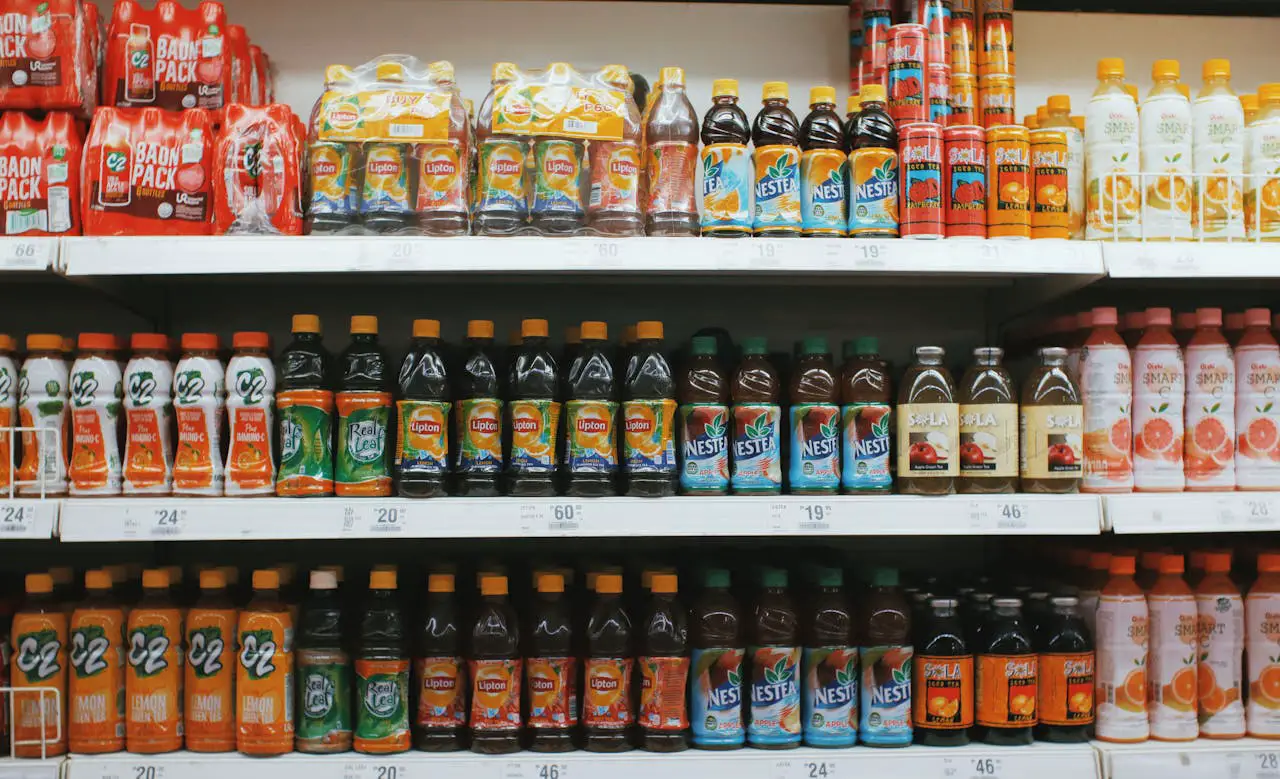
<p> Sugary drinks like soda, sweetened teas, and energy drinks are a major culprit when it comes to heart-related health issues. These beverages contribute to rapid spikes in blood sugar levels, leading to insulin resistance and weight gain. Over time, the excess sugar in your bloodstream can increase triglycerides and lower good HDL cholesterol, both of which are red flags for heart health. Furthermore, sugary drinks have no nutritional value and can add hundreds of empty calories to your daily intake. Replacing these beverages with water, herbal teas, or unsweetened alternatives can make a significant difference for your heart. </p> :: Pexels

Sugary drinks like soda, sweetened teas, and energy drinks are a major culprit when it comes to heart-related health issues. These beverages contribute to rapid spikes in blood sugar levels, leading to insulin resistance and weight gain. Over time, the excess sugar in your bloodstream can increase triglycerides and lower good HDL cholesterol, both of which are red flags for heart health. Furthermore, sugary drinks have no nutritional value and can add hundreds of empty calories to your daily intake. Replacing these beverages with water, herbal teas, or unsweetened alternatives can make a significant difference for your heart.

3. Fried Foods

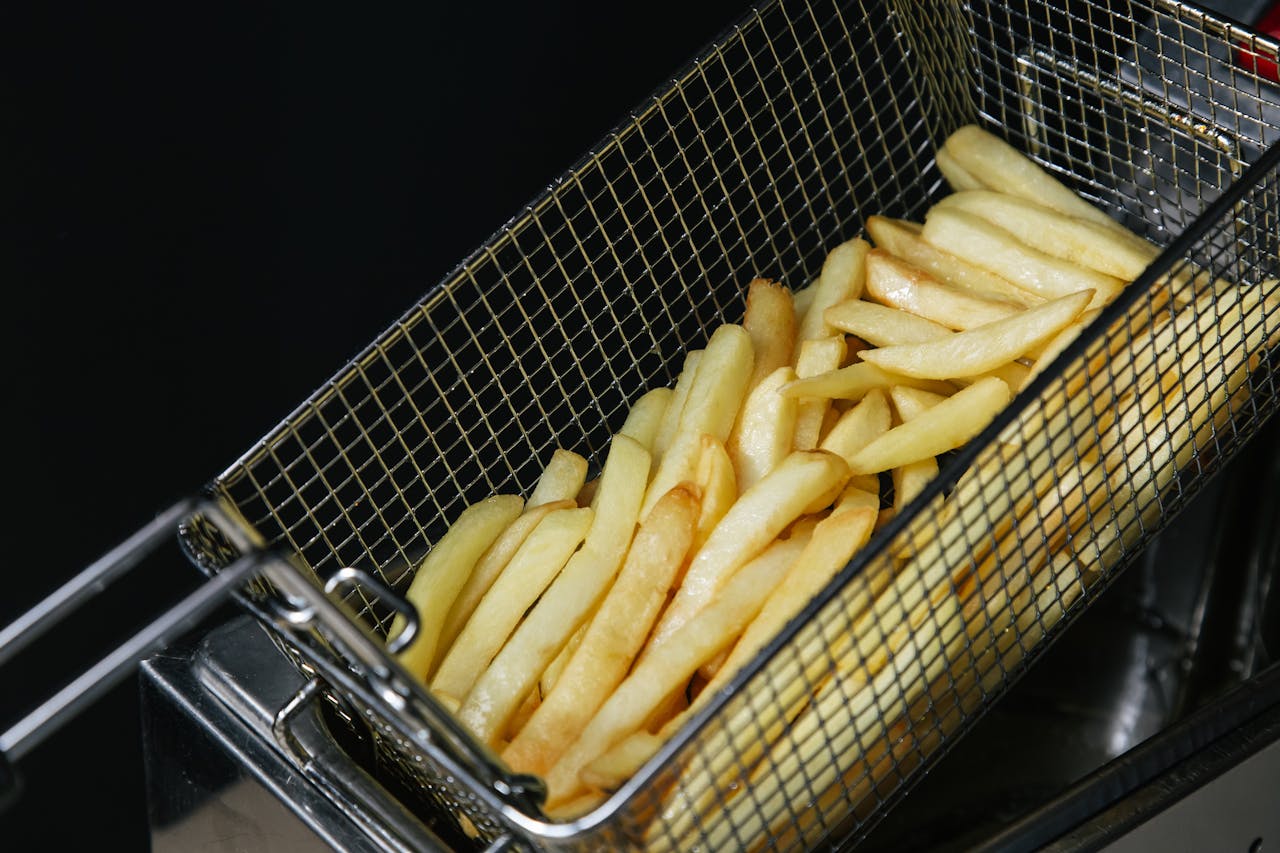
<p> Few things are as tempting as crispy fries or fried chicken, but fried foods are among the worst offenders when it comes to heart health. They are often cooked in unhealthy oils high in trans fats and saturated fats, which clog arteries and raise levels of bad LDL cholesterol. Additionally, frying produces compounds called advanced glycation end products (AGEs), which can increase inflammation and oxidative stress in the body. Both inflammation and oxidative stress are key contributors to cardiovascular disease. If you enjoy fried foods, consider air-fried or oven-baked alternatives to reduce your risk. </p> :: Pexels

Few things are as tempting as crispy fries or fried chicken, but fried foods are among the worst offenders when it comes to heart health. They are often cooked in unhealthy oils high in trans fats and saturated fats, which clog arteries and raise levels of bad LDL cholesterol. Additionally, frying produces compounds called advanced glycation end products (AGEs), which can increase inflammation and oxidative stress in the body. Both inflammation and oxidative stress are key contributors to cardiovascular disease. If you enjoy fried foods, consider air-fried or oven-baked alternatives to reduce your risk.

4. Refined Carbohydrates and White Bread

<p> White bread, pastries, and other refined carbohydrates may taste great, but they are essentially stripped of nutrients and fiber during processing. When consumed, they quickly convert into sugar in your body, causing blood sugar spikes and crashes. These fluctuations can lead to insulin resistance and fat accumulation, particularly around your abdominal area, which is a known risk factor for heart disease. Diets high in refined carbohydrates have also been linked to increased triglyceride levels and inflammation, both of which harm the heart. Opting for whole-grain or high-fiber alternatives can provide your body with the nutrients it needs without the associated risks. </p> :: Pexels

White bread, pastries, and other refined carbohydrates may taste great, but they are essentially stripped of nutrients and fiber during processing. When consumed, they quickly convert into sugar in your body, causing blood sugar spikes and crashes. These fluctuations can lead to insulin resistance and fat accumulation, particularly around your abdominal area, which is a known risk factor for heart disease. Diets high in refined carbohydrates have also been linked to increased triglyceride levels and inflammation, both of which harm the heart. Opting for whole-grain or high-fiber alternatives can provide your body with the nutrients it needs without the associated risks.

5. Excessive Salt

<p> Salt is one of the most ubiquitous ingredients in modern diets, but consuming too much can wreak havoc on your heart. High sodium levels force your body to retain water, which increases blood volume and puts extra strain on your heart and arteries. This leads to high blood pressure, a primary risk factor for heart attacks and strokes. Unfortunately, salt is hidden in many processed foods, canned goods, and restaurant meals, making it easy to overconsume without realizing it. Choosing low-sodium options and cooking meals at home with minimal salt are effective ways to protect your cardiovascular health. </p> :: Pexels

Salt is one of the most ubiquitous ingredients in modern diets, but consuming too much can wreak havoc on your heart. High sodium levels force your body to retain water, which increases blood volume and puts extra strain on your heart and arteries. This leads to high blood pressure, a primary risk factor for heart attacks and strokes. Unfortunately, salt is hidden in many processed foods, canned goods, and restaurant meals, making it easy to overconsume without realizing it. Choosing low-sodium options and cooking meals at home with minimal salt are effective ways to protect your cardiovascular health.

6. Full-Fat Dairy Products

<p> Full-fat dairy products like whole milk, butter, and cheese are high in saturated fats, which can raise your LDL cholesterol levels and increase the risk of cardiovascular disease. While these foods are often marketed as rich and satisfying, they can contribute to plaque buildup in your arteries over time, reducing blood flow and raising your risk of heart attacks. Substituting full-fat dairy with low-fat or plant-based alternatives such as almond milk, oat milk, or low-fat yogurt can help you enjoy similar flavors without jeopardizing your heart health. </p> :: Pexels

Full-fat dairy products like whole milk, butter, and cheese are high in saturated fats, which can raise your LDL cholesterol levels and increase the risk of cardiovascular disease. While these foods are often marketed as rich and satisfying, they can contribute to plaque buildup in your arteries over time, reducing blood flow and raising your risk of heart attacks. Substituting full-fat dairy with low-fat or plant-based alternatives such as almond milk, oat milk, or low-fat yogurt can help you enjoy similar flavors without jeopardizing your heart health.

7. Packaged Snack Foods

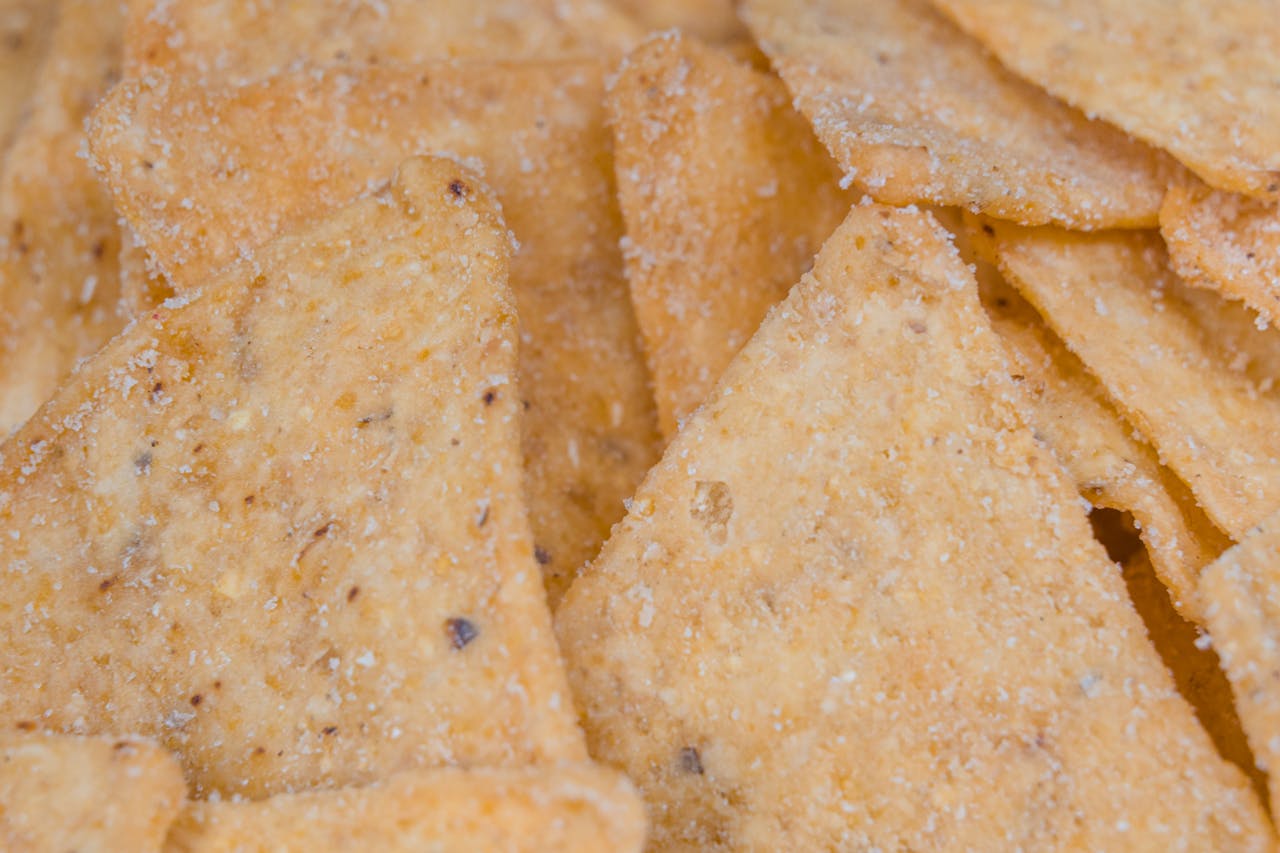
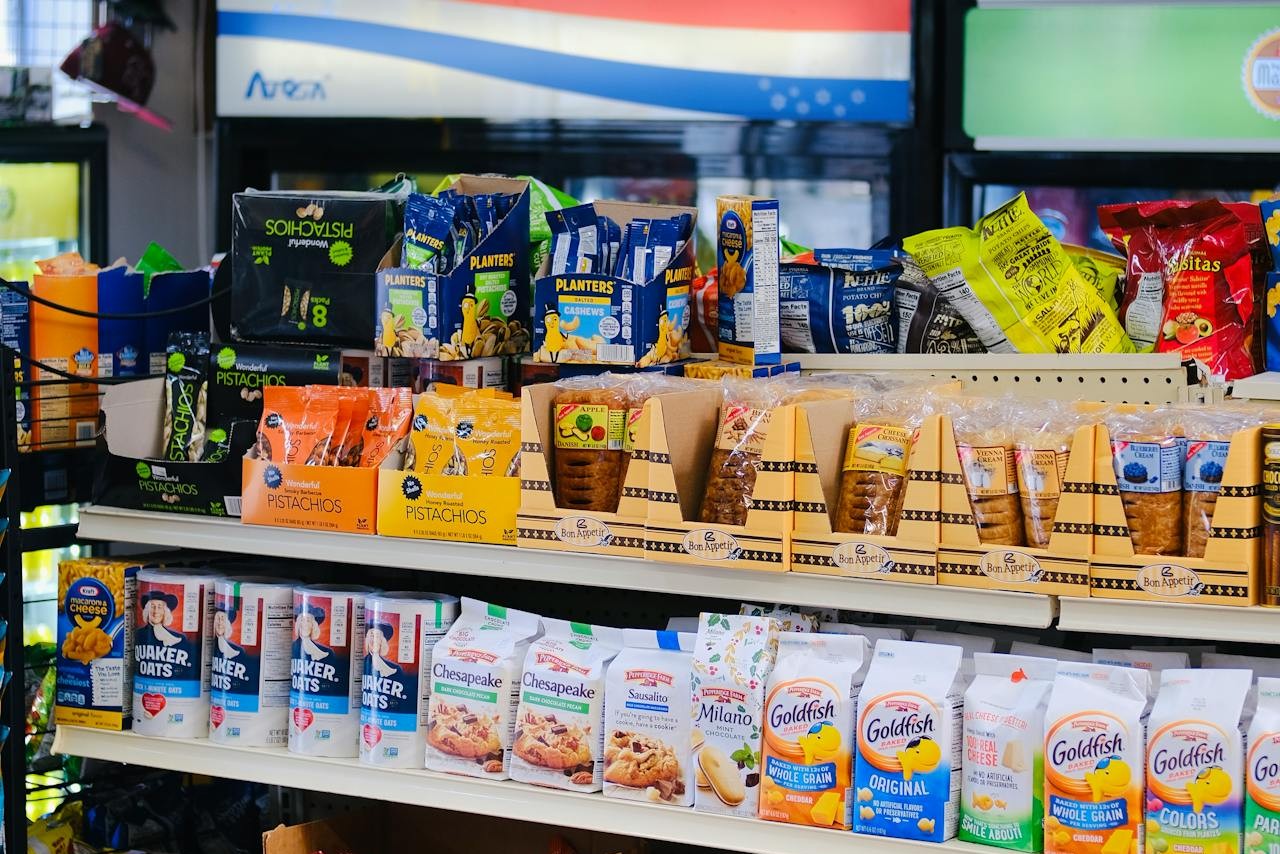
<p> Chips, crackers, and cookies may be convenient and tasty, but they often come with a dangerous mix of trans fats, sodium, and refined sugars. Trans fats, in particular, are notorious for increasing bad cholesterol levels and lowering good cholesterol, leading to clogged arteries and a higher risk of heart disease. Additionally, these snacks are designed to be addictive, making it easy to consume far more than a reasonable portion. Instead of reaching for packaged snacks, try heart-healthy options like unsalted nuts, fresh fruits, or whole-grain crackers to keep your heart in good shape. </p> :: Pexels

Chips, crackers, and cookies may be convenient and tasty, but they often come with a dangerous mix of trans fats, sodium, and refined sugars. Trans fats, in particular, are notorious for increasing bad cholesterol levels and lowering good cholesterol, leading to clogged arteries and a higher risk of heart disease. Additionally, these snacks are designed to be addictive, making it easy to consume far more than a reasonable portion. Instead of reaching for packaged snacks, try heart-healthy options like unsalted nuts, fresh fruits, or whole-grain crackers to keep your heart in good shape.

Final Thoughts

<p> While indulging in your favorite treats occasionally is fine, consistent consumption of the foods listed above can take a serious toll on your heart over time. The good news is that making small but consistent changes to your diet can have a profound impact on your cardiovascular health. Start by incorporating more whole foods like fresh fruits, vegetables, lean proteins, and whole grains into your meals. Avoiding processed, fried, and sugary foods can help you maintain a healthy weight, stabilize your blood pressure, and reduce your cholesterol levels. In addition to improving your diet, staying active, managing stress, and getting regular checkups can further support your heart. By being mindful of what you eat and making informed choices, you can protect your heart and enjoy a longer, healthier life. Remember, every bite you take is an opportunity to nourish your body and strengthen your most vital organ. </p> :: Pexels

While indulging in your favorite treats occasionally is fine, consistent consumption of the foods listed above can take a serious toll on your heart over time. The good news is that making small but consistent changes to your diet can have a profound impact on your cardiovascular health. Start by incorporating more whole foods like fresh fruits, vegetables, lean proteins, and whole grains into your meals. Avoiding processed, fried, and sugary foods can help you maintain a healthy weight, stabilize your blood pressure, and reduce your cholesterol levels.

In addition to improving your diet, staying active, managing stress, and getting regular checkups can further support your heart. By being mindful of what you eat and making informed choices, you can protect your heart and enjoy a longer, healthier life. Remember, every bite you take is an opportunity to nourish your body and strengthen your most vital organ.

Filed Under: Health & Fitness

7 Foods You Thought Were “Bad” That Dietitians Say Can Actually Lower Your Stroke Risk

March 27, 2026 | Leave a Comment

7 Foods You Thought Were “Bad” That Dietitians Say Can Actually Lower Your Stroke Risk

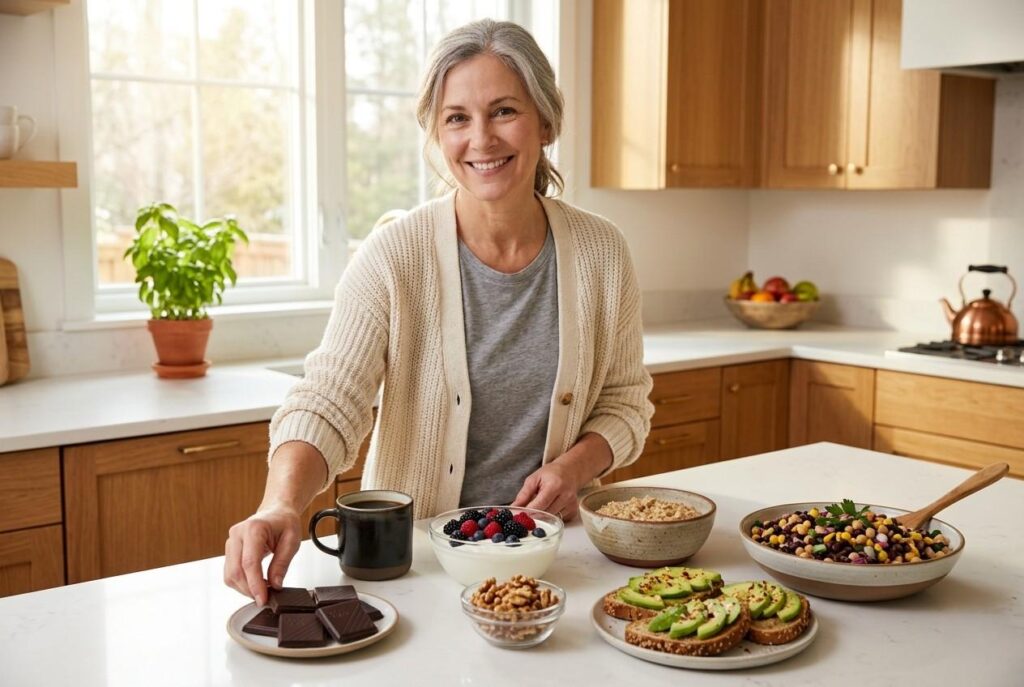
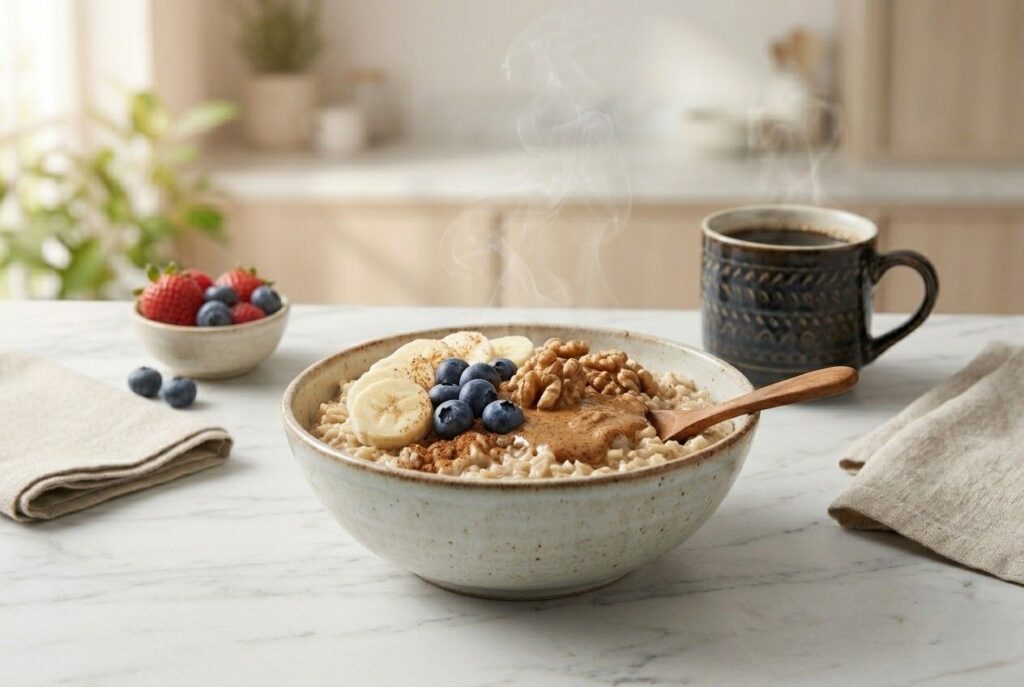
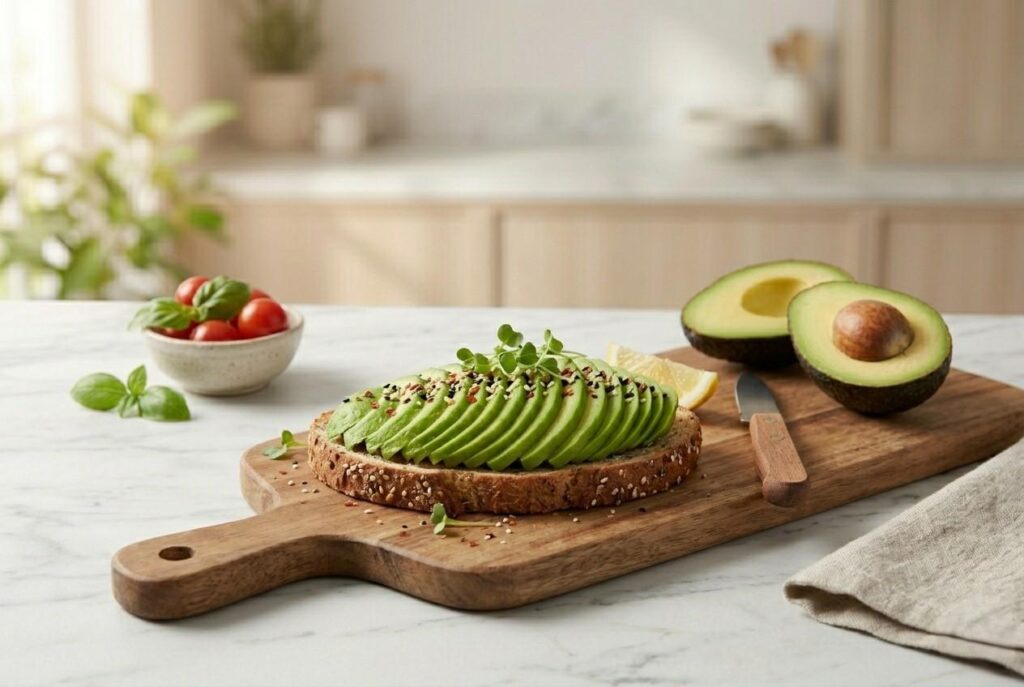
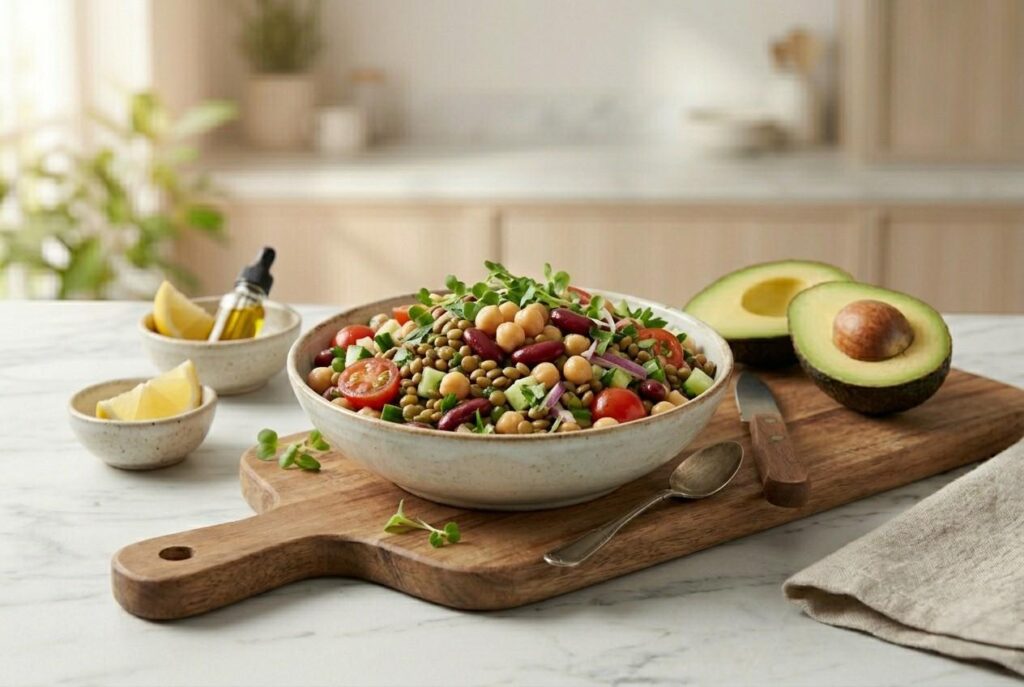
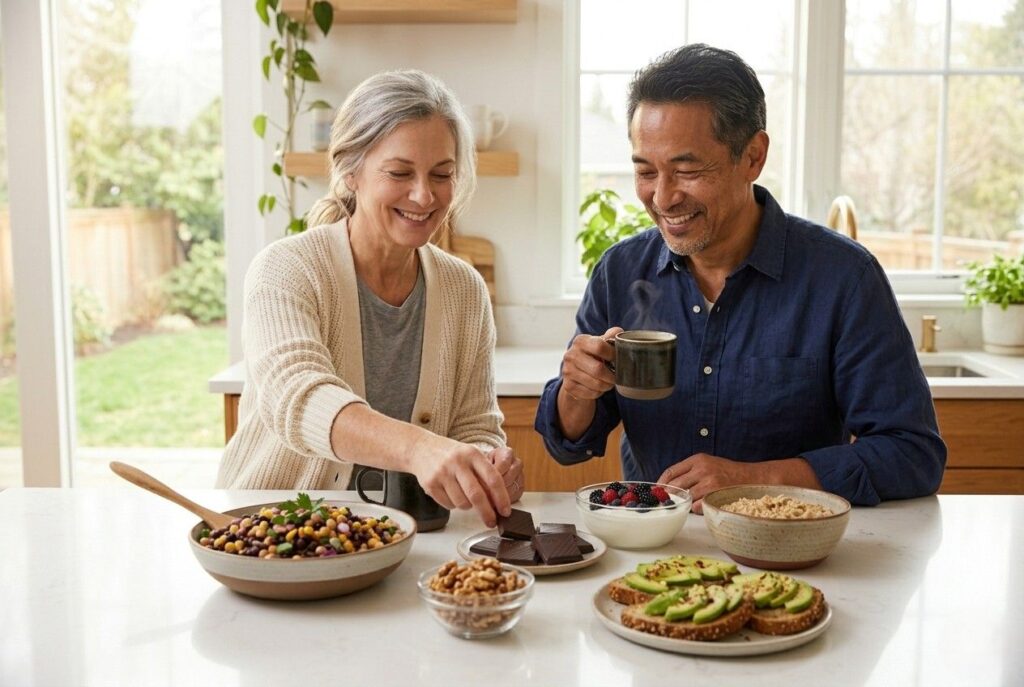
<p> When you think of stroke prevention, what comes to mind? Bland salads, endless chicken breasts, and a life devoid of flavor? That image is not only intimidating, it’s also misleading. According to dietitians, some foods we often label as “bad” or indulgent can actually protect your brain and heart. The key is understanding which foods can help, choosing the right versions, and eating them in moderation.

These foods work in several ways. They reduce inflammation, support healthy blood flow, improve cholesterol levels, and help manage blood pressure — all major factors in stroke risk. Following a diet pattern like the Mediterranean or DASH diet can amplify these benefits because they focus on whole, nutrient-rich foods, lean proteins, healthy fats, and plenty of fruits and vegetables.

If you are ready to swap old myths for tasty, brain-boosting choices, here are seven surprising foods you should be eating to lower your stroke risk, according to dietitians. We’ve included practical tips for incorporating each into your daily routine without feeling deprived. </p> :: Gemini

When you think of stroke prevention, what comes to mind? Bland salads, endless chicken breasts, and a life devoid of flavor? That image is not only intimidating, it’s also misleading. According to dietitians, some foods we often label as “bad” or indulgent can actually protect your brain and heart. The key is understanding which foods can help, choosing the right versions, and eating them in moderation.

These foods work in several ways. They reduce inflammation, support healthy blood flow, improve cholesterol levels, and help manage blood pressure — all major factors in stroke risk. Following a diet pattern like the Mediterranean or DASH diet can amplify these benefits because they focus on whole, nutrient-rich foods, lean proteins, healthy fats, and plenty of fruits and vegetables.

If you are ready to swap old myths for tasty, brain-boosting choices, here are seven surprising foods you should be eating to lower your stroke risk, according to dietitians. We’ve included practical tips for incorporating each into your daily routine without feeling deprived.

1. Dark Chocolate

<p> Dark chocolate may feel like a guilty pleasure, but the truth is, it is packed with heart-smart nutrients. High-cocoa dark chocolate contains flavonoids, which help relax blood vessels, improve circulation, and support healthy blood pressure. These compounds also act as antioxidants, reducing inflammation, which is a major contributor to stroke risk.

You don’t need to eat an entire bar to reap the benefits. A small serving, roughly one to two squares, a few times a week, is sufficient. Pair it with nuts or fresh fruit for extra fiber and protein. Dietitians also suggest looking for chocolate that is at least 70 percent cocoa to maximize flavonoid content and minimize added sugars.

Dark chocolate also has a mental boost — a little treat can improve mood and satisfaction, which is an often-overlooked part of healthy eating. By including it as part of a balanced diet, you can indulge without guilt while actively supporting your cardiovascular health. </p> :: Gemini

Dark chocolate may feel like a guilty pleasure, but the truth is, it is packed with heart-smart nutrients. High-cocoa dark chocolate contains flavonoids, which help relax blood vessels, improve circulation, and support healthy blood pressure. These compounds also act as antioxidants, reducing inflammation, which is a major contributor to stroke risk.

You don’t need to eat an entire bar to reap the benefits. A small serving, roughly one to two squares, a few times a week, is sufficient. Pair it with nuts or fresh fruit for extra fiber and protein. Dietitians also suggest looking for chocolate that is at least 70 percent cocoa to maximize flavonoid content and minimize added sugars.

Dark chocolate also has a mental boost — a little treat can improve mood and satisfaction, which is an often-overlooked part of healthy eating. By including it as part of a balanced diet, you can indulge without guilt while actively supporting your cardiovascular health.

2. Coffee

<p> Coffee often gets a bad rap, but moderate consumption may actually support stroke prevention. The polyphenols in coffee, such as chlorogenic acid, have antioxidant and anti-inflammatory effects. These compounds may help improve blood pressure and vascular health, which are key factors in stroke risk.

To get the benefits, it is best to enjoy coffee without added sugar, flavored syrups, or heavy creams. A simple black coffee, an Americano, or a lightly frothed latte provides all the protective nutrients. Dietitians also recommend limiting yourself to about two to three cups per day to avoid negative effects like insomnia or jitteriness.

Coffee can also help you replace less healthy beverages, such as sugary sodas or high-calorie energy drinks. By switching your morning or afternoon pick-me-up to a cup of coffee, you are making a simple change that has real benefits for heart and brain health. </p> :: Gemini

Coffee often gets a bad rap, but moderate consumption may actually support stroke prevention. The polyphenols in coffee, such as chlorogenic acid, have antioxidant and anti-inflammatory effects. These compounds may help improve blood pressure and vascular health, which are key factors in stroke risk.

To get the benefits, it is best to enjoy coffee without added sugar, flavored syrups, or heavy creams. A simple black coffee, an Americano, or a lightly frothed latte provides all the protective nutrients. Dietitians also recommend limiting yourself to about two to three cups per day to avoid negative effects like insomnia or jitteriness.

Coffee can also help you replace less healthy beverages, such as sugary sodas or high-calorie energy drinks. By switching your morning or afternoon pick-me-up to a cup of coffee, you are making a simple change that has real benefits for heart and brain health.

3. Greek Yogurt

<p> Greek yogurt is not just a protein powerhouse — it is also full of nutrients that can support stroke prevention. It provides calcium, potassium, protein, and probiotics, all of which contribute to a healthy cardiovascular system. Potassium, for example, helps balance sodium levels in the body and supports blood pressure regulation, while probiotics can improve gut health, which emerging research links to heart health.

When choosing Greek yogurt, go for unsweetened, low-fat options to avoid added sugars and excess calories. You can mix in fresh fruits like berries or slices of banana, sprinkle some nuts or seeds for crunch, or even add a dash of cinnamon for flavor. Dietitians note that making yogurt a daily snack or part of your breakfast routine is an easy way to include stroke-protective foods without feeling restricted.

Greek yogurt is versatile. Beyond breakfast, it can serve as a base for savory dips, salad dressings, or even baked goods, making it an excellent addition to your diet in multiple ways. </p> :: Gemini

Greek yogurt is not just a protein powerhouse — it is also full of nutrients that can support stroke prevention. It provides calcium, potassium, protein, and probiotics, all of which contribute to a healthy cardiovascular system. Potassium, for example, helps balance sodium levels in the body and supports blood pressure regulation, while probiotics can improve gut health, which emerging research links to heart health.

When choosing Greek yogurt, go for unsweetened, low-fat options to avoid added sugars and excess calories. You can mix in fresh fruits like berries or slices of banana, sprinkle some nuts or seeds for crunch, or even add a dash of cinnamon for flavor. Dietitians note that making yogurt a daily snack or part of your breakfast routine is an easy way to include stroke-protective foods without feeling restricted.

Greek yogurt is versatile. Beyond breakfast, it can serve as a base for savory dips, salad dressings, or even baked goods, making it an excellent addition to your diet in multiple ways.

4. Walnuts

<p> Nuts often get labeled as “high in fat,” but walnuts are an example of a fat that is actually good for you. They are rich in alpha-linolenic acid (ALA), a plant-based omega-3 fatty acid that improves blood flow, reduces inflammation, and helps maintain healthy cholesterol levels.

A handful of walnuts several times a week is enough to benefit your heart and brain. They are a convenient snack on their own or can be added to salads, oatmeal, or baked goods for added texture and nutrition. Dietitians suggest storing them in the fridge or freezer to keep them fresh and avoid the oils going rancid.

Walnuts also contribute to satiety, helping you feel full longer and preventing overeating. This makes it easier to maintain a healthy weight, which is another key factor in reducing stroke risk. By incorporating them into your diet, you are enjoying a simple, natural way to support cardiovascular and brain health. </p> :: Gemini

Nuts often get labeled as “high in fat,” but walnuts are an example of a fat that is actually good for you. They are rich in alpha-linolenic acid (ALA), a plant-based omega-3 fatty acid that improves blood flow, reduces inflammation, and helps maintain healthy cholesterol levels.

A handful of walnuts several times a week is enough to benefit your heart and brain. They are a convenient snack on their own or can be added to salads, oatmeal, or baked goods for added texture and nutrition. Dietitians suggest storing them in the fridge or freezer to keep them fresh and avoid the oils going rancid.

Walnuts also contribute to satiety, helping you feel full longer and preventing overeating. This makes it easier to maintain a healthy weight, which is another key factor in reducing stroke risk. By incorporating them into your diet, you are enjoying a simple, natural way to support cardiovascular and brain health.

5. Oats

<p> Oats are a humble breakfast food, but they are a nutritional powerhouse when it comes to stroke prevention. They contain soluble fiber, particularly beta-glucan, which helps lower cholesterol levels and promotes healthy blood flow. Regular consumption of oats may also help regulate blood sugar and support weight management — both important for heart health.

Start your day with a warm bowl of oatmeal, and consider adding fresh fruit, nuts, seeds, or a spoonful of nut butter for extra fiber and flavor. Oats are also highly versatile and can be added to smoothies, baked into muffins or granola bars, or even used in savory dishes like oat risotto.

Dietitians recommend aiming for at least three servings of whole grains, including oats, each day to maximize heart-protective benefits. This simple addition to your daily routine can provide both nourishment and protection against stroke. </p> :: Gemini

Oats are a humble breakfast food, but they are a nutritional powerhouse when it comes to stroke prevention. They contain soluble fiber, particularly beta-glucan, which helps lower cholesterol levels and promotes healthy blood flow. Regular consumption of oats may also help regulate blood sugar and support weight management — both important for heart health.

Start your day with a warm bowl of oatmeal, and consider adding fresh fruit, nuts, seeds, or a spoonful of nut butter for extra fiber and flavor. Oats are also highly versatile and can be added to smoothies, baked into muffins or granola bars, or even used in savory dishes like oat risotto.

Dietitians recommend aiming for at least three servings of whole grains, including oats, each day to maximize heart-protective benefits. This simple addition to your daily routine can provide both nourishment and protection against stroke.

6. Avocados

<p> Avocados are creamy, delicious, and surprisingly good for stroke prevention. They are high in monounsaturated fats and potassium, nutrients that help manage blood pressure and cholesterol levels. Potassium is particularly important because it relaxes blood vessels and helps balance out sodium intake, which is essential for vascular health.

You can enjoy avocados in many ways: sliced on toast, diced into salads, blended into smoothies, or made into a classic guacamole. Dietitians note that including avocado regularly in your diet is a smart way to increase intake of healthy fats without feeling deprived.

Besides heart benefits, avocados are also rich in fiber, which supports digestion and helps maintain a healthy weight. The combination of healthy fats, fiber, and potassium makes avocado a triple-threat food for brain and heart health. </p> :: Gemini

Avocados are creamy, delicious, and surprisingly good for stroke prevention. They are high in monounsaturated fats and potassium, nutrients that help manage blood pressure and cholesterol levels. Potassium is particularly important because it relaxes blood vessels and helps balance out sodium intake, which is essential for vascular health.

You can enjoy avocados in many ways: sliced on toast, diced into salads, blended into smoothies, or made into a classic guacamole. Dietitians note that including avocado regularly in your diet is a smart way to increase intake of healthy fats without feeling deprived.

Besides heart benefits, avocados are also rich in fiber, which supports digestion and helps maintain a healthy weight. The combination of healthy fats, fiber, and potassium makes avocado a triple-threat food for brain and heart health.

7. Beans and Legumes

<p> Beans, lentils, chickpeas, and other legumes are often overlooked, yet they are nutritional champions. They are rich in soluble fiber, plant protein, potassium, and magnesium, which support healthy blood pressure, reduce inflammation, and improve cholesterol levels.

Legumes are extremely versatile and can be used in soups, stews, salads, tacos, or even mashed into spreads. They are budget-friendly, filling, and can replace less healthy protein sources in your diet. Dietitians recommend aiming for at least a few servings of legumes each week to take full advantage of their heart-protective effects.

In addition to their nutritional benefits, beans and legumes are slow-digesting carbohydrates, which means they provide sustained energy and help prevent spikes in blood sugar. This makes them not only stroke-smart but also excellent for overall metabolic health. </p> :: Gemini

Beans, lentils, chickpeas, and other legumes are often overlooked, yet they are nutritional champions. They are rich in soluble fiber, plant protein, potassium, and magnesium, which support healthy blood pressure, reduce inflammation, and improve cholesterol levels.

Legumes are extremely versatile and can be used in soups, stews, salads, tacos, or even mashed into spreads. They are budget-friendly, filling, and can replace less healthy protein sources in your diet. Dietitians recommend aiming for at least a few servings of legumes each week to take full advantage of their heart-protective effects.

In addition to their nutritional benefits, beans and legumes are slow-digesting carbohydrates, which means they provide sustained energy and help prevent spikes in blood sugar. This makes them not only stroke-smart but also excellent for overall metabolic health.

Final Thoughts

<p> Stroke prevention does not have to mean a life of bland foods and strict restrictions. Many foods that seem indulgent or “bad” actually provide valuable nutrients that protect your heart and brain. From dark chocolate and coffee to Greek yogurt, walnuts, oats, avocados, and beans, these foods bring unique benefits that support healthy blood flow, reduce inflammation, and help regulate blood pressure and cholesterol.

The best results come from incorporating these foods into a balanced diet, like the Mediterranean or DASH diet, alongside other healthy habits such as regular physical activity, stress management, and sufficient sleep. Stroke prevention is not about perfection; it is about making sustainable choices that benefit your brain and cardiovascular system over time.

By adding these seven foods into your daily routine, you can enjoy meals that are both flavorful and functional. A square of dark chocolate, a cup of coffee, or a small handful of walnuts can now be viewed not as indulgence, but as part of a smart, health-focused lifestyle.

Remember, prevention is about consistency, not restriction. Eating the right foods is one of the simplest and most enjoyable ways to protect your brain for years to come. So next time you plan your meals or snacks, think about these foods as allies in your journey toward a healthier heart and a sharper mind. </p> :: Gemini

Stroke prevention does not have to mean a life of bland foods and strict restrictions. Many foods that seem indulgent or “bad” actually provide valuable nutrients that protect your heart and brain. From dark chocolate and coffee to Greek yogurt, walnuts, oats, avocados, and beans, these foods bring unique benefits that support healthy blood flow, reduce inflammation, and help regulate blood pressure and cholesterol.

The best results come from incorporating these foods into a balanced diet, like the Mediterranean or DASH diet, alongside other healthy habits such as regular physical activity, stress management, and sufficient sleep. Stroke prevention is not about perfection; it is about making sustainable choices that benefit your brain and cardiovascular system over time.

By adding these seven foods into your daily routine, you can enjoy meals that are both flavorful and functional. A square of dark chocolate, a cup of coffee, or a small handful of walnuts can now be viewed not as indulgence, but as part of a smart, health-focused lifestyle.

Remember, prevention is about consistency, not restriction. Eating the right foods is one of the simplest and most enjoyable ways to protect your brain for years to come. So next time you plan your meals or snacks, think about these foods as allies in your journey toward a healthier heart and a sharper mind.

Filed Under: Health & Fitness

Know Your Rights: 12 Things Your Boss Cannot Legally Make You Do

March 27, 2026 | Leave a Comment

Know Your Rights: 12 Things Your Boss Cannot Legally Make You Do

<p> Most of us want to do our jobs well and be team players. But sometimes, that sense of responsibility gets taken advantage of—often in ways that are completely against the law. If your boss has ever asked you to clock in early without pay, keep quiet about your salary, or stay on call all weekend, you may have felt like saying no but didn’t know if you were allowed to. Here’s the truth: You have more rights than you think. U.S. labor laws protect workers from being overworked, underpaid, and unfairly treated. But unless you know what your employer legally cannot require of you, you might feel stuck doing things you are not obligated to do. This list breaks down 12 things your employer cannot legally make you do, no matter how strongly they suggest it, hint at it, or pressure you into agreeing. Knowing your rights isn’t just about avoiding exploitation—it’s about protecting your time, your health, and your peace of mind. </p> :: Freepik

Most of us want to do our jobs well and be team players. But sometimes, that sense of responsibility gets taken advantage of—often in ways that are completely against the law. If your boss has ever asked you to clock in early without pay, keep quiet about your salary, or stay on call all weekend, you may have felt like saying no but didn’t know if you were allowed to.

Here’s the truth: You have more rights than you think. U.S. labor laws protect workers from being overworked, underpaid, and unfairly treated. But unless you know what your employer legally cannot require of you, you might feel stuck doing things you are not obligated to do.

This list breaks down 12 things your employer cannot legally make you do, no matter how strongly they suggest it, hint at it, or pressure you into agreeing. Knowing your rights isn’t just about avoiding exploitation—it’s about protecting your time, your health, and your peace of mind.

1. Work Without Getting Paid

<p> If you are a non-exempt employee under the Fair Labor Standards Act (FLSA), your employer is legally required to pay you for every minute you work. That includes tasks performed before or after your official shift—like checking emails, cleaning up, or prepping equipment. Employers often try to blur the lines with phrases like “just a quick favor” or “finish this up after hours,” but it’s still work. If you are working, you must be compensated. </p> :: Pexels

If you are a non-exempt employee under the Fair Labor Standards Act (FLSA), your employer is legally required to pay you for every minute you work. That includes tasks performed before or after your official shift—like checking emails, cleaning up, or prepping equipment. Employers often try to blur the lines with phrases like “just a quick favor” or “finish this up after hours,” but it’s still work. If you are working, you must be compensated.

2. Skip Legally Required Breaks

<p> Depending on your state, your employer may be legally required to provide you with meal and rest breaks. For instance, California mandates a 30-minute meal break for every five hours worked, plus 10-minute rest periods. If breaks are legally required where you live, your employer cannot deny, shorten, or discourage them. And even in states without break laws, if breaks are offered, they must be applied fairly and consistently. </p> :: Pexels

Depending on your state, your employer may be legally required to provide you with meal and rest breaks. For instance, California mandates a 30-minute meal break for every five hours worked, plus 10-minute rest periods. If breaks are legally required where you live, your employer cannot deny, shorten, or discourage them. And even in states without break laws, if breaks are offered, they must be applied fairly and consistently.

3. Disclose Private Medical or Personal Information

<p> Have you ever called in sick and been pressured to explain in detail what was wrong? Under U.S. privacy and disability laws, you are not required to share private medical information unless requesting an accommodation under the Americans with Disabilities Act (ADA). Even then, only relevant documentation is needed. You are allowed to keep your health and personal life private, and your boss cannot demand more than what the law requires. </p> :: Pexels

Have you ever called in sick and been pressured to explain in detail what was wrong? Under U.S. privacy and disability laws, you are not required to share private medical information unless requesting an accommodation under the Americans with Disabilities Act (ADA). Even then, only relevant documentation is needed. You are allowed to keep your health and personal life private, and your boss cannot demand more than what the law requires.

4. Work in Unsafe Conditions

<p> Every employee has the right to a safe workplace. If your employer demands that you work in dangerous conditions—such as with faulty equipment, around toxic substances, or without proper protective gear—you have the right to say no. OSHA (Occupational Safety and Health Administration) protects workers from unsafe job environments. If your workplace is putting your health or life at risk, you can report it and refuse the task without fear of legal retaliation. </p> :: Pexels

Every employee has the right to a safe workplace. If your employer demands that you work in dangerous conditions—such as with faulty equipment, around toxic substances, or without proper protective gear—you have the right to say no. OSHA (Occupational Safety and Health Administration) protects workers from unsafe job environments. If your workplace is putting your health or life at risk, you can report it and refuse the task without fear of legal retaliation.

5. Drive Your Own Car Without Reimbursement

<p> If your job requires you to travel for work-related duties, your employer cannot force you to use your personal vehicle without compensation. While federal law does not require reimbursement, many states do, and employers must at least ensure that costs do not bring your pay below minimum wage. If your boss expects you to run errands or attend meetings using your own car, they must either provide a company vehicle or cover your expenses. </p> :: Pexels

If your job requires you to travel for work-related duties, your employer cannot force you to use your personal vehicle without compensation. While federal law does not require reimbursement, many states do, and employers must at least ensure that costs do not bring your pay below minimum wage. If your boss expects you to run errands or attend meetings using your own car, they must either provide a company vehicle or cover your expenses.

6. Sign an Unreasonable Non-Compete Agreement

<p> Non-compete agreements are often presented as standard procedure—but they are not always enforceable. Many states have placed strict limitations on them, and some have banned them altogether. If your employer tries to make you sign a non-compete that is overly broad, restricts your ability to find future work, or was not clearly outlined when you accepted the job, you may be able to decline or challenge it legally. </p> :: Pexels

Non-compete agreements are often presented as standard procedure—but they are not always enforceable. Many states have placed strict limitations on them, and some have banned them altogether. If your employer tries to make you sign a non-compete that is overly broad, restricts your ability to find future work, or was not clearly outlined when you accepted the job, you may be able to decline or challenge it legally.

7. Stay Silent About Your Pay

<p> Contrary to popular belief, talking about your salary is not against company policy—it is your legal right. Under the National Labor Relations Act, employees are allowed to discuss wages, benefits, and working conditions. This law was created to help workers identify unfair pay practices and organize if necessary. Your boss cannot punish or discourage you from sharing your salary with coworkers. </p> :: Pexels

Contrary to popular belief, talking about your salary is not against company policy—it is your legal right. Under the National Labor Relations Act, employees are allowed to discuss wages, benefits, and working conditions. This law was created to help workers identify unfair pay practices and organize if necessary. Your boss cannot punish or discourage you from sharing your salary with coworkers.

8. Work During FMLA Leave

<p> If you are eligible under the Family and Medical Leave Act (FMLA), you are entitled to up to 12 weeks of unpaid, job-protected leave for specific family or health-related reasons. Your employer cannot make you work during this time, check in constantly, or penalize you for being unavailable. If they pressure you to perform work-related tasks during leave, they may be violating federal law. Use your time off as it was intended—without interference. </p> :: Pexels

If you are eligible under the Family and Medical Leave Act (FMLA), you are entitled to up to 12 weeks of unpaid, job-protected leave for specific family or health-related reasons. Your employer cannot make you work during this time, check in constantly, or penalize you for being unavailable. If they pressure you to perform work-related tasks during leave, they may be violating federal law. Use your time off as it was intended—without interference.

9. Accept a Fancy Title Without the Fair Pay

<p> Job titles are often used to avoid paying overtime, but titles alone do not determine exemption from overtime laws. If your duties are primarily manual or routine, and you are paid hourly, you likely qualify for overtime—even if your title is “manager” or “supervisor.” Employers cannot legally classify you as exempt simply because your title sounds important. Your responsibilities determine your pay status—not your label. </p> :: Pexels

Job titles are often used to avoid paying overtime, but titles alone do not determine exemption from overtime laws. If your duties are primarily manual or routine, and you are paid hourly, you likely qualify for overtime—even if your title is “manager” or “supervisor.” Employers cannot legally classify you as exempt simply because your title sounds important. Your responsibilities determine your pay status—not your label.

10. Remain On Call Without Compensation

<p> Being on call is not the same as being completely off-duty—especially if your movements or personal time are restricted. If your employer requires you to remain nearby, stay available by phone, or respond quickly to calls, you may be entitled to compensation for that time. The more control your employer has over your on-call hours, the more likely the law will consider it paid time. Know the rules in your state and don’t hesitate to speak up if you’re being taken advantage of. </p> :: Pexels

Being on call is not the same as being completely off-duty—especially if your movements or personal time are restricted. If your employer requires you to remain nearby, stay available by phone, or respond quickly to calls, you may be entitled to compensation for that time. The more control your employer has over your on-call hours, the more likely the law will consider it paid time. Know the rules in your state and don’t hesitate to speak up if you’re being taken advantage of.

11. Pay for Job-Related Expenses

<p> Uniforms, tools, equipment, and training materials should be provided by your employer—especially if paying for them would drop your earnings below the minimum wage. While federal law allows some deductions, many states have stronger protections. If your employer asks you to buy uniforms, cover supply costs, or pay for job-related certifications, you have the right to ask for reimbursement or challenge the requirement. </p> :: Pexels

Uniforms, tools, equipment, and training materials should be provided by your employer—especially if paying for them would drop your earnings below the minimum wage. While federal law allows some deductions, many states have stronger protections. If your employer asks you to buy uniforms, cover supply costs, or pay for job-related certifications, you have the right to ask for reimbursement or challenge the requirement.

12. Keep Quiet About Harassment or Illegal Activity

<p> No company has the right to silence employees about workplace harassment, discrimination, or illegal actions. Federal law protects whistleblowers and victims, and you cannot be fired or punished for reporting bad behavior. Whether it’s filing a complaint with HR, speaking to a lawyer, or contacting a government agency, your voice is protected. If your employer threatens you for speaking up, that could be grounds for legal action. </p> :: Pexels

No company has the right to silence employees about workplace harassment, discrimination, or illegal actions. Federal law protects whistleblowers and victims, and you cannot be fired or punished for reporting bad behavior. Whether it’s filing a complaint with HR, speaking to a lawyer, or contacting a government agency, your voice is protected. If your employer threatens you for speaking up, that could be grounds for legal action.

Final Thoughts

<p> It is easy to feel powerless at work, especially when job security is on the line. But knowing what your employer cannot legally make you do flips the script. The next time you feel pressured into something that doesn’t sit right, remember—you have rights. You are not just an employee—you’re a person protected by law. Whether it’s unpaid hours, unsafe tasks, or invasive questions, you do not have to say yes to everything. In fact, sometimes saying no is the most professional thing you can do. And when that “no” is backed by the law? That’s not being difficult—that’s being smart. So arm yourself with knowledge, talk to HR when needed, and do not be afraid to stand your ground. Because when you know your rights, you protect more than just your job—you protect your dignity, your well-being, and your future. </p> :: Pexels

It is easy to feel powerless at work, especially when job security is on the line. But knowing what your employer cannot legally make you do flips the script. The next time you feel pressured into something that doesn’t sit right, remember—you have rights. You are not just an employee—you’re a person protected by law.

Whether it’s unpaid hours, unsafe tasks, or invasive questions, you do not have to say yes to everything. In fact, sometimes saying no is the most professional thing you can do. And when that “no” is backed by the law? That’s not being difficult—that’s being smart.

So arm yourself with knowledge, talk to HR when needed, and do not be afraid to stand your ground. Because when you know your rights, you protect more than just your job—you protect your dignity, your well-being, and your future.

Filed Under: Lifestyle

6 Unhealthiest Meals You Can Order in Restaurants

March 27, 2026 | Leave a Comment

6 Unhealthiest Meals You Can Order in Restaurants

<p> Dining out is often a chance to indulge in delicious food, but some menu items can be nutritional nightmares. With oversized portions, high amounts of sodium, unhealthy fats, and sugar, certain restaurant meals can quickly derail even the healthiest eating habits. While it is fine to treat yourself occasionally, it’s essential to recognize when a meal is loaded with hidden dangers. Here are six of the unhealthiest meals you can order in restaurants—dishes that might look tempting but can seriously impact your health. </p> :: Pexels

Dining out is often a chance to indulge in delicious food, but some menu items can be nutritional nightmares. With oversized portions, high amounts of sodium, unhealthy fats, and sugar, certain restaurant meals can quickly derail even the healthiest eating habits. While it is fine to treat yourself occasionally, it’s essential to recognize when a meal is loaded with hidden dangers. Here are six of the unhealthiest meals you can order in restaurants—dishes that might look tempting but can seriously impact your health.

1. Loaded Nachos with Extra Toppings

<p> Nachos are a beloved appetizer or shared snack, but when fully loaded, they transform into a calorie and fat explosion. Restaurants often pile nachos high with ground beef, sour cream, multiple layers of cheese, guacamole, jalapeños, and salsa. While each of these toppings adds flavor, they also add excessive calories, unhealthy fats, and sodium. A large platter of loaded nachos can exceed 2,000 calories—more than most people should consume in an entire day. The high sodium content from both the chips and processed toppings is particularly concerning, contributing to high blood pressure and heart problems. While sharing might reduce your portion size, the temptation to overeat on such a calorie-dense dish is hard to avoid, making loaded nachos one of the unhealthiest restaurant options. </p> :: Pexels

Nachos are a beloved appetizer or shared snack, but when fully loaded, they transform into a calorie and fat explosion. Restaurants often pile nachos high with ground beef, sour cream, multiple layers of cheese, guacamole, jalapeños, and salsa. While each of these toppings adds flavor, they also add excessive calories, unhealthy fats, and sodium. A large platter of loaded nachos can exceed 2,000 calories—more than most people should consume in an entire day. The high sodium content from both the chips and processed toppings is particularly concerning, contributing to high blood pressure and heart problems. While sharing might reduce your portion size, the temptation to overeat on such a calorie-dense dish is hard to avoid, making loaded nachos one of the unhealthiest restaurant options.

2. Fried Chicken and Waffles

<p> This Southern classic may seem like comfort food at its finest, but fried chicken and waffles is a nutritional disaster. The crispy, golden-brown fried chicken is loaded with unhealthy trans fats and sodium due to the deep-frying process, while the waffles, often doused in sugary syrup, are made from refined carbohydrates. This meal can easily top 1,500 calories, and its mix of fat, sugar, and sodium can leave you feeling sluggish and bloated. The high levels of cholesterol and saturated fat in the fried chicken, combined with the sugar rush from the syrupy waffles, make this dish especially harmful for those looking to maintain heart health or manage their weight. Though it may taste delicious, the combination of fried food and sugary carbs is one to avoid when aiming for a healthier dining experience. </p> :: Pexels

This Southern classic may seem like comfort food at its finest, but fried chicken and waffles is a nutritional disaster. The crispy, golden-brown fried chicken is loaded with unhealthy trans fats and sodium due to the deep-frying process, while the waffles, often doused in sugary syrup, are made from refined carbohydrates. This meal can easily top 1,500 calories, and its mix of fat, sugar, and sodium can leave you feeling sluggish and bloated. The high levels of cholesterol and saturated fat in the fried chicken, combined with the sugar rush from the syrupy waffles, make this dish especially harmful for those looking to maintain heart health or manage their weight. Though it may taste delicious, the combination of fried food and sugary carbs is one to avoid when aiming for a healthier dining experience.

3. Deep-Dish Pizza with Meat Toppings

<p> Pizza is often considered a go-to comfort food, but deep-dish pizza, especially when loaded with meat toppings, can be one of the unhealthiest meals you can order. Deep-dish pizza is known for its thick, buttery crust that holds layers of cheese, meat, and sauce. While the dish may be satisfying, it is packed with unhealthy ingredients. A single slice of deep-dish pizza can easily surpass 500 calories, but most people eat two or more slices, making this meal reach between 1,500 and 2,000 calories per serving. The combination of refined carbohydrates from the crust, saturated fat from the cheese, and processed meats like pepperoni and sausage contributes to high cholesterol and an increased risk of heart disease. Additionally, the sodium content is through the roof, with a single slice often exceeding 1,000 milligrams of sodium, more than half the recommended daily intake. This indulgent pizza might be delicious, but it’s one of the worst choices for your health. </p> :: Pexels

Pizza is often considered a go-to comfort food, but deep-dish pizza, especially when loaded with meat toppings, can be one of the unhealthiest meals you can order. Deep-dish pizza is known for its thick, buttery crust that holds layers of cheese, meat, and sauce. While the dish may be satisfying, it is packed with unhealthy ingredients. A single slice of deep-dish pizza can easily surpass 500 calories, but most people eat two or more slices, making this meal reach between 1,500 and 2,000 calories per serving. The combination of refined carbohydrates from the crust, saturated fat from the cheese, and processed meats like pepperoni and sausage contributes to high cholesterol and an increased risk of heart disease. Additionally, the sodium content is through the roof, with a single slice often exceeding 1,000 milligrams of sodium, more than half the recommended daily intake. This indulgent pizza might be delicious, but it’s one of the worst choices for your health.

4. Fettuccine Alfredo

<p> Fettuccine Alfredo may appear to be a simple pasta dish, but don’t be fooled by its innocent appearance. This creamy Italian dish is one of the unhealthiest meals you can order in a restaurant. The sauce, made from heavy cream, butter, and Parmesan cheese, is loaded with calories, fat, and sodium. One serving of Fettuccine Alfredo can pack in over 1,200 calories and upwards of 60 grams of fat, much of which is unhealthy saturated fat. The portion sizes at many restaurants are often much larger than what you’d make at home, increasing the calorie count even more. When you add garlic bread or breadsticks on the side, the calorie and fat content can easily skyrocket. If you’re watching your heart health or trying to maintain a balanced diet, this indulgent pasta dish is definitely one to skip. </p> :: Pexels

Fettuccine Alfredo may appear to be a simple pasta dish, but don’t be fooled by its innocent appearance. This creamy Italian dish is one of the unhealthiest meals you can order in a restaurant. The sauce, made from heavy cream, butter, and Parmesan cheese, is loaded with calories, fat, and sodium. One serving of Fettuccine Alfredo can pack in over 1,200 calories and upwards of 60 grams of fat, much of which is unhealthy saturated fat. The portion sizes at many restaurants are often much larger than what you’d make at home, increasing the calorie count even more. When you add garlic bread or breadsticks on the side, the calorie and fat content can easily skyrocket. If you’re watching your heart health or trying to maintain a balanced diet, this indulgent pasta dish is definitely one to skip.

5. Cheeseburger with Bacon and Fries

<p> The classic cheeseburger and fries combination may be a staple of American dining, but when you add bacon to the mix, it becomes one of the most unhealthy meals you can order. A typical bacon cheeseburger is made with a fatty beef patty, a slice or two of cheese, and strips of bacon, all of which are high in saturated fat and cholesterol. The average cheeseburger with bacon can easily contain over 1,000 calories on its own, but when you add a side of fries, the calorie count skyrockets even further. A large serving of fries alone can add another 500 calories, making this meal a caloric and fat-laden bomb. The high levels of sodium, cholesterol, and trans fats from both the burger and fries contribute to heart disease, high blood pressure, and obesity. While it may be a popular choice, the bacon cheeseburger with fries is one of the unhealthiest options available at any restaurant. </p> :: Pexels

The classic cheeseburger and fries combination may be a staple of American dining, but when you add bacon to the mix, it becomes one of the most unhealthy meals you can order. A typical bacon cheeseburger is made with a fatty beef patty, a slice or two of cheese, and strips of bacon, all of which are high in saturated fat and cholesterol. The average cheeseburger with bacon can easily contain over 1,000 calories on its own, but when you add a side of fries, the calorie count skyrockets even further. A large serving of fries alone can add another 500 calories, making this meal a caloric and fat-laden bomb. The high levels of sodium, cholesterol, and trans fats from both the burger and fries contribute to heart disease, high blood pressure, and obesity. While it may be a popular choice, the bacon cheeseburger with fries is one of the unhealthiest options available at any restaurant.

6. Fish and Chips

<p> Fish is generally considered a healthy protein, but when it’s battered and deep-fried, as in the classic fish and chips dish, it becomes one of the unhealthiest meals you can order. The fish is typically coated in a thick batter made from refined flour and then deep-fried in oil, which absorbs an excessive amount of unhealthy trans fats. A typical serving of fish and chips can contain over 1,200 calories, much of it coming from the deep-fried batter and greasy fries. The dish is also incredibly high in sodium, with salt being added to both the fish and the fries. The high fat content, especially trans fats, and the large portion sizes make fish and chips a particularly poor choice for those concerned about heart health, cholesterol levels, or maintaining a healthy weight. While the dish may be delicious, the negative health effects far outweigh the enjoyment. </p> :: Pexels

Fish is generally considered a healthy protein, but when it’s battered and deep-fried, as in the classic fish and chips dish, it becomes one of the unhealthiest meals you can order. The fish is typically coated in a thick batter made from refined flour and then deep-fried in oil, which absorbs an excessive amount of unhealthy trans fats. A typical serving of fish and chips can contain over 1,200 calories, much of it coming from the deep-fried batter and greasy fries. The dish is also incredibly high in sodium, with salt being added to both the fish and the fries. The high fat content, especially trans fats, and the large portion sizes make fish and chips a particularly poor choice for those concerned about heart health, cholesterol levels, or maintaining a healthy weight. While the dish may be delicious, the negative health effects far outweigh the enjoyment.

Final Thoughts

<p> Dining out can be an enjoyable experience, but it’s important to be mindful of the nutritional value of the meals you order. Many restaurant dishes are loaded with excessive calories, unhealthy fats, sodium, and sugar that can harm your health if consumed regularly. The six meals highlighted in this list are some of the worst offenders when it comes to unhealthy restaurant options. From deep-fried indulgences to heavy, creamy pasta dishes, these meals can sabotage your efforts to maintain a healthy diet. The next time you dine out, consider choosing lighter options that are grilled, baked, or steamed, and save these calorie-packed meals for very rare occasions. By making more mindful choices, you can enjoy eating out without compromising your health or wellness goals. </p> :: Pexels

Dining out can be an enjoyable experience, but it’s important to be mindful of the nutritional value of the meals you order. Many restaurant dishes are loaded with excessive calories, unhealthy fats, sodium, and sugar that can harm your health if consumed regularly. The six meals highlighted in this list are some of the worst offenders when it comes to unhealthy restaurant options. From deep-fried indulgences to heavy, creamy pasta dishes, these meals can sabotage your efforts to maintain a healthy diet. The next time you dine out, consider choosing lighter options that are grilled, baked, or steamed, and save these calorie-packed meals for very rare occasions. By making more mindful choices, you can enjoy eating out without compromising your health or wellness goals.

Filed Under: Food & Drink

10 Ways to Boost Your Retirement Income (No Magic Wand Needed)

March 27, 2026 | Leave a Comment

10 Ways to Boost Your Retirement Income (No Magic Wand Needed)

<p> Retirement isn’t just about slowing down—it’s about finally living life on your own terms. Whether you dream of traveling the country, spoiling your grandkids, or simply enjoying a worry-free afternoon nap, one thing is certain: financial freedom makes everything a little sweeter. But let’s face it—living on a fixed income can sometimes feel like trying to make a dollar out of 99 cents. The good news? You don’t need to strike oil in your backyard or become a cryptocurrency guru to bring in extra cash during retirement. With a few clever strategies—some you might not have even thought of—you can add real dollars to your monthly income, all without turning your golden years into a second full-time job. So grab your coffee, pull up a chair, and let’s dive into 10 practical ways to boost your retirement income—no magic wand required. </p> :: Pexels

Retirement isn’t just about slowing down—it’s about finally living life on your own terms. Whether you dream of traveling the country, spoiling your grandkids, or simply enjoying a worry-free afternoon nap, one thing is certain: financial freedom makes everything a little sweeter. But let’s face it—living on a fixed income can sometimes feel like trying to make a dollar out of 99 cents.

The good news? You don’t need to strike oil in your backyard or become a cryptocurrency guru to bring in extra cash during retirement. With a few clever strategies—some you might not have even thought of—you can add real dollars to your monthly income, all without turning your golden years into a second full-time job. So grab your coffee, pull up a chair, and let’s dive into 10 practical ways to boost your retirement income—no magic wand required.

1. Downsize Your Home and Unlock Equity

<p> If your kids have moved out and you’re still living in the big family house, it might be time to ask yourself: do I really need all this space? Downsizing can unlock a significant amount of home equity, giving you a large cash cushion to invest, spend, or save. Not to mention, a smaller space usually means lower maintenance, taxes, and utility bills. Bonus: fewer rooms to vacuum. </p> :: Pexels

If your kids have moved out and you’re still living in the big family house, it might be time to ask yourself: do I really need all this space? Downsizing can unlock a significant amount of home equity, giving you a large cash cushion to invest, spend, or save. Not to mention, a smaller space usually means lower maintenance, taxes, and utility bills. Bonus: fewer rooms to vacuum.

2. Turn Your Hobby into a Side Hustle

<p> You’ve got talents—why not turn them into treasure? Whether you knit, paint, bake, build birdhouses, or restore furniture, there’s likely a market for your handiwork. Websites like Etsy, eBay, or local craft fairs are perfect platforms to turn your passion into profit. Best part? You set your schedule and keep things fun. It’s income that doesn’t feel like work. </p> :: Pexels

You’ve got talents—why not turn them into treasure? Whether you knit, paint, bake, build birdhouses, or restore furniture, there’s likely a market for your handiwork. Websites like Etsy, eBay, or local craft fairs are perfect platforms to turn your passion into profit. Best part? You set your schedule and keep things fun. It’s income that doesn’t feel like work.

3. Rent Out a Spare Room or Vacation Property

<p> If your guest room gets more cobwebs than visitors, consider listing it on Airbnb or renting it to a college student or traveler. Even if you're not up for long-term tenants, short-term rentals during holidays or local events can bring in solid income. If you own a second property, even better—renting it out can help cover taxes and utilities while putting cash in your pocket. </p> :: Pexels

If your guest room gets more cobwebs than visitors, consider listing it on Airbnb or renting it to a college student or traveler. Even if you’re not up for long-term tenants, short-term rentals during holidays or local events can bring in solid income. If you own a second property, even better—renting it out can help cover taxes and utilities while putting cash in your pocket.

4. Find a Flexible, Part-Time Gig You’ll Enjoy

<p> Work in retirement? Yes—but on your own terms. Many retirees pick up part-time jobs doing things they enjoy: working at a golf course, ushering at a theater, giving museum tours, or being a greeter at a local store. Not only can you earn extra cash, but it’s also a great way to stay social and active. Think of it as paid fun with benefits. </p> :: Freepik

Work in retirement? Yes—but on your own terms. Many retirees pick up part-time jobs doing things they enjoy: working at a golf course, ushering at a theater, giving museum tours, or being a greeter at a local store. Not only can you earn extra cash, but it’s also a great way to stay social and active. Think of it as paid fun with benefits.

5. Delay Social Security for Higher Payments

<p> You can start claiming Social Security at age 62, but waiting pays off—literally. For each year you delay (up to age 70), your benefit increases. For example, someone born in 1955 who waits until age 66 and 2 months (their full retirement age) instead of taking it early at 62 could receive up to 30% more each month. If you’re healthy and can afford to wait, it’s one of the simplest ways to secure more long-term income. </p> :: Pexels

You can start claiming Social Security at age 62, but waiting pays off—literally. For each year you delay (up to age 70), your benefit increases. For example, someone born in 1955 who waits until age 66 and 2 months (their full retirement age) instead of taking it early at 62 could receive up to 30% more each month. If you’re healthy and can afford to wait, it’s one of the simplest ways to secure more long-term income.

6. Explore Low-Risk Annuities for Steady Income

<p> Annuities might not sound exciting, but for retirees, they can offer peace of mind. An annuity is a financial product that can provide guaranteed income for life—ideal if you’re worried about outliving your savings. While some come with fees and fine print, a straightforward fixed annuity can deliver predictable monthly income that’s hard to beat. Just consult a fiduciary advisor before signing on the dotted line. </p> :: Pexels

Annuities might not sound exciting, but for retirees, they can offer peace of mind. An annuity is a financial product that can provide guaranteed income for life—ideal if you’re worried about outliving your savings. While some come with fees and fine print, a straightforward fixed annuity can deliver predictable monthly income that’s hard to beat. Just consult a fiduciary advisor before signing on the dotted line.

7. Leverage Your Experience with Consulting or Coaching

<p> After decades of career experience, you’ve got wisdom that others will pay for. Many retirees offer their services as consultants or coaches—either in their previous profession or in life skills (yes, life coaching is a thing, and it pays!). Whether it’s mentoring young professionals, offering career advice, or helping small businesses get off the ground, your brainpower could become your best income source yet. </p> :: Pexels

After decades of career experience, you’ve got wisdom that others will pay for. Many retirees offer their services as consultants or coaches—either in their previous profession or in life skills (yes, life coaching is a thing, and it pays!). Whether it’s mentoring young professionals, offering career advice, or helping small businesses get off the ground, your brainpower could become your best income source yet.

8. Invest in Dividend-Paying Stocks

<p> Your nest egg doesn’t have to sit idle. Dividend-paying stocks are shares of companies that regularly pay you part of their profits—just for owning the stock. That means consistent, passive income without needing to sell your investments. With the right mix of stable, blue-chip companies, you can enjoy both growth and income. It’s smart money management for retirees who want their dollars to keep working. </p> :: Pexels

Your nest egg doesn’t have to sit idle. Dividend-paying stocks are shares of companies that regularly pay you part of their profits—just for owning the stock. That means consistent, passive income without needing to sell your investments. With the right mix of stable, blue-chip companies, you can enjoy both growth and income. It’s smart money management for retirees who want their dollars to keep working.

9. Use a Reverse Mortgage Strategically

<p> A reverse mortgage can be a powerful tool for retirees who want to stay in their home while tapping into their equity. Available to homeowners age 62 and older, it allows you to borrow against your home’s value without making monthly payments. You’ll still need to pay property taxes and upkeep, but the loan is repaid when you sell or move out. It’s not for everyone, but in the right situation, it can add a real boost to your monthly finances. </p> :: Pexels

A reverse mortgage can be a powerful tool for retirees who want to stay in their home while tapping into their equity. Available to homeowners age 62 and older, it allows you to borrow against your home’s value without making monthly payments. You’ll still need to pay property taxes and upkeep, but the loan is repaid when you sell or move out. It’s not for everyone, but in the right situation, it can add a real boost to your monthly finances.

10. Trim the Fat From Monthly Expenses

<p> Sometimes the easiest way to "earn" more is to spend less. Review your monthly bills and subscriptions—chances are you're paying for services you rarely use. Do you need all those premium cable channels? Is there a senior discount you’ve been missing? Cutting unnecessary expenses and switching to senior-friendly pricing plans can easily free up hundreds of dollars each month. That’s income you keep—without lifting a finger. </p> :: Pexels

Sometimes the easiest way to “earn” more is to spend less. Review your monthly bills and subscriptions—chances are you’re paying for services you rarely use. Do you need all those premium cable channels? Is there a senior discount you’ve been missing? Cutting unnecessary expenses and switching to senior-friendly pricing plans can easily free up hundreds of dollars each month. That’s income you keep—without lifting a finger.

Final Thoughts

<p> Boosting your retirement income doesn’t require drastic life changes or a 9-to-5 grind. With a little creativity, some strategic planning, and a willingness to explore new options, you can turn your existing resources and talents into real financial results. Whether it’s renting out a room, diving into a part-time gig you actually enjoy, or making your money work harder through smart investing, every step you take helps you gain more freedom and flexibility. Retirement is your reward for a lifetime of hard work. You’ve earned this time—now make sure your money is earning right alongside you. The magic isn’t in some secret formula; it’s in making smart, practical choices that let you live comfortably, confidently, and on your terms. And that’s something even better than magic. </p> :: Pexels

Boosting your retirement income doesn’t require drastic life changes or a 9-to-5 grind. With a little creativity, some strategic planning, and a willingness to explore new options, you can turn your existing resources and talents into real financial results. Whether it’s renting out a room, diving into a part-time gig you actually enjoy, or making your money work harder through smart investing, every step you take helps you gain more freedom and flexibility.

Retirement is your reward for a lifetime of hard work. You’ve earned this time—now make sure your money is earning right alongside you. The magic isn’t in some secret formula; it’s in making smart, practical choices that let you live comfortably, confidently, and on your terms. And that’s something even better than magic.

Filed Under: Budgeting

  • « Previous Page
  • 1
  • …
  • 3
  • 4
  • 5
  • 6
  • 7
  • …
  • 192
  • Next Page »
  • Email
  • Facebook
  • Pinterest
  • Twitter

Our Most Popular Articles

ClickCashGo Review: Should You Avoid At All Costs?

Ultimate Guide to Mastering Your Credit Score

The 'YOLO' Mindset is a Dangerous Thing

Dave Ramsey's Financial Peace University Review: Is it Worth the Money?

Cash App Glitch 2025: Is the Free Money Glitch Real?

Five Steps To Debt Freedom

Here are five simple guidlines that will help you pay off debt.  

1) Get an emergency fund so you don’t take on debt when something comes up.

2) List your debts. This way you know where you stand.

3) Use the debt snowball. Pay your debts from smallest to largest, or most expensive to least expensive.

4) Avoid new debt. No new credit cards or loans. Period.

5) Go all cash. After everything is paid off, switch to all cash.

Helpful Resources

U of Tennesse Debt Repayment Plan Basics

Vertex 42's Debt Payoff Calculator

Savingadvice's Helpful Debt Forums

Jackie Becks Debt Blog