Our Debt Free Family

Commit. Plan. Take action.

  • BUDGETING
  • DEBT REDUCTION
  • INVESTING
  • LIFESTYLE
  • TOOLS
  • ABOUT
  • Privacy Policy
  • CONTACT

10 Surprising Things You Start to Hate as You Get Older, According to Science

January 15, 2026 | Leave a Comment

10 Surprising Things You Start to Hate as You Get Older, According to Science

<p> Getting older comes with its perks—wisdom, experience, and a stronger sense of self. But it also brings some unexpected shifts in what we enjoy or find tolerable. Suddenly, that loud concert you once lived for feels like an assault on your senses. Late-night dinners become more of a digestive gamble than a treat. It is not just about being grumpy or "getting old"—science shows that our brains, bodies, and emotional needs evolve with age, prompting us to reevaluate what brings joy versus what drains us. If you have found yourself losing patience for things you once loved, you are far from alone. In fact, research reveals that aging changes our preferences in very specific ways. Here are ten scientifically backed things you are more likely to dislike as the years go by—some of them might surprise you. </p> :: Freepik

Getting older comes with its perks—wisdom, experience, and a stronger sense of self. But it also brings some unexpected shifts in what we enjoy or find tolerable. Suddenly, that loud concert you once lived for feels like an assault on your senses. Late-night dinners become more of a digestive gamble than a treat. It is not just about being grumpy or “getting old”—science shows that our brains, bodies, and emotional needs evolve with age, prompting us to reevaluate what brings joy versus what drains us. If you have found yourself losing patience for things you once loved, you are far from alone. In fact, research reveals that aging changes our preferences in very specific ways.

Here are ten scientifically backed things you are more likely to dislike as the years go by—some of them might surprise you.

1. Loud Noises and Crowded Places

<p> As we age, our tolerance for noise and overstimulation tends to drop—and this is not just a personal quirk. Research published in the journal Frontiers in Psychology suggests that older adults experience changes in auditory processing, making it harder to tune out background noise. This means environments like packed restaurants, loud bars, or music festivals can quickly go from fun to overwhelming. Our brains become less adept at filtering out distractions, leading to cognitive fatigue and stress. Many older adults begin to actively avoid these environments in favor of quieter, more controlled settings that allow for real conversation and peace of mind. </p> :: DALL-E

As we age, our tolerance for noise and overstimulation tends to drop—and this is not just a personal quirk. Research published in the journal Frontiers in Psychology suggests that older adults experience changes in auditory processing, making it harder to tune out background noise. This means environments like packed restaurants, loud bars, or music festivals can quickly go from fun to overwhelming. Our brains become less adept at filtering out distractions, leading to cognitive fatigue and stress. Many older adults begin to actively avoid these environments in favor of quieter, more controlled settings that allow for real conversation and peace of mind.

2. Staying Up Late

<p> Remember when starting your night at 10 PM felt perfectly normal? As we grow older, the very thought of staying up late can feel exhausting. This change is largely due to shifts in our circadian rhythms—our internal body clocks—which start to favor earlier bedtimes and wake-up times. According to the National Sleep Foundation, aging adults often experience "advanced sleep phase syndrome," making it easier to fall asleep and wake earlier. This shift also makes staying up late more difficult and less enjoyable. Late nights tend to disrupt sleep quality, which becomes even more essential to cognitive function, mood, and physical health as we age. </p> :: Pexels

Remember when starting your night at 10 PM felt perfectly normal? As we grow older, the very thought of staying up late can feel exhausting. This change is largely due to shifts in our circadian rhythms—our internal body clocks—which start to favor earlier bedtimes and wake-up times. According to the National Sleep Foundation, aging adults often experience “advanced sleep phase syndrome,” making it easier to fall asleep and wake earlier. This shift also makes staying up late more difficult and less enjoyable. Late nights tend to disrupt sleep quality, which becomes even more essential to cognitive function, mood, and physical health as we age.

3. Unnecessary Drama

<p> Life is simply too short for high-maintenance relationships and unnecessary conflict. As people age, they become less tolerant of emotional drama, whether it is workplace politics, social media spats, or family feuds. A key reason for this is explained by socioemotional selectivity theory, which suggests that older adults become more focused on emotionally rewarding experiences and relationships. According to a 2020 study in the Journal of Gerontology, older individuals prioritize peace, authenticity, and emotional stability. They are more likely to walk away from toxic dynamics and invest in relationships that bring joy, not stress. </p> :: Pexels

Life is simply too short for high-maintenance relationships and unnecessary conflict. As people age, they become less tolerant of emotional drama, whether it is workplace politics, social media spats, or family feuds. A key reason for this is explained by socioemotional selectivity theory, which suggests that older adults become more focused on emotionally rewarding experiences and relationships. According to a 2020 study in the Journal of Gerontology, older individuals prioritize peace, authenticity, and emotional stability. They are more likely to walk away from toxic dynamics and invest in relationships that bring joy, not stress.

4. Heavy Meals and Greasy Foods

<p> A burger and fries at midnight? That might have sounded like heaven in your twenties. But in your forties and fifties, heavy meals often come with consequences—indigestion, acid reflux, and next-day sluggishness. As metabolism slows and the digestive system becomes more sensitive, rich or greasy foods start to feel more like punishment than pleasure. A study from the American Journal of Gastroenterology confirms that older adults are more prone to gastrointestinal issues like GERD and slower digestion. This often leads to a natural shift in diet, with many opting for lighter, whole-food meals that are easier on the stomach and promote long-term health. </p> :: Pexels

A burger and fries at midnight? That might have sounded like heaven in your twenties. But in your forties and fifties, heavy meals often come with consequences—indigestion, acid reflux, and next-day sluggishness. As metabolism slows and the digestive system becomes more sensitive, rich or greasy foods start to feel more like punishment than pleasure. A study from the American Journal of Gastroenterology confirms that older adults are more prone to gastrointestinal issues like GERD and slower digestion. This often leads to a natural shift in diet, with many opting for lighter, whole-food meals that are easier on the stomach and promote long-term health.

5. Shopping in Packed Malls

<p> Once a fun weekend outing, shopping in busy retail centers becomes increasingly unappealing with age. The noise, the crowds, the long lines—what once felt energizing now feels like a chore. A 2023 survey by AARP found that older consumers are significantly more likely to prefer online shopping, citing convenience, speed, and reduced stress as top reasons. The modern mall experience—with its overstimulation and endless options—can be mentally draining. Many adults over 40 report preferring smaller local shops or shopping from the comfort of home where they can take their time and avoid the chaos. </p> :: Pexels

Once a fun weekend outing, shopping in busy retail centers becomes increasingly unappealing with age. The noise, the crowds, the long lines—what once felt energizing now feels like a chore. A 2023 survey by AARP found that older consumers are significantly more likely to prefer online shopping, citing convenience, speed, and reduced stress as top reasons. The modern mall experience—with its overstimulation and endless options—can be mentally draining. Many adults over 40 report preferring smaller local shops or shopping from the comfort of home where they can take their time and avoid the chaos.

6. Chasing the Latest Tech Trends

<p> While many older adults are quite tech-savvy, they are also more selective about what technology they adopt. According to data from the Pew Research Center, people over 50 tend to value ease of use, reliability, and real-life functionality over novelty or trendiness. Learning a new app or device just for the sake of it often feels like more trouble than it is worth. Frequent software updates, complicated interfaces, and shifting user expectations can quickly become frustrating. This age group wants technology to enhance their lives, not complicate them—so if a gadget or platform is not intuitive or helpful, they are more likely to skip it altogether. </p> :: Pexels

While many older adults are quite tech-savvy, they are also more selective about what technology they adopt. According to data from the Pew Research Center, people over 50 tend to value ease of use, reliability, and real-life functionality over novelty or trendiness. Learning a new app or device just for the sake of it often feels like more trouble than it is worth. Frequent software updates, complicated interfaces, and shifting user expectations can quickly become frustrating. This age group wants technology to enhance their lives, not complicate them—so if a gadget or platform is not intuitive or helpful, they are more likely to skip it altogether.

7. Small Talk and Surface-Level Friendships

<p> As we grow older, our social circles may shrink—but they also tend to deepen. Many adults over 40 begin to lose patience for surface-level friendships and meaningless small talk. This change is rooted in the understanding that time is finite, and emotional energy should be spent wisely. Research from Stanford University shows that older adults prioritize quality over quantity in relationships, often focusing on meaningful, emotionally satisfying connections. They are more likely to phase out casual acquaintances or social obligations that feel performative and instead invest in people who genuinely enrich their lives. </p> :: Pexels

As we grow older, our social circles may shrink—but they also tend to deepen. Many adults over 40 begin to lose patience for surface-level friendships and meaningless small talk. This change is rooted in the understanding that time is finite, and emotional energy should be spent wisely. Research from Stanford University shows that older adults prioritize quality over quantity in relationships, often focusing on meaningful, emotionally satisfying connections. They are more likely to phase out casual acquaintances or social obligations that feel performative and instead invest in people who genuinely enrich their lives.

8. Uncomfortable Clothing and Footwear

<p> Style is important, but comfort begins to reign supreme as we age. This is especially true when it comes to footwear and fitted clothing. With the rise of foot problems like bunions, plantar fasciitis, and arthritis in adults over 50, wearing high heels or tight shoes becomes less about fashion and more about physical endurance. A study published in the Journal of Foot and Ankle Research confirms that foot pain increases significantly with age, making supportive footwear not just a preference but a necessity. The same goes for clothing—tight waistbands, restrictive materials, and overly tailored fits often give way to looser, breathable, and more forgiving garments. </p> :: Pexels

Style is important, but comfort begins to reign supreme as we age. This is especially true when it comes to footwear and fitted clothing. With the rise of foot problems like bunions, plantar fasciitis, and arthritis in adults over 50, wearing high heels or tight shoes becomes less about fashion and more about physical endurance. A study published in the Journal of Foot and Ankle Research confirms that foot pain increases significantly with age, making supportive footwear not just a preference but a necessity. The same goes for clothing—tight waistbands, restrictive materials, and overly tailored fits often give way to looser, breathable, and more forgiving garments.

9. Unpredictability and Chaos

<p> When you are young, flying by the seat of your pants can feel like an adventure. But as you age, spontaneity can often start to feel like unnecessary stress. With greater responsibilities, health considerations, and less tolerance for disorganization, many adults develop a strong preference for structure, routine, and predictability. This desire for control is not about being rigid—it is about minimizing stress and maximizing efficiency. Studies in behavioral psychology suggest that older adults are more sensitive to uncertainty, which can contribute to anxiety and cognitive overload. Planned events, familiar routines, and clear expectations offer a sense of stability that becomes increasingly valued. </p> :: Pexels

When you are young, flying by the seat of your pants can feel like an adventure. But as you age, spontaneity can often start to feel like unnecessary stress. With greater responsibilities, health considerations, and less tolerance for disorganization, many adults develop a strong preference for structure, routine, and predictability. This desire for control is not about being rigid—it is about minimizing stress and maximizing efficiency. Studies in behavioral psychology suggest that older adults are more sensitive to uncertainty, which can contribute to anxiety and cognitive overload. Planned events, familiar routines, and clear expectations offer a sense of stability that becomes increasingly valued.

10. Being Constantly Plugged In

<p> Between work emails, group chats, and social media notifications, modern life can feel like a never-ending stream of information—and many older adults are increasingly opting out. Digital fatigue is a growing phenomenon, and according to a 2022 Gallup poll, people over 50 are among the most likely to report feeling overwhelmed by constant connectivity. Many begin setting boundaries with technology, whether it is turning off notifications, logging out of social media, or designating screen-free hours at home. The goal is to reclaim attention, reduce stress, and create space for real-world experiences—things that become more valuable as time feels increasingly precious. </p> :: Pexels

Between work emails, group chats, and social media notifications, modern life can feel like a never-ending stream of information—and many older adults are increasingly opting out. Digital fatigue is a growing phenomenon, and according to a 2022 Gallup poll, people over 50 are among the most likely to report feeling overwhelmed by constant connectivity. Many begin setting boundaries with technology, whether it is turning off notifications, logging out of social media, or designating screen-free hours at home. The goal is to reclaim attention, reduce stress, and create space for real-world experiences—things that become more valuable as time feels increasingly precious.

Final Thoughts

<p> Getting older is not just about physical changes—it is also a profound emotional and psychological evolution. The things you once tolerated—or even loved—can become intolerable as your priorities, values, and needs shift. And that is not a bad thing. In fact, letting go of loud parties, toxic friendships, uncomfortable fashion, and chaotic schedules often makes space for more meaningful, peaceful, and fulfilling experiences. If you have noticed yourself becoming more selective about how you spend your time and energy, you are in good company. These shifts are not just personal—they are backed by science, and they are a sign of emotional maturity and self-respect. </p> :: Pexels

Getting older is not just about physical changes—it is also a profound emotional and psychological evolution. The things you once tolerated—or even loved—can become intolerable as your priorities, values, and needs shift. And that is not a bad thing. In fact, letting go of loud parties, toxic friendships, uncomfortable fashion, and chaotic schedules often makes space for more meaningful, peaceful, and fulfilling experiences. If you have noticed yourself becoming more selective about how you spend your time and energy, you are in good company. These shifts are not just personal—they are backed by science, and they are a sign of emotional maturity and self-respect.


Filed Under: Lifestyle

8 Subtle Signs Your Relationship Is Healthier Than You Think More Than Just Love

January 15, 2026 | Leave a Comment

8 Subtle Signs Your Relationship Is Healthier Than You Think More Than Just Love

<p> When you are deeply in love, it can be easy to overlook the everyday signs that indicate your relationship is truly healthy. Sometimes, the most meaningful indicators of a strong partnership are subtle and may go unnoticed amidst the romance and excitement. Recognizing these signs can boost your confidence and deepen your appreciation for your bond. Here are eight subtle signs that suggest your relationship is thriving—even if everything does not seem perfect on the surface. </p> :: Pexels

When you are deeply in love, it can be easy to overlook the everyday signs that indicate your relationship is truly healthy. Sometimes, the most meaningful indicators of a strong partnership are subtle and may go unnoticed amidst the romance and excitement. Recognizing these signs can boost your confidence and deepen your appreciation for your bond. Here are eight subtle signs that suggest your relationship is thriving—even if everything does not seem perfect on the surface.


1. You Respect Each Other’s Boundaries Without Hesitation

<p> Respect for personal boundaries is a fundamental aspect of a healthy relationship. When both partners naturally honor each other's limits without feeling pressured or guilty, it reflects mutual respect and understanding. This includes respecting each other's time, space, opinions, and emotional needs. When boundaries are consistently respected, conflicts tend to be less frequent and less intense because both partners feel safe and valued. This respect fosters trust and allows the relationship to grow in a balanced and sustainable way. Even if you do not discuss boundaries daily, your actions demonstrate an underlying respect that strengthens your relationship over time. </p> :: Pexels

Respect for personal boundaries is a fundamental aspect of a healthy relationship. When both partners naturally honor each other’s limits without feeling pressured or guilty, it reflects mutual respect and understanding. This includes respecting each other’s time, space, opinions, and emotional needs. When boundaries are consistently respected, conflicts tend to be less frequent and less intense because both partners feel safe and valued. This respect fosters trust and allows the relationship to grow in a balanced and sustainable way. Even if you do not discuss boundaries daily, your actions demonstrate an underlying respect that strengthens your relationship over time.


2. You Feel Comfortable Being Your Authentic Self

<p> A healthy relationship provides a sense of ease that allows you to be your true self without fear of judgment. If you find yourself acting naturally around your partner—sharing your quirks, vulnerabilities, and honest opinions—it indicates genuine comfort and acceptance. This authenticity nurtures a deep emotional connection and promotes honesty. When both partners feel free to express themselves fully, it builds a foundation based on trust rather than pretense. Over time, this comfort helps the relationship withstand challenges because there is a real understanding of who each person truly is. </p> :: Pexels

A healthy relationship provides a sense of ease that allows you to be your true self without fear of judgment. If you find yourself acting naturally around your partner—sharing your quirks, vulnerabilities, and honest opinions—it indicates genuine comfort and acceptance. This authenticity nurtures a deep emotional connection and promotes honesty. When both partners feel free to express themselves fully, it builds a foundation based on trust rather than pretense. Over time, this comfort helps the relationship withstand challenges because there is a real understanding of who each person truly is.


3. You Celebrate Each Other’s Successes, Big or Small

<p> Supporting each other's achievements, regardless of their size, is a key sign of a healthy and encouraging partnership. If you and your partner genuinely rejoice in each other's victories—whether it is landing a new job, completing a project, or simply making it through a tough week—it reflects positivity and mutual upliftment. This celebration fosters a sense of teamwork and shared joy, reinforcing the idea that you are in this together. When success is cheered without jealousy or envy, it indicates a strong emotional bond and a dynamic rooted in support and kindness. </p> :: Pexels

Supporting each other’s achievements, regardless of their size, is a key sign of a healthy and encouraging partnership. If you and your partner genuinely rejoice in each other’s victories—whether it is landing a new job, completing a project, or simply making it through a tough week—it reflects positivity and mutual upliftment. This celebration fosters a sense of teamwork and shared joy, reinforcing the idea that you are in this together. When success is cheered without jealousy or envy, it indicates a strong emotional bond and a dynamic rooted in support and kindness.


4. You Maintain Your Independence and Encourage Each Other’s Growth

<p> A subtle but significant sign of a healthy relationship is the ability to maintain individuality and personal growth. If both of you have your own hobbies, friendships, and goals outside of the relationship—and you encourage each other’s pursuits—this demonstrates trust and confidence in one another. Rather than feeling threatened by independence, you see it as a positive aspect that enriches your connection. This balance prevents codependency and keeps the relationship vibrant and dynamic. Supporting each other's growth also fosters a sense of mutual respect and admiration, which sustains the relationship over time. </p> :: Pexels

A subtle but significant sign of a healthy relationship is the ability to maintain individuality and personal growth. If both of you have your own hobbies, friendships, and goals outside of the relationship—and you encourage each other’s pursuits—this demonstrates trust and confidence in one another. Rather than feeling threatened by independence, you see it as a positive aspect that enriches your connection. This balance prevents codependency and keeps the relationship vibrant and dynamic. Supporting each other’s growth also fosters a sense of mutual respect and admiration, which sustains the relationship over time.


5. You Handle Conflicts Calmly and Respectfully

<p> Disagreements are inevitable in any relationship, but how you handle them reveals its health. If you notice that disagreements rarely escalate into shouting matches or personal attacks, and instead are approached calmly and respectfully, this is a promising sign. Healthy couples address issues directly without avoidance or passive-aggression, seeking solutions rather than assigning blame. This respectful communication helps resolve conflicts efficiently and prevents resentment from building over time. It also demonstrates emotional maturity and a genuine desire to nurture the relationship rather than damage it. </p> :: Pexels

Disagreements are inevitable in any relationship, but how you handle them reveals its health. If you notice that disagreements rarely escalate into shouting matches or personal attacks, and instead are approached calmly and respectfully, this is a promising sign. Healthy couples address issues directly without avoidance or passive-aggression, seeking solutions rather than assigning blame. This respectful communication helps resolve conflicts efficiently and prevents resentment from building over time. It also demonstrates emotional maturity and a genuine desire to nurture the relationship rather than damage it.


6. You Share Quiet, Comfortable Moments

<p> Sometimes, the most telling sign of a healthy relationship is the ability to enjoy each other's company in silence. If you find comfort in sharing quiet moments—reading together, cuddling, or simply sitting side by side without feeling the need for constant conversation—it indicates a deep emotional connection. These peaceful, unspoken interactions are a reflection of mutual trust and contentment. They show that your relationship is not solely based on excitement or external validation but on a genuine ease and acceptance. Being comfortable in silence signifies a bond that is both strong and resilient. </p> :: Pexels

Sometimes, the most telling sign of a healthy relationship is the ability to enjoy each other’s company in silence. If you find comfort in sharing quiet moments—reading together, cuddling, or simply sitting side by side without feeling the need for constant conversation—it indicates a deep emotional connection. These peaceful, unspoken interactions are a reflection of mutual trust and contentment. They show that your relationship is not solely based on excitement or external validation but on a genuine ease and acceptance. Being comfortable in silence signifies a bond that is both strong and resilient.


7. You Trust Each Other Without Constant Checking

<p> Trust is often considered the backbone of any strong relationship. If you are not constantly questioning or checking up on your partner, it is a subtle sign of its strength. When trust exists, you do not feel the need to scrutinize or seek reassurance constantly because you believe in each other's honesty and integrity. This trust creates a sense of security that allows both of you to focus on the present and future rather than worrying about betrayal or deception. A relationship based on trust feels lighter and more freeing, fostering emotional intimacy and mutual respect. </p> :: Pexels

Trust is often considered the backbone of any strong relationship. If you are not constantly questioning or checking up on your partner, it is a subtle sign of its strength. When trust exists, you do not feel the need to scrutinize or seek reassurance constantly because you believe in each other’s honesty and integrity. This trust creates a sense of security that allows both of you to focus on the present and future rather than worrying about betrayal or deception. A relationship based on trust feels lighter and more freeing, fostering emotional intimacy and mutual respect.

 

8. You Have a Shared Sense of Humor and Can Laugh Together

<p> Laughter is a powerful bonding tool. Sharing a similar sense of humor often indicates compatibility and mutual understanding. If you and your partner can laugh together at inside jokes, funny memories, or even during challenging moments, it signals a resilient connection. Humor helps diffuse tension, create joy, and navigate difficulties with a lighter perspective. This shared ability to see the humor in life together is a subtle but vital sign that your relationship is not only healthy but also enjoyable and enriching. </p> :: Pexels

Laughter is a powerful bonding tool. Sharing a similar sense of humor often indicates compatibility and mutual understanding. If you and your partner can laugh together at inside jokes, funny memories, or even during challenging moments, it signals a resilient connection. Humor helps diffuse tension, create joy, and navigate difficulties with a lighter perspective. This shared ability to see the humor in life together is a subtle but vital sign that your relationship is not only healthy but also enjoyable and enriching.


Final Thoughts

<p> While love and passion are obvious markers of a thriving relationship, it is the subtle signs that often reveal its true health and strength. Respect, authenticity, support, trust, and shared humor may not always be front and center in your mind, but they quietly nurture your bond daily. Recognizing these signs can help you appreciate the depth of your relationship beyond surface appearances and encourage you to nurture these qualities further. Remember, a healthy relationship is not about perfection but about consistent effort, mutual respect, and genuine connection—sometimes found in the smallest, most subtle ways. </p> :: Pexels

While love and passion are obvious markers of a thriving relationship, it is the subtle signs that often reveal its true health and strength. Respect, authenticity, support, trust, and shared humor may not always be front and center in your mind, but they quietly nurture your bond daily. Recognizing these signs can help you appreciate the depth of your relationship beyond surface appearances and encourage you to nurture these qualities further. Remember, a healthy relationship is not about perfection but about consistent effort, mutual respect, and genuine connection—sometimes found in the smallest, most subtle ways.

Filed Under: Lifestyle

6 Surprisingly Delicious Non-Alcoholic Drinks for Any Occasion

January 15, 2026 | Leave a Comment

6 Surprisingly Delicious Non-Alcoholic Drinks for Any Occasion

<p> When it comes to social gatherings, parties, or just relaxing at home, the drink menu doesn’t have to revolve around alcohol. Non-alcoholic drinks can be just as flavorful, refreshing, and fun, offering a wide range of options to suit any occasion. Whether you're avoiding alcohol for personal reasons or simply want something lighter, these six surprisingly delicious non-alcoholic drinks will make your next event or quiet evening even more enjoyable. These drinks are perfect for everyone, whether you’re hosting a summer barbecue, enjoying a cozy movie night, or celebrating a milestone. Let’s dive into these delightful, alcohol-free beverages that will leave your taste buds dancing. </p> :: Pexels

When it comes to social gatherings, parties, or just relaxing at home, the drink menu doesn’t have to revolve around alcohol. Non-alcoholic drinks can be just as flavorful, refreshing, and fun, offering a wide range of options to suit any occasion. Whether you’re avoiding alcohol for personal reasons or simply want something lighter, these six surprisingly delicious non-alcoholic drinks will make your next event or quiet evening even more enjoyable. These drinks are perfect for everyone, whether you’re hosting a summer barbecue, enjoying a cozy movie night, or celebrating a milestone. Let’s dive into these delightful, alcohol-free beverages that will leave your taste buds dancing.

1. Sparkling Elderflower Lemonade

<p> Sparkling elderflower lemonade is a refreshing and fragrant alternative to traditional sodas or sugary fruit punches. The delicate flavor of elderflower paired with the zest of lemon creates a drink that feels both light and sophisticated. Elderflower, known for its subtle floral taste, adds a unique twist to this sparkling lemonade, making it perfect for any occasion, from a garden party to a casual brunch. The bubbles from the sparkling water bring a playful effervescence, turning this drink into a lively and enticing beverage choice. Plus, it's incredibly easy to make—simply combine elderflower syrup, fresh lemon juice, and sparkling water, then garnish with a sprig of mint or a slice of lemon for added flair. This non-alcoholic drink feels fancy without the fuss and is an excellent way to treat your guests to something special without needing to serve alcohol. </p> :: Freepik

Sparkling elderflower lemonade is a refreshing and fragrant alternative to traditional sodas or sugary fruit punches. The delicate flavor of elderflower paired with the zest of lemon creates a drink that feels both light and sophisticated. Elderflower, known for its subtle floral taste, adds a unique twist to this sparkling lemonade, making it perfect for any occasion, from a garden party to a casual brunch. The bubbles from the sparkling water bring a playful effervescence, turning this drink into a lively and enticing beverage choice. Plus, it’s incredibly easy to make—simply combine elderflower syrup, fresh lemon juice, and sparkling water, then garnish with a sprig of mint or a slice of lemon for added flair. This non-alcoholic drink feels fancy without the fuss and is an excellent way to treat your guests to something special without needing to serve alcohol.

2. Cucumber Mint Cooler

<p> If you’re looking for something ultra-refreshing and cooling, the cucumber mint cooler is your go-to drink. This crisp beverage combines the fresh, hydrating qualities of cucumber with the revitalizing flavors of mint. It’s like drinking summer in a glass. The combination of cucumber’s mild, watery texture and mint’s aromatic punch makes this drink perfect for outdoor gatherings or even a midday pick-me-up. You can easily prepare this drink by blending cucumber slices, fresh mint leaves, lime juice, and a touch of agave or honey for sweetness. Add some ice and top with sparkling water for a bubbly finish. The cucumber mint cooler is a fantastic choice if you're looking to stay hydrated while also sipping on something flavorful and vibrant. It's the kind of drink that’s perfect for a backyard BBQ, a picnic, or even a spa day at home. </p> :: Pexels

If you’re looking for something ultra-refreshing and cooling, the cucumber mint cooler is your go-to drink. This crisp beverage combines the fresh, hydrating qualities of cucumber with the revitalizing flavors of mint. It’s like drinking summer in a glass. The combination of cucumber’s mild, watery texture and mint’s aromatic punch makes this drink perfect for outdoor gatherings or even a midday pick-me-up. You can easily prepare this drink by blending cucumber slices, fresh mint leaves, lime juice, and a touch of agave or honey for sweetness. Add some ice and top with sparkling water for a bubbly finish. The cucumber mint cooler is a fantastic choice if you’re looking to stay hydrated while also sipping on something flavorful and vibrant. It’s the kind of drink that’s perfect for a backyard BBQ, a picnic, or even a spa day at home.

3. Tropical Fruit Fizz

<p> For those who crave a fruity and tropical experience, the tropical fruit fizz is an absolute game-changer. Combining tropical fruits like pineapple, mango, and passionfruit with a fizzy, soda-based base, this drink will transport you to a sun-soaked beach with every sip. The sweetness of the fruits is balanced by the slight tanginess of lime, and the fizz adds an exciting texture that makes it even more enjoyable. Whether you're hosting a summer party or need a fun drink for a cozy gathering with friends, the tropical fruit fizz is versatile enough to suit any occasion. To prepare it, simply blend together your choice of tropical fruits, a squeeze of lime, a little honey for sweetness, and some sparkling water to bring it all together. The result? A colorful, refreshing drink that’s as delicious as it is visually appealing. </p> :: Pexels

For those who crave a fruity and tropical experience, the tropical fruit fizz is an absolute game-changer. Combining tropical fruits like pineapple, mango, and passionfruit with a fizzy, soda-based base, this drink will transport you to a sun-soaked beach with every sip. The sweetness of the fruits is balanced by the slight tanginess of lime, and the fizz adds an exciting texture that makes it even more enjoyable. Whether you’re hosting a summer party or need a fun drink for a cozy gathering with friends, the tropical fruit fizz is versatile enough to suit any occasion. To prepare it, simply blend together your choice of tropical fruits, a squeeze of lime, a little honey for sweetness, and some sparkling water to bring it all together. The result? A colorful, refreshing drink that’s as delicious as it is visually appealing.

4. Virgin Mojito

<p> The mojito is a classic cocktail that many people love, but you don’t need alcohol to enjoy its bright, tangy flavors. The virgin mojito is a non-alcoholic version that retains all the freshness and vibrancy of the original. With the combination of mint, lime, and a touch of sweetness, the virgin mojito is perfect for warm-weather events, casual dinners, or as a refreshing treat after a long day. The cool mint leaves and zesty lime create a perfect harmony of flavors, while a bit of sugar or simple syrup ensures it’s just sweet enough. Topped with sparkling water, the virgin mojito is an invigorating drink that’s perfect for those who want to keep things light and lively without the alcohol. This drink also serves as an excellent base for adding different fruits or flavor infusions, so you can easily customize it to your liking. </p> :: Pexels

The mojito is a classic cocktail that many people love, but you don’t need alcohol to enjoy its bright, tangy flavors. The virgin mojito is a non-alcoholic version that retains all the freshness and vibrancy of the original. With the combination of mint, lime, and a touch of sweetness, the virgin mojito is perfect for warm-weather events, casual dinners, or as a refreshing treat after a long day. The cool mint leaves and zesty lime create a perfect harmony of flavors, while a bit of sugar or simple syrup ensures it’s just sweet enough. Topped with sparkling water, the virgin mojito is an invigorating drink that’s perfect for those who want to keep things light and lively without the alcohol. This drink also serves as an excellent base for adding different fruits or flavor infusions, so you can easily customize it to your liking.

5. Iced Hibiscus Tea Lemonade

<p> Iced hibiscus tea lemonade is a visually stunning and delicious drink that’s bursting with flavor. Hibiscus tea, known for its deep red color and tart, cranberry-like taste, is a fantastic base for a non-alcoholic drink. When paired with tangy lemonade, it creates a refreshing beverage that is perfect for hot days or as a colorful addition to your next gathering. The floral notes of hibiscus blend beautifully with the citrusy sharpness of lemon, making for a drink that’s both thirst-quenching and satisfying. You can brew hibiscus tea ahead of time and let it chill in the fridge, then mix it with fresh lemonade or a simple lemon syrup to balance out the tartness. Serve it over ice with a garnish of lemon slices or even a few fresh berries, and you’ll have a drink that’s both refreshing and eye-catching. Plus, hibiscus tea is packed with antioxidants, making it a healthier choice for your guests. </p> :: Freepik

Iced hibiscus tea lemonade is a visually stunning and delicious drink that’s bursting with flavor. Hibiscus tea, known for its deep red color and tart, cranberry-like taste, is a fantastic base for a non-alcoholic drink. When paired with tangy lemonade, it creates a refreshing beverage that is perfect for hot days or as a colorful addition to your next gathering. The floral notes of hibiscus blend beautifully with the citrusy sharpness of lemon, making for a drink that’s both thirst-quenching and satisfying. You can brew hibiscus tea ahead of time and let it chill in the fridge, then mix it with fresh lemonade or a simple lemon syrup to balance out the tartness. Serve it over ice with a garnish of lemon slices or even a few fresh berries, and you’ll have a drink that’s both refreshing and eye-catching. Plus, hibiscus tea is packed with antioxidants, making it a healthier choice for your guests.

6. Apple Cinnamon Sparkler

<p> For those who enjoy comforting fall flavors year-round, the apple cinnamon sparkler is the perfect drink to enjoy during any season. This non-alcoholic option brings the sweet and spicy flavors of apple and cinnamon into a refreshing, bubbly beverage. The natural sweetness of apple juice is balanced by a hint of cinnamon, creating a cozy yet crisp drink that’s perfect for fall parties or holiday gatherings. When you add some sparkling water to the mix, it elevates the drink, adding a fizzy kick that makes it even more exciting. To prepare it, combine fresh apple juice (or apple cider for a richer flavor), a pinch of ground cinnamon, and a splash of lemon juice. Top it off with sparkling water and serve over ice. This drink can also be spiced up with a cinnamon stick or an apple slice for garnish. The apple cinnamon sparkler is not only a delicious drink but also brings a sense of warmth and comfort, making it a great choice for colder months or festive celebrations. </p> :: Pexels

For those who enjoy comforting fall flavors year-round, the apple cinnamon sparkler is the perfect drink to enjoy during any season. This non-alcoholic option brings the sweet and spicy flavors of apple and cinnamon into a refreshing, bubbly beverage. The natural sweetness of apple juice is balanced by a hint of cinnamon, creating a cozy yet crisp drink that’s perfect for fall parties or holiday gatherings. When you add some sparkling water to the mix, it elevates the drink, adding a fizzy kick that makes it even more exciting. To prepare it, combine fresh apple juice (or apple cider for a richer flavor), a pinch of ground cinnamon, and a splash of lemon juice. Top it off with sparkling water and serve over ice. This drink can also be spiced up with a cinnamon stick or an apple slice for garnish. The apple cinnamon sparkler is not only a delicious drink but also brings a sense of warmth and comfort, making it a great choice for colder months or festive celebrations.

Final Thoughts

<p> Non-alcoholic drinks are no longer an afterthought or a bland substitute for their boozy counterparts. These six surprisingly delicious non-alcoholic drinks—sparkling elderflower lemonade, cucumber mint cooler, tropical fruit fizz, virgin mojito, iced hibiscus tea lemonade, and apple cinnamon sparkler—prove that you can enjoy vibrant, flavorful beverages at any event without the need for alcohol. Whether you're hosting a gathering or simply treating yourself, these drinks will ensure that everyone has a memorable time while sipping on something light, refreshing, and full of flavor. So, next time you're planning a party or relaxing at home, skip the alcohol and opt for one of these delightful, non-alcoholic concoctions that are sure to impress. Cheers to enjoying every moment, no matter what’s in your glass! </p> :: Pexels

Non-alcoholic drinks are no longer an afterthought or a bland substitute for their boozy counterparts. These six surprisingly delicious non-alcoholic drinks—sparkling elderflower lemonade, cucumber mint cooler, tropical fruit fizz, virgin mojito, iced hibiscus tea lemonade, and apple cinnamon sparkler—prove that you can enjoy vibrant, flavorful beverages at any event without the need for alcohol. Whether you’re hosting a gathering or simply treating yourself, these drinks will ensure that everyone has a memorable time while sipping on something light, refreshing, and full of flavor. So, next time you’re planning a party or relaxing at home, skip the alcohol and opt for one of these delightful, non-alcoholic concoctions that are sure to impress. Cheers to enjoying every moment, no matter what’s in your glass!

Filed Under: Food & Drink

7 Surprisingly Healthy Snacks You Can Make in Under 15 Minutes

January 15, 2026 | Leave a Comment

7 Surprisingly Healthy Snacks You Can Make in Under 15 Minutes

<p> When hunger strikes between meals, it’s easy to reach for chips, cookies, or whatever processed snack is closest. But what if you could whip up something just as satisfying—without sacrificing your health or your time? You don’t need to be a chef or spend hours prepping to enjoy wholesome, energizing snacks. In fact, these 7 surprisingly healthy snacks can all be made in under 15 minutes. They’re packed with nutrients, bursting with flavor, and best of all, they’ll keep your body fueled and your cravings in check. Whether you need a post-workout boost, a midday pick-me-up, or a guilt-free evening treat, these quick snack recipes will change the way you snack forever. </p> :: Pexels

When hunger strikes between meals, it’s easy to reach for chips, cookies, or whatever processed snack is closest. But what if you could whip up something just as satisfying—without sacrificing your health or your time? You don’t need to be a chef or spend hours prepping to enjoy wholesome, energizing snacks. In fact, these 7 surprisingly healthy snacks can all be made in under 15 minutes. They’re packed with nutrients, bursting with flavor, and best of all, they’ll keep your body fueled and your cravings in check. Whether you need a post-workout boost, a midday pick-me-up, or a guilt-free evening treat, these quick snack recipes will change the way you snack forever.

1. Avocado Toast with a Twist

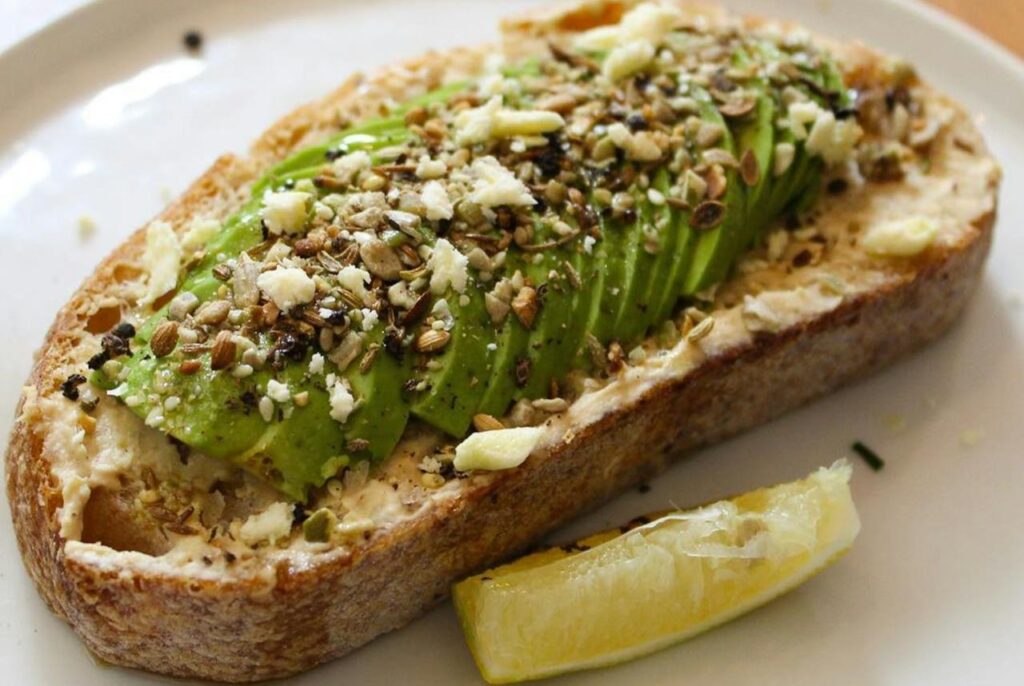
<p> Forget the basic avocado toast—this version takes things up a notch by adding extra flavor and nutritional value, all in under 10 minutes. Start by mashing half a ripe avocado with a dash of lemon juice, sea salt, and a pinch of chili flakes. Spread the mixture over a slice of toasted whole-grain bread. Then, top it with thinly sliced radishes, a sprinkle of hemp seeds, and a drizzle of extra virgin olive oil. If you’re looking for more protein, add a poached or boiled egg on top. This snack is rich in heart-healthy fats, fiber, and essential nutrients like potassium, making it a powerhouse for energy and satisfaction that feels indulgent while being entirely wholesome. </p> :: Pexels

Forget the basic avocado toast—this version takes things up a notch by adding extra flavor and nutritional value, all in under 10 minutes. Start by mashing half a ripe avocado with a dash of lemon juice, sea salt, and a pinch of chili flakes. Spread the mixture over a slice of toasted whole-grain bread. Then, top it with thinly sliced radishes, a sprinkle of hemp seeds, and a drizzle of extra virgin olive oil. If you’re looking for more protein, add a poached or boiled egg on top. This snack is rich in heart-healthy fats, fiber, and essential nutrients like potassium, making it a powerhouse for energy and satisfaction that feels indulgent while being entirely wholesome.

2. Greek Yogurt Berry Parfait

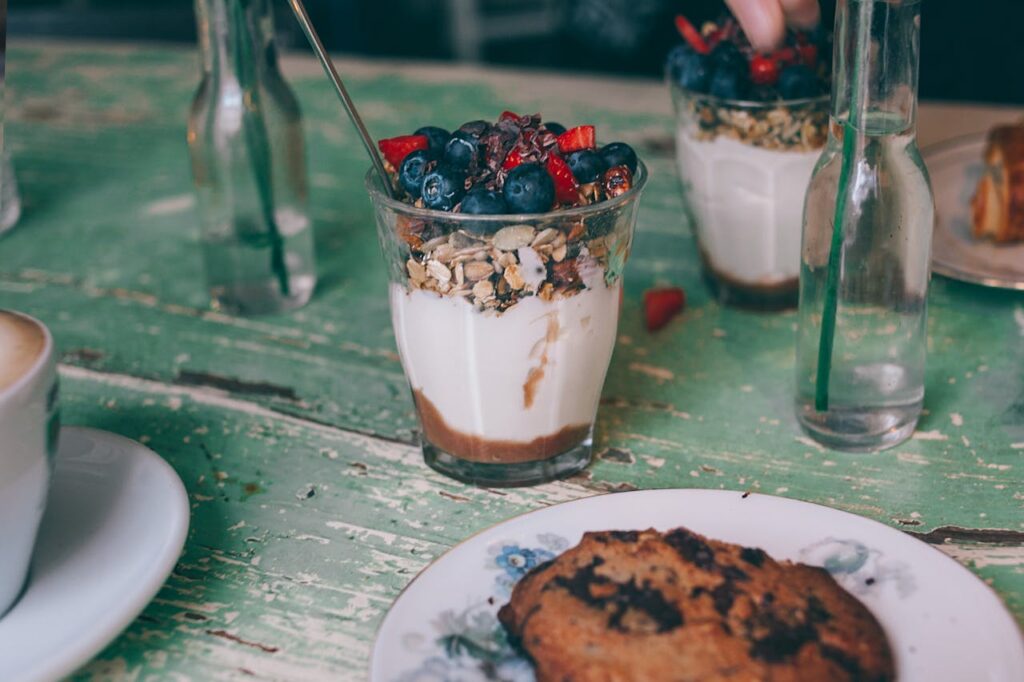
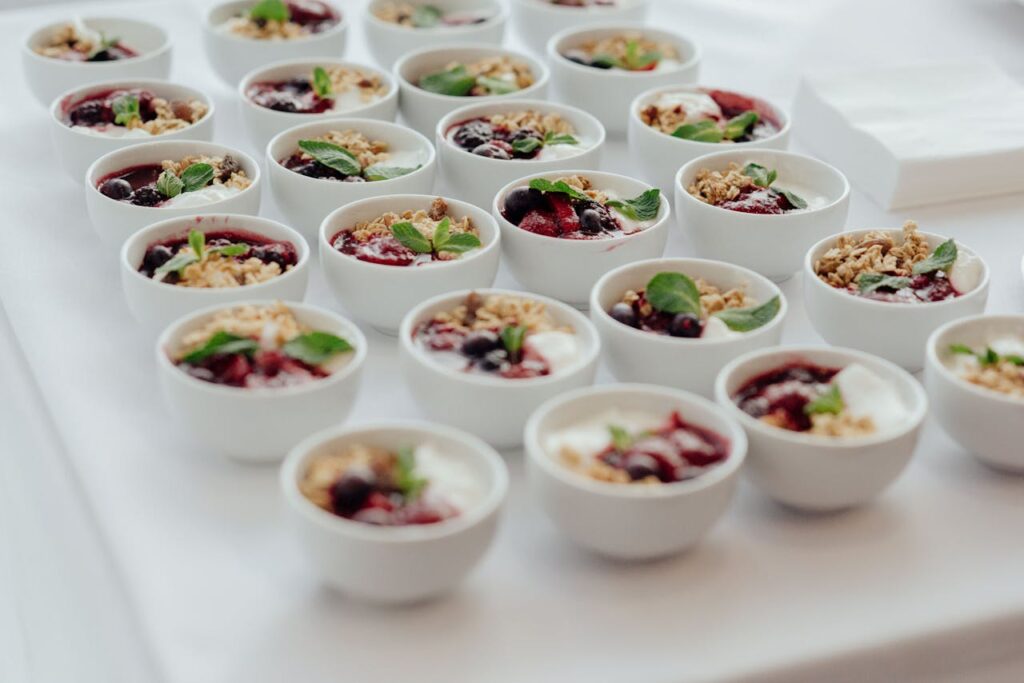
<p> This snack looks and tastes like dessert, but it’s a nutrient-dense delight that comes together in just five minutes. Start with half a cup of plain Greek yogurt as your base—it’s loaded with probiotics and protein. Layer in a handful of fresh or frozen berries like blueberries, raspberries, or strawberries for a burst of antioxidants. Add a spoonful of granola or chopped nuts for crunch and texture, and drizzle with a bit of raw honey or maple syrup if you prefer it slightly sweetened. This parfait offers a perfect balance of protein, fiber, and natural sweetness, which helps curb your appetite and keeps blood sugar levels stable between meals. </p> :: Pexels

This snack looks and tastes like dessert, but it’s a nutrient-dense delight that comes together in just five minutes. Start with half a cup of plain Greek yogurt as your base—it’s loaded with probiotics and protein. Layer in a handful of fresh or frozen berries like blueberries, raspberries, or strawberries for a burst of antioxidants. Add a spoonful of granola or chopped nuts for crunch and texture, and drizzle with a bit of raw honey or maple syrup if you prefer it slightly sweetened. This parfait offers a perfect balance of protein, fiber, and natural sweetness, which helps curb your appetite and keeps blood sugar levels stable between meals.

3. Peanut Butter Apple Nachos

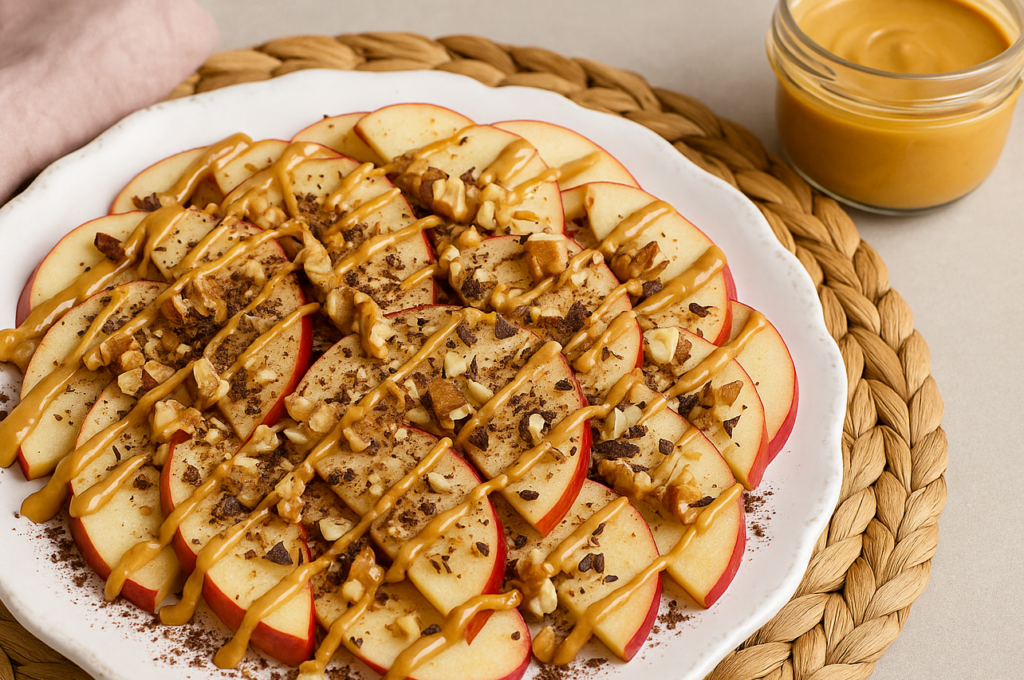
<p> For a fun and crunchy snack that doubles as a healthy treat, peanut butter apple nachos are a must-try—and they take less than 10 minutes to make. Slice up one crisp apple (like Granny Smith or Honeycrisp) into thin rounds and spread them out on a plate like chips. Drizzle with a tablespoon of natural peanut butter (or almond butter if you prefer), then sprinkle with toppings like mini dark chocolate chips, shredded coconut, chia seeds, or crushed nuts. Not only is this snack naturally sweet and satisfying, but it also provides fiber, protein, and healthy fats to keep you full. It's a perfect after-school or mid-afternoon snack that feels like a dessert but nourishes like a mini meal. </p> :: DALL-E

For a fun and crunchy snack that doubles as a healthy treat, peanut butter apple nachos are a must-try—and they take less than 10 minutes to make. Slice up one crisp apple (like Granny Smith or Honeycrisp) into thin rounds and spread them out on a plate like chips. Drizzle with a tablespoon of natural peanut butter (or almond butter if you prefer), then sprinkle with toppings like mini dark chocolate chips, shredded coconut, chia seeds, or crushed nuts. Not only is this snack naturally sweet and satisfying, but it also provides fiber, protein, and healthy fats to keep you full. It’s a perfect after-school or mid-afternoon snack that feels like a dessert but nourishes like a mini meal.

4. Cucumber Hummus Bites

<p> If you’re looking for a fresh, low-calorie snack that’s big on flavor and crunch, cucumber hummus bites are a winning choice—and they only take about five minutes to assemble. Slice a cucumber into thick rounds and top each slice with a dollop of hummus. For added flavor and nutrients, sprinkle with paprika, sesame seeds, or chopped fresh herbs like parsley or dill. You can even add a slice of cherry tomato or a small piece of roasted red pepper on top for an extra pop. These bite-sized snacks are hydrating, rich in plant-based protein, and loaded with fiber, making them a refreshing option for hot days or busy afternoons when you need a quick boost without the bloat. </p> :: Pexels

If you’re looking for a fresh, low-calorie snack that’s big on flavor and crunch, cucumber hummus bites are a winning choice—and they only take about five minutes to assemble. Slice a cucumber into thick rounds and top each slice with a dollop of hummus. For added flavor and nutrients, sprinkle with paprika, sesame seeds, or chopped fresh herbs like parsley or dill. You can even add a slice of cherry tomato or a small piece of roasted red pepper on top for an extra pop. These bite-sized snacks are hydrating, rich in plant-based protein, and loaded with fiber, making them a refreshing option for hot days or busy afternoons when you need a quick boost without the bloat.

5. Tuna-Stuffed Avocados

<p> This protein-packed snack is surprisingly easy to make, incredibly satisfying, and ready in just 10 to 12 minutes. Mix one can of tuna (preferably in water or olive oil) with a spoonful of Greek yogurt or mashed avocado, a splash of lemon juice, a pinch of salt, and any chopped veggies you like—onion, celery, or bell pepper all work well. Slice a ripe avocado in half, remove the pit, and scoop some of the flesh out to make room for your tuna salad. Fill each half with the tuna mixture, and top with a sprinkle of black pepper or red pepper flakes for extra flavor. These tuna-stuffed avocados are rich in omega-3s, protein, and healthy fats, making them a satisfying snack or light lunch that will keep you full and energized. </p> :: Freepik

This protein-packed snack is surprisingly easy to make, incredibly satisfying, and ready in just 10 to 12 minutes. Mix one can of tuna (preferably in water or olive oil) with a spoonful of Greek yogurt or mashed avocado, a splash of lemon juice, a pinch of salt, and any chopped veggies you like—onion, celery, or bell pepper all work well. Slice a ripe avocado in half, remove the pit, and scoop some of the flesh out to make room for your tuna salad. Fill each half with the tuna mixture, and top with a sprinkle of black pepper or red pepper flakes for extra flavor. These tuna-stuffed avocados are rich in omega-3s, protein, and healthy fats, making them a satisfying snack or light lunch that will keep you full and energized.

6. No-Bake Energy Bites

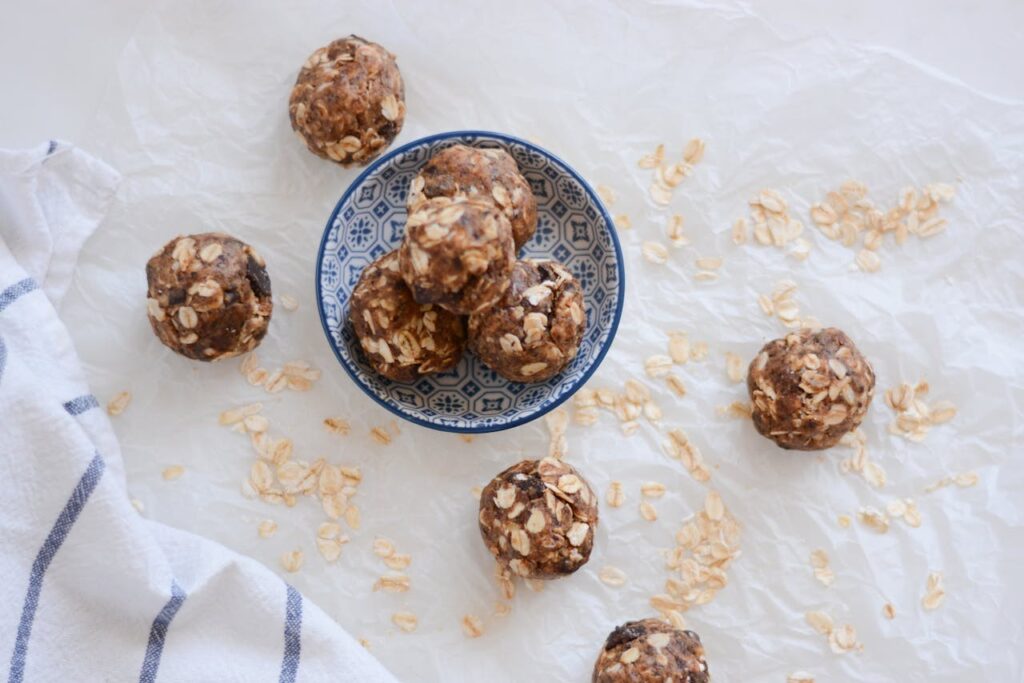
<p> If you like your snacks sweet, chewy, and loaded with nutrients, no-bake energy bites are your new go-to—and you can prep a batch in just 15 minutes. In a bowl, mix together 1 cup of rolled oats, 1/2 cup of natural nut butter, 1/4 cup of honey or maple syrup, and a handful of add-ins like mini dark chocolate chips, chia seeds, flaxseed, or shredded coconut. Roll the mixture into bite-sized balls and pop them in the fridge for a few minutes to set. These bites are great to make in bulk and keep in the fridge all week. With complex carbs, healthy fats, and protein in every bite, they’re perfect for powering through afternoon slumps or curbing post-dinner cravings without the sugar crash. </p> :: Pexels

If you like your snacks sweet, chewy, and loaded with nutrients, no-bake energy bites are your new go-to—and you can prep a batch in just 15 minutes. In a bowl, mix together 1 cup of rolled oats, 1/2 cup of natural nut butter, 1/4 cup of honey or maple syrup, and a handful of add-ins like mini dark chocolate chips, chia seeds, flaxseed, or shredded coconut. Roll the mixture into bite-sized balls and pop them in the fridge for a few minutes to set. These bites are great to make in bulk and keep in the fridge all week. With complex carbs, healthy fats, and protein in every bite, they’re perfect for powering through afternoon slumps or curbing post-dinner cravings without the sugar crash.

7. Savory Cottage Cheese Bowl

<p> Cottage cheese might not be the trendiest snack, but it’s one of the most nutrient-dense, high-protein options out there—and with the right toppings, it becomes a crave-worthy savory treat in under 10 minutes. Start with a half-cup of low-fat or full-fat cottage cheese and add sliced cherry tomatoes, diced cucumber, and a sprinkle of everything bagel seasoning. You can also top it with sliced olives or a few pieces of smoked salmon for a richer, more satisfying bowl. Not a fan of savory? You can make it sweet by adding cinnamon, berries, and a drizzle of honey. However you flavor it, cottage cheese delivers a ton of protein, calcium, and slow-digesting casein that keeps you full longer, making it an ideal snack anytime hunger strikes. </p> :: Pexels

Cottage cheese might not be the trendiest snack, but it’s one of the most nutrient-dense, high-protein options out there—and with the right toppings, it becomes a crave-worthy savory treat in under 10 minutes. Start with a half-cup of low-fat or full-fat cottage cheese and add sliced cherry tomatoes, diced cucumber, and a sprinkle of everything bagel seasoning. You can also top it with sliced olives or a few pieces of smoked salmon for a richer, more satisfying bowl. Not a fan of savory? You can make it sweet by adding cinnamon, berries, and a drizzle of honey. However you flavor it, cottage cheese delivers a ton of protein, calcium, and slow-digesting casein that keeps you full longer, making it an ideal snack anytime hunger strikes.

Final Thoughts

<p> Healthy snacking doesn’t have to be boring, bland, or time-consuming. These 7 surprisingly healthy snacks prove that you can nourish your body and satisfy your taste buds—all in 15 minutes or less. From sweet to savory, creamy to crunchy, there's something for every craving and every schedule. Whether you're working from home, rushing between errands, or just looking for better ways to snack smart, these quick recipes offer a simple, delicious path to better health. So next time you're tempted by the vending machine or that bag of chips, try one of these instead—you’ll be amazed how good healthy snacking can taste. </p> :: Pexels

Healthy snacking doesn’t have to be boring, bland, or time-consuming. These 7 surprisingly healthy snacks prove that you can nourish your body and satisfy your taste buds—all in 15 minutes or less. From sweet to savory, creamy to crunchy, there’s something for every craving and every schedule. Whether you’re working from home, rushing between errands, or just looking for better ways to snack smart, these quick recipes offer a simple, delicious path to better health.

So next time you’re tempted by the vending machine or that bag of chips, try one of these instead—you’ll be amazed how good healthy snacking can taste.

Filed Under: Food & Drink

How to Start Walking for Weight Loss: 8 Expert-Backed Tips to Get Results

January 15, 2026 | Leave a Comment

How to Start Walking for Weight Loss: 8 Expert-Backed Tips to Get Results

<p> Walking might seem like a simple activity, but when done with intention and consistency, it can be one of the most powerful tools in your weight loss journey. It is accessible, low-impact, and incredibly effective when paired with the right strategies. Whether you are new to exercise or looking for a sustainable way to shed pounds, walking offers a path to better health that does not require expensive equipment or a gym membership. Below are eight expert-backed tips that will help you walk your way to weight loss success while making the process enjoyable and manageable. </p> :: Freepik

Walking might seem like a simple activity, but when done with intention and consistency, it can be one of the most powerful tools in your weight loss journey. It is accessible, low-impact, and incredibly effective when paired with the right strategies. Whether you are new to exercise or looking for a sustainable way to shed pounds, walking offers a path to better health that does not require expensive equipment or a gym membership. Below are eight expert-backed tips that will help you walk your way to weight loss success while making the process enjoyable and manageable.

1. Start with a Realistic Walking Schedule You Can Stick To

<p> The biggest mistake beginners make is diving into an unrealistic workout plan that quickly leads to burnout or injury. Instead, experts recommend starting with short, manageable walks—aim for 15 to 20 minutes a day, five days a week. As you build endurance and confidence, gradually increase the time and frequency. The key is consistency, not perfection. Even light walking has been shown to improve cardiovascular health, boost mood, and burn calories. When it becomes a regular habit, those daily steps add up quickly and create lasting change. Scheduling your walks, like you would any important meeting, also increases your chances of staying on track. </p> :: Pexels

The biggest mistake beginners make is diving into an unrealistic workout plan that quickly leads to burnout or injury. Instead, experts recommend starting with short, manageable walks—aim for 15 to 20 minutes a day, five days a week. As you build endurance and confidence, gradually increase the time and frequency. The key is consistency, not perfection. Even light walking has been shown to improve cardiovascular health, boost mood, and burn calories. When it becomes a regular habit, those daily steps add up quickly and create lasting change. Scheduling your walks, like you would any important meeting, also increases your chances of staying on track.

2. Track Your Steps and Set Smart Goals

<p> Setting step goals helps you stay accountable and provides a tangible way to measure your progress. While the classic benchmark of 10,000 steps a day is well known, it is not the only metric for success. Experts suggest starting with your current average and increasing it by 500 to 1,000 steps each week. Using a pedometer, fitness tracker, or smartphone app can help you monitor your movement throughout the day. Watching your step count grow is not only motivating but also reinforces how everyday activities like walking the dog or running errands contribute to your fitness goals. Tracking can also help identify patterns and optimize your walking routine for better results. </p> :: Pexels

Setting step goals helps you stay accountable and provides a tangible way to measure your progress. While the classic benchmark of 10,000 steps a day is well known, it is not the only metric for success. Experts suggest starting with your current average and increasing it by 500 to 1,000 steps each week. Using a pedometer, fitness tracker, or smartphone app can help you monitor your movement throughout the day. Watching your step count grow is not only motivating but also reinforces how everyday activities like walking the dog or running errands contribute to your fitness goals. Tracking can also help identify patterns and optimize your walking routine for better results.

3. Incorporate Intervals to Burn More Calories

<p> Walking at a steady pace is good, but adding intervals can supercharge your weight loss. Interval walking means alternating between periods of brisk walking and slower, recovery-paced walking. According to fitness professionals, these bursts of increased intensity raise your heart rate, improve endurance, and significantly boost calorie burn. For instance, walk briskly for one minute, then slow down for two minutes, and repeat the cycle for 20 to 30 minutes. Over time, you can shorten the recovery period or increase the intensity to challenge your body. This method not only enhances fat burning but also keeps your walks engaging and prevents workout boredom. </p> :: Pexels

Walking at a steady pace is good, but adding intervals can supercharge your weight loss. Interval walking means alternating between periods of brisk walking and slower, recovery-paced walking. According to fitness professionals, these bursts of increased intensity raise your heart rate, improve endurance, and significantly boost calorie burn. For instance, walk briskly for one minute, then slow down for two minutes, and repeat the cycle for 20 to 30 minutes. Over time, you can shorten the recovery period or increase the intensity to challenge your body. This method not only enhances fat burning but also keeps your walks engaging and prevents workout boredom.

4. Use Proper Walking Form to Prevent Injury and Improve Efficiency

<p> Your posture and stride can significantly affect how effective and safe your walks are. Experts advise maintaining good walking form by keeping your head up, shoulders relaxed, and arms bent at a 90-degree angle while swinging them naturally. Engaging your core and avoiding slouching helps reduce lower back strain and improves balance. Make sure your feet roll from heel to toe with each step for better shock absorption and smoother movement. Proper walking mechanics prevent injuries such as shin splints or knee pain and enable you to walk longer distances with less fatigue, which is essential for achieving and maintaining weight loss. </p> :: Pexels

Your posture and stride can significantly affect how effective and safe your walks are. Experts advise maintaining good walking form by keeping your head up, shoulders relaxed, and arms bent at a 90-degree angle while swinging them naturally. Engaging your core and avoiding slouching helps reduce lower back strain and improves balance. Make sure your feet roll from heel to toe with each step for better shock absorption and smoother movement. Proper walking mechanics prevent injuries such as shin splints or knee pain and enable you to walk longer distances with less fatigue, which is essential for achieving and maintaining weight loss.

5. Fuel Your Body the Right Way Before and After Walking

<p> Walking is a form of exercise, and just like with any physical activity, nutrition plays a key role in performance and recovery. Eating a light, balanced snack 30 to 60 minutes before walking can provide the energy needed to stay active—try options like a banana with peanut butter or Greek yogurt with berries. After your walk, especially if it is longer than 30 minutes, replenish with a combination of protein and healthy carbs to support muscle recovery. Staying well-hydrated before and after your walk also prevents fatigue and helps with metabolism. Making smart food choices supports your walking routine and helps maximize your weight loss results. </p> :: Pexels

Walking is a form of exercise, and just like with any physical activity, nutrition plays a key role in performance and recovery. Eating a light, balanced snack 30 to 60 minutes before walking can provide the energy needed to stay active—try options like a banana with peanut butter or Greek yogurt with berries. After your walk, especially if it is longer than 30 minutes, replenish with a combination of protein and healthy carbs to support muscle recovery. Staying well-hydrated before and after your walk also prevents fatigue and helps with metabolism. Making smart food choices supports your walking routine and helps maximize your weight loss results.

6. Mix Up Your Routes to Stay Engaged and Motivated

<p> Doing the same walking loop every day can become monotonous and lead to decreased motivation. To keep your routine exciting and avoid hitting a plateau, vary your routes by exploring different neighborhoods, parks, trails, or indoor walking tracks. Changing your scenery not only keeps you mentally stimulated but can also increase the duration of your walks without you noticing. If possible, add in routes with hills or uneven terrain to engage different muscles and increase intensity. Listening to music, podcasts, or audiobooks can also make your walks more enjoyable, turning a workout into something you look forward to. </p> :: Pexels

Doing the same walking loop every day can become monotonous and lead to decreased motivation. To keep your routine exciting and avoid hitting a plateau, vary your routes by exploring different neighborhoods, parks, trails, or indoor walking tracks. Changing your scenery not only keeps you mentally stimulated but can also increase the duration of your walks without you noticing. If possible, add in routes with hills or uneven terrain to engage different muscles and increase intensity. Listening to music, podcasts, or audiobooks can also make your walks more enjoyable, turning a workout into something you look forward to.

7. Pair Walking with Mindfulness or Stress Reduction Techniques

<p> Walking offers more than just physical benefits—it can be a valuable tool for managing stress and improving mental health. High stress levels are known to contribute to weight gain and poor eating habits. Experts suggest incorporating mindfulness during your walks by focusing on your breath, your surroundings, or how your body feels with each step. You can also try walking meditations or simply unplugging from digital distractions to be present in the moment. This practice can reduce anxiety, curb emotional eating, and promote better sleep—all of which support your overall weight loss goals. Mindful walking turns your daily exercise into a holistic wellness activity. </p> :: Pexels

Walking offers more than just physical benefits—it can be a valuable tool for managing stress and improving mental health. High stress levels are known to contribute to weight gain and poor eating habits. Experts suggest incorporating mindfulness during your walks by focusing on your breath, your surroundings, or how your body feels with each step. You can also try walking meditations or simply unplugging from digital distractions to be present in the moment. This practice can reduce anxiety, curb emotional eating, and promote better sleep—all of which support your overall weight loss goals. Mindful walking turns your daily exercise into a holistic wellness activity.

8. Do Not Rely on Walking Alone—Balance It with Strength and Nutrition

<p> While walking is an excellent foundation for weight loss, combining it with strength training and good nutrition creates a more complete fitness plan. Walking primarily burns calories and improves cardiovascular health, but adding resistance exercises builds lean muscle, which helps you burn more calories at rest. Even simple bodyweight exercises like squats, lunges, and pushups can be effective. At the same time, a balanced diet rich in vegetables, lean protein, and whole grains enhances the benefits of your walking routine. Think of walking as your daily anchor for movement, but support it with other healthy habits for long-term success. </p> :: Pexels

While walking is an excellent foundation for weight loss, combining it with strength training and good nutrition creates a more complete fitness plan. Walking primarily burns calories and improves cardiovascular health, but adding resistance exercises builds lean muscle, which helps you burn more calories at rest. Even simple bodyweight exercises like squats, lunges, and pushups can be effective. At the same time, a balanced diet rich in vegetables, lean protein, and whole grains enhances the benefits of your walking routine. Think of walking as your daily anchor for movement, but support it with other healthy habits for long-term success.

Final Thoughts

<p> Walking for weight loss is not about quick fixes—it is about building a consistent, enjoyable routine that fits into your life. With the right approach, walking can transform your health, boost your mood, and help you shed unwanted pounds. By following these expert-backed tips—starting slow, setting goals, incorporating intervals, maintaining good form, eating well, and varying your routes—you can create a sustainable routine that delivers results. Walking may be simple, but when done with purpose and paired with smart strategies, it becomes one of the most powerful tools in your journey toward better health. </p> :: Pexels

Walking for weight loss is not about quick fixes—it is about building a consistent, enjoyable routine that fits into your life. With the right approach, walking can transform your health, boost your mood, and help you shed unwanted pounds. By following these expert-backed tips—starting slow, setting goals, incorporating intervals, maintaining good form, eating well, and varying your routes—you can create a sustainable routine that delivers results. Walking may be simple, but when done with purpose and paired with smart strategies, it becomes one of the most powerful tools in your journey toward better health.

Filed Under: Health & Fitness

For Better Health, Stop Doing These 9 Things in Your 60s

January 15, 2026 | Leave a Comment

For Better Health, Stop Doing These 9 Things in Your 60s

<p> Turning 60 is a major life milestone that comes with both opportunities and challenges. This is the perfect time to reassess your lifestyle habits and make adjustments that can significantly improve your well-being. While it is common to focus on what healthy actions to start—like exercising more or eating better—it is just as important to recognize the habits that no longer serve you. Some things that worked for you in your 30s or 40s might now put you at risk for chronic illness, reduced mobility, or cognitive decline. Knowing what to stop doing can be a powerful step toward a healthier, more vibrant life in your 60s and beyond. Here are nine things you should stop doing in your 60s to support your health, longevity, and quality of life. </p> :: Pexels

Turning 60 is a major life milestone that comes with both opportunities and challenges. This is the perfect time to reassess your lifestyle habits and make adjustments that can significantly improve your well-being. While it is common to focus on what healthy actions to start—like exercising more or eating better—it is just as important to recognize the habits that no longer serve you. Some things that worked for you in your 30s or 40s might now put you at risk for chronic illness, reduced mobility, or cognitive decline. Knowing what to stop doing can be a powerful step toward a healthier, more vibrant life in your 60s and beyond. Here are nine things you should stop doing in your 60s to support your health, longevity, and quality of life.

1. Stop Ignoring Strength Training

<p> One of the most overlooked aspects of aging well is maintaining muscle mass. As you enter your 60s, muscle atrophy becomes more significant, leading to decreased strength, balance issues, and a greater risk of falls. Many older adults avoid strength training because they think it is only for bodybuilders or younger people, but this could not be further from the truth. Strength training in your 60s, even with light weights or resistance bands, can help preserve bone density, improve posture, and keep you independent longer. Studies have shown that older adults who engage in resistance exercises two or more times per week have better physical function and reduced risk of injury. Building muscle also supports metabolic health, helping to regulate blood sugar and maintain a healthy weight. You do not need to spend hours at the gym—just 20 to 30 minutes of strength-focused exercise a few times a week can make a meaningful difference in how you feel and function. </p> :: Pexels

One of the most overlooked aspects of aging well is maintaining muscle mass. As you enter your 60s, muscle atrophy becomes more significant, leading to decreased strength, balance issues, and a greater risk of falls. Many older adults avoid strength training because they think it is only for bodybuilders or younger people, but this could not be further from the truth. Strength training in your 60s, even with light weights or resistance bands, can help preserve bone density, improve posture, and keep you independent longer. Studies have shown that older adults who engage in resistance exercises two or more times per week have better physical function and reduced risk of injury. Building muscle also supports metabolic health, helping to regulate blood sugar and maintain a healthy weight. You do not need to spend hours at the gym—just 20 to 30 minutes of strength-focused exercise a few times a week can make a meaningful difference in how you feel and function.

2. Stop Avoiding the Doctor

<p> When you reach your 60s, skipping routine checkups can be a critical mistake. Many chronic conditions—like hypertension, high cholesterol, type 2 diabetes, and various cancers—become more common with age, and early detection is often the key to successful treatment. Some people delay medical visits due to fear, inconvenience, or the belief that if they feel okay, everything must be fine. However, this logic can be dangerous. Many serious health problems develop silently and do not show obvious symptoms until they are advanced. By seeing your doctor regularly and completing recommended screenings, you increase your chances of catching issues early, when they are most treatable. Preventive health care includes blood tests, physical exams, cancer screenings, hearing and vision tests, and vaccinations. Making these appointments a priority is one of the simplest and most effective ways to protect your health as you age. </p> :: Pexels

When you reach your 60s, skipping routine checkups can be a critical mistake. Many chronic conditions—like hypertension, high cholesterol, type 2 diabetes, and various cancers—become more common with age, and early detection is often the key to successful treatment. Some people delay medical visits due to fear, inconvenience, or the belief that if they feel okay, everything must be fine. However, this logic can be dangerous. Many serious health problems develop silently and do not show obvious symptoms until they are advanced. By seeing your doctor regularly and completing recommended screenings, you increase your chances of catching issues early, when they are most treatable. Preventive health care includes blood tests, physical exams, cancer screenings, hearing and vision tests, and vaccinations. Making these appointments a priority is one of the simplest and most effective ways to protect your health as you age.

3. Stop Eating Like You Did in Your 30s

<p> Your metabolism slows down significantly in your 60s, which means your body needs fewer calories but more nutrients to stay healthy. Unfortunately, many people continue eating the same way they did in their younger years—often consuming too many processed foods, sugary snacks, and oversized portions. This can contribute to weight gain, increased inflammation, and higher risk for heart disease and diabetes. Rather than focusing on restriction, aim to eat smarter. Choose whole, nutrient-dense foods like leafy greens, berries, legumes, nuts, whole grains, lean meats, and fish. Reduce your intake of processed foods, sodium, and added sugars. Pay attention to portion sizes and practice mindful eating, which involves slowing down and savoring your meals without distractions. Drinking water before meals, chewing thoroughly, and listening to hunger cues can help you avoid overeating. Adjusting your diet to match your body’s changing needs will support better digestion, stable energy levels, and long-term health. </p> :: Pexels

Your metabolism slows down significantly in your 60s, which means your body needs fewer calories but more nutrients to stay healthy. Unfortunately, many people continue eating the same way they did in their younger years—often consuming too many processed foods, sugary snacks, and oversized portions. This can contribute to weight gain, increased inflammation, and higher risk for heart disease and diabetes. Rather than focusing on restriction, aim to eat smarter. Choose whole, nutrient-dense foods like leafy greens, berries, legumes, nuts, whole grains, lean meats, and fish. Reduce your intake of processed foods, sodium, and added sugars. Pay attention to portion sizes and practice mindful eating, which involves slowing down and savoring your meals without distractions. Drinking water before meals, chewing thoroughly, and listening to hunger cues can help you avoid overeating. Adjusting your diet to match your body’s changing needs will support better digestion, stable energy levels, and long-term health.

4. Stop Underestimating Sleep

<p> Sleep is not a luxury—it is a biological necessity, especially as you age. Many older adults believe that poor sleep is a normal part of getting older, but this mindset can lead to serious health consequences. Sleep deprivation is linked to increased risks of heart disease, cognitive decline, obesity, and weakened immune function. It also affects your mood, memory, and balance, which are crucial for staying active and independent. In your 60s, it is important to aim for seven to eight hours of quality sleep each night. This may require creating a consistent sleep routine, avoiding caffeine and alcohol late in the day, and limiting screen time before bed. A comfortable, quiet sleep environment and regular physical activity can also improve your sleep quality. If you struggle with persistent insomnia, snoring, or daytime fatigue, consult your doctor to rule out conditions like sleep apnea. Prioritizing good sleep is one of the best investments you can make for your long-term health. </p> :: Pexels

Sleep is not a luxury—it is a biological necessity, especially as you age. Many older adults believe that poor sleep is a normal part of getting older, but this mindset can lead to serious health consequences. Sleep deprivation is linked to increased risks of heart disease, cognitive decline, obesity, and weakened immune function. It also affects your mood, memory, and balance, which are crucial for staying active and independent. In your 60s, it is important to aim for seven to eight hours of quality sleep each night. This may require creating a consistent sleep routine, avoiding caffeine and alcohol late in the day, and limiting screen time before bed. A comfortable, quiet sleep environment and regular physical activity can also improve your sleep quality. If you struggle with persistent insomnia, snoring, or daytime fatigue, consult your doctor to rule out conditions like sleep apnea. Prioritizing good sleep is one of the best investments you can make for your long-term health.

5. Stop Skipping Mental Challenges

<p> Mental fitness is just as important as physical fitness, but it is often overlooked in older adults. When routines become repetitive and mental stimulation decreases, your brain can start to slow down. In your 60s, skipping mental challenges can contribute to memory problems and increase your risk for cognitive decline and conditions like dementia. Fortunately, your brain remains capable of growth and change throughout your life—a concept known as neuroplasticity. You can strengthen your brain by engaging in activities that challenge and excite you. Consider learning a new skill, picking up a hobby, playing a musical instrument, solving puzzles, or taking an online course. Reading, writing, and social interactions also stimulate different parts of the brain. The key is to stay curious and keep learning. Regular cognitive engagement improves problem-solving skills, memory, and overall mental sharpness. </p> :: Pexels

Mental fitness is just as important as physical fitness, but it is often overlooked in older adults. When routines become repetitive and mental stimulation decreases, your brain can start to slow down. In your 60s, skipping mental challenges can contribute to memory problems and increase your risk for cognitive decline and conditions like dementia. Fortunately, your brain remains capable of growth and change throughout your life—a concept known as neuroplasticity. You can strengthen your brain by engaging in activities that challenge and excite you. Consider learning a new skill, picking up a hobby, playing a musical instrument, solving puzzles, or taking an online course. Reading, writing, and social interactions also stimulate different parts of the brain. The key is to stay curious and keep learning. Regular cognitive engagement improves problem-solving skills, memory, and overall mental sharpness.

6. Stop Letting Stress Go Untreated

<p> Chronic stress is a serious health risk, particularly in your 60s when your body becomes less resilient to its effects. Stress affects every system in the body—it raises your blood pressure, weakens your immune response, disrupts sleep, and increases your risk for depression, heart disease, and memory issues. Unfortunately, many older adults dismiss stress as a normal part of life or believe it is something they just have to endure. That mindset can be harmful. It is important to identify the sources of your stress and take proactive steps to manage them. Techniques such as meditation, deep breathing, yoga, and journaling can be effective. Spending time in nature, staying physically active, and connecting with friends can also lower stress levels. If stress becomes overwhelming or persistent, do not hesitate to talk to a therapist or counselor. Your mental and emotional health deserve as much attention as your physical health. </p> :: Pexels

Chronic stress is a serious health risk, particularly in your 60s when your body becomes less resilient to its effects. Stress affects every system in the body—it raises your blood pressure, weakens your immune response, disrupts sleep, and increases your risk for depression, heart disease, and memory issues. Unfortunately, many older adults dismiss stress as a normal part of life or believe it is something they just have to endure. That mindset can be harmful. It is important to identify the sources of your stress and take proactive steps to manage them. Techniques such as meditation, deep breathing, yoga, and journaling can be effective. Spending time in nature, staying physically active, and connecting with friends can also lower stress levels. If stress becomes overwhelming or persistent, do not hesitate to talk to a therapist or counselor. Your mental and emotional health deserve as much attention as your physical health.

7. Stop Neglecting Hydration

<p> As you age, your body’s ability to sense thirst declines, making it easier to become dehydrated without realizing it. Dehydration in older adults can lead to fatigue, confusion, urinary tract infections, constipation, and increased risk of falls. Some people also limit fluid intake to avoid nighttime bathroom trips, but this can backfire and cause more serious issues. In your 60s, staying hydrated should be a daily goal. Aim for at least six to eight glasses of water each day, and more if you are active or in hot weather. You can also hydrate through foods with high water content, such as cucumbers, oranges, melons, and soups. Herbal teas and milk contribute to your fluid intake as well. Make hydration a habit by keeping a water bottle nearby and sipping throughout the day. Proper hydration supports digestion, circulation, joint health, and energy levels. </p> :: Pexels

As you age, your body’s ability to sense thirst declines, making it easier to become dehydrated without realizing it. Dehydration in older adults can lead to fatigue, confusion, urinary tract infections, constipation, and increased risk of falls. Some people also limit fluid intake to avoid nighttime bathroom trips, but this can backfire and cause more serious issues. In your 60s, staying hydrated should be a daily goal. Aim for at least six to eight glasses of water each day, and more if you are active or in hot weather. You can also hydrate through foods with high water content, such as cucumbers, oranges, melons, and soups. Herbal teas and milk contribute to your fluid intake as well. Make hydration a habit by keeping a water bottle nearby and sipping throughout the day. Proper hydration supports digestion, circulation, joint health, and energy levels.

8. Stop Isolating Yourself

<p> Social connection is a vital part of healthy aging, yet many people become increasingly isolated in their 60s. Whether due to retirement, health changes, or the loss of friends and loved ones, social withdrawal can lead to loneliness and depression. Even worse, studies show that social isolation is associated with higher risks of cognitive decline, heart disease, and premature death. Staying socially active improves mood, sharpens memory, and even strengthens the immune system. Make it a point to maintain and grow your social network. Join clubs, attend community events, volunteer, or simply make regular phone calls or video chats with family and friends. If you are introverted or new to a community, start small—say hello to neighbors, join a walking group, or take a class. Social health is just as important as physical health, and nurturing it can bring both joy and longevity. </p> :: Pexels

Social connection is a vital part of healthy aging, yet many people become increasingly isolated in their 60s. Whether due to retirement, health changes, or the loss of friends and loved ones, social withdrawal can lead to loneliness and depression. Even worse, studies show that social isolation is associated with higher risks of cognitive decline, heart disease, and premature death. Staying socially active improves mood, sharpens memory, and even strengthens the immune system. Make it a point to maintain and grow your social network. Join clubs, attend community events, volunteer, or simply make regular phone calls or video chats with family and friends. If you are introverted or new to a community, start small—say hello to neighbors, join a walking group, or take a class. Social health is just as important as physical health, and nurturing it can bring both joy and longevity.

9. Stop Delaying Preventive Care

<p> Preventive care is one of the most powerful tools you have for maintaining health in your 60s, yet it is often overlooked. Some people assume that if they feel fine, there is no need to see the doctor—but this is a dangerous assumption. Many serious conditions, including cancer, osteoporosis, and heart disease, develop silently and can be detected only through screening. Regular checkups, blood pressure monitoring, cholesterol tests, cancer screenings, and immunizations are essential to catching issues early. Preventive care also includes dental exams, eye exams, and hearing tests. Talk to your doctor about which screenings are appropriate for your age and medical history, and make sure to keep up with your vaccination schedule, including flu shots and shingles vaccines. Being proactive about your health can help you avoid complications and enjoy a longer, more vibrant life. </p> :: Pexels

Preventive care is one of the most powerful tools you have for maintaining health in your 60s, yet it is often overlooked. Some people assume that if they feel fine, there is no need to see the doctor—but this is a dangerous assumption. Many serious conditions, including cancer, osteoporosis, and heart disease, develop silently and can be detected only through screening. Regular checkups, blood pressure monitoring, cholesterol tests, cancer screenings, and immunizations are essential to catching issues early. Preventive care also includes dental exams, eye exams, and hearing tests. Talk to your doctor about which screenings are appropriate for your age and medical history, and make sure to keep up with your vaccination schedule, including flu shots and shingles vaccines. Being proactive about your health can help you avoid complications and enjoy a longer, more vibrant life.

Final Thoughts

<p> Your 60s can be some of the most rewarding years of your life, but only if you take care of your health with intention and awareness. While adding healthy habits like walking more or eating more vegetables is important, letting go of habits that no longer serve you is just as crucial. By stopping the behaviors that undermine your physical, mental, and emotional well-being, you give yourself the opportunity to thrive well into your 70s and beyond. These changes do not need to happen overnight, but recognizing what to let go of is the first powerful step. Use this list as a guide to reassess your lifestyle and build a healthier foundation for the years ahead. The future is not just about adding years to your life—it is about adding life to your years. </p> :: Pexels

Your 60s can be some of the most rewarding years of your life, but only if you take care of your health with intention and awareness. While adding healthy habits like walking more or eating more vegetables is important, letting go of habits that no longer serve you is just as crucial. By stopping the behaviors that undermine your physical, mental, and emotional well-being, you give yourself the opportunity to thrive well into your 70s and beyond. These changes do not need to happen overnight, but recognizing what to let go of is the first powerful step. Use this list as a guide to reassess your lifestyle and build a healthier foundation for the years ahead. The future is not just about adding years to your life—it is about adding life to your years.

Filed Under: Health & Fitness

Marrying an Older Man? Discover 10 Realities No One Warns You About

January 15, 2026 | Leave a Comment

Marrying an Older Man? Discover 10 Realities No One Warns You About

<p> Falling in love with someone older can feel exciting, comforting, and full of wisdom. There’s something undeniably appealing about a partner who has more life experience, stability, and perspective. Maybe it is the way he handles challenges calmly, or perhaps it is the reassurance that comes with a man who has lived through ups and downs. But before you say “I do,” it helps to understand the realities that often go unspoken. From differences in energy to navigating family expectations, marrying an older man comes with its own unique dynamics. Knowing these truths ahead of time can help you approach your relationship with eyes wide open and heart fully engaged. Here are ten realities that no one often talks about, but every woman should consider. </p> :: Gemini

Falling in love with someone older can feel exciting, comforting, and full of wisdom. There’s something undeniably appealing about a partner who has more life experience, stability, and perspective. Maybe it is the way he handles challenges calmly, or perhaps it is the reassurance that comes with a man who has lived through ups and downs. But before you say “I do,” it helps to understand the realities that often go unspoken. From differences in energy to navigating family expectations, marrying an older man comes with its own unique dynamics. Knowing these truths ahead of time can help you approach your relationship with eyes wide open and heart fully engaged. Here are ten realities that no one often talks about, but every woman should consider.

1. Energy Levels Can Be Different

<p> One of the first things you may notice in a relationship with an older man is a difference in energy levels. While he may prefer a quiet evening at home with a book or a documentary, you might still crave late-night outings, spontaneous adventures, or high-energy activities. This does not have to be a problem. In fact, it can encourage a more balanced and intentional lifestyle. You might find joy in slowing down together, sharing moments of calm, or planning activities that match both of your energy levels. Over time, you learn to appreciate the benefits of both high-energy spontaneity and relaxing, thoughtful downtime.

It also gives you a chance to explore hobbies or self-care routines individually while supporting each other’s pace. For example, he might enjoy gardening or golf on weekends, while you explore local events or fitness classes. These differences can enrich your relationship if approached with patience and flexibility. </p> :: Gemini

One of the first things you may notice in a relationship with an older man is a difference in energy levels. While he may prefer a quiet evening at home with a book or a documentary, you might still crave late-night outings, spontaneous adventures, or high-energy activities. This does not have to be a problem. In fact, it can encourage a more balanced and intentional lifestyle. You might find joy in slowing down together, sharing moments of calm, or planning activities that match both of your energy levels. Over time, you learn to appreciate the benefits of both high-energy spontaneity and relaxing, thoughtful downtime.

It also gives you a chance to explore hobbies or self-care routines individually while supporting each other’s pace. For example, he might enjoy gardening or golf on weekends, while you explore local events or fitness classes. These differences can enrich your relationship if approached with patience and flexibility.

2. Generational Perspectives Influence Daily Life

<p> Marrying an older man often means bridging a generational gap. He may have grown up in a completely different cultural era, which can affect humor, communication, music tastes, or even views on technology. You might find yourself referencing movies, TV shows, or trends he never experienced, and he may have customs or routines that feel unfamiliar to you.

Rather than seeing this as a barrier, view it as an opportunity to learn from each other. Sharing your favorite pop culture moments while learning about his life experiences can spark meaningful conversations and laughter. You may even discover mutual interests that bridge the generational divide, such as travel, cooking, or volunteering. By embracing these differences, you create a relationship rich in variety, curiosity, and connection. </p> :: Gemini

Marrying an older man often means bridging a generational gap. He may have grown up in a completely different cultural era, which can affect humor, communication, music tastes, or even views on technology. You might find yourself referencing movies, TV shows, or trends he never experienced, and he may have customs or routines that feel unfamiliar to you.

Rather than seeing this as a barrier, view it as an opportunity to learn from each other. Sharing your favorite pop culture moments while learning about his life experiences can spark meaningful conversations and laughter. You may even discover mutual interests that bridge the generational divide, such as travel, cooking, or volunteering. By embracing these differences, you create a relationship rich in variety, curiosity, and connection.

3. Health Considerations May Come Sooner Than Expected

<p> Health is a reality that cannot be ignored, and an older spouse may face health challenges earlier than you would anticipate in a younger relationship. Routine doctor visits, diet restrictions, or chronic conditions could require understanding, patience, and care.

While this may sound daunting, it is also an opportunity to grow together and strengthen your partnership. Supporting each other through lifestyle adjustments, attending appointments together, and creating routines for wellness can become bonding experiences. Planning ahead for health emergencies or changes in mobility also ensures that both partners feel secure, respected, and prepared for the future. </p> :: Gemini

Health is a reality that cannot be ignored, and an older spouse may face health challenges earlier than you would anticipate in a younger relationship. Routine doctor visits, diet restrictions, or chronic conditions could require understanding, patience, and care.

While this may sound daunting, it is also an opportunity to grow together and strengthen your partnership. Supporting each other through lifestyle adjustments, attending appointments together, and creating routines for wellness can become bonding experiences. Planning ahead for health emergencies or changes in mobility also ensures that both partners feel secure, respected, and prepared for the future.

4. Opinions from Friends and Family Can Be Strong

<p> People often have strong opinions about age-gap relationships. Friends or family members may question your intentions or worry about the age difference. Your partner may also face opinions from his own social circle. Handling these reactions with patience, confidence, and unity is essential.

It helps to communicate openly about these opinions and establish boundaries together. Over time, consistent demonstration of love, respect, and shared values usually quiets external criticism. When your relationship thrives despite outside judgment, it becomes a powerful testament to the depth of your bond. </p> :: Gemini

People often have strong opinions about age-gap relationships. Friends or family members may question your intentions or worry about the age difference. Your partner may also face opinions from his own social circle. Handling these reactions with patience, confidence, and unity is essential.

It helps to communicate openly about these opinions and establish boundaries together. Over time, consistent demonstration of love, respect, and shared values usually quiets external criticism. When your relationship thrives despite outside judgment, it becomes a powerful testament to the depth of your bond.

5. Financial Perspectives Might Differ

<p> Older men often have established financial habits, savings, and long-term plans. This can be a huge advantage, particularly if financial stability is a priority in your relationship. However, it may also mean that spending habits or goals differ from yours.

Honest conversations about budgeting, retirement planning, investments, and lifestyle expectations are critical to prevent misunderstandings. Discussing money does not need to be stressful. Approaching finances as a team can build trust and ensure you are both aligned on long-term goals. For instance, you might compromise on vacations versus savings or balance luxurious experiences with practical investments. When approached thoughtfully, differences in financial perspective can actually strengthen your relationship. </p> :: Gemini

Older men often have established financial habits, savings, and long-term plans. This can be a huge advantage, particularly if financial stability is a priority in your relationship. However, it may also mean that spending habits or goals differ from yours.

Honest conversations about budgeting, retirement planning, investments, and lifestyle expectations are critical to prevent misunderstandings. Discussing money does not need to be stressful. Approaching finances as a team can build trust and ensure you are both aligned on long-term goals. For instance, you might compromise on vacations versus savings or balance luxurious experiences with practical investments. When approached thoughtfully, differences in financial perspective can actually strengthen your relationship.

6. Social Life Adjustments Are Common

<p> Marrying an older man may shift your social life in unexpected ways. His friends might prefer quieter gatherings, early dinners, or activities that are different from your usual circles. Balancing social life can be challenging, especially if you enjoy nightlife or a highly active social calendar.

The key is to maintain your own friendships while embracing his. Introducing him to your circle and participating in his events can create a new blended social world that is enjoyable for both partners. These adjustments may initially feel awkward, but they often lead to shared experiences and expanded horizons. Over time, you may find that you both benefit from a broader perspective on social connections. </p> :: Gemini

Marrying an older man may shift your social life in unexpected ways. His friends might prefer quieter gatherings, early dinners, or activities that are different from your usual circles. Balancing social life can be challenging, especially if you enjoy nightlife or a highly active social calendar.

The key is to maintain your own friendships while embracing his. Introducing him to your circle and participating in his events can create a new blended social world that is enjoyable for both partners. These adjustments may initially feel awkward, but they often lead to shared experiences and expanded horizons. Over time, you may find that you both benefit from a broader perspective on social connections.

7. Family Priorities Can Be Different

<p> Age differences often mean differing timelines and priorities for family life. An older man may already have adult children, previous marriages, or retirement plans that are well underway. He might also have clear ideas about parenting, lifestyle, and household routines.

Understanding and discussing your family goals early on can prevent misunderstandings. Respecting his past while clearly expressing your own desires allows both partners to navigate these dynamics with clarity. Whether it involves setting boundaries with children from previous relationships or deciding on your own future plans, open dialogue is key to maintaining harmony and mutual respect. </p> :: Gemini

Age differences often mean differing timelines and priorities for family life. An older man may already have adult children, previous marriages, or retirement plans that are well underway. He might also have clear ideas about parenting, lifestyle, and household routines.

Understanding and discussing your family goals early on can prevent misunderstandings. Respecting his past while clearly expressing your own desires allows both partners to navigate these dynamics with clarity. Whether it involves setting boundaries with children from previous relationships or deciding on your own future plans, open dialogue is key to maintaining harmony and mutual respect.

8. Retirement and Aging Are Part of the Conversation

<p> With an older spouse, discussions about retirement, long-term healthcare, and lifestyle planning inevitably come sooner. While these conversations can feel heavy, they are essential for building a secure and fulfilling future together.

Planning together can include discussing travel goals, living arrangements, and finances to ensure security and happiness in later years. Taking a proactive approach allows both partners to make informed choices and reduces potential stress. Sharing your vision for retirement and aging together strengthens your partnership and ensures both partners feel heard and valued. </p> :: Gemini

With an older spouse, discussions about retirement, long-term healthcare, and lifestyle planning inevitably come sooner. While these conversations can feel heavy, they are essential for building a secure and fulfilling future together.

Planning together can include discussing travel goals, living arrangements, and finances to ensure security and happiness in later years. Taking a proactive approach allows both partners to make informed choices and reduces potential stress. Sharing your vision for retirement and aging together strengthens your partnership and ensures both partners feel heard and valued.

9. Wisdom Comes With Its Own Set of Challenges

<p> An older partner often brings perspective, life experience, and guidance. This wisdom can be incredibly valuable, but it can sometimes feel like unsolicited advice or differing viewpoints. Learning to navigate these moments gracefully is crucial.

Appreciating his insight while maintaining your own individuality creates a healthy balance. For example, he might offer strategies for career growth or life decisions based on experience, but it is important to make choices that align with your own values and goals. Embracing his wisdom without losing your voice builds a partnership based on respect and mutual understanding. </p> :: Gemini

An older partner often brings perspective, life experience, and guidance. This wisdom can be incredibly valuable, but it can sometimes feel like unsolicited advice or differing viewpoints. Learning to navigate these moments gracefully is crucial.

Appreciating his insight while maintaining your own individuality creates a healthy balance. For example, he might offer strategies for career growth or life decisions based on experience, but it is important to make choices that align with your own values and goals. Embracing his wisdom without losing your voice builds a partnership based on respect and mutual understanding.

10. Age Is Only One Factor in Love

<p> Ultimately, the number of years between you matters far less than your connection, values, and mutual respect. Challenges may arise, but focusing on communication, empathy, and shared goals ensures your bond is resilient.

An older man may offer depth, stability, and life experience, but love thrives when both partners nurture trust, understanding, and joy. Age differences become irrelevant when you build a relationship rooted in emotional intimacy, shared values, and a sense of adventure. Love is a partnership, and the success of your marriage depends on commitment, compassion, and consistent effort from both sides. </p> :: Gemini

Ultimately, the number of years between you matters far less than your connection, values, and mutual respect. Challenges may arise, but focusing on communication, empathy, and shared goals ensures your bond is resilient.


An older man may offer depth, stability, and life experience, but love thrives when both partners nurture trust, understanding, and joy. Age differences become irrelevant when you build a relationship rooted in emotional intimacy, shared values, and a sense of adventure. Love is a partnership, and the success of your marriage depends on commitment, compassion, and consistent effort from both sides.

Final Thoughts

<p> Marrying an older man can be a deeply rewarding experience, filled with love, laughter, and learning. There are unique realities to consider—from differences in energy and generational perspectives to health, family, and financial dynamics—but none are insurmountable with open communication, patience, and empathy.

Embracing these realities allows you to cultivate a relationship that is not only strong but also full of warmth, companionship, and growth. Age may bring differences, but it also brings wisdom, stability, and perspective that can enhance your bond. By understanding these truths, preparing for the challenges, and celebrating the joys, you can build a marriage that stands the test of time and creates a life that both of you truly enjoy.

The key is approaching the relationship with clarity, love, and a willingness to learn from each other every step of the way. After all, a successful marriage is less about age and more about connection, trust, and shared vision for the future. </p> :: Gemini

Marrying an older man can be a deeply rewarding experience, filled with love, laughter, and learning. There are unique realities to consider—from differences in energy and generational perspectives to health, family, and financial dynamics—but none are insurmountable with open communication, patience, and empathy.

Embracing these realities allows you to cultivate a relationship that is not only strong but also full of warmth, companionship, and growth. Age may bring differences, but it also brings wisdom, stability, and perspective that can enhance your bond. By understanding these truths, preparing for the challenges, and celebrating the joys, you can build a marriage that stands the test of time and creates a life that both of you truly enjoy.

The key is approaching the relationship with clarity, love, and a willingness to learn from each other every step of the way. After all, a successful marriage is less about age and more about connection, trust, and shared vision for the future.

Filed Under: Lifestyle

13 Surprising Things You May Think You Own But Legally Don’t

January 15, 2026 | Leave a Comment

13 Surprising Things You May Think You Own But Legally Don’t

<p> We all like to think that when we buy something, it is ours. You pay for it, take it home, and it belongs to you. Simple, right? Not exactly. In today’s digital age, the concept of ownership has become surprisingly complicated. Many things we interact with daily—from our devices to our online accounts—come with rules that most of us overlook. What feels like ownership is often just permission to use, or even something entirely controlled by someone else. This confusion is not just a technicality. It can affect your finances, privacy, legal rights, and even how you pass on assets to your family. Understanding what you truly own can save you from legal headaches, financial surprises, and personal frustrations. Here are thirteen things you may think you own but legally do not, along with some tips to navigate these tricky waters. </p> :: Gemini

We all like to think that when we buy something, it is ours. You pay for it, take it home, and it belongs to you. Simple, right? Not exactly. In today’s digital age, the concept of ownership has become surprisingly complicated. Many things we interact with daily—from our devices to our online accounts—come with rules that most of us overlook. What feels like ownership is often just permission to use, or even something entirely controlled by someone else.

This confusion is not just a technicality. It can affect your finances, privacy, legal rights, and even how you pass on assets to your family. Understanding what you truly own can save you from legal headaches, financial surprises, and personal frustrations. Here are thirteen things you may think you own but legally do not, along with some tips to navigate these tricky waters.

1. Your Digital Media Collection

<p> Those movies, books, or songs you purchased on your favorite online platform may feel like yours forever. You’ve paid for them, added them to your collection, and proudly show them off. But legally, you often only bought a license to access the content. If the platform loses the rights to a movie, removes a song, or shuts down entirely, your “collection” can disappear overnight. Unlike physical DVDs or CDs, digital purchases come with restrictions you cannot ignore. Always check the terms of service and consider backing up content you truly want to keep, although even backups can be subject to licensing rules. </p> :: Gemini

Those movies, books, or songs you purchased on your favorite online platform may feel like yours forever. You’ve paid for them, added them to your collection, and proudly show them off. But legally, you often only bought a license to access the content. If the platform loses the rights to a movie, removes a song, or shuts down entirely, your “collection” can disappear overnight. Unlike physical DVDs or CDs, digital purchases come with restrictions you cannot ignore. Always check the terms of service and consider backing up content you truly want to keep, although even backups can be subject to licensing rules.

2. Social Media Content You Post

<p> Every day we post photos, videos, and updates on social media. These posts feel personal, like digital snapshots of our lives. However, once uploaded, the platform usually has broad rights to use, display, or sublicense your content. While you retain the copyright, the company can legally display, share, or even monetize your posts. That vacation photo might end up in a promotion you never agreed to. To maintain some control, review privacy settings carefully and consider watermarking or limiting what you share publicly. </p> :: Gemini

Every day we post photos, videos, and updates on social media. These posts feel personal, like digital snapshots of our lives. However, once uploaded, the platform usually has broad rights to use, display, or sublicense your content. While you retain the copyright, the company can legally display, share, or even monetize your posts. That vacation photo might end up in a promotion you never agreed to. To maintain some control, review privacy settings carefully and consider watermarking or limiting what you share publicly.

3. Airline Miles and Reward Points

<p> Those frequent flyer miles or credit card reward points feel like cash you’ve earned, but legally, they belong to the airline or credit card company. They can expire, be devalued, or even vanish without notice. Many travelers hoard miles expecting long-term benefits, only to be surprised when program rules change. Treat points as a temporary currency: use them promptly rather than assuming they are permanent assets. It’s also wise to read the fine print on expiration dates, blackout periods, and redemption limits. </p> :: Gemini

Those frequent flyer miles or credit card reward points feel like cash you’ve earned, but legally, they belong to the airline or credit card company. They can expire, be devalued, or even vanish without notice. Many travelers hoard miles expecting long-term benefits, only to be surprised when program rules change. Treat points as a temporary currency: use them promptly rather than assuming they are permanent assets. It’s also wise to read the fine print on expiration dates, blackout periods, and redemption limits.

4. Work Emails and Messages

<p> It may feel like work emails, Slack messages, or other office communications are private. After all, you wrote them yourself. But in most workplaces, employers legally own these messages. They can monitor, archive, or even use them in legal proceedings. This includes casual messages, jokes, or complaints. Being aware of this legal reality can prevent misunderstandings or conflicts at work. A simple rule is to keep personal or sensitive matters off company platforms altogether. </p> :: Gemini

It may feel like work emails, Slack messages, or other office communications are private. After all, you wrote them yourself. But in most workplaces, employers legally own these messages. They can monitor, archive, or even use them in legal proceedings. This includes casual messages, jokes, or complaints. Being aware of this legal reality can prevent misunderstandings or conflicts at work. A simple rule is to keep personal or sensitive matters off company platforms altogether.

5. Video Game Libraries and Accounts

<p> Video game players invest significant time and money in digital libraries. That $60 game might feel like yours forever, but in reality, the platform controls your access. Account suspensions, bans, or policy changes can remove your ability to play games you paid for. Even downloaded games often remain under strict licensing agreements. Gamers should familiarize themselves with the terms and consider using physical copies if true ownership is important. Think of digital games as a rental in perpetuity rather than a permanent purchase. </p> :: Gemini

Video game players invest significant time and money in digital libraries. That $60 game might feel like yours forever, but in reality, the platform controls your access. Account suspensions, bans, or policy changes can remove your ability to play games you paid for. Even downloaded games often remain under strict licensing agreements. Gamers should familiarize themselves with the terms and consider using physical copies if true ownership is important. Think of digital games as a rental in perpetuity rather than a permanent purchase.

6. Unused Gift Card Balances

<p> A gift card is a delightful present that feels equivalent to cash. Yet, legally, it is treated differently. If the retailer goes bankrupt, your unused balance might disappear completely. You become an unsecured creditor, meaning you are at the mercy of bankruptcy proceedings. To make the most of gift cards, use them promptly and avoid keeping large balances for too long. Checking expiration policies and terms of use can prevent disappointment and financial loss. </p> :: Gemini

A gift card is a delightful present that feels equivalent to cash. Yet, legally, it is treated differently. If the retailer goes bankrupt, your unused balance might disappear completely. You become an unsecured creditor, meaning you are at the mercy of bankruptcy proceedings. To make the most of gift cards, use them promptly and avoid keeping large balances for too long. Checking expiration policies and terms of use can prevent disappointment and financial loss.

7. Airspace Above Your Home

<p> Owning property does not give you unlimited control of the skies above it. Federal law reserves navigable airspace to the government. Airplanes, helicopters, and even certain drones can legally fly over your property. While property rights protect against low-flying nuisances, you cannot stop every aircraft. This principle affects privacy, noise levels, and even property value considerations. Understanding your rights and limitations can help manage expectations and guide practical decisions, like installing fences, trees, or privacy screens. </p> :: Gemini

Owning property does not give you unlimited control of the skies above it. Federal law reserves navigable airspace to the government. Airplanes, helicopters, and even certain drones can legally fly over your property. While property rights protect against low-flying nuisances, you cannot stop every aircraft. This principle affects privacy, noise levels, and even property value considerations. Understanding your rights and limitations can help manage expectations and guide practical decisions, like installing fences, trees, or privacy screens.

8. Money You Deposit in the Bank

<p> Depositing cash in a bank might feel like putting money in a secure vault. However, legally, the money becomes the bank’s property. You hold a claim to that amount rather than direct ownership. Banks lend and invest the funds, making deposits part of a larger financial system. This is why deposit insurance exists, protecting account holders up to certain limits. Knowing how banking law works helps you understand risks, including what happens during financial crises or bank closures. </p> :: Gemini

Depositing cash in a bank might feel like putting money in a secure vault. However, legally, the money becomes the bank’s property. You hold a claim to that amount rather than direct ownership. Banks lend and invest the funds, making deposits part of a larger financial system. This is why deposit insurance exists, protecting account holders up to certain limits. Knowing how banking law works helps you understand risks, including what happens during financial crises or bank closures.

9. Your Genetic Data

<p> Consumer DNA tests provide fascinating insights into ancestry and health. Still, the digital data they produce may not be entirely under your control. Many companies’ terms allow them to share anonymized information with research organizations, partners, or advertisers. While your body remains yours, the digital representation of your genome can be legally shared. Anyone considering a genetic test should carefully read privacy policies and understand what rights they are granting. Your data could have scientific value, but it might not remain strictly private. </p> :: Gemini

Consumer DNA tests provide fascinating insights into ancestry and health. Still, the digital data they produce may not be entirely under your control. Many companies’ terms allow them to share anonymized information with research organizations, partners, or advertisers. While your body remains yours, the digital representation of your genome can be legally shared. Anyone considering a genetic test should carefully read privacy policies and understand what rights they are granting. Your data could have scientific value, but it might not remain strictly private.

10. The Software in Your Car

<p> Modern cars rely on software to manage engines, navigation, safety features, and infotainment systems. You may own the physical vehicle, but the software running it is licensed, not owned. Modifying firmware or tampering with digital controls can void warranties or even breach legal agreements. This distinction affects repairs, resale, and upgrades. Understanding that ownership extends only to the hardware and not necessarily the software can save frustration and prevent costly mistakes. </p> :: Gemini

Modern cars rely on software to manage engines, navigation, safety features, and infotainment systems. You may own the physical vehicle, but the software running it is licensed, not owned. Modifying firmware or tampering with digital controls can void warranties or even breach legal agreements. This distinction affects repairs, resale, and upgrades. Understanding that ownership extends only to the hardware and not necessarily the software can save frustration and prevent costly mistakes.

11. Ideas in Your Head

<p> Ideas feel deeply personal and belong to us, but legally they are not protected until expressed in a tangible form. Writing a story, filing a patent, recording a song, or sketching a design establishes ownership. Simply thinking or conceptualizing something does not grant legal rights. Documenting ideas and acting on them is essential for inventors, creatives, and entrepreneurs. Without taking action, there is no legal recognition, regardless of how brilliant the concept may be. </p> :: Gemini

Ideas feel deeply personal and belong to us, but legally they are not protected until expressed in a tangible form. Writing a story, filing a patent, recording a song, or sketching a design establishes ownership. Simply thinking or conceptualizing something does not grant legal rights. Documenting ideas and acting on them is essential for inventors, creatives, and entrepreneurs. Without taking action, there is no legal recognition, regardless of how brilliant the concept may be.

12. Business Interests Without Proper Documentation

<p> If you helped create a startup or small business, your contributions do not automatically guarantee ownership. Sweat equity, ideas, or informal agreements may not be recognized legally. Formal agreements such as operating agreements, partnership contracts, or share certificates are necessary to secure ownership. Without documentation, your stake can be disputed or ignored entirely. For anyone investing time or money into a venture, clear legal agreements are crucial to protect both personal and financial interests. </p> :: Gemini

If you helped create a startup or small business, your contributions do not automatically guarantee ownership. Sweat equity, ideas, or informal agreements may not be recognized legally. Formal agreements such as operating agreements, partnership contracts, or share certificates are necessary to secure ownership. Without documentation, your stake can be disputed or ignored entirely. For anyone investing time or money into a venture, clear legal agreements are crucial to protect both personal and financial interests.

13. Inherited Items Without Proper Transfer

<p> Family heirlooms, vehicles, or collectibles passed down informally can feel legally yours, but until they are properly transferred, they may not be. Wills, estate processes, and legal title transfers establish ownership. Without these formalities, heirs and creditors may contest property, creating legal complications. Ensuring proper documentation during inheritance is essential for protecting assets and avoiding family conflicts. </p> :: Gemini

Family heirlooms, vehicles, or collectibles passed down informally can feel legally yours, but until they are properly transferred, they may not be. Wills, estate processes, and legal title transfers establish ownership. Without these formalities, heirs and creditors may contest property, creating legal complications. Ensuring proper documentation during inheritance is essential for protecting assets and avoiding family conflicts.

Final Thoughts

<p> Ownership is far more complex than it appears at first glance. Modern technology, corporate contracts, and evolving laws have blurred the line between possession and legal ownership. Things you consider yours—digital media, social media posts, rewards points, or even cash in the bank—may be governed by agreements that grant you access, not true ownership. Taking a few simple steps can protect you. Always read terms of service, document business ownership, plan estate transfers, and understand your rights regarding physical and digital assets. Being informed transforms ownership from a feeling into a legal reality. Ultimately, understanding what you truly own gives you confidence and security. It prevents surprises, safeguards your privacy, and ensures that your hard-earned money, property, and creations are legally yours. Ownership is not just what you hold in your hands; it is the rights, control, and protection recognized by the law. Being aware of the difference is empowering and essential in today’s world. </p> :: Gemini

Ownership is far more complex than it appears at first glance. Modern technology, corporate contracts, and evolving laws have blurred the line between possession and legal ownership. Things you consider yours—digital media, social media posts, rewards points, or even cash in the bank—may be governed by agreements that grant you access, not true ownership.

Taking a few simple steps can protect you. Always read terms of service, document business ownership, plan estate transfers, and understand your rights regarding physical and digital assets. Being informed transforms ownership from a feeling into a legal reality.

Ultimately, understanding what you truly own gives you confidence and security. It prevents surprises, safeguards your privacy, and ensures that your hard-earned money, property, and creations are legally yours. Ownership is not just what you hold in your hands; it is the rights, control, and protection recognized by the law. Being aware of the difference is empowering and essential in today’s world.

Filed Under: Lifestyle

15 Phrases People With Low Intelligence Tend to Use That Reveal More Than You Think

January 14, 2026 | Leave a Comment

15 Phrases People With Low Intelligence Tend to Use That Reveal More Than You Think

<p> Have you ever walked away from a conversation feeling slightly unsettled, even though nothing outright rude was said? Maybe it was a dismissive comment, an awkward phrase, or a repeated expression that just didn’t sit right. Often, it’s not what people say that raises red flags—it’s how they say it. Language is one of the clearest windows into how someone thinks, reasons, and processes the world around them.

The phrases people rely on most often can reveal habits of mind such as poor reasoning, weak emotional awareness, avoidance of accountability, or resistance to critical thinking. Over time, these verbal patterns can quietly signal intellectual laziness, insecurity, or an unwillingness to engage deeply with ideas or people.

Now, before this comes across as judgmental, let’s be clear: this is not about calling anyone “dumb.” Everyone slips into lazy language occasionally. Stress, fatigue, emotions, or social pressure can affect how we speak. The difference lies in patterns. Repeated reliance on certain phrases can expose how someone approaches conversation, conflict, and complexity.

Recognizing these patterns can help you communicate more effectively, spot conversational red flags, and even refine your own speech. Awareness is not about superiority—it’s about growth.

Here are 15 phrases people with low intelligence tend to use, and what those phrases often reveal beneath the surface. </p> :: Gemini

Have you ever walked away from a conversation feeling slightly unsettled, even though nothing outright rude was said? Maybe it was a dismissive comment, an awkward phrase, or a repeated expression that just didn’t sit right. Often, it’s not what people say that raises red flags—it’s how they say it. Language is one of the clearest windows into how someone thinks, reasons, and processes the world around them.

The phrases people rely on most often can reveal habits of mind such as poor reasoning, weak emotional awareness, avoidance of accountability, or resistance to critical thinking. Over time, these verbal patterns can quietly signal intellectual laziness, insecurity, or an unwillingness to engage deeply with ideas or people.

Now, before this comes across as judgmental, let’s be clear: this is not about calling anyone “dumb.” Everyone slips into lazy language occasionally. Stress, fatigue, emotions, or social pressure can affect how we speak. The difference lies in patterns. Repeated reliance on certain phrases can expose how someone approaches conversation, conflict, and complexity.

Recognizing these patterns can help you communicate more effectively, spot conversational red flags, and even refine your own speech. Awareness is not about superiority—it’s about growth.

Here are 15 phrases people with low intelligence tend to use, and what those phrases often reveal beneath the surface.

1. “I’m just being honest.”

<p> On the surface, honesty sounds like a virtue. But this phrase is often used as a shield for being unnecessarily harsh, rude, or inconsiderate. Instead of taking responsibility for the impact of their words, the speaker frames cruelty as truth.

People who rely on this phrase often struggle with emotional intelligence. They prioritize saying whatever comes to mind over understanding how their words land. True honesty requires tact, timing, and empathy—not bluntness disguised as integrity. </p> :: Gemini

On the surface, honesty sounds like a virtue. But this phrase is often used as a shield for being unnecessarily harsh, rude, or inconsiderate. Instead of taking responsibility for the impact of their words, the speaker frames cruelty as truth.

People who rely on this phrase often struggle with emotional intelligence. They prioritize saying whatever comes to mind over understanding how their words land. True honesty requires tact, timing, and empathy—not bluntness disguised as integrity.

2. “No offense, but…”

<p> This phrase is almost always followed by something offensive. The disclaimer doesn’t soften the blow—it highlights that the speaker knows what they’re about to say is inappropriate and chooses to say it anyway.

Using this phrase repeatedly signals poor judgment and low social awareness. It shows an inability—or unwillingness—to reframe thoughts in a respectful or constructive way. </p> :: Gemini

This phrase is almost always followed by something offensive. The disclaimer doesn’t soften the blow—it highlights that the speaker knows what they’re about to say is inappropriate and chooses to say it anyway.

Using this phrase repeatedly signals poor judgment and low social awareness. It shows an inability—or unwillingness—to reframe thoughts in a respectful or constructive way.

3. “Whatever…”

<p> Few words shut down conversation faster than this one. “Whatever” communicates indifference, dismissal, or emotional withdrawal. It’s often used to avoid engaging with ideas that require effort or compromise.

Frequent use suggests avoidance rather than open-mindedness. Instead of expressing disagreement or curiosity, the speaker opts out entirely, which can make them appear disengaged and intellectually lazy. </p> :: Gemini

Few words shut down conversation faster than this one. “Whatever” communicates indifference, dismissal, or emotional withdrawal. It’s often used to avoid engaging with ideas that require effort or compromise.

Frequent use suggests avoidance rather than open-mindedness. Instead of expressing disagreement or curiosity, the speaker opts out entirely, which can make them appear disengaged and intellectually lazy.

4. “I guess…”

<p> Occasional uncertainty is human, but habitual hedging reveals deeper issues. Saying “I guess” over and over suggests a lack of confidence in one’s own thoughts or an inability to articulate reasoning clearly.

People who rely on this phrase often struggle to take ownership of their opinions. It weakens arguments and signals shaky thinking, especially when used in situations that call for clarity or decision-making. </p> :: Gemini

Occasional uncertainty is human, but habitual hedging reveals deeper issues. Saying “I guess” over and over suggests a lack of confidence in one’s own thoughts or an inability to articulate reasoning clearly.

People who rely on this phrase often struggle to take ownership of their opinions. It weakens arguments and signals shaky thinking, especially when used in situations that call for clarity or decision-making.

5. “It’s beyond your understanding…”

<p> This phrase is rarely about complexity and often about ego. Instead of explaining an idea, the speaker shuts the other person down by implying intellectual inferiority.

Ironically, people who truly understand a topic can usually explain it simply. This phrase often reveals insecurity, defensiveness, or a lack of genuine understanding masked as superiority. </p> :: Gemini

This phrase is rarely about complexity and often about ego. Instead of explaining an idea, the speaker shuts the other person down by implying intellectual inferiority.

Ironically, people who truly understand a topic can usually explain it simply. This phrase often reveals insecurity, defensiveness, or a lack of genuine understanding masked as superiority.

6. “Common sense isn’t common.”

<p> While this phrase sounds clever, it’s often used as a shortcut to avoid explaining logic or evidence. It allows the speaker to dismiss others without doing the work of reasoning.

Overuse signals intellectual laziness and a tendency to overgeneralize. Instead of engaging with nuance, the speaker elevates their own viewpoint as obvious and unquestionable. </p> :: Gemini

While this phrase sounds clever, it’s often used as a shortcut to avoid explaining logic or evidence. It allows the speaker to dismiss others without doing the work of reasoning.

Overuse signals intellectual laziness and a tendency to overgeneralize. Instead of engaging with nuance, the speaker elevates their own viewpoint as obvious and unquestionable.

7. “I tell it like it is.”

<p> This phrase suggests confidence, but it often masks rigidity. People who say this frequently tend to reject nuance and alternative perspectives.

Rather than adapting their views based on new information, they equate bluntness with truth. This reveals a limited approach to thinking—one that values certainty over understanding. </p> :: Gemini

This phrase suggests confidence, but it often masks rigidity. People who say this frequently tend to reject nuance and alternative perspectives.

Rather than adapting their views based on new information, they equate bluntness with truth. This reveals a limited approach to thinking—one that values certainty over understanding.

8. “I’m so busy.”

<p> Everyone gets busy, but constantly announcing it can signal poor time management or misplaced priorities. Some people use busyness as a substitute for productivity or importance.

When used excessively, this phrase can reveal an inability to organize tasks, set boundaries, or reflect thoughtfully. Being busy doesn’t automatically mean being effective or intelligent. </p> :: Gemini

Everyone gets busy, but constantly announcing it can signal poor time management or misplaced priorities. Some people use busyness as a substitute for productivity or importance.

When used excessively, this phrase can reveal an inability to organize tasks, set boundaries, or reflect thoughtfully. Being busy doesn’t automatically mean being effective or intelligent.

9. “That’s just the way it is.”

<p> This phrase signals resignation and intellectual passivity. It shuts down curiosity, discourages problem-solving, and accepts circumstances without question.

People who rely on this expression often avoid deeper analysis or challenging assumptions. It reflects a mindset that resists growth and prefers comfort over inquiry. </p> :: Gemini

This phrase signals resignation and intellectual passivity. It shuts down curiosity, discourages problem-solving, and accepts circumstances without question.

People who rely on this expression often avoid deeper analysis or challenging assumptions. It reflects a mindset that resists growth and prefers comfort over inquiry.

10. “Whatever you say.”

<p> This phrase communicates disengagement masked as agreement. Rather than expressing a viewpoint or resolving disagreement, the speaker withdraws.

Repeated use suggests emotional immaturity and a reluctance to think through issues. It leaves conversations unresolved and makes meaningful dialogue impossible. </p> :: Gemini

This phrase communicates disengagement masked as agreement. Rather than expressing a viewpoint or resolving disagreement, the speaker withdraws.

Repeated use suggests emotional immaturity and a reluctance to think through issues. It leaves conversations unresolved and makes meaningful dialogue impossible.

11. “I can’t be bothered to…”

<p> This phrase openly signals avoidance of effort. Whether it’s learning something new, thinking through a problem, or engaging in discussion, the speaker opts out before trying.

Habitual use reflects intellectual laziness and a resistance to growth. It communicates that curiosity and effort are inconveniences rather than opportunities. </p> :: Gemini

This phrase openly signals avoidance of effort. Whether it’s learning something new, thinking through a problem, or engaging in discussion, the speaker opts out before trying.

Habitual use reflects intellectual laziness and a resistance to growth. It communicates that curiosity and effort are inconveniences rather than opportunities.

12. “Calm down.”

<p> Telling someone to “calm down” rarely has the desired effect. Instead of addressing the issue, it dismisses emotions and shifts blame onto the other person.

This phrase often reveals low emotional intelligence and poor conflict-resolution skills. It ignores context and invalidates feelings rather than fostering understanding. </p> :: Gemini

Telling someone to “calm down” rarely has the desired effect. Instead of addressing the issue, it dismisses emotions and shifts blame onto the other person.

This phrase often reveals low emotional intelligence and poor conflict-resolution skills. It ignores context and invalidates feelings rather than fostering understanding.

13. “I can’t even…”

<p> While common in casual speech, this phrase communicates emotional overwhelm without substance. It replaces explanation with vagueness.

Frequent use suggests difficulty articulating thoughts or processing emotions clearly. Instead of expressing what’s wrong, the speaker avoids clarity altogether. </p> :: Gemini

While common in casual speech, this phrase communicates emotional overwhelm without substance. It replaces explanation with vagueness.

Frequent use suggests difficulty articulating thoughts or processing emotions clearly. Instead of expressing what’s wrong, the speaker avoids clarity altogether.

14. Excessive filler words like “like,” “um,” or “you know.”

<p> Everyone uses filler words occasionally, especially when nervous. But excessive reliance can weaken communication and signal uncertainty.

Overuse may suggest poor preparation, unclear thinking, or difficulty organizing ideas. While not a sign of low intelligence on its own, habitual filler-heavy speech can undermine credibility. </p> :: Gemini

Everyone uses filler words occasionally, especially when nervous. But excessive reliance can weaken communication and signal uncertainty.

Overuse may suggest poor preparation, unclear thinking, or difficulty organizing ideas. While not a sign of low intelligence on its own, habitual filler-heavy speech can undermine credibility.

15. “That’s so stupid.”

<p> This phrase dismisses ideas rather than engaging with them. Labeling something as “stupid” without explanation shuts down discussion and replaces reasoning with judgment.

It often reflects impatience with complexity and a lack of critical thinking. Intelligent conversation requires evaluation, not insults. </p> :: Gemini

This phrase dismisses ideas rather than engaging with them. Labeling something as “stupid” without explanation shuts down discussion and replaces reasoning with judgment.

It often reflects impatience with complexity and a lack of critical thinking. Intelligent conversation requires evaluation, not insults.

Final Thoughts

<p> The words we use daily are more powerful than we realize. They reveal how we think, how we respond to challenges, and how willing we are to engage thoughtfully with others. While everyone occasionally falls into lazy or dismissive language, consistent reliance on certain phrases can unintentionally signal weak reasoning, poor emotional awareness, or resistance to growth.

Becoming mindful of language is not about policing speech or trying to sound smarter—it’s about communicating with intention. Simple changes, like replacing “whatever” with “I see your point” or swapping “I guess” for “I think,” can transform how others perceive you.

Words are tools. Used carelessly, they close doors. Used thoughtfully, they build clarity, trust, and connection. By paying attention to our speech patterns—and gently adjusting them—we don’t just sound more intelligent. We think more clearly, relate more deeply, and engage with the world in a more meaningful way. </p> :: Gemini

The words we use daily are more powerful than we realize. They reveal how we think, how we respond to challenges, and how willing we are to engage thoughtfully with others. While everyone occasionally falls into lazy or dismissive language, consistent reliance on certain phrases can unintentionally signal weak reasoning, poor emotional awareness, or resistance to growth.

Becoming mindful of language is not about policing speech or trying to sound smarter—it’s about communicating with intention. Simple changes, like replacing “whatever” with “I see your point” or swapping “I guess” for “I think,” can transform how others perceive you.

Words are tools. Used carelessly, they close doors. Used thoughtfully, they build clarity, trust, and connection. By paying attention to our speech patterns—and gently adjusting them—we don’t just sound more intelligent. We think more clearly, relate more deeply, and engage with the world in a more meaningful way.

Filed Under: Lifestyle

10 Surprising School Facts Baby Boomers Learned That Are No Longer True

January 14, 2026 | Leave a Comment

10 Surprising School Facts Baby Boomers Learned That Are No Longer True

<p> Do you remember the days of pencil-smudged notebooks, chalkboards, and textbooks that seemed to hold the absolute truth about the world? If you are a Baby Boomer, your school years were full of lessons that shaped how you saw life. You memorized facts, repeated them in class, and even felt proud when you got them right on tests. But as it turns out, time has a funny way of rewriting what we once considered certain.

Many things taught in school decades ago are now outdated. Some were simplified for young minds, others have been completely overturned by modern science, history, or technology. Revisiting these facts is like opening a time capsule — some will make you laugh, some might surprise you, and a few could even make you rethink everything you memorized as a child.

Here are ten school facts Baby Boomers learned that are no longer true, along with the modern understanding that has replaced them. </p> :: Gemini

Do you remember the days of pencil-smudged notebooks, chalkboards, and textbooks that seemed to hold the absolute truth about the world? If you are a Baby Boomer, your school years were full of lessons that shaped how you saw life. You memorized facts, repeated them in class, and even felt proud when you got them right on tests. But as it turns out, time has a funny way of rewriting what we once considered certain.

Many things taught in school decades ago are now outdated. Some were simplified for young minds, others have been completely overturned by modern science, history, or technology. Revisiting these facts is like opening a time capsule — some will make you laugh, some might surprise you, and a few could even make you rethink everything you memorized as a child.

Here are ten school facts Baby Boomers learned that are no longer true, along with the modern understanding that has replaced them.

1. Pluto Was the Ninth Planet in Our Solar System

<p> If you grew up in the 1950s, 1960s, or 1970s, you probably memorized all nine planets in order from the Sun, with Pluto trailing at the end. It was practically a rite of passage for every schoolchild to draw a diagram of the solar system and include the tiny icy planet in the outermost orbit. But in 2006, astronomers redefined what qualifies as a planet, and Pluto was reclassified as a dwarf planet. It is still fascinating and important, but it no longer officially counts as one of the main eight planets. This change has sparked debates among adults who fondly remember defending Pluto’s planetary status in classroom arguments. Some even continue to argue that Pluto deserves to be reinstated, proving that even decades later, childhood lessons leave a lasting impression. </p> :: Gemini

If you grew up in the 1950s, 1960s, or 1970s, you probably memorized all nine planets in order from the Sun, with Pluto trailing at the end. It was practically a rite of passage for every schoolchild to draw a diagram of the solar system and include the tiny icy planet in the outermost orbit. But in 2006, astronomers redefined what qualifies as a planet, and Pluto was reclassified as a dwarf planet. It is still fascinating and important, but it no longer officially counts as one of the main eight planets. This change has sparked debates among adults who fondly remember defending Pluto’s planetary status in classroom arguments. Some even continue to argue that Pluto deserves to be reinstated, proving that even decades later, childhood lessons leave a lasting impression.

2. The Great Wall of China Is Visible from Space

<p> For generations, students were taught that astronauts could see the Great Wall of China from space. It sounded impressive and made for a memorable geography lesson. Many of us may have imagined future space travel and pictured ourselves waving down at the massive structure from above. But the reality is more nuanced. Astronauts confirm that the Wall is too narrow to be easily seen with the naked eye. Its stones blend with the natural terrain, making it almost invisible from orbit. This is one of those facts that stuck in our minds because it was easy to visualize, even if it wasn’t exactly accurate. It also serves as a gentle reminder that the world is often more complex than the simple explanations we are given in school. </p> :: Gemini

For generations, students were taught that astronauts could see the Great Wall of China from space. It sounded impressive and made for a memorable geography lesson. Many of us may have imagined future space travel and pictured ourselves waving down at the massive structure from above. But the reality is more nuanced. Astronauts confirm that the Wall is too narrow to be easily seen with the naked eye. Its stones blend with the natural terrain, making it almost invisible from orbit. This is one of those facts that stuck in our minds because it was easy to visualize, even if it wasn’t exactly accurate. It also serves as a gentle reminder that the world is often more complex than the simple explanations we are given in school.

3. Dinosaurs Were All Cold-Blooded and Sluggish

<p> Who could forget the terrifying images of dinosaurs in old textbooks? They were depicted as enormous, lumbering reptiles, slow and clumsy, barely capable of moving around without effort. That was the scientific consensus when most Baby Boomers were in school. However, modern paleontology has completely revised this view. Dinosaurs were not all cold-blooded. Many were warm-blooded, fast, agile, and some even had feathers. Birds are now recognized as their closest living relatives, connecting prehistoric life to the world we see today. The image of a dim, lumbering dinosaur has been replaced by something much more dynamic, intelligent, and fascinating. </p> :: Gemini

Who could forget the terrifying images of dinosaurs in old textbooks? They were depicted as enormous, lumbering reptiles, slow and clumsy, barely capable of moving around without effort. That was the scientific consensus when most Baby Boomers were in school. However, modern paleontology has completely revised this view. Dinosaurs were not all cold-blooded. Many were warm-blooded, fast, agile, and some even had feathers. Birds are now recognized as their closest living relatives, connecting prehistoric life to the world we see today. The image of a dim, lumbering dinosaur has been replaced by something much more dynamic, intelligent, and fascinating.

4. Humans Have Only Five Senses

<p> In biology class, students learned the “classic” five senses: sight, hearing, taste, touch, and smell. It was simple, straightforward, and easy to memorize. However, modern science shows that humans have far more than just five senses. We have a sense of balance, temperature perception, pain, and proprioception — the sense of knowing where our bodies are in space. Some researchers also consider senses such as the ability to detect time or hunger signals. While the five senses are still a good starting point, the truth is that the human body is far more complex and remarkable than we ever imagined in the classroom. </p> :: Gemini

In biology class, students learned the “classic” five senses: sight, hearing, taste, touch, and smell. It was simple, straightforward, and easy to memorize. However, modern science shows that humans have far more than just five senses. We have a sense of balance, temperature perception, pain, and proprioception — the sense of knowing where our bodies are in space. Some researchers also consider senses such as the ability to detect time or hunger signals. While the five senses are still a good starting point, the truth is that the human body is far more complex and remarkable than we ever imagined in the classroom.

5. There Are Only Three States of Matter

<p> During chemistry lessons, we were taught that matter exists in three states: solid, liquid, and gas. This concept seemed foolproof and straightforward. But as scientific understanding has grown, we now know there are additional states of matter, such as plasma and Bose-Einstein condensates, especially under extreme conditions. Even ordinary states of matter can behave differently under various pressures and temperatures. The lesson here is that science is not static. What we learned decades ago was accurate for everyday life but incomplete in the grand scheme of physics. </p> :: Gemini

During chemistry lessons, we were taught that matter exists in three states: solid, liquid, and gas. This concept seemed foolproof and straightforward. But as scientific understanding has grown, we now know there are additional states of matter, such as plasma and Bose-Einstein condensates, especially under extreme conditions. Even ordinary states of matter can behave differently under various pressures and temperatures. The lesson here is that science is not static. What we learned decades ago was accurate for everyday life but incomplete in the grand scheme of physics.

6. The Food Pyramid Was the Best Guide to Healthy Eating

<p> Many Baby Boomers remember the food pyramid vividly: breads and cereals formed the wide base, and fats were at the narrow top. For decades, this was considered the ultimate guide to healthy eating. But nutritional science has evolved, revealing that the pyramid oversimplified how our bodies process food. In 2011, the USDA replaced the pyramid with MyPlate, emphasizing fruits, vegetables, proteins, and grains in balanced proportions. Modern nutrition focuses more on quality rather than quantity, demonstrating that what we once learned about healthy eating was well-intentioned but outdated. </p> :: Gemini

Many Baby Boomers remember the food pyramid vividly: breads and cereals formed the wide base, and fats were at the narrow top. For decades, this was considered the ultimate guide to healthy eating. But nutritional science has evolved, revealing that the pyramid oversimplified how our bodies process food. In 2011, the USDA replaced the pyramid with MyPlate, emphasizing fruits, vegetables, proteins, and grains in balanced proportions. Modern nutrition focuses more on quality rather than quantity, demonstrating that what we once learned about healthy eating was well-intentioned but outdated.

7. Blood Is Blue Inside Your Veins

<p> Looking at your arm, it is easy to see why students were taught that blood in veins is blue. Veins do appear blue beneath the skin, and this explanation seemed logical. But blood is always red. The color can appear darker when it is low in oxygen, but the blue appearance is actually caused by the way light penetrates the skin and scatters. This common misconception has persisted for decades, and many adults are surprised when they learn the truth. It is a simple but powerful example of how visual perception can mislead us. </p> :: Gemini

Looking at your arm, it is easy to see why students were taught that blood in veins is blue. Veins do appear blue beneath the skin, and this explanation seemed logical. But blood is always red. The color can appear darker when it is low in oxygen, but the blue appearance is actually caused by the way light penetrates the skin and scatters. This common misconception has persisted for decades, and many adults are surprised when they learn the truth. It is a simple but powerful example of how visual perception can mislead us.

8. Neanderthals Were Dumb Cavemen

<p> Neanderthals were once depicted as grunting, primitive brutes who were far less intelligent than Homo sapiens. Textbooks emphasized their supposed lack of sophistication, reinforcing the stereotype of the “dumb caveman.” Today, we know that Neanderthals were highly skilled, socially connected, and capable of complex behaviors. They used advanced tools, adapted to harsh climates, and even buried their dead. Revisiting this outdated lesson reminds us that history and anthropology are constantly evolving, and that understanding the past requires a careful look at evidence rather than relying on simplified narratives. </p> :: Gemini

Neanderthals were once depicted as grunting, primitive brutes who were far less intelligent than Homo sapiens. Textbooks emphasized their supposed lack of sophistication, reinforcing the stereotype of the “dumb caveman.” Today, we know that Neanderthals were highly skilled, socially connected, and capable of complex behaviors. They used advanced tools, adapted to harsh climates, and even buried their dead. Revisiting this outdated lesson reminds us that history and anthropology are constantly evolving, and that understanding the past requires a careful look at evidence rather than relying on simplified narratives.

9. You Only Use Ten Percent of Your Brain

<p> This myth has become ingrained in popular culture, often cited as the secret to unlocking hidden potential. Many Baby Boomers were taught that 90 percent of the brain lies dormant, waiting to be activated. Modern neuroscience proves this is false. Imaging technologies show that virtually every part of the brain has a purpose, and while we may not use all regions simultaneously, there is no hidden reservoir of unused brainpower. Understanding this myth gives us a more accurate appreciation of human intelligence and brain function. </p> :: Gemini

This myth has become ingrained in popular culture, often cited as the secret to unlocking hidden potential. Many Baby Boomers were taught that 90 percent of the brain lies dormant, waiting to be activated. Modern neuroscience proves this is false. Imaging technologies show that virtually every part of the brain has a purpose, and while we may not use all regions simultaneously, there is no hidden reservoir of unused brainpower. Understanding this myth gives us a more accurate appreciation of human intelligence and brain function.

10. Columbus Discovered America

<p> Most Baby Boomers grew up learning that Christopher Columbus discovered America in 1492. It was a simple story, easy to remember, and repeated year after year. Modern history presents a more nuanced perspective, recognizing that Indigenous peoples had inhabited the Americas for thousands of years before Columbus arrived. His arrival marked a turning point with profound consequences, but it was not the beginning of American history. This revision reminds us that history is complex and that multiple perspectives matter when we try to understand the past. </p> :: Gemini

Most Baby Boomers grew up learning that Christopher Columbus discovered America in 1492. It was a simple story, easy to remember, and repeated year after year. Modern history presents a more nuanced perspective, recognizing that Indigenous peoples had inhabited the Americas for thousands of years before Columbus arrived. His arrival marked a turning point with profound consequences, but it was not the beginning of American history. This revision reminds us that history is complex and that multiple perspectives matter when we try to understand the past.

Final Thoughts

<p> Looking back on these ten outdated facts is more than a walk down memory lane. It is a reminder that knowledge evolves. What we once held as absolute truth can change, and learning does not end with childhood. Science advances, history gains nuance, and education adapts to a deeper understanding of the world.

For Baby Boomers, revisiting these lessons can spark curiosity, conversation, and even laughter. Pluto may no longer be a planet, blood is not blue, and dinosaurs were far more dynamic than we imagined. But the joy of learning never fades. These shifts show that even decades later, life is full of opportunities to discover something new.

Your school years were important, not because every fact was perfect, but because they inspired a lifelong curiosity. Relearning what you once thought you knew is not a loss — it is part of the fun of being a lifelong learner. Embrace the surprises, share them with friends or grandchildren, and celebrate how far our understanding of the world has come. Learning is truly a journey that never ends, and even after many decades, the world still holds more wonders to explore. </p> :: Gemini

Looking back on these ten outdated facts is more than a walk down memory lane. It is a reminder that knowledge evolves. What we once held as absolute truth can change, and learning does not end with childhood. Science advances, history gains nuance, and education adapts to a deeper understanding of the world.

For Baby Boomers, revisiting these lessons can spark curiosity, conversation, and even laughter. Pluto may no longer be a planet, blood is not blue, and dinosaurs were far more dynamic than we imagined. But the joy of learning never fades. These shifts show that even decades later, life is full of opportunities to discover something new.

Your school years were important, not because every fact was perfect, but because they inspired a lifelong curiosity. Relearning what you once thought you knew is not a loss — it is part of the fun of being a lifelong learner. Embrace the surprises, share them with friends or grandchildren, and celebrate how far our understanding of the world has come. Learning is truly a journey that never ends, and even after many decades, the world still holds more wonders to explore.

Filed Under: Lifestyle

  • « Previous Page
  • 1
  • …
  • 54
  • 55
  • 56
  • 57
  • 58
  • …
  • 192
  • Next Page »
  • Email
  • Facebook
  • Pinterest
  • Twitter

Our Most Popular Articles

ClickCashGo Review: Should You Avoid At All Costs?

Ultimate Guide to Mastering Your Credit Score

The 'YOLO' Mindset is a Dangerous Thing

Dave Ramsey's Financial Peace University Review: Is it Worth the Money?

Cash App Glitch 2025: Is the Free Money Glitch Real?

Five Steps To Debt Freedom

Here are five simple guidlines that will help you pay off debt.  

1) Get an emergency fund so you don’t take on debt when something comes up.

2) List your debts. This way you know where you stand.

3) Use the debt snowball. Pay your debts from smallest to largest, or most expensive to least expensive.

4) Avoid new debt. No new credit cards or loans. Period.

5) Go all cash. After everything is paid off, switch to all cash.

Helpful Resources

U of Tennesse Debt Repayment Plan Basics

Vertex 42's Debt Payoff Calculator

Savingadvice's Helpful Debt Forums

Jackie Becks Debt Blog