Our Debt Free Family

Commit. Plan. Take action.

  • BUDGETING
  • DEBT REDUCTION
  • INVESTING
  • LIFESTYLE
  • TOOLS
  • ABOUT
  • Privacy Policy
  • CONTACT

10 Vegetables That Are Dangerously Toxic If You Eat Them Raw
March 26, 2026 | Leave a Comment

10 Vegetables That Are Dangerously Toxic If You Eat Them Raw

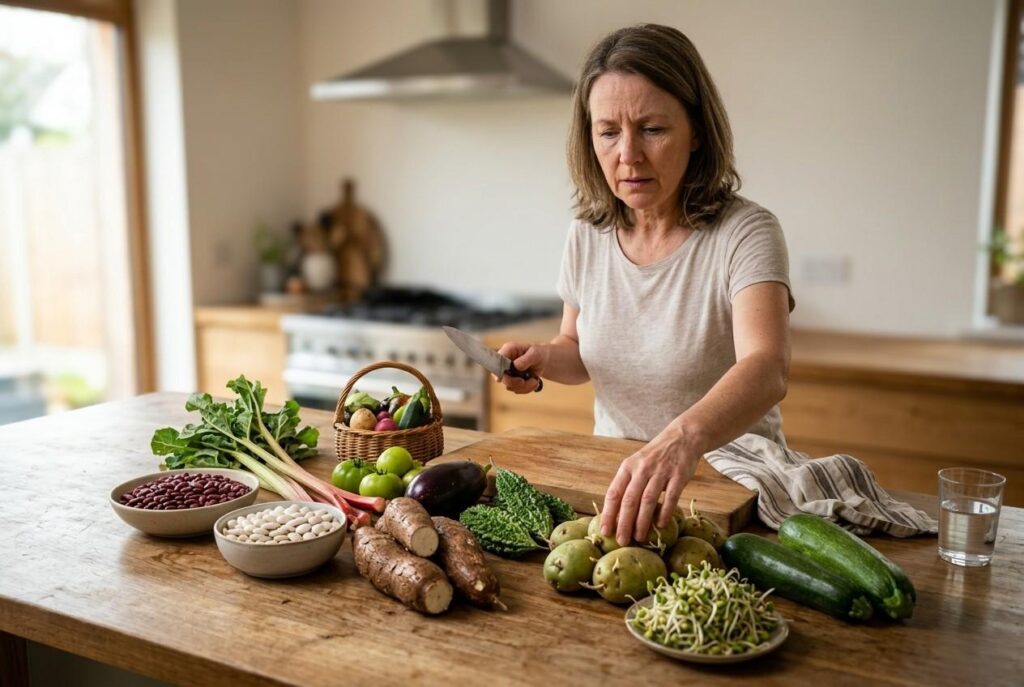
<p> When it comes to eating vegetables, many of us assume that raw is always better. Crunchy salads, fresh smoothies, and quick veggie snacks feel healthy and safe. But not all vegetables are as harmless as they look. Some contain natural compounds that are designed to protect the plant from pests but can make humans seriously sick if eaten raw. Yes, even something as innocent-looking as a potato or a bean could land you in the bathroom if not prepared correctly.

Understanding which vegetables can be toxic and how to handle them properly is more than just a fun kitchen fact. It is essential for keeping yourself and your family safe. In this list, we will explore ten common vegetables that can be dangerous when eaten raw, explain the risks, and show why cooking is not just a culinary choice but a safety measure. </p> :: Gemini

When it comes to eating vegetables, many of us assume that raw is always better. Crunchy salads, fresh smoothies, and quick veggie snacks feel healthy and safe. But not all vegetables are as harmless as they look. Some contain natural compounds that are designed to protect the plant from pests but can make humans seriously sick if eaten raw. Yes, even something as innocent-looking as a potato or a bean could land you in the bathroom if not prepared correctly.

Understanding which vegetables can be toxic and how to handle them properly is more than just a fun kitchen fact. It is essential for keeping yourself and your family safe. In this list, we will explore ten common vegetables that can be dangerous when eaten raw, explain the risks, and show why cooking is not just a culinary choice but a safety measure.

1. Red Kidney Beans
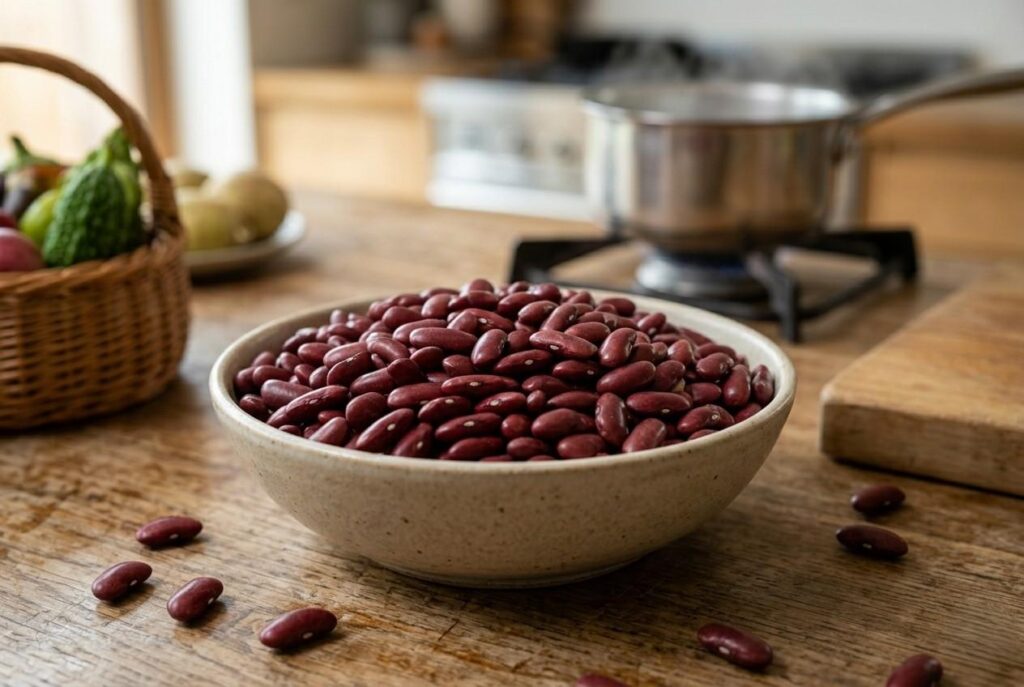
<p> Red kidney beans are a staple in chili, soups, and salads, but eating them raw can cause severe digestive distress. They contain a natural toxin called phytohaemagglutinin, which is a type of lectin. Just a handful of raw beans can trigger nausea, vomiting, and diarrhea within a few hours. The good news is that cooking kidney beans properly neutralizes this toxin. Always soak the beans for several hours and boil them for at least ten minutes to ensure they are safe to eat. Properly cooked beans are not only safe but packed with protein and fiber, making them a nutritional powerhouse. </p> :: Gemini

Red kidney beans are a staple in chili, soups, and salads, but eating them raw can cause severe digestive distress. They contain a natural toxin called phytohaemagglutinin, which is a type of lectin. Just a handful of raw beans can trigger nausea, vomiting, and diarrhea within a few hours. The good news is that cooking kidney beans properly neutralizes this toxin. Always soak the beans for several hours and boil them for at least ten minutes to ensure they are safe to eat. Properly cooked beans are not only safe but packed with protein and fiber, making them a nutritional powerhouse.

2. Cassava (Yuca or Manioc)
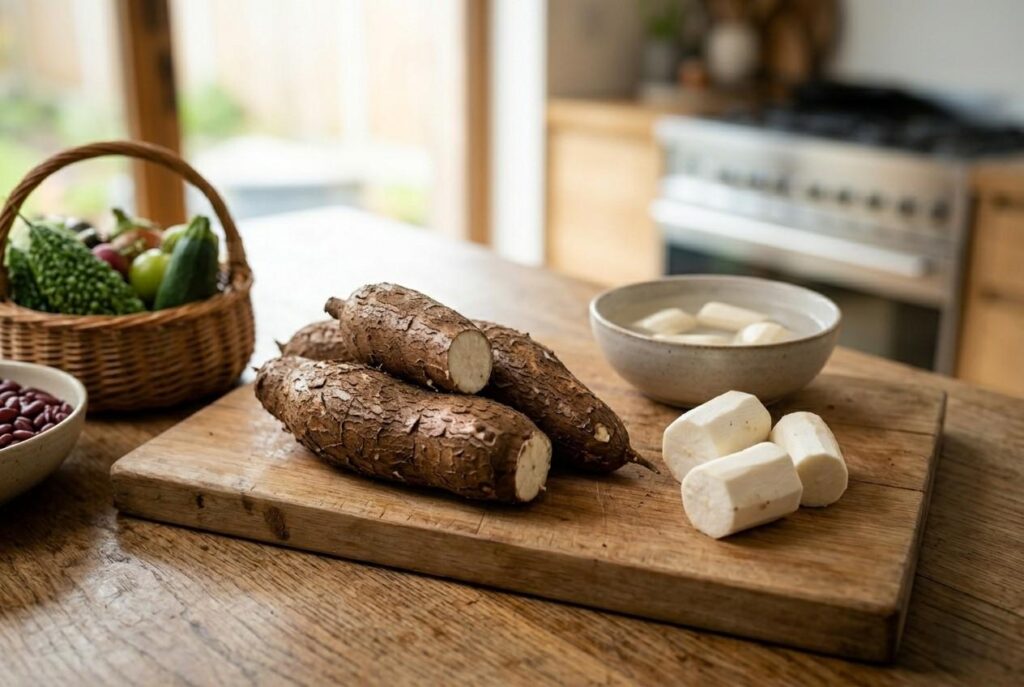
<p> Cassava is a starchy root that is widely used in Latin American, African, and Asian cuisines. It is delicious when boiled, baked, or fried, but raw cassava contains cyanogenic compounds that can release hydrogen cyanide in the body. Consuming raw or improperly prepared cassava can cause dizziness, vomiting, and in extreme cases, be fatal. To enjoy cassava safely, peel it, soak it in water, and cook it thoroughly. Once cooked, it becomes a versatile and safe ingredient for savory dishes and desserts alike. </p> :: Gemini

Cassava is a starchy root that is widely used in Latin American, African, and Asian cuisines. It is delicious when boiled, baked, or fried, but raw cassava contains cyanogenic compounds that can release hydrogen cyanide in the body. Consuming raw or improperly prepared cassava can cause dizziness, vomiting, and in extreme cases, be fatal. To enjoy cassava safely, peel it, soak it in water, and cook it thoroughly. Once cooked, it becomes a versatile and safe ingredient for savory dishes and desserts alike.

3. Lima Beans
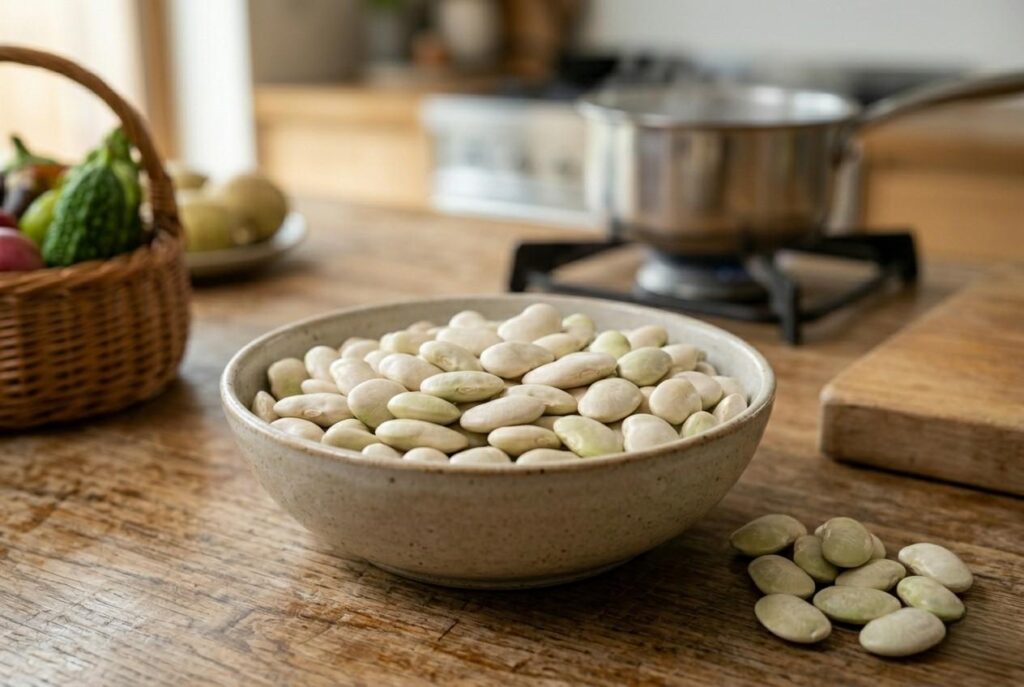
<p> Lima beans, also known as butter beans, are creamy and satisfying when cooked. However, raw lima beans contain a compound called linamarin, which can convert into hydrogen cyanide in the body. Eating them raw can cause stomach cramps, nausea, and other unpleasant symptoms. Boiling lima beans for at least ten minutes neutralizes the toxin, allowing you to enjoy them safely. They are excellent in soups, stews, or as a side dish, offering a rich source of protein and fiber without any risk. </p> :: Gemini

Lima beans, also known as butter beans, are creamy and satisfying when cooked. However, raw lima beans contain a compound called linamarin, which can convert into hydrogen cyanide in the body. Eating them raw can cause stomach cramps, nausea, and other unpleasant symptoms. Boiling lima beans for at least ten minutes neutralizes the toxin, allowing you to enjoy them safely. They are excellent in soups, stews, or as a side dish, offering a rich source of protein and fiber without any risk.

4. Rhubarb Leaves
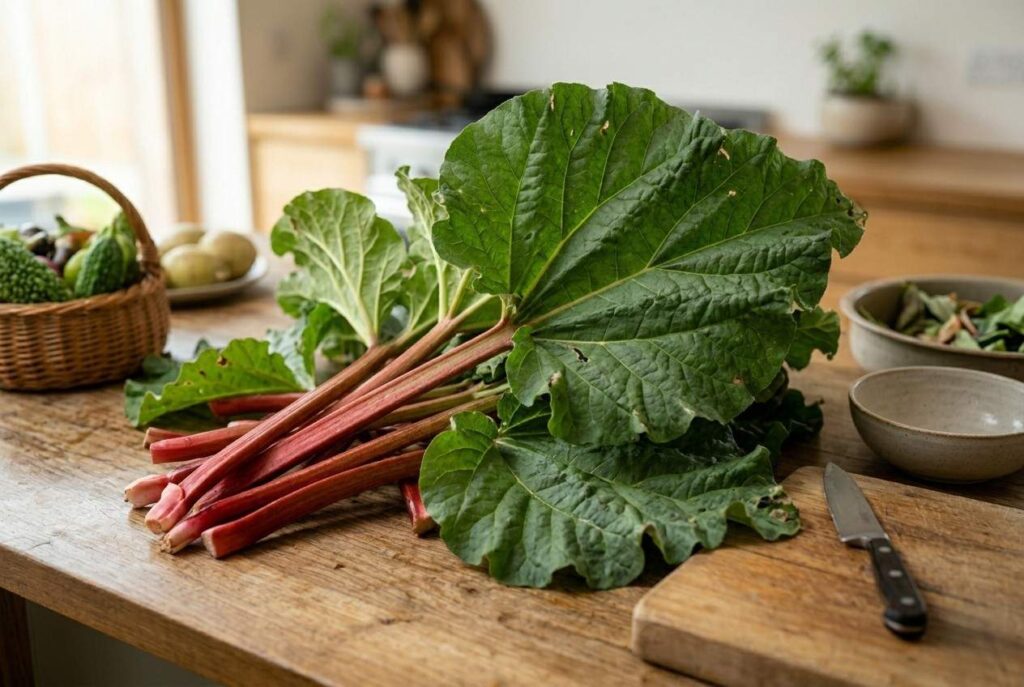
<p> Rhubarb is famous for its tart stalks in pies and jams, but the leaves are extremely toxic. Rhubarb leaves contain high levels of oxalic acid, which can cause kidney damage, digestive upset, and neurological symptoms if ingested. The stalks themselves are perfectly safe and delicious when cooked. Always remember to discard the leaves completely, and never use them as garnish or compost if children or pets might accidentally ingest them. Cooking rhubarb stalks brings out their natural sweetness and transforms them into a safe and tasty ingredient. </p> :: Gemini

Rhubarb is famous for its tart stalks in pies and jams, but the leaves are extremely toxic. Rhubarb leaves contain high levels of oxalic acid, which can cause kidney damage, digestive upset, and neurological symptoms if ingested. The stalks themselves are perfectly safe and delicious when cooked. Always remember to discard the leaves completely, and never use them as garnish or compost if children or pets might accidentally ingest them. Cooking rhubarb stalks brings out their natural sweetness and transforms them into a safe and tasty ingredient.

5. Potatoes, Especially Green or Sprouted Ones
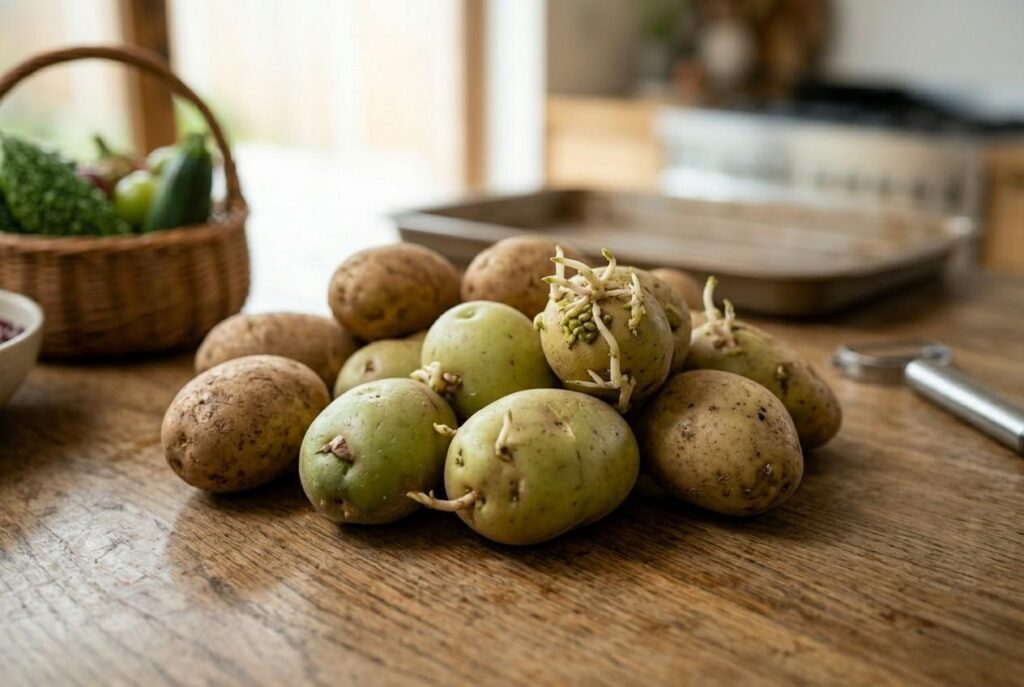
<p> Potatoes are a comfort food classic, but raw potatoes contain natural toxins called glycoalkaloids, including solanine. These compounds protect the potato from pests but can cause nausea, headaches, and digestive problems in humans. Green or sprouted potatoes have higher concentrations of these toxins. Cooking potatoes thoroughly, whether by boiling, roasting, or baking, destroys these compounds and makes them safe to eat. Potatoes are best enjoyed cooked, and removing any green spots or sprouts is essential for safety. </p> :: Gemini

Potatoes are a comfort food classic, but raw potatoes contain natural toxins called glycoalkaloids, including solanine. These compounds protect the potato from pests but can cause nausea, headaches, and digestive problems in humans. Green or sprouted potatoes have higher concentrations of these toxins. Cooking potatoes thoroughly, whether by boiling, roasting, or baking, destroys these compounds and makes them safe to eat. Potatoes are best enjoyed cooked, and removing any green spots or sprouts is essential for safety.

6. Unripe Green Tomatoes
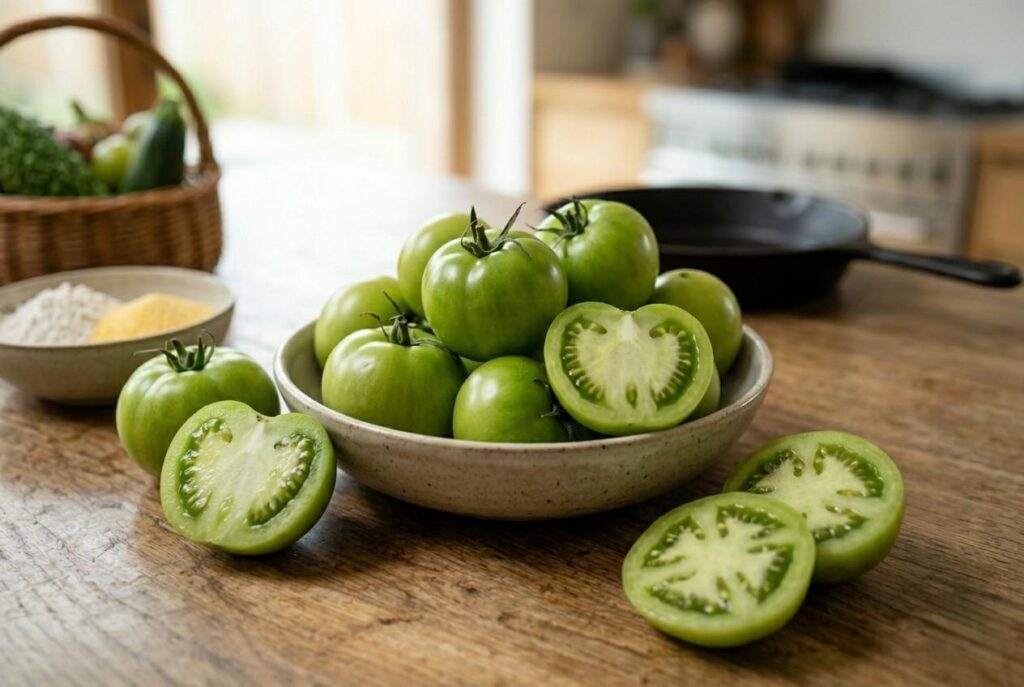
<p> Green tomatoes are a common sight in late summer gardens, and while they are often fried or pickled, eating them raw in large amounts can be risky. Unripe tomatoes contain solanine, the same natural toxin found in potatoes, which can irritate the digestive system. Cooking green tomatoes not only makes them safe but also enhances their flavor. Roasting, baking, or frying green tomatoes turns them into a delicious treat while neutralizing any potential toxins. </p> :: Gemini

Green tomatoes are a common sight in late summer gardens, and while they are often fried or pickled, eating them raw in large amounts can be risky. Unripe tomatoes contain solanine, the same natural toxin found in potatoes, which can irritate the digestive system. Cooking green tomatoes not only makes them safe but also enhances their flavor. Roasting, baking, or frying green tomatoes turns them into a delicious treat while neutralizing any potential toxins.

7. Eggplant

<p> Eggplant, or aubergine, is known for its rich, meaty texture, but eating it raw is not ideal. Raw eggplant contains solanine and similar compounds that can irritate the digestive system. Cooking eggplant thoroughly removes these compounds, making it safe to eat and much more palatable. Roasting, grilling, or sautéing eggplant brings out its natural sweetness and creates a tender, flavorful texture that is perfect for a wide variety of dishes. </p> :: Gemini

Eggplant, or aubergine, is known for its rich, meaty texture, but eating it raw is not ideal. Raw eggplant contains solanine and similar compounds that can irritate the digestive system. Cooking eggplant thoroughly removes these compounds, making it safe to eat and much more palatable. Roasting, grilling, or sautéing eggplant brings out its natural sweetness and creates a tender, flavorful texture that is perfect for a wide variety of dishes.

8. Certain Wild Mushrooms

<p> While grocery store mushrooms are generally safe to eat raw, wild mushrooms are a completely different story. Some wild mushrooms are extremely toxic and can cause serious illness or even death if consumed. The death cap mushroom, for example, is one of the most poisonous mushrooms in the world. Unless you are an expert forager, it is best to avoid wild mushrooms altogether. Even store-bought mushrooms benefit from cooking, which improves digestibility and flavor while eliminating the risk of bacterial contamination. </p> :: Gemini

While grocery store mushrooms are generally safe to eat raw, wild mushrooms are a completely different story. Some wild mushrooms are extremely toxic and can cause serious illness or even death if consumed. The death cap mushroom, for example, is one of the most poisonous mushrooms in the world. Unless you are an expert forager, it is best to avoid wild mushrooms altogether. Even store-bought mushrooms benefit from cooking, which improves digestibility and flavor while eliminating the risk of bacterial contamination.

9. Bitter Gourds and Occasionally Zucchini
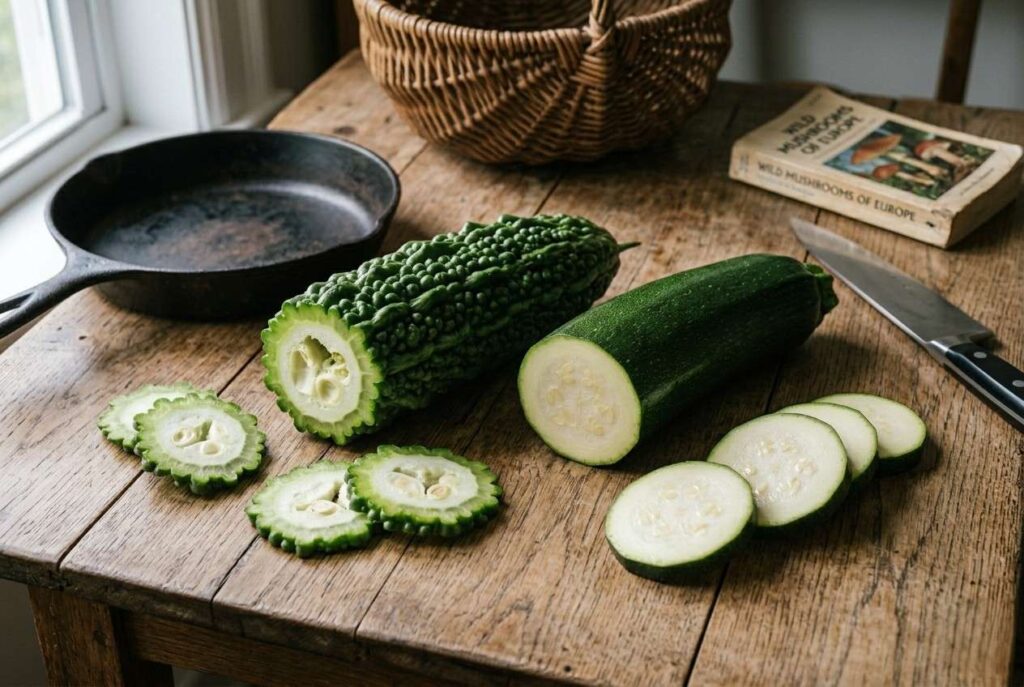
<p> Bitter gourds and sometimes zucchini can contain natural toxins called cucurbitacins. These compounds can cause vomiting, cramps, and diarrhea if consumed raw, especially when the vegetable tastes distinctly bitter. Cooking these vegetables not only neutralizes the toxins but also enhances their flavor. If a gourd or zucchini tastes unusually bitter, it is safest to discard it. Roasting, sautéing, or steaming these vegetables ensures they are both safe and delicious. </p> :: Gemini

Bitter gourds and sometimes zucchini can contain natural toxins called cucurbitacins. These compounds can cause vomiting, cramps, and diarrhea if consumed raw, especially when the vegetable tastes distinctly bitter. Cooking these vegetables not only neutralizes the toxins but also enhances their flavor. If a gourd or zucchini tastes unusually bitter, it is safest to discard it. Roasting, sautéing, or steaming these vegetables ensures they are both safe and delicious.

10. Sprouts Such as Alfalfa or Mung Bean
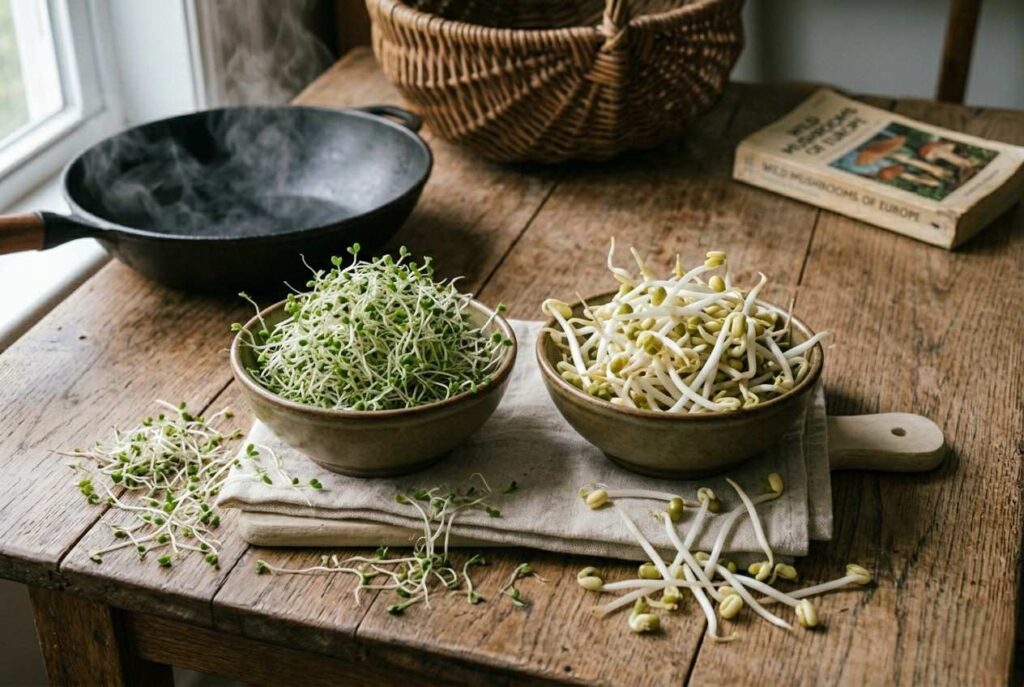
<p> Sprouts are often added to salads, sandwiches, and wraps for their fresh crunch, but they carry a hidden risk. Sprouts are grown in warm, humid conditions that are perfect for bacteria like Salmonella and E. coli. Eating them raw increases the risk of foodborne illness. Cooking sprouts thoroughly reduces this risk and makes them a safe addition to stir-fries, soups, and sautés. Even though sprouts are small, they require careful handling and proper cooking to ensure safety. </p> :: Gemini

Sprouts are often added to salads, sandwiches, and wraps for their fresh crunch, but they carry a hidden risk. Sprouts are grown in warm, humid conditions that are perfect for bacteria like Salmonella and E. coli. Eating them raw increases the risk of foodborne illness. Cooking sprouts thoroughly reduces this risk and makes them a safe addition to stir-fries, soups, and sautés. Even though sprouts are small, they require careful handling and proper cooking to ensure safety.

Final Thoughts

<p> Eating vegetables is an essential part of a healthy diet, but this list shows that not all vegetables are safe straight from the garden or grocery store. Nature has equipped many plants with chemical defenses, and while these compounds protect the plants, they can be harmful or even deadly to humans if not handled properly. Cooking, peeling, and soaking certain vegetables are simple steps that eliminate the risk and allow you to enjoy a wide range of flavors safely.

Remember, fresh and raw is not always synonymous with healthy or safe. Taking the time to prepare vegetables properly protects your health, enhances flavor, and allows you to enjoy a diverse, nutrient-rich diet without worry. Next time you reach for a bean, root, or leaf, think about the proper preparation method and let heat do its magic. Your taste buds and your stomach will thank you.

Safety and flavor go hand in hand, so embrace cooking as part of your journey to enjoy vegetables fully. Crunchy salads are wonderful, but knowing which vegetables need a little heat can make all the difference between a delicious meal and a trip to the bathroom. Keep your kitchen curious, your vegetables colorful, and your meals safe. </p> :: Gemini

Eating vegetables is an essential part of a healthy diet, but this list shows that not all vegetables are safe straight from the garden or grocery store. Nature has equipped many plants with chemical defenses, and while these compounds protect the plants, they can be harmful or even deadly to humans if not handled properly. Cooking, peeling, and soaking certain vegetables are simple steps that eliminate the risk and allow you to enjoy a wide range of flavors safely.

Remember, fresh and raw is not always synonymous with healthy or safe. Taking the time to prepare vegetables properly protects your health, enhances flavor, and allows you to enjoy a diverse, nutrient-rich diet without worry. Next time you reach for a bean, root, or leaf, think about the proper preparation method and let heat do its magic. Your taste buds and your stomach will thank you.

Safety and flavor go hand in hand, so embrace cooking as part of your journey to enjoy vegetables fully. Crunchy salads are wonderful, but knowing which vegetables need a little heat can make all the difference between a delicious meal and a trip to the bathroom. Keep your kitchen curious, your vegetables colorful, and your meals safe.
Filed Under: Food & Drink

Foods You Should Never Microwave and 12 Reasons Why

March 26, 2026 | Leave a Comment

Foods You Should Never Microwave and 12 Reasons Why

<p> Microwaves are a marvel of modern convenience. In mere minutes, you can go from a cold plate of leftovers to a steaming, ready-to-eat meal. But what if I told you that this kitchen superhero can sometimes be a silent troublemaker? While microwaves themselves are safe when used properly, certain foods can change in ways that are unhealthy, unsafe, or downright unpleasant. From sneaky bacteria to chemical reactions and even mini explosions, microwaving the wrong foods can turn a simple meal into a hazard.

This list highlights twelve foods you should avoid microwaving, along with the science and practical tips behind each one. Whether you are a busy professional, a parent juggling meals, or someone who simply loves convenience, knowing these tips will help you protect your health and still enjoy your favorite foods safely. </p> :: Gemini

Microwaves are a marvel of modern convenience. In mere minutes, you can go from a cold plate of leftovers to a steaming, ready-to-eat meal. But what if I told you that this kitchen superhero can sometimes be a silent troublemaker? While microwaves themselves are safe when used properly, certain foods can change in ways that are unhealthy, unsafe, or downright unpleasant. From sneaky bacteria to chemical reactions and even mini explosions, microwaving the wrong foods can turn a simple meal into a hazard.

This list highlights twelve foods you should avoid microwaving, along with the science and practical tips behind each one. Whether you are a busy professional, a parent juggling meals, or someone who simply loves convenience, knowing these tips will help you protect your health and still enjoy your favorite foods safely.

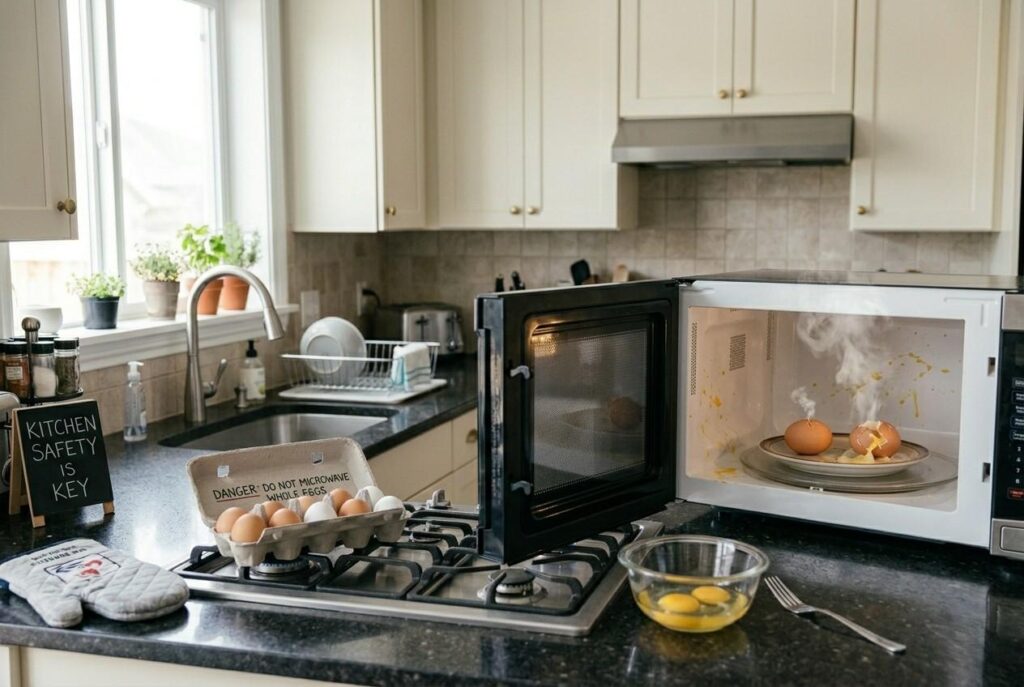
1. Microwaving Eggs in the Shell

<p> Microwaving eggs in their shell is a recipe for disaster. When heated, the steam inside the shell has nowhere to escape, causing the pressure to build up until the egg bursts. This can leave a sticky, smelly mess in your microwave and even cause minor burns if the explosion catches you off guard. Instead, crack eggs into a microwave-safe bowl, poke the yolks with a fork, and heat them at a lower power in short intervals. This method cooks your eggs safely while preserving their texture and flavor. </p> :: Gemini

Microwaving eggs in their shell is a recipe for disaster. When heated, the steam inside the shell has nowhere to escape, causing the pressure to build up until the egg bursts. This can leave a sticky, smelly mess in your microwave and even cause minor burns if the explosion catches you off guard. Instead, crack eggs into a microwave-safe bowl, poke the yolks with a fork, and heat them at a lower power in short intervals. This method cooks your eggs safely while preserving their texture and flavor.

2. Leafy Greens such as Spinach and Kale

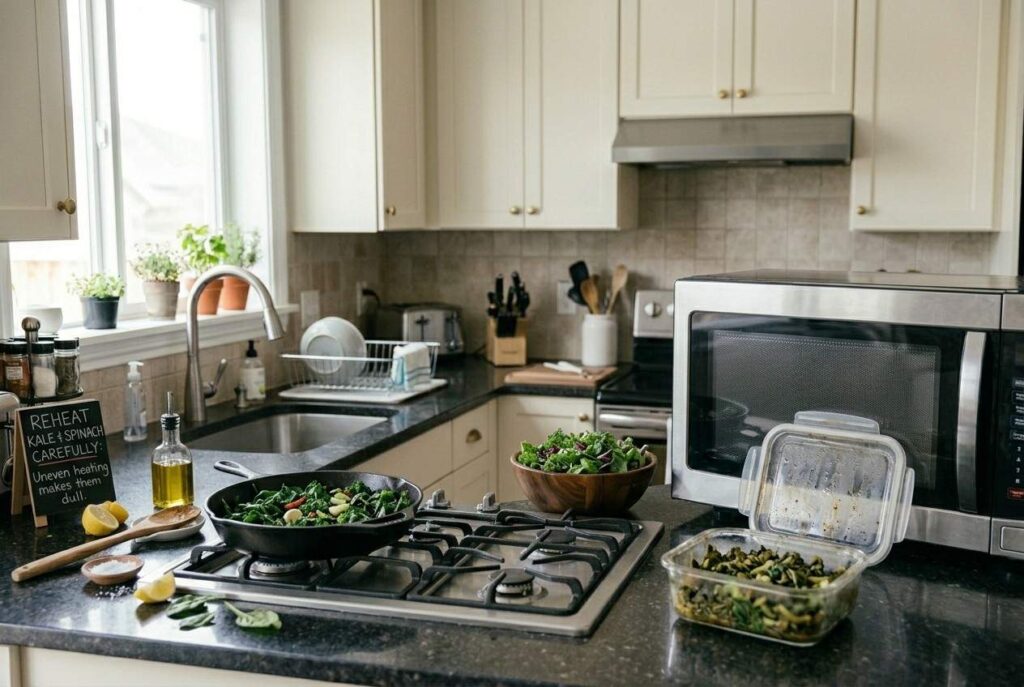
<p> Leafy greens like spinach, kale, and celery contain naturally occurring nitrates. While these compounds are generally healthy, microwaving them can convert nitrates into nitrosamines, which are potentially harmful. This is especially true for vegetables that have been cooked once and are now leftovers. Reheating them unevenly can also leave some parts overly hot while others stay cool, which affects both texture and flavor. To enjoy these greens safely, try steaming, lightly sautéing, or adding them cold to salads instead of reheating them in the microwave. </p> :: Gemini

Leafy greens like spinach, kale, and celery contain naturally occurring nitrates. While these compounds are generally healthy, microwaving them can convert nitrates into nitrosamines, which are potentially harmful. This is especially true for vegetables that have been cooked once and are now leftovers. Reheating them unevenly can also leave some parts overly hot while others stay cool, which affects both texture and flavor. To enjoy these greens safely, try steaming, lightly sautéing, or adding them cold to salads instead of reheating them in the microwave.

3. Cooked Rice

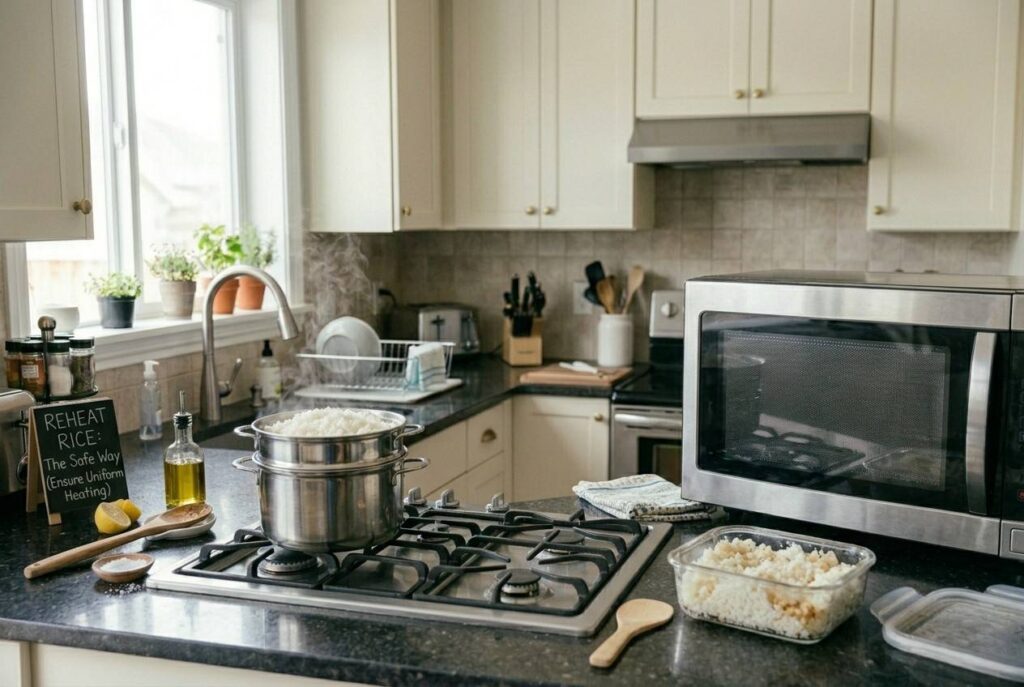
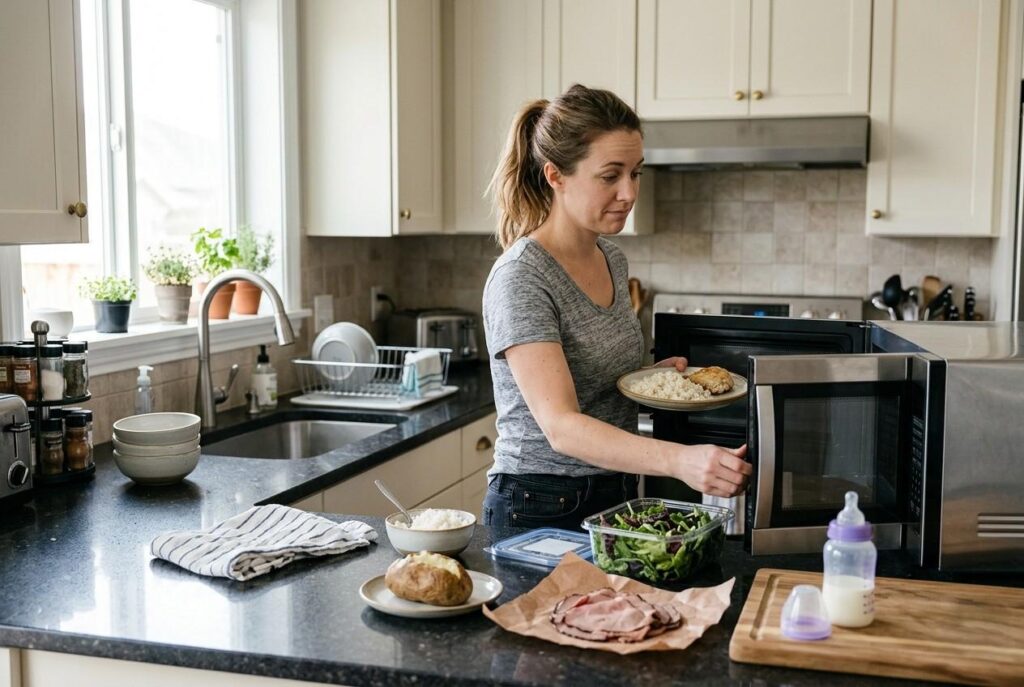
<p> Microwaving leftover rice may seem harmless, but it can harbor bacteria that survive cooking. Spores from Bacillus cereus can multiply if rice sits at room temperature for too long, and microwaving often does not heat it evenly enough to kill these harmful bacteria. This can result in serious food poisoning. Always store rice in the refrigerator shortly after cooking and reheat it thoroughly, either on the stove or using steam, to avoid stomach issues. </p> :: Gemini

Microwaving leftover rice may seem harmless, but it can harbor bacteria that survive cooking. Spores from Bacillus cereus can multiply if rice sits at room temperature for too long, and microwaving often does not heat it evenly enough to kill these harmful bacteria. This can result in serious food poisoning. Always store rice in the refrigerator shortly after cooking and reheat it thoroughly, either on the stove or using steam, to avoid stomach issues.

4. Chicken and Other Poultry

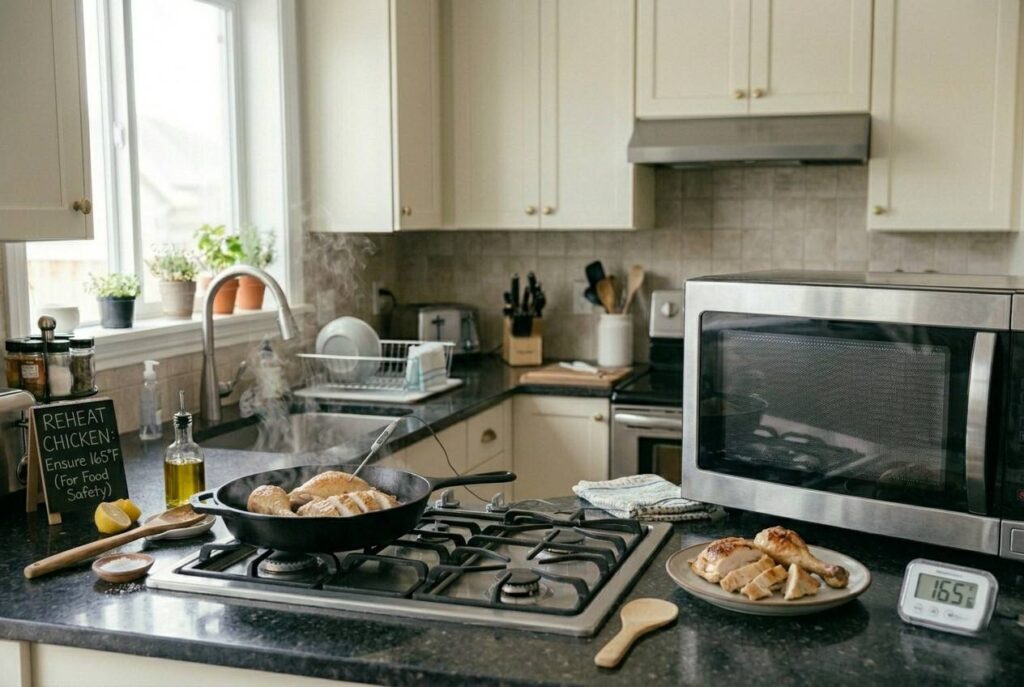
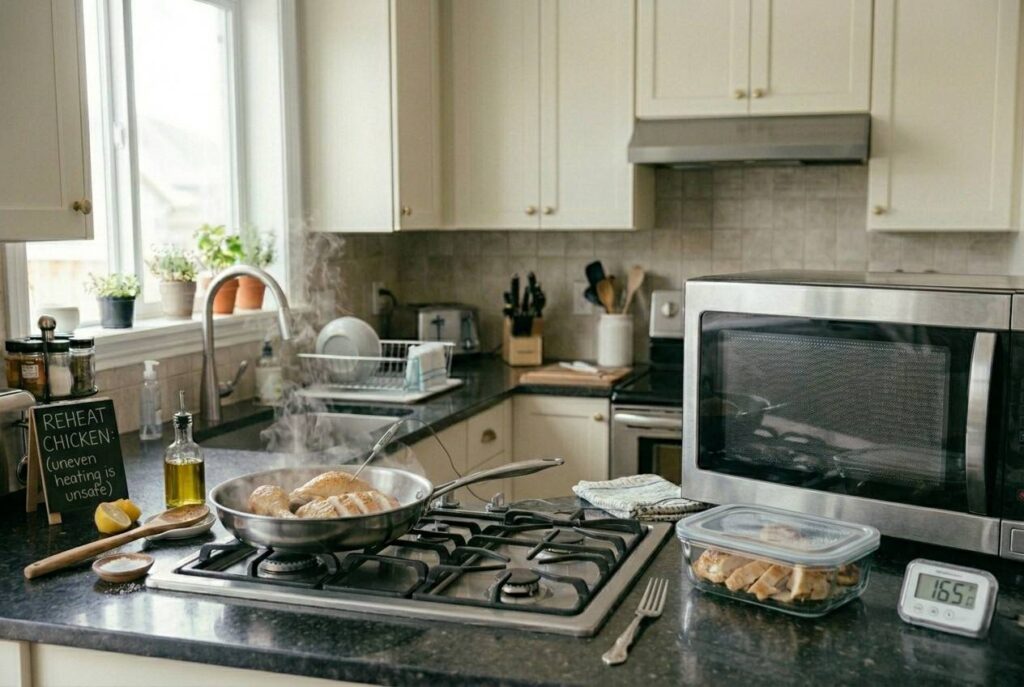
<p> Leftover chicken and other poultry are notorious for reheating problems. Microwaves heat food unevenly, which can leave cold spots where bacteria like Salmonella thrive. For safe reheating, use a stovetop or oven method to ensure the entire piece reaches an internal temperature of 165 degrees Fahrenheit. This not only kills bacteria but also keeps your meat juicy and flavorful. </p> :: Gemini

Leftover chicken and other poultry are notorious for reheating problems. Microwaves heat food unevenly, which can leave cold spots where bacteria like Salmonella thrive. For safe reheating, use a stovetop or oven method to ensure the entire piece reaches an internal temperature of 165 degrees Fahrenheit. This not only kills bacteria but also keeps your meat juicy and flavorful.

5. Processed Meats

<p> Hot dogs, bacon, deli meats, and sausages are convenient, but microwaving them may produce chemical changes that are less than ideal for your health. Certain compounds, such as cholesterol oxidation products, may increase during microwaving, potentially affecting heart health over time. Grilling, baking, or pan-frying these meats is safer and often tastier, giving you a crisp texture and richer flavor that microwaves cannot achieve. </p> :: Gemini

Hot dogs, bacon, deli meats, and sausages are convenient, but microwaving them may produce chemical changes that are less than ideal for your health. Certain compounds, such as cholesterol oxidation products, may increase during microwaving, potentially affecting heart health over time. Grilling, baking, or pan-frying these meats is safer and often tastier, giving you a crisp texture and richer flavor that microwaves cannot achieve.

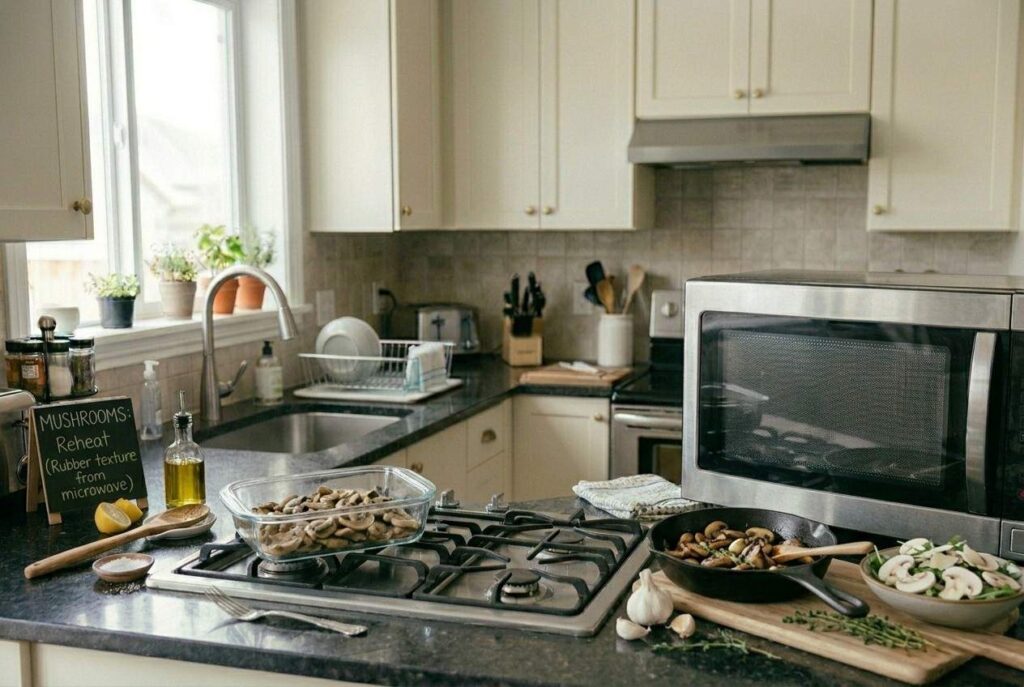
6. Mushrooms

<p> Mushrooms are delicate, and microwaving them can alter their texture, making them rubbery and unappetizing. Beyond texture, microwaving may affect certain compounds in mushrooms, potentially causing digestive discomfort such as bloating or stomach upset. Some people are especially sensitive to reheated mushrooms, which is why they may notice discomfort even after a small portion. To preserve their flavor and avoid these issues, reheat mushrooms gently on the stove, or enjoy them cold in salads. This method helps maintain a better texture while also reducing the chance of an unpleasant reaction after eating. </p> :: Gemini

Mushrooms are delicate, and microwaving them can alter their texture, making them rubbery and unappetizing. Beyond texture, microwaving may affect certain compounds in mushrooms, potentially causing digestive discomfort such as bloating or stomach upset. Some people are especially sensitive to reheated mushrooms, which is why they may notice discomfort even after a small portion. To preserve their flavor and avoid these issues, reheat mushrooms gently on the stove, or enjoy them cold in salads. This method helps maintain a better texture while also reducing the chance of an unpleasant reaction after eating.

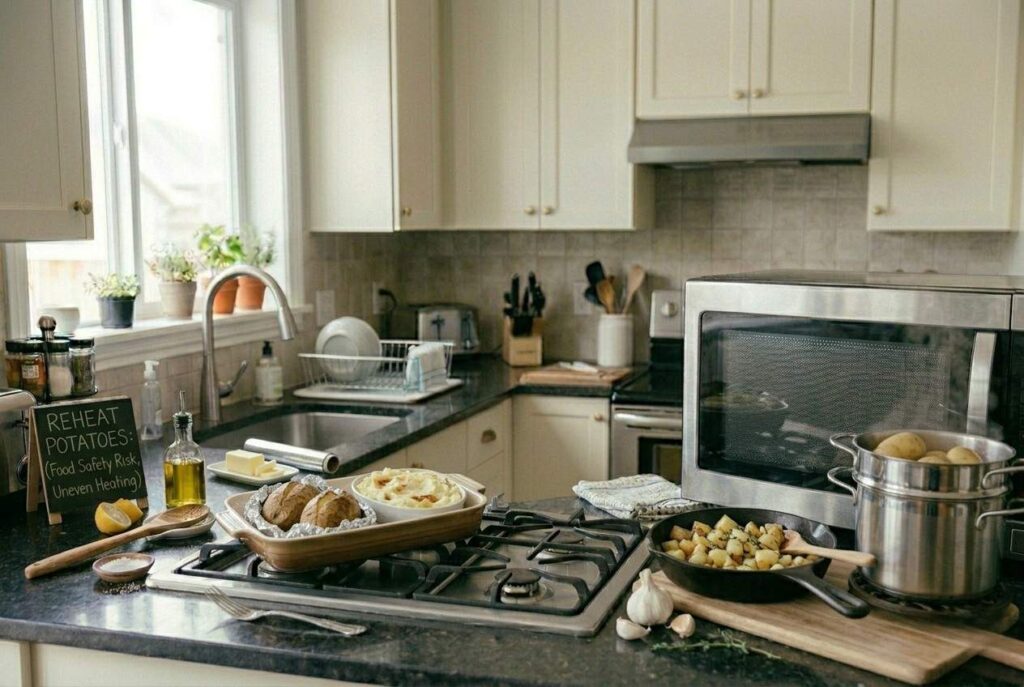
7. Potatoes

<p> Leftover potatoes, including mashed or baked varieties, pose a hidden risk. If they are left at room temperature for too long, bacteria such as Clostridium botulinum can grow. Microwaving does not reliably kill these bacteria, and uneven heating may leave cold spots where harmful spores survive. This is especially true when potatoes have been wrapped in foil, which can create a low-oxygen environment where dangerous bacteria thrive unnoticed. What seems like a harmless side dish can quickly become a food safety issue if leftovers are forgotten on the counter for several hours. To be safe, refrigerate cooked potatoes promptly and reheat them using an oven or steam method to ensure even cooking. </p> :: Gemini

Leftover potatoes, including mashed or baked varieties, pose a hidden risk. If they are left at room temperature for too long, bacteria such as Clostridium botulinum can grow. Microwaving does not reliably kill these bacteria, and uneven heating may leave cold spots where harmful spores survive. This is especially true when potatoes have been wrapped in foil, which can create a low-oxygen environment where dangerous bacteria thrive unnoticed. What seems like a harmless side dish can quickly become a food safety issue if leftovers are forgotten on the counter for several hours. To be safe, refrigerate cooked potatoes promptly and reheat them using an oven or steam method to ensure even cooking.

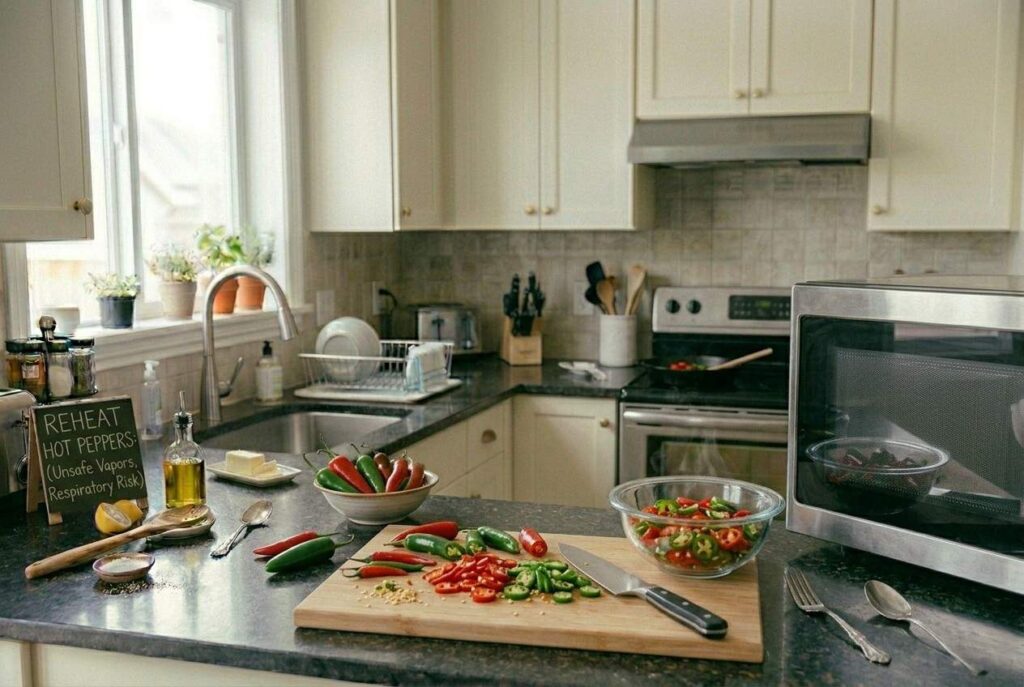
8. Hot Peppers

<p> It may seem harmless to zap some peppers in the microwave, but doing so releases capsaicin, the compound responsible for their heat, into the air. Capsaicin vapors can irritate your eyes, nose, and throat, causing coughing, sneezing, and lingering discomfort. Instead, cook hot peppers on the stovetop with proper ventilation or add them fresh to your dish after reheating. </p> :: Gemini

It may seem harmless to zap some peppers in the microwave, but doing so releases capsaicin, the compound responsible for their heat, into the air. Capsaicin vapors can irritate your eyes, nose, and throat, causing coughing, sneezing, and lingering discomfort. Instead, cook hot peppers on the stovetop with proper ventilation or add them fresh to your dish after reheating.

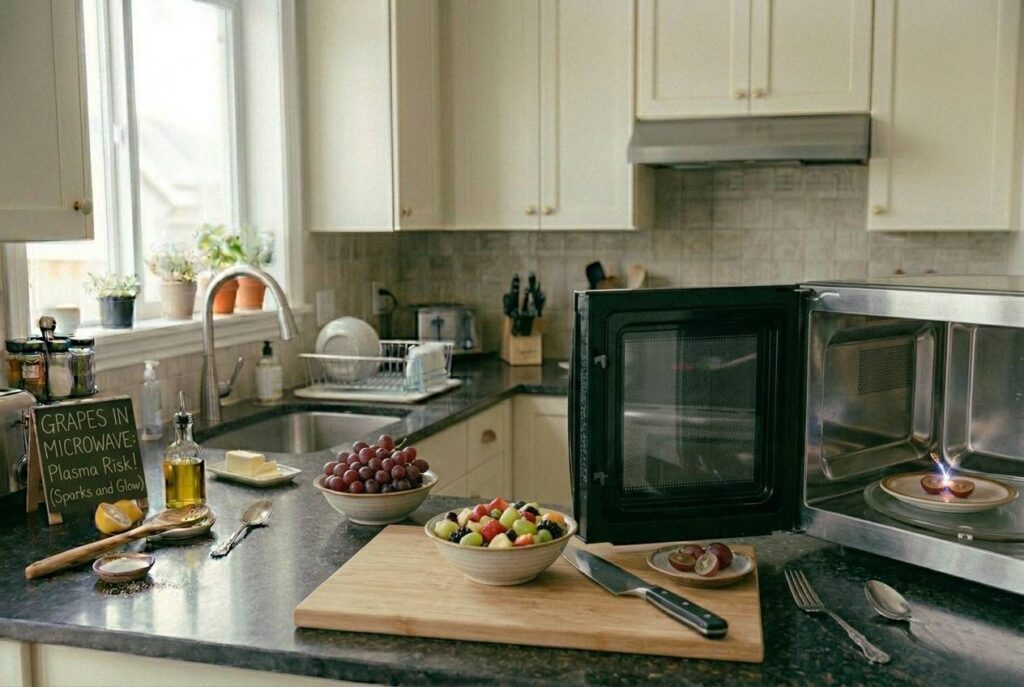
9. Grapes

<p> This one may surprise you. Grapes are capable of producing plasma when microwaved, essentially creating a tiny electrical discharge inside the microwave. This can lead to sparks, smoke, and even a fire hazard. For safety and flavor, always enjoy grapes fresh or add them to cold dishes instead of attempting to microwave them. </p> :: Gemini

This one may surprise you. Grapes are capable of producing plasma when microwaved, essentially creating a tiny electrical discharge inside the microwave. This can lead to sparks, smoke, and even a fire hazard. For safety and flavor, always enjoy grapes fresh or add them to cold dishes instead of attempting to microwave them.

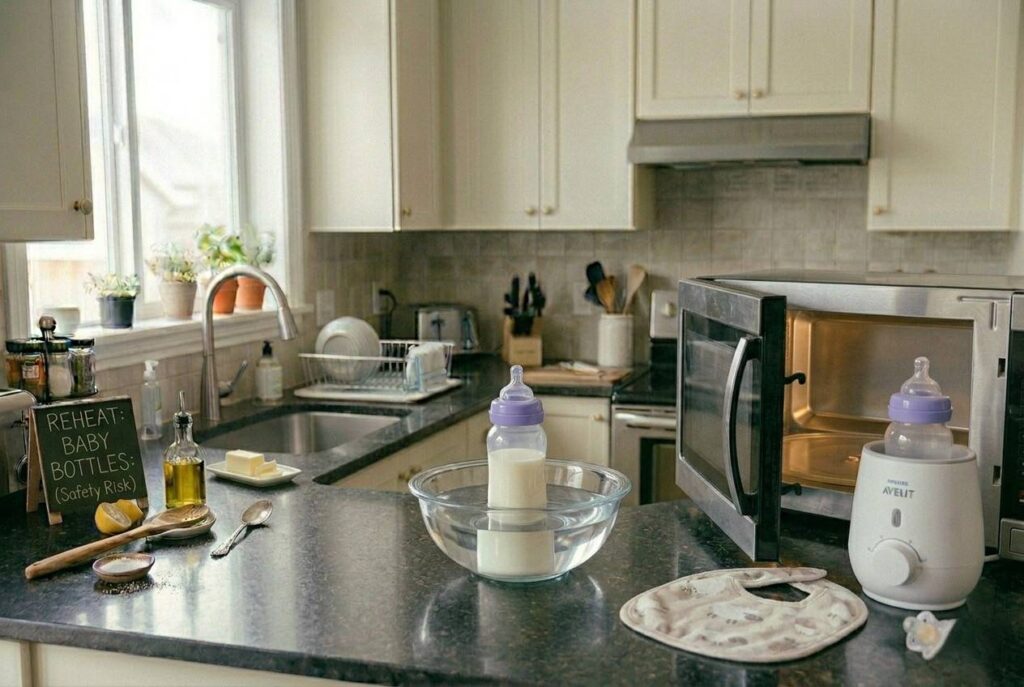
10. Breast Milk and Baby Formula

<p> Microwaving breast milk or formula is not recommended. Microwaves heat unevenly, creating hot spots that can burn a baby’s mouth or throat, even if the liquid feels cool to the touch. A safer method is to warm bottles in a bowl of warm water or use a bottle warmer. This ensures a consistent temperature and protects your little one from burns. It also helps preserve the nutrients and antibodies in breast milk, which can be damaged by excessive heat. Taking a few extra minutes to warm a bottle properly is a simple step that can make feeding time much safer and healthier for your baby. </p> :: Gemini

Microwaving breast milk or formula is not recommended. Microwaves heat unevenly, creating hot spots that can burn a baby’s mouth or throat, even if the liquid feels cool to the touch. A safer method is to warm bottles in a bowl of warm water or use a bottle warmer. This ensures a consistent temperature and protects your little one from burns. It also helps preserve the nutrients and antibodies in breast milk, which can be damaged by excessive heat. Taking a few extra minutes to warm a bottle properly is a simple step that can make feeding time much safer and healthier for your baby.

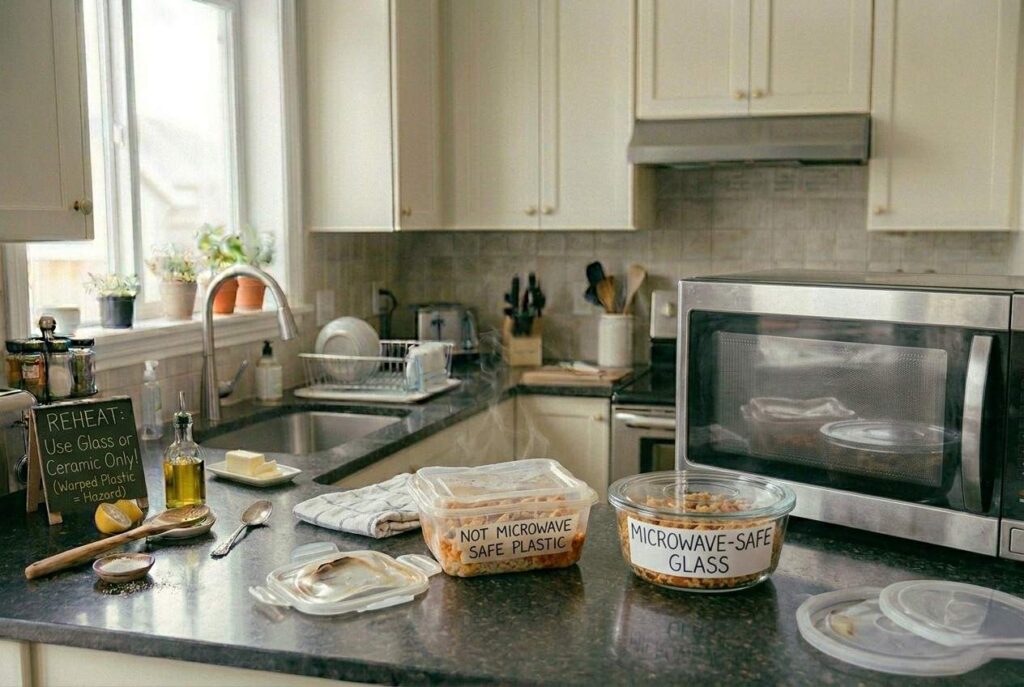
11. Plastic Containers That Are Not Microwave-Safe

<p> Many people assume any plastic container can be microwaved, but that is not the case. Non-microwave-safe plastics can leach harmful chemicals such as phthalates or BPA into your food when heated. These substances have been linked to hormone disruption and long-term health concerns. Repeated heating can also weaken the plastic over time, causing warping, cracking, or releasing even more unwanted compounds into your meal. Even if a container looks sturdy, it is best not to take chances unless it is clearly marked as microwave-safe. Always use glass or ceramic containers labeled microwave-safe to prevent chemical exposure and enjoy your meal safely. </p> :: Gemini

Many people assume any plastic container can be microwaved, but that is not the case. Non-microwave-safe plastics can leach harmful chemicals such as phthalates or BPA into your food when heated. These substances have been linked to hormone disruption and long-term health concerns. Repeated heating can also weaken the plastic over time, causing warping, cracking, or releasing even more unwanted compounds into your meal. Even if a container looks sturdy, it is best not to take chances unless it is clearly marked as microwave-safe. Always use glass or ceramic containers labeled microwave-safe to prevent chemical exposure and enjoy your meal safely.

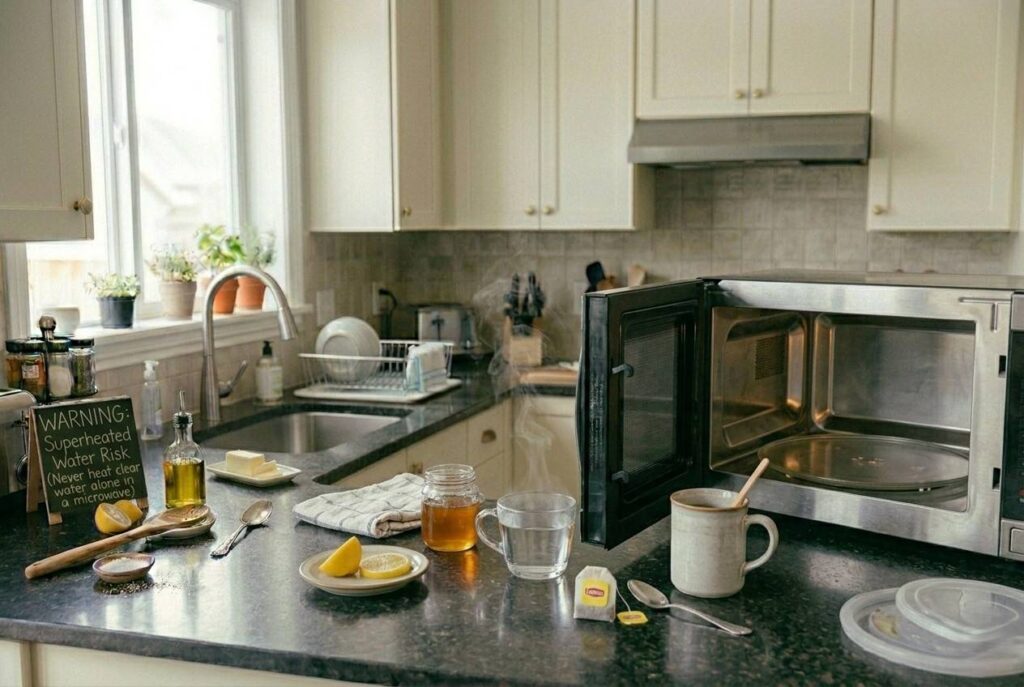
12. Water

<p> Even water can be dangerous when microwaved. Superheating occurs when water is heated past its boiling point without bubbling, creating a potential explosion the moment you disturb it with a spoon or teabag. This can lead to serious burns. To prevent superheating, place a wooden stir stick or other non-metallic object in your cup while heating. This simple trick allows bubbles to form safely. </p> :: Gemini

Even water can be dangerous when microwaved. Superheating occurs when water is heated past its boiling point without bubbling, creating a potential explosion the moment you disturb it with a spoon or teabag. This can lead to serious burns. To prevent superheating, place a wooden stir stick or other non-metallic object in your cup while heating. This simple trick allows bubbles to form safely.

Final Thoughts

<p> Microwaves are incredible tools, but convenience comes with responsibility. Knowing which foods to avoid microwaving can prevent health risks, unpleasant kitchen accidents, and ruined meals. From eggs that explode to rice that may harbor bacteria and grapes that can spark fires, understanding the science behind these foods allows you to cook smarter.

The good news is that in most cases, alternative heating methods are just as simple and often produce better results. Using an oven, stovetop, steaming, or even enjoying certain foods cold ensures both safety and flavor. By taking a few extra precautions, you can keep your meals safe, delicious, and stress-free. Next time you reach for the microwave, remember: some foods are better left to gentler methods.

With this knowledge, you can continue enjoying the convenience of microwaves while keeping yourself and your family safe. Cooking thoughtfully may take a little extra time, but the peace of mind and healthier meals are well worth it. </p> :: Gemini

Microwaves are incredible tools, but convenience comes with responsibility. Knowing which foods to avoid microwaving can prevent health risks, unpleasant kitchen accidents, and ruined meals. From eggs that explode to rice that may harbor bacteria and grapes that can spark fires, understanding the science behind these foods allows you to cook smarter.

The good news is that in most cases, alternative heating methods are just as simple and often produce better results. Using an oven, stovetop, steaming, or even enjoying certain foods cold ensures both safety and flavor. By taking a few extra precautions, you can keep your meals safe, delicious, and stress-free. Next time you reach for the microwave, remember: some foods are better left to gentler methods.

With this knowledge, you can continue enjoying the convenience of microwaves while keeping yourself and your family safe. Cooking thoughtfully may take a little extra time, but the peace of mind and healthier meals are well worth it.

Filed Under: Food & Drink

Daily Mistakes That Quietly Damage Your Heart Health: 12 Habits You Might Not Realize Are Harmful

March 25, 2026 | Leave a Comment

Daily Mistakes That Quietly Damage Your Heart Health: 12 Habits You Might Not Realize Are Harmful

<p> Your heart is the engine that keeps your life moving, yet most of us rarely think about how our daily habits affect it. While major risks like smoking and obesity are well-known, the quiet, everyday mistakes can be just as harmful over time. From tiny lifestyle choices to hidden ingredients in your favorite snacks, these habits slowly chip away at your heart health without setting off alarms. The good news is that awareness is the first step toward change. By recognizing these common mistakes and making small adjustments, you can protect your heart and improve your long-term well-being.

Here are twelve daily mistakes that quietly damage your heart and practical steps you can take to safeguard this vital organ. </p> :: Gemini

Your heart is the engine that keeps your life moving, yet most of us rarely think about how our daily habits affect it. While major risks like smoking and obesity are well-known, the quiet, everyday mistakes can be just as harmful over time. From tiny lifestyle choices to hidden ingredients in your favorite snacks, these habits slowly chip away at your heart health without setting off alarms. The good news is that awareness is the first step toward change. By recognizing these common mistakes and making small adjustments, you can protect your heart and improve your long-term well-being.

Here are twelve daily mistakes that quietly damage your heart and practical steps you can take to safeguard this vital organ.

1. Sitting Too Much

<p> We live in a world that encourages sitting. Desk jobs, streaming shows, scrolling social media — it all adds up. Spending hours on end sitting slows circulation, weakens muscles, and raises blood pressure. Even if you exercise for an hour a day, long periods of inactivity can still harm your heart. Try breaking up your day with short walks, stretching, or standing while on calls. Think of these movement breaks as mini workouts for your heart that add up over time. </p> :: Gemini

We live in a world that encourages sitting. Desk jobs, streaming shows, scrolling social media — it all adds up. Spending hours on end sitting slows circulation, weakens muscles, and raises blood pressure. Even if you exercise for an hour a day, long periods of inactivity can still harm your heart. Try breaking up your day with short walks, stretching, or standing while on calls. Think of these movement breaks as mini workouts for your heart that add up over time.

2. Skipping Quality Sleep

<p> Sleep is when your body repairs itself, and your heart is no exception. Consistently getting less than seven hours of sleep can disrupt your blood pressure, increase inflammation, and even raise your risk for heart disease. Those late-night scrolling sessions may feel harmless, but over time they quietly strain your cardiovascular system. Prioritize consistent bedtime routines, keep your bedroom cool and dark, and treat sleep as a vital part of your heart health. </p> :: Gemini

Sleep is when your body repairs itself, and your heart is no exception. Consistently getting less than seven hours of sleep can disrupt your blood pressure, increase inflammation, and even raise your risk for heart disease. Those late-night scrolling sessions may feel harmless, but over time they quietly strain your cardiovascular system. Prioritize consistent bedtime routines, keep your bedroom cool and dark, and treat sleep as a vital part of your heart health.

3. Letting Stress Take Over

<p> Stress is a normal part of life, but chronic stress can be a silent enemy for your heart. Hormones released during stress, like cortisol, can raise blood pressure, contribute to inflammation, and even increase the risk of heart attack. It is not always easy to eliminate stress, but regular relaxation techniques such as deep breathing, short walks, or journaling can help reduce the burden on your heart. The goal is not a stress-free life but giving your heart a chance to recover every day. </p> :: Gemini

Stress is a normal part of life, but chronic stress can be a silent enemy for your heart. Hormones released during stress, like cortisol, can raise blood pressure, contribute to inflammation, and even increase the risk of heart attack. It is not always easy to eliminate stress, but regular relaxation techniques such as deep breathing, short walks, or journaling can help reduce the burden on your heart. The goal is not a stress-free life but giving your heart a chance to recover every day.

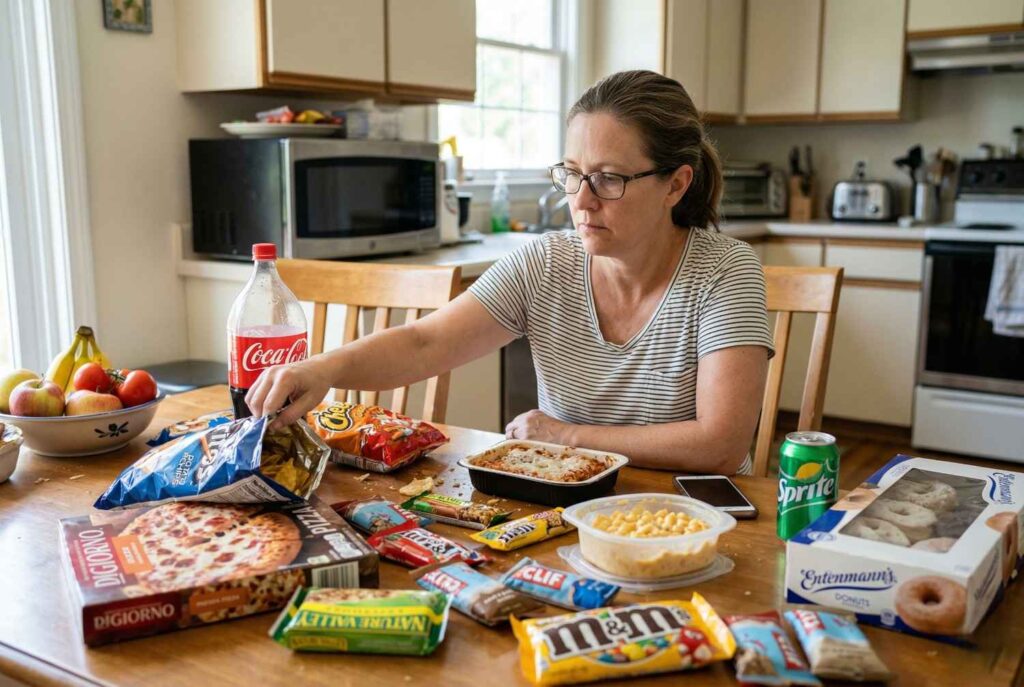
4. Eating Too Many Ultra-Processed Foods

<p> Packaged snacks, sugary drinks, and frozen meals may be convenient, but they often contain excessive salt, sugar, and unhealthy fats. These ingredients promote inflammation, raise cholesterol, and can lead to clogged arteries over time. Switching to whole foods like vegetables, fruits, lean proteins, and whole grains gives your heart the nutrients it needs and reduces hidden risks. Even small changes, like replacing soda with sparkling water, can make a significant difference. </p> :: Gemini

Packaged snacks, sugary drinks, and frozen meals may be convenient, but they often contain excessive salt, sugar, and unhealthy fats. These ingredients promote inflammation, raise cholesterol, and can lead to clogged arteries over time. Switching to whole foods like vegetables, fruits, lean proteins, and whole grains gives your heart the nutrients it needs and reduces hidden risks. Even small changes, like replacing soda with sparkling water, can make a significant difference.

5. Drinking Too Much Alcohol

<p> A glass of wine or beer can feel relaxing, but frequent alcohol consumption increases blood pressure and can disrupt your heart rhythm. Over time, regular drinking can contribute to heart disease, even if you are otherwise healthy. Limiting alcohol intake or saving it for special occasions is a simple way to reduce hidden strain on your cardiovascular system. Your heart will thank you for giving it a break. </p> :: Gemini

A glass of wine or beer can feel relaxing, but frequent alcohol consumption increases blood pressure and can disrupt your heart rhythm. Over time, regular drinking can contribute to heart disease, even if you are otherwise healthy. Limiting alcohol intake or saving it for special occasions is a simple way to reduce hidden strain on your cardiovascular system. Your heart will thank you for giving it a break.

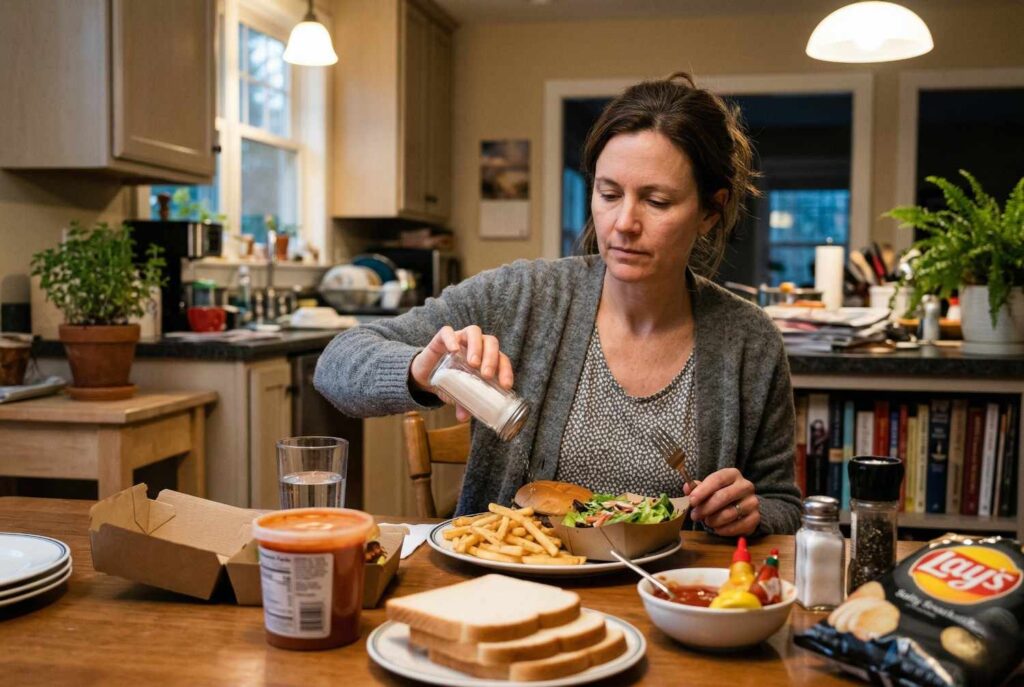
6. Consuming Excessive Salt

<p> Salt is everywhere, from fast food and sauces to breads and snacks. Too much sodium forces your body to retain fluid, which increases blood pressure and makes your heart work harder. Even if your blood pressure reads normal today, the long-term effects of excess salt accumulate silently. Reducing processed foods and using herbs and spices for flavor can make a noticeable difference in heart health over time. </p> :: Gemini

Salt is everywhere, from fast food and sauces to breads and snacks. Too much sodium forces your body to retain fluid, which increases blood pressure and makes your heart work harder. Even if your blood pressure reads normal today, the long-term effects of excess salt accumulate silently. Reducing processed foods and using herbs and spices for flavor can make a noticeable difference in heart health over time.

7. Spending Too Much Time on Screens

<p> Hours spent glued to phones, computers, and TVs can harm your heart more than you realize. Too much screen time often means less physical activity and increased stress. It can also interfere with sleep patterns, further straining your cardiovascular system. Long periods of sitting can slow circulation and contribute to weight gain, both of which raise the risk of heart-related problems over time. Constant exposure to news, social media, and digital distractions can also keep your body in a low-level state of tension that quietly impacts blood pressure. Setting boundaries on screen usage and incorporating regular movement breaks can help protect your heart while improving overall well-being. </p> :: Gemini

Hours spent glued to phones, computers, and TVs can harm your heart more than you realize. Too much screen time often means less physical activity and increased stress. It can also interfere with sleep patterns, further straining your cardiovascular system. Long periods of sitting can slow circulation and contribute to weight gain, both of which raise the risk of heart-related problems over time. Constant exposure to news, social media, and digital distractions can also keep your body in a low-level state of tension that quietly impacts blood pressure. Setting boundaries on screen usage and incorporating regular movement breaks can help protect your heart while improving overall well-being.

8. Smoking and Vaping

<p> Nicotine, whether from cigarettes or vaping, damages blood vessels, reduces oxygen delivery, and contributes to the buildup of plaque in your arteries. Smoking remains one of the leading preventable causes of heart disease. Quitting is challenging, but even reducing use gradually can have substantial benefits. Many people experience dramatic improvements in heart health within months of quitting. The sooner you stop, the faster your body can begin repairing some of the damage and lowering your cardiovascular risk. Seeking support through nicotine replacement, counseling, or a structured quit plan can make the process far more manageable and increase your chances of success. </p> :: Gemini

Nicotine, whether from cigarettes or vaping, damages blood vessels, reduces oxygen delivery, and contributes to the buildup of plaque in your arteries. Smoking remains one of the leading preventable causes of heart disease. Quitting is challenging, but even reducing use gradually can have substantial benefits. Many people experience dramatic improvements in heart health within months of quitting. The sooner you stop, the faster your body can begin repairing some of the damage and lowering your cardiovascular risk. Seeking support through nicotine replacement, counseling, or a structured quit plan can make the process far more manageable and increase your chances of success.

9. Neglecting Oral Health

<p> You might not realize that poor oral hygiene can affect your heart. Infections in your gums allow bacteria to enter the bloodstream, triggering inflammation that may impact your arteries. This connection is why gum disease has been linked in some studies to a higher risk of heart problems over time. Taking care of your teeth and gums is not just about avoiding cavities, but also about reducing unnecessary stress on your body. Regular brushing, flossing, and dental checkups are simple ways to support not only your oral health but also your cardiovascular system. A healthy smile can be a sign of a healthy heart. </p> :: Gemini

You might not realize that poor oral hygiene can affect your heart. Infections in your gums allow bacteria to enter the bloodstream, triggering inflammation that may impact your arteries. This connection is why gum disease has been linked in some studies to a higher risk of heart problems over time. Taking care of your teeth and gums is not just about avoiding cavities, but also about reducing unnecessary stress on your body. Regular brushing, flossing, and dental checkups are simple ways to support not only your oral health but also your cardiovascular system. A healthy smile can be a sign of a healthy heart.

10. Skipping Regular Health Screenings

<p> High blood pressure, high cholesterol, and other cardiovascular risks can develop silently, showing few symptoms until serious problems arise. Skipping checkups allows these conditions to progress unchecked. Regular visits to your healthcare provider give you the opportunity to detect issues early and manage them before they turn into life-threatening problems. Think of screenings as preventive maintenance for your heart. </p> :: Gemini

High blood pressure, high cholesterol, and other cardiovascular risks can develop silently, showing few symptoms until serious problems arise. Skipping checkups allows these conditions to progress unchecked. Regular visits to your healthcare provider give you the opportunity to detect issues early and manage them before they turn into life-threatening problems. Think of screenings as preventive maintenance for your heart.

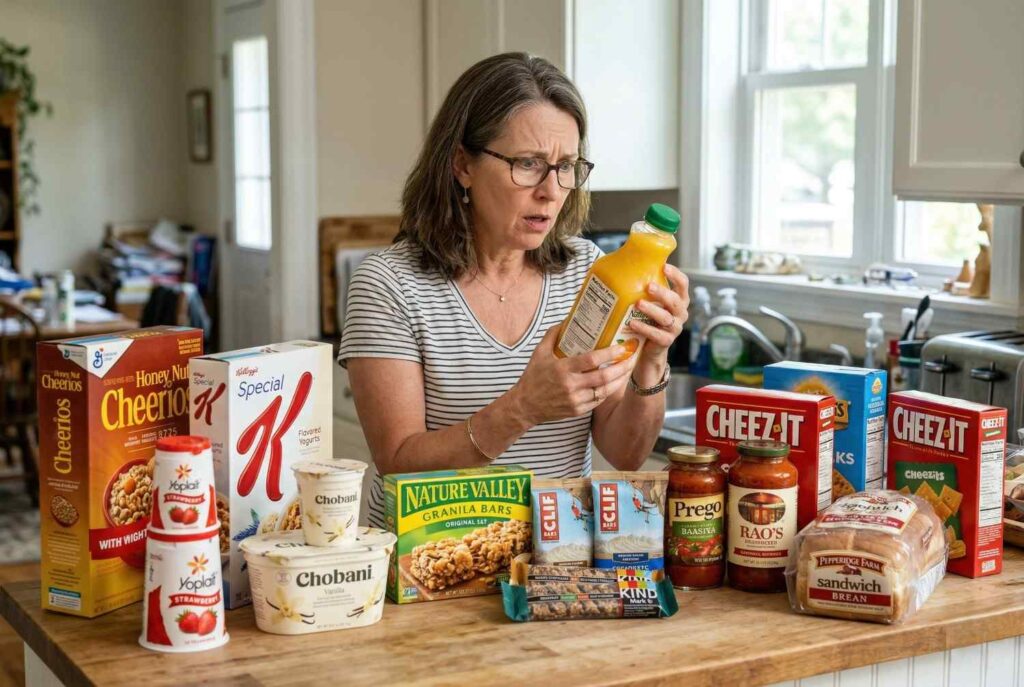
11. Consuming Hidden Sugars

<p> Sugar lurks in more foods than most people realize, from breakfast cereals and flavored yogurts to sauces and juices. Over time, excessive sugar intake promotes weight gain, increases triglycerides, and drives inflammation — all contributors to heart disease. Reading labels carefully and reducing sugary drinks and snacks can protect your heart without feeling restrictive. Gradually replacing these with naturally sweet fruits or unsweetened alternatives is a simple and effective strategy. Many people are surprised to discover that so-called healthy foods can contain just as much added sugar as desserts. Even small daily habits, like sweetened coffee drinks or grabbing a granola bar, can quietly add up over the years. Making small swaps now can lower your sugar intake significantly while still allowing you to enjoy satisfying meals and snacks. </p> :: Gemini

Sugar lurks in more foods than most people realize, from breakfast cereals and flavored yogurts to sauces and juices. Over time, excessive sugar intake promotes weight gain, increases triglycerides, and drives inflammation — all contributors to heart disease. Reading labels carefully and reducing sugary drinks and snacks can protect your heart without feeling restrictive. Gradually replacing these with naturally sweet fruits or unsweetened alternatives is a simple and effective strategy. Many people are surprised to discover that so-called healthy foods can contain just as much added sugar as desserts. Even small daily habits, like sweetened coffee drinks or grabbing a granola bar, can quietly add up over the years. Making small swaps now can lower your sugar intake significantly while still allowing you to enjoy satisfying meals and snacks.

12. Ignoring Warning Signs

<p> Your body often gives subtle signals when your heart is under strain. Shortness of breath, unusual fatigue, palpitations, or mild chest discomfort should never be dismissed as minor. Ignoring these warning signs can allow serious conditions to worsen. Listening to your body and consulting a healthcare professional when something feels off is one of the most proactive steps you can take for heart health. </p> :: Gemini

Your body often gives subtle signals when your heart is under strain. Shortness of breath, unusual fatigue, palpitations, or mild chest discomfort should never be dismissed as minor. Ignoring these warning signs can allow serious conditions to worsen. Listening to your body and consulting a healthcare professional when something feels off is one of the most proactive steps you can take for heart health.

Final Thoughts

<p> Protecting your heart does not require drastic changes overnight. Small, consistent choices can have a lasting impact. Stand up more, prioritize sleep, manage stress, reduce processed foods, and pay attention to subtle signals from your body. Each positive step builds resilience, helping your heart beat stronger and longer. Over time, these simple habits can become second nature, making heart-healthy living feel less like a chore and more like a natural part of your routine. Even the smallest improvement, repeated daily, can add up to meaningful protection for your cardiovascular health. The key is not perfection, but progress that you can realistically maintain.

The habits we build quietly shape our health. By being mindful of these daily mistakes and making small adjustments, you not only reduce risk but also create a life that is healthier, more energetic, and more enjoyable. Your heart works tirelessly for you every day — it is worth returning the favor. </p> :: Gemini

Protecting your heart does not require drastic changes overnight. Small, consistent choices can have a lasting impact. Stand up more, prioritize sleep, manage stress, reduce processed foods, and pay attention to subtle signals from your body. Each positive step builds resilience, helping your heart beat stronger and longer. Over time, these simple habits can become second nature, making heart-healthy living feel less like a chore and more like a natural part of your routine. Even the smallest improvement, repeated daily, can add up to meaningful protection for your cardiovascular health. The key is not perfection, but progress that you can realistically maintain.

The habits we build quietly shape our health. By being mindful of these daily mistakes and making small adjustments, you not only reduce risk but also create a life that is healthier, more energetic, and more enjoyable. Your heart works tirelessly for you every day — it is worth returning the favor.

Filed Under: Health & Fitness

10 Grocery Items Americans Are Quietly Giving Up as Prices Spiral in 2026

March 25, 2026 | Leave a Comment

10 Grocery Items Americans Are Quietly Giving Up as Prices Spiral in 2026

<p> Walk into almost any grocery store in America right now, and it feels like the rules have changed. The same cart that used to cost $80 somehow creeps past $120 before you even make it to checkout. A few basics, a couple of snacks, maybe something for dinner later in the week — and suddenly you are staring at a total that feels more like a utility bill than a grocery run.

For millions of households, grocery shopping in 2026 is no longer just about preference. It is about strategy. Families are comparing unit prices, swapping out favorite brands, and quietly leaving once-common staples on the shelf because they simply do not fit the budget anymore. These are not always dramatic changes, either. Sometimes it is skipping the eggs this week. Sometimes it is deciding that chips, juice, or deli meat can wait. And over time, those little decisions start to reshape the way Americans eat.

The reality is that inflation has turned everyday grocery habits into a series of trade-offs. People are not just cutting coupons or hunting sales like they used to. They are rethinking what actually deserves space in the cart. From breakfast staples to sweet treats and convenient lunchbox fillers, many items that once felt routine now feel optional.

Here are ten grocery items Americans are quietly giving up as prices keep climbing in 2026, and why these changes are becoming more common in kitchens across the country. </p> :: Gemini

Walk into almost any grocery store in America right now, and it feels like the rules have changed. The same cart that used to cost $80 somehow creeps past $120 before you even make it to checkout. A few basics, a couple of snacks, maybe something for dinner later in the week — and suddenly you are staring at a total that feels more like a utility bill than a grocery run.

For millions of households, grocery shopping in 2026 is no longer just about preference. It is about strategy. Families are comparing unit prices, swapping out favorite brands, and quietly leaving once-common staples on the shelf because they simply do not fit the budget anymore. These are not always dramatic changes, either. Sometimes it is skipping the eggs this week. Sometimes it is deciding that chips, juice, or deli meat can wait. And over time, those little decisions start to reshape the way Americans eat.

The reality is that inflation has turned everyday grocery habits into a series of trade-offs. People are not just cutting coupons or hunting sales like they used to. They are rethinking what actually deserves space in the cart. From breakfast staples to sweet treats and convenient lunchbox fillers, many items that once felt routine now feel optional.

Here are ten grocery items Americans are quietly giving up as prices keep climbing in 2026, and why these changes are becoming more common in kitchens across the country.

1. Eggs

<p> Eggs used to be the ultimate budget-friendly grocery item. They were cheap, filling, high in protein, and incredibly versatile. You could make breakfast, throw together a quick sandwich, or bake an entire dessert with just a few eggs and a handful of pantry basics. For years, they were one of the easiest items to justify buying every single week.

That is exactly why rising egg prices have hit so many shoppers so hard. Supply disruptions, feed costs, transportation issues, and the lingering effects of avian flu outbreaks have made eggs far less predictable in price than they once were. In some areas, a carton that used to feel like a no-brainer now feels like something you pause over before adding it to the cart.

As a result, many households are buying eggs less often, choosing smaller cartons, or waiting for sales instead of automatically restocking. Some are even experimenting with oatmeal breakfasts, yogurt, or plant-based substitutes in baking. Eggs have not disappeared from American kitchens, but for plenty of shoppers, they are no longer the dependable bargain they once were. </p> :: Gemini

Eggs used to be the ultimate budget-friendly grocery item. They were cheap, filling, high in protein, and incredibly versatile. You could make breakfast, throw together a quick sandwich, or bake an entire dessert with just a few eggs and a handful of pantry basics. For years, they were one of the easiest items to justify buying every single week.

That is exactly why rising egg prices have hit so many shoppers so hard. Supply disruptions, feed costs, transportation issues, and the lingering effects of avian flu outbreaks have made eggs far less predictable in price than they once were. In some areas, a carton that used to feel like a no-brainer now feels like something you pause over before adding it to the cart.

As a result, many households are buying eggs less often, choosing smaller cartons, or waiting for sales instead of automatically restocking. Some are even experimenting with oatmeal breakfasts, yogurt, or plant-based substitutes in baking. Eggs have not disappeared from American kitchens, but for plenty of shoppers, they are no longer the dependable bargain they once were.

2. Beef and Premium Meats

<p> Few grocery categories have become more painful at checkout than beef. Ground beef, steaks, roasts, and other red meat staples have steadily climbed in price, and for many families, that weekly taco night or burger dinner now comes with sticker shock.

Higher feed costs, labor shortages, supply chain disruptions, and production expenses have all pushed meat prices upward. Even lower-cost cuts are not always the budget saver they used to be. When a simple pound of ground beef starts feeling expensive, it changes the entire meal plan for the week.

That is why more Americans are quietly reducing how often they buy beef. Instead of building meals around red meat, they are stretching smaller portions, mixing beef with beans or lentils, or swapping it out entirely for chicken, turkey, eggs, or plant-based proteins. Some families still buy beef, but they are treating it more like an occasional centerpiece rather than an everyday dinner default. </p> :: Gemini

Few grocery categories have become more painful at checkout than beef. Ground beef, steaks, roasts, and other red meat staples have steadily climbed in price, and for many families, that weekly taco night or burger dinner now comes with sticker shock.

Higher feed costs, labor shortages, supply chain disruptions, and production expenses have all pushed meat prices upward. Even lower-cost cuts are not always the budget saver they used to be. When a simple pound of ground beef starts feeling expensive, it changes the entire meal plan for the week.

That is why more Americans are quietly reducing how often they buy beef. Instead of building meals around red meat, they are stretching smaller portions, mixing beef with beans or lentils, or swapping it out entirely for chicken, turkey, eggs, or plant-based proteins. Some families still buy beef, but they are treating it more like an occasional centerpiece rather than an everyday dinner default.

3. Soda and Carbonated Drinks

<p> Soda has long been one of those “toss it in the cart” grocery items. It was familiar, convenient, and often cheap enough that people did not think twice about grabbing a few bottles or a 12-pack. But in 2026, even soda is becoming something many shoppers are reconsidering.

Price increases on sweetened beverages, combined with packaging and transportation costs, have made carbonated drinks feel less like a casual purchase and more like a budget decision. A few packs here and there may not seem like much, but over the course of a month, the cost adds up quickly.

That is why many households are scaling back. Some are switching to plain water, refillable filtered water, tea, or store-brand sparkling water. Others are reserving soda for parties or weekends instead of buying it every trip. For a lot of Americans, giving up soda is not just about health anymore. It is about refusing to spend premium money on something that disappears in a day or two. </p> :: Gemini

Soda has long been one of those “toss it in the cart” grocery items. It was familiar, convenient, and often cheap enough that people did not think twice about grabbing a few bottles or a 12-pack. But in 2026, even soda is becoming something many shoppers are reconsidering.

Price increases on sweetened beverages, combined with packaging and transportation costs, have made carbonated drinks feel less like a casual purchase and more like a budget decision. A few packs here and there may not seem like much, but over the course of a month, the cost adds up quickly.

That is why many households are scaling back. Some are switching to plain water, refillable filtered water, tea, or store-brand sparkling water. Others are reserving soda for parties or weekends instead of buying it every trip. For a lot of Americans, giving up soda is not just about health anymore. It is about refusing to spend premium money on something that disappears in a day or two.

4. Candy and Sweet Snacks

<p> Candy used to be one of the easiest impulse buys in the store. A chocolate bar near the register, a bag of gummies for movie night, or a pack of cookies for the kids felt harmless and affordable. But those little treats have become a lot harder to justify when grocery totals are already stretched thin.

Rising sugar prices, higher cocoa costs, and transportation expenses have all made packaged sweets more expensive. Even familiar favorites that once felt inexpensive now seem oddly overpriced for what they are. It is not that Americans have stopped craving sweets. It is that many are deciding those cravings are not worth the markup.

As a result, more families are cutting back on candy and packaged desserts. Some are saving them for special occasions, while others are replacing them with homemade cookies, bulk snacks, or simpler pantry treats. It is a small shift on paper, but it reflects a bigger trend: when budgets tighten, luxury starts getting redefined, even in the snack aisle. </p> :: Gemini

Candy used to be one of the easiest impulse buys in the store. A chocolate bar near the register, a bag of gummies for movie night, or a pack of cookies for the kids felt harmless and affordable. But those little treats have become a lot harder to justify when grocery totals are already stretched thin.

Rising sugar prices, higher cocoa costs, and transportation expenses have all made packaged sweets more expensive. Even familiar favorites that once felt inexpensive now seem oddly overpriced for what they are. It is not that Americans have stopped craving sweets. It is that many are deciding those cravings are not worth the markup.

As a result, more families are cutting back on candy and packaged desserts. Some are saving them for special occasions, while others are replacing them with homemade cookies, bulk snacks, or simpler pantry treats. It is a small shift on paper, but it reflects a bigger trend: when budgets tighten, luxury starts getting redefined, even in the snack aisle.

5. Cheese, Deli Meats, and Prepared Proteins

<p> Convenience foods have always come with a little extra cost, but in 2026, that extra cost feels a lot more obvious. Deli meats, sliced cheeses, rotisserie-style prepared proteins, and other ready-to-eat items are becoming harder for budget-conscious shoppers to justify.

These products are attractive because they save time. They make lunches easier, charcuterie boards quicker, and weeknight meals more manageable. But once prices rise enough, convenience starts competing directly with affordability. And in most households, affordability wins.

That is why many Americans are buying fewer pre-sliced meats and cheeses, choosing block cheese over shredded or sliced versions, and cooking larger cuts of meat at home to portion out themselves. It takes more prep work, but it can save a surprising amount over the month. What used to be a standard grocery habit is now becoming a “maybe if it is on sale” purchase. </p> :: Gemini

Convenience foods have always come with a little extra cost, but in 2026, that extra cost feels a lot more obvious. Deli meats, sliced cheeses, rotisserie-style prepared proteins, and other ready-to-eat items are becoming harder for budget-conscious shoppers to justify.

These products are attractive because they save time. They make lunches easier, charcuterie boards quicker, and weeknight meals more manageable. But once prices rise enough, convenience starts competing directly with affordability. And in most households, affordability wins.

That is why many Americans are buying fewer pre-sliced meats and cheeses, choosing block cheese over shredded or sliced versions, and cooking larger cuts of meat at home to portion out themselves. It takes more prep work, but it can save a surprising amount over the month. What used to be a standard grocery habit is now becoming a “maybe if it is on sale” purchase.

6. Chips and Packaged Snack Foods

<p> Chips, crackers, pretzels, and other packaged snacks have quietly become one of the most noticeable examples of shrinkflation and price creep. Bags seem smaller, prices seem higher, and what once felt like a cheap snack now feels like a questionable value.

Ingredients like cooking oils, seasonings, and packaging materials have all gone up in cost, and shoppers are feeling it. A couple of snack bags tossed into the cart can suddenly add $10 or more to the total without offering much lasting value or nutrition.

That is why more households are cutting back. Some are switching to store brands, while others are making popcorn at home, slicing fruit, or preparing simple homemade snack mixes. It may seem minor, but trimming unnecessary snack spending can create meaningful savings over time. In a year like 2026, even the chip aisle is no longer immune from serious scrutiny. </p> :: Gemini

Chips, crackers, pretzels, and other packaged snacks have quietly become one of the most noticeable examples of shrinkflation and price creep. Bags seem smaller, prices seem higher, and what once felt like a cheap snack now feels like a questionable value.

Ingredients like cooking oils, seasonings, and packaging materials have all gone up in cost, and shoppers are feeling it. A couple of snack bags tossed into the cart can suddenly add $10 or more to the total without offering much lasting value or nutrition.

That is why more households are cutting back. Some are switching to store brands, while others are making popcorn at home, slicing fruit, or preparing simple homemade snack mixes. It may seem minor, but trimming unnecessary snack spending can create meaningful savings over time. In a year like 2026, even the chip aisle is no longer immune from serious scrutiny.

7. Ice Cream and Frozen Desserts

<p> Ice cream has always been a comfort purchase. It is nostalgic, familiar, and easy to grab for family movie nights or weekend treats. But rising dairy costs and the expense of frozen transport and storage have made frozen desserts noticeably pricier than they used to be.

For many shoppers, ice cream is becoming one of those items that gets cut first when the total is already too high. It is hard to justify when there are more urgent staples to buy, especially when one tub can cost as much as a meal ingredient.

That is why families are becoming more selective. Some only buy it on sale, some reserve it for birthdays or special occasions, and others are switching to homemade frozen treats, yogurt pops, or frozen fruit. Ice cream is still beloved, but it is no longer the automatic weekly indulgence it once was for many households. </p> :: Gemini

Ice cream has always been a comfort purchase. It is nostalgic, familiar, and easy to grab for family movie nights or weekend treats. But rising dairy costs and the expense of frozen transport and storage have made frozen desserts noticeably pricier than they used to be.

For many shoppers, ice cream is becoming one of those items that gets cut first when the total is already too high. It is hard to justify when there are more urgent staples to buy, especially when one tub can cost as much as a meal ingredient.

That is why families are becoming more selective. Some only buy it on sale, some reserve it for birthdays or special occasions, and others are switching to homemade frozen treats, yogurt pops, or frozen fruit. Ice cream is still beloved, but it is no longer the automatic weekly indulgence it once was for many households.

8. Breakfast Cereals and Branded Pantry Staples

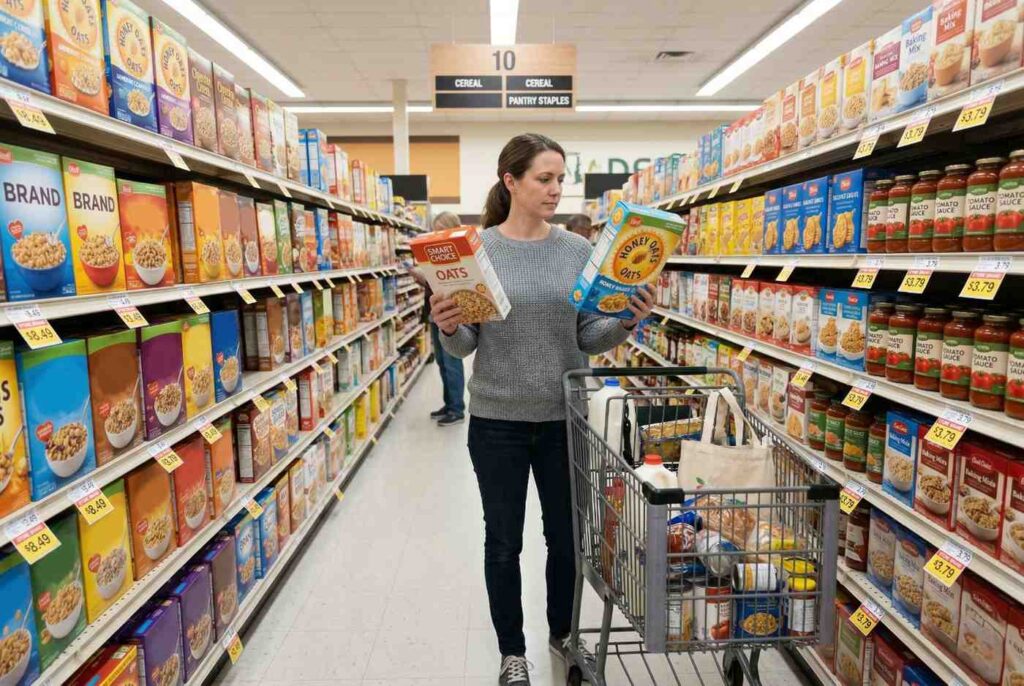
<p> Breakfast cereal has become surprisingly expensive, especially if you stick to the brands you grew up with. Many popular cereals and pantry staples have climbed well beyond what budget-conscious shoppers consider reasonable, especially when the box itself seems smaller than it used to be.

This has pushed more Americans to question whether brand loyalty is worth it. Store-brand cereals, oats, cream of wheat, and bulk breakfast items are becoming more appealing because they offer similar value at a lower cost. The same is happening with other pantry basics like crackers, pasta sauce, and baking mixes.

For many families, 2026 is the year they finally realize that branding does not always equal better quality. If a generic version tastes close enough and saves a few dollars, it often wins. That quiet shift away from name brands is one of the clearest signs of how inflation is changing grocery behavior. </p> :: Gemini

Breakfast cereal has become surprisingly expensive, especially if you stick to the brands you grew up with. Many popular cereals and pantry staples have climbed well beyond what budget-conscious shoppers consider reasonable, especially when the box itself seems smaller than it used to be.

This has pushed more Americans to question whether brand loyalty is worth it. Store-brand cereals, oats, cream of wheat, and bulk breakfast items are becoming more appealing because they offer similar value at a lower cost. The same is happening with other pantry basics like crackers, pasta sauce, and baking mixes.

For many families, 2026 is the year they finally realize that branding does not always equal better quality. If a generic version tastes close enough and saves a few dollars, it often wins. That quiet shift away from name brands is one of the clearest signs of how inflation is changing grocery behavior.

9. Fruit Juices

<p> Fruit juice used to feel like a normal part of breakfast. Orange juice in particular was a classic refrigerator staple in countless American homes. But today, juice prices have climbed enough that many shoppers are no longer treating it like an everyday necessity.

Crop issues, weather disruptions, transportation costs, and supply challenges have all played a role, especially for citrus products. A bottle of juice that once seemed affordable can now feel surprisingly expensive, especially compared with alternatives that last longer or cost less per serving.

Because of that, many households are buying juice less often, watering it down, or skipping it altogether. Coffee, tea, powdered drink mixes, and plain water are increasingly replacing it at breakfast. Juice has not vanished, but it has shifted from “always in the fridge” to “maybe this week if the price is right.” </p> :: Gemini

Fruit juice used to feel like a normal part of breakfast. Orange juice in particular was a classic refrigerator staple in countless American homes. But today, juice prices have climbed enough that many shoppers are no longer treating it like an everyday necessity.

Crop issues, weather disruptions, transportation costs, and supply challenges have all played a role, especially for citrus products. A bottle of juice that once seemed affordable can now feel surprisingly expensive, especially compared with alternatives that last longer or cost less per serving.

Because of that, many households are buying juice less often, watering it down, or skipping it altogether. Coffee, tea, powdered drink mixes, and plain water are increasingly replacing it at breakfast. Juice has not vanished, but it has shifted from “always in the fridge” to “maybe this week if the price is right.”

10. Fresh Produce and Perishables

<p> Fresh produce is one of the hardest categories for families to cut back on, because everyone knows fruits and vegetables matter. But when prices rise and shelf life is short, shoppers are forced to think practically. No one wants to spend extra money on produce that goes bad before it gets used.

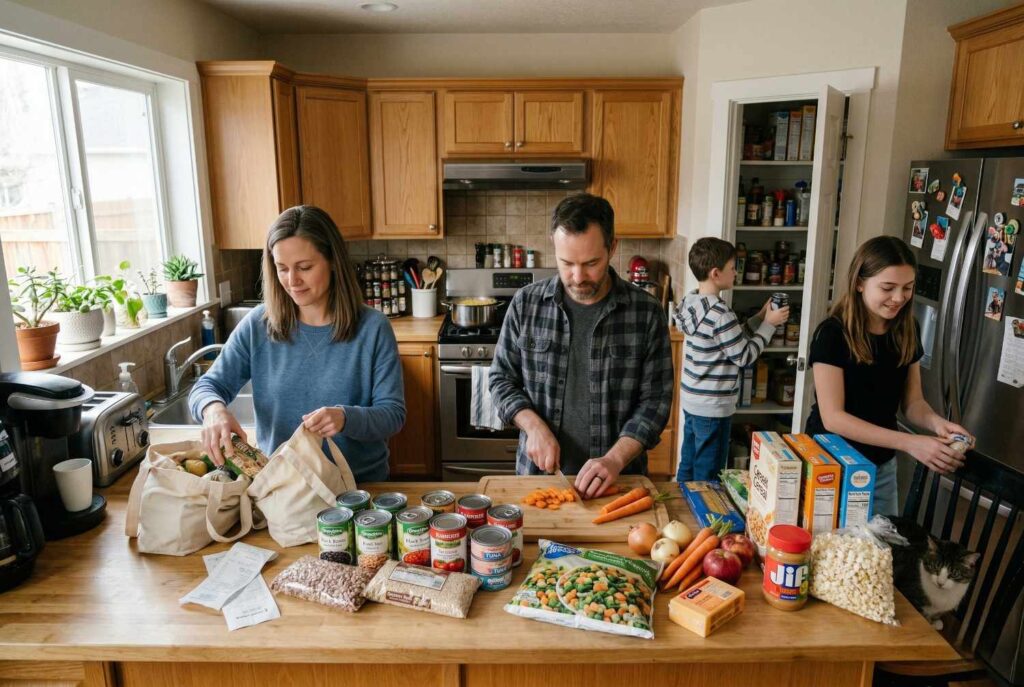
That is why more Americans are becoming selective about what fresh items they buy. Instead of filling the cart with a wide variety of produce, they are choosing fewer items, buying seasonal produce, or relying more heavily on frozen and canned alternatives. These options often last longer, reduce waste, and can still provide strong nutritional value.

This shift is not necessarily about abandoning healthy eating. In many cases, it is the opposite. Families are trying to preserve nutrition while avoiding the frustration of wasted food and wasted money. In a time of rising prices, smart produce shopping is less about ideals and more about what actually works in real life. </p> :: Gemini
Fresh produce is one of the hardest categories for families to cut back on, because everyone knows fruits and vegetables matter. But when prices rise and shelf life is short, shoppers are forced to think practically. No one wants to spend extra money on produce that goes bad before it gets used.

That is why more Americans are becoming selective about what fresh items they buy. Instead of filling the cart with a wide variety of produce, they are choosing fewer items, buying seasonal produce, or relying more heavily on frozen and canned alternatives. These options often last longer, reduce waste, and can still provide strong nutritional value.

This shift is not necessarily about abandoning healthy eating. In many cases, it is the opposite. Families are trying to preserve nutrition while avoiding the frustration of wasted food and wasted money. In a time of rising prices, smart produce shopping is less about ideals and more about what actually works in real life.


Final Thoughts

<p> The grocery store has become one of the clearest places where Americans feel the pressure of inflation. What used to be a routine shopping trip now requires more planning, more comparison, and more compromise. And as prices continue to rise in 2026, even the most familiar grocery staples are being reevaluated.


From eggs and beef to soda, cereal, and fresh produce, these quiet cutbacks reveal something important: shoppers are adapting fast. They are learning how to stretch meals, embrace store brands, rethink convenience, and prioritize value over habit. That may not always feel fun, but it does reflect something powerful — resilience.

The truth is, cutting back does not always mean going without. It can mean getting smarter. Beans instead of beef a few nights a week. Popcorn instead of chips. Frozen fruit instead of ice cream. Block cheese instead of pre-sliced. These are not dramatic sacrifices, but they can make a real difference over time.

In the end, grocery inflation is not just changing what people buy. It is changing how they think. And in 2026, that may be the most important shift of all. When every dollar matters, Americans are proving they can still eat well, adapt quickly, and find creative ways to make the cart work for their budget. </p> :: Gemini

The grocery store has become one of the clearest places where Americans feel the pressure of inflation. What used to be a routine shopping trip now requires more planning, more comparison, and more compromise. And as prices continue to rise in 2026, even the most familiar grocery staples are being reevaluated.

From eggs and beef to soda, cereal, and fresh produce, these quiet cutbacks reveal something important: shoppers are adapting fast. They are learning how to stretch meals, embrace store brands, rethink convenience, and prioritize value over habit. That may not always feel fun, but it does reflect something powerful — resilience.

The truth is, cutting back does not always mean going without. It can mean getting smarter. Beans instead of beef a few nights a week. Popcorn instead of chips. Frozen fruit instead of ice cream. Block cheese instead of pre-sliced. These are not dramatic sacrifices, but they can make a real difference over time.

In the end, grocery inflation is not just changing what people buy. It is changing how they think. And in 2026, that may be the most important shift of all. When every dollar matters, Americans are proving they can still eat well, adapt quickly, and find creative ways to make the cart work for their budget.

Filed Under: Budgeting

Plan Your Perfect Getaway: Top 10 Spring Break Destinations to Visit This Year

March 24, 2026 | Leave a Comment

Plan Your Perfect Getaway: Top 10 Spring Break Destinations to Visit This Year

<p>Spring break is the ideal time to escape the day-to-day. Swap your normal routine for a dose of adventure, and create memories that last a lifetime. Whether you're seeking relaxation on a sun-kissed beach, the sights and sounds of a city that never sleeps, or losing yourself in the wilderness, there's a place to suit every kind of traveler. To help you plan your break with ease, we've curated the top 10 spring break destinations to head to this season. Each of the spots provides its own particular atmosphere, and you're guaranteed to find one that's just right. So let's dive in!</p> :: Unsplash

Spring break is the ideal time to escape the day-to-day. Swap your normal routine for a dose of adventure, and create memories that last a lifetime. Whether you’re seeking relaxation on a sun-kissed beach, the sights and sounds of a city that never sleeps, or losing yourself in the wilderness, there’s a place to suit every kind of traveler. To help you plan your break with ease, we’ve curated the top 10 spring break destinations to head to this season. Each of the spots provides its own particular atmosphere, and you’re guaranteed to find one that’s just right. So let’s dive in!

1. Cancun, Mexico

<p>Cancun has been a spring break staple for years, and for a reason. This beach paradise has waters as clear as glass, sand as white as snow, and a nightlife that can hold its own against even the wildest party animals. The all-inclusive resorts make it simple to go wild without worrying about a thing, and if you feel like being adventurous, you can visit ancient Mayan ruins or snorkel through the beautiful coral reefs. Cancun provides that ideal combination of relaxation and fun, and this is why it attracts people every year. </p> ::Unsplash

Cancun has been a spring break staple for years, and for a reason. This beach paradise has waters as clear as glass, sand as white as snow, and a nightlife that can hold its own against even the wildest party animals. The all-inclusive resorts make it simple to go wild without worrying about a thing, and if you feel like being adventurous, you can visit ancient Mayan ruins or snorkel through the beautiful coral reefs. Cancun provides that ideal combination of relaxation and fun, and this is why it attracts people every year.

2. Miami, Florida

<p>Miami is an obvious choice if you're craving heat, fun, and a little culture. World-class beaches, a famous nightlife, and a culinary scene as varied as its citizens can be found in this energetic city. With its vibrant boardwalk and art deco ambiance, South Beach is a must-see, while Wynwood Walls gives your itinerary a creative twist. Additionally, something always pops because spring break coincides with Miami Music Week and related activities. The combination of laid-back beach days and exhilarating nights keeps spring breakers coming back.</p> ::Unsplash

Miami is an obvious choice if you’re craving heat, fun, and a little culture. World-class beaches, a famous nightlife, and a culinary scene as varied as its citizens can be found in this energetic city. With its vibrant boardwalk and art deco ambiance, South Beach is a must-see, while Wynwood Walls gives your itinerary a creative twist. Additionally, something always pops because spring break coincides with Miami Music Week and related activities. The combination of laid-back beach days and exhilarating nights keeps spring breakers coming back.

3. Punta Cana, The Dominican Republic

<p>With its blue waters, undulating palm trees, and unending sunshine, Punta Cana is like a postcard come to life. The coastline is dominated by all-inclusive resorts that provide everything from water activities to beachside relaxation. Numerous resorts provide packages that include meals, beverages, and activities, especially for spring breakers. Off the beach, you may go on a safari excursion through the verdant countryside or visit natural beauties like Hoyo Azul. It's a budget-friendly little piece of paradise.</p> :: Unsplash

With its blue waters, undulating palm trees, and unending sunshine, Punta Cana is like a postcard come to life. The coastline is dominated by all-inclusive resorts that provide everything from water activities to beachside relaxation. Numerous resorts provide packages that include meals, beverages, and activities, especially for spring breakers. Off the beach, you may go on a safari excursion through the verdant countryside or visit natural beauties like Hoyo Azul. It’s a budget-friendly little piece of paradise.

4. New Orleans, Louisiana

<p>It's hard to find a more unique destination for travel than New Orleans. The Big Easy is famous for its incredible food, lively culture, and funky music scene. The city remains crowded due to Mardi Gras while it's at spring break, though not as much as it is. Savor beignets at Café du Monde, walk around the French Quarter, and hear live jazz on Frenchmen Street. A dash of Southern hospitality, and New Orleans has to offer a spring break equal parts fun and cultural.</p> :: Unsplash

It’s hard to find a more unique destination for travel than New Orleans. The Big Easy is famous for its incredible food, lively culture, and funky music scene. The city remains crowded due to Mardi Gras while it’s at spring break, though not as much as it is. Savor beignets at Café du Monde, walk around the French Quarter, and hear live jazz on Frenchmen Street. A dash of Southern hospitality, and New Orleans has to offer a spring break equal parts fun and cultural.

5. San Diego, California

<p>San Diego is a great choice for people looking for a relaxed atmosphere and ideal weather. The city has amazing surf, lovely beaches, and attractions like Balboa Park and the San Diego Zoo. Because the crowds are tolerable and the weather is warm but not oppressive, spring is a great time to visit. You can spend your days eating fresh fish tacos by the water, watching a Padres game, or exploring the La Jolla coastal cliffs. San Diego is the perfect place for a relaxing yet rewarding spring break because of its laid-back vibe.</p> :: Unsplash

San Diego is a great choice for people looking for a relaxed atmosphere and ideal weather. The city has amazing surf, lovely beaches, and attractions like Balboa Park and the San Diego Zoo. Because the crowds are tolerable and the weather is warm but not oppressive, spring is a great time to visit. You can spend your days eating fresh fish tacos by the water, watching a Padres game, or exploring the La Jolla coastal cliffs. San Diego is the perfect place for a relaxing yet rewarding spring break because of its laid-back vibe.

6. Cabo San Lucas, Mexico

<p>Cabo San Lucas has something for everyone with its opulent resorts, exhilarating water sports, and a vibrant nightlife that never ends. The lively Marina and the famous Land's End rock formations are among its most iconic landmarks. Whether you're partying the night away, taking a boat cruise to the Arch, or just lounging on Medano Beach, there's never a dull moment. Cabo's beautiful scenery and vibrant atmosphere make it a popular destination for spring breakers.</p> ::Unsplash

Cabo San Lucas has something for everyone with its opulent resorts, exhilarating water sports, and a vibrant nightlife that never ends. The lively Marina and the famous Land’s End rock formations are among its most iconic landmarks. Whether you’re partying the night away, taking a boat cruise to the Arch, or just lounging on Medano Beach, there’s never a dull moment. Cabo’s beautiful scenery and vibrant atmosphere make it a popular destination for spring breakers.

7. Las Vegas, Nevada

<p>Although it's not always the first place that spring break travelers think of, Las Vegas is a hidden treasure. The city is the perfect playground for young adults because of its legendary nightlife, large pools, and 24-hour entertainment options. While the casinos, entertainment, and attractions like the High Roller provide nonstop action, dayclubs and pool parties are a twist on the traditional beach scene. Going big is what Vegas is all about, and if you want to make your spring break special, this is a wonderful spot to do it.</p> :: Unsplash

Although it’s not always the first place that spring break travelers think of, Las Vegas is a hidden treasure. The city is the perfect playground for young adults because of its legendary nightlife, large pools, and 24-hour entertainment options. While the casinos, entertainment, and attractions like the High Roller provide nonstop action, dayclubs and pool parties are a twist on the traditional beach scene. Going big is what Vegas is all about, and if you want to make your spring break special, this is a wonderful spot to do it.

8. Puerto Rico

<p>Puerto Rico is an excellent option for spring breakers seeking a blend of adventure, culture, and beach paradise. No passport needed. Adventurers can visit El Yunque National Forest for hikes and waterfalls, while San Juan provides a thriving nightlife, ancient neighborhoods, and stunning beaches. Puerto Rico is easy to go to because it is a U.S. territory, yet it is difficult to resist the blend of Caribbean charm and Latin flair. For spring break, this is a simple yet thrilling option.</p> ::Unsplash

Puerto Rico is an excellent option for spring breakers seeking a blend of adventure, culture, and beach paradise. No passport needed. Adventurers can visit El Yunque National Forest for hikes and waterfalls, while San Juan provides a thriving nightlife, ancient neighborhoods, and stunning beaches. Puerto Rico is easy to go to because it is a U.S. territory, yet it is difficult to resist the blend of Caribbean charm and Latin flair. For spring break, this is a simple yet thrilling option.

9. Austin, Texas

<p>Austin has a different type of spring break energy, blending an offbeat mix of live music, outdoor fun, and southern hospitality. The city of Austin is famously the "Live Music Capital of the World," playing host to innumerable concerts and events throughout the spring. It also boasts awesome food (hi, BBQ!), stunning parks, and a relaxed atmosphere that is incredibly inviting. For those desiring a balance of city life and nature, Austin does not disappoint with the combination of city action and opportunities for outdoor escapades such as kayaking on Lady Bird Lake.</p> ::Unsplash

Austin has a different type of spring break energy, blending an offbeat mix of live music, outdoor fun, and southern hospitality. The city of Austin is famously the “Live Music Capital of the World,” playing host to innumerable concerts and events throughout the spring. It also boasts awesome food (hi, BBQ!), stunning parks, and a relaxed atmosphere that is incredibly inviting. For those desiring a balance of city life and nature, Austin does not disappoint with the combination of city action and opportunities for outdoor escapades such as kayaking on Lady Bird Lake.

10. Bahamas

<p>When it comes to traditional spring break spots, the Bahamas is an old standby. With more than 700 islands, you'll have access to everything from the lively resorts in Nassau to secluded, out-of-the-way beaches on the Out Islands. The Bahamas has all the bases covered: stunning beaches, aqua water, and plenty of chances for snorkeling, diving, and boat rides. Lots of resorts package spring break stays, so budgeting is made a little bit easier while you're still enjoying your best beach life.</p> ::Unsplash

When it comes to traditional spring break spots, the Bahamas is an old standby. With more than 700 islands, you’ll have access to everything from the lively resorts in Nassau to secluded, out-of-the-way beaches on the Out Islands. The Bahamas has all the bases covered: stunning beaches, aqua water, and plenty of chances for snorkeling, diving, and boat rides. Lots of resorts package spring break stays, so budgeting is made a little bit easier while you’re still enjoying your best beach life.

Final Thoughts

<p>Whether you enjoy the beach, get immersed in culture, or explore the outdoors, you will surely find a spring break destination with your name on it. From Cancun beach parties to the colorful New Orleans streets, nothing is the same when it comes to those spots. It's all about finding a place that on the one hand matches your vibe and on the other offers an experience that you will reminisce about for years to come. No matter where you find yourself, the goal remains: break loose, recharge, and have fun.</p> ::Unsplash

Whether you enjoy the beach, get immersed in culture, or explore the outdoors, you will surely find a spring break destination with your name on it. From Cancun beach parties to the colorful New Orleans streets, nothing is the same when it comes to those spots. It’s all about finding a place that on the one hand matches your vibe and on the other offers an experience that you will reminisce about for years to come. No matter where you find yourself, the goal remains: break loose, recharge, and have fun.

Filed Under: Travel

Elevate Your Evenings: 10 Must-Try Indoor Hobbies for Instant Joy

March 24, 2026 | Leave a Comment

Elevate Your Evenings: 10 Must-Try Indoor Hobbies for Instant Joy

Evenings hold a charm that calls for calm and fun, a time to rest from a long day of work. Indoor hobbies bring a spark of life to each night, giving a way to ease the mind and lift the heart. These tasks are known to many as a means to bring calm, joy, and a slow pace in a busy world. They are chosen by folks of all ages, yet they hold a special spot for those who seek a quiet space at home. Here are ten tasks that bring joy, ease, and a clear mind to the soft glow of night.


Reading Books

Reading books is a well-loved task that brings a wealth of calm and rich tales to the quiet dark night. This task is a true gem that many find to be a safe and fun path to learn and grow. Books are loved for the calm they bring and the sweet trips they give to a very weary, tired mind. Many people choose this task as a clear way to let their thoughts roam free and find true, pure joy. Its fame grows each day as more kind folks join the hunt for tales that warm the heart and mind.


Puzzles and Brain Games

Puzzles and brain games are a fun and smart way to spend the quiet hours of the long, calm night. This task is loved by many smart folks who like a fun game that stirs the mind and shows clear, neat facts. The thrill of a good puzzle lies in its neat mix of clues that make the mind work and smile. This task is a big hit in many homes, as it brings friends together and helps keep their keen wit sharp. Its wide appeal shows how this game can spark a small burst of joy that spreads through a calm, quiet night.


Board Games

Board games are a neat way to lift the mood and bring a warm, fun spin to a calm night. They are loved by many kind folks for the skill and pure cheer that comes from a fun, shared game. This task is a smart mix of thought and play that keeps the mind bright and in tune with each move. The true fun of a board game lies in its clear rules and the bright chance to laugh with dear friends. Its high regard in many homes shows that board games are a safe way to spark joy and close bonds.


Cooking New Dishes

Cooking new dishes is a warm and fun way to fill the night with rich, bold scents and fresh taste. This art is well known for its mix of skill and pure care that leads to a plate full of joy. Many home chefs find that this task is a safe, true way to test fresh new spice and taste trends. The true fame of this art spreads fast as more kind folks join the hunt for new, bold, rich flavors. Its warm spot in many kind homes shows that cooking can bring a warm glow that lifts both the soul and face.


Drawing or Painting

Drawing or painting is a calm and fun task that lets you shape a blank page into a true piece of art. This act is prized by many kind folk who see a clear way to show their inner self in a neat form. Many kind souls find that art can free the mind and let a hidden, deep joy come to the light. This task is sought by many for its calm and pure role in the quest to show a true self. Its steady rise in many homes proves that art is a kind way to make the night glow with hope.


Knitting or Crocheting

Knitting or crocheting is a calm and neat task that lets one spin fine yarn into a soft, warm piece of art. This task is prized by many kind souls who like a slow, clear pace and the neat craft of hand work. It gives a calm break and a clear, neat way to see a fun, simple art take shape in hand. The true charm of this task lies in its mix of care, skill, and the art of small, neat work. Its growing fame shows that many kind souls find a pure, true joy in the neat craft of old hand work.


Writing Stories or Journals

Writing stories or journals is a calm and pure act that lets the mind play with simple words and bright dreams. This task is well known to help sort out deep thoughts and show a true self in clear, plain text. Many kind souls turn to writing as a safe spot to let the warm heart speak and the tired mind rest. This task has grown in fame as more kind folks see it as a clear, true route to lasting peace. Its rise in many warm hearts shows that writing can spark a deep, true joy that lives on and grows.


Playing a Music Instrument

Playing a music instrument is a neat and pure way to fill the dark night with rich sound and bright cheer. This task is prized for its clear blend of art and sound that stirs the soul in a deep, true way. Many kind souls find that the soft hum of strings or keys can ease a busy mind and lift a low mood in the dark. This task has long held a true fame as more kind folks take up a tune to share their warm heart. Its charm is shown in many warm homes, where a soft beat can bring a bright smile in the deep night.


Indoor Gardening

Indoor gardening is a neat way to bring the calm of the earth into a small, warm space at home. This task is loved by many kind folks who wish to see bright green life grow in a safe, small spot. The art of care for small, neat plants can bring a calm and true joy that lights up the dark room. Its clear charm has made indoor gardening a big hit among those with small homes and a true love for green life. Its fast growth in many kind hearts shows that the care for a small plant can lift a true soul and calm a mind.


Meditation and Yoga

Meditation and yoga are a calm, clear pair that bring true, deep peace to the tired mind and calm body. This task is prized by many for its ease and the soft, kind way it helps a weary heart rest. Many kind folks take up this art to end the day with a clear, calm head and a light, free soul. This task has grown in fame as more kind folks seek a true, clear way to end stress with pure, deep calm. Its rise in many kind hearts shows that the soft art of calm can light up a dark night and lift a low mood.


Final Thoughts

The tasks above bring a bright spark to the calm of the night and lift the soul in a true way. Each task is well known for its ease and for the deep joy it gives to all who try it. They are a safe bet for any dark night that calls for a clear mind and a calm, true heart. These tasks have grown in fame as more kind folks seek a pure, simple way to enjoy their free time. The list is a clear and true guide for those who wish to lift their nights with a calm, bright joy.

Filed Under: Lifestyle

12 Lawn Care Mistakes Boomers Should Avoid After Mowing (So You Don’t Undo All Your Hard Work!)

March 24, 2026 | Leave a Comment

12 Lawn Care Mistakes Boomers Should Avoid After Mowing (So You Don’t Undo All Your Hard Work!)

<p> For many Baby Boomers, tending the lawn is more than just a chore—it is a source of pride, a soothing weekend ritual, and a way to keep the neighborhood looking sharp. There is nothing quite like stepping back to admire those crisp stripes or the smooth green carpet you have just created. It is one of life’s little victories. But here is the kicker: what you do after mowing can sometimes sabotage all that effort. Small missteps can leave your grass stressed out, prone to disease, or looking patchy instead of lush. And after years of perfecting your lawn game, nobody wants to see their hard work go to waste. So whether your yard is a suburban showpiece or a cozy patch of green, keep it looking fabulous by steering clear of these 12 common mistakes Baby Boomers should avoid right after mowing their lawns. Let’s help you protect your investment and keep your grass the envy of the block! </p> :: Freepik

For many Baby Boomers, tending the lawn is more than just a chore—it is a source of pride, a soothing weekend ritual, and a way to keep the neighborhood looking sharp. There is nothing quite like stepping back to admire those crisp stripes or the smooth green carpet you have just created. It is one of life’s little victories.

But here is the kicker: what you do after mowing can sometimes sabotage all that effort. Small missteps can leave your grass stressed out, prone to disease, or looking patchy instead of lush. And after years of perfecting your lawn game, nobody wants to see their hard work go to waste.

So whether your yard is a suburban showpiece or a cozy patch of green, keep it looking fabulous by steering clear of these 12 common mistakes Baby Boomers should avoid right after mowing their lawns. Let’s help you protect your investment and keep your grass the envy of the block!

1. Watering Immediately After Mowing

<p> It may feel like you are giving your lawn a refreshing drink after a trim, but watering right after mowing can actually harm the grass. Freshly cut blades are vulnerable, and adding moisture can encourage fungal diseases, especially on hot days. Instead, mow early in the morning or later in the evening, then water deeply on a different day. Your lawn will reward you with healthier growth and fewer brown patches. </p> :: Pexels

It may feel like you are giving your lawn a refreshing drink after a trim, but watering right after mowing can actually harm the grass. Freshly cut blades are vulnerable, and adding moisture can encourage fungal diseases, especially on hot days. Instead, mow early in the morning or later in the evening, then water deeply on a different day. Your lawn will reward you with healthier growth and fewer brown patches.

2. Leaving Clumps of Grass Clippings

<p> A thin layer of grass clippings can work wonders as natural mulch, returning nutrients to the soil. But leaving heavy clumps scattered across your lawn is a fast track to dead spots and disease. Thick piles block sunlight and trap moisture, smothering the grass underneath. After mowing, walk your lawn and gently rake or spread out clumps for a more even, healthy finish. </p> :: Freepik

A thin layer of grass clippings can work wonders as natural mulch, returning nutrients to the soil. But leaving heavy clumps scattered across your lawn is a fast track to dead spots and disease. Thick piles block sunlight and trap moisture, smothering the grass underneath. After mowing, walk your lawn and gently rake or spread out clumps for a more even, healthy finish.

3. Forgetting to Clean the Mower

<p> It is easy to shove the mower back into the garage and call it a day, but lingering grass clippings and moisture under the mower deck can cause rust and clog future cuts. A quick hose-off or brush-down right after mowing prevents buildup and extends your mower’s life. Think of it as an oil change for your lawn’s most important tool—it will keep running smoothly for years to come. </p> :: Pexels

It is easy to shove the mower back into the garage and call it a day, but lingering grass clippings and moisture under the mower deck can cause rust and clog future cuts. A quick hose-off or brush-down right after mowing prevents buildup and extends your mower’s life. Think of it as an oil change for your lawn’s most important tool—it will keep running smoothly for years to come.

4. Walking on the Lawn Right Away

<p> Your lawn needs a little breathing room after mowing. Walking on it immediately can crush delicate blades and leave visible footprints that might not bounce back so easily. Hold off on backyard games, gardening projects, or hauling patio furniture for a few hours. Let the grass stand tall and recover its shape—it is a small wait for a lawn that stays lush and even. </p> :: Pexels

Your lawn needs a little breathing room after mowing. Walking on it immediately can crush delicate blades and leave visible footprints that might not bounce back so easily. Hold off on backyard games, gardening projects, or hauling patio furniture for a few hours. Let the grass stand tall and recover its shape—it is a small wait for a lawn that stays lush and even.

5. Ignoring Edging and Cleanup

<p> Nothing ruins the look of a freshly mown lawn like ragged edges creeping over sidewalks and garden beds. Skipping this finishing touch leaves your yard looking half-done. Take a few extra minutes to run a string trimmer along pathways, driveways, and flower beds. Clean edges give your lawn a crisp, professional look—and might just earn you a few admiring nods from the neighbors. </p> :: Pexels

Nothing ruins the look of a freshly mown lawn like ragged edges creeping over sidewalks and garden beds. Skipping this finishing touch leaves your yard looking half-done. Take a few extra minutes to run a string trimmer along pathways, driveways, and flower beds. Clean edges give your lawn a crisp, professional look—and might just earn you a few admiring nods from the neighbors.

6. Applying Fertilizer Immediately

<p> Fertilizing right after mowing might sound efficient, but freshly cut grass blades are more prone to burn from potent fertilizers. Give your lawn a couple of days to heal before applying any fertilizers, especially synthetic ones. This small delay helps avoid unsightly brown tips and ensures your lawn can absorb those nutrients properly for strong, healthy growth. </p> :: Freepik

Fertilizing right after mowing might sound efficient, but freshly cut grass blades are more prone to burn from potent fertilizers. Give your lawn a couple of days to heal before applying any fertilizers, especially synthetic ones. This small delay helps avoid unsightly brown tips and ensures your lawn can absorb those nutrients properly for strong, healthy growth.

7. Letting Pets Run Loose Right Away

<p> Your furry friends love the feel and smell of freshly cut grass as much as you do, but paws trampling over recently mown turf can cause compaction and stress. Plus, pet urine can create yellow spots on grass already sensitive from mowing. Keep pets off the lawn for a few hours post-mow so the grass can bounce back and stay lush. </p> :: Pexels

Your furry friends love the feel and smell of freshly cut grass as much as you do, but paws trampling over recently mown turf can cause compaction and stress. Plus, pet urine can create yellow spots on grass already sensitive from mowing. Keep pets off the lawn for a few hours post-mow so the grass can bounce back and stay lush.

8. Overwatering to “Wash Away” Clippings

<p> Some folks think giving the lawn an extra-heavy watering after mowing will help settle grass clippings into the soil. Unfortunately, overwatering can drown roots, cause runoff, and even encourage fungal growth. Let grass clippings decompose naturally and stick to your regular watering schedule. Your lawn prefers moderation—and so does your water bill. </p> :: Pexels

Some folks think giving the lawn an extra-heavy watering after mowing will help settle grass clippings into the soil. Unfortunately, overwatering can drown roots, cause runoff, and even encourage fungal growth. Let grass clippings decompose naturally and stick to your regular watering schedule. Your lawn prefers moderation—and so does your water bill.

9. Leaving Tools Lying Around

<p> It is tempting to set down tools “just for a minute,” but rakes, trimmers, and even empty bags left on the lawn can block sunlight and crush grass, leaving brown patches. Finish strong by gathering up all your tools and putting them away right after mowing. Your lawn stays healthy and your yard stays neat, which makes every future mowing session feel like less of a hassle. </p> :: Freepik

It is tempting to set down tools “just for a minute,” but rakes, trimmers, and even empty bags left on the lawn can block sunlight and crush grass, leaving brown patches. Finish strong by gathering up all your tools and putting them away right after mowing. Your lawn stays healthy and your yard stays neat, which makes every future mowing session feel like less of a hassle.

10. Mowing Again Too Soon

<p> We all love a well-manicured look, but mowing too often—or too short—can weaken your grass. Cutting too low exposes soil to sun, dries out roots, and invites weeds. Stick to the “one-third rule”: never remove more than one-third of the grass blade height in a single mow. Let your lawn grow a bit between cuts for thicker, healthier turf that can withstand weather and foot traffic. </p> :: Pexels

We all love a well-manicured look, but mowing too often—or too short—can weaken your grass. Cutting too low exposes soil to sun, dries out roots, and invites weeds. Stick to the “one-third rule”: never remove more than one-third of the grass blade height in a single mow. Let your lawn grow a bit between cuts for thicker, healthier turf that can withstand weather and foot traffic.

11. Skipping a Post-Mow Inspection

<p> Finishing up the mowing might feel like a good time to close the garage door and relax. But before you head inside, take a slow walk around your yard and look for trouble spots. Catching weeds, bare patches, insects, or signs of disease early saves time, money, and frustration down the road. Think of it as your lawn’s routine checkup—quick, easy, and worth it. </p> :: Pexels

Finishing up the mowing might feel like a good time to close the garage door and relax. But before you head inside, take a slow walk around your yard and look for trouble spots. Catching weeds, bare patches, insects, or signs of disease early saves time, money, and frustration down the road. Think of it as your lawn’s routine checkup—quick, easy, and worth it.

12. Ignoring Weather Conditions

<p> Many Baby Boomers were raised to believe mowing happens every Saturday, rain or shine. But today’s lawn care wisdom says otherwise. Mowing right before a scorching heatwave can stress your grass, while mowing wet soil after a rainstorm can compact the ground and leave ruts. Check the forecast and plan your mowing around milder conditions whenever possible. Your lawn will stay healthier, and you will save yourself from needless extra work. </p> :: Freepik

Many Baby Boomers were raised to believe mowing happens every Saturday, rain or shine. But today’s lawn care wisdom says otherwise. Mowing right before a scorching heatwave can stress your grass, while mowing wet soil after a rainstorm can compact the ground and leave ruts. Check the forecast and plan your mowing around milder conditions whenever possible. Your lawn will stay healthier, and you will save yourself from needless extra work.

Final Thoughts

<p> Boomers, your lawns are more than just grass—they are the backdrop for family memories, peaceful afternoons, and neighborhood pride. You have invested countless hours making sure your yard looks its best. The key is remembering that mowing is only part of the job. Avoiding these post-mowing mistakes is how you protect your hard work and ensure your lawn stays healthy, vibrant, and ready for everything from grandkid games to evening strolls. So the next time you finish mowing, pause for a moment, admire your handiwork—and skip these pitfalls. Your grass will stay lush and green, and you will enjoy a yard that truly makes you smile. Happy mowing—and happy growing! </p> :: Freepik

Boomers, your lawns are more than just grass—they are the backdrop for family memories, peaceful afternoons, and neighborhood pride. You have invested countless hours making sure your yard looks its best. The key is remembering that mowing is only part of the job.

Avoiding these post-mowing mistakes is how you protect your hard work and ensure your lawn stays healthy, vibrant, and ready for everything from grandkid games to evening strolls. So the next time you finish mowing, pause for a moment, admire your handiwork—and skip these pitfalls. Your grass will stay lush and green, and you will enjoy a yard that truly makes you smile.

Happy mowing—and happy growing!

Filed Under: Lifestyle

10 Rights Americans Assume They Have—But Actually Don’t

March 24, 2026 | Leave a Comment

10 Rights Americans Assume They Have But Actually Do Not

<p> The United States is known for its freedoms, enshrined in the Constitution and fiercely defended by its citizens. However, many Americans take certain rights for granted without realizing they are not actually guaranteed by law. Misconceptions about constitutional protections can lead to frustration, misunderstandings, and even legal trouble. Here are ten rights that many Americans assume they have but actually do not. </p> :: Pexels

The United States is known for its freedoms, enshrined in the Constitution and fiercely defended by its citizens. However, many Americans take certain rights for granted without realizing they are not actually guaranteed by law. Misconceptions about constitutional protections can lead to frustration, misunderstandings, and even legal trouble. Here are ten rights that many Americans assume they have but actually do not.

1. The Right to Free Speech on Private Property

<p> The First Amendment protects free speech from government interference, but it does not extend to private entities. This means that while you can express your views freely in public spaces, private businesses, including social media platforms, have the right to regulate speech on their premises. Many Americans incorrectly believe they can say whatever they want without consequence, but in reality, private companies, employers, and property owners can set their own rules and enforce them as they see fit. </p> :: Pexels

The First Amendment protects free speech from government interference, but it does not extend to private entities. This means that while you can express your views freely in public spaces, private businesses, including social media platforms, have the right to regulate speech on their premises. Many Americans incorrectly believe they can say whatever they want without consequence, but in reality, private companies, employers, and property owners can set their own rules and enforce them as they see fit.

2. The Right to Refuse Service to Anyone

<p> Many people assume that business owners can refuse service to anyone for any reason, but federal and state laws prohibit discrimination based on race, gender, religion, disability, or other protected characteristics. While businesses do have some discretion, they cannot legally refuse service in a way that violates civil rights laws. The misconception that "we reserve the right to refuse service to anyone" is absolute can lead to legal challenges if a refusal is based on unlawful discrimination. </p> :: Pexels

Many people assume that business owners can refuse service to anyone for any reason, but federal and state laws prohibit discrimination based on race, gender, religion, disability, or other protected characteristics. While businesses do have some discretion, they cannot legally refuse service in a way that violates civil rights laws. The misconception that “we reserve the right to refuse service to anyone” is absolute can lead to legal challenges if a refusal is based on unlawful discrimination.

3. The Right to Protest Anywhere

<p> The right to peaceful protest is protected under the First Amendment, but it does not mean you can demonstrate anywhere you choose. Protests on private property require the owner's permission, and even on public property, restrictions apply. Cities and states can enforce time, place, and manner regulations, such as requiring permits or limiting protests to designated areas. This means that if you block traffic, disrupt businesses, or trespass, you could face legal consequences. </p> :: Pexels

The right to peaceful protest is protected under the First Amendment, but it does not mean you can demonstrate anywhere you choose. Protests on private property require the owner’s permission, and even on public property, restrictions apply. Cities and states can enforce time, place, and manner regulations, such as requiring permits or limiting protests to designated areas. This means that if you block traffic, disrupt businesses, or trespass, you could face legal consequences.

4. The Right to Film Anyone, Anywhere

<p> While it is generally legal to film in public spaces, recording someone in a private setting without consent can be illegal. Many states have laws requiring two-party consent for recording conversations, and businesses, homes, and certain government buildings may have restrictions on video recording. People often assume they can record any interaction, but if done in violation of privacy laws, they could face legal penalties. </p> :: Pexels

While it is generally legal to film in public spaces, recording someone in a private setting without consent can be illegal. Many states have laws requiring two-party consent for recording conversations, and businesses, homes, and certain government buildings may have restrictions on video recording. People often assume they can record any interaction, but if done in violation of privacy laws, they could face legal penalties.

5. The Right to Use Deadly Force Anytime You Feel Threatened

<p> Self-defense laws, including "stand your ground" and "castle doctrine" laws, vary by state and do not grant unlimited rights to use deadly force. Generally, you must have a reasonable belief that your life is in imminent danger and that no other option is available. Some states impose a duty to retreat before resorting to force, and the use of deadly force must be proportionate to the threat. Misunderstanding these laws can result in criminal charges. </p> :: Pexels

Self-defense laws, including “stand your ground” and “castle doctrine” laws, vary by state and do not grant unlimited rights to use deadly force. Generally, you must have a reasonable belief that your life is in imminent danger and that no other option is available. Some states impose a duty to retreat before resorting to force, and the use of deadly force must be proportionate to the threat. Misunderstanding these laws can result in criminal charges.

6. The Right to a Speedy Trial as You Define It

<p> The Sixth Amendment guarantees a "speedy" trial, but the definition of "speedy" is determined by the courts, not by an individual's expectations. Due to legal complexities, backlog of cases, and procedural requirements, trials can take months or even years to begin. Defendants do have the right to demand a trial without unnecessary delays, but they cannot dictate the exact timeline, making this a commonly misunderstood right. </p> :: Pexels

The Sixth Amendment guarantees a “speedy” trial, but the definition of “speedy” is determined by the courts, not by an individual’s expectations. Due to legal complexities, backlog of cases, and procedural requirements, trials can take months or even years to begin. Defendants do have the right to demand a trial without unnecessary delays, but they cannot dictate the exact timeline, making this a commonly misunderstood right.

7. The Right to Not Show Identification to Law Enforcement

<p> Many people believe they can refuse to identify themselves to law enforcement officers, but in several states, "stop and identify" laws require individuals to provide their name if an officer has reasonable suspicion of a crime. Failure to comply in these situations can lead to arrest. While you do not have to answer other questions without a lawyer present, refusing to provide identification in the wrong circumstances can result in legal trouble. </p> :: Pexels

Many people believe they can refuse to identify themselves to law enforcement officers, but in several states, “stop and identify” laws require individuals to provide their name if an officer has reasonable suspicion of a crime. Failure to comply in these situations can lead to arrest. While you do not have to answer other questions without a lawyer present, refusing to provide identification in the wrong circumstances can result in legal trouble.

8. The Right to Own Any Weapon You Want

<p> The Second Amendment protects the right to bear arms, but this right is not absolute. Federal and state governments regulate firearm ownership, banning certain weapons like fully automatic firearms, explosives, and high-capacity magazines in many places. Background checks, waiting periods, and licensing requirements further limit gun ownership. Many Americans mistakenly believe they can own any weapon they choose, but numerous legal restrictions apply. </p> :: Pexels

The Second Amendment protects the right to bear arms, but this right is not absolute. Federal and state governments regulate firearm ownership, banning certain weapons like fully automatic firearms, explosives, and high-capacity magazines in many places. Background checks, waiting periods, and licensing requirements further limit gun ownership. Many Americans mistakenly believe they can own any weapon they choose, but numerous legal restrictions apply.

9. The Right to Avoid Taxes You Disagree With

<p> No matter how much you disagree with government spending, you cannot legally withhold tax payments. Some people falsely believe that the Constitution, religious beliefs, or conspiracy theories exempt them from taxation, but failing to pay taxes results in penalties, interest, and even criminal charges. The IRS aggressively pursues tax evasion, and no personal beliefs will exempt an individual from their legal obligations to pay taxes. </p> :: Pexels

No matter how much you disagree with government spending, you cannot legally withhold tax payments. Some people falsely believe that the Constitution, religious beliefs, or conspiracy theories exempt them from taxation, but failing to pay taxes results in penalties, interest, and even criminal charges. The IRS aggressively pursues tax evasion, and no personal beliefs will exempt an individual from their legal obligations to pay taxes.

10. The Right to a Government-Funded Lawyer in Every Case

<p> While the Sixth Amendment guarantees the right to an attorney, it only applies to criminal cases. If you are involved in a civil case, such as a lawsuit, divorce, or child custody dispute, you must pay for your own lawyer or seek free legal aid if eligible. Many Americans wrongly assume that legal representation is always provided by the government, but public defenders are only available for those facing criminal charges and who cannot afford a lawyer. </p> :: Pexels

While the Sixth Amendment guarantees the right to an attorney, it only applies to criminal cases. If you are involved in a civil case, such as a lawsuit, divorce, or child custody dispute, you must pay for your own lawyer or seek free legal aid if eligible. Many Americans wrongly assume that legal representation is always provided by the government, but public defenders are only available for those facing criminal charges and who cannot afford a lawyer.

Final Thoughts

<p> Misconceptions about legal rights can lead to confusion and even serious legal consequences. While America provides strong protections for personal freedoms, they are not always as absolute as people assume. Understanding what rights you actually have and where their limits lie can help you navigate legal situations more effectively. Always stay informed about your rights and responsibilities to avoid unnecessary trouble and ensure you are acting within the law. </p> :: Pexels

Misconceptions about legal rights can lead to confusion and even serious legal consequences. While America provides strong protections for personal freedoms, they are not always as absolute as people assume. Understanding what rights you actually have and where their limits lie can help you navigate legal situations more effectively. Always stay informed about your rights and responsibilities to avoid unnecessary trouble and ensure you are acting within the law.

Filed Under: Lifestyle

The Importance of Social Connections for Baby Boomers’ Health — 8 Reasons You Can’t Ignore

March 24, 2026 | Leave a Comment

The Importance of Social Connections for Baby Boomers’ Health — 8 Reasons You Can’t Ignore

<p> As Baby Boomers continue to redefine what aging looks like, one thing is becoming clearer than ever: staying socially connected is just as important to your health as eating well and exercising. Sure, it’s easy to think that friendships and community ties are simply about companionship, but science tells us they’re much more powerful than that. Social connections influence everything from your heart health to your immune system—and even your life expectancy. In fact, researchers say being socially isolated can pose health risks as serious as smoking or obesity. That’s a wake-up call no one can afford to ignore. If you’ve ever wondered why those weekly lunch dates, volunteer activities, or even casual phone calls matter so much, this article is for you. Here are eight powerful reasons Baby Boomers across the U.S. should prioritize social connections—and how doing so can keep you healthier, happier, and more fulfilled. </p> :: Freepik

As Baby Boomers continue to redefine what aging looks like, one thing is becoming clearer than ever: staying socially connected is just as important to your health as eating well and exercising. Sure, it’s easy to think that friendships and community ties are simply about companionship, but science tells us they’re much more powerful than that. Social connections influence everything from your heart health to your immune system—and even your life expectancy. In fact, researchers say being socially isolated can pose health risks as serious as smoking or obesity. That’s a wake-up call no one can afford to ignore.

If you’ve ever wondered why those weekly lunch dates, volunteer activities, or even casual phone calls matter so much, this article is for you. Here are eight powerful reasons Baby Boomers across the U.S. should prioritize social connections—and how doing so can keep you healthier, happier, and more fulfilled.

1. Live Longer by Staying Connected

<p> Here’s the good news: strong social ties are one of the most effective longevity boosters out there. Studies show that Baby Boomers who stay socially engaged lower their risk of early death—comparable to the benefits of quitting smoking or staying physically active. On the flip side, isolation can increase the risk of premature death by nearly 30 percent. Whether it’s a weekly dinner with friends, joining a local club, or volunteering, every social interaction counts as a deposit into your “long life bank.” It’s not just about living longer—it’s about living better. </p> :: Pexels

Here’s the good news: strong social ties are one of the most effective longevity boosters out there. Studies show that Baby Boomers who stay socially engaged lower their risk of early death—comparable to the benefits of quitting smoking or staying physically active. On the flip side, isolation can increase the risk of premature death by nearly 30 percent. Whether it’s a weekly dinner with friends, joining a local club, or volunteering, every social interaction counts as a deposit into your “long life bank.” It’s not just about living longer—it’s about living better.

2. Stress Less with Genuine Support

<p> Life doesn’t stop throwing challenges your way after 60. Retirement, health changes, and shifting family dynamics can all be stressful. The difference between feeling overwhelmed and feeling supported often comes down to the people you have in your corner. Social connections help lower stress hormones like cortisol, reducing the strain on both your body and mind. Talking through worries with a trusted friend or spending time with a supportive group can be more effective than facing struggles alone. Remember—sharing a burden halves it. </p> :: Pexels

Life doesn’t stop throwing challenges your way after 60. Retirement, health changes, and shifting family dynamics can all be stressful. The difference between feeling overwhelmed and feeling supported often comes down to the people you have in your corner. Social connections help lower stress hormones like cortisol, reducing the strain on both your body and mind. Talking through worries with a trusted friend or spending time with a supportive group can be more effective than facing struggles alone. Remember—sharing a burden halves it.

3. Keep Your Mind Sharp Through Engagement

<p> Just like your muscles, your brain needs regular workouts to stay strong—and social interactions provide some of the best mental exercise available. Engaging in conversations, playing games, attending classes, or even just sharing stories keeps your mind stimulated. Research shows that older adults with strong social networks experience slower cognitive decline and are less likely to develop dementia. Think of it this way: every laugh, debate, or discussion with friends is a mini workout for your brain. </p> :: Pexels

Just like your muscles, your brain needs regular workouts to stay strong—and social interactions provide some of the best mental exercise available. Engaging in conversations, playing games, attending classes, or even just sharing stories keeps your mind stimulated. Research shows that older adults with strong social networks experience slower cognitive decline and are less likely to develop dementia. Think of it this way: every laugh, debate, or discussion with friends is a mini workout for your brain.

4. Boost Heart Health with Friendship and Laughter

<p> It’s not just diet and exercise that protect your heart—your friendships do too. Studies have shown that women with at least three close friends and men with strong family ties have significantly lower risks of heart disease. Why? Because socializing reduces blood pressure, helps regulate stress, and encourages healthier lifestyle habits. Laughter-filled afternoons, regular phone calls, and friendly walks around the neighborhood all contribute to keeping your heart strong. It’s proof that love and laughter really are good medicine. </p> :: Pexels

It’s not just diet and exercise that protect your heart—your friendships do too. Studies have shown that women with at least three close friends and men with strong family ties have significantly lower risks of heart disease. Why? Because socializing reduces blood pressure, helps regulate stress, and encourages healthier lifestyle habits. Laughter-filled afternoons, regular phone calls, and friendly walks around the neighborhood all contribute to keeping your heart strong. It’s proof that love and laughter really are good medicine.

5. Strengthen Your Immune System and Heal Faster

<p> Staying socially connected does more than lift your spirits—it can also boost your immune system. Researchers have found that people with stronger social networks have lower levels of inflammation and are better equipped to fight off illnesses like colds and the flu. For Baby Boomers managing chronic conditions, regular social contact can even support faster recovery and improve overall health outcomes. Simply put, a friendly chat today might help keep you healthier tomorrow. </p> :: Pexels

Staying socially connected does more than lift your spirits—it can also boost your immune system. Researchers have found that people with stronger social networks have lower levels of inflammation and are better equipped to fight off illnesses like colds and the flu. For Baby Boomers managing chronic conditions, regular social contact can even support faster recovery and improve overall health outcomes. Simply put, a friendly chat today might help keep you healthier tomorrow.

6. Guard Against Depression and Anxiety

<p> Loneliness can sneak up on anyone, especially as life transitions bring changes in routines, careers, or relationships. Unfortunately, isolation is closely linked to higher rates of depression, anxiety, and poor sleep in older adults. Social connections act as a natural buffer, offering emotional support and a sense of belonging. Even small steps, such as joining a hobby group, attending church services, or calling a friend once a week, can make a big difference. Remember, you don’t have to face the tough days alone—there’s always someone who’d love to hear from you. </p> :: Pexels

Loneliness can sneak up on anyone, especially as life transitions bring changes in routines, careers, or relationships. Unfortunately, isolation is closely linked to higher rates of depression, anxiety, and poor sleep in older adults. Social connections act as a natural buffer, offering emotional support and a sense of belonging. Even small steps, such as joining a hobby group, attending church services, or calling a friend once a week, can make a big difference. Remember, you don’t have to face the tough days alone—there’s always someone who’d love to hear from you.

7. Stay Active and Motivate Each Other

<p> Ever notice how it’s easier to go for a walk when you have a friend waiting at the corner? Social connections don’t just benefit your mind—they keep your body moving too. From gardening with a neighbor to joining a senior fitness class, being with others adds motivation and accountability. Physical activity combined with companionship not only strengthens your body but also lifts your mood. You’ll find that staying active with friends doesn’t feel like exercise—it feels like fun. </p> :: Pexels

Ever notice how it’s easier to go for a walk when you have a friend waiting at the corner? Social connections don’t just benefit your mind—they keep your body moving too. From gardening with a neighbor to joining a senior fitness class, being with others adds motivation and accountability. Physical activity combined with companionship not only strengthens your body but also lifts your mood. You’ll find that staying active with friends doesn’t feel like exercise—it feels like fun.

8. Discover Purpose and Joy in Later Life

<p> One of the greatest gifts of strong social connections is the sense of purpose they bring. As careers wind down and family roles shift, it’s easy to wonder where you fit in. Friendships, volunteer work, and intergenerational connections offer opportunities to give back, share wisdom, and feel valued. Whether it’s mentoring a young person, helping in your community, or simply being there for a friend, knowing that others count on you adds joy and meaning to everyday life. Purpose isn’t just fulfilling—it’s vital for emotional and physical well-being. </p> :: Pexels

One of the greatest gifts of strong social connections is the sense of purpose they bring. As careers wind down and family roles shift, it’s easy to wonder where you fit in. Friendships, volunteer work, and intergenerational connections offer opportunities to give back, share wisdom, and feel valued. Whether it’s mentoring a young person, helping in your community, or simply being there for a friend, knowing that others count on you adds joy and meaning to everyday life. Purpose isn’t just fulfilling—it’s vital for emotional and physical well-being.

Final Thoughts

<p> For Baby Boomers, social connections are far more than pleasant diversions—they’re essential building blocks of good health and happiness. They keep your mind sharp, your heart healthy, and your days full of meaning. If you’ve been putting off that phone call or skipping invitations because you feel too busy or tired, consider this your gentle nudge to say “yes.” Every friendship you nurture, every laugh you share, and every conversation you enjoy is a powerful investment in your health and well-being. After all, life isn’t meant to be lived alone—and the best years can still be ahead when they’re filled with connection. </p> :: Pexels

For Baby Boomers, social connections are far more than pleasant diversions—they’re essential building blocks of good health and happiness. They keep your mind sharp, your heart healthy, and your days full of meaning. If you’ve been putting off that phone call or skipping invitations because you feel too busy or tired, consider this your gentle nudge to say “yes.” Every friendship you nurture, every laugh you share, and every conversation you enjoy is a powerful investment in your health and well-being. After all, life isn’t meant to be lived alone—and the best years can still be ahead when they’re filled with connection.

Filed Under: Health & Fitness

Stay Heart-Healthy After 60 with These 10 Flavorful Recipes

March 24, 2026 | Leave a Comment

Stay Heart-Healthy After 60 with These 10 Flavorful Recipes

<p> Turning 60 is more than just a milestone—it is a reminder that your health deserves to take center stage. And when it comes to protecting your heart, food truly is medicine. But let’s be honest: nobody wants to live on bland salads or give up the joy of flavorful meals. The good news? You don’t have to. Eating for your heart can be both delicious and satisfying—you just need the right recipes. The secret lies in choosing meals rich in lean proteins, whole grains, healthy fats, fiber, and colorful fruits and vegetables. These foods not only support heart health but also keep energy levels steady, muscles strong, and your mood lifted. Whether you are cooking for one, two, or the whole family, these dishes are practical, easy to prepare, and most importantly—packed with flavor. Here are 10 mouthwatering recipes designed to help you stay heart-healthy after 60, without giving up the joy of good food. </p> :: Freepik

Turning 60 is more than just a milestone—it is a reminder that your health deserves to take center stage. And when it comes to protecting your heart, food truly is medicine. But let’s be honest: nobody wants to live on bland salads or give up the joy of flavorful meals. The good news? You don’t have to. Eating for your heart can be both delicious and satisfying—you just need the right recipes.

The secret lies in choosing meals rich in lean proteins, whole grains, healthy fats, fiber, and colorful fruits and vegetables. These foods not only support heart health but also keep energy levels steady, muscles strong, and your mood lifted. Whether you are cooking for one, two, or the whole family, these dishes are practical, easy to prepare, and most importantly—packed with flavor.

Here are 10 mouthwatering recipes designed to help you stay heart-healthy after 60, without giving up the joy of good food.

1. Sheet-Pan Salmon with Sweet Potatoes and Broccoli

<p> If you want a heart-healthy dinner with minimal cleanup, this sheet-pan meal is a winner. Salmon is rich in omega-3 fatty acids, which support healthy cholesterol and reduce inflammation. Pairing it with sweet potatoes gives you a boost of fiber and potassium to help manage blood pressure, while broccoli adds vitamins and antioxidants that protect your heart and keep your immune system strong. Ready in under an hour, this dish is as simple as it is delicious. </p> :: Freepik

If you want a heart-healthy dinner with minimal cleanup, this sheet-pan meal is a winner. Salmon is rich in omega-3 fatty acids, which support healthy cholesterol and reduce inflammation. Pairing it with sweet potatoes gives you a boost of fiber and potassium to help manage blood pressure, while broccoli adds vitamins and antioxidants that protect your heart and keep your immune system strong. Ready in under an hour, this dish is as simple as it is delicious.

2. Chickpea and Spinach Stew

<p> Comfort food that is both hearty and heart-smart? Yes, please. This chickpea and spinach stew is packed with plant-based protein, fiber, and iron. Chickpeas help lower cholesterol while spinach provides essential vitamins and minerals that keep your heart and bones healthy. With garlic, onion, and a touch of tomato, this stew is warm, filling, and perfect for those nights when you want something cozy without spending hours in the kitchen. </p> :: Freepik

Comfort food that is both hearty and heart-smart? Yes, please. This chickpea and spinach stew is packed with plant-based protein, fiber, and iron. Chickpeas help lower cholesterol while spinach provides essential vitamins and minerals that keep your heart and bones healthy. With garlic, onion, and a touch of tomato, this stew is warm, filling, and perfect for those nights when you want something cozy without spending hours in the kitchen.

3. Parsley-Garlic Salmon over Whole Grains

<p> Looking for a meal that tastes like it came straight from a Mediterranean café? Try parsley-garlic salmon served over quinoa or brown rice. The salmon provides omega-3s, while the whole grains give you fiber and lasting energy. Fresh parsley and garlic add both flavor and powerful antioxidants. It is a dish that feels fancy enough for guests but is easy enough for a weeknight dinner. </p> :: Freepik

Looking for a meal that tastes like it came straight from a Mediterranean café? Try parsley-garlic salmon served over quinoa or brown rice. The salmon provides omega-3s, while the whole grains give you fiber and lasting energy. Fresh parsley and garlic add both flavor and powerful antioxidants. It is a dish that feels fancy enough for guests but is easy enough for a weeknight dinner.

4. Cauliflower Taco Bowl with Black Beans

<p> Who says tacos have to be heavy? This cauliflower taco bowl is bursting with flavor but light on the waistline. Roasted cauliflower provides a hearty base, while black beans deliver heart-healthy fiber and plant protein. Add tomatoes, corn, and a drizzle of lime for a zesty, colorful bowl that satisfies without the guilt. Bonus: it is completely customizable, so you can load it up with your favorite toppings without sacrificing health. </p> :: Freepik

Who says tacos have to be heavy? This cauliflower taco bowl is bursting with flavor but light on the waistline. Roasted cauliflower provides a hearty base, while black beans deliver heart-healthy fiber and plant protein. Add tomatoes, corn, and a drizzle of lime for a zesty, colorful bowl that satisfies without the guilt. Bonus: it is completely customizable, so you can load it up with your favorite toppings without sacrificing health.

5. Brothy Coconut Cod with Turmeric and Noodles

<p> If you like meals that are light yet comforting, this one is for you. Cod is a lean, omega-3-rich fish that pairs beautifully with a turmeric-spiced coconut broth. The turmeric adds anti-inflammatory benefits, while the noodles and vegetables round out the meal with fiber and vitamins. This dish is soothing, flavorful, and easy to digest—making it a perfect choice for a satisfying but gentle dinner. </p> :: realsimple.com

If you like meals that are light yet comforting, this one is for you. Cod is a lean, omega-3-rich fish that pairs beautifully with a turmeric-spiced coconut broth. The turmeric adds anti-inflammatory benefits, while the noodles and vegetables round out the meal with fiber and vitamins. This dish is soothing, flavorful, and easy to digest—making it a perfect choice for a satisfying but gentle dinner.

6. Winter Lentil Soup

<p> Few things warm you up like a bowl of lentil soup on a chilly evening. Lentils are packed with plant protein, fiber, and potassium—all of which support healthy blood pressure and cholesterol levels. Add carrots, onions, garlic, and your favorite herbs, and you have a hearty, nutrient-dense soup that tastes like comfort in a bowl. Make a big batch and freeze leftovers for easy, heart-healthy meals all week long. </p> :: West Coast Food | westcoastfood.ca

Few things warm you up like a bowl of lentil soup on a chilly evening. Lentils are packed with plant protein, fiber, and potassium—all of which support healthy blood pressure and cholesterol levels. Add carrots, onions, garlic, and your favorite herbs, and you have a hearty, nutrient-dense soup that tastes like comfort in a bowl. Make a big batch and freeze leftovers for easy, heart-healthy meals all week long.

7. Loaded Sweet Potato with Coconut and Kale

<p> Baked sweet potatoes are a fantastic canvas for nutrient-packed toppings. Try filling one with sautéed kale, a spoonful of beans or shredded chicken, and a sprinkle of shredded coconut for a sweet and savory combo. Sweet potatoes are rich in potassium and beta-carotene, while kale delivers calcium and antioxidants. This colorful dish is as good for your eyes as it is for your heart—and it is fun to build your own toppings. </p> ;; Freepik

Baked sweet potatoes are a fantastic canvas for nutrient-packed toppings. Try filling one with sautéed kale, a spoonful of beans or shredded chicken, and a sprinkle of shredded coconut for a sweet and savory combo. Sweet potatoes are rich in potassium and beta-carotene, while kale delivers calcium and antioxidants. This colorful dish is as good for your eyes as it is for your heart—and it is fun to build your own toppings.

8. Green Smoothie with Kale, Avocado and Berries

<p> Start your morning with a smoothie that tastes as good as it makes you feel. Blend kale, avocado, frozen berries, and a splash of low-fat yogurt or almond milk for a creamy, nutrient-dense breakfast. The berries bring antioxidants, the avocado adds heart-healthy fats, and the kale provides vitamins and minerals your body needs after 60. It is an easy way to get several servings of produce before the day even begins. </p> :: Paleo Leap | paleoleap.com

Start your morning with a smoothie that tastes as good as it makes you feel. Blend kale, avocado, frozen berries, and a splash of low-fat yogurt or almond milk for a creamy, nutrient-dense breakfast. The berries bring antioxidants, the avocado adds heart-healthy fats, and the kale provides vitamins and minerals your body needs after 60. It is an easy way to get several servings of produce before the day even begins.

9. Smashed Pea and Ricotta Toast on Whole-Grain Bread

<p> Sometimes the simplest recipes are the best. Whole-grain toast topped with smashed peas, a spoonful of ricotta, and a squeeze of lemon is a snack that feels gourmet but takes just minutes to make. The peas provide plant protein and fiber, the ricotta adds calcium for bone health, and the lemon brightens the whole dish. It is a perfect light lunch or afternoon pick-me-up that is as easy as it is heart-healthy. </p> :: Cup of Jo | cupofjo.com

Sometimes the simplest recipes are the best. Whole-grain toast topped with smashed peas, a spoonful of ricotta, and a squeeze of lemon is a snack that feels gourmet but takes just minutes to make. The peas provide plant protein and fiber, the ricotta adds calcium for bone health, and the lemon brightens the whole dish. It is a perfect light lunch or afternoon pick-me-up that is as easy as it is heart-healthy.

10. Chili-Lime Chicken Thighs with Black Beans and Brown Rice

<p> For those nights when you want bold flavor without a lot of fuss, try chili-lime chicken thighs with black beans and brown rice. The zesty marinade packs a punch while keeping the chicken tender and juicy. Black beans provide fiber and protein, while brown rice keeps you full with healthy whole grains. It is a balanced, flavorful meal that proves heart-healthy food does not have to be boring. </p> :: Real Simple | realsimple.com

For those nights when you want bold flavor without a lot of fuss, try chili-lime chicken thighs with black beans and brown rice. The zesty marinade packs a punch while keeping the chicken tender and juicy. Black beans provide fiber and protein, while brown rice keeps you full with healthy whole grains. It is a balanced, flavorful meal that proves heart-healthy food does not have to be boring.

Final Thoughts

<p> Life after 60 should be filled with moments of joy, and what better way to celebrate each day than with meals that are both delicious and heart-smart? Eating for your heart does not mean saying goodbye to flavor—it means choosing foods that nourish your body and keep you feeling vibrant and strong. The recipes above prove that with the right ingredients, healthy eating can be just as satisfying as your favorite comfort foods. Each of these dishes is designed to fit seamlessly into your everyday routine, offering a balance of taste, nutrition, and simplicity. Whether you are enjoying a quiet dinner at home, cooking for a partner, or hosting the grandkids, these meals make it easy to eat well without sacrificing the flavors you love. With their colorful ingredients and bold seasonings, they keep your taste buds excited while supporting long-term heart health. Remember, staying heart-healthy after 60 is not about restriction—it is about abundance. By filling your plate with fresh vegetables, whole grains, lean proteins, and heart-healthy fats, you are investing in your future and giving yourself the energy to keep enjoying the activities and people you love most. So pick a recipe, fire up the stove, and celebrate your health with every flavorful bite. </p> :: Freepik

Life after 60 should be filled with moments of joy, and what better way to celebrate each day than with meals that are both delicious and heart-smart? Eating for your heart does not mean saying goodbye to flavor—it means choosing foods that nourish your body and keep you feeling vibrant and strong. The recipes above prove that with the right ingredients, healthy eating can be just as satisfying as your favorite comfort foods.

Each of these dishes is designed to fit seamlessly into your everyday routine, offering a balance of taste, nutrition, and simplicity. Whether you are enjoying a quiet dinner at home, cooking for a partner, or hosting the grandkids, these meals make it easy to eat well without sacrificing the flavors you love. With their colorful ingredients and bold seasonings, they keep your taste buds excited while supporting long-term heart health.

Remember, staying heart-healthy after 60 is not about restriction—it is about abundance. By filling your plate with fresh vegetables, whole grains, lean proteins, and heart-healthy fats, you are investing in your future and giving yourself the energy to keep enjoying the activities and people you love most. So pick a recipe, fire up the stove, and celebrate your health with every flavorful bite.

Filed Under: Food & Drink

  • « Previous Page
  • 1
  • …
  • 4
  • 5
  • 6
  • 7
  • 8
  • …
  • 192
  • Next Page »
  • Email
  • Facebook
  • Pinterest
  • Twitter

Our Most Popular Articles

ClickCashGo Review: Should You Avoid At All Costs?

Ultimate Guide to Mastering Your Credit Score

The 'YOLO' Mindset is a Dangerous Thing

Dave Ramsey's Financial Peace University Review: Is it Worth the Money?

Cash App Glitch 2025: Is the Free Money Glitch Real?

Five Steps To Debt Freedom

Here are five simple guidlines that will help you pay off debt.  

1) Get an emergency fund so you don’t take on debt when something comes up.

2) List your debts. This way you know where you stand.

3) Use the debt snowball. Pay your debts from smallest to largest, or most expensive to least expensive.

4) Avoid new debt. No new credit cards or loans. Period.

5) Go all cash. After everything is paid off, switch to all cash.

Helpful Resources

U of Tennesse Debt Repayment Plan Basics

Vertex 42's Debt Payoff Calculator

Savingadvice's Helpful Debt Forums

Jackie Becks Debt Blog