Our Debt Free Family

Commit. Plan. Take action.

  • BUDGETING
  • DEBT REDUCTION
  • INVESTING
  • LIFESTYLE
  • TOOLS
  • ABOUT
  • Privacy Policy
  • CONTACT

7 Things You Can Take from Your Hotel Room Without Worrying

December 24, 2025 | Leave a Comment

7 Things You Can Take from Your Hotel Room Without Worrying

<p> Staying in a hotel can be one of the most enjoyable parts of any trip, whether it's for vacation or business. The comfort of a plush bed, the luxury of fresh linens, and the convenience of room service make hotels feel like a home away from home. However, when it comes time to check out, many guests wonder if it's okay to take certain items with them. While swiping the bathrobe or towels is a definite no-no, there are a few things you can pack up without guilt. Here are seven things you can take from your hotel room without worrying about getting charged. </p> :: Pexels

Staying in a hotel can be one of the most enjoyable parts of any trip, whether it’s for vacation or business. The comfort of a plush bed, the luxury of fresh linens, and the convenience of room service make hotels feel like a home away from home. However, when it comes time to check out, many guests wonder if it’s okay to take certain items with them. While swiping the bathrobe or towels is a definite no-no, there are a few things you can pack up without guilt. Here are seven things you can take from your hotel room without worrying about getting charged.

1. Toiletries

<p> Toiletries are some of the most commonly taken items from hotel rooms, and for a good reason. Hotels typically provide travel-sized bottles of shampoo, conditioner, body wash, lotion, and soap for guests to use during their stay. These items are meant for your personal use and cannot be reused for the next guest, so taking them is perfectly acceptable. Some hotels even offer high-end or luxury brands, giving you a chance to try premium products without purchasing full-sized bottles. Just be sure to leave any larger, refillable bottles behind, as these are intended for reuse in the room. </p> :: Pexels

Toiletries are some of the most commonly taken items from hotel rooms, and for a good reason. Hotels typically provide travel-sized bottles of shampoo, conditioner, body wash, lotion, and soap for guests to use during their stay. These items are meant for your personal use and cannot be reused for the next guest, so taking them is perfectly acceptable. Some hotels even offer high-end or luxury brands, giving you a chance to try premium products without purchasing full-sized bottles. Just be sure to leave any larger, refillable bottles behind, as these are intended for reuse in the room.

2. Stationery

<p> Notepads, pens, and postcards are classic hotel room staples that you can take without hesitation. Hotels provide these items as a way to promote their brand, so it's common practice to take them as a keepsake. Often, these items have the hotel’s logo printed on them, making them a great souvenir of your stay. You might find a nice pen or notepad useful for jotting down notes during your trip or when sending a postcard back home. Taking these small items also helps keep the hotel’s name in your mind, serving as a promotional tool long after your stay. </p> :: Pexels


Notepads, pens, and postcards are classic hotel room staples that you can take without hesitation. Hotels provide these items as a way to promote their brand, so it’s common practice to take them as a keepsake. Often, these items have the hotel’s logo printed on them, making them a great souvenir of your stay. You might find a nice pen or notepad useful for jotting down notes during your trip or when sending a postcard back home. Taking these small items also helps keep the hotel’s name in your mind, serving as a promotional tool long after your stay.

3. Slippers
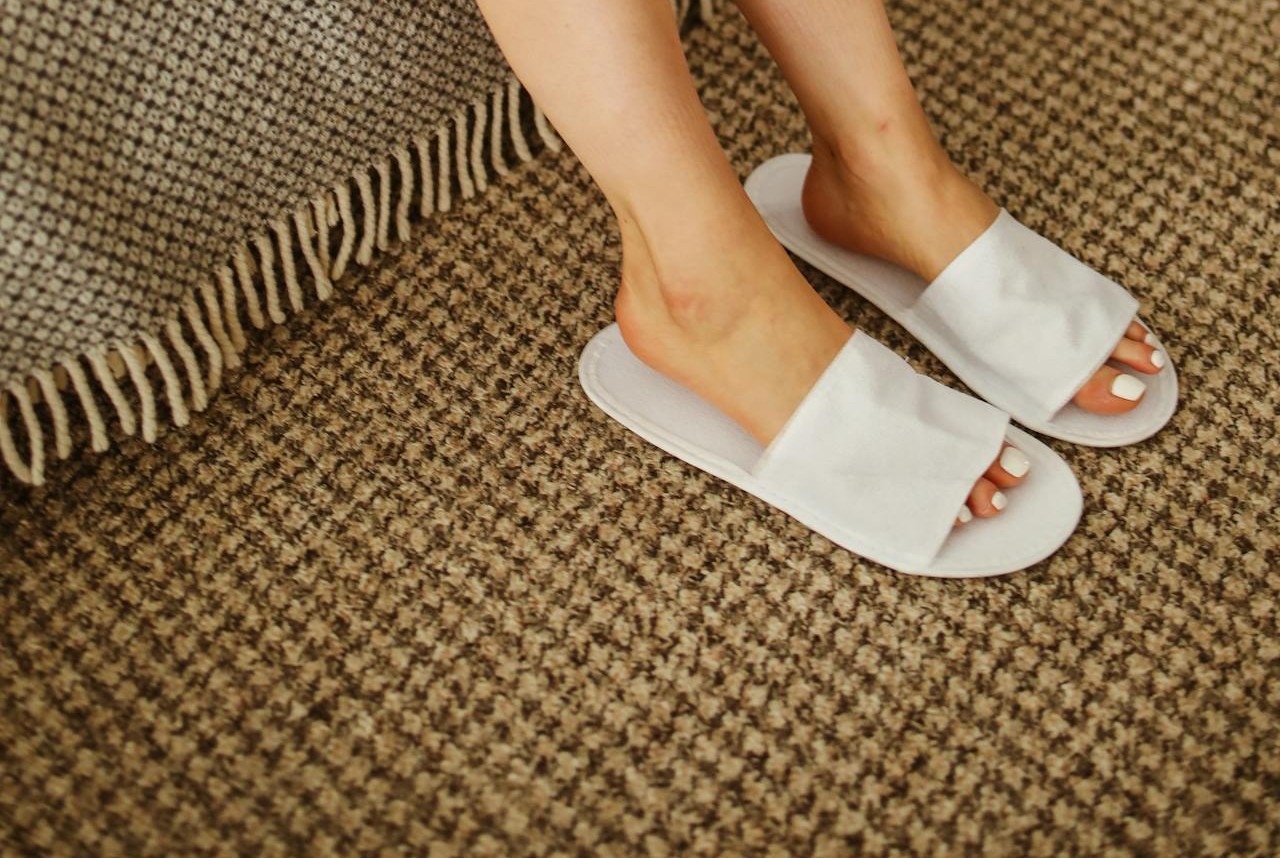
<p> While bathrobes are usually off-limits, slippers are a different story. Many hotels, especially upscale ones, provide complimentary slippers for their guests. These slippers are generally intended for single-use due to hygiene reasons and cannot be reused for the next guest. Taking the slippers with you is completely acceptable and can even add a touch of hotel comfort to your home or future travels. However, if the slippers appear to be high-end or part of a luxury set, check for any notes indicating that taking them may incur an extra charge. </p> :: Pexels

While bathrobes are usually off-limits, slippers are a different story. Many hotels, especially upscale ones, provide complimentary slippers for their guests. These slippers are generally intended for single-use due to hygiene reasons and cannot be reused for the next guest. Taking the slippers with you is completely acceptable and can even add a touch of hotel comfort to your home or future travels. However, if the slippers appear to be high-end or part of a luxury set, check for any notes indicating that taking them may incur an extra charge.

4. Coffee and Tea

<p> In-room coffee and tea are standard offerings in most hotel rooms, and they are provided for your enjoyment. Small packets of coffee, tea bags, sugar, and creamer are restocked for each guest, so any leftovers are typically discarded when you check out. You can freely take these with you as a convenient way to enjoy a warm drink later during your travels. Hotels consider these items part of your stay, so there's no need to leave them behind. Additionally, if your room includes individually wrapped snacks or condiments, feel free to take those as well—they are meant for your consumption. </p> :: Pexels

In-room coffee and tea are standard offerings in most hotel rooms, and they are provided for your enjoyment. Small packets of coffee, tea bags, sugar, and creamer are restocked for each guest, so any leftovers are typically discarded when you check out. You can freely take these with you as a convenient way to enjoy a warm drink later during your travels. Hotels consider these items part of your stay, so there’s no need to leave them behind. Additionally, if your room includes individually wrapped snacks or condiments, feel free to take those as well—they are meant for your consumption.

5. Sewing Kits
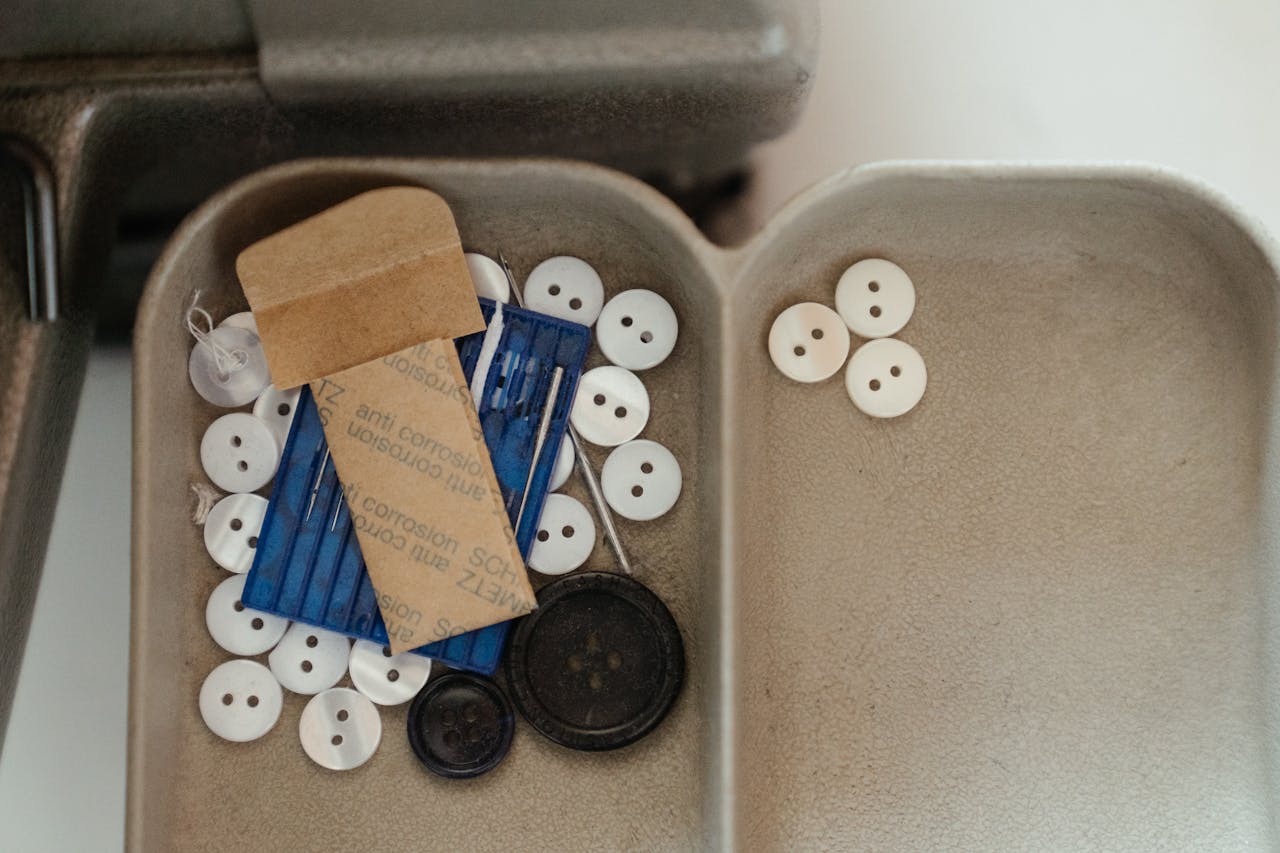
<p> Sewing kits are a handy item often found in hotel room drawers or bathroom cabinets. These small kits include essentials like needles, thread, and buttons, designed to help guests with quick wardrobe fixes. Hotels provide these kits for single-use purposes, and they are not meant to be reused. Even if you don’t need a sewing kit during your stay, it can be a lifesaver in case of an emergency. These compact kits are perfect for keeping in your travel bag or purse, making them a useful item to take home without any guilt. </p> :: Pexels

Sewing kits are a handy item often found in hotel room drawers or bathroom cabinets. These small kits include essentials like needles, thread, and buttons, designed to help guests with quick wardrobe fixes. Hotels provide these kits for single-use purposes, and they are not meant to be reused. Even if you don’t need a sewing kit during your stay, it can be a lifesaver in case of an emergency. These compact kits are perfect for keeping in your travel bag or purse, making them a useful item to take home without any guilt.

6. Magazines and Brochures

<p> If you enjoy flipping through the magazines or brochures left in your hotel room, you might be pleased to know that you can usually take these items with you. Hotels provide magazines and brochures for guests as a source of entertainment and information about local attractions. They often include travel tips, restaurant recommendations, and advertisements for nearby activities, making them great resources during your stay. Taking these items home is a fantastic way to remember your trip or gather ideas for future visits. Just ensure you are not taking any special edition books or expensive magazines that the hotel might charge extra for. </p> :: Pexels

If you enjoy flipping through the magazines or brochures left in your hotel room, you might be pleased to know that you can usually take these items with you. Hotels provide magazines and brochures for guests as a source of entertainment and information about local attractions. They often include travel tips, restaurant recommendations, and advertisements for nearby activities, making them great resources during your stay. Taking these items home is a fantastic way to remember your trip or gather ideas for future visits. Just ensure you are not taking any special edition books or expensive magazines that the hotel might charge extra for.

7. Laundry Bags and Baskets

<p> Laundry bags are typically found in the closet or bathroom of most hotel rooms, provided for guests who use the hotel’s laundry service. These bags are often disposable and designed for single use. Even if you don't plan to use the hotel's laundry service, taking the laundry bag can be quite useful. It’s perfect for keeping your dirty clothes separate from clean ones in your suitcase, making packing up easier and more organized. Since these bags are replaced after each guest, there’s no issue with taking one with you. It's a simple and practical item that can help keep your travel essentials tidy. </p> :: Pexels

Laundry bags are typically found in the closet or bathroom of most hotel rooms, provided for guests who use the hotel’s laundry service. These bags are often disposable and designed for single use. Even if you don’t plan to use the hotel’s laundry service, taking the laundry bag can be quite useful. It’s perfect for keeping your dirty clothes separate from clean ones in your suitcase, making packing up easier and more organized. Since these bags are replaced after each guest, there’s no issue with taking one with you. It’s a simple and practical item that can help keep your travel essentials tidy.

Final Thoughts

<p> Taking a few complimentary items from your hotel room can be a great way to extend the feeling of comfort and luxury even after you’ve checked out. While some items should definitely stay in the room, like electronics, towels, and robes, others are intended for guests to take and use. Items like toiletries, stationery, and slippers are usually safe to take with you, as they are provided for your personal use during your stay. So next time you’re packing up to leave your hotel, don’t hesitate to grab these small but useful freebies as a reminder of your trip. Safe travels, and enjoy your new collection of travel essentials! </p> :: Pexels

Taking a few complimentary items from your hotel room can be a great way to extend the feeling of comfort and luxury even after you’ve checked out. While some items should definitely stay in the room, like electronics, towels, and robes, others are intended for guests to take and use. Items like toiletries, stationery, and slippers are usually safe to take with you, as they are provided for your personal use during your stay. So next time you’re packing up to leave your hotel, don’t hesitate to grab these small but useful freebies as a reminder of your trip. Safe travels, and enjoy your new collection of travel essentials!


Filed Under: Travel

You’re Throwing Away Money on These 9 Things Every Month Without Realizing It

December 24, 2025 | Leave a Comment

You’re Throwing Away Money on These 9 Things Every Month Without Realizing It

<p> Do you ever look at your bank account at the end of the month and wonder, Where did all my money go? You’re not alone. While it’s easy to blame big-ticket items, the truth is most people waste a shocking amount of cash on small, recurring expenses they barely notice. These silent budget killers often fly under the radar—sneaky subscriptions, wasteful habits, and seemingly harmless purchases that slowly bleed your finances dry. The worst part? You could be losing hundreds every month without even realizing it. Let’s shine a light on nine everyday money drains that might be sabotaging your budget—and how to stop them before they sink your financial goals. </p> :: Freepik

Do you ever look at your bank account at the end of the month and wonder, Where did all my money go? You’re not alone. While it’s easy to blame big-ticket items, the truth is most people waste a shocking amount of cash on small, recurring expenses they barely notice. These silent budget killers often fly under the radar—sneaky subscriptions, wasteful habits, and seemingly harmless purchases that slowly bleed your finances dry. The worst part? You could be losing hundreds every month without even realizing it. Let’s shine a light on nine everyday money drains that might be sabotaging your budget—and how to stop them before they sink your financial goals.

1. Forgotten Subscriptions and Memberships

<p> In today’s digital world, it’s easier than ever to sign up for a subscription—and just as easy to forget about it. Whether it’s a meditation app, a cloud storage service, or a digital magazine you never read, these monthly charges can pile up fast. What starts as a $7.99 subscription here or a $14.99 membership there can quietly add up to hundreds annually. The real danger is in how seamlessly these payments are processed in the background. To stop the drain, audit your bank and credit card statements monthly or use a subscription-tracking app. Cancel anything you don’t use at least once a week. Your budget will thank you. </p> :: Freepik

In today’s digital world, it’s easier than ever to sign up for a subscription—and just as easy to forget about it. Whether it’s a meditation app, a cloud storage service, or a digital magazine you never read, these monthly charges can pile up fast. What starts as a $7.99 subscription here or a $14.99 membership there can quietly add up to hundreds annually. The real danger is in how seamlessly these payments are processed in the background. To stop the drain, audit your bank and credit card statements monthly or use a subscription-tracking app. Cancel anything you don’t use at least once a week. Your budget will thank you.

2. Paying for Streaming Services You Don’t Use

<p> Having access to Netflix, Hulu, Disney Plus, Prime Video, and a dozen other streaming platforms might sound like entertainment heaven—but how many are you really using regularly? Most households are subscribed to more platforms than they watch, leading to wasted money every single month. Each service may only cost $10 to $20, but together they can easily exceed $80 or more monthly. Instead of juggling five streaming accounts, consider rotating your subscriptions. Watch your favorite shows on one platform for a month, cancel, and switch to another. You’ll still enjoy great content while keeping your wallet intact. </p> :: Pexels

Having access to Netflix, Hulu, Disney Plus, Prime Video, and a dozen other streaming platforms might sound like entertainment heaven—but how many are you really using regularly? Most households are subscribed to more platforms than they watch, leading to wasted money every single month. Each service may only cost $10 to $20, but together they can easily exceed $80 or more monthly. Instead of juggling five streaming accounts, consider rotating your subscriptions. Watch your favorite shows on one platform for a month, cancel, and switch to another. You’ll still enjoy great content while keeping your wallet intact.

3. Ordering Too Much Takeout and Delivery

<p> Ordering food is fast, easy, and comforting—but it’s also one of the sneakiest ways to overspend. Between inflated menu prices, delivery fees, service charges, and tips, a simple meal can end up costing twice as much as it would if you made it at home. Multiply that by multiple orders a week and you’re looking at hundreds per month down the drain. While it’s fine to treat yourself occasionally, making a habit out of it wrecks your budget. Instead, try cooking simple meals in batches, planning weekly menus, or meal prepping on Sundays. You’ll eat better and spend far less. </p> :: Pexels

Ordering food is fast, easy, and comforting—but it’s also one of the sneakiest ways to overspend. Between inflated menu prices, delivery fees, service charges, and tips, a simple meal can end up costing twice as much as it would if you made it at home. Multiply that by multiple orders a week and you’re looking at hundreds per month down the drain. While it’s fine to treat yourself occasionally, making a habit out of it wrecks your budget. Instead, try cooking simple meals in batches, planning weekly menus, or meal prepping on Sundays. You’ll eat better and spend far less.

4. Grocery Shopping Without a Plan

<p> Wandering into the grocery store without a list or meal plan is a budget disaster waiting to happen. You’re more likely to impulse buy, forget key ingredients, or end up with food that spoils before you use it. That’s wasted money straight from your fridge to the trash can. Over time, this waste can add up to hundreds of dollars each year. To avoid it, shop with intention. Make a weekly meal plan, create a detailed grocery list, and check your pantry before heading out. Sticking to your list and buying only what you need helps you stay on budget and reduce food waste. </p> :: Pexels

Wandering into the grocery store without a list or meal plan is a budget disaster waiting to happen. You’re more likely to impulse buy, forget key ingredients, or end up with food that spoils before you use it. That’s wasted money straight from your fridge to the trash can. Over time, this waste can add up to hundreds of dollars each year. To avoid it, shop with intention. Make a weekly meal plan, create a detailed grocery list, and check your pantry before heading out. Sticking to your list and buying only what you need helps you stay on budget and reduce food waste.

5. Overpaying on Utility Bills

<p> If your monthly utility bills seem unusually high, it might not just be rising energy costs—it could be your usage habits or outdated service plans. Leaving lights on, running outdated appliances, or overusing heating and cooling systems can drive up your costs unnecessarily. Additionally, many people stay locked into utility contracts or billing setups that are no longer competitive. Combat this by reviewing your bills every few months, calling your providers for better deals, and investing in energy-saving upgrades like LED bulbs, smart thermostats, and efficient appliances. Even small changes can make a big difference over time. </p> :: Pexels

If your monthly utility bills seem unusually high, it might not just be rising energy costs—it could be your usage habits or outdated service plans. Leaving lights on, running outdated appliances, or overusing heating and cooling systems can drive up your costs unnecessarily. Additionally, many people stay locked into utility contracts or billing setups that are no longer competitive. Combat this by reviewing your bills every few months, calling your providers for better deals, and investing in energy-saving upgrades like LED bulbs, smart thermostats, and efficient appliances. Even small changes can make a big difference over time.

6. Paying Avoidable Bank Fees and Credit Card Interest

<p> Bank fees might seem small, but they add up quickly. Whether it’s monthly maintenance fees, overdraft charges, ATM fees, or late payment penalties, these unnecessary expenses quietly drain your account. If you’re also carrying a credit card balance, high interest rates can cost you hundreds or even thousands of dollars annually. The fix? Choose no-fee banking accounts, set up low-balance alerts, and pay your bills on time. If you have credit card debt, focus on paying it down aggressively or consider transferring your balance to a lower-interest card. Every dollar you save here is a dollar that can be invested elsewhere. </p> :: Pexels

Bank fees might seem small, but they add up quickly. Whether it’s monthly maintenance fees, overdraft charges, ATM fees, or late payment penalties, these unnecessary expenses quietly drain your account. If you’re also carrying a credit card balance, high interest rates can cost you hundreds or even thousands of dollars annually. The fix? Choose no-fee banking accounts, set up low-balance alerts, and pay your bills on time. If you have credit card debt, focus on paying it down aggressively or consider transferring your balance to a lower-interest card. Every dollar you save here is a dollar that can be invested elsewhere.

7. Letting Gift Cards Go Unused

<p> Everyone loves getting gift cards—but far too many go forgotten in junk drawers, email inboxes, or wallet pouches. Letting them sit unused is like leaving free money on the table. In fact, billions of dollars in gift cards go unspent every year. Sometimes we forget about them, lose track of their balance, or never get around to using them at all. To avoid waste, keep your gift cards in a visible spot, track their balances, and use them on things you already plan to buy. You can also trade or sell unwanted gift cards online. Just don’t let them expire without being used. </p> :: Freepik

Everyone loves getting gift cards—but far too many go forgotten in junk drawers, email inboxes, or wallet pouches. Letting them sit unused is like leaving free money on the table. In fact, billions of dollars in gift cards go unspent every year. Sometimes we forget about them, lose track of their balance, or never get around to using them at all. To avoid waste, keep your gift cards in a visible spot, track their balances, and use them on things you already plan to buy. You can also trade or sell unwanted gift cards online. Just don’t let them expire without being used.

8. Always Buying Name-Brand Products

<p> Many people believe that name-brand products are superior—but in most cases, store-brand or generic alternatives offer the same quality at a much lower price. This is especially true for pantry items, cleaning supplies, over-the-counter medications, and household basics. Brand loyalty can cost you big time without any real benefit. Try comparing ingredients and performance between your go-to brand and its cheaper counterpart. If there’s no noticeable difference, make the switch. Even a small change in your shopping habits can result in significant savings over the course of a year—without compromising on quality. </p> :: Pexels

Many people believe that name-brand products are superior—but in most cases, store-brand or generic alternatives offer the same quality at a much lower price. This is especially true for pantry items, cleaning supplies, over-the-counter medications, and household basics. Brand loyalty can cost you big time without any real benefit. Try comparing ingredients and performance between your go-to brand and its cheaper counterpart. If there’s no noticeable difference, make the switch. Even a small change in your shopping habits can result in significant savings over the course of a year—without compromising on quality.

9. Forgetting to Cancel Free Trials

<p> It starts innocently—you sign up for a free trial to try a fitness app, streaming service, or premium subscription. But by the time the trial ends, you’ve forgotten all about it and start getting charged monthly. These automatic renewals often go unnoticed for months. Companies count on this forgetfulness, and they make canceling just difficult enough to keep you locked in. Always read the fine print before signing up, and set a calendar reminder for a few days before the trial ends. You can also use virtual card numbers that expire automatically or subscribe via services that let you cancel in one click. </p> :: Freepik

It starts innocently—you sign up for a free trial to try a fitness app, streaming service, or premium subscription. But by the time the trial ends, you’ve forgotten all about it and start getting charged monthly. These automatic renewals often go unnoticed for months. Companies count on this forgetfulness, and they make canceling just difficult enough to keep you locked in. Always read the fine print before signing up, and set a calendar reminder for a few days before the trial ends. You can also use virtual card numbers that expire automatically or subscribe via services that let you cancel in one click.

Final Thoughts

<p> Most people don’t go broke from one big expense—it’s the dozens of little ones they don’t notice. Forgotten subscriptions, unplanned grocery runs, name-brand bias, and lazy canceling habits slowly chip away at your financial health. The good news? These are all manageable. The first step is awareness. Once you know where your money is leaking, you can take simple, effective action to stop it. Start by tracking your spending for one month. Review your recurring charges, eating habits, and shopping routines. Look for patterns and see which of these nine culprits apply to you. Even if you only fix three or four, you could save hundreds of dollars—money that can go toward savings, travel, or simply making ends meet with less stress. Being smart with your money doesn’t mean depriving yourself. It means being intentional. When you know better, you save better. </p> :: Pexels

Most people don’t go broke from one big expense—it’s the dozens of little ones they don’t notice. Forgotten subscriptions, unplanned grocery runs, name-brand bias, and lazy canceling habits slowly chip away at your financial health. The good news? These are all manageable. The first step is awareness. Once you know where your money is leaking, you can take simple, effective action to stop it.

Start by tracking your spending for one month. Review your recurring charges, eating habits, and shopping routines. Look for patterns and see which of these nine culprits apply to you. Even if you only fix three or four, you could save hundreds of dollars—money that can go toward savings, travel, or simply making ends meet with less stress. Being smart with your money doesn’t mean depriving yourself. It means being intentional. When you know better, you save better.

Filed Under: Money

A Simple Checklist for a Strong Financial Plan That Actually Works

December 23, 2025 | Leave a Comment

A Checklist for a Strong Financial Plan

A strong financial plan isn’t about predicting the future perfectly. It’s about preparing for it thoughtfully.

Whether you’re building stability for your family, paying down debt, or working toward long-term independence, the most effective financial plans share the same core elements. Use the checklist below to evaluate your current situation and identify where small improvements can lead to meaningful progress over time.


1. Clear Financial Goals With Timeframes

Every solid plan starts with knowing what you are working toward.

Your goals should be specific, realistic, and tied to a timeline. Short-term goals might include building an emergency fund or paying off a credit card. Medium-term goals could involve saving for a home, a vehicle, or education. Long-term goals often center on retirement or financial independence.

Write these goals down and revisit them at least once a year. As life changes, your priorities should evolve with it.


2. A Detailed Understanding of Cash Flow

You cannot manage what you do not measure.

A strong financial plan includes a clear picture of how much money comes in and where it goes each month. This goes beyond broad categories and requires honest tracking of recurring expenses, discretionary spending, and irregular costs.

When you understand your cash flow, you gain control. It becomes easier to spot waste, adjust habits, and redirect money toward what truly matters.


3. An Emergency Fund That Protects You From Setbacks

Unexpected expenses are not a matter of if but when.

An emergency fund acts as a financial shock absorber. Ideally, it should cover three to six months of essential living expenses and be kept in a safe, liquid account.

This fund protects you from relying on credit cards or loans during emergencies and provides peace of mind during job changes, medical issues, or major repairs.


4. A Strategic Approach to Debt

Not all debt is equal, but unmanaged debt can derail any financial plan.

High-interest consumer debt should be addressed aggressively. A strong plan includes a clear payoff strategy, whether that is prioritizing the highest interest rates or focusing on small balances for momentum.

At the same time, responsible long-term debt such as a mortgage can be managed strategically without panic, especially when interest rates are reasonable and cash flow is stable.


5. Consistent Saving and Investing Habits

Saving what is left over is rarely effective.

Strong financial plans treat saving and investing as non-negotiable expenses. Automating contributions to retirement accounts, brokerage accounts, or savings goals removes emotion from the process and builds consistency.

Over time, compound growth becomes one of your most powerful financial tools, especially when paired with patience and discipline.


finance 4858797 1280

6. Appropriate Insurance Coverage

Insurance is often overlooked until it is needed most.

A comprehensive financial plan includes health insurance, auto insurance, homeowners or renters insurance, and life insurance when others depend on your income. Disability insurance is also worth considering, as the risk of income loss due to illness or injury is higher than many people realize.

The goal is not to over-insure, but to protect against risks that could cause long-term financial harm.


7. Retirement Planning That Matches Your Lifestyle

Retirement planning is not just about age. It is about lifestyle.

A strong plan estimates future living expenses, accounts for inflation, and aligns investment choices with your timeline and risk tolerance. Employer-sponsored plans, individual retirement accounts, and taxable investments all play a role.

Review your retirement strategy regularly, especially after major life events or income changes.


8. Tax Awareness and Optimization

Taxes can quietly erode wealth if ignored.

An effective financial plan considers how income, investments, and withdrawals are taxed. This may include maximizing tax-advantaged accounts, understanding capital gains, or planning the timing of income and deductions.

Even small tax efficiencies, when compounded over years, can make a meaningful difference.


9. Estate and Legacy Planning Basics

Estate planning is not only for the wealthy.

At a minimum, a strong financial plan includes a will, beneficiary designations, and powers of attorney. These documents ensure that your wishes are respected and that loved ones are protected if something unexpected occurs.

Regularly review beneficiaries, especially after major life changes.


10. Regular Reviews and Adjustments

A financial plan is a living document.

Life events such as marriage, children, career changes, or market shifts all require adjustments. Schedule regular check-ins with yourself, or with a financial professional, to review progress and update strategies.

Consistency matters more than perfection.


Final Thoughts

A strong financial plan is not built overnight. It is built through clarity, discipline, and steady action over time.

If you can check off most of the items on this list, you are already ahead of where many people start. If not, that is perfectly okay. Progress begins with awareness, and even small changes can lead to lasting financial confidence.

If you would like, I can also:

Filed Under: Budgeting

8 Smart Ways Americans Are Fighting Back Against Rising Grocery Prices

December 23, 2025 | Leave a Comment

8 Smart Ways Americans Are Fighting Back Against Rising Grocery Prices

<p> If you’ve been to the grocery store lately, you’ve probably experienced that familiar moment of sticker shock. The total flashes on the screen, and you think, “Wait, how did that get so high?” You’re not alone. Across the United States, families are feeling the pinch as grocery prices continue to climb. From eggs to bread to fresh produce, the cost of everyday essentials has stretched household budgets thinner than ever. But Americans are nothing if not resourceful. Instead of simply accepting these higher prices, people are getting creative—adjusting how they shop, cook, and budget to make their dollars go further. Whether it’s swapping name brands for generics, embracing meal planning, or finding deals in unexpected places, consumers are learning to fight back with practical, real-world strategies. Here are eight smart ways Americans are pushing back against rising grocery prices—and how you can join them. </p> :: Gemini

If you’ve been to the grocery store lately, you’ve probably experienced that familiar moment of sticker shock. The total flashes on the screen, and you think, “Wait, how did that get so high?” You’re not alone. Across the United States, families are feeling the pinch as grocery prices continue to climb. From eggs to bread to fresh produce, the cost of everyday essentials has stretched household budgets thinner than ever.

But Americans are nothing if not resourceful. Instead of simply accepting these higher prices, people are getting creative—adjusting how they shop, cook, and budget to make their dollars go further. Whether it’s swapping name brands for generics, embracing meal planning, or finding deals in unexpected places, consumers are learning to fight back with practical, real-world strategies.

Here are eight smart ways Americans are pushing back against rising grocery prices—and how you can join them.

1. Meal Planning Like a Pro

<p> Winging it at the grocery store might have worked once upon a time, but now it’s practically a financial trap. More Americans are realizing that the key to saving money starts before they even leave the house. Meal planning is all about building your grocery list around what’s on sale, what’s already in your pantry, and what meals can stretch into multiple servings. Instead of tossing random ingredients into your cart, you plan out the week—breakfasts, lunches, and dinners—then buy only what you need. It reduces food waste, eliminates impulse buys, and cuts down on midweek “emergency” store runs. A smart trick is to check your grocery store’s weekly flyer online before you plan. If chicken thighs or ground turkey are on sale, plan your meals around those items. You’ll save more than you think by simply sticking to a plan. </p> :: Gemini

Winging it at the grocery store might have worked once upon a time, but now it’s practically a financial trap. More Americans are realizing that the key to saving money starts before they even leave the house. Meal planning is all about building your grocery list around what’s on sale, what’s already in your pantry, and what meals can stretch into multiple servings.

Instead of tossing random ingredients into your cart, you plan out the week—breakfasts, lunches, and dinners—then buy only what you need. It reduces food waste, eliminates impulse buys, and cuts down on midweek “emergency” store runs. A smart trick is to check your grocery store’s weekly flyer online before you plan. If chicken thighs or ground turkey are on sale, plan your meals around those items. You’ll save more than you think by simply sticking to a plan.

2. Switching to Store Brands and Affordable Alternatives

<p> Let’s face it—name brands are nice, but they’re not always necessary. With prices on the rise, many shoppers have discovered that store brands and lesser-known labels often deliver the same quality for a much lower price. In fact, some private-label products are made by the very same manufacturers that produce the name brands, just with a different label slapped on the box. The difference can add up fast. Swapping a few big-brand staples—like cereal, pasta, or cleaning products—for store versions can trim several dollars off each shopping trip. And when you multiply that by weeks and months, that’s real savings. The truth is, your wallet won’t miss the fancy packaging. </p> :: Gemini

Let’s face it—name brands are nice, but they’re not always necessary. With prices on the rise, many shoppers have discovered that store brands and lesser-known labels often deliver the same quality for a much lower price. In fact, some private-label products are made by the very same manufacturers that produce the name brands, just with a different label slapped on the box.

The difference can add up fast. Swapping a few big-brand staples—like cereal, pasta, or cleaning products—for store versions can trim several dollars off each shopping trip. And when you multiply that by weeks and months, that’s real savings. The truth is, your wallet won’t miss the fancy packaging.

3. Taking Advantage of Coupons, Sales, and Loyalty Programs

<p> Coupons used to be something you clipped out of the Sunday paper, but now they’re digital, easy to access, and more valuable than ever. From grocery store apps to cashback websites, Americans are finding ways to stack discounts and make every purchase count. Signing up for loyalty programs is one of the simplest ways to save. Most stores now offer automatic rewards, digital coupons, or personalized discounts based on your shopping habits. Before you head to the store, spend a few minutes scrolling through the app or checking the weekly sales. A little prep time can save you enough for an extra meal—or that sweet treat you’ve been eyeing. And don’t overlook old-fashioned sale hunting. When your favorite pantry staples go on discount, stock up. Just be sure you’re buying what you’ll actually use before it expires. </p> :: Gemini

Coupons used to be something you clipped out of the Sunday paper, but now they’re digital, easy to access, and more valuable than ever. From grocery store apps to cashback websites, Americans are finding ways to stack discounts and make every purchase count.

Signing up for loyalty programs is one of the simplest ways to save. Most stores now offer automatic rewards, digital coupons, or personalized discounts based on your shopping habits. Before you head to the store, spend a few minutes scrolling through the app or checking the weekly sales. A little prep time can save you enough for an extra meal—or that sweet treat you’ve been eyeing.

And don’t overlook old-fashioned sale hunting. When your favorite pantry staples go on discount, stock up. Just be sure you’re buying what you’ll actually use before it expires.

4. Changing What Goes in the Cart

<p> A major way Americans are adapting is by rethinking what foods they buy. When the price of steak jumps through the roof, many are choosing more affordable proteins like chicken, beans, or eggs. Shoppers are also switching to in-season produce or frozen fruits and vegetables, which can be just as nutritious but much easier on the budget. It’s all about smart substitutions. If blueberries are too pricey this week, grab a bag of frozen ones. If fresh salmon costs more than expected, try canned tuna or lentils for protein instead. With a little creativity, you can still eat well without breaking the bank. In fact, these substitutions often lead to trying new recipes and flavors you might not have discovered otherwise. </p> :: Gemini

A major way Americans are adapting is by rethinking what foods they buy. When the price of steak jumps through the roof, many are choosing more affordable proteins like chicken, beans, or eggs. Shoppers are also switching to in-season produce or frozen fruits and vegetables, which can be just as nutritious but much easier on the budget.

It’s all about smart substitutions. If blueberries are too pricey this week, grab a bag of frozen ones. If fresh salmon costs more than expected, try canned tuna or lentils for protein instead. With a little creativity, you can still eat well without breaking the bank. In fact, these substitutions often lead to trying new recipes and flavors you might not have discovered otherwise.

5. Cooking at Home More Often

<p> Eating out has its perks—no dishes, no prep, no cleanup—but it also eats into your budget faster than you realize. As food prices continue to rise, more Americans are trading restaurant meals and takeout for home-cooked dishes. Cooking at home not only costs less per serving but also gives you complete control over portions and ingredients. You don’t have to become a gourmet chef to make it work. Start with simple, affordable meals like soups, stir-fries, and casseroles that stretch across several days. Double up on recipes and freeze the leftovers for busy nights. Before you know it, you’ll be saving money and eating better. Bonus: you’ll rediscover the satisfaction of a good home-cooked meal. </p> :: Gemini

Eating out has its perks—no dishes, no prep, no cleanup—but it also eats into your budget faster than you realize. As food prices continue to rise, more Americans are trading restaurant meals and takeout for home-cooked dishes. Cooking at home not only costs less per serving but also gives you complete control over portions and ingredients.

You don’t have to become a gourmet chef to make it work. Start with simple, affordable meals like soups, stir-fries, and casseroles that stretch across several days. Double up on recipes and freeze the leftovers for busy nights. Before you know it, you’ll be saving money and eating better. Bonus: you’ll rediscover the satisfaction of a good home-cooked meal.

6. Buying in Bulk and Storing Smartly

<p> Bulk shopping isn’t just for big families anymore—it’s one of the smartest ways to beat rising grocery prices. Buying staples like rice, pasta, flour, or canned goods in larger quantities can save you serious money in the long run. When something you use often goes on sale, stock up while the price is low. The trick is to be strategic. Bulk buying only works if you have the space to store items properly and will actually use them before they go bad. Invest in airtight containers, freezer bags, and clear storage bins to keep your food fresh and organized. Freezing meat, bread, or leftovers is another great way to stretch your grocery dollar and prevent waste. Think of your freezer as your personal backup pantry—it’s there to save you money when prices spike. </p> :: Gemini

Bulk shopping isn’t just for big families anymore—it’s one of the smartest ways to beat rising grocery prices. Buying staples like rice, pasta, flour, or canned goods in larger quantities can save you serious money in the long run. When something you use often goes on sale, stock up while the price is low.

The trick is to be strategic. Bulk buying only works if you have the space to store items properly and will actually use them before they go bad. Invest in airtight containers, freezer bags, and clear storage bins to keep your food fresh and organized. Freezing meat, bread, or leftovers is another great way to stretch your grocery dollar and prevent waste. Think of your freezer as your personal backup pantry—it’s there to save you money when prices spike.

7. Exploring Discount and Alternative Grocery Stores

<p> More shoppers are venturing beyond their usual supermarkets to find better deals elsewhere. Discount grocers, warehouse clubs, farmers markets, and even international stores often have lower prices on everyday essentials. Some people are even splitting their shopping between a few different stores—buying produce in one, bulk items in another—to maximize savings. It might take a little extra time, but the savings can be worth it. For example, you might find cheaper produce at a local farmers market or discounted pantry goods at an outlet grocery store. If you have access to multiple retailers, take a few weeks to compare prices and see where you get the best value for your money. </p> :: Gemini

More shoppers are venturing beyond their usual supermarkets to find better deals elsewhere. Discount grocers, warehouse clubs, farmers markets, and even international stores often have lower prices on everyday essentials. Some people are even splitting their shopping between a few different stores—buying produce in one, bulk items in another—to maximize savings.

It might take a little extra time, but the savings can be worth it. For example, you might find cheaper produce at a local farmers market or discounted pantry goods at an outlet grocery store. If you have access to multiple retailers, take a few weeks to compare prices and see where you get the best value for your money.

8. Tracking the Budget and Making Smart Trade-Offs

<p> When every dollar counts, awareness is everything. Many Americans are getting serious about tracking their spending—not just on groceries, but across their entire household budget. By identifying where money is going, it becomes easier to make smart trade-offs. Maybe that means skipping a streaming subscription to free up funds for groceries. Or swapping out a pricey brand for a cheaper one so you can splurge on fresh produce. The point isn’t to deprive yourself—it’s to spend intentionally. Budgeting apps, spreadsheets, or even a good old notebook can help you stay on top of it all. The more you know where your money goes, the more power you have over it. </p> :: Gemini

When every dollar counts, awareness is everything. Many Americans are getting serious about tracking their spending—not just on groceries, but across their entire household budget. By identifying where money is going, it becomes easier to make smart trade-offs.

Maybe that means skipping a streaming subscription to free up funds for groceries. Or swapping out a pricey brand for a cheaper one so you can splurge on fresh produce. The point isn’t to deprive yourself—it’s to spend intentionally. Budgeting apps, spreadsheets, or even a good old notebook can help you stay on top of it all. The more you know where your money goes, the more power you have over it.

Final Thoughts

<p> Rising grocery prices are frustrating, but they don’t have to control your budget—or your peace of mind. Americans are proving that with a little strategy, creativity, and persistence, it’s possible to fight back and win. From planning meals and hunting for sales to exploring new stores and cutting back on dining out, small choices can add up to big savings over time. What matters most is being intentional. Instead of reacting to higher prices, take charge of how you shop and what you buy. These habits not only save money but also build confidence in your ability to adapt and thrive, even when the economy feels unpredictable. At the end of the day, your grocery bill doesn’t have to be a source of stress. With a bit of planning and a positive mindset, you can keep your fridge full, your wallet happy, and your meals delicious—no matter what the price tags say. </p> :: Gemini

Rising grocery prices are frustrating, but they don’t have to control your budget—or your peace of mind. Americans are proving that with a little strategy, creativity, and persistence, it’s possible to fight back and win. From planning meals and hunting for sales to exploring new stores and cutting back on dining out, small choices can add up to big savings over time.

What matters most is being intentional. Instead of reacting to higher prices, take charge of how you shop and what you buy. These habits not only save money but also build confidence in your ability to adapt and thrive, even when the economy feels unpredictable.

At the end of the day, your grocery bill doesn’t have to be a source of stress. With a bit of planning and a positive mindset, you can keep your fridge full, your wallet happy, and your meals delicious—no matter what the price tags say.

Filed Under: Budgeting

10 Shocking Things Boomers Endured Growing Up That Are Hard to Believe Today

December 23, 2025 | Leave a Comment

10 Shocking Things Boomers Endured Growing Up That Are Hard to Believe Today

<p> The Baby Boomer generation—those born between 1946 and 1964—grew up in a world that seems almost unrecognizable to younger generations today. From a lack of modern technology to economic challenges, Boomers faced a variety of hardships that might seem unbelievable in our digital age. If you think growing up today is tough, wait until you hear about the things Boomers endured during their childhood. This listicle will take you through some of the most shocking and unexpected aspects of life for Boomers—things that seem unimaginable in the world we live in now! </p> :: Pexels

The Baby Boomer generation—those born between 1946 and 1964—grew up in a world that seems almost unrecognizable to younger generations today. From a lack of modern technology to economic challenges, Boomers faced a variety of hardships that might seem unbelievable in our digital age. If you think growing up today is tough, wait until you hear about the things Boomers endured during their childhood. This listicle will take you through some of the most shocking and unexpected aspects of life for Boomers—things that seem unimaginable in the world we live in now!


1. Limited Access to Information

<p> Before the internet revolutionized how we access information, Baby Boomers lived in a world where knowledge wasn’t just a few clicks away. For them, finding answers to their questions meant relying on books, libraries, and asking people for help. There were no Google searches or Wikipedia to provide instant access to anything and everything. If you needed to know something, you had to make an effort to track down the information. Today, we take for granted the ability to pull out a phone and find answers in seconds, but for Boomers, information gathering was a slow and often inconvenient process. </p> :: Pexels

Before the internet revolutionized how we access information, Baby Boomers lived in a world where knowledge wasn’t just a few clicks away. For them, finding answers to their questions meant relying on books, libraries, and asking people for help. There were no Google searches or Wikipedia to provide instant access to anything and everything. If you needed to know something, you had to make an effort to track down the information. Today, we take for granted the ability to pull out a phone and find answers in seconds, but for Boomers, information gathering was a slow and often inconvenient process.


2. Black-and-White Television with Few Channels

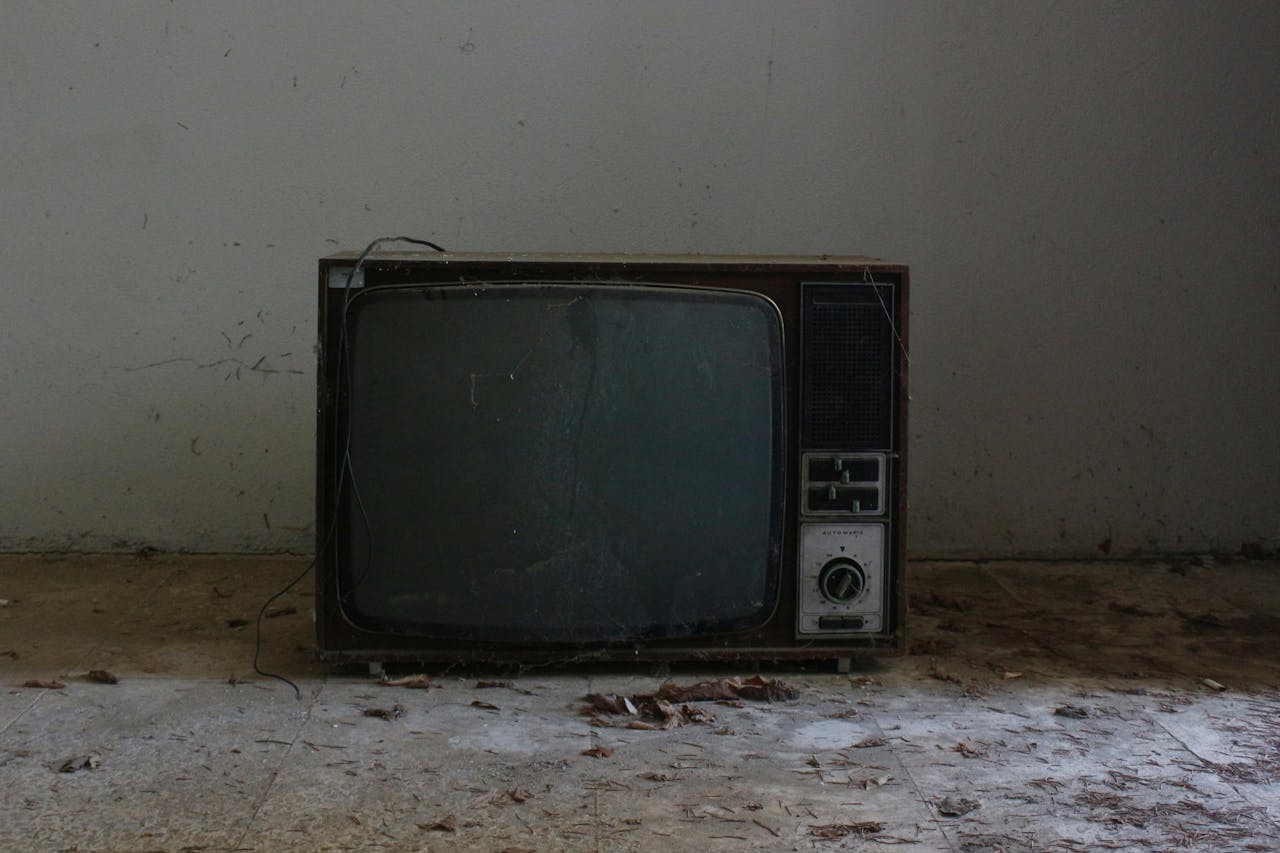
<p> If you grew up in the Baby Boomer era, you might remember a time when television was a luxury, not a necessity. Most families had black-and-white TVs with a handful of channels—often only three or four. If you missed your favorite show, you couldn’t just DVR it or stream it later. There were no 24-hour broadcasts or on-demand content. The idea of having a library of movies and shows at your fingertips on platforms like Netflix or Hulu would have been mind-blowing back then. Boomers had to make do with limited options, and TV time was a rare treat. </p> :: Pexels

If you grew up in the Baby Boomer era, you might remember a time when television was a luxury, not a necessity. Most families had black-and-white TVs with a handful of channels—often only three or four. If you missed your favorite show, you couldn’t just DVR it or stream it later. There were no 24-hour broadcasts or on-demand content. The idea of having a library of movies and shows at your fingertips on platforms like Netflix or Hulu would have been mind-blowing back then. Boomers had to make do with limited options, and TV time was a rare treat.


3. No Cell Phones or Text Messaging

<p> Imagine going through your day without texting, checking social media, or even having a cell phone. For Baby Boomers, this was reality. If you wanted to contact someone, you had to pick up a landline phone, wait for them to answer, and possibly leave a message on an answering machine if they weren’t home. The concept of texting or sending instant messages didn’t exist. Today, we’re so used to staying connected at all times that the idea of waiting to get in touch with someone is practically unthinkable! </p> :: Pexels

Imagine going through your day without texting, checking social media, or even having a cell phone. For Baby Boomers, this was reality. If you wanted to contact someone, you had to pick up a landline phone, wait for them to answer, and possibly leave a message on an answering machine if they weren’t home. The concept of texting or sending instant messages didn’t exist. Today, we’re so used to staying connected at all times that the idea of waiting to get in touch with someone is practically unthinkable!


4. Full-Service Gas Stations

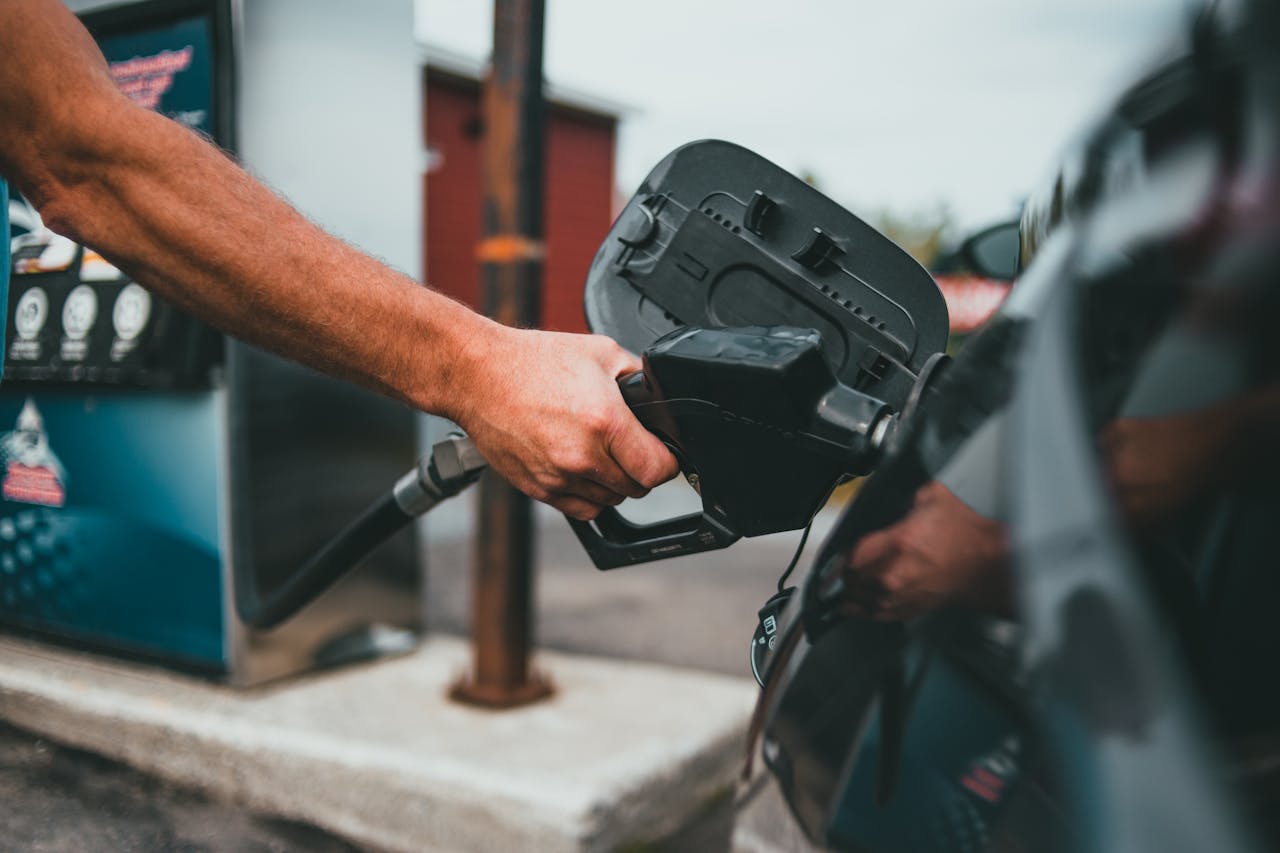
<p> Before self-service gas stations became the norm, full-service gas stations were standard. Baby Boomers grew up with the luxury of having an attendant pump their gas, check the oil, and even clean the windshield. You didn’t even have to leave your car! This convenience would feel like a distant memory to most people today, as self-serve gas stations are now ubiquitous. The idea of someone else pumping your gas might seem like a rare treat, but for Boomers, it was a standard part of everyday life. </p> :: Pexels

Before self-service gas stations became the norm, full-service gas stations were standard. Baby Boomers grew up with the luxury of having an attendant pump their gas, check the oil, and even clean the windshield. You didn’t even have to leave your car! This convenience would feel like a distant memory to most people today, as self-serve gas stations are now ubiquitous. The idea of someone else pumping your gas might seem like a rare treat, but for Boomers, it was a standard part of everyday life.


5. No Seat Belts in Cars

<p> Back in the early years of the Baby Boomer generation, seat belts were not standard in cars. Many children would ride in the backseat without any kind of safety restraint at all. It wasn’t until the 1970s that laws began requiring seat belts in vehicles, and it took time for seatbelt use to become a norm. Today, it’s hard to imagine getting into a car without putting on a seatbelt, but for Boomers, this was just the way things were. The idea of driving without any protection during a crash is almost impossible to fathom in today's world. </p> :: Pexels

Back in the early years of the Baby Boomer generation, seat belts were not standard in cars. Many children would ride in the backseat without any kind of safety restraint at all. It wasn’t until the 1970s that laws began requiring seat belts in vehicles, and it took time for seatbelt use to become a norm. Today, it’s hard to imagine getting into a car without putting on a seatbelt, but for Boomers, this was just the way things were. The idea of driving without any protection during a crash is almost impossible to fathom in today’s world.


6. Walkman and Cassette Tapes as the Pinnacle of Portable Music

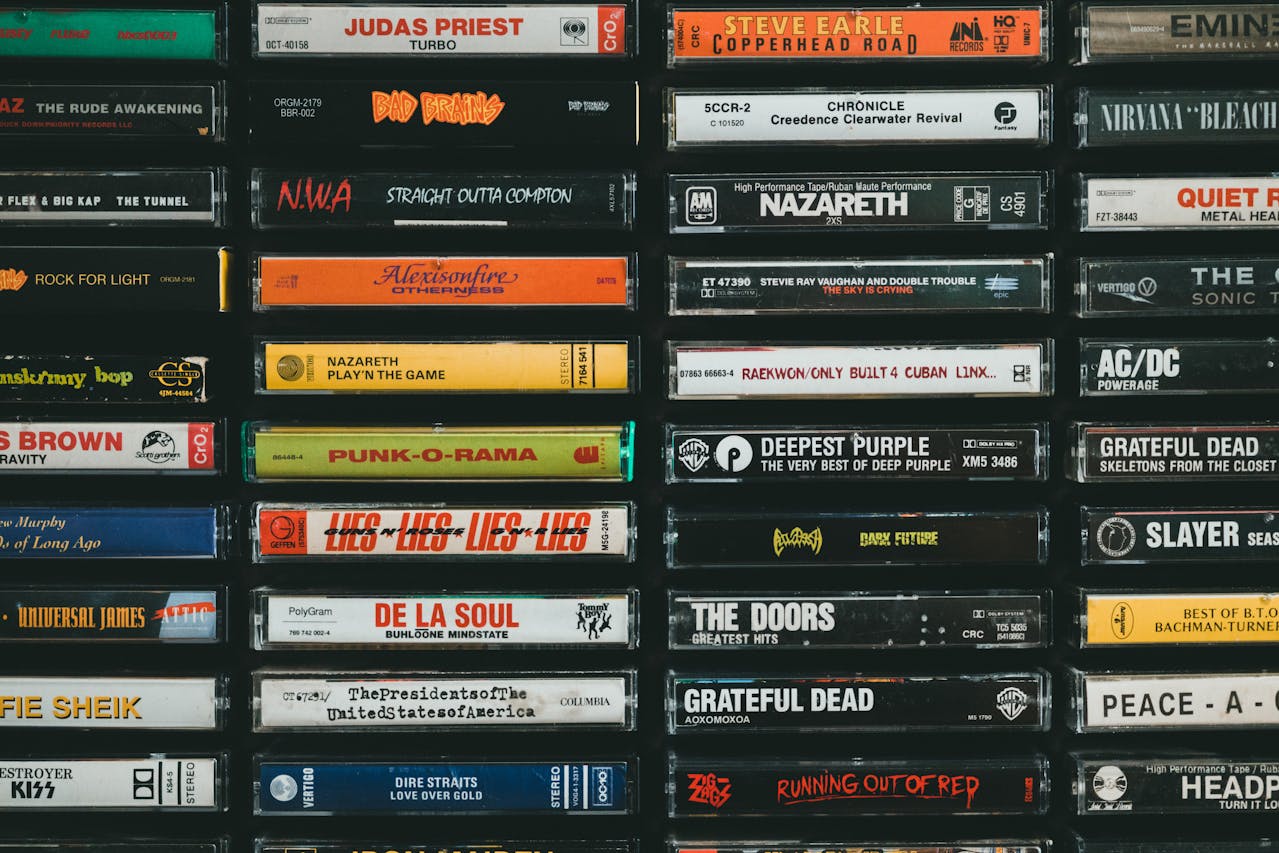
<p> Before smartphones and streaming services, portable music for Baby Boomers was all about cassette tapes and the Walkman. To listen to music on the go, you had to carry a bulky device and manually rewind or fast-forward the tape to find the song you wanted. Today, we carry entire music libraries in our pockets, instantly accessible through services like Spotify or Apple Music. The Walkman, once a revolutionary device, now seems like a relic of a bygone era, but it was the peak of portable music for Boomers. </p> :: Pexels

Before smartphones and streaming services, portable music for Baby Boomers was all about cassette tapes and the Walkman. To listen to music on the go, you had to carry a bulky device and manually rewind or fast-forward the tape to find the song you wanted. Today, we carry entire music libraries in our pockets, instantly accessible through services like Spotify or Apple Music. The Walkman, once a revolutionary device, now seems like a relic of a bygone era, but it was the peak of portable music for Boomers.


7. No Air Conditioning in Homes

<p> Air conditioning was a luxury that wasn’t commonly available in homes during the Baby Boomer years. On scorching summer days, families had to rely on fans or open windows to try and cool down their homes. The idea of spending the summer months comfortably with a cool, air-conditioned home is something that most of today’s generations take for granted. Back then, it was not unusual to spend hot nights sweating through the heat, hoping for a break from the heatwave. Only later did air conditioning become a common feature in homes, but for many Boomers, it was a luxury they didn’t grow up with. </p> :: Pexels

Air conditioning was a luxury that wasn’t commonly available in homes during the Baby Boomer years. On scorching summer days, families had to rely on fans or open windows to try and cool down their homes. The idea of spending the summer months comfortably with a cool, air-conditioned home is something that most of today’s generations take for granted. Back then, it was not unusual to spend hot nights sweating through the heat, hoping for a break from the heatwave. Only later did air conditioning become a common feature in homes, but for many Boomers, it was a luxury they didn’t grow up with.


8. Grocery Shopping Without Barcodes or Self-Checkout

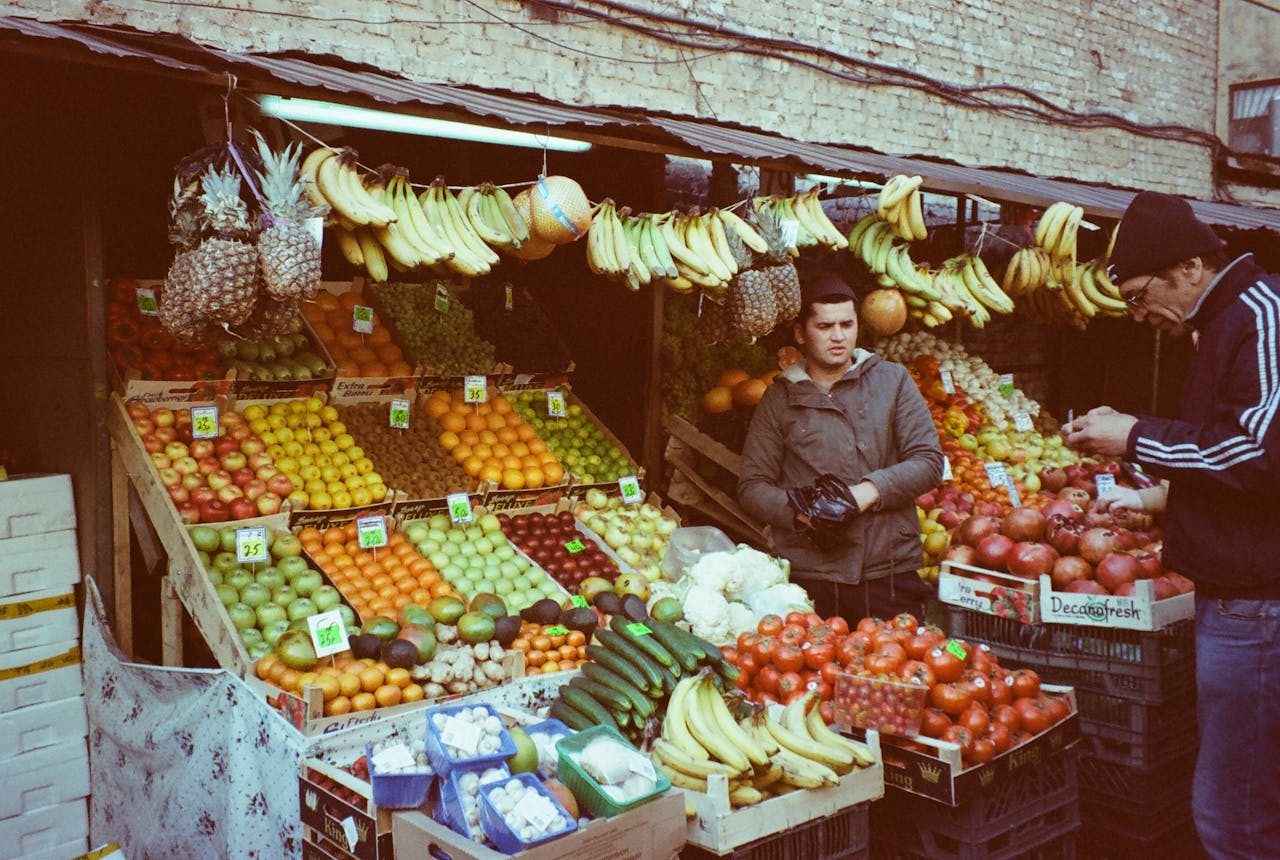
<p> Shopping for groceries today is an entirely different experience compared to the Baby Boomer era. Back then, grocery store cashiers manually entered prices and made change by hand. There were no barcodes or self-checkout systems, and the whole process took much longer than it does today. If you had a shopping list, it was handwritten and often didn’t have the benefit of an app to help you find products. The idea of using a smartphone to streamline grocery shopping would seem completely foreign to someone who grew up in the 50s and 60s. </p> :: Pexels

Shopping for groceries today is an entirely different experience compared to the Baby Boomer era. Back then, grocery store cashiers manually entered prices and made change by hand. There were no barcodes or self-checkout systems, and the whole process took much longer than it does today. If you had a shopping list, it was handwritten and often didn’t have the benefit of an app to help you find products. The idea of using a smartphone to streamline grocery shopping would seem completely foreign to someone who grew up in the 50s and 60s.

9. No Personal Computers or Internet

<p> Personal computers were nearly non-existent during the early years of the Baby Boomer generation, and the internet as we know it didn’t exist. Homework was done on typewriters or by hand, and research for school projects meant a trip to the library to search through physical encyclopedias. If you wanted to get in touch with someone far away, you had to rely on written letters or expensive long-distance phone calls. The thought of using a computer to browse the web, shop online, or communicate with people across the globe would have been unfathomable to Boomers, who lived in a world without these conveniences. </p> :: Pexels

Personal computers were nearly non-existent during the early years of the Baby Boomer generation, and the internet as we know it didn’t exist. Homework was done on typewriters or by hand, and research for school projects meant a trip to the library to search through physical encyclopedias. If you wanted to get in touch with someone far away, you had to rely on written letters or expensive long-distance phone calls. The thought of using a computer to browse the web, shop online, or communicate with people across the globe would have been unfathomable to Boomers, who lived in a world without these conveniences.


10. Dangerous Toys with No Safety Regulations

<p> The toys that Baby Boomers played with as children were often much more dangerous than what kids have access to today. Many popular toys were made with materials that could be hazardous, such as lead-based paint or sharp edges. Safety regulations for toys were not as stringent, and many items that are now considered unsafe, like lawn darts or bikes without helmets, were commonly played with. Today, toy manufacturers must adhere to strict safety guidelines, but for Boomers, these safety concerns didn’t exist, and childhood was often filled with risky, yet thrilling, play. </p> :: Pexels

The toys that Baby Boomers played with as children were often much more dangerous than what kids have access to today. Many popular toys were made with materials that could be hazardous, such as lead-based paint or sharp edges. Safety regulations for toys were not as stringent, and many items that are now considered unsafe, like lawn darts or bikes without helmets, were commonly played with. Today, toy manufacturers must adhere to strict safety guidelines, but for Boomers, these safety concerns didn’t exist, and childhood was often filled with risky, yet thrilling, play.


Final Thoughts

<p> The Baby Boomer generation experienced a childhood filled with challenges and changes that seem almost impossible to imagine today. From the lack of technology to unsafe products and inconvenient methods of communication, life for Boomers was a world of limited options. However, these experiences helped shape the values and work ethic that defined their generation. While today's world offers convenience and technology beyond imagination, it's important to remember just how far we've come, thanks to the experiences of those who came before us. </p> :: Pexels

The Baby Boomer generation experienced a childhood filled with challenges and changes that seem almost impossible to imagine today. From the lack of technology to unsafe products and inconvenient methods of communication, life for Boomers was a world of limited options. However, these experiences helped shape the values and work ethic that defined their generation. While today’s world offers convenience and technology beyond imagination, it’s important to remember just how far we’ve come, thanks to the experiences of those who came before us.

Filed Under: Lifestyle

Timeless Classics You Need to Rewatch This Year — 10 Iconic Movies That Never Get Old

December 23, 2025 | Leave a Comment

Timeless Classics You Need to Rewatch This Year — 10 Iconic Movies That Never Get Old

<p> There’s something truly magical about classic movies—they transport us to different eras, showcase unforgettable performances, and remind us of the power of storytelling at its finest. In a world overflowing with new releases and streaming hits, revisiting timeless films is like finding hidden treasures that never lose their shine. Whether you crave heartfelt romance, nail-biting suspense, or just want to experience cinema’s golden moments again, these 10 iconic movies deserve a spot on your watchlist this year. Each of these films has not only shaped the art of filmmaking but continues to resonate with audiences around the world. Ready to rediscover cinematic gems that feel fresh no matter how many times you watch them? Let’s dive into this ultimate list of timeless classics worth rewatching right now. </p> :: Pexels

There’s something truly magical about classic movies—they transport us to different eras, showcase unforgettable performances, and remind us of the power of storytelling at its finest. In a world overflowing with new releases and streaming hits, revisiting timeless films is like finding hidden treasures that never lose their shine. Whether you crave heartfelt romance, nail-biting suspense, or just want to experience cinema’s golden moments again, these 10 iconic movies deserve a spot on your watchlist this year. Each of these films has not only shaped the art of filmmaking but continues to resonate with audiences around the world. Ready to rediscover cinematic gems that feel fresh no matter how many times you watch them? Let’s dive into this ultimate list of timeless classics worth rewatching right now.

1. Casablanca (1942) — A Timeless Romance Amidst War

<p> Few films capture romance and intrigue quite like Casablanca. Set during World War II, the movie tells the story of Rick Blaine, a cynical nightclub owner in Morocco who must navigate a world of love, sacrifice, and political tension when his former lover Ilsa unexpectedly reappears. With iconic lines such as “Here’s looking at you, kid” and a haunting musical score, Casablanca blends passion and patriotism in a way that never feels outdated. The black-and-white cinematography perfectly complements the film’s mood, and the moral dilemmas faced by the characters keep the story compelling decades later. Whether you’re watching it for the first time or revisiting this cinematic jewel, Casablanca offers an emotional experience that remains as powerful today as it was when it first premiered. </p> :: The Hollywood Reporter

Few films capture romance and intrigue quite like Casablanca. Set during World War II, the movie tells the story of Rick Blaine, a cynical nightclub owner in Morocco who must navigate a world of love, sacrifice, and political tension when his former lover Ilsa unexpectedly reappears. With iconic lines such as “Here’s looking at you, kid” and a haunting musical score, Casablanca blends passion and patriotism in a way that never feels outdated. The black-and-white cinematography perfectly complements the film’s mood, and the moral dilemmas faced by the characters keep the story compelling decades later. Whether you’re watching it for the first time or revisiting this cinematic jewel, Casablanca offers an emotional experience that remains as powerful today as it was when it first premiered.

2. Gone with the Wind (1939) — Epic Drama and Southern Elegance

<p> Gone with the Wind is the kind of epic drama that demands attention with its sweeping story of love, loss, and survival during the American Civil War. Scarlett O’Hara’s fiery spirit and complicated romance with Rhett Butler drive this monumental film, which features dazzling costumes, breathtaking scenery, and unforgettable performances by Vivien Leigh and Clark Gable. This movie’s grandeur is matched by its emotional depth, exploring themes of resilience, social change, and human frailty. Despite its length, Gone with the Wind captivates with every scene and invites viewers to immerse themselves in a richly textured world full of passion and heartbreak. It’s a must-watch for lovers of classic storytelling on an epic scale. </p> :: TV Insider

Gone with the Wind is the kind of epic drama that demands attention with its sweeping story of love, loss, and survival during the American Civil War. Scarlett O’Hara’s fiery spirit and complicated romance with Rhett Butler drive this monumental film, which features dazzling costumes, breathtaking scenery, and unforgettable performances by Vivien Leigh and Clark Gable. This movie’s grandeur is matched by its emotional depth, exploring themes of resilience, social change, and human frailty. Despite its length, Gone with the Wind captivates with every scene and invites viewers to immerse themselves in a richly textured world full of passion and heartbreak. It’s a must-watch for lovers of classic storytelling on an epic scale.

3. Rear Window (1954) — Hitchcock’s Masterclass in Suspense

<p> For lovers of suspense and psychological thrillers, Alfred Hitchcock’s Rear Window is a cinematic masterpiece. James Stewart stars as a photographer confined to his apartment with a broken leg, who becomes obsessed with watching his neighbors and suspecting a crime. Hitchcock’s skillful direction builds a palpable tension as the audience becomes complicit in this act of voyeurism, exploring themes of curiosity, isolation, and trust. Grace Kelly’s presence adds an elegant charm, while every shot is meticulously crafted to keep viewers on edge. This film is more than just a suspense thriller — it is an exploration of human nature that remains riveting and thought-provoking with every viewing. </p> :: The Movie Crash Course

For lovers of suspense and psychological thrillers, Alfred Hitchcock’s Rear Window is a cinematic masterpiece. James Stewart stars as a photographer confined to his apartment with a broken leg, who becomes obsessed with watching his neighbors and suspecting a crime. Hitchcock’s skillful direction builds a palpable tension as the audience becomes complicit in this act of voyeurism, exploring themes of curiosity, isolation, and trust. Grace Kelly’s presence adds an elegant charm, while every shot is meticulously crafted to keep viewers on edge. This film is more than just a suspense thriller — it is an exploration of human nature that remains riveting and thought-provoking with every viewing.

4. The Godfather (1972) — The Pinnacle of Crime Drama

<p> When discussing cinematic masterpieces, The Godfather stands at the summit. Francis Ford Coppola’s epic tale of the Corleone crime family is both a brutal and beautiful exploration of power, loyalty, and family. Marlon Brando’s unforgettable portrayal of Vito Corleone and Al Pacino’s compelling transformation into Michael Corleone create a narrative filled with complexity and depth. The film’s richly layered storytelling, memorable dialogue, and haunting musical score have influenced generations of filmmakers. It is a movie that demands multiple viewings to fully appreciate the nuances of its characters and themes. The Godfather is a timeless classic that continues to set the standard for storytelling in cinema. </p> :: TV Insider

When discussing cinematic masterpieces, The Godfather stands at the summit. Francis Ford Coppola’s epic tale of the Corleone crime family is both a brutal and beautiful exploration of power, loyalty, and family. Marlon Brando’s unforgettable portrayal of Vito Corleone and Al Pacino’s compelling transformation into Michael Corleone create a narrative filled with complexity and depth. The film’s richly layered storytelling, memorable dialogue, and haunting musical score have influenced generations of filmmakers. It is a movie that demands multiple viewings to fully appreciate the nuances of its characters and themes. The Godfather is a timeless classic that continues to set the standard for storytelling in cinema.

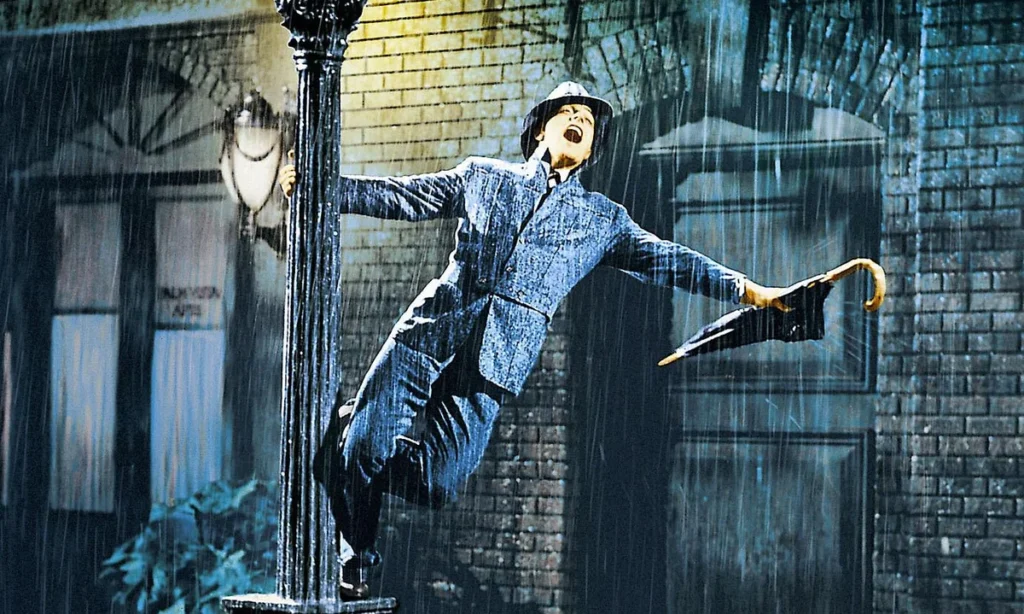
5. Singin’ in the Rain (1952) — The Ultimate Feel-Good Musical

<p> When it comes to feel-good movies, few can match the charm and energy of Singin’ in the Rain. This dazzling musical comedy chronicles Hollywood’s transition from silent films to sound, featuring Gene Kelly’s iconic dance sequences that remain awe-inspiring decades later. The movie’s bright and catchy songs, witty humor, and infectious energy make it a joyous experience for viewers of all ages. Its celebration of the magic of movies, combined with playful romance and comedy, has cemented Singin’ in the Rain as one of the most beloved musicals of all time. Watching it is like stepping into a world of happiness and creativity that never loses its sparkle. </p> :: The Guardian

When it comes to feel-good movies, few can match the charm and energy of Singin’ in the Rain. This dazzling musical comedy chronicles Hollywood’s transition from silent films to sound, featuring Gene Kelly’s iconic dance sequences that remain awe-inspiring decades later. The movie’s bright and catchy songs, witty humor, and infectious energy make it a joyous experience for viewers of all ages. Its celebration of the magic of movies, combined with playful romance and comedy, has cemented Singin’ in the Rain as one of the most beloved musicals of all time. Watching it is like stepping into a world of happiness and creativity that never loses its sparkle.

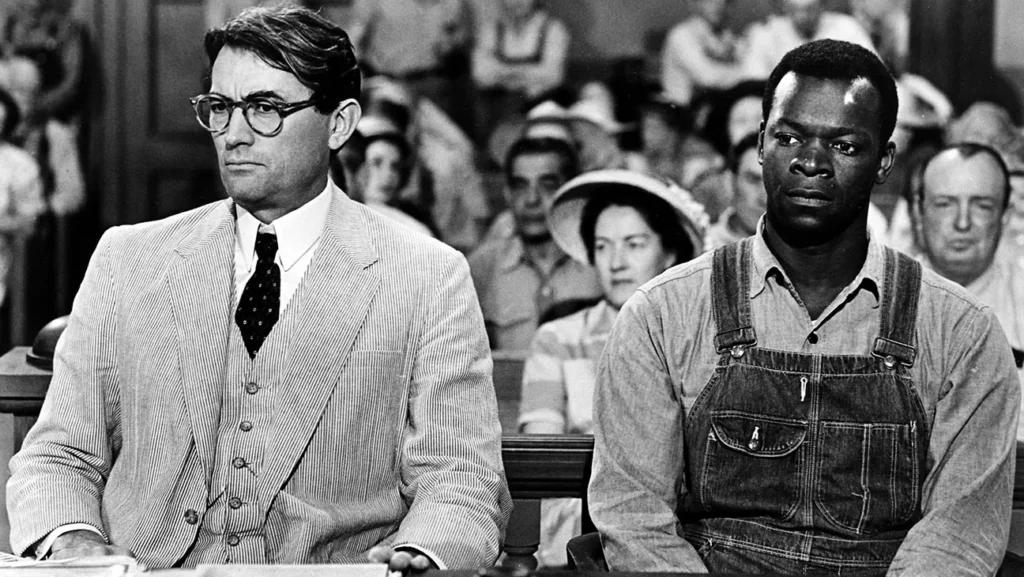
6. To Kill a Mockingbird (1962) — A Powerful Tale of Justice and Morality

<p> Adapted from Harper Lee’s landmark novel, To Kill a Mockingbird is a film that continues to resonate with audiences due to its courageous exploration of racial injustice and moral integrity. Gregory Peck’s portrayal of Atticus Finch, a principled lawyer defending a black man wrongly accused of a crime, is one of the most revered performances in film history. The movie’s heartfelt depiction of childhood innocence, compassion, and standing up for what is right delivers a powerful message that remains urgent today. This classic isn’t just a film — it is a timeless reminder of the importance of justice and empathy in society, making it essential viewing year after year. </p> :: The Hollywood Reporter

Adapted from Harper Lee’s landmark novel, To Kill a Mockingbird is a film that continues to resonate with audiences due to its courageous exploration of racial injustice and moral integrity. Gregory Peck’s portrayal of Atticus Finch, a principled lawyer defending a black man wrongly accused of a crime, is one of the most revered performances in film history. The movie’s heartfelt depiction of childhood innocence, compassion, and standing up for what is right delivers a powerful message that remains urgent today. This classic isn’t just a film — it is a timeless reminder of the importance of justice and empathy in society, making it essential viewing year after year.

7. Breakfast at Tiffany’s (1961) — Chic, Charming, and Unforgettable

<p> Audrey Hepburn’s portrayal of Holly Golightly in Breakfast at Tiffany’s is the epitome of style and charisma. This romantic comedy-drama captures the whimsical and sometimes bittersweet life of a New York socialite searching for identity and love. The film’s unforgettable opening scene outside Tiffany’s jewelry store, combined with Henry Mancini’s iconic “Moon River” theme, creates a cinematic experience that is both glamorous and heartfelt. Beneath its sophisticated exterior, the movie explores themes of loneliness and self-discovery, which give it emotional depth. Whether you’re drawn to classic fashion, sharp wit, or compelling storytelling, Breakfast at Tiffany’s remains a must-watch that never goes out of style. </p> :: Tom + Lorenzo

Audrey Hepburn’s portrayal of Holly Golightly in Breakfast at Tiffany’s is the epitome of style and charisma. This romantic comedy-drama captures the whimsical and sometimes bittersweet life of a New York socialite searching for identity and love. The film’s unforgettable opening scene outside Tiffany’s jewelry store, combined with Henry Mancini’s iconic “Moon River” theme, creates a cinematic experience that is both glamorous and heartfelt. Beneath its sophisticated exterior, the movie explores themes of loneliness and self-discovery, which give it emotional depth. Whether you’re drawn to classic fashion, sharp wit, or compelling storytelling, Breakfast at Tiffany’s remains a must-watch that never goes out of style.

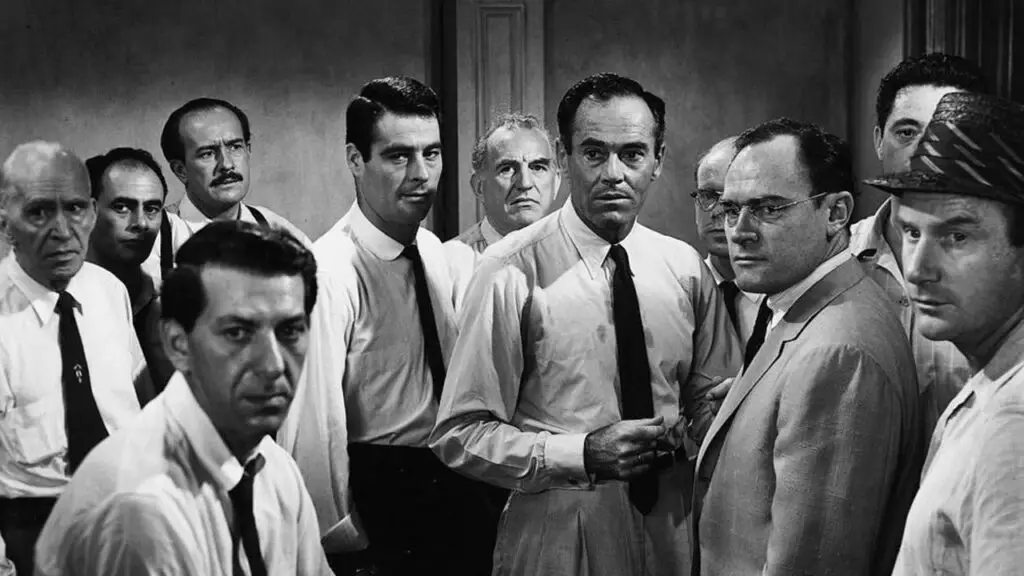
8. 12 Angry Men (1957) — A Gripping Study in Justice and Human Nature

<p> This intense courtroom drama is a masterclass in storytelling, taking place almost entirely in one room where twelve jurors deliberate over a seemingly clear-cut murder case. 12 Angry Men brilliantly explores the dynamics of prejudice, reasonable doubt, and moral responsibility. Henry Fonda leads an extraordinary ensemble cast delivering powerful performances that bring the script’s tension and complexity to life. The film’s tight pacing and sharp dialogue keep viewers riveted, while its themes about fairness, courage, and critical thinking resonate as strongly today as they did over sixty years ago. It is a timeless exploration of the justice system and human nature that rewards multiple viewings. </p> :: Taste of Cinema

This intense courtroom drama is a masterclass in storytelling, taking place almost entirely in one room where twelve jurors deliberate over a seemingly clear-cut murder case. 12 Angry Men brilliantly explores the dynamics of prejudice, reasonable doubt, and moral responsibility. Henry Fonda leads an extraordinary ensemble cast delivering powerful performances that bring the script’s tension and complexity to life. The film’s tight pacing and sharp dialogue keep viewers riveted, while its themes about fairness, courage, and critical thinking resonate as strongly today as they did over sixty years ago. It is a timeless exploration of the justice system and human nature that rewards multiple viewings.

9. Roman Holiday (1953) — A Delightful Romantic Escape

<p> Roman Holiday remains a beloved classic that effortlessly combines romance, comedy, and adventure. Audrey Hepburn stars as a princess who escapes her royal duties to explore Rome on her own, leading to a charming and bittersweet love story with journalist Gregory Peck. The film’s beautiful Roman locations, engaging plot, and sparkling chemistry between its leads create a cinematic escape full of warmth and humor. Its themes of freedom, discovery, and the fleeting nature of happiness make it emotionally resonant and endlessly watchable. For anyone longing for a charming getaway or an uplifting romantic tale, Roman Holiday is a timeless delight. </p> :: The Guardian

Roman Holiday remains a beloved classic that effortlessly combines romance, comedy, and adventure. Audrey Hepburn stars as a princess who escapes her royal duties to explore Rome on her own, leading to a charming and bittersweet love story with journalist Gregory Peck. The film’s beautiful Roman locations, engaging plot, and sparkling chemistry between its leads create a cinematic escape full of warmth and humor. Its themes of freedom, discovery, and the fleeting nature of happiness make it emotionally resonant and endlessly watchable. For anyone longing for a charming getaway or an uplifting romantic tale, Roman Holiday is a timeless delight.

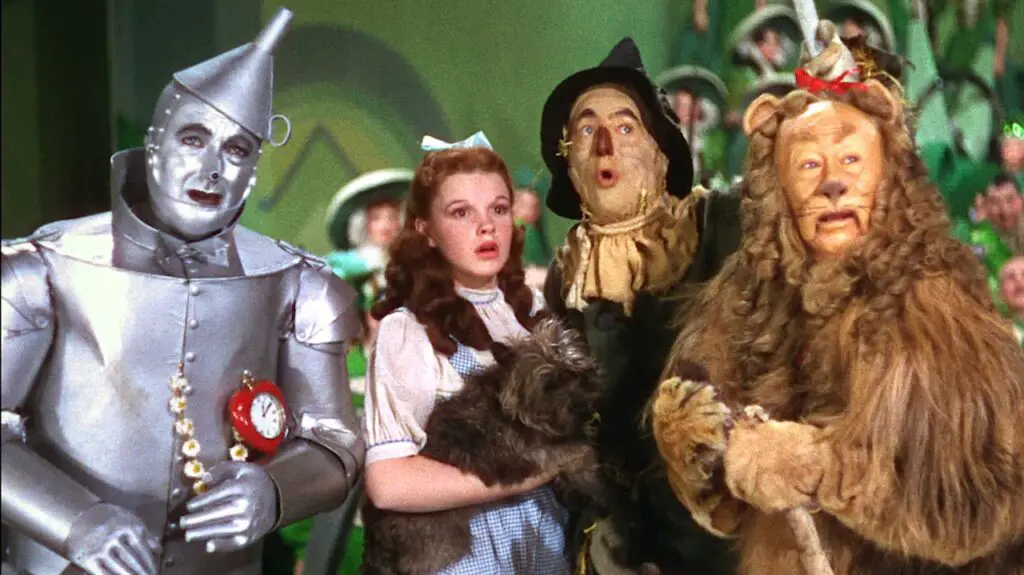
10. The Wizard of Oz (1939) — A Magical Journey for All Ages

<p> Few movies hold the universal appeal of The Wizard of Oz, a fantasy musical that has enchanted audiences since its release. Dorothy’s journey through the magical Land of Oz, accompanied by unforgettable characters like the Scarecrow, Tin Man, and Cowardly Lion, combines whimsy with meaningful life lessons about friendship, courage, and the importance of home. The film’s groundbreaking use of Technicolor dazzled audiences then and still captivates today. Its catchy songs, imaginative sets, and heartfelt story have made it a staple of family viewing worldwide. Watching The Wizard of Oz is like stepping into a world of magic and hope, making it a must-watch classic no matter your age. </p> :: IFC Center

Few movies hold the universal appeal of The Wizard of Oz, a fantasy musical that has enchanted audiences since its release. Dorothy’s journey through the magical Land of Oz, accompanied by unforgettable characters like the Scarecrow, Tin Man, and Cowardly Lion, combines whimsy with meaningful life lessons about friendship, courage, and the importance of home. The film’s groundbreaking use of Technicolor dazzled audiences then and still captivates today. Its catchy songs, imaginative sets, and heartfelt story have made it a staple of family viewing worldwide. Watching The Wizard of Oz is like stepping into a world of magic and hope, making it a must-watch classic no matter your age.

Final Thoughts

<p> These ten iconic films are more than just movies—they are cultural landmarks that have shaped the art of cinema and touched the hearts of millions. From sweeping dramas and suspense thrillers to joyous musicals and heartfelt tales of justice and love, this list offers something for every movie lover. So grab your popcorn and prepare to embark on a journey through some of the most unforgettable stories ever told on film. These timeless classics are waiting to remind you why they continue to captivate audiences year after year. </p> :: Freepik

These ten iconic films are more than just movies—they are cultural landmarks that have shaped the art of cinema and touched the hearts of millions. From sweeping dramas and suspense thrillers to joyous musicals and heartfelt tales of justice and love, this list offers something for every movie lover. So grab your popcorn and prepare to embark on a journey through some of the most unforgettable stories ever told on film. These timeless classics are waiting to remind you why they continue to captivate audiences year after year.

Filed Under: Entertainment

10 Nostalgic Signs You Were Definitely Born in the 1950s

December 23, 2025 | Leave a Comment

10 Nostalgic Signs You Were Definitely Born in the 1950s

<p> If you were born in the 1950s, you’ve witnessed incredible changes that shaped the modern world. From the rise of rock and roll to the introduction of television, your formative years were filled with cultural moments that left a lasting impact. Let’s take a stroll down memory lane and explore 10 unmistakable signs that show you were definitely born in the 1950s. </p> :: Pexels

If you were born in the 1950s, you’ve witnessed incredible changes that shaped the modern world. From the rise of rock and roll to the introduction of television, your formative years were filled with cultural moments that left a lasting impact. Let’s take a stroll down memory lane and explore 10 unmistakable signs that show you were definitely born in the 1950s.

1. You Remember When Television Was a New Luxury

<p> Growing up in the 1950s, having a television in your home was a big deal. You probably remember gathering around the TV with your family or neighbors, eager to catch the latest episodes of I Love Lucy, The Ed Sullivan Show, or The Lone Ranger. With just a handful of channels available, you likely had to fiddle with the antenna to get a clear picture. The idea of being able to watch live entertainment from the comfort of your living room was revolutionary. If these moments still bring a smile to your face, there’s no doubt you were born in the 50s. </p> :: Pexels

Growing up in the 1950s, having a television in your home was a big deal. You probably remember gathering around the TV with your family or neighbors, eager to catch the latest episodes of I Love Lucy, The Ed Sullivan Show, or The Lone Ranger. With just a handful of channels available, you likely had to fiddle with the antenna to get a clear picture. The idea of being able to watch live entertainment from the comfort of your living room was revolutionary. If these moments still bring a smile to your face, there’s no doubt you were born in the 50s.

2. You Grew Up on the Sounds of Rock and Roll

<p> The 1950s were the birth years of rock and roll, and if you were born during this time, your teenage years were filled with the sounds of Elvis Presley, Buddy Holly, and Chuck Berry. You might remember dancing to these fresh new beats at school sock hops or blasting tunes on your home record player. Rock and roll was more than just music; it was a cultural movement that represented a youthful rebellion. If the memory of these early rock and roll hits still gets you tapping your feet, it’s a clear sign that you were born in this era. </p> :: Pexels

The 1950s were the birth years of rock and roll, and if you were born during this time, your teenage years were filled with the sounds of Elvis Presley, Buddy Holly, and Chuck Berry. You might remember dancing to these fresh new beats at school sock hops or blasting tunes on your home record player. Rock and roll was more than just music; it was a cultural movement that represented a youthful rebellion. If the memory of these early rock and roll hits still gets you tapping your feet, it’s a clear sign that you were born in this era.

3. You Have Fond Memories of Drive-In Theaters

<p> Drive-in theaters were a hallmark of the 1950s, offering a unique movie-going experience. There was nothing quite like pulling up in your car, rolling down the windows, and watching a film under the stars. Whether it was a date night or a family outing, drive-ins were the place to be. Classic films like Rebel Without a Cause and The Ten Commandments were enjoyed from the comfort of your own vehicle. The excitement of tuning your car radio to catch the movie’s audio is a nostalgic memory that can only belong to those who grew up in the 50s. </p> :: Pexels

Drive-in theaters were a hallmark of the 1950s, offering a unique movie-going experience. There was nothing quite like pulling up in your car, rolling down the windows, and watching a film under the stars. Whether it was a date night or a family outing, drive-ins were the place to be. Classic films like Rebel Without a Cause and The Ten Commandments were enjoyed from the comfort of your own vehicle. The excitement of tuning your car radio to catch the movie’s audio is a nostalgic memory that can only belong to those who grew up in the 50s.

4. You Wore Iconic Fashion of the 1950s

<p> Fashion in the 1950s was unforgettable and remains a cherished memory for many. If you were a girl, you might have worn poodle skirts, saddle shoes, and tied your hair in a ponytail. If you were a boy, you probably sported leather jackets, cuffed jeans, and styled your hair with pomade. The influence of movie stars like James Dean and Marilyn Monroe was evident in everyone’s style choices. The distinctive fashion of the era, from greased-back hair to bold red lips, made a statement and defined a generation. When you see these styles today, they likely transport you back to your younger days. </p> :: Pexels

Fashion in the 1950s was unforgettable and remains a cherished memory for many. If you were a girl, you might have worn poodle skirts, saddle shoes, and tied your hair in a ponytail. If you were a boy, you probably sported leather jackets, cuffed jeans, and styled your hair with pomade. The influence of movie stars like James Dean and Marilyn Monroe was evident in everyone’s style choices. The distinctive fashion of the era, from greased-back hair to bold red lips, made a statement and defined a generation. When you see these styles today, they likely transport you back to your younger days.

5. You Drank Soda from Glass Bottles

<p> Sipping a cold soda from a glass bottle was a simple pleasure that defined the 1950s. Back then, soda fountains were popular gathering spots, and drinks like Coca-Cola were served in thick glass bottles that made them feel special. You might remember sitting at the counter of a local diner, enjoying a root beer float or a cherry cola with friends. The experience of hearing the fizzy pop of the bottle opening and the taste of an ice-cold soda is something that today’s generation may never fully appreciate. If you recall collecting bottle caps and using openers, you were definitely part of this nostalgic era. </p> :: Pexels

Sipping a cold soda from a glass bottle was a simple pleasure that defined the 1950s. Back then, soda fountains were popular gathering spots, and drinks like Coca-Cola were served in thick glass bottles that made them feel special. You might remember sitting at the counter of a local diner, enjoying a root beer float or a cherry cola with friends. The experience of hearing the fizzy pop of the bottle opening and the taste of an ice-cold soda is something that today’s generation may never fully appreciate. If you recall collecting bottle caps and using openers, you were definitely part of this nostalgic era.

6. You Dialed Numbers on a Rotary Phone

<p> Long before smartphones became an extension of our hands, there were rotary phones. These heavy, reliable devices were a fixture in every household during the 1950s. If you remember the distinct click of the rotary dial as you carefully turned each number, you were definitely a part of this era. Back then, making a call required patience, and there was no caller ID to screen who was calling. Waiting your turn to use the family phone and memorizing phone numbers were everyday experiences. It’s a far cry from today’s instant messaging, but those who remember rotary phones often look back on them fondly. </p> :: Pexels

Long before smartphones became an extension of our hands, there were rotary phones. These heavy, reliable devices were a fixture in every household during the 1950s. If you remember the distinct click of the rotary dial as you carefully turned each number, you were definitely a part of this era. Back then, making a call required patience, and there was no caller ID to screen who was calling. Waiting your turn to use the family phone and memorizing phone numbers were everyday experiences. It’s a far cry from today’s instant messaging, but those who remember rotary phones often look back on them fondly.

7. You Grew Up Before Fast Food Chains Took Over

<p> The 1950s were the early days of fast food, but it wasn’t as widespread as it is today. The first McDonald's opened in 1955, but for many, family meals were home-cooked and eaten together at the dinner table. If you remember when grabbing a burger was a special treat rather than an everyday convenience, you were part of an era before the fast food explosion. Diners and soda shops were the social hubs where people gathered, enjoyed milkshakes, and shared stories. The simplicity of these moments is something that stands out when thinking about life before fast food chains dominated the landscape. </p> :: Pexels

The 1950s were the early days of fast food, but it wasn’t as widespread as it is today. The first McDonald’s opened in 1955, but for many, family meals were home-cooked and eaten together at the dinner table. If you remember when grabbing a burger was a special treat rather than an everyday convenience, you were part of an era before the fast food explosion. Diners and soda shops were the social hubs where people gathered, enjoyed milkshakes, and shared stories. The simplicity of these moments is something that stands out when thinking about life before fast food chains dominated the landscape.

8. You Played Outside Until the Streetlights Came On

<p> Childhood in the 1950s was marked by outdoor play. If you were born in this era, you likely spent your days riding bikes, playing hopscotch, or joining neighborhood games of tag. There were no video games or smartphones to distract you, so being outside was the best form of entertainment. You probably remember your parents telling you to come home when the streetlights came on—a rule that every kid seemed to understand. This kind of freedom and sense of community is something that’s rare today. For you, it was a defining part of growing up in the 50s. </p> :: Pexels

Childhood in the 1950s was marked by outdoor play. If you were born in this era, you likely spent your days riding bikes, playing hopscotch, or joining neighborhood games of tag. There were no video games or smartphones to distract you, so being outside was the best form of entertainment. You probably remember your parents telling you to come home when the streetlights came on—a rule that every kid seemed to understand. This kind of freedom and sense of community is something that’s rare today. For you, it was a defining part of growing up in the 50s.

9. You Lived Through the Cuban Missile Crisis and the Space Race

<p> The 1950s and early 60s were a time of intense historical events, including the Cuban Missile Crisis and the start of the Space Race. You likely remember the fear and uncertainty during the Cold War, with news of potential nuclear conflict spreading across radios and televisions. The launch of Sputnik in 1957 marked the beginning of the Space Race, with the United States quickly following suit with NASA’s creation. Watching these events unfold made history feel very real and immediate. If you have vivid memories of these tense times, it’s a testament to the transformative period you grew up in. </p> :: Pexels

The 1950s and early 60s were a time of intense historical events, including the Cuban Missile Crisis and the start of the Space Race. You likely remember the fear and uncertainty during the Cold War, with news of potential nuclear conflict spreading across radios and televisions. The launch of Sputnik in 1957 marked the beginning of the Space Race, with the United States quickly following suit with NASA’s creation. Watching these events unfold made history feel very real and immediate. If you have vivid memories of these tense times, it’s a testament to the transformative period you grew up in.

10. You Played with Classic Toys and Collected Baseball Cards

<p> Toys in the 1950s were simple yet magical. If you were a child in this era, you probably spent hours playing with hula hoops, Slinkys, and Silly Putty. You might also remember the excitement of collecting baseball cards or the debut of Barbie in 1959, which quickly became a sensation among young girls. Boys often played with toy trains or pretended to be cowboys, inspired by the popular Westerns of the time. These classic toys did not need batteries or screens—they required imagination and creativity, making playtime a cherished memory for anyone who grew up in this era. </p> :: Pexels

Toys in the 1950s were simple yet magical. If you were a child in this era, you probably spent hours playing with hula hoops, Slinkys, and Silly Putty. You might also remember the excitement of collecting baseball cards or the debut of Barbie in 1959, which quickly became a sensation among young girls. Boys often played with toy trains or pretended to be cowboys, inspired by the popular Westerns of the time. These classic toys did not need batteries or screens—they required imagination and creativity, making playtime a cherished memory for anyone who grew up in this era.

Final Thoughts

<p> These signs are just a few of the many reasons why the 1950s were such a memorable time to grow up. It was a decade filled with cultural shifts, historical events, and simpler joys that shaped a generation. If you found yourself reminiscing while reading these signs, then it’s clear you were part of an era that experienced some of the most profound changes in history. Embrace the nostalgia and cherish these memories, as they are a valuable part of who you are and a reminder of the remarkable times you lived through. </p> :: Pexels

These signs are just a few of the many reasons why the 1950s were such a memorable time to grow up. It was a decade filled with cultural shifts, historical events, and simpler joys that shaped a generation. If you found yourself reminiscing while reading these signs, then it’s clear you were part of an era that experienced some of the most profound changes in history. Embrace the nostalgia and cherish these memories, as they are a valuable part of who you are and a reminder of the remarkable times you lived through.

Filed Under: Lifestyle

How Much is Enough: 10 Ways We Enabled Today’s Out-of-Control Tipping Culture

December 23, 2025 | Leave a Comment

How Much is Enough: 10 Ways We Enabled Today’s Out-of-Control Tipping Culture

<p>In recent years, the practice of tipping has evolved into a complicated and often contentious issue. Once a simple gesture of appreciation for good service, tipping has morphed into a system that can feel obligatory, with expectations spiraling out of control. As consumers, we find ourselves grappling with how much is enough, as tipping amounts continue to rise in various sectors, from restaurants to coffee shops. Lets look at ten ways we have contributed to the current tipping culture, exploring the implications of these practices and offering insights into what this means for us as patrons.</p> ::Pexels

In recent years, the practice of tipping has evolved into a complicated and often contentious issue. Once a simple gesture of appreciation for good service, tipping has morphed into a system that can feel obligatory, with expectations spiraling out of control. As consumers, we find ourselves grappling with how much is enough, as tipping amounts continue to rise in various sectors, from restaurants to coffee shops. Lets look at ten ways we have contributed to the current tipping culture, exploring the implications of these practices and offering insights into what this means for us as patrons.


1. The Rise of Digital Payment Systems

<p>The convenience of digital payments is undeniable, but it has also enabled the normalization of higher tipping amounts. As a result, consumers are often left questioning how much is enough, especially when service expectations have become inflated. This digital shift has altered our perception of tipping, transforming it from a voluntary gesture into an almost mandatory practice.</p> :: Pexels

The convenience of digital payments is undeniable, but it has also enabled the normalization of higher tipping amounts. As a result, consumers are often left questioning how much is enough, especially when service expectations have become inflated. This digital shift has altered our perception of tipping, transforming it from a voluntary gesture into an almost mandatory practice.


2. Social Media Influence

<p>As people share their experiences, there’s an unspoken pressure to conform to what others consider appropriate tipping. Posts showcasing extravagant tips or recommendations for tipping in specific contexts can lead to inflated expectations. Social media reinforces the notion that tipping should reflect not just appreciation for service but also one’s social standing, further fueling the out-of-control tipping culture.</p> :: Pexels

As people share their experiences, there’s an unspoken pressure to conform to what others consider appropriate tipping. Posts showcasing extravagant tips or recommendations for tipping in specific contexts can lead to inflated expectations. Social media reinforces the notion that tipping should reflect not just appreciation for service but also one’s social standing, further fueling the out-of-control tipping culture.


3. Cultural Expectations

<p>The prevalence of these cultural expectations has contributed to a cycle where patrons feel obligated to tip regardless of service quality. As tipping becomes increasingly ingrained in our societal norms, the question of how much is enough becomes more complicated. It’s no longer just about rewarding good service; it’s about meeting societal standards.</p> :: Pexels

The prevalence of these cultural expectations has contributed to a cycle where patrons feel obligated to tip regardless of service quality. As tipping becomes increasingly ingrained in our societal norms, the question of how much is enough becomes more complicated. It’s no longer just about rewarding good service; it’s about meeting societal standards.


4. The Service Industry’s Dependence on Tips

<p>This dynamic influences customers, who may feel obligated to tip higher amounts to support service workers. While it’s essential to recognize the challenges faced by those in the service industry, this reliance on tips has contributed to the out-of-control tipping culture. Patrons find themselves questioning how much is enough, knowing that service workers often depend on their generosity for their livelihood.</p> :: Pexels

This dynamic influences customers, who may feel obligated to tip higher amounts to support service workers. While it’s essential to recognize the challenges faced by those in the service industry, this reliance on tips has contributed to the out-of-control tipping culture. Patrons find themselves questioning how much is enough, knowing that service workers often depend on their generosity for their livelihood.


5. Increased Options for Tipping

<p>With more opportunities to tip, customers are left grappling with how much is enough. The convenience of tipping through digital payment systems, coupled with the expectation to tip in multiple contexts, has contributed to a tipping culture where higher amounts are considered the norm. As tipping becomes ubiquitous, it raises questions about the sustainability of this practice and the financial strain it may place on consumers.</p> :: Pexels

With more opportunities to tip, customers are left grappling with how much is enough. The convenience of tipping through digital payment systems, coupled with the expectation to tip in multiple contexts, has contributed to a tipping culture where higher amounts are considered the norm. As tipping becomes ubiquitous, it raises questions about the sustainability of this practice and the financial strain it may place on consumers.


6. The “Tipflation” Phenomenon

<p>The concept of tipflation contributes to the out-of-control tipping culture, as patrons feel compelled to adjust their tipping practices in line with rising expectations. The pressure to keep up with these changes can leave consumers feeling uncertain about how much is enough, ultimately leading to confusion and frustration around tipping norms.</p> :: Pexels

The concept of tipflation contributes to the out-of-control tipping culture, as patrons feel compelled to adjust their tipping practices in line with rising expectations. The pressure to keep up with these changes can leave consumers feeling uncertain about how much is enough, ultimately leading to confusion and frustration around tipping norms.


7. The Impact of Service Quality on Tipping

<p>With so many factors influencing tipping, customers may feel that the line between good and exceptional service has blurred. As a result, the question of how much is enough becomes more challenging to answer. The notion that higher tips equate to better service can lead to inflated expectations, leaving patrons uncertain about what constitutes an appropriate tipping amount.</p> :: Pexels

With so many factors influencing tipping, customers may feel that the line between good and exceptional service has blurred. As a result, the question of how much is enough becomes more challenging to answer. The notion that higher tips equate to better service can lead to inflated expectations, leaving patrons uncertain about what constitutes an appropriate tipping amount.


8. Changing Consumer Attitudes

<p>These evolving attitudes contribute to a tipping culture that may feel disconnected from traditional practices. As consumers grapple with how much is enough, they must navigate their beliefs about service, compensation, and community support. The interplay of these factors creates a complex environment where tipping expectations can feel overwhelming.</p> :: Pexels

These evolving attitudes contribute to a tipping culture that may feel disconnected from traditional practices. As consumers grapple with how much is enough, they must navigate their beliefs about service, compensation, and community support. The interplay of these factors creates a complex environment where tipping expectations can feel overwhelming.


9. General Guilt

<p>This feeling of guilt can create a cycle where patrons consistently tip higher amounts, even when service may not warrant it. The emotional impact of general guilt can blur the lines between genuine appreciation for service and the desire to alleviate one’s conscience, further enabling the out-of-control tipping culture. </p> :: Pexels

This feeling of guilt can create a cycle where patrons consistently tip higher amounts, even when service may not warrant it. The emotional impact of general guilt can blur the lines between genuine appreciation for service and the desire to alleviate one’s conscience, further enabling the out-of-control tipping culture.


10. The Desire to Avoid Appearing Broke

<p>This desire to maintain a certain image can lead to inflated tipping amounts, as individuals often tip more to signal their financial stability or social status. The pressure to fit in with perceived norms around generosity can further enable the out-of-control tipping culture, leaving patrons grappling with the question of how much is enough while prioritizing appearances. </p> :: Pexels

This desire to maintain a certain image can lead to inflated tipping amounts, as individuals often tip more to signal their financial stability or social status. The pressure to fit in with perceived norms around generosity can further enable the out-of-control tipping culture, leaving patrons grappling with the question of how much is enough while prioritizing appearances.


Final Thoughts

<p>The out-of-control tipping culture we experience today is the result of various interconnected factors. Ultimately, the question of how much is enough remains complicated. As we navigate this ever-evolving tipping culture, it’s crucial to foster open conversations about tipping practices, service quality, and fair compensation for workers. By doing so, we can begin to redefine what tipping means in our society and ensure that it remains a genuine expression of appreciation rather than an obligatory expectation.</p> :: Pexels

The out-of-control tipping culture we experience today is the result of various interconnected factors. Ultimately, the question of how much is enough remains complicated. As we navigate this ever-evolving tipping culture, it’s crucial to foster open conversations about tipping practices, service quality, and fair compensation for workers. By doing so, we can begin to redefine what tipping means in our society and ensure that it remains a genuine expression of appreciation rather than an obligatory expectation.

Filed Under: Money

9 Reasons Why Using Cash Is Still the Smart Choice Today

December 23, 2025 | Leave a Comment

9 Reasons Why Using Cash Is Still the Smart Choice Today

<p> In a world where digital payments are becoming the norm, it’s easy to assume that cash is outdated and no longer necessary. With credit cards, mobile apps, and online transfers at your fingertips, it can seem like cash has been left behind. However, there are still plenty of reasons why paying with cash is not only practical but often the smarter choice. Whether you are trying to stick to a budget, avoid debt, or protect your privacy, cash remains a powerful tool. In this blog, we explore nine reasons why using cash is still the best option in certain situations. </p> :: Pexels

In a world where digital payments are becoming the norm, it’s easy to assume that cash is outdated and no longer necessary. With credit cards, mobile apps, and online transfers at your fingertips, it can seem like cash has been left behind. However, there are still plenty of reasons why paying with cash is not only practical but often the smarter choice. Whether you are trying to stick to a budget, avoid debt, or protect your privacy, cash remains a powerful tool. In this blog, we explore nine reasons why using cash is still the best option in certain situations.

1. When You Need to Stick to a Budget

<p> One of the biggest advantages of using cash is that it helps you stay within your budget. When you physically hold money, you are more conscious of how much you’re spending. It’s easy to overspend with a credit card or mobile payment app because you don’t see the money leaving your account until later. With cash, once it’s gone, you know it’s time to stop. This tangible approach to spending helps you stay disciplined and avoid impulse purchases, ensuring you don’t go over your budget. </p> :: Pexels

One of the biggest advantages of using cash is that it helps you stay within your budget. When you physically hold money, you are more conscious of how much you’re spending. It’s easy to overspend with a credit card or mobile payment app because you don’t see the money leaving your account until later. With cash, once it’s gone, you know it’s time to stop. This tangible approach to spending helps you stay disciplined and avoid impulse purchases, ensuring you don’t go over your budget.

2. When Supporting Small or Local Businesses

<p> Paying with cash can make a big difference for small businesses. Many local shops and independent vendors prefer cash because it eliminates processing fees associated with credit cards. These fees, which can be a percentage of each sale, add up over time and eat into a business's profit. By choosing to pay with cash, you help keep these fees out of the equation, which can help small businesses thrive. Additionally, some local businesses even offer cash discounts as an incentive, so paying with cash can save you money. </p> :: Pexels

Paying with cash can make a big difference for small businesses. Many local shops and independent vendors prefer cash because it eliminates processing fees associated with credit cards. These fees, which can be a percentage of each sale, add up over time and eat into a business’s profit. By choosing to pay with cash, you help keep these fees out of the equation, which can help small businesses thrive. Additionally, some local businesses even offer cash discounts as an incentive, so paying with cash can save you money.

3. When You Want to Avoid Credit Card Fees

<p> Credit cards may seem convenient, but they often come with hidden fees. Annual fees, late payment charges, interest rates, and foreign transaction fees can quickly add up, making credit cards much more expensive than they appear. By using cash, you avoid all these fees. You can make purchases without worrying about late charges or interest, and you won’t have to deal with foreign transaction fees when traveling abroad. Cash helps you manage your spending without incurring extra costs. </p> :: Pexels

Credit cards may seem convenient, but they often come with hidden fees. Annual fees, late payment charges, interest rates, and foreign transaction fees can quickly add up, making credit cards much more expensive than they appear. By using cash, you avoid all these fees. You can make purchases without worrying about late charges or interest, and you won’t have to deal with foreign transaction fees when traveling abroad. Cash helps you manage your spending without incurring extra costs.

4. When You Want to Avoid Accumulating Debt

<p> One of the most significant risks of using credit cards is the temptation to overspend and accumulate debt. Credit cards make it easy to buy things you may not be able to afford immediately, especially if you rely on paying them off over time. If you don't manage your spending carefully, this can result in a growing balance and a mountain of interest. Cash keeps you grounded because you’re only spending what you have available. Once your cash is gone, you can’t spend any more, making it an effective way to avoid falling into debt. </p> :: Pexels

One of the most significant risks of using credit cards is the temptation to overspend and accumulate debt. Credit cards make it easy to buy things you may not be able to afford immediately, especially if you rely on paying them off over time. If you don’t manage your spending carefully, this can result in a growing balance and a mountain of interest. Cash keeps you grounded because you’re only spending what you have available. Once your cash is gone, you can’t spend any more, making it an effective way to avoid falling into debt.

5. When Privacy Is a Priority

<p> In an age of data breaches and privacy concerns, many people are looking for ways to protect their personal information. When you use a credit card or payment app, your transactions are recorded, and your financial habits can be tracked. Cash, on the other hand, doesn’t leave any digital footprint. If privacy is important to you, cash offers a simple and effective solution. With cash, you can keep your purchases anonymous, avoiding the risk of your information being exposed in a data breach or used for targeted advertising. </p> :: Pexels

In an age of data breaches and privacy concerns, many people are looking for ways to protect their personal information. When you use a credit card or payment app, your transactions are recorded, and your financial habits can be tracked. Cash, on the other hand, doesn’t leave any digital footprint. If privacy is important to you, cash offers a simple and effective solution. With cash, you can keep your purchases anonymous, avoiding the risk of your information being exposed in a data breach or used for targeted advertising.

6. When You Are Traveling to Foreign Countries

<p> When traveling abroad, there are times when cash is the best option. While credit cards are widely accepted, many small businesses, local markets, and street vendors only accept cash. Moreover, exchange rates on credit cards may not be as favorable as cash transactions, and foreign transaction fees can add up quickly. Having local currency on hand allows you to avoid these additional charges and ensures that you can make purchases wherever you go. Whether you’re shopping in a bustling market or taking a taxi, cash can help you navigate foreign countries more easily. </p> :: Pexels

When traveling abroad, there are times when cash is the best option. While credit cards are widely accepted, many small businesses, local markets, and street vendors only accept cash. Moreover, exchange rates on credit cards may not be as favorable as cash transactions, and foreign transaction fees can add up quickly. Having local currency on hand allows you to avoid these additional charges and ensures that you can make purchases wherever you go. Whether you’re shopping in a bustling market or taking a taxi, cash can help you navigate foreign countries more easily.

7. When You’re Making Small Purchases

<p> For small, everyday purchases, cash is often the quickest and easiest payment method. Whether you are grabbing a coffee, buying a snack, or picking up a quick item from the store, cash transactions are simple and fast. You don’t need to worry about whether your card will be accepted or whether your mobile app will work properly. Using cash eliminates these concerns, allowing you to pay quickly and move on with your day. For minor transactions, cash is often the most efficient choice. </p> :: Pexels

For small, everyday purchases, cash is often the quickest and easiest payment method. Whether you are grabbing a coffee, buying a snack, or picking up a quick item from the store, cash transactions are simple and fast. You don’t need to worry about whether your card will be accepted or whether your mobile app will work properly. Using cash eliminates these concerns, allowing you to pay quickly and move on with your day. For minor transactions, cash is often the most efficient choice.

8. When You Are Teaching Kids About Money

<p> Cash is an excellent tool for teaching children about money. Handling physical currency helps kids understand the value of money and how to manage it. Unlike credit cards, which can be abstract and difficult to grasp, cash provides a tangible way for children to see how much they have and how much things cost. Giving kids cash for their weekly allowance or setting a budget for spending teaches them how to prioritize their purchases and make thoughtful decisions about money. It’s an invaluable lesson that sets the foundation for good financial habits in the future. </p> :: Pexels

Cash is an excellent tool for teaching children about money. Handling physical currency helps kids understand the value of money and how to manage it. Unlike credit cards, which can be abstract and difficult to grasp, cash provides a tangible way for children to see how much they have and how much things cost. Giving kids cash for their weekly allowance or setting a budget for spending teaches them how to prioritize their purchases and make thoughtful decisions about money. It’s an invaluable lesson that sets the foundation for good financial habits in the future.

9. When You Want to Avoid Technology Glitches

<p> We’ve all experienced the frustration of technology failing at the worst possible moment—whether it’s a credit card machine not working, a mobile payment app glitching, or an internet connection dropping during an online purchase. Technology can be unreliable, and when it fails, you might find yourself unable to complete your purchase. Cash, however, is foolproof. It doesn’t rely on technology and is accepted nearly everywhere, making it a reliable and straightforward way to pay. In situations where technology may fail, cash ensures that you can still complete your transaction without a hitch. </p> :: Pexels

We’ve all experienced the frustration of technology failing at the worst possible moment—whether it’s a credit card machine not working, a mobile payment app glitching, or an internet connection dropping during an online purchase. Technology can be unreliable, and when it fails, you might find yourself unable to complete your purchase. Cash, however, is foolproof. It doesn’t rely on technology and is accepted nearly everywhere, making it a reliable and straightforward way to pay. In situations where technology may fail, cash ensures that you can still complete your transaction without a hitch.

Final Thoughts

<p> While digital payments and credit cards have revolutionized the way we handle money, there are still times when using cash is the smarter option. Whether you’re budgeting, supporting local businesses, avoiding debt, or protecting your privacy, cash offers a level of control and simplicity that digital payments can’t always provide. The next time you’re considering how to pay, think about these nine scenarios where cash might be the best choice. By choosing cash in the right situations, you can manage your finances more effectively and avoid unnecessary complications. </p> :: Pexels

While digital payments and credit cards have revolutionized the way we handle money, there are still times when using cash is the smarter option. Whether you’re budgeting, supporting local businesses, avoiding debt, or protecting your privacy, cash offers a level of control and simplicity that digital payments can’t always provide. The next time you’re considering how to pay, think about these nine scenarios where cash might be the best choice. By choosing cash in the right situations, you can manage your finances more effectively and avoid unnecessary complications.

Filed Under: Money

11 Everyday Things That Used to Be Normal But Are Now Completely Banned

December 23, 2025 | Leave a Comment

11 Everyday Things That Used to Be Normal But Are Now Completely Banned

<p> What was once considered perfectly acceptable—ordinary, even—has now been locked away in the vault of forbidden history. From smoking in the sky to playing with deadly backyard toys, many once-commonplace behaviors and products have been completely outlawed over the years. As health risks, environmental concerns, and public safety became impossible to ignore, lawmakers around the globe took action. The result? A long list of things that were once part of daily life but are now totally banned. Prepare for a trip down memory lane as we uncover 11 everyday things that used to be normal—but are now strictly off-limits. </p> :: Freepik

What was once considered perfectly acceptable—ordinary, even—has now been locked away in the vault of forbidden history. From smoking in the sky to playing with deadly backyard toys, many once-commonplace behaviors and products have been completely outlawed over the years. As health risks, environmental concerns, and public safety became impossible to ignore, lawmakers around the globe took action. The result? A long list of things that were once part of daily life but are now totally banned. Prepare for a trip down memory lane as we uncover 11 everyday things that used to be normal—but are now strictly off-limits.

1. Smoking on Airplanes

<p> Just a few decades ago, it was perfectly normal to light up a cigarette mid-flight. Airplanes even came equipped with ashtrays, and smoking sections were standard, despite the fact that smoke circulated throughout the cabin. It wasn’t until the 1980s and 1990s that mounting evidence of secondhand smoke’s dangers prompted governments to act. The United States banned smoking on most domestic flights by 1990, with international carriers following suit soon after. Today, smoking on an airplane is not only banned but tampering with smoke detectors in restrooms can result in serious legal consequences. </p> :: DALL-E

Just a few decades ago, it was perfectly normal to light up a cigarette mid-flight. Airplanes even came equipped with ashtrays, and smoking sections were standard, despite the fact that smoke circulated throughout the cabin. It wasn’t until the 1980s and 1990s that mounting evidence of secondhand smoke’s dangers prompted governments to act. The United States banned smoking on most domestic flights by 1990, with international carriers following suit soon after. Today, smoking on an airplane is not only banned but tampering with smoke detectors in restrooms can result in serious legal consequences.

2. Lead-Based Paint in Homes

<p> Lead-based paint was the go-to choice for decades due to its durability and vibrant color. It coated the walls of homes, schools, and even children's toys. However, by the late 20th century, researchers discovered the severe health effects of lead exposure, particularly in children. Lead poisoning can cause developmental delays, behavioral issues, and neurological damage. As awareness grew, the United States banned the use of lead-based paint in residential buildings in 1978, and similar regulations took hold globally. Today, selling or renting a home built before 1978 requires lead paint disclosure in many areas. </p> :: Freepik

Lead-based paint was the go-to choice for decades due to its durability and vibrant color. It coated the walls of homes, schools, and even children’s toys. However, by the late 20th century, researchers discovered the severe health effects of lead exposure, particularly in children. Lead poisoning can cause developmental delays, behavioral issues, and neurological damage. As awareness grew, the United States banned the use of lead-based paint in residential buildings in 1978, and similar regulations took hold globally. Today, selling or renting a home built before 1978 requires lead paint disclosure in many areas.

3. Lawn Darts

<p> Lawn darts, known as “Jarts,” were once a hit at family barbecues and weekend gatherings. But the metal-tipped darts turned out to be far more dangerous than fun. Thousands of injuries and several tragic deaths, primarily involving children, led to increasing scrutiny. Despite repeated warnings, it wasn’t until 1988 that the U.S. Consumer Product Safety Commission finally banned them outright. Today, owning or selling the original version is illegal in many places, and safer, plastic alternatives have taken their place on store shelves. </p> :: DALL-E

Lawn darts, known as “Jarts,” were once a hit at family barbecues and weekend gatherings. But the metal-tipped darts turned out to be far more dangerous than fun. Thousands of injuries and several tragic deaths, primarily involving children, led to increasing scrutiny. Despite repeated warnings, it wasn’t until 1988 that the U.S. Consumer Product Safety Commission finally banned them outright. Today, owning or selling the original version is illegal in many places, and safer, plastic alternatives have taken their place on store shelves.

4. Corporal Punishment in Schools

<p>Not too long ago, students could be physically punished in school for even the smallest infractions. Paddle-wielding principals and ruler-happy teachers were a normal part of many students’ lives. Over time, however, public opinion shifted as studies showed the lasting psychological harm caused by corporal punishment. Most developed nations have since outlawed the practice in schools, and in the United States, the majority of states have banned it or left it up to local jurisdictions. What was once seen as discipline is now widely regarded as abuse. </p> :: Pexels

Not too long ago, students could be physically punished in school for even the smallest infractions. Paddle-wielding principals and ruler-happy teachers were a normal part of many students’ lives. Over time, however, public opinion shifted as studies showed the lasting psychological harm caused by corporal punishment. Most developed nations have since outlawed the practice in schools, and in the United States, the majority of states have banned it or left it up to local jurisdictions. What was once seen as discipline is now widely regarded as abuse.

5. DDT Pesticides

<p> Once celebrated as a miracle pesticide, DDT was widely used after World War II to combat insects and protect crops. Entire neighborhoods were sprayed with the substance, often with little concern for its impact. That changed when scientists discovered that DDT was devastating ecosystems, especially bird populations, and possibly causing cancer in humans. Rachel Carson’s 1962 book Silent Spring sparked public outcry and a new environmental movement. By the 1970s, DDT was banned in many countries, including the United States, and remains a powerful symbol of environmental reform. </p> Pexels

Once celebrated as a miracle pesticide, DDT was widely used after World War II to combat insects and protect crops. Entire neighborhoods were sprayed with the substance, often with little concern for its impact. That changed when scientists discovered that DDT was devastating ecosystems, especially bird populations, and possibly causing cancer in humans. Rachel Carson’s 1962 book Silent Spring sparked public outcry and a new environmental movement. By the 1970s, DDT was banned in many countries, including the United States, and remains a powerful symbol of environmental reform.

6. Asbestos in Construction

<p> Asbestos was once found in everything from insulation and tiles to roofing and cement. Its fire-resistant qualities made it a construction industry favorite—until its deadly health risks became undeniable. Inhalation of asbestos fibers was linked to severe diseases like mesothelioma, lung cancer, and asbestosis. Many countries, including the United States, have since banned or heavily restricted its use. Today, buildings constructed before the 1980s are often required to undergo asbestos removal during renovations or demolitions. </p> :: Freepik

Asbestos was once found in everything from insulation and tiles to roofing and cement. Its fire-resistant qualities made it a construction industry favorite—until its deadly health risks became undeniable. Inhalation of asbestos fibers was linked to severe diseases like mesothelioma, lung cancer, and asbestosis. Many countries, including the United States, have since banned or heavily restricted its use. Today, buildings constructed before the 1980s are often required to undergo asbestos removal during renovations or demolitions.

7. Indoor Tanning for Minors

<p> There was a time when teenagers could walk into a tanning salon without a second thought. Indoor tanning was marketed as a safe and easy way to get a sun-kissed glow. But as evidence mounted linking UV tanning beds to skin cancer, especially melanoma, lawmakers took action. Countries like Brazil and Australia banned indoor tanning altogether, while many U.S. states now prohibit anyone under 18 from using tanning beds. The practice is now widely regarded as a dangerous health risk rather than a harmless beauty trend. </p> :: Pexels

There was a time when teenagers could walk into a tanning salon without a second thought. Indoor tanning was marketed as a safe and easy way to get a sun-kissed glow. But as evidence mounted linking UV tanning beds to skin cancer, especially melanoma, lawmakers took action. Countries like Brazil and Australia banned indoor tanning altogether, while many U.S. states now prohibit anyone under 18 from using tanning beds. The practice is now widely regarded as a dangerous health risk rather than a harmless beauty trend.

8. Plastic Bags in Retail Stores

<p> Plastic bags were once the default option at checkout counters, with no regard for their environmental toll. But these single-use bags started clogging oceans, harming wildlife, and littering landscapes. In response, a growing number of cities and countries have banned or heavily taxed them. Places like Kenya, Rwanda, and several U.S. states now prohibit plastic bags entirely. Reusable bags have become the new norm, and what was once seen as convenient is now recognized as a major ecological threat. </p> :: Pexels

Plastic bags were once the default option at checkout counters, with no regard for their environmental toll. But these single-use bags started clogging oceans, harming wildlife, and littering landscapes. In response, a growing number of cities and countries have banned or heavily taxed them. Places like Kenya, Rwanda, and several U.S. states now prohibit plastic bags entirely. Reusable bags have become the new norm, and what was once seen as convenient is now recognized as a major ecological threat.

9. Kinder Surprise Eggs in the United States

<p> While Kinder Surprise eggs are a beloved treat in many countries, the original version is banned in the United States. The reason? U.S. regulations prohibit embedding non-edible objects inside food products due to choking hazards. Kinder Joy, a modified version with the toy packaged separately, is available legally, but the classic Kinder Surprise remains prohibited. U.S. customs agents have even confiscated them at the border. Despite their international popularity, they are one childhood treat American kids will likely never experience in its original form. </p> :: Pexels

While Kinder Surprise eggs are a beloved treat in many countries, the original version is banned in the United States. The reason? U.S. regulations prohibit embedding non-edible objects inside food products due to choking hazards. Kinder Joy, a modified version with the toy packaged separately, is available legally, but the classic Kinder Surprise remains prohibited. U.S. customs agents have even confiscated them at the border. Despite their international popularity, they are one childhood treat American kids will likely never experience in its original form.

10. Baby Bottles Containing BPA

<p> Bisphenol A, or BPA, was once commonly used in plastic baby bottles and sippy cups. It helped harden plastics, making them durable and shatter-resistant. But over time, BPA was found to leach into liquids, disrupting hormones and potentially affecting brain development and behavior in children. In 2012, the United States banned BPA in baby bottles and infant cups, and many other countries have similar restrictions. Parents now actively seek out BPA-free labels, and glass or silicone bottles are often preferred as safer alternatives. </p> :: Pexels

Bisphenol A, or BPA, was once commonly used in plastic baby bottles and sippy cups. It helped harden plastics, making them durable and shatter-resistant. But over time, BPA was found to leach into liquids, disrupting hormones and potentially affecting brain development and behavior in children. In 2012, the United States banned BPA in baby bottles and infant cups, and many other countries have similar restrictions. Parents now actively seek out BPA-free labels, and glass or silicone bottles are often preferred as safer alternatives.

11. Hitchhiking on Highways

<p> Hitchhiking was once seen as a practical and adventurous way to travel. Travelers with thumbs out and signs in hand were a common sight along highways and interstates. But rising concerns about crime and personal safety led many regions to outlaw hitchhiking altogether. Laws now ban pedestrians from standing on highways or soliciting rides in many jurisdictions. Although still legal in certain areas with restrictions, hitchhiking has become rare, replaced by safer and more reliable transportation options like rideshare apps. </p> :: Pexels

Hitchhiking was once seen as a practical and adventurous way to travel. Travelers with thumbs out and signs in hand were a common sight along highways and interstates. But rising concerns about crime and personal safety led many regions to outlaw hitchhiking altogether. Laws now ban pedestrians from standing on highways or soliciting rides in many jurisdictions. Although still legal in certain areas with restrictions, hitchhiking has become rare, replaced by safer and more reliable transportation options like rideshare apps.

Final Thoughts

<p> It’s incredible to think how many things that were once everyday norms are now completely off the table. Some of these changes came from hard lessons, others from advances in science and social awareness. Whether driven by public health, safety, or environmental impact, these bans show just how much our world has evolved—and how quickly the “normal” of yesterday can become the outlawed of today. As we continue to learn more about the world around us, there’s no doubt that future generations will look back on some of our current practices with the same disbelief we now reserve for smoking on planes or playing with lawn darts. Progress may not always be fast, but it’s certainly real—and in many cases, life-saving. </p> :: Pexels

It’s incredible to think how many things that were once everyday norms are now completely off the table. Some of these changes came from hard lessons, others from advances in science and social awareness. Whether driven by public health, safety, or environmental impact, these bans show just how much our world has evolved—and how quickly the “normal” of yesterday can become the outlawed of today. As we continue to learn more about the world around us, there’s no doubt that future generations will look back on some of our current practices with the same disbelief we now reserve for smoking on planes or playing with lawn darts. Progress may not always be fast, but it’s certainly real—and in many cases, life-saving.

Filed Under: Lifestyle

  • « Previous Page
  • 1
  • …
  • 63
  • 64
  • 65
  • 66
  • 67
  • …
  • 192
  • Next Page »
  • Email
  • Facebook
  • Pinterest
  • Twitter

Our Most Popular Articles

ClickCashGo Review: Should You Avoid At All Costs?

Ultimate Guide to Mastering Your Credit Score

The 'YOLO' Mindset is a Dangerous Thing

Dave Ramsey's Financial Peace University Review: Is it Worth the Money?

Cash App Glitch 2025: Is the Free Money Glitch Real?

Five Steps To Debt Freedom

Here are five simple guidlines that will help you pay off debt.  

1) Get an emergency fund so you don’t take on debt when something comes up.

2) List your debts. This way you know where you stand.

3) Use the debt snowball. Pay your debts from smallest to largest, or most expensive to least expensive.

4) Avoid new debt. No new credit cards or loans. Period.

5) Go all cash. After everything is paid off, switch to all cash.

Helpful Resources

U of Tennesse Debt Repayment Plan Basics

Vertex 42's Debt Payoff Calculator

Savingadvice's Helpful Debt Forums

Jackie Becks Debt Blog