Our Debt Free Family

Commit. Plan. Take action.

  • BUDGETING
  • DEBT REDUCTION
  • INVESTING
  • LIFESTYLE
  • TOOLS
  • ABOUT
  • Privacy Policy
  • CONTACT

Seasonal Spending Got You Stressed? Try These 10 Budgeting Tricks to Stay on Track

December 23, 2025 | Leave a Comment

Seasonal Spending Got You Stressed? Try These 10 Budgeting Tricks to Stay on Track

<p> You know that feeling—you just wrapped up summer vacation spending, and before you can catch your breath, the back-to-school sales hit. Then come Halloween costumes, Thanksgiving feasts, and—bam!—the holidays steamroll your wallet in December. The truth is, every season has its own way of tempting you to open your wallet. While it's perfectly okay to enjoy the change of seasons, you shouldn't have to go into debt to do it. If seasonal spending has become a financial rollercoaster in your life, you're not alone. The good news? There are some smart, simple tricks that can help you stay grounded and financially steady all year long. Whether you’re planning a cozy winter on a budget or prepping for a summer of savings, these 10 budgeting strategies will help you navigate each season without wrecking your finances—or your peace of mind. </p> :: Freepik

You know that feeling—you just wrapped up summer vacation spending, and before you can catch your breath, the back-to-school sales hit. Then come Halloween costumes, Thanksgiving feasts, and—bam!—the holidays steamroll your wallet in December. The truth is, every season has its own way of tempting you to open your wallet. While it’s perfectly okay to enjoy the change of seasons, you shouldn’t have to go into debt to do it.

If seasonal spending has become a financial rollercoaster in your life, you’re not alone. The good news? There are some smart, simple tricks that can help you stay grounded and financially steady all year long. Whether you’re planning a cozy winter on a budget or prepping for a summer of savings, these 10 budgeting strategies will help you navigate each season without wrecking your finances—or your peace of mind.

1. Create a Seasonal Budget Calendar

<p> Think of a seasonal budget calendar as your financial GPS—it shows you where you're headed so you don’t veer off course. Map out major expenses by season: spring break trips, summer camps, back-to-school shopping, fall festivals, holiday gifts, and even annual memberships or tax deadlines. By forecasting your expenses, you can plan months ahead and avoid those last-minute money panics. A calendar also helps you prioritize what’s truly important each season—so your spending aligns with your goals, not just your impulses. </p> :: Freepik

Think of a seasonal budget calendar as your financial GPS—it shows you where you’re headed so you don’t veer off course. Map out major expenses by season: spring break trips, summer camps, back-to-school shopping, fall festivals, holiday gifts, and even annual memberships or tax deadlines. By forecasting your expenses, you can plan months ahead and avoid those last-minute money panics. A calendar also helps you prioritize what’s truly important each season—so your spending aligns with your goals, not just your impulses.

2. Set Up Sinking Funds for Big-Ticket Events

<p> A sinking fund might sound like something that belongs on a pirate ship, but it’s actually one of the most effective ways to handle seasonal costs. All it means is saving a little bit each month toward a larger, expected expense—like holiday gifts, annual insurance payments, or your summer road trip. If you want to spend $600 on Christmas shopping, saving $50 a month starting in January spreads the cost painlessly over the year. The best part? You won’t need to dip into emergency funds or go into credit card debt when the time comes. </p> :: Freepik | AI

A sinking fund might sound like something that belongs on a pirate ship, but it’s actually one of the most effective ways to handle seasonal costs. All it means is saving a little bit each month toward a larger, expected expense—like holiday gifts, annual insurance payments, or your summer road trip. If you want to spend $600 on Christmas shopping, saving $50 a month starting in January spreads the cost painlessly over the year. The best part? You won’t need to dip into emergency funds or go into credit card debt when the time comes.

3. Shop the Off-Season for Big Savings

<p> Ever bought a winter coat in July or a barbecue grill in November? If so, you already know the magic of off-season shopping. Retailers offer deep discounts when demand drops, which makes it the perfect time to snag seasonal essentials for a fraction of the cost. Stocking up during clearance sales can dramatically reduce your spending when that season rolls back around. It takes a little planning, but your wallet will thank you later. </p> :: Freepik | AI

Ever bought a winter coat in July or a barbecue grill in November? If so, you already know the magic of off-season shopping. Retailers offer deep discounts when demand drops, which makes it the perfect time to snag seasonal essentials for a fraction of the cost. Stocking up during clearance sales can dramatically reduce your spending when that season rolls back around. It takes a little planning, but your wallet will thank you later.

4. Use Prepaid Gift Cards as Spending Controls

<p> Here’s a clever budgeting hack: use prepaid Visa or retail-specific gift cards as a cap for seasonal expenses. Planning a summer filled with outings and entertainment? Load $200 onto a gift card and once it’s gone, you’re done spending. This method gives you freedom within boundaries—it’s like giving yourself an allowance that ensures you don’t go overboard. It also keeps impulse buys in check when shopping for birthdays, holidays, or seasonal décor. </p> :: Freepik | AI

Here’s a clever budgeting hack: use prepaid Visa or retail-specific gift cards as a cap for seasonal expenses. Planning a summer filled with outings and entertainment? Load $200 onto a gift card and once it’s gone, you’re done spending. This method gives you freedom within boundaries—it’s like giving yourself an allowance that ensures you don’t go overboard. It also keeps impulse buys in check when shopping for birthdays, holidays, or seasonal décor.

5. Automate Seasonal Savings Early

<p> The sooner you start saving for seasonal costs, the easier they are to manage. Set up automatic transfers into a designated savings account for recurring events—holidays, vacations, birthdays, school supplies, etc. Even $10–$25 per week can build into a nice cushion by the time you need it. Automation removes the temptation to spend and makes saving feel effortless. Think of it as your financial autopilot guiding you safely through the year. </p> :: Freepik | AI

The sooner you start saving for seasonal costs, the easier they are to manage. Set up automatic transfers into a designated savings account for recurring events—holidays, vacations, birthdays, school supplies, etc. Even $10–$25 per week can build into a nice cushion by the time you need it. Automation removes the temptation to spend and makes saving feel effortless. Think of it as your financial autopilot guiding you safely through the year.

6. Take Advantage of Cashback and Deal Apps

<p> When you do need to spend, make your money stretch further. Apps like Rakuten, Ibotta, Capital One Shopping, or Honey can help you earn cash back or apply coupons on seasonal purchases. Booking spring break? Shopping for Halloween costumes? Stocking up on gifts? Stack rewards, use promo codes, and let tech do the heavy lifting. It’s like getting paid just for being a smart shopper—and who doesn’t love that? </p> :: Freepik | AI

When you do need to spend, make your money stretch further. Apps like Rakuten, Ibotta, Capital One Shopping, or Honey can help you earn cash back or apply coupons on seasonal purchases. Booking spring break? Shopping for Halloween costumes? Stocking up on gifts? Stack rewards, use promo codes, and let tech do the heavy lifting. It’s like getting paid just for being a smart shopper—and who doesn’t love that?

7. Set a Seasonal Spending Cap—and Stick to It

<p> One of the simplest ways to stay on track is to define exactly how much you’re willing to spend each season. Decide on a cap for gifts, travel, or even seasonal “fun money.” Then break it down into categories and track as you go. If you budget $500 for the holidays, earmark $300 for gifts, $100 for food, and $100 for décor or events. You’re less likely to overspend when every dollar has a job—and you avoid that dreaded January credit card bill hangover. </p> :: Freepik | AI

One of the simplest ways to stay on track is to define exactly how much you’re willing to spend each season. Decide on a cap for gifts, travel, or even seasonal “fun money.” Then break it down into categories and track as you go. If you budget $500 for the holidays, earmark $300 for gifts, $100 for food, and $100 for décor or events. You’re less likely to overspend when every dollar has a job—and you avoid that dreaded January credit card bill hangover.

8. Declutter Before a New Season Starts

<p> Before you head to the store for more seasonal gear, take stock of what you already own. Chances are, you have enough beach towels, fall wreaths, or gift wrap from last year to get by. Decluttering not only saves money but can also make you a little money—sell unused items on Facebook Marketplace, eBay, or at a yard sale. That cash can go directly toward your seasonal budget. Plus, a tidy home feels like a fresh start every time the seasons change. </p> :: Freepik

Before you head to the store for more seasonal gear, take stock of what you already own. Chances are, you have enough beach towels, fall wreaths, or gift wrap from last year to get by. Decluttering not only saves money but can also make you a little money—sell unused items on Facebook Marketplace, eBay, or at a yard sale. That cash can go directly toward your seasonal budget. Plus, a tidy home feels like a fresh start every time the seasons change.

9. Pause or Rotate Subscriptions Based on Season

<p> From streaming services and food boxes to gym memberships and kids' activities, subscriptions can quietly drain your account. If you're not using something every month, cancel or pause it—especially during high-spend seasons like back-to-school or the holidays. Rotating services seasonally also makes them feel fresh again when you resubscribe. For example, pause your workout app during summer travels, then restart in fall when routines return. It’s like budgeting with flexibility. </p> :: Freepik | AI

From streaming services and food boxes to gym memberships and kids’ activities, subscriptions can quietly drain your account. If you’re not using something every month, cancel or pause it—especially during high-spend seasons like back-to-school or the holidays. Rotating services seasonally also makes them feel fresh again when you resubscribe. For example, pause your workout app during summer travels, then restart in fall when routines return. It’s like budgeting with flexibility.

10. Enjoy the Season with Free or Low-Cost Fun

<p> Finally, remember that not every seasonal experience needs to come with a hefty price tag. There are plenty of free or low-cost activities to enjoy year-round: summer movie nights in the backyard, fall hikes and pumpkin carving, winter cocoa bars and DIY gifts, or spring picnics in the park. Tap into local community events, free museum days, or potlucks with friends. Sometimes the most memorable moments come from connection—not consumption. </p> :: Freepik

Finally, remember that not every seasonal experience needs to come with a hefty price tag. There are plenty of free or low-cost activities to enjoy year-round: summer movie nights in the backyard, fall hikes and pumpkin carving, winter cocoa bars and DIY gifts, or spring picnics in the park. Tap into local community events, free museum days, or potlucks with friends. Sometimes the most memorable moments come from connection—not consumption.

Final Thoughts

<p> Seasonal spending doesn’t have to be a whirlwind of stress and credit card debt. With a little planning, a touch of creativity, and a few intentional habits, you can enjoy each season without the financial regret that often follows. These 10 budgeting tricks are more than just tips—they’re small shifts that help you live better, not just spend better. The best part? You don’t have to sacrifice joy or fun to stay on track. Whether you’re cozying up in winter, soaking up the summer sun, or diving into fall festivities, you can do it all with confidence—and a budget that’s built to last. So go ahead, enjoy the seasons… just leave the money stress behind. </p> :: Freepik | AI

Seasonal spending doesn’t have to be a whirlwind of stress and credit card debt. With a little planning, a touch of creativity, and a few intentional habits, you can enjoy each season without the financial regret that often follows. These 10 budgeting tricks are more than just tips—they’re small shifts that help you live better, not just spend better.

The best part? You don’t have to sacrifice joy or fun to stay on track. Whether you’re cozying up in winter, soaking up the summer sun, or diving into fall festivities, you can do it all with confidence—and a budget that’s built to last. So go ahead, enjoy the seasons… just leave the money stress behind.


Filed Under: Budgeting

Canned Foods Seniors Should Never Eat: 12 Everyday Items That Can Quietly Harm Your Health

December 23, 2025 | Leave a Comment

Canned Foods Seniors Should Never Eat: 12 Everyday Items That Can Quietly Harm Your Health

<p> Walk down any grocery store aisle in the U.S. and you will see shelves packed with canned foods promising convenience, affordability, and long shelf life. For many seniors, canned foods feel like a practical solution. They are easy to store, quick to prepare, and often cheaper than fresh options. But here is the uncomfortable truth: not all canned foods are senior friendly. Some are loaded with sodium, sugar, unhealthy fats, and additives that can quietly worsen blood pressure, strain the heart, and interfere with blood sugar control. As we age, our bodies become less forgiving. What once felt harmless in our 30s or 40s can create real problems in our 60s and beyond. That is why knowing which canned foods to avoid is just as important as knowing what to eat. This list breaks down the canned foods seniors should never eat regularly, explained in a clear, practical, and relatable way so you can make smarter choices without giving up convenience. </p> :: Gemini

Walk down any grocery store aisle in the U.S. and you will see shelves packed with canned foods promising convenience, affordability, and long shelf life. For many seniors, canned foods feel like a practical solution. They are easy to store, quick to prepare, and often cheaper than fresh options. But here is the uncomfortable truth: not all canned foods are senior friendly. Some are loaded with sodium, sugar, unhealthy fats, and additives that can quietly worsen blood pressure, strain the heart, and interfere with blood sugar control.

As we age, our bodies become less forgiving. What once felt harmless in our 30s or 40s can create real problems in our 60s and beyond. That is why knowing which canned foods to avoid is just as important as knowing what to eat. This list breaks down the canned foods seniors should never eat regularly, explained in a clear, practical, and relatable way so you can make smarter choices without giving up convenience.

1. Canned Cream-Based Soups

<p> Creamy canned soups often feel comforting, especially on cold days or when cooking feels like too much effort. Unfortunately, these soups are usually packed with saturated fat and sodium. One serving can contain nearly an entire day’s recommended salt intake, which can quickly raise blood pressure and increase fluid retention. For seniors managing heart disease, high blood pressure, or joint swelling, these soups can do more harm than good. They may taste soothing, but they quietly stress the heart and kidneys. </p> :: Gemini

Creamy canned soups often feel comforting, especially on cold days or when cooking feels like too much effort. Unfortunately, these soups are usually packed with saturated fat and sodium. One serving can contain nearly an entire day’s recommended salt intake, which can quickly raise blood pressure and increase fluid retention. For seniors managing heart disease, high blood pressure, or joint swelling, these soups can do more harm than good. They may taste soothing, but they quietly stress the heart and kidneys.

2. Regular Canned Soups With Full Sodium

<p> Even soups that do not look unhealthy can be problematic. Standard canned chicken noodle, beef, or vegetable soups often contain shockingly high sodium levels. Many people assume the whole can is one serving, when labels list two or more servings per can. Eating the entire can can easily double your sodium intake for the day. Over time, this can worsen hypertension and increase the risk of heart complications, especially for seniors who are salt sensitive. </p> :: Gemini

Even soups that do not look unhealthy can be problematic. Standard canned chicken noodle, beef, or vegetable soups often contain shockingly high sodium levels. Many people assume the whole can is one serving, when labels list two or more servings per can. Eating the entire can can easily double your sodium intake for the day. Over time, this can worsen hypertension and increase the risk of heart complications, especially for seniors who are salt sensitive.

3. Canned Tuna Packed in Oil

<p> Tuna has a healthy reputation, but canned tuna in oil changes the story. The added oil increases calories and unhealthy fats without adding meaningful nutrition. Some varieties may also contain higher mercury levels, which can be concerning when eaten frequently. Seniors who rely on tuna as a protein source may unknowingly consume excess fat and heavy metals, which can affect brain and nerve health over time. </p> :: Gemini

Tuna has a healthy reputation, but canned tuna in oil changes the story. The added oil increases calories and unhealthy fats without adding meaningful nutrition. Some varieties may also contain higher mercury levels, which can be concerning when eaten frequently. Seniors who rely on tuna as a protein source may unknowingly consume excess fat and heavy metals, which can affect brain and nerve health over time.

4. Canned Vegetables With Added Salt

<p> Vegetables are supposed to be healthy, but canned versions often come swimming in salt. While the vegetables themselves still contain nutrients, the added sodium can cancel out many benefits. Excess salt places extra strain on aging kidneys and contributes to higher blood pressure. Seniors who eat canned vegetables daily without rinsing them may slowly accumulate too much sodium without realizing it. </p> :: Gemini

Vegetables are supposed to be healthy, but canned versions often come swimming in salt. While the vegetables themselves still contain nutrients, the added sodium can cancel out many benefits. Excess salt places extra strain on aging kidneys and contributes to higher blood pressure. Seniors who eat canned vegetables daily without rinsing them may slowly accumulate too much sodium without realizing it.

5. Canned Spaghetti Sauce With Added Sugar and Salt

<p> Canned spaghetti sauces can turn a simple pasta meal into a nutritional trap. Many jars and cans contain added sugar to enhance flavor and large amounts of sodium for preservation. These hidden ingredients can spike blood sugar levels and increase blood pressure. Seniors trying to manage diabetes or heart health may be surprised by how unhealthy these sauces can be when eaten regularly. </p> :: Gemini

Canned spaghetti sauces can turn a simple pasta meal into a nutritional trap. Many jars and cans contain added sugar to enhance flavor and large amounts of sodium for preservation. These hidden ingredients can spike blood sugar levels and increase blood pressure. Seniors trying to manage diabetes or heart health may be surprised by how unhealthy these sauces can be when eaten regularly.

6. Canned Fruit in Heavy Syrup

<p> Fruit sounds like a safe choice, but canned fruit in heavy syrup is closer to dessert than a healthy snack. The syrup is loaded with added sugar, which can cause blood sugar swings and contribute to weight gain. For seniors managing diabetes or prediabetes, this type of canned fruit can make blood sugar control much more difficult, even though it appears wholesome at first glance. </p> :: Gemini

Fruit sounds like a safe choice, but canned fruit in heavy syrup is closer to dessert than a healthy snack. The syrup is loaded with added sugar, which can cause blood sugar swings and contribute to weight gain. For seniors managing diabetes or prediabetes, this type of canned fruit can make blood sugar control much more difficult, even though it appears wholesome at first glance.

7. Canned Meat Products

<p> Canned meats like corned beef, luncheon meat, and spam-style products are some of the saltiest foods in the grocery store. They often contain preservatives, unhealthy fats, and extremely high sodium levels. Regular consumption has been linked to higher blood pressure and increased heart disease risk. These products may be convenient, but they are among the least heart friendly choices seniors can make. </p> :: Gemini

Canned meats like corned beef, luncheon meat, and spam-style products are some of the saltiest foods in the grocery store. They often contain preservatives, unhealthy fats, and extremely high sodium levels. Regular consumption has been linked to higher blood pressure and increased heart disease risk. These products may be convenient, but they are among the least heart friendly choices seniors can make.

8. Canned Chicken With Gravy Meals

<p> Canned chicken meals with gravy seem like an easy dinner solution, but they are often heavily processed. The gravy usually contains added salt, thickening agents, and unhealthy fats designed to boost flavor and shelf life. These meals can be surprisingly high in calories while offering limited nutritional value, making them a poor choice for seniors focused on weight management and heart health. </p> :: Gemini

Canned chicken meals with gravy seem like an easy dinner solution, but they are often heavily processed. The gravy usually contains added salt, thickening agents, and unhealthy fats designed to boost flavor and shelf life. These meals can be surprisingly high in calories while offering limited nutritional value, making them a poor choice for seniors focused on weight management and heart health.

9. Canned Beans With Added Sodium

<p> Beans are an excellent source of fiber and plant-based protein, but many canned versions come loaded with salt. Without rinsing, a single serving can add a significant amount of sodium to your meal. Seniors who eat beans frequently may think they are making a healthy choice, yet unknowingly consume too much salt. This can impact blood pressure and cause bloating or water retention. </p> :: Gemini

Beans are an excellent source of fiber and plant-based protein, but many canned versions come loaded with salt. Without rinsing, a single serving can add a significant amount of sodium to your meal. Seniors who eat beans frequently may think they are making a healthy choice, yet unknowingly consume too much salt. This can impact blood pressure and cause bloating or water retention.

10. Canned Sausages and Hot Dog-Style Products

<p> Canned sausages and hot dog-style foods are highly processed and packed with sodium, saturated fat, and preservatives. These products are especially tough on aging hearts and arteries. While they may remind some seniors of childhood meals or camping trips, they are best treated as rare indulgences rather than pantry staples. </p>

Canned sausages and hot dog-style foods are highly processed and packed with sodium, saturated fat, and preservatives. These products are especially tough on aging hearts and arteries. While they may remind some seniors of childhood meals or camping trips, they are best treated as rare indulgences rather than pantry staples.

11. Canned Stews and Chili With Additives

<p> Canned stews and chili are marketed as hearty and filling, but many rely on salt, starches, and flavor enhancers to achieve that richness. These additives increase calorie density while offering limited nutrition. Seniors who eat these meals often may struggle with weight gain, elevated blood pressure, and digestive discomfort, all from foods that appear wholesome on the surface. </p> :: Gemini

Canned stews and chili are marketed as hearty and filling, but many rely on salt, starches, and flavor enhancers to achieve that richness. These additives increase calorie density while offering limited nutrition. Seniors who eat these meals often may struggle with weight gain, elevated blood pressure, and digestive discomfort, all from foods that appear wholesome on the surface.

12. Canned Tomato Juice and Broths High in Sodium

<p> Canned tomato juice and broths are often overlooked, yet they can contain more sodium than many solid foods. Drinking them regularly can quietly push sodium intake well beyond healthy limits. For seniors watching their blood pressure or managing fluid balance, these beverages can be just as problematic as salty snacks. </p> :: Gemini

Canned tomato juice and broths are often overlooked, yet they can contain more sodium than many solid foods. Drinking them regularly can quietly push sodium intake well beyond healthy limits. For seniors watching their blood pressure or managing fluid balance, these beverages can be just as problematic as salty snacks.

Final Thoughts

<p> Canned foods are not the enemy, but blind trust in them can be. For seniors, small dietary choices add up over time, and many canned foods quietly work against heart health, blood sugar balance, and overall well-being. The key is not perfection but awareness. Reading labels, choosing low-sodium or no-sugar-added options, rinsing canned foods, and balancing them with fresh ingredients can make a meaningful difference. Aging well does not mean giving up convenience. It means being smart enough to know which shortcuts are worth taking and which ones quietly steal your health. By avoiding the canned foods on this list and choosing better alternatives, seniors can protect their bodies, enjoy their meals, and maintain independence and energy for years to come. </p> :: Gemini

Canned foods are not the enemy, but blind trust in them can be. For seniors, small dietary choices add up over time, and many canned foods quietly work against heart health, blood sugar balance, and overall well-being. The key is not perfection but awareness. Reading labels, choosing low-sodium or no-sugar-added options, rinsing canned foods, and balancing them with fresh ingredients can make a meaningful difference.

Aging well does not mean giving up convenience. It means being smart enough to know which shortcuts are worth taking and which ones quietly steal your health. By avoiding the canned foods on this list and choosing better alternatives, seniors can protect their bodies, enjoy their meals, and maintain independence and energy for years to come.

Filed Under: Health & Fitness

Stop Putting These 15 Items in Your Washing Machine

December 23, 2025 | Leave a Comment

Stop Putting These 15 Items in Your Washing Machine

<p> Laundry day seems simple enough. You toss in your clothes, add detergent, press start, and walk away. But what if I told you that some of the items you are tossing in your washing machine could be quietly ruining your clothes, your favorite shoes, or even your washing machine itself? From delicate fabrics to everyday items you might forget to check, putting the wrong things in the washer can lead to tears, shrinkage, clogs, or worse. Think of your washing machine as a partner. Treat it right, and it will keep your clothes fresh for years. Ignore the rules, and you might be calling a repair technician before the weekend. To help you avoid laundry disasters, here are 15 items you should never put in your washing machine, along with tips on how to clean them safely. </p> :: Gemini

Laundry day seems simple enough. You toss in your clothes, add detergent, press start, and walk away. But what if I told you that some of the items you are tossing in your washing machine could be quietly ruining your clothes, your favorite shoes, or even your washing machine itself? From delicate fabrics to everyday items you might forget to check, putting the wrong things in the washer can lead to tears, shrinkage, clogs, or worse.

Think of your washing machine as a partner. Treat it right, and it will keep your clothes fresh for years. Ignore the rules, and you might be calling a repair technician before the weekend. To help you avoid laundry disasters, here are 15 items you should never put in your washing machine, along with tips on how to clean them safely.

1. Leather and Suede

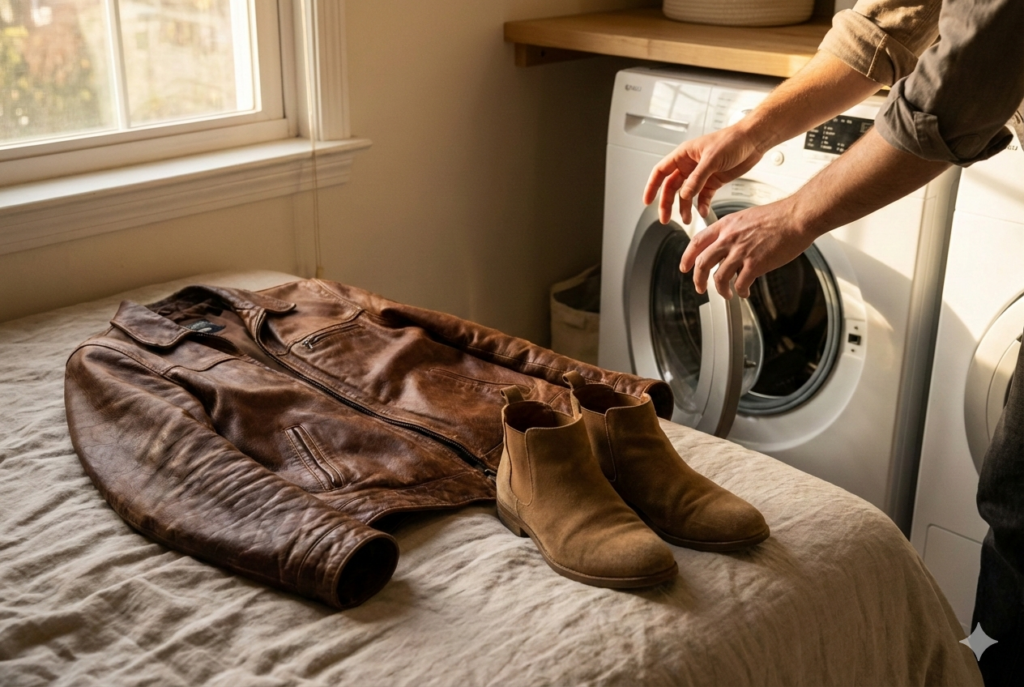
<p> Leather jackets, suede boots, and handbags might be favorites in your closet, but washing them in a machine can be disastrous. Water and agitation can cause leather to shrink, crack, or warp, while suede often stiffens or becomes misshapen. These items require special care such as spot cleaning or professional cleaning to maintain their look and texture. Washing them at home could turn a wardrobe favorite into a lost cause. </p> :: Gemini

Leather jackets, suede boots, and handbags might be favorites in your closet, but washing them in a machine can be disastrous. Water and agitation can cause leather to shrink, crack, or warp, while suede often stiffens or becomes misshapen. These items require special care such as spot cleaning or professional cleaning to maintain their look and texture. Washing them at home could turn a wardrobe favorite into a lost cause.

2. Memory Foam Pillows

<p> Memory foam pillows are perfect for a good night’s sleep, but the last place they want to be is in a washing machine. The foam can tear, lose its shape, or absorb water, leaving you with a heavy, lumpy mess. Instead, vacuum your pillows to remove dust, and spot clean with mild detergent. A clean pillow does not always require a full wash, and your neck will thank you. </p> :: Gemini

Memory foam pillows are perfect for a good night’s sleep, but the last place they want to be is in a washing machine. The foam can tear, lose its shape, or absorb water, leaving you with a heavy, lumpy mess. Instead, vacuum your pillows to remove dust, and spot clean with mild detergent. A clean pillow does not always require a full wash, and your neck will thank you.

3. Delicate Fabrics Like Silk, Wool, and Lace

<p> Delicate fabrics are beautiful and soft, but the washing machine is not their best friend. Silk, wool, and lace are prone to shrinking, stretching, or getting damaged in a regular wash. Many delicate items are labeled “hand wash only” for a reason. Use gentle hand washing techniques or take them to a professional cleaner to preserve their quality. </p> :: Gemini

Delicate fabrics are beautiful and soft, but the washing machine is not their best friend. Silk, wool, and lace are prone to shrinking, stretching, or getting damaged in a regular wash. Many delicate items are labeled “hand wash only” for a reason. Use gentle hand washing techniques or take them to a professional cleaner to preserve their quality.

4. Bras and Lingerie Without a Laundry Bag

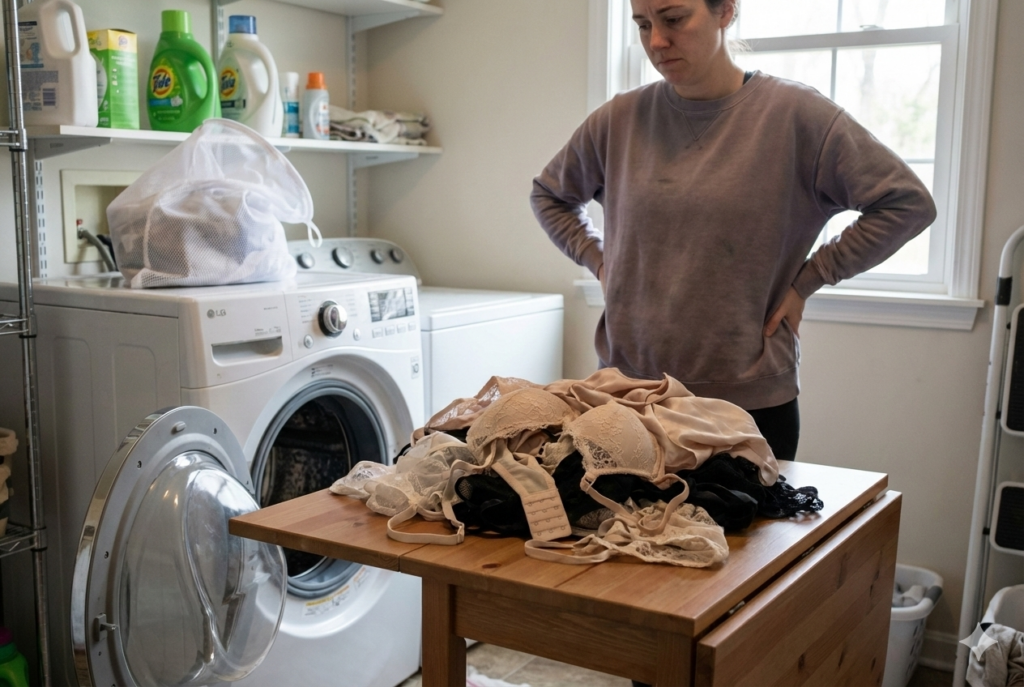
<p> Underwire bras, lace lingerie, and other delicate undergarments need extra protection in the wash. Washing them without a laundry bag can cause clasps to snag other clothing, tear fabrics, or even damage your washer drum. Use a mesh laundry bag and select a gentle cycle to keep these pieces in good shape. </p> :: Gemini

Underwire bras, lace lingerie, and other delicate undergarments need extra protection in the wash. Washing them without a laundry bag can cause clasps to snag other clothing, tear fabrics, or even damage your washer drum. Use a mesh laundry bag and select a gentle cycle to keep these pieces in good shape.

5. Clothes with Heavy Embellishments

<p> Sequins, beads, rhinestones, and other decorative elements make your clothes stand out, but they are not made for machine washing. These embellishments can snag other fabrics, come off completely, or damage the washer. Hand washing or specialized cleaning methods are the safest way to clean these statement pieces without sacrificing style. </p> :: Gemini

Sequins, beads, rhinestones, and other decorative elements make your clothes stand out, but they are not made for machine washing. These embellishments can snag other fabrics, come off completely, or damage the washer. Hand washing or specialized cleaning methods are the safest way to clean these statement pieces without sacrificing style.

6. Rubber or Neoprene Items

<p> Rubber-backed mats, wetsuits, and rain jackets might seem durable, but washing machines are harsh on these materials. Heat and detergent can cause rubber to break down or peel, potentially damaging your washer drum. Clean these items by hand or follow manufacturer instructions for the best results. </p> :: Gemini

Rubber-backed mats, wetsuits, and rain jackets might seem durable, but washing machines are harsh on these materials. Heat and detergent can cause rubber to break down or peel, potentially damaging your washer drum. Clean these items by hand or follow manufacturer instructions for the best results.

7. Oversized or Heavy Blankets

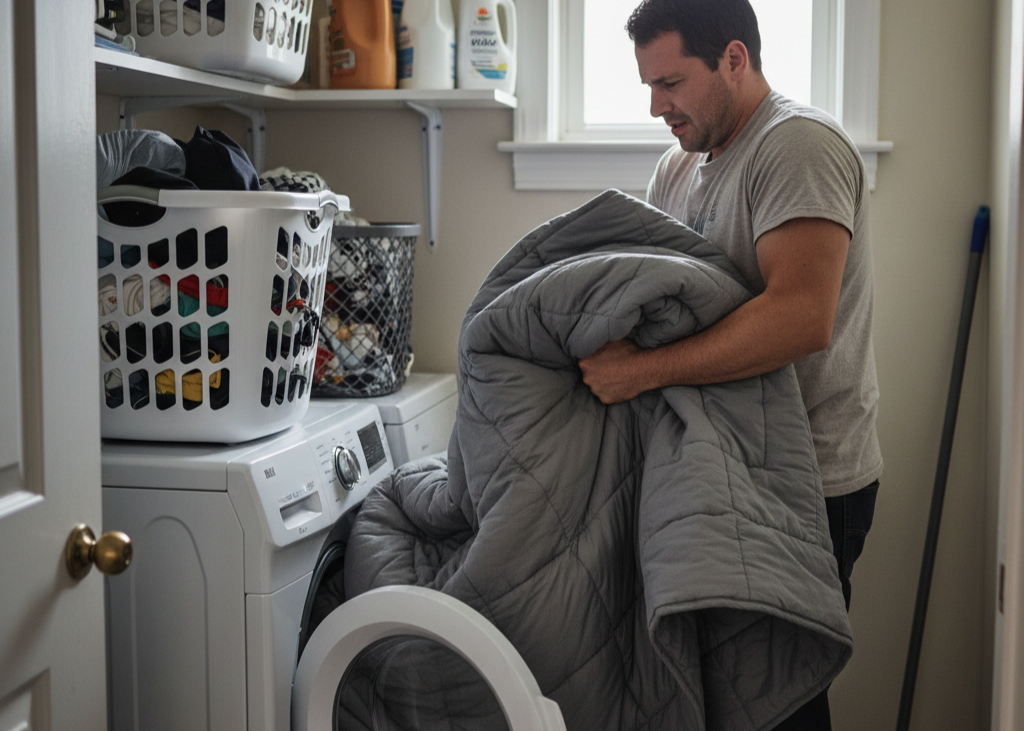
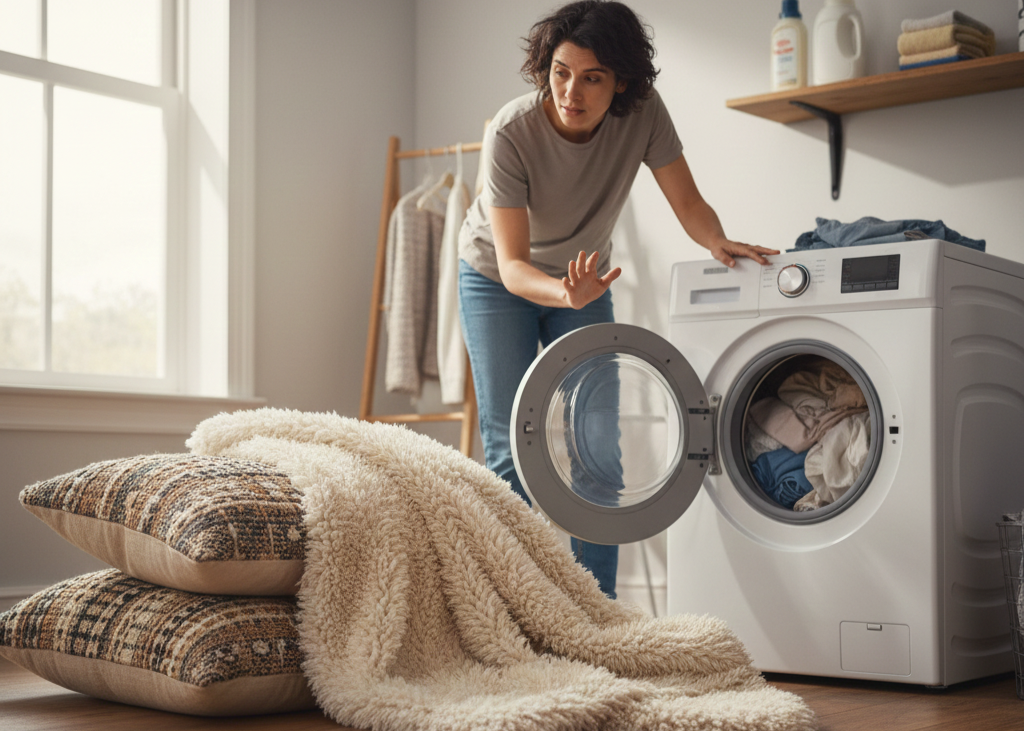
<p> Weighted blankets, comforters, and large throws are cozy, but they can be too heavy for a standard washing machine. When wet, they can throw off balance, strain the motor, and cause excessive noise or even machine damage. If you want to keep your blankets fluffy and safe, consider using a commercial washer or a professional cleaning service. </p> :: Gemini

Weighted blankets, comforters, and large throws are cozy, but they can be too heavy for a standard washing machine. When wet, they can throw off balance, strain the motor, and cause excessive noise or even machine damage. If you want to keep your blankets fluffy and safe, consider using a commercial washer or a professional cleaning service.

8. Shoes with Leather or Foam Insoles

<p> Some sneakers and athletic shoes are washer safe, but leather shoes and those with foam insoles should never go in the machine. Washing can warp the shape, damage the materials, and cause the shoes to fall apart. Hand washing with mild detergent and air drying is the safest way to keep your footwear looking new. </p> :: Gemini

Some sneakers and athletic shoes are washer safe, but leather shoes and those with foam insoles should never go in the machine. Washing can warp the shape, damage the materials, and cause the shoes to fall apart. Hand washing with mild detergent and air drying is the safest way to keep your footwear looking new.

9. Items With Coins, Keys, or Small Objects Left in Pockets

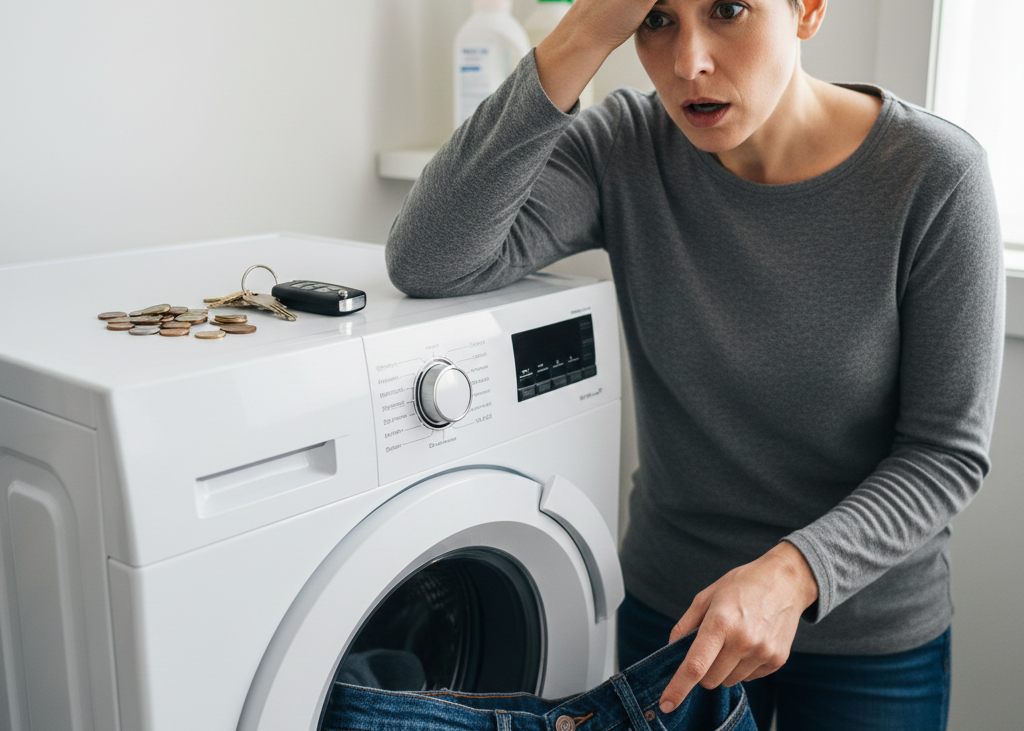
<p> It happens to everyone. You toss your laundry in the washer without checking pockets and suddenly a coin or key has made a trip around the drum. These objects can scratch the machine, damage clothing, or clog filters. Take a moment to check pockets before each load, and you will save yourself from unexpected repairs. </p> :: Gemini

It happens to everyone. You toss your laundry in the washer without checking pockets and suddenly a coin or key has made a trip around the drum. These objects can scratch the machine, damage clothing, or clog filters. Take a moment to check pockets before each load, and you will save yourself from unexpected repairs.

10. Clothes Soaked in Flammable Chemicals

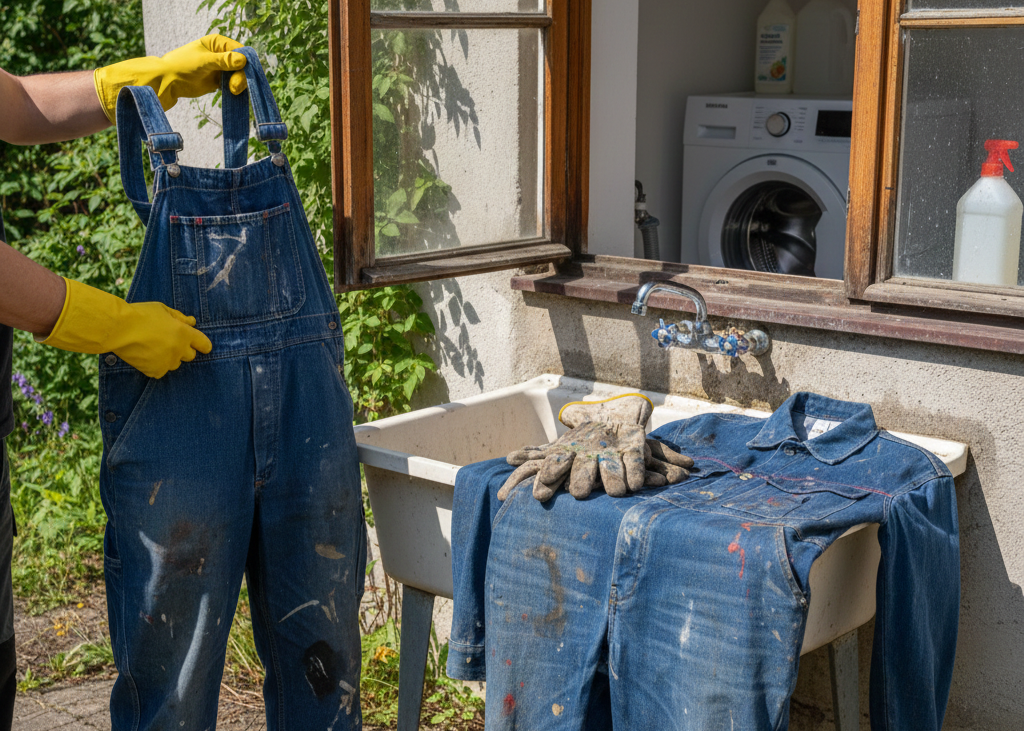
<p> Never wash clothes soaked in gasoline, paint thinner, cooking oil, or other flammable substances. Even a little residue can be extremely dangerous when exposed to heat in the washer or dryer. Pre-treat stains safely outside of the machine, or bring these items to a professional cleaner to avoid any risk. </p> :: Gemini

Never wash clothes soaked in gasoline, paint thinner, cooking oil, or other flammable substances. Even a little residue can be extremely dangerous when exposed to heat in the washer or dryer. Pre-treat stains safely outside of the machine, or bring these items to a professional cleaner to avoid any risk.

11. Heavy Pet Hair-Covered Items

<p> Blankets, pet beds, and clothing covered in pet hair can clog your washing machine and reduce cleaning efficiency. Remove as much hair as possible using a lint roller or brush before washing. You will get cleaner clothes, a healthier machine, and fewer frustrations during laundry day. </p> :: Gemini

Blankets, pet beds, and clothing covered in pet hair can clog your washing machine and reduce cleaning efficiency. Remove as much hair as possible using a lint roller or brush before washing. You will get cleaner clothes, a healthier machine, and fewer frustrations during laundry day.

12. Rubber-Backed Rugs and Mats

<p> Some rugs are lightweight and washable, but rubber-backed mats are not. Machine washing can cause the rubber to crack, peel, or crumble, leaving debris in your washer and on your clothing. Clean these rugs using a hose or hand scrub with mild detergent to maintain both your mat and your machine. </p> :: Gemini

Some rugs are lightweight and washable, but rubber-backed mats are not. Machine washing can cause the rubber to crack, peel, or crumble, leaving debris in your washer and on your clothing. Clean these rugs using a hose or hand scrub with mild detergent to maintain both your mat and your machine.

13. Heavy or Oversized Home Items

<p> Large cushion covers, shaggy rugs, and throw blankets may be tempting to toss in with your laundry, but they can easily unbalance the washer drum. An off-balance drum can cause excessive noise and even mechanical damage. For bulky items, use a larger laundromat machine or professional service to prevent headaches and costly repairs. </p> :: Gemini

Large cushion covers, shaggy rugs, and throw blankets may be tempting to toss in with your laundry, but they can easily unbalance the washer drum. An off-balance drum can cause excessive noise and even mechanical damage. For bulky items, use a larger laundromat machine or professional service to prevent headaches and costly repairs.

14. Dry Clean Only Clothes

<p> Your favorite suit jacket, silk blouse, or evening dress might have a “Dry Clean Only” label, and ignoring it can be disastrous. Machine washing can cause shrinkage, color fading, and structural damage. Respect the care label and protect your investment by taking these items to a professional cleaner. </p> :: Gemini

Your favorite suit jacket, silk blouse, or evening dress might have a “Dry Clean Only” label, and ignoring it can be disastrous. Machine washing can cause shrinkage, color fading, and structural damage. Respect the care label and protect your investment by taking these items to a professional cleaner.

15. Items with Excessive Elastic

<p> Clothes with elastic, such as fitted sheets, swimwear, and waistbands, can lose their shape in the washing machine. Agitation and heat weaken elastic fibers, reducing their lifespan. To preserve elasticity, hand wash these items or use a gentle cycle and air dry when possible. This will keep your clothes fitting well and feeling comfortable for longer. </p> :: Gemini

Clothes with elastic, such as fitted sheets, swimwear, and waistbands, can lose their shape in the washing machine. Agitation and heat weaken elastic fibers, reducing their lifespan. To preserve elasticity, hand wash these items or use a gentle cycle and air dry when possible. This will keep your clothes fitting well and feeling comfortable for longer.

Final Thoughts

<p> Your washing machine works hard for you, but it is not invincible. Knowing what not to wash is just as important as knowing how to wash. Small actions, like checking pockets, separating delicate fabrics, or using a laundry bag, can save hours of frustration and hundreds of dollars in repairs. Remember these simple guidelines: check care labels before washing, hand wash or spot clean delicate and specialty items, and avoid tossing heavy or risky items in with everyday loads. By being mindful, you will extend the life of your clothing, keep your washer running smoothly, and enjoy a stress-free laundry routine. Laundry does not have to be a dreaded chore. Treat your clothes and your machine with care, and you might even start looking forward to laundry day. Happy washing! </p> :: Gemini

Your washing machine works hard for you, but it is not invincible. Knowing what not to wash is just as important as knowing how to wash. Small actions, like checking pockets, separating delicate fabrics, or using a laundry bag, can save hours of frustration and hundreds of dollars in repairs.

Remember these simple guidelines: check care labels before washing, hand wash or spot clean delicate and specialty items, and avoid tossing heavy or risky items in with everyday loads. By being mindful, you will extend the life of your clothing, keep your washer running smoothly, and enjoy a stress-free laundry routine.

Laundry does not have to be a dreaded chore. Treat your clothes and your machine with care, and you might even start looking forward to laundry day. Happy washing!

Filed Under: Lifestyle

Over 50 and Traveling Solo? 12 Smart Tips for Confident Adventures

December 22, 2025 | Leave a Comment

12 Essential Solo Travel Moves for Adults Over 50

<p> Traveling solo can be incredibly liberating, especially for those over 50 who are eager to explore the world on their own terms. Solo travel offers the chance to rediscover yourself, meet new people, and experience the world in a deeply personal way. Whether you’re a seasoned traveler or planning your first solo trip, these practical tips will help you stay safe, maximize your enjoyment, and create lasting memories. Here are 12 essential solo travel tips designed for adventurous over-50s to empower you to embark on the journey of a lifetime. </p> :: Pexels

Traveling solo can be incredibly liberating, especially for those over 50 who are eager to explore the world on their own terms. Solo travel offers the chance to rediscover yourself, meet new people, and experience the world in a deeply personal way. Whether you’re a seasoned traveler or planning your first solo trip, these practical tips will help you stay safe, maximize your enjoyment, and create lasting memories. Here are 12 essential solo travel tips designed for adventurous over-50s to empower you to embark on the journey of a lifetime.


1. Plan Your Itinerary but Stay Flexible

<p> Having a well-thought-out itinerary is crucial for a stress-free trip, especially when traveling solo. Research your destination, book accommodations, and outline your main activities to reduce uncertainty and make the most of your time. However, be sure to leave room for flexibility—some of the best travel memories happen unexpectedly. Strike a balance between structure and spontaneity to keep your adventure exciting yet secure. </p> :: Pexels

Having a well-thought-out itinerary is crucial for a stress-free trip, especially when traveling solo. Research your destination, book accommodations, and outline your main activities to reduce uncertainty and make the most of your time. However, be sure to leave room for flexibility—some of the best travel memories happen unexpectedly. Strike a balance between structure and spontaneity to keep your adventure exciting yet secure.


2. Embrace Technology to Travel Safely

<p> Technology can be an invaluable tool for solo travelers, offering instant access to maps, translation tools, and local recommendations. Utilize Apps like Google Maps for offline navigation and use WhatsApp or Teams to stay connected with family. Many travel apps also feature emergency contacts, nearby health facilities, and other tools geared toward solo travelers. Embracing these resources not only adds convenience but also ensures you’re never truly alone on your journey. </p> :: Pexels

Technology can be an invaluable tool for solo travelers, offering instant access to maps, translation tools, and local recommendations. Utilize Apps like Google Maps for offline navigation and use WhatsApp or Teams to stay connected with family. Many travel apps also feature emergency contacts, nearby health facilities, and other tools geared toward solo travelers. Embracing these resources not only adds convenience but also ensures you’re never truly alone on your journey.


3. Pack Light and Strategically

<p> Packing light is essential for solo travelers over 50, allowing you to move easily and avoid heavy bags. Choose versatile clothing items that can be mixed and matched, and limit yourself to one suitcase or comfortable backpack. Don’t forget essentials like medications, comfortable shoes, a reusable water bottle, and a small first-aid kit. Keeping your luggage manageable will make navigating airports and unfamiliar areas less stressful and let you focus on enjoying your travels. </p> :: Pexels

Packing light is essential for solo travelers over 50, allowing you to move easily and avoid heavy bags. Choose versatile clothing items that can be mixed and matched, and limit yourself to one suitcase or comfortable backpack. Don’t forget essentials like medications, comfortable shoes, a reusable water bottle, and a small first-aid kit. Keeping your luggage manageable will make navigating airports and unfamiliar areas less stressful and let you focus on enjoying your travels.


4. Make Travel Insurance a Priority

<p> Unexpected events can arise on any trip, and having travel insurance provides peace of mind. Look for a comprehensive plan covering medical emergencies, trip cancellations, and lost luggage. For travelers over 50, this added security is essential, especially for solo journeys. Travel insurance lets you explore with confidence, knowing you’re prepared should anything go wrong. </p> :: Pexels

Unexpected events can arise on any trip, and having travel insurance provides peace of mind. Look for a comprehensive plan covering medical emergencies, trip cancellations, and lost luggage. For travelers over 50, this added security is essential, especially for solo journeys. Travel insurance lets you explore with confidence, knowing you’re prepared should anything go wrong.

 

5. Choose Accommodations That Meet Your Needs

<p> The right accommodations can elevate your solo travel experience, offering security, comfort, and convenience. Many over-50 travelers find centrally located hotels, well-reviewed hostels, or homestays are ideal for meeting these needs. Staying near main attractions or public transport also makes it easier to explore safely. Always check reviews from other solo travelers to find accommodations that offer a blend of safety, comfort, and social opportunities. </p> :: Pexels

The right accommodations can elevate your solo travel experience, offering security, comfort, and convenience. Many over-50 travelers find centrally located hotels, well-reviewed hostels, or homestays are ideal for meeting these needs. Staying near main attractions or public transport also makes it easier to explore safely. Always check reviews from other solo travelers to find accommodations that offer a blend of safety, comfort, and social opportunities.


6. Trust Your Instincts and Stay Aware

<p> When traveling alone, especially in unfamiliar settings, trust your instincts if something feels off. Always be mindful of your surroundings, whether you’re dining out, sightseeing, or using public transportation. Consider carrying a small personal alarm or whistle as an added precaution. This mindfulness helps keep you secure and adds confidence as you explore new places solo. </p> :: Pexels

When traveling alone, especially in unfamiliar settings, trust your instincts if something feels off. Always be mindful of your surroundings, whether you’re dining out, sightseeing, or using public transportation. Consider carrying a small personal alarm or whistle as an added precaution. This mindfulness helps keep you secure and adds confidence as you explore new places solo.


7. Connect with Locals and Other Travelers

<p> One of the most rewarding parts of solo travel is meeting new people and exchanging stories. Strike up conversations with locals in cafes, markets, or during tours—you may gain insights and discover hidden gems in the process. Joining group activities is also a great way to meet other travelers and share experiences. Don’t be afraid to reach out; many people are just as eager to connect as you are. </p> :: Pexels

One of the most rewarding parts of solo travel is meeting new people and exchanging stories. Strike up conversations with locals in cafes, markets, or during tours—you may gain insights and discover hidden gems in the process. Joining group activities is also a great way to meet other travelers and share experiences. Don’t be afraid to reach out; many people are just as eager to connect as you are.

8. Take Your Time and Avoid Over-Scheduling

<p> One of the beauties of solo travel is that you control the pace. Give yourself permission to slow down and truly savor each destination. Avoid over-packing your schedule with back-to-back activities. Many solo travelers enjoy taking a leisurely stroll, exploring a local market, or simply sitting at a café to watch daily life unfold. Embracing a slower pace can enhance your travel experience and make each moment more meaningful. </p> :: Pexels


One of the beauties of solo travel is that you control the pace. Give yourself permission to slow down and truly savor each destination. Avoid over-packing your schedule with back-to-back activities. Many solo travelers enjoy taking a leisurely stroll, exploring a local market, or simply sitting at a café to watch daily life unfold. Embracing a slower pace can enhance your travel experience and make each moment more meaningful.


9. Learn Basic Phrases in the Local Language

<p> Knowing a few basic phrases in the local language can enhance your experience, especially in non-English-speaking countries. Words like “hello,” “thank you,” and “where is…?” can make interactions smoother and show locals you respect their culture. Many people appreciate the effort, which often leads to friendlier interactions and enriching conversations. It’s a simple way to connect more deeply with your surroundings and make your journey memorable. </p> :: Pexels

Knowing a few basic phrases in the local language can enhance your experience, especially in non-English-speaking countries. Words like “hello,” “thank you,” and “where is…?” can make interactions smoother and show locals you respect their culture. Many people appreciate the effort, which often leads to friendlier interactions and enriching conversations. It’s a simple way to connect more deeply with your surroundings and make your journey memorable.


10. Prioritize Your Health and Wellbeing

<p> Staying healthy while traveling is essential for solo travelers, particularly those over 50. Prioritize hydration, healthy eating, and adequate rest so you have the energy to explore. If you take medications, ensure you bring enough for the entire trip, along with any necessary prescriptions. Light exercises, like morning walks or stretching, can also help you feel energized. Focusing on your health will help you enjoy each day to the fullest. </p> :: Pexels

Staying healthy while traveling is essential for solo travelers, particularly those over 50. Prioritize hydration, healthy eating, and adequate rest so you have the energy to explore. If you take medications, ensure you bring enough for the entire trip, along with any necessary prescriptions. Light exercises, like morning walks or stretching, can also help you feel energized. Focusing on your health will help you enjoy each day to the fullest.


11. Utilize Tours and Day Trips for Added Security

<p> Solo travel doesn’t mean you have to explore every site on your own. Joining guided tours or day trips provides a structured way to see popular attractions and meet other travelers. These activities often include knowledgeable guides who offer insights you might not discover otherwise. Plus, traveling in a group for part of your journey can add a sense of security and variety to your solo adventure. </p> :: Pexels

Solo travel doesn’t mean you have to explore every site on your own. Joining guided tours or day trips provides a structured way to see popular attractions and meet other travelers. These activities often include knowledgeable guides who offer insights you might not discover otherwise. Plus, traveling in a group for part of your journey can add a sense of security and variety to your solo adventure.


12. Capture the Moments, but Stay Present

<p> Documenting your trip through photos, journaling, or even blogging can help you relive the experience later. Take moments to capture memories, but don’t let it distract you from being fully present. Solo travel is an opportunity to immerse yourself in new surroundings and enjoy the journey. Strike a balance between snapping photos and simply soaking in the sights, sounds, and people you encounter along the way. </p> :: Pexels

Documenting your trip through photos, journaling, or even blogging can help you relive the experience later. Take moments to capture memories, but don’t let it distract you from being fully present. Solo travel is an opportunity to immerse yourself in new surroundings and enjoy the journey. Strike a balance between snapping photos and simply soaking in the sights, sounds, and people you encounter along the way.


Final Thoughts

<p> Solo travel offers a unique opportunity to see the world on your own terms, connect with new people, and create lasting memories. By following these 12 tips, adventurous over-50s can confidently embark on their journey, equipped with strategies to stay safe, connect meaningfully, and make every moment count. Whether you’re exploring a bustling city or a quiet village, solo travel is a gift that can enrich your life in countless ways. </p> :: Gemini

Solo travel offers a unique opportunity to see the world on your own terms, connect with new people, and create lasting memories. By following these 12 tips, adventurous over-50s can confidently embark on their journey, equipped with strategies to stay safe, connect meaningfully, and make every moment count. Whether you’re exploring a bustling city or a quiet village, solo travel is a gift that can enrich your life in countless ways.

Filed Under: Travel

7 Surprising Reasons Why Employers Are Overlooking Gen X Candidates

December 22, 2025 | Leave a Comment

7 Surprising Reasons Why Employers Are Overlooking Gen X Candidates

<p> Gen Xers, the hardworking and experienced generation born between 1965 and 1980, have often been overshadowed by Millennials and Gen Z in today’s job market. With so many younger candidates taking center stage, it may seem like Gen X professionals are being pushed to the sidelines. However, this overlooks a group of workers who possess invaluable experience, adaptability, and leadership skills. In this blog, we’ll explore seven surprising reasons why employers are overlooking Gen X candidates and why it’s time to rethink this trend. </p> :: Pexels

Gen Xers, the hardworking and experienced generation born between 1965 and 1980, have often been overshadowed by Millennials and Gen Z in today’s job market. With so many younger candidates taking center stage, it may seem like Gen X professionals are being pushed to the sidelines. However, this overlooks a group of workers who possess invaluable experience, adaptability, and leadership skills. In this blog, we’ll explore seven surprising reasons why employers are overlooking Gen X candidates and why it’s time to rethink this trend.

1. Outdated Stereotypes About Work Ethic and Adaptability

<p> One major reason employers overlook Gen X candidates is the outdated stereotype that they are less adaptable and set in their ways. Many employers assume that Gen Xers are more resistant to change, especially in a workplace that demands flexibility, digital fluency, and innovative thinking. However, this generalization doesn’t hold up. Gen Xers have witnessed countless technological advancements and have consistently adapted to shifts in the workforce. Many are tech-savvy and eager to embrace new tools, making them just as flexible as their younger counterparts. By clinging to this misconception, employers are missing out on qualified candidates who bring both experience and adaptability to the table. </p> :: Pexels

One major reason employers overlook Gen X candidates is the outdated stereotype that they are less adaptable and set in their ways. Many employers assume that Gen Xers are more resistant to change, especially in a workplace that demands flexibility, digital fluency, and innovative thinking. However, this generalization doesn’t hold up. Gen Xers have witnessed countless technological advancements and have consistently adapted to shifts in the workforce. Many are tech-savvy and eager to embrace new tools, making them just as flexible as their younger counterparts. By clinging to this misconception, employers are missing out on qualified candidates who bring both experience and adaptability to the table.

2. The Focus on Youthful Energy and Innovation

<p> In today’s fast-moving business world, many employers are drawn to the energy, creativity, and “fresh ideas” often associated with younger generations like Millennials and Gen Z. The assumption is that young workers will bring innovative solutions and out-of-the-box thinking. While it’s true that younger employees can offer fresh perspectives, this focus on youth often overshadows the wealth of experience Gen Xers bring to the table. Gen Xers possess years of industry knowledge, problem-solving abilities, and a deep understanding of business dynamics that can drive long-term success. By focusing too much on youthful energy, employers might miss out on seasoned professionals who offer a more strategic, grounded approach to challenges. </p> :: Pexels

In today’s fast-moving business world, many employers are drawn to the energy, creativity, and “fresh ideas” often associated with younger generations like Millennials and Gen Z. The assumption is that young workers will bring innovative solutions and out-of-the-box thinking. While it’s true that younger employees can offer fresh perspectives, this focus on youth often overshadows the wealth of experience Gen Xers bring to the table. Gen Xers possess years of industry knowledge, problem-solving abilities, and a deep understanding of business dynamics that can drive long-term success. By focusing too much on youthful energy, employers might miss out on seasoned professionals who offer a more strategic, grounded approach to challenges.

3. Lack of Representation in Recruitment Marketing

<p> Another reason Gen X candidates are being overlooked is the lack of representation in recruitment marketing. Job advertisements and employer branding are often geared toward younger workers, using language and imagery that resonate with Millennials or Gen Z. These marketing tactics fail to speak to the interests, experiences, and needs of Gen Xers, which can make them feel excluded from the hiring process. As a result, many Gen X candidates might not even consider applying for roles because they don’t feel like they belong. Employers who fail to include this group in their recruitment campaigns risk losing out on a large pool of qualified candidates. </p> :: Pexels

Another reason Gen X candidates are being overlooked is the lack of representation in recruitment marketing. Job advertisements and employer branding are often geared toward younger workers, using language and imagery that resonate with Millennials or Gen Z. These marketing tactics fail to speak to the interests, experiences, and needs of Gen Xers, which can make them feel excluded from the hiring process. As a result, many Gen X candidates might not even consider applying for roles because they don’t feel like they belong. Employers who fail to include this group in their recruitment campaigns risk losing out on a large pool of qualified candidates.

4. Bias Toward “Cultural Fit” Over Diverse Experience

<p> In many organizations, hiring managers prioritize a candidate’s “cultural fit” over the diversity of experience they can bring. The idea is that employees who share similar interests or values with the existing team will blend in better and enhance overall cohesion. However, this can disadvantage Gen X candidates, who may not always align with the latest trends, values, or workplace culture that younger generations embrace. Instead of focusing solely on "cultural fit," employers should consider how the diverse skills, experiences, and leadership qualities that Gen Xers bring can enrich their teams. By doing so, they’ll recognize that a multi-generational team with varied perspectives is often the most effective and innovative. </p> :: Pexels

In many organizations, hiring managers prioritize a candidate’s “cultural fit” over the diversity of experience they can bring. The idea is that employees who share similar interests or values with the existing team will blend in better and enhance overall cohesion. However, this can disadvantage Gen X candidates, who may not always align with the latest trends, values, or workplace culture that younger generations embrace. Instead of focusing solely on “cultural fit,” employers should consider how the diverse skills, experiences, and leadership qualities that Gen Xers bring can enrich their teams. By doing so, they’ll recognize that a multi-generational team with varied perspectives is often the most effective and innovative.

5. Concerns Over Generational Clashes in Team Dynamics

<p> Some employers shy away from hiring Gen X candidates due to fears of generational clashes within their teams. Managers often assume that Gen Xers, who may have different working styles and life experiences than Millennials and Gen Z, will struggle to communicate or collaborate effectively. However, this assumption is often wrong. Gen Xers have worked alongside multiple generations throughout their careers, making them uniquely equipped to bridge gaps and foster intergenerational collaboration. Rather than being an obstacle, their experience and ability to adapt to diverse work styles can enhance team dynamics, leading to better communication and stronger team performance. </p> :: Pexels

Some employers shy away from hiring Gen X candidates due to fears of generational clashes within their teams. Managers often assume that Gen Xers, who may have different working styles and life experiences than Millennials and Gen Z, will struggle to communicate or collaborate effectively. However, this assumption is often wrong. Gen Xers have worked alongside multiple generations throughout their careers, making them uniquely equipped to bridge gaps and foster intergenerational collaboration. Rather than being an obstacle, their experience and ability to adapt to diverse work styles can enhance team dynamics, leading to better communication and stronger team performance.

6. Overlooking Soft Skills and Leadership Potential

<p> In today’s job market, technical skills often take the spotlight in hiring decisions. Employers may overlook the importance of soft skills like leadership, emotional intelligence, and problem-solving, which Gen Xers excel at. Many Gen X professionals have spent years honing their leadership abilities, managing teams, and navigating complex business challenges. Their experience in managing people and projects, combined with a steady, strategic approach to problem-solving, makes them highly effective leaders. By overlooking these soft skills in favor of purely technical abilities, employers may miss out on individuals who could have a lasting positive impact on their organizations. </p> :: Pexels

In today’s job market, technical skills often take the spotlight in hiring decisions. Employers may overlook the importance of soft skills like leadership, emotional intelligence, and problem-solving, which Gen Xers excel at. Many Gen X professionals have spent years honing their leadership abilities, managing teams, and navigating complex business challenges. Their experience in managing people and projects, combined with a steady, strategic approach to problem-solving, makes them highly effective leaders. By overlooking these soft skills in favor of purely technical abilities, employers may miss out on individuals who could have a lasting positive impact on their organizations.

7. Assumptions About Career Stability and Loyalty

<p> Employers sometimes overlook Gen X candidates due to concerns about their loyalty and career stability. There’s a misconception that Gen Xers, who have experienced several economic downturns and shifts in the workforce, are less likely to stay with a company long-term. However, studies show that Gen Xers are just as committed to their careers as younger generations, especially when they feel valued and appreciated. Rather than being flighty or constantly job-hopping, Gen Xers often seek stable and long-term opportunities, bringing a level of dedication and reliability to the table that can be hard to match. Employers who focus too heavily on turnover concerns may be overlooking a group of professionals who are loyal, dependable, and ready to make long-term contributions. </p> :: Pexels

Employers sometimes overlook Gen X candidates due to concerns about their loyalty and career stability. There’s a misconception that Gen Xers, who have experienced several economic downturns and shifts in the workforce, are less likely to stay with a company long-term. However, studies show that Gen Xers are just as committed to their careers as younger generations, especially when they feel valued and appreciated. Rather than being flighty or constantly job-hopping, Gen Xers often seek stable and long-term opportunities, bringing a level of dedication and reliability to the table that can be hard to match. Employers who focus too heavily on turnover concerns may be overlooking a group of professionals who are loyal, dependable, and ready to make long-term contributions.

Final Thoughts

<p> Gen Xers may not be getting the recognition they deserve in today’s workplace, but the reasons behind this are often rooted in outdated assumptions and biases. From stereotypes about their adaptability to a focus on youthful energy and innovation, many employers are overlooking the wealth of experience, leadership, and expertise that Gen X candidates bring. It’s time for businesses to reconsider their approach to hiring and recognize that Gen Xers have much to offer—both in terms of experience and fresh ideas. By embracing this generation’s unique strengths, companies can build diverse, dynamic teams that are well-equipped to tackle the challenges of today and tomorrow. </p> :: Pexels

Gen Xers may not be getting the recognition they deserve in today’s workplace, but the reasons behind this are often rooted in outdated assumptions and biases. From stereotypes about their adaptability to a focus on youthful energy and innovation, many employers are overlooking the wealth of experience, leadership, and expertise that Gen X candidates bring. It’s time for businesses to reconsider their approach to hiring and recognize that Gen Xers have much to offer—both in terms of experience and fresh ideas. By embracing this generation’s unique strengths, companies can build diverse, dynamic teams that are well-equipped to tackle the challenges of today and tomorrow.

Filed Under: Lifestyle

10 Unexpected Things That Attract Thieves to Your Home

December 22, 2025 | Leave a Comment

10 Unexpected Things That Attract Thieves to Your Home

<p> When it comes to home security, most of us focus on the obvious—installing alarms, locking doors, or getting security cameras. But did you know that certain things around your home may be unintentionally inviting burglars in? Thieves are always on the lookout for easy targets, and sometimes the smallest details can make your home more appealing to criminals. In this article, we’ll uncover 10 unexpected things that attract thieves to your home and offer simple solutions to protect your property. </p> :: Pexels

When it comes to home security, most of us focus on the obvious—installing alarms, locking doors, or getting security cameras. But did you know that certain things around your home may be unintentionally inviting burglars in? Thieves are always on the lookout for easy targets, and sometimes the smallest details can make your home more appealing to criminals. In this article, we’ll uncover 10 unexpected things that attract thieves to your home and offer simple solutions to protect your property.

1. Overgrown Bushes and Trees

<p> Lush landscaping can enhance the beauty of your home, but overgrown bushes and trees can serve as hiding spots for burglars. If your bushes are too close to windows or doors, they provide an easy place for criminals to conceal themselves while casing your property. To keep your home safe, trim back bushes and trees, particularly around entry points, so that your property is well-lit and easily visible. This simple change can prevent burglars from sneaking up unnoticed. </p> :: Pexels

Lush landscaping can enhance the beauty of your home, but overgrown bushes and trees can serve as hiding spots for burglars. If your bushes are too close to windows or doors, they provide an easy place for criminals to conceal themselves while casing your property. To keep your home safe, trim back bushes and trees, particularly around entry points, so that your property is well-lit and easily visible. This simple change can prevent burglars from sneaking up unnoticed.

2. Unattended Delivery Packages

<p> With the rise of online shopping, "porch piracy" has become an all-too-common crime. Leaving packages unattended on your doorstep or porch makes it easy for thieves to snatch them up in broad daylight. If you frequently have packages delivered, consider using a lockbox, having them sent to a local pick-up location, or asking a trusted neighbor to retrieve them for you. Many delivery services now also offer tracking options that allow you to be home when packages arrive. </p> :: Pexels

With the rise of online shopping, “porch piracy” has become an all-too-common crime. Leaving packages unattended on your doorstep or porch makes it easy for thieves to snatch them up in broad daylight. If you frequently have packages delivered, consider using a lockbox, having them sent to a local pick-up location, or asking a trusted neighbor to retrieve them for you. Many delivery services now also offer tracking options that allow you to be home when packages arrive.

3. Spare Keys Hidden Outside

<p> It’s a classic mistake: hiding a spare key under the doormat, in a flowerpot, or in a fake rock. While these spots may seem secure, burglars are well aware of the usual hiding places for spare keys. Instead of leaving your spare key in a common location, give it to a trusted friend or neighbor, or invest in a secure key lockbox. You can also upgrade to smart locks, which eliminate the need for physical keys altogether. </p> :: Pexels

It’s a classic mistake: hiding a spare key under the doormat, in a flowerpot, or in a fake rock. While these spots may seem secure, burglars are well aware of the usual hiding places for spare keys. Instead of leaving your spare key in a common location, give it to a trusted friend or neighbor, or invest in a secure key lockbox. You can also upgrade to smart locks, which eliminate the need for physical keys altogether.

4. A Pile of Mail or Newspapers at the Door

<p> Nothing screams "empty house" more than a pile of mail, newspapers, or packages left at your doorstep. Criminals know that an accumulation of these items signals that no one is home, making your property an easy target. To prevent this, ask a neighbor to collect your mail while you're away, or set up a hold with the postal service. Additionally, you can opt for digital subscriptions to minimize the amount of physical mail that piles up. </p> :: Pexels

Nothing screams “empty house” more than a pile of mail, newspapers, or packages left at your doorstep. Criminals know that an accumulation of these items signals that no one is home, making your property an easy target. To prevent this, ask a neighbor to collect your mail while you’re away, or set up a hold with the postal service. Additionally, you can opt for digital subscriptions to minimize the amount of physical mail that piles up.

5. Visible Valuables Through Windows

<p> Do you have expensive electronics, jewelry, or artwork visible through your windows? Thieves are often on the lookout for homes that showcase valuable items, making your house an easy target. It’s important to conceal your valuables by closing curtains or blinds, especially at night when visibility is higher. You can also use frosted glass or window film to obscure the view, ensuring that your home remains private and secure. </p> :: Pexels

Do you have expensive electronics, jewelry, or artwork visible through your windows? Thieves are often on the lookout for homes that showcase valuable items, making your house an easy target. It’s important to conceal your valuables by closing curtains or blinds, especially at night when visibility is higher. You can also use frosted glass or window film to obscure the view, ensuring that your home remains private and secure.

6. Leaving Your Garage Door Open

<p> It’s convenient to leave your garage door open while you’re working in the yard or bringing in groceries, but this is an open invitation for thieves. Not only can they steal items from your garage, but an open door also provides easy access to the rest of your home if there’s an interior connection. Always make sure your garage door is fully closed when you're not actively using it, and consider installing a smart garage opener that alerts you when the door is left open. </p> :: Pexels

It’s convenient to leave your garage door open while you’re working in the yard or bringing in groceries, but this is an open invitation for thieves. Not only can they steal items from your garage, but an open door also provides easy access to the rest of your home if there’s an interior connection. Always make sure your garage door is fully closed when you’re not actively using it, and consider installing a smart garage opener that alerts you when the door is left open.

7. Too Much Outdoor Lighting

<p> While security lighting can be a great deterrent, too much can create unintended consequences. Over-lighting your property can reduce the effectiveness of your security system, leaving blind spots that burglars can exploit. Instead of lighting up the entire yard, focus on key areas such as entry points, driveways, and walkways. Motion-sensor lights are also an excellent choice, as they activate when someone approaches, alerting both you and potential burglars. </p> :: Pexels

While security lighting can be a great deterrent, too much can create unintended consequences. Over-lighting your property can reduce the effectiveness of your security system, leaving blind spots that burglars can exploit. Instead of lighting up the entire yard, focus on key areas such as entry points, driveways, and walkways. Motion-sensor lights are also an excellent choice, as they activate when someone approaches, alerting both you and potential burglars.

8. Exposed Wiring or Electronics

<p> Visible wiring around your home can be a sign to thieves that your property is full of valuable electronics or security systems. Criminals may see this as an opportunity to target your home, thinking that there’s more expensive equipment hidden inside. Hide or secure any exposed wires, and consider placing outdoor electronics, such as cameras and speakers, in less obvious locations. This will make it harder for thieves to spot your valuables from the outside. </p> :: pexels

Visible wiring around your home can be a sign to thieves that your property is full of valuable electronics or security systems. Criminals may see this as an opportunity to target your home, thinking that there’s more expensive equipment hidden inside. Hide or secure any exposed wires, and consider placing outdoor electronics, such as cameras and speakers, in less obvious locations. This will make it harder for thieves to spot your valuables from the outside.

9. Leaving Windows or Doors Unlocked

<p> It may seem like a small oversight, but leaving windows or doors unlocked, especially when you’re away or asleep, makes your home an easy target for burglars. Criminals often try doors and windows to see if they’re unlocked, and if they are, they can easily enter without leaving any evidence of forced entry. Always double-check that your windows, doors, and gates are securely locked before heading out or going to bed. Installing smart locks that alert you if a door or window is left unlocked can also provide extra peace of mind. </p> :: Pexels

It may seem like a small oversight, but leaving windows or doors unlocked, especially when you’re away or asleep, makes your home an easy target for burglars. Criminals often try doors and windows to see if they’re unlocked, and if they are, they can easily enter without leaving any evidence of forced entry. Always double-check that your windows, doors, and gates are securely locked before heading out or going to bed. Installing smart locks that alert you if a door or window is left unlocked can also provide extra peace of mind.

10. Too Much Privacy with No Neighbors in Sight

<p> Privacy is great, but having too much of it can make your home a prime target for burglars. If your house is tucked far away from the street or surrounded by high fences or dense trees, criminals may assume it’s an isolated property with little chance of being caught. While you don’t need to expose your home to the entire neighborhood, it’s helpful to have some natural visibility. This can help deter burglars who prefer to target homes with no passersby or neighbors who might notice suspicious activity. </p> :: Pexels

Privacy is great, but having too much of it can make your home a prime target for burglars. If your house is tucked far away from the street or surrounded by high fences or dense trees, criminals may assume it’s an isolated property with little chance of being caught. While you don’t need to expose your home to the entire neighborhood, it’s helpful to have some natural visibility. This can help deter burglars who prefer to target homes with no passersby or neighbors who might notice suspicious activity.

Final Thoughts

<p> By keeping an eye on these unexpected things that attract thieves, you can make your home less appealing to criminals. Securing your property is not just about alarms and locks—it’s about taking simple steps to reduce the likelihood of a break-in. Whether it’s trimming back bushes, securing your packages, or hiding valuables, small changes can go a long way in protecting your home. Stay vigilant, be proactive, and make sure your property doesn’t fall victim to the unexpected things that thieves love. </p> :: Pexels

By keeping an eye on these unexpected things that attract thieves, you can make your home less appealing to criminals. Securing your property is not just about alarms and locks—it’s about taking simple steps to reduce the likelihood of a break-in. Whether it’s trimming back bushes, securing your packages, or hiding valuables, small changes can go a long way in protecting your home. Stay vigilant, be proactive, and make sure your property doesn’t fall victim to the unexpected things that thieves love.

Filed Under: Lifestyle

12 Common Mistakes People Make When Living Alone That Can Put Their Safety at Risk

December 22, 2025 | Leave a Comment

12 Common Mistakes People Make When Living Alone That Can Put Their Safety at Risk

<p> Living alone can be a thrilling experience, filled with newfound freedom and personal space. However, it also comes with its own set of challenges, especially when it comes to safety. When you are living by yourself, it’s easy to overlook potential hazards or become too comfortable with your surroundings. While this may seem harmless, certain habits can put your safety in jeopardy. We’ll walk you through 12 common mistakes that people often make when living alone and offer practical tips on how to avoid them. By the end, you’ll have a better understanding of how to stay safe and secure in your home, allowing you to truly enjoy the benefits of living independently. </p> :: Pexels

Living alone can be a thrilling experience, filled with newfound freedom and personal space. However, it also comes with its own set of challenges, especially when it comes to safety. When you are living by yourself, it’s easy to overlook potential hazards or become too comfortable with your surroundings. While this may seem harmless, certain habits can put your safety in jeopardy. In this blog, we’ll walk you through 12 common mistakes that people often make when living alone and offer practical tips on how to avoid them. By the end, you’ll have a better understanding of how to stay safe and secure in your home, allowing you to truly enjoy the benefits of living independently.

1. Neglecting Home Security Systems

<p> One of the most common safety mistakes when living alone is overlooking home security. Many people think their neighborhood is safe or that there’s no need for extra security measures, but break-ins can happen at any time. Installing a security system or even basic measures like door and window locks can make a big difference in protecting your home. Consider setting up a security alarm, adding surveillance cameras, and using smart home technology that lets you monitor your home remotely. These small investments can help you feel more secure in your space. </p> :: Pexels

One of the most common safety mistakes when living alone is overlooking home security. Many people think their neighborhood is safe or that there’s no need for extra security measures, but break-ins can happen at any time. Installing a security system or even basic measures like door and window locks can make a big difference in protecting your home. Consider setting up a security alarm, adding surveillance cameras, and using smart home technology that lets you monitor your home remotely. These small investments can help you feel more secure in your space.

2. Failing to Keep Emergency Contacts Accessible

<p> Living alone means you don’t have someone nearby to assist in emergencies, which is why keeping emergency contacts on hand is so important. Whether it's a trusted friend, family member, or medical professional, having easy access to important phone numbers is essential. If you need immediate help, you want to ensure you can reach the right person quickly. Keep these contacts in your phone, on your fridge, or even in a dedicated notebook, and don’t forget to regularly update the information. </p> :: Pexels

Living alone means you don’t have someone nearby to assist in emergencies, which is why keeping emergency contacts on hand is so important. Whether it’s a trusted friend, family member, or medical professional, having easy access to important phone numbers is essential. If you need immediate help, you want to ensure you can reach the right person quickly. Keep these contacts in your phone, on your fridge, or even in a dedicated notebook, and don’t forget to regularly update the information.

3. Skipping Regular Home Maintenance

<p> When living solo, it’s easy to let home maintenance slip through the cracks, but neglecting regular upkeep can lead to safety risks. Items like smoke detectors, carbon monoxide detectors, and fire extinguishers need to be checked regularly to ensure they are in working order. If your smoke detectors aren't functioning correctly or if there’s a problem with your heating system, you may not notice it until it's too late. Make sure to schedule time to inspect these critical items, replace batteries, and address any home maintenance needs. </p> :: Pexels

When living solo, it’s easy to let home maintenance slip through the cracks, but neglecting regular upkeep can lead to safety risks. Items like smoke detectors, carbon monoxide detectors, and fire extinguishers need to be checked regularly to ensure they are in working order. If your smoke detectors aren’t functioning correctly or if there’s a problem with your heating system, you may not notice it until it’s too late. Make sure to schedule time to inspect these critical items, replace batteries, and address any home maintenance needs.

4. Not Planning a Safe Meeting Spot

<p> In the event of an emergency, having a designated meeting spot can be a lifesaver. If something goes wrong in your home or you’re unable to get in touch with someone, knowing where to go or who to contact is crucial. Choose a nearby friend’s house, a neighbor’s home, or a public place as your meeting spot. This will provide you with a safe place to go if you ever need to evacuate or if you feel your home is compromised. Don’t forget to communicate this plan with people close to you so that they know what to do in case of an emergency. </p> :: Pexels


In the event of an emergency, having a designated meeting spot can be a lifesaver. If something goes wrong in your home or you’re unable to get in touch with someone, knowing where to go or who to contact is crucial. Choose a nearby friend’s house, a neighbor’s home, or a public place as your meeting spot. This will provide you with a safe place to go if you ever need to evacuate or if you feel your home is compromised. Don’t forget to communicate this plan with people close to you so that they know what to do in case of an emergency.

5. Leaving Doors and Windows Unlocked

<p> When you live alone, it can be tempting to leave doors or windows unlocked, especially if you’re just stepping out for a few minutes. However, this is one of the biggest mistakes you can make. An unlocked door or window is an open invitation for burglars, and break-ins often occur in places where these basic safety measures are ignored. Always make sure to lock all doors and windows before leaving your home, even if you’re just running errands. This simple habit can protect your home and personal belongings. </p> :: Pexels

When you live alone, it can be tempting to leave doors or windows unlocked, especially if you’re just stepping out for a few minutes. However, this is one of the biggest mistakes you can make. An unlocked door or window is an open invitation for burglars, and break-ins often occur in places where these basic safety measures are ignored. Always make sure to lock all doors and windows before leaving your home, even if you’re just running errands. This simple habit can protect your home and personal belongings.

6. Ignoring Your Gut Instincts

<p> When you live alone, you rely on your intuition more than you may realize. If something doesn’t feel right, whether it's a person knocking on your door or a situation on the street, trust your gut. Many people ignore their instincts, thinking they’re being overly cautious. However, when it comes to safety, it’s always better to be safe than sorry. If you ever feel uncomfortable or uneasy about a situation, remove yourself from it immediately. Don’t hesitate to reach out for help if necessary. </p> :: Pexels

When you live alone, you rely on your intuition more than you may realize. If something doesn’t feel right, whether it’s a person knocking on your door or a situation on the street, trust your gut. Many people ignore their instincts, thinking they’re being overly cautious. However, when it comes to safety, it’s always better to be safe than sorry. If you ever feel uncomfortable or uneasy about a situation, remove yourself from it immediately. Don’t hesitate to reach out for help if necessary.

7. Not Having a First Aid Kit

<p> In case of an accident or injury, having a well-stocked first aid kit can be a life-saver. When you live alone, it’s especially important to have immediate access to medical supplies. You might not always have someone nearby to help you, so being prepared with basic items like bandages, antiseptics, gauze, and pain relief is essential. Take a few minutes to create your own first aid kit and keep it in a place that’s easy to reach. It’s a small investment that can go a long way in an emergency. </p> :: Pexels

In case of an accident or injury, having a well-stocked first aid kit can be a life-saver. When you live alone, it’s especially important to have immediate access to medical supplies. You might not always have someone nearby to help you, so being prepared with basic items like bandages, antiseptics, gauze, and pain relief is essential. Take a few minutes to create your own first aid kit and keep it in a place that’s easy to reach. It’s a small investment that can go a long way in an emergency.

8. Overloading Electrical Outlets

<p> Overloading electrical outlets is a common yet dangerous mistake that many people make, especially when living alone. It may seem harmless to plug multiple devices into a single outlet, but doing so can increase the risk of electrical fires. Be mindful of how many devices you plug in and avoid using faulty extension cords or power strips. If your outlets start to feel warm or you notice flickering lights, it’s time to call an electrician to check for wiring problems. Staying on top of electrical safety can help prevent disasters before they occur. </p> :: Pexels

Overloading electrical outlets is a common yet dangerous mistake that many people make, especially when living alone. It may seem harmless to plug multiple devices into a single outlet, but doing so can increase the risk of electrical fires. Be mindful of how many devices you plug in and avoid using faulty extension cords or power strips. If your outlets start to feel warm or you notice flickering lights, it’s time to call an electrician to check for wiring problems. Staying on top of electrical safety can help prevent disasters before they occur.

9. Not Properly Lighting Key Areas

<p> Poor lighting is another mistake that many people overlook when living alone. Areas like stairways, hallways, and entrances need to be well-lit to reduce the risk of falls or accidents. If you frequently get up in the middle of the night, consider installing motion-sensor lights or using night lights to help guide your way. Keeping these areas properly illuminated will reduce the chances of tripping, falling, or hurting yourself in the dark. </p> :: Pexels

Poor lighting is another mistake that many people overlook when living alone. Areas like stairways, hallways, and entrances need to be well-lit to reduce the risk of falls or accidents. If you frequently get up in the middle of the night, consider installing motion-sensor lights or using night lights to help guide your way. Keeping these areas properly illuminated will reduce the chances of tripping, falling, or hurting yourself in the dark.

10. Failing to Prepare for Natural Disasters

<p> Natural disasters like earthquakes, floods, or storms can strike without warning. While we can’t always predict when they’ll happen, we can prepare for them. Living alone means you won’t have anyone to help you in the event of a disaster, so it’s vital to have emergency supplies like water, non-perishable food, flashlights, batteries, and blankets on hand. Keep these items in an easily accessible location and make sure you know how to safely evacuate your home or where to go for shelter. Preparation is key to staying safe during a natural disaster. </p> :: Pexels

Natural disasters like earthquakes, floods, or storms can strike without warning. While we can’t always predict when they’ll happen, we can prepare for them. Living alone means you won’t have anyone to help you in the event of a disaster, so it’s vital to have emergency supplies like water, non-perishable food, flashlights, batteries, and blankets on hand. Keep these items in an easily accessible location and make sure you know how to safely evacuate your home or where to go for shelter. Preparation is key to staying safe during a natural disaster.

11. Hesitating to Ask for Help

<p> Living alone doesn’t mean you have to do everything yourself. Many people make the mistake of not asking for help when they need it, whether it’s lifting a heavy object or dealing with a health issue. Don’t hesitate to reach out to a neighbor, friend, or family member if you need assistance. There’s no shame in asking for help, and it’s better to be safe than risk injuring yourself or facing an emergency alone. Your support network is there for a reason—use it when necessary. </p> :: Pexels

Living alone doesn’t mean you have to do everything yourself. Many people make the mistake of not asking for help when they need it, whether it’s lifting a heavy object or dealing with a health issue. Don’t hesitate to reach out to a neighbor, friend, or family member if you need assistance. There’s no shame in asking for help, and it’s better to be safe than risk injuring yourself or facing an emergency alone. Your support network is there for a reason—use it when necessary.

12. Neglecting Your Mental Health

<p> Finally, when living alone, it’s important not to neglect your mental health. Loneliness and isolation can take a toll on your emotional well-being, especially if you’re not taking steps to stay connected with others. Make an effort to stay in touch with family and friends, engage in activities that bring you joy, and seek professional help if you feel overwhelmed. Taking care of your mental health is just as important as taking care of your physical safety, and it can make a huge difference in how you handle life’s challenges. </p> :: Pexels

Finally, when living alone, it’s important not to neglect your mental health. Loneliness and isolation can take a toll on your emotional well-being, especially if you’re not taking steps to stay connected with others. Make an effort to stay in touch with family and friends, engage in activities that bring you joy, and seek professional help if you feel overwhelmed. Taking care of your mental health is just as important as taking care of your physical safety, and it can make a huge difference in how you handle life’s challenges.

Final Thoughts

<p> Living alone offers incredible independence, but it also comes with unique safety risks. By avoiding these 12 common mistakes, you can make your living situation safer and more enjoyable. From investing in a security system to being prepared for emergencies, simple steps can make a world of difference. Keep your home secure, trust your instincts, and always be ready to ask for help when needed. With a little attention and preparation, you can ensure that living alone is both fulfilling and safe. </p> :: Pexels

Living alone offers incredible independence, but it also comes with unique safety risks. By avoiding these 12 common mistakes, you can make your living situation safer and more enjoyable. From investing in a security system to being prepared for emergencies, simple steps can make a world of difference. Keep your home secure, trust your instincts, and always be ready to ask for help when needed. With a little attention and preparation, you can ensure that living alone is both fulfilling and safe.

Filed Under: Lifestyle

10 Eco-Friendly Cars That Will Save You Money Over Time

December 22, 2025 | Leave a Comment

10 Eco-Friendly Cars That Will Save You Money Over Time

<p> As sustainability becomes a priority for many of us, eco-friendly cars are rapidly gaining traction, offering the dual benefits of saving money and reducing environmental impact. From hybrids to fully electric models, these vehicles are designed to help you cut down on fuel and maintenance costs while embracing a more sustainable lifestyle. If you're considering an eco-friendly car that pays off in the long run, here’s a roundup of ten top options that balance performance, efficiency, and savings. </p> :: Pexels

As sustainability becomes a priority for many of us, eco-friendly cars are rapidly gaining traction, offering the dual benefits of saving money and reducing environmental impact. From hybrids to fully electric models, these vehicles are designed to help you cut down on fuel and maintenance costs while embracing a more sustainable lifestyle. If you’re considering an eco-friendly car that pays off in the long run, here’s a roundup of ten top options that balance performance, efficiency, and savings.

1. Toyota Prius

<p> The Toyota Prius is an iconic choice in the hybrid car market, known for its high fuel efficiency and reliable reputation. With an EPA rating of about 56 mpg combined, the Prius allows drivers to make fewer stops at the gas station, reducing fuel expenses significantly. The Prius's environmentally-friendly design has attracted countless eco-conscious drivers over the years, and its strong resale value further boosts long-term savings. If you’re seeking a budget-friendly, dependable hybrid, the Prius remains a smart investment. </p> :: MotorTrend

The Toyota Prius is an iconic choice in the hybrid car market, known for its high fuel efficiency and reliable reputation. With an EPA rating of about 56 mpg combined, the Prius allows drivers to make fewer stops at the gas station, reducing fuel expenses significantly. The Prius’s environmentally-friendly design has attracted countless eco-conscious drivers over the years, and its strong resale value further boosts long-term savings. If you’re seeking a budget-friendly, dependable hybrid, the Prius remains a smart investment.

2. Honda Insight

<p> The Honda Insight merges sleek style with exceptional fuel efficiency, achieving an impressive 52 mpg combined. This compact hybrid sedan is comfortable, spacious, and well-equipped with Honda’s latest safety technology, making it ideal for individuals or families who prioritize both savings and sustainability. Lower maintenance costs and potential tax incentives for hybrid vehicles make the Insight a wallet-friendly choice that aligns with green values, helping you drive efficiently and affordably. </p> :: Motor Trend


The Honda Insight merges sleek style with exceptional fuel efficiency, achieving an impressive 52 mpg combined. This compact hybrid sedan is comfortable, spacious, and well-equipped with Honda’s latest safety technology, making it ideal for individuals or families who prioritize both savings and sustainability. Lower maintenance costs and potential tax incentives for hybrid vehicles make the Insight a wallet-friendly choice that aligns with green values, helping you drive efficiently and affordably.

3. Tesla Model 3

<p> Tesla’s Model 3 has set a new standard in the electric vehicle market with its long range, advanced features, and affordability. Offering a range of over 350 miles on a single charge, the Model 3 minimizes the need for frequent recharging, and Tesla’s expansive Supercharger network makes long-distance travel a breeze. Electric vehicles like the Model 3 save significantly on fuel and have fewer moving parts, leading to reduced maintenance costs. With additional incentives for electric vehicles, the Model 3 is an outstanding choice for those looking to maximize savings in the long term. </p> :: MotorTrend

Tesla’s Model 3 has set a new standard in the electric vehicle market with its long range, advanced features, and affordability. Offering a range of over 350 miles on a single charge, the Model 3 minimizes the need for frequent recharging, and Tesla’s expansive Supercharger network makes long-distance travel a breeze. Electric vehicles like the Model 3 save significantly on fuel and have fewer moving parts, leading to reduced maintenance costs. With additional incentives for electric vehicles, the Model 3 is an outstanding choice for those looking to maximize savings in the long term.

4. Hyundai Ioniq Electric

<p> The Hyundai Ioniq Electric is a budget-friendly all-electric vehicle offering impressive efficiency in a sleek, modern design. With a range of about 170 miles per charge, it’s perfect for daily commuting and local trips. The Ioniq Electric is packed with features, including advanced safety technology and a user-friendly infotainment system. With minimal fuel expenses and lower maintenance needs typical of electric cars, the Ioniq Electric stands out as a practical option for those committed to eco-conscious savings. </p> :: Pexels

The Hyundai Ioniq Electric is a budget-friendly all-electric vehicle offering impressive efficiency in a sleek, modern design. With a range of about 170 miles per charge, it’s perfect for daily commuting and local trips. The Ioniq Electric is packed with features, including advanced safety technology and a user-friendly infotainment system. With minimal fuel expenses and lower maintenance needs typical of electric cars, the Ioniq Electric stands out as a practical option for those committed to eco-conscious savings.

5. Nissan Leaf

<p> The Nissan Leaf is one of the best-selling electric cars in the world, known for its affordability and reliability. Offering up to 226 miles on a single charge, the Leaf is great for both city driving and longer commutes. Its spacious interior and generous cargo capacity make it a versatile choice for families and individuals alike. Choosing the Leaf means taking advantage of federal tax credits, reduced charging expenses, and lower maintenance fees, making this car a solid choice for budget-minded, eco-friendly drivers. </p> Town North Nissan

The Nissan Leaf is one of the best-selling electric cars in the world, known for its affordability and reliability. Offering up to 226 miles on a single charge, the Leaf is great for both city driving and longer commutes. Its spacious interior and generous cargo capacity make it a versatile choice for families and individuals alike. Choosing the Leaf means taking advantage of federal tax credits, reduced charging expenses, and lower maintenance fees, making this car a solid choice for budget-minded, eco-friendly drivers.

6. Kia Niro Hybrid

<p> The Kia Niro Hybrid combines the versatility of an SUV with the fuel efficiency of a hybrid, achieving up to 50 mpg combined. Designed for drivers who want the practicality of a crossover without high fuel costs, the Niro offers a spacious interior and substantial cargo room, making it an excellent option for families. Kia’s generous warranty coverage reduces long-term maintenance costs, adding to the vehicle’s appeal as an affordable eco-friendly choice for anyone who needs both space and savings. </p> :: Top Gear

The Kia Niro Hybrid combines the versatility of an SUV with the fuel efficiency of a hybrid, achieving up to 50 mpg combined. Designed for drivers who want the practicality of a crossover without high fuel costs, the Niro offers a spacious interior and substantial cargo room, making it an excellent option for families. Kia’s generous warranty coverage reduces long-term maintenance costs, adding to the vehicle’s appeal as an affordable eco-friendly choice for anyone who needs both space and savings.

7. Ford Mustang Mach-E

<p> Ford’s Mustang Mach-E brings the iconic Mustang brand into the electric vehicle era, combining a thrilling driving experience with sustainability. With up to 300 miles of range, the Mach-E makes both everyday driving and weekend adventures seamless. The SUV’s dynamic performance adds a fun factor, making it ideal for those who value both power and environmental impact. Alongside fuel savings, the Mach-E’s reduced maintenance requirements make it a wise investment for eco-conscious enthusiasts who want a spirited ride without a hefty environmental toll. </p> :: Antuan Goodwin/CNET

Ford’s Mustang Mach-E brings the iconic Mustang brand into the electric vehicle era, combining a thrilling driving experience with sustainability. With up to 300 miles of range, the Mach-E makes both everyday driving and weekend adventures seamless. The SUV’s dynamic performance adds a fun factor, making it ideal for those who value both power and environmental impact. Alongside fuel savings, the Mach-E’s reduced maintenance requirements make it a wise investment for eco-conscious enthusiasts who want a spirited ride without a hefty environmental toll.

8. Chevrolet Bolt EV

<p> The Chevrolet Bolt EV is a compact electric vehicle that excels in range and affordability, offering around 259 miles on a single charge. With a spacious interior and versatile cargo area, the Bolt EV is perfect for practical eco-conscious drivers. The lower fuel expenses and minimal maintenance needs associated with electric vehicles make the Bolt EV an economical choice, combining budget-friendly driving with sustainability. </p> :: Antuan Goodwin/Roadshow/CNET

The Chevrolet Bolt EV is a compact electric vehicle that excels in range and affordability, offering around 259 miles on a single charge. With a spacious interior and versatile cargo area, the Bolt EV is perfect for practical eco-conscious drivers. The lower fuel expenses and minimal maintenance needs associated with electric vehicles make the Bolt EV an economical choice, combining budget-friendly driving with sustainability.

9. Subaru Crosstrek Hybrid

<p> The Subaru Crosstrek Hybrid offers the best of both worlds, blending hybrid technology with Subaru’s popular all-wheel-drive capability. This compact SUV reaches about 90 MPGe, catering to drivers who need both efficiency and versatility. Ideal for outdoor lovers, the Crosstrek Hybrid can handle various terrains with ease, and its fuel-saving features help reduce overall costs. Subaru’s reputation for durability, combined with its lower fuel expenses, make the Crosstrek Hybrid a practical eco-friendly vehicle for long-term savings. </p> :: Pexels

The Subaru Crosstrek Hybrid offers the best of both worlds, blending hybrid technology with Subaru’s popular all-wheel-drive capability. This compact SUV reaches about 90 MPGe, catering to drivers who need both efficiency and versatility. Ideal for outdoor lovers, the Crosstrek Hybrid can handle various terrains with ease, and its fuel-saving features help reduce overall costs. Subaru’s reputation for durability, combined with its lower fuel expenses, make the Crosstrek Hybrid a practical eco-friendly vehicle for long-term savings.

10. Volkswagen ID.4

<p> The Volkswagen ID.4 is a stylish all-electric SUV with a range of up to 250 miles, making it ideal for everyday commutes and family trips. This spacious and tech-forward vehicle includes advanced features, plenty of room, and a commitment to sustainability. By choosing the ID.4, drivers can enjoy significant fuel savings and lower maintenance costs typical of electric vehicles, offering an ideal solution for environmentally-conscious consumers looking to reduce expenses over time. </p> :: Auto Express

The Volkswagen ID.4 is a stylish all-electric SUV with a range of up to 250 miles, making it ideal for everyday commutes and family trips. This spacious and tech-forward vehicle includes advanced features, plenty of room, and a commitment to sustainability. By choosing the ID.4, drivers can enjoy significant fuel savings and lower maintenance costs typical of electric vehicles, offering an ideal solution for environmentally-conscious consumers looking to reduce expenses over time.

Final Thoughts

<p> Switching to an eco-friendly car can bring about substantial fuel and maintenance savings while helping reduce your carbon footprint. The vehicles featured above are among the best in efficiency, innovation, and cost-effectiveness, offering something for everyone. Whether you’re interested in a hybrid for fuel efficiency or a fully electric car for zero emissions, investing in any of these options can lead to financial savings and a cleaner planet. Embrace the future of driving with these eco-friendly vehicles and enjoy a greener, more economical ride. </p> :: Pexels

Switching to an eco-friendly car can bring about substantial fuel and maintenance savings while helping reduce your carbon footprint. The vehicles featured above are among the best in efficiency, innovation, and cost-effectiveness, offering something for everyone. Whether you’re interested in a hybrid for fuel efficiency or a fully electric car for zero emissions, investing in any of these options can lead to financial savings and a cleaner planet. Embrace the future of driving with these eco-friendly vehicles and enjoy a greener, more economical ride.

Filed Under: Autos

11 Tips for Finding Free or Low-Cost Local Events

December 22, 2025 | Leave a Comment

11 Tips for Finding Free or Low-Cost Local Events

<p> Are you eager to explore your community without stretching your budget? Local events offer fantastic opportunities to discover new interests, connect with your neighbors, and have fun—all while saving money. From art festivals and concerts to workshops and community gatherings, there are countless options to engage with your area. Here are 11 practical tips to help you uncover free or low-cost local events that match your interests and enrich your life. </p> :: Pexels

Are you eager to explore your community without stretching your budget? Local events offer fantastic opportunities to discover new interests, connect with your neighbors, and have fun—all while saving money. From art festivals and concerts to workshops and community gatherings, there are countless options to engage with your area. Here are 11 practical tips to help you uncover free or low-cost local events that match your interests and enrich your life.

1. Utilize Local Event Websites

<p> One of the most effective ways to find budget-friendly activities in your area is to explore local event websites. Platforms like Eventbrite, Meetup, and neighborhood community boards frequently list upcoming events. You can easily filter your search by price, allowing you to focus on free or low-cost options. Additionally, many cities maintain tourism websites that showcase local activities, making it simple to find something exciting that fits your schedule. </p> :: Pexels

One of the most effective ways to find budget-friendly activities in your area is to explore local event websites. Platforms like Eventbrite, Meetup, and neighborhood community boards frequently list upcoming events. You can easily filter your search by price, allowing you to focus on free or low-cost options. Additionally, many cities maintain tourism websites that showcase local activities, making it simple to find something exciting that fits your schedule.

2. Follow Social Media Accounts

<p> Social media has become a vital tool for discovering local events. By following your city's official accounts on platforms such as Facebook, Instagram, and Twitter, you can stay informed about upcoming happenings and community gatherings. Many organizations share event promotions, special offers, and news about local activities. Joining neighborhood groups or pages dedicated to events in your area allows you to engage with others and discover hidden gems right in your backyard. </p> :: Pexels

Social media has become a vital tool for discovering local events. By following your city’s official accounts on platforms such as Facebook, Instagram, and Twitter, you can stay informed about upcoming happenings and community gatherings. Many organizations share event promotions, special offers, and news about local activities. Joining neighborhood groups or pages dedicated to events in your area allows you to engage with others and discover hidden gems right in your backyard.

3. Check Community Centers and Libraries

<p> Community centers and libraries are often treasure troves of free or low-cost events. These venues regularly host classes, workshops, and various activities open to the public. Whether you're interested in art classes, book discussions, or fitness sessions, these locations offer a plethora of opportunities for learning and connection without the hefty price tag. Be sure to check their bulletin boards or newsletters for information about upcoming events that might pique your interest. </p> :: Pexels

Community centers and libraries are often treasure troves of free or low-cost events. These venues regularly host classes, workshops, and various activities open to the public. Whether you’re interested in art classes, book discussions, or fitness sessions, these locations offer a plethora of opportunities for learning and connection without the hefty price tag. Be sure to check their bulletin boards or newsletters for information about upcoming events that might pique your interest.

4. Sign Up for Newsletters

<p> Subscribing to newsletters from local organizations, venues, and community centers is an excellent way to keep track of upcoming events. Many of these newsletters feature exclusive offers and early access to events, making it easier to find low-cost options. Look for newsletters from your city’s tourism board, local museums, and cultural centers to ensure you stay in the loop about the best budget-friendly opportunities. </p> :: Pexels

Subscribing to newsletters from local organizations, venues, and community centers is an excellent way to keep track of upcoming events. Many of these newsletters feature exclusive offers and early access to events, making it easier to find low-cost options. Look for newsletters from your city’s tourism board, local museums, and cultural centers to ensure you stay in the loop about the best budget-friendly opportunities.

5. Visit Local Farmers Markets

<p> Farmers markets provide not only fresh produce but also free entertainment, cooking demonstrations, and community activities. Many markets host special events throughout the year, such as music festivals or seasonal celebrations. Spending a Saturday morning at a farmers market is a fantastic way to immerse yourself in local culture while supporting local vendors. Plus, it’s an enjoyable and budget-friendly outing for the whole family. </p> :: Pexels

Farmers markets provide not only fresh produce but also free entertainment, cooking demonstrations, and community activities. Many markets host special events throughout the year, such as music festivals or seasonal celebrations. Spending a Saturday morning at a farmers market is a fantastic way to immerse yourself in local culture while supporting local vendors. Plus, it’s an enjoyable and budget-friendly outing for the whole family.

6. Attend University and College Events

<p> If you live near a college or university, take advantage of the events they host. Many educational institutions offer free or low-cost activities to the public, including lectures, art exhibitions, and performances by student groups. These events not only provide access to cultural offerings but also showcase emerging talent. Check campus calendars regularly to discover opportunities that align with your interests. </p> :: Pexels

If you live near a college or university, take advantage of the events they host. Many educational institutions offer free or low-cost activities to the public, including lectures, art exhibitions, and performances by student groups. These events not only provide access to cultural offerings but also showcase emerging talent. Check campus calendars regularly to discover opportunities that align with your interests.

7. Explore Local Parks and Recreation Programs

<p> Parks and recreation departments frequently organize free or low-cost events in local parks, ranging from outdoor movie nights to fitness classes and seasonal festivals. These programs are designed to foster community engagement and promote healthy living. Visit your local parks department’s website or social media pages to find information about upcoming activities and join in the fun while enjoying the outdoors. </p> :: Pexels

Parks and recreation departments frequently organize free or low-cost events in local parks, ranging from outdoor movie nights to fitness classes and seasonal festivals. These programs are designed to foster community engagement and promote healthy living. Visit your local parks department’s website or social media pages to find information about upcoming activities and join in the fun while enjoying the outdoors.

8. Connect with Local Nonprofits and Community Groups

<p> Local nonprofits and community organizations often host events aimed at raising awareness and building community connections. Many of these events are free or low-cost, making them a great way to get involved while supporting a good cause. Consider volunteering for an organization that resonates with you; this not only keeps you informed about their events but also provides a chance to meet like-minded individuals who share your interests. </p> :: Pexels

Local nonprofits and community organizations often host events aimed at raising awareness and building community connections. Many of these events are free or low-cost, making them a great way to get involved while supporting a good cause. Consider volunteering for an organization that resonates with you; this not only keeps you informed about their events but also provides a chance to meet like-minded individuals who share your interests.

9. Utilize Local Newspapers and Magazines

<p> Local newspapers and magazines are excellent resources for finding free or low-cost events in your area. Many publications feature event listings or dedicated sections highlighting community happenings. These sources often showcase unique events that may not be widely advertised online. Picking up a weekly or monthly publication can reveal a wealth of information about local activities you might otherwise miss. </p> :: Pexels

Local newspapers and magazines are excellent resources for finding free or low-cost events in your area. Many publications feature event listings or dedicated sections highlighting community happenings. These sources often showcase unique events that may not be widely advertised online. Picking up a weekly or monthly publication can reveal a wealth of information about local activities you might otherwise miss.

10. Leverage Online Forums and Community Boards

<p> Online forums and community boards, such as Reddit or Nextdoor, can be great platforms for discovering recommendations for local events. These spaces allow residents to share information about upcoming happenings, including neighborhood gatherings, local festivals, and special events. Engaging in these online communities not only helps you find exciting activities but also allows you to connect with your neighbors and learn about what others are excited about in your area. </p> :: Pexels

Online forums and community boards, such as Reddit or Nextdoor, can be great platforms for discovering recommendations for local events. These spaces allow residents to share information about upcoming happenings, including neighborhood gatherings, local festivals, and special events. Engaging in these online communities not only helps you find exciting activities but also allows you to connect with your neighbors and learn about what others are excited about in your area.

11. Create Your Own Events

<p> Sometimes, the best way to enjoy local activities is to create your own. Consider organizing a potluck, game night, or outdoor movie screening with friends or neighbors. Utilizing public spaces, such as parks or community centers, can help you host these gatherings. By taking the initiative to bring people together, you can foster connections within your community while enjoying budget-friendly fun. </p> :: Pexels

Sometimes, the best way to enjoy local activities is to create your own. Consider organizing a potluck, game night, or outdoor movie screening with friends or neighbors. Utilizing public spaces, such as parks or community centers, can help you host these gatherings. By taking the initiative to bring people together, you can foster connections within your community while enjoying budget-friendly fun.

Final Thoughts

<p> Finding free or low-cost local events can greatly enhance your social life and strengthen your ties to the community. Whether you're interested in art exhibits, music festivals, or fitness classes, these tips will guide you toward budget-friendly activities that allow you to explore and enjoy everything your area has to offer. By taking advantage of local resources and engaging with your community, you can create lasting memories without straining your wallet. So get out there, have fun, and make the most of the wonderful experiences awaiting you in your neighborhood! </p> :: Pexels

Finding free or low-cost local events can greatly enhance your social life and strengthen your ties to the community. Whether you’re interested in art exhibits, music festivals, or fitness classes, these tips will guide you toward budget-friendly activities that allow you to explore and enjoy everything your area has to offer. By taking advantage of local resources and engaging with your community, you can create lasting memories without straining your wallet. So get out there, have fun, and make the most of the wonderful experiences awaiting you in your neighborhood!

Filed Under: Budgeting

11 Items You Should Never Donate to Thrift Stores and Why It’s Important

December 22, 2025 | Leave a Comment

11 Items You Should Never Donate to Thrift Stores and Why It’s Important

<p> Donating items to thrift stores is a great way to declutter your home while helping others. However, not everything in your home is suitable for donation. Some items can actually create more problems than benefits for the store, its customers, and even the environment. Before you rush to drop off your unwanted goods, it’s important to know which items should stay with you and which ones are truly beneficial to donate. In this blog, we’ll cover 11 items you should never donate to thrift stores and explain why you should avoid donating them. </p> :: Pexels

Donating items to thrift stores is a great way to declutter your home while helping others. However, not everything in your home is suitable for donation. Some items can actually create more problems than benefits for the store, its customers, and even the environment. Before you rush to drop off your unwanted goods, it’s important to know which items should stay with you and which ones are truly beneficial to donate. In this blog, we’ll cover 11 items you should never donate to thrift stores and explain why you should avoid donating them.

1. Broken Electronics

<p> It may seem like a simple way to get rid of your old electronics, but donating broken gadgets is not the best choice. Thrift stores often lack the resources to repair faulty electronics, and attempting to resell them only creates extra work for staff. Moreover, electronics that are no longer functional can end up in landfills, contributing to environmental damage. Instead, look for electronic recycling programs in your area to dispose of them properly. </p> :: Pexels

It may seem like a simple way to get rid of your old electronics, but donating broken gadgets is not the best choice. Thrift stores often lack the resources to repair faulty electronics, and attempting to resell them only creates extra work for staff. Moreover, electronics that are no longer functional can end up in landfills, contributing to environmental damage. Instead, look for electronic recycling programs in your area to dispose of them properly.

2. Used Mattresses

<p> Used mattresses, while seemingly easy to part with, are not appropriate for donation. They can harbor dust mites, allergens, and even bedbugs, making them a health risk to anyone who might receive them. Additionally, most thrift stores do not have the capacity to inspect or sanitize mattresses. For the sake of cleanliness and safety, it’s best to dispose of your old mattress through a recycling program or local disposal service. </p> :: Pexels

Used mattresses, while seemingly easy to part with, are not appropriate for donation. They can harbor dust mites, allergens, and even bedbugs, making them a health risk to anyone who might receive them. Additionally, most thrift stores do not have the capacity to inspect or sanitize mattresses. For the sake of cleanliness and safety, it’s best to dispose of your old mattress through a recycling program or local disposal service.

3. Torn or Stained Clothing

<p> Clothing donations are always in demand, but items that are torn, stained, or excessively worn out should never be donated. Thrift stores only want gently used, clean, and wearable clothes, and damaged items require time and resources to repair. If your clothes are beyond repair, consider repurposing them into rags or recycling them rather than sending them to a thrift store. </p> :: Pexels

Clothing donations are always in demand, but items that are torn, stained, or excessively worn out should never be donated. Thrift stores only want gently used, clean, and wearable clothes, and damaged items require time and resources to repair. If your clothes are beyond repair, consider repurposing them into rags or recycling them rather than sending them to a thrift store.

4. Expired Food and Medicine

<p> It’s easy to forget, but donating expired food or medicine is both unsafe and irresponsible. Expired food items can lead to health problems, and donating old medications can be harmful. Thrift stores are not equipped to handle these products, and many states have regulations prohibiting the donation of expired items. Always check expiration dates before donating and dispose of expired food and medicine through appropriate channels. </p> :: Pexels

It’s easy to forget, but donating expired food or medicine is both unsafe and irresponsible. Expired food items can lead to health problems, and donating old medications can be harmful. Thrift stores are not equipped to handle these products, and many states have regulations prohibiting the donation of expired items. Always check expiration dates before donating and dispose of expired food and medicine through appropriate channels.

5. Broken Furniture

<p> Furniture donations can be a great way to pass on your unwanted items, but broken furniture should not be on your donation list. Chairs missing legs, cracked tables, or couches with torn upholstery are not only difficult to repair, but they also pose safety risks. Thrift stores generally lack the resources to fix broken furniture, so it’s better to dispose of these items responsibly or look for alternatives like furniture recycling services. </p> :: Pexels

Furniture donations can be a great way to pass on your unwanted items, but broken furniture should not be on your donation list. Chairs missing legs, cracked tables, or couches with torn upholstery are not only difficult to repair, but they also pose safety risks. Thrift stores generally lack the resources to fix broken furniture, so it’s better to dispose of these items responsibly or look for alternatives like furniture recycling services.

6. Hazardous Household Products

<p> Common household products, such as cleaning chemicals, paints, and batteries, should never be donated. These items are considered hazardous materials and can pose a danger to the environment and anyone handling them. Thrift stores cannot safely store or sell these products, and most places have laws regulating their disposal. Always take hazardous products to a designated recycling or disposal center. </p> :: Pexels

Common household products, such as cleaning chemicals, paints, and batteries, should never be donated. These items are considered hazardous materials and can pose a danger to the environment and anyone handling them. Thrift stores cannot safely store or sell these products, and most places have laws regulating their disposal. Always take hazardous products to a designated recycling or disposal center.

7. Unmatched or Damaged Shoes

<p> If your shoes are missing a pair or are excessively worn out, don’t donate them. Thrift stores typically cannot sell single shoes, and shoes that are damaged beyond use just end up in the trash. If you want to donate shoes, make sure they are in good, wearable condition and that both shoes are included. If the shoes are no longer wearable, consider upcycling them or donating them to a shoe recycling program. </p> :: Pexels

If your shoes are missing a pair or are excessively worn out, don’t donate them. Thrift stores typically cannot sell single shoes, and shoes that are damaged beyond use just end up in the trash. If you want to donate shoes, make sure they are in good, wearable condition and that both shoes are included. If the shoes are no longer wearable, consider upcycling them or donating them to a shoe recycling program.

8. Used Underwear and Swimsuits

<p> Used underwear and swimsuits should never be donated to thrift stores. These items are considered personal hygiene products, and donating them is unsanitary. Most thrift stores will not accept them due to health concerns, and even if they did, they’re not items most people would want to buy secondhand. Dispose of old underwear or swimsuits responsibly or explore options for fabric recycling if the material is still in good condition. </p> :: Pexels

Used underwear and swimsuits should never be donated to thrift stores. These items are considered personal hygiene products, and donating them is unsanitary. Most thrift stores will not accept them due to health concerns, and even if they did, they’re not items most people would want to buy secondhand. Dispose of old underwear or swimsuits responsibly or explore options for fabric recycling if the material is still in good condition.

9. Old and Outdated Holiday Decorations

<p> Holiday decorations may seem like a fun donation, but they often don’t meet the standards of thrift stores. Outdated or worn-out decorations such as faded lights, cracked ornaments, or tattered wreaths are unlikely to sell. Many thrift stores prefer newer items that are in good condition and can be resold easily. If your holiday decor is past its prime, it’s better to recycle it, repurpose it into something new, or throw it away. </p> :: Pexels

Holiday decorations may seem like a fun donation, but they often don’t meet the standards of thrift stores. Outdated or worn-out decorations such as faded lights, cracked ornaments, or tattered wreaths are unlikely to sell. Many thrift stores prefer newer items that are in good condition and can be resold easily. If your holiday decor is past its prime, it’s better to recycle it, repurpose it into something new, or throw it away.

10. Pillows and Bedding

<p> While blankets and comforters can sometimes be donated, pillows and used bedding items often aren’t accepted at thrift stores. Pillows can harbor dust mites and allergens, and old bedding might not meet the cleanliness standards of most stores. If your pillows or bedding are in poor condition, consider replacing them rather than donating them. Recycling programs may be available in your area to handle these items properly. </p> :: Pexels

While blankets and comforters can sometimes be donated, pillows and used bedding items often aren’t accepted at thrift stores. Pillows can harbor dust mites and allergens, and old bedding might not meet the cleanliness standards of most stores. If your pillows or bedding are in poor condition, consider replacing them rather than donating them. Recycling programs may be available in your area to handle these items properly.

11. Car Seats and Cribs

<p> Car seats and cribs are some of the most critical items that should never be donated. Car seats have expiration dates, and any that are past those dates can be dangerous to children. Additionally, cribs must meet specific safety regulations, and older models may not adhere to current standards. Donating car seats or cribs can put people at risk. Instead, check with local organizations that specialize in car seat recycling or disposal services to ensure safe handling. </p> :: Pexels

Car seats and cribs are some of the most critical items that should never be donated. Car seats have expiration dates, and any that are past those dates can be dangerous to children. Additionally, cribs must meet specific safety regulations, and older models may not adhere to current standards. Donating car seats or cribs can put people at risk. Instead, check with local organizations that specialize in car seat recycling or disposal services to ensure safe handling.

Final Thoughts

<p> While donating items to thrift stores can be a helpful and rewarding experience, it’s important to remember that not everything in your home is suitable for donation. Donating broken electronics, worn-out furniture, or hazardous products only creates extra work for the store and may even put others at risk. Before you donate, take the time to assess the condition of your items and ensure they are in good shape for resale. By being thoughtful about what you donate, you can help your local thrift store thrive, support your community, and ensure that your unwanted items are used in the best way possible. </p> :: Pexels

While donating items to thrift stores can be a helpful and rewarding experience, it’s important to remember that not everything in your home is suitable for donation. Donating broken electronics, worn-out furniture, or hazardous products only creates extra work for the store and may even put others at risk. Before you donate, take the time to assess the condition of your items and ensure they are in good shape for resale. By being thoughtful about what you donate, you can help your local thrift store thrive, support your community, and ensure that your unwanted items are used in the best way possible.

Filed Under: Lifestyle

  • « Previous Page
  • 1
  • …
  • 64
  • 65
  • 66
  • 67
  • 68
  • …
  • 192
  • Next Page »
  • Email
  • Facebook
  • Pinterest
  • Twitter

Our Most Popular Articles

ClickCashGo Review: Should You Avoid At All Costs?

Ultimate Guide to Mastering Your Credit Score

The 'YOLO' Mindset is a Dangerous Thing

Dave Ramsey's Financial Peace University Review: Is it Worth the Money?

Cash App Glitch 2025: Is the Free Money Glitch Real?

Five Steps To Debt Freedom

Here are five simple guidlines that will help you pay off debt.  

1) Get an emergency fund so you don’t take on debt when something comes up.

2) List your debts. This way you know where you stand.

3) Use the debt snowball. Pay your debts from smallest to largest, or most expensive to least expensive.

4) Avoid new debt. No new credit cards or loans. Period.

5) Go all cash. After everything is paid off, switch to all cash.

Helpful Resources

U of Tennesse Debt Repayment Plan Basics

Vertex 42's Debt Payoff Calculator

Savingadvice's Helpful Debt Forums

Jackie Becks Debt Blog