Our Debt Free Family

Commit. Plan. Take action.

  • BUDGETING
  • DEBT REDUCTION
  • INVESTING
  • LIFESTYLE
  • TOOLS
  • ABOUT
  • Privacy Policy
  • CONTACT

7 Must-Have Travel Gadgets Every Boomer Should Pack for Stress-Free Adventures

December 22, 2025 | Leave a Comment

7 Must-Have Travel Gadgets Every Boomer Should Pack for Stress-Free Adventures

<p> Traveling in your 50s, 60s, or beyond is one of life’s great joys—and it’s often well-earned. With the kids grown and more time to explore the world, it’s the perfect season for adventures big and small. But let’s face it: the way we travel changes with age. We prioritize comfort, convenience, and a little extra peace of mind. That’s where the right gadgets come in handy. Whether you're jet-setting overseas, hitting the open road, or boarding a cruise, packing smart can make your journey smoother and more enjoyable. And no, you don’t have to be a tech wizard to take advantage of modern travel gear. The gadgets on this list are designed to be simple, practical, and downright useful—just what today’s savvy boomer needs. Here are 7 travel gadgets every boomer should pack to ensure stress-free, safe, and memorable trips. </p> :: Freepik

Traveling in your 50s, 60s, or beyond is one of life’s great joys—and it’s often well-earned. With the kids grown and more time to explore the world, it’s the perfect season for adventures big and small. But let’s face it: the way we travel changes with age. We prioritize comfort, convenience, and a little extra peace of mind. That’s where the right gadgets come in handy.

Whether you’re jet-setting overseas, hitting the open road, or boarding a cruise, packing smart can make your journey smoother and more enjoyable. And no, you don’t have to be a tech wizard to take advantage of modern travel gear. The gadgets on this list are designed to be simple, practical, and downright useful—just what today’s savvy boomer needs.

Here are 7 travel gadgets every boomer should pack to ensure stress-free, safe, and memorable trips.

1. Noise-Canceling Headphones: Block Out the Chaos, Tune Into Peace

<p> If you’ve ever sat near a crying baby on a long-haul flight—or just needed a moment of calm in a bustling airport—you’ll understand the magic of noise-canceling headphones. These headphones use advanced soundwave technology to drown out ambient noise, letting you enjoy music, audiobooks, or silence. Brands like Bose and Sony offer models with soft ear cushions, long battery life, and top-notch audio quality. For boomers who value tranquility, they’re a godsend. They're also great for people with hearing sensitivities or mild tinnitus, providing gentle background audio without the jarring hum of engines or crowds. Whether you’re taking a red-eye to Europe or relaxing in your hotel room, these headphones can help you tune into what matters—and tune out the rest. </p> :: Pexels

If you’ve ever sat near a crying baby on a long-haul flight—or just needed a moment of calm in a bustling airport—you’ll understand the magic of noise-canceling headphones. These headphones use advanced soundwave technology to drown out ambient noise, letting you enjoy music, audiobooks, or silence. Brands like Bose and Sony offer models with soft ear cushions, long battery life, and top-notch audio quality.

For boomers who value tranquility, they’re a godsend. They’re also great for people with hearing sensitivities or mild tinnitus, providing gentle background audio without the jarring hum of engines or crowds. Whether you’re taking a red-eye to Europe or relaxing in your hotel room, these headphones can help you tune into what matters—and tune out the rest.

2. Portable Medication Organizer with Alarms: Stay on Track Anywhere

<p> Managing daily medications while traveling can quickly become complicated. Crossing time zones, changing schedules, or simply being distracted by fun can throw off your usual routine. A portable medication organizer with built-in alarms is a compact, reliable solution. These devices come with separate compartments for each dose, and many include digital timers that beep, buzz, or flash when it’s time to take your pills. Some smart models even sync with your smartphone and send reminders. It’s a practical tool that brings peace of mind and keeps your health on track—even when your schedule isn’t. Lightweight and easy to pack, it’s a must-have for any boomer on the go. </p> :: Freepik

Managing daily medications while traveling can quickly become complicated. Crossing time zones, changing schedules, or simply being distracted by fun can throw off your usual routine. A portable medication organizer with built-in alarms is a compact, reliable solution.

These devices come with separate compartments for each dose, and many include digital timers that beep, buzz, or flash when it’s time to take your pills. Some smart models even sync with your smartphone and send reminders. It’s a practical tool that brings peace of mind and keeps your health on track—even when your schedule isn’t. Lightweight and easy to pack, it’s a must-have for any boomer on the go.

3. Digital Luggage Scale: Avoid Airport Counter Surprises

<p> Ever found yourself frantically redistributing items from one suitcase to another at the check-in counter? Say goodbye to surprise baggage fees with a digital luggage scale. This small, easy-to-use device hooks onto your suitcase handle, giving you an instant readout of the weight. Most models are battery-operated and compact enough to slip into a carry-on. They’re especially helpful for travelers heading home with souvenirs, gifts, or those extra pairs of shoes you swore you wouldn’t pack. For older travelers who prefer to plan ahead and avoid hassle, this is one gadget that earns its place in your travel toolkit. </p> :: DALL-E

Ever found yourself frantically redistributing items from one suitcase to another at the check-in counter? Say goodbye to surprise baggage fees with a digital luggage scale. This small, easy-to-use device hooks onto your suitcase handle, giving you an instant readout of the weight.

Most models are battery-operated and compact enough to slip into a carry-on. They’re especially helpful for travelers heading home with souvenirs, gifts, or those extra pairs of shoes you swore you wouldn’t pack. For older travelers who prefer to plan ahead and avoid hassle, this is one gadget that earns its place in your travel toolkit.

4. Universal Travel Adapter with USB Ports: Power Up Anywhere

<p> If international travel is on your bucket list, you’ll need a universal travel adapter that can handle various plug types. But don’t settle for the bulky, outdated kind. Today’s best models offer built-in USB ports (some with USB-C), allowing you to charge multiple devices at once—from your phone and tablet to your digital camera and e-reader. Many universal adapters now work in over 150 countries, including Europe, Asia, and South America. With surge protection and compact designs, they’re ideal for boomers who want to stay connected without carrying a tangle of wires. A reliable adapter ensures you’re never stuck with a dead battery—no matter where in the world you are. </p> :: DALL-E

If international travel is on your bucket list, you’ll need a universal travel adapter that can handle various plug types. But don’t settle for the bulky, outdated kind. Today’s best models offer built-in USB ports (some with USB-C), allowing you to charge multiple devices at once—from your phone and tablet to your digital camera and e-reader.

Many universal adapters now work in over 150 countries, including Europe, Asia, and South America. With surge protection and compact designs, they’re ideal for boomers who want to stay connected without carrying a tangle of wires. A reliable adapter ensures you’re never stuck with a dead battery—no matter where in the world you are.

5. E-Reader or Tablet: A Library That Fits in Your Carry-On
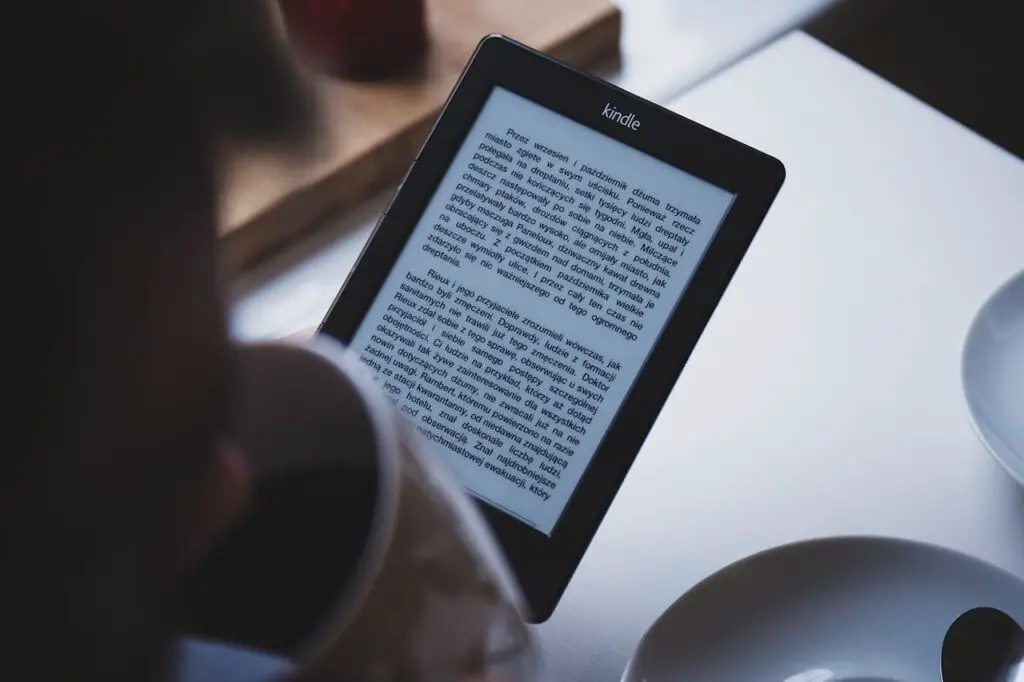
<p> If you’re an avid reader, don’t weigh yourself down with stacks of books. A lightweight e-reader or tablet can store thousands of titles, making it the perfect travel companion for long flights, poolside relaxation, or quiet evenings in your hotel. The Kindle Paperwhite is a favorite among older travelers thanks to its glare-free screen, adjustable text size, and backlight that works in both bright sun and total darkness. If you want more functionality, a tablet like the iPad can double as your GPS, photo album, email center, and entertainment hub. Bonus: You’ll never run out of reading material while stuck in an airport lounge. </p> :: Pexels

If you’re an avid reader, don’t weigh yourself down with stacks of books. A lightweight e-reader or tablet can store thousands of titles, making it the perfect travel companion for long flights, poolside relaxation, or quiet evenings in your hotel.

The Kindle Paperwhite is a favorite among older travelers thanks to its glare-free screen, adjustable text size, and backlight that works in both bright sun and total darkness. If you want more functionality, a tablet like the iPad can double as your GPS, photo album, email center, and entertainment hub. Bonus: You’ll never run out of reading material while stuck in an airport lounge.

6. Neck and Lumbar Support Pillow: Comfort for the Long Haul

<p> Let’s be honest—airplane seats and long bus rides aren’t exactly ergonomic. And as we age, we’re more likely to feel the aches and pains from extended sitting. That’s why a good travel pillow that supports both your neck and lower back can make a world of difference. Look for memory foam or inflatable models that contour to your body and provide real support—not just a flimsy neck ring. Some even feature straps that attach to your seat, so they don’t slide around. Others fold into small travel pouches. It’s a comfort upgrade that can turn a torturous trip into a tolerable one—and help you arrive refreshed instead of stiff and sore. </p> :: DALL-E

Let’s be honest—airplane seats and long bus rides aren’t exactly ergonomic. And as we age, we’re more likely to feel the aches and pains from extended sitting. That’s why a good travel pillow that supports both your neck and lower back can make a world of difference.

Look for memory foam or inflatable models that contour to your body and provide real support—not just a flimsy neck ring. Some even feature straps that attach to your seat, so they don’t slide around. Others fold into small travel pouches. It’s a comfort upgrade that can turn a torturous trip into a tolerable one—and help you arrive refreshed instead of stiff and sore.

7. Personal Safety Alarm or Smart Tracker: Travel with Confidence
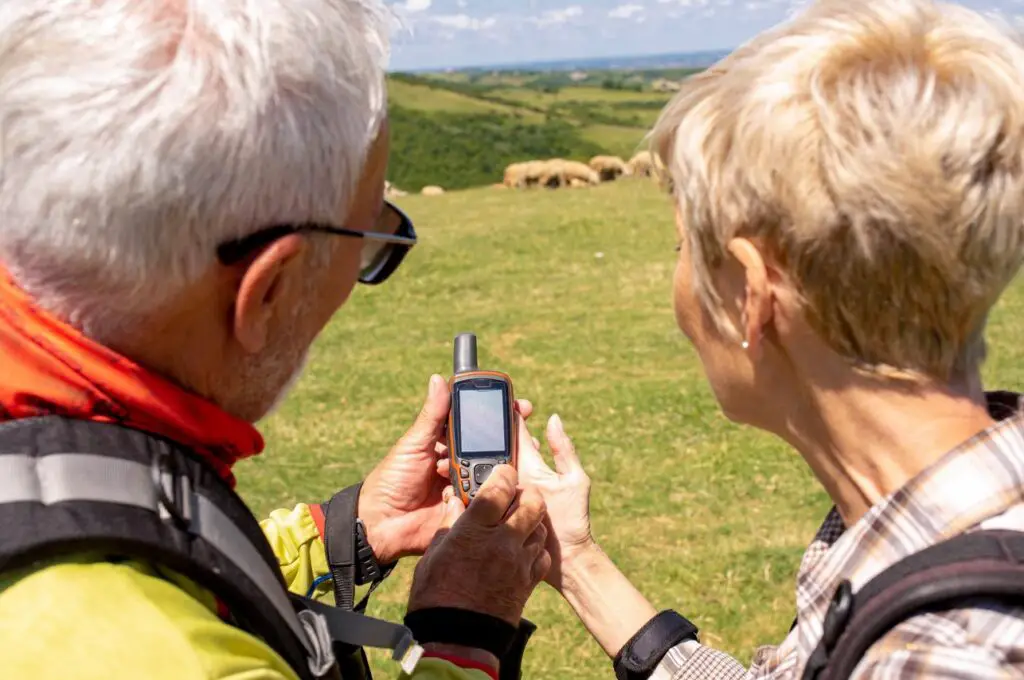
<p> Safety isn’t about being scared—it’s about being smart. Whether you’re exploring a new city solo or navigating a crowded market, having a personal safety alarm or smart tracker on hand adds an extra layer of confidence. Personal safety alarms are small devices that emit a loud, attention-grabbing sound when activated. They’re discreet and easy to carry, ideal for evening strolls or unfamiliar neighborhoods. Alternatively, smart trackers like Apple AirTags or Tile can help you locate your luggage, purse, or even a travel companion using your phone. For boomers who value independence and safety, these tiny tools pack big reassurance. </p> :: Freepik

Safety isn’t about being scared—it’s about being smart. Whether you’re exploring a new city solo or navigating a crowded market, having a personal safety alarm or smart tracker on hand adds an extra layer of confidence.

Personal safety alarms are small devices that emit a loud, attention-grabbing sound when activated. They’re discreet and easy to carry, ideal for evening strolls or unfamiliar neighborhoods. Alternatively, smart trackers like Apple AirTags or Tile can help you locate your luggage, purse, or even a travel companion using your phone. For boomers who value independence and safety, these tiny tools pack big reassurance.

Final Thoughts

<p> Traveling after 50 is about enjoying the experience—not wrestling with heavy bags or navigating avoidable stress. The gadgets on this list aren’t about adding complexity—they’re about enhancing convenience, safety, and comfort. Whether you're planning a quick domestic getaway or embarking on the international trip of a lifetime, these boomer-friendly travel gadgets help you pack with confidence. They’re easy to use, easy to pack, and designed to fit seamlessly into your routine. And best of all, they let you focus on the moments that really matter: watching the sun rise over a new city, connecting with new people, and making memories that last a lifetime. So next time you're making your packing list, remember: A little tech can go a long way—especially when it works for you. </p> :: Pexels

Traveling after 50 is about enjoying the experience—not wrestling with heavy bags or navigating avoidable stress. The gadgets on this list aren’t about adding complexity—they’re about enhancing convenience, safety, and comfort.

Whether you’re planning a quick domestic getaway or embarking on the international trip of a lifetime, these boomer-friendly travel gadgets help you pack with confidence. They’re easy to use, easy to pack, and designed to fit seamlessly into your routine. And best of all, they let you focus on the moments that really matter: watching the sun rise over a new city, connecting with new people, and making memories that last a lifetime.

So next time you’re making your packing list, remember: A little tech can go a long way—especially when it works for you.
Filed Under: Tech

10 Healing Fruits That Work Like Natural Remedies—No Prescription Needed!

December 22, 2025 | Leave a Comment

10 Healing Fruits That Work Like Natural Remedies—No Prescription Needed!

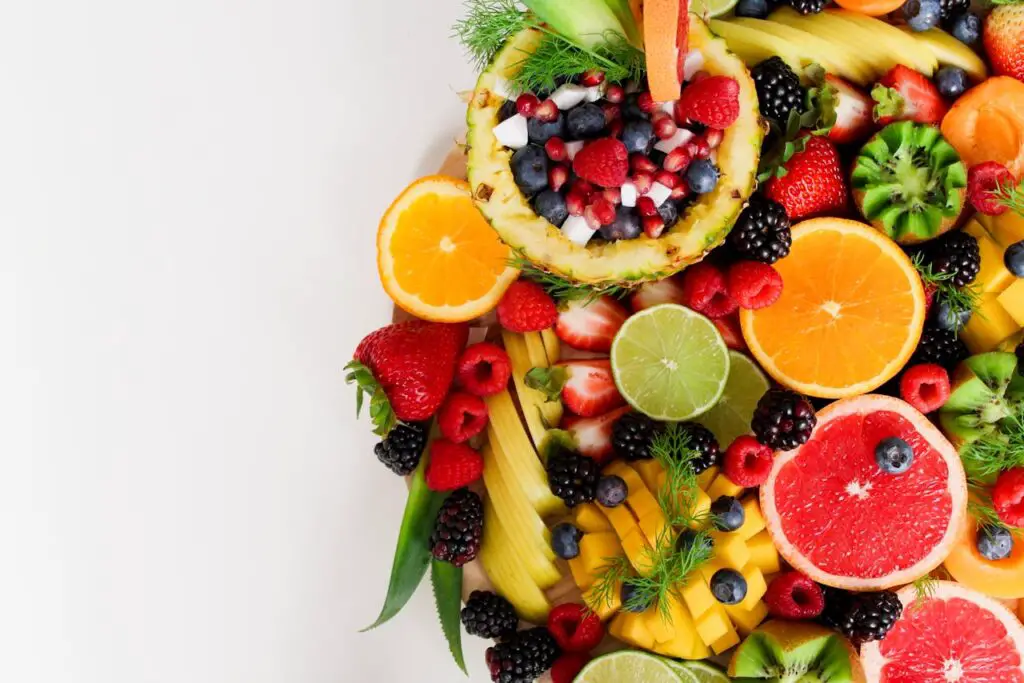
<p> As we age, many of us begin to favor natural approaches to health and wellness. Medications have their role, but they often come with side effects and costs. That’s why more and more baby boomers are turning to food as medicine—especially fruit. These sweet, colorful powerhouses are not just tasty—they’re filled with healing compounds that can ease inflammation, boost brain function, improve digestion, and support heart health. If you’re over 50 and looking for ways to feel better naturally, this guide is for you. Here are 10 fruits that act as natural remedies—all easy to find, delicious to eat, and loaded with real-life benefits. </p> :: Pexels

As we age, many of us begin to favor natural approaches to health and wellness. Medications have their role, but they often come with side effects and costs. That’s why more and more baby boomers are turning to food as medicine—especially fruit. These sweet, colorful powerhouses are not just tasty—they’re filled with healing compounds that can ease inflammation, boost brain function, improve digestion, and support heart health.

If you’re over 50 and looking for ways to feel better naturally, this guide is for you. Here are 10 fruits that act as natural remedies—all easy to find, delicious to eat, and loaded with real-life benefits.

1. Blueberries – Brain Booster and Heart Helper

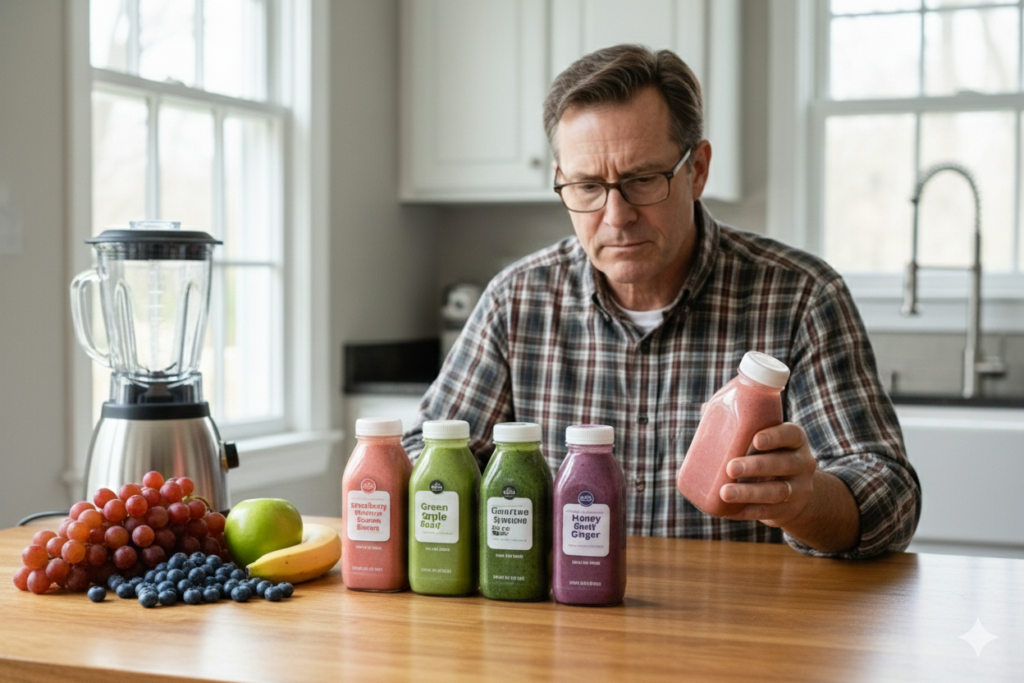
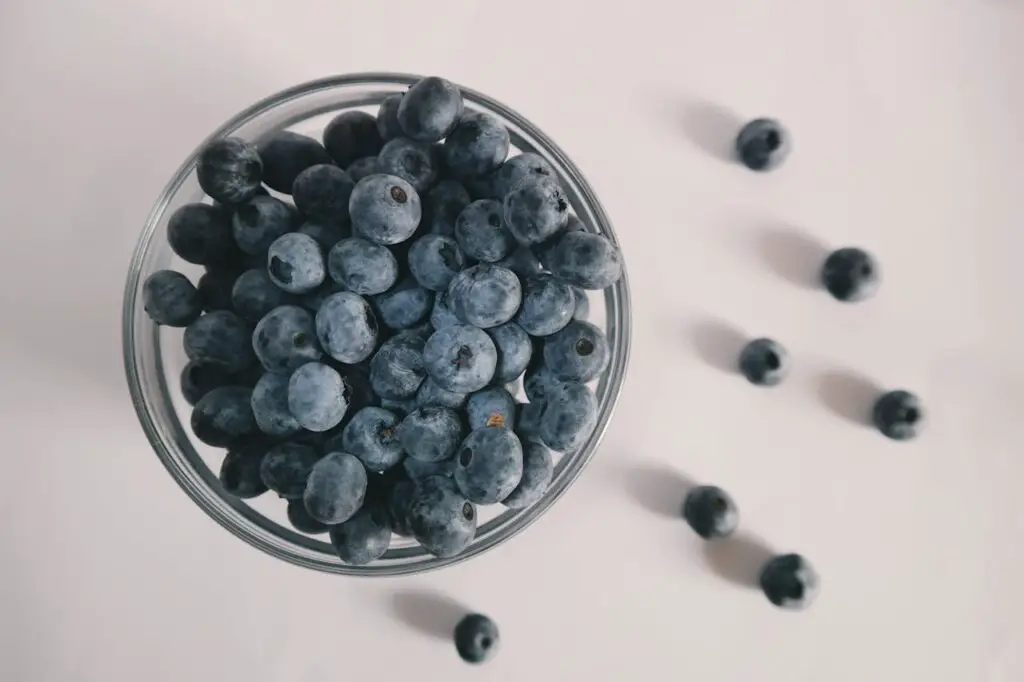
<p> Tiny but powerful, blueberries are bursting with antioxidants—particularly anthocyanins—that help protect your brain from age-related decline. Studies have found that eating blueberries regularly can improve memory, concentration, and cognitive function in older adults. But the benefits don’t stop there. Blueberries also support heart health by improving cholesterol levels and reducing blood pressure. Whether you toss them in cereal, blend them into a smoothie, or enjoy them as a snack, this little berry does a lot of heavy lifting for your health. </p> :: Pexels

Tiny but powerful, blueberries are bursting with antioxidants—particularly anthocyanins—that help protect your brain from age-related decline. Studies have found that eating blueberries regularly can improve memory, concentration, and cognitive function in older adults. But the benefits don’t stop there. Blueberries also support heart health by improving cholesterol levels and reducing blood pressure. Whether you toss them in cereal, blend them into a smoothie, or enjoy them as a snack, this little berry does a lot of heavy lifting for your health.

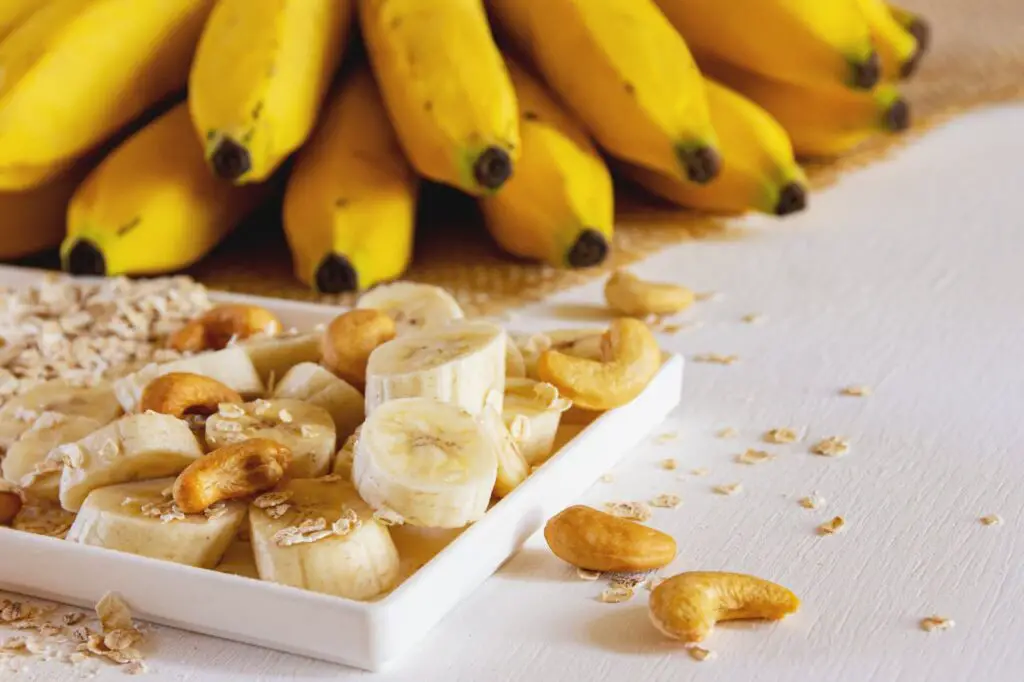
2. Bananas – Nature’s Digestive Aid

<p> Bananas are often taken for granted, but they offer big benefits in a convenient peel-and-go package. High in dietary fiber and rich in potassium, bananas support digestive health and help prevent constipation—an increasingly common concern as we get older. They also help maintain healthy blood pressure levels and may reduce nighttime leg cramps due to their potassium and magnesium content. Plus, their natural sweetness satisfies sugar cravings in a healthy way, making them an ideal mid-afternoon energy boost. </p> :: Pexels

Bananas are often taken for granted, but they offer big benefits in a convenient peel-and-go package. High in dietary fiber and rich in potassium, bananas support digestive health and help prevent constipation—an increasingly common concern as we get older. They also help maintain healthy blood pressure levels and may reduce nighttime leg cramps due to their potassium and magnesium content. Plus, their natural sweetness satisfies sugar cravings in a healthy way, making them an ideal mid-afternoon energy boost.

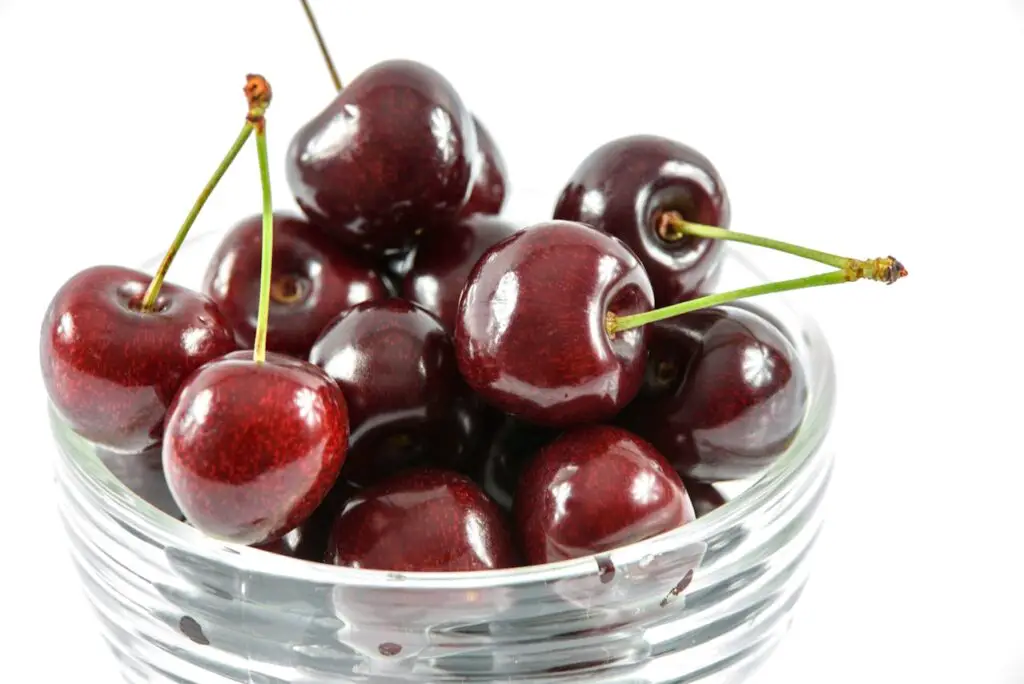
3. Cherries – Joint Pain’s Juicy Enemy

<p> If you deal with arthritis or gout, cherries—especially tart cherries—can provide sweet, natural relief. These fruits contain anthocyanins and other compounds that have been shown to reduce inflammation and oxidative stress in the body. Studies have found that cherry juice can significantly reduce uric acid levels, which may help prevent painful gout flare-ups. A few fresh cherries or a small glass of tart cherry juice daily could become your new go-to remedy for sore joints and achy mornings. </p> :: Pexels

If you deal with arthritis or gout, cherries—especially tart cherries—can provide sweet, natural relief. These fruits contain anthocyanins and other compounds that have been shown to reduce inflammation and oxidative stress in the body. Studies have found that cherry juice can significantly reduce uric acid levels, which may help prevent painful gout flare-ups. A few fresh cherries or a small glass of tart cherry juice daily could become your new go-to remedy for sore joints and achy mornings.

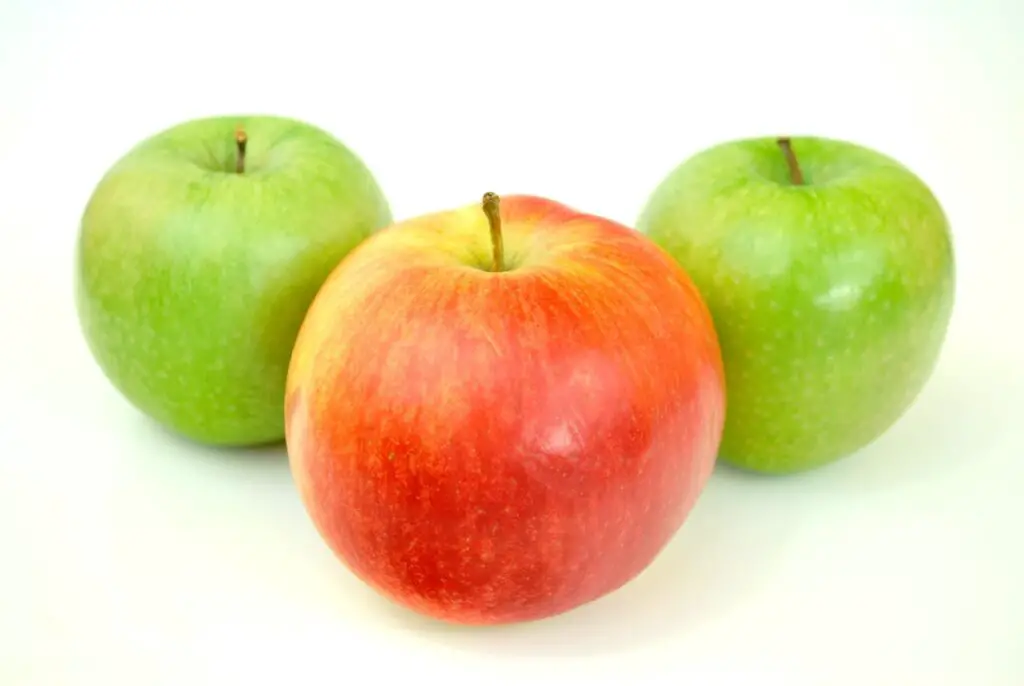
4. Apples – Heart’s Best Friend

<p> An apple a day really does pack a health punch. Apples are rich in soluble fiber, particularly pectin, which binds to cholesterol in the digestive tract and helps remove it from the body. This helps lower LDL (“bad”) cholesterol and supports heart health—an especially important benefit for people in their 50s and beyond. Apples also contain powerful antioxidants like quercetin, which fights inflammation and supports the immune system. Snack on them raw, bake them with cinnamon, or slice them into salads for a satisfying crunch. </p> :: Pexels

An apple a day really does pack a health punch. Apples are rich in soluble fiber, particularly pectin, which binds to cholesterol in the digestive tract and helps remove it from the body. This helps lower LDL (“bad”) cholesterol and supports heart health—an especially important benefit for people in their 50s and beyond. Apples also contain powerful antioxidants like quercetin, which fights inflammation and supports the immune system. Snack on them raw, bake them with cinnamon, or slice them into salads for a satisfying crunch.

5. Pineapple – Anti-Inflammatory Powerhouse

<p> This tropical treat offers much more than a sweet escape—it’s loaded with bromelain, a natural enzyme with strong anti-inflammatory properties. Pineapple can help reduce swelling, support digestion, and may even speed up recovery after surgery or injuries. It’s especially helpful for those with chronic inflammation or arthritis pain. While fresh pineapple is best, even frozen works in a pinch. Just avoid canned varieties with added sugars or syrup. Add it to your morning smoothie or enjoy it as a juicy dessert after dinner. </p> :: Pexels

This tropical treat offers much more than a sweet escape—it’s loaded with bromelain, a natural enzyme with strong anti-inflammatory properties. Pineapple can help reduce swelling, support digestion, and may even speed up recovery after surgery or injuries. It’s especially helpful for those with chronic inflammation or arthritis pain. While fresh pineapple is best, even frozen works in a pinch. Just avoid canned varieties with added sugars or syrup. Add it to your morning smoothie or enjoy it as a juicy dessert after dinner.

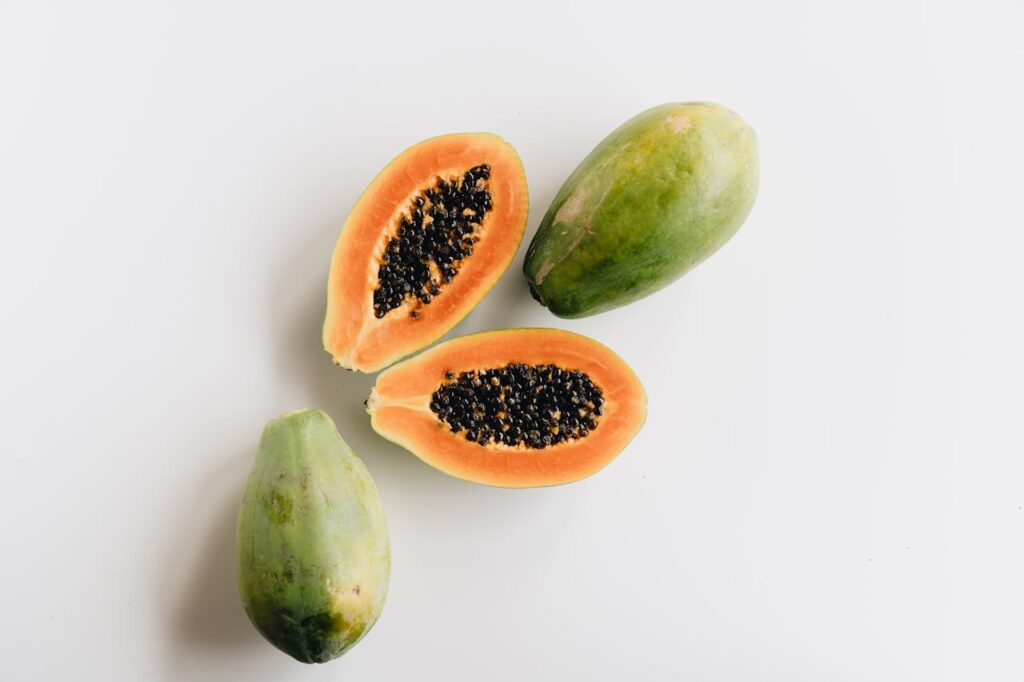
6. Papaya – Your Gut’s Best Friend

<p> Papaya contains the enzyme papain, which supports digestion by helping to break down proteins in your stomach. That makes it especially helpful if you suffer from indigestion, bloating, or irregular bowel movements. This tropical fruit is also rich in vitamin C, vitamin A, and folate—nutrients that support immune health and reduce inflammation. For older adults prone to digestive discomfort, adding a few slices of fresh papaya to breakfast can bring gentle, noticeable relief. Plus, it pairs beautifully with yogurt and granola. </p>:: Pexels

Papaya contains the enzyme papain, which supports digestion by helping to break down proteins in your stomach. That makes it especially helpful if you suffer from indigestion, bloating, or irregular bowel movements. This tropical fruit is also rich in vitamin C, vitamin A, and folate—nutrients that support immune health and reduce inflammation. For older adults prone to digestive discomfort, adding a few slices of fresh papaya to breakfast can bring gentle, noticeable relief. Plus, it pairs beautifully with yogurt and granola.

7. Avocados – The Healthy Fat Hero

<p> Technically a fruit (though you wouldn’t think it), avocados are loaded with heart-healthy monounsaturated fats that help lower LDL cholesterol and reduce the risk of heart disease. They’re also packed with fiber, potassium, and folate—key nutrients for keeping blood pressure in check and supporting cognitive function. If you’re watching your weight, don’t let the fat content scare you; the healthy fats in avocado help you stay full and stabilize blood sugar levels. Try mashing it on whole grain toast or adding slices to your salad for a creamy, satisfying boost.</p> :: Pexels

Technically a fruit (though you wouldn’t think it), avocados are loaded with heart-healthy monounsaturated fats that help lower LDL cholesterol and reduce the risk of heart disease. They’re also packed with fiber, potassium, and folate—key nutrients for keeping blood pressure in check and supporting cognitive function. If you’re watching your weight, don’t let the fat content scare you; the healthy fats in avocado help you stay full and stabilize blood sugar levels. Try mashing it on whole grain toast or adding slices to your salad for a creamy, satisfying boost.

8. Grapes – Natural Circulation Support

<p> Grapes are rich in polyphenols, especially resveratrol, a compound that supports circulation and cardiovascular health. Resveratrol helps relax blood vessels, reduce inflammation, and prevent blood clots—key concerns as we age. Red and purple grapes contain the highest levels, but green grapes still offer solid benefits. They’re also high in antioxidants, which help protect against cellular aging. Freeze them for a refreshing snack or add them to chicken salad or cheese boards for a sweet contrast. Just go easy—they’re high in natural sugar. </p> :: Pexels

Grapes are rich in polyphenols, especially resveratrol, a compound that supports circulation and cardiovascular health. Resveratrol helps relax blood vessels, reduce inflammation, and prevent blood clots—key concerns as we age. Red and purple grapes contain the highest levels, but green grapes still offer solid benefits. They’re also high in antioxidants, which help protect against cellular aging. Freeze them for a refreshing snack or add them to chicken salad or cheese boards for a sweet contrast. Just go easy—they’re high in natural sugar.

9. Oranges – Immune System Supercharger

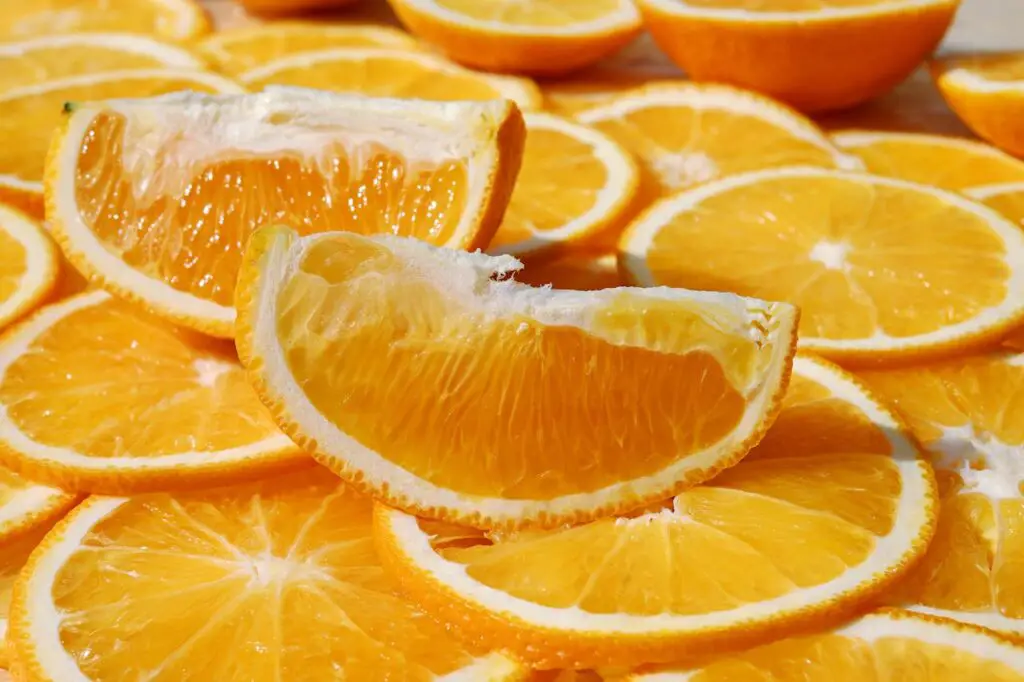
<p> There’s a reason oranges are associated with wellness—they’re packed with immune-boosting vitamin C. But that’s not all. Oranges also contain flavonoids and fiber that support heart health, fight inflammation, and promote glowing skin. For older adults, the boost to the immune system is particularly helpful, especially during cold and flu season. Drinking fresh-squeezed orange juice is fine in moderation, but whole oranges are best because they retain the fiber. They’re easy to pack, peel, and eat—ideal for life on the go. </p> :: Pexels

There’s a reason oranges are associated with wellness—they’re packed with immune-boosting vitamin C. But that’s not all. Oranges also contain flavonoids and fiber that support heart health, fight inflammation, and promote glowing skin. For older adults, the boost to the immune system is particularly helpful, especially during cold and flu season. Drinking fresh-squeezed orange juice is fine in moderation, but whole oranges are best because they retain the fiber. They’re easy to pack, peel, and eat—ideal for life on the go.

10. Pomegranates – Blood Pressure and Brain Booster

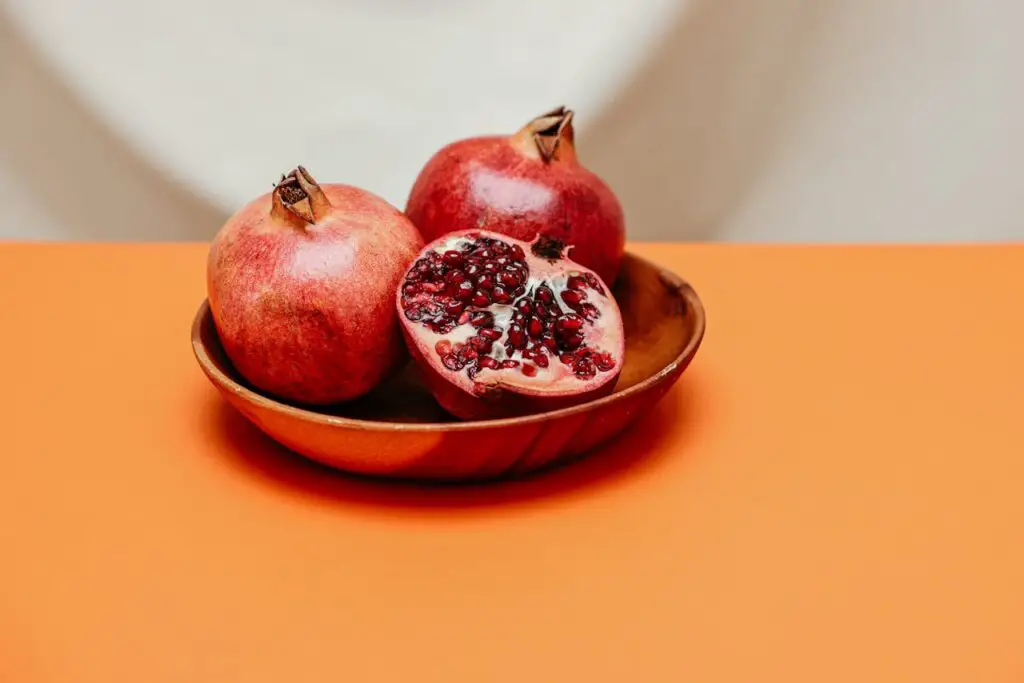
<p> Pomegranates are a superfruit that lives up to the hype. Their juicy seeds (called arils) are rich in antioxidants and polyphenols that support heart health, lower blood pressure, and may protect against memory decline. Some research even suggests that drinking pomegranate juice can improve brain function in older adults. While removing the seeds can be a bit messy, the rewards are worth it. Add them to oatmeal, salads, or yogurt—or drink a few ounces of pure juice each day. Your brain and your heart will thank you. </p> :: Pexels

Pomegranates are a superfruit that lives up to the hype. Their juicy seeds (called arils) are rich in antioxidants and polyphenols that support heart health, lower blood pressure, and may protect against memory decline. Some research even suggests that drinking pomegranate juice can improve brain function in older adults. While removing the seeds can be a bit messy, the rewards are worth it. Add them to oatmeal, salads, or yogurt—or drink a few ounces of pure juice each day. Your brain and your heart will thank you.

Final Thoughts

<p> Who knew that some of the best remedies were hiding in plain sight—in your kitchen fruit bowl? As we age, prioritizing foods that heal and support our bodies becomes more important than ever. These 10 fruits are not just delicious—they're nutritional powerhouses with real health benefits for baby boomers looking to stay vibrant and independent. Making simple changes, like adding blueberries to your breakfast or swapping dessert for pineapple slices, can have a meaningful impact on how you feel day to day. No miracle cures, no complicated diets—just whole foods with the power to heal. So next time you're grocery shopping, skip the supplements aisle and swing by the produce section instead. With just a few additions to your daily routine, you’ll be supporting your digestion, heart, joints, and brain in the most natural way possible. </p> :: Pexels

Who knew that some of the best remedies were hiding in plain sight—in your kitchen fruit bowl? As we age, prioritizing foods that heal and support our bodies becomes more important than ever. These 10 fruits are not just delicious—they’re nutritional powerhouses with real health benefits for baby boomers looking to stay vibrant and independent.

Making simple changes, like adding blueberries to your breakfast or swapping dessert for pineapple slices, can have a meaningful impact on how you feel day to day. No miracle cures, no complicated diets—just whole foods with the power to heal.

So next time you’re grocery shopping, skip the supplements aisle and swing by the produce section instead. With just a few additions to your daily routine, you’ll be supporting your digestion, heart, joints, and brain in the most natural way possible.

Filed Under: Food & Drink

11 Polite Habits Most People Secretly Dislike—According to Research

December 22, 2025 | Leave a Comment

11 Polite Habits Most People Secretly Dislike—According to Research

<p> Good manners never go out of style—or do they? While many of us were raised to say “please,” “thank you,” and always put others first, research suggests that some traditional acts of politeness are more annoying than appreciated. Believe it or not, well-meaning habits like over-apologizing or waiting to eat might be quietly frustrating the people around you. If you’re over 50 and trying to navigate today’s evolving social norms, you’re not alone. This list breaks down 11 “polite” habits that people secretly dislike, backed by research and real-life observations. Some of these might surprise you—and might even improve your relationships once you drop them. </p> :: Pexels

Good manners never go out of style—or do they? While many of us were raised to say “please,” “thank you,” and always put others first, research suggests that some traditional acts of politeness are more annoying than appreciated. Believe it or not, well-meaning habits like over-apologizing or waiting to eat might be quietly frustrating the people around you.

If you’re over 50 and trying to navigate today’s evolving social norms, you’re not alone. This list breaks down 11 “polite” habits that people secretly dislike, backed by research and real-life observations. Some of these might surprise you—and might even improve your relationships once you drop them.

1. Over-Apologizing—Even When You’re Not at Fault

<p> Saying “I’m sorry” is a sign of humility—but overdoing it can have the opposite effect. Studies show that when people apologize constantly, even for things that aren’t their fault (like the weather, traffic, or someone else’s mistake), they’re often perceived as insecure or even insincere. While Baby Boomers were often taught that apologies are a way to maintain peace and show respect, modern social science suggests it’s better to apologize sincerely and selectively. Instead of saying, “Sorry for bothering you,” try “Thanks for taking the time.” It keeps the interaction positive and confident. </p> :: Pexels

Saying “I’m sorry” is a sign of humility—but overdoing it can have the opposite effect. Studies show that when people apologize constantly, even for things that aren’t their fault (like the weather, traffic, or someone else’s mistake), they’re often perceived as insecure or even insincere. While Baby Boomers were often taught that apologies are a way to maintain peace and show respect, modern social science suggests it’s better to apologize sincerely and selectively. Instead of saying, “Sorry for bothering you,” try “Thanks for taking the time.” It keeps the interaction positive and confident.

2. Offering Unsolicited Help

<p> Helping others is a time-honored value, especially for older generations who pride themselves on being supportive. But offering help without being asked—especially repeatedly—can make others feel incapable or judged. According to psychology research, unsolicited help can reduce the recipient’s sense of autonomy. Whether you're offering tech help to your grandkids or advising someone on how to garden better, wait for a cue or request before jumping in. This gives the other person space and helps them feel empowered, not micromanaged. </p> :: Pexels

Helping others is a time-honored value, especially for older generations who pride themselves on being supportive. But offering help without being asked—especially repeatedly—can make others feel incapable or judged. According to psychology research, unsolicited help can reduce the recipient’s sense of autonomy. Whether you’re offering tech help to your grandkids or advising someone on how to garden better, wait for a cue or request before jumping in. This gives the other person space and helps them feel empowered, not micromanaged.

3. Insisting on Formal Greetings

<p> Politeness once meant calling people “Mr.,” “Mrs.,” or “Sir.” But today, many people prefer a first-name basis—even in professional or semi-formal settings. A 2023 survey by Pew Research found that people under 60 often interpret formal greetings as outdated or stiff. So while you may be showing respect by using formal titles, the recipient might feel distant or even uncomfortable. A friendly, casual approach (“Hi Bob!”) is more in tune with today’s relaxed communication style—especially if the person has introduced themselves that way. </p> :: Pexels

Politeness once meant calling people “Mr.,” “Mrs.,” or “Sir.” But today, many people prefer a first-name basis—even in professional or semi-formal settings. A 2023 survey by Pew Research found that people under 60 often interpret formal greetings as outdated or stiff. So while you may be showing respect by using formal titles, the recipient might feel distant or even uncomfortable. A friendly, casual approach (“Hi Bob!”) is more in tune with today’s relaxed communication style—especially if the person has introduced themselves that way.

4. Holding the Door for Someone Too Far Away

<p> Holding the door is a classic courteous act—but it can go wrong when you try too hard. If someone is far away and you stand there holding the door, they might feel pressured to speed up, creating unnecessary awkwardness. According to a Journal of Social Psychology study, people feel mildly embarrassed when forced into this situation. The polite sweet spot? Hold the door if they’re within a few steps. Otherwise, don’t feel bad about letting it close naturally. It's the thought that counts—but timing matters too. </p> :: Freepik

Holding the door is a classic courteous act—but it can go wrong when you try too hard. If someone is far away and you stand there holding the door, they might feel pressured to speed up, creating unnecessary awkwardness. According to a Journal of Social Psychology study, people feel mildly embarrassed when forced into this situation. The polite sweet spot? Hold the door if they’re within a few steps. Otherwise, don’t feel bad about letting it close naturally. It’s the thought that counts—but timing matters too.

5. Forcing Thank You Responses from Others

<p> Encouraging politeness is great—especially with children—but constantly prompting someone to say “thank you” or acknowledge a gesture can feel like you’re policing their manners. Research suggests that gratitude is most effective and meaningful when it’s expressed voluntarily. Adults, in particular, may feel patronized if prompted to say thank you, especially in front of others. Instead, model the behavior yourself and let others choose how to respond. You’ll avoid awkwardness while still promoting kindness. </p> :: Pexels

Encouraging politeness is great—especially with children—but constantly prompting someone to say “thank you” or acknowledge a gesture can feel like you’re policing their manners. Research suggests that gratitude is most effective and meaningful when it’s expressed voluntarily. Adults, in particular, may feel patronized if prompted to say thank you, especially in front of others. Instead, model the behavior yourself and let others choose how to respond. You’ll avoid awkwardness while still promoting kindness.

6. Refusing Help to Be “Polite”

<p> Turning down assistance might feel like you’re being considerate—“Don’t worry about me, I’ve got it!”—but declining help too often can backfire. Studies in social reciprocity show that accepting help graciously allows others to feel valued and connected. Whether it’s someone offering to carry your groceries or help set the table, saying yes occasionally strengthens relationships. It’s not a sign of weakness—it’s a way to share moments and let others feel useful. </p> :: Pexels

Turning down assistance might feel like you’re being considerate—“Don’t worry about me, I’ve got it!”—but declining help too often can backfire. Studies in social reciprocity show that accepting help graciously allows others to feel valued and connected. Whether it’s someone offering to carry your groceries or help set the table, saying yes occasionally strengthens relationships. It’s not a sign of weakness—it’s a way to share moments and let others feel useful.

7. Over-Complimenting People

<p> Compliments are lovely when sincere—but when they’re too frequent or exaggerated, they can start to feel phony. A 2022 study on verbal praise found that people respond more positively to specific, honest compliments than to vague or excessive flattery. Saying “You’re always the best cook ever!” every time someone serves a meal can sound like overkill. Instead, a comment like, “That lemon chicken had great flavor—what’s your secret?” feels personal, thoughtful, and genuine. </p> :: Pexels

Compliments are lovely when sincere—but when they’re too frequent or exaggerated, they can start to feel phony. A 2022 study on verbal praise found that people respond more positively to specific, honest compliments than to vague or excessive flattery. Saying “You’re always the best cook ever!” every time someone serves a meal can sound like overkill. Instead, a comment like, “That lemon chicken had great flavor—what’s your secret?” feels personal, thoughtful, and genuine.

8. Laughing at Every Joke (Even When It’s Not Funny)

<p> We’ve all been in conversations where someone tells a joke that misses the mark—and we laugh politely to avoid discomfort. But studies show that consistently laughing at unfunny jokes can make others question your sincerity. It might even encourage them to keep telling bad jokes! It’s okay to give a warm smile or say, “That’s clever,” instead of chuckling at every punchline. People appreciate authentic reactions more than forced laughter. </p> :: Freepik

We’ve all been in conversations where someone tells a joke that misses the mark—and we laugh politely to avoid discomfort. But studies show that consistently laughing at unfunny jokes can make others question your sincerity. It might even encourage them to keep telling bad jokes! It’s okay to give a warm smile or say, “That’s clever,” instead of chuckling at every punchline. People appreciate authentic reactions more than forced laughter.

9. Waiting Too Long to Start Eating

<p> Back in the day, we were taught never to start eating until everyone had been served. While that rule still holds in formal settings, in today’s casual environments, it can make others uncomfortable. A survey by The Emily Post Institute found that most people now prefer you to go ahead while your food is hot—especially if they’re still waiting for theirs. A quick, “Mind if I start?” keeps things polite without making anyone feel guilty. You’ll enjoy your meal more—and so will they. </p> :: Pexels

Back in the day, we were taught never to start eating until everyone had been served. While that rule still holds in formal settings, in today’s casual environments, it can make others uncomfortable. A survey by The Emily Post Institute found that most people now prefer you to go ahead while your food is hot—especially if they’re still waiting for theirs. A quick, “Mind if I start?” keeps things polite without making anyone feel guilty. You’ll enjoy your meal more—and so will they.

10. Sending Long Thank-You Notes for Small Gestures

<p> A heartfelt thank-you note never hurts, but writing a full-page letter for every minor gesture can seem like overkill. In a world of fast communication, research shows people now appreciate brief, timely expressions of gratitude more than elaborate ones. For example, after a coffee meetup, a simple text like “Really enjoyed catching up—thanks again!” is often better received than a formal card. Save the longer notes for weddings, big favors, or meaningful gifts. </p> :: Pexels

A heartfelt thank-you note never hurts, but writing a full-page letter for every minor gesture can seem like overkill. In a world of fast communication, research shows people now appreciate brief, timely expressions of gratitude more than elaborate ones. For example, after a coffee meetup, a simple text like “Really enjoyed catching up—thanks again!” is often better received than a formal card. Save the longer notes for weddings, big favors, or meaningful gifts.

11. Trying Too Hard to Avoid Offending Anyone

<p> We all want to be respectful—but going too far to avoid even the mildest disagreement can lead to bland or robotic conversations. Research from the Personality and Social Psychology Bulletin suggests that overly cautious self-censorship can prevent authentic connection. If you're constantly worried about saying the wrong thing, your conversations might lack depth or sincerity. Instead of walking on eggshells, aim to speak honestly but kindly. Sharing your thoughts, even if they differ, builds stronger and more respectful relationships.</p> :: Pexels

We all want to be respectful—but going too far to avoid even the mildest disagreement can lead to bland or robotic conversations. Research from the Personality and Social Psychology Bulletin suggests that overly cautious self-censorship can prevent authentic connection. If you’re constantly worried about saying the wrong thing, your conversations might lack depth or sincerity. Instead of walking on eggshells, aim to speak honestly but kindly. Sharing your thoughts, even if they differ, builds stronger and more respectful relationships.

Final Thoughts

<p> Politeness isn’t just about rules—it’s about how your actions make others feel. While traditional etiquette still has its place, social expectations are always evolving. What was once considered polite may now come off as unnecessary or even irritating. The good news? You don’t have to abandon your manners—you just need to adjust them slightly to suit modern times. By understanding these subtle shifts in behavior, especially for those of us over 50, we can stay socially in tune, build better connections, and enjoy more authentic conversations. After all, being thoughtful and respectful will never go out of style—but how we show it might just need a little update. </p> :: Pexels

Politeness isn’t just about rules—it’s about how your actions make others feel. While traditional etiquette still has its place, social expectations are always evolving. What was once considered polite may now come off as unnecessary or even irritating. The good news? You don’t have to abandon your manners—you just need to adjust them slightly to suit modern times.

By understanding these subtle shifts in behavior, especially for those of us over 50, we can stay socially in tune, build better connections, and enjoy more authentic conversations. After all, being thoughtful and respectful will never go out of style—but how we show it might just need a little update.

Filed Under: Lifestyle

Forgotten Habits from the 1980s: 10 Simple Ways They Quietly Built Strong Character

December 22, 2025 | Leave a Comment

Forgotten Habits from the 1980s: 10 Simple Ways They Quietly Built Strong Character

<p> If you grew up or raised a family in the 1980s, chances are you did not think of everyday life as a character-building exercise. It was just life. You woke up, went to work or school, handled responsibilities, and figured things out as they came. Looking back now, though, it is clear that many of the ordinary habits of that era shaped resilience, patience, and personal responsibility in ways that feel increasingly rare today. This is not about claiming the 1980s were perfect. They were not. But they did offer something valuable: a slower pace that encouraged problem-solving, real human connection, and learning through experience rather than shortcuts. For baby boomers today, revisiting these habits can be surprisingly practical. They offer lessons we can still use in daily life, share with younger generations, or simply appreciate as reminders of how much strength we quietly built along the way. Here are ten forgotten habits from the 1980s that helped build strong character, even if we did not realize it at the time. </p> :: Gemini

If you grew up or raised a family in the 1980s, chances are you did not think of everyday life as a character-building exercise. It was just life. You woke up, went to work or school, handled responsibilities, and figured things out as they came. Looking back now, though, it is clear that many of the ordinary habits of that era shaped resilience, patience, and personal responsibility in ways that feel increasingly rare today.

This is not about claiming the 1980s were perfect. They were not. But they did offer something valuable: a slower pace that encouraged problem-solving, real human connection, and learning through experience rather than shortcuts. For baby boomers today, revisiting these habits can be surprisingly practical. They offer lessons we can still use in daily life, share with younger generations, or simply appreciate as reminders of how much strength we quietly built along the way.

Here are ten forgotten habits from the 1980s that helped build strong character, even if we did not realize it at the time.

1. Writing Things Down Instead of Relying on Technology

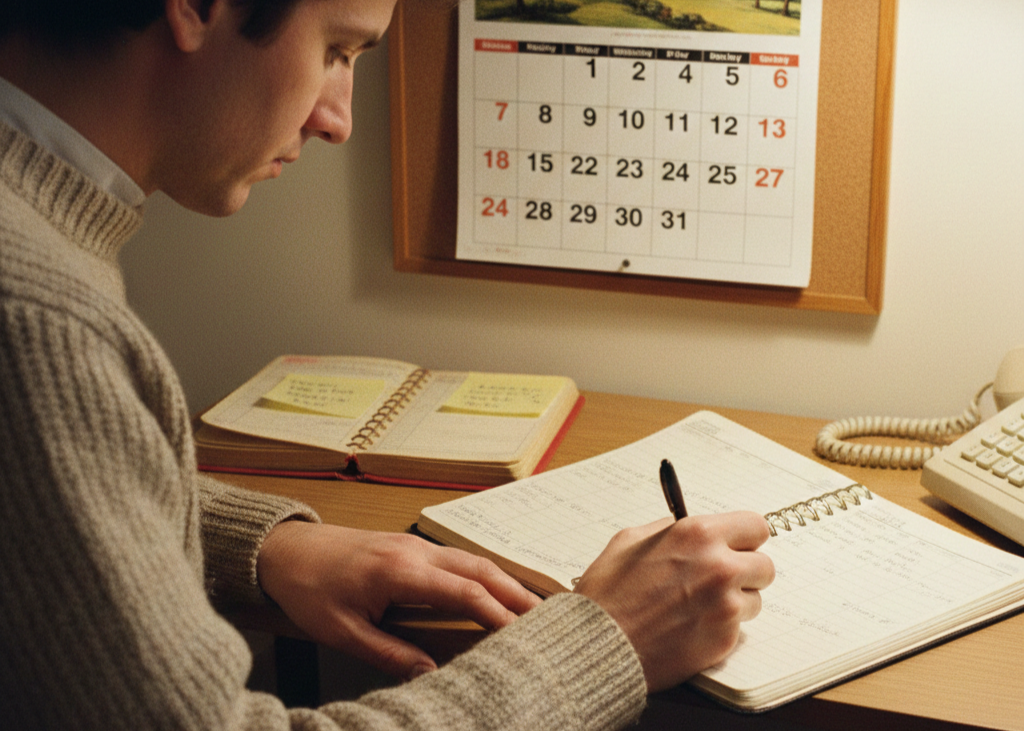
<p> In the 1980s, if something mattered, you wrote it down. Appointments lived on wall calendars. Phone numbers were memorized or kept in a little address book. Bills were tracked by hand, and letters were written with actual pens. This habit forced focus and intention. Writing things down made you slow down and think, which helped with memory and accountability.

Today, returning to this practice can still be powerful. Journaling, handwritten to-do lists, or even writing notes to loved ones creates a sense of clarity that digital tools often lack. For many baby boomers, picking up a pen again can feel grounding and satisfying, reminding us that not everything needs to be automated to be effective. </p> :: Gemini

In the 1980s, if something mattered, you wrote it down. Appointments lived on wall calendars. Phone numbers were memorized or kept in a little address book. Bills were tracked by hand, and letters were written with actual pens. This habit forced focus and intention. Writing things down made you slow down and think, which helped with memory and accountability.

Today, returning to this practice can still be powerful. Journaling, handwritten to-do lists, or even writing notes to loved ones creates a sense of clarity that digital tools often lack. For many baby boomers, picking up a pen again can feel grounding and satisfying, reminding us that not everything needs to be automated to be effective.

2. Letting Kids Play Outside Without Constant Supervision

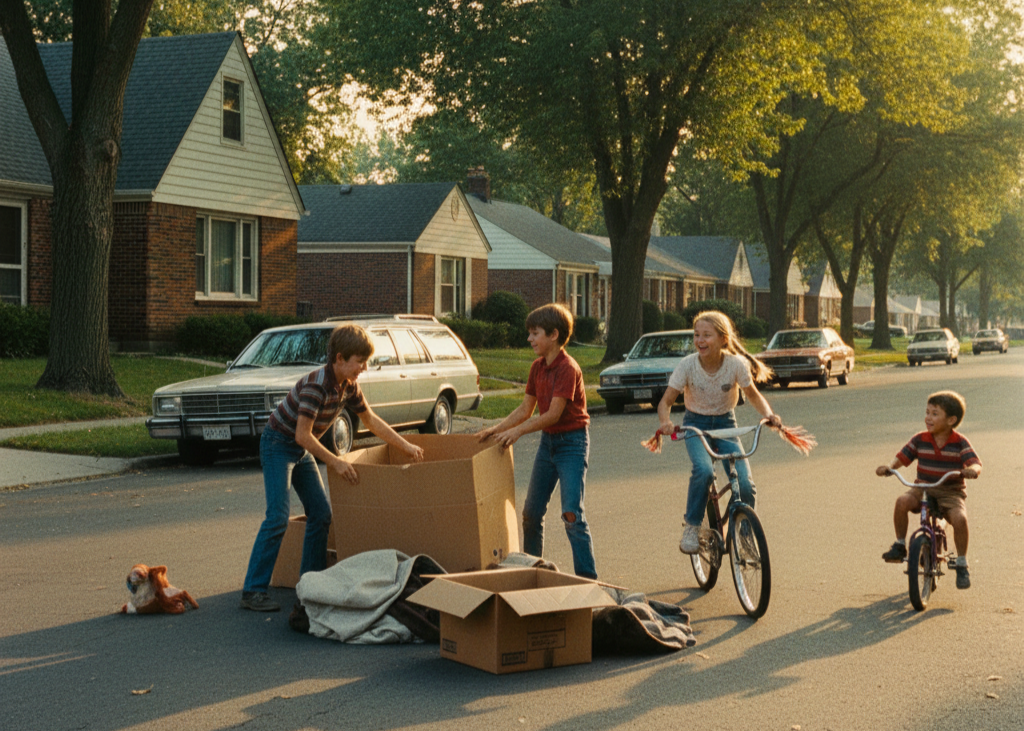
<p> One of the most defining habits of the 1980s was unsupervised outdoor play. Kids rode bikes until dinner, built forts, explored neighborhoods, and figured out conflicts on their own. There were scraped knees and bruised egos, but there was also independence, creativity, and confidence.

This kind of freedom taught problem-solving and self-trust early in life. While times have changed, the lesson still applies. Spending time outdoors, whether walking, gardening, or simply unplugging, encourages independence and mental clarity. For grandparents especially, encouraging outdoor play and curiosity can pass along a valuable mindset that shaped an entire generation. </p> :: Gemini

One of the most defining habits of the 1980s was unsupervised outdoor play. Kids rode bikes until dinner, built forts, explored neighborhoods, and figured out conflicts on their own. There were scraped knees and bruised egos, but there was also independence, creativity, and confidence.

This kind of freedom taught problem-solving and self-trust early in life. While times have changed, the lesson still applies. Spending time outdoors, whether walking, gardening, or simply unplugging, encourages independence and mental clarity. For grandparents especially, encouraging outdoor play and curiosity can pass along a valuable mindset that shaped an entire generation.

3. Saving Up Before Buying What You Wanted

<p> In the 1980s, wanting something did not mean getting it immediately. You saved allowance money, worked extra hours, or waited until you could afford it. That delay made purchases more meaningful and taught discipline, patience, and financial awareness.

This habit is still incredibly relevant. In a world built on instant gratification and credit, choosing to save before spending builds confidence and reduces stress. For baby boomers, this mindset often feels familiar and reassuring. It reinforces the idea that self-control is not deprivation, but empowerment. </p> :: Gemini

In the 1980s, wanting something did not mean getting it immediately. You saved allowance money, worked extra hours, or waited until you could afford it. That delay made purchases more meaningful and taught discipline, patience, and financial awareness.

This habit is still incredibly relevant. In a world built on instant gratification and credit, choosing to save before spending builds confidence and reduces stress. For baby boomers, this mindset often feels familiar and reassuring. It reinforces the idea that self-control is not deprivation, but empowerment.

4. Having Real Conversations Face to Face

<p> Before texting and social media, communication happened in person or on the phone. Conversations required eye contact, listening, and thoughtful responses. Misunderstandings had to be worked through in real time, which built empathy and emotional intelligence.

Reclaiming this habit can be deeply rewarding. Meeting friends for coffee, having uninterrupted conversations with family, or simply listening without distractions strengthens relationships. These moments remind us that meaningful connection does not come from speed, but from presence. </p> :: Gemini

Before texting and social media, communication happened in person or on the phone. Conversations required eye contact, listening, and thoughtful responses. Misunderstandings had to be worked through in real time, which built empathy and emotional intelligence.

Reclaiming this habit can be deeply rewarding. Meeting friends for coffee, having uninterrupted conversations with family, or simply listening without distractions strengthens relationships. These moments remind us that meaningful connection does not come from speed, but from presence.

5. Knowing Your Neighbors and Talking to Strangers

<p> In many communities during the 1980s, neighbors knew each other. People waved, stopped to chat, and looked out for one another. Children learned how to speak respectfully to adults, and adults felt a shared responsibility for the neighborhood.

This habit built trust and community pride. While modern life often feels more isolated, the value of simple friendliness has not disappeared. Saying hello, checking in on a neighbor, or starting a conversation can still create a sense of belonging and security that technology cannot replace. </p> :: Gemini

In many communities during the 1980s, neighbors knew each other. People waved, stopped to chat, and looked out for one another. Children learned how to speak respectfully to adults, and adults felt a shared responsibility for the neighborhood.

This habit built trust and community pride. While modern life often feels more isolated, the value of simple friendliness has not disappeared. Saying hello, checking in on a neighbor, or starting a conversation can still create a sense of belonging and security that technology cannot replace.

6. Appreciating Limited Entertainment Options

<p> Entertainment in the 1980s required planning. You rented a movie for the weekend, waited for your favorite show to air, or saved money for concert tickets. Because options were limited, experiences felt special and memorable.

Today, unlimited choices often lead to less satisfaction. Revisiting intentional entertainment, such as choosing one movie to truly enjoy or setting aside time for a favorite hobby, can restore that sense of appreciation. It reminds us that enjoyment deepens when we are not constantly distracted by endless options. </p> :: Gemini

Entertainment in the 1980s required planning. You rented a movie for the weekend, waited for your favorite show to air, or saved money for concert tickets. Because options were limited, experiences felt special and memorable.

Today, unlimited choices often lead to less satisfaction. Revisiting intentional entertainment, such as choosing one movie to truly enjoy or setting aside time for a favorite hobby, can restore that sense of appreciation. It reminds us that enjoyment deepens when we are not constantly distracted by endless options.

7. Waiting for Information Instead of Getting Instant Answers

<p> When you had a question in the 1980s, you looked it up in a book, asked someone knowledgeable, or figured it out over time. Learning required effort and persistence. That process strengthened critical thinking and patience.

For baby boomers, this habit reinforces lifelong learning. Whether learning new technology, picking up a skill, or exploring a personal interest, allowing yourself to struggle a bit before finding the answer builds confidence and mental resilience. </p> :: Gemini

When you had a question in the 1980s, you looked it up in a book, asked someone knowledgeable, or figured it out over time. Learning required effort and persistence. That process strengthened critical thinking and patience.

For baby boomers, this habit reinforces lifelong learning. Whether learning new technology, picking up a skill, or exploring a personal interest, allowing yourself to struggle a bit before finding the answer builds confidence and mental resilience.

8. Fixing Things Yourself Whenever Possible

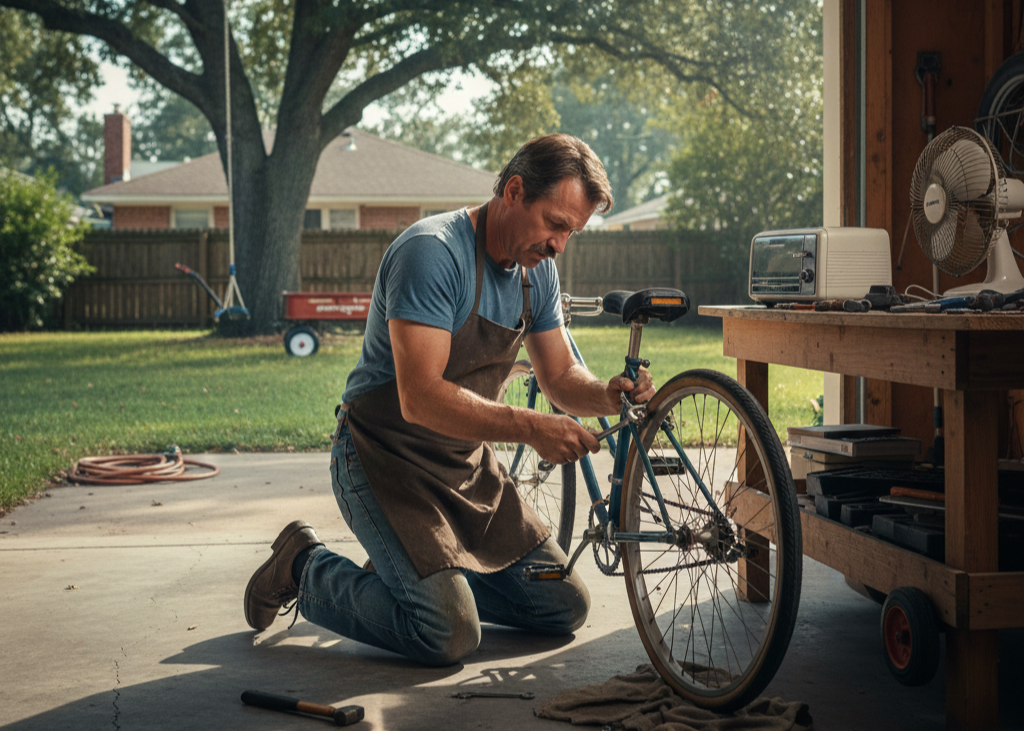
<p> When something broke in the 1980s, the first instinct was often to fix it. You tinkered, asked for advice, or figured it out through trial and error. This hands-on approach built self-reliance and problem-solving skills.

Even today, small do-it-yourself projects can be empowering. Fixing something around the house, maintaining a car, or learning basic repairs reinforces the belief that you are capable. It also brings a sense of pride that comes from effort rather than convenience. </p> :: Gemini


When something broke in the 1980s, the first instinct was often to fix it. You tinkered, asked for advice, or figured it out through trial and error. This hands-on approach built self-reliance and problem-solving skills.

Even today, small do-it-yourself projects can be empowering. Fixing something around the house, maintaining a car, or learning basic repairs reinforces the belief that you are capable. It also brings a sense of pride that comes from effort rather than convenience.

9. Learning to Be Bored and Using Imagination

<p> Boredom was a normal part of life in the 1980s. Without constant entertainment, people learned to daydream, create, and entertain themselves. This habit fueled imagination and creativity in subtle but lasting ways.

Relearning how to be bored can be surprisingly beneficial. Quiet moments allow reflection, creativity, and emotional balance. For baby boomers, embracing downtime without guilt can improve mental well-being and spark interests that were once set aside. </p> :: Gemini

Boredom was a normal part of life in the 1980s. Without constant entertainment, people learned to daydream, create, and entertain themselves. This habit fueled imagination and creativity in subtle but lasting ways.

Relearning how to be bored can be surprisingly beneficial. Quiet moments allow reflection, creativity, and emotional balance. For baby boomers, embracing downtime without guilt can improve mental well-being and spark interests that were once set aside.

10. Valuing Privacy and Personal Boundaries

<p> In the 1980s, personal life stayed personal. Not every thought or moment was shared publicly. This created space for reflection, emotional processing, and healthy boundaries.

Today, protecting privacy is more important than ever. Choosing what to share, limiting online exposure, and keeping some moments just for yourself builds emotional strength. It reinforces the idea that self-worth does not depend on constant visibility or validation. </p> :: Gemini

In the 1980s, personal life stayed personal. Not every thought or moment was shared publicly. This created space for reflection, emotional processing, and healthy boundaries.

Today, protecting privacy is more important than ever. Choosing what to share, limiting online exposure, and keeping some moments just for yourself builds emotional strength. It reinforces the idea that self-worth does not depend on constant visibility or validation.

Final Thoughts

<p> The habits that shaped character in the 1980s were not flashy or intentional. They were simply the result of living in a world that required patience, effort, and connection. For baby boomers today, these habits offer more than nostalgia. They provide practical tools for living with confidence, clarity, and purpose in a fast-moving world.

Revisiting even one or two of these practices can make daily life feel more grounded. Writing things down, slowing conversations, saving intentionally, or embracing quiet moments are small choices that carry lasting benefits. Strong character was built quietly back then, and it can still be strengthened now, one simple habit at a time. </p> :: Gemini

The habits that shaped character in the 1980s were not flashy or intentional. They were simply the result of living in a world that required patience, effort, and connection. For baby boomers today, these habits offer more than nostalgia. They provide practical tools for living with confidence, clarity, and purpose in a fast-moving world.

Revisiting even one or two of these practices can make daily life feel more grounded. Writing things down, slowing conversations, saving intentionally, or embracing quiet moments are small choices that carry lasting benefits. Strong character was built quietly back then, and it can still be strengthened now, one simple habit at a time.

Filed Under: Lifestyle

8 Cholesterol-Lowering Foods Every Doctor Recommends (and You’ll Actually Want to Eat)

December 22, 2025 | Leave a Comment

8 Cholesterol-Lowering Foods Every Doctor Recommends (and You’ll Actually Want to Eat)

<p> If you're over 50, chances are you've thought about your cholesterol at least once during a doctor’s visit. High LDL (“bad”) cholesterol is one of the major risk factors for heart disease, especially as we age. But here’s some good news—lowering cholesterol doesn’t always require medication. In fact, your grocery list might hold some of the best solutions for better heart health. From hearty oats to creamy avocados, these eight doctor-recommended foods are not only good for your heart but also delicious and easy to incorporate into your daily routine. Let’s dig into the foods that could help bring those cholesterol numbers down—and maybe even make mealtime a little more exciting. </p> :: Freepik

If you’re over 50, chances are you’ve thought about your cholesterol at least once during a doctor’s visit. High LDL (“bad”) cholesterol is one of the major risk factors for heart disease, especially as we age. But here’s some good news—lowering cholesterol doesn’t always require medication. In fact, your grocery list might hold some of the best solutions for better heart health. From hearty oats to creamy avocados, these eight doctor-recommended foods are not only good for your heart but also delicious and easy to incorporate into your daily routine.

Let’s dig into the foods that could help bring those cholesterol numbers down—and maybe even make mealtime a little more exciting.

1. Oats: Start Your Morning the Heart-Healthy Way

<p> Oats are practically the poster child for cholesterol-lowering foods—and for good reason. They're packed with soluble fiber, particularly beta-glucan, which works like a sponge in your digestive system, soaking up LDL cholesterol and carrying it out of the body. For best results, aim for at least one and a half cups of cooked oatmeal per day, which gives you around 3 grams of soluble fiber. Not an oatmeal fan? Sprinkle oat bran into your smoothies or bake it into muffins. Add cinnamon, fruit, or a spoonful of nut butter, and suddenly it’s a treat, not a chore. Bonus: they’re easy on the wallet and gentle on digestion—ideal for anyone in their 50s, 60s, and beyond. </p> :: Pexels

Oats are practically the poster child for cholesterol-lowering foods—and for good reason. They’re packed with soluble fiber, particularly beta-glucan, which works like a sponge in your digestive system, soaking up LDL cholesterol and carrying it out of the body. For best results, aim for at least one and a half cups of cooked oatmeal per day, which gives you around 3 grams of soluble fiber. Not an oatmeal fan? Sprinkle oat bran into your smoothies or bake it into muffins. Add cinnamon, fruit, or a spoonful of nut butter, and suddenly it’s a treat, not a chore. Bonus: they’re easy on the wallet and gentle on digestion—ideal for anyone in their 50s, 60s, and beyond.

2. Fatty Fish: Delicious Omega-3s That Pack a Heart-Healthy Punch

<p> Fish like salmon, mackerel, sardines, and trout aren’t just tasty—they’re filled with omega-3 fatty acids, which are known to reduce triglycerides, lower blood pressure, and help stabilize your heart rhythm. While omega-3s don’t lower LDL cholesterol directly, they support heart health overall and may slightly raise HDL (the “good” cholesterol). For best results, try to eat fatty fish twice a week. Grilling or baking them with a bit of lemon and herbs keeps things simple and flavorful. If fish isn't your thing, consider talking to your doctor about omega-3 supplements. But when you can eat your medicine in the form of grilled salmon with a side of roasted veggies, why wouldn’t you? </p> :: Pexels

Fish like salmon, mackerel, sardines, and trout aren’t just tasty—they’re filled with omega-3 fatty acids, which are known to reduce triglycerides, lower blood pressure, and help stabilize your heart rhythm. While omega-3s don’t lower LDL cholesterol directly, they support heart health overall and may slightly raise HDL (the “good” cholesterol). For best results, try to eat fatty fish twice a week. Grilling or baking them with a bit of lemon and herbs keeps things simple and flavorful. If fish isn’t your thing, consider talking to your doctor about omega-3 supplements. But when you can eat your medicine in the form of grilled salmon with a side of roasted veggies, why wouldn’t you?

3. Nuts: The Crunchy Snack That’s Actually Good for You

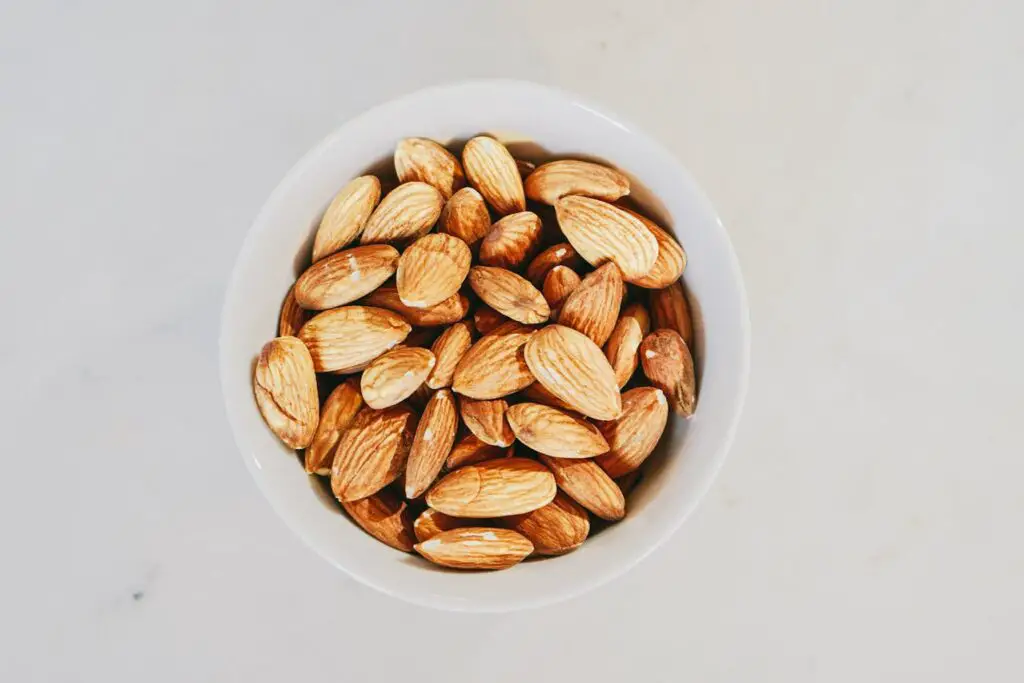
<p> Nuts are the kind of snack that feels like an indulgence but comes with big benefits. Almonds, walnuts, pistachios, and other tree nuts contain heart-healthy unsaturated fats, fiber, and plant sterols—all of which help reduce LDL cholesterol levels. Just a handful (about 1.5 ounces) a day is enough to help your heart without tipping the calorie scale. They also contain magnesium and vitamin E, which are great for overall cardiovascular health. Keep a jar on your kitchen counter for snacking, or toss them into your morning cereal or afternoon salad. And no, chocolate-covered doesn’t count (sorry). </p> :: Pexels

Nuts are the kind of snack that feels like an indulgence but comes with big benefits. Almonds, walnuts, pistachios, and other tree nuts contain heart-healthy unsaturated fats, fiber, and plant sterols—all of which help reduce LDL cholesterol levels. Just a handful (about 1.5 ounces) a day is enough to help your heart without tipping the calorie scale. They also contain magnesium and vitamin E, which are great for overall cardiovascular health. Keep a jar on your kitchen counter for snacking, or toss them into your morning cereal or afternoon salad. And no, chocolate-covered doesn’t count (sorry).

4. Beans and Lentils: The Unsung Heroes of Cholesterol Control

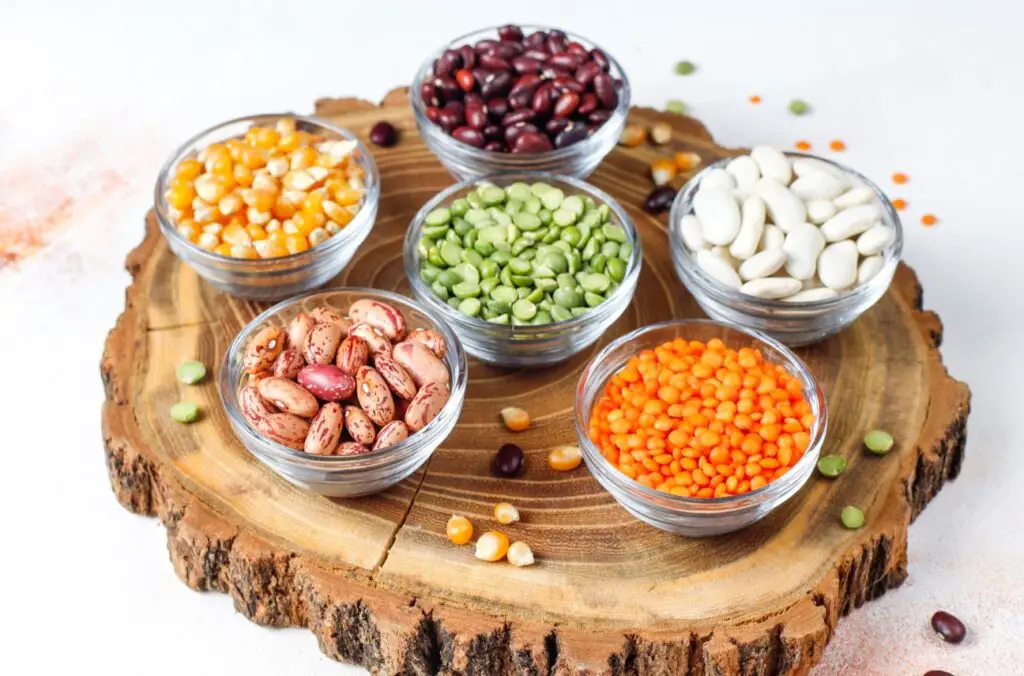
<p> These little legumes don’t get nearly the attention they deserve. Beans and lentils are packed with soluble fiber, protein, and a host of heart-healthy nutrients. That fiber slows digestion and keeps cholesterol from being absorbed into your bloodstream. Better still, they’re low in fat and incredibly versatile—throw black beans into tacos, add chickpeas to salads, or stir lentils into soups. They also help with weight control by keeping you full longer, which indirectly supports cholesterol management. For folks over 50 watching both heart health and the grocery budget, beans and lentils check every box. </p> :: Pexels

These little legumes don’t get nearly the attention they deserve. Beans and lentils are packed with soluble fiber, protein, and a host of heart-healthy nutrients. That fiber slows digestion and keeps cholesterol from being absorbed into your bloodstream. Better still, they’re low in fat and incredibly versatile—throw black beans into tacos, add chickpeas to salads, or stir lentils into soups. They also help with weight control by keeping you full longer, which indirectly supports cholesterol management. For folks over 50 watching both heart health and the grocery budget, beans and lentils check every box.

5. Avocados: Creamy, Dreamy, and Cholesterol-Friendly

<p> It’s no surprise avocados have become a brunch staple—they’re rich, satisfying, and surprisingly good for your heart. Full of monounsaturated fats and fiber, avocados can help lower LDL cholesterol and raise HDL levels when used in place of saturated fats like butter or cheese. Try slicing one onto whole-grain toast, dicing it into a salad, or even blending it into a smoothie for creaminess without dairy. While they are calorie-dense, the fat is the kind your heart loves. If you’re someone who thought giving up rich, satisfying foods was the only way to protect your heart, the avocado is here to prove otherwise. </p> :: Pexels

It’s no surprise avocados have become a brunch staple—they’re rich, satisfying, and surprisingly good for your heart. Full of monounsaturated fats and fiber, avocados can help lower LDL cholesterol and raise HDL levels when used in place of saturated fats like butter or cheese. Try slicing one onto whole-grain toast, dicing it into a salad, or even blending it into a smoothie for creaminess without dairy. While they are calorie-dense, the fat is the kind your heart loves. If you’re someone who thought giving up rich, satisfying foods was the only way to protect your heart, the avocado is here to prove otherwise.

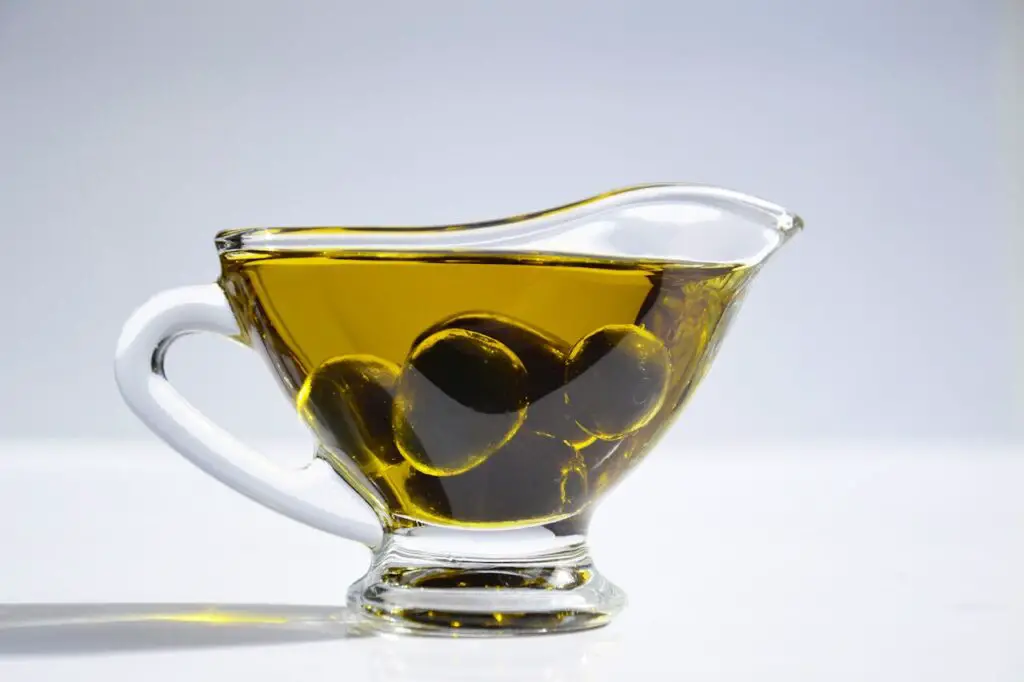
6. Olive Oil: Swap the Butter for This Liquid Gold

<p> When it comes to cooking fats, extra virgin olive oil is a smart choice. It's packed with antioxidants called polyphenols and monounsaturated fats, both of which can reduce LDL cholesterol and inflammation. Swapping just two tablespoons of butter a day with olive oil has been shown to significantly support heart health. Use it in salad dressings, drizzle it over steamed veggies, or sauté your favorite greens in it. It’s the kind of ingredient that adds flavor and health benefits in one easy step. Pro tip: buy cold-pressed extra virgin varieties for the highest quality and best taste. </p> :: Pexels

When it comes to cooking fats, extra virgin olive oil is a smart choice. It’s packed with antioxidants called polyphenols and monounsaturated fats, both of which can reduce LDL cholesterol and inflammation. Swapping just two tablespoons of butter a day with olive oil has been shown to significantly support heart health. Use it in salad dressings, drizzle it over steamed veggies, or sauté your favorite greens in it. It’s the kind of ingredient that adds flavor and health benefits in one easy step. Pro tip: buy cold-pressed extra virgin varieties for the highest quality and best taste.

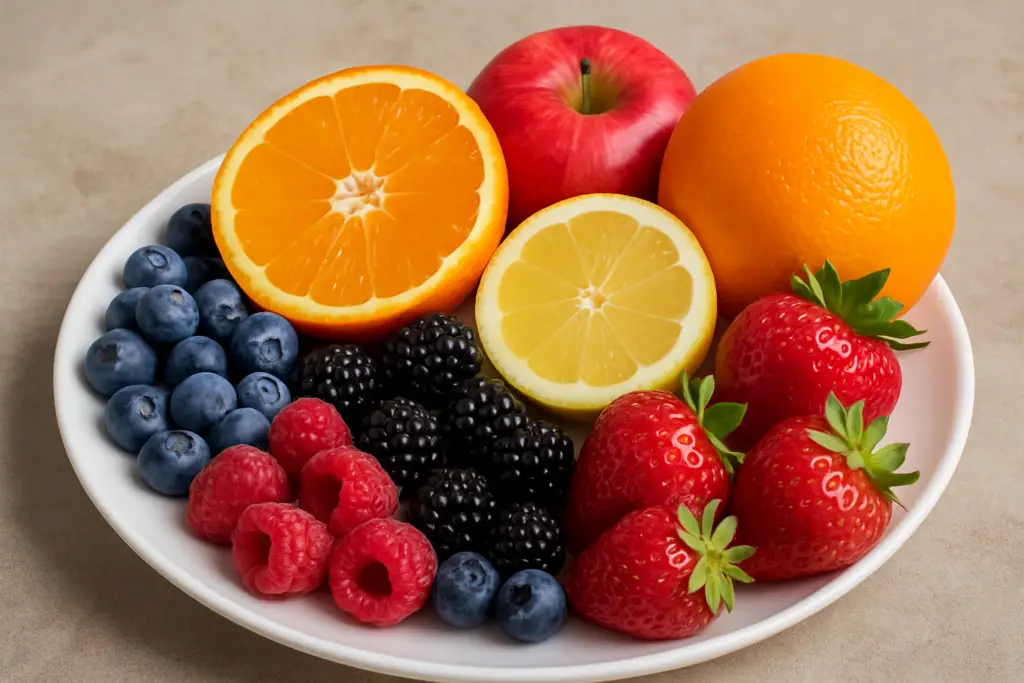
7. Berries, Apples, and Citrus: Sweet, Simple, and Effective

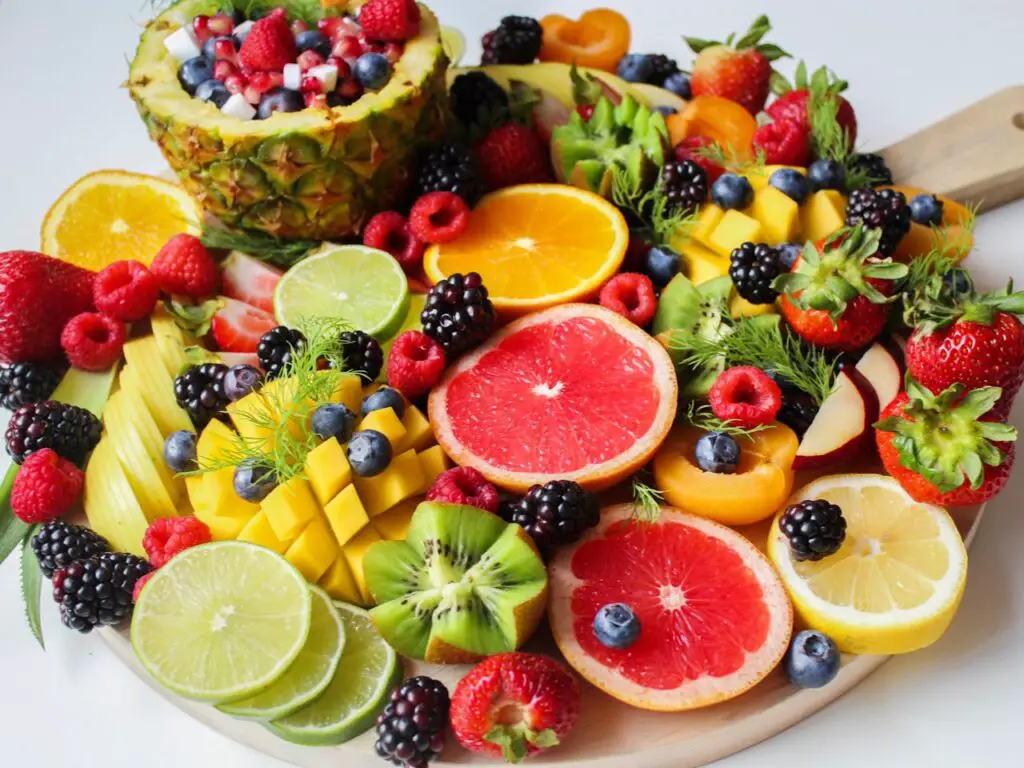
<p> Who said heart-healthy eating has to be boring? Fruits like strawberries, apples, oranges, and grapes are rich in pectin, a type of soluble fiber that binds to cholesterol in the gut and helps remove it. These fruits are also loaded with antioxidants that reduce inflammation and oxidative stress. A medium apple a day really can keep the doctor away—and no, you don’t have to peel it! Try snacking on an orange in the afternoon or adding fresh berries to your morning cereal. They’re nature’s dessert, with benefits that go way beyond taste. </p> :: DALL-E

Who said heart-healthy eating has to be boring? Fruits like strawberries, apples, oranges, and grapes are rich in pectin, a type of soluble fiber that binds to cholesterol in the gut and helps remove it. These fruits are also loaded with antioxidants that reduce inflammation and oxidative stress. A medium apple a day really can keep the doctor away—and no, you don’t have to peel it! Try snacking on an orange in the afternoon or adding fresh berries to your morning cereal. They’re nature’s dessert, with benefits that go way beyond taste.

8. Foods Fortified with Plant Sterols and Stanols

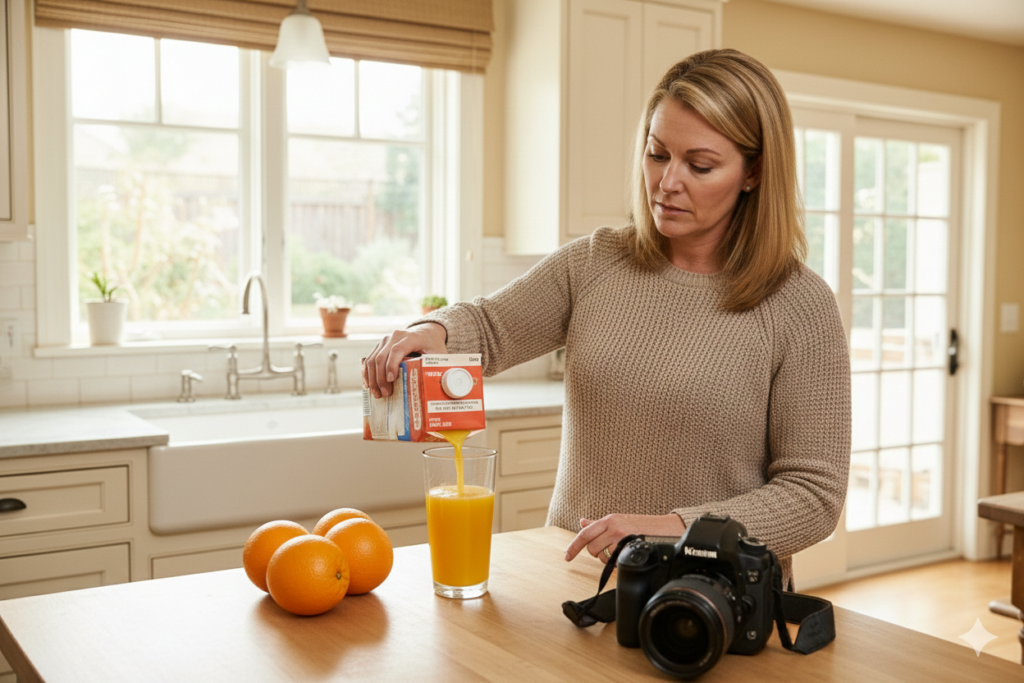
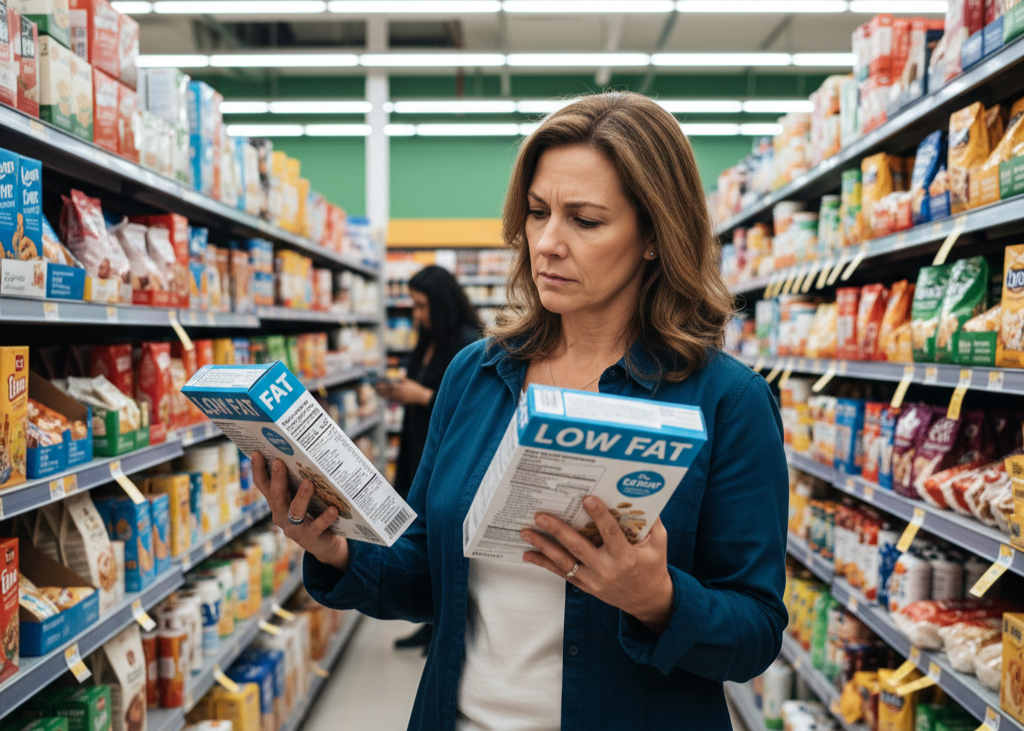
<p> This last one may not be a whole food, but it’s worth including. Many products—like certain margarines, yogurts, and orange juices—are fortified with plant sterols and stanols, natural substances that help block cholesterol absorption in the gut. Just 2 grams a day can lower LDL cholesterol by up to 10%. That’s a powerful punch from a small serving. While you don’t need to build your entire diet around fortified foods, adding them in smartly—say, using a sterol-fortified spread on your morning toast—can be a simple and effective strategy for cholesterol control. Just be sure to read labels and avoid added sugars. </p> :: Freepik

This last one may not be a whole food, but it’s worth including. Many products—like certain margarines, yogurts, and orange juices—are fortified with plant sterols and stanols, natural substances that help block cholesterol absorption in the gut. Just 2 grams a day can lower LDL cholesterol by up to 10%. That’s a powerful punch from a small serving. While you don’t need to build your entire diet around fortified foods, adding them in smartly—say, using a sterol-fortified spread on your morning toast—can be a simple and effective strategy for cholesterol control. Just be sure to read labels and avoid added sugars.

Final Thoughts

<p> As we age, managing cholesterol becomes more than a health goal—it’s a smart investment in long-term vitality. But instead of relying solely on prescriptions and restrictions, we can turn to our plates for help. Each of these eight foods supports your heart in a natural, proven way, and most importantly, they’re delicious, accessible, and easy to work into your life without overhauling everything. Whether it’s adding oats to your breakfast, enjoying salmon for dinner, or reaching for a handful of walnuts in the afternoon, small, consistent changes can have a big impact. So next time you’re in the grocery store, think of your cart as your heart’s first line of defense. And hey, if you end up loving your new cholesterol-friendly meals? That’s just a happy bonus. Remember: Always check with your doctor or a registered dietitian before making major changes to your diet, especially if you have medical conditions or are taking medications. </p> :: Pexels

As we age, managing cholesterol becomes more than a health goal—it’s a smart investment in long-term vitality. But instead of relying solely on prescriptions and restrictions, we can turn to our plates for help. Each of these eight foods supports your heart in a natural, proven way, and most importantly, they’re delicious, accessible, and easy to work into your life without overhauling everything.

Whether it’s adding oats to your breakfast, enjoying salmon for dinner, or reaching for a handful of walnuts in the afternoon, small, consistent changes can have a big impact. So next time you’re in the grocery store, think of your cart as your heart’s first line of defense. And hey, if you end up loving your new cholesterol-friendly meals? That’s just a happy bonus.

Remember: Always check with your doctor or a registered dietitian before making major changes to your diet, especially if you have medical conditions or are taking medications.

Filed Under: Food & Drink

12 Everyday Tasks Americans Used to Do Themselves That No One Bothers With Anymore

December 22, 2025 | Leave a Comment

12 Everyday Tasks Americans Used to Do Themselves That No One Bothers With Anymore

<p> There was a time when Americans took pride in doing things on their own. Whether it was fixing a leaky faucet, cooking dinner from scratch, or even writing a heartfelt thank-you note, people handled the basics of life without hesitation. These tasks weren't just about saving money—they were part of everyday self-reliance, passed down through generations. But in today’s fast-paced world of convenience, apps, and automation, many of these once-routine responsibilities have become relics of the past. With just a few taps on a screen, someone else can do your errands, cook your meals, or clean your house. So, what happened to the do-it-yourself spirit that once defined American households? Let’s take a nostalgic look back at 12 everyday tasks Americans used to do themselves—now, most people don’t even think twice about outsourcing them. </p> :: Freepik

There was a time when Americans took pride in doing things on their own. Whether it was fixing a leaky faucet, cooking dinner from scratch, or even writing a heartfelt thank-you note, people handled the basics of life without hesitation. These tasks weren’t just about saving money—they were part of everyday self-reliance, passed down through generations. But in today’s fast-paced world of convenience, apps, and automation, many of these once-routine responsibilities have become relics of the past. With just a few taps on a screen, someone else can do your errands, cook your meals, or clean your house.

So, what happened to the do-it-yourself spirit that once defined American households? Let’s take a nostalgic look back at 12 everyday tasks Americans used to do themselves—now, most people don’t even think twice about outsourcing them.

1. Changing Their Own Oil

<p> Back in the day, changing your own oil was a basic part of car ownership. Teenagers learned it from their parents, and weekend oil changes were a common sight in suburban driveways. Doing it yourself saved money and gave you a sense of control over your vehicle. Today, however, quick-service oil change shops have made the process so fast and inexpensive that most people don’t bother with the mess. With newer cars becoming more complicated, even the most die-hard DIYers are handing this chore over to the pros. </p> :: Pexels

Back in the day, changing your own oil was a basic part of car ownership. Teenagers learned it from their parents, and weekend oil changes were a common sight in suburban driveways. Doing it yourself saved money and gave you a sense of control over your vehicle. Today, however, quick-service oil change shops have made the process so fast and inexpensive that most people don’t bother with the mess. With newer cars becoming more complicated, even the most die-hard DIYers are handing this chore over to the pros.

2. Sewing and Mending Clothes

<p> Need to fix a hem or sew on a button? There was a time when every household had a sewing kit, and people—especially women—were taught basic sewing skills at a young age. Mending clothes was routine, not a novelty. But with the rise of fast fashion and cheap, disposable clothing, sewing has become a dying art. Rather than patching a hole, most people toss the item and buy something new. Even tailors, once a common stop for families, are becoming rarer as clothing repairs fall by the wayside. </p> :: Pexels

Need to fix a hem or sew on a button? There was a time when every household had a sewing kit, and people—especially women—were taught basic sewing skills at a young age. Mending clothes was routine, not a novelty. But with the rise of fast fashion and cheap, disposable clothing, sewing has become a dying art. Rather than patching a hole, most people toss the item and buy something new. Even tailors, once a common stop for families, are becoming rarer as clothing repairs fall by the wayside.

3. Balancing a Checkbook

<p> Before online banking and budgeting apps, Americans carefully recorded every transaction in a paper checkbook register. This task helped people stay financially disciplined and avoid overdraft fees. Balancing a checkbook was once considered a basic life skill. Today, digital banking has all but replaced this practice. Most people rely on their bank’s app to monitor spending and never even think to do the math themselves. For younger generations, balancing a checkbook is as foreign as using a rotary phone. </p> :: Pexels

Before online banking and budgeting apps, Americans carefully recorded every transaction in a paper checkbook register. This task helped people stay financially disciplined and avoid overdraft fees. Balancing a checkbook was once considered a basic life skill. Today, digital banking has all but replaced this practice. Most people rely on their bank’s app to monitor spending and never even think to do the math themselves. For younger generations, balancing a checkbook is as foreign as using a rotary phone.

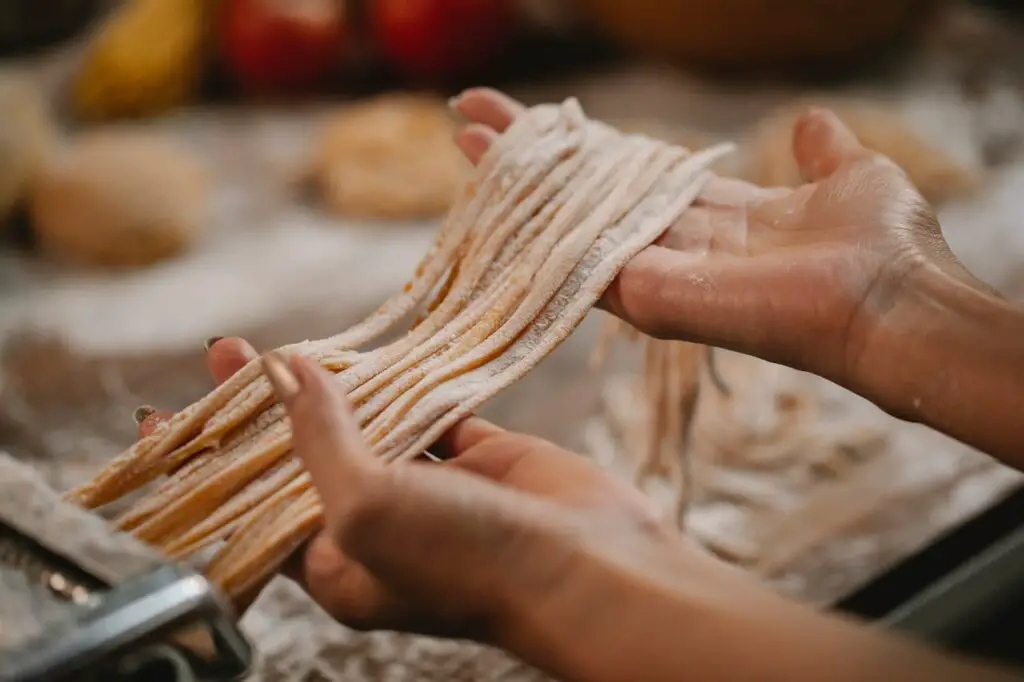
4. Cooking Meals from Scratch

<p> There was a time when the average household cooked every meal from basic ingredients. Home-cooked meals were the norm, filled with family recipes, fresh vegetables, and time in the kitchen. But today, busy schedules and the rise of takeout, delivery, and prepackaged meal kits have changed the game. Even when people do cook at home, it’s often with shortcuts like frozen ingredients or boxed mixes. The idea of making a full dinner from scratch every night now feels like a luxury rather than a routine. </p> :: Pexels

There was a time when the average household cooked every meal from basic ingredients. Home-cooked meals were the norm, filled with family recipes, fresh vegetables, and time in the kitchen. But today, busy schedules and the rise of takeout, delivery, and prepackaged meal kits have changed the game. Even when people do cook at home, it’s often with shortcuts like frozen ingredients or boxed mixes. The idea of making a full dinner from scratch every night now feels like a luxury rather than a routine.

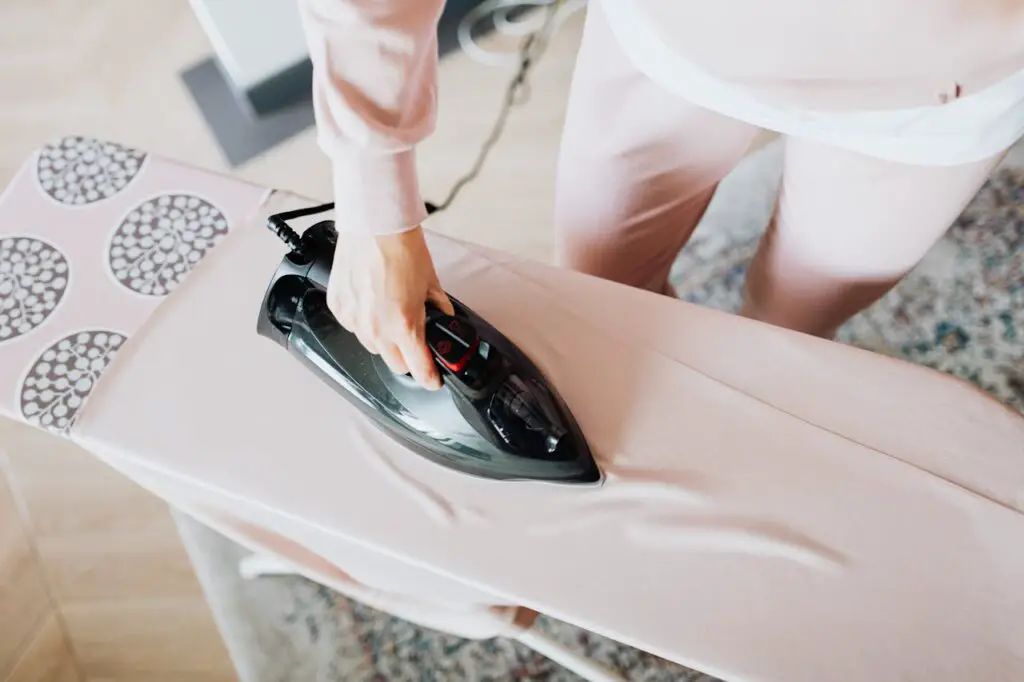
5. Ironing Clothes

<p> Ironing used to be a regular chore in many American households. People pressed everything from dress shirts to bed linens, and a wrinkle-free outfit was a sign of care and professionalism. These days, most people skip the iron altogether. With wrinkle-resistant fabrics, casual dress codes, and affordable dry cleaning or garment steamers, the need to iron has faded. Many younger adults have never even owned an iron, let alone mastered the art of a crisp crease. </p> :: Pexels

Ironing used to be a regular chore in many American households. People pressed everything from dress shirts to bed linens, and a wrinkle-free outfit was a sign of care and professionalism. These days, most people skip the iron altogether. With wrinkle-resistant fabrics, casual dress codes, and affordable dry cleaning or garment steamers, the need to iron has faded. Many younger adults have never even owned an iron, let alone mastered the art of a crisp crease.

6. Fixing Things Around the House

<p> From replacing a light switch to repairing a leaky pipe, basic home repairs were once considered common knowledge. Homeowners took pride in tackling small maintenance issues themselves, armed with a toolbox and maybe a DIY guidebook. Now, even minor tasks often lead to a call to a professional. While YouTube has made tutorials accessible, many people prefer the convenience and peace of mind that comes with hiring a handyman. DIY home repairs are increasingly seen as risky or time-consuming. </p> :: Pexels

From replacing a light switch to repairing a leaky pipe, basic home repairs were once considered common knowledge. Homeowners took pride in tackling small maintenance issues themselves, armed with a toolbox and maybe a DIY guidebook. Now, even minor tasks often lead to a call to a professional. While YouTube has made tutorials accessible, many people prefer the convenience and peace of mind that comes with hiring a handyman. DIY home repairs are increasingly seen as risky or time-consuming.

7. Washing Their Own Cars

<p> Washing the family car was once a Saturday tradition. Armed with a bucket, hose, and some elbow grease, people enjoyed cleaning their vehicles in the driveway. It was a simple pleasure and a money saver. But with drive-thru car washes popping up on every corner and water restrictions in many urban areas, this ritual has all but disappeared. Today, convenience wins, and most people are happy to pay a few bucks to have someone—or something—else do it. </p> :: Pexels

Washing the family car was once a Saturday tradition. Armed with a bucket, hose, and some elbow grease, people enjoyed cleaning their vehicles in the driveway. It was a simple pleasure and a money saver. But with drive-thru car washes popping up on every corner and water restrictions in many urban areas, this ritual has all but disappeared. Today, convenience wins, and most people are happy to pay a few bucks to have someone—or something—else do it.

8. Writing Letters or Thank-You Notes

<p> Handwritten letters and notes were once the gold standard for communication, especially for showing appreciation. Thank-you cards after weddings, birthdays, or job interviews were expected, and letter-writing was an important way to stay in touch. In the age of texting, email, and social media, this form of communication has become rare. Digital messages may be faster, but they lack the personal touch of a handwritten note. Most people now find writing letters outdated, despite its enduring charm. </p> :: Pexels

Handwritten letters and notes were once the gold standard for communication, especially for showing appreciation. Thank-you cards after weddings, birthdays, or job interviews were expected, and letter-writing was an important way to stay in touch. In the age of texting, email, and social media, this form of communication has become rare. Digital messages may be faster, but they lack the personal touch of a handwritten note. Most people now find writing letters outdated, despite its enduring charm.

9. Doing Their Own Taxes

<p> Tax season used to involve pencils, calculators, and long hours reading IRS instructions. Many Americans took pride in filing their own taxes without professional help. But the ever-growing complexity of tax laws and fear of making mistakes have pushed most people toward tax software or paid preparers. While online platforms have made the process easier, they’ve also created a dependency that keeps people from understanding their finances at a deeper level. </p> :: Pexels

Tax season used to involve pencils, calculators, and long hours reading IRS instructions. Many Americans took pride in filing their own taxes without professional help. But the ever-growing complexity of tax laws and fear of making mistakes have pushed most people toward tax software or paid preparers. While online platforms have made the process easier, they’ve also created a dependency that keeps people from understanding their finances at a deeper level.

10. Growing Their Own Food

<p> Victory gardens and backyard vegetable patches were once common features of American homes. Growing your own tomatoes, cucumbers, and herbs was a way to save money, eat healthier, and enjoy the satisfaction of self-sufficiency. While there’s been a small gardening resurgence, especially during the pandemic, most people now rely entirely on grocery stores and delivery services for food. For many, gardening is more of a novelty or aesthetic hobby than a means of survival. </p> :: Pexels

Victory gardens and backyard vegetable patches were once common features of American homes. Growing your own tomatoes, cucumbers, and herbs was a way to save money, eat healthier, and enjoy the satisfaction of self-sufficiency. While there’s been a small gardening resurgence, especially during the pandemic, most people now rely entirely on grocery stores and delivery services for food. For many, gardening is more of a novelty or aesthetic hobby than a means of survival.

11. Navigating Without GPS

<p> Before smartphones told us where to go, people used maps, atlases, and handwritten directions. Planning a road trip or navigating a new city required focus and spatial awareness. Today, GPS apps have eliminated the need to remember routes or understand geography. Most people follow their phone’s instructions without question—and many would be lost without it. As a result, navigation skills are slowly disappearing, and asking someone for directions feels almost quaint. </p> :: Pexels

Before smartphones told us where to go, people used maps, atlases, and handwritten directions. Planning a road trip or navigating a new city required focus and spatial awareness. Today, GPS apps have eliminated the need to remember routes or understand geography. Most people follow their phone’s instructions without question—and many would be lost without it. As a result, navigation skills are slowly disappearing, and asking someone for directions feels almost quaint.

12. Hosting Guests Without Catering or Delivery

<p> Entertaining used to mean cooking, cleaning, and setting up everything yourself. Whether it was a family dinner or a birthday party, hosts prepared the food, cleaned the home, and created a warm, welcoming atmosphere. Nowadays, people often outsource everything—from catering and cleaning to entertainment and décor. Even casual get-togethers are dominated by takeout and disposable dishes. While this makes life easier, it also removes the personal touches that made hosting so special. </p> :: Pexels

Entertaining used to mean cooking, cleaning, and setting up everything yourself. Whether it was a family dinner or a birthday party, hosts prepared the food, cleaned the home, and created a warm, welcoming atmosphere. Nowadays, people often outsource everything—from catering and cleaning to entertainment and décor. Even casual get-togethers are dominated by takeout and disposable dishes. While this makes life easier, it also removes the personal touches that made hosting so special.

Final Thoughts

<p> Life has certainly become more convenient, but that convenience comes with a cost. These 12 everyday tasks were once seen as essential parts of being a responsible, capable adult. They taught patience, independence, and pride in a job well done. While technology and services have made things faster and easier, they’ve also distanced us from the skills that helped build strong, self-reliant households. The good news? It's never too late to bring some of these habits back. Whether it’s learning how to sew a button, cook a family recipe from scratch, or fix a small leak, taking the time to do things for yourself can save money, build confidence, and reconnect you with a simpler, more intentional way of living. </p> :: Pexels

Life has certainly become more convenient, but that convenience comes with a cost. These 12 everyday tasks were once seen as essential parts of being a responsible, capable adult. They taught patience, independence, and pride in a job well done. While technology and services have made things faster and easier, they’ve also distanced us from the skills that helped build strong, self-reliant households.

The good news? It’s never too late to bring some of these habits back. Whether it’s learning how to sew a button, cook a family recipe from scratch, or fix a small leak, taking the time to do things for yourself can save money, build confidence, and reconnect you with a simpler, more intentional way of living.

Filed Under: Lifestyle

Foods Doctors Once Said Were Healthy but Are Not Anymore: 10 Everyday Items to Rethink

December 22, 2025 | Leave a Comment

Foods Doctors Once Said Were Healthy but Are Not Anymore: 10 Everyday Items to Rethink

<p> For years, many of us filled our grocery carts feeling confident we were making smart, healthy choices. We trusted food labels, commercials, and even old-school nutrition advice that promised better energy, weight control, and long-term health. The problem is that nutrition science evolves, and food manufacturing has changed dramatically over the decades. Some foods that were once praised by doctors and diet experts are now viewed very differently thanks to new research and a better understanding of how processed ingredients affect the body.

This does not mean you were doing anything wrong back then. It simply means we know more now. Modern doctors and nutritionists are taking a closer look at sugar content, processing methods, artificial ingredients, and how foods impact blood sugar, gut health, and inflammation. What they are finding is eye-opening.

Below are ten foods that were once considered healthy but are no longer recommended as often. Each one still shows up in American kitchens every day, often wearing a health halo that can be hard to see through. Knowing the truth helps you make better choices without feeling overwhelmed or deprived. </p> :: Gemini

For years, many of us filled our grocery carts feeling confident we were making smart, healthy choices. We trusted food labels, commercials, and even old-school nutrition advice that promised better energy, weight control, and long-term health. The problem is that nutrition science evolves, and food manufacturing has changed dramatically over the decades. Some foods that were once praised by doctors and diet experts are now viewed very differently thanks to new research and a better understanding of how processed ingredients affect the body.

This does not mean you were doing anything wrong back then. It simply means we know more now. Modern doctors and nutritionists are taking a closer look at sugar content, processing methods, artificial ingredients, and how foods impact blood sugar, gut health, and inflammation. What they are finding is eye-opening.

Below are ten foods that were once considered healthy but are no longer recommended as often. Each one still shows up in American kitchens every day, often wearing a health halo that can be hard to see through. Knowing the truth helps you make better choices without feeling overwhelmed or deprived.

1. Granola and Granola Bars

<p> Granola earned its healthy reputation thanks to oats, nuts, and a rustic, natural image. Unfortunately, many store-bought versions are loaded with added sugars, refined oils, and extra calories that turn a simple breakfast into a dessert in disguise. Some granola bars contain as much sugar as a candy bar, making them far less filling and much harder on your blood sugar than most people realize. While granola is not automatically bad, doctors now recommend treating packaged versions as an occasional treat rather than a daily staple. </p> :: Gemini

Granola earned its healthy reputation thanks to oats, nuts, and a rustic, natural image. Unfortunately, many store-bought versions are loaded with added sugars, refined oils, and extra calories that turn a simple breakfast into a dessert in disguise. Some granola bars contain as much sugar as a candy bar, making them far less filling and much harder on your blood sugar than most people realize. While granola is not automatically bad, doctors now recommend treating packaged versions as an occasional treat rather than a daily staple.

2. Flavored Yogurt

<p> Yogurt itself can be a great source of protein and probiotics, but flavored varieties are a different story. Many popular fruit-flavored yogurts contain large amounts of added sugar, sometimes more than ice cream. This sugar overload can cancel out the gut-friendly benefits yogurt is known for and contribute to weight gain and blood sugar spikes. Doctors today often recommend plain yogurt with fresh fruit instead of anything labeled strawberry, vanilla, or honey-flavored. </p> :: Gemini

Yogurt itself can be a great source of protein and probiotics, but flavored varieties are a different story. Many popular fruit-flavored yogurts contain large amounts of added sugar, sometimes more than ice cream. This sugar overload can cancel out the gut-friendly benefits yogurt is known for and contribute to weight gain and blood sugar spikes. Doctors today often recommend plain yogurt with fresh fruit instead of anything labeled strawberry, vanilla, or honey-flavored.

3. Fruit Juice

<p> For years, fruit juice was seen as a convenient way to get vitamins and start the day right. What we now understand is that juicing removes most of the fiber, leaving behind concentrated sugar that hits your bloodstream quickly. Even one glass of orange juice can contain the sugar of several oranges without the fullness whole fruit provides. Doctors increasingly advise skipping juice altogether and choosing whole fruit instead, especially for people watching their blood sugar. </p> :: Gemini

For years, fruit juice was seen as a convenient way to get vitamins and start the day right. What we now understand is that juicing removes most of the fiber, leaving behind concentrated sugar that hits your bloodstream quickly. Even one glass of orange juice can contain the sugar of several oranges without the fullness whole fruit provides. Doctors increasingly advise skipping juice altogether and choosing whole fruit instead, especially for people watching their blood sugar.

4. Diet Soda

<p> Diet soda gained popularity as a guilt-free alternative to sugary drinks, but its health image has faded. Artificial sweeteners may not add calories, but studies suggest they can confuse appetite signals, disrupt gut bacteria, and increase cravings for sweet foods. Some people even experience stronger sugar cravings after drinking diet soda than they would after having a regular one. Doctors now tend to recommend water, unsweetened tea, or lightly flavored sparkling water instead. </p> :: Gemini

Diet soda gained popularity as a guilt-free alternative to sugary drinks, but its health image has faded. Artificial sweeteners may not add calories, but studies suggest they can confuse appetite signals, disrupt gut bacteria, and increase cravings for sweet foods. Some people even experience stronger sugar cravings after drinking diet soda than they would after having a regular one. Doctors now tend to recommend water, unsweetened tea, or lightly flavored sparkling water instead.

5. Low-Fat and Fat-Free Packaged Foods

<p> During the low-fat craze of the past few decades, fat was treated as the enemy. Food companies responded by removing fat and replacing it with sugar, starches, and artificial flavorings. The result was a wave of low-fat cookies, crackers, and snacks that left people hungry and overeating. Doctors now recognize that healthy fats are essential for fullness and overall health, and that low-fat labels often signal a highly processed product. </p> :: Gemini

During the low-fat craze of the past few decades, fat was treated as the enemy. Food companies responded by removing fat and replacing it with sugar, starches, and artificial flavorings. The result was a wave of low-fat cookies, crackers, and snacks that left people hungry and overeating. Doctors now recognize that healthy fats are essential for fullness and overall health, and that low-fat labels often signal a highly processed product.

6. Premade Smoothies

<p> Smoothies seem like a perfect health food, especially when they are filled with fruit and sold in bright, cheerful bottles. The problem is that many premade smoothies contain multiple servings of fruit blended into a single drink, along with added sweeteners and little protein or fiber. This can cause a rapid rise in blood sugar and leave you hungry shortly after. Doctors now suggest making smoothies at home where you can control ingredients and balance them properly. </p> :: Gemini

Smoothies seem like a perfect health food, especially when they are filled with fruit and sold in bright, cheerful bottles. The problem is that many premade smoothies contain multiple servings of fruit blended into a single drink, along with added sweeteners and little protein or fiber. This can cause a rapid rise in blood sugar and leave you hungry shortly after. Doctors now suggest making smoothies at home where you can control ingredients and balance them properly.

7. Sports Drinks

<p> Sports drinks were designed for endurance athletes who lose significant electrolytes during intense physical activity. Over time, they became everyday beverages for errands, school events, and casual workouts. For most people, the sugar and additives in sports drinks are unnecessary and can contribute to weight gain and dental issues. Doctors often emphasize that water is more than enough for the average workout or daily hydration needs. </p> :: Gemini

Sports drinks were designed for endurance athletes who lose significant electrolytes during intense physical activity. Over time, they became everyday beverages for errands, school events, and casual workouts. For most people, the sugar and additives in sports drinks are unnecessary and can contribute to weight gain and dental issues. Doctors often emphasize that water is more than enough for the average workout or daily hydration needs.

8. Veggie Chips and Vegetable Snacks

<p> Veggie chips sound like a smart alternative to regular chips, but many are made from vegetable powders mixed with refined starches and oils. They usually contain little fiber and no meaningful nutritional advantage over traditional chips. Their healthy image often leads people to eat larger portions without realizing it. Doctors recommend eating actual vegetables instead of relying on processed snacks with vegetable branding. </p> :: Gemini

Veggie chips sound like a smart alternative to regular chips, but many are made from vegetable powders mixed with refined starches and oils. They usually contain little fiber and no meaningful nutritional advantage over traditional chips. Their healthy image often leads people to eat larger portions without realizing it. Doctors recommend eating actual vegetables instead of relying on processed snacks with vegetable branding.

9. Packaged Protein Bars and Shakes

<p> Protein has become a buzzword in the health world, and food companies have taken full advantage. Many protein bars and shakes are highly processed and packed with added sugar, artificial sweeteners, and fillers. While protein is important, most people already get enough from their regular diet. Doctors now advise using whole-food protein sources rather than relying on packaged products unless there is a specific medical or athletic need. </p> :: Gemini

Protein has become a buzzword in the health world, and food companies have taken full advantage. Many protein bars and shakes are highly processed and packed with added sugar, artificial sweeteners, and fillers. While protein is important, most people already get enough from their regular diet. Doctors now advise using whole-food protein sources rather than relying on packaged products unless there is a specific medical or athletic need.

10. Whole Wheat Bread and Refined Grain Products

<p> Whole wheat labels can be misleading. Many breads and grain products labeled whole wheat are still heavily refined and low in fiber, causing them to act more like white bread in the body. These products can raise blood sugar quickly and leave you feeling hungry soon after eating. Doctors increasingly recommend truly whole grains like oats, quinoa, and minimally processed breads with short ingredient lists. </p> :: Gemini

Whole wheat labels can be misleading. Many breads and grain products labeled whole wheat are still heavily refined and low in fiber, causing them to act more like white bread in the body. These products can raise blood sugar quickly and leave you feeling hungry soon after eating. Doctors increasingly recommend truly whole grains like oats, quinoa, and minimally processed breads with short ingredient lists.

Final Thoughts

<p> Learning that some familiar foods are no longer considered healthy can feel frustrating, especially when you have relied on them for years. The good news is that healthy eating does not require perfection or drastic changes overnight. Nutrition advice evolves because science improves, and having better information allows you to make smarter choices moving forward.

Instead of focusing on what to cut out completely, think about what to add more of. Whole foods, simple ingredients, and meals that leave you satisfied tend to stand the test of time. When you understand how food marketing works, it becomes easier to spot health halos and choose options that truly support your well-being.

Your goal is not to eat perfectly, but to eat wisely most of the time. With a little awareness and flexibility, you can enjoy food, protect your health, and feel confident that what you are eating actually matches the healthy image on the label. </p> :: Gemini

Learning that some familiar foods are no longer considered healthy can feel frustrating, especially when you have relied on them for years. The good news is that healthy eating does not require perfection or drastic changes overnight. Nutrition advice evolves because science improves, and having better information allows you to make smarter choices moving forward.

Instead of focusing on what to cut out completely, think about what to add more of. Whole foods, simple ingredients, and meals that leave you satisfied tend to stand the test of time. When you understand how food marketing works, it becomes easier to spot health halos and choose options that truly support your well-being.

Your goal is not to eat perfectly, but to eat wisely most of the time. With a little awareness and flexibility, you can enjoy food, protect your health, and feel confident that what you are eating actually matches the healthy image on the label.

Filed Under: Health & Fitness

8 Surprising Things You Can Be Fined for Doing on Your Own Property (Yes, Really!)

December 21, 2025 | Leave a Comment

8 Surprising Things You Can Be Fined for Doing on Your Own Property (Yes, Really!)

<p> When you own your home, it’s easy to assume you have full control over what happens on your property. After all, it’s your name on the deed, right? But across the U.S., there are a surprising number of things that can land you a hefty fine—even if you’re just minding your own business in your own backyard. Whether you’re planting a tree, putting up a fence, or hosting the grandkids for a weekend, some activities can put you on the wrong side of local ordinances. This list is especially for U.S.-based baby boomers who take pride in their homes but don’t want to be blindsided by a city inspector or a cranky neighbor’s complaint. Here are 8 things you can actually be fined for doing on your own property—and how to avoid trouble. </p> :: Pexels

When you own your home, it’s easy to assume you have full control over what happens on your property. After all, it’s your name on the deed, right? But across the U.S., there are a surprising number of things that can land you a hefty fine—even if you’re just minding your own business in your own backyard. Whether you’re planting a tree, putting up a fence, or hosting the grandkids for a weekend, some activities can put you on the wrong side of local ordinances.

This list is especially for U.S.-based baby boomers who take pride in their homes but don’t want to be blindsided by a city inspector or a cranky neighbor’s complaint. Here are 8 things you can actually be fined for doing on your own property—and how to avoid trouble.

1. Letting Your Grass Grow Too Long

<p> It may sound petty, but letting your grass grow too high can lead to fines in many towns and cities across the country. Most municipal codes require homeowners to keep their grass trimmed to a specific height—typically under 6 to 10 inches. Long grass can be considered a safety hazard, as it attracts pests, increases fire risk, and detracts from neighborhood aesthetics. While you may be going for a low-maintenance, wildflower look, the city may see it as a code violation. If you're finding it harder to keep up with the yard work these days, consider hiring a neighborhood kid, looking into landscaping alternatives like clover lawns, or even applying for an exemption if your city offers one for pollinator-friendly yards. </p> :: DALL-E

It may sound petty, but letting your grass grow too high can lead to fines in many towns and cities across the country. Most municipal codes require homeowners to keep their grass trimmed to a specific height—typically under 6 to 10 inches. Long grass can be considered a safety hazard, as it attracts pests, increases fire risk, and detracts from neighborhood aesthetics. While you may be going for a low-maintenance, wildflower look, the city may see it as a code violation. If you’re finding it harder to keep up with the yard work these days, consider hiring a neighborhood kid, looking into landscaping alternatives like clover lawns, or even applying for an exemption if your city offers one for pollinator-friendly yards.

2. Building a Shed Without a Permit

<p> Adding a shed to your backyard might seem like a simple weekend project, but if you don’t check your local building codes first, you could be hit with a fine—or even be required to dismantle it. Most jurisdictions require permits for structures over a certain size (commonly 100 to 120 square feet), or for anything anchored into the ground. Some cities even regulate portable sheds. The rules vary by location, but the penalties can be surprisingly steep. Always check with your local planning department before building, even if it’s just a prefab kit from the hardware store. </p> :: Pexels

Adding a shed to your backyard might seem like a simple weekend project, but if you don’t check your local building codes first, you could be hit with a fine—or even be required to dismantle it. Most jurisdictions require permits for structures over a certain size (commonly 100 to 120 square feet), or for anything anchored into the ground. Some cities even regulate portable sheds. The rules vary by location, but the penalties can be surprisingly steep. Always check with your local planning department before building, even if it’s just a prefab kit from the hardware store.

3. Parking on Your Lawn

<p> When guests are over or your driveway is full, it might feel harmless to pull the car onto your lawn. But in many neighborhoods, especially suburban areas, parking on unpaved areas like grass or dirt is considered a code violation. Local ordinances may require vehicles to be parked only on paved driveways or designated surfaces like gravel pads. The goal is to prevent soil erosion, keep stormwater runoff in check, and maintain neighborhood curb appeal. If you need extra parking space, your best bet is to invest in a proper extension to your driveway—with a permit, of course. </p> :: Pexels

When guests are over or your driveway is full, it might feel harmless to pull the car onto your lawn. But in many neighborhoods, especially suburban areas, parking on unpaved areas like grass or dirt is considered a code violation. Local ordinances may require vehicles to be parked only on paved driveways or designated surfaces like gravel pads. The goal is to prevent soil erosion, keep stormwater runoff in check, and maintain neighborhood curb appeal. If you need extra parking space, your best bet is to invest in a proper extension to your driveway—with a permit, of course.

4. Hanging Laundry Outdoors

<p> Drying clothes outside on a sunny day may feel nostalgic and eco-friendly, but it can also violate HOA guidelines or even city codes in some communities. While 19 states now have “Right to Dry” laws that protect homeowners from clothesline bans, these don’t always override private neighborhood covenants. In places where rules are still enforced, visible clotheslines can be considered an eyesore. If you're passionate about cutting down on energy costs, look for retractable clotheslines that can be hidden when not in use, or ask your HOA if they allow drying racks in enclosed areas like patios or screened porches. </p> :: Pexels

Drying clothes outside on a sunny day may feel nostalgic and eco-friendly, but it can also violate HOA guidelines or even city codes in some communities. While 19 states now have “Right to Dry” laws that protect homeowners from clothesline bans, these don’t always override private neighborhood covenants. In places where rules are still enforced, visible clotheslines can be considered an eyesore. If you’re passionate about cutting down on energy costs, look for retractable clotheslines that can be hidden when not in use, or ask your HOA if they allow drying racks in enclosed areas like patios or screened porches.

5. Feeding Wildlife

<p> Putting out food for the deer, squirrels, or even feral cats may seem compassionate, but in many cities and suburbs, feeding wildlife is illegal. Local laws aim to prevent animals from becoming dependent on human food sources, which can alter natural behaviors, increase aggression, and contribute to the spread of disease. Some ordinances are very specific—even bird feeders might be restricted if they attract unwanted pests. To avoid a fine, use approved bird feeders, keep them clean, and avoid scattering food directly on the ground. If you're trying to help stray animals, consider working with a local wildlife or rescue organization. </p> :: Freepik

Putting out food for the deer, squirrels, or even feral cats may seem compassionate, but in many cities and suburbs, feeding wildlife is illegal. Local laws aim to prevent animals from becoming dependent on human food sources, which can alter natural behaviors, increase aggression, and contribute to the spread of disease. Some ordinances are very specific—even bird feeders might be restricted if they attract unwanted pests. To avoid a fine, use approved bird feeders, keep them clean, and avoid scattering food directly on the ground. If you’re trying to help stray animals, consider working with a local wildlife or rescue organization.

6. Having a Fire Pit Without Approval

<p> Fire pits are a backyard favorite, perfect for making s’mores with the grandkids or enjoying a quiet evening under the stars. But many cities regulate their use, especially in areas prone to wildfires. In some places, a permit is required for open flames, while others may ban wood-burning fire pits altogether. Violations can lead to steep fines, especially if your fire spreads or creates a nuisance. Gas fire pits are often a safer, more compliant option, but even those can be subject to restrictions. Before striking a match, check with your local fire department or municipality. </p> :: Pexels

Fire pits are a backyard favorite, perfect for making s’mores with the grandkids or enjoying a quiet evening under the stars. But many cities regulate their use, especially in areas prone to wildfires. In some places, a permit is required for open flames, while others may ban wood-burning fire pits altogether. Violations can lead to steep fines, especially if your fire spreads or creates a nuisance. Gas fire pits are often a safer, more compliant option, but even those can be subject to restrictions. Before striking a match, check with your local fire department or municipality.

7. Installing a Fence in the Wrong Spot

<p> A new fence can offer privacy and increase your property value—but it can also land you in hot water if it's not installed properly. Local zoning laws often dictate where and how you can build a fence, including limits on height, materials, and how close it can be to sidewalks or property lines. Installing a fence even a few inches over your boundary can trigger disputes with neighbors or fines from the city. To avoid legal trouble, always check your property survey before building and consult with your local zoning or permitting office. </p> :: Pexels

A new fence can offer privacy and increase your property value—but it can also land you in hot water if it’s not installed properly. Local zoning laws often dictate where and how you can build a fence, including limits on height, materials, and how close it can be to sidewalks or property lines. Installing a fence even a few inches over your boundary can trigger disputes with neighbors or fines from the city. To avoid legal trouble, always check your property survey before building and consult with your local zoning or permitting office.

8. Running a Home Business Without the Proper License

<p> Many baby boomers are embracing the idea of retirement side gigs—whether it's selling crafts online, offering consulting services, or turning a hobby into income. But operating even a small business from home can be regulated by zoning laws. Some cities require permits for home businesses, especially if clients visit your property, you store inventory, or you put up signage. HOAs may also have rules against operating a business from a residential property. Before you turn your spare room into a workshop or office, check with your city’s business licensing department to make sure you're following the rules. </p> :: Freepik

Many baby boomers are embracing the idea of retirement side gigs—whether it’s selling crafts online, offering consulting services, or turning a hobby into income. But operating even a small business from home can be regulated by zoning laws. Some cities require permits for home businesses, especially if clients visit your property, you store inventory, or you put up signage. HOAs may also have rules against operating a business from a residential property. Before you turn your spare room into a workshop or office, check with your city’s business licensing department to make sure you’re following the rules.

Final Thoughts

<p> Owning your home gives you a wonderful sense of freedom, but that freedom comes with responsibilities—and a lot of fine print. Whether you're trying to spruce up your space, save energy, or earn a little side income, there's always the chance that a rule you didn't know existed could come back to bite you. Most cities and HOAs aren’t out to make life difficult, but they do expect homeowners to follow local ordinances. A few quick phone calls or online checks before starting a project can save you time, money, and aggravation. And if you ever receive a violation notice, don’t panic—many cities allow time to correct the issue before enforcing fines. Have you ever received a surprise fine or warning about your property? Share your story in the comments—it might help someone else avoid the same mistake! </p> :: Pexels

Owning your home gives you a wonderful sense of freedom, but that freedom comes with responsibilities—and a lot of fine print. Whether you’re trying to spruce up your space, save energy, or earn a little side income, there’s always the chance that a rule you didn’t know existed could come back to bite you.

Most cities and HOAs aren’t out to make life difficult, but they do expect homeowners to follow local ordinances. A few quick phone calls or online checks before starting a project can save you time, money, and aggravation. And if you ever receive a violation notice, don’t panic—many cities allow time to correct the issue before enforcing fines.

Have you ever received a surprise fine or warning about your property? Share your story in the comments—it might help someone else avoid the same mistake!

Filed Under: Lifestyle

7 Cozy Home Upgrades That’ll Make Retirement More Comfortable Than Ever

December 21, 2025 | Leave a Comment

7 Cozy Home Upgrades That’ll Make Retirement More Comfortable Than Ever

<p> Retirement isn’t just about your 401(k) or Social Security checks—it’s about living well every single day. And where better to start than your own home? As baby boomers settle into this well-earned chapter of life, comfort, ease, and safety take center stage. Fortunately, you don’t need to move to a luxury condo or undergo a major renovation to enjoy your retirement. With just a few cozy home upgrades, your everyday surroundings can become the comfortable retreat you’ve always imagined. These upgrades aren’t just about looking good (though they certainly do that). They’re designed to help you live more easily, feel more relaxed, and enjoy your space without fuss. From smart lighting to heated floors, here are seven practical and inviting home improvements to help you thrive in your golden years. </p> :: Pexels

Retirement isn’t just about your 401(k) or Social Security checks—it’s about living well every single day. And where better to start than your own home? As baby boomers settle into this well-earned chapter of life, comfort, ease, and safety take center stage. Fortunately, you don’t need to move to a luxury condo or undergo a major renovation to enjoy your retirement. With just a few cozy home upgrades, your everyday surroundings can become the comfortable retreat you’ve always imagined.

These upgrades aren’t just about looking good (though they certainly do that). They’re designed to help you live more easily, feel more relaxed, and enjoy your space without fuss. From smart lighting to heated floors, here are seven practical and inviting home improvements to help you thrive in your golden years.

1. Heated Bathroom Floors: Say Goodbye to Cold Mornings

<p> You know that moment when your feet hit the cold tile first thing in the morning? It’s a jarring way to start the day—especially during the winter months. Heated bathroom floors are a game-changer. These radiant heating systems sit beneath your tile or laminate flooring and deliver consistent warmth from the ground up. Not only do they eliminate that early morning chill, but they also help the room retain heat, which can reduce your overall energy usage. For retirees dealing with arthritis or poor circulation, warm floors offer more than luxury—they provide relief. Pair this upgrade with anti-slip flooring and you’ve got a stylish, safe, and oh-so-cozy bathroom retreat. And yes, there are programmable thermostats, so your floor can warm up before you even get out of bed. Retirement goal: wake up warm, every day. </p> :: Pexels

You know that moment when your feet hit the cold tile first thing in the morning? It’s a jarring way to start the day—especially during the winter months. Heated bathroom floors are a game-changer. These radiant heating systems sit beneath your tile or laminate flooring and deliver consistent warmth from the ground up. Not only do they eliminate that early morning chill, but they also help the room retain heat, which can reduce your overall energy usage.

For retirees dealing with arthritis or poor circulation, warm floors offer more than luxury—they provide relief. Pair this upgrade with anti-slip flooring and you’ve got a stylish, safe, and oh-so-cozy bathroom retreat. And yes, there are programmable thermostats, so your floor can warm up before you even get out of bed. Retirement goal: wake up warm, every day.

2. Adjustable Bed with Massage Features: Sleep Better, Feel Better

<p> Sleep becomes even more essential as we age, and an adjustable bed can completely transform your nighttime (and daytime!) comfort. Imagine lounging at the perfect angle to read or watch TV, then reclining effortlessly into the ideal sleep position with just the push of a button. These beds aren’t just for hospitals anymore—they’re high-tech, stylish, and incredibly beneficial for back pain, acid reflux, snoring, and circulation. Many newer models come with massage settings, under-bed lighting, and USB ports for charging devices. You can even save your favorite positions with memory settings. For couples, dual-adjustable beds allow each person to customize their side. It’s more than a luxury—it’s a long-term investment in better sleep and easier mornings. After all, what’s retirement without excellent naps? </p> DALL-E

Sleep becomes even more essential as we age, and an adjustable bed can completely transform your nighttime (and daytime!) comfort. Imagine lounging at the perfect angle to read or watch TV, then reclining effortlessly into the ideal sleep position with just the push of a button. These beds aren’t just for hospitals anymore—they’re high-tech, stylish, and incredibly beneficial for back pain, acid reflux, snoring, and circulation.

Many newer models come with massage settings, under-bed lighting, and USB ports for charging devices. You can even save your favorite positions with memory settings. For couples, dual-adjustable beds allow each person to customize their side. It’s more than a luxury—it’s a long-term investment in better sleep and easier mornings. After all, what’s retirement without excellent naps?

3. Smart Lighting: Bright Ideas for Simpler Living

<p> Fumbling for light switches in the dark? Been there. Smart lighting takes the hassle out of everyday tasks while adding a touch of modern convenience. You can control smart bulbs with your voice, a mobile app, or motion sensors—making it easier (and safer) to navigate your home, especially at night. Set them to turn on at sunset, dim automatically before bedtime, or brighten gradually in the morning to help regulate your body’s natural rhythm. One of the best features? You can customize lighting zones in your home so you’re never wasting energy. And if you forget to turn the lights off before heading to bed, no need to get up—you can do it from your phone. With smart lighting, your home works for you, not the other way around. It’s the kind of convenience that just makes life easier—exactly what retirement should be. </p> :: Freepik

Fumbling for light switches in the dark? Been there. Smart lighting takes the hassle out of everyday tasks while adding a touch of modern convenience. You can control smart bulbs with your voice, a mobile app, or motion sensors—making it easier (and safer) to navigate your home, especially at night. Set them to turn on at sunset, dim automatically before bedtime, or brighten gradually in the morning to help regulate your body’s natural rhythm.

One of the best features? You can customize lighting zones in your home so you’re never wasting energy. And if you forget to turn the lights off before heading to bed, no need to get up—you can do it from your phone. With smart lighting, your home works for you, not the other way around. It’s the kind of convenience that just makes life easier—exactly what retirement should be.

4. Walk-In Shower with a Bench and Grab Bars: Spa-Like and Safe

<p> Slippery bathtubs and high shower thresholds are major hazards as we get older. A walk-in shower with a bench and grab bars offers a safer, more relaxing alternative—and it looks beautiful too. These showers are designed with accessibility in mind, allowing for easy entry without stepping over a ledge. Add in a slip-resistant floor, a rainfall showerhead, and a handheld sprayer, and you’ve got your own at-home spa. The bench offers a place to sit and enjoy a long shower without strain, while well-placed grab bars give you extra support without being visually intrusive. Many modern designs blend functionality with sleek finishes that look high-end, not clinical. Plus, if you ever need to accommodate a caregiver or mobility device in the future, you’ll already be prepared. </p> :: Freepik

Slippery bathtubs and high shower thresholds are major hazards as we get older. A walk-in shower with a bench and grab bars offers a safer, more relaxing alternative—and it looks beautiful too. These showers are designed with accessibility in mind, allowing for easy entry without stepping over a ledge. Add in a slip-resistant floor, a rainfall showerhead, and a handheld sprayer, and you’ve got your own at-home spa.

The bench offers a place to sit and enjoy a long shower without strain, while well-placed grab bars give you extra support without being visually intrusive. Many modern designs blend functionality with sleek finishes that look high-end, not clinical. Plus, if you ever need to accommodate a caregiver or mobility device in the future, you’ll already be prepared.

5. Cozy Reading Nook: A Retreat Within Your Home

<p> You’ve finally got the time to read all those books on your list—why not create the perfect spot to enjoy them? A cozy reading nook is a simple and charming home upgrade that adds a whole lot of joy. All it takes is a comfy chair (think ergonomic support and plush cushions), a soft throw blanket, a good lamp, and a little side table for your tea or coffee. Tuck this nook near a sunny window, or carve out a quiet corner of your bedroom or living room. Add a small bookshelf or cabinet for your favorite reads, and you’ve got an instant escape—no travel required. Whether you’re deep into a mystery novel or flipping through photo albums, a reading nook is the kind of everyday luxury that feels like a big win. </p> :: Pexels

You’ve finally got the time to read all those books on your list—why not create the perfect spot to enjoy them? A cozy reading nook is a simple and charming home upgrade that adds a whole lot of joy. All it takes is a comfy chair (think ergonomic support and plush cushions), a soft throw blanket, a good lamp, and a little side table for your tea or coffee.

Tuck this nook near a sunny window, or carve out a quiet corner of your bedroom or living room. Add a small bookshelf or cabinet for your favorite reads, and you’ve got an instant escape—no travel required. Whether you’re deep into a mystery novel or flipping through photo albums, a reading nook is the kind of everyday luxury that feels like a big win.

6. Upgraded Kitchen Appliances: Less Bending, More Blending

<p> Retirement doesn’t mean giving up on good meals—it means finding smarter ways to prepare them. Upgrading your kitchen appliances can reduce strain, boost efficiency, and even reignite your love for cooking. Wall-mounted ovens prevent unnecessary bending, pull-out cabinet drawers make ingredients easy to reach, and smart appliances can alert you when your roast is ready (or when you’ve left the fridge open). Touchless faucets are a dream for arthritic hands, while induction cooktops stay cool to the touch—helping prevent accidental burns. Even upgrading to a high-quality blender, slow cooker, or air fryer can make daily meals simpler and healthier. If you want to spend less time scrubbing dishes and more time enjoying your meals (and your life), this is a great place to start. </p> :: Pexels

Retirement doesn’t mean giving up on good meals—it means finding smarter ways to prepare them. Upgrading your kitchen appliances can reduce strain, boost efficiency, and even reignite your love for cooking. Wall-mounted ovens prevent unnecessary bending, pull-out cabinet drawers make ingredients easy to reach, and smart appliances can alert you when your roast is ready (or when you’ve left the fridge open).

Touchless faucets are a dream for arthritic hands, while induction cooktops stay cool to the touch—helping prevent accidental burns. Even upgrading to a high-quality blender, slow cooker, or air fryer can make daily meals simpler and healthier. If you want to spend less time scrubbing dishes and more time enjoying your meals (and your life), this is a great place to start.

7. Insulated Windows and Draft-Proof Doors: Comfort That Pays Off

<p> Drafty windows and poorly sealed doors can leave your home feeling chilly in the winter, hot in the summer, and not-so-great on your utility bills. Swapping them out for double- or triple-pane insulated windows, along with proper door weatherstripping, keeps your home’s temperature stable and your energy bills lower. Aside from comfort and cost savings, these upgrades also reduce outside noise and add curb appeal. Newer window designs are easier to clean and open, making them ideal for seniors who want lower maintenance. And with tax incentives or rebates available in many areas, this is one upgrade that pays off in more ways than one. </p> :: Pexels

Drafty windows and poorly sealed doors can leave your home feeling chilly in the winter, hot in the summer, and not-so-great on your utility bills. Swapping them out for double- or triple-pane insulated windows, along with proper door weatherstripping, keeps your home’s temperature stable and your energy bills lower.

Aside from comfort and cost savings, these upgrades also reduce outside noise and add curb appeal. Newer window designs are easier to clean and open, making them ideal for seniors who want lower maintenance. And with tax incentives or rebates available in many areas, this is one upgrade that pays off in more ways than one.

Final Thoughts

<p> Your home should be more than just a place to live—it should be a place to relax, recharge, and feel completely at ease. Retirement is the perfect time to invest in upgrades that not only add comfort but also promote safety, independence, and joy. Whether you start small with a reading nook or go big with a bathroom renovation, each cozy upgrade brings you one step closer to a retirement lifestyle that’s as enjoyable as it is practical. You've worked hard for this—now's the time to make your home work hard for you. </p> :: Pexels

Your home should be more than just a place to live—it should be a place to relax, recharge, and feel completely at ease. Retirement is the perfect time to invest in upgrades that not only add comfort but also promote safety, independence, and joy.

Whether you start small with a reading nook or go big with a bathroom renovation, each cozy upgrade brings you one step closer to a retirement lifestyle that’s as enjoyable as it is practical. You’ve worked hard for this—now’s the time to make your home work hard for you.

Filed Under: Lifestyle

9 Conversation Starters to Reconnect with Old Friends (Without It Feeling Awkward)

December 21, 2025 | Leave a Comment

9 Conversation Starters to Reconnect with Old Friends (Without It Feeling Awkward)

<p> Reaching out to an old friend can feel like flipping through an old photo album—you never know what memories will come rushing back. Whether it’s been five years or fifty, rekindling a relationship can bring unexpected joy, laughter, and a sense of belonging. But how do you break the ice without making things awkward? If you’re over 50, chances are you've built strong friendships over the years that may have drifted due to moves, careers, or life changes. The good news is: it's never too late to reconnect. Here are 9 thoughtful and practical conversation starters that will make it easier (and more enjoyable) to revive those valuable connections. </p> :: Freepik

Reaching out to an old friend can feel like flipping through an old photo album—you never know what memories will come rushing back. Whether it’s been five years or fifty, rekindling a relationship can bring unexpected joy, laughter, and a sense of belonging. But how do you break the ice without making things awkward?

If you’re over 50, chances are you’ve built strong friendships over the years that may have drifted due to moves, careers, or life changes. The good news is: it’s never too late to reconnect. Here are 9 thoughtful and practical conversation starters that will make it easier (and more enjoyable) to revive those valuable connections.

1. “I came across an old photo of us and couldn’t stop smiling—remember this?”

<p> There’s something powerful about a shared memory, especially when it’s frozen in time through an old photo. Whether it’s a black-and-white snapshot from high school or a grainy Polaroid from a family BBQ, referencing a photo is a great way to ease into a conversation. Mentioning the picture not only adds context but invites your friend to reminisce alongside you. Even better—send it along with your message or bring it to a coffee catch-up. Photos help jog the memory, evoke emotions, and create an instant sense of warmth and connection. You’re not just reminding them of a moment; you’re reminding them of your shared history. </p> :: Pexels

There’s something powerful about a shared memory, especially when it’s frozen in time through an old photo. Whether it’s a black-and-white snapshot from high school or a grainy Polaroid from a family BBQ, referencing a photo is a great way to ease into a conversation. Mentioning the picture not only adds context but invites your friend to reminisce alongside you. Even better—send it along with your message or bring it to a coffee catch-up. Photos help jog the memory, evoke emotions, and create an instant sense of warmth and connection. You’re not just reminding them of a moment; you’re reminding them of your shared history.

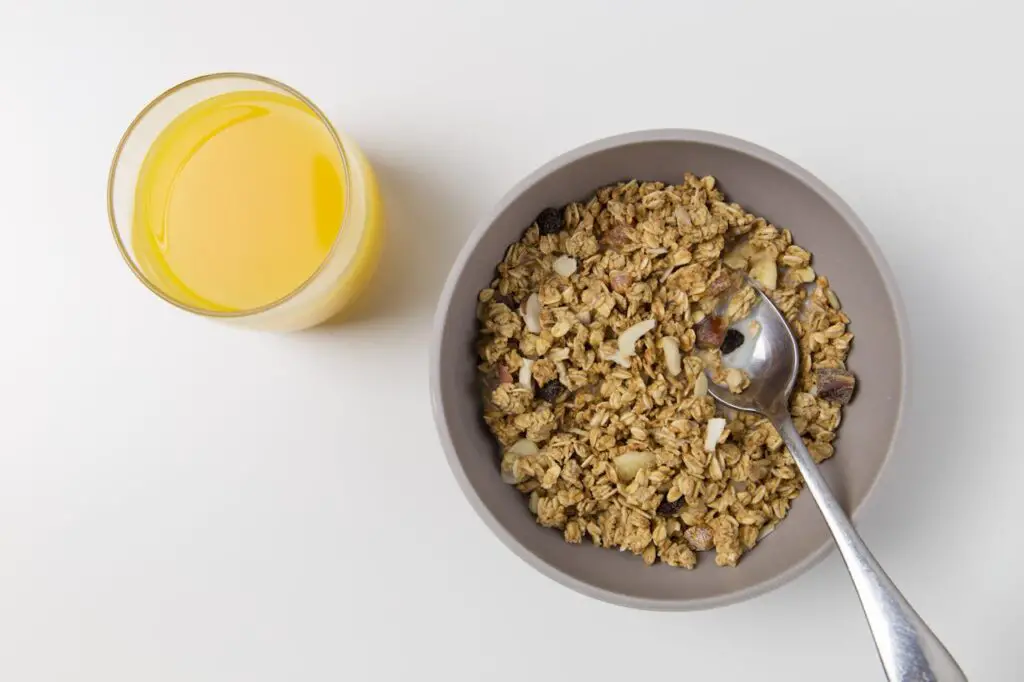

2. “Whatever happened to [mutual friend’s name]?”

<p> Bringing up a mutual acquaintance is like opening a window into a shared past. This kind of question gives the conversation a natural flow and provides a neutral topic to explore. Even if neither of you knows what happened to that friend, the guessing game and storytelling that follow can reignite your bond. It might also inspire a three-way reunion or lead you down memory lane with a fun discussion about your social circles from back in the day. Just be mindful to keep it friendly and curious—steer clear of gossip and focus on rekindling connection through shared memories. </p> :: Pexels

Bringing up a mutual acquaintance is like opening a window into a shared past. This kind of question gives the conversation a natural flow and provides a neutral topic to explore. Even if neither of you knows what happened to that friend, the guessing game and storytelling that follow can reignite your bond. It might also inspire a three-way reunion or lead you down memory lane with a fun discussion about your social circles from back in the day. Just be mindful to keep it friendly and curious—steer clear of gossip and focus on rekindling connection through shared memories.

3. “Do you still [insert old hobby, job, or inside joke]?”

<p> This one’s a great way to show you remember who your friend used to be—and care about who they are now. Did they used to play acoustic guitar at parties, teach Sunday school, or coach Little League? Mentioning it shows you were paying attention and adds a personal touch to your message. Even if they’ve moved on from that particular activity, asking about it provides an easy transition into what they’re doing today. This shows genuine interest, not just in who they were, but in who they’ve become. Plus, it can stir up some funny or touching stories you’ve both forgotten. </p> :: Pexels

This one’s a great way to show you remember who your friend used to be—and care about who they are now. Did they used to play acoustic guitar at parties, teach Sunday school, or coach Little League? Mentioning it shows you were paying attention and adds a personal touch to your message. Even if they’ve moved on from that particular activity, asking about it provides an easy transition into what they’re doing today. This shows genuine interest, not just in who they were, but in who they’ve become. Plus, it can stir up some funny or touching stories you’ve both forgotten.

4. “I was just thinking about that time we [funny or meaningful experience]—still one of my favorite memories.”

<p> Nothing bridges distance like shared laughter or emotion. Recalling a specific story—especially one that was funny, meaningful, or even a little embarrassing—is a heartfelt way to rekindle a connection. Whether it's that infamous camping trip where you forgot the tent poles or the night you danced until midnight at a high school reunion, reliving that moment together can warm up the conversation instantly. It shows that your history together still matters and that those good times weren’t forgotten. Even better, it gives your friend a chance to chime in with their side of the story or share a memory you may have overlooked. </p> :: Pexels

Nothing bridges distance like shared laughter or emotion. Recalling a specific story—especially one that was funny, meaningful, or even a little embarrassing—is a heartfelt way to rekindle a connection. Whether it’s that infamous camping trip where you forgot the tent poles or the night you danced until midnight at a high school reunion, reliving that moment together can warm up the conversation instantly. It shows that your history together still matters and that those good times weren’t forgotten. Even better, it gives your friend a chance to chime in with their side of the story or share a memory you may have overlooked.

5. “I finally tried [something new] and thought of you—remember when you used to tell me to try it?”

<p> This one is part compliment, part icebreaker, and it works wonders. If your friend ever nudged you to try a certain food, hobby, or book, and you finally took the plunge, telling them about it is a great excuse to reach out. For example, “I finally tried yoga—after all those years you swore by it!” or “I read that mystery author you loved, and you were right.” It shows their impact stayed with you, which is incredibly flattering. Plus, it makes for a lighthearted and engaging opener that invites them to respond with a smile (or maybe a friendly “I told you so!”). </p> :: Pexels

This one is part compliment, part icebreaker, and it works wonders. If your friend ever nudged you to try a certain food, hobby, or book, and you finally took the plunge, telling them about it is a great excuse to reach out. For example, “I finally tried yoga—after all those years you swore by it!” or “I read that mystery author you loved, and you were right.” It shows their impact stayed with you, which is incredibly flattering. Plus, it makes for a lighthearted and engaging opener that invites them to respond with a smile (or maybe a friendly “I told you so!”).

6. “How’s life treating you these days? I’d love to hear what you’ve been up to.”

<p> Sometimes the most straightforward questions are also the most powerful. A simple, open-ended question like this gives your friend room to share what’s new without feeling pressured. For baby boomers, this might include retirement plans, grandkids, new hobbies, health updates, or travel. Make sure to show genuine curiosity—people can tell the difference between small talk and real interest. And be ready to listen. Often, the act of simply being heard can go a long way toward restoring an old connection. </p> :: Pexels

Sometimes the most straightforward questions are also the most powerful. A simple, open-ended question like this gives your friend room to share what’s new without feeling pressured. For baby boomers, this might include retirement plans, grandkids, new hobbies, health updates, or travel. Make sure to show genuine curiosity—people can tell the difference between small talk and real interest. And be ready to listen. Often, the act of simply being heard can go a long way toward restoring an old connection.

7. “Have you been back to [shared hometown, school, or workplace] lately?”

<p> Places carry emotional weight, especially those tied to our formative years. Asking about a town, school, or workplace you both knew well opens up a treasure chest of memories. You might end up reminiscing about old teachers, childhood hangouts, or the pizza place that used to be the weekend go-to spot. Even if you haven’t been back yourself, hearing their impressions or updates on how things have changed can be fun and even therapeutic. This question provides natural paths to follow in the conversation, and before you know it, you’ll both be walking down memory lane. </p> :: Pexels

Places carry emotional weight, especially those tied to our formative years. Asking about a town, school, or workplace you both knew well opens up a treasure chest of memories. You might end up reminiscing about old teachers, childhood hangouts, or the pizza place that used to be the weekend go-to spot. Even if you haven’t been back yourself, hearing their impressions or updates on how things have changed can be fun and even therapeutic. This question provides natural paths to follow in the conversation, and before you know it, you’ll both be walking down memory lane.

8. “I heard a song that took me right back to our [college/high school/road trip] days—what music are you into now?”

<p> Few things transport us back in time like music. Mentioning a song you both loved or one that reminded you of a specific time in your life together is a great way to reconnect. For baby boomers, this might be Fleetwood Mac, The Rolling Stones, Motown classics, or early Beatles. If the song triggered a memory, share it—was it the background music for a beach trip, or the song you blasted during finals week? Then ask what they’re listening to these days. It can spark a discussion about concerts, playlists, or even inspire a nostalgic music swap. </p> :: Pexels

Few things transport us back in time like music. Mentioning a song you both loved or one that reminded you of a specific time in your life together is a great way to reconnect. For baby boomers, this might be Fleetwood Mac, The Rolling Stones, Motown classics, or early Beatles. If the song triggered a memory, share it—was it the background music for a beach trip, or the song you blasted during finals week? Then ask what they’re listening to these days. It can spark a discussion about concerts, playlists, or even inspire a nostalgic music swap.

9. “I’ve missed our conversations—do you want to grab a coffee or catch up over the phone sometime soon?”

<p> When in doubt, honesty wins. Telling someone you miss them isn’t a sign of weakness—it’s a powerful message of connection. Life gets busy, and people drift apart. But more often than not, the other person has thought about you too and just didn’t know how to reach out. This direct but warm approach takes the pressure off both sides. You’re not trying to force anything; you’re just extending a friendly hand. Whether it’s over coffee, lunch, or a casual phone call, an honest invitation can be the first step toward rekindling something wonderful. </p> :: Pexels

When in doubt, honesty wins. Telling someone you miss them isn’t a sign of weakness—it’s a powerful message of connection. Life gets busy, and people drift apart. But more often than not, the other person has thought about you too and just didn’t know how to reach out. This direct but warm approach takes the pressure off both sides. You’re not trying to force anything; you’re just extending a friendly hand. Whether it’s over coffee, lunch, or a casual phone call, an honest invitation can be the first step toward rekindling something wonderful.

Final Thoughts

<p> Friendships from the past don’t have to stay in the past. While it might feel intimidating to reach out after a long time, the truth is: many people would love to hear from an old friend but don’t know how to start. By using these conversation starters, you're not only breaking the ice—you’re paving the way for something that could add joy and meaning to your life today. So go ahead. Scroll through those old photos, dust off the yearbook, or pull out that mixtape. There’s a friend out there who remembers it too—and they’re probably just waiting for someone to say hello. </p> :: Pexels

Friendships from the past don’t have to stay in the past. While it might feel intimidating to reach out after a long time, the truth is: many people would love to hear from an old friend but don’t know how to start. By using these conversation starters, you’re not only breaking the ice—you’re paving the way for something that could add joy and meaning to your life today.

So go ahead. Scroll through those old photos, dust off the yearbook, or pull out that mixtape. There’s a friend out there who remembers it too—and they’re probably just waiting for someone to say hello.

Filed Under: Lifestyle

  • « Previous Page
  • 1
  • …
  • 65
  • 66
  • 67
  • 68
  • 69
  • …
  • 192
  • Next Page »
  • Email
  • Facebook
  • Pinterest
  • Twitter

Our Most Popular Articles

ClickCashGo Review: Should You Avoid At All Costs?

Ultimate Guide to Mastering Your Credit Score

The 'YOLO' Mindset is a Dangerous Thing

Dave Ramsey's Financial Peace University Review: Is it Worth the Money?

Cash App Glitch 2025: Is the Free Money Glitch Real?

Five Steps To Debt Freedom

Here are five simple guidlines that will help you pay off debt.  

1) Get an emergency fund so you don’t take on debt when something comes up.

2) List your debts. This way you know where you stand.

3) Use the debt snowball. Pay your debts from smallest to largest, or most expensive to least expensive.

4) Avoid new debt. No new credit cards or loans. Period.

5) Go all cash. After everything is paid off, switch to all cash.

Helpful Resources

U of Tennesse Debt Repayment Plan Basics

Vertex 42's Debt Payoff Calculator

Savingadvice's Helpful Debt Forums

Jackie Becks Debt Blog