Our Debt Free Family

Commit. Plan. Take action.

  • BUDGETING
  • DEBT REDUCTION
  • INVESTING
  • LIFESTYLE
  • TOOLS
  • ABOUT
  • Privacy Policy
  • CONTACT

9 Driving Tips Our Parents Taught Us That Are Now Illegal in the U.S.
December 18, 2025 | Leave a Comment

9 Driving Tips Our Parents Taught Us That Are Now Illegal in the U.S.

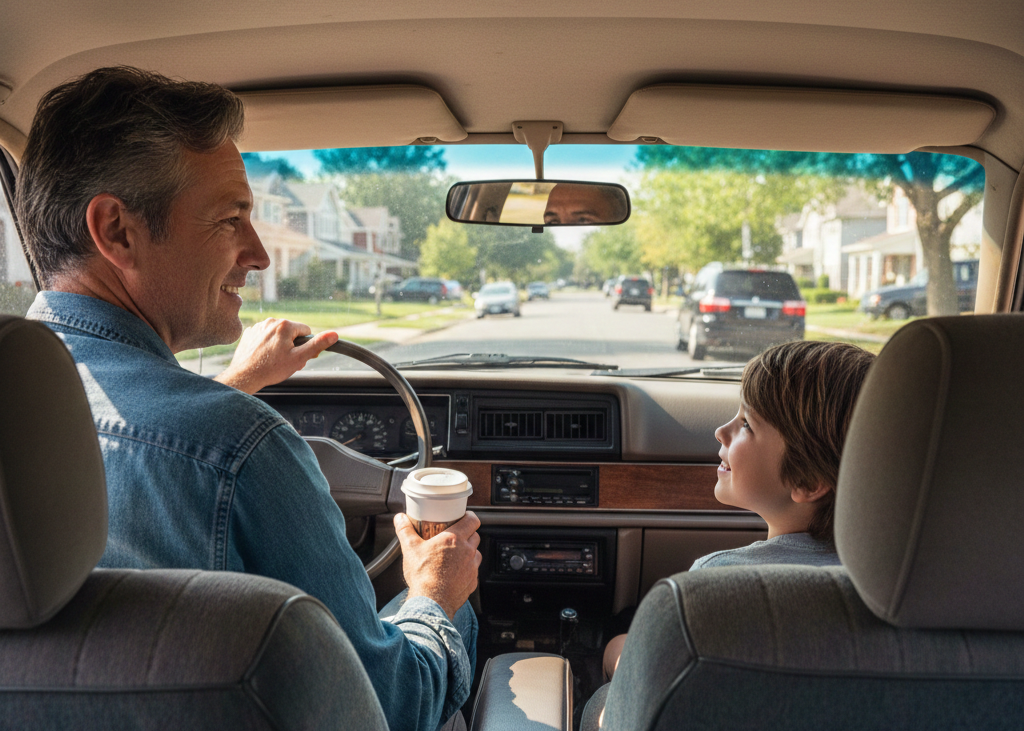
<p> Remember sitting in the passenger seat while your parents cruised down the road with one hand on the steering wheel and the other holding a coffee cup? Back then, driving felt simpler, less stressful, and far less regulated. Parents passed down tips and habits they truly believed made driving easier or more practical, and for their time, many of those habits were considered normal—even smart.

But roads have changed. Cars are faster, traffic is heavier, and safety research has advanced dramatically. As a result, many driving tips our parents confidently taught us are now illegal, heavily fined, or strongly discouraged across the United States. While these habits may spark nostalgia, clinging to them today can put you at risk of tickets, accidents, or serious injuries.

Here are nine driving tips our parents taught us that are now illegal in the U.S., along with why it is important to leave these habits in the past for safer driving today. </p> :: Gemini

Remember sitting in the passenger seat while your parents cruised down the road with one hand on the steering wheel and the other holding a coffee cup? Back then, driving felt simpler, less stressful, and far less regulated. Parents passed down tips and habits they truly believed made driving easier or more practical, and for their time, many of those habits were considered normal—even smart.

But roads have changed. Cars are faster, traffic is heavier, and safety research has advanced dramatically. As a result, many driving tips our parents confidently taught us are now illegal, heavily fined, or strongly discouraged across the United States. While these habits may spark nostalgia, clinging to them today can put you at risk of tickets, accidents, or serious injuries.

Here are nine driving tips our parents taught us that are now illegal in the U.S., along with why it is important to leave these habits in the past for safer driving today.

1. Skipping the Seatbelt on Short Drives
<p> For many families, seatbelts were treated as optional—especially for quick trips to the store or around the neighborhood. Parents often reassured us by saying, “We’re only going a few blocks,” or “Nothing is going to happen.”

Today, this mindset is both outdated and illegal. Seatbelt laws now exist in all fifty states, requiring drivers and passengers to buckle up regardless of distance or speed. Studies consistently show that most serious accidents occur close to home, not on long road trips. A sudden stop, distracted driver, or unexpected obstacle can turn a short drive into a life-altering event.

Skipping a seatbelt can result in fines, points on your license, and significantly higher risk of injury or death. What once felt like a harmless shortcut is now recognized as one of the most dangerous driving habits. Buckling up every time is one of the simplest ways to protect yourself and others. </p> :: Gemini

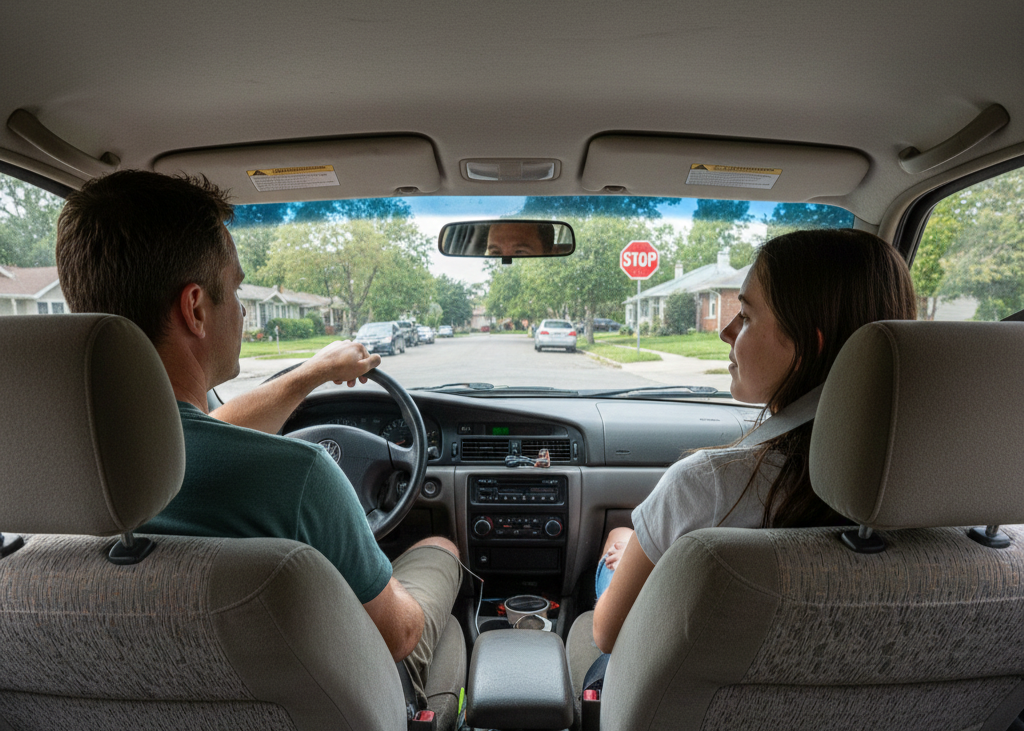
For many families, seatbelts were treated as optional—especially for quick trips to the store or around the neighborhood. Parents often reassured us by saying, “We’re only going a few blocks,” or “Nothing is going to happen.”

Today, this mindset is both outdated and illegal. Seatbelt laws now exist in all fifty states, requiring drivers and passengers to buckle up regardless of distance or speed. Studies consistently show that most serious accidents occur close to home, not on long road trips. A sudden stop, distracted driver, or unexpected obstacle can turn a short drive into a life-altering event.

Skipping a seatbelt can result in fines, points on your license, and significantly higher risk of injury or death. What once felt like a harmless shortcut is now recognized as one of the most dangerous driving habits. Buckling up every time is one of the simplest ways to protect yourself and others.

2. Eating or Drinking While Driving
<p> Many of us grew up watching our parents balance burgers, fries, or coffee cups while navigating traffic. It was treated as a normal part of life—especially during busy mornings or long commutes.

Today, eating or drinking behind the wheel is often classified as distracted driving. While laws vary by state, many jurisdictions allow officers to issue citations if eating or drinking interferes with safe vehicle operation. Taking your eyes off the road, one hand off the wheel, or your attention away for even a few seconds can be enough to cause a crash.

Modern driving laws emphasize focus above all else. With increased traffic density and higher speeds, multitasking is no longer considered harmless. Pulling over to eat may feel inconvenient, but it dramatically reduces risk and keeps you compliant with the law. </p> :: Gemini

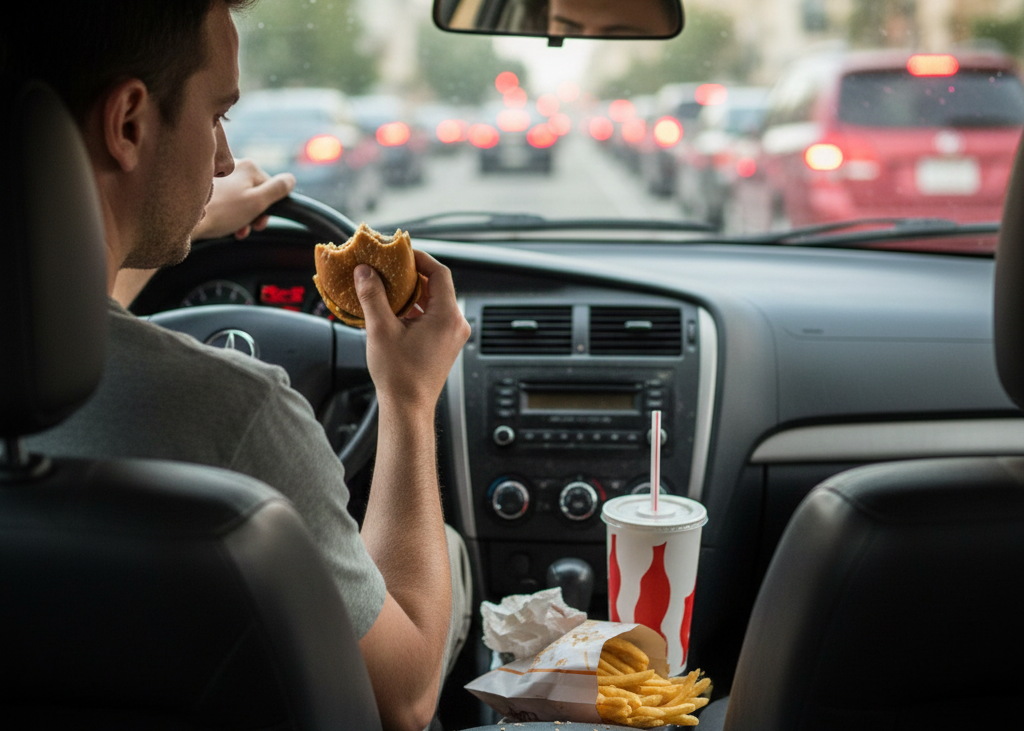
Many of us grew up watching our parents balance burgers, fries, or coffee cups while navigating traffic. It was treated as a normal part of life—especially during busy mornings or long commutes.

Today, eating or drinking behind the wheel is often classified as distracted driving. While laws vary by state, many jurisdictions allow officers to issue citations if eating or drinking interferes with safe vehicle operation. Taking your eyes off the road, one hand off the wheel, or your attention away for even a few seconds can be enough to cause a crash.

Modern driving laws emphasize focus above all else. With increased traffic density and higher speeds, multitasking is no longer considered harmless. Pulling over to eat may feel inconvenient, but it dramatically reduces risk and keeps you compliant with the law.

3. Rolling Through Stop Signs

<p> Parents often taught us that stop signs were flexible—especially in quiet neighborhoods. A slow roll-through, also known as a “California stop,” was seen as acceptable if no other cars were around.

Today, traffic laws require a full and complete stop at all stop signs. This means your wheels must come to a complete halt, even if the intersection appears empty. Rolling stops are now a common reason for traffic tickets, especially with the widespread use of traffic cameras and increased enforcement.

Stop signs exist to create predictable behavior for all drivers, cyclists, and pedestrians. Even a brief failure to stop can lead to serious accidents. What once felt like efficiency is now recognized as a significant safety risk. </p> :: Gemini

Parents often taught us that stop signs were flexible—especially in quiet neighborhoods. A slow roll-through, also known as a “California stop,” was seen as acceptable if no other cars were around.

Today, traffic laws require a full and complete stop at all stop signs. This means your wheels must come to a complete halt, even if the intersection appears empty. Rolling stops are now a common reason for traffic tickets, especially with the widespread use of traffic cameras and increased enforcement.

Stop signs exist to create predictable behavior for all drivers, cyclists, and pedestrians. Even a brief failure to stop can lead to serious accidents. What once felt like efficiency is now recognized as a significant safety risk.

4. Letting Kids Sit in the Front Seat

<p> Sitting in the front seat as a child once felt like a major milestone. Parents often rewarded good behavior by letting kids ride up front, believing it was safe enough.

Modern safety research has proven otherwise. Front-seat airbags are designed for adults and can seriously injure or kill children during a collision. As a result, most states have strict laws requiring children to ride in the back seat using appropriate car seats or booster seats based on age, height, and weight.

Violating child passenger safety laws can result in hefty fines and, more importantly, puts children at unnecessary risk. Keeping kids properly restrained in the back seat is one of the most important changes in modern driving safety. </p> :: Gemini

Sitting in the front seat as a child once felt like a major milestone. Parents often rewarded good behavior by letting kids ride up front, believing it was safe enough.

Modern safety research has proven otherwise. Front-seat airbags are designed for adults and can seriously injure or kill children during a collision. As a result, most states have strict laws requiring children to ride in the back seat using appropriate car seats or booster seats based on age, height, and weight.

Violating child passenger safety laws can result in hefty fines and, more importantly, puts children at unnecessary risk. Keeping kids properly restrained in the back seat is one of the most important changes in modern driving safety.

5. Flashing Headlights to Warn About Police

<p> Flashing headlights to warn oncoming drivers about speed traps or police checkpoints used to be considered a friendly courtesy. Many parents taught this as an unspoken rule of the road.

Today, this practice is illegal in many states and can be interpreted as interfering with law enforcement. Police argue that it can help impaired or dangerous drivers avoid detection, putting the public at risk. Drivers caught flashing headlights for this purpose may face citations or fines.

Instead of relying on outdated signals, modern driving emphasizes compliance—following posted speed limits and traffic laws at all times, not just when enforcement is visible. </p> :: Gemini

Flashing headlights to warn oncoming drivers about speed traps or police checkpoints used to be considered a friendly courtesy. Many parents taught this as an unspoken rule of the road.

Today, this practice is illegal in many states and can be interpreted as interfering with law enforcement. Police argue that it can help impaired or dangerous drivers avoid detection, putting the public at risk. Drivers caught flashing headlights for this purpose may face citations or fines.

Instead of relying on outdated signals, modern driving emphasizes compliance—following posted speed limits and traffic laws at all times, not just when enforcement is visible.

6. Driving With One Hand on the Wheel

<p> Driving with one hand draped casually over the steering wheel was once seen as relaxed and confident. Parents often did it without a second thought, especially on familiar roads.

Today, this habit is considered unsafe and may contribute to citations if it leads to poor vehicle control. Modern vehicles are highly responsive, and unexpected hazards can appear in seconds. Maintaining proper control typically requires both hands on the wheel, especially at higher speeds or in traffic.

While the law may not explicitly ban one-handed driving everywhere, it can still be cited under careless or reckless driving statutes if it compromises safety. </p> :: Gemini

Driving with one hand draped casually over the steering wheel was once seen as relaxed and confident. Parents often did it without a second thought, especially on familiar roads.

Today, this habit is considered unsafe and may contribute to citations if it leads to poor vehicle control. Modern vehicles are highly responsive, and unexpected hazards can appear in seconds. Maintaining proper control typically requires both hands on the wheel, especially at higher speeds or in traffic.

While the law may not explicitly ban one-handed driving everywhere, it can still be cited under careless or reckless driving statutes if it compromises safety.

7. Resting Your Arm Out the Window

<p> Letting your arm hang out the window during a drive once symbolized comfort and freedom. Many parents drove this way on warm days, unaware of the risks.

Modern safety standards strongly discourage this behavior, and some states consider it a traffic violation. In the event of a collision, even a minor one, an exposed arm is extremely vulnerable to severe injury. It can also limit your ability to react quickly in an emergency.

Keeping both arms inside the vehicle improves control and reduces injury risk, aligning with today’s emphasis on proactive safety. </p> :: Gemini

Letting your arm hang out the window during a drive once symbolized comfort and freedom. Many parents drove this way on warm days, unaware of the risks.

Modern safety standards strongly discourage this behavior, and some states consider it a traffic violation. In the event of a collision, even a minor one, an exposed arm is extremely vulnerable to severe injury. It can also limit your ability to react quickly in an emergency.

Keeping both arms inside the vehicle improves control and reduces injury risk, aligning with today’s emphasis on proactive safety.

8. Driving Barefoot or in Slippers

<p> Parents often dismissed concerns about footwear, insisting that driving barefoot or in flip-flops was perfectly fine. For many families, shoes were optional when getting behind the wheel.

Today, driving without proper footwear is discouraged and, in some states, may be cited if it contributes to unsafe driving. Bare feet or loose footwear can slip off pedals or reduce reaction time during emergencies.

Wearing secure, well-fitting shoes ensures better pedal control and helps prevent avoidable accidents. What once felt comfortable is now recognized as a potential hazard. </p> :: Gemini

Parents often dismissed concerns about footwear, insisting that driving barefoot or in flip-flops was perfectly fine. For many families, shoes were optional when getting behind the wheel.

Today, driving without proper footwear is discouraged and, in some states, may be cited if it contributes to unsafe driving. Bare feet or loose footwear can slip off pedals or reduce reaction time during emergencies.

Wearing secure, well-fitting shoes ensures better pedal control and helps prevent avoidable accidents. What once felt comfortable is now recognized as a potential hazard.

9. Passing When You Think the Road Is Clear

<p> Parents often relied on judgment rather than signage, teaching us that if the road looked empty, it was safe to pass slower vehicles. This advice worked in quieter times with less traffic.

Modern laws strictly regulate passing. Passing in no-passing zones, over double yellow lines, or in areas with limited visibility is illegal and extremely dangerous. Head-on collisions caused by improper passing are among the deadliest types of accidents.

Designated passing zones exist for a reason, and ignoring them can lead to severe legal consequences and life-threatening situations. </p> :: Gemini

Parents often relied on judgment rather than signage, teaching us that if the road looked empty, it was safe to pass slower vehicles. This advice worked in quieter times with less traffic.

Modern laws strictly regulate passing. Passing in no-passing zones, over double yellow lines, or in areas with limited visibility is illegal and extremely dangerous. Head-on collisions caused by improper passing are among the deadliest types of accidents.

Designated passing zones exist for a reason, and ignoring them can lead to severe legal consequences and life-threatening situations.

Final Thoughts

<p> The driving tips our parents taught us were shaped by a different era—one with fewer cars, less congestion, and limited safety research. These habits were not reckless at the time; they were simply products of their environment.

Today’s traffic laws reflect decades of data, innovation, and hard lessons learned from preventable accidents. Seatbelts, child safety seats, distracted driving laws, and stricter enforcement are not about taking the joy out of driving—they are about saving lives.

Honoring our parents does not mean copying their driving habits exactly as they were. It means taking the confidence, awareness, and responsibility they modeled and combining it with modern safety standards. By unlearning outdated practices and embracing current laws, you protect yourself, your passengers, and everyone else on the road.

Driving may never feel as carefree as it once did, but it can be far safer—and that is a trade worth making. </p> :: Gemini

The driving tips our parents taught us were shaped by a different era—one with fewer cars, less congestion, and limited safety research. These habits were not reckless at the time; they were simply products of their environment.

Today’s traffic laws reflect decades of data, innovation, and hard lessons learned from preventable accidents. Seatbelts, child safety seats, distracted driving laws, and stricter enforcement are not about taking the joy out of driving—they are about saving lives.

Honoring our parents does not mean copying their driving habits exactly as they were. It means taking the confidence, awareness, and responsibility they modeled and combining it with modern safety standards. By unlearning outdated practices and embracing current laws, you protect yourself, your passengers, and everyone else on the road.

Driving may never feel as carefree as it once did, but it can be far safer—and that is a trade worth making.


Filed Under: Lifestyle

How Capitalism Has Seriously Changed the Holidays: 12 Ways It Affects You

December 18, 2025 | Leave a Comment

How Capitalism Has Seriously Changed the Holidays: 12 Ways It Affects You

<p> The holidays are supposed to be the most wonderful time of the year. Cozy moments with family, twinkling lights, and the simple joy of giving used to define this season. But somewhere along the way, capitalism swooped in and transformed our celebrations into something that often feels stressful, expensive, and exhausting. From early holiday marketing to the pressure to buy more than we can afford, many of us end up feeling more frazzled than festive. In this article, we explore twelve ways capitalism has altered the holidays, making it easier to recognize these patterns and take back control of your season. </p> :: Gemini

The holidays are supposed to be the most wonderful time of the year. Cozy moments with family, twinkling lights, and the simple joy of giving used to define this season. But somewhere along the way, capitalism swooped in and transformed our celebrations into something that often feels stressful, expensive, and exhausting. From early holiday marketing to the pressure to buy more than we can afford, many of us end up feeling more frazzled than festive. In this article, we explore twelve ways capitalism has altered the holidays, making it easier to recognize these patterns and take back control of your season.

1. Holiday Marketing Starts Earlier Every Year

<p> Have you noticed Christmas decorations appearing before Halloween? This trend, known as holiday creep, is fueled by retailers who want to stretch the shopping season and maximize sales. For consumers, it means being pulled into holiday spending before you have even fully enjoyed the last season. The result is a constant commercial buzz that makes it hard to savor the true spirit of the holidays. </p> :: Gemini

Have you noticed Christmas decorations appearing before Halloween? This trend, known as holiday creep, is fueled by retailers who want to stretch the shopping season and maximize sales. For consumers, it means being pulled into holiday spending before you have even fully enjoyed the last season. The result is a constant commercial buzz that makes it hard to savor the true spirit of the holidays.

2. Gift-Giving Feels Like an Obligation

<p> Gift-giving used to be about thoughtful gestures and heartfelt surprises. Today, it often feels like a test of who can spend the most. Advertisements and social media comparisons push us to measure love by the price tag, turning what should be a meaningful tradition into a stressful chore. It is easy to forget that the most memorable gifts are not always the most expensive. </p> :: Gemini

Gift-giving used to be about thoughtful gestures and heartfelt surprises. Today, it often feels like a test of who can spend the most. Advertisements and social media comparisons push us to measure love by the price tag, turning what should be a meaningful tradition into a stressful chore. It is easy to forget that the most memorable gifts are not always the most expensive.

3. Traditions Take a Back Seat to Sales

<p> Family gatherings, cozy rituals, and time together are often overshadowed by shopping lists and sales promotions. Many people report that the parts they love most about the holidays get lost amid the pressure to buy and consume. The experience becomes less about connection and more about checking off obligations dictated by commercial calendars. </p> :: Gemini

Family gatherings, cozy rituals, and time together are often overshadowed by shopping lists and sales promotions. Many people report that the parts they love most about the holidays get lost amid the pressure to buy and consume. The experience becomes less about connection and more about checking off obligations dictated by commercial calendars.

4. Holiday Debt Becomes Commonplace

<p> Many Americans enter the new year carrying debt from holiday spending. Retailers and marketers thrive on this cycle, encouraging purchases beyond what people can comfortably afford. The financial stress can quickly overshadow any joy, leaving people worried and exhausted instead of excited and relaxed. </p> :: Gemini

Many Americans enter the new year carrying debt from holiday spending. Retailers and marketers thrive on this cycle, encouraging purchases beyond what people can comfortably afford. The financial stress can quickly overshadow any joy, leaving people worried and exhausted instead of excited and relaxed.

5. Emotional Experiences Are Commodified

<p> The way we celebrate emotions like joy, nostalgia, and love has changed. Corporate campaigns sell these feelings back to us through themed events, decorations, and experiences. It can be hard to separate genuine emotional moments from the commercial packaging designed to make us spend more, which makes authentic holiday experiences feel rare. </p> :: Gemini

The way we celebrate emotions like joy, nostalgia, and love has changed. Corporate campaigns sell these feelings back to us through themed events, decorations, and experiences. It can be hard to separate genuine emotional moments from the commercial packaging designed to make us spend more, which makes authentic holiday experiences feel rare.

6. Small Businesses Get Squeezed

<p> The dominance of big-box retailers during the holidays often sidelines smaller, local businesses. While corporations offer flashy deals and wide selections, small shops struggle to compete, which can weaken community ties and reduce diversity in the market. Supporting local businesses can help keep holiday commerce closer to home and more personal. </p> :: Gemini

The dominance of big-box retailers during the holidays often sidelines smaller, local businesses. While corporations offer flashy deals and wide selections, small shops struggle to compete, which can weaken community ties and reduce diversity in the market. Supporting local businesses can help keep holiday commerce closer to home and more personal.

7. Advertising Creates Unrealistic Expectations

<p> Social media and billboards constantly present an idealized version of holiday life. This encourages comparisons and makes it seem like everyone else is hosting perfect parties and giving perfect gifts. In reality, those “perfect” moments are carefully curated, and trying to replicate them can lead to unnecessary stress and disappointment. </p> :: Gemini

Social media and billboards constantly present an idealized version of holiday life. This encourages comparisons and makes it seem like everyone else is hosting perfect parties and giving perfect gifts. In reality, those “perfect” moments are carefully curated, and trying to replicate them can lead to unnecessary stress and disappointment.

8. The Environmental Impact Is Huge

<p> Extra purchases, decorations, and packaging take a toll on the environment. The holiday season leads to a noticeable spike in household waste, which capitalism fuels by encouraging constant consumption. Choosing eco-friendly gifts and sustainable decorations can reduce the negative environmental impact and make the holidays feel lighter and more intentional. </p> :: Gemini

Extra purchases, decorations, and packaging take a toll on the environment. The holiday season leads to a noticeable spike in household waste, which capitalism fuels by encouraging constant consumption. Choosing eco-friendly gifts and sustainable decorations can reduce the negative environmental impact and make the holidays feel lighter and more intentional.

9. Mental Health Suffers

<p> The rush of shopping, social obligations, and financial pressure can take a significant toll on mental health. Anxiety, stress, and exhaustion are common side effects of the commercialized holiday season. Recognizing the role capitalism plays in this pressure can help people set boundaries and prioritize self-care during the holidays. </p> :: Gemini

The rush of shopping, social obligations, and financial pressure can take a significant toll on mental health. Anxiety, stress, and exhaustion are common side effects of the commercialized holiday season. Recognizing the role capitalism plays in this pressure can help people set boundaries and prioritize self-care during the holidays.

10. Holidays Are Packaged as Opportunities to Spend

<p> Once rooted in cultural, spiritual, or community traditions, many holidays are now opportunities for profit. Thanksgiving sales, Easter candy, and Christmas promotions focus on consumption instead of reflection or connection. This shift changes the way we view holidays and often leaves people feeling empty despite all the spending. </p> :: Gemini


Once rooted in cultural, spiritual, or community traditions, many holidays are now opportunities for profit. Thanksgiving sales, Easter candy, and Christmas promotions focus on consumption instead of reflection or connection. This shift changes the way we view holidays and often leaves people feeling empty despite all the spending.

11. Excess Goods Lead to Waste and Regret

<p> Many gifts end up returned, re-gifted, or discarded. Economists call this the “deadweight loss” of holiday consumption. The mismatch between what is purchased and what is actually appreciated highlights how capitalism prioritizes buying over meaningful giving. Learning to buy thoughtfully and consider the recipient’s preferences can reduce waste and make gift-giving more enjoyable. </p> :: Gemini

Many gifts end up returned, re-gifted, or discarded. Economists call this the “deadweight loss” of holiday consumption. The mismatch between what is purchased and what is actually appreciated highlights how capitalism prioritizes buying over meaningful giving. Learning to buy thoughtfully and consider the recipient’s preferences can reduce waste and make gift-giving more enjoyable.

12. The Spirit of the Holidays Is Replaced by Market Forces

<p> Capitalism thrives on creating demand, and holidays provide a predictable, annual opportunity to sell. Happiness, joy, and love are marketed as products that depend on spending, which diminishes the deeper meaning of the season. By recognizing this, people can focus on traditions, connections, and personal reflection instead of falling into the consumption trap. </p> :: Gemini

Capitalism thrives on creating demand, and holidays provide a predictable, annual opportunity to sell. Happiness, joy, and love are marketed as products that depend on spending, which diminishes the deeper meaning of the season. By recognizing this, people can focus on traditions, connections, and personal reflection instead of falling into the consumption trap.

Final Thoughts

<p> It is easy to get caught up in the commercial whirlwind of the holidays. From early marketing to debt, environmental impact, and pressure to impress, capitalism has changed the way we celebrate. But understanding these influences gives us the power to reclaim the season. Choosing experiences over material goods, supporting local businesses, setting spending limits, and prioritizing genuine connection can restore joy and meaning.

The holidays can still be magical. By being intentional and mindful, we can enjoy moments of laughter, love, and togetherness without letting commercial pressures dictate our happiness. This season, take control, slow down, and remember that the best parts of the holidays are often the simplest. </p> :: Gemini

It is easy to get caught up in the commercial whirlwind of the holidays. From early marketing to debt, environmental impact, and pressure to impress, capitalism has changed the way we celebrate. But understanding these influences gives us the power to reclaim the season. Choosing experiences over material goods, supporting local businesses, setting spending limits, and prioritizing genuine connection can restore joy and meaning.

The holidays can still be magical. By being intentional and mindful, we can enjoy moments of laughter, love, and togetherness without letting commercial pressures dictate our happiness. This season, take control, slow down, and remember that the best parts of the holidays are often the simplest.

Filed Under: Lifestyle

12 Everyday Words Americans Use That Aren’t Actually English

December 17, 2025 | Leave a Comment

12 Everyday Words Americans Use That Aren’t Actually English

<p> When we think about the English language in the United States, we assume it's just a slightly modified version of British English—some dropped "u’s," different spellings, and the occasional slang. But the truth is, American English has absorbed a wild mix of influences from all over the world. In fact, many of the words Americans use every day aren’t originally from England at all. These borrowed terms come from German, French, Spanish, Dutch, and even Native American languages. Let’s dive into 12 common words that have become part of everyday American vocabulary—but didn’t come from England. </p> :: Pexels

When we think about the English language in the United States, we assume it’s just a slightly modified version of British English—some dropped “u’s,” different spellings, and the occasional slang. But the truth is, American English has absorbed a wild mix of influences from all over the world. In fact, many of the words Americans use every day aren’t originally from England at all. These borrowed terms come from German, French, Spanish, Dutch, and even Native American languages. Let’s dive into 12 common words that have become part of everyday American vocabulary—but didn’t come from England.

1. Cookie

<p> While Brits prefer to call them "biscuits," Americans bite into "cookies." But guess what? The word "cookie" isn’t even English in origin—it comes from the Dutch word koekje, which means "little cake." Dutch settlers brought the term with them to New York (formerly New Amsterdam), and it stuck. Today, you can’t walk into a grocery store in the U.S. without passing multiple cookie aisles, proving just how deeply this Dutch word has rooted itself in American culture. The next time you grab a cookie from the cookie jar, remember that you're indulging in a little Dutch history. </p> :: Pexels

While Brits prefer to call them “biscuits,” Americans bite into “cookies.” But guess what? The word “cookie” isn’t even English in origin—it comes from the Dutch word koekje, which means “little cake.” Dutch settlers brought the term with them to New York (formerly New Amsterdam), and it stuck. Today, you can’t walk into a grocery store in the U.S. without passing multiple cookie aisles, proving just how deeply this Dutch word has rooted itself in American culture. The next time you grab a cookie from the cookie jar, remember that you’re indulging in a little Dutch history.

2. Ketchup

<p> Even though it sounds as American as apple pie, the word “ketchup” has a surprisingly international background. The original version, kê-tsiap, came from Chinese (specifically Amoy dialect), referring to a fermented fish sauce. It made its way through Southeast Asia, eventually becoming kecap in Malay and Indonesian. English traders encountered it and tried to replicate it—eventually transforming it into the tomato-based condiment Americans know and love today. So the next time you drizzle some ketchup on your fries, you’re tasting a bit of global history. </p> :: Pexels

Even though it sounds as American as apple pie, the word “ketchup” has a surprisingly international background. The original version, kê-tsiap, came from Chinese (specifically Amoy dialect), referring to a fermented fish sauce. It made its way through Southeast Asia, eventually becoming kecap in Malay and Indonesian. English traders encountered it and tried to replicate it—eventually transforming it into the tomato-based condiment Americans know and love today. So the next time you drizzle some ketchup on your fries, you’re tasting a bit of global history.

3. Kindergarten

<p> This word may sound academic and innocent enough, but it’s actually a direct borrowing from German. Kindergarten means “children’s garden” and was coined by German educator Friedrich Froebel in the 19th century. The concept and the word were imported to the U.S. as part of early childhood education reform. Unlike some other foreign words that got “Anglicized,” this one came over fully intact—pronunciation and all. Americans adopted the word wholeheartedly, and today it’s the standard term for early childhood education across the country. </p> :: Pexels

This word may sound academic and innocent enough, but it’s actually a direct borrowing from German. Kindergarten means “children’s garden” and was coined by German educator Friedrich Froebel in the 19th century. The concept and the word were imported to the U.S. as part of early childhood education reform. Unlike some other foreign words that got “Anglicized,” this one came over fully intact—pronunciation and all. Americans adopted the word wholeheartedly, and today it’s the standard term for early childhood education across the country.

4. Rodeo

<p> If you think "rodeo" is pure cowboy slang, think again. The term actually comes from the Spanish word rodear, which means "to go around" or "to surround." Spanish-speaking cattle herders in the American West used it to describe the act of rounding up cattle. Eventually, rodeos evolved into sporting events with lasso tricks and bull riding, but the Spanish origin of the term never changed. The next time you attend a rodeo, you’ll have a deeper appreciation for how Spanish-speaking cultures shaped this all-American tradition. </p> :: Pexels

If you think “rodeo” is pure cowboy slang, think again. The term actually comes from the Spanish word rodear, which means “to go around” or “to surround.” Spanish-speaking cattle herders in the American West used it to describe the act of rounding up cattle. Eventually, rodeos evolved into sporting events with lasso tricks and bull riding, but the Spanish origin of the term never changed. The next time you attend a rodeo, you’ll have a deeper appreciation for how Spanish-speaking cultures shaped this all-American tradition.

5. Boss

<p> When you hear “boss,” you probably think of your workplace, leadership, or someone who runs the show. But this word didn’t come from England either—it actually has Dutch roots. The term baas means master or overseer in Dutch, and it was adopted by Americans to refer to someone in charge. Interestingly, it became a democratic alternative to “master” during the colonial period, as the U.S. was moving away from the old European class system. Whether you’re at work or just casually talking about someone in charge, you can thank Dutch settlers for this one. </p> :: Pexels

When you hear “boss,” you probably think of your workplace, leadership, or someone who runs the show. But this word didn’t come from England either—it actually has Dutch roots. The term baas means master or overseer in Dutch, and it was adopted by Americans to refer to someone in charge. Interestingly, it became a democratic alternative to “master” during the colonial period, as the U.S. was moving away from the old European class system. Whether you’re at work or just casually talking about someone in charge, you can thank Dutch settlers for this one.

6. Patio

<p> Most American homes dream of having a cozy patio, but this chill outdoor space isn’t named with an English word. "Patio" comes straight from Spanish, where it refers to an inner courtyard. Americans adopted the term in the 20th century as backyard culture started booming—especially in warmer states like California and Florida. Today, it’s hard to imagine backyard living without this foreign word. Whether you’re enjoying a warm evening in your own backyard or dining out, the patio has become an iconic symbol of leisure in American life. </p> :: Pexels

Most American homes dream of having a cozy patio, but this chill outdoor space isn’t named with an English word. “Patio” comes straight from Spanish, where it refers to an inner courtyard. Americans adopted the term in the 20th century as backyard culture started booming—especially in warmer states like California and Florida. Today, it’s hard to imagine backyard living without this foreign word. Whether you’re enjoying a warm evening in your own backyard or dining out, the patio has become an iconic symbol of leisure in American life.

7. Café

<p> It’s one of the most stylish ways to refer to a coffee shop, but "café" is not originally English. This word came from the French language, where it simply means "coffee." The term made its way into English-speaking countries as European-style coffee culture started to take hold. Now it’s firmly rooted in American vocabulary and used to describe not only coffee spots, but also brunch places with lattes and avocado toast. The next time you step into a café, you’ll be sipping coffee in a place named with a little French flair. </p> :: Pexels

It’s one of the most stylish ways to refer to a coffee shop, but “café” is not originally English. This word came from the French language, where it simply means “coffee.” The term made its way into English-speaking countries as European-style coffee culture started to take hold. Now it’s firmly rooted in American vocabulary and used to describe not only coffee spots, but also brunch places with lattes and avocado toast. The next time you step into a café, you’ll be sipping coffee in a place named with a little French flair.

8. Alcohol

<p> Surprise—this very familiar word has Arabic origins. “Alcohol” comes from the Arabic word al-kuḥl, which originally referred to a powdered cosmetic. Over time, it came to describe a process of distillation, and then the distilled substance itself. The term entered English through medieval Latin and then French, finally arriving in English and being adopted for distilled spirits. Today, it’s one of the most frequently used words in American social life. Next time you're grabbing a drink at a party, just remember—you’re using a word that has traveled through centuries and cultures. </p> :: Pexels

Surprise—this very familiar word has Arabic origins. “Alcohol” comes from the Arabic word al-kuḥl, which originally referred to a powdered cosmetic. Over time, it came to describe a process of distillation, and then the distilled substance itself. The term entered English through medieval Latin and then French, finally arriving in English and being adopted for distilled spirits. Today, it’s one of the most frequently used words in American social life. Next time you’re grabbing a drink at a party, just remember—you’re using a word that has traveled through centuries and cultures.

9. Loot

<p> “Loot” sounds like the kind of word that pirates would use, and it definitely has a gritty, treasure-chasing vibe. But it’s actually from Hindi. The word lūṭ means "to plunder" or "steal," and it was brought into English during the British colonial era in India. It became popular in American slang to describe anything gained quickly or sneakily—like “loot boxes” in video games or post-holiday shopping hauls. So, the next time you see someone score a great deal, you might jokingly say they "looted" the store, and you'd be tapping into a bit of history. </p> :: Pexels

“Loot” sounds like the kind of word that pirates would use, and it definitely has a gritty, treasure-chasing vibe. But it’s actually from Hindi. The word lūṭ means “to plunder” or “steal,” and it was brought into English during the British colonial era in India. It became popular in American slang to describe anything gained quickly or sneakily—like “loot boxes” in video games or post-holiday shopping hauls. So, the next time you see someone score a great deal, you might jokingly say they “looted” the store, and you’d be tapping into a bit of history.

10. Pajamas

<p> Believe it or not, your comfy nighttime outfit didn’t get its name from the English. "Pajamas" comes from the Hindi and Persian word pāy-jāma, which means “leg garment.” British colonists in India adopted the loose-fitting trousers for sleeping and lounging in the hot climate, and they brought both the style and the name back to the West. Americans quickly embraced both, and now pajamas are a bedtime essential. So the next time you put on your PJs, know you’re sporting a name that has crossed continents. </p> :: Pexels

Believe it or not, your comfy nighttime outfit didn’t get its name from the English. “Pajamas” comes from the Hindi and Persian word pāy-jāma, which means “leg garment.” British colonists in India adopted the loose-fitting trousers for sleeping and lounging in the hot climate, and they brought both the style and the name back to the West. Americans quickly embraced both, and now pajamas are a bedtime essential. So the next time you put on your PJs, know you’re sporting a name that has crossed continents.

11. Macho

<p> Used to describe someone overly masculine or acting "like a man’s man," the word "macho" comes directly from Spanish. In Spanish, macho simply means male, but in American English, it evolved to refer to exaggerated displays of masculinity—sometimes in a humorous or critical way. Think of action movie heroes or overly confident gym-goers, and you’ve got the American flavor of the word. It’s one of those terms that has gained a life of its own in American slang, reflecting cultural ideas of toughness and manliness. </p> :: Pexels

Used to describe someone overly masculine or acting “like a man’s man,” the word “macho” comes directly from Spanish. In Spanish, macho simply means male, but in American English, it evolved to refer to exaggerated displays of masculinity—sometimes in a humorous or critical way. Think of action movie heroes or overly confident gym-goers, and you’ve got the American flavor of the word. It’s one of those terms that has gained a life of its own in American slang, reflecting cultural ideas of toughness and manliness.

12. Tsunami

<p> Here’s a word most Americans now know due to increased awareness of natural disasters, but it isn’t English—it’s Japanese. Tsunami combines two Japanese characters: tsu (harbor) and nami (wave), literally meaning "harbor wave." The term became widely adopted in American vocabulary following increased global news coverage of major tsunamis in the early 2000s. Despite its tragic associations, it’s another example of how American English absorbs foreign terms, especially from scientific or global events. Whether you’re reading the news or studying geography, "tsunami" is now a mainstream term that has transcended its Japanese origins. </p> :: Pexels

Here’s a word most Americans now know due to increased awareness of natural disasters, but it isn’t English—it’s Japanese. Tsunami combines two Japanese characters: tsu (harbor) and nami (wave), literally meaning “harbor wave.” The term became widely adopted in American vocabulary following increased global news coverage of major tsunamis in the early 2000s. Despite its tragic associations, it’s another example of how American English absorbs foreign terms, especially from scientific or global events. Whether you’re reading the news or studying geography, “tsunami” is now a mainstream term that has transcended its Japanese origins.

Final Thoughts

<p> American English is less of a rigid language and more of a living, breathing cultural sponge—soaking up words from wherever history, immigration, trade, or pop culture takes it. From your morning coffee at a café to relaxing on your patio in pajamas, chances are you’re using more non-English words than you realize. These 12 are just the tip of the linguistic iceberg, showing how international the "American" language really is. So next time someone brags about speaking perfect English, remind them that even their cookie has a Dutch past. </p> :: Pexels

American English is less of a rigid language and more of a living, breathing cultural sponge—soaking up words from wherever history, immigration, trade, or pop culture takes it. From your morning coffee at a café to relaxing on your patio in pajamas, chances are you’re using more non-English words than you realize. These 12 are just the tip of the linguistic iceberg, showing how international the “American” language really is. So next time someone brags about speaking perfect English, remind them that even their cookie has a Dutch past.

Filed Under: Lifestyle

10 Signs You’re Thriving in Your 30s (Even if You Don’t Feel Like It Yet)

December 17, 2025 | Leave a Comment

10 Signs You’re Thriving in Your 30s (Even if You Don’t Feel Like It Yet)

<p>Your 30s can feel like a strange in-between zone. You’re no longer winging it like you might have in your 20s, but you’re not always sure you’ve got things figured out either. The truth? You’re likely doing better than you think. Thriving doesn’t have to look flashy. Sometimes, it’s tucked into the small things you barely notice — but they matter. Here are 10 real signs you’re thriving in your 30s, even if it doesn’t always feel that way.</p> ::Pexels

Your 30s can feel like a strange in-between zone. You’re no longer winging it like you might have in your 20s, but you’re not always sure you’ve got things figured out either. The truth? You’re likely doing better than you think. Thriving doesn’t have to look flashy. Sometimes, it’s tucked into the small things you barely notice — but they matter. Here are 10 real signs you’re thriving in your 30s, even if it doesn’t always feel that way.

You Set Boundaries Without Guilt

<p>One clear sign you’re thriving is when you start saying “no” without feeling bad about it. Maybe you turn down weekend plans to rest or pass on that extra work task that doesn’t serve you. That’s growth. Boundaries help protect your energy, and learning to set them means you’re valuing yourself more. It’s not always easy, but it’s powerful. A fun fact? Research shows people with strong boundaries have lower stress levels and better self-esteem.</p> ::Pexels

One clear sign you’re thriving is when you start saying “no” without feeling bad about it. Maybe you turn down weekend plans to rest or pass on that extra work task that doesn’t serve you. That’s growth. Boundaries help protect your energy, and learning to set them means you’re valuing yourself more. It’s not always easy, but it’s powerful. A fun fact? Research shows people with strong boundaries have lower stress levels and better self-esteem.

You Keep Learning (Just Because You Want To)

<p>Thriving in your 30s often looks like picking up a new skill, not for work, but just for fun. Maybe it’s a language app you use on your lunch break or a YouTube tutorial that helps you fix a leaky sink. You’re curious, and that’s a huge win. Adults who keep learning tend to have sharper minds and even longer lifespans. Plus, it feels good to realize you’re not too old to try new things — you’re just getting better at picking what matters.</p> ::Pexels

Thriving in your 30s often looks like picking up a new skill, not for work, but just for fun. Maybe it’s a language app you use on your lunch break or a YouTube tutorial that helps you fix a leaky sink. You’re curious, and that’s a huge win. Adults who keep learning tend to have sharper minds and even longer lifespans. Plus, it feels good to realize you’re not too old to try new things — you’re just getting better at picking what matters.

You Care Less About Impressing Others

<p>Remember when you used to panic over outfits or felt you had to prove something at every party or meeting? If that pressure is fading, it’s a big sign of growth. You start dressing for comfort, speaking more freely, and letting go of what others think. That’s confidence — the quiet kind that lasts. It’s not about being careless; it’s about being clear on who you are. That kind of peace is priceless.</p> ::Pexels

Remember when you used to panic over outfits or felt you had to prove something at every party or meeting? If that pressure is fading, it’s a big sign of growth. You start dressing for comfort, speaking more freely, and letting go of what others think. That’s confidence — the quiet kind that lasts. It’s not about being careless; it’s about being clear on who you are. That kind of peace is priceless.

You Actually Enjoy Time Alone

<p>Being okay with alone time doesn’t mean you’re antisocial — it means you’ve become your own best company. Whether it’s reading on the couch or taking a solo walk, you’re not trying to fill every hour with people or noise. This shift shows self-trust and emotional strength. Studies even link regular solitude to improved creativity and stress recovery. You’re not lonely — you’re centered.</p> ::Pexels

Being okay with alone time doesn’t mean you’re antisocial — it means you’ve become your own best company. Whether it’s reading on the couch or taking a solo walk, you’re not trying to fill every hour with people or noise. This shift shows self-trust and emotional strength. Studies even link regular solitude to improved creativity and stress recovery. You’re not lonely — you’re centered.

You Know When to Ask for Help

<p>Thriving doesn’t mean you handle everything alone. In your 30s, you may finally start reaching out without shame — asking a friend for advice, hiring a therapist, or telling your doctor the truth. That’s real strength. It’s easy to think independence means never needing anyone. But the people doing the best are the ones who know when to lean on others. It takes guts to say, “I can’t do this alone.”</p> ::Pexels

Thriving doesn’t mean you handle everything alone. In your 30s, you may finally start reaching out without shame — asking a friend for advice, hiring a therapist, or telling your doctor the truth. That’s real strength. It’s easy to think independence means never needing anyone. But the people doing the best are the ones who know when to lean on others. It takes guts to say, “I can’t do this alone.”

You Prioritize Sleep and Health (Most of the Time)

<p>Late nights and fast food lose their charm when you realize how much better life feels with decent sleep and good food. Maybe you’re not a gym rat, but you take walks, drink more water, and go to bed before midnight — on purpose. These small choices add up. People in their 30s who focus on rest and diet report higher energy, lower anxiety, and better moods. You don’t have to be perfect, just intentional.</p> ::Pexels

Late nights and fast food lose their charm when you realize how much better life feels with decent sleep and good food. Maybe you’re not a gym rat, but you take walks, drink more water, and go to bed before midnight — on purpose. These small choices add up. People in their 30s who focus on rest and diet report higher energy, lower anxiety, and better moods. You don’t have to be perfect, just intentional.

You’re Letting Go of Toxic People

<p>At some point, you stopped chasing one-sided friendships or entertaining draining family drama. Cutting ties or creating distance takes courage, and doing it for your peace shows you’re thriving. It’s not mean — it’s wise. Every healthy adult eventually learns that not everyone deserves a seat at your table. And when you stop trying to fix people who don’t want to change, you free yourself to grow.</p> ::Pexels

At some point, you stopped chasing one-sided friendships or entertaining draining family drama. Cutting ties or creating distance takes courage, and doing it for your peace shows you’re thriving. It’s not mean — it’s wise. Every healthy adult eventually learns that not everyone deserves a seat at your table. And when you stop trying to fix people who don’t want to change, you free yourself to grow.

You Budget — and Stick to It (Mostly)

<p>Being in control of your money, even if you don’t have a lot of it, is a major win. Maybe you check your bank app regularly, track spending, or finally made a dent in your debt. It doesn’t sound exciting, but this kind of responsibility can be life-changing. Financial habits built in your 30s often shape your 40s and beyond. Plus, you sleep better knowing you’re not ignoring that credit card bill anymore.</p> ::Pexels

Being in control of your money, even if you don’t have a lot of it, is a major win. Maybe you check your bank app regularly, track spending, or finally made a dent in your debt. It doesn’t sound exciting, but this kind of responsibility can be life-changing. Financial habits built in your 30s often shape your 40s and beyond. Plus, you sleep better knowing you’re not ignoring that credit card bill anymore.

You Celebrate the Small Wins

<p>In your 30s, thriving often looks like being proud of finishing laundry, sticking to a budget, or cooking a real dinner. That’s not boring — that’s building a life. When you stop waiting for huge milestones to feel proud and start noticing the beauty in everyday wins, you’ve hit your stride. Gratitude is linked to better moods and stronger health. And nothing fuels gratitude like cheering for yourself more often.</p> ::Pexels

In your 30s, thriving often looks like being proud of finishing laundry, sticking to a budget, or cooking a real dinner. That’s not boring — that’s building a life. When you stop waiting for huge milestones to feel proud and start noticing the beauty in everyday wins, you’ve hit your stride. Gratitude is linked to better moods and stronger health. And nothing fuels gratitude like cheering for yourself more often.

You’re Clearer About What Makes You Happy

<p>Your 20s were for trying things out. Your 30s are when you start noticing patterns. You figure out which people, places, and routines lift you up — and which ones drain you. You’re not afraid to shift course, cancel plans, or say no to stuff that used to sound good but no longer fits. This clarity is a form of freedom. You might not know exactly where you’re headed, but you’re no longer wasting time on paths that aren’t yours.</p> ::Pexels

Your 20s were for trying things out. Your 30s are when you start noticing patterns. You figure out which people, places, and routines lift you up — and which ones drain you. You’re not afraid to shift course, cancel plans, or say no to stuff that used to sound good but no longer fits. This clarity is a form of freedom. You might not know exactly where you’re headed, but you’re no longer wasting time on paths that aren’t yours.

Conclusion

<p>You might not feel like you’re thriving. But thriving doesn’t always come with fireworks or a perfect Instagram feed. Sometimes, it’s choosing rest, setting limits, and trusting your own voice. These 10 signs are proof that you’re growing into a life that fits — even if it doesn’t look flashy. Keep going. You’re doing better than you think.</p> ::Pexels

You might not feel like you’re thriving. But thriving doesn’t always come with fireworks or a perfect Instagram feed. Sometimes, it’s choosing rest, setting limits, and trusting your own voice. These 10 signs are proof that you’re growing into a life that fits — even if it doesn’t look flashy. Keep going. You’re doing better than you think.

Filed Under: Lifestyle

9 Financial Habits Millennials Swear By to Build Lasting Wealth

December 17, 2025 | Leave a Comment

9 Financial Habits Millennials Swear By to Build Lasting Wealth

<p> When it comes to money, millennials have rewritten the playbook. This generation has faced skyrocketing living costs, student loan burdens, and economic uncertainty—but instead of giving up on financial goals, they have developed smart, strategic habits that are paving the way for long-term wealth. From creative budgeting to modern investing, millennials are proving that you do not need to be rich to build real wealth—you just need the right approach. Whether you are a millennial yourself or simply looking to adopt better financial habits, these nine tried-and-true strategies are the real deal. </p> :: Freepik

When it comes to money, millennials have rewritten the playbook. This generation has faced skyrocketing living costs, student loan burdens, and economic uncertainty—but instead of giving up on financial goals, they have developed smart, strategic habits that are paving the way for long-term wealth. From creative budgeting to modern investing, millennials are proving that you do not need to be rich to build real wealth—you just need the right approach. Whether you are a millennial yourself or simply looking to adopt better financial habits, these nine tried-and-true strategies are the real deal.

1. Automating Everything to Stay Consistent

<p> Millennials understand that building wealth is about consistency, not intensity. That is why automation has become their go-to strategy. By setting up automatic transfers to savings accounts and recurring investments in retirement funds, they remove the need for willpower and avoid decision fatigue. Automation ensures money is allocated exactly where it needs to go before it ever touches their spending account. This eliminates the risk of forgetting or skipping a month and creates a steady, reliable path to financial growth. For millennials, automation is not just convenient—it is a form of discipline. </p> :: Pexels

Millennials understand that building wealth is about consistency, not intensity. That is why automation has become their go-to strategy. By setting up automatic transfers to savings accounts and recurring investments in retirement funds, they remove the need for willpower and avoid decision fatigue. Automation ensures money is allocated exactly where it needs to go before it ever touches their spending account. This eliminates the risk of forgetting or skipping a month and creates a steady, reliable path to financial growth. For millennials, automation is not just convenient—it is a form of discipline.

2. Investing Early, Even If It Is Just a Little

<p> Millennials know that it is not about how much you invest, but how early you start. Even with limited funds, many millennials began investing in their twenties using low-cost brokerage apps and fractional shares. This generation recognizes that compound interest is one of the most powerful tools for building wealth. Rather than waiting until they earn more, they start small and stay consistent, letting time do most of the heavy lifting. The earlier they start, the longer their money can grow, making early investing one of their smartest and most impactful habits. </p> :: Pexels

Millennials know that it is not about how much you invest, but how early you start. Even with limited funds, many millennials began investing in their twenties using low-cost brokerage apps and fractional shares. This generation recognizes that compound interest is one of the most powerful tools for building wealth. Rather than waiting until they earn more, they start small and stay consistent, letting time do most of the heavy lifting. The earlier they start, the longer their money can grow, making early investing one of their smartest and most impactful habits.

3. Prioritizing Experiences Over Materialism

<p> Instead of chasing material possessions, millennials often focus on meaningful experiences. They are less interested in keeping up with the neighbors and more interested in travel, personal development, and making memories. This mindset not only contributes to greater emotional fulfillment but also curbs unnecessary spending. Rather than financing a lifestyle filled with depreciating assets, millennials put their money into things that bring lasting joy and align with their values. This intentional approach helps them save more while still enjoying life, proving that financial discipline does not have to come at the expense of happiness. </p> :: Pexels

Instead of chasing material possessions, millennials often focus on meaningful experiences. They are less interested in keeping up with the neighbors and more interested in travel, personal development, and making memories. This mindset not only contributes to greater emotional fulfillment but also curbs unnecessary spending. Rather than financing a lifestyle filled with depreciating assets, millennials put their money into things that bring lasting joy and align with their values. This intentional approach helps them save more while still enjoying life, proving that financial discipline does not have to come at the expense of happiness.

4. Side Hustling for More Freedom

<p> The traditional nine-to-five job is no longer the only path to financial success. Millennials are resourceful and unafraid to explore side hustles that provide extra income. Whether it is freelance writing, tutoring, managing social media, or selling handmade goods, many millennials have multiple streams of income. These side gigs help pay off debt faster, build emergency funds, or fund passion projects. Beyond the money, side hustles also offer flexibility and the potential to transition into full-time entrepreneurial ventures. By diversifying their income, millennials gain more control over their financial future and reduce dependence on a single paycheck. </p> :: Pexels

The traditional nine-to-five job is no longer the only path to financial success. Millennials are resourceful and unafraid to explore side hustles that provide extra income. Whether it is freelance writing, tutoring, managing social media, or selling handmade goods, many millennials have multiple streams of income. These side gigs help pay off debt faster, build emergency funds, or fund passion projects. Beyond the money, side hustles also offer flexibility and the potential to transition into full-time entrepreneurial ventures. By diversifying their income, millennials gain more control over their financial future and reduce dependence on a single paycheck.

5. Saying No to Debt That Does Not Serve Them

<p> Millennials are cautious about taking on debt, and they make smarter choices when it comes to borrowing. They avoid high-interest loans and refrain from using credit cards for non-essential purchases. Instead, they view debt as a tool—not a lifestyle. When they do borrow, it is usually for education, a home, or investments that provide long-term value. They also prioritize paying off debts strategically by using methods like the snowball or avalanche approach. By staying mindful of their liabilities, millennials reduce financial stress and keep their money focused on building assets, not just paying interest. </p> :: Pexels

Millennials are cautious about taking on debt, and they make smarter choices when it comes to borrowing. They avoid high-interest loans and refrain from using credit cards for non-essential purchases. Instead, they view debt as a tool—not a lifestyle. When they do borrow, it is usually for education, a home, or investments that provide long-term value. They also prioritize paying off debts strategically by using methods like the snowball or avalanche approach. By staying mindful of their liabilities, millennials reduce financial stress and keep their money focused on building assets, not just paying interest.

6. Living Below Their Means Without Feeling Miserable

<p> Millennials have mastered the art of living below their means in a way that still feels comfortable and fulfilling. They use clever hacks like meal prepping, buying secondhand, and opting for budget-friendly entertainment to cut costs without sacrificing enjoyment. Rather than splurging on luxury items, they find joy in simplicity and intentional living. This approach allows them to save aggressively, build financial cushions, and invest more consistently. Living modestly by choice, not necessity, gives millennials the flexibility to handle unexpected expenses and reach long-term goals faster without feeling like they are constantly in sacrifice mode. </p> :: Pexels

Millennials have mastered the art of living below their means in a way that still feels comfortable and fulfilling. They use clever hacks like meal prepping, buying secondhand, and opting for budget-friendly entertainment to cut costs without sacrificing enjoyment. Rather than splurging on luxury items, they find joy in simplicity and intentional living. This approach allows them to save aggressively, build financial cushions, and invest more consistently. Living modestly by choice, not necessity, gives millennials the flexibility to handle unexpected expenses and reach long-term goals faster without feeling like they are constantly in sacrifice mode.

7. Being Transparent About Money with Friends and Partners

<p> Unlike past generations who considered money a taboo topic, millennials are open and honest about finances with the people closest to them. They share salary ranges, talk about debt, and discuss financial goals with friends and partners. This openness fosters accountability, reduces money-related shame, and helps others make informed decisions too. In relationships, it leads to shared financial planning, fewer surprises, and stronger partnerships. Transparency around money creates a healthy financial culture where knowledge is power and collaboration is key, making it one of the most impactful habits millennials practice. </p> :: Pexels

Unlike past generations who considered money a taboo topic, millennials are open and honest about finances with the people closest to them. They share salary ranges, talk about debt, and discuss financial goals with friends and partners. This openness fosters accountability, reduces money-related shame, and helps others make informed decisions too. In relationships, it leads to shared financial planning, fewer surprises, and stronger partnerships. Transparency around money creates a healthy financial culture where knowledge is power and collaboration is key, making it one of the most impactful habits millennials practice.

8. Continuously Learning About Money

<p> Millennials are not content with the status quo when it comes to financial knowledge. They actively seek out new information through personal finance podcasts, online courses, YouTube videos, and social media accounts dedicated to money tips. They also read books and follow experts to understand investing, saving, budgeting, and credit management. This habit of continual learning helps them adapt to changing financial landscapes and make smarter decisions with their money. By staying educated, millennials avoid scams, maximize opportunities, and build wealth with confidence and clarity. </p> :: Pexels

Millennials are not content with the status quo when it comes to financial knowledge. They actively seek out new information through personal finance podcasts, online courses, YouTube videos, and social media accounts dedicated to money tips. They also read books and follow experts to understand investing, saving, budgeting, and credit management. This habit of continual learning helps them adapt to changing financial landscapes and make smarter decisions with their money. By staying educated, millennials avoid scams, maximize opportunities, and build wealth with confidence and clarity.

9. Aligning Financial Goals with Personal Values

<p> Perhaps the most defining characteristic of millennial money habits is their desire to align finances with values. They are not just saving for retirement—they are saving for freedom, security, purpose, and impact. Many choose to invest in socially responsible companies, support small businesses, and prioritize financial decisions that align with their beliefs. This alignment keeps them motivated, focused, and emotionally connected to their financial goals. Whether it is buying a home in a walkable neighborhood, starting a passion project, or funding a year of travel, millennials want their money to reflect the life they envision. </p> :: Pexels

Perhaps the most defining characteristic of millennial money habits is their desire to align finances with values. They are not just saving for retirement—they are saving for freedom, security, purpose, and impact. Many choose to invest in socially responsible companies, support small businesses, and prioritize financial decisions that align with their beliefs. This alignment keeps them motivated, focused, and emotionally connected to their financial goals. Whether it is buying a home in a walkable neighborhood, starting a passion project, or funding a year of travel, millennials want their money to reflect the life they envision.

Final Thoughts

<p> Millennials have faced a unique set of financial challenges, but they have responded with resilience, creativity, and intentionality. Through smart habits like automating savings, embracing transparency, living below their means, and investing early, they are building wealth in ways that are both sustainable and empowering. They may not follow traditional financial rules, but they are proving that success comes from adaptability and values-driven decisions. These nine habits are not just trends—they are a new blueprint for financial freedom. Whether you are a millennial or simply inspired by their approach, now is the perfect time to adopt these habits and take control of your financial future. </p> :: Pexels

Millennials have faced a unique set of financial challenges, but they have responded with resilience, creativity, and intentionality. Through smart habits like automating savings, embracing transparency, living below their means, and investing early, they are building wealth in ways that are both sustainable and empowering. They may not follow traditional financial rules, but they are proving that success comes from adaptability and values-driven decisions. These nine habits are not just trends—they are a new blueprint for financial freedom. Whether you are a millennial or simply inspired by their approach, now is the perfect time to adopt these habits and take control of your financial future.

Filed Under: Money

Transform Your Study Habits: 10 Techniques for Effective Learning

December 17, 2025 | Leave a Comment

Transform Your Study Habits: 10 Techniques for Effective Learning

<p> When it comes to studying effectively, there’s no one-size-fits-all approach. Different techniques work for different people, and understanding how to study effectively can make a world of difference in your learning journey. Whether you’re a high school student prepping for finals, a college student tackling complex subjects, or an adult learner looking to pick up new skills, these ten study techniques can help you optimize your learning process. Let’s dive into these effective strategies for better study habits! </p> :: Pexels

When it comes to studying effectively, there’s no one-size-fits-all approach. Different techniques work for different people, and understanding how to study effectively can make a world of difference in your learning journey. Whether you’re a high school student prepping for finals, a college student tackling complex subjects, or an adult learner looking to pick up new skills, these ten study techniques can help you optimize your learning process. Let’s dive into these effective strategies for better study habits!


1. The Pomodoro Technique: Time to Focus

<p> If you struggle with distractions or find it hard to maintain concentration for long periods, the Pomodoro Technique might just be your new best friend. This method involves studying for 25 minutes straight, followed by a 5-minute break. After four “Pomodoros,” take a longer break of 15 to 30 minutes. Why it works: Breaking study sessions into manageable chunks helps prevent burnout and keeps your mind fresh. Plus, knowing you have a break coming up can make it easier to focus during those 25 minutes. Try it out—set a timer and watch your productivity soar! </p> :: Pexels

If you struggle with distractions or find it hard to maintain concentration for long periods, the Pomodoro Technique might just be your new best friend. This method involves studying for 25 minutes straight, followed by a 5-minute break. After four “Pomodoros,” take a longer break of 15 to 30 minutes.

Why it works: Breaking study sessions into manageable chunks helps prevent burnout and keeps your mind fresh. Plus, knowing you have a break coming up can make it easier to focus during those 25 minutes. Try it out—set a timer and watch your productivity soar!


2. Active Recall: Test Yourself

<p> One of the most effective ways to retain information is through active recall. Instead of passively reading your notes, actively test yourself on the material. Create flashcards with questions on one side and answers on the other, or use apps like Anki that employ spaced repetition. Why it works: Active recall forces your brain to retrieve information, strengthening your memory pathways. The more you practice retrieving information, the better you’ll remember it when it matters most—like during an exam! </p> :: Pexels

One of the most effective ways to retain information is through active recall. Instead of passively reading your notes, actively test yourself on the material. Create flashcards with questions on one side and answers on the other, or use apps like Anki that employ spaced repetition.

Why it works: Active recall forces your brain to retrieve information, strengthening your memory pathways. The more you practice retrieving information, the better you’ll remember it when it matters most—like during an exam!


3. Spaced Repetition: Spacing Out Your Study Sessions

<p> Building on the idea of active recall, spaced repetition is all about timing. Instead of cramming all at once, spread your study sessions over days or weeks. For example, study a topic today, review it again in a couple of days, then revisit it a week later. Why it works: Spacing out your study sessions helps combat the forgetting curve, making it more likely that you'll retain the information long-term. It’s like giving your brain a chance to strengthen its memory without overwhelming it. </p> :: Pexels


Building on the idea of active recall, spaced repetition is all about timing. Instead of cramming all at once, spread your study sessions over days or weeks. For example, study a topic today, review it again in a couple of days, then revisit it a week later.

Why it works: Spacing out your study sessions helps combat the forgetting curve, making it more likely that you’ll retain the information long-term. It’s like giving your brain a chance to strengthen its memory without overwhelming it.


4. Mind Mapping: Visual Learning at Its Best

<p> If you’re a visual learner, mind mapping could be your ticket to effective study sessions. Start with a central idea and branch out with related concepts, creating a web of information. Use colors, images, and symbols to make it visually engaging. Why it works: Mind maps help organize information in a way that makes it easier to understand and remember. This technique encourages you to see the bigger picture and how concepts interconnect, making your study sessions more holistic. </p> :: Pexels

If you’re a visual learner, mind mapping could be your ticket to effective study sessions. Start with a central idea and branch out with related concepts, creating a web of information. Use colors, images, and symbols to make it visually engaging.

Why it works: Mind maps help organize information in a way that makes it easier to understand and remember. This technique encourages you to see the bigger picture and how concepts interconnect, making your study sessions more holistic.


5. The Feynman Technique: Teach to Learn

<p> The Feynman Technique is based on the principle that you truly understand a concept when you can explain it simply. Pick a topic, write down everything you know about it, and then try to teach it to someone else (or even just to yourself). Why it works: This method helps identify gaps in your knowledge. If you struggle to explain a concept, you’ll know it’s an area that requires further study. Plus, teaching others reinforces your own understanding and retention. </p> :: Pexels

The Feynman Technique is based on the principle that you truly understand a concept when you can explain it simply. Pick a topic, write down everything you know about it, and then try to teach it to someone else (or even just to yourself).

Why it works: This method helps identify gaps in your knowledge. If you struggle to explain a concept, you’ll know it’s an area that requires further study. Plus, teaching others reinforces your own understanding and retention.


6. Study Groups: Collaborate for Success

<p> Studying doesn’t have to be a solo endeavor. Joining or forming a study group can be an incredibly effective way to learn. Discussing topics, quizzing each other, and sharing resources can deepen your understanding. Why it works: Collaborative learning exposes you to different perspectives and explanations, which can clarify complex concepts. It also adds a social element to studying, making it less daunting and more enjoyable. </p> :: Pexels

Studying doesn’t have to be a solo endeavor. Joining or forming a study group can be an incredibly effective way to learn. Discussing topics, quizzing each other, and sharing resources can deepen your understanding.

Why it works: Collaborative learning exposes you to different perspectives and explanations, which can clarify complex concepts. It also adds a social element to studying, making it less daunting and more enjoyable.


7. Set Specific Goals: Aim for Success

<p> Before you start studying, set specific, achievable goals for what you want to accomplish during your session. Instead of saying, “I’ll study biology,” try, “I’ll complete chapter three and summarize the key concepts.” Why it works: Setting clear goals gives your study session direction and purpose. You’re less likely to get distracted when you know exactly what you need to achieve, and crossing items off your to-do list provides a satisfying sense of accomplishment. </p> :: Pexels

Before you start studying, set specific, achievable goals for what you want to accomplish during your session. Instead of saying, “I’ll study biology,” try, “I’ll complete chapter three and summarize the key concepts.”

Why it works: Setting clear goals gives your study session direction and purpose. You’re less likely to get distracted when you know exactly what you need to achieve, and crossing items off your to-do list provides a satisfying sense of accomplishment.


8. Change Your Study Environment: A Fresh Perspective

<p> Sometimes, all you need to boost your concentration is a change of scenery. Try studying in different locations—like a library, a coffee shop, or a park—to see where you feel most productive. Why it works: A new environment can spark creativity and make studying feel less monotonous. Additionally, different settings can help associate specific locations with certain subjects, making it easier to recall information later. </p> :: Pexels

Sometimes, all you need to boost your concentration is a change of scenery. Try studying in different locations—like a library, a coffee shop, or a park—to see where you feel most productive.

Why it works: A new environment can spark creativity and make studying feel less monotonous. Additionally, different settings can help associate specific locations with certain subjects, making it easier to recall information later.


9. Use Mnemonics: Memory Aids to the Rescue

<p> Mnemonics are memory aids that can help you remember information through simple associations. For instance, you might create acronyms, rhymes, or visual images to link concepts together. Why it works: By creating memorable associations, mnemonics make complex information easier to recall. They can turn a daunting list of facts into something more fun and engaging, improving your retention. </p> :: Pexels

Mnemonics are memory aids that can help you remember information through simple associations. For instance, you might create acronyms, rhymes, or visual images to link concepts together.

Why it works: By creating memorable associations, mnemonics make complex information easier to recall. They can turn a daunting list of facts into something more fun and engaging, improving your retention.


10. Practice Mindfulness: Calm Your Mind

<p> In today’s fast-paced world, it’s easy to feel overwhelmed, especially when juggling multiple subjects and deadlines. Incorporating mindfulness practices—like meditation or deep breathing—into your study routine can help calm your mind and improve focus. Why it works: Mindfulness can reduce stress and anxiety, leading to better concentration and a more productive study session. By taking a few moments to center yourself, you can approach your studies with a clearer mind and renewed energy. </p> :: Pexels

In today’s fast-paced world, it’s easy to feel overwhelmed, especially when juggling multiple subjects and deadlines. Incorporating mindfulness practices—like meditation or deep breathing—into your study routine can help calm your mind and improve focus.

Why it works: Mindfulness can reduce stress and anxiety, leading to better concentration and a more productive study session. By taking a few moments to center yourself, you can approach your studies with a clearer mind and renewed energy.


Final Thoughts

<p> Every learner is different, and the key to effective studying is discovering what techniques resonate with you. Don’t be afraid to experiment with these methods—mix and match them to create a personalized study routine that fits your learning style. Whether you’re using the Pomodoro Technique to maintain focus, employing active recall to solidify your knowledge, or embracing mindfulness to keep stress at bay, the ultimate goal is to make your study sessions more productive and enjoyable. Happy studying! </p> :: Pexels

Every learner is different, and the key to effective studying is discovering what techniques resonate with you. Don’t be afraid to experiment with these methods—mix and match them to create a personalized study routine that fits your learning style.

Whether you’re using the Pomodoro Technique to maintain focus, employing active recall to solidify your knowledge, or embracing mindfulness to keep stress at bay, the ultimate goal is to make your study sessions more productive and enjoyable. Happy studying!

Filed Under: Lifestyle

Always Be Ready: 10 Essential Items to Keep in Your Car for Emergencies

December 17, 2025 | Leave a Comment

Always Be Ready: 10 Essential Items to Keep in Your Car for Emergencies

<p> Emergencies can happen at any time, and when you are on the road, being unprepared can quickly turn a minor inconvenience into a dangerous situation. Whether you are commuting to work, heading out for a weekend trip, or simply running errands around town, it is critical to have the right supplies in your vehicle to handle unexpected scenarios. Having an emergency kit in your car not only provides peace of mind but can also make a major difference in your safety and ability to respond effectively. From medical needs to car troubles and weather-related events, here are 10 essential items you should always keep in your car to stay ready for emergencies. </p> :: Freepik

Emergencies can happen at any time, and when you are on the road, being unprepared can quickly turn a minor inconvenience into a dangerous situation. Whether you are commuting to work, heading out for a weekend trip, or simply running errands around town, it is critical to have the right supplies in your vehicle to handle unexpected scenarios. Having an emergency kit in your car not only provides peace of mind but can also make a major difference in your safety and ability to respond effectively. From medical needs to car troubles and weather-related events, here are 10 essential items you should always keep in your car to stay ready for emergencies.

1. First Aid Kit

<p> Every vehicle should be equipped with a well-stocked first aid kit that includes the basics to treat cuts, burns, and other minor injuries. A reliable kit should contain adhesive bandages, gauze pads, antiseptic wipes, antibiotic ointment, tweezers, scissors, medical tape, and pain relievers such as ibuprofen or acetaminophen. It is also a good idea to include allergy medicine, gloves, and a CPR face shield. In case of accidents or injuries while traveling, a first aid kit allows you to provide immediate care until professional help arrives. Even a simple blister or headache can become a bigger problem if you are unprepared, so this item is a must-have for every driver. </p> :: Pexels

Every vehicle should be equipped with a well-stocked first aid kit that includes the basics to treat cuts, burns, and other minor injuries. A reliable kit should contain adhesive bandages, gauze pads, antiseptic wipes, antibiotic ointment, tweezers, scissors, medical tape, and pain relievers such as ibuprofen or acetaminophen. It is also a good idea to include allergy medicine, gloves, and a CPR face shield. In case of accidents or injuries while traveling, a first aid kit allows you to provide immediate care until professional help arrives. Even a simple blister or headache can become a bigger problem if you are unprepared, so this item is a must-have for every driver.

2. Jumper Cables or Portable Jump Starter

<p> A dead car battery is one of the most common roadside issues, and it often strikes without warning. Jumper cables can help revive your battery with assistance from another vehicle, while a portable jump starter eliminates the need for outside help entirely. A good jump starter should come with built-in safety features and might even include extras like USB ports, flashlights, and air compressors. These devices are especially valuable if you are traveling in a rural area or late at night when finding help can be difficult. Make sure you know how to safely use jumper cables or a jump starter before you need them. </p> :: Pexels

A dead car battery is one of the most common roadside issues, and it often strikes without warning. Jumper cables can help revive your battery with assistance from another vehicle, while a portable jump starter eliminates the need for outside help entirely. A good jump starter should come with built-in safety features and might even include extras like USB ports, flashlights, and air compressors. These devices are especially valuable if you are traveling in a rural area or late at night when finding help can be difficult. Make sure you know how to safely use jumper cables or a jump starter before you need them.

3. Spare Tire, Jack, and Lug Wrench

<p> Tire problems can leave you stranded quickly, and waiting for roadside assistance can take hours depending on your location. That is why every car should have a properly inflated spare tire, along with the tools needed to change a flat. This includes a jack to lift the vehicle and a lug wrench to remove the bolts holding the tire. Many cars come with these tools from the manufacturer, but it is wise to double-check that they are present and in working condition. It is also smart to learn how to change a tire before you find yourself in a situation where you have no choice but to do it yourself. </p> :: Pexels

Tire problems can leave you stranded quickly, and waiting for roadside assistance can take hours depending on your location. That is why every car should have a properly inflated spare tire, along with the tools needed to change a flat. This includes a jack to lift the vehicle and a lug wrench to remove the bolts holding the tire. Many cars come with these tools from the manufacturer, but it is wise to double-check that they are present and in working condition. It is also smart to learn how to change a tire before you find yourself in a situation where you have no choice but to do it yourself.

4. Emergency Blanket or Thermal Blanket

<p> An emergency blanket, often made of lightweight reflective material, is designed to retain body heat and protect against cold temperatures. If your car breaks down during winter or at night, staying warm becomes a top priority—especially if you have to wait a long time for help. Thermal blankets are compact, inexpensive, and can be life-saving in freezing conditions. They are also useful in other emergencies such as shock or sudden exposure to rain or wind. Keeping at least one in your car is an easy way to enhance your preparedness for cold-weather events or temperature drops during travel. </p> :: Freepik

An emergency blanket, often made of lightweight reflective material, is designed to retain body heat and protect against cold temperatures. If your car breaks down during winter or at night, staying warm becomes a top priority—especially if you have to wait a long time for help. Thermal blankets are compact, inexpensive, and can be life-saving in freezing conditions. They are also useful in other emergencies such as shock or sudden exposure to rain or wind. Keeping at least one in your car is an easy way to enhance your preparedness for cold-weather events or temperature drops during travel.

5. Flashlight with Extra Batteries

<p> Having a flashlight in your car is crucial for visibility if you are stranded in the dark or need to inspect your vehicle at night. A heavy-duty LED flashlight provides a strong beam and better durability than your phone’s flashlight. Keep spare batteries in your glove compartment, or opt for a rechargeable flashlight with a long-lasting battery life. This tool is not only helpful for mechanical issues but also for signaling for help, navigating dark roads, or walking safely if you need to leave your vehicle. Consider adding a headlamp to your kit for hands-free use during nighttime car repairs or emergencies. </p> :: Pexels

Having a flashlight in your car is crucial for visibility if you are stranded in the dark or need to inspect your vehicle at night. A heavy-duty LED flashlight provides a strong beam and better durability than your phone’s flashlight. Keep spare batteries in your glove compartment, or opt for a rechargeable flashlight with a long-lasting battery life. This tool is not only helpful for mechanical issues but also for signaling for help, navigating dark roads, or walking safely if you need to leave your vehicle. Consider adding a headlamp to your kit for hands-free use during nighttime car repairs or emergencies.

6. Multipurpose Tool or Swiss Army Knife

<p> A high-quality multipurpose tool can serve many functions in an emergency. These compact gadgets often include a knife, pliers, screwdriver heads, scissors, bottle opener, and more. Whether you need to cut a jammed seatbelt, tighten a screw, or open packaging, a versatile tool saves time and space compared to carrying separate tools. These are also handy for camping, road trips, or unexpected car repairs. Storing one in your glove box ensures you have access to basic functionality in nearly any situation, making it a practical and indispensable part of your vehicle emergency kit. </p> :: Pexels

A high-quality multipurpose tool can serve many functions in an emergency. These compact gadgets often include a knife, pliers, screwdriver heads, scissors, bottle opener, and more. Whether you need to cut a jammed seatbelt, tighten a screw, or open packaging, a versatile tool saves time and space compared to carrying separate tools. These are also handy for camping, road trips, or unexpected car repairs. Storing one in your glove box ensures you have access to basic functionality in nearly any situation, making it a practical and indispensable part of your vehicle emergency kit.

7. Non-Perishable Snacks and Bottled Water

<p> If you are stuck on the side of the road for hours due to weather, traffic, or mechanical problems, having food and water in your vehicle is vital. Stock up on long-lasting snacks like granola bars, nuts, dried fruit, jerky, or energy bars. These will keep your energy up and help prevent fatigue and irritability while waiting for help. Also, keep several bottles of water or emergency water pouches stored in your trunk. Staying hydrated is essential, especially during hot weather or long waits. Check your supplies every few months to ensure they have not expired or been compromised by heat. </p> :: outdoorgearlab.com

If you are stuck on the side of the road for hours due to weather, traffic, or mechanical problems, having food and water in your vehicle is vital. Stock up on long-lasting snacks like granola bars, nuts, dried fruit, jerky, or energy bars. These will keep your energy up and help prevent fatigue and irritability while waiting for help. Also, keep several bottles of water or emergency water pouches stored in your trunk. Staying hydrated is essential, especially during hot weather or long waits. Check your supplies every few months to ensure they have not expired or been compromised by heat.

8. Reflective Warning Triangles or Road Flares

<p> Safety should always come first when dealing with roadside breakdowns or accidents. Reflective warning triangles or road flares make your vehicle visible to oncoming traffic, reducing the risk of secondary collisions. Place them at increasing distances behind your car to give other drivers enough time to slow down and change lanes if needed. Road flares are highly visible at night and in bad weather, while triangles can be reused and do not require ignition. Whichever option you choose, visibility tools are essential for keeping you and your passengers safe while you wait for assistance. </p> :: Freepik

Safety should always come first when dealing with roadside breakdowns or accidents. Reflective warning triangles or road flares make your vehicle visible to oncoming traffic, reducing the risk of secondary collisions. Place them at increasing distances behind your car to give other drivers enough time to slow down and change lanes if needed. Road flares are highly visible at night and in bad weather, while triangles can be reused and do not require ignition. Whichever option you choose, visibility tools are essential for keeping you and your passengers safe while you wait for assistance.

9. Cell Phone Car Charger or Power Bank

<p> Your phone is your most important communication tool during an emergency. If the battery runs out while you are stranded, your ability to call for help or use GPS navigation disappears. Keep a car charger plugged into your vehicle at all times or carry a portable power bank with enough capacity to charge your phone multiple times. Choose a power bank that holds its charge well over time and store it in a dry, cool place within your vehicle. When an emergency arises, being able to make a phone call or access emergency services can make all the difference. </p> :: Pexels

Your phone is your most important communication tool during an emergency. If the battery runs out while you are stranded, your ability to call for help or use GPS navigation disappears. Keep a car charger plugged into your vehicle at all times or carry a portable power bank with enough capacity to charge your phone multiple times. Choose a power bank that holds its charge well over time and store it in a dry, cool place within your vehicle. When an emergency arises, being able to make a phone call or access emergency services can make all the difference.

10. Duct Tape and Zip Ties

<p> It might surprise you how many roadside problems can be temporarily fixed with something as simple as duct tape and zip ties. These items take up very little space and can be used to hold loose parts in place, secure broken mirrors, fix leaky hoses, or temporarily patch windows. They may not offer a permanent solution, but they can keep your vehicle safe and functional long enough to reach a repair shop. Duct tape and zip ties are also useful in many other travel-related situations and are a cheap, lightweight addition to your car’s emergency preparedness kit. </p> :: instructables.com

It might surprise you how many roadside problems can be temporarily fixed with something as simple as duct tape and zip ties. These items take up very little space and can be used to hold loose parts in place, secure broken mirrors, fix leaky hoses, or temporarily patch windows. They may not offer a permanent solution, but they can keep your vehicle safe and functional long enough to reach a repair shop. Duct tape and zip ties are also useful in many other travel-related situations and are a cheap, lightweight addition to your car’s emergency preparedness kit.

Final Thoughts

<p> No one plans for emergencies, but being equipped to handle them can significantly reduce stress and danger. By taking the time to stock your car with these 10 essential items, you create a mobile safety net that can protect you and your passengers when the unexpected strikes. These tools do not take up much space, but they offer massive peace of mind and real-world utility. Review your supplies regularly, update expired items, and adjust your kit based on seasonal needs or longer trips. With a little preparation, you can drive confidently knowing that no matter what happens on the road, you are ready to face it head-on. </p> :: Freepik

No one plans for emergencies, but being equipped to handle them can significantly reduce stress and danger. By taking the time to stock your car with these 10 essential items, you create a mobile safety net that can protect you and your passengers when the unexpected strikes. These tools do not take up much space, but they offer massive peace of mind and real-world utility. Review your supplies regularly, update expired items, and adjust your kit based on seasonal needs or longer trips. With a little preparation, you can drive confidently knowing that no matter what happens on the road, you are ready to face it head-on.

Filed Under: Autos

7 Proven Parenting Strategies That Really Work (And How to Use Them)

December 17, 2025 | Leave a Comment

7 Proven Parenting Strategies That Really Work (And How to Use Them)

<p> Parenting does not come with an instruction manual, but certain tried-and-true strategies can guide you through the challenges with confidence. Whether you are navigating toddler tantrums, school-age struggles, or teenage drama, the foundation of great parenting is built on love, structure, and communication. The goal is not perfection but progress—raising happy, resilient, and responsible children who feel supported and understood. In this blog, we explore seven proven parenting strategies that are backed by experience and research. More importantly, you will learn how to use these tools in your everyday life to create a healthier and more connected family dynamic. </p> :: Pexels

Parenting does not come with an instruction manual, but certain tried-and-true strategies can guide you through the challenges with confidence. Whether you are navigating toddler tantrums, school-age struggles, or teenage drama, the foundation of great parenting is built on love, structure, and communication. The goal is not perfection but progress—raising happy, resilient, and responsible children who feel supported and understood. In this blog, we explore seven proven parenting strategies that are backed by experience and research. More importantly, you will learn how to use these tools in your everyday life to create a healthier and more connected family dynamic.

1. Use Positive Reinforcement to Shape Good Behavior

<p> One of the most effective and encouraging ways to guide your child’s behavior is through positive reinforcement. Instead of focusing on punishing mistakes, highlight the moments when your child does something right. This could be as simple as praising them for picking up their toys, being kind to a sibling, or finishing homework on time. The trick is to be specific and enthusiastic—say “I really liked how you shared your snack with your sister” rather than just “good job.” You can reinforce behavior with verbal praise, stickers, small privileges, or special one-on-one time. When children associate positive actions with rewarding outcomes, they are more likely to repeat them. Over time, this method builds self-esteem and encourages a natural motivation to do well. </p> :: Pexels

One of the most effective and encouraging ways to guide your child’s behavior is through positive reinforcement. Instead of focusing on punishing mistakes, highlight the moments when your child does something right. This could be as simple as praising them for picking up their toys, being kind to a sibling, or finishing homework on time. The trick is to be specific and enthusiastic—say “I really liked how you shared your snack with your sister” rather than just “good job.” You can reinforce behavior with verbal praise, stickers, small privileges, or special one-on-one time. When children associate positive actions with rewarding outcomes, they are more likely to repeat them. Over time, this method builds self-esteem and encourages a natural motivation to do well.

2. Establish Clear Boundaries with Consistent Consequences

<p> Boundaries provide children with a sense of security and predictability. Kids may push against limits, but they actually thrive when they know what is expected of them. Clear rules help reduce confusion and conflict, and consistent consequences help reinforce those rules. For example, if screen time ends at 7 PM, make sure to enforce it every evening—even when you are tired or distracted. Consistency builds trust and helps children understand cause and effect. When consequences are applied calmly and predictably, children learn that their choices have outcomes. Avoid making threats you do not intend to carry out. Instead, create consequences that are reasonable, relevant, and connected to the behavior. Over time, your child will learn to respect boundaries because they are enforced with fairness and clarity. </p> :: Pexels

Boundaries provide children with a sense of security and predictability. Kids may push against limits, but they actually thrive when they know what is expected of them. Clear rules help reduce confusion and conflict, and consistent consequences help reinforce those rules. For example, if screen time ends at 7 PM, make sure to enforce it every evening—even when you are tired or distracted. Consistency builds trust and helps children understand cause and effect. When consequences are applied calmly and predictably, children learn that their choices have outcomes. Avoid making threats you do not intend to carry out. Instead, create consequences that are reasonable, relevant, and connected to the behavior. Over time, your child will learn to respect boundaries because they are enforced with fairness and clarity.

3. Practice Active Listening to Build Trust and Connection

<p> Communication is a two-way street, and one of the most powerful parenting strategies is learning to truly listen to your child. Active listening means giving your child your full attention without distractions, judgments, or interruptions. When your child speaks, pause, make eye contact, and respond in a way that shows you understand. For example, you can say, “It sounds like you felt left out at lunch today—tell me more about that.” This validation helps children feel seen, heard, and valued. It also builds emotional intelligence by encouraging them to express feelings in healthy ways. Over time, children who are listened to are more likely to communicate openly, seek guidance, and trust that you are someone they can rely on. </p> :: Pexels

Communication is a two-way street, and one of the most powerful parenting strategies is learning to truly listen to your child. Active listening means giving your child your full attention without distractions, judgments, or interruptions. When your child speaks, pause, make eye contact, and respond in a way that shows you understand. For example, you can say, “It sounds like you felt left out at lunch today—tell me more about that.” This validation helps children feel seen, heard, and valued. It also builds emotional intelligence by encouraging them to express feelings in healthy ways. Over time, children who are listened to are more likely to communicate openly, seek guidance, and trust that you are someone they can rely on.

4. Model the Behavior You Want to See

<p> Children often imitate what they observe, not necessarily what they are told. This makes role modeling one of the most effective and subtle parenting techniques. Whether it is demonstrating patience in a stressful situation, apologizing when you make a mistake, or treating others with kindness, your behavior teaches far more than your words. For example, if you want your child to be honest, make sure you are honest in your daily interactions—even in small moments, like admitting you forgot something instead of covering it up. When you show your child how to manage conflict, cope with frustration, and show empathy, they will learn those skills through observation. Being mindful of your own actions and reactions can help your child grow into a respectful, thoughtful, and emotionally intelligent person. </p> :: Pexels

Children often imitate what they observe, not necessarily what they are told. This makes role modeling one of the most effective and subtle parenting techniques. Whether it is demonstrating patience in a stressful situation, apologizing when you make a mistake, or treating others with kindness, your behavior teaches far more than your words. For example, if you want your child to be honest, make sure you are honest in your daily interactions—even in small moments, like admitting you forgot something instead of covering it up. When you show your child how to manage conflict, cope with frustration, and show empathy, they will learn those skills through observation. Being mindful of your own actions and reactions can help your child grow into a respectful, thoughtful, and emotionally intelligent person.

5. Encourage Independence and Problem-Solving

<p> Fostering independence is essential for developing confidence, resilience, and decision-making skills. Allow your child to make choices, solve problems, and experience natural consequences when it is safe to do so. This might mean letting a preschooler choose their clothes, even if the outfit looks mismatched, or encouraging a teenager to manage their own school deadlines. Instead of jumping in to fix every issue, ask guiding questions like, “What do you think you could do next time?” or “How would you handle that differently?” These conversations promote critical thinking and help children learn from experience. When you give your child space to try, fail, and succeed on their own terms, you are giving them the tools to thrive in the real world. </p> :: Pexels

Fostering independence is essential for developing confidence, resilience, and decision-making skills. Allow your child to make choices, solve problems, and experience natural consequences when it is safe to do so. This might mean letting a preschooler choose their clothes, even if the outfit looks mismatched, or encouraging a teenager to manage their own school deadlines. Instead of jumping in to fix every issue, ask guiding questions like, “What do you think you could do next time?” or “How would you handle that differently?” These conversations promote critical thinking and help children learn from experience. When you give your child space to try, fail, and succeed on their own terms, you are giving them the tools to thrive in the real world.

6. Create Routines to Foster Stability and Reduce Power Struggles

<p> Daily routines are more than just time management tools—they provide children with a sense of order, predictability, and emotional security. A consistent routine helps children know what to expect each day, which reduces anxiety and behavioral issues. Establish routines for mornings, mealtimes, homework, and bedtime, and stick to them as closely as possible. For younger children, visual schedules with pictures can be helpful. For older children, talk through the routine and give them a voice in the planning. When children are part of the process, they are more likely to cooperate. Routines also cut down on power struggles because expectations are already established. Instead of arguing about brushing teeth or doing chores, the routine becomes the guide. Over time, this structure helps children become more organized, independent, and self-regulating. </p> :: Pexels

Daily routines are more than just time management tools—they provide children with a sense of order, predictability, and emotional security. A consistent routine helps children know what to expect each day, which reduces anxiety and behavioral issues. Establish routines for mornings, mealtimes, homework, and bedtime, and stick to them as closely as possible. For younger children, visual schedules with pictures can be helpful. For older children, talk through the routine and give them a voice in the planning. When children are part of the process, they are more likely to cooperate. Routines also cut down on power struggles because expectations are already established. Instead of arguing about brushing teeth or doing chores, the routine becomes the guide. Over time, this structure helps children become more organized, independent, and self-regulating.

7. Use Emotion Coaching to Help Kids Handle Big Feelings

<p> Teaching your child to recognize and manage emotions is a vital life skill, and emotion coaching is one of the best ways to do it. This strategy involves acknowledging your child’s feelings and guiding them through emotional experiences without judgment or dismissal. When your child is upset, avoid phrases like “Stop crying” or “You’re being dramatic.” Instead, validate their feelings by saying something like, “I can see that you’re really disappointed—we all feel that way sometimes.” Once you name the emotion, help them learn appropriate ways to deal with it—such as taking deep breaths, using words instead of actions, or finding a quiet place to cool down. Over time, children who are taught to understand and cope with their emotions become more empathetic, better at managing stress, and more skilled in handling conflict. Emotion coaching also strengthens your bond and reinforces your role as a safe and supportive presence in your child’s life. </p> :: Pexels

Teaching your child to recognize and manage emotions is a vital life skill, and emotion coaching is one of the best ways to do it. This strategy involves acknowledging your child’s feelings and guiding them through emotional experiences without judgment or dismissal. When your child is upset, avoid phrases like “Stop crying” or “You’re being dramatic.” Instead, validate their feelings by saying something like, “I can see that you’re really disappointed—we all feel that way sometimes.” Once you name the emotion, help them learn appropriate ways to deal with it—such as taking deep breaths, using words instead of actions, or finding a quiet place to cool down. Over time, children who are taught to understand and cope with their emotions become more empathetic, better at managing stress, and more skilled in handling conflict. Emotion coaching also strengthens your bond and reinforces your role as a safe and supportive presence in your child’s life.

Final Thoughts

<p> Parenting is a journey filled with learning, both for you and your child. While there is no one-size-fits-all method, the strategies in this list are grounded in both research and real-world parenting experience. Using positive reinforcement, establishing boundaries, actively listening, modeling behavior, encouraging independence, building routines, and emotion coaching will help you create a balanced, nurturing home where your child can thrive. These strategies are not about controlling your child—they are about guiding, supporting, and empowering them to become the best version of themselves. Start with one or two strategies and build from there. Remember, small steps taken consistently make the biggest impact over time. You are not alone in this journey—and with the right tools, you are more than capable of being the parent your child needs. </p> :: Pexels

Parenting is a journey filled with learning, both for you and your child. While there is no one-size-fits-all method, the strategies in this list are grounded in both research and real-world parenting experience. Using positive reinforcement, establishing boundaries, actively listening, modeling behavior, encouraging independence, building routines, and emotion coaching will help you create a balanced, nurturing home where your child can thrive. These strategies are not about controlling your child—they are about guiding, supporting, and empowering them to become the best version of themselves. Start with one or two strategies and build from there. Remember, small steps taken consistently make the biggest impact over time. You are not alone in this journey—and with the right tools, you are more than capable of being the parent your child needs.

Filed Under: Lifestyle

10 Signs Your Dog May Know Its Time Is Near

December 17, 2025 | Leave a Comment

10 Signs Your Dog May Know Its Time Is Near

<p> Few experiences are as heart-wrenching as realizing your beloved dog is nearing the end of its life. Dogs are more than pets; they are loyal companions who share our homes, routines, and hearts. Sometimes, even when we can’t put words to their feelings, our dogs communicate in ways only those who love them closely can recognize. Understanding these signs can help you provide comfort, make informed decisions, and spend precious moments together with awareness and empathy.

While no single behavior definitively tells us a dog knows it is going to die, veterinarians and pet behavior experts have observed patterns that frequently appear as a dog approaches the end of life. Recognizing these signals can be a bittersweet opportunity to honor your dog’s life with compassion and presence.

Here are ten signs dogs may show when they sense their final days approaching. Each one is a window into their experience and a guide for how you can support them. </p> :: Gemini

Few experiences are as heart-wrenching as realizing your beloved dog is nearing the end of its life. Dogs are more than pets; they are loyal companions who share our homes, routines, and hearts. Sometimes, even when we can’t put words to their feelings, our dogs communicate in ways only those who love them closely can recognize. Understanding these signs can help you provide comfort, make informed decisions, and spend precious moments together with awareness and empathy.

While no single behavior definitively tells us a dog knows it is going to die, veterinarians and pet behavior experts have observed patterns that frequently appear as a dog approaches the end of life. Recognizing these signals can be a bittersweet opportunity to honor your dog’s life with compassion and presence.

Here are ten signs dogs may show when they sense their final days approaching. Each one is a window into their experience and a guide for how you can support them.

1. Loss of Appetite and Thirst

<p> One of the most noticeable changes in a dog nearing the end of life is a reduced interest in eating or drinking. Even their favorite treats or meals may no longer spark excitement. This is often a natural response as the body begins to slow down and organs begin to function less efficiently.

At this stage, it is more important to focus on comfort than nutrition. Offering soft foods, warm broth, or small, easy-to-eat meals can help. It is also crucial not to force them to eat. Your presence, gentle attention, and understanding are far more valuable than insisting on food. </p> :: Gemini

One of the most noticeable changes in a dog nearing the end of life is a reduced interest in eating or drinking. Even their favorite treats or meals may no longer spark excitement. This is often a natural response as the body begins to slow down and organs begin to function less efficiently.

At this stage, it is more important to focus on comfort than nutrition. Offering soft foods, warm broth, or small, easy-to-eat meals can help. It is also crucial not to force them to eat. Your presence, gentle attention, and understanding are far more valuable than insisting on food.

2. Extreme Lethargy and Increased Sleep

<p> Dogs nearing the end of life often sleep more than usual. They may seem uninterested in play, walks, or family activities that once thrilled them. While aging dogs naturally sleep more, lethargy combined with other signs can indicate that your dog is experiencing significant decline.

Providing a cozy, quiet space for rest is essential. Short moments of gentle petting or quiet companionship can reassure your dog without causing stress or fatigue. These quiet moments can also strengthen your emotional connection. </p> :: Gemini

Dogs nearing the end of life often sleep more than usual. They may seem uninterested in play, walks, or family activities that once thrilled them. While aging dogs naturally sleep more, lethargy combined with other signs can indicate that your dog is experiencing significant decline.

Providing a cozy, quiet space for rest is essential. Short moments of gentle petting or quiet companionship can reassure your dog without causing stress or fatigue. These quiet moments can also strengthen your emotional connection.

3. Changes in Breathing

<p> Noticeable changes in breathing can be a significant signal that a dog is approaching the end of life. They may pant heavily, breathe irregularly, or pause between breaths more often. Some dogs display shallow or labored breathing even at rest, which can indicate decreased respiratory efficiency.

You can help by keeping the environment calm and comfortable. Make sure the room is at a moderate temperature, and provide a soft, supportive surface for your dog to rest. If breathing seems uncomfortable or distressing, contacting your veterinarian is always the best step. </p> :: Gemini

Noticeable changes in breathing can be a significant signal that a dog is approaching the end of life. They may pant heavily, breathe irregularly, or pause between breaths more often. Some dogs display shallow or labored breathing even at rest, which can indicate decreased respiratory efficiency.

You can help by keeping the environment calm and comfortable. Make sure the room is at a moderate temperature, and provide a soft, supportive surface for your dog to rest. If breathing seems uncomfortable or distressing, contacting your veterinarian is always the best step.

4. Declining Mobility

<p> Difficulty moving is a common sign of a dog nearing the end of life. Dogs may struggle to rise, wobble while walking, or avoid stairs and long walks. Muscle weakness and fatigue make movement challenging, and sometimes your dog may simply prefer to stay in one comfortable spot.

Support your dog by providing ramps, lifting assistance if needed, and soft bedding. Minimizing the effort required to move around helps them stay comfortable while maintaining dignity. </p> :: Gemini

Difficulty moving is a common sign of a dog nearing the end of life. Dogs may struggle to rise, wobble while walking, or avoid stairs and long walks. Muscle weakness and fatigue make movement challenging, and sometimes your dog may simply prefer to stay in one comfortable spot.

Support your dog by providing ramps, lifting assistance if needed, and soft bedding. Minimizing the effort required to move around helps them stay comfortable while maintaining dignity.


5. Behavioral Shifts

<p> Many dogs show significant changes in behavior as they sense the end of life. Some become clingy, following you from room to room and seeking constant attention. Others withdraw, choosing quiet corners or secluded spots to rest alone.

Both clinginess and isolation are natural ways for dogs to cope with discomfort and stress. Respect your dog’s preferences. If they want to be close, offer gentle companionship. If they prefer solitude, give them space while remaining nearby for reassurance. </p> :: Gemini

Many dogs show significant changes in behavior as they sense the end of life. Some become clingy, following you from room to room and seeking constant attention. Others withdraw, choosing quiet corners or secluded spots to rest alone.

Both clinginess and isolation are natural ways for dogs to cope with discomfort and stress. Respect your dog’s preferences. If they want to be close, offer gentle companionship. If they prefer solitude, give them space while remaining nearby for reassurance.

6. Confusion and Disorientation

<p> Cognitive changes can also appear as a dog approaches the end of life. Your dog may pace, stare blankly at walls, seem unsure of familiar spaces, or act forgetful. These signs can result from neurological decline, reduced oxygen flow, or general organ slowing.

To help your dog, maintain a familiar environment with minimal obstacles. Using a soft voice to provide reassurance and keeping daily routines as simple as possible can reduce stress and confusion. </p> :: Gemini

Cognitive changes can also appear as a dog approaches the end of life. Your dog may pace, stare blankly at walls, seem unsure of familiar spaces, or act forgetful. These signs can result from neurological decline, reduced oxygen flow, or general organ slowing.

To help your dog, maintain a familiar environment with minimal obstacles. Using a soft voice to provide reassurance and keeping daily routines as simple as possible can reduce stress and confusion.

7. Loss of Control Over Bladder and Bowels

<p> Incontinence can occur as muscle strength diminishes. Even well-trained dogs may have accidents inside the home. This is often a physical response to weakening muscles and organ function rather than a behavioral choice.

Protect bedding and flooring with washable pads, and gently clean your dog to ensure comfort. Handling accidents with patience and compassion helps your dog maintain dignity during this vulnerable stage. </p> :: Gemini

Incontinence can occur as muscle strength diminishes. Even well-trained dogs may have accidents inside the home. This is often a physical response to weakening muscles and organ function rather than a behavioral choice.

Protect bedding and flooring with washable pads, and gently clean your dog to ensure comfort. Handling accidents with patience and compassion helps your dog maintain dignity during this vulnerable stage.

8. Weight Loss and Muscle Wasting

<p> Weight loss is another sign that a dog may be nearing the end of life. You may notice that their body appears leaner, with visible bones or sagging skin. This is often a combination of reduced appetite, changes in metabolism, and decreased nutrient absorption.

Focus on comfort over strict diet goals. Soft, easily digestible foods and gentle encouragement to eat small amounts can help. The goal is to make each moment as comfortable and pleasant as possible. </p> :: Gemini

Weight loss is another sign that a dog may be nearing the end of life. You may notice that their body appears leaner, with visible bones or sagging skin. This is often a combination of reduced appetite, changes in metabolism, and decreased nutrient absorption.

Focus on comfort over strict diet goals. Soft, easily digestible foods and gentle encouragement to eat small amounts can help. The goal is to make each moment as comfortable and pleasant as possible.

9. Dull Eyes and Temperature Fluctuations

<p> Eyes may lose their usual sparkle and become dull or glassy. Dogs may also have difficulty regulating their body temperature, feeling unusually cold or seeking warmth in blankets or sunny spots. These changes result from slower circulation and metabolic shifts.

Creating a cozy, draft-free resting area and offering soft blankets or gentle warming can provide comfort. Observing your dog’s cues ensures that they are as comfortable as possible during these final days. </p> :: Gemini

Eyes may lose their usual sparkle and become dull or glassy. Dogs may also have difficulty regulating their body temperature, feeling unusually cold or seeking warmth in blankets or sunny spots. These changes result from slower circulation and metabolic shifts.

Creating a cozy, draft-free resting area and offering soft blankets or gentle warming can provide comfort. Observing your dog’s cues ensures that they are as comfortable as possible during these final days.

10. Vocalizations and Restlessness

<p> As dogs approach the end of life, some may vocalize more than usual. Whining, humming, or low grunts can indicate discomfort or a need for attention. Restlessness, frequent position changes, and attempts to find a comfortable spot are also common during this stage.

Being present and offering quiet reassurance can be deeply comforting. Speaking softly, gentle petting, and calm companionship help your dog feel safe. In cases of extreme discomfort, a veterinarian can provide guidance on managing pain and ensuring dignity. </p> :: Gemini


As dogs approach the end of life, some may vocalize more than usual. Whining, humming, or low grunts can indicate discomfort or a need for attention. Restlessness, frequent position changes, and attempts to find a comfortable spot are also common during this stage.

Being present and offering quiet reassurance can be deeply comforting. Speaking softly, gentle petting, and calm companionship help your dog feel safe. In cases of extreme discomfort, a veterinarian can provide guidance on managing pain and ensuring dignity.

Final Thoughts

<p> The end-of-life journey with a dog is emotionally challenging, but it is also an opportunity to deepen your bond and honor a lifetime of loyalty and love. Dogs communicate their needs and feelings in subtle ways, and recognizing these signs allows you to respond with compassion and presence.

Every dog experiences the final stages differently, so it is important to focus on comfort, reassurance, and emotional support. Hospice care, palliative options, or professional guidance can help ensure your dog’s final days are peaceful and dignified.

Remember that love does not end with the physical presence of your dog. It continues through memories, the lessons they taught you about loyalty and joy, and the quiet moments of companionship that marked your shared life. Being attentive, patient, and compassionate during this time allows both you and your dog to navigate this stage with dignity and grace.

Cherish these moments, and know that your presence — calm, loving, and aware — is the greatest gift you can give your dog as they move toward the end of life. </p> :: Gemini

The end-of-life journey with a dog is emotionally challenging, but it is also an opportunity to deepen your bond and honor a lifetime of loyalty and love. Dogs communicate their needs and feelings in subtle ways, and recognizing these signs allows you to respond with compassion and presence.

Every dog experiences the final stages differently, so it is important to focus on comfort, reassurance, and emotional support. Hospice care, palliative options, or professional guidance can help ensure your dog’s final days are peaceful and dignified.

Remember that love does not end with the physical presence of your dog. It continues through memories, the lessons they taught you about loyalty and joy, and the quiet moments of companionship that marked your shared life. Being attentive, patient, and compassionate during this time allows both you and your dog to navigate this stage with dignity and grace.

Cherish these moments, and know that your presence — calm, loving, and aware — is the greatest gift you can give your dog as they move toward the end of life.

Filed Under: Lifestyle

Understanding the Biggest Fears of Americans Over 60 and How to Confront Them

December 17, 2025 | Leave a Comment

Understanding the Biggest Fears of Americans Over 60 and How to Confront Them

<p> Growing older is a journey filled with wisdom, experience, freedom, and, let’s be honest, a few worries. If you are 60 or older, you may notice that some fears start to creep in more often than they used to. From concerns about health to financial security, independence, and social connections, these worries are natural, but they do not have to control your life. The good news is that you can face these fears head-on with practical strategies, planning, and a touch of humor along the way.

In this guide, we explore some of the most common fears experienced by baby boomers in the United States and offer actionable advice for managing them. Whether you are approaching retirement or have been living it for a few years, these tips are designed to help you live confidently, stay connected, and enjoy life to the fullest. </p> :: Gemini

Growing older is a journey filled with wisdom, experience, freedom, and, let’s be honest, a few worries. If you are 60 or older, you may notice that some fears start to creep in more often than they used to. From concerns about health to financial security, independence, and social connections, these worries are natural, but they do not have to control your life. The good news is that you can face these fears head-on with practical strategies, planning, and a touch of humor along the way.

In this guide, we explore some of the most common fears experienced by baby boomers in the United States and offer actionable advice for managing them. Whether you are approaching retirement or have been living it for a few years, these tips are designed to help you live confidently, stay connected, and enjoy life to the fullest.

1. Running Out of Money

<p> Many people over 60 fear running out of money during retirement. Financial concerns often top the list, and for good reason. Medical expenses, unexpected home repairs, and daily living costs can quickly add up and create anxiety.

How to face it: Begin by taking a close look at your finances. Reassess your budget, track your spending, and understand your retirement income sources, including Social Security, pensions, and savings. Meeting with a financial advisor can provide clarity and help you build a strategy that covers emergency funds, long-term care, and planned expenses. Even small adjustments, like paying off debt or reducing unnecessary spending, can help you regain a sense of control. </p> :: Gemini

Many people over 60 fear running out of money during retirement. Financial concerns often top the list, and for good reason. Medical expenses, unexpected home repairs, and daily living costs can quickly add up and create anxiety.

How to face it: Begin by taking a close look at your finances. Reassess your budget, track your spending, and understand your retirement income sources, including Social Security, pensions, and savings. Meeting with a financial advisor can provide clarity and help you build a strategy that covers emergency funds, long-term care, and planned expenses. Even small adjustments, like paying off debt or reducing unnecessary spending, can help you regain a sense of control.

2. Declining Health

<p> Health concerns often weigh heavily on people over 60. Many worry about losing mobility, strength, or overall vitality. The fear is not just about getting sick but also about losing the ability to enjoy life and maintain independence.

How to face it: Maintaining an active lifestyle is key. Walking, swimming, yoga, or gentle strength exercises can help preserve mobility and balance. Regular medical checkups, preventive screenings, and a nutritious diet are equally important. Small, consistent actions today can pay off in improved health and peace of mind tomorrow. </p> :: Gemini

Health concerns often weigh heavily on people over 60. Many worry about losing mobility, strength, or overall vitality. The fear is not just about getting sick but also about losing the ability to enjoy life and maintain independence.

How to face it: Maintaining an active lifestyle is key. Walking, swimming, yoga, or gentle strength exercises can help preserve mobility and balance. Regular medical checkups, preventive screenings, and a nutritious diet are equally important. Small, consistent actions today can pay off in improved health and peace of mind tomorrow.

3. Memory Loss or Cognitive Decline

<p> Memory issues and cognitive decline, including dementia, are common fears for older adults. Losing mental sharpness can feel like losing a part of yourself, along with the ability to live independently.

How to face it: Keep your mind active through reading, puzzles, games, learning new skills, or engaging in creative hobbies. Social interaction is also important for brain health. Pay attention to sleep and nutrition, which are linked to cognitive function. If memory problems begin to interfere with daily life, speak to a healthcare professional. Early support and intervention can make a meaningful difference. </p> :: Gemini

Memory issues and cognitive decline, including dementia, are common fears for older adults. Losing mental sharpness can feel like losing a part of yourself, along with the ability to live independently.

How to face it: Keep your mind active through reading, puzzles, games, learning new skills, or engaging in creative hobbies. Social interaction is also important for brain health. Pay attention to sleep and nutrition, which are linked to cognitive function. If memory problems begin to interfere with daily life, speak to a healthcare professional. Early support and intervention can make a meaningful difference.

4. Losing Independence

<p> Many older adults fear becoming dependent on others for daily activities. Whether it is giving up driving or needing help around the house, the thought of losing autonomy is stressful.

How to face it: Planning ahead can help maintain your independence. Consider home modifications such as grab bars, better lighting, or mobility aids. Driving refresher courses or planning alternative transportation can also help you stay self-reliant. Legal tools like powers of attorney and healthcare directives ensure your wishes are respected and reduce worry about losing control. </p> :: Gemini

Many older adults fear becoming dependent on others for daily activities. Whether it is giving up driving or needing help around the house, the thought of losing autonomy is stressful.

How to face it: Planning ahead can help maintain your independence. Consider home modifications such as grab bars, better lighting, or mobility aids. Driving refresher courses or planning alternative transportation can also help you stay self-reliant. Legal tools like powers of attorney and healthcare directives ensure your wishes are respected and reduce worry about losing control.

5. Loneliness and Social Isolation

<p> Loneliness is a common concern for older adults, especially as friends and family move or pass away. Being socially isolated can negatively affect mental and physical health, making it a fear worth addressing.

How to face it: Make social connections a priority. Schedule regular calls with loved ones, join community events or clubs, and volunteer. Even small interactions, like chatting with a neighbor, can boost mood and strengthen your sense of connection. Being intentional about staying connected helps you maintain a vibrant social life and a stronger sense of belonging. </p> :: Gemini

Loneliness is a common concern for older adults, especially as friends and family move or pass away. Being socially isolated can negatively affect mental and physical health, making it a fear worth addressing.

How to face it: Make social connections a priority. Schedule regular calls with loved ones, join community events or clubs, and volunteer. Even small interactions, like chatting with a neighbor, can boost mood and strengthen your sense of connection. Being intentional about staying connected helps you maintain a vibrant social life and a stronger sense of belonging.

6. Being a Burden on Loved Ones

<p> Many older adults worry about asking for help, fearing they will become a burden to family and friends. This fear can prevent people from seeking the support they need until it becomes urgent.

How to face it: Open communication is essential. Discuss your wishes regarding care, living arrangements, and support with your family ahead of time. Creating a care plan together provides guidance and reassurance, helping your loved ones feel prepared rather than overwhelmed. Planning in advance also allows you to maintain dignity while ensuring you receive the support you need. </p> :: Gemini

Many older adults worry about asking for help, fearing they will become a burden to family and friends. This fear can prevent people from seeking the support they need until it becomes urgent.

How to face it: Open communication is essential. Discuss your wishes regarding care, living arrangements, and support with your family ahead of time. Creating a care plan together provides guidance and reassurance, helping your loved ones feel prepared rather than overwhelmed. Planning in advance also allows you to maintain dignity while ensuring you receive the support you need.

7. Unexpected Medical Costs

<p> Even with Medicare coverage, healthcare expenses can be unpredictable and expensive. Costs for prescriptions, dental care, long-term care, and vision care often cause stress.

How to face it: Review your healthcare coverage annually and explore supplemental insurance if necessary. Build a dedicated healthcare savings fund and discuss strategies with a financial professional. Preventive care and managing chronic conditions early can also reduce unexpected medical bills. Staying proactive empowers you to handle healthcare costs without panic. </p> :: Gemini

Even with Medicare coverage, healthcare expenses can be unpredictable and expensive. Costs for prescriptions, dental care, long-term care, and vision care often cause stress.

How to face it: Review your healthcare coverage annually and explore supplemental insurance if necessary. Build a dedicated healthcare savings fund and discuss strategies with a financial professional. Preventive care and managing chronic conditions early can also reduce unexpected medical bills. Staying proactive empowers you to handle healthcare costs without panic.

8. Losing a Sense of Purpose

<p> Retirement is a major life transition, and many people fear losing the sense of purpose work once provided. Without the structure of a job, days can feel long and unstructured.

How to face it: Rediscover purpose through hobbies, volunteering, mentoring, or even part-time work. Creative projects, learning new skills, and engaging in meaningful activities can replace the daily rhythm of work with new, fulfilling routines. Purpose is not just about staying busy — it is about finding activities that make you feel valued and energized. </p> :: Gemini

Retirement is a major life transition, and many people fear losing the sense of purpose work once provided. Without the structure of a job, days can feel long and unstructured.

How to face it: Rediscover purpose through hobbies, volunteering, mentoring, or even part-time work. Creative projects, learning new skills, and engaging in meaningful activities can replace the daily rhythm of work with new, fulfilling routines. Purpose is not just about staying busy — it is about finding activities that make you feel valued and energized.

9. Losing Loved Ones

<p> Aging naturally brings the reality of losing family and friends. The fear of grief and loneliness that accompanies loss can be overwhelming.

How to face it: Focus on nurturing relationships and creating cherished memories. Plan trips, family gatherings, or shared experiences. Document family stories or create photo albums to celebrate connections. Emotional support from friends, support groups, or counselors can help process grief and reinforce the bonds that remain. </p> :: Gemini

Aging naturally brings the reality of losing family and friends. The fear of grief and loneliness that accompanies loss can be overwhelming.

How to face it: Focus on nurturing relationships and creating cherished memories. Plan trips, family gatherings, or shared experiences. Document family stories or create photo albums to celebrate connections. Emotional support from friends, support groups, or counselors can help process grief and reinforce the bonds that remain.

10. Technological Change and Scams

<p> Rapid technological advances can feel intimidating, and fear of online scams is common among older adults. Being targeted by fraud can lead to financial loss and decreased confidence.

How to face it: Learning basic digital skills can greatly reduce fear. Take community or online classes, use strong passwords, enable two-factor authentication, and consult a trusted family member before engaging with unfamiliar online communications. Staying informed helps you navigate technology safely and confidently. </p> :: Gemini

Rapid technological advances can feel intimidating, and fear of online scams is common among older adults. Being targeted by fraud can lead to financial loss and decreased confidence.

How to face it: Learning basic digital skills can greatly reduce fear. Take community or online classes, use strong passwords, enable two-factor authentication, and consult a trusted family member before engaging with unfamiliar online communications. Staying informed helps you navigate technology safely and confidently.

11. Losing Control Over Legal or Financial Decisions

<p> Many older adults worry about losing control over important decisions if they become ill or incapacitated. This fear can create anxiety about the future.

How to face it: Create legal documents such as wills, powers of attorney, and advance directives. Consulting with an attorney or financial advisor ensures your wishes are documented and respected. Knowing your affairs are in order provides peace of mind for you and your family, allowing you to enjoy life without constant worry. </p> :: Gemini

Many older adults worry about losing control over important decisions if they become ill or incapacitated. This fear can create anxiety about the future.

How to face it: Create legal documents such as wills, powers of attorney, and advance directives. Consulting with an attorney or financial advisor ensures your wishes are documented and respected. Knowing your affairs are in order provides peace of mind for you and your family, allowing you to enjoy life without constant worry.

12. Falling or Accidents at Home

<p> Accidental falls are a serious concern for older adults, especially those living alone. Fear of injury and the inability to get help can make daily life feel riskier than it needs to be.

How to face it: Simple home safety improvements can make a big difference. Install grab bars, add non-slip mats, improve lighting, and consider a medical alert device. Balance and strength exercises reduce fall risk. Preparing your home and body for safety allows you to feel confident and secure in your own space. </p> :: Gemini

Accidental falls are a serious concern for older adults, especially those living alone. Fear of injury and the inability to get help can make daily life feel riskier than it needs to be.

How to face it: Simple home safety improvements can make a big difference. Install grab bars, add non-slip mats, improve lighting, and consider a medical alert device. Balance and strength exercises reduce fall risk. Preparing your home and body for safety allows you to feel confident and secure in your own space.

Final Thoughts

<p> Aging comes with challenges, but it does not have to come with fear. Most of the concerns outlined here are common because they reflect genuine life transitions. The key is preparing thoughtfully, seeking support, and taking proactive steps to maintain health, financial security, and social connections.

Remember, each fear can be met with a practical solution or an empowering plan. Embrace the years ahead with curiosity, humor, and confidence. By facing these fears with clarity and action, you can enjoy retirement and life after 60 fully and meaningfully. You have the tools, knowledge, and resilience to navigate these years with grace. The future can be not only manageable but also deeply fulfilling. </p> :: Gemini

Aging comes with challenges, but it does not have to come with fear. Most of the concerns outlined here are common because they reflect genuine life transitions. The key is preparing thoughtfully, seeking support, and taking proactive steps to maintain health, financial security, and social connections.

Remember, each fear can be met with a practical solution or an empowering plan. Embrace the years ahead with curiosity, humor, and confidence. By facing these fears with clarity and action, you can enjoy retirement and life after 60 fully and meaningfully. You have the tools, knowledge, and resilience to navigate these years with grace. The future can be not only manageable but also deeply fulfilling.

Filed Under: Lifestyle

  • « Previous Page
  • 1
  • …
  • 69
  • 70
  • 71
  • 72
  • 73
  • …
  • 192
  • Next Page »
  • Email
  • Facebook
  • Pinterest
  • Twitter

Our Most Popular Articles

ClickCashGo Review: Should You Avoid At All Costs?

Ultimate Guide to Mastering Your Credit Score

The 'YOLO' Mindset is a Dangerous Thing

Dave Ramsey's Financial Peace University Review: Is it Worth the Money?

Cash App Glitch 2025: Is the Free Money Glitch Real?

Five Steps To Debt Freedom

Here are five simple guidlines that will help you pay off debt.  

1) Get an emergency fund so you don’t take on debt when something comes up.

2) List your debts. This way you know where you stand.

3) Use the debt snowball. Pay your debts from smallest to largest, or most expensive to least expensive.

4) Avoid new debt. No new credit cards or loans. Period.

5) Go all cash. After everything is paid off, switch to all cash.

Helpful Resources

U of Tennesse Debt Repayment Plan Basics

Vertex 42's Debt Payoff Calculator

Savingadvice's Helpful Debt Forums

Jackie Becks Debt Blog